Blog

  • Venice, La Serenissima

    Venice, La Serenissima

    I finally made it back to Venice.

    I’d wanted to return to La Serenissima for years but the thought of elbowing my way through the crowds, queueing for a restaurant, queueing to visit the Doge’s Palace, queueing even for a Gondola ride, was just too much. I thought of a winter visit: then I read about Venice’s floods, the rain, the mist, the dark medieval streets one has to negotiate at night, and thought again.
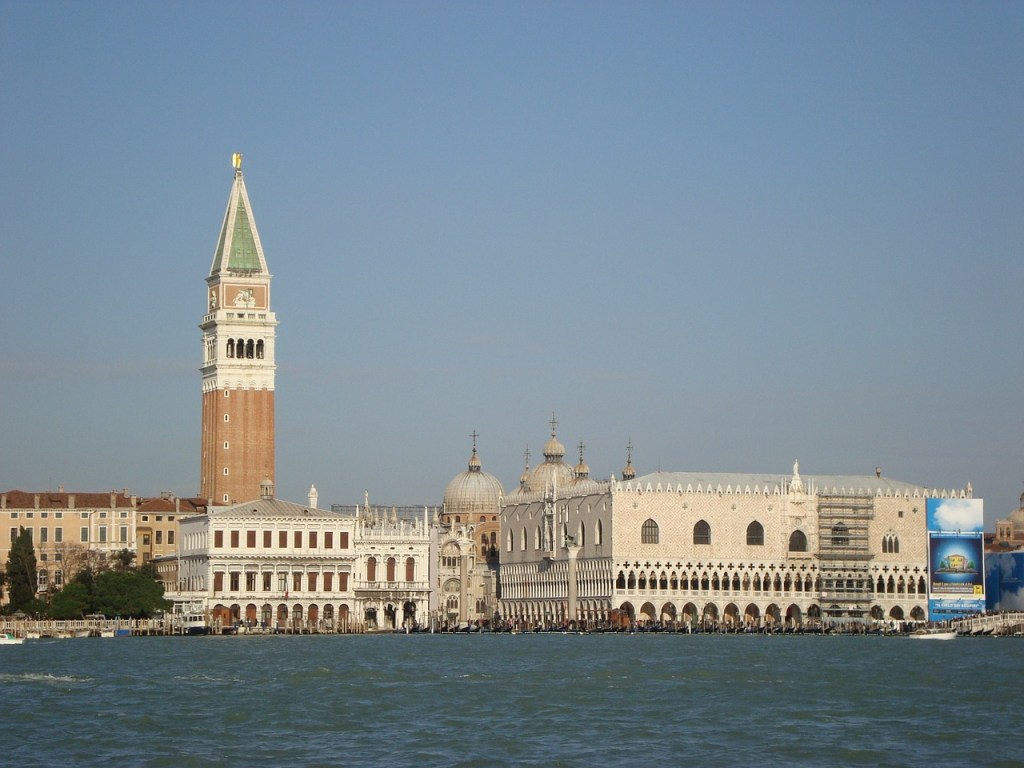
    Desire overcame caution however, and two weeks ago I returned to Venice and I can now thoroughly recommend a winter/spring visit. I wouldn’t travel later than the second week in March though, as the number of tourists was increasing daily and the queues were already beginning to lengthen.

    Canals and Crumbling Houses

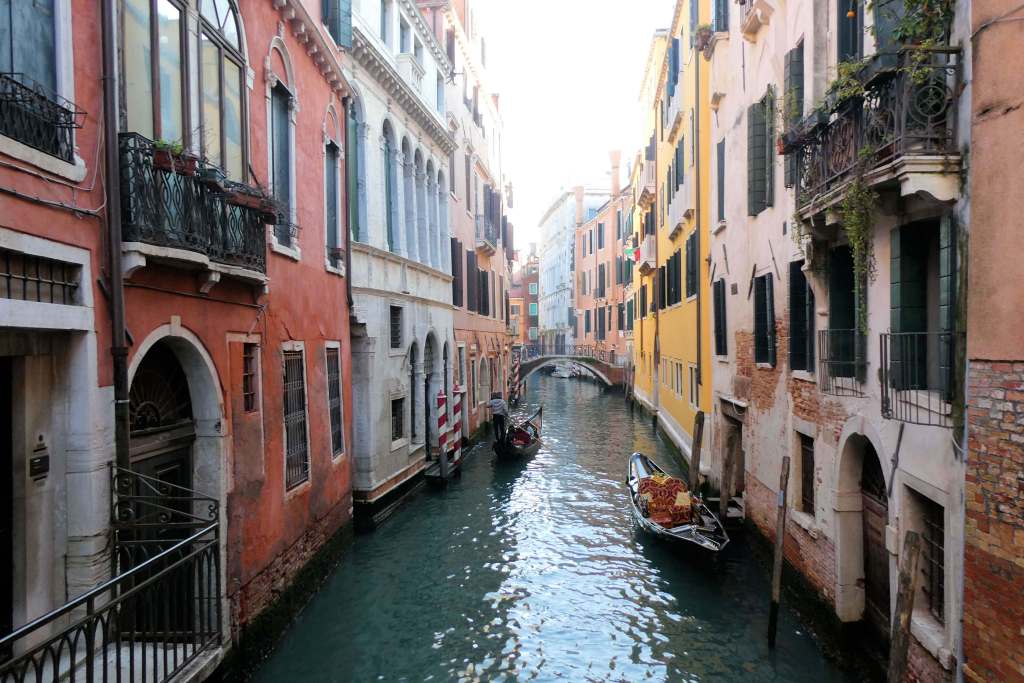
    Misty mornings gave way to sunny afternoons and Venice worked her charm as always. Wandering around the maze of streets that lead of Piazza San Marco, stopping for hot chocolate and coffee when we spied a particularly attractive place, walking across the small bridges that span the green waters of the canals and stopping to watch the gondolas gliding under them, in areas away from the crowds, was something we never tired of.
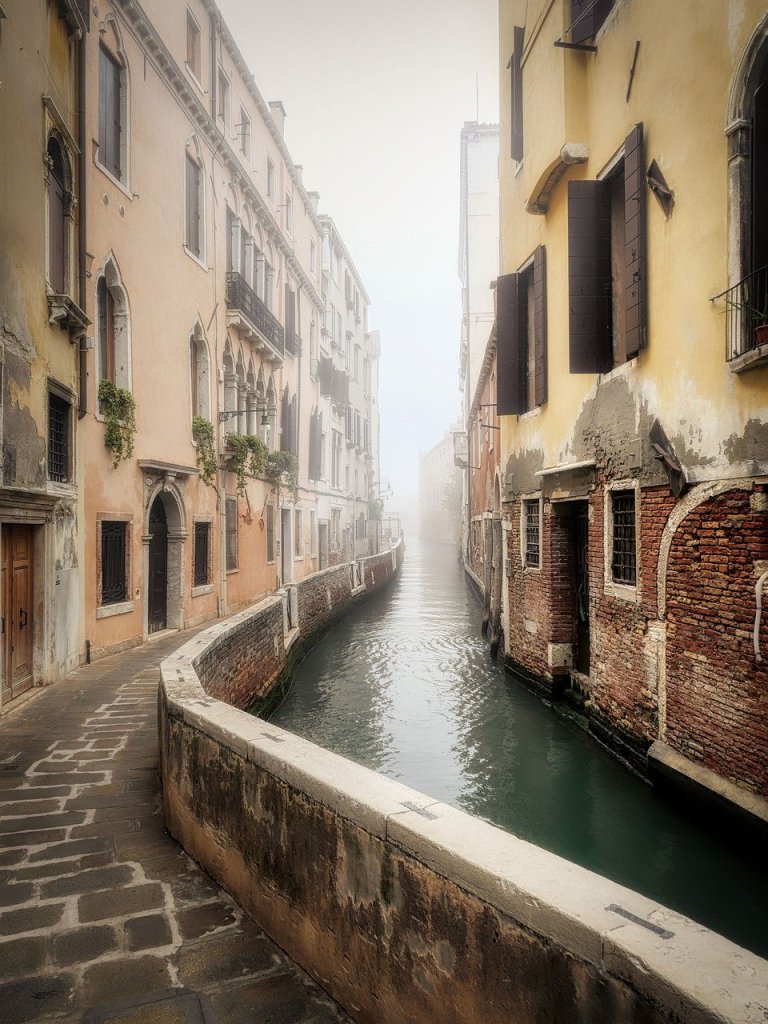
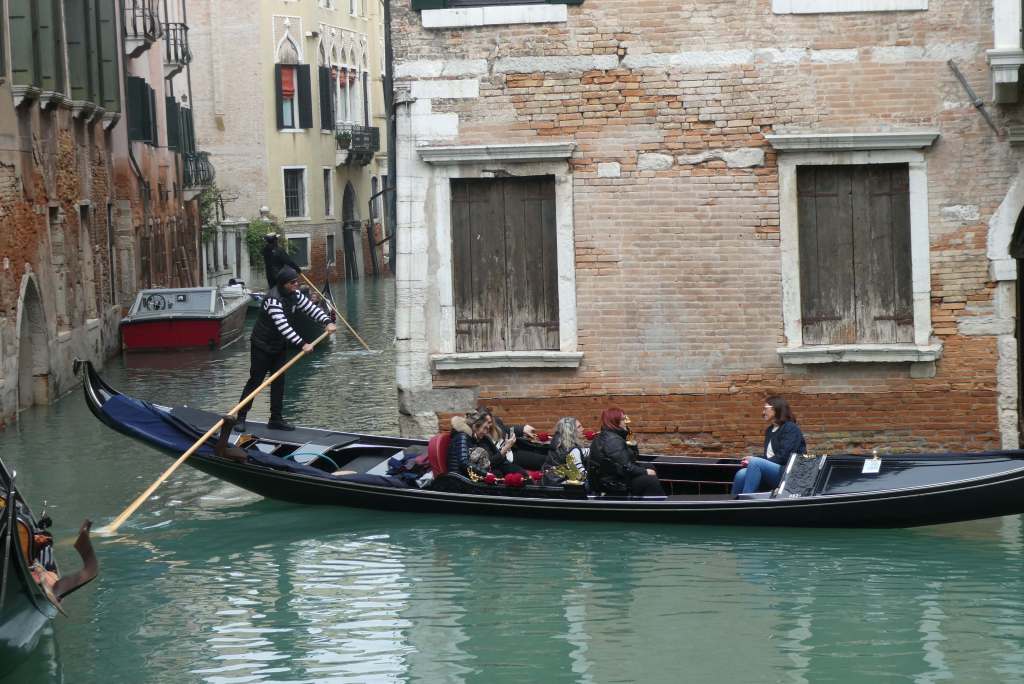
    We had a map but still got lost. How could one not in Venice, when crumbling houses and palazzos, fading murals and ancient wooden doorways lured one into areas unknown. The tall buildings hushed the noise from the surrounding streets and often the only sound was that of the gondoliers’ oars swishing through the water as they ferried locals to their doorways on the canals, or transported tourists beyond the tourist spots.

    Gondolastheir history

    In the 14th century, horses were outlawed from the streets of Venice and the Nobles embraced gondolas as a respectable form of transportation. It then became the way to get around the lagoon’s islands. In order to navigate over the sandbars, the boats had to be flat-bottomed and the gondolier had to stand up to see ahead.

    Two hundred years ago, there were 10,000 gondolas. Today there are about 400 licensed gondoliers only. When one dies, the license passes to his widow, so keeping the skill and the tradition in Venetian families.

    A law enacted in the 17th century decreed that all Gondolas be painted black to eliminate competition between nobles for what were status symbols at that time. Today they are still painted black and decorated extensively, their detailed carvings embellished with gold, and with unique upholstery, trim and detailing. .

    St. Mark’s Basilica and The Doge’s Palace

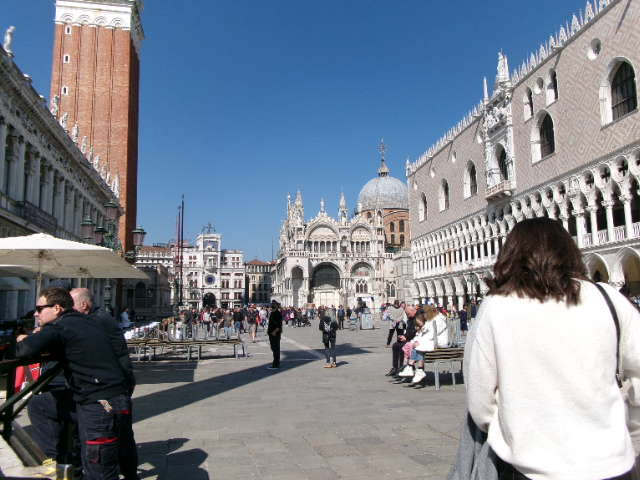
    We arrived in a Venice which had more people than I’d expected, even for late spring, but the queues for the main sites were already huge.

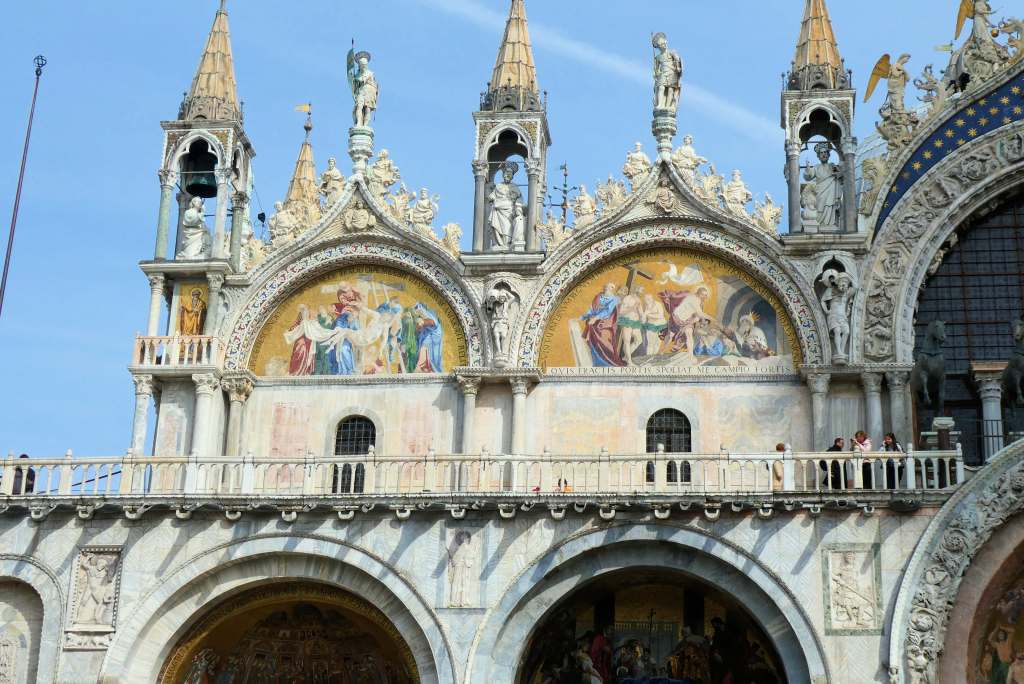
    Day 1, the time on the board for the queue to St. Mark’s Basilica said 1 hour 15 minutes. Want to jump the queue? Of course, you can, for just 90 Euros, and then you are whisked inside in 10 minutes to shuffle around with all the others. It was a mere 1 hour queue for The Doge’s Palace with the same 90 Euros to jump the queue and by the time we left, six days later, the time queue in both cases, had increased by half an hour.
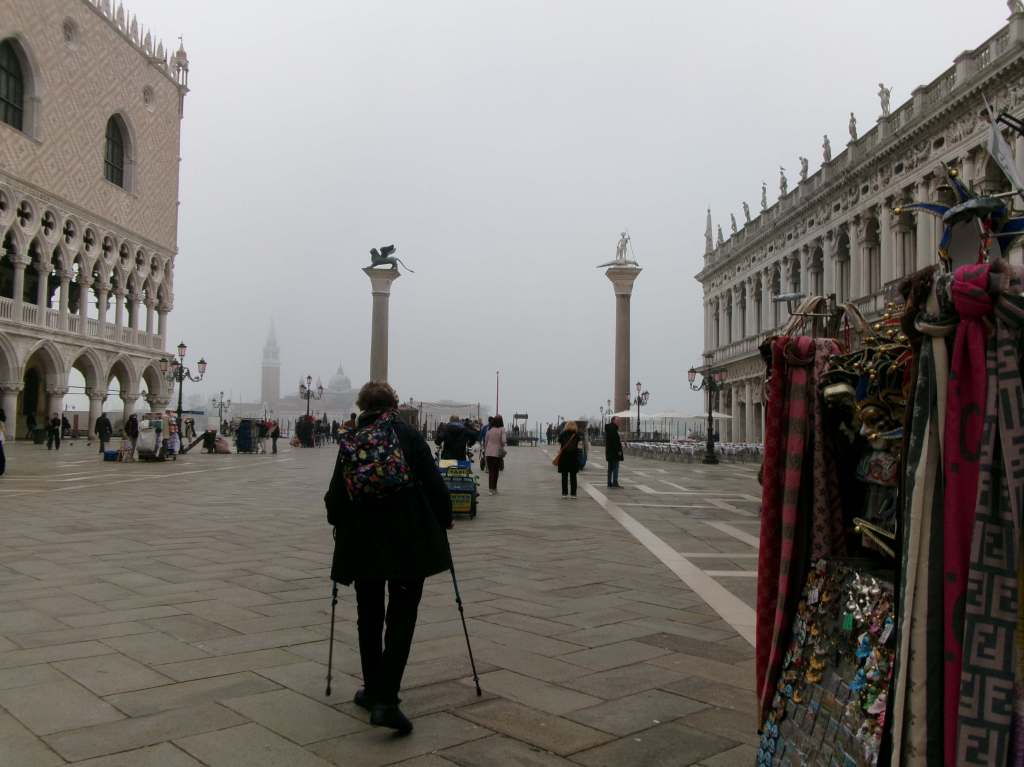
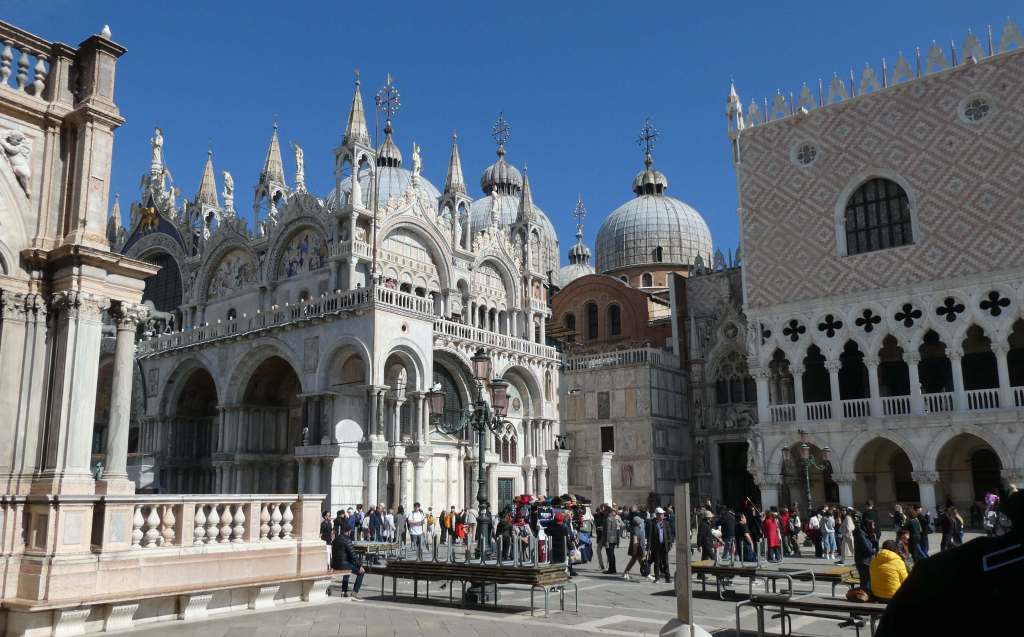
    What will happen at Easter and after, when the two local airports welcome increased flights from all over Europe and the cruise ships disgorge their thousands daily, is anyone’s guess.

    Rialto Bridge

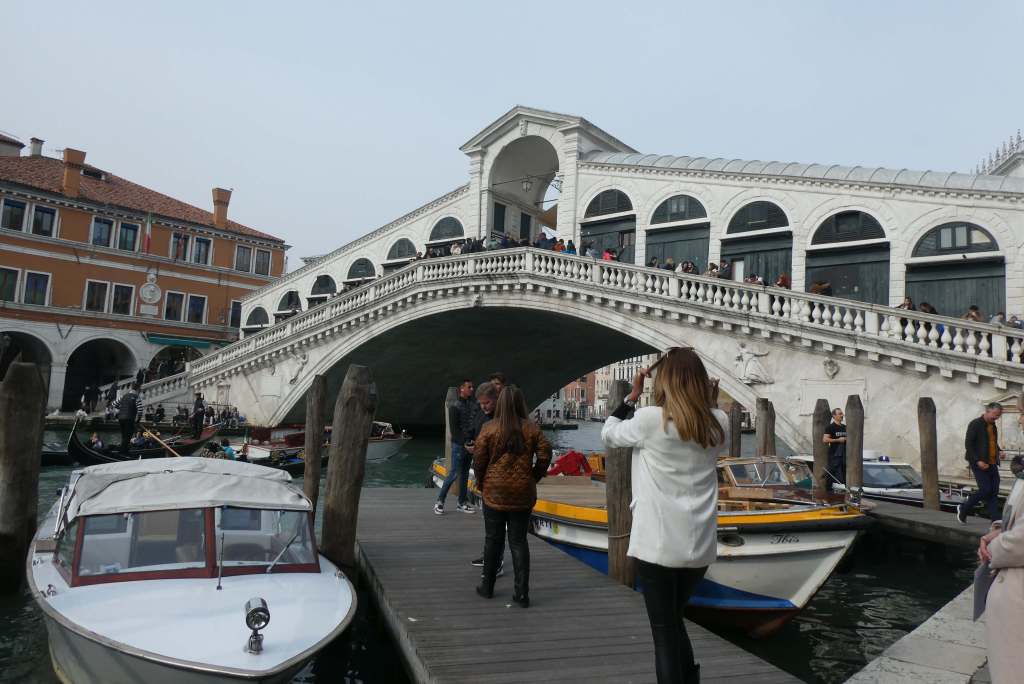
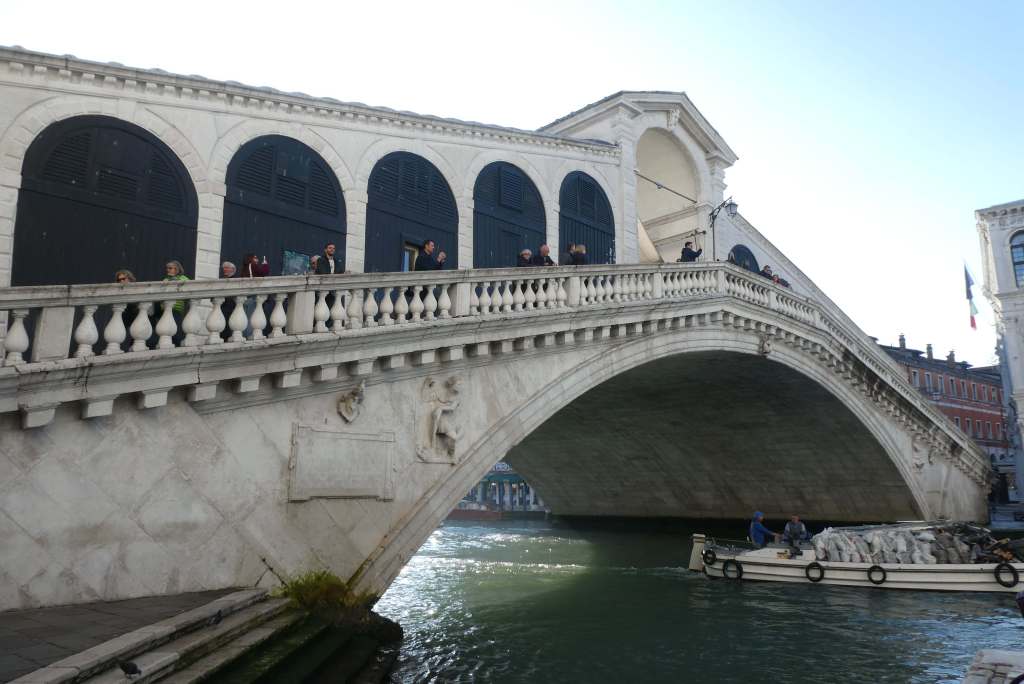
    Of course we spent time window gazing at the expensive Murano glass items in the shops by the Rialto Bridge, the jewellry, the bags, and the multi-coloured pastas, pestis and ricottas packaged for easy packing.

    In fact we spent a lot of time in the area, fascinated not just by the food, but by the selfie-taking photographers balancing precariously on the Rialto Bridge, sure that one of them would fall into the murky waters and secretly hoping one of them would.

    Grand Canal

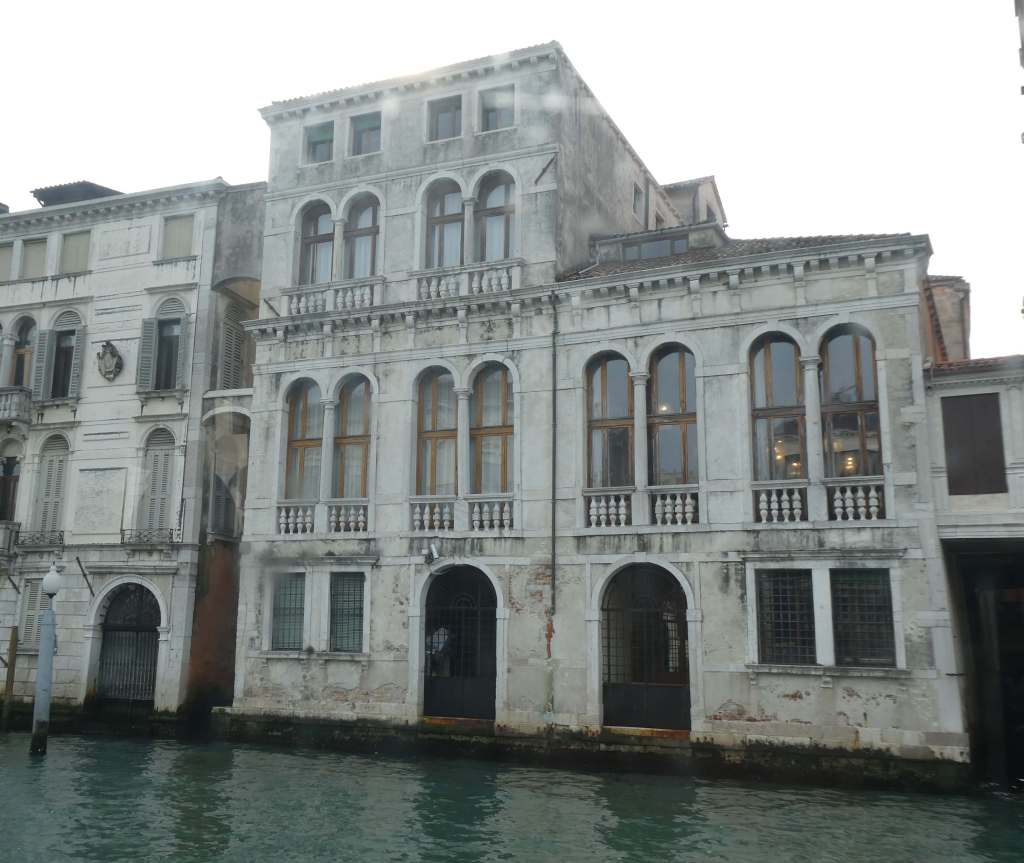
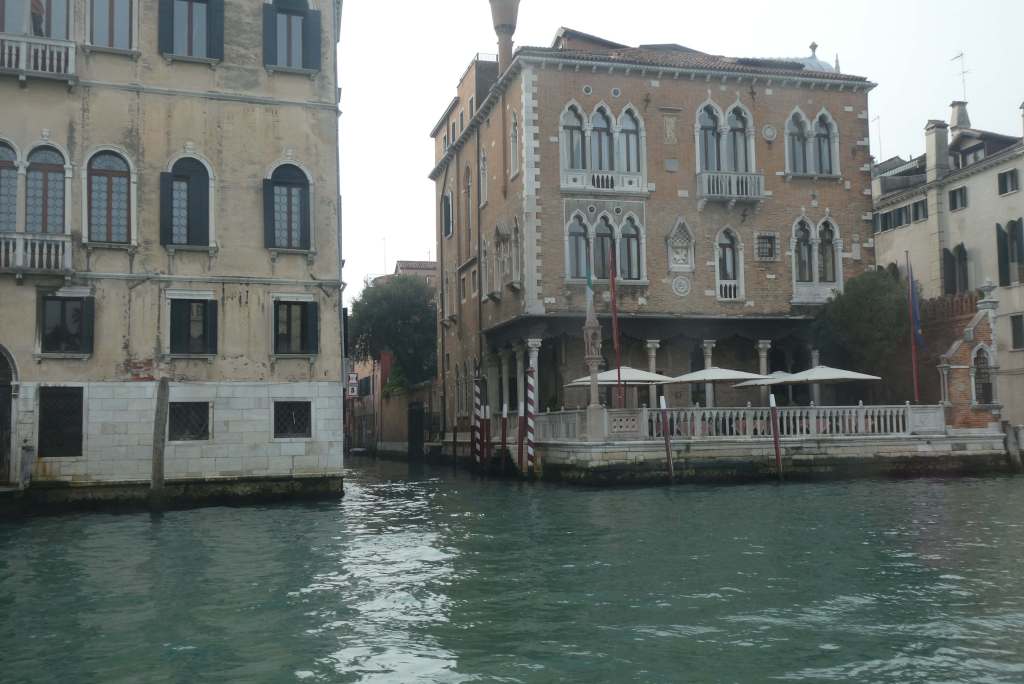
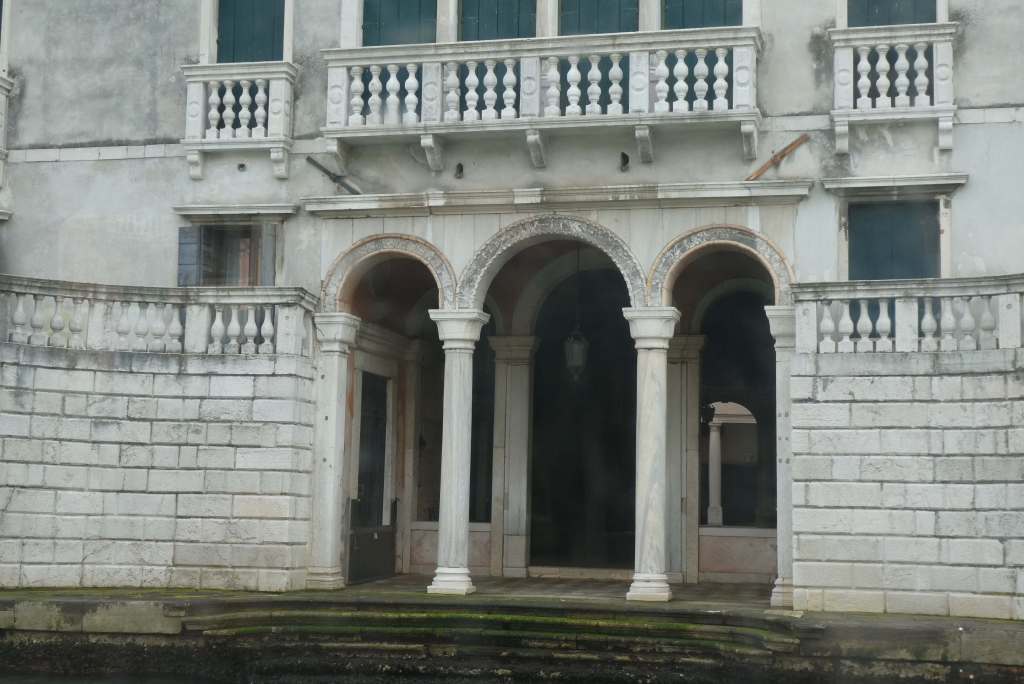
    We took boat rides on the Grand Canal with both the slow Water Bus and the Vaporetto, the commuters’ form of water transport. Below are just some of the houses along this magnificent waterway, some still occupied by old families, some now rented out, and some now AB&Bs. As you can imagine, photographing from a moving, and sometimes rocking, boat, was not easy.
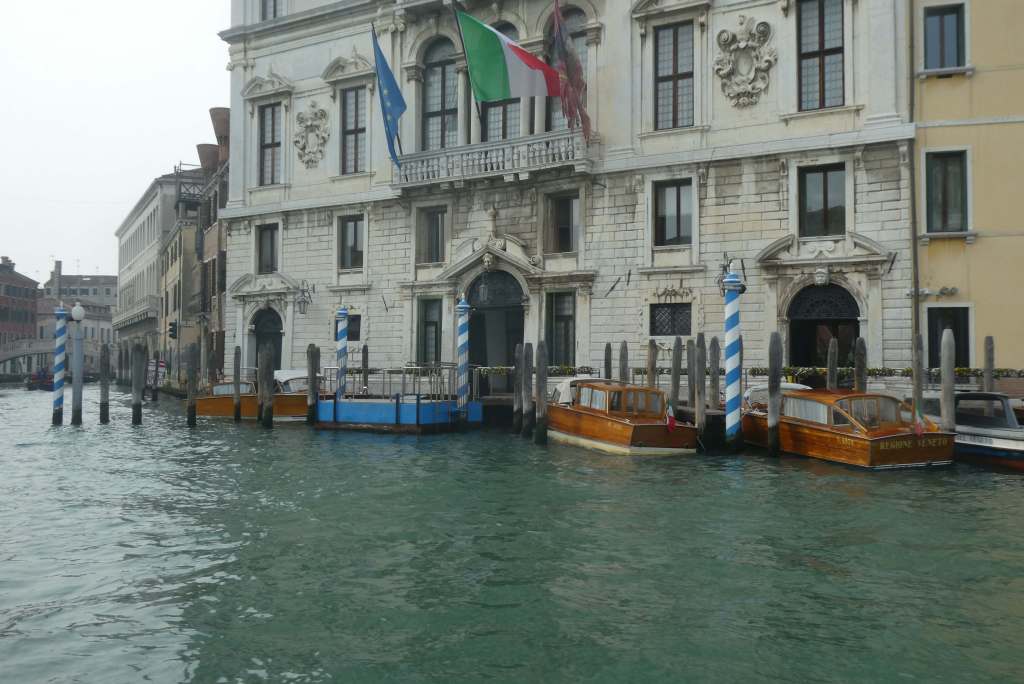
    I would recommend a Grand Canal trip to everyone visiting. It’s the only way to see the magnificence that once was Venice, the mansions, palazzos, and houses of minor aristocrats that line this great watery thoroughfare.
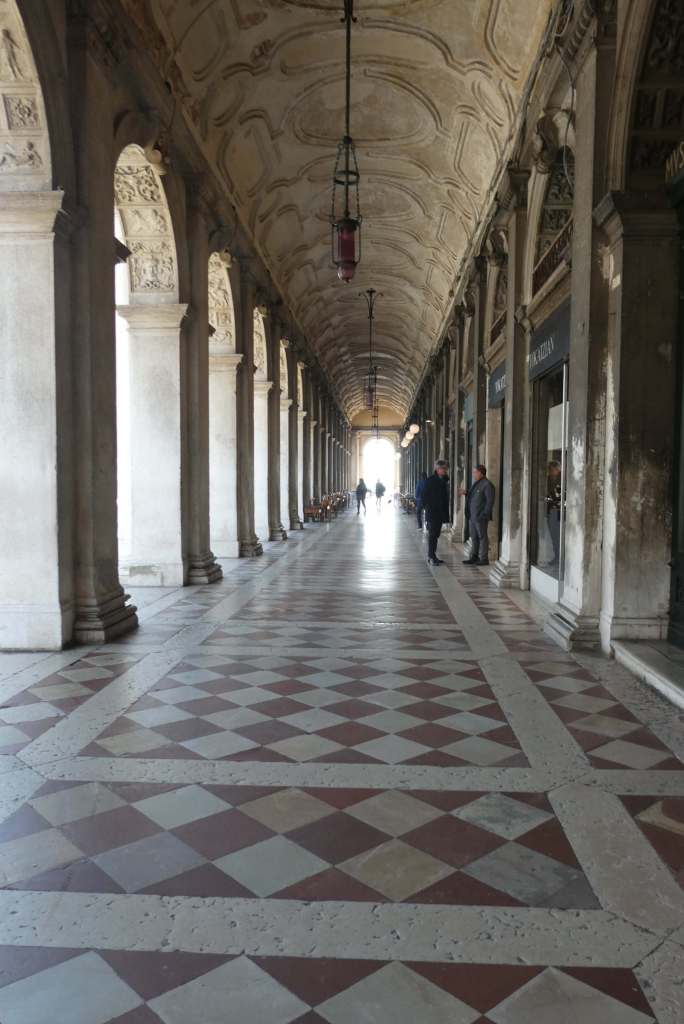
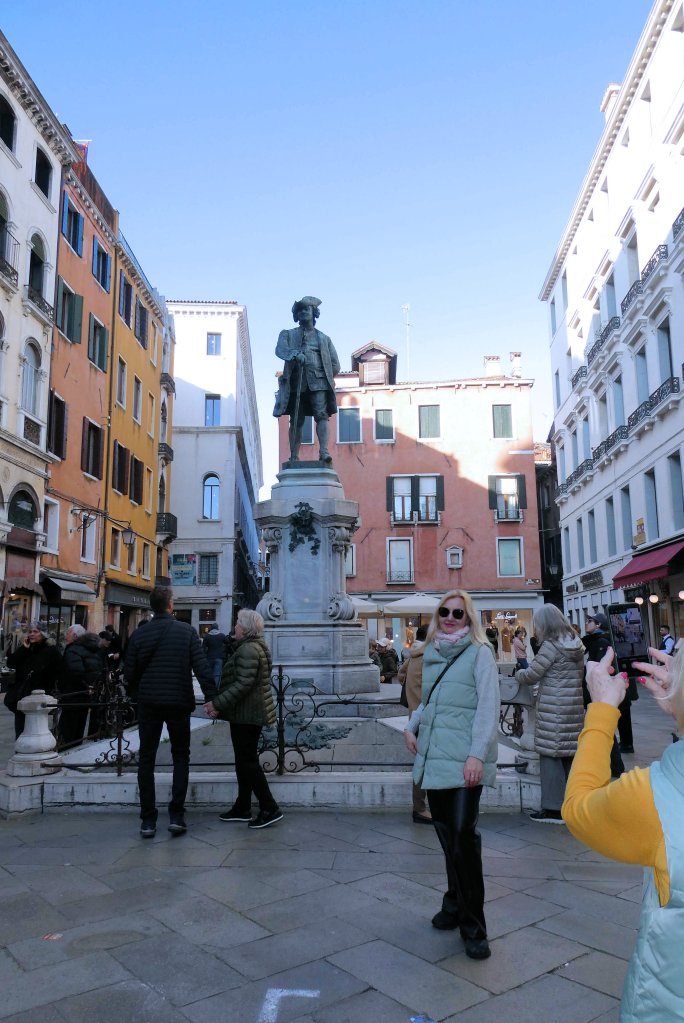
    There were churches to visit which we didn’t, islands to visit which we didn’t, and even a Lido which we neglected, as the experience of just being in Venice proved enough to satisfy us. We seemed to retrace our steps most days, always starting at Piazza San Marco for a coffee and then just wandering, lost in the magic of this wonderful city that is Italian, but totally of itself. Venice is the only place in Italy which doesn’t appear to have a statue of Garibaldi but they honour their famous playwright son, the 18th century writer, Carlo Goldoni of Commedia dell ‘art fame, with a bronze statue in Campo S. Bartolomeo, not far from the Rialto Bridge.

    I didn’t take a gondola ride as mobility problems made this an impossibility, but I would have done so if I could. After all, where else but in Venice can you experience this. I watched enviously as my friend went off in her black and gold gondola, her straw-hatted gondolier skilfully avoiding the other boats as he steered them across the lagoon and under the Bridge of Sighs. I know, I know, it’s touristy, isn’t it, but who cares when you’re in Venice and doing what Venice is famous for?

    And as we walked back to our hotel at night, over bridges under which dark waters flowed, I tried not to think about the chilling figure in the red cloak that haunts the Venice of Nicholas Roeg’s classic film Don’t Look Now – but it was hard to dispel the image, it is so part of the Venice I know.

    I have plans for a return visit in 2025. What better recommendation than that?

    Getting from the airport to Venice hotels:

    Water Taxis – 30-45 minutes, from 140 euros (1-4 people)

    Shared Water Taxis from 60 Euros per person.

    Allilaguna Line – Comfortable water bus to Piazza San Marco takes 1 hr 14 mins with stops along the way. 15 Euros

    Vaporetto – fast commuter boat takes slightly more time as it stops more often, but you may have to stand. Costs 7.5 Euros.

    Bus from airport to Train station, then taxi to ferry, then boat.

    Whichever way you travel, you eventually have to go by water to reach San Marco & surroundings but you can stay on the mainland and travel daily by waterbus.

  • Sculpture Saturday

    Link here to Debbie’s photo challenge

    (I’m hoping Debbie is still running this challenge)

    Guamá, Cuba:

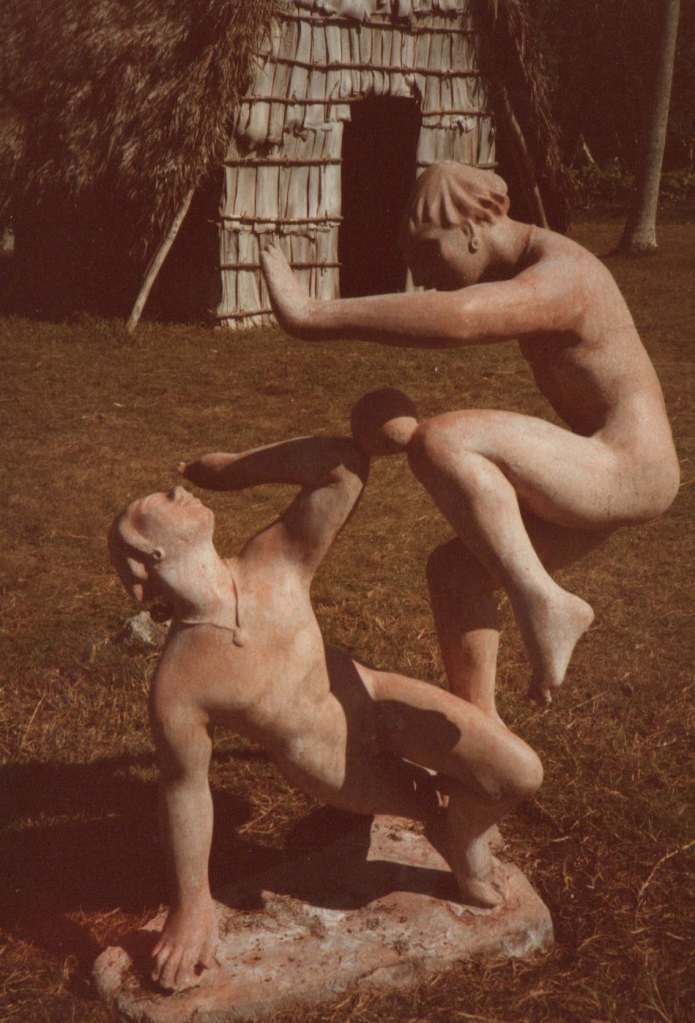
    Just a 30 minute drive from the Bay of Pigs in Cuba is the village of Guamá, a rather touristy reconstruction of a village as inhabited by Cuba’s indigenous people, the Taino.

    It had long been thought that these people had been extirpated by the Spanish conquerors in the 15th century but it is now recognised that there are pockets of the descendants of these people still living in remote areas of Cuba.

    Apart from the huts, these wooden sculptures of the supposed early inhabitants are what you’ll see there.

    If you have time to visit – and it will take most of a day from Havana – the trip is worthwhile as it has to include a boat-ride across a lake they say is crocodile infested. I never saw any but I didn’t trail my hand in the water just in case.

  • WHATSOEVER IS LOVELY …

    setting out on life’s adventure, first day at big school, seeming weighed down by too many books, lunch-boxes and maybe some home comforts, who knows, but I hope it all went well for this little one.

    Linked to XINGFUMANNA

  • CFFC – Fun Photo

    CFFC – Fun Photo

    Tree Surgeons Working.

    Heard a lot of noise, leaned out my window, and there it was. A traffic jam!

    Not just any old traffic jam, this one was caused by the local tree surgeons who were removing some dangerous branches from a tree not far from me. We’d all been steering clear of this tree as we walked past it on our way to the local park, as the over-hanging branches had looked as though they were about the pull the tree down for the past two years.

    I couldn’t watch for two long, that young man roped to the branches, looked very vulnerable.

    Not a job I’d want
    Job Done, Tree still Leaning but shouldn’t fall now!
  • VERONA  –  A SHORT STOPOVER

    VERONA – A SHORT STOPOVER

    Across the River Adige to old Verona

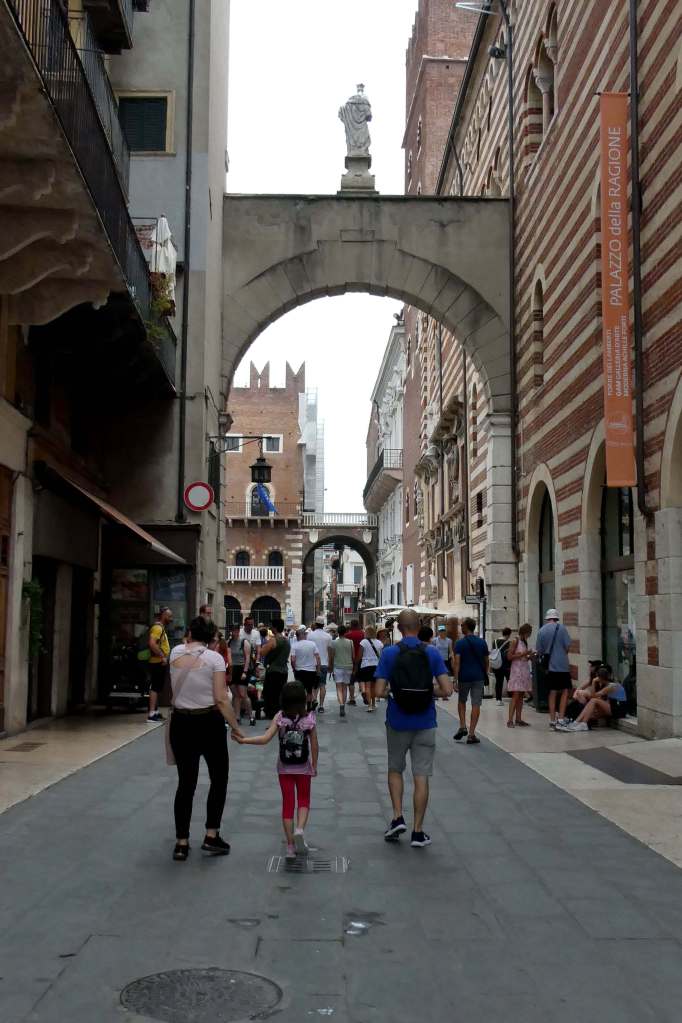
    It’s no secret that I love Verona, and just two of the reasons for loving it are a) the city is highly walkable, and b) it is a place where tourists take second place to locals who live and work in its historic centre.

    That’s not to say that visitors aren’t everywhere, but as you stroll through the medieval streets, charmed by faded frescoes and hidden gardens, or sit at the foot of an enigmatic marble statue in one of the huge piazzas, you never feel part of mass tourism.

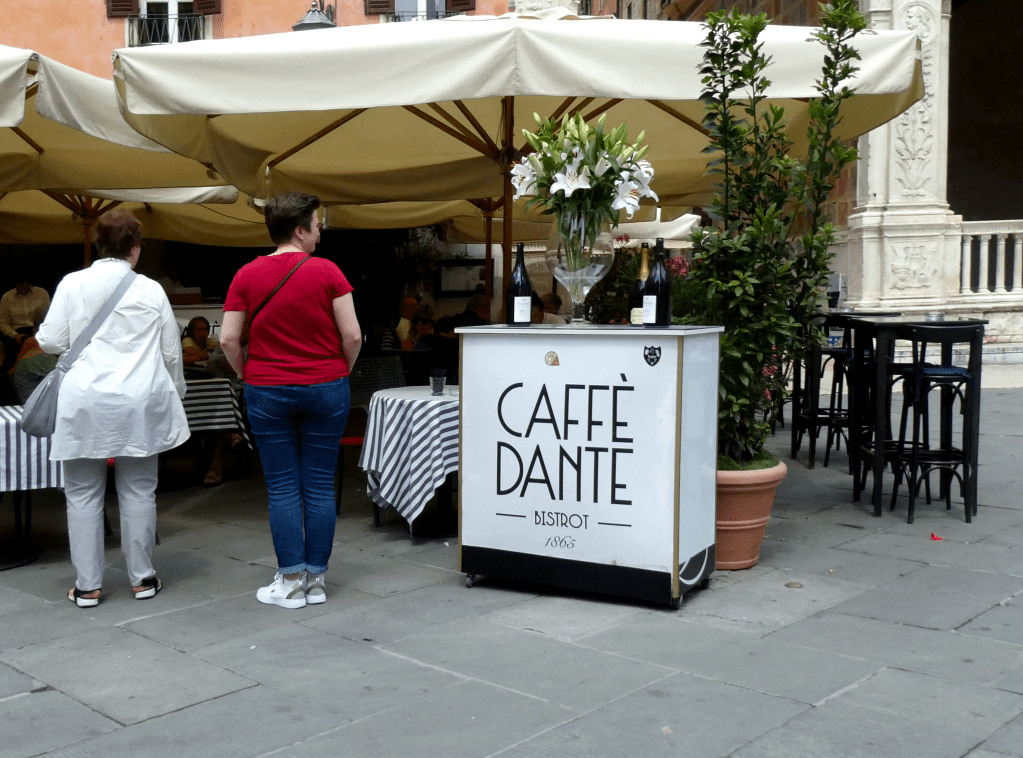
    Simply strolling through Verona leads one to magical places, like the splendid Piazza del Signori. Italy’s most famous poet, Alighieri Dante, lodged nearby with the ruling Della Scala family during his exile from Florence in the 14th century, and so the square also answers to the name of Piazza Dante. Surrounded by ancient buildings which played an important role in Verona’s early civic life, whose façades, although faded, are still beautiful, the square still resonates with a sense of medieval life.

    Scaligeri, Napoleon and Castelvecchio

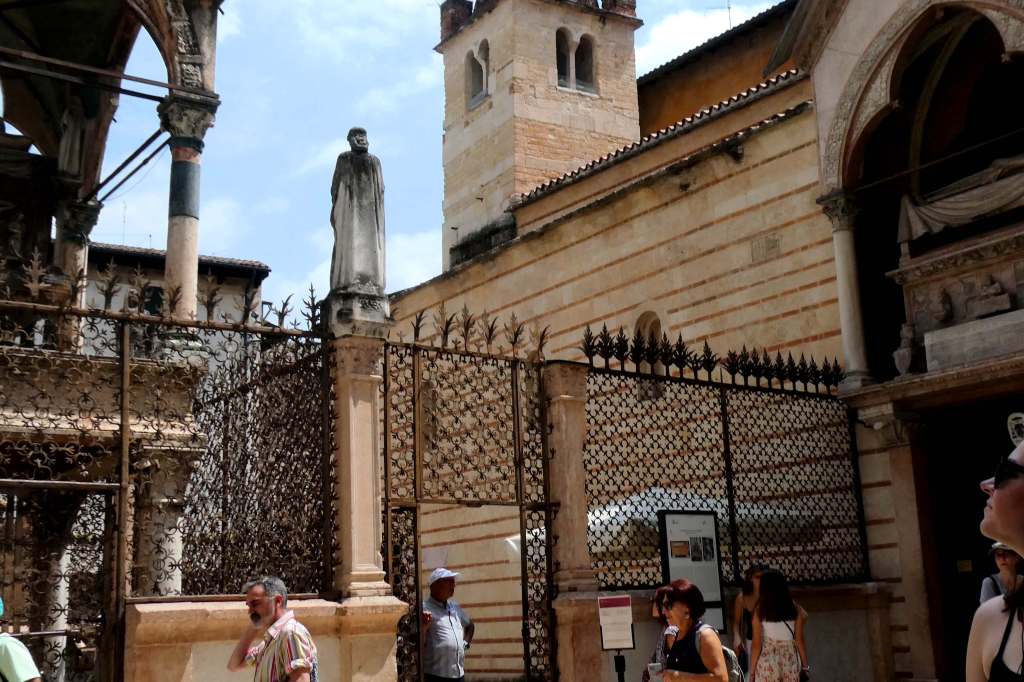
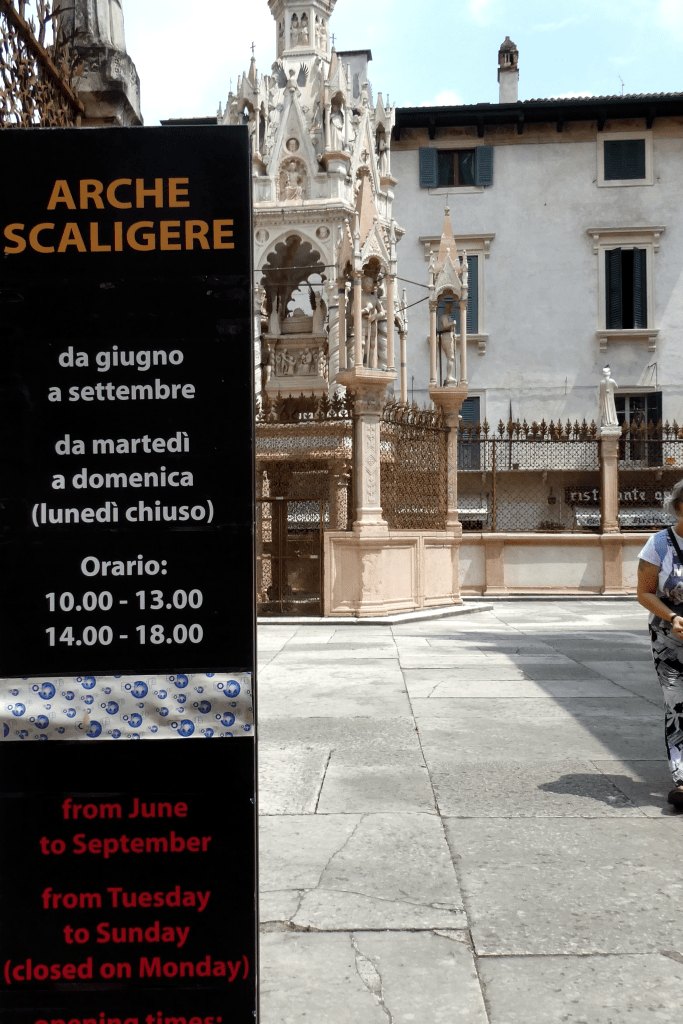
    Nearby is another tiny square in which can be found the tombs of the Scaligeri family. They dominate the area, massive Gothic-like edifices, some behind a gated courtyard, and one above the church door. Intriguing, certainly, and something not to be mi

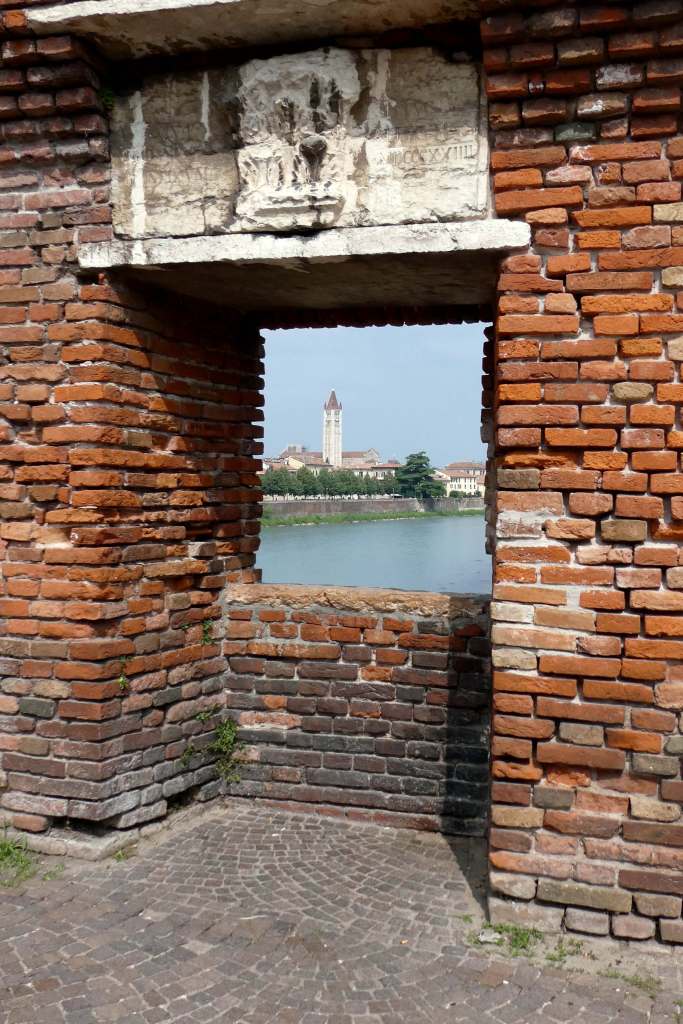
    More Scaligeri family history can be found at Castelvecchio, best approached along the Adige River and across the bridge into the city proper. Castelvecchio (in Italian ‘the old castle), a red brick building with crenelated walls and square turrets was built by the ruthless Scaligeris in the 1350’s as a home and a fortress. A later ruler also used it as his residence, during his time in Verona – one Napoleon Bonaparte who had conquered most of Northern Italy in the early 1800’s.

    During the 1920’s it was converted into a Museum and then in 1985, a renovation project to repair the damage done during the second world war was started by Italian architect Cala Scarpa. The result of that renovation is the splendid red brick castle one sees today the interior of which has been converted into one of the best Museums in Northern Italy.

    Romeo & Juliet

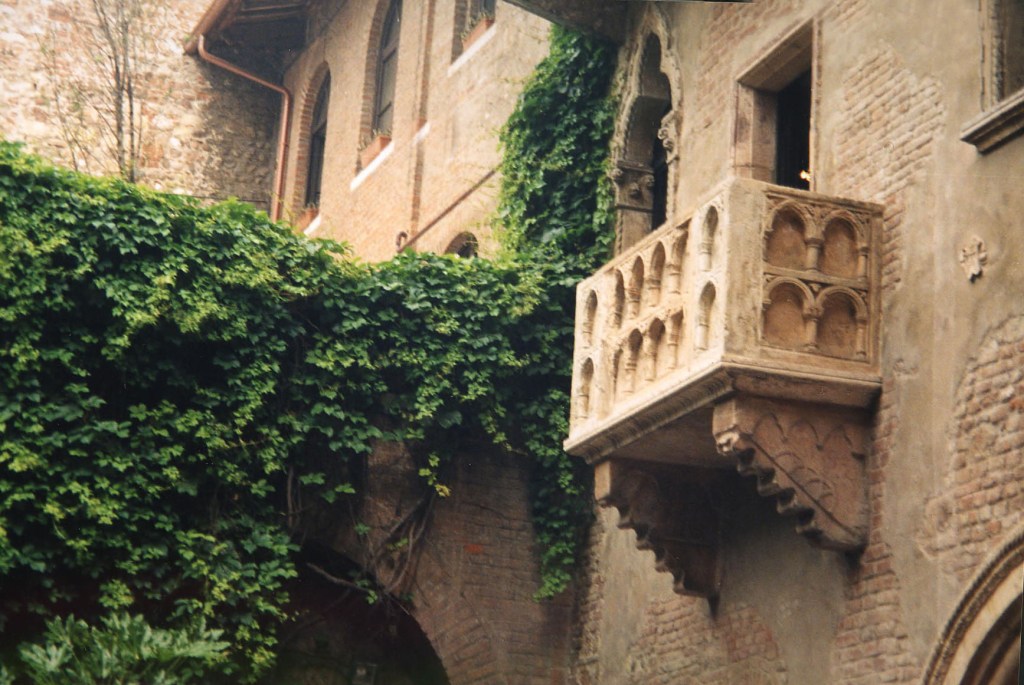
    The Balcony 2003
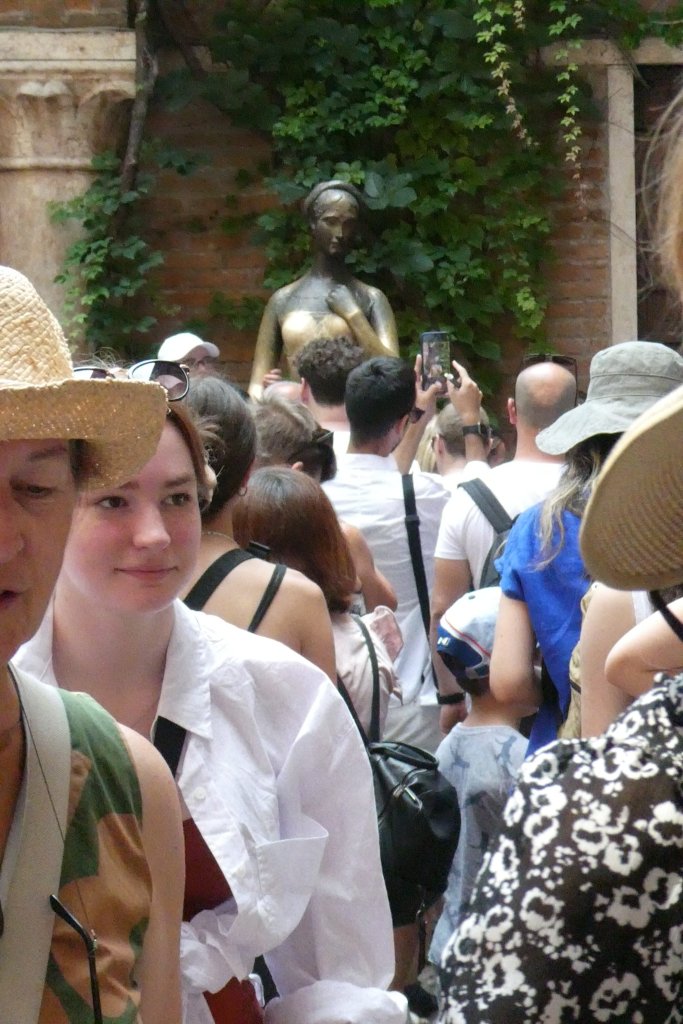
    The Crowds Below Juliet’s supposed balcony, 2023

    Everyone knows that Romeo & Juliet are fictitious characters dreamt up by William Shakespeare, but that doesn’t stop the crowds pouring into the courtyard of the supposed home of Juliet in Via Cappello, to touch the statue of the young heroine, and to pose on the balcony for a selfie. So many people have touched Nereo Costantini’s bronze statue that her right breast has now been burnished to gold. But even though the balcony you see today was erected only because tourists kept demanding to see the balcony, it is worth a visit even if you are in Verona for only one day. The house once belonged to the rich Veronese Dal Cappello family, and to visit the house and its courtyard gives an idea of how families lived in Verona in the 14th century.

    My last visit was some 14 or so years ago, the courtyard then was almost empty, we had time to explore the house and surroundings and even read some of the letters received daily asking for advice. This time, however, the search for the ultimate selfie by the crowds queueing and surging into the small space under Juliet’s balcony was a major distraction, yet I would still return to feel the magic that the place possesses. It is but a short step away from the city’s two major Piazzas linked by its famous shopping street, Via Mazzini.

    Lovers’ Locks

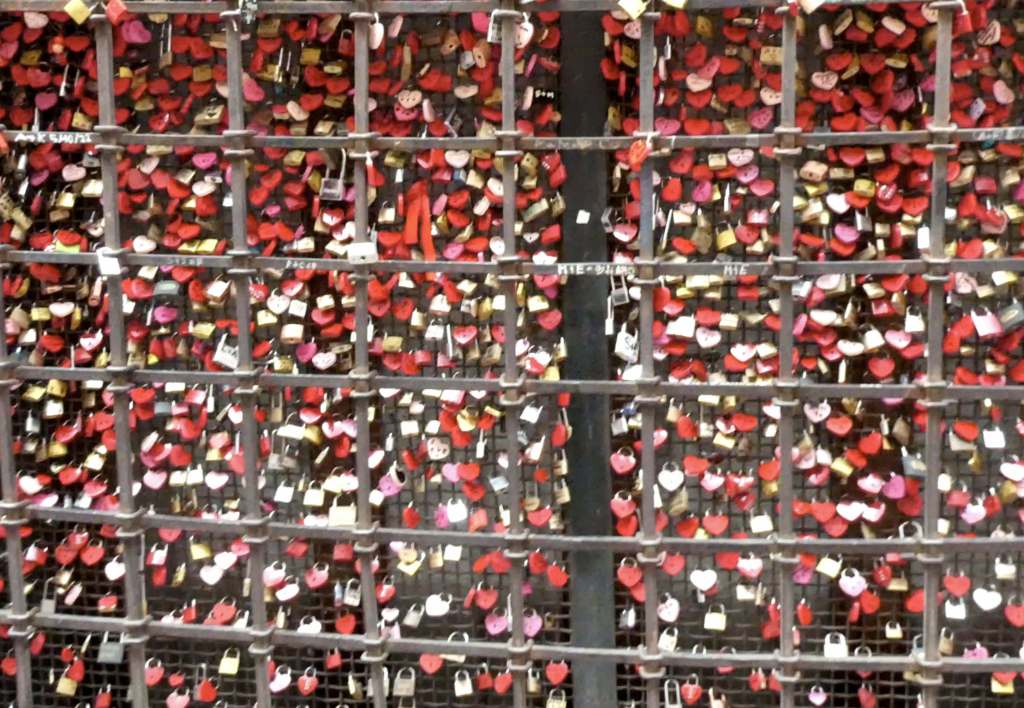
    Verona was the first place to have love locks on bridges, something that is now defacing bridges all over the world.

    Piazza del Erbe and Piazza Bra

    Piazza del Erbe, named after the spices that were once sold there, (erbe=spices in Italian), Verona’s most ancient piazza, was ‘the Forum’ during Roman times. It is now Verona’s commercial centre, a hub for shopping, café life, and people watching. Beautiful old buildings surround the Piazza in front of which lively market stalls sell food, spices and household goods, while the traders entertain the public as they have done since Roman times. It is around this area that you will find the prettiest streets and alleyways.

    Piazza del Bra

    The Via Mazzini, a high-end shopping area where the shops all bear famous fashion names, from Chanel to Dolce & Gabbana, links Piazza del Erbe with Piazza Bra, home to the famous Amphitheatre of Verona, usually called The Arena. Elegant ladies with tiny dogs parade down this street which on Sundays can become very crowded when it is time for the passeggiata, the ritual Sunday evening parade when all Italy turns out to display la bella figura.

    The Verona Arena

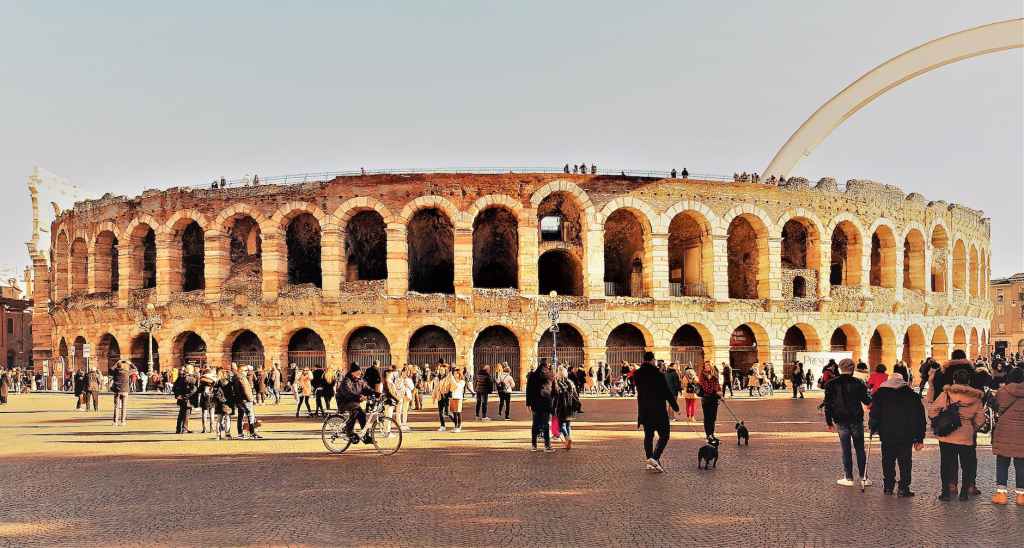
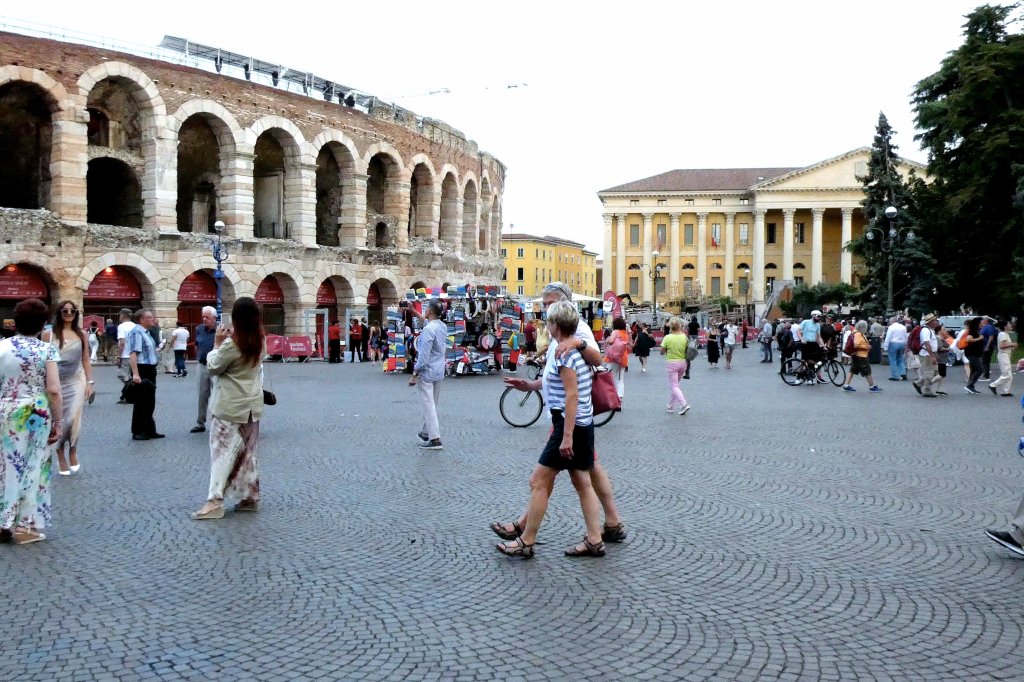
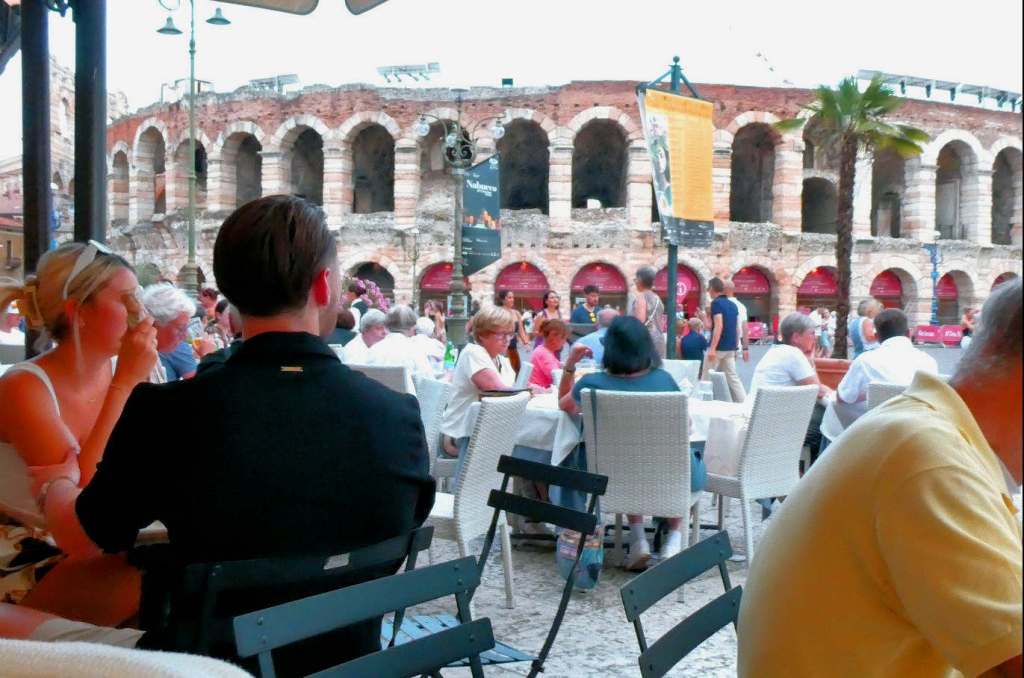
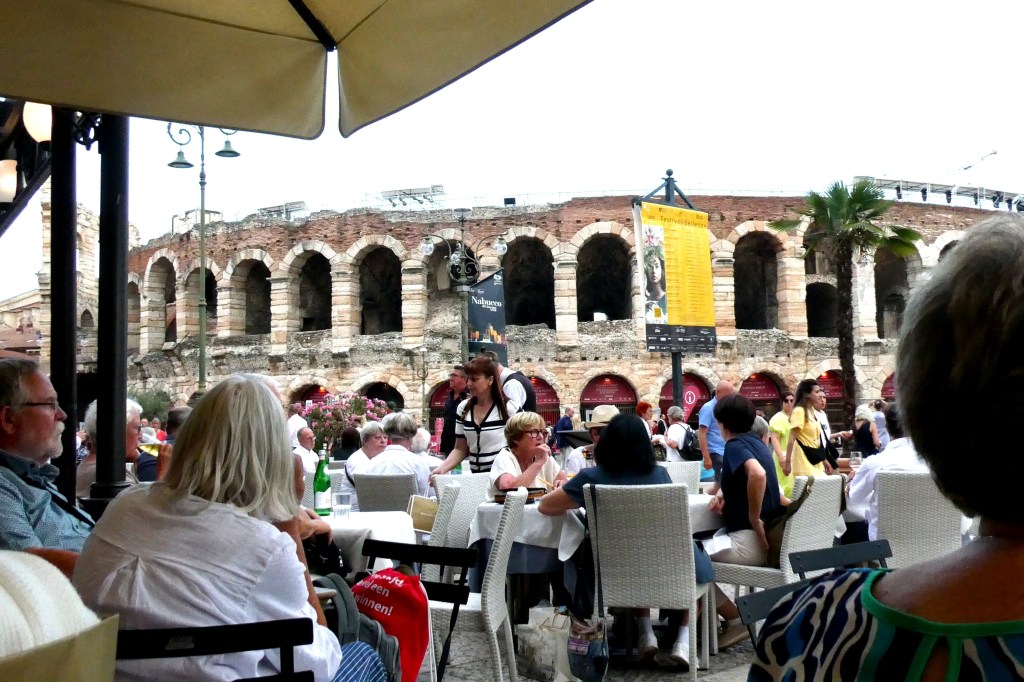
    I kept the best till last. The impeccably preserved Amphitheatre in the heart of old Verona and the city’s most famous site, is deserving of that much abused word, awesome. Rows of arches and curves dominate the skyline and form a centrepiece in Piazza Bra, the city’s largest public square.

    Piazza Bra and the Colosseum

    The square is lined with bustling restaurants and imposing buildings, notably the 19th century Palazzo Barbieri, a yellow building with a neoclassical façade that now serves as Verona’s Town Hall. Nearly two millennia old, the Colosseum used to hold up to 30,000 spectators at gladiatorial fights between men and men and men and beasts, who fought to the death on the sandy stage. And this glorious arena is not a dead relic of the past: it still entertains the masses although in a different way. No more are the crowds offered bread and circuses but performances of high art, most notably the world famous Verona Opera Festival which takes place every summer.

    Verona is a city for all, young and old, the seeker after history & ancient cultures and lovers looking to re-kindle an old love or find a new one, opera lovers who fill the Arena night after night during the summer, and fans of William Shakespeare who watch his dramas play out under the stars. There’s a jazz festival, a festival of street games, and even a horse fair. As I said, Verona is a city for everyone.

  • CWWC – Railways

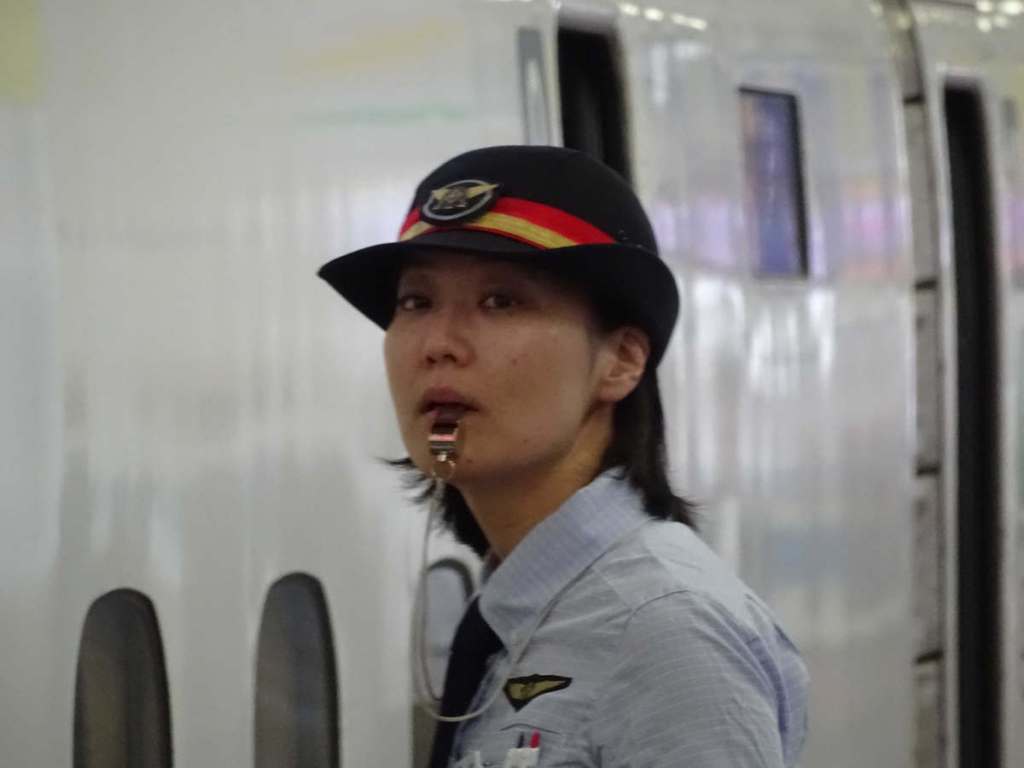
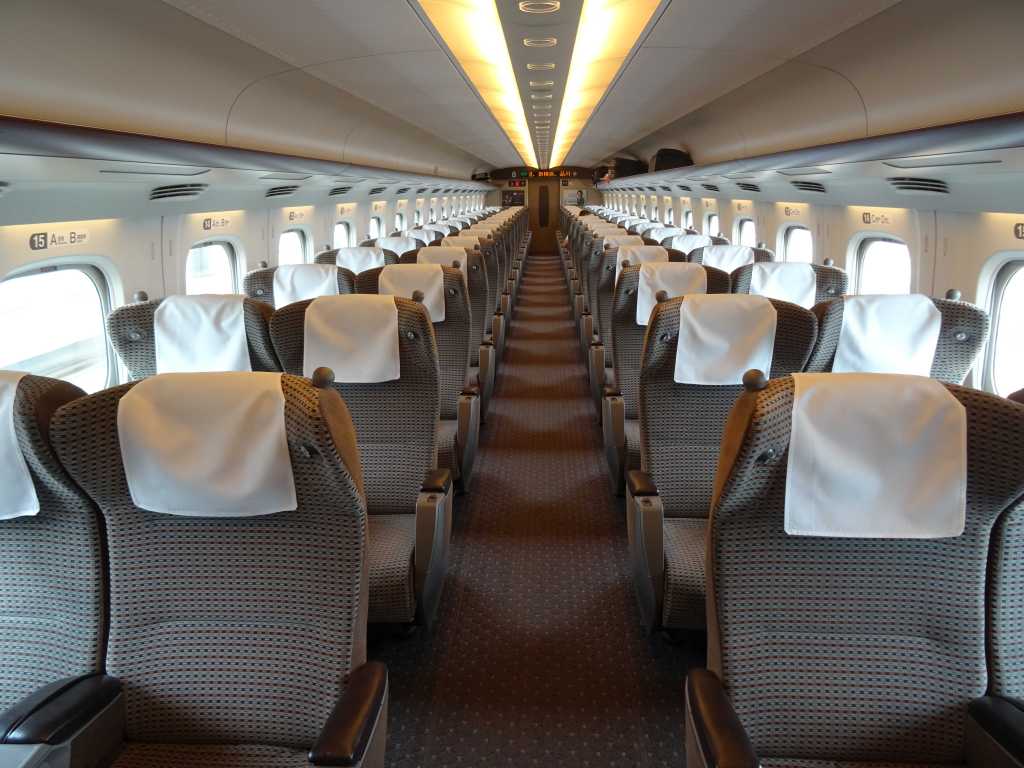
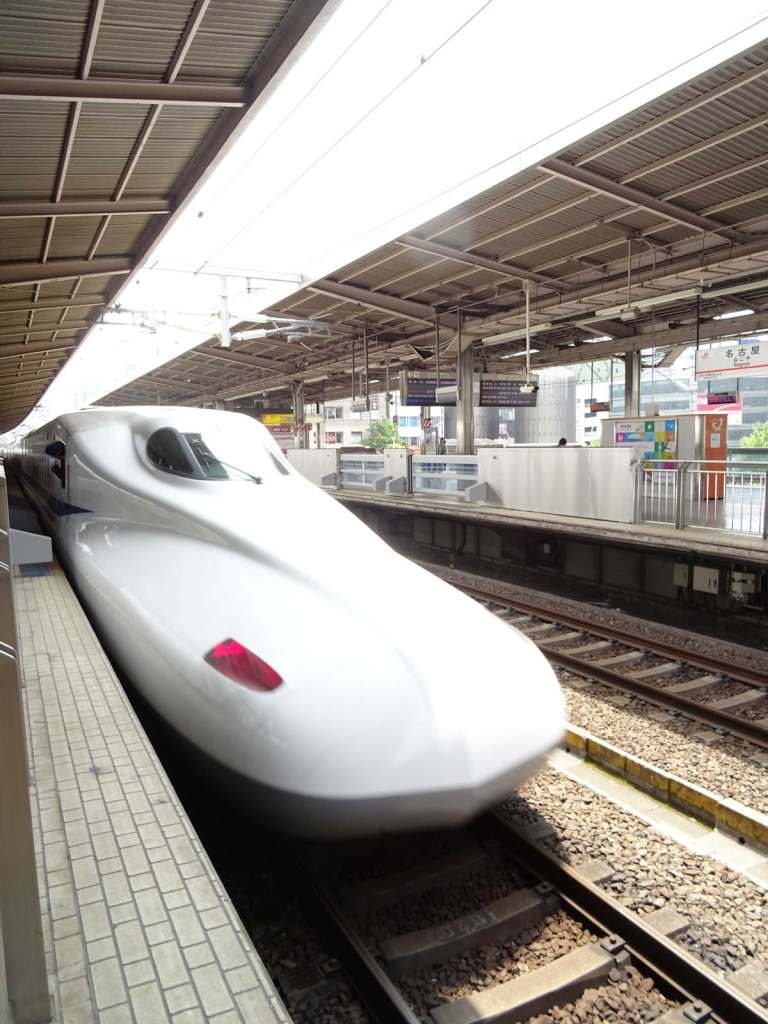
    And to think I nearly forgot Japan, best railways in the world for my money, for comfort, cleanliness, politeness, and facilities.

    LINKED TO CEE’S CWWC – Railways.

  • CWWC – Railway

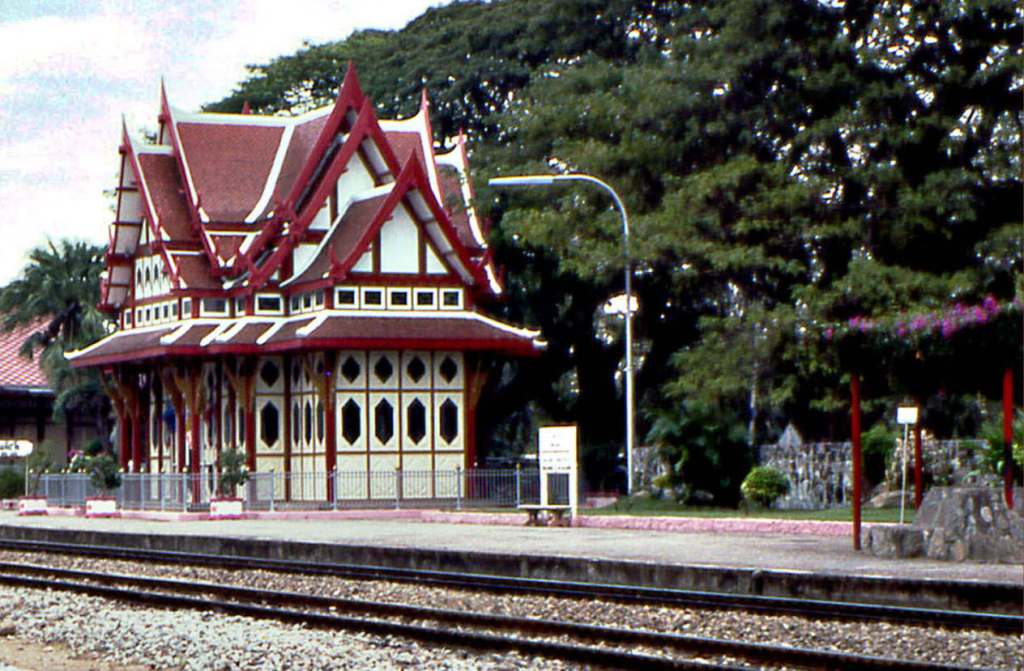
    The Royal Waiting Room at Hua Hin, Thailand

    Linked to CWWC – Cee’s Which Way Challenge

  • THURSDAY DOORS

    Smart doorway on house in Garden City, New Orleans (the posh bit)
    Doorways to Laffite’s House in New Orleans, formerly a smithy

    French-American pirates, blacksmiths and slave-runners active in the 19th century in New Orleans.