When I first visited Sóller, 50 years ago or more, I was not interested in its history. At that period in my life, Mallorca was an exotic holiday playground, a place that offered respite from winter in the UK, where sea, sand and blue skies dominated daytime activities, and where the landscapes and seascapes offered a vista of paradise.
Later, I learned the fascinating history of Sóller which inspired in me a desire to return and experience the town’s strangeness, but the opportunity didn’t arise until April of this year when I managed to fit in a day trip from our base in Palma.
My first visit was by train from Palma – the only method of getting there. It was called “the Lemon Express” or maybe it was “the Orange Express” and I remember still being overwhelmed by the perfume from the orange blossom that drifted through the open window of the carriage, and I remember too, my excitement at glimpsing lemon and orange fruits peeking through the dark green leaves of the citrus trees. I guess that was the start of my love affair with Spain.
It would have been nice to replicate the journey this time but that wasn’t possible.
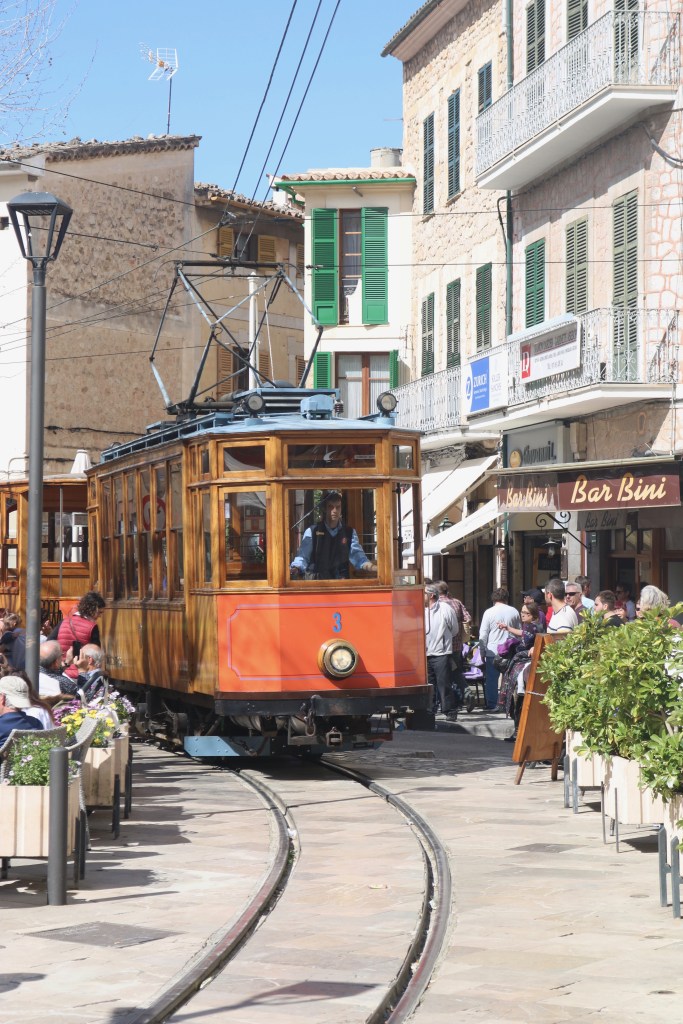
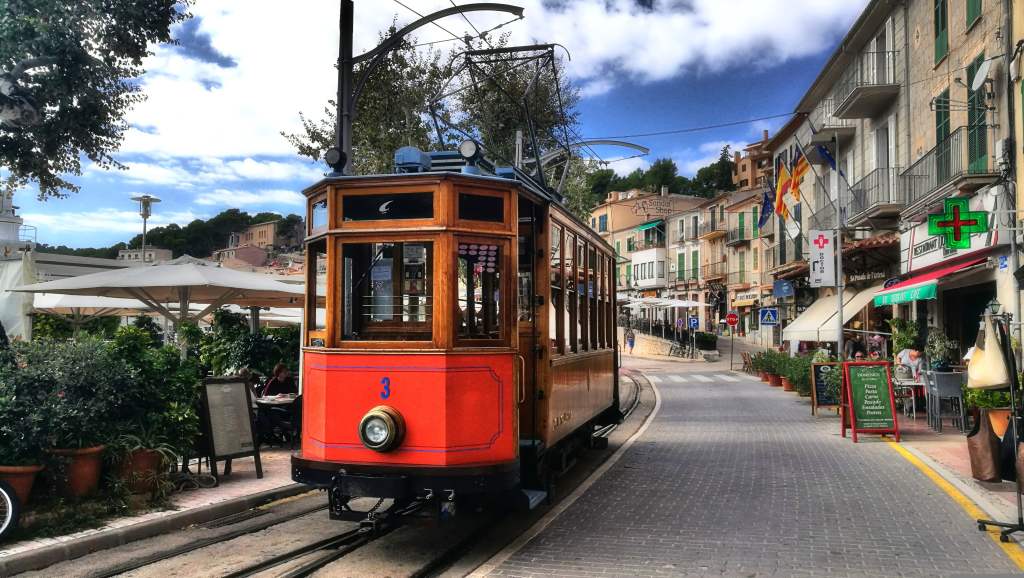
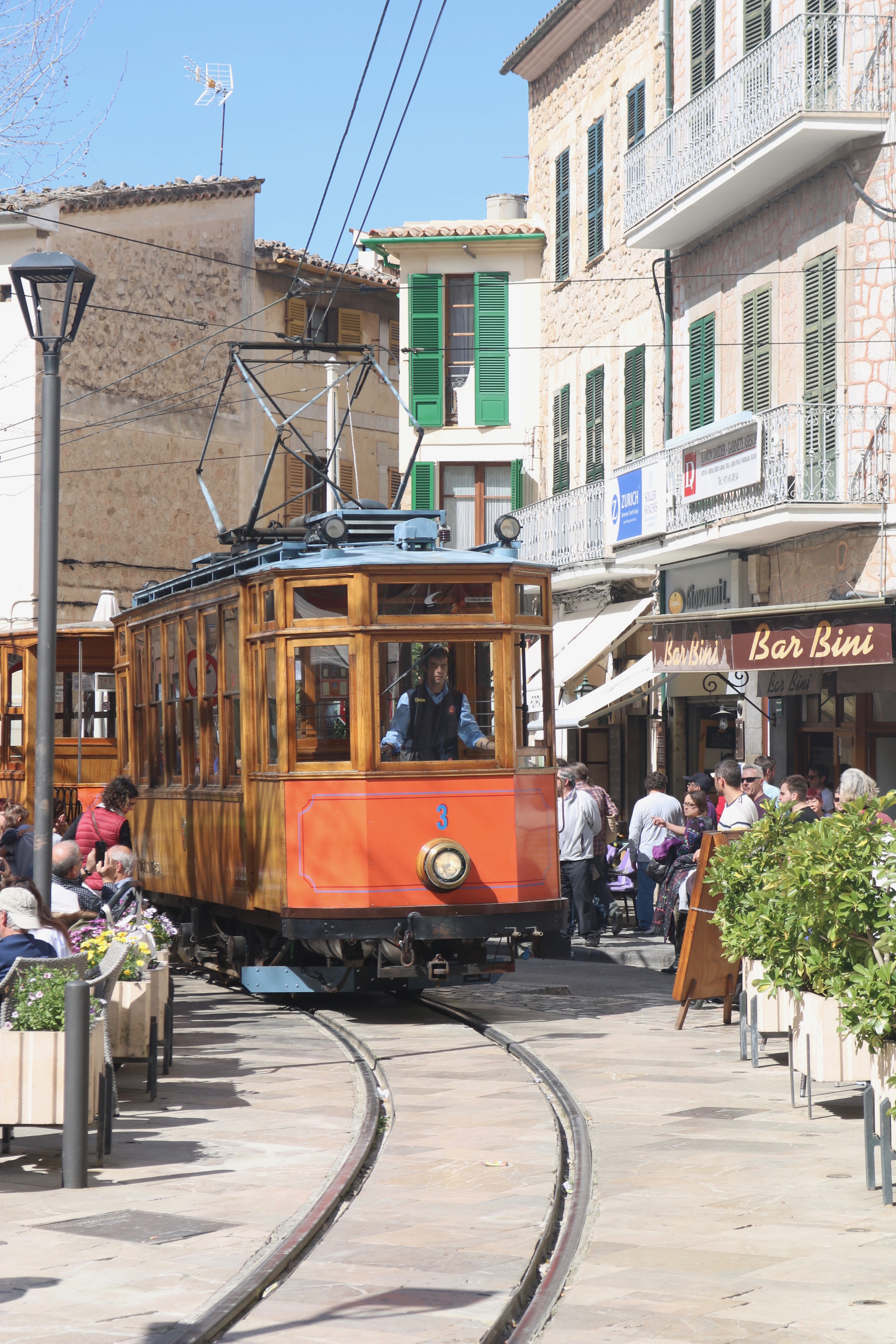
Once at the railway station one boarded the tram, a vintage vehicle that is still in service and in use as a means of getting from one place to another and as a valued tourist attraction.
Sóller’s Recent Past
Sóller lies in the northwest of Mallorca, now an area where the super rich live in mansions hidden in gated communities, and where million-pound yachts are moored in the marinas.
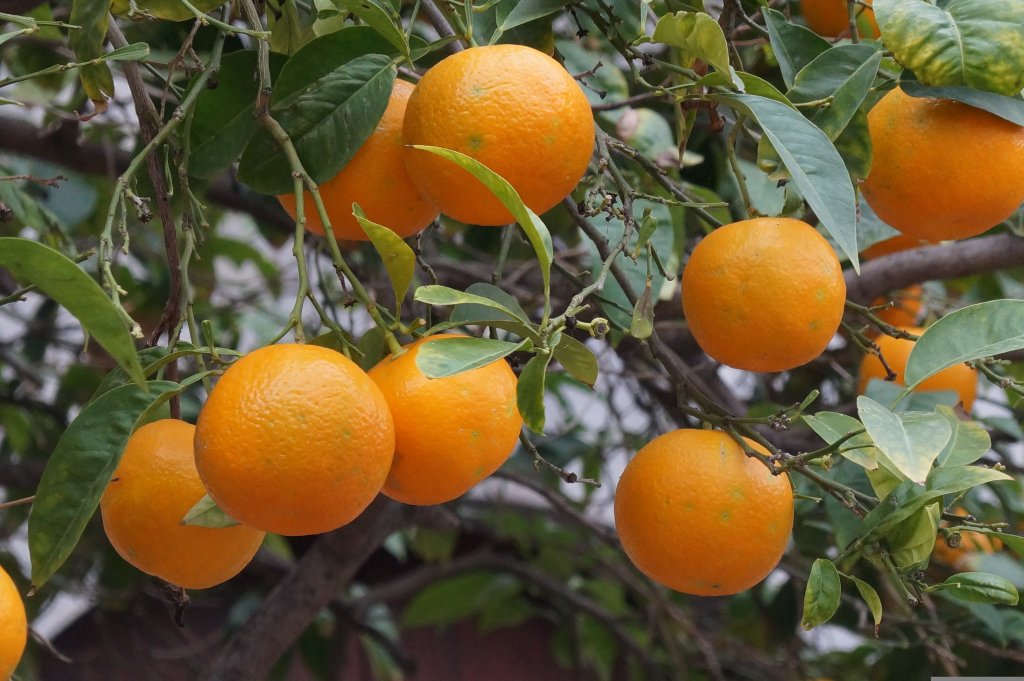
In the 19th century, the area was isolated from the rest of Mallorca by mountains. An abundance of citrus groves dotted the valley but as it was difficult to get them to Palma, the farmers had the ingenious idea of selling their oranges to France, and so they started to ship their oranges to France by boat from the nearby West coast. This direct exportation to France effectively made the farmers and the town extremely wealthy.
It was a two-way trade, not only did the citrus fruits make the journey to France but locals also crossed the water to work in France and many French came to work in Sóller. Fortunes were made in France and many of those who amassed riches eventually returned to Sóller to build large houses, some of which can still be seen today. French companies opened offices in Sóller, French as well as Spanish was spoken in the town and to this day, French is still spoken in Sóller by many people.
The train and tram system worked up to a point, but more was needed, and in 1989 excavations began for a tunnel through the mountains to provide an easier route to Palma and the rest of Mallorca. This Toll Road opened in 1997 and at approximately £5 a time, was the most expensive in Europe: all toll charges were dropped in 1917 and it is now a free road, so cars, buses, and coaches, can all get to and from Sóller in approximately 30 minutes. Not so romantic, but more practical.
You Can Still Travel by Train and Tram from Palma
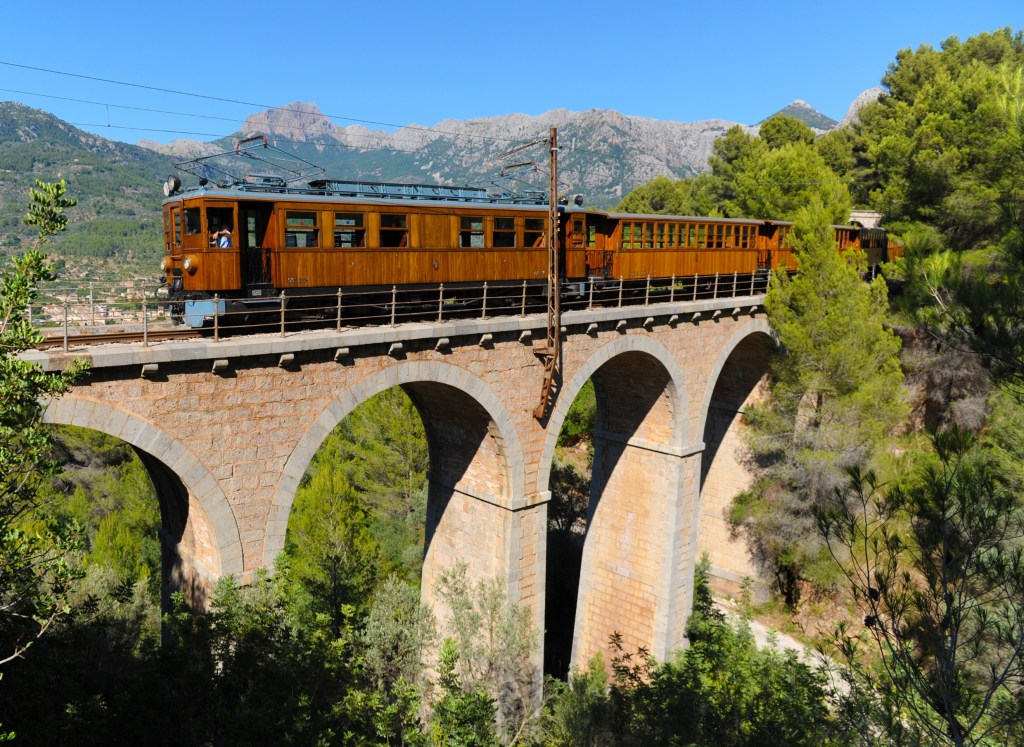
If circumstances had been different my preference would have been to taken the 60-minute historic wooden train (the Ferrocarril Tren de Sóller) from Palma to Sóller: this vintage train has run between Palma and Soller since 1912 and is nowadays a famous attraction in itself. It chugs on its 27kilometre journey through the majestic Sierra de Tramuntana, navigating the 13 tunnels cut through the mountains. The contrast between the inky blackness of the tunnels and the beauty of the rural landscape is spectacular, ranging from fields of almond and orange trees to ancient viaducts and small villages.
What to do in Sóller
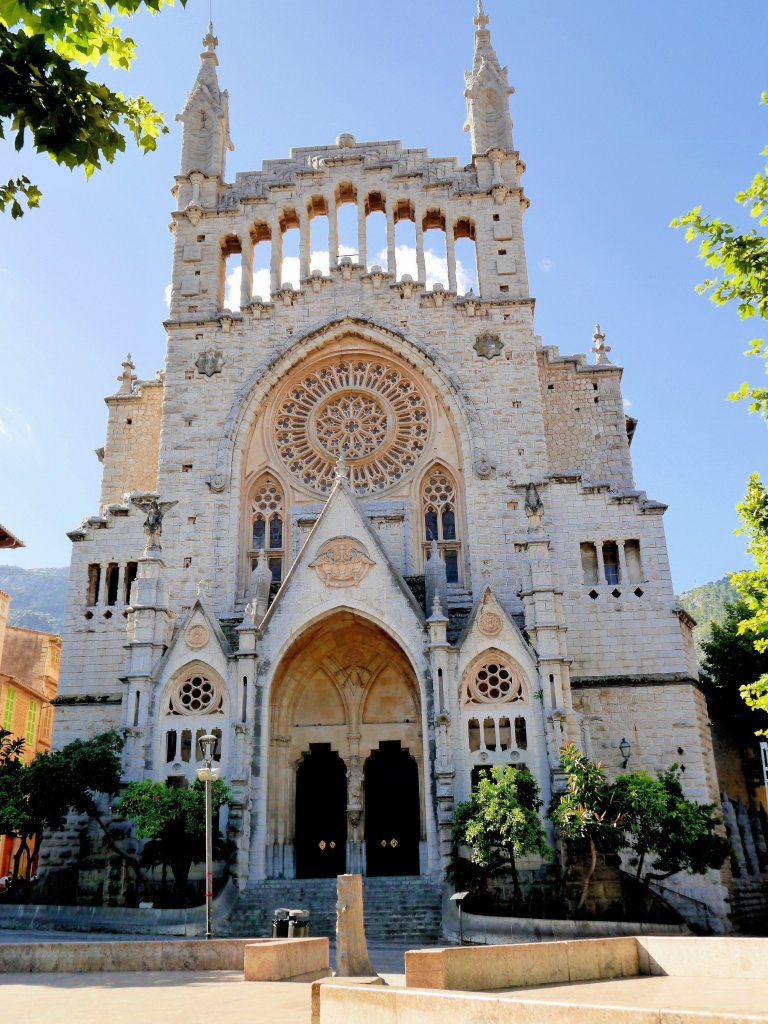
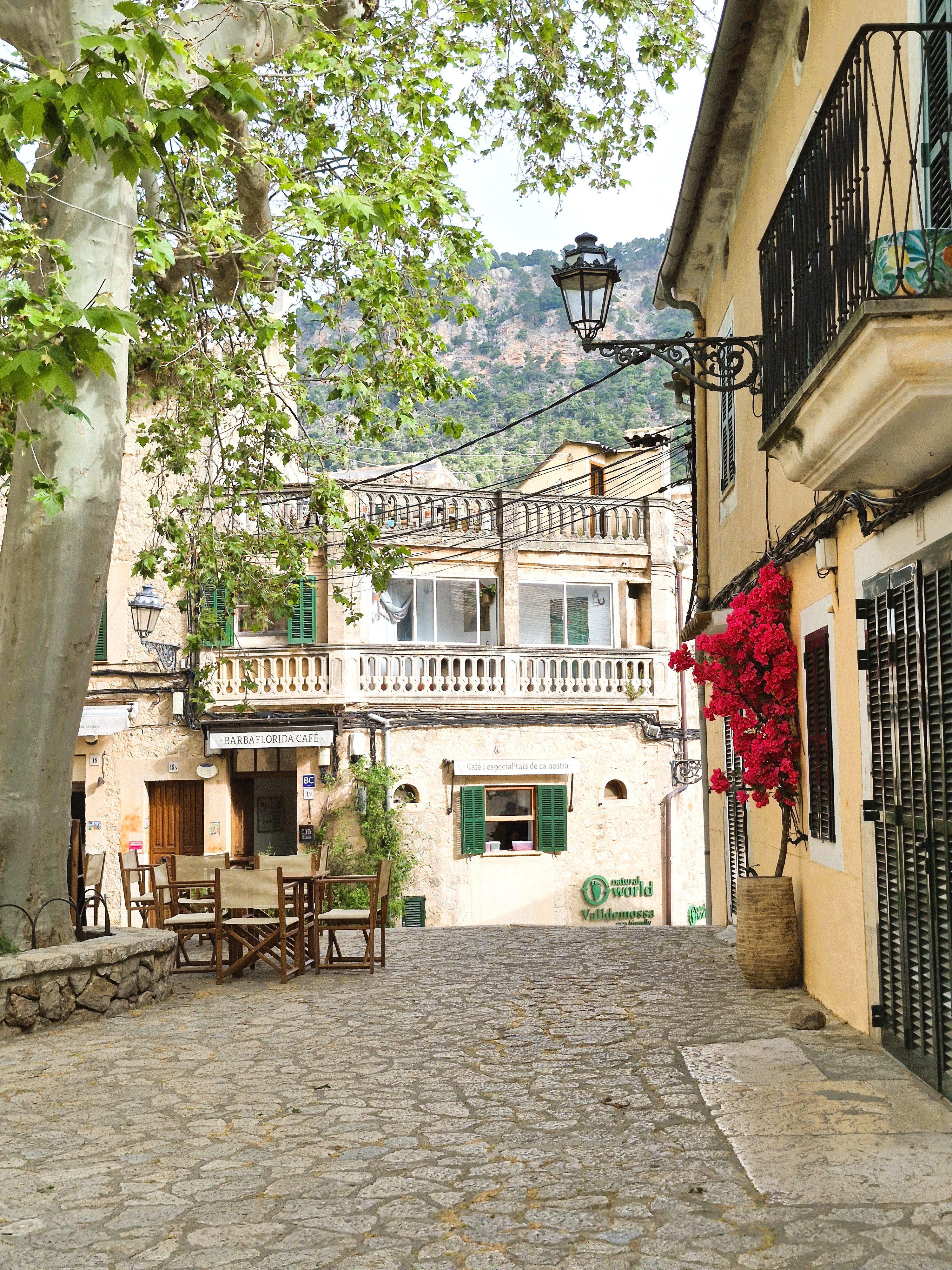
Plaza de la Constitución is the heart of Sóller, dominated by Sant Bartomeu church and from here you can wander the narrow streets lined with shops and bars, where traditional goods and locally made craft items are a good buy, visit an art gallery, or hop on the antique open-air tram and head down to the Port in about 20 minutes. The many hikers and Nordic walkers you will see in the town are heading for the Serra de Tramuntana’s long-distance path – the Dry Stone Route.
Art lovers should head for the Art Nouveau mansion, Can Prunera, which has a very fine permanent collection, including Kandinsky, Picasso, Miro and Warhol, alongside local artists Miquel Barceló and Francesca Martí). Temporary exhibitions are a regular feature in Can Prunera and for a small town, they can be exceptional.
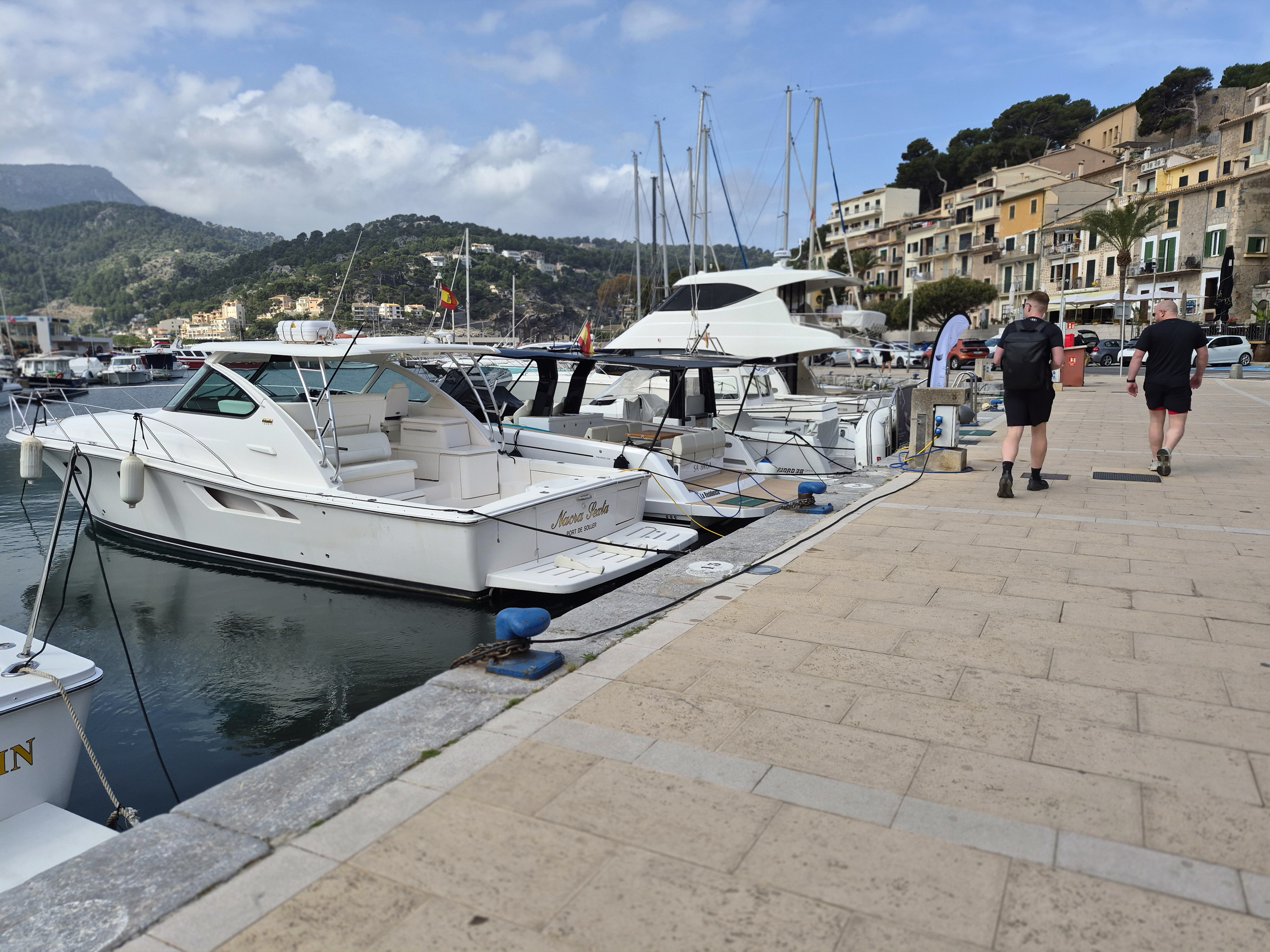
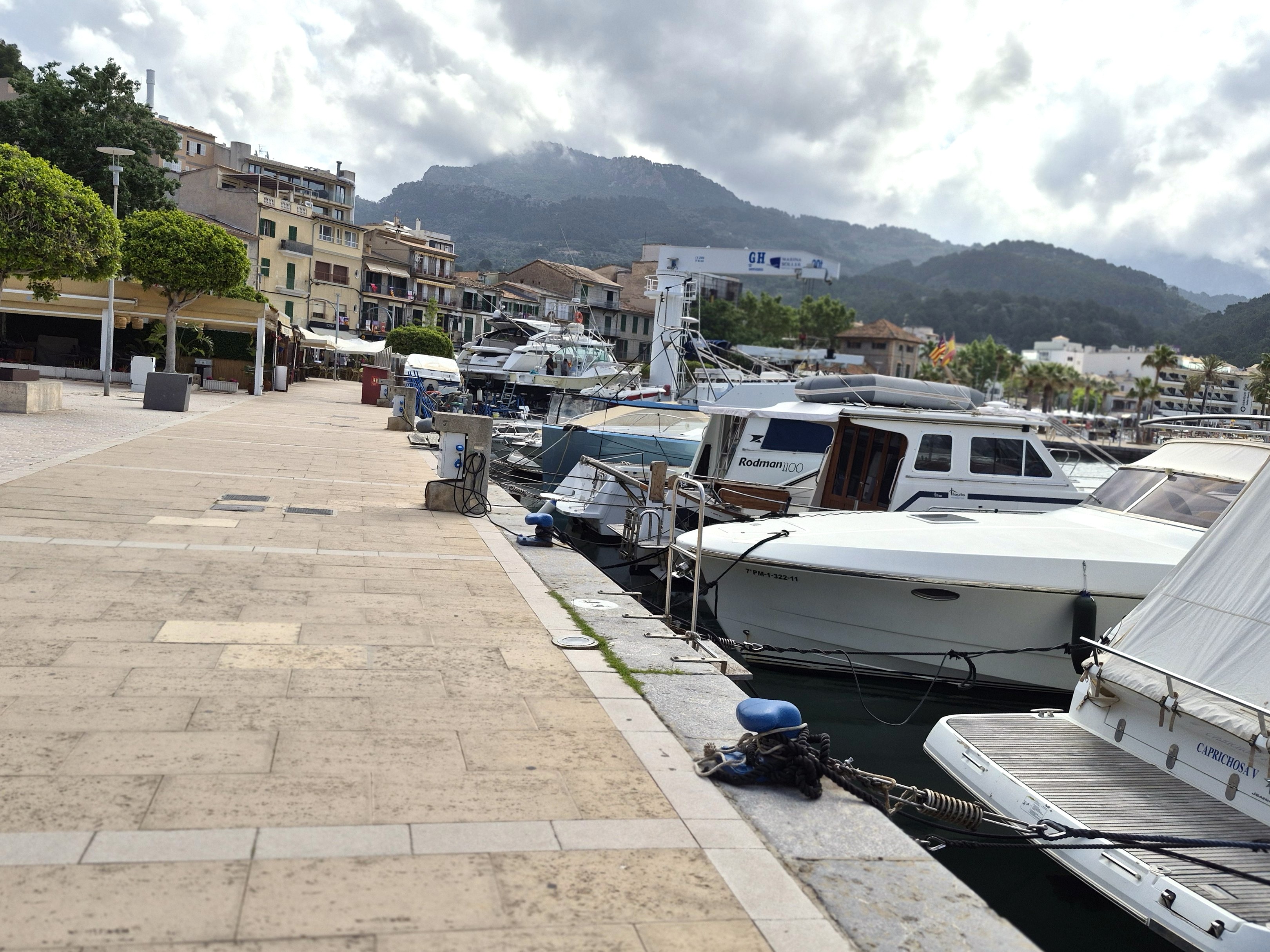
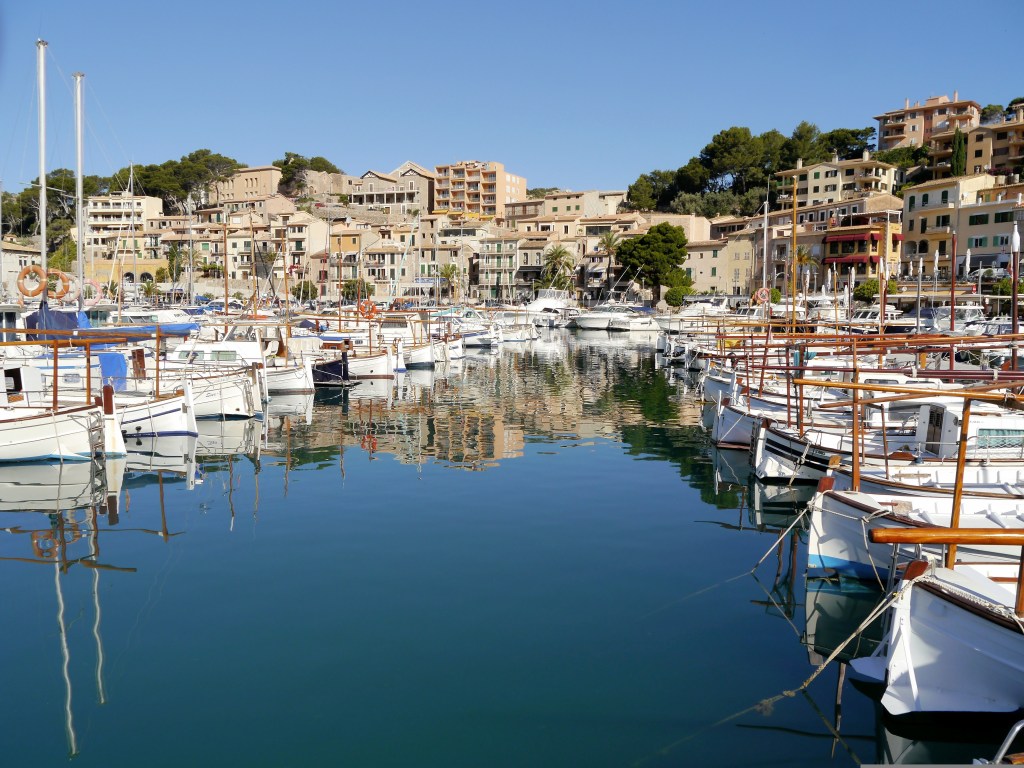
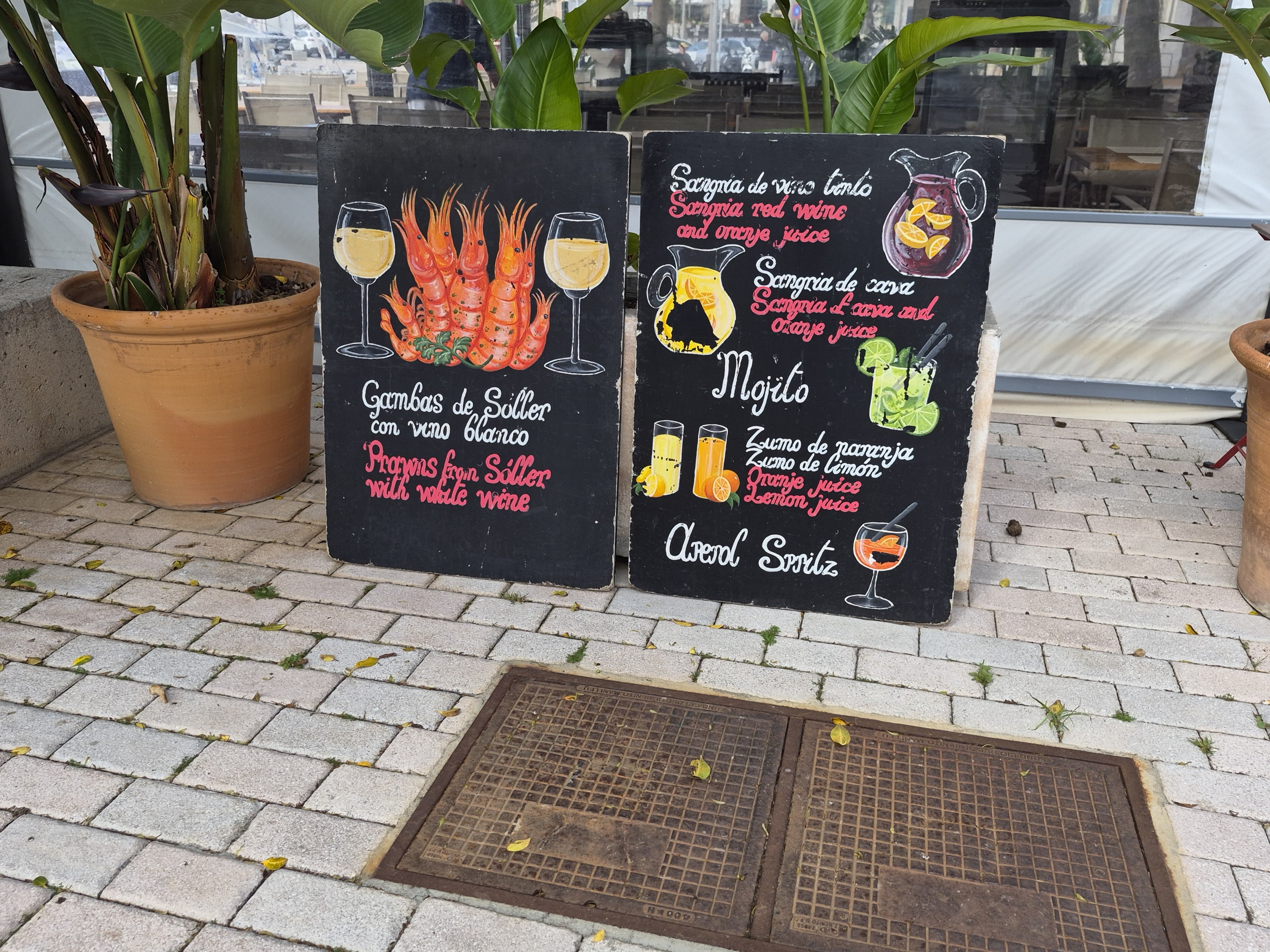
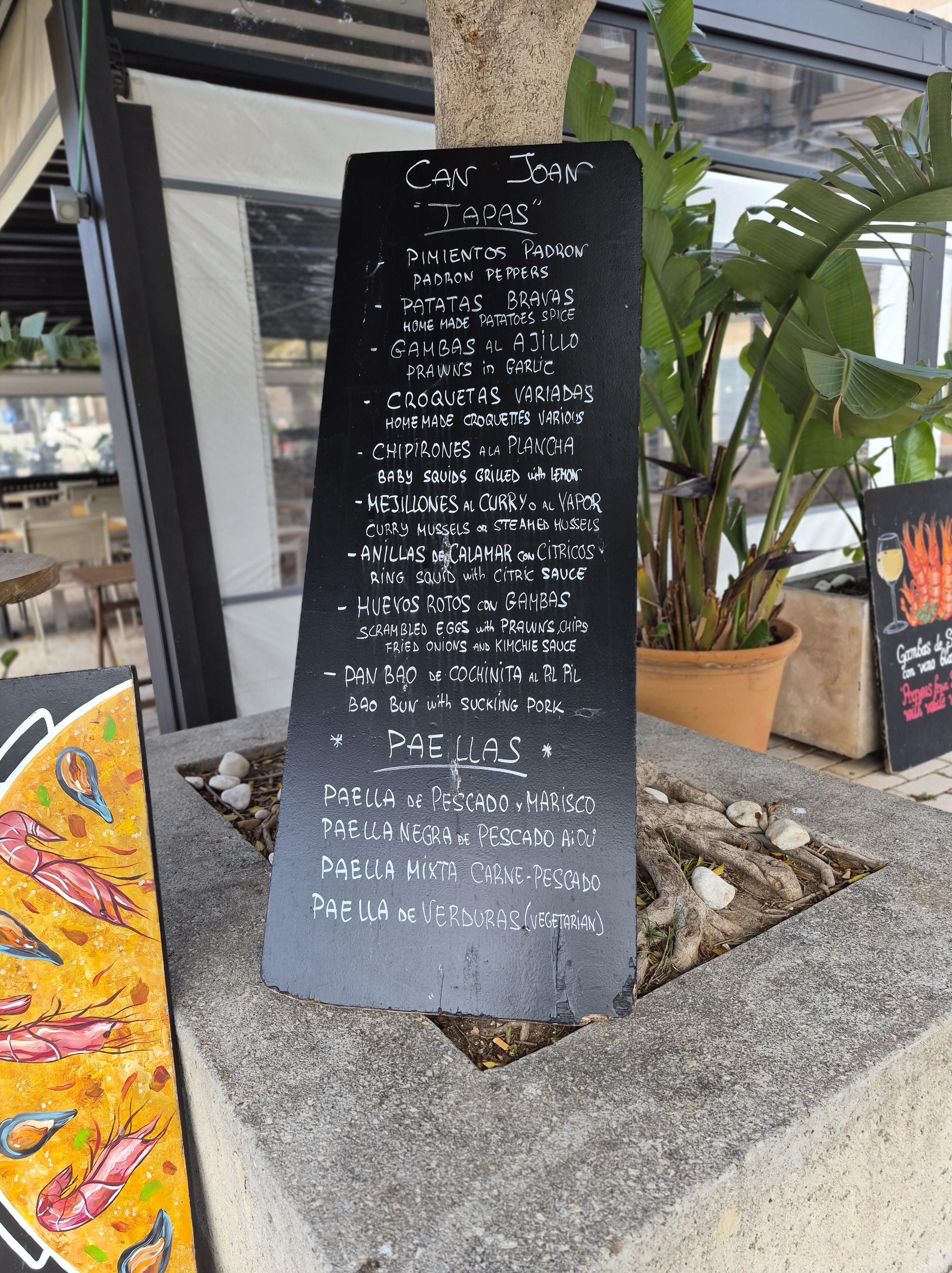
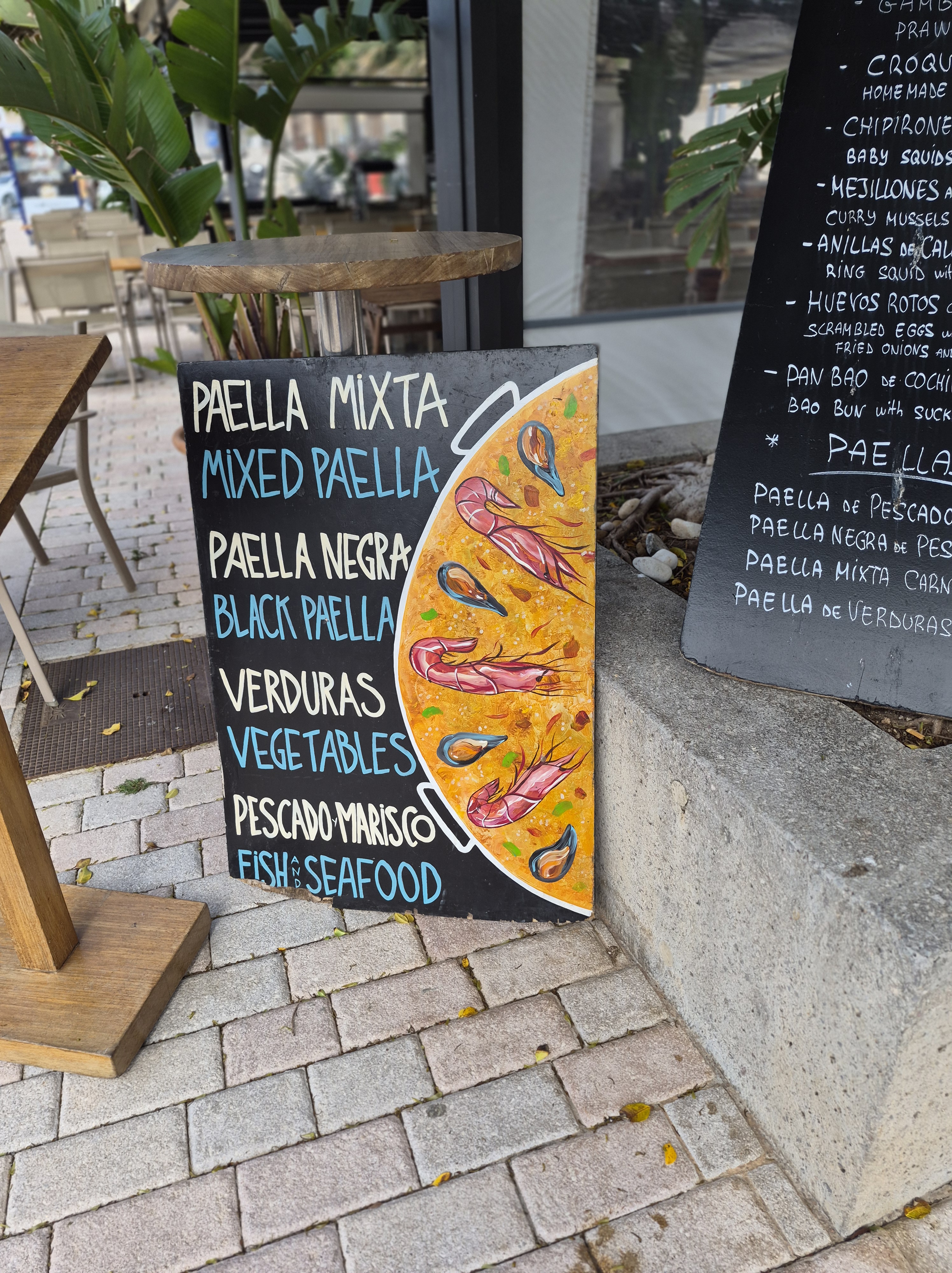
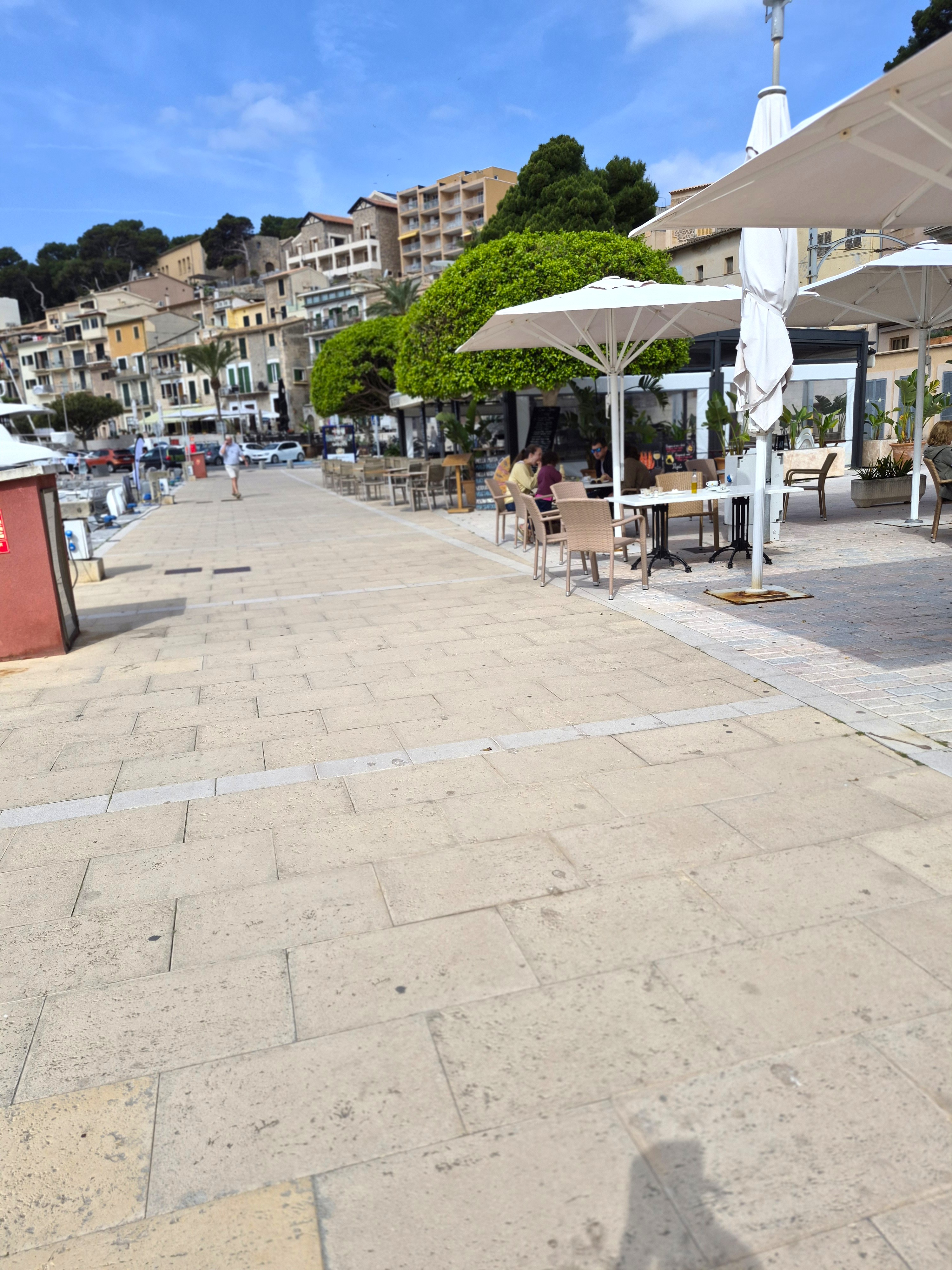
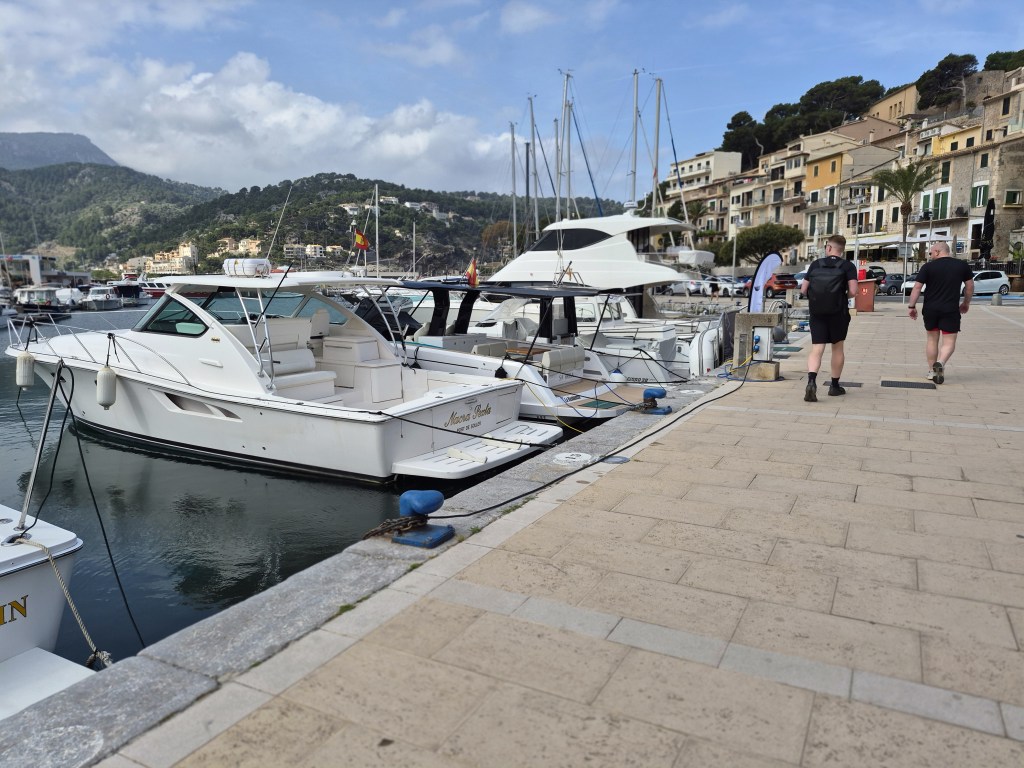
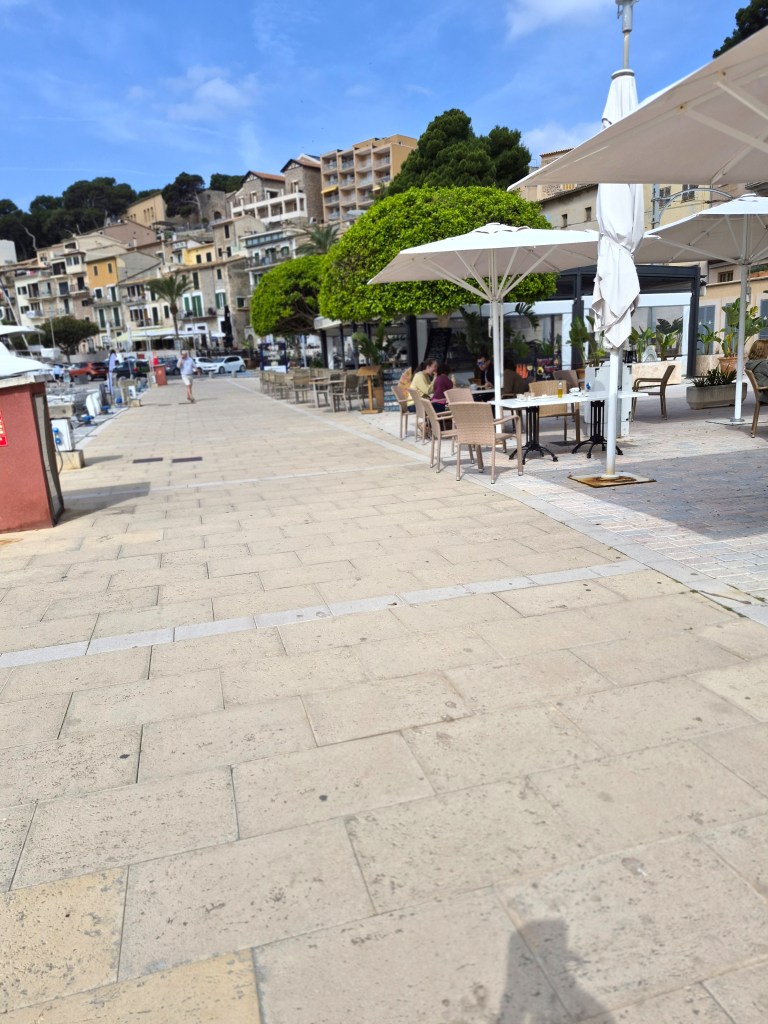
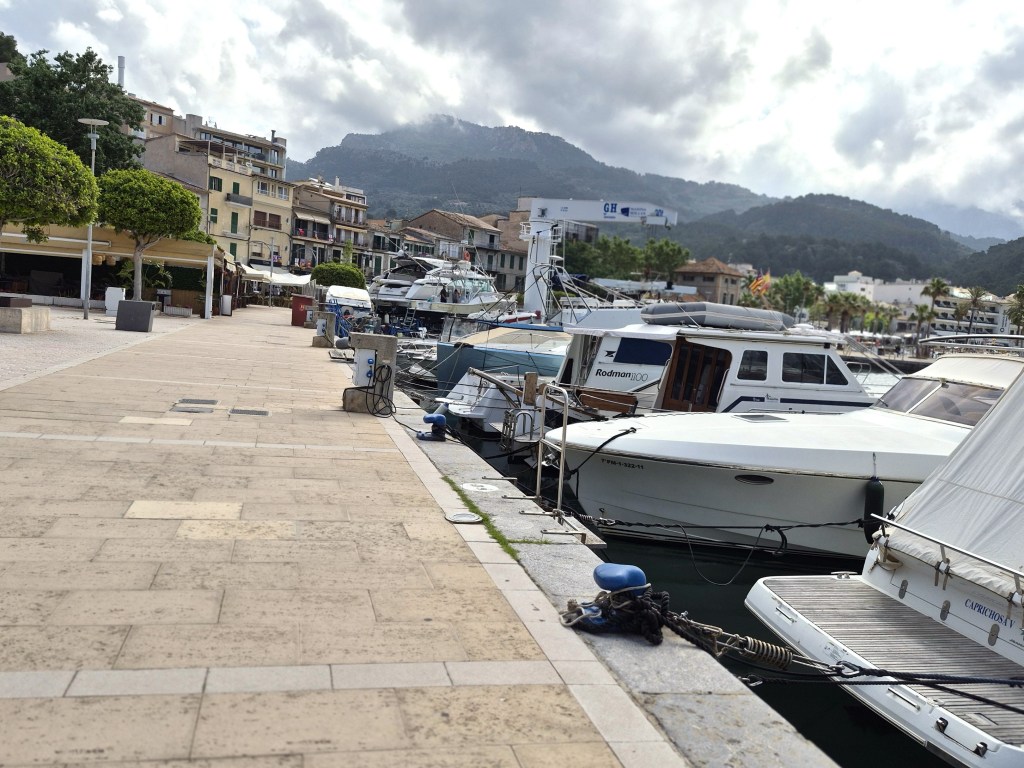
Once in the Port, much changed since my earlier trip. a pre-lunch walk walk along the Promenade is a relaxing way to view the natural, sheltered bay, sandy beaches, seafood restaurants, and scenic boardwalks.
Sóller is a glorious place in which to spend a few hours. It is not only a unique town, but a very beautiful town in a picturesque setting with a history like no other.
PS. I haven’t been but I’ve been told that the Spring Orange Festival – theFira de la Taronja – is a spectacular introduction to Sóller’s citrus culture. It spans a couple of weeks of citrus-themed food tasting events. Contact the Tourist Board for dates. The event usually takes place end March-early April.

