Category: Art and Architecture

  • Rome and the Tiber

    Rome and the Tiber

    Castel-Sant'Angelo-from-across-the-Tiber

    Castell Sant’Angelo across the Tiber – Photo Mari Nicholson

    The Tiber has been the soul of Rome since the city’s inception, and it could be said that Rome owes its very existence to this strategically important river on whose banks the first settlements were built.  The two sides of the river are joined by more than thirty bridges, creating a fascinating setting for the archeology and history of the eternal city.

    View_of_the_Tiber_Looking_Towards_the_Castel_Sant'Angelo,_with_Saint_Peter's_in_the_Distance
    Old View of the Tiber, possibly 18th century

    Several of the old Roman bridges no longer exist, in Papal Rome and in the modern city seven were built in the 19th century and ten in the 20th century.

    Bridge on the Tiber leading to Castell Sant'Angelo
    Ponte Sant’Angelo with statues

    The Tiber (named after Tiberius who drowned in the river) is unlike rivers like The Danube, The Seine or The Thames as there is little activity on the water.  In the summer, various boats convey tourists along the stretch of the river, but in general, it seems underused. However, along the Lungotevere, the boulevards that run alongside it, human traffic always seems to flow.

    Flooding was a regular occurrence before the high embankments were built in the 19th century when there were houses located along the banks of this navigable river which was used for fishing and bathing.  Over time, however, silting and sediment build-up meant that the river became unsuitable for navigation.

    Looking downriver towards the Cavour bridge

    Looking down to Cavour Bridge, Rome

    As in other cities such as Bangkok, Seville, London and Paris, tour boats were introduced along the river to give locals and tourists a unique opportunity to view the city.  This is a great way to take in the panorama, and immerse yourself in one of the most evocative cities in the world.

    A stroll along the Boulevard is also a favourite pastime and a visit to Castell Sant’Angelo and the Jewish Ghetto and Synagogue, which are both situated along the Tiber can be combined in a “Tiber walk”.  There are many restaurants, cafes, and bars down by the river  so sustenance is not a problem: these are very noticeable at night when the warm lights from their windows illuminate the Boulevards.

    The Tiber

    The Tiber, Rome – Mari Nicholson

    Whether you opt for a dinner cruise, a daytime hop-on-hop-off cruise, or a private jaunt, along the way you can admire the great Palace of Justice, designed by William Calderoni;  Sant’Angelo Castle, one of the oldest monuments of Rome; St. Peter’s Basilica, Tiberina Island, a picturesque island linked by one of the most famous bridges in the city, and the innumerable bridges that span the Tiber.
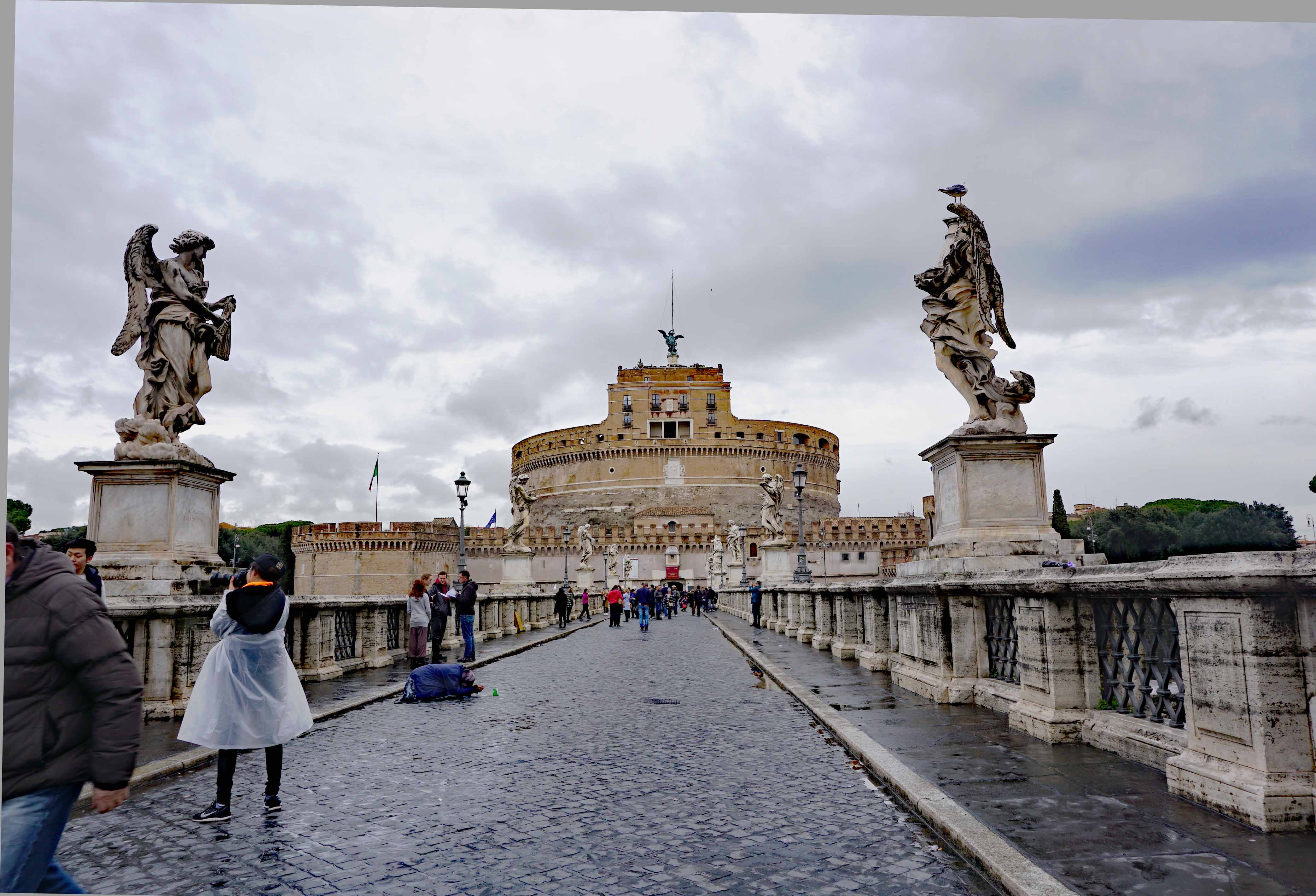
    Ponte Sant'Angelo with statues

    Ponte Sant’Angelo Looking towards the Castle – Mari Nicholson

    When the surface of the Tiber is calm and the monuments that span the river are reflected in the still waters, they increase one’s delight in the vista they offer across Rome.  Ponte Sant’Angelo (by the castle of the same name), Ponte Fabricio, Ponte Rotto, Ponte Garibaldi, they all offer a sense of the history of the city.
    Angel-on-Ponte-Sant'Angelo-near-Castle
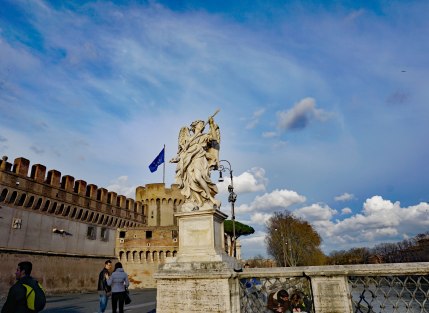
    Angel on Pone Sant’Angelo – Mari Nicholson
    Angel on the Ponte Sant'Angelo
    Angel on Ponte Sant’Angelo

    The first named, Ponte Sant’Angela is the most spectacular, being embellished with angels carrying the instruments of Christ’s passion, and was designed by Gian Lorenzo Bernini whose fountain in Piazza Navona is one of the most photographed in Rome.

    The Ponte Sant’Angelo was erected to ease the movement between the Vatican (which was also connected to the Castell Sant’Angelo) and the commercial area across the river.

    Ponte Sant'Angelo

    The Vatican City is the only zone controlled by the papacy today, but in earlier centuries papal dominion was exercised over the entire city, hence the need for easy connection with the commercial area of the settlement.   Three energetic popes, Urban VIII (1623–44), Innocent X (1644–55), and Alexander VII (1655–67), harnessed the versatile talents of the great artists nd sculptors of the day to build monuments and beautify areas all over Rome but especially in the Vatican area.
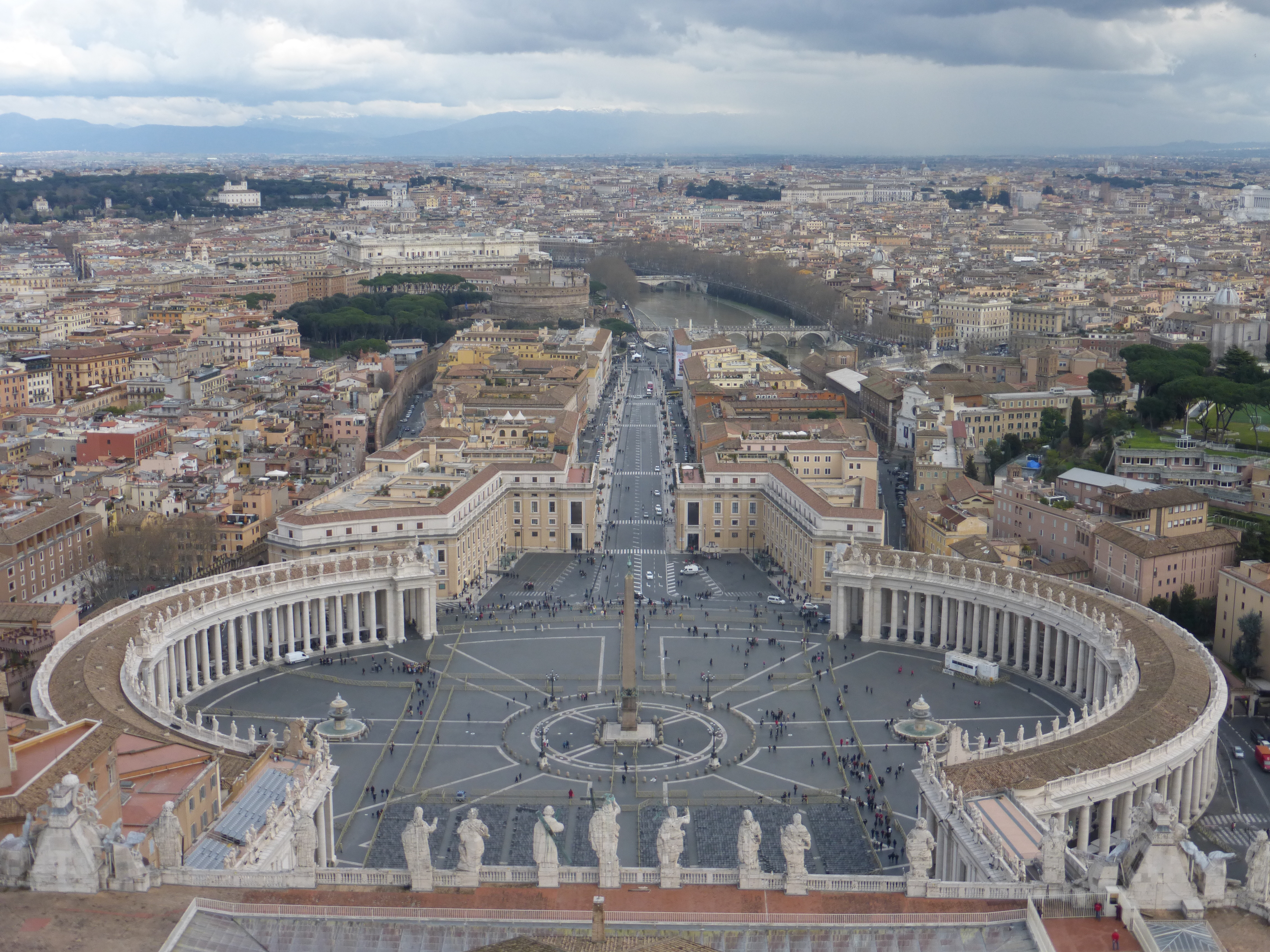
    View from the Vatican Dome
    View from the Vatican to Ponte Sant’Angelo – Photo Solange Hando

    A walk along the Tiber, and then up the imposing obelisk and olive-tree-lined road to the Vatican is an exercise in itself and you can be forgiven if you decide to postpone visiting St. Peter’s Basilica and the Vatican Museum until another day.  It can take a long time to do justice to them both.   A trip to the top of St. Peter’s is a worthwhile exercise but be warned, there are many steps to the top.  A lift goes part way only.

    Part of Bernini's Magnificent 4-Rivers Fountain in Piazza Navona, Rome

    Part of Bernini’s Magnificent 4-Rivers Fountain in Piazza Navona – Photo Mari Nicholson

    How to get there:  Ponte Sant’Angelo:  Metro Line A, Lepanto stop. Boats leave from nearby.        Buses 23, 34, 40, 49, 62, 280, 492, and 990.        Tram 19.

  • Weekly Photo Challenge: ABSTRACT

    Truly abstract I think.  Love the subtle muddy colours and the starkness of the image.

    This is a piece of graffiti on a wall in London’s East End (Brick Lane area).  It’s a wonderful place in which to make artistic discoveries.  This one comes from the camera of London photographer Steve Moore who has given me permission to use it.

    Abstract


  • Weekly Photo Challenge,Life Imitates Art

    Perhaps not the greatest interpretation of the challenge but I’ve lately been wanting to use one of the interesting tools in my imaging programme and thought this might be my opportunity.

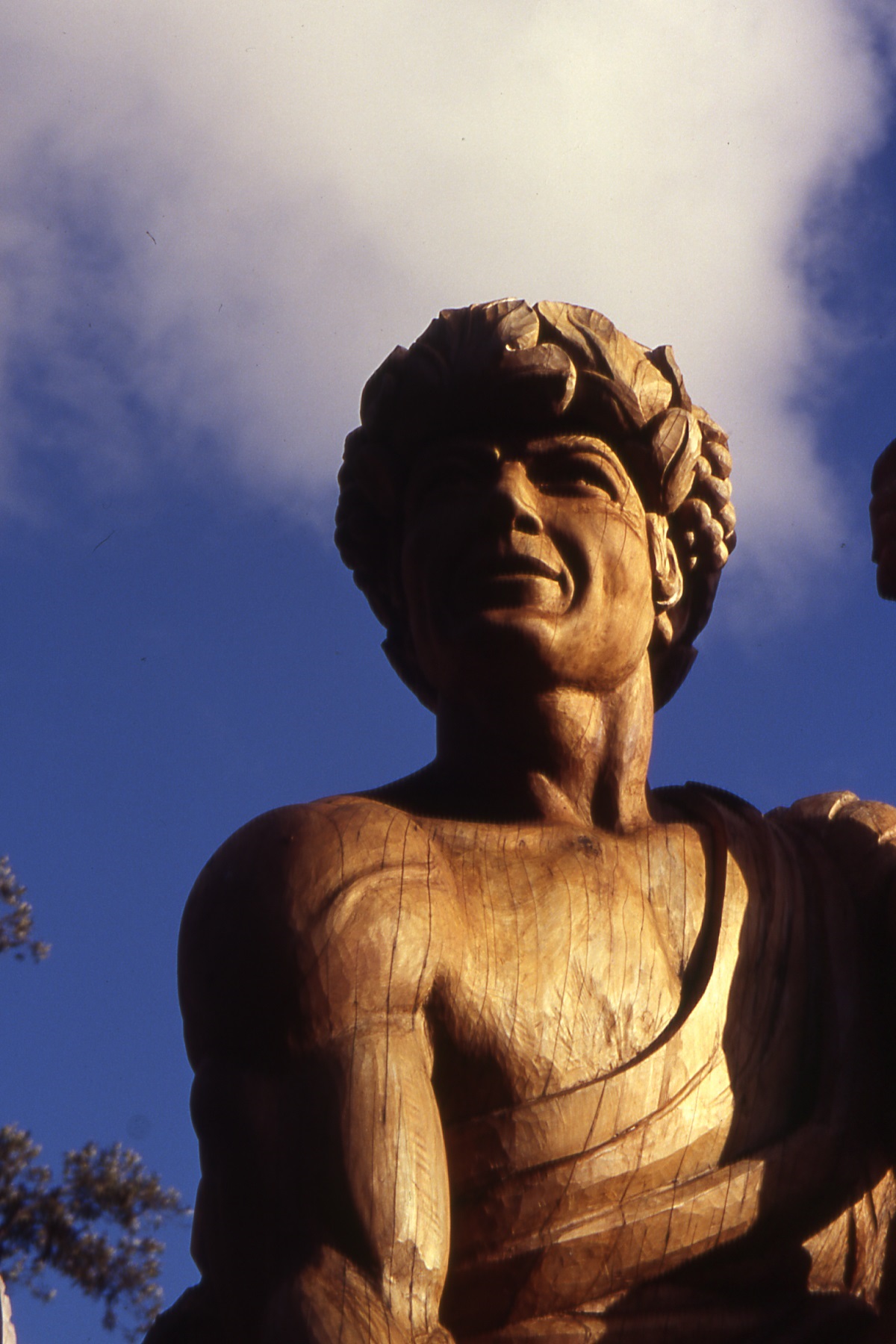
    This sculpture was done by marine woodcarver Norman Gaches, from a tree that was destroyed in the great storm of 1987, outside Barton Manor on the Isle of Wight, the then home of Impresario Robert Stigwood, who commissioned the work.   At that time Barton Manor was producing wine and he wanted something to represent the grape.  The result was a magnificent carving showing the family of Bacchus and these are just two of the photographs my husband took at the time.   We followed the progress of the work with the sculptor over the months it took to finish it, and then did our best to interpret the art with camera and prose. A resultant article appeared in Woodcarving magazine and was subsequently syndicated in two other magazines.

    Bacchus

    © Bacchus – Mari Nicholson

    Bacchus Litho

    Photo of Bacchus as Lithograph

    Zeus

    Zeus

    And Zeus as a pencil sketch.Zeus Pencil Sketch

  • Winchester, Ancient Capital of Wessex

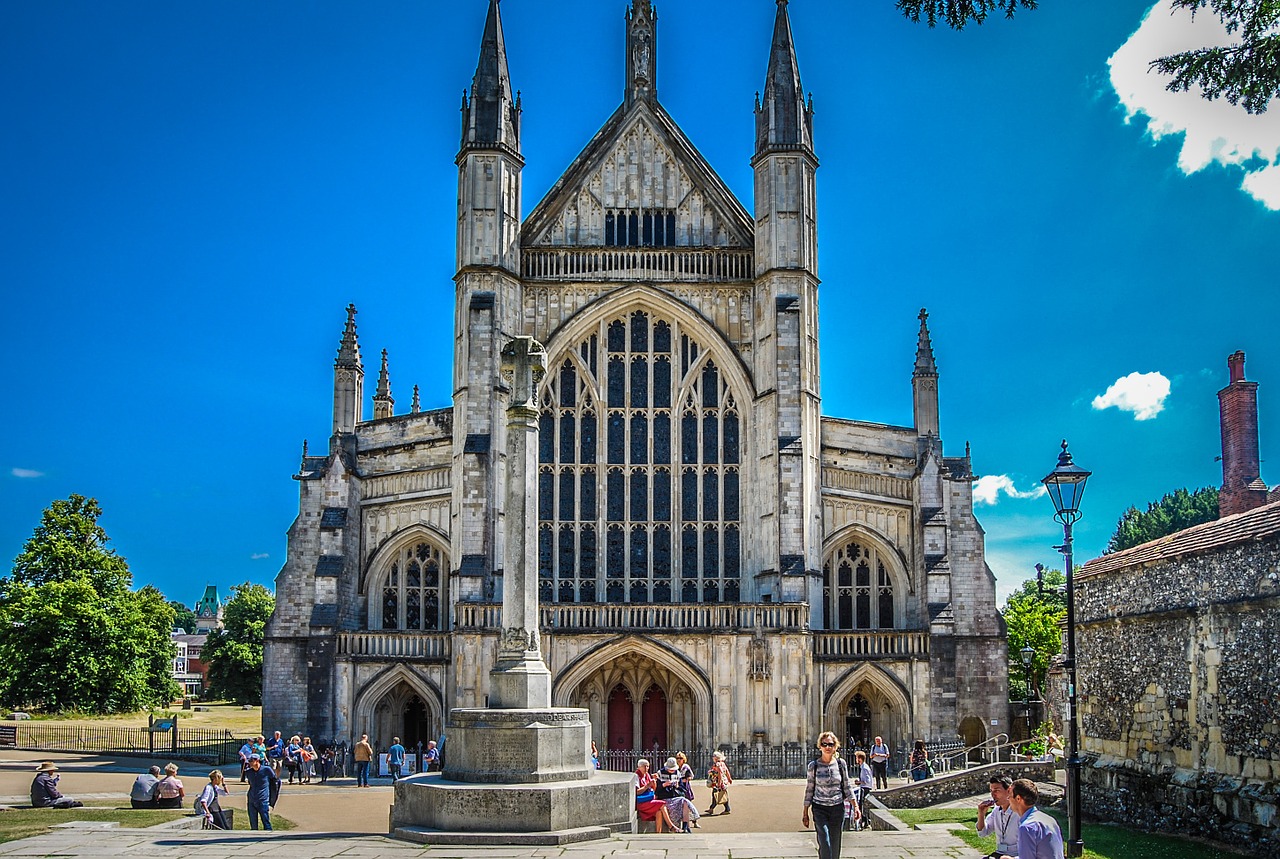
    Winchester Cathedral

    It seems a shame that King Alfred, the man who defeated the Danes and united the English, has gone down in popular history merely as the man who burnt the cakes.  But the city he made his capital does the man proud and it is impossible to stroll through the ancient streets of Winchester and not be aware of how “the Great” came to be added to Alfred’s name.

    An unspoilt city and England’s ancient capital (the Court was mobile during the Anglo-Saxon period but the city was considered the capital of Wessex and England at the time), the cobblestones, buildings and monuments of Winchester, just an hour from London, ring with history.  If you like big bangs and all things military, it is also home to a host of museums dedicated to all things warlike.  Surrounded by water meadows and rolling downland, it offers the best of city life – modern shopping, quirky open air events, and great entertainment and it can be covered in a day (although a couple of days will show more of what is on offer and allow trips into the surrounding villages).

    Fulling Mill Cottage and River Arle

    To get a panoramic view of the streets and buildings laid out according to the original Saxon plan, a good starting point is St. Giles’ Hill (a great spot for a picnic), from where you can  pick out Hamo Thorneycroft’s famous statue of King Alfred.  Then follow in the King’s footsteps from the walls erected to keep out the Danes to what is the largest medieval cathedral in the world.   Famous for its treasures, from the sumptuously illustrated 12th century Bible to medieval paintings and a 16-metre stained-glass window 66% of which dates from medieval times, Winchester Cathedral is that much-overused word, awesome.

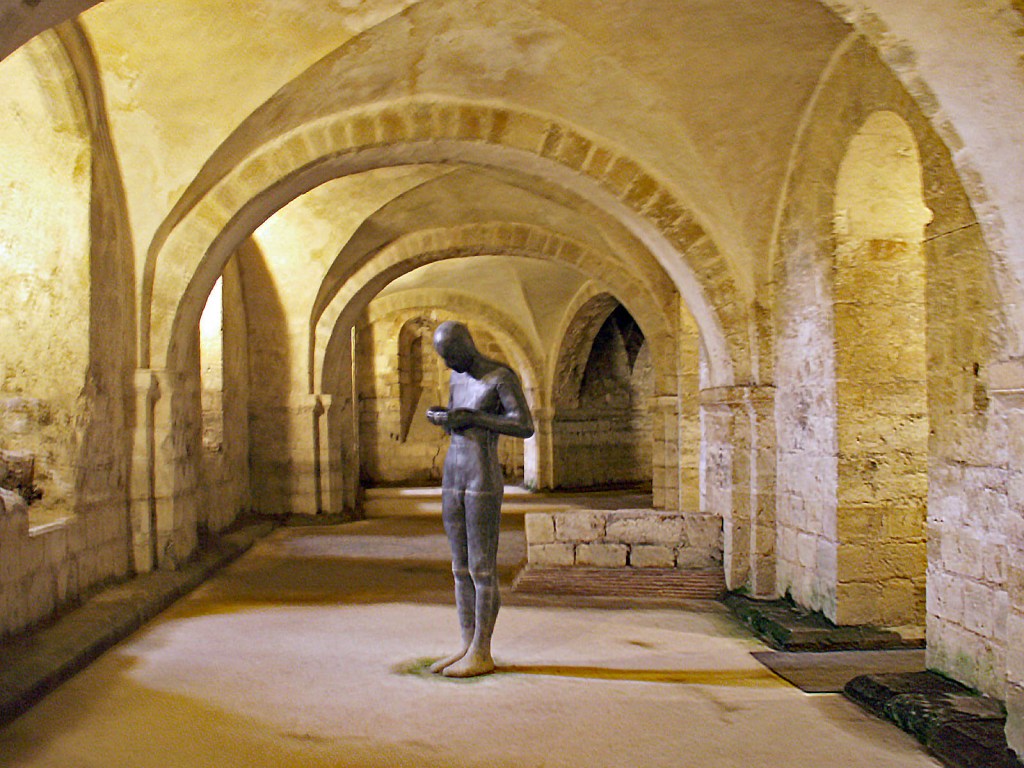
    One of the Anthony Gormley Statues in the Crypt of Winchester Cathedral
    One of the Gormley statues in the Crypt of Winchester Cathedral
    The-Crypt,-Winchester-Cathe
    The Crypt, Winchester Cathedral

    The newest acquisition is Sound ll, the Antony Gormley sculpture now permanently installed in the cathedral’s crypt where it looks particularly striking when the crypt floods which it frequently does.  Even if you don’t make a habit of visiting cathedrals, do make an exception to view this magnificent Gormley work.

    Cloisters-of-Winchester-Cat
    The Cloisters, Winchester Cathedral

    Fans of The Da Vinci Code will be interested to know that the cathedral’s North transept doubles as the Vatican in the film of the book, but those of a more classical bent will head for the tomb of Jane Austen which can be found in the  nave where there is also a stained glass window to her memory.

    Jane Austen Plaque in Winchester Cathedral

    The novelist died in Winchester on 18 July 1817 and is buried in the cathedral.  While in this part of the cathedral, take note of the black font which depicts St. Nicholas of Smyrna giving an old man three bags of gold for his three daughters, said to be the forerunner of the pawnbrokers sign of three golden balls.

    Continuing in the footsteps of King Alfred you could then head up the High Street to the Great Hall, all that remains of Winchester castle, and which for 700 years has housed the legendary Round Table.   Old it certainly is, and round, but it hangs on a wall where with its red, black and white colouring it resembles an enormous dartboard.  According to myth, the original was created by the wizard Merlin, but carbon dating in 1976 proved that this particular table was not made in the Arthurian 6th century but in the 13th, and this use of HyperPhysics sadly put paid to the legend.

    The Round Table

    The Round Table, High up on the Wall

    Just outside the south door of the Great Hall, is Eleanor’s Garden, a re-creation of a medieval herbarium with turf seats and a camomile lawn, named after Eleanor, wife of Henry III, and Eleanor, wife of Edward I.  All the plants you see would have been grown in the 13th century, when floral symbols had priority over design.  The rose, lily, iris and strawberry plants represent aspects of religion while the greens – the grass, ivy, bay and holly represent faithfulness.

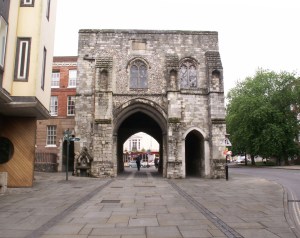
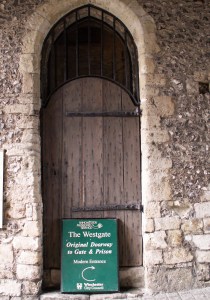
    The oldest continuously running school in the country, 14th century Winchester College which became a model for Eton and for King’s College, Cambridge is nearby.  You can join a guided tour for an intriguing glimpse into the medieval heart of the college, the 14th century Gothic chapel with its early example of a wooden vaulted roof, the cloisters (where graffiti carved into the stones during the 16th and 17th centuries is still visible) and the original scholars’ dining-room.  As a complete contrast, you could later check out medieval Westgate, a fortified gateway which served as a debtors’ prison for 150 years and where prisoners graffiti is also still intact, albeit rather different from that of the scholars! 

    The West Gate, Winchester
    Westgate

    One expects to find ghosts in most ancient cities and Winchester is no exception.   The most famous haunted Inn is The Eclipse in The Square, where the spectre of Alicia Lisle haunts the corridors.  Seventy-one years old when she was found guilty of harbouring rebel cavaliers and sentenced to death by Hanging Judge Jeffreys, she spent her last night here in 1685 listening to the scaffold being erected for her hanging.

    Old Prison Gate
    Old Prison Gate

    At the Theatre Royal in Jewry Street, a wandering apparition haunts the dress-circle and gallery looking for her long lost lover while in the 18th century High Street offices formerly occupied by the county newspaper, the rattling chains of a woman dressed in grey has been known to rattle the staff on more than one occasion.

    Streams and waterways punctuate the streets of the city giving it a homely atmosphere – especially when you see someone hauling a fine trout out of the river – and the Bikeabout Scheme means that you can tour around for most of the day for the small registration fee of £10.   Reflective jackets and helmets are also available.

    Half-timbered hous in Winchester
    Half-timbered hous in Winchester

    You don’t need to cycle of course: there is a good transport system from Winchester to the picturesque villages of the Itchen and Meon Valleys,  handsome Georgian colour-washed Alresford (pronounced Allsford) for instance, home of the famous Watercress Steam Railway where you can make a childhood dream come true by riding on the footplate.   Later, stroll down the town’s elegant streets with their antique shops, and discreet fashion boutiques or along the riverside where the thatched timber-framed Fulling Mill straddles the River Arle.  Alresford is the home of watercress farming in the UK, so expect to sample gourmet dishes made of the green stuff – watercress pudding, watercress quiche and even watercress scones with afternoon tea – in smart bistros, tea rooms and old-fashioned pubs like the Wykeham Arms with its award-winning menu.


    Main shopping area in Alresford

    If there are children in the party, then don’t miss Marwell Zoo.   Home to over 200 species of animals and birds, from meerkats to sand cats, and some of the world’s rarest big cats including the Amur leopard and the snow leopard.  There are volunteer guides around the park to help visitors and to explain and illustrate the efforts the zoo is making to rehabilitate endangered animals back in their habitat.

    And after all that history and ancient stones, Winchester can still surprise you with its pedestrian-friendly streets, colourful markets and exquisite boutiques nestling beside large-scale stores.  The High Street – once the Roman’s east-west route through the city – is home to stylish shops with Regency and Elizabethan bow-fronted windows, while The Square offers quaint pubs and restaurants after your exertions, and everywhere you’ll find bronze and stone carvings, many by famous sculptors.    It lies just one hour by train from London, 40 minutes from Portsmouth Ferry Terminal, and 15 minutes from Southampton Airport.


    KONICA MINOLTA DIGITAL CAMERA
    Very Old Barn, NB date of erection in grey bricks at bottom of building.

    Winchester’s a winner, and whether you taste runs to real ale or English wines, pub grub or gourmet dining, Goth outfits to designer chic, you’ll find it all here amidst the quiet stones that hold history’s secrets.

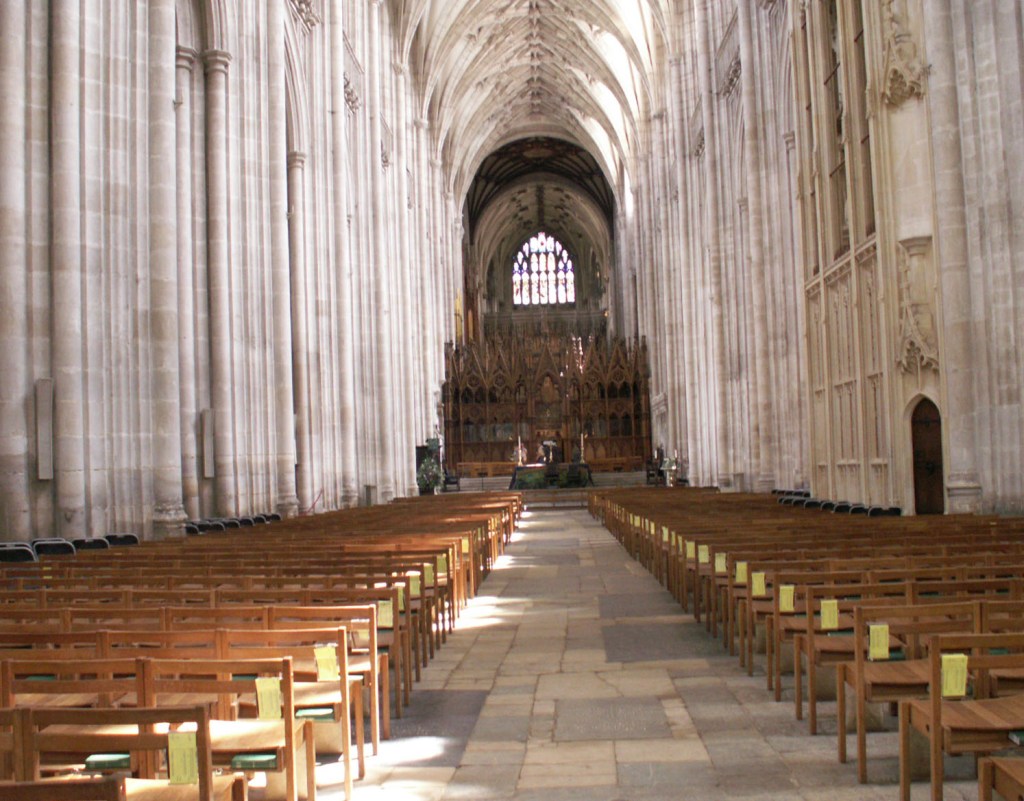
    Interior Winchester Cathedral

    Interior, Winchester Cathedral


  • Photo Challenge “Depth” – Cordoba’s Mesquita

    Photo Challenge “Depth” – Cordoba’s Mesquita

    Arches of the Mezquita in Cordoba, Spain

    Magnificence of the Arches in the Mezquita in Cordoba
    Magnificence of the Arches in the Mezquita in Cordoba

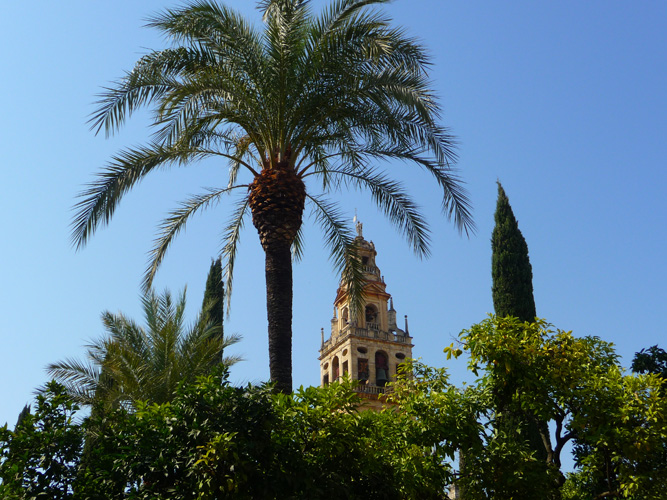
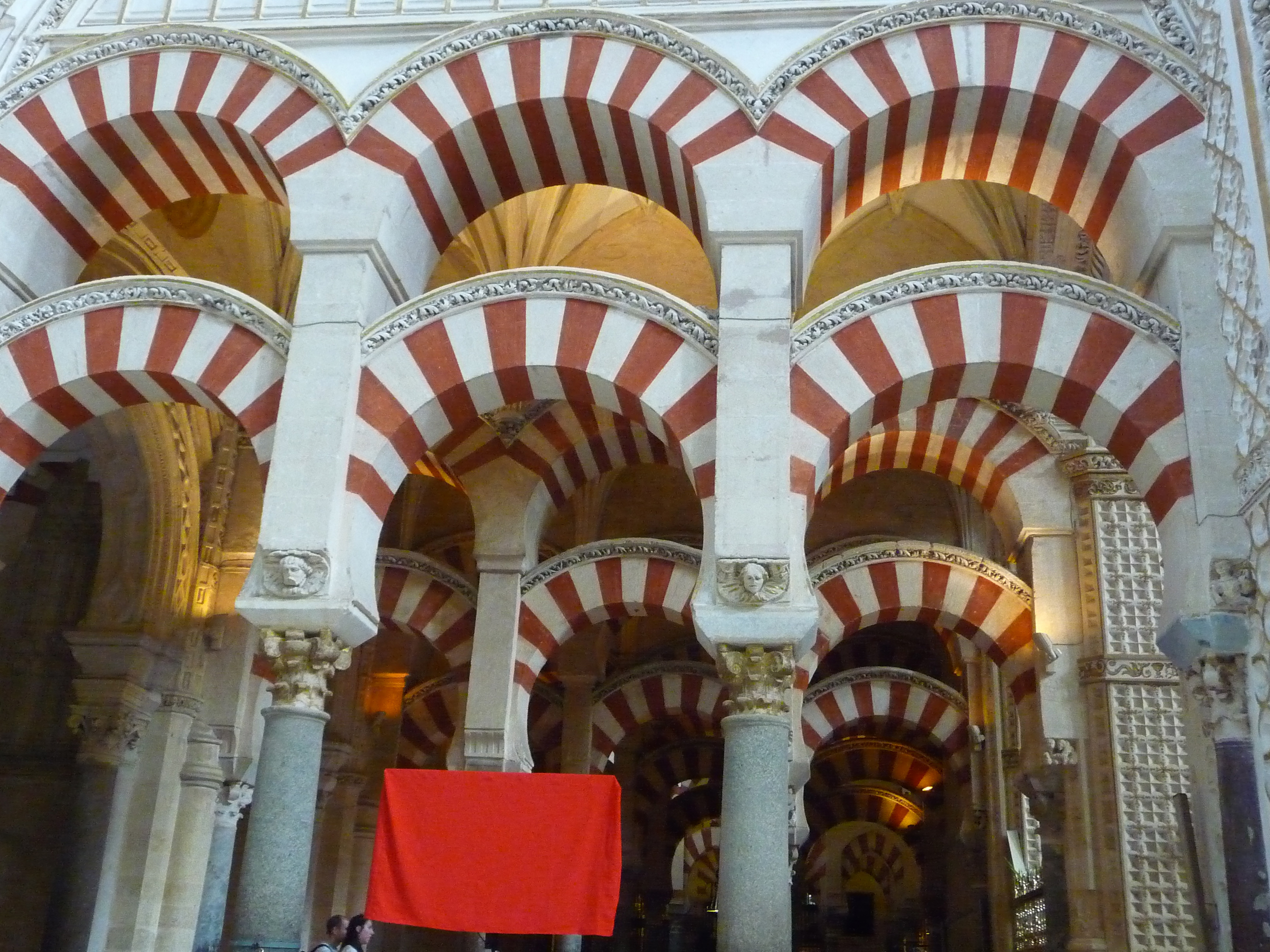
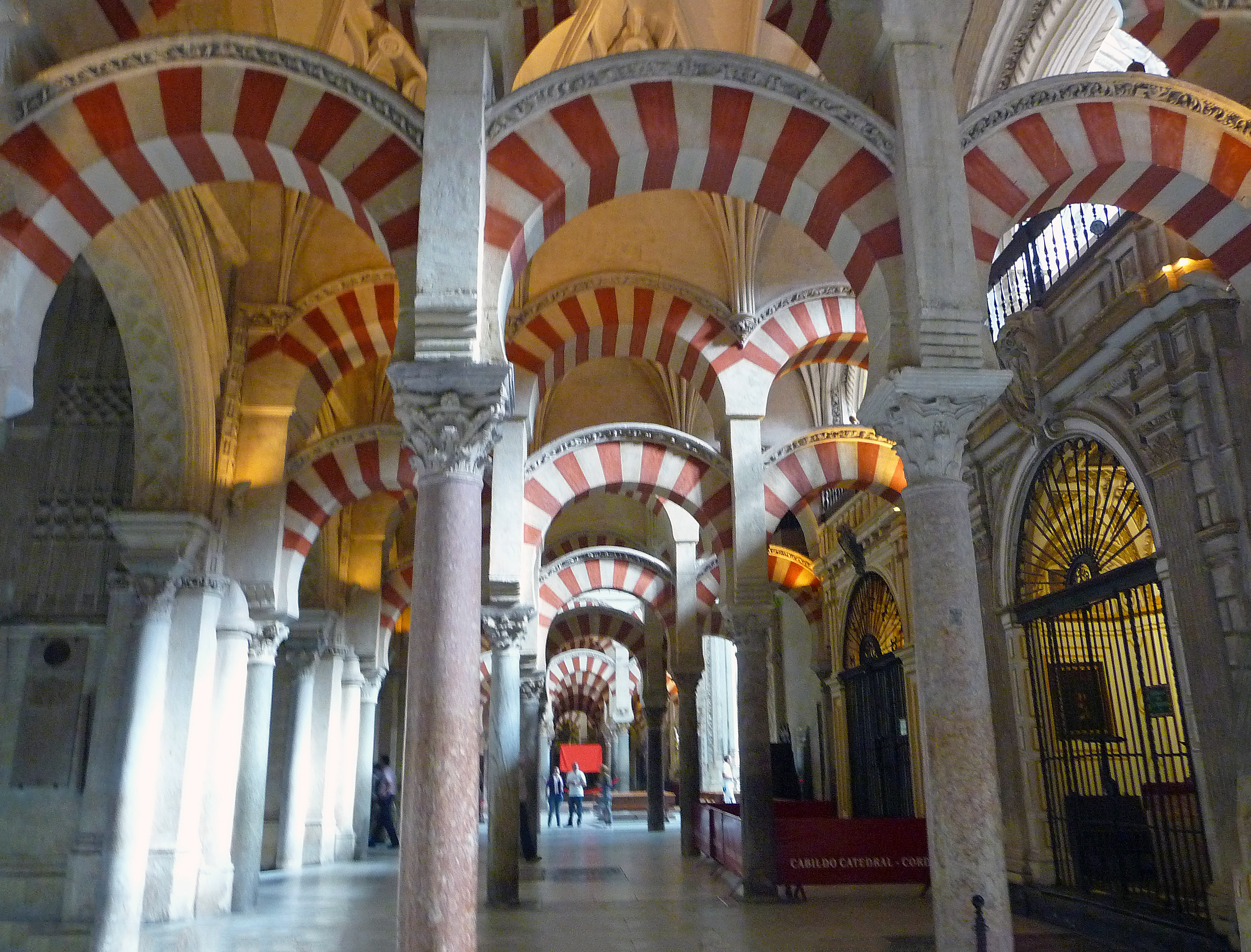
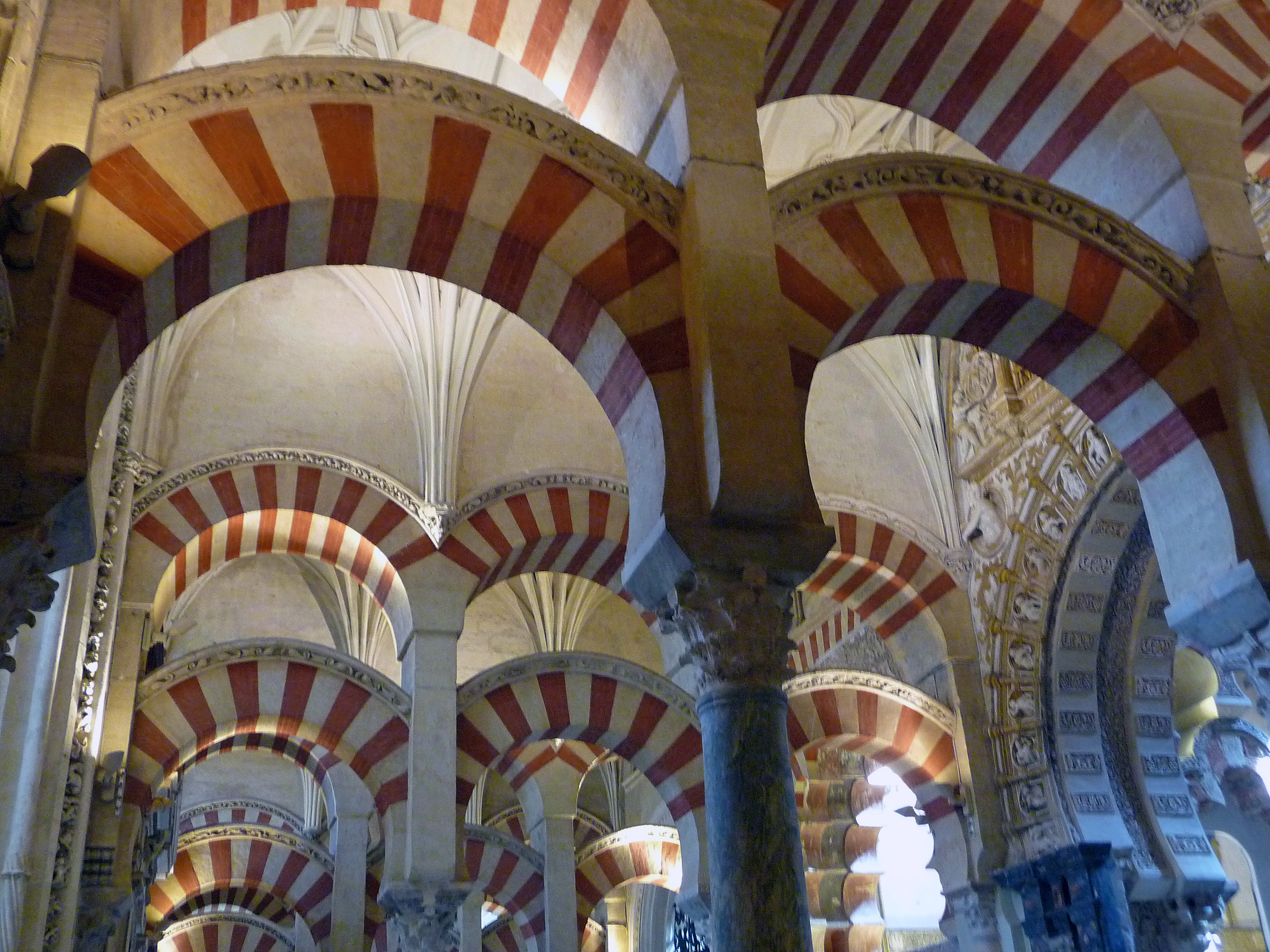
    Once the centre of worship in Western Islam, the Mesquita in Cordoba, Spain, with its glorious exterior golden walls, is considered one of the architectural wonders of the world.  Red and white striped arches as far as the eye can see, each one seemingly different, create patterns that leave one enchanted.  More bizarre however, is the Catholic Church plonked down in the centre of the mosque, something which alone qualifies it as a most unusual place.

    Originally built on the site of the Basilica of St Vincent the Martyr, a 6th century Visigothic church, then becoming a mosque and latterly a church (in use today) one can look down on the remains of the earlier building through a glass panel set in the floor, reminding us that this edifice has been owned and operated by 3 religious houses at different times.

    From 785 when the Caliphate was powerful in the Iberian peninsula until the sack of the Moors in the 13th century, the Mesquita grew grander and larger under each succeeding Caliph but during all that time, all religions lived side by side in harmony, each sharing their knowledge of geometry, philosophy, algebra and other intellectual disciplines.

    The pillars seem to go on forever. Mezquita, Cordoba, Spain
    The pillars seem to go on forever. Mezquita, Cordoba, Spain

    Caliph Abderramán 1 built the great hall in which there are 110 columns the capitals of which came from old Roman and Byzantine buildings  Above this there is a second row of arches which creates a wonderful effect.  Eight more arches were added in 833 by Abderramán II, the minaret, Mahrab and the Kliba in 962 by Alakem II.  The mosque was doubled in size in 987 when Caliph Alamanzor added blue and red marble pillars and today the total of these endeavours is truly wondrous.

    Arches of the Mezquita in Cordoba, Spain
    Arches of the Mezquita in Cordoba, Spain

    It is our good luck that the Christian conquerors didn’t destroy this magnificent building as they did so many others, but choose to place their church, consecrated in 1236, inside the walls of the mosque.  This bizarre placing of one religious house inside another is just one of the things that makes the Cordoba Mezquita so unusual.  Against the austerity of the pillars of the mosque, the chapels full of gold and silver decoration, statues of the Madonna, marble-swathed tombs and heavy wooden carved choirster stalls, stand out defiantly but somehow, the spellbinding beauty and simplicity of the arches puts the flamboyance of the christian church in the shade.

    Mesquita at Cordoba, Spain

  • Florence, A City for the Florentines

    Florence, A City for the Florentines

    Florence is a place where art, culture, food and wine come together to create a city close to perfection.  A medieval maze of ochre-coloured houses with the River Arno gliding beneath the ageless Ponte Vecchio, and Michaelangelo’s magnificent David dominating the Piazza della Signoria.

    The River Arno in Florence with the Tuscan Hills as Backdrop
    The River Arno in Florence with the Tuscan Hills as Backdrop

    Florentines talk of the Stendhal Syndrome, a reaction to the city’s overwhelming beauty and romanticism that caused the writer Stendahl to swoon at the splendour of Santa Croce.

    Section of Neptune's Fountain in Piazza della Signoria
    Section of Neptune’s Fountain in Piazza della Signoria

    It takes a stretch of the imagination to accept that in this technological 21st century, doctors are still reporting cases of sensitive souls fainting through the sheer emotion of viewing the Duomo, the Baptistry, and the treasures of the Uffizi.  But speak to those who live there and they will assure you that this is the case.

    Neptune's Fountain
    Neptune’s Fountain

    There is an unreality about Florence that causes the visitor to surrender sensible feelings and give in to a lightness of spirit.  On a spring or summer evening, the city resembles an elaborate film set, and if the luscious Helen Bonham Carter were to stroll into view shading her fair skin with a parasol, it would not appear surprising.

    The Glorious Facade of the Baptistry
    The Glorious Facade of the Baptistry

    The glittering cast of characters that inhabit Renaissance history can be imagined strolling through the piazzas and along the banks of the Arno – Dante and his Beatrice, Donatello, Dante, Brunelleschi, Botticelli, and of course the towering giants Michaelangelo and Leonardo.

    Canoeing on the River Arno
    Canoeing on the River Arno

    No city on earth has so much art and architecture packed into such a small space, but not everyone has time to visit, or even wants to visit, the museums and galleries.  Don’t fret about it, the city is a living museum and the streets and alleyways, the exteriors of the beautiful churches, the gardens, markets and outdoor statuary may be enough – the important thing is to experience Florence your way.

    Horse and Carriage for a leisurely tour of the city
    Horse and Carriage for a leisurely tour of the city

    The true heart of the city is the Piazza della Signoria, centre of political activity since the Middle Ages.  It was here that the monk Savanarola burned the books in the Bonfire of the Vanities and where he himself was burned at the stake in 1530, where the people of Florence proclaimed the return of the Medici from their own exile, and where in the 19th century Robert and Elizabeth Browning took hot chocolate on cold winter nights during their exile from England (their favourite cafe is still there serving hot coffee and chocolate).

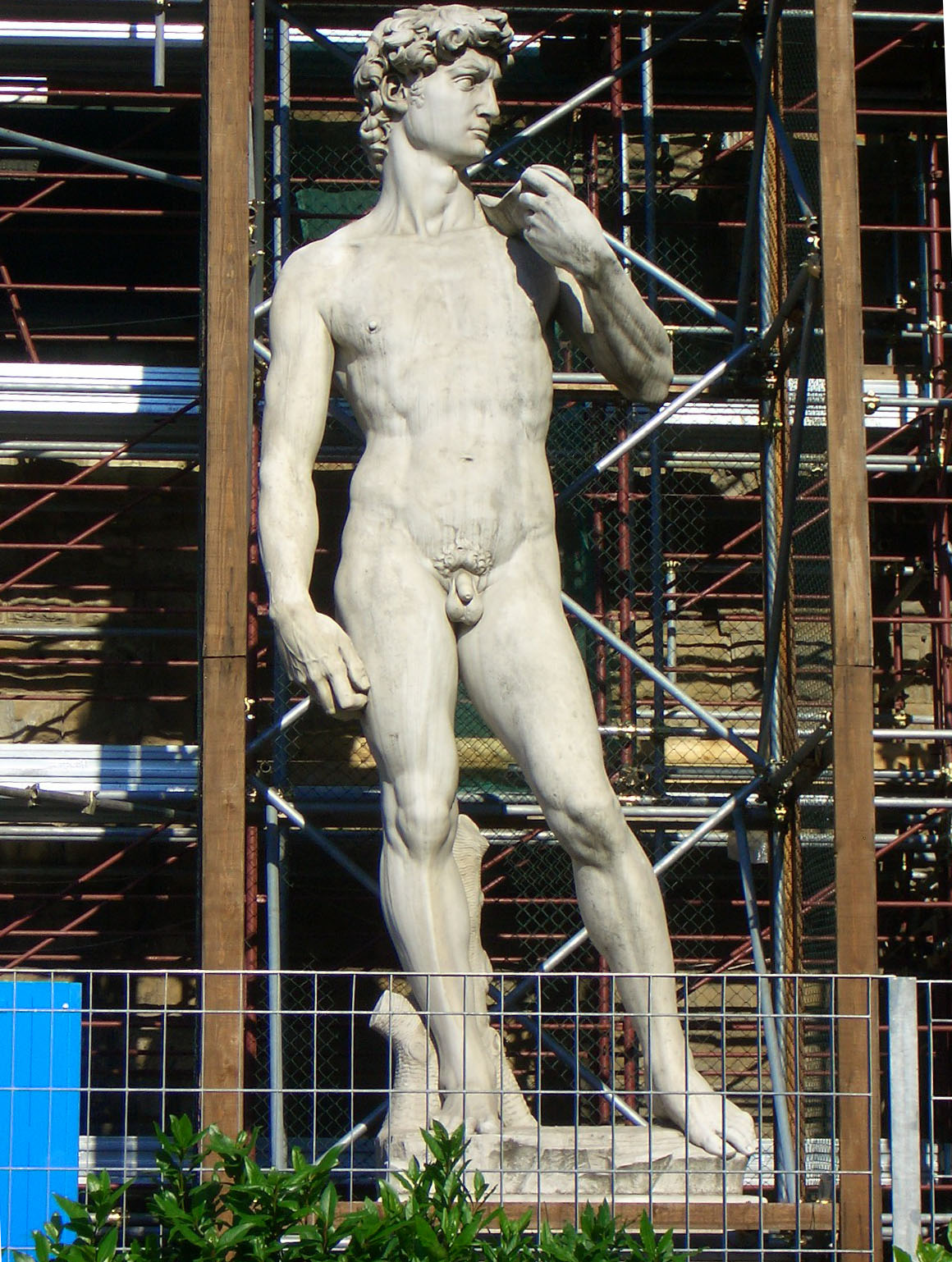
    Most Famous Statue in the World - David by Michaelangela (this is a copy in Piazza della Signoria but still needs cleaning periodically)
    Most Famous Statue in the World – David by Michaelangela (this is a copy in Piazza della Signoria but still needs cleaning periodically)

    Towering over the café-filled Piazza is the imposing Palazzo Vecchio which has remained virtually unchanged since it was built in 1299-1302, and still functions as the town hall.  Outside is a massive marble copy of Michaelangelo’s David and if you don’t want to join the queues to see the original statue in the Galleria dell’Accademia, then this copy is as near perfect as you will get: more to the point, it places the statue where the artist originally meant it to stand.

    The Uffitzi Gallery in Florence
    The Uffitzi Gallery in Florence

    Donatello’s exquisite, androgynous David is in the Uffizi Gallery just a few steps away and this must be seen too, if only to compare it with Michaelangelo’s monumental figure.

    The wise visitor to the city will do as the Florentines do and spend time leisurely enjoying an espresso or an aperitivo, watching the world go by while deciding how to spend the day.  Subtle and sedentary moments like this are essential if one is to survive the sightseeing marathon that Florence’s many attractions make necessary.

    A Panel from a Baptistry Door
    A Panel from a Baptistry Door

    Fortunately, Florence is a compact city and you will pass and re-pass the most famous sights more than once as you stroll through the streets, contemplate nature in the Gardino di Boboli, Italy’s most visited garden, and marvel at the finest Renaissance sculptures in the Bargello, the oldest seat of government surviving in Florence and the place from which Dante’s banishment was proclaimed.

    If Dante were to return to Florence today, much of the city would be familiar to him.  El Duomo, one of the city’s oldest and most famous buildings and the building that broke all the rules when Brunelleschi designed it, is visible from virtually everywhere in Florence but the best view of it is from Giotto’s bell tower, Il Campanile, beside the Cathedral.

    El Duomo from one side of the River Arno
    El Duomo from one side of the River Arno

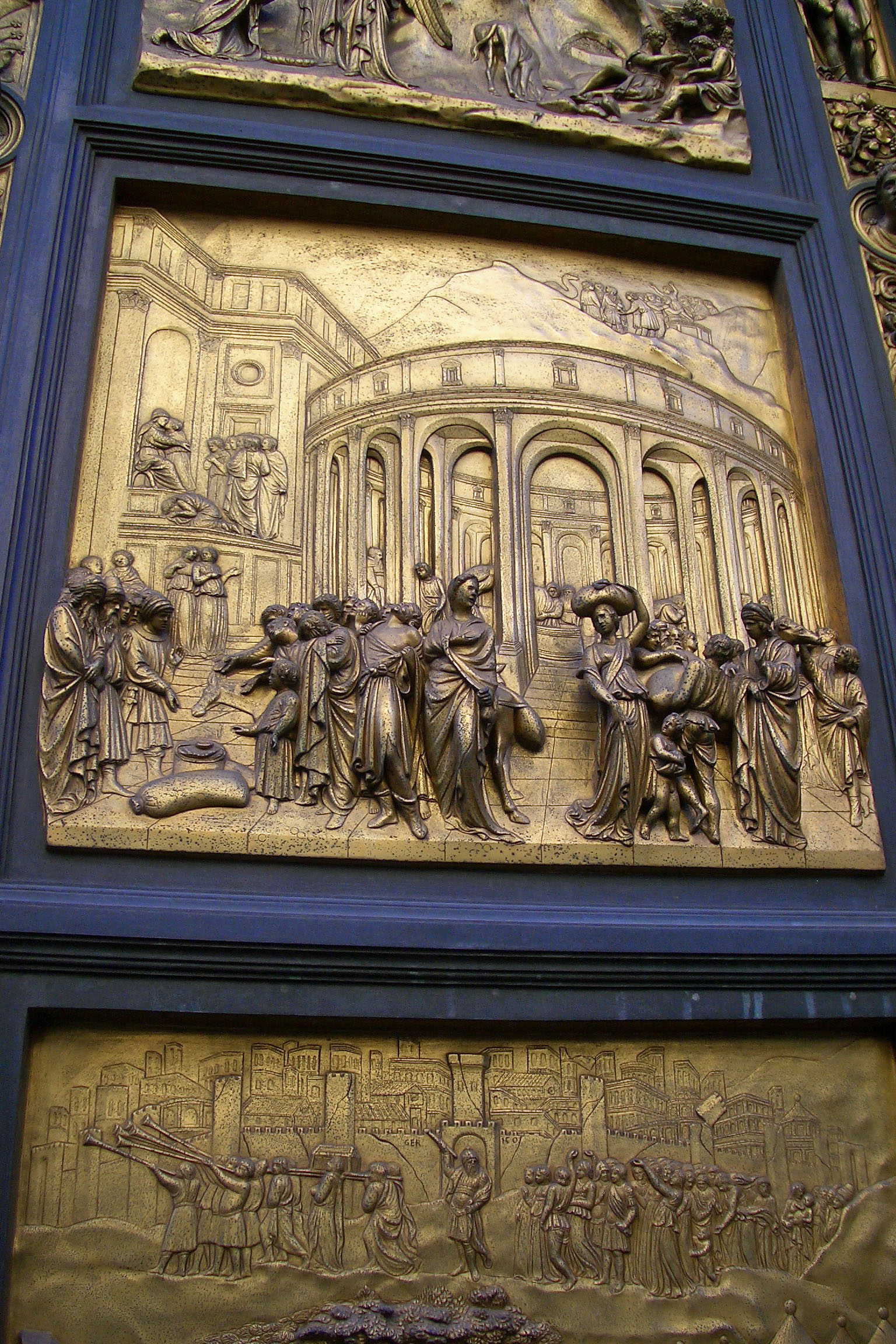
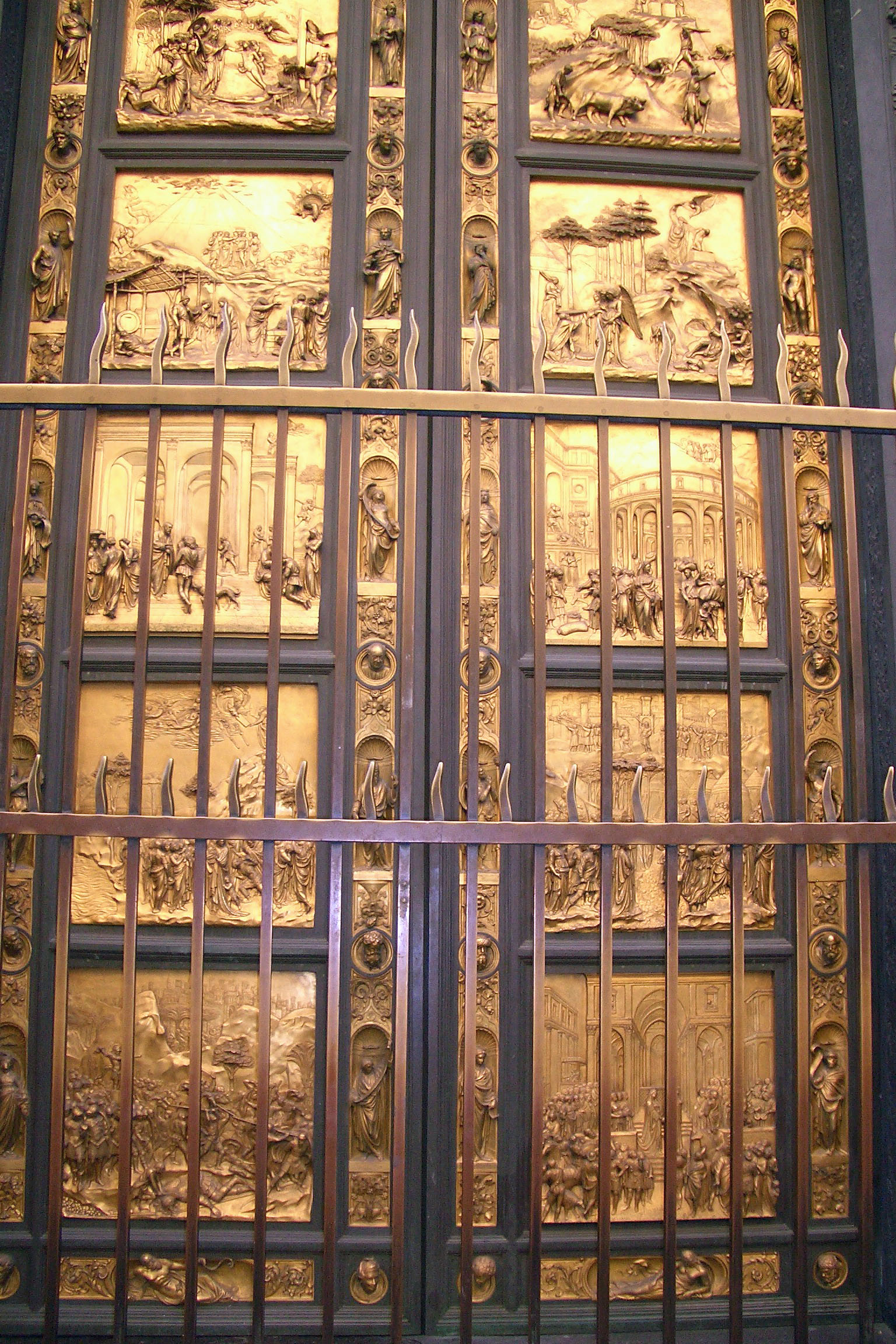
    Brunellechi’s great rival was Lorenzo Ghiberti, who was responsible for the Baptistry Doors, the epitome of Renaissance art and before which one can stand for hours reading the story portrayed in bronze.

    The Magnificent Bronze Doors of the Baptistry
    The Magnificent Bronze Doors of the Baptistry

    The East Door is considered his masterpiece, but again, these are not the originals: the originals are housed in the Museo dell’Opera dell’Duomo.

    Away from the magnificence of its art and architecture, Florence is a shoppers’ paradise, the three big names being Emilio Pucci, Salvatore Ferragamo and Gucci who help keep alive the art of the Italian designers in this fashion conscious town.  For goods with durability but exquisite design, visit the San Spirito neighbourhood where artisans still tool intricate designs on leather, and woodcarvers painstakingly apply whisper-thin layers of gold leaf to wooden statues.

    Pizza, Palazzos and Parking Problems
    Pizza, Palazzos and Parking Problems

    At the other end of the spectrum is the Piazza Santa Croce, where the less wealthy Florentines go to shop for moderately priced goods and if you want to get up close and personal with the locals, head for San Lorenzo Market where the stalls sell everything from crafts to food.

    Everyone, at least once, strolls across the Ponte Vecchio, the inimitable bridge near the site of the Roman crossing of the Arno which, from the 16th century until the late 19th, had been the place to shop for Florence’s spectacular jewellery.  Today the array of shops can only be considered disappointing: much better to experience the romance of the bridge from the riverside.

    Ponte Vecchio, Florence
    Ponte Vecchio, Florence

    Looking at it from a cafe or a gelateria below the bridge places it firmly in the Renaissance world, away from the tourists that crowd the shops selling cheap jewellery and trinkets.  In the early evening when the sun is just about to set, look towards the bridge and imagine, if you will, Dante, Boccaccio, Machiavelli, or members of the Medici family, strolling across the bridge to visit the famous goldsmiths who carried on their trade there, their brilliantly coloured  cloaks standing out against the blue sky and the distant Tuscan hills.

    Italian Ice Cream - none better!
    Italian Ice Cream – none better!

    And after hours of Giottos and Ghilbertis, piazzos and palazzos, make sure you do as the Florentines do, sit at a sidewalk cafe and have a gelato or an espresso.  The best time for this is during the passeggiata, the stylised evening parade beloved of the Italians, when the object is to see and be seen.

    The River Arno, away from the Crowds
    The River Arno, away from the Crowds

    The centre for all this is on Piazza della Signoria, so grab a seat at one of the cafes there and, for a couple of hours at least, be wholeheartedly self-indulgent.

    Florence Tourism:  http://en.firenzeturismo.it/en/firenze-territorio/tourist-information-offices-in-florence-pdf.html

    Italian Tourist Board in UK:  http://www.italiantouristboard.co.uk/          1, Princes Street, London – W1B 2AY    Tel. +44 20 7408 1254 – Fax. +44 20 7399 3567                                                                               info.london@enit.it – www.enit.itwww.italia.it

  • Historic Istanbul, Turkey

    Historic Istanbul, Turkey

    sIstanbul has long been a lure for travellers in pursuit of the exotic, the city where Europe and Asia meet in harmony yet where the whiff of an alien culture is obvious.   Just over a hundred years ago, it was as far as the sensible person on the Grand Tour would venture and it was the stopping place for that most exotic form of transport in those days, the Orient Express.   It was where Christians met Muslims, a city of fewer than a million people, the city with a well-preserved heritage from Byzantine churches to Ottoman palaces.

    Sunset in Istanbul
    Sunset in Istanbul

    Today’s world travellers venture much further in their quest for exciting destinations but Istanbul still manages to stir the senses.  This derives from many things, from the faces of its citizens who hail from many regions of the country and on whose faces is written the country’s history, the magnificent architecture ranging from early 5th century to present day designs in glass and steel, and from the mosques and churches with their mosaics and fine carpets that point to the continuity of the two cultures side by side.

    If you have only one day there, perhaps on a cruise ship, then the two most important sights are the Aya Sofia and the Blue Mosque.  But if you have longer, than take a boat cruise on the Bosphorus and have a fish sandwich at the end of it (fresh fish from the Bosphorus fried on board and slapped between two pieces of bread).

    The following places should be included in your tour.

    On the Banks of the Bosphorus, Istanbul
    On the Banks of the Bosphorus, Istanbul

    Basilica Cistern

    A magnificent underground reservoir with 336 columns each one 9m high beneath a high vaulted ceiling.  Visitors walk through this forest of pillars on raised wooden boards above carp-filled waters which reflect the columns.    It was built in the 4th century during the reign of Constantine the Great and creates an impressive atmosphere.

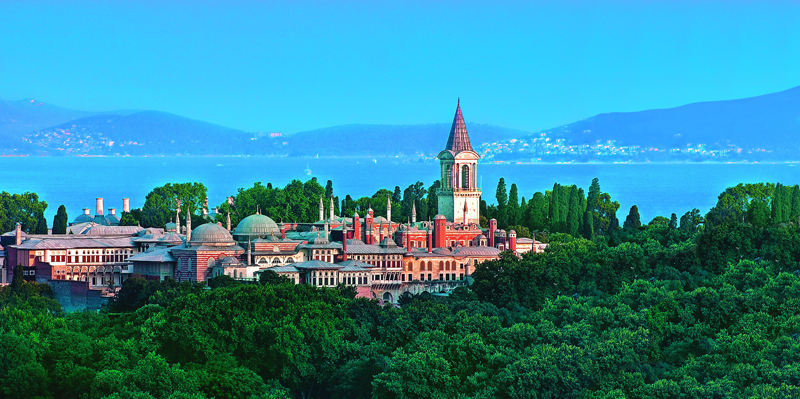
    Topkapi Palace

    Topkapı -palace
    Topkapi Palace with Bosphorus in Background

    Topkapi is the largest and oldest palace in the world to survive until today.  Situated on the site of the first settlement in Istanbul, it commands an impressive view of the Golden Horn, the Bosphorus and the Sea of Marmara.   Once home to the Ottaman Empire’s ruling sultans from the mid 15th century to the mid 19th century this sprawling palace was turned into a museum on orders from Ataturk in 1924.  Inside it consists of richly decorated chambers, pavilions overlooking the Bosphorus which were part of the private world of the harem, and holds some of the fantastic diamonds and other jewels of the  Court.  Most famous of these is the Topkapi emerald-encrusted dagger.  Television still shows the Jules Dassin film of the same name, Topkapi, starring Melina Mercouri, Peter Ustinov, Maximilian Schell, and Robert Morley which was about the attempted theft of this famous emerald. If you have never seen it, catch it next time it is screened: it is well worth watching.

    Grand Bazaar

    Grand Bazaar, Istanbul
    Grand Bazaar, Istanbul

    Said to have been founded by Istanbul’s first  Ottaman ruler, Mehmet ll, the Grand Bazaar is one of the most famous souks in the world.  It is a town within a city, miles of alleyways lined with over 4,000 shops which makes it an easy place in which to get lost.  Everything from jewellry and carpets to Turkish delight and fake handbags is for sale here.  The salesmen are experts at their job and you need to be firm if you don’t want to buy a silk carpet (which they can ship home for you) or a rug or a kelim. Caveat Emptor.

    The Blue Mosque

    Its real name is the Sultan Ahmed Mosque but everyone knows it now as The Blue Mosque, the only one ever to be built with six minarets.  One of the most famous monuments of Turkish and Islamic art it is a fine example of classical Turkish architecture.
    The architect, Mahmet Aga decorated the interior in jewel-like colours and it features stained glass, marble latticework and thousands of beautiful blue tiles which give it its name.  It was built in the early 17th century and was originally part of a larger complex of baths, public kitchens, a covered bazaar, a hospital, schools and a caravanserai, few of which survive today.

    If at all possible, try to view the mosque from the sea when, dominating the Old City skyline, it is breathtaking.

    Aya Sofia

    Hagia_Sophia_Pan_compressed

    The Byzantine Emperor, Justinian, was responsible for the commissioning of this Christian church in 532 AD, the crowning glory in Christiandom’s crown for a millenium.  Under the Ottamans it became a mosque but it is now a museum, famous for the seemingly unsupported vast dome of golden mosaics and stained glass windows.

    Hagia Sofia interior
    Hagia Sofia interior

    Aya Sofia (or Hagia Sofya or Haga Sofia) is one of the most visited Museums in the world.   Used as a Christian church for 916 years, it was converted into a mosque after the conquest of Istanbul by Fatih Sultan Mehmed and remained so for 482 years. In 1935, a decision by Kemal Atatürk and the Council of Ministers, meant that Hagia Sophia was converted into a museum, which it remains to this day.

    Hagia Sophia is open for visit every day except Mondays.

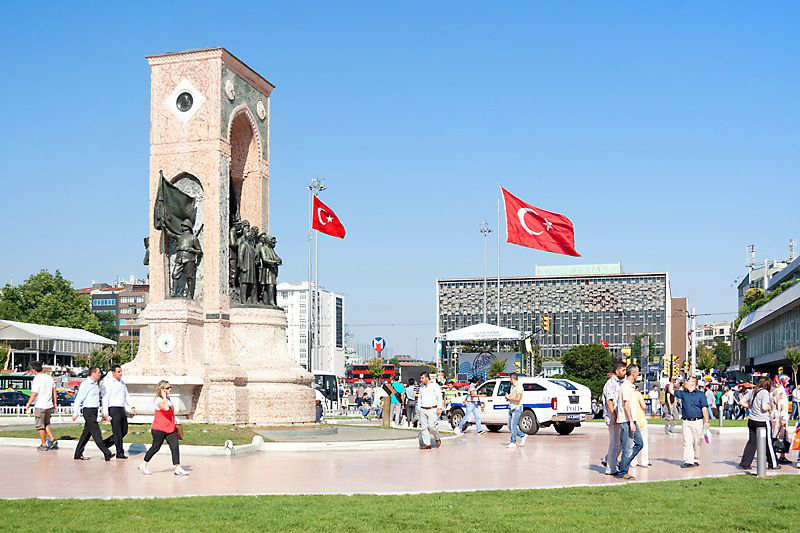
    Istikal Street Monument
    Istikal Street Monument
    Istiklal Street
    Istiklal Street

    IMAGES PROVIDED BY TURKEY TOURISM

  • Syracuse, Sicily: Greatest Greek City in the World

    Syracuse, Sicily: Greatest Greek City in the World

    Syracuse (often spelt Siracuse) in south-east Sicily, is often overlooked in favour of the more touristy Taormina but the visitor to Sicily should not miss this city that was described by Cicero as the greatest Greek city in the world.

    Assaulted by Romans, Byzantines, Vandals, Arabs, Normans and Spanish, Sicily has absorbed these foreign cultures and made it her own, perhaps best exemplified by the Cathedral in the Piazza Duomo, the delightful pedestrianised square in the heart of Ortygia, the island in the centre of Syracuse.

    The façade of the cathedral is 18th-century and like so much of Sicily’s architecture, it was erected following the earthquake of 1693. It is actually built on successive altars to the Temple of Athena, the doors of which were said to be made of gold and ivory. Round about the 17th century the temple was transformed into a Christian church which later became the Cathedral. Walk down Via Minerva to view the outside of the Duomo and see how nothing was wasted: the giant Doric columns of the Greek temple to Athena were incorporated into the church that superseded it.

    Ancient Greek Pillar still supporting the duomo
    Ancient Greek Pillar still supporting the Duomo

    Syracuse Town

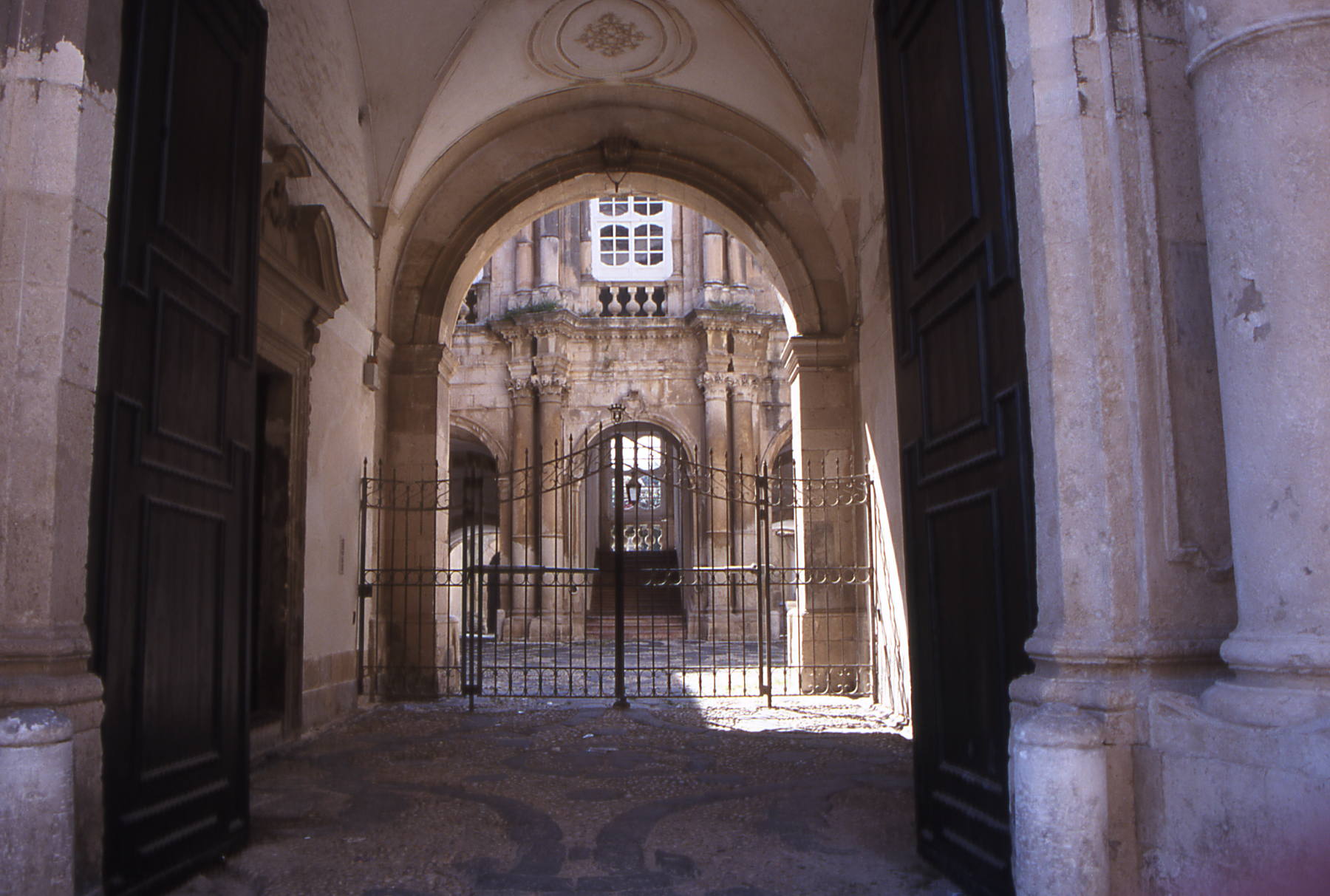
    Courtyard in Piazza Duomo, Siracusa
    Courtyard in Piazza Duomo, Siracusa

    The Piazza is regarded as one of the most beautiful in all Italy with the Cathedral on one side and various Baroque palaces dotted around the square. Day and night the piazza is a scene of energy and life as the ground floors of the once-great palaces now mostly operate as restaurants, cafés and bars.  On a warm evening there is no better place in Syracuse in which to sit and enjoy an espresso or aperitif.

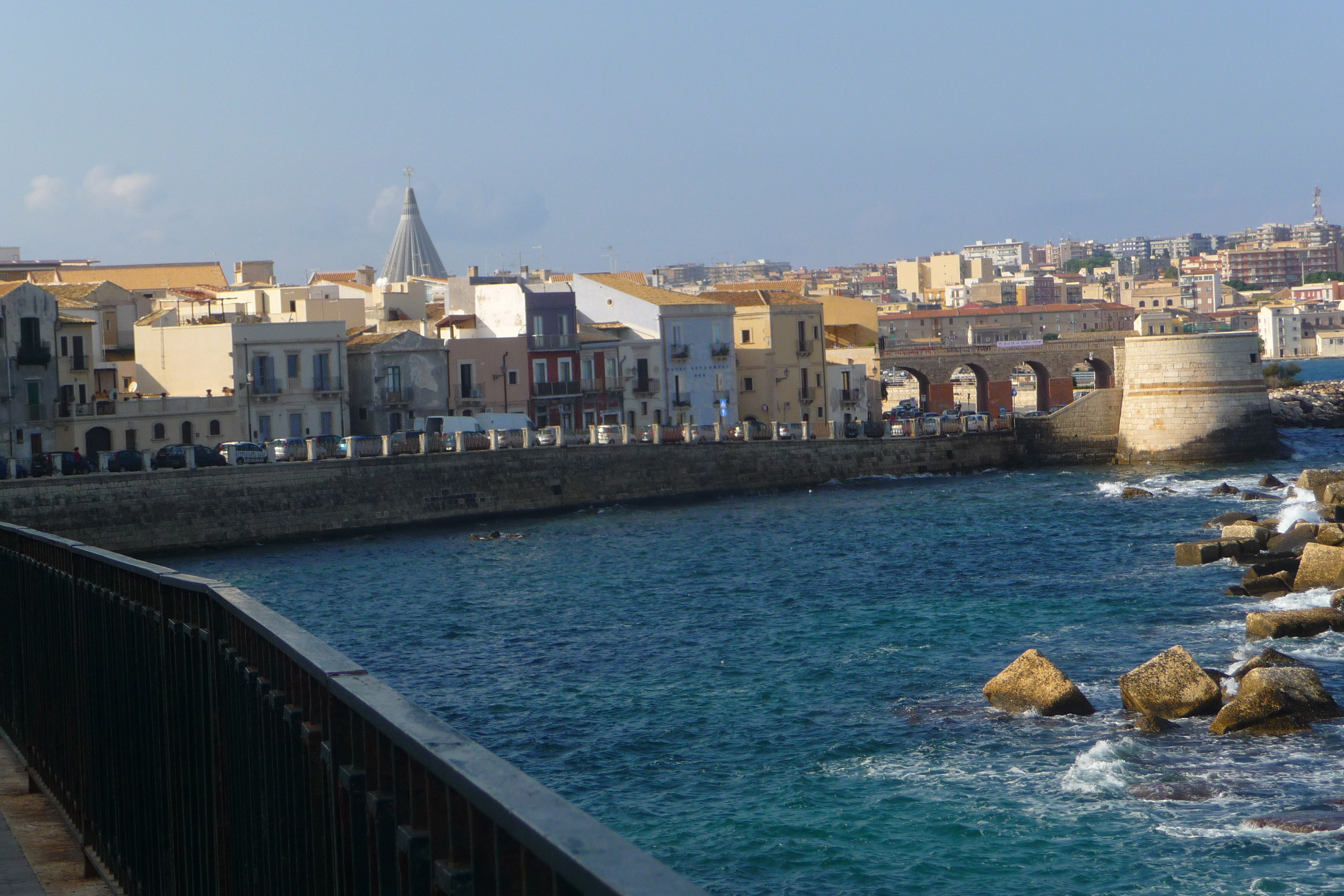
    A Bridge Links Old and New Siracusa
    A Bridge Links Old and New Syracuse

    There are two main areas in the town, the archaeological area which includes Greek and Roman theatres and remains, and Ortygia, a small island that feels more like a tiny peninsula, with beautifully restored Baroque buildings, a number of fine hotels and some great restaurants.

    The Archeological Area

    Temple to Apollo in Piazza Archimedes, Siracusa
    Temple to Apollo in Piazza Archimedes, Syracuse

    In the Neapolis Archaeological Park situated in the northwest of the town, are a number of well-preserved Greek and Roman remains.

    Greek Theatre, Siracusa
    Greek Theatre, Syracuse

    The main attraction is the Greek theatre (not to be confused with the more often photographed Greek Theatre in Taormina which has as its backdrop the snow-capped Mount Etna) where the plays of Aeschylus and Euripides are still performed from May to the end of June each summer as they were more than 2,000 years ago.

    Started in the 5th century when Syracuse was one of the great cultural centres of the Mediterranean world, the theatre is considered to be one of the most perfect examples of Greek architecture to have survived and can accommodate up to 15,000 spectators in its 59 rows.

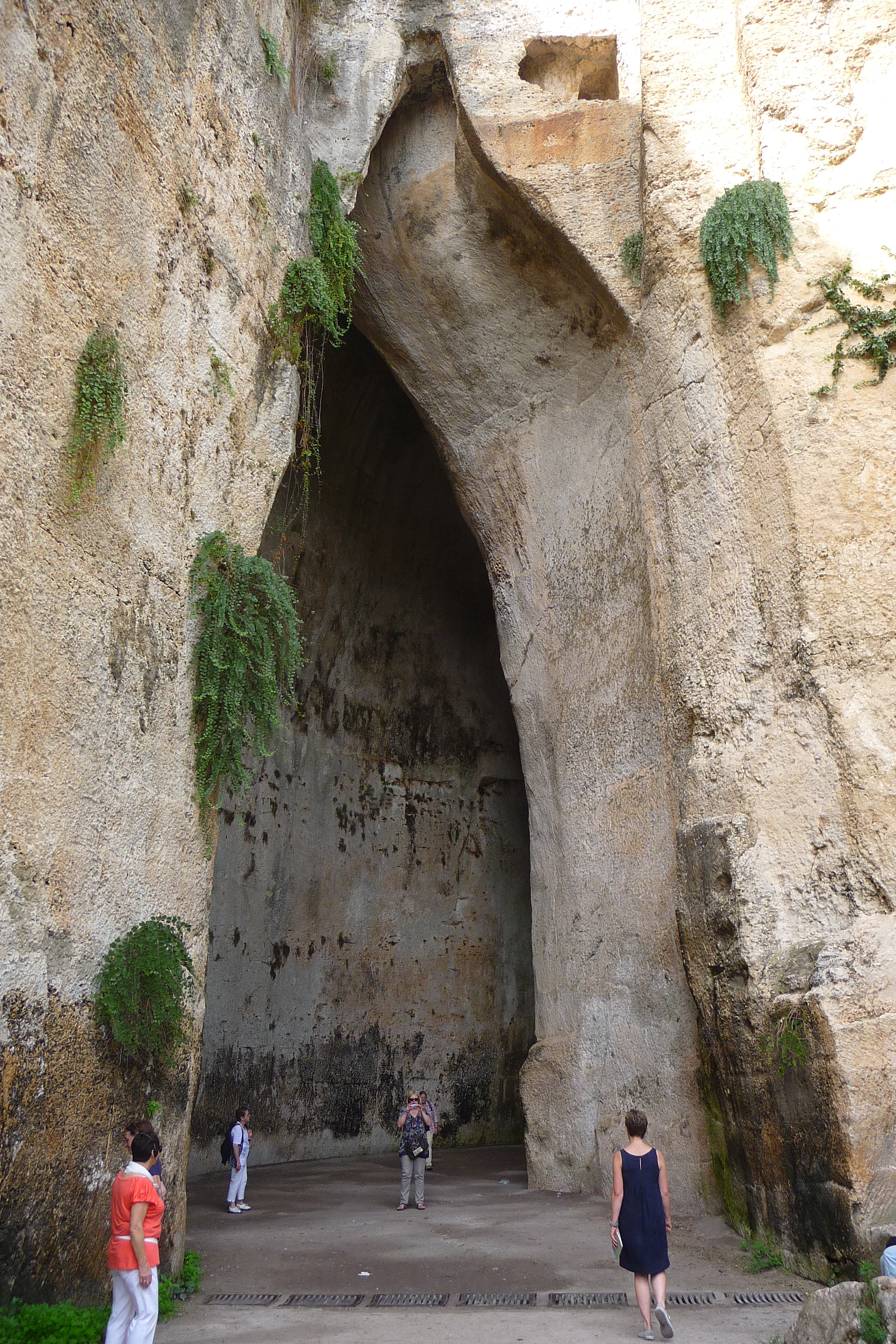
    The Ear of Dionysis

    The nearby fragrant lemon grove was once an old stone quarry used at one time to house 7,000 Athenian prisoners of war, the limestone dug from it in 500 BC being then used to build Syracuse.

    The Ear of Dionysis 4

    Wander into the vast man-made chamber known as Dionysius’s Ear, a 20m high pointed arch cut into the rock face which owes its name to a visit by Caravaggio in 1608. Used as a prison, the excellent Cathedral-like acoustics meant that the prisoners’ conversations could be heard from outside.

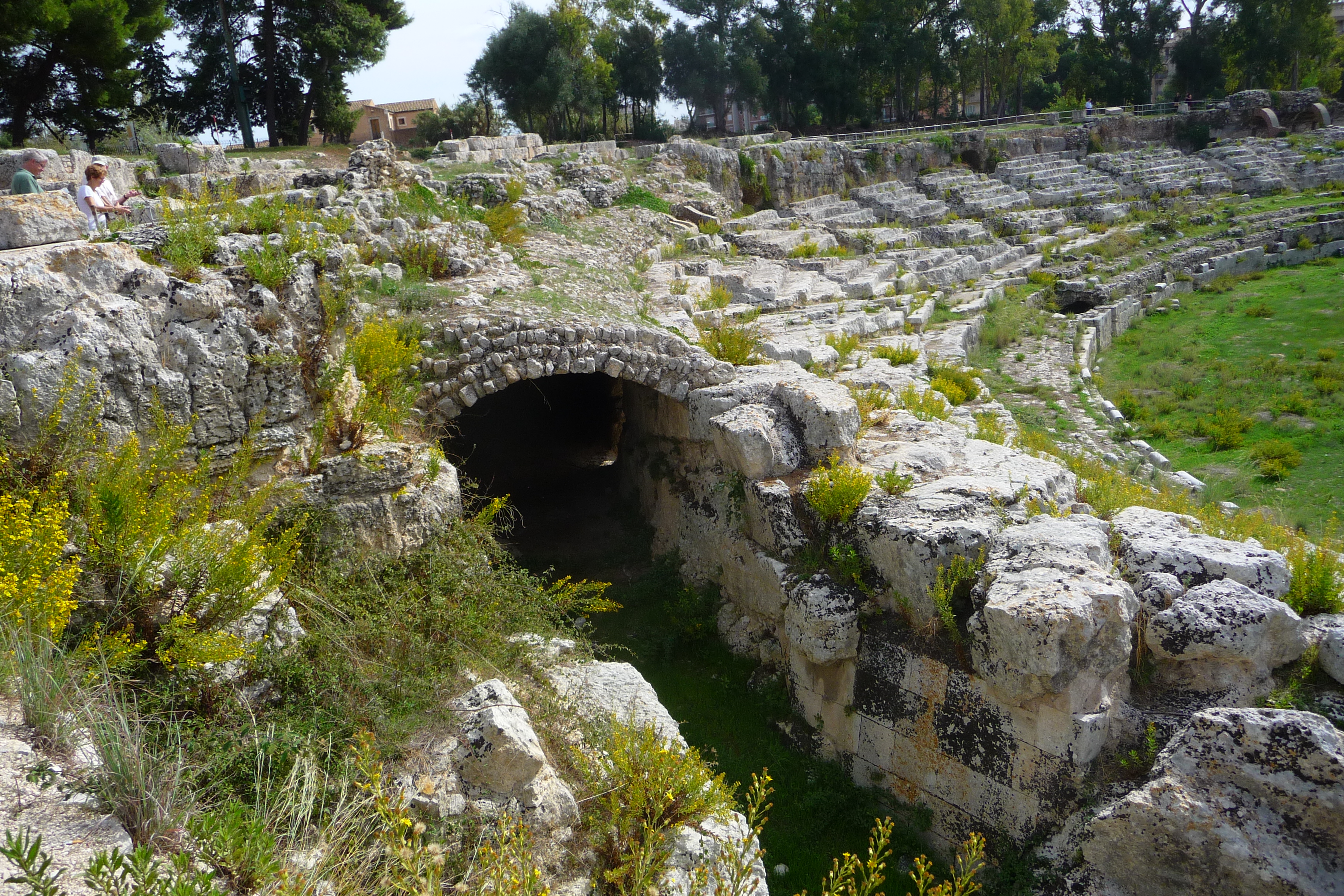
    There is also an impressive Roman amphitheatre, approximately 140m long, built in the 3rd Century AD where traditional blood sports took place, gladiators and wild animals providing the blood-letting that was so much part of these offerings. The hole in the centre is believed to have been a drain for the blood and gore – as one guide told me – or, a space for scenic machinery – as another guide told me!

    Roman Amphitheatre, Siracusa, Sicily
    Roman Amphitheatre, Syracuse, Sicily

    The Archaeological Museum is just a short walk from the park and if time allows, it is worth a visit.

    Ortygia, 2,55 Years of History

    At only 1km by 500m, the best way to see Ortygia is just to wander through the area admiring the Norman buildings and the Baroque decorative facades. Enjoy the sun at one of the cafes in the area sipping a café or an aperitif, or lunch al fresco at one of the many good restaurants on this tiny island.   Take a picnic and sit on the seawalls and admire the fish that swim lazily in the clear waters of the bay.

    Clear Waters of the Bay in Siracusa, Sicily
    Clear Waters of the Bay in Syracuse, Sicily

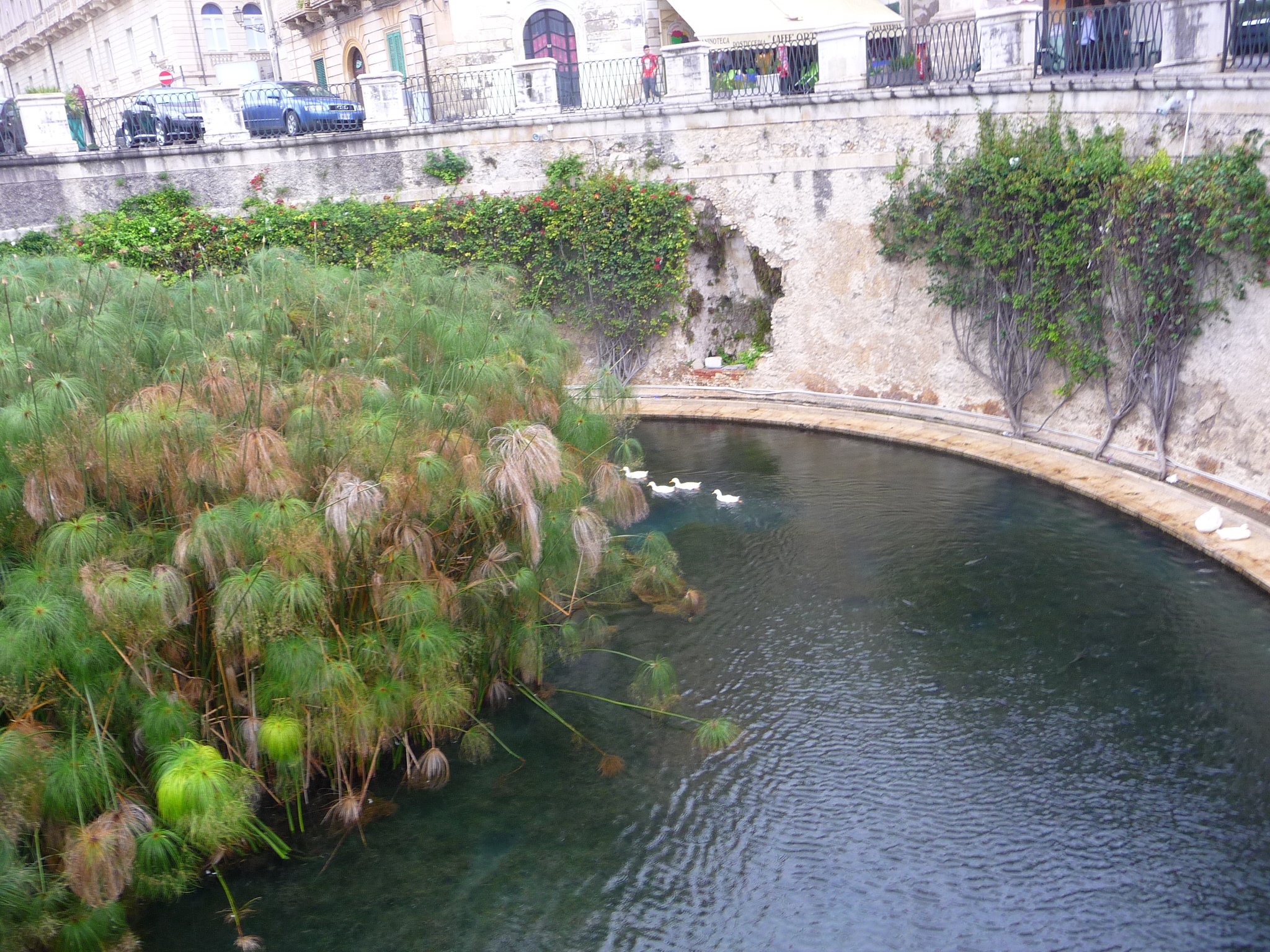
    One could easily walk past the Fountain of Arethusa. filled with white ducks and surrounded by walls of greenery, as it looks so unpretentious but it is one of the most important sights in Syracuse.

    Legend has it that the Arcadian nymph Arethusa, fled underwater to Syracuse to rid herself of the amorous advances of the God Alpheios and the Goddess Artemis transformed her into the freshwater spring that we see today.

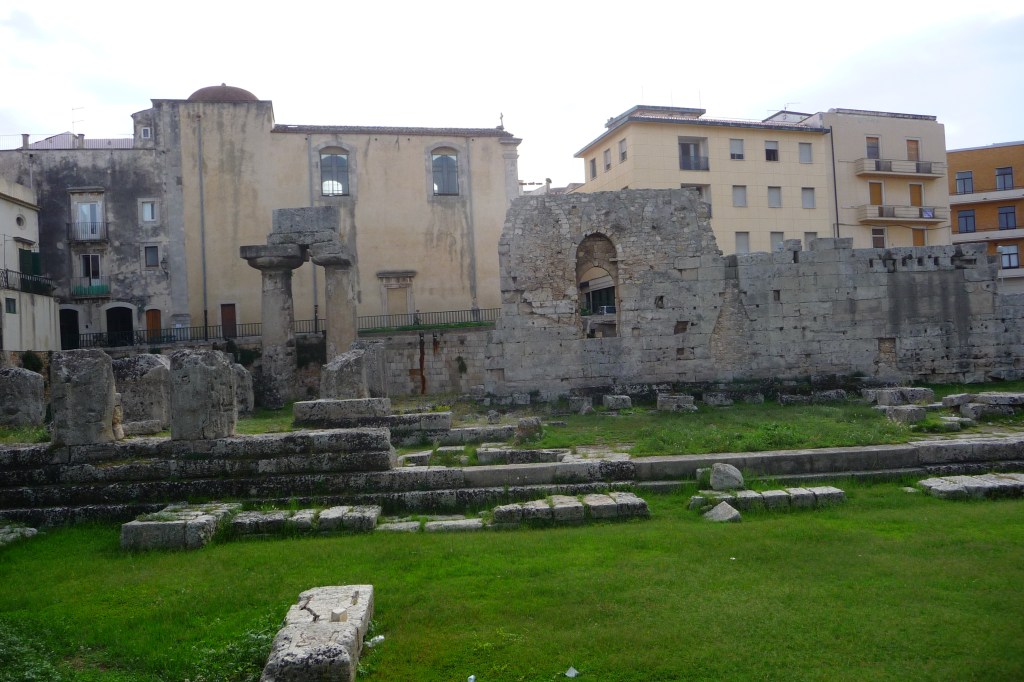
    The ruins of this Doric temple stand incongruously in the middle of the town (you can’t miss it as it’s on a main thoroughfare), on one side of which is a bustling market with sellers hawking clothes, handbags, umbrellas and anything else that will sell.

    Temple to Apollo 4
    Temple to Apollo, Siracusa, Sicily

    It seems such a pity that the Temple is not isolated so that visitors could enjoy it in tranquillity, but then it was probably full of bustling life when it was in use back in the 8th century BC when it was at its most active. It is the oldest temple in Sicily and over the centuries it has been a Byzantine church, a mosque and a Christian church.

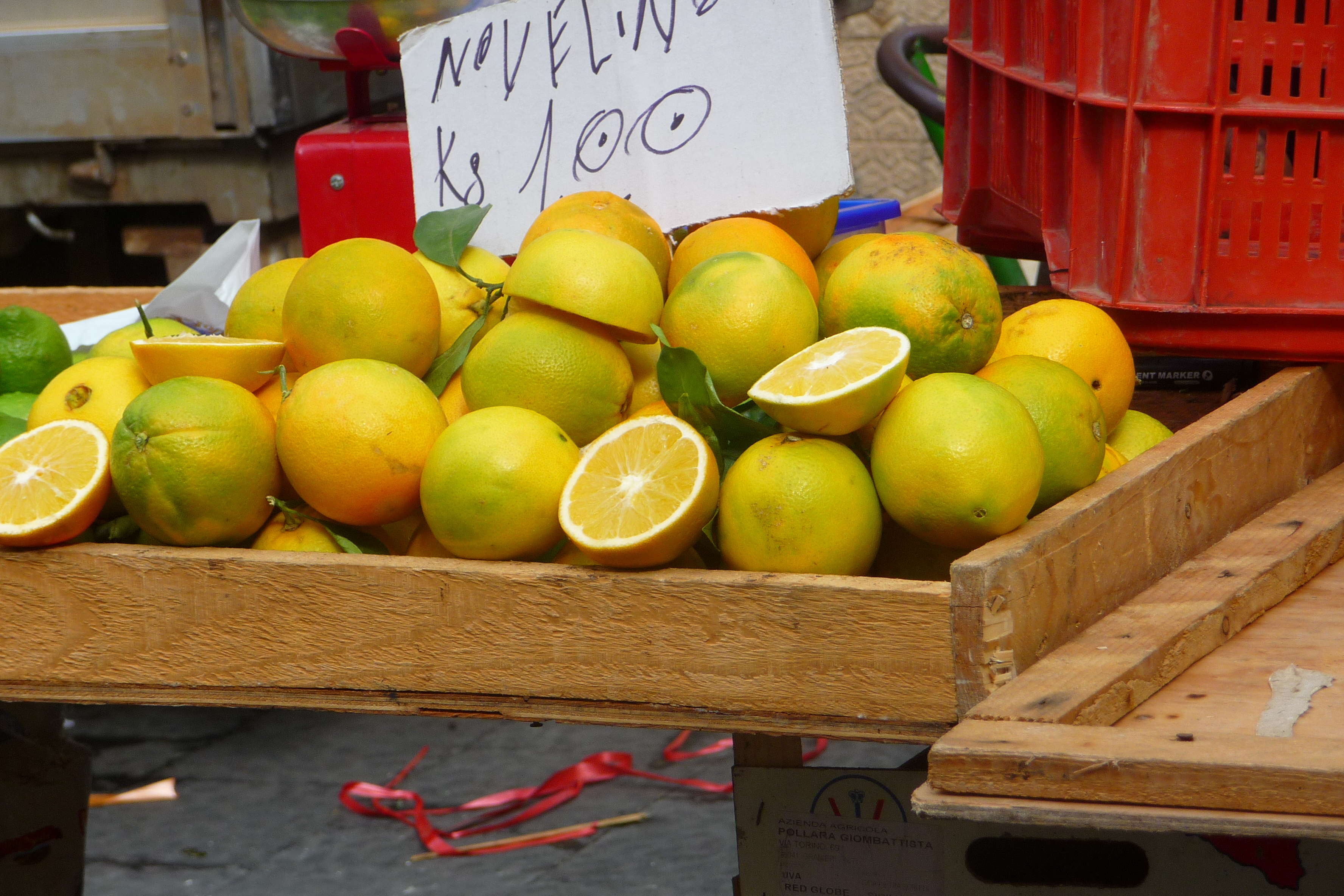
    Citrus from Sicily
    Citrus from Sicily

    Plato visited Sicily several times as did Simonides and Pindar, and Aeschylus sang of its beauty. Its enormous military power made it capable of withstanding attacks from Carthage and Athens and it remained powerful until the Arab conquest in 878 when it lost its supremacy.


    See also, Syracuse: The Other Bits

    Today Syracuse is a pleasant town in which to spend a few days – more if you want to travel beyond it, say to Noto, a perfect day out.

    Arethusa Spring, Siracusa
    Arethusa Spring, Siracusa
  • Italy’s Opera Offerings

    Italy’s Opera Offerings

    For opera lovers, the upcoming summer season of glorious music in Italy is something not to be missed.  All over the country festivals are about to open, many in small villages but all the more passionate because the town or village will have a personal tie to the composer whose work will be honoured.    Places like the San Galgano Opera Festival at Chiusdino, Siena that runs from June – August, the Rossini Opera Festival in Pesaro 10th-23rd August, and dozens more are set to keep opera fans happy during the summer months. My own favourites, the ones I hope to visit each year, are the Verona festival, the Puccini Festival in Torre del Lago and the Ravenna Festival, not just because of the music they offer but because they are in areas that allows touring during the day and longer trips on either side of the musicfest.

    Arena di Verona

    The Arena di Verona is one of the most magnificent arenas in Italy, capable of seating 20,000 patrons per performance but limited to 15,000 for safety reason.  The setting is truly magnificent, open to the elements and capable of staging the world’s most famous operas and adding props like real elephants and camels when the work calls for them.  This year the Arena celebrates 100 years and is offering Aida, Romeo and Juliet, Nabucco, Traviata, Trovatore, Rigoletto, and a Verdi Gala.    Among the special guests for the opening Gala are Placido Domingo, José Carreras and Andrea Bocelli.    June 14th – September 7th.

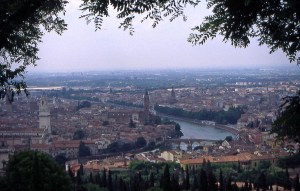
    Verona from the hills outside the city.
    Verona from the hills outside the city.

    The home of the legendary Romeo and Juliet, there is no lack of sightseeing in Verona itself, but nearby is Lake Garda surrounded by delightful towns, further afield but an easy day trip is Venice, and the Dolomites are on the doorstep.  What could be better.   http://www.arena.it

    The Amphitheatre of Verona
    The Amphitheatre of Verona

    Puccini & ClefThe 59th Puccini Festival takes place in Torre del Lago from July 12th – Augst 24th, a festival created by the great man himself in 1930 and since continued.  The outdoor theatre close to Vlla Mausoleo where Puccini’s remains lie, is a wonderful setting in which to enjoy the music of one of the greatest opera composers of all time.  This year the offerings are Cavalleria Rusticana, Il Tabarro, Tosca, Turandot and Rigoletto. There is little accommodation in Torre del Lago and most visitors to the event choose to stay either at nearby Viarragio or Lucca (my favourite).

    Madame Butterfly in Mosaic Tiles in Lucca
    Madame Butterfly in Mosaic Tiles in Lucca

    Lucca has the Puccini museum, is the only town remaining with its surrounding walls intact, the top of which can be walked or cycled around as they are very wide, and is known as the “tower town” due to the number of intact tall towers there.  A charming cathedral, free concerts in the evenings when not at the opera, some great restaurants, and Lucca could be the prize of the season.  Besides, it is just a short rail journey from Pisa and so perfect for connecting flights.   http://www.puccinifestival.it

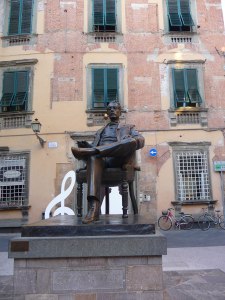
    Puccini Statue in Piazza in Lucca (beside Museum)
    Puccini Statue in Piazza in Lucca (beside Museum)
    Magnificent 5th Century Mosaics in Ravenna
    Magnificent 5th Century Mosaics in Ravenna

    The Ravenna Festival from May to June  is hosted in its many theatres and churches.  The Byzantine basilicas, cloisters and piazzas combine to make a superb backdrop for the art and music on offer.  The finest opera companies with the finest singers converge on this small town for a very special festival, this one the 24th, and apart from opera and classical music, they will offer jazz, films and exhibitions.   http://www.ravennafestival.org

    For all other festivals, check out the following site which lists them all.  www.festivalopera.it

  • The Shard – London’s New Viewing Attraction

    The Shard – London’s New Viewing Attraction

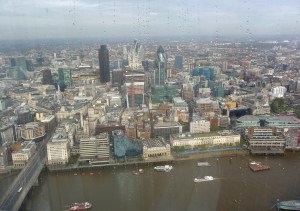
    Daytime View from The Shard, London
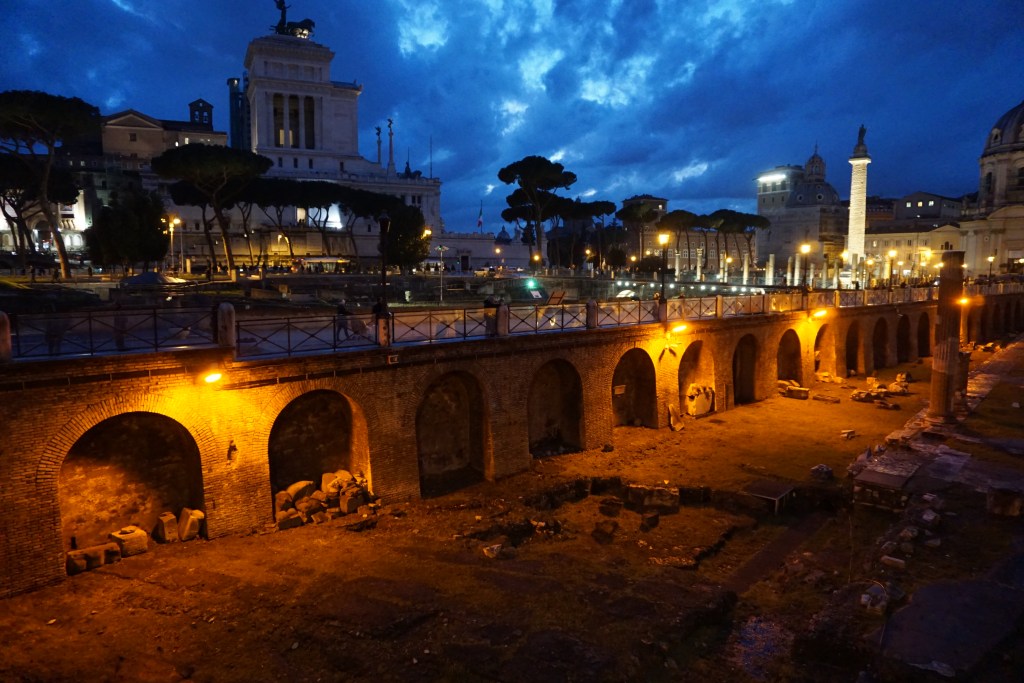
    Nightime View from The Shard, London

    The Shard.  Ah!  I look up from the ground and marvel at the design, at the shards of glass that catch the light and splay out at the top.  I had watched it slowly take over its London site, putting in the shade even the famous green glass building that the locals have named The Gherkin.

    Then last week during the World Travel Market at Excel, I was privileged to be invited to take a trip to the top of The Shard to experience the incredible views over London from this spectacular building designed by Master Architect Renzo Piano.  And what a vista.

    London Bridge from The Shard

    With a 360 degree view over the city to a distance of 64 km (40 miles), and from 800 feet up in the sky in the tallest building in Western Europe, London had never looked better.  The Shard is twice as high as any other viewing point in London and the only place in the city from which you can see all of London.

    The View from the Shard

    For the first time I could see how the River Thames has helped create this great city, how it snakes in and out, meandering north and south in ways I had never realized.   Tiny boats sailed on its muddy waters, like toys pushed off from river banks by little boys.

    The Majesric River Thames

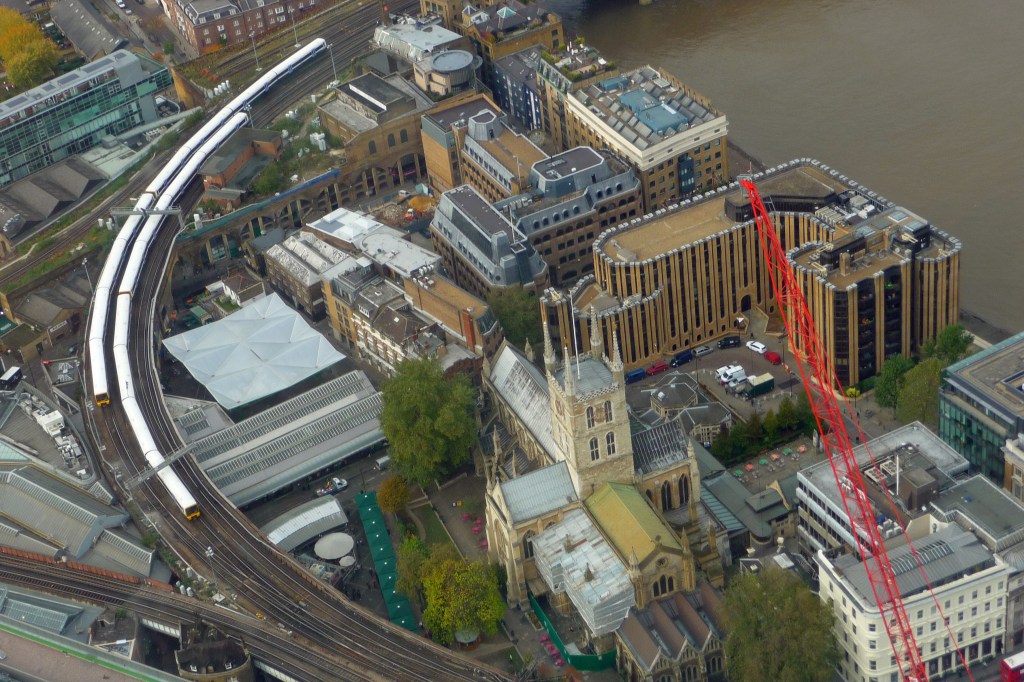
    From high in our eyrie on Level 69 we could see all of London’s famous landmarks – even on a grey drizzly day.  Easy to pick out the Emirates Stadium (home of the Arsenal football team), Wembley Stadium, Windsor Castle, St. Paul’s etc. and by following the railways with their toy-trains for all the world like the Hornby set I played with a child I could find the railway stations and using this as a guide, find lesser known sites in the area.

    Trains on London’s Railways as viewed from The Shard

    Technical Help on Viewing Platform

    One of the Tell Scopes on Level 69

    Of course there are telescopes too.  Not just telescopes, but Tell:scopes, a state of the art system that provides both day and night views of London and information in ten languages.  One thousand years of history and some of the most iconic buildings in the world lie before the viewer as digital Tell:scopes  help visitors explore the cityscape in every direction.

    From these viewing galleries it is possible to ascend even higher to Level 72 where, at the highest accessible point of The Shard, guests can stand in the open air, surrounded by the giant shards of glass that seen ti disappear into the sky.  The Shard title derives from the sculpted design which consists of glass facets that incline inwards but which do not meet at the top but instead, open to the sky to allow the building to breathe naturally.

    Rood Gardens on the City’s Important Buildings

    Further Details and how to book:

    The View from the Shard will offer a totally immersive experience of one of the greatest cities on earth when it opens to the public on February 1st 2012.

    Restaurants, offices, executive apartments and the Shangri-La Hotel their first time in London ) occupy different floors of the building.  Two lifts whisk visitors to the top in 30 seconds.

    Tickets can be reserved for dates next year at www.theviewfromtheshard.com at £24. 95 for adults and £18. 95 for children or via the box office hotline +44(0)844 499 7111.  Open 0900-2200 daily.  Nearest tube station is London Bridge, bus routes 43, 141, 148 and 521 stop there and bus 151 goes from London Bridge. Boat from Westminster Pier leaves hourly.

    Not a Job if you Suffer from Vertigo!