Category: Europe – Northern Europe & Scandinavia

Austria, Belgium, Germany, Scandinavia, Croatia, Bosnia & Herzogovina

  • BERGEN;  Gateway to the Fiords

    BERGEN; Gateway to the Fiords

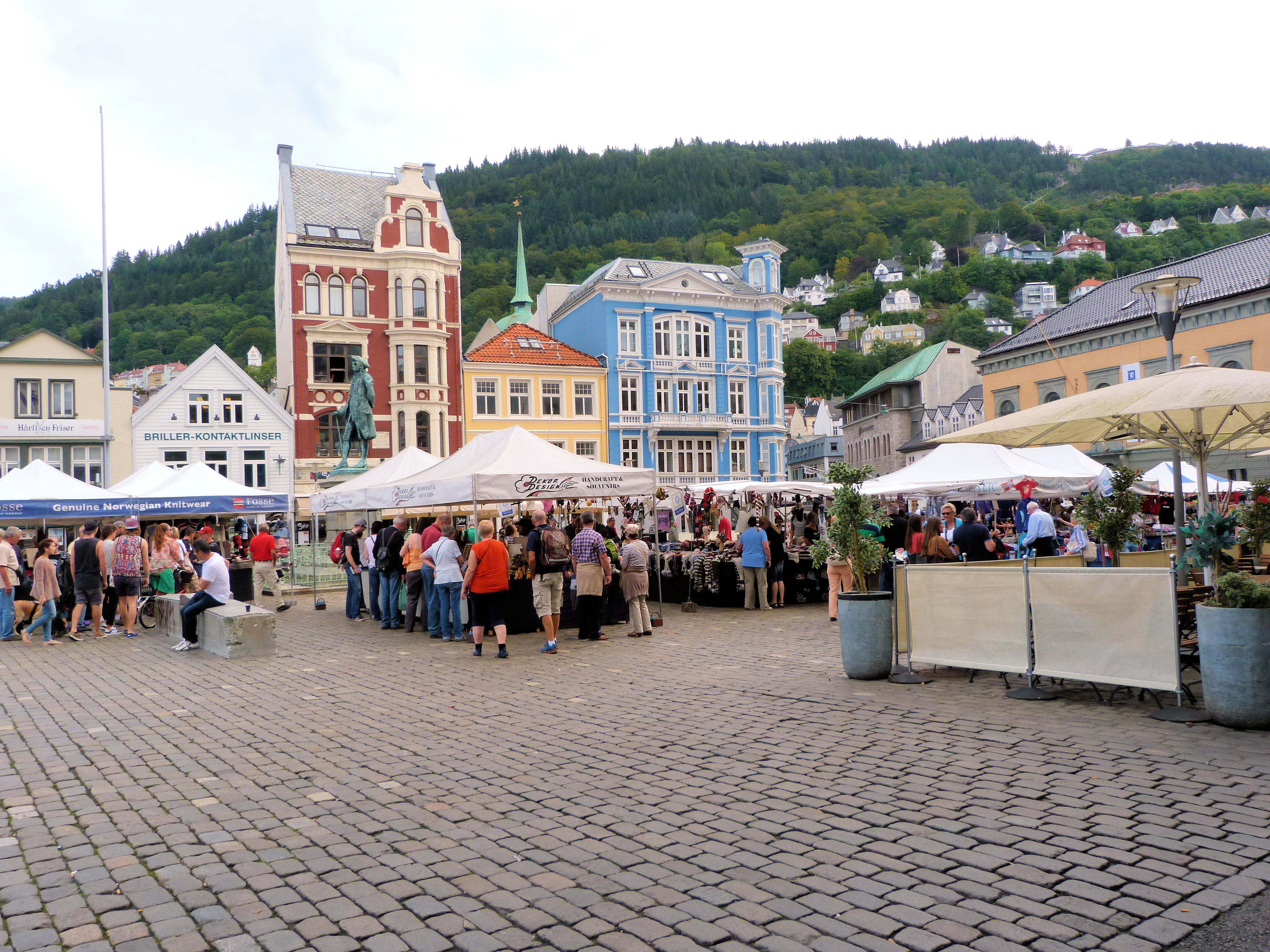
    Everyone is familiar with the old wooden houses in the area known as Bryggen in the port city of Bergen, which was rebuilt on 12th century foundations after the fire that ravaged the city in 1702. Bryggen has a place on UNESCO’S World Heritage List, but the whole city of Bergen is a designated World Heritage City. It was the largest town in Scandinavia during the middle ages and because of its position as one of the Hanseatic League’s four most important trading centres, it dominated trade for almost 400 years from its incorporation in 1360.

    The world heritage site consists of the old Hanseatic wharf and buildings, an attractive place for tourists and locals and a photographer’s delight. To stroll through Bryggen’s narrow alleyways is to wander back to a bygone age: many of the small wooden houses that line these streets date back to the 18th century and have been restored and refurbished in recent years to their current impeccable state. Not only is this a heritage site but it is a living, breathing one, part of a culture still active in this historical part of the city.

    I can’t think of any other city that more deserves the designation of World Heritage City: it has a fairy-tale air with a charm and atmosphere not often found in busy places. Seven mountains form the backdrop to the city and everywhere are small wooden houses, their doorways flanked by pots of brightly-coloured flowers, old cobbled streets and alleyways, and of course, Bryggen.

    Surrounded by fiords and a fantastic coastline with thousands of islands, Bergen is a base for active experiences such as fiord and river rafting, scuba diving, ocean rafting, sailing, kayaking, cycling and paragliding. Those whose liking is for mountains are spoiled for choice here as all seven of the mountains that surround the city have great walking trails (the tourist board will provide maps).

    If the active life is not for you, then shopping could not be better in this city of traders, (take the hop-on hop-off bus), hop on the little sight-seeing train and be guided around the area, or take one of the many guided tours on land or by boat.

    And it’s said that you’ve not seen Bergen until you’ve taken a trip on the Fløibanen funicular to the top of Mt. Fløyen to view the city from the spectacular viewing platform 200m above.

    Cafes, restaurants, galleries and shops abound in the area, many of them selling traditional and unique crafts. Bryggen’s Museum is the place to learn about the history of the city and an impressive collection of art is housed in a row of galleries lining the picturesque Lille Lungegärdsvann Lake in the heart of the city (Art Street); or visit the Grieg Museum for a half-hour lunchtime concert and a visit to the site of the composer’s unique grave.
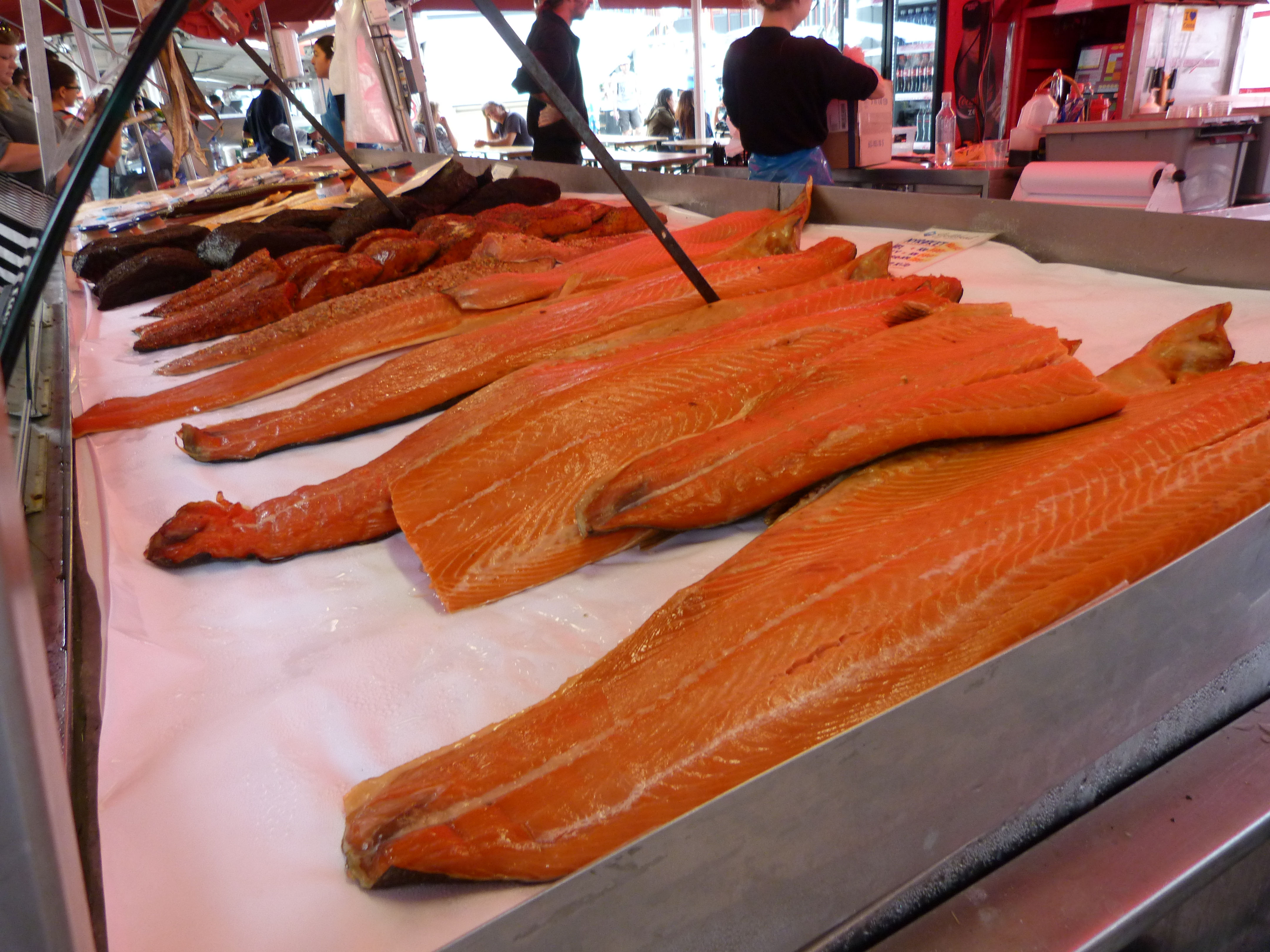
    If museums are not your thing, then just step into the Fish Market, the open-air fruit and veg market with its stalls full of the freshest berries I’ve ever seen, wander around the wharf and admire the fishing boats, tourist boats and naval vessels. Locals resting on the seats around the basin will be eager to chat with you, fishermen tending their nets will happily talk about fish and the ever-changing kaleidoscope will keep you entertained for hours.

    I didn’t spend long enough there, a mere 3 days, but it gave me a taster of what the city and its environs can offer. Some people I spoke to had arrived by cruise ship and seemed happy with their half day there. I wouldn’t have been. I think I might have cried if I’d had to leave such a gorgeous place after only a few hours. But whether its 3 hours or 3 days, Bergen will offer the visitor a lot to see and a lot to think about.

    NB. Best buy – The Bergen Card: Free entrances to many Museums and activities, heavily discounted entrance fees to other places. Travel free on the Light Rail and buses. 24 hours NOK 280, senior & students 224, children 100: 48 hour NOK 360, senior & students 288, children 130

    The Queen Mary in Bergen. A sad sight to see such a big cruise ship in this lovely little place.

  • Inside my Head Lies a Jewelled World

    Inside my head lies a jewelled world.

    Entrance to the Swarovski Factory and Shop in Austria

    This is my first Six-Word Saturday and I hope it’s OK for me not to count the ‘a’ as a word, as I was taught many years ago. I know many rules have changed since my early days and possibly that is also one.

    This photograph was taken about ten years ago when I was in Austria and visited the Swarovski factory, a veritable fairyland of crystal figures and jewelry. The result of so much overpowering bling was that I didn’t buy even a tiny piece. I really coveted a huge crystal tiger that cost many thousands of pounds but as I couldn’t have that I decided to have nothing!

    The interior is amazing but this exterior exceeds it: this is the most impressive entrance I have ever seen.

    NB In case anyone thinks I’ve discovered the Elixir of Life, that is not me in the photograph.

  • Windsor by Steam Train

    Windsor by Steam Train

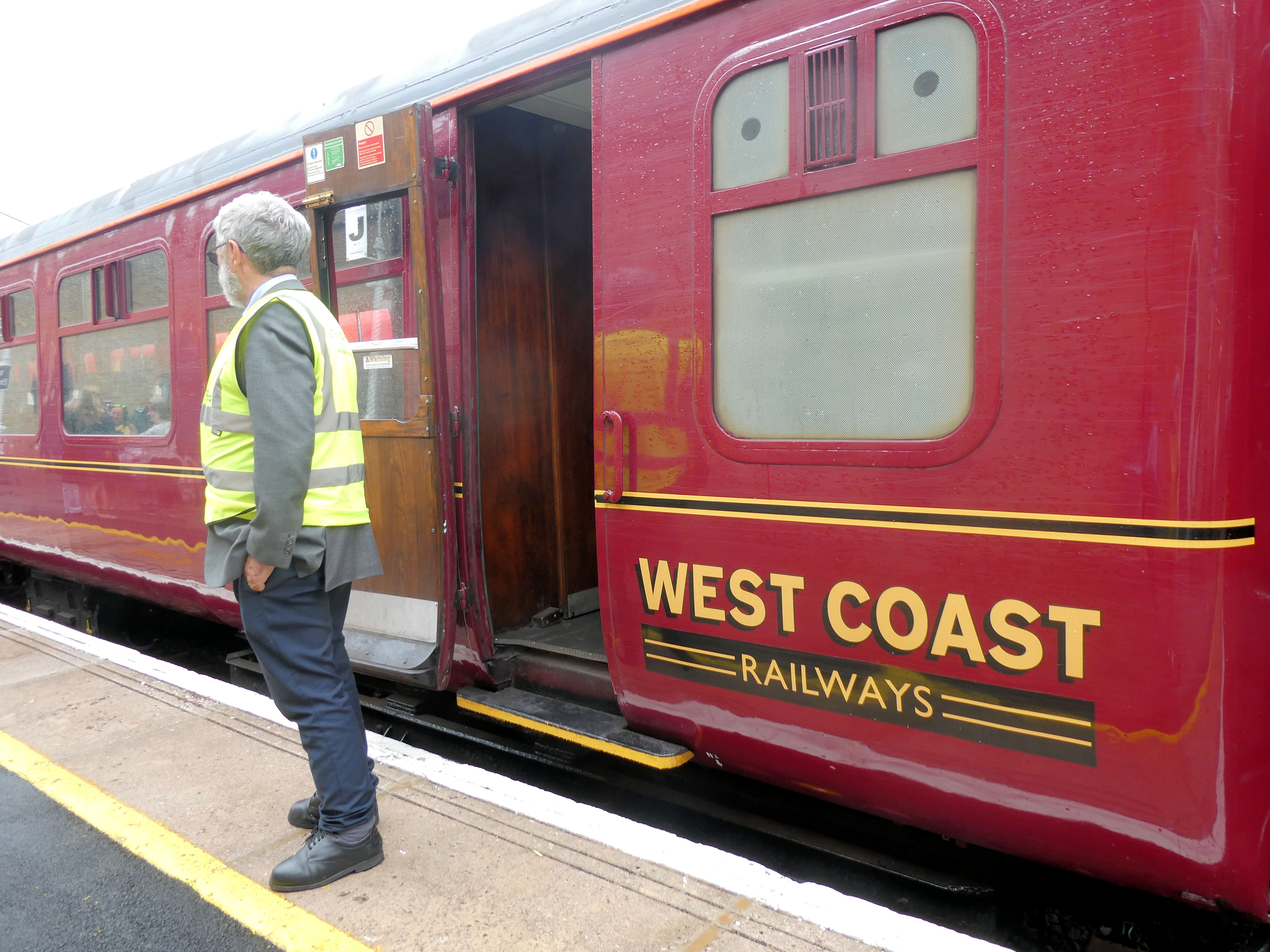
    I had a sort of time-travel experience yesterday when a celebratory day out with friends took me from London Waterloo in sumptuous style to Windsor, recently the perfect setting for two royal weddings.  We traveled in a ‘special event’ steam train of the Royal Windsor Steam Express.

    Pullman Dining in Style

    On board the vintage Pullman carriages of the RWSE it is easy to imagine yourself back in the golden age of steam travel as you relax in the plush seats with plenty of legroom. The wood paneling on the walls of the carriage soothes the eye, and the starched white tablecloths on the tables take you back decades.

    A champagne brunch is available in the Pullman dining carriages for £85 per person if you want the real luxe effect, but there is also the option of coffee, tea, wines and snacks from one of the charming hostesses on board in the Standard and First Class non-Pullman carriages. 

    The London Eye

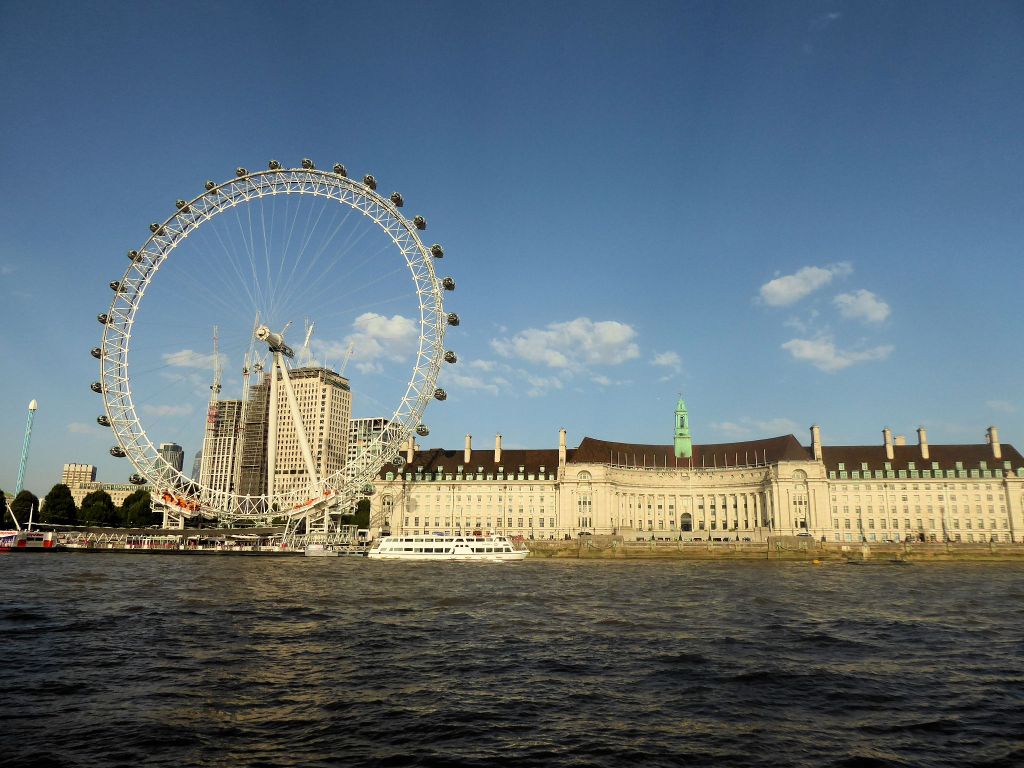
    Starting from London the Royal Windsor Steam Express passes many of London’s famous landmarks including the London Eye and Houses of Parliament, crossing the River Thames to reach leafy suburbs, reservoirs and lakes until it reaches the charming Royal Windsor & Eton Riverside Station designed by William Tite for the London & South Western Railway (LSWR).  The steam engine used to pull the refurbished carriages is The Mayflower, an original British Rail engine built in 1948.

    Windsor Castle

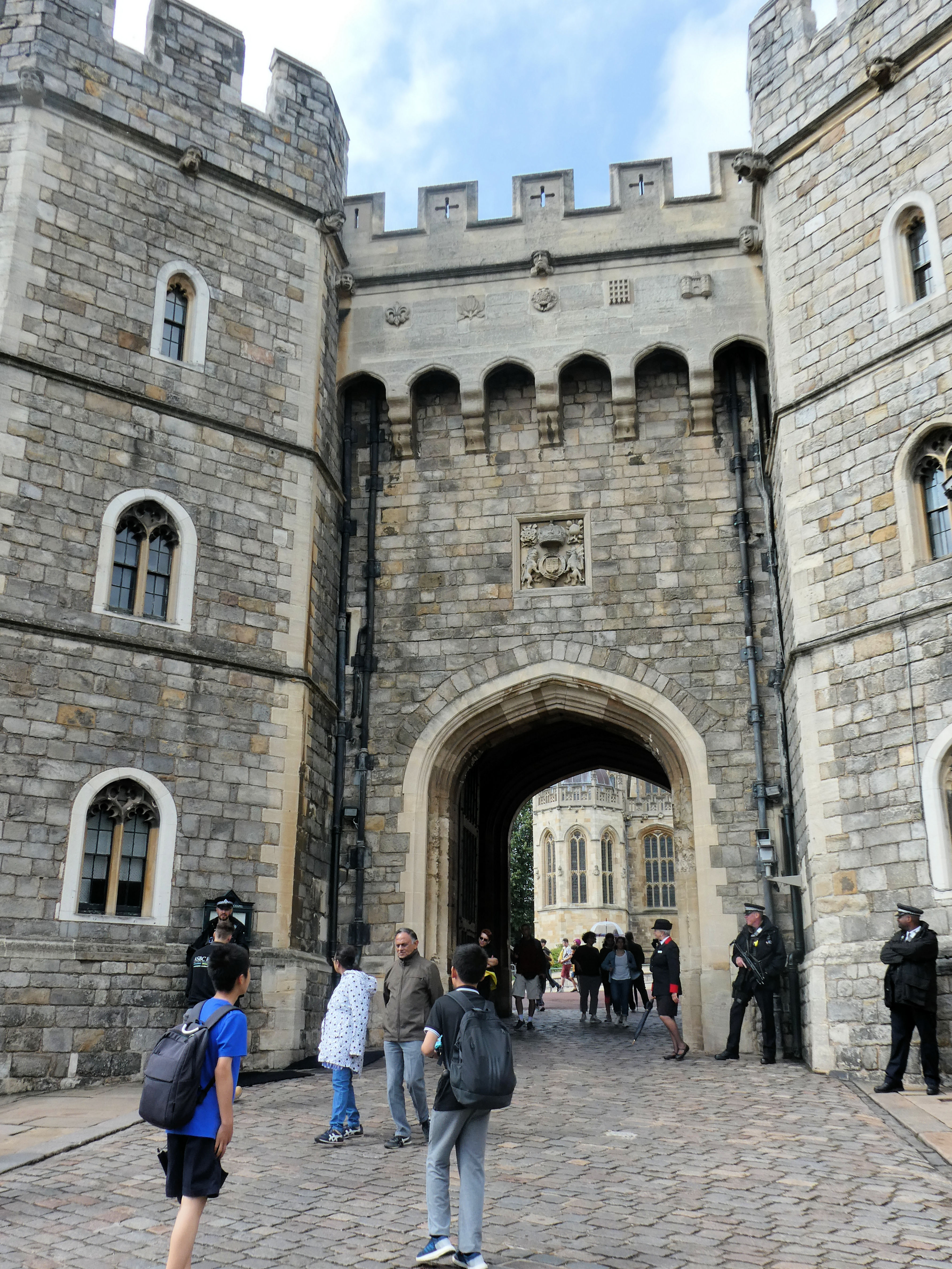
     The station is right in the town and as soon as you exit you can see stunning Windsor Castle on the hill opposite.   Windsor Castle is the largest and oldest inhabited castle in the world and is the Queen’s favourite weekend home. 

    Windsor Castle with statue of Queen Victoria

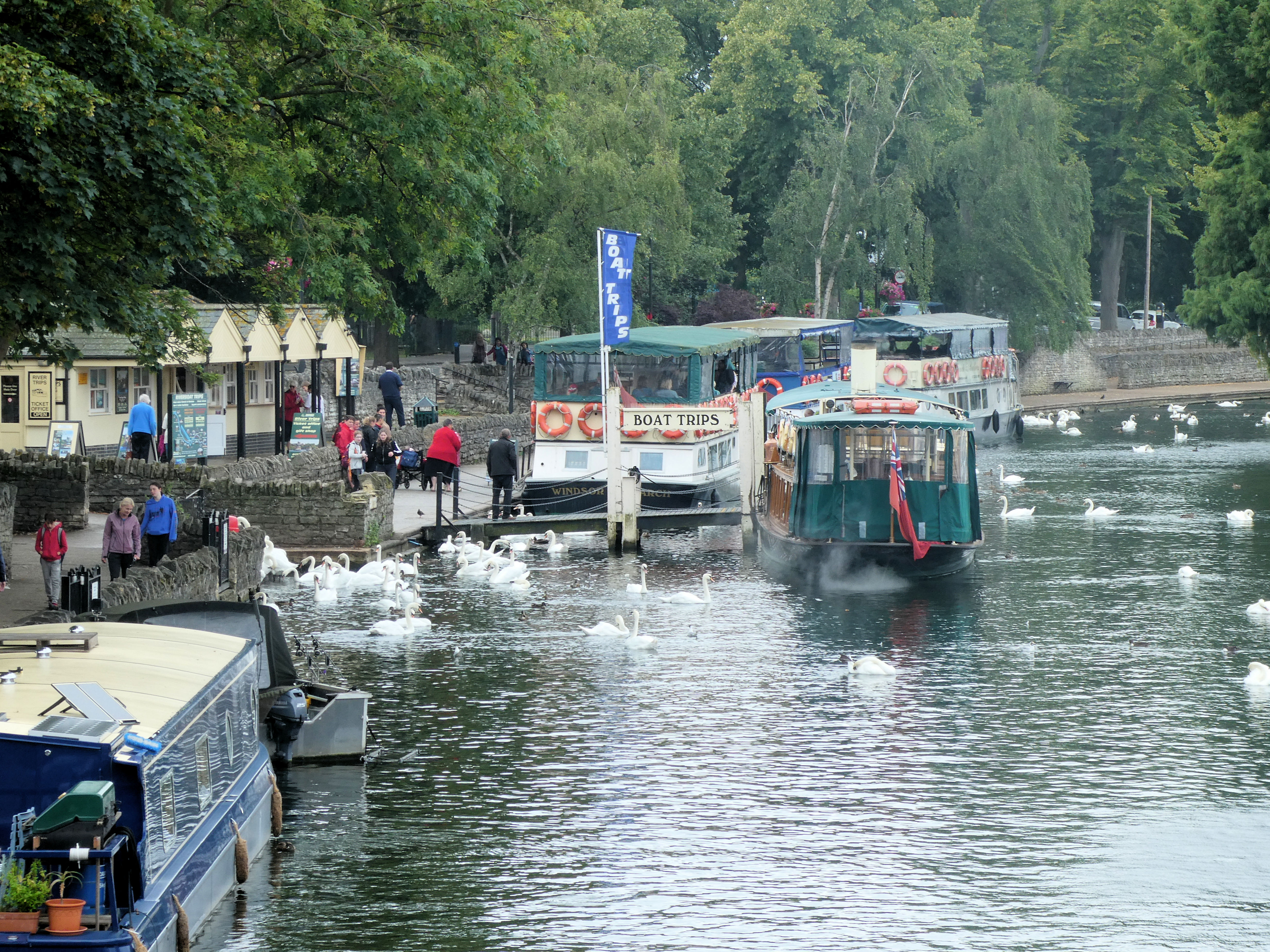
    The River Thames runs through the town and a boat trip along this stretch of the river is highly recommended.  Unfortunately, we didn’t have time for this:  I had done it before but would have very much liked to do it again had we not spent so much time lunching by the river and ambling around the town. 

    The Royal Borough has a rich mix of history, culture and heritage and if time allows a walk through the town is both practical and easy.  If not, the hop-on-hop-off bus will transport you to the main sights in Windsor and next-door Eton.    If you can time your visit to take in the colourful spectacle of the Guards marching through the streets of Windsor for the Changing the Guard ceremony within Windsor Castle’s walls, this unique sight could well be the icing on the cake.

    Notes:

    Windsor Tourist Office: https://www.windsor.gov.uk/visitor-information/visitor-information-centre

    The steam train service runs every Tuesday from 4th June – 3rd September, with three daily services each way between Waterloo and Windsor & Eton Riverside station.  Fares from £35 one way.   Tel:  01483 209888   Website:  SunsetSteamExpress.co.uk

    1-Hour Boat Trips on the Thames at Windsor in an 1898 Steam Boat – 4 minutes walk from the station.   £14 per person   FrenchBrothers.co.uk Tel: 01753 837345

    Hop-on Hop-Off Windsor Bus Tour £20. theoriginaltour.com/windsor   Tel: 0208 877 2120

  • Crime Fiction Festival in N. Ireland

    Crime Fiction Festival in N. Ireland

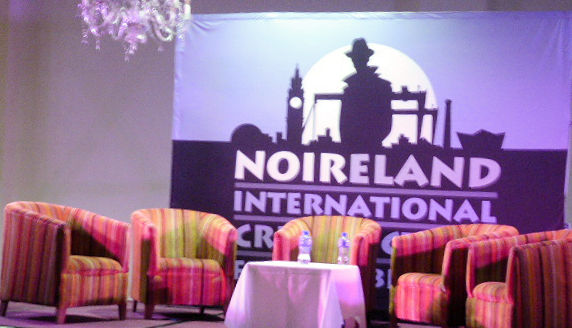
    To Belfast Last weekend for the Noireland International Crime Fiction Festival held in The Europa Hotel and back home laden with books by writers mostly new to me.   I realize that I have been in a rut, buying or borrowing only familiar writers, but listening to the panels of speakers at the Crime LitFest and browsing through the piles of books on the stands, I uncovered a whole new world.Noireland

    And what a world I found at Noireland.  Talks and panel events took place from Friday night till late Sunday afternoon and I was able to dip in and out as I wished.   I managed to catch most of them.  They ranged from An Englishwoman, An Irishwoman and a Scotswoman walk into the Noir which brought together the witty trio of Belinda Bauer, Jo Spain and Denise Mina, to a discussion between two of the top writers in the genre, Stuart MacBride and Adrian McKinty about their writing life.

    Various panels of writers took to the stage to discuss themes that ranged from The Victim, which looked at the human being at the heart of the crime, through True Crime and Podcasts, Gothic Crime, The Outsider (the loner, one of the tropes of crime fiction), Chillin’ like a Villain which explored the nature of the Villain in crime, Political Villainy, right down to our very own Brexit Means …..  And if you think it was all serious, “Catch yourself on” as they say in Belfast, this was all about the craic and the jokes fell fast and furious even as the crimes discussed were bloody and brutal.

    Adrian_Dunbar_-_Actor_(cropped)
    Brian O’Neill (https://creativecommons.org/licenses

    Difficult to chose a favourite session but I think I have to put in ace position the late evening reading by actor Adrian Dunbar of two spine-tingling chapters from John Connolly’s new novel, “A Book of Bones”.   Hard though it was to disassociate the man from his TV character of DCI Ted Hastings in Line of Fire his inspired reading meant that he owned the narrator’s character within a few seconds of him starting to read.  A cliché I know, but you could hear the proverbial pin drop.

    This was a masterclass in reading aloud and holding an audience, but the man is an actor and a Northern Irish citizen so he was at home.

    Another highlight for me was Anthony Horowitz talking about his writing career which spans books for young adults, the Alex Rider books, his Sherlock Holmes novels, Foyle’s War and Midsomer Murders on TV, his James Bond novels and how he was chosen by the Fleming Estate to write these.  Few people know that Horowitz is a wonderful raconteur and notable wit when on stage.

    This slideshow requires JavaScript.

    Writers like Eoin McNamee, Haylen Beck, Claire Allan, Dervla McTiernan, Stuart Turton, Gerald Brennan, Sarah Vaughn, M.J. Arlidge and Will Dean who had flown in from his home in Sweden, ranged over topics such as how they get into their victim’s heads, the human being at the heart of the crime, the extremes that motherhood can drive a woman to, and how true crimes have influenced the writing of crime novels.

    Ann Cleeves in discussion
    Ann Cleeves in discussion

    The final session was Ann Cleeves in conversation with Brian McGilloway talking about her long career in writing and how she came to develop the characters of Jimmy Perez in Shetland, and DCI Vera Stanhope in the long-running Vera.  A fascinating insight into the workings of a true crime writer.

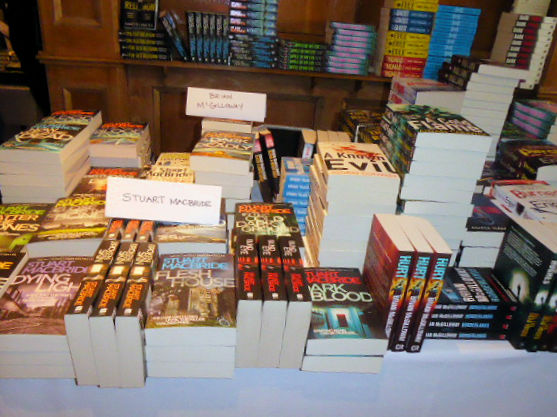
    Part of the Bookstand

    I haven’t named every writer who took part in the Festival: I have listed them below, but a special mention must go to No Alibis bookshop in Belfast without whom this would not have taken place.  The owner, David Torrans, is passionate about books, specializes in mystery and detective fiction and is involved in the community to the extent that he also uses the bookshop as a community venue for literary events and concerts, Van Morrison being just one who performed there.

    Books bought from No Alibis Bookshop are free of postage in the UK so if you want to check out what’s available, log on to noalibis.com, buy a book and support an independent bookseller.  If you are in Belfast, you’ll find the shop at 83 Botanic Ave, Belfast BT7 1JL and they even open on Sunday mornings.

    Eat your heart out Amazon.

    Other writers appearing at the Noireland International Crime Fiction Festival and not mentioned above:

    Eoin McNamee, Haylen Beck, Claire Allen, Asia MacKay, Elodie Harper, Dervla McTiernan, Stuart Turton, Laura Purcell, Caroline Lee, William Ryan, Martyn Waites, Aidan Conway, Declan Hughes, Adam Handy, Thomas Enger, Renee Knight, James Swallow, Douglas Lindsay, Mason Cross, Steve Cavanagh, Karen Hamilton, Elly Griffiths, and D.B. John.

  • STEYNING – A Sussex Town

    STEYNING – A Sussex Town

    If life in Brighton becomes too hectic, then a few days in Steyning are guaranteed to put things back in perspective.   Or so I found this week when the fine weather brought more people to Brighton than I’d anticipated and my ‘quiet’ time became distinctly unquiet, although I did enjoy some fine walks along Brighton beach and along Palace Pier.

    One of the prettiest Sussex towns, the Saxon town of Steyning (its history dates back to the 8th century) has more or less everything – a meandering high street, historic buildings, good shops (including an Independent Bookshop) and magnificent countryside all around, the South Downs to be precise.

    Steyning had been a trading powerhouse in the early middle ages as a river port for the downland wool trade, but the silting up of the River Adur left it up the creek, so to speak.  The Black Death hit the village hard and the competition from other ports added to its economic woes, but the loss to the medieval folk of Steyning is our gain today.

    The bypass has also been of benefit in this respect because, unlike many other small towns and villages in Sussex, the High Street has been spared the constant heavy traffic that makes a toll on the roads and creates noise and pollution.

    Steyning is pretty well preserved, with many Tudor style half-timbered houses alongside some smart Georgian townhouses.

    The preponderance of wood is especially noticeable, from the many old wooden doors to wooden fencing dividing the pavement from the road.  Below are a few of the doorways that took my camera’s eye.

    There is only one high-street grocery chain in the town and the many independent retailers offer an eclectic range of foodstuffs ranging from organic to exotic: the range of coffee shops/restaurants is truly amazing, many seeming to have a bakery shop as an add-on.   Outstanding is the Independent Booksellers in which we whiled away a couple of hours, emerging later with bags full of wonderful books, some bought as Christmas presents.  It was the sort of shop where one comes across books one just knows will suit someone, the sort one doesn’t find in the big bookstores anymore.   As a consequence of the mix of old-fashioned and modern small shops, shopping in Steyning is easy paced and very enjoyable.P1030559

    Steyning holds an Arts Festival every year, there is a Museum in Church Street, and in St Andrew’s Norman church in the nearby village of Bramber, where there is also an evocative ruined castle, there are some interesting carvings.    

    P1030573

    The South Downs Way passes just to the south of Steyning and climbs through the magnificent countryside around the Steyning Bowl, making this a perfect area for walking and cycling.   Wonderful country pubs abound in this area. 

    It has now become my favourite place outside Brighton.

    P1030590

  • Saint-Symphorien Cemetery World War 1

    I read in the news that Theresa May, Prime Minister of Great Britain, is to travel to France to lay a wreath on the graves of two young British soldiers who were killed during World War 1.  One of them was the first man to die in that ‘war to end all wars’ and the other was the last man to die.   It reminded me that I had visited Saint-Symphorien cemetery where they are buried, a couple of years ago and I thought I would re-post my original piece but to my surprise either I hadn’t posted anything about that particular battlefield or I had somehow deleted it.

    However, it is still in my mind now so I thought I would just put up a few photographs of the cemetery because it is so different from all the others in France, being in woodland, and having a more peaceful appearance.  It is also the only cemetery, I believe, in which both British and German soldiers are buried together.  My visit to Ypres last year was very different.   There massive cemeteries like Tyne Cot just filled one with a deep, deep sadness as the ranks upon ranks of white gravestones spreading across the fields could not but remind one of the carnage of that war.

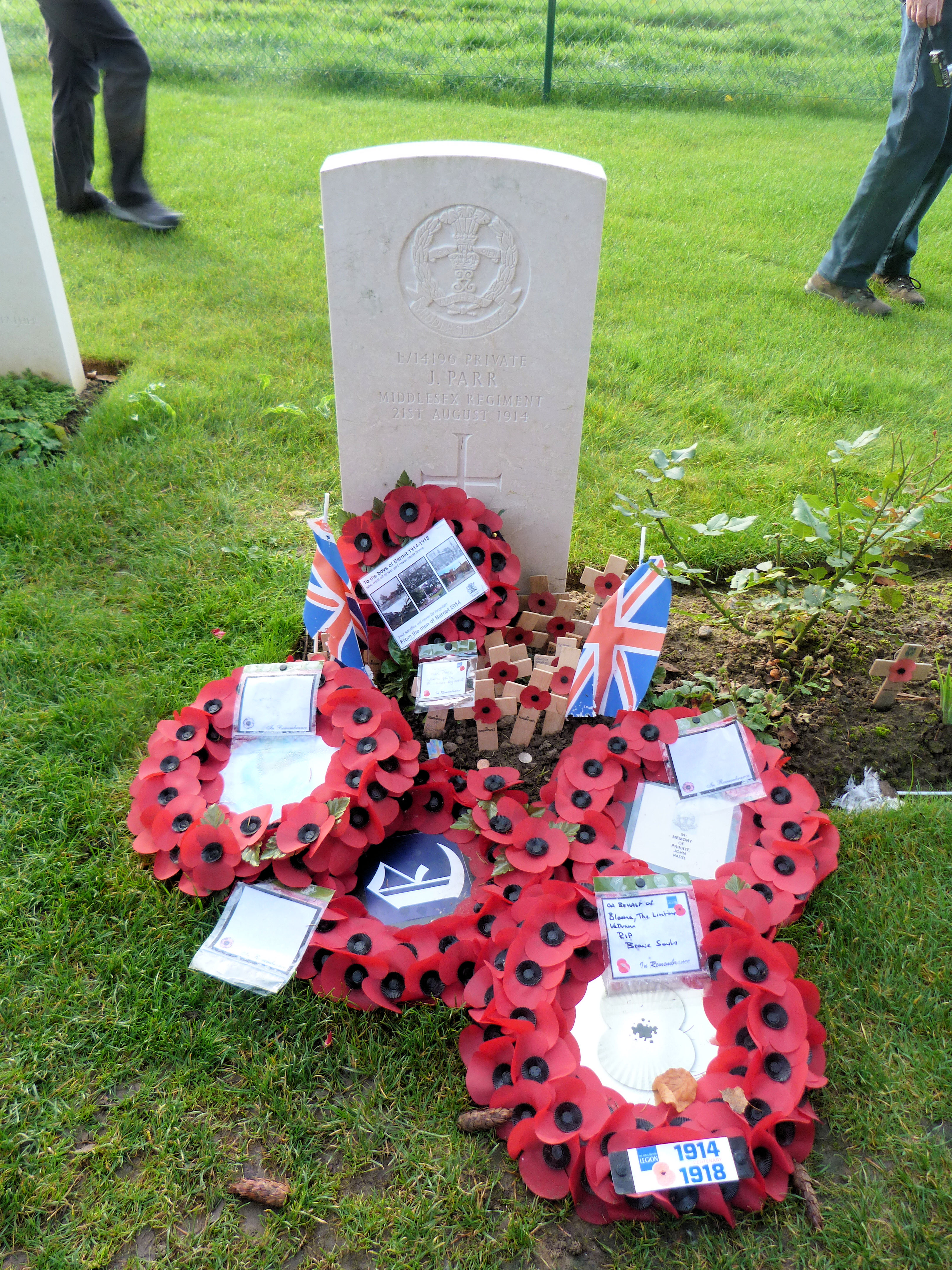
    First though, the gravestone of the young James Parr of the Middlesex Regiment who was the first man to die, on the 21st August 1914.

    First British Man to die in World War 1

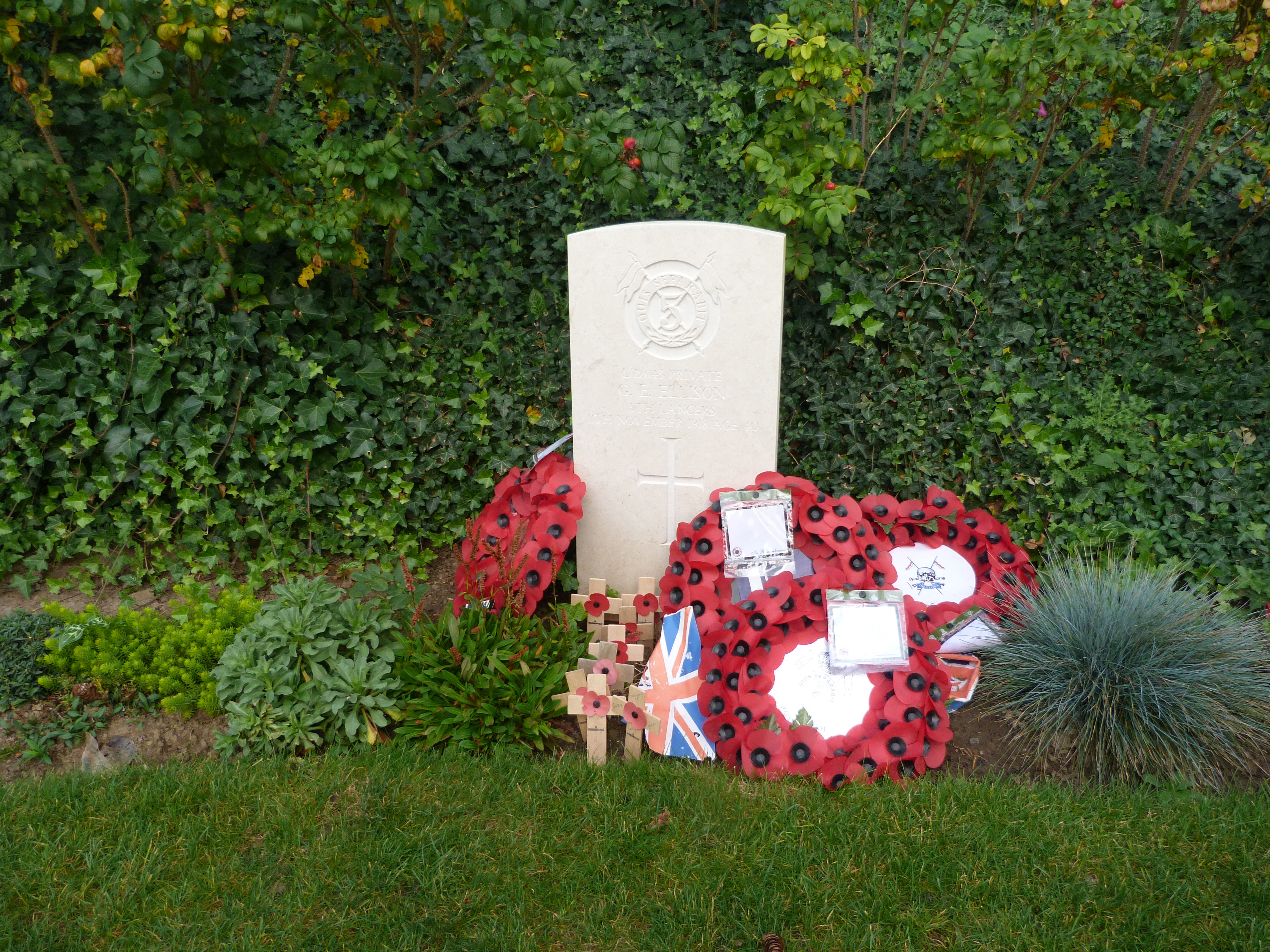
    And the gravestone of Private George Edwin Ellison of the 5th Royal Irish Lancers who was killed on the outskirts of Mons at 9.30 a.m. just 90 minutes before the Armistice came into force.

    Headstone for G.E. Ellison, last man to die in WW1

    The cemetery:

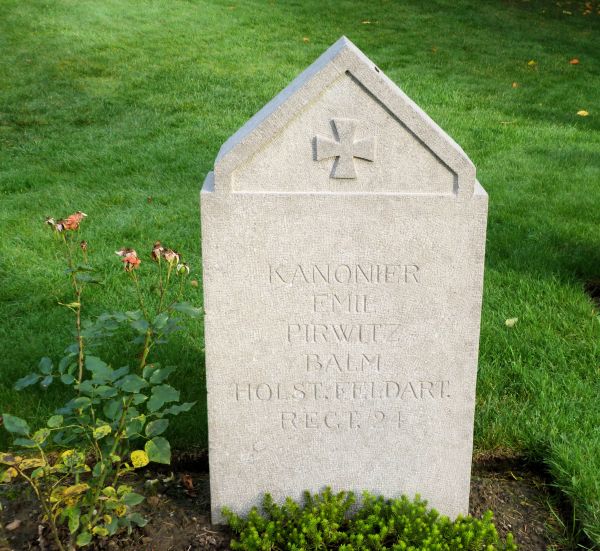
    German Grave in Saint-Symphorien Cemetery
    A German Grave in Saint-Symphorien Cemetery, near Mons

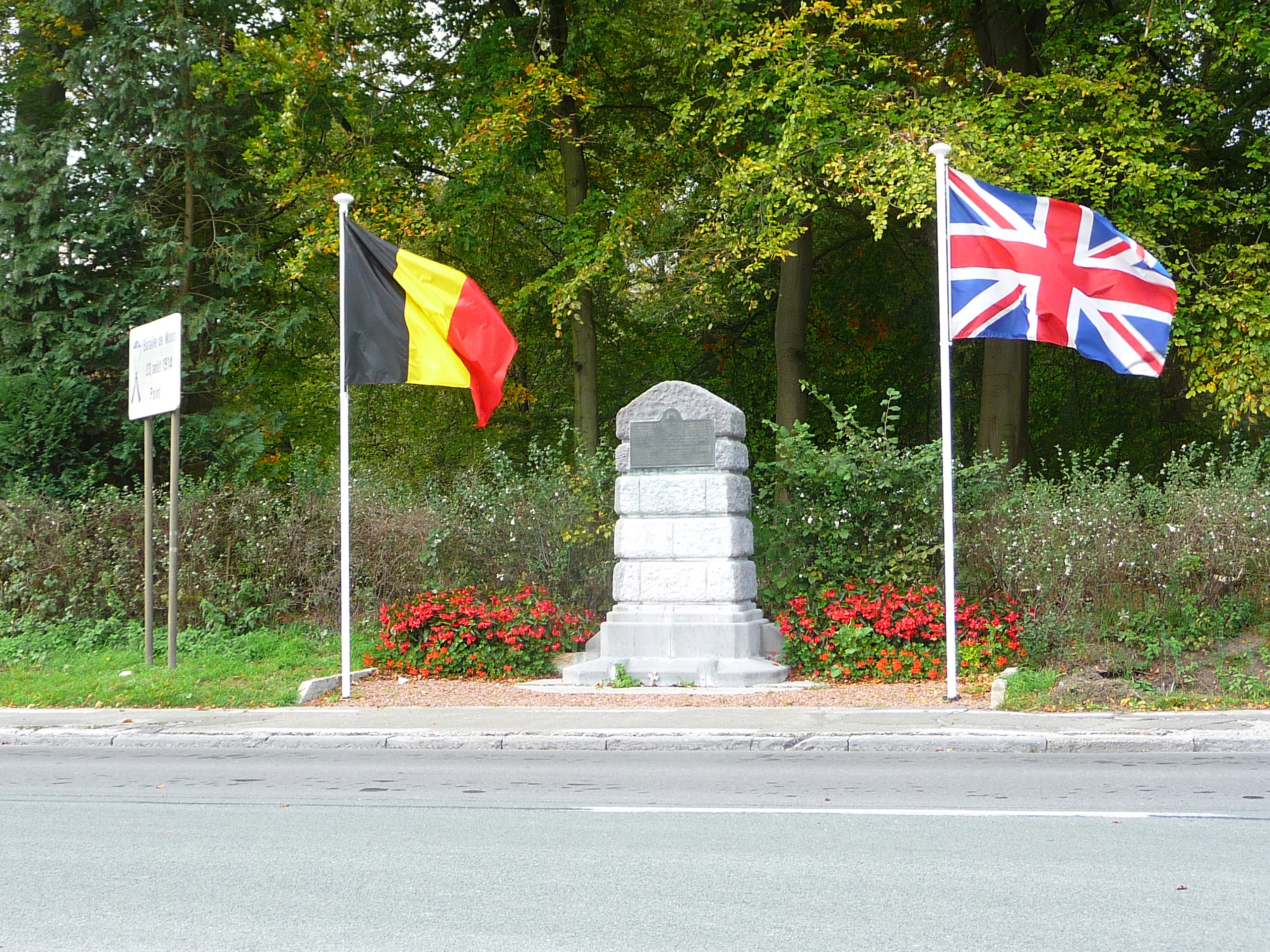
    And just to finish on, not far from here is the spot where the first shot was fired in that war.

    First shot in the Great War was fired here

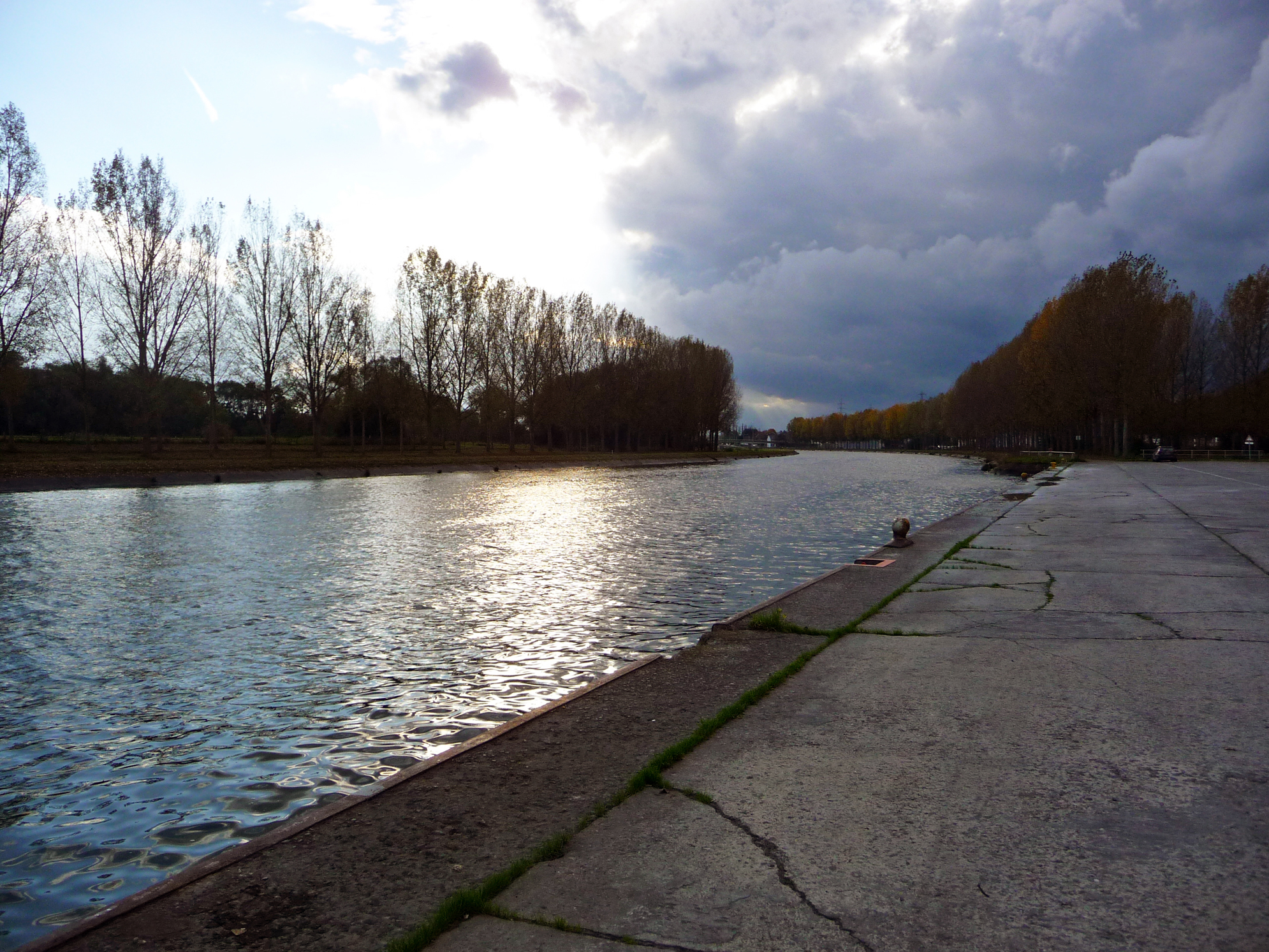
    And the steely grey canal over which many battles were fought in this area.Le Conde Canal with Storm Clouds

  • Newport, Isle of Wight, a Second Look

    Newport, Isle of Wight, a Second Look

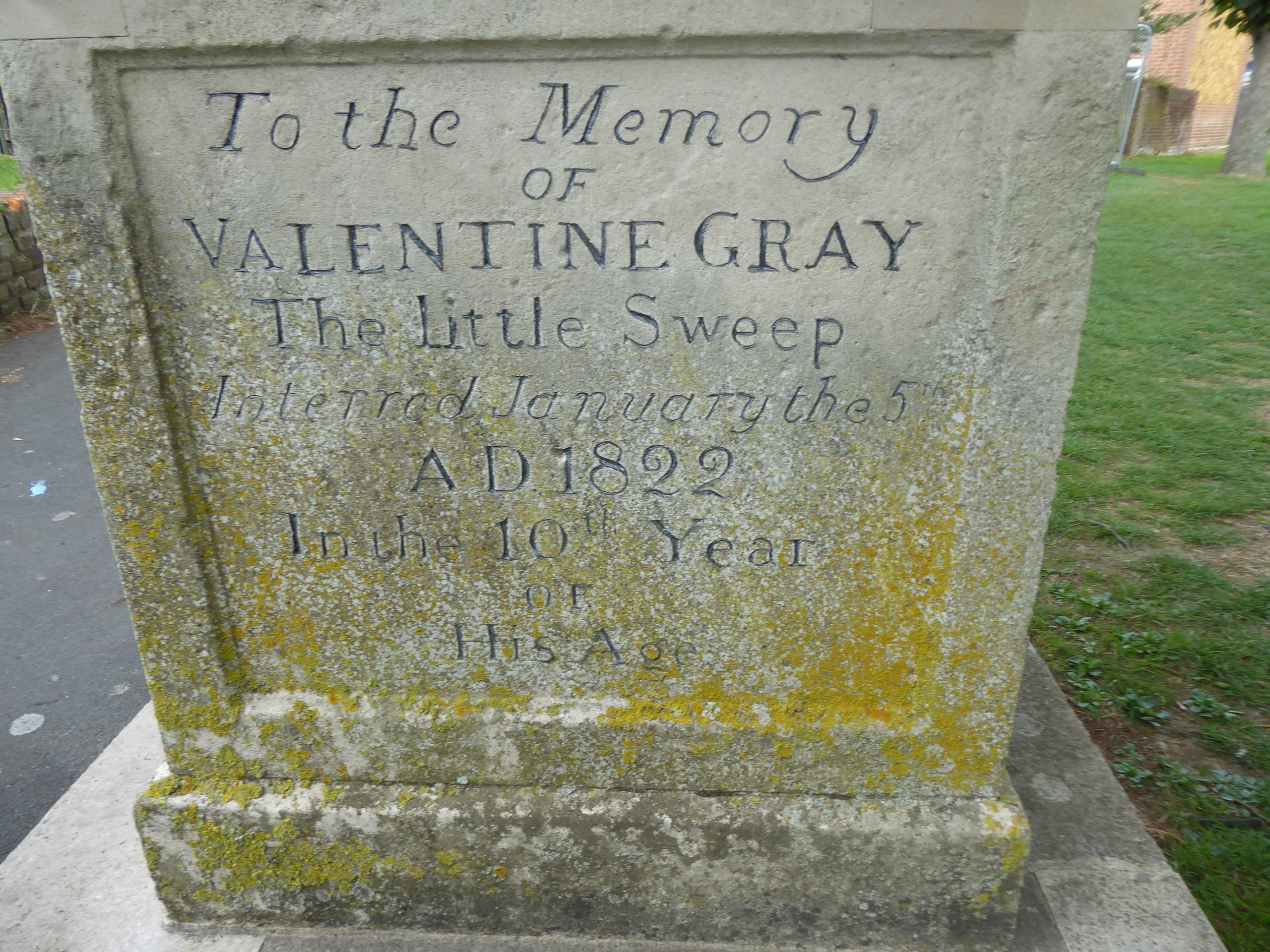
    On the green in the middle of the town stands a memorial to the last little chimney sweep to die here, and just a few miles away a lovely old pub is the site of the last hanging to take place.  I’m in Newport, the main town on the Isle of Wight, sometimes referred to as the capital.

    Valentine Grey


    The Island is well known as a favourite holiday resort for walkers, cyclists and families with young children, but Newport itself is often dismissed as merely a shopping area.  Yet Newport was the hub of the Island’s rail network until the Beeching cuts of 1996 closed its railway along with many more on the island.  This was a cut too far as the roads can barely cope with the increased traffic that was the result of such drastic pruning.

    The only remaining train line runs from the ferry terminal at Ryde to the resort town of Shanklin with stops at Sandown, Brading and Smallbrook (for the Steam Railway), and the hub of the transport network is now the bus station in Newport where routes from across the Island terminate.

    A quick visit to the town and you could be forgiven for thinking it is a town of chain stores from the ubiquitous M & S to H & M and Primark, but this historic town centres on two elegant squares surrounded by Georgian and Victorian architecture, and the town’s quay from which goods from all over the world were shipped along the Medina River from the port at Cowes, is just a short walk away.

    P1090920
    Riverside Pub in Newport, The Bargeman’s Rest

    Swans float serenely on the river ignoring the canoes and kayaks, the sailing boats and the odd small yacht or two that are on the water, and on the terrace of the Quay Arts Centre people relax with coffee and cakes, tea and crumpets or lunch.  Inside the Arts Centre is a constantly changing art exhibition, dance classes, open mic occasions and an upmarket shop selling exquisitely crafted goods in silk, silver, ceramic, pottery and paper.

    There was an extensive Roman settlement on the island and there remain two Roman villas, one of which is open to the public and whose remains provide a fascinating insight into country life in 3rd century Britain.  Discovered in 1926 when foundations were being dug for a garage, subsequent excavations revealed the remains of a late Roman farmhouse built around 280 AD with a superb bath suite, underfloor heating and remnants of mosaic floors.  You can peep into a Roman kitchen and see a slave preparing a Roman feast and there is a hands-on activity room where you can make a mosaic, repair a broken pot or weave a blanket.  Outside, the plants Romans would have used are grown in the beautiful herb garden.

    CC David Hill
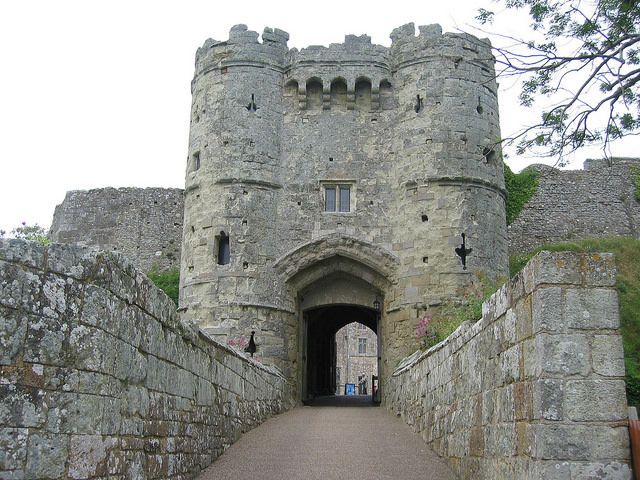
    Carisbrooke Castle – Copyright David Hill (Flickr)

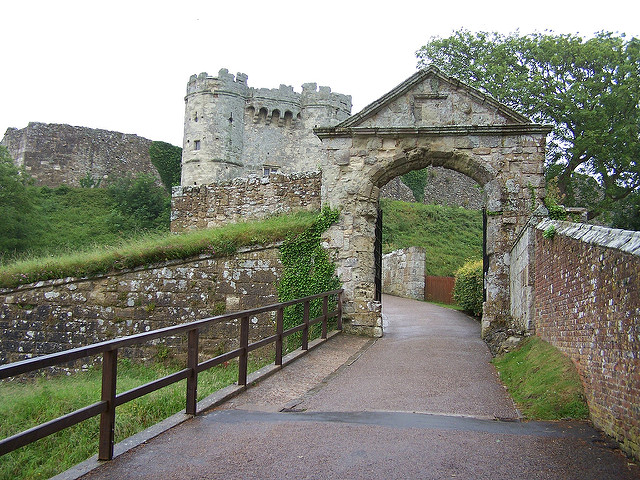
    Newport is probably more famous for the nearby castle of Carisbrooke in the village of the same name, but although there have been fortifications on the Carisbrooke site since Roman times, what one sees today dates largely from the 12th to the 15th century.

    Carisbrooke Castle Copyright David Hill (Flickr)
    Carisbrook Castle – Copyright David Hill (Flickr)

    Carisbrooke Castle is most famous as the place where Charles I was held prior to his removal to London and his execution by Oliver Cromwell’s Parliamentarians. The castle is said to be haunted by the King’s young daughter, Princess Elizabeth, who died during her incarceration in the Castle.

    The donkeys of Carisbrook Castle are very popular with children of all ages.  In previous centuries, water for the castle’s occupants was drawn from the 150 foot deep well by two donkeys powering a draw-wheel, walking approximately 270 metres to raise one bucket of water.  When the castle lost its defensive role this practice stopped.

    When the castle was restored in the 19th century, the equipment was renewed and the donkeys have been raising the water for the benefit of watching visitors ever since then. English Heritage is keen to say that the donkeys enjoy the exercise and are never over-worked.

    Nearby Parkhurst Forest is home to two prisons which together make up the largest prison in the UK: it was once among the few top-security prisons in the United Kingdom. Their names, Parkhurst and Albany, were once synonymous with the major criminals who were housed there, it being presumed that any escapee would have a problem getting off the Island (as indeed it proved on the few occasions when a breakout occurred).

    Crowds enjoy the music festival ©VisitIsleofWight.com

    The famous Pop Festival shows no signs of losing popularity despite competition from other towns and cities across the country.  Seaclose Park on the east bank of the River Medina has been the location for the revived Isle of Wight Music Festival since 2002 and it is one of the key events in Newport’s events calendar!

    So if Newport, Isle of Wight is on your itinerary, please wander around its streets and alleyways, look at the façades of the houses and try and guess in what century it was erected.  Find the row of old Alms Houses and if time permits, take a walk along the banks of the Medina River and try and visualise the days when sailing ships sailed up here from Cowes carrying a cargo of rice from Carolina.  And when it comes to time to eat, whether your taste runs to Mac & Cheese, Burgers, or Fine Dining, Newport can supply you with the best, with the Golden Arches for fast food and Hewitts and Michelin-starred Thompsons for truly superb food.

    The Guildhall, Newport.jpg ©VisitIsleofWight.com


  • Whitehall Palace – Banqueting Rooms

    Whitehall Palace – Banqueting Rooms

    maristravels's avatarMARI'S TRAVELS WITH HER CAMERA

    To London last week with the British Guild of Travel Writers for our Annual Summer Outing which this year included a visit to the Banqueting House in Whitehall, a tour on a Big London Bus and a Cruise on the River Thames with City Cruises, the boat that allows you to get off at any stop along the route.  The open-top bus tour and the river cruise took place in blazing sunshine and although London sights are familiar, the landmarks and historic sites never fail to thrill.

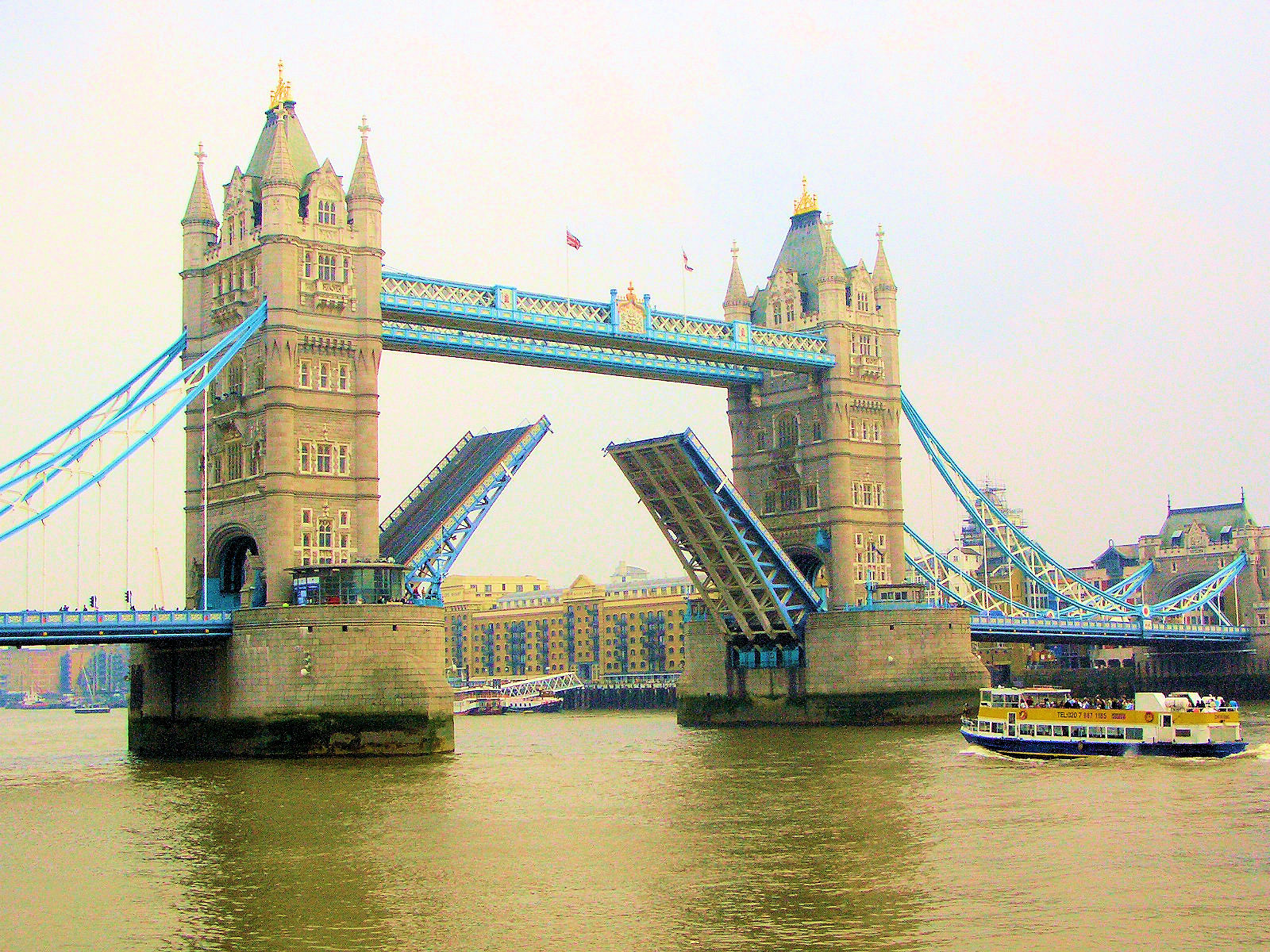
    London Bridge

    The Banqueting House is the last surviving part of the Palace of Whitehall*.   It was once the greatest palace of its time in Europe, almost totally destroyed by fire in 1698, but I knew nothing of its history until this visit.

    The Great Hall © Historic Royal Palaces/Peter Li
    A view of the great hall and its ceiling decorated with paintings by Sir Peter Paul Rubens…

    View original post 605 more words

  • Whitehall Palace – Banqueting Rooms

    Whitehall Palace – Banqueting Rooms

    Re-blogged because I have now accessed some images from Historic Royal Palaces which help flesh out the text.

    To London last week with the British Guild of Travel Writers for our Annual Summer Outing which this year included a visit to the Banqueting House in Whitehall, a tour on a Big London Bus and a Cruise on the River Thames with City Cruises, the boat that allows you to get off at any stop along the route.  The open-top bus tour and the river cruise took place in blazing sunshine and although London sights are familiar, the landmarks and historic sites never fail to thrill.

    London Bridge

    The Banqueting House is the last surviving part of the Palace of Whitehall*.   It was once the greatest palace of its time in Europe, almost totally destroyed by fire in 1698, but I knew nothing of its history until this visit.

    The Great Hall
    © Historic Royal Palaces/Peter Li
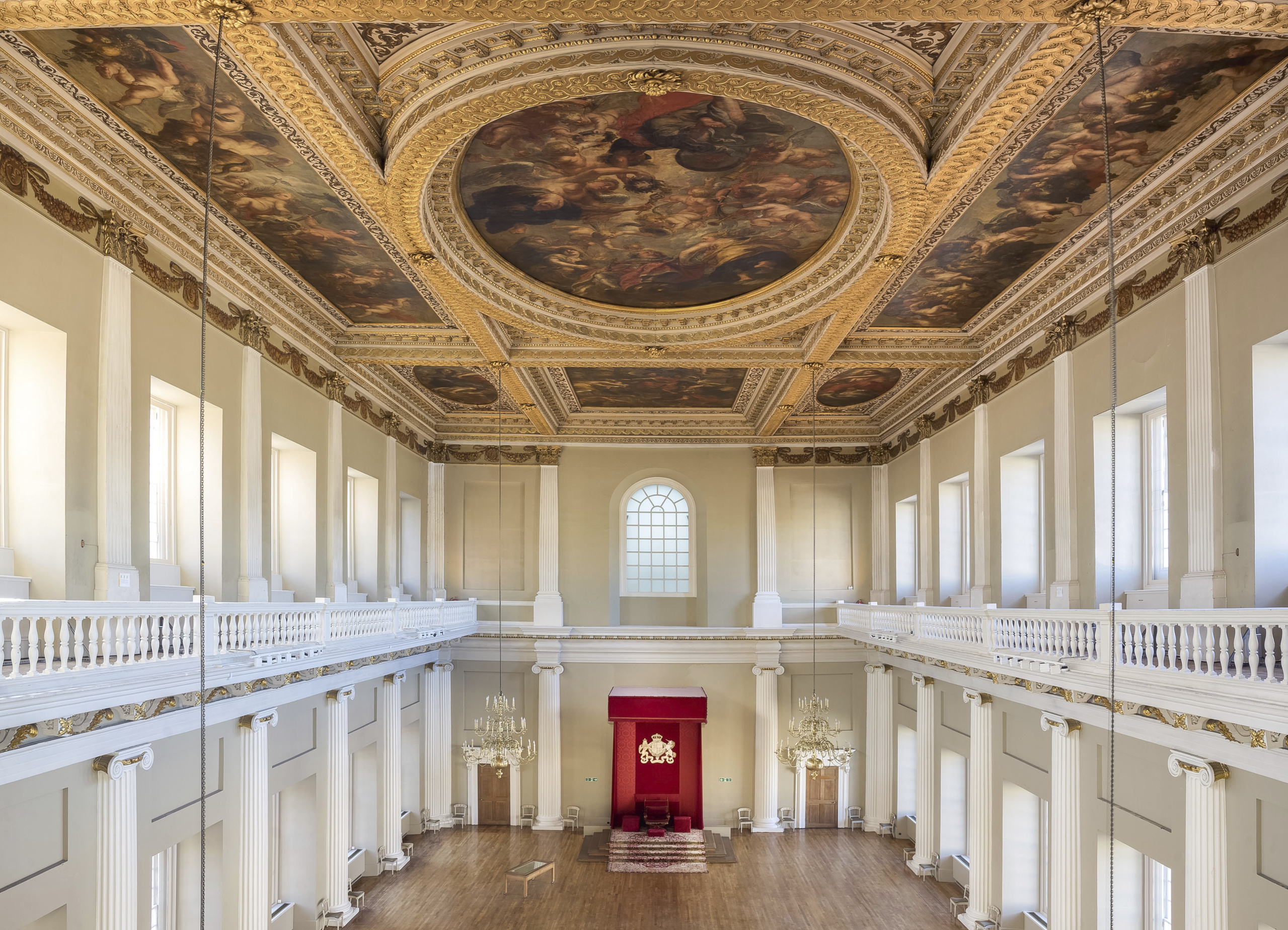
    A view of the great hall and its ceiling decorated with paintings by Sir Peter Paul Rubens at the Banqueting House. The ceiling canvases were commissioned by James I’s son, Charles I, in 1629-30 to celebrate his father’s life and wise government. They represent the only scheme painted by Rubens to remain in its original position

    The Banqueting House was created for King James I in 1622 by architect Inigo Jones.  Inspired by the classical architecture of ancient Rome it was revolutionary at that time, standing it is said, head and shoulders above the ragbag of buildings that composed Whitehall Palace.  At the time of which we are speaking, a banquet was composed of little snacks and desserts, eaten after the main course when diners were waiting for the entertainment to begin, and was consumed in a separate little house or room, highly decorated and situated a short walk away from the main dining hall in order to aid digestion.  The Banqueting House of Whitehall Palace was the biggest and grandest of them all.

    The Great Hall
    © Historic Royal Palaces/Peter Li
    A view of the ceiling of the Great Hall.  The canvases were commissioned by James I’s son, Charles I, in 1629-30 to celebrate his father’s life and wise government. They represent the only scheme painted by Rubens to remain in its original position

    It was during the reign of King Charles l that the magnificent ceiling paintings by Sir Peter Paul Rubens (which today can be viewed from comfortable leather cushions laid on the floor) were installed.  Under these ceilings over 400 years ago, royalty and courtiers, ambassadors and aristocrats took part in some of the most exuberant and decadent masques every performed; today it is more likely to be celebrities and fashionistas who parade beneath the sumptuous ceilings as The Banqueting House has proved a popular ‘Events’ venue.

    The Great Hall
    © Historic Royal Palaces/Peter Li
    A view of the great throne in Banqueting House and its ceiling decorated with paintings by Sir Peter Paul Rubens.

    The Great Hall
    © Historic Royal Palaces/Peter Li.                                                                                                                   A view of the great hall and its ceiling decorated with paintings by Sir Peter Paul Rubens at the Banqueting House. The Banqueting House is the only remaining complete building of Whitehall Palace, which served as the sovereign’s principal residence from 1530 until 1698 when it was destroyed by fire. Designed by renowned architect Inigo Jones for King James I and completed in 1622.  It later became the scene of King Charles I’s execution which took place on 30 January 1649

    * Whitehall Place was for many years the property of the powerful Archbishops of York, who needed to be close to the monarch.  The first was built in 1241 and was originally known as York Place, passing through time to Cardinal Wolsey who extended it greatly.  As we know, he was deprived of his properties by Henry VIII who took it over in 1530 when it became Whitehall Palace.  Two great fires saw the destruction of Whitehall Palace, the first in 1691 and the second in 1698 when it was almost totally destroyed.

    Opening times: Monday to Sunday 10:00 – 17:00 (last admission 16:00).                Admission:  Adults £5. 50   Concessions £4. 60:    Children 5-15  £0

    What follows are images of London taken from the top of the Big Red Bus.

    The following are pictures taken from City Cruises boat which carried us from Westminster Pier down to the Tower of London and beyond, passing some very innovative architecture whose positioning evoked some heated argument amongst us, as well as the always sombre Traitors’ Gate leading into the Tower and almost certain death.


    Dr Samual Johnson said, “…..when a man is tired of London, he is tired of life; for there is in London all that life can afford.”   Even after the long gap in time, I agree with him, every word.


  • COWES WEEK – The Regatta

    COWES WEEK – The Regatta

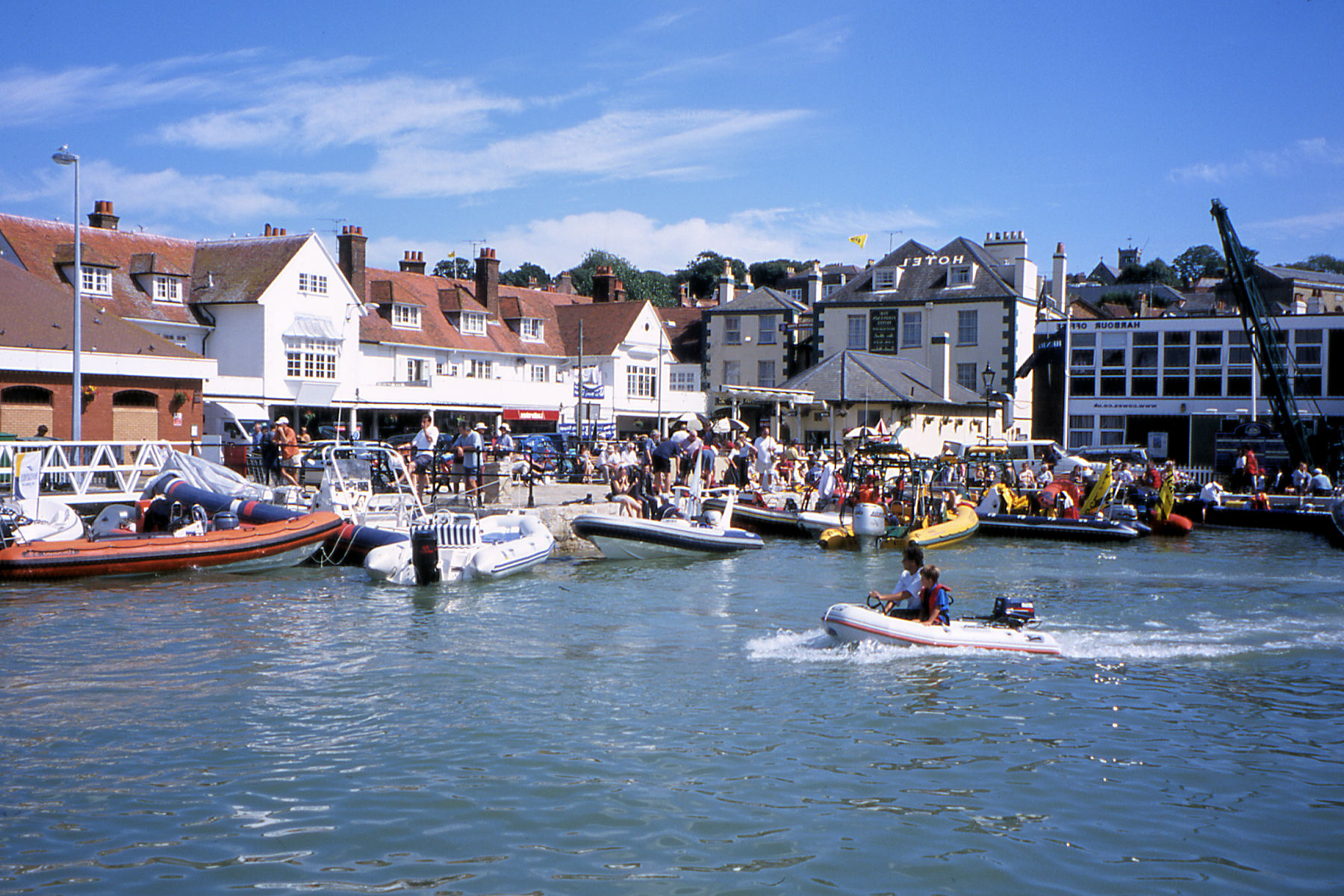
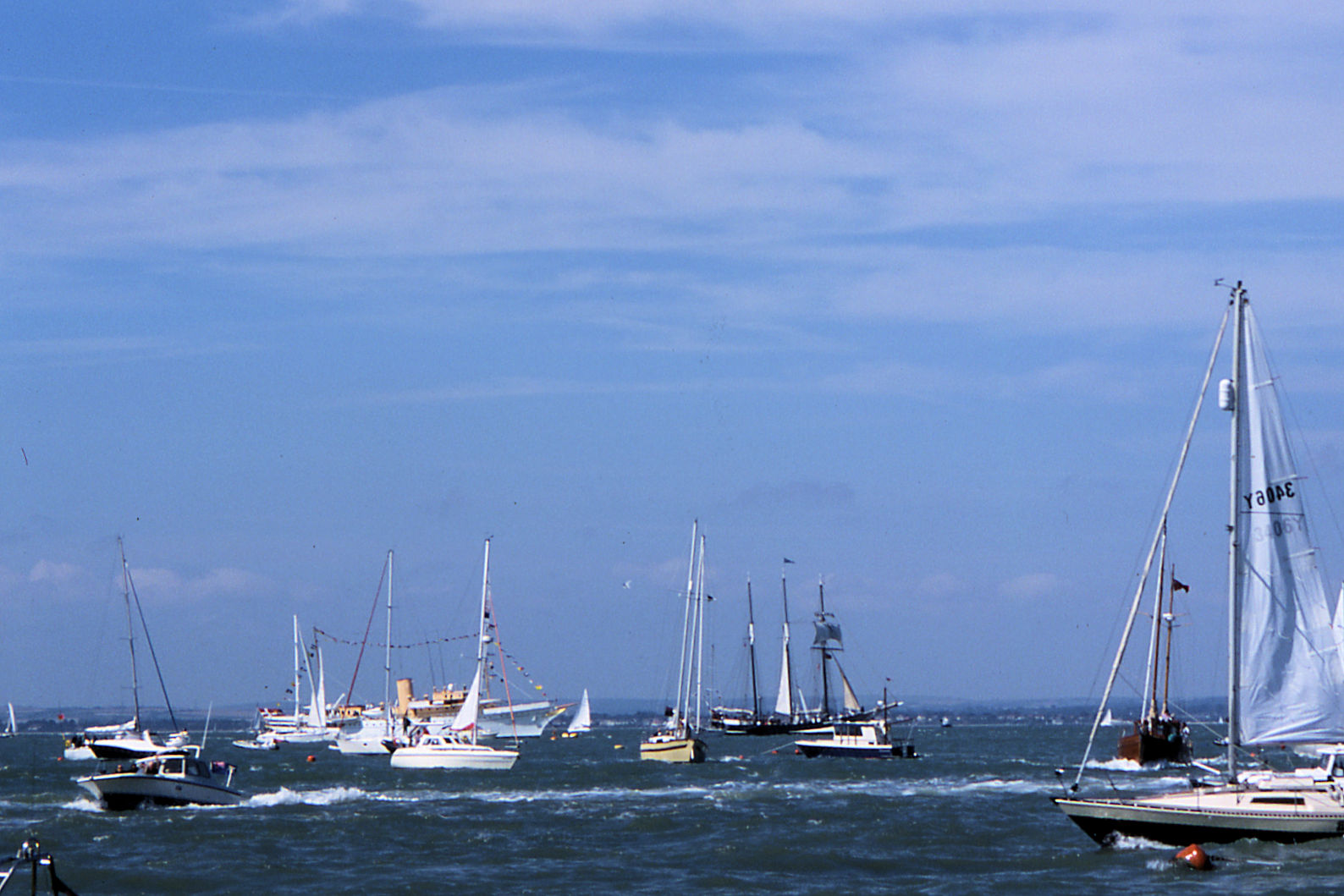
    It’s called a Regatta, but that’s an understatement if ever there was one, for this yachtfest is Cowes Week, the time of year when the inhabitants of the English town of Cowes on the Isle of Wight, rent out their houses, kennel the dogs and cats, and disappear. The ‘yachties’ are about to descend on the Island for what the glossy magazines call ‘the week of the year in the sailing calendar.’  

    Cowes3
    Cowes Town

    Although the town will never again play host to the reigning monarchs of four countries as they did in 1909 when King Edward VII of England, Kaiser Wilhelm of Germany, the Tsar of Russia and the King of Spain visited with their yachts, there is consolation in the whiff of serious money that comes with today’s royally rich. Oil barons and City whizz kids crowd the pavements of the narrow streets and swig vintage champagne from bottles as they stagger from one party to the next. Old salts and wannabe ‘yachties’ dressed with impeccable regatta cred. stroll the narrow streets with polished brass telescopes under their arms, as the bemused local population looks on in wonderment. Cowes6

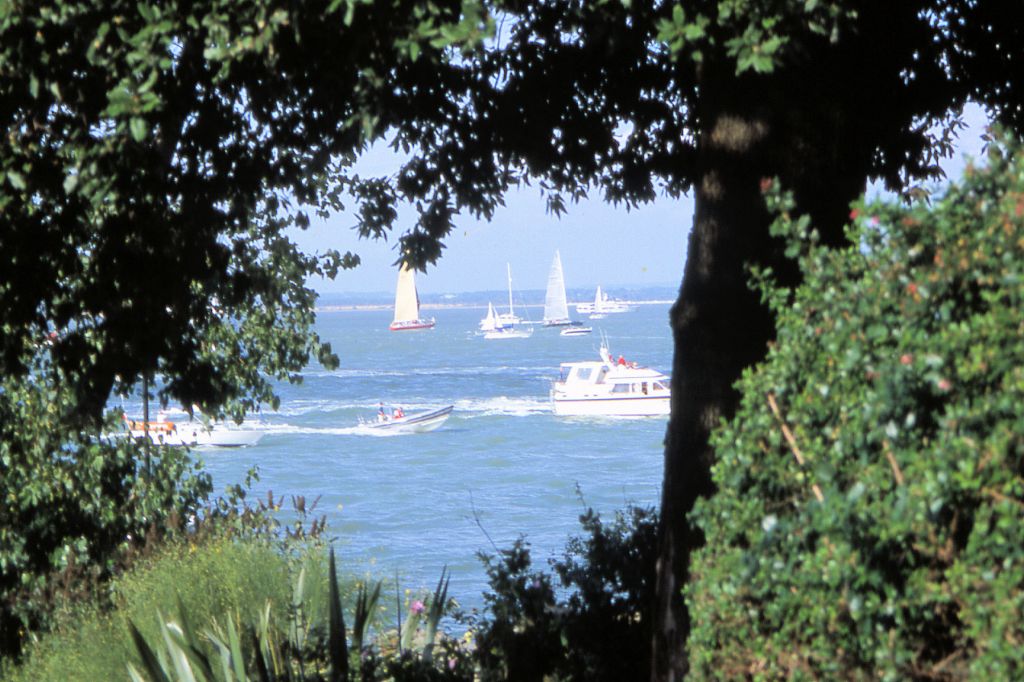
    During the Regatta, over 800 boats and around 9,000 crew members will descend on this small town in the south of England. Cowes is not just for international yachtsmen, however. Non-sailors also flock to the island to enjoy the atmosphere, to sit on the beach and gaze at the coloured spinnakers that dance on the waters, to join the pleasure boats that sail around the competitors, and to gawp at the great, glossy yachts of the world’s billionaires, anchored offshore. Nor is boating on the stretch of water that separates the Island from mainland England, the Solent, confined to just these few highlighted days in the year: the number of sailing clubs tucked away in every harbour and cove has led to the south coast being dubbed Marinaland.

    Boats at Seaview
    Boats at Seaview

    For the visitors who decide to join in the spirit of Cowes Week, dressing to look the part is easy. Stalls line the pedestrianised streets during the eight days of the Regatta and are on hand to sell overpriced tee-shirts, navy sweaters sporting capstans and anchors, and peaked caps festooned with enough braid to satisfy a Ruritanian General. Blue and white are still the colours of choice, but wannabe sailors should beware of the striped matelot look much favoured by minor celebs.

    Cowes7

    The genuine articles are available in the somewhat old-fashioned local shops that make no effort to look stylish or enticing, favouring instead a turn of the century faux ‘ships chandlers on the quayside’ look as befits Queen Victoria’s island.

    Boats on the Sea, People on the Beach
    Boats at Sea, People on Beach

    But Cowes Week is about more than dressing up. It is an exhilarating mix of world-class sailing, jazz, rock n’roll, and brass bands, clowns, unicyclists, and street theatre. For the people who want to take a break from watching the more than 200 races during the Regatta, there is constant entertainment in the Yacht Haven where there are food stalls, a huge beer tent, and music from live bands that play day and night.

    Cowes14

    ‘The diamond in the Solent’ is how this 23×13-mile island has been described, not only because of its shape but because of its safe, sandy beaches, great pubs and restaurants and a range of resorts to beat anything Continental Europe has to offer. And with an excellent transport system, everything is within easy reach.

    Beach & Pier
    Sandown, Pier and Beach from Cliff Top

    The beauty of the Island as a venue for sailing events is that there is so much to see and do away from the coast. There are a wealth of activities on offer and whether by car, bike, public transport or on foot over the miles of bridle paths and downland walks, the island is easy to explore.  With ultra-fast catamarans and jet-propelled boats making the crossing to the mainland in 10 and 25 minutes respectively, if the need for a faster pace should arise, day trips can easily be made to places like Portsmouth, Brighton and the great cathedral cities of Winchester and Salisbury.Cowes11

    Away from the main yachting town, messing about in boats is best indulged on the six-mile stretch of sands at Ryde or the glorious crescent of golden beach between Sandown and Shanklin. In the classic villages of Bembridge and Seaview you will still see and hear the sights and sounds of long-forgotten English summers as children play cricket, tennis and deck quoits, for this is an island where families with children feel comfortable, where the swimming is safe and the beaches are clean.  It boasts not one, but two, dinosaur museums (it’s not called Dinosaur Island for nothing and fossil hunts are a regular occurrence), Blackgang Chine claims to be the oldest theme park in the country, and there is a wonderful zoo at Sandown where rare tigers are bred and the cubs are a great hit with children.Isle of Wight from the Sea

    The Island from the Sea at Sunset

    The Isle of Wight has now firmly established its reputation as the venue for the premier pop Festival which takes place in June. It was the venue in 1970 for the first major pop festival in Europe when, for a few days, 600,000 young people with bells around their necks and flowers in their hair lived the dream of the dawning of Aquarius. They had dance-ins and love-ins to the sounds of Jimi Hendrix, The Who, Joni Mitchell, Joan Baez, Kris Kristofferson, The Doors and just about every other rock and folk musician who could get to the Island. It is said that this was the final break with the influence of Queen Victoria who spent a large part of her life on the Island at her Osborne House home, from 1851 until she died in 1901.

    Modernity is found in the indoor and outdoor swimming pools, fitness centres, surfing, canoeing and body-boarding at many beach venues. For the adventurous, there are hang-gliding schools, bungee jumping and flights in small ‘planes around the island. Half the island is a designated area of outstanding natural beauty and its 80 miles of trails and 60 miles of coastal paths are perfectly laid out for walkers. There are forests, downlands, medieval villages, valleys and shady creeks, and enough museums, Roman villas, castles and manor houses to keep culture vultures happy for weeks.

    Red Funnel scene, Admirals Cup
    Red Funnel Ferry Southampton – Cowes

    But if you come for the sailing and to mix with the ‘yachties’, if you want to be considered one of the sailing fraternity you should be wearing a team shirt – preferably one of last year’s. So, if you are thinking of coming back for the celebrations in 2019, make sure that you get hold of one of this year’s shirts.

    Copyright www.visitisleofwight.co.uk
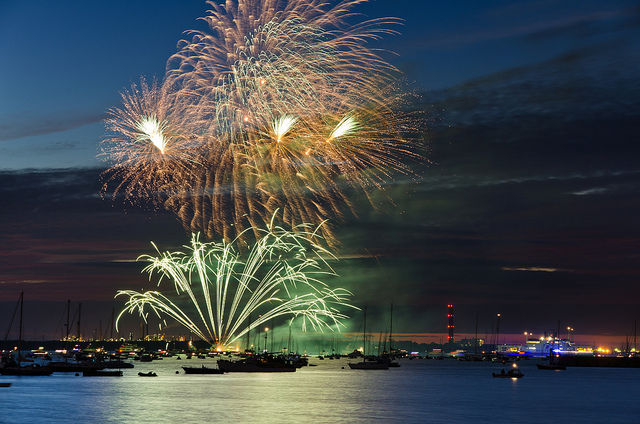
    Cowes Fireworks: Copyright Isle of Wight Tourist Board

    And if you manage it right this week, if you manage to look the part, to walk the walk and talk the talk, you might get invited to one of the yacht clubs to watch the fireworks on the last night. But if not, you can watch them from the beach with the rest of the happy holidaymakers, join in the last night celebrations which may go on until the wee small hours or just sit it out in one of the great eateries on the Island. For despite its social cachet, this yearly celebration of England’s sea-faring heritage is for everyone.


    Lendy Cowes Week 2018:  August 4th – 11th.   Official website: www.lendycowesweek.co.uk/

    Information:  https://www.visitisleofwight.co.uk/whats-on/lendy-cowes-week-p1464171