Category: Sculpture Saturday/Silent Sunday

A photographs of a Sculpture in any media posted on Saturday and a photo depicting silence from anywhere in the world.

  • Sculpture Saturday: Gormley

    Antony Gormley at Winchester – SILENT II

    “Sound II” stands like a gently glowing sentry beneath the nearly 1,000-year-old stone mass of Chichester Cathederal. It was installed sometime in the late 1980’s, part of an effort by the cathedral to introduce contemporary art into the Gothic masterpiece.
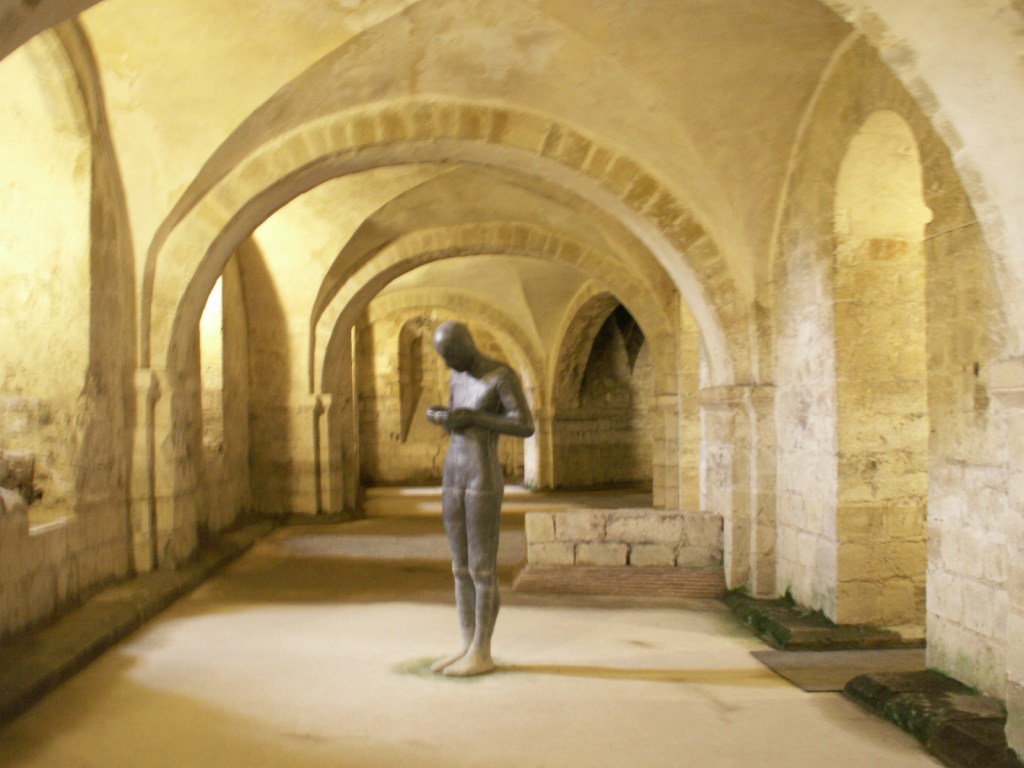
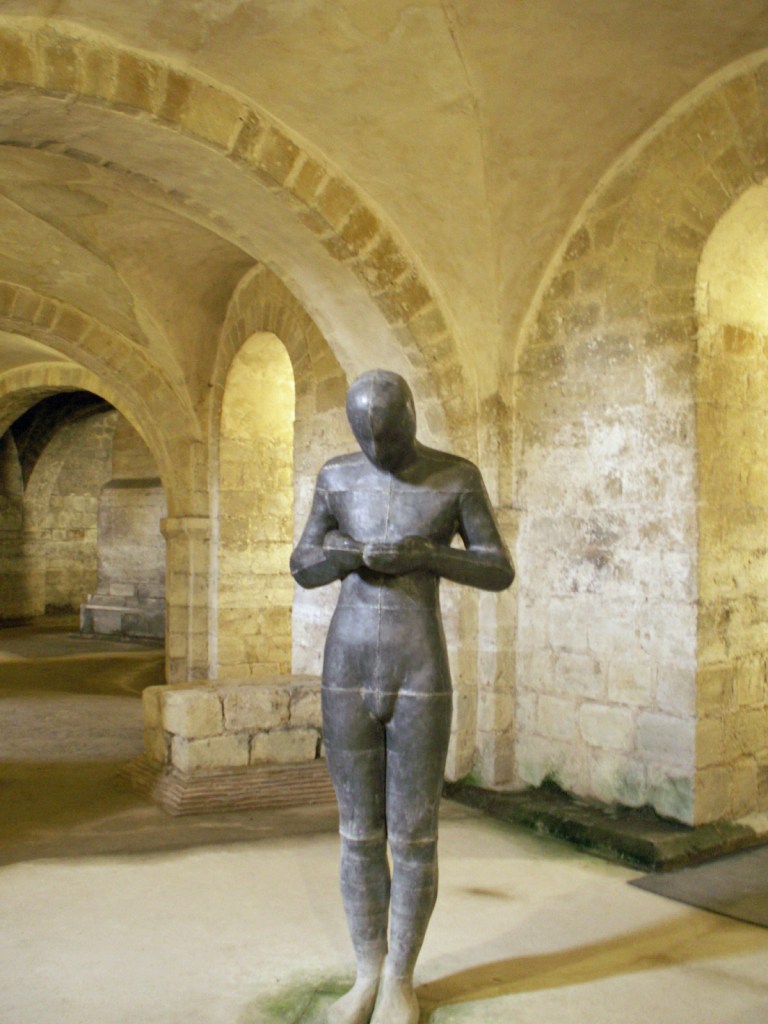
    This life-size statue of a man contemplating the water held in his cupped hands is fashioned from lead out of a plaster cast of the artist’s own body and stands in the crypt of Winchester Cathedral. During the rainy months, the crypt floods and as the water level rises gradually to his knees, the statue acquires an even more moody air as it stands in silent contemplation of its cupped hands. There is a tube mechanism through the body, so as the water rises it fills his cupped hands

    Hosted at https://nofixedplans5.wordpress.com/2020/11/14/sculpture-.saturday-9/

  • Sculpture Saturday in Pézenas

    Sculpture Saturday in Pézenas

    Hosted at https://nofixedplans5.wordpress.com/2020/11/14/sculpture-.saturday-9/

    Statue to the 17th century French playwright Moliėre by Jean-Antoine Injalbert

    This statue to the great French playwright Moliėre, one of the great comic-writers of all time and described by Stendahl as “Molière, the great painter of man”, is to be found in the town of Pézenas in the Langudoc-Rousillon area of France, where he lived for many years. He had an acting troupe which worked in both Paris and Pézenas and had as patron, the brother of the King, the Duke of Orleans.

    He led an extraordinary life and his death became legend; he died on stage, while performing his final play, Le Malade Imaginaire, or rather, he collapsed on stage, and died a few hours later at his home. At that time, the Catholic church in France condemned the theatre as a school for scandal, held all actors to be ipso facto excommunicated, and forbade their burial in consecrated ground – which included every cemetery in Paris. Two priests refused to visit him to administer the sacraments and the third arrived too late.

    The white marble statue was sculpted by Jean-Antoine Injalbert in 1897 and it shows the maid Lucette from Moliere’s play Monsieur de Pourceaugnac paying tribute to the master playwright with a goat-footed satyr representing Satire sitting at the bottom of the statue. Masks of the actors Coquelin Cadet and Jeanne Ludwig are on the back of the monument

    Moliėre

    In 1792 his remains were brought to the Museum of French monuments and in 1817 transferred to Le Père Lachaise Cemetery, Paris.

    Further challenges over at https://nofixedplans5.wordpress.com/2020/11/14/sculpture-.saturday-9/ 

  • Silent Sunday in Crete

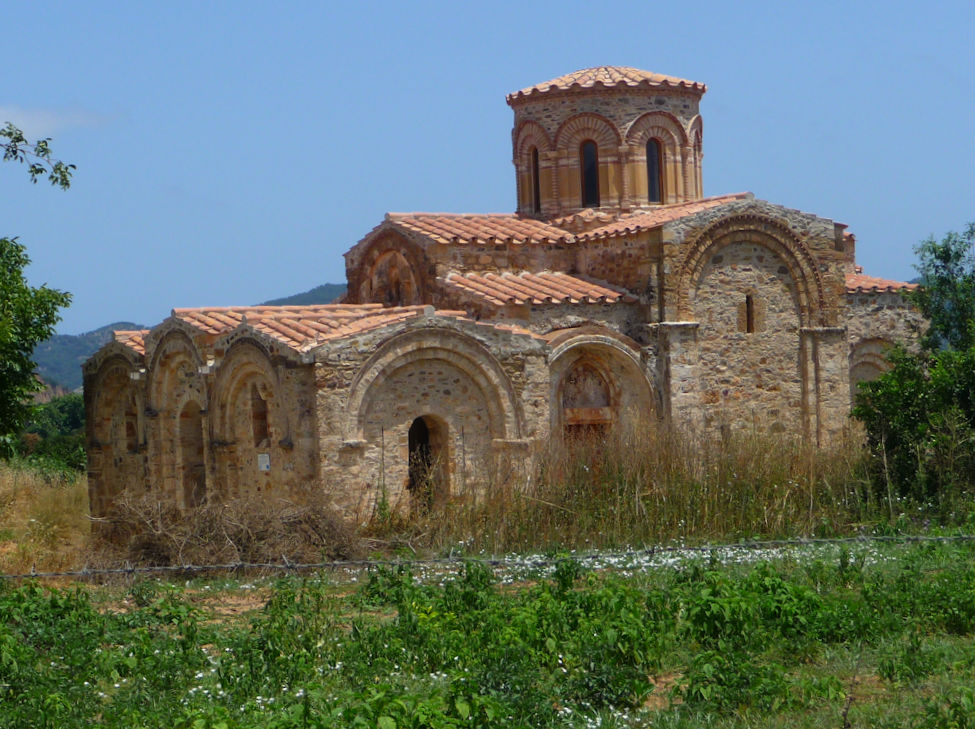
    The Oldest Byzantine Church in Crete

    It definitely was a silent Sunday when we came across this deserted Byzantine church which we later found to be the oldest in Crete. Overgrown with grasses and weeds, it still has charm and I remember well the smell of the herbs underfoot as we explored the near-ruined building.

  • Sculpture Saturday – Cardiff

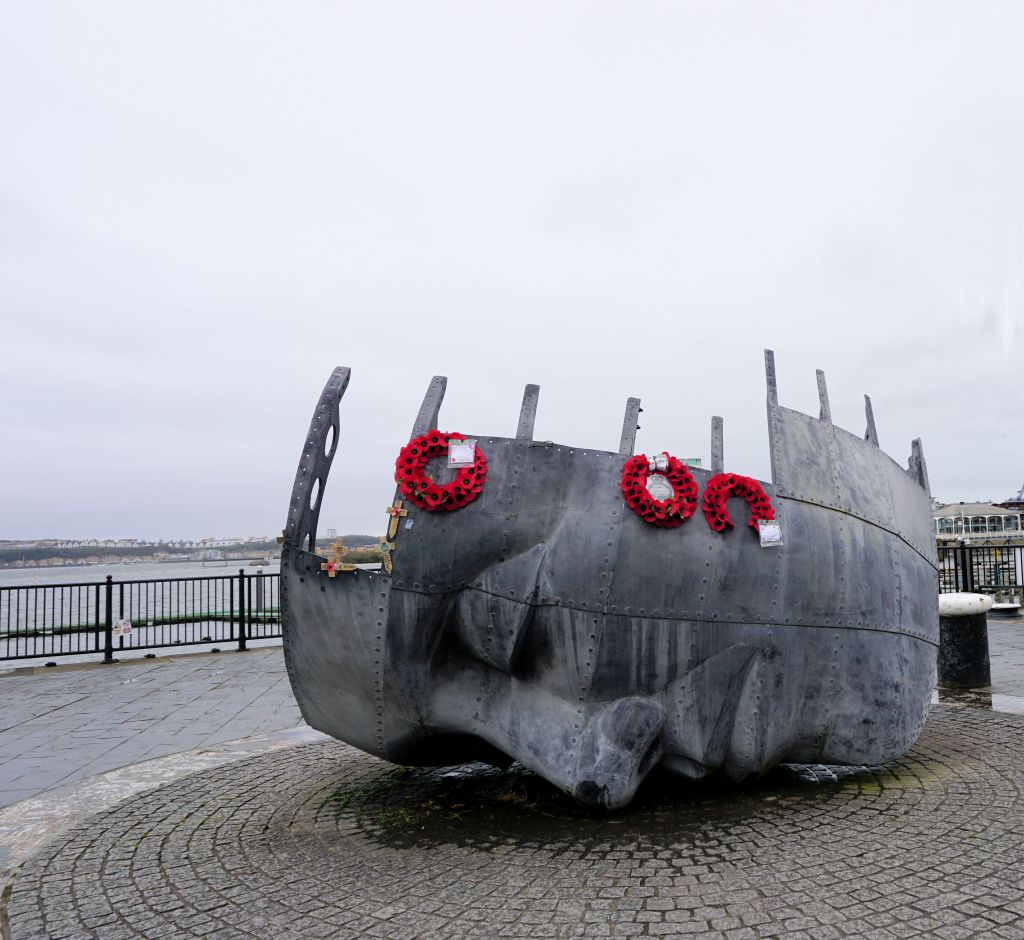
    IN MEMORY OF THE MERCHANT SEAFARERS FROM THE PORTS OF BARRY PENARTH CARDIFF WHO DIED IN TIMES OF WAR

    Challenge hosted by Sally Kelly over at Ruined for Life: Phoenix Edition.

    This striking Merchant Seaman’s Memorial in Cardiff Bay is in the form of a sleeping face fused with a ship’s hull. This was made by riveting plates of metal together, a traditional technique used in early iron and steel ship building. The sculptor Brian Fell, whose own father had been a merchant seaman, was commissioned to create the work in 1994 by Cardiff Bay Arts Trust, Cardiff Bay Development Corporation, Merchant Navy Memorial Committee and Cardiff County Council and it sits in Tiger Bay, Cardiff.

    The ports of South Wales played a vital role in supplying coal from Welsh mines to fuel the world’s ships, especially warships and the allies were dependent on merchant vessels to transport troops, food, ammunition, raw materials and equipment. Shipping lanes ran around Pembrokeshire and around the island of Anglesey to get to and from the port of Liverpool and to access the Atlantic; within these lanes German U-boats targeted ships, sinking them with torpedoes and sea mines.

    Over 150 vessels were sunk off the coast of Wales during the first World War alone.

    Challenge hosted by Sally Kelly over at Ruined for Life: Phoenix Edition.

  • Sculpture Saturday: Vietnam

    Sculpture Saturday: Vietnam

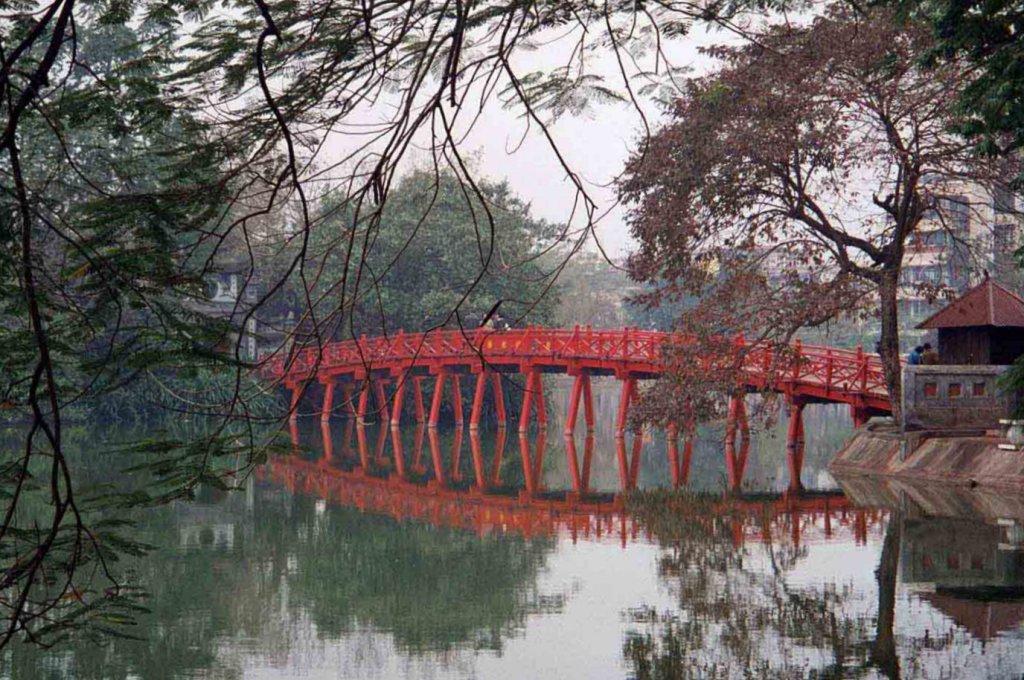
    An odd one this. We came across this still-being-worked-on monument to the Vietnam War in Hanoi back in 2008. I haven’t been back since so I presume it’s now finished. I was intrigued to discover that the men working on it were not sculptors but stone-masons who were working to a plan drawn up by a ‘government artist’.

    One of the workers spoke reasonable English and told me that their parents had all been involved in the ‘American War’ as they called it. They were very keen on education and one of them in particular examined the book I was carrying very thoroughly. I forget now what it was but I gave it to him and he shook my hand so much in gratitude I though it would dislodge from its socket. I still wonder at their lack of bitterness.

  • One Word Sunday – SKYLINE

    Linked to Debbie’s One Word Sunday here

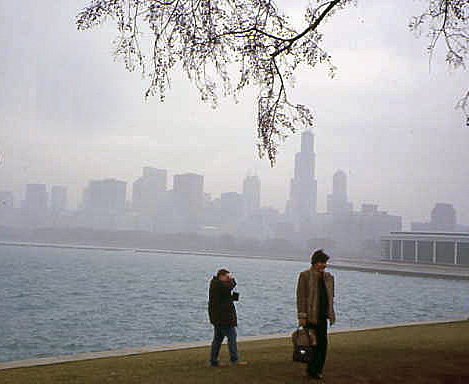
    A Misty Day by Chicago’s River
    Chicago: Skyline emerges from the mist, viewed from Sears Tower

  • Sculpture Saturday: The Romanovs on the Isle of Wight

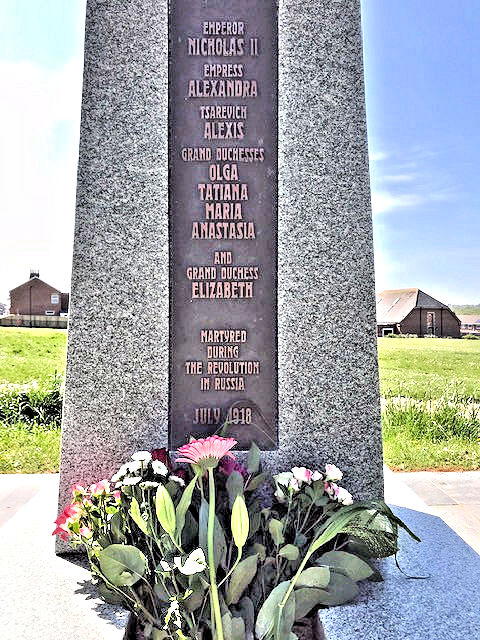
    Elena Bezborodova‘s memorial to the Royal Family of Russia, murdered by the Bolsheviks in 1918. This Memorial was erected at East Cowes, Isle of Wight to commemorate the 100th Anniversary of their deaths.

    In 1909, Tsar Nicolas ll and Tsarina Alexandra of Russia (Princess Alix of Hesse-Darmstadt, grand-daughter of Queen Victoria) along with their five children, visited Cowes, Isle of Wight at the invitation of King Edward Vll. The occasion was Cowes Regatta, one of the longest-running and most important regattas in the world at that time. A home-movie taken during that visit and shown on UK television last year, shows two of the children, Grand Duchess Olga and Grand Duchess Tatiana who had never experienced such freedom before, enjoying a walk around the town, diving into shops and buying postcards and sweets. An interesting account is to be found here.

    On 7th July, 2018 during a weekend of events that remembered the 100th Anniversary of the assassination of the family and their close servants at Yekaterinburg, a 3-metre high granite memorial with bronze decoration was unveiled to commemorate the close connection between the Imperial Romanov family and East Cowes. This magnificent monument was unveiled in the presence of their surviving descendants, Russian Orthodox bishops, the Moscow sculptor of the work Elena Bezborodova, and a choir from Minsk, Belarus.

    Top of the Memorial with its bronze relief of individual members of the family

    The memorial was gifted by members of the Grand Duchess Elizabeth Romanov Society who revere the Tsar’s sister-in-law who was later made a saint. It stands in the Jubilee Recreation Ground close to Osborne House the former home of Queen Victoria and Prince Albert which the Romanov family visited on their trip to the island in 1909. The Tsar had also been a naval cadet at the then Royal Naval College Osborne House.

    The 18th/19th century photos are courtesy of Wikicommons. The Photographs of the Memorial at Cowes are from David Hill, local coordinator for the event working with the Grand Duchess Elizabeth Romanov Society.

    Historical Note: Tsar Nicholas II and his family were assassinated by the Bolsheviks on 17 July 1918. They were buried in unmarked graves, and in 1979 some remains were discovered but were concealed until the fall of communism. In 1991 the graves were excavated and a state funeral was organised for five family members. Remains of two other children were found in 2007 but these are undergoing additional examinations.

    This post linked to https://smkelly8.com/ for Sculpture Saturday Challenge

  • SCULPTURE SATURDAY:  Scottish Memorial in France

    SCULPTURE SATURDAY: Scottish Memorial in France

    I debated with myself whether or not to post these images as some might wish to argue that they are not sculpture. Yet they were brought into being by a sculptor whose name unfortunately, I have not been able to find (I am still searching).

    So here is the Monument to the Scottish fallen in World War 1, an unusual sculpture of granite slabs slotted together like dry-stone walling which stands in a field adjacent to the British Military Cemetery on the road between St. Laurent-Blangy and Gavrelle and which was unveiled on 9 April 1922, the fifth anniversary of the battle. Located north of the village of Athies it is not far from the battlefields of Loos and Arras.

    Pont du Jour Memorial to the Scottish fallen

    Around the field are individual stones with the names of Scottish battalions who fought here.

    And a close-up of the plaque on the monument.

    Ypres to the Scheldt 1915-1918