Blog

  • The Akha Hill Tribes of Northern Thailand

    The Akha Hill Tribes of Northern Thailand

    The Akha are a relatively poor but a culturally unique people living in the high mountains of Northern Thailand, formerly involved solely in opium cultivation but now virtuous fruit farmers – or mostly so.  Rumour has it that some still harvest the poppy but “for their own use” as it eases the back-breaking work of being a hill farmer.  More than 55,000 of the Akha are now engaged in cultivating cash crops like maize, soya, coffee, tea and fruits.

    Hailing originally from Tibet, migrating by way of Yunnan and Burma, the Akha arrived in Thailand in the late 19th century, speaking a form of Tibetan-Burmese which is still their main language.

    Although the men dress quite simply in longhis and shirts, or shorts and shirts, the women’s costumes are exotic and the headgear astonishing. Of the many hill tribes, the Akha women’s dress is easily the most elaborate. On the head they wear a helmet-like piece made up of silver coins, beads and feathers the body covering being a long-sleeved jacket over a short cotton skirt decorated with embroidery and shells and ending just above the knees. Silver is the dominant metal for the Akha and they wear huge pendant earrings and broad, thick bands of silver around the neck.

    Despite their shyness, they accept tourists in one of their villages, Huay Kee Lek, and visitors are welcome to spend a few days there learning about their culture and traditions. Huay Kee Lek is not new: it has been in existence for more than 50 years and includes what to the Akha is the most important feature of the compound, the ornately carved gate in which the guardian spirits of the village live. As Animists they believe in a world of spirits, both dangerous and benevolent, spirits who must be kept appeased lest they interfere with the life of the tribe and bring death, plagues and evil upon them.

    Akha Children

    There is a surprising number of Christian and Buddhist Akha, but even these give a nod in the direction of animism and involve themselves in protecting the sites set apart for the spirits, including the gate.  This mirrors Thai society itself for although the population of the country is 95% Buddhist, the number of spirit houses on the forecourts of big business houses and residential properties, testify to a strong belief in animism in the country at large.

    Tourists stay in a genuine stilt house with Akha families and can join the villagers as they journey to the fields after dawn, to observe how they work. Visitors will also be invited to explore the surrounding forests with one of the Akha guides on hand to explain the concept of sustainable forestry as it affects them. It took the government a long time to persuade the Akha from their traditional slash and burn system of farming (a system still in operation in some places) but population pressure and the loss of the forests seems to have convinced most of them to adopt sustainable farming in its place.

    Akha Child inside Smokey Cooking Tent

    The “home-stays” money provided by tourists is used to help local conservation projects and to keep alive Akha culture,  their traditional music and performance arts, all of which is an encouragement to the tribe to take pride in their traditions.

    Huay Kee Lek is high up in the hills but it is relatively easy to reach on a good road from Mae Suai to the valley settlement and for anyone wishing to understand the life of the hill tribes, a few days spent in the village is all that is needed.
  • Auxerre, Historic Town in France

    Auxerre, Historic Town in France

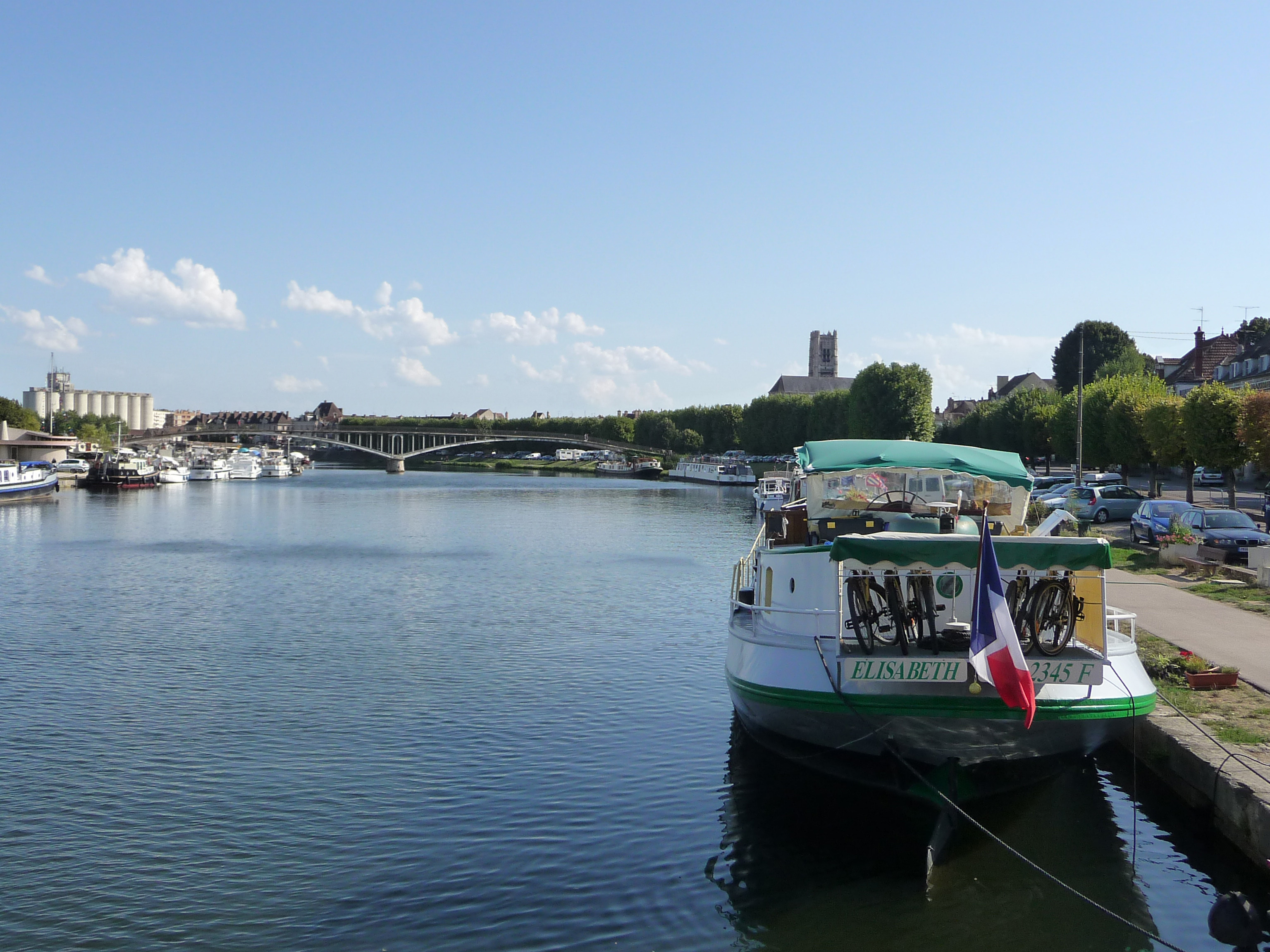
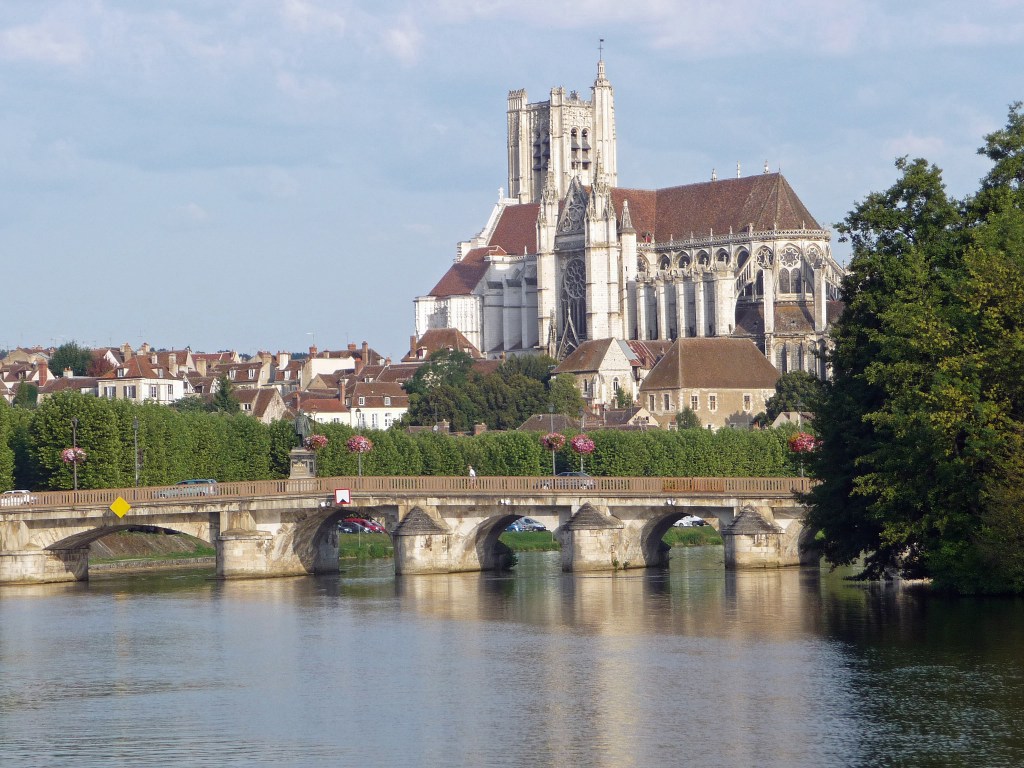
    Auxere on the River Yonne

    Just over an hour from Paris by train and in the heart of the Yonne are of Burgundy.  You may be lucky enough to cruise some of the canals in the area, but if not and if you can drag yourself away from the charms of Paris, you won’t be disappointed in this town colonised by the Romans.

    The vineyards that surround Auxerre from which are produced some delightful  wines, are among the most celebrated in France, and some of the oldest.   This is the area of the great Chablis houses and if time permits a visit to Chablis itself would be the icing on the cake.   It lies approximately 15 kilometres away, famous for its white wine from the Chardonnay grape, referred to here as liquid gold.   The oldest certified vineyard in France, the Clos de la Chainette dating back to the 7th century, is in the Auxerre area.

    Centreville, Auxerre.  Auxerre (pronounced Ausserre), was originally an active port, being on the wine route, but as the railways superseded water transport it lost its pre-eminence and became the pleasant unhurried town it is today.  Situated as it is on the River Yonne, and with the growth of sailing and the popularity of France’s canals, river cruisers and hotel barges have once again made the river the focal point of the town.  Cafés and restaurants along the banks are ideal places from which to while away an afternoon.

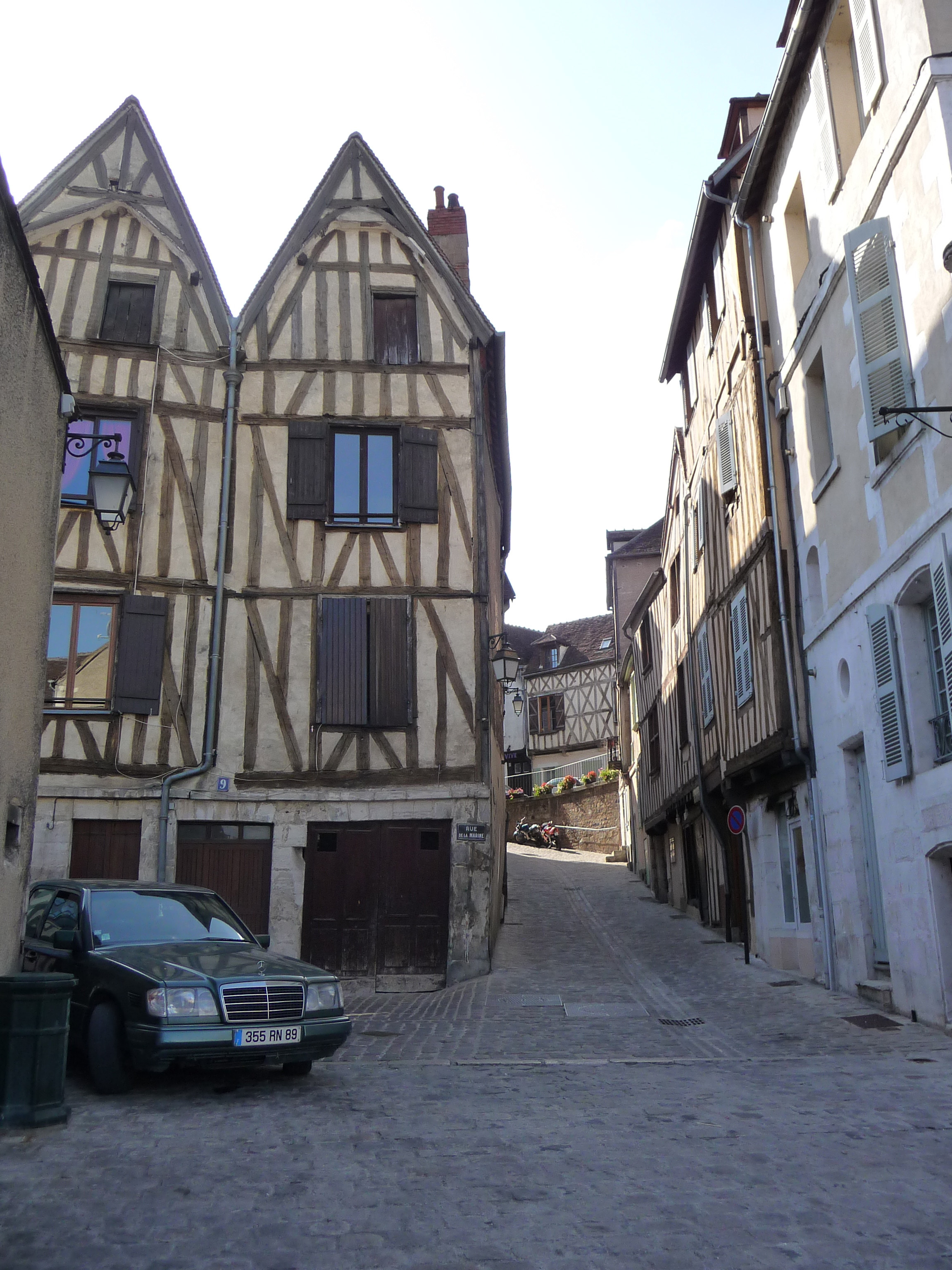
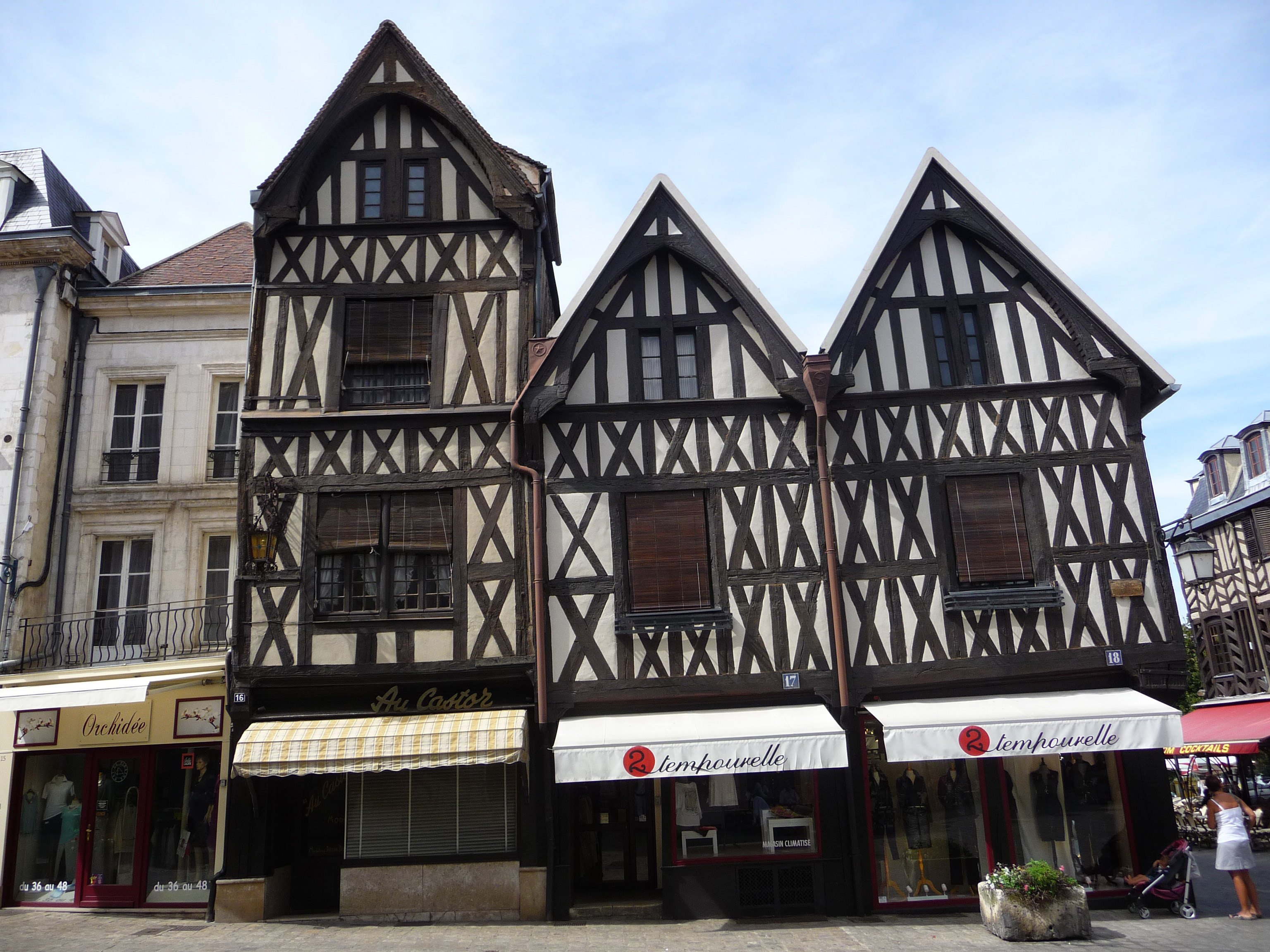
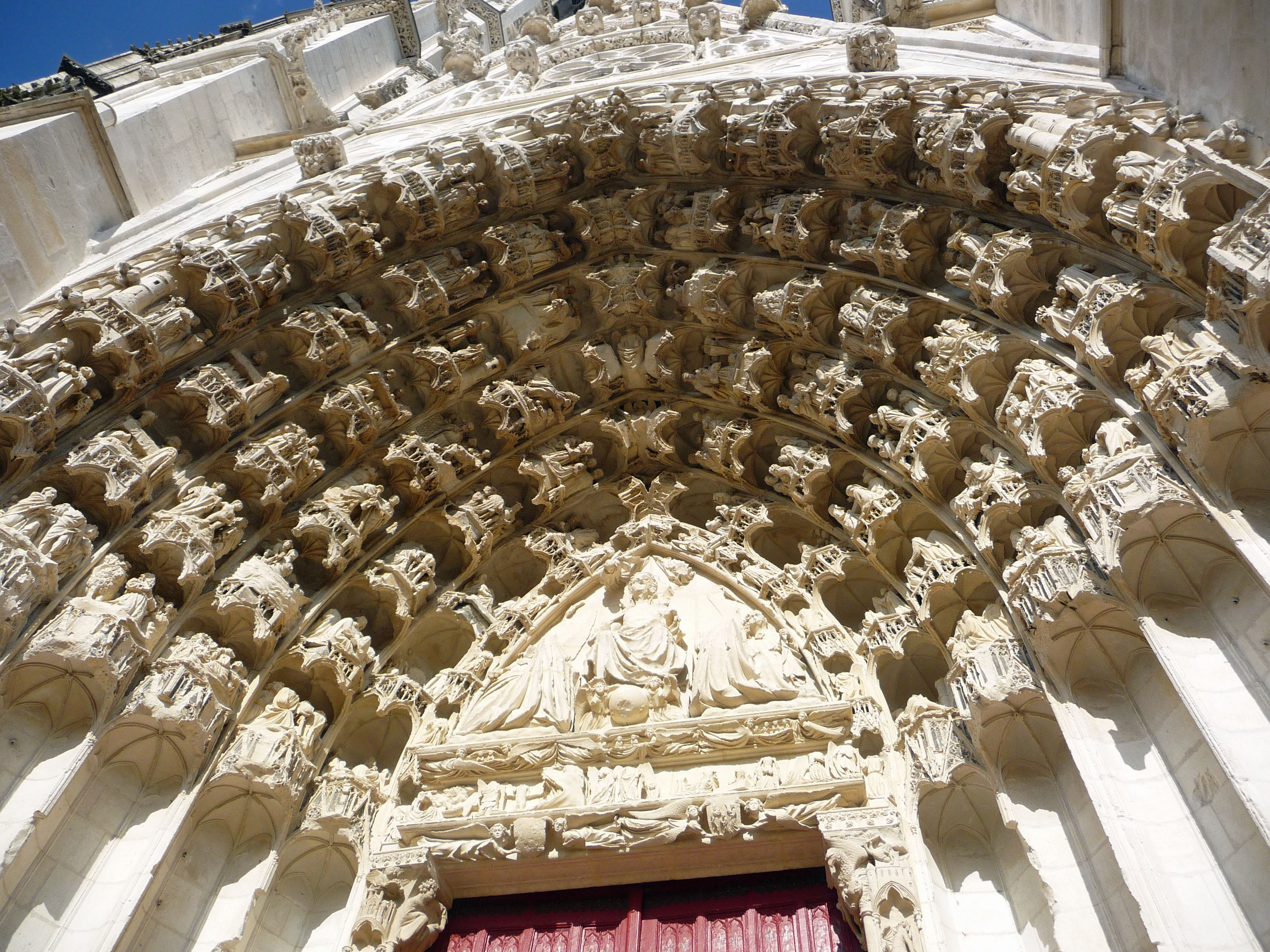
    The old town starts right behind the Quai and from here a walk through the steep narrow cobbled streets with their timbered houses up to the newly restored Cathedral St Etienne is an essential part of a visit.   The Tour de l’Horloge, a magnificent sundial, leads into the pedestrian shopping area.

    It is a town that repays exploring on foot, as it has preserved an exceptional architectural heritage and every corner seems to hold a piece of art and history.  Its historic centre is crisscrossed by winding streets along which are boutiques, restaurants and houses of the local residents.  It may look like an open-air Museum, but  Auxerre is very much a living town.

    Not to be missed: the Cathedral of St. Etienne, St. Germain Abbey, Plaçe St. Nicholas and the houses with wooden sides along the banks of the River Yonne.

    Cathedral Entrance
    Auxerre on the River Yonne
  • Where to Eat in Logroño: Home of Rioja Wines

    Where to Eat in Logroño: Home of Rioja Wines

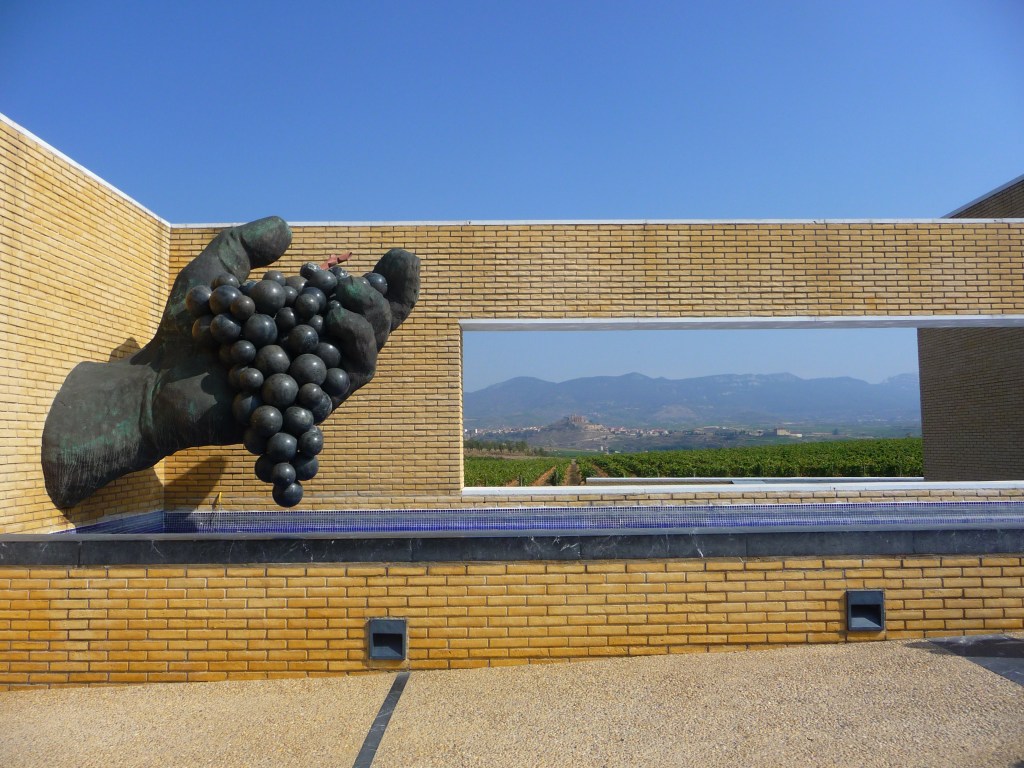
    Vineyards of Rioja viewed from above

    Eating well is not difficult in Logroño. From Tapas to gourmet foods, the visitor is assured of quality, freshness and a perfect marriage of Rioja to food.
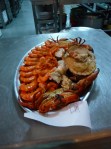
    Glorious Seafood in Logrono

    The wines of the Rioja region are legendary, and most restauranteurs in Logroño can recommend a good accompanying wine from the many on offer. And it’s not just the wines: some restaurateurs insist that the olive oil they use is of equal importance.

    Restaurant La VentaMoncalvillo

    Top of the list must come La VentaMoncalvillo, a country restaurant which lies about 12 miles to the south of Longroño in Daroca de Rioja. Since opening in 1997 this restaurant has grown from a modest little place to one of the most important restaurants in the region.

    The two owners, brothers Carlos and Ignacio Echapresto do everything between them from the wine buying to the organization of the seasonal menus. In spring it is daily fresh vegetables like asparagus, artichokes etc; in summer, salads and fruits and the crisp, green vegetables and tomatoes that smell of the sun, autumn offers small game like partridge, quail and woodcock and the earthy tones of wild, woodland mushrooms like morels, porcini and chanterelles, and in winter the heavier casserole dishes and big game like boar and venison.

    A dish of wild mushroom sliced so thinly as to be almost transparent and served with the best olive oil and a sprinkling of chives makes a perfect starter at VentaMoncalvillo, especially when followed by Ibérico ham sliced just so wrapped round the white asparagus that is a speciality of Spain.

    All dishes are served with wines chosen to accompany them, whether it be a white, a rosé or a deep, dark and luscious red.

    Taberna Herrerias, Logroño  

    Superb Fish

    In an easy to find area of old Logroño, stands the Taberna Herrerias (means Blacksmiths Tavern), on the street of the same name, a 16th century palace sympathetically renovated without losing any of its ancient charm.

    Now a restaurant serving delicious fresh, locally produced food, the clientele is mainly professional people and “ladies who lunch” – everyone hugely enjoying themselves. The wines come from all over the world, but naturally, the locally produced Rioja is very much to the fore, especially the top quality Riojas that are sometimes difficult to source.

    The ground floor offers cocktails and light snacks, suitable for a quick ‘drop in’ meal and on the first floor are the kitchens. The main dining room is on the second floor from which it offer views of the 13th century Church of San Bartolomé and the 12th century spire of the Church of Santa Maria de Palacio, but it is not easy to spend time on admiring the outside views when the food on the table is so good.

    Even a simple plate like a tomato salad seemed fresher and more tasty than any I’d had before and the seafood dishes, risottos, fish, vegetables and meats, matched with delightful wines from Rioja, were a gourmand’s delight. This restaurant is always very busy and reservations are recommended.
    Casa de Comidas Lorenzo, Logroño  

    How Many Bottles of Rioja?

    For something slightly simpler but equally delicious, the Lorenzo Restaurant in Calle San Agustin is an excellent choice. Its pristine dining room on the first floor is a haven from the bustling street outside and the menu has something to please everyone.

    The long list of starters was a problem on our visit, but the owner was happy to bring a selection of his best dishes which enabled everyone to have a “tasting” of the starters which ranged from a simple salad to a risotto. The fish menu contains a great variety of fish from cod, hake, sole, gurnard and monkfish..

    If a main course of meat is required, I would suggest trying the roast suckling pig which is a speciality here. It’s not a dish that is available everywhere, but worth trying when you find it.

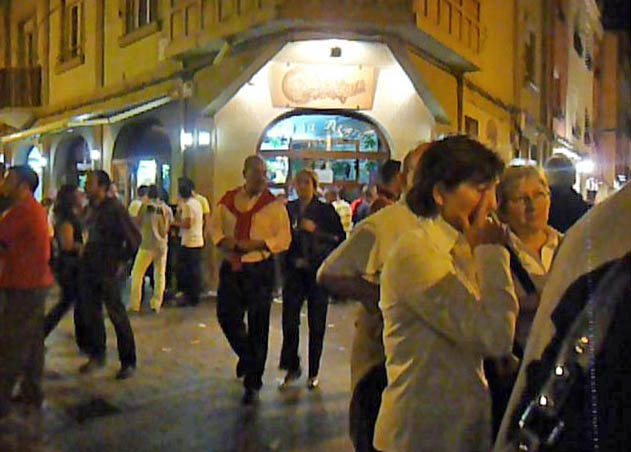
    Evening Paseo in Logrono

    And if all this food is just too much, then head off to the Calle Laurel for tapas, a mini-meal for which Logroño is famous.

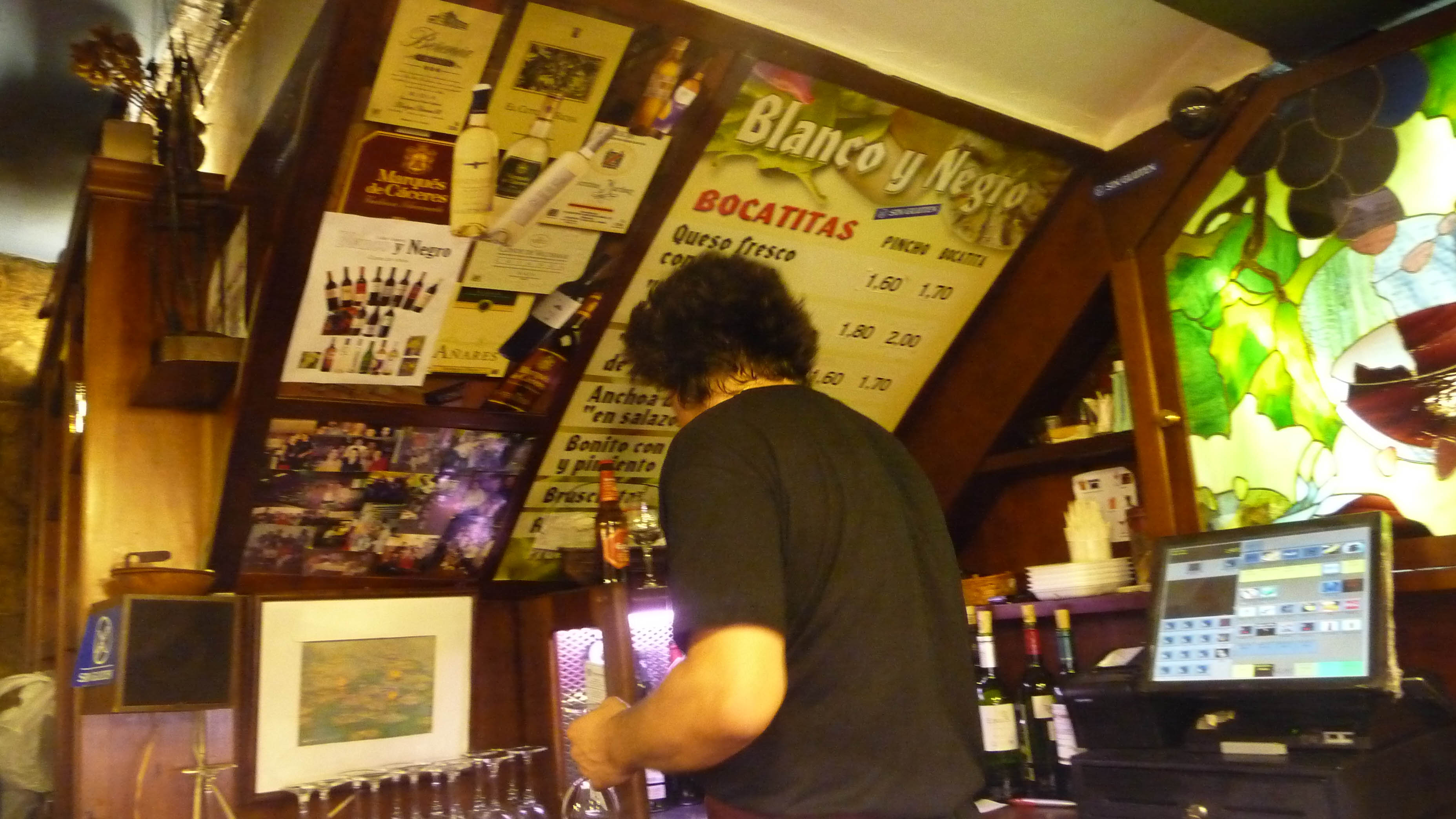
    Tapas Bar Where the Food is Always Good
  • The Wine Museum of Rioja

    The Wine Museum of Rioja

    Dinastía Vivanco Bodegas Museo del Vinois not just a great Museum, it is a beautiful one as well, set in the heart of the wine area of Alberite in La Rioja, Spain.  What also places this Museum in a category of its own is its geographical position with glorious views over the surrounding countryside.

    View from the Steps of the Museum of Wine, Rioja

    The Museum is located right next to the Vivanco winery from which it takes its name, in the town of Briones, La Rioja, and was built to “give back to wine what wine has given to us” in the words of its founder Pedro Vivanco Paracuellos. It was Senor Vivanco’s passion for collecting everything to do with wine that led him to open this magnificent museum, created to showcase every aspect of his collection.

    With audiovisual and interactive displays and a specific route for physically or visually impaired visitors, this museum ticks all the right boxes. The collection is divided into 5 main spaces and takes the visitor from the process of vine cultivation through its development from 8000 years ago right up to the present day, the history of which shows how the vine is central to our culture. Dinastía Vivanco Museo del Vino is set to become the world’s greatest museum of viniculture

    What to See in the Wine Museum at La Rioja

    Starting with an introductory video about the family Vivanco, visitors then move through the rest of the museum. An easy to follow plan guides one around but various sections can be skipped if time is short, or if the particular theme is not of interest. During the tour one learns that wine is closely related to human patterns of settlement and that it was found in both pagan and religious ceremonies from the earliest days.

    Egyptians, Romans and Greeks are all well represented in the displays, and some beautiful mosaics and drinking vessels are on show along with the front panel of a 3rd century sarcophagus and some small oil paintings on copper. Many artistic works show how grapevines and wine have been used throughout the ages to depict figures in classical mythology. With ancient presses and ploughs, etchings and early pictures to illustrate the harvests, and photographs of more recent times, the life of the labourers in the vineyards is brought to life.

    Barrels and Bottles and Transportation of Wine

    Transportation of wine was always of major importance and barrel making and acquiring the correct oak wood for the barrels occupies a goodly section of the museum. There are only 3 types of oak used to make barrels today, Sessile Oak which adds a vanilla flavour to the wine, English, French and Russian Oak (not much used) which is very tannic, and American White Oak which adds chocolate aromas. Oak grows very slowly and cannot be cut before it is 120 years old.

    As well as the barrels there is a whole area devoted to bottles and the corks used in them. The use of cork is always recommended for fine wines as its flexibility means that it swells up on contact with the wine and fits tightly into the bottle. The foil on the cork and top of the bottle protects it from exterior airs.

    This slideshow requires JavaScript.

    Following on from that there is a display of nearly 3,000 corkscrews that charts the evolution of this simple instrument, dating from the first patented model in the 18th century. Wine has given work to many people in many trades over many centuries.

    It would be a shame to leave this delightful museum without spending time in the Essence area, a spot where different aromas can be experienced, from jasmine to leather, chocolate to chillies. It is revelatory.

    Restaurant, Bar and Wine Tasting Area

    Outside the displays can be found the tasting bar where one can spend a happy half-hour or so, sampling the delightful wines of the area.   The bar sells a fine collection of local and imported wines, and the excellent onsite restaurant offers superb, local dishes, cooked and served in the local fashion and with carefully chosen wines to accompany them.

    A Pink Dawn Over the Rioja Vineyards
  • Mrs. O’Leary’s Fire and What it Did for Chicago

    Mrs. O’Leary’s Fire and What it Did for Chicago

    This slideshow requires JavaScript.

    Chicago’s summer of 1871 was a scorcher.  Legend has it that the Great Fire of that year started in Mrs. O’Leary’s  barn on the south side of the city, when her cow knocked a kerosene lantern into some hay which ignited some wood, which set the city ablaze and … the rest you know.  Chicago was left in ruins.   The cause of the outbreak may be debated but the facts are well documented: over 300 dead, 100,000 left  homeless, and nearly 18,000 buildings burnt to the ground. For decades it had been a tough city – and a rich one – but not even Chicago could have foreseen that what would spring from the ashes would one day come to be considered the greatest outdoor museum of modern architecture in the world.

    Immediately after the fire innovative young architects from all over the world poured into the city.  They devised new ways of building on Chicago’s swampy land, found ways of firming up the foundations and experimented with new methods of steel-framed construction.  A Mr. Otis invented the hydraulic lift, and in 1885 the first skyscraper was erected and Chicago became a vertical city.

    We’ve been looking up to it ever since.

    Entertainment in Chicago

    Check into almost any downtown hotel and you’ll find yourself in the midst of a skyscraper forest, cheek by jowl with awe-inspiring architecture,  from the neo-Gothic Chicago Tribune building to the 100-storey Hancock Centre and the 110-storey Sears Tower.  The Observation Deck that tops this lures 1.5 million people a year to gaze at a cityscape that can only be described as awesome.  Seen on a cloudy day from either of these buildings the effect is dreamlike, as the clouds that you can almost reach out and touch drift in and out among the towers.

    Not all entertainment is up in the clouds though.  Chicago has one of the best shopping streets in the world, Michigan Drive, the Magic Mile or Magmile to the locals call it.  There is the Shedd Aquarium on Lakeshore Drive, the nearby Adler Planetarium and the Navy Pier with its Ferris wheel, cinema, ice-skating, theatre and shops.   Trolleybus tour of the Lakefront, Oak Drive and various neighbourhoods offers viewing of a series of Frank Lloyd Wright buildings, usually enhanced by snippets of history in easily digested soundbites from the driver.

    The Mobs and Prohibition

    But even he clammed up when I asked him about Chicago’s relationship with the mobs, for the locals are somewhat reluctant to talk about their gangster past.  Most would prefer to forget Chicago’s long association with the mobsters and their bloody feuds for control of the licquor supply during prohibition.

    A few landmarks remain.  Capone’s home still stands at 7244 Prairie Avenue, but the garage that was the scene of the St. Valentine’s Day Massacre has been demolished.   One of Capone’s favourite speakeasies at the time of his power, the Green Mill Tavern on North Broadway in the heart of the city’s clubland, is now a swanky Blues Club and shares a reputation for great jazz with Blue Chicago and House of Blues, but there are dozens of smaller clubs dotted around the city, listings for which cover five pages in a free sheet called The Reader: gospel and R. & B. take up another three.

    Apart from jazz, there’s a wealth of evening entertainment in Chicago, the best of which after a hard day’s sightseeing is The Second City, the original stand-up comedy club and the forerunner of all comedy clubs around the world.  The atmosphere is relaxed and easy, snacks and full bar service available at your table, and it attracts an appreciative and receptive audience of mixed ages for cutting-edge satire.  If your taste runs to avant garde theatre then the brilliant Steppenwolf Group Theatre (equivalent to London’s  Royal Court) will not let you down.  Chicagoans love the summer and celebrate it with a variety of free concerts under the stars in Grant Park, ranging from classical to country, zydeco to Cajun.
    Coda

    In 1909, Daniel H. Burnham, the then creative planner and architect of the city  said “Make no little plans, they have no magic to stir men’s blood….” and ever since then Chicagoan architects have thought big.  But don’t be overwhelmed by the city’s size.  There are corners that feel like villages and ethnic neighbourhoods where diversity is celebrated.   So feast your eyes on green-tinted glass buildings reflecting terracotta skyscrapers, and gaze upward at elegant curtains of aluminium and bronze.

    For this is architecture to stir men’s blood.

  • La Albufera Nature Park, Valencia, Spain

    La Albufera Nature Park, Valencia, Spain

    This slideshow requires JavaScript.

    Valencia may be going through a difficult patch at the moment with the credit crisis seeming to have hit it hard, but it’s a city that should be visited for the ultra modernity of its City of Arts and Sciences.  Those who now say Valencia shouldn’t have spent so much on this grandiose but gorgeous city had earlier been the first to admire and encourage Valencia in its endeavours.  The slideshow above shows part of this very modern metropolis, a park credited with having the most environmental and ecological value in Spain: it is beautiful at any time of the year and is well worth the short trip from the city centre.

    Then the next day head off to La Albufera, the Nature Park just outside the city in the village of the same name.  Images below are all from La Albufera.

    A Canal in La Albufera

    To get to La Albufera from Valencia is easy whether you use self-drive, bus or cycle.   Head south along the El Saler motorway for about 12 Kl. until the Lake of Albufera comes into view.  La Albufera, Valencia, Spain, Restaurants in Main Street

    Lying between sea and rice fields, the lake and surrounding wetlands are separated from the Mediterranean Sea by sand dunes and pinewoods, a paradise for migrating birds. Serious bird-watchers should head for El Palmar at the head of the park where there is a tower from which to watch the birds.

    La Albufera Park and Lake, Valencia

    This immense natural park and its surrounding rice fields, the crop from which forms the basis of the famous Valencia paella, and the canals dotted with fishing boats that hug the grassy verges of the lake, are less than 30 minutes away from the medieval splendour of Valencia, yet it seems like part of another world.

    Farm Houses with the typical thatched roofs.

    Lake Albufera is the largest lake in Spain and was formed aeons ago by sediment from the rivers Turia and Júcar which hem it in on either side sealing it off from the sea and making the 6 Kls. of water into a freshwater lake.   The innumerable canals leading to the lake are well used by fishermen who are usually to be found with their boats, ready to organize a relaxing trip on the lake or a fishing trip (bait and lines provided if necessary). Todos es posible (everything is possible) as they say in Spain.

    Despite its size, the lake is estimated to be only one-tenth of the size recorded by the Romans. The remainder has been cultivated and turned into fields which in spring are drained and planted with rice seeds ready to be fertilized in May.  In July and August the Albufera is one enormous emerald paddi-field ready to be harvested in September.

    Eating in La Albufera, Valencia

    Eating places alongside one of the Canals. Boats for hire.

    As well as the water activities, the boat trips, and the walks along the lake, the popularity of the restaurants that proliferate along the canals and in the village mean that they are a major attraction to visitors from the outskirts and from the city.   They all serve typical Valenciana fare, and more typically, dishes from the area of the lake. One of these is Ali i pebre de Anguilas, a sort of slightly spicy eel stew with potatoes, tomatoes and garlic. For those unsure of their ability to eat eels, a small tapas ración can be bought as a trial sample.

    P1040632
    Valencia Paella

    Valencian paella is the other offering: eaten straight from the pan in which it was cooked, everyone having their own spoon, or if requested, it can be transferred to individual plates.

    Beaches Surrounding the Lake at La Albufera, Valencia

    There are good sandy beaches near the town of El Saler together with a camping site. Natural sand dunes make up the 10kl Dehasa del Saler, backed by pine trees which provide necessary shade in summer.

    Without doubt, the best beaches in Valencia are in the city itself, miles of golden, soft, sandy beach near the harbour and the King Juan Carlos Marina built for Valencia’s hosting of America’s Cup three years ago.  They seem to stretch for miles from the Esplanade to the sea (shoes necessary when the sun is hot) and the best seafood restaurants are dotted along the promenade.

    P1040599
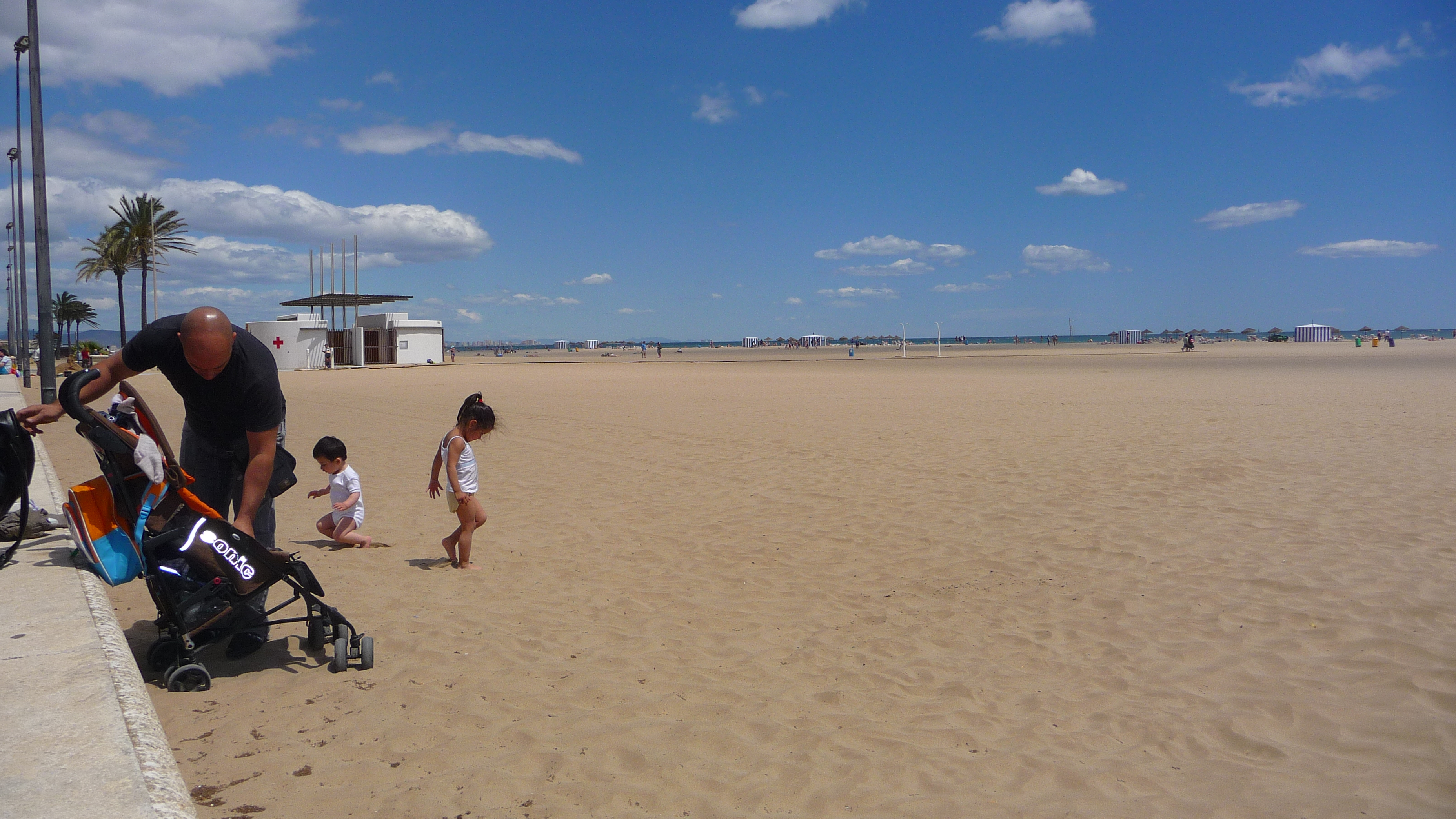
    Wide Sandy Beach at Valencia

    Spending a day on the enormous sandy beach and around the harbour and marina is a perfect antidote to too much sight-seeing in Spain’s third most important city of golden-stoned buildings.


  • The Poetry is in the Pity: War Poets and Poetry

    The Poetry is in the Pity: War Poets and Poetry

    Reading some of Linda O’Neil’s poetry on her blog  http://www.poetrypf.co.uk/lyndaoneillpage.shtml) sent me back to my favourite war poets, Wilfrid Owen, Siegfried Sassoon, Isaac Rosenberg, Alun Lewis, Edward Thomas and many others, and to France where they fought.  I’m a regular visitor to France, sometimes to visit the World War I War cemeteries there, sometimes to cruise the canals, and sometimes I can combine the two.

    Reading Linda’s lovely poem Embroidery, which I think we can call a homage to Owen, reminded me of the time I visited, not the vast fields of white crosses, but Owen’s grave in the little French cemetery at Ors in north eastern France near the site of the battle to cross the Sambre Oise canal.  He was killed there, just one week before the Armistice of 1918.

    Today, his body lies, not in Poets’ Corner in St. Paul’s, but in a tranquil plot in the British war graves section of Ors’ village cemetery, a short walk from the place where he died.   Britain’s greatest war poet, Owen wrote poetry of a rare compassion and beauty, war poetry that did not hesitate to describe unseemly death and disablement in ways that had never been attempted before.  ‘My poetry is in the pity’ said Owen, and it is the pity and the compassion that we take from the poems.

    My first visit to his grave was made nearly 20 years ago when, together with members of the Western Front Association and the Wilfrid Owen Society, we took part in the dedication of a Memorial to the poet.   The military historians who accompanied our party breathed life into statistics and Battle Plan references that our maps high-lighted.  Ground was fought over and won and fought over again and lost, as we listened to the story of the attacks across fields we stood on, and marched up trails that were once dirt tracks.

    On the Somme the villages seem caught in a time warp.  After the war most places were rebuilt exactly as they had been before 1914, and you pass through villages whose names echo with a terrible resonance down the years, Thiepval, Fricourt, Maricourt, Montauban – villages which stand today almost as they did then.  What has changed is the terrain.  In many places today the Somme is like a prairie: hedges have been uprooted to maximise planting, and the flat, rolling plains are unlike the former fields on which the battles were fought.  Despite these changes, and 100 years after the 1914-18 battles, the Somme still throws up the bones of long dead combatants, old bits of ordnance and the occasional live shell.  Mametz Wood is a chilling place, even on a fine day when the sun is shining.

    The sun was shining as we gathered on the banks of the Sambre-Oise canal to listen to the story of the battle in which Owen was killed.  The geese from the nearby farm were loud in their scolding, and staring at us from the opposite bank were cows, not Germans.  It was all a far cry from November 4th, 1918, when the men of the 2nd Manchesters and the 15th and 16th Lancashire Fusiliers fought long and hard for control of these now peaceful waters.  Difficult to imagine on this sunny morning, the men of the Royal Engineers working feverishly to make and mend the bridges and pontoons that were carrying the assault troops across the canal: difficult to imagine the shouts of the men, the sounds of the gunfire, and the screams of the wounded.

    The day lives in my memory chiefly because of the French welcome.   The whole town turned out to welcome us, or so it seemed, and for the dedication of the Memorial.  Representatives from the Western Front Association and the Wilfrid Owen Society took their places alongside  M. Houson the Mayor of Ors, and dignitaries from other nearby towns.  Then down the street came the band, bussed in for the occasion from the neighbouring village of le Catillon.  That afternoon they had their most appreciative audience ever.

    Certain songs have instant access to our emotions – one of them is Roses of Picardy.  As the opening bars of that sentimental old melody began, the chattering stopped and the crowd fell silent.  There were few there who were not moved to tears and the relief from the emotion of the moment was almost audible when the Mayor started his speech of welcome.

    For some of us the pilgrimage ended as we laid our tributes on the grave of the poet and read the words on the pristine white slab that marks his burial place.  I remembered his last letter home to his mother …. There is no danger here, or if any, it will be over before you read these lines ..      Prophetic words.  The bells were ringing to announce the Armistice when the doorbell rang in the Owen household and Susan and Tom Owen got the telegram they’d been dreading.

    Readers with an interest in Owen’s poetry who visit France, will have no bother finding Ors.  It is an easy spot to reach lying not far from Amiens (Michelin Touring Map No. 50.  200 Km. North of Paris, 40 Km. North-east of San Quentin and 25 Km. South-east of Cambrai).  Walk across the bridge that spans the canal and you will see the Memorial erected to Owen just nineteen years ago by the villagers, the Western Front Association and the Wilfrid Owen Society.  The Commonwealth graves are in a quiet spot at the side of the village cemetery, their pristine white slabs terribly upright in sharp contrast to the polished granite and marble of the French headstones.

    The bond that grew between the men who fought in World War I was of a special kind, forged in the hell of the trenches and kept alive by the inability of those on the home front to comprehend the horror of that war.  Some may think that Westminster Abbey is the only fit place for a great English poet.  I believe Wilfrid Owen is happier to lie at Ors with the men whose life, and death, he shared.

    Read Linda’s poem on http://www.poetrypf.co.uk/lyndaoneillpoems.shtml  and you’ll see why my memory slipped back to nearly 20 years ago.  Travel takes one to strange places and although I have visited the graves in the cemeteries on the River Kwai many times and been moved to tears more than once, those upright white slabs in France seem to resonate with the tragedy of all wars.  Is it the poetry the fallen left behind?  Is it the prose, not just from the English combatants, but Frenchman Henri Barbusse, German Erich Maria Remarque, and the Russian Pavel Antokolsky.

    They have all left their mark on literature, and on lovers of poetry, but was still go on.

  • Ellen Terry Museum, Smallhythe Place, Kent

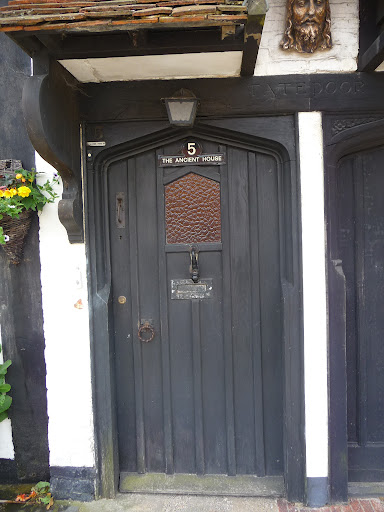
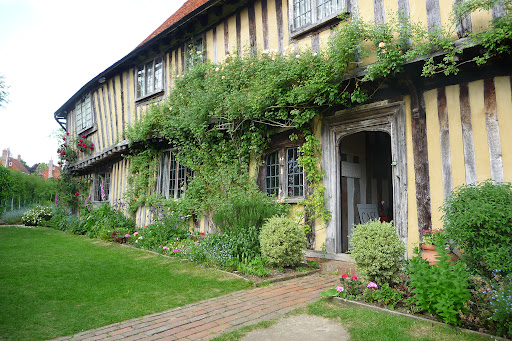
    Needing to get some photographs for an article on pretty Kent villages, took myself off to the Weald last week only to find that places like Tenterden and Biddenden had thrown themselves into Jubilee mode with a vengeance.  Medieval doorways draped with the Union Jack, windows bedecked with red, white and blue ribbons, and bunting strung across the streets wasn’t what my editor wanted for the article, so I had to leave this particular area and postpone the writing.

    Looking round for an alternative idea I thought of covering some of the lovely venues in the area and headed for Sissinghurst which I’d visited some years ago.  Unfortunately, I hadn’t checked opening days and when I got there found it wasn’t open on Wednesdays or Thursdays.  Very disappointed.

    I felt it would have been helpful if National Trust had put a sign by the entrance giving the Opening Days, saving visitors a drive down to the car park and then a walk to the entrance, only to be refused entry.

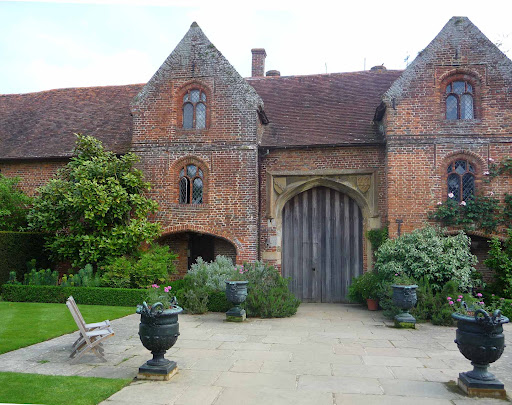
    Sissinghurst Castle

    However, the sun was shining so I looked around the exterior of the buildings, checked out the plants for sale, was tempted by the David Austin roses for sale and enjoyed the lovely views.    The emerald lawns looked spectacular and the exterior was immaculate, making it even sadder that I couldn’t gain entry to the house and gardens.

    Smallhythe Place Museum – former home of Ellen Terry

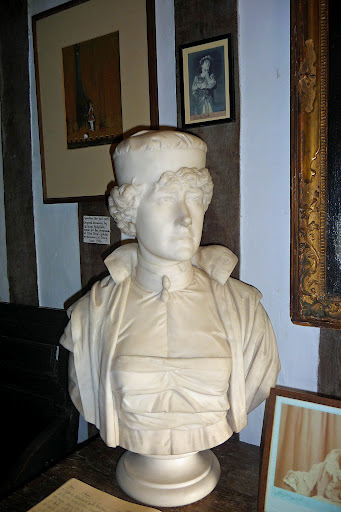
    From there I drove on to Smallhythe Place, the best little Museum I have ever visited.  Also a National Trust venue but they were open – until 4.30 that is.  Smallhythe was the former home of one of England’s most beloved actresses, Ellen Terry, and the house still seems like a home, full of her treasures and memorabilia from various roles she performed on the London stage.

    The Barn Theatre, Smallhythe Place

    In the gardens is The Barn Theatre where many famous actors have worked (plays are still performed, but it is a private theatre), and the gardens are full of the roses she loved, every one of which had an exquisite smell.

    So, all was not lost on my trip to Kent, but I have made a note to avoid all celebratory times if I want to take photographs as the decorations do date them.

    Marble Bust of Ellen Terry
  • The Old Gaffers’ Festival, Isle of Wight

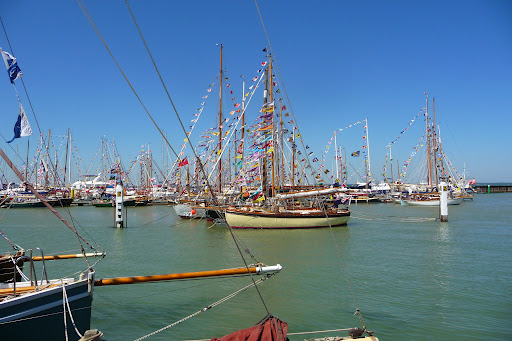
    Yarmouth Harbour with Car Ferry in Background

    It’s a bit late now to tell you about the Old Gaffers’ Festival at Yarmouth which was a great success last week-end 25-27 May.  Coinciding with what we hope was the start of our British summer, it attracted people from all over the south of England plus the residents of the Isle of Wight who flocked to the little town in their thousands to welcome the Old Gaffers.

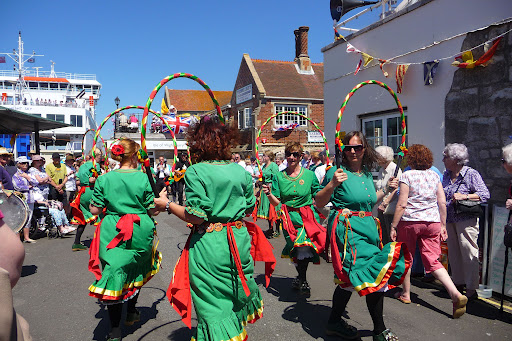
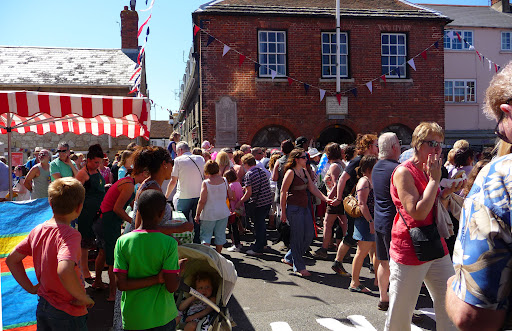
    Crowds throng the streets over the weekend.

    For those of you who may be wondering what, or who, are the Old Gaffers, they are a type of sailing boat (I’ve given a link to the website where you can find the technical details) and the Yarmouth Festival attracts the boats and their owners for a weekend of sailing and merry-making.  The gaff-rigged boats, dressed overall, is something one doesn’t see every day and the harbour filled with the colourful boats is a complete contrast to the usual fleet of everyday boats.  The main race was on the Saturday, but people were arriving on the Friday for the Continental Fair (this could be Continental Fare as there was food from France, Spain, Italy and Germany on sale, both as takeaway and to eat there and then).

    Boats Dressed to Kill

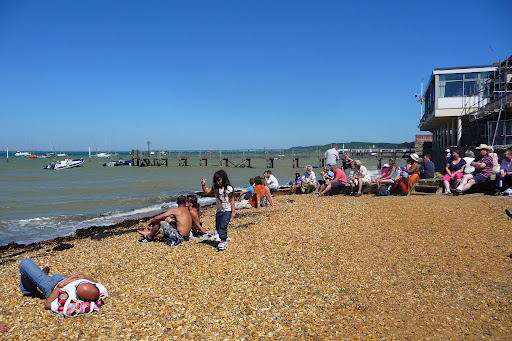
    Glorious weather on the Saturday and Sunday meant that the town was pretty busy but the exceptional stalls in the main square, the displays of food, bread, sausages, pastas and paellas were so enticing, that more than half the people spent time looking and tasting which left the beach and pier less crowded for those whose main interest was the sailing.

    Morris Dancers

    Various horticultural merchants were offering bargains in unusual plants and shrubs, craftsmen and women were demonstrating their workmanship and the whole event was like an old fashioned Fair.  It was almost a novelty not to have the usual market traders hawking their goods.

    Freshwater & Totland Samba Band

    On the Friday night Rob da Bank topped the bill with some great acts and the tribute bands had their turn on the Saturday night.  Bands played all day long, marching bands, bands in marquees, jazz bands, and even the Freshwater and Totland Samba Band paraded through the town.  The Wight Hot Pipes (bagpipes, guitar and keyboard) were on hand, as were the Boogie Woogie Pianos with Team le Roc dancers, and The Crew sang shanties and sea songs in keeping with the Festival.  There was even a male voice choir.  Among the street entertainers was a magician, the Men O’Wight Morris Dancers, Irish country dancing from th Ceri Dancers and on the sea the RNLI lifeboat demonstrated a search and rescue mission.

    Sea Shanties from the Boat

    The Beer Tent and the Real Ale tent, the Strawberries and Cream Teas, and the local ice-cream makers were all kept pretty busy.  Those who could tear themselves away from the eating and the fun around the harbour could inspect the Veteran and Vintage vehicles that were on display.

    Once again, The Old Gaffers Festival has pleased thousands of people.  Let’s hope the weather is equally kind for next year’s event.

    The overflow found the shingle beach quite comfortable


  • A DAY TRIP TO SAINT MALO, FRANCE

    A DAY TRIP TO SAINT MALO, FRANCE

    A DAY TRIP TO SAINT MALO
    Saint Malo from the Sea
    To St. Malo for a couple of days with Brittainy Ferries from Portsmouth, a smooth journey in an ensuite cabin that surpassed my expectations.  The food on board was delicious – and very inexpensive for the quality.  On offer was a buffet with main course served separately from the grill, an a la carte menu, a snack bar and a self-service restaurant – choice enough for everyone.
    Heart of the old Town
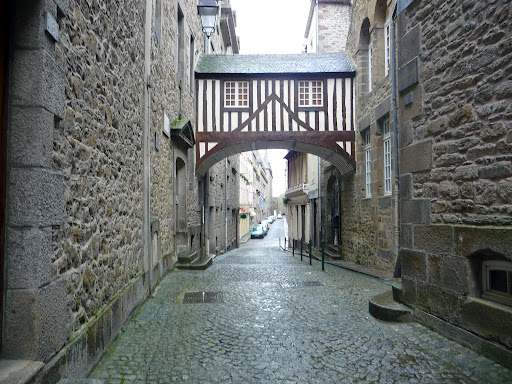
    Unfortunately, the first morning in St. Malo brought winds and rain, and when I say winds, I mean icy cold winds that cut through my three layers of warm clothing like a Siberian dagger.  Foolishly ignoring the advice of the hotel receptionist, we took ourselves off on a tour of discovery, only to find that nothing opened before 10 a.m. in St. Malo – not even a coffee shop – so we had the wet, cobble-stoned streets to ourselves as we perused the soggy map trying to negotiate the lanes, alleys and squares of this granite island.  Down one side-street we managed to locate a coffee shop which served delicious chocolate and croissants so the morning took on a more cheerful aspect.
    By midday however, the sun was out, the sky was blue, and it was smiling Gallic faces all round.  Saint Malo surges up from rocks and curves to form a natural harbour.  The Cathedral which we’d earlier visited (partly to escape the rain) dominates the skyline and is a good marker if one gets lost.  Despite the religious symbol however, the city has a somewhat shady past, being the haunt of Barbary pirates in the 18th and 19th centuries who preyed on the ships crossing the channel.
    The Old Town
    It would be a good idea to take La Petit Train de Saint Malo for the 30 minute sight-seeing tour – a good 5 Euros worth – before embarking on a walking tour with a map, as this tours the walled city and the surrounding port and includes an English commentary.  Visitors to the town can see quickly where the landmarks are and make a note as to what they would like to return to see when time permits.
    The Beach and the Causeway to the Isle
    The heart of the city is the old walled town known as Intra-Muros (inside the walls) and a favourite walk is on top of these 20-foot thick walls.  From high above town and beach one has a magnificent view of the surrounding area and down into the maze of medieval streets.  A stretch of approximately one and a half miles can be walked and despite being buffeted by the wind, it was a joy to gaze on the golden sands of St. Malo which stretch right along the Brittany coast, watch the parties of schoolchildren wander along the water’s edge, and the hardier folk who were hurrying along the stone-flagged causeway to Grand Be islet (don’t attempt this if the tide is coming in: if you do, then you must stay on the island until it goes out again).
    Restarant on the Walls
    1 Kilo of Moules avec Frites 11 Euros
    In a town known for its fish and seafood it can be a problem to decide where to eat, so many are the good restaurants on offer.  One row of restaurants backs on to the walls (Rue Jacques Cartier and Place Chateaubriand) and this seemed to be most people’s favourite place.  And do try a Kir Breton (Kir and Breton Cider).  Most people, for lunch and dinner, seemed to be opting for moules in all their forms washed down with either local cider or white wine, followed by crepes for dessert.
    The weather didn’t encourage sea trips but bus rides to nearby Dinard and Dinan were easy to arrange.  We were temped to take a taxi to Mont-Saint-Michel for 85 Euros but decided against it not knowing what the weather would be like.
    Next day we sailed back to Portsmouth on the Bretagne with the sun shining fiercely from a blue, blue sky.  It was ‘on the deck’ weather the whole way back and I’ve already made up my mind to do this trip again.