My recent trip to Syracuse gave me lots of material for posts but as I have written before about this Sicilian city I thought that this time I would hone in on the Archaeological Park of Neapolis which holds Syracuse’s most important Greek and Roman remains. The Park covers approximately 240 square metres and the Greek and Roman periods are divided by a green, tranquil oasis in the midst of the ruins, called Viale Paradiso.
Between the two cultures, through the Viale Paradaiso.
The Park came into being between 1952 and 1955 with the idea of bringing together all the monuments, pillars and stones which previously had been located on various private properties and were not accessible to the public. The result has been an outstanding success.
The Roman part dates back to the 3rd century AD and the Amphitheatre (seen below) is the largest in Sicily at 140 x 190 metres, and it is recorded that the first performance of Aeschylus’ Etnean Women was performed here in 476 BC. To avoid this turning into a history lesson, I shall leave the images, with captions, to speak for themselves.
Not only was the amphitheatre used for drama: political life was played out here too, especially the assemblies in which all citizens participated.
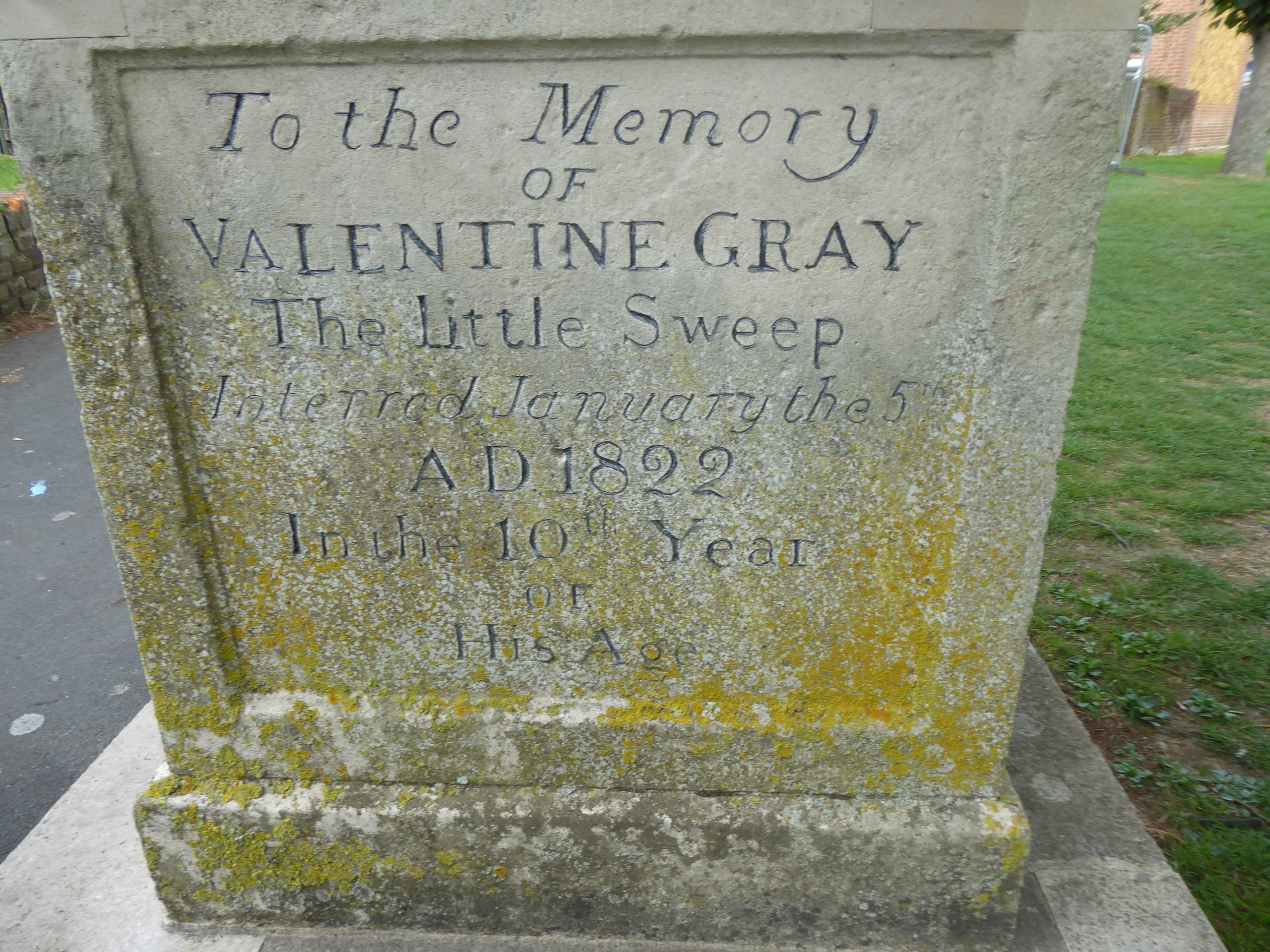
On the green in the middle of the town stands a memorial to the last little chimney sweep to die here, and just a few miles away a lovely old pub is the site of the last hanging to take place. I’m in Newport, the main town on the Isle of Wight, sometimes referred to as the capital.
The Island is well known as a favourite holiday resort for walkers, cyclists and families with young children, but Newport itself is often dismissed as merely a shopping area. Yet Newport was the hub of the Island’s rail network until the Beeching cuts of 1996 closed its railway along with many more on the island. This was a cut too far as the roads can barely cope with the increased traffic that was the result of such drastic pruning.
The only remaining train line runs from the ferry terminal at Ryde to the resort town of Shanklin with stops at Sandown, Brading and Smallbrook (for the Steam Railway), and the hub of the transport network is now the bus station in Newport where routes from across the Island terminate.
A quick visit to the town and you could be forgiven for thinking it is a town of chain stores from the ubiquitous M & S to H & M and Primark, but this historic town centres on two elegant squares surrounded by Georgian and Victorian architecture, and the town’s quay from which goods from all over the world were shipped along the Medina River from the port at Cowes, is just a short walk away.
Riverside Pub in Newport, The Bargeman’s Rest
Swans float serenely on the river ignoring the canoes and kayaks, the sailing boats and the odd small yacht or two that are on the water, and on the terrace of the Quay Arts Centre people relax with coffee and cakes, tea and crumpets or lunch. Inside the Arts Centre is a constantly changing art exhibition, dance classes, open mic occasions and an upmarket shop selling exquisitely crafted goods in silk, silver, ceramic, pottery and paper.
There was an extensive Roman settlement on the island and there remain two Roman villas, one of which is open to the public and whose remains provide a fascinating insight into country life in 3rd century Britain. Discovered in 1926 when foundations were being dug for a garage, subsequent excavations revealed the remains of a late Roman farmhouse built around 280 AD with a superb bath suite, underfloor heating and remnants of mosaic floors. You can peep into a Roman kitchen and see a slave preparing a Roman feast and there is a hands-on activity room where you can make a mosaic, repair a broken pot or weave a blanket. Outside, the plants Romans would have used are grown in the beautiful herb garden.
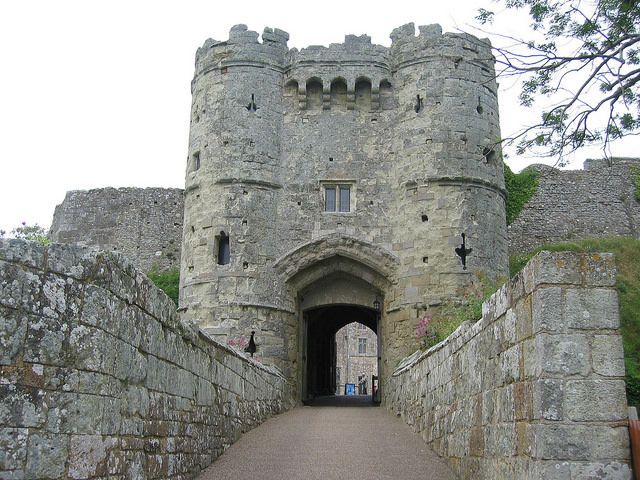
Carisbrooke Castle – Copyright David Hill (Flickr)
Newport is probably more famous for the nearby castle of Carisbrooke in the village of the same name, but although there have been fortifications on the Carisbrooke site since Roman times, what one sees today dates largely from the 12th to the 15th century.
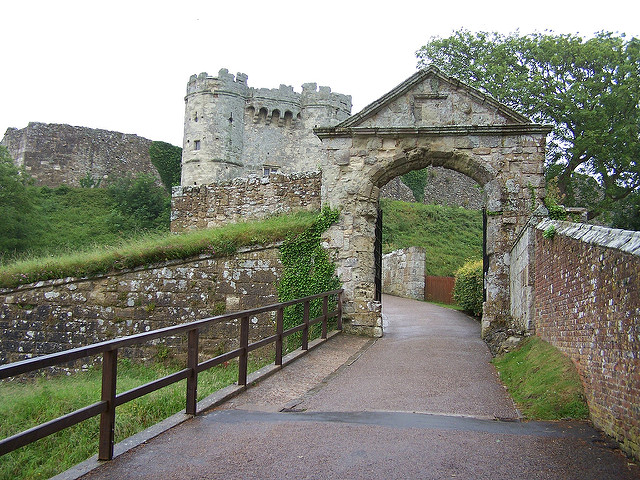
Carisbrook Castle – Copyright David Hill (Flickr)
Carisbrooke Castle is most famous as the place where Charles I was held prior to his removal to London and his execution by Oliver Cromwell’s Parliamentarians. The castle is said to be haunted by the King’s young daughter, Princess Elizabeth, who died during her incarceration in the Castle.
The donkeys of Carisbrook Castle are very popular with children of all ages. In previous centuries, water for the castle’s occupants was drawn from the 150 foot deep well by two donkeys powering a draw-wheel, walking approximately 270 metres to raise one bucket of water. When the castle lost its defensive role this practice stopped.
When the castle was restored in the 19th century, the equipment was renewed and the donkeys have been raising the water for the benefit of watching visitors ever since then. English Heritage is keen to say that the donkeys enjoy the exercise and are never over-worked.
Nearby Parkhurst Forest is home to two prisons which together make up the largest prison in the UK: it was once among the few top-security prisons in the United Kingdom. Their names, Parkhurst and Albany, were once synonymous with the major criminals who were housed there, it being presumed that any escapee would have a problem getting off the Island (as indeed it proved on the few occasions when a breakout occurred).
The famous Pop Festival shows no signs of losing popularity despite competition from other towns and cities across the country. Seaclose Park on the east bank of the River Medina has been the location for the revived Isle of Wight Music Festival since 2002 and it is one of the key events in Newport’s events calendar!
So if Newport, Isle of Wight is on your itinerary, please wander around its streets and alleyways, look at the façades of the houses and try and guess in what century it was erected. Find the row of old Alms Houses and if time permits, take a walk along the banks of the Medina River and try and visualise the days when sailing ships sailed up here from Cowes carrying a cargo of rice from Carolina. And when it comes to time to eat, whether your taste runs to Mac & Cheese, Burgers, or Fine Dining, Newport can supply you with the best, with the Golden Arches for fast food and Hewitts and Michelin-starred Thompsons for truly superb food.
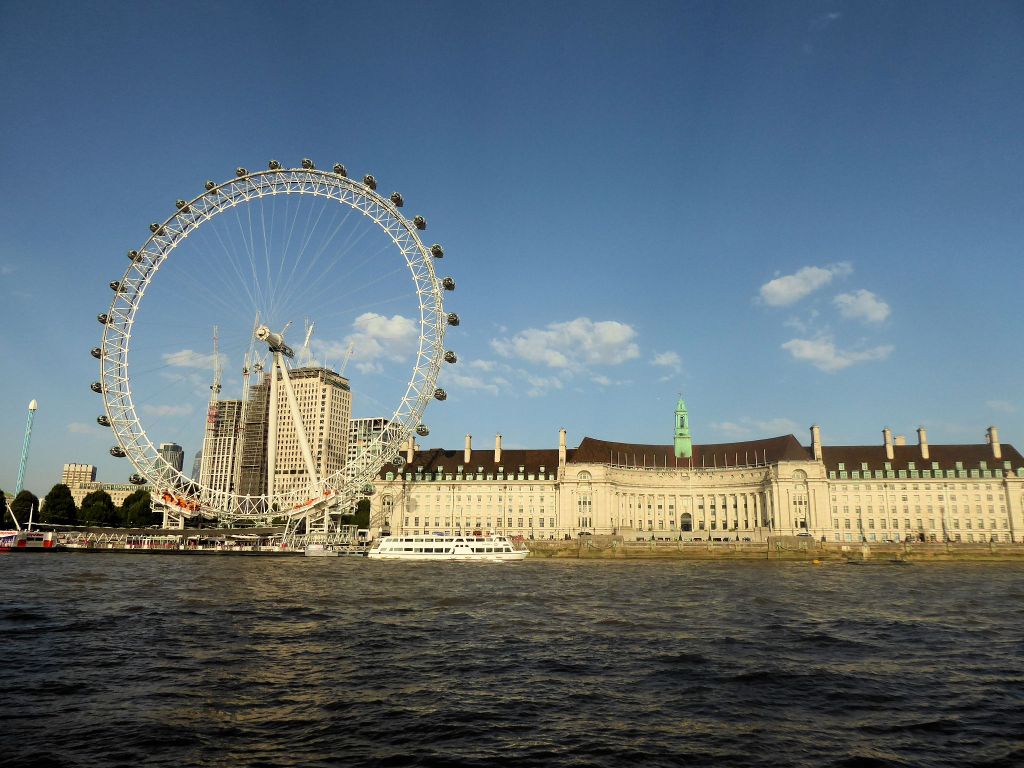
To London last week with the British Guild of Travel Writers for our Annual Summer Outing which this year included a visit to the Banqueting House in Whitehall, a tour on a Big London Bus and a Cruise on the River Thames with City Cruises, the boat that allows you to get off at any stop along the route. The open-top bus tour and the river cruise took place in blazing sunshine and although London sights are familiar, the landmarks and historic sites never fail to thrill.
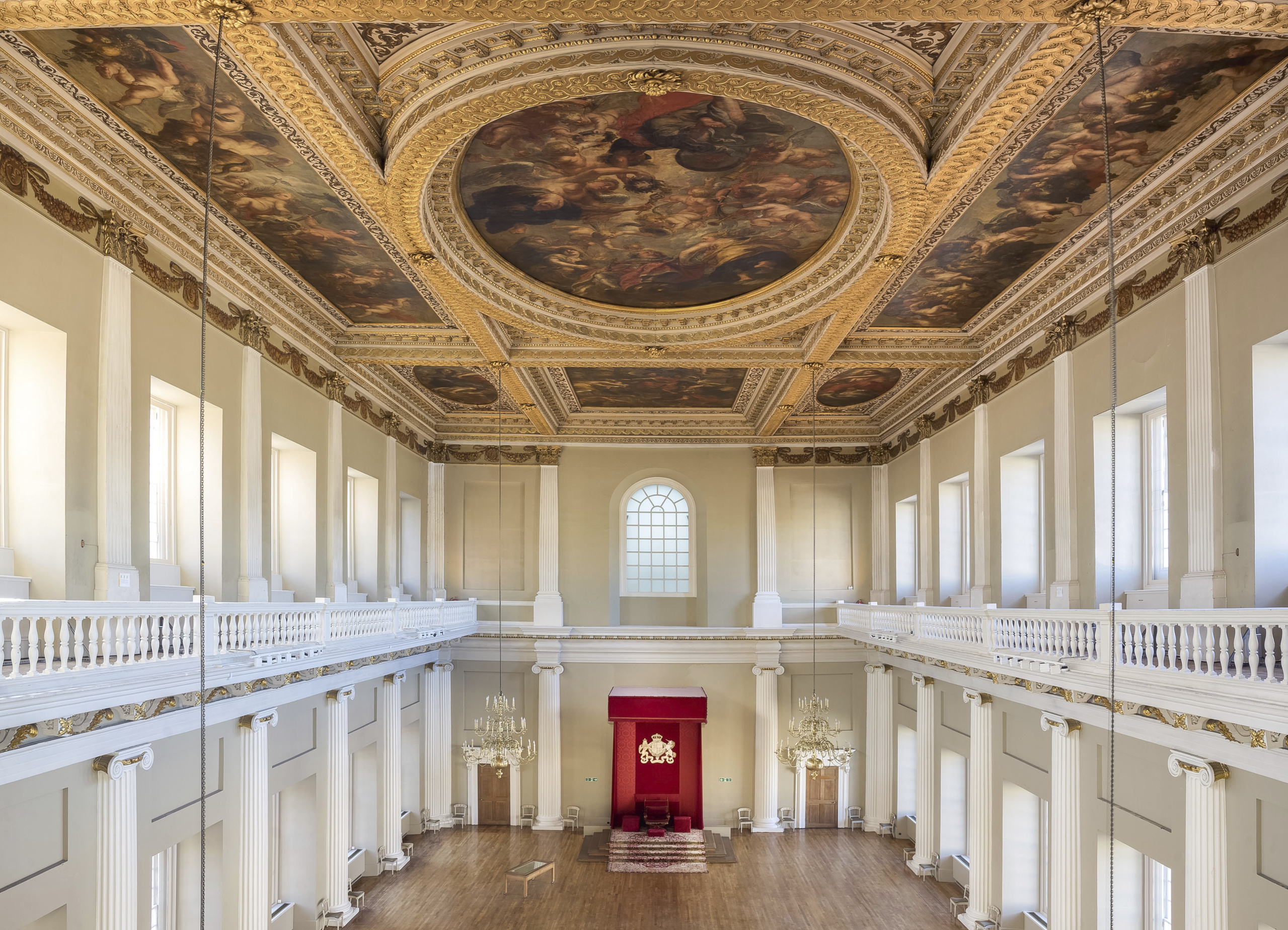
The Banqueting House is the last surviving part of the Palace of Whitehall*. It was once the greatest palace of its time in Europe, almost totally destroyed by fire in 1698, but I knew nothing of its history until this visit.
Re-blogged because I have now accessed some images from Historic Royal Palaces which help flesh out the text.
To London last week with the British Guild of Travel Writers for our Annual Summer Outing which this year included a visit to the Banqueting House in Whitehall, a tour on a Big London Bus and a Cruise on the River Thames with City Cruises, the boat that allows you to get off at any stop along the route. The open-top bus tour and the river cruise took place in blazing sunshine and although London sights are familiar, the landmarks and historic sites never fail to thrill.
The Banqueting House is the last surviving part of the Palace of Whitehall*. It was once the greatest palace of its time in Europe, almost totally destroyed by fire in 1698, but I knew nothing of its history until this visit.
The Banqueting House was created for King James I in 1622 by architect Inigo Jones. Inspired by the classical architecture of ancient Rome it was revolutionary at that time, standing it is said, head and shoulders above the ragbag of buildings that composed Whitehall Palace. At the time of which we are speaking, a banquet was composed of little snacks and desserts, eaten after the main course when diners were waiting for the entertainment to begin, and was consumed in a separate little house or room, highly decorated and situated a short walk away from the main dining hall in order to aid digestion. The Banqueting House of Whitehall Palace was the biggest and grandest of them all.
It was during the reign of King Charles l that the magnificent ceiling paintings by Sir Peter Paul Rubens (which today can be viewed from comfortable leather cushions laid on the floor) were installed. Under these ceilings over 400 years ago, royalty and courtiers, ambassadors and aristocrats took part in some of the most exuberant and decadent masques every performed; today it is more likely to be celebrities and fashionistas who parade beneath the sumptuous ceilings as The Banqueting House has proved a popular ‘Events’ venue.
* Whitehall Place was for many years the property of the powerful Archbishops of York, who needed to be close to the monarch. The first was built in 1241 and was originally known as York Place, passing through time to Cardinal Wolsey who extended it greatly. As we know, he was deprived of his properties by Henry VIII who took it over in 1530 when it became Whitehall Palace. Two great fires saw the destruction of Whitehall Palace, the first in 1691 and the second in 1698 when it was almost totally destroyed.
What follows are images of London taken from the top of the Big Red Bus.
The Shard
St. Paul’s
Looking Across to the South Bank
Leadenhall Market
The Gherkin
Big Ben and Houses of Parliament
Almost Suburbia
The Shard can be seen from almost everywhere
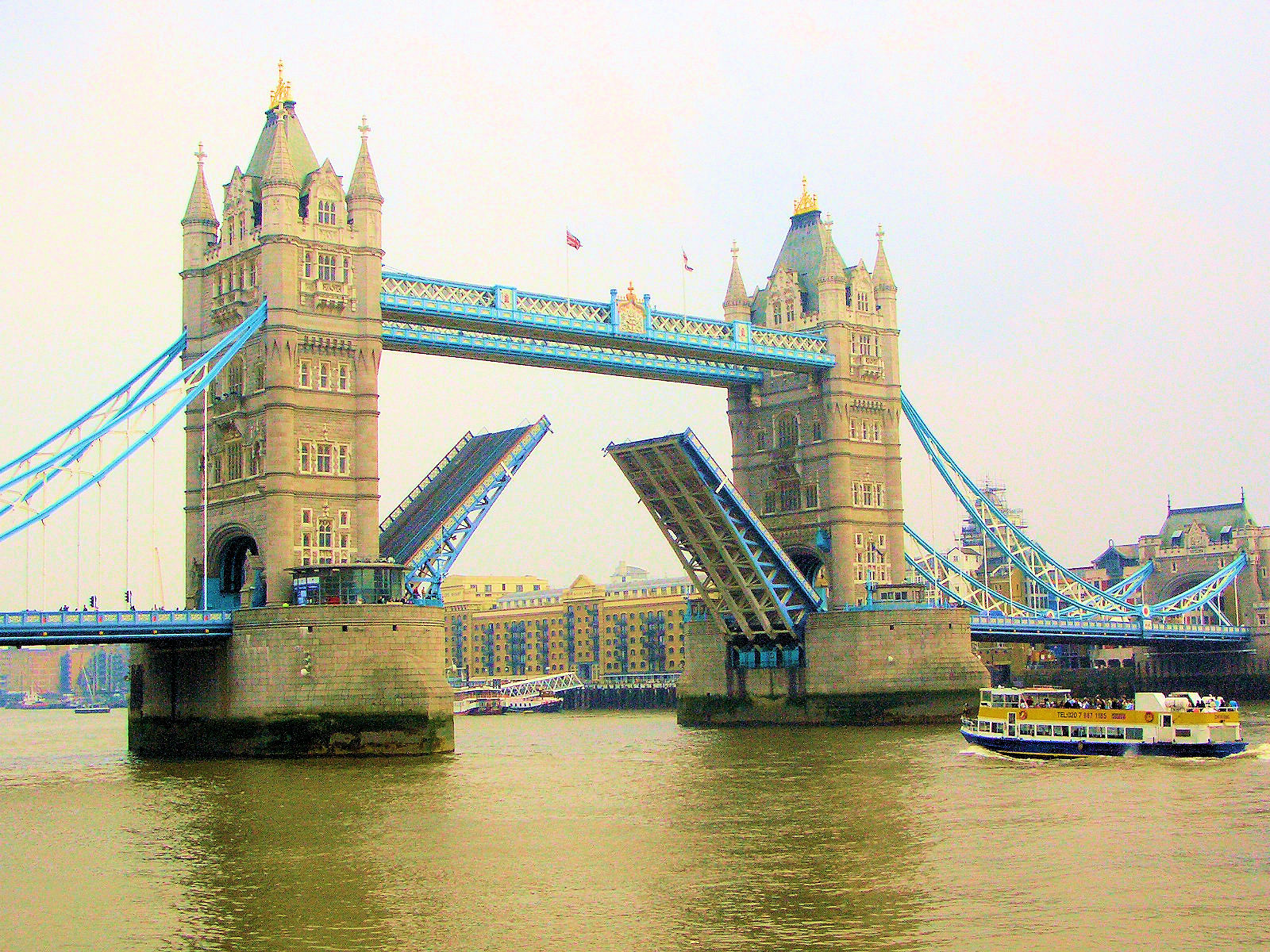
The following are pictures taken from City Cruises boat which carried us from Westminster Pier down to the Tower of London and beyond, passing some very innovative architecture whose positioning evoked some heated argument amongst us, as well as the always sombre Traitors’ Gate leading into the Tower and almost certain death.
The Shard
The Tower
Tower Bridge with HMS Belfast
The Gherkin
Big Ben and Houses of Parliament
The Tower
The Tower
Innovative Architecture
Dr Samual Johnson said, “…..when a man is tired of London, he is tired of life; for there is in London all that life can afford.” Even after the long gap in time, I agree with him, every word.
Looking through some images last night reminded me of a trip I took a few years ago visiting the places where the Impressionists had painted (sometimes standing exactly where they had stood as they worked), places like Rouen, Honfleur, Etretat and Le Havre in N. France. The idea behind the trip was to look at the reality of what the artists had painted and then to make a connection with the painting by viewing it in a nearby gallery.
Where and what they painted at the time was a complete change in the art world, helped by pre-mixed paints in tubes and new vibrant hues like chromium yellow and French ultramarine that freed them from the chore of grinding up lapus lazuli and mixing dry pigment in linseed oil to make colour. With these aids, their style of painting could now evolve and they were able to paint ordinary subject matter outdoors, capturing the momentary, transient aspects of light and the ever-changing colours of the clouds.
Stained Glass Window in Rouen
Spire of Notre-Dame Cathedral
Claude Monet painted more than thirty versions of Notre-Dame Cathedral in Rouen, a church which is a mishmash of architectural styles spanning four centuries, but which is mesmerizing in its scale and grandeur. As we stood facing the church from the opposite side of the square from where Monet had painted the church, rain was pouring down its exterior walls. But Monet had painted many rain-washed scenes of the Cathedral so that was good.
Notre-Dame Cathederal, Rouen
The Musée des Beaux-Art in Rouen has a particularly fine collection of Impressionist paintings and when I came face to face with Monet’s misty, murky impression of the rainswept sumptuous west face of this massive Gothic structure, I was nearer understanding why so many were painted in the rain.
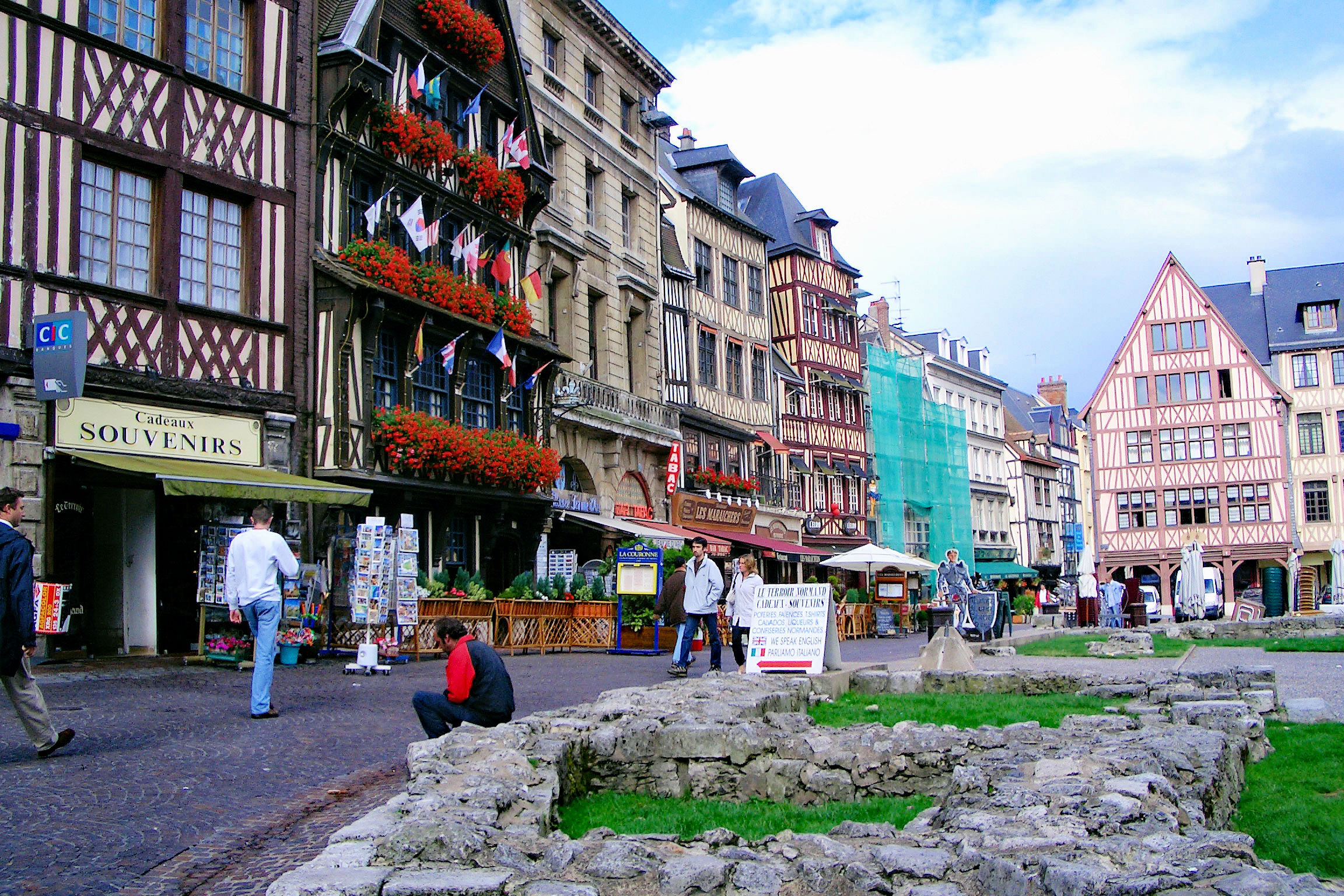
Rouen is a maze of cobbled streets lined with beautifully preserved or restored half-timbered houses that lean crookedly together: more than 100 of these houses date back to the Middle Ages. Many of these streets lead from the Cathedral to the famous Rue du Gros Horloge with its lavish Renaissance clock centred in an elegantly carved arch, and then to the city’s hub, the Place du Vieux Marché ringed by cafés and restaurants housed in 16th – 18th century buildings, and famous as the place where Joan of Arc was burned at the stake in 1431. An iron cross set in a simple little memorial garden marks the spot and a daringly designed slate-covered church dedicated to the saint stands next to it.
Place Joan d’Arc, Rouen
Not far from Rouen is atmospheric little Honfleur, a town unlike any other in Normandy where the 10-storey high timber and slate-faced buildings that surround its 17th century Vieux Bassin has made it one of the most photographed towns on the Seine. Bright trawlers jostle together in the old harbour to sell succulent seafood on the quayside, seafood which is later served up by the many waterside restaurants.
It is here that Eugène Boudin and a like-minded group of friends from Paris formed the Impressionist movement. Attracted by the beauty of the town and the quality of its light they used to gather at the nearby Côte de Grace Hill above the town, and paint the scene before them, edging towards something experimental and new, using short, broken brushstrokes of untinted and unmixed colour, painting wet paint on to wet paint instead of waiting for one layer to dry, which led to intermingling of the colours. Later, they would drink and dine in a simple 17th-century farm dwelling, Ferme St. Siméon, now a luxurious and very expensive hotel.
The delightful and intimate little art gallery, Musée Eugène Boudin, founded in 1868 by Honfleur’s best known artist, considered by many to be the father of Impressionism, has one of the best collections of Boudin’s own works – including the wonderful Port de Dieppe – as well as a vast collection of paintings by artists like Jongkind, Isabey, Monet, Dubourg, Mettling, Pissarro, Renoir and Dufy who came to be known as “the Honfleur school”.
Honfleur was also the birthplace in 1886 of the musician Erik Satie and it is worth spending an extra hour or two in the Maisons Satie where you are led from one room to another to the accompaniment of Satie’s music backed by a series of stunning Satie-esque visual effects – like the white piano in an all-white room that clanks and jangles maniacally.
This is my picture of a scene painted by Sisley at La Bouille
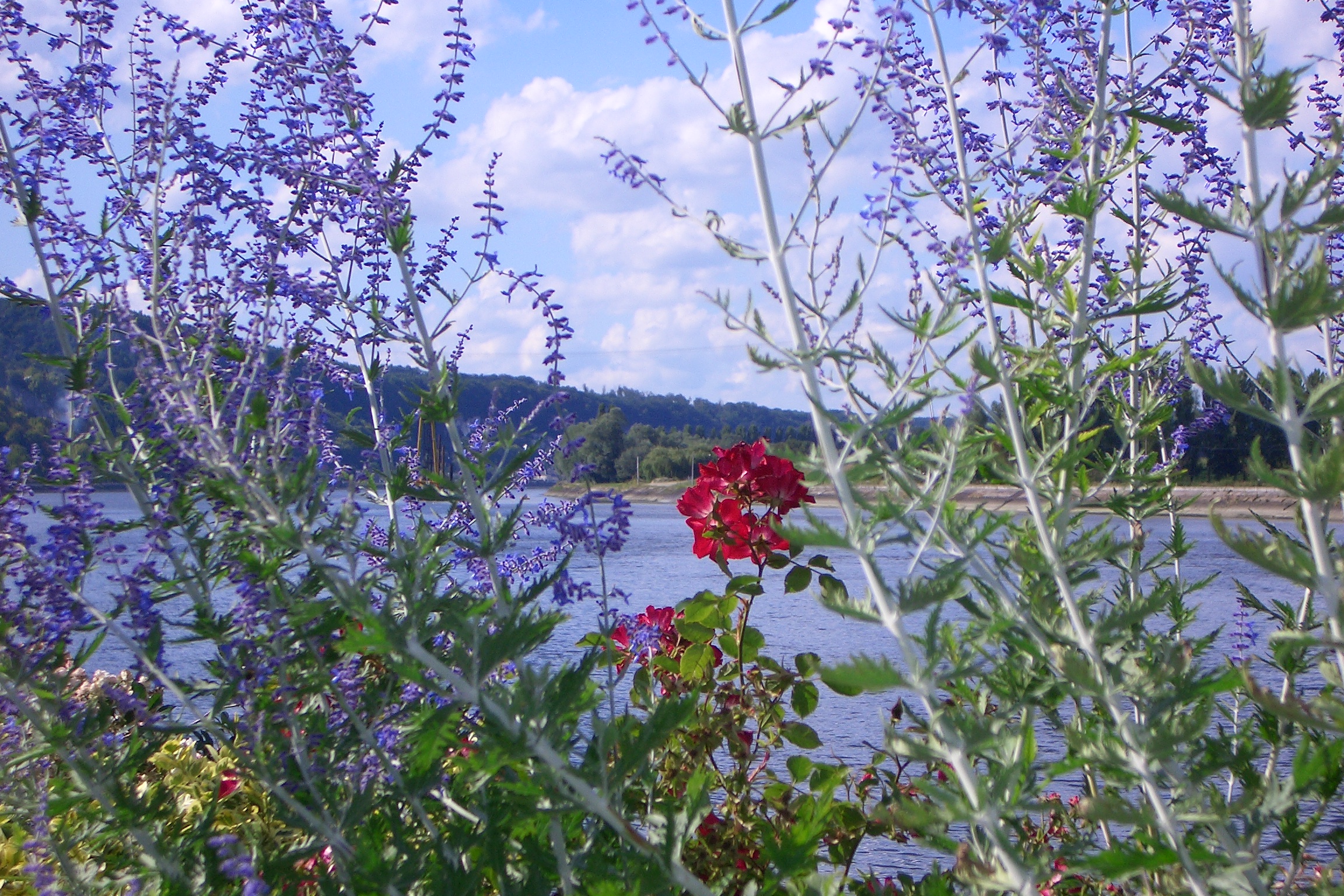
A surfeit of art and too many Museums can lead to an inability to be a discerning art critic, so a trip to La Bouille on the banks of the Seine, a favourite spot for Alfred Sisley to paint, came next. Packed with art galleries and good restaurants, this charming village is a haven of peace. To see it from the river, you can board a cruise from Rouen and enjoy the scenery along the way, the many little villages along the curves of the Seine and the village life of France. Canoes and kayaks swish through the water, a little ferry chugs across the river transporting passengers and cars between Duclair and La Bouille, and Sahurs and La Bouille and if you stand by the landing stage and gaze downstream to the loop in the Seine, you are looking at a scene often painted by Sisley.
Monet’s Rocks – Mari Nicholson
Monet’s Rocks – M Nicholson
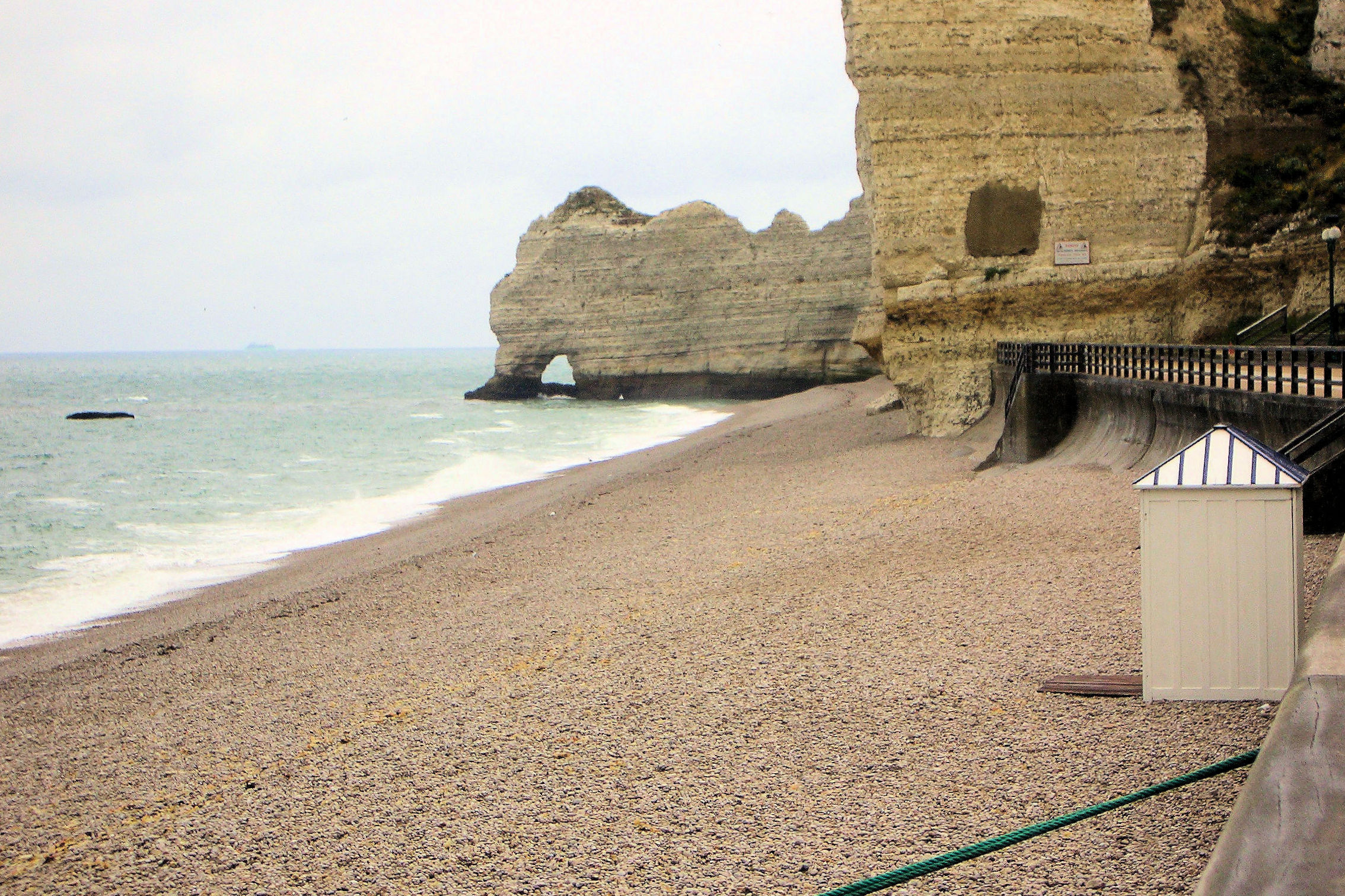
The quality of light that floods Normandy attracted the painters to the coast at Etretat where the spectacular setting between cliffs eroded into arc-like shapes brought Boudin, Monet, Courbet, Isabey, Delacroix, Degas and Matisse here when it was still a fishing village. They came to paint the natural arches and stone outcrops (one needle rock stands 70 metres high) shaped by the thundering waves: they came also to paint the beach scene, for Etretat was a fashionable town in the 19th century, popular with Parisians and writers like Flaubert, Gide and Maupassant were regular visitors.
La Porte d’Aval avec L’Alguile (needle)
(It is still popular with visitors from Paris and Le Havre). From every angle on the promenade, you can see the scenes the impressionists worked on, but the best view is found by climbing the steps from the promenade and walking along the path at the top of the cliff.
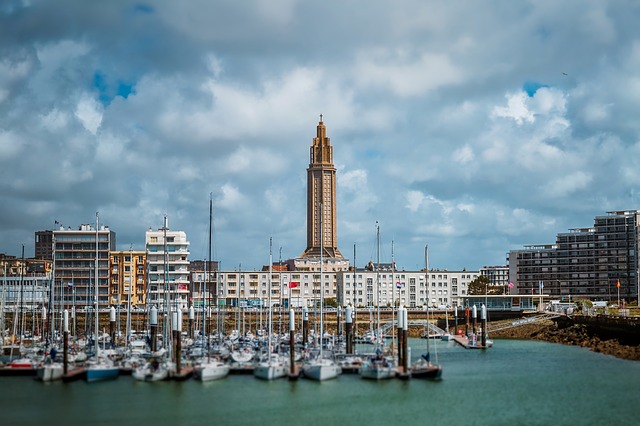
Etretat may have attracted many visitors from nearby Le Havre, but that port city has its own magnificent steel and glass Musée Malraux right on the waterfront, recently revamped to make use of the optimum light.
The Beach at LeHavre
Many people pass speedily through Le Havre without realizing that the local Museum houses an unbeatable collection of paintings by the local born Raoul Dufy, full of the dazzling blues and vibrant colours for which he is known. Eugêne Boudin, the other impressionist who lived here, is represented in the Museum by over 200 canvasses. Monet was brought up here from the age of five (and taken under Boudin’s wing when he was 15 years old), painted several masterpieces, including the one that some believe gave the name to the group, Impression Soleil Levant (Impression Sunrise) from a position just in front of the museum. The collection includes the square Giverny waterlily painting and one of his brooding paintings of London’s Houses of Parliament.
LeHavre
I knew little of Impressionism before I went looking at the paintings with a ‘painterly’ eye but now I no longer view thundery skies with the jaundiced eye of the philistine. If there is a bright yellow sun I know that the Impressionists would depict the shadows as violet, and if the shadows are blue I know that the sky must have had strong orange tints. Now on my walks, when I see changeable and tumultuous clouds I think of the skies I saw, often stretched across half a canvas, and I think, “That’s a Boudin sky” and I don’t even mind that they herald rain.
Monet hated the tag “Impressionism” but whether he liked it or not, it was this that defined the movement. Unspoilt Normandy, rich in beguiling light, ever-changing skies and the winding Seine made the perfect studio for the painters.
Stained Glass Window in Rouen
Spire of Notre-Dame Cathedral
Notre-Dame Cathederal, Rouen
Notes: I would hate people to think that Rouen’s Musée des Beaux-Art only has a collection of Impressionist paintings. It also houses a fine collection of work by Renaissance and Flemish painters, plus a magnificent Caravaggio and a whole roomful of Veronese (plus it is rich in paintings of Monet’s vibrant poppies).
If time permits, do eat at one of the glass-screened restaurants in Etretat.
Le Havre had to be massively rebuilt after the city’s obliteration during the second world war, but it still retains some old Breton architecture in the St. Francois quarter.
Palermo is this year’s Italian City of Culture. The city has stunning architecture, beautiful churches and art that is equal to that in many other parts of Italy, but for me, Palermo’s gem is the baroque Oratory of the Rosario in Santa Cita.
The Playful Putti
Tucked away in a back street of the capital, this exuberant masterpiece is often overlooked as one stumbles from one opulent Baroque creation to the next in this very theatrical city. The flamboyance is all inside the building, because the Oratory, by its nature, had to be simple. Perhaps that is why it is often missed by visitors to Palermo.
I first saw the Oratorio on the 1912 BBC series Unpacking Sicily, presented by art historian Andrew Graham-Dixon and chef Giorgio Locatelli. As the presenters walked us into a room whose walls were covered with sparkling white putti climbing and curling around pillars, playing with and teasing the allegorical statues I fell in love with the place. It seemed to me to be redolent of joy and happiness as the impossibly round and naked infants cavorted along the walls oblivious to saints or sinners.
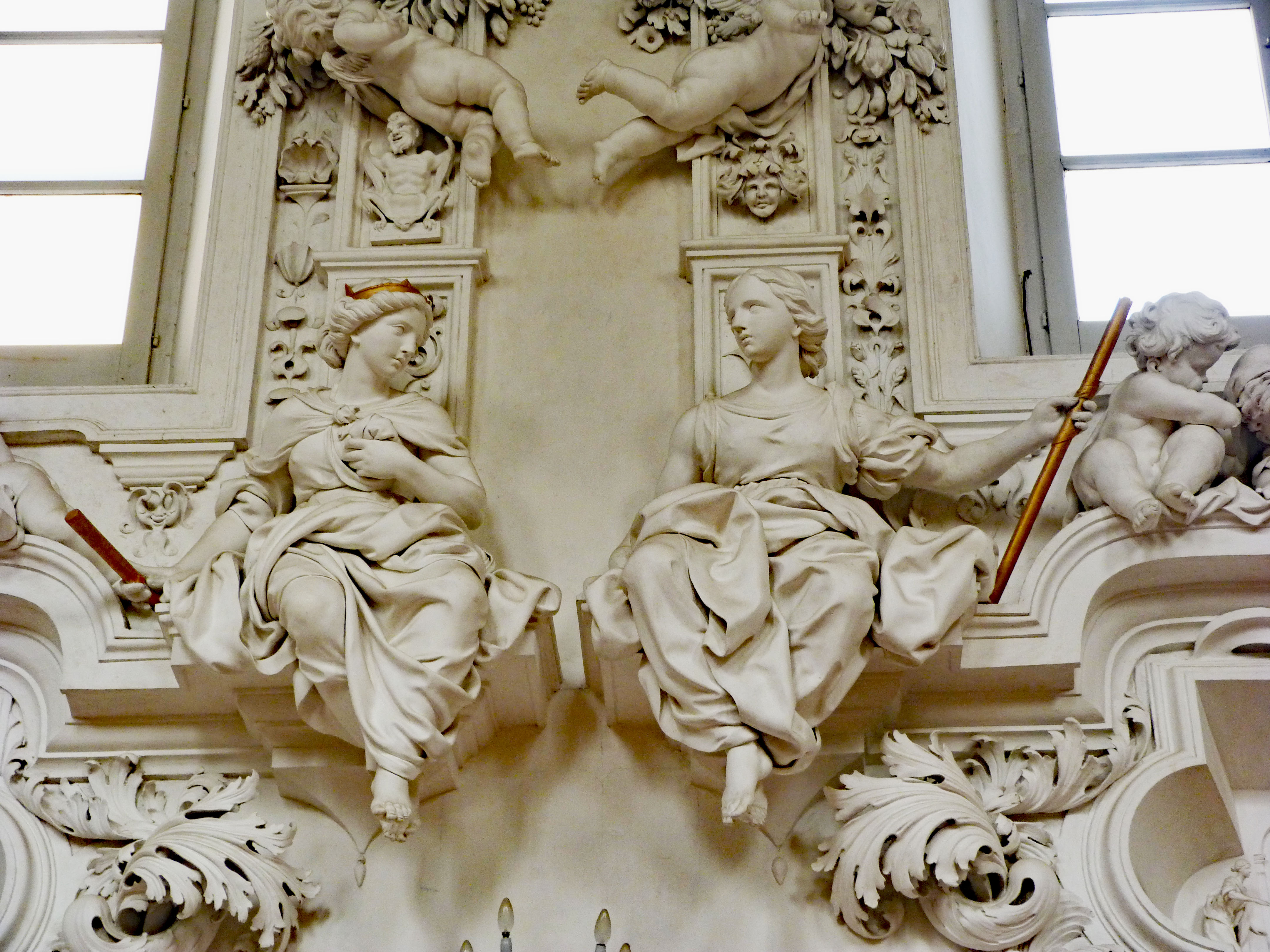
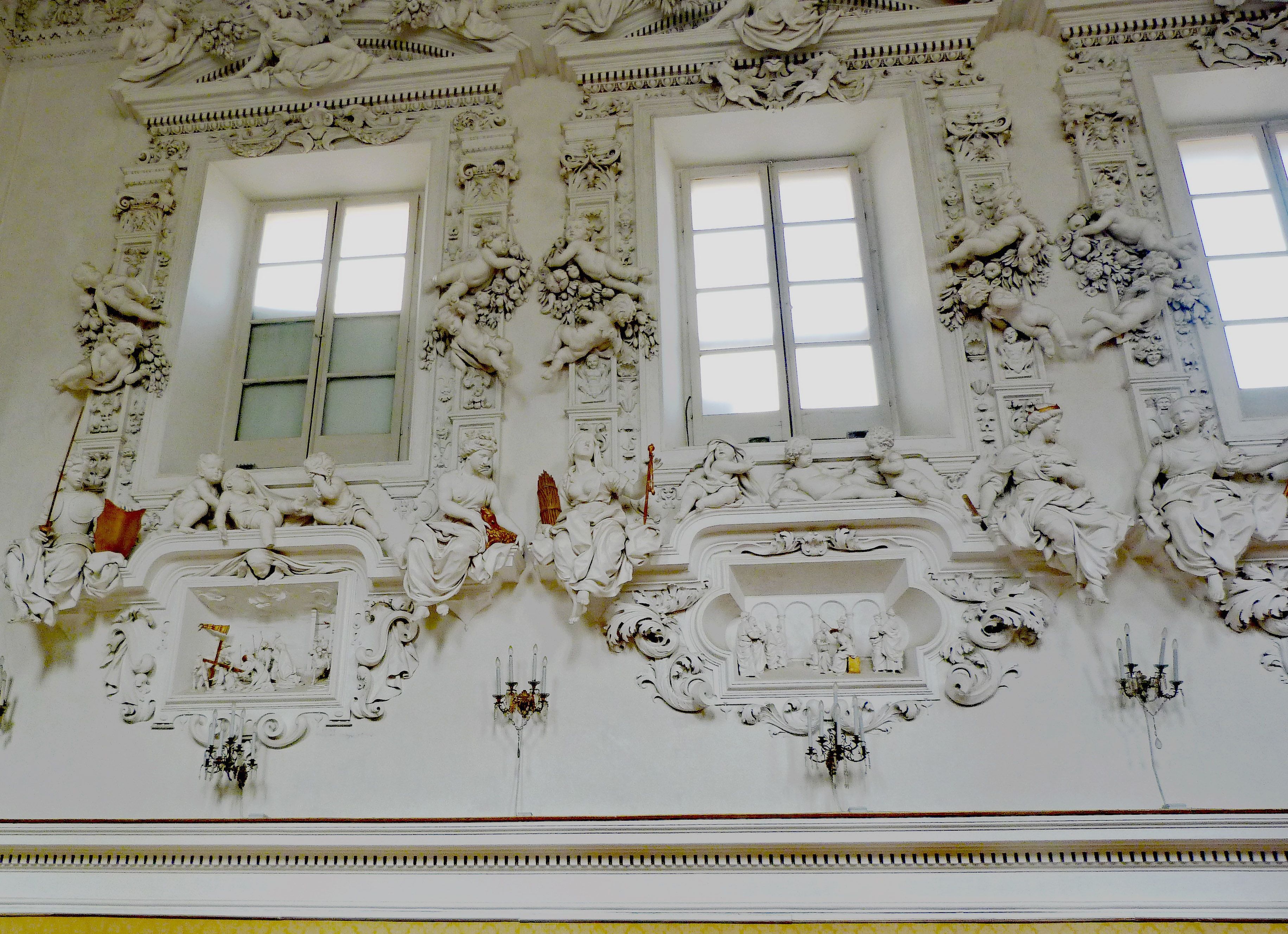
Two allegorical figures sit ledges while all around are figures, faces, leaves, fruit.
Giacomo Serpotta (1652-1732) the Sicilian artist responsible for the interior of the Oratory was a sculptor of genius whose work in stucco* produced a very distinctive style. His work was already sited all over Palermo when he was commissioned in 1699 to transform the Oratorio and according to art historian Anthony Blunt, he was provided with an artistically complex iconographical plan for the oratory.
In his use of stucco, he created a new art form. Sacheverell Sitwell, who considered his female figures to be the equivalent of those in portraits by Gainsborough, states that the sculptor lifted a minor art “out of itself into an eminence of its own”.
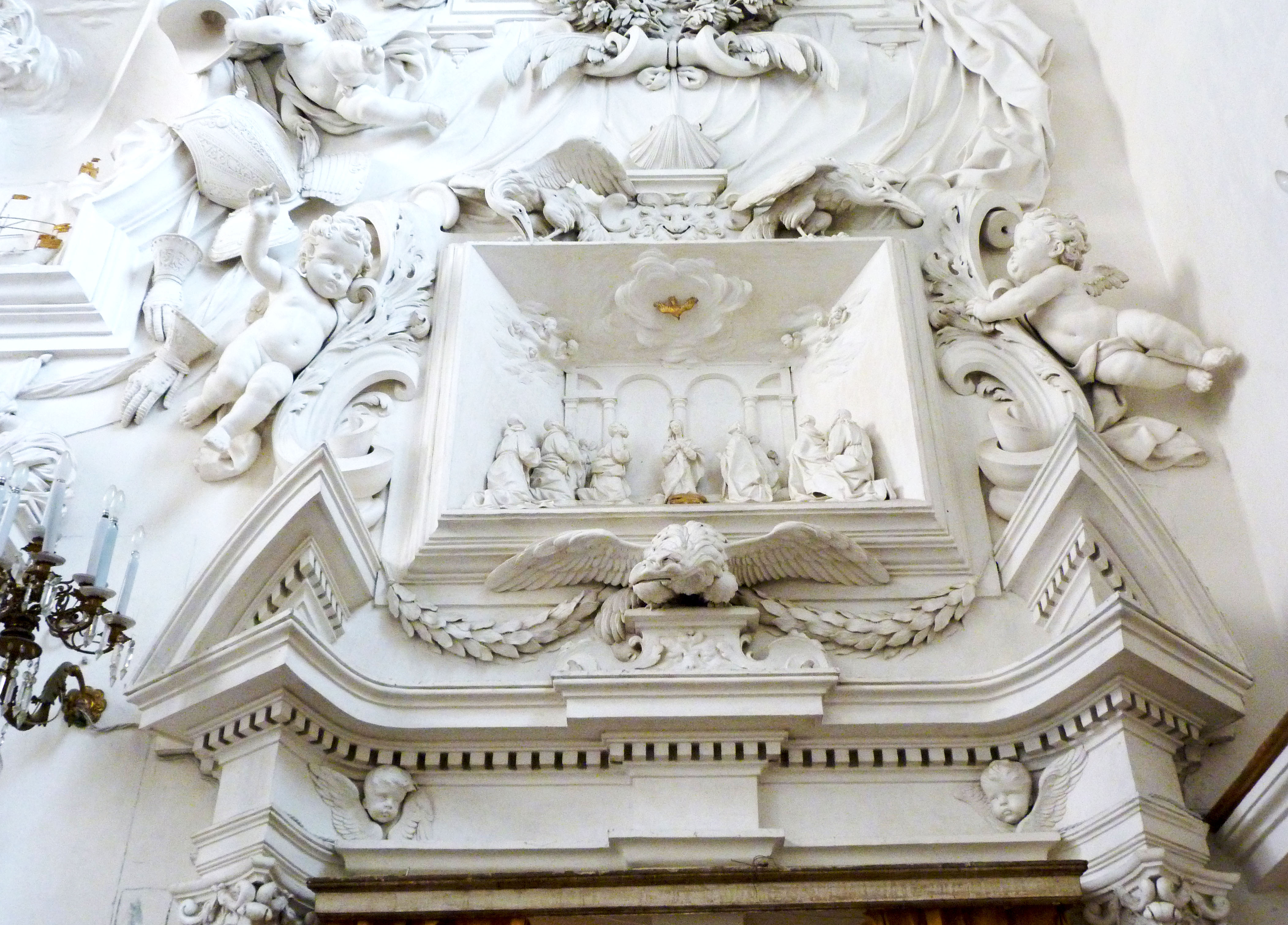
One of three Oratorios (the others being San Dominico and Santa Zita a few metres away) the Oratorio of San Lorenzo is a masterpiece of Sicilian Baroque. The artist worked on this interior between 1698 and 1710, and apart from the cavorting, mischievous cherubs, it features a series of 10 symbolic statues, plus panels detailing the lives of Christ, the lives of St. Francis and St. Lawrence, and one that tells the story of the Battle of Lepanto.
Of extraordinary elegance, white swathes of stucco supported by a swarm of putti flow over the walls; life-size allegorical figures sit casually on ledges as though at a picnic while cherubs play with the draperies of their skirts and blow kisses, and a cornucopia of fruit and flowers adds joy to the scenes.
The Battle of Lepanto panel. Below the ship sit two boys, one Christian and a victor, the other an Infidel and a loser in the battle, but they are alike in their sorrow.
A less-happy trio of cherubs, one has already lost a foot, one is supporting him and one is crying.
These could be today’s urchins from the streets around Palermo, clothes, stance, everything. In the middle the detritis of war.
The Battle of Lepanto is the panel in front of which people stand for a long time absorbing the detail of the battle, the virgin protecting the fleet, the stormy seas, and the two boys sitting on the edge of the panel, one Christian and one infidel, who resemble in every way – even down to their clothes – the street urchins one can still see playing in the streets of Palermo.
The 16th century Battle of Lepanto was the largest naval battle since antiquity and the last major engagement fought between more than 400 rowing vessels. A fleet of the Holy League, a coalition of European Catholic maritime states of which the Venetian and Spanish Empires were the main powers, inflicted a major defeat on the Ottoman Empire in the Gulf of Patras. Miguel de Cervantes, the author of Don Quixote, was one of those injured in the battle.
I think it fair to say that Serpotta displays in this work, an anti-war sentiment, or if not anti-war then a compassion for the enemy unusual at that time.
In 2015 a rather poor digital copy of the altarpiece was placed in the vacant space but it cannot be considered even a good copy.
And now I’ll let the pictures fill in the gaps.
This slideshow requires JavaScript.
*Stucco: The artist first constructed a model using frames of wood, wire and rags, held together by sand and lime. Over the model a mix of lime and plaster was applied, to which marble dust was added to achieve the smooth surface glaze, This was the invention that lifted Stucco to a higher level and Giacomo Serpotta is credited with creating an original technique that imparted to his work a lustre, not unlike that of stone or marble. Great skill and dexterity were needed as plaster mix dried very quickly but it was valued as it allows the artist not only to build up forms but to carve into them as well.
Address: Via Immacolatella, 90133, Palermo. Tel: 0921 582370
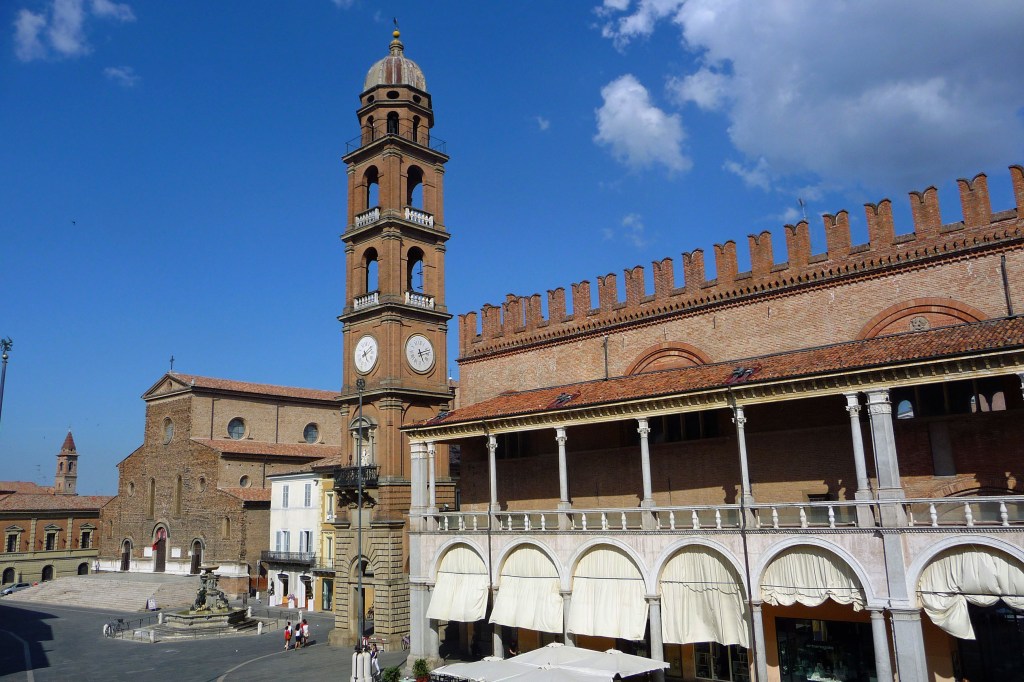
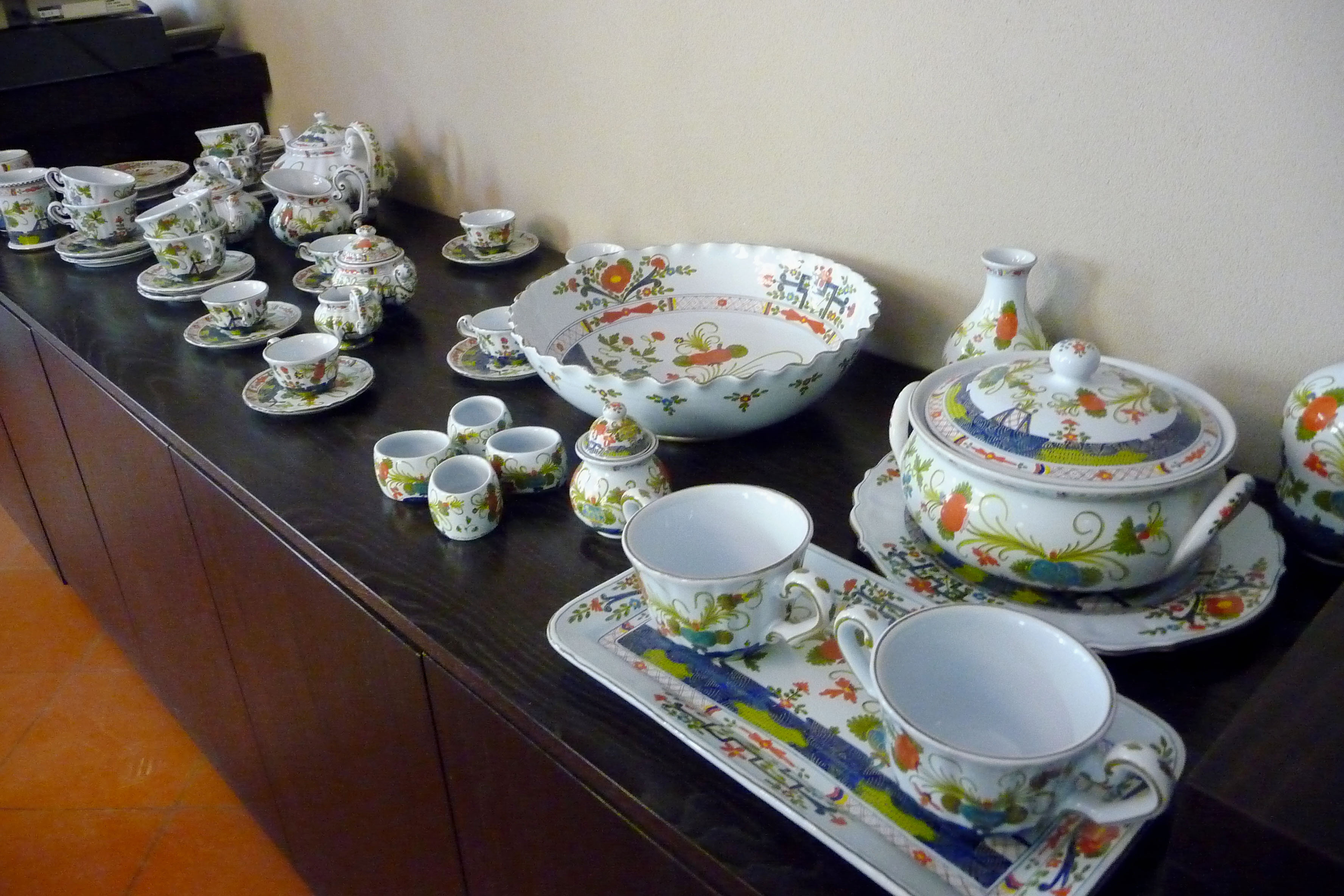
Becky’s lovely Tavira vase post reminded me of the beautiful ceramics we saw a few years ago on a trip to Faenza in Italy, the town between Bologna and Florence which produces work of great originality from old, traditional, designs and occasional new designs. These ceramics go by different names, depending on who is speaking about them: sometimes they are called Majolica ware, and sometimes they are called Faience, the French word for the ceramic, and the word from which the town derives its name.
Faenza has been a flourishing city from the 2nd century AD; from the 11th century it started to really expand and grow and by the Renaissance period it had reached its peak, thanks to good relations with nearby Florence, the centre of Italian artistic life. The city we see today with fine Renaissance architecture and Neo-classical monuments is a testament to this period of prosperity and growth.
Faenza majolica was born here because the land was rich in the type of clay needed for the production of fine pottery and because the inhabitants were able to mould the clay into beautiful objects. Over the years the craftsmen absorbed the knowledge flowing from Florence and became experts in shape and line as they perfected the pottery and became artists.
Crowns are one of the most popular objects and are very traditional
Majolica is terracotta clay, glazed with powder and water which makes the object waterproof and gives it a high gloss surface on which traditional designs are painted. Sometimes the object is fired twice to give it strength and sometimes it is baked in a plaster cast which is then broken to expose the piece.
The designs are etched on to the glaze, or sometimes the object is covered in paper on which pin-pricks are made, after which black coal-dust is used to stamp the lines through the pin-pricks – a form of stencilling. Precious metals are also used and this makes the object more expensive, of course, as gold, silver and platinum need 3 firings and to be heated to 750 degrees.
This set is given to a woman when she gives birth. It is for her first meal and includes a soup-bowl, egg-cups, plates, teapot etc.
This is the sign for the oldest workshop in Faenza
In September and October international contemporary and classical ceramic art events draw majolica amateurs, collectors and artists to Faenza from all over the world.
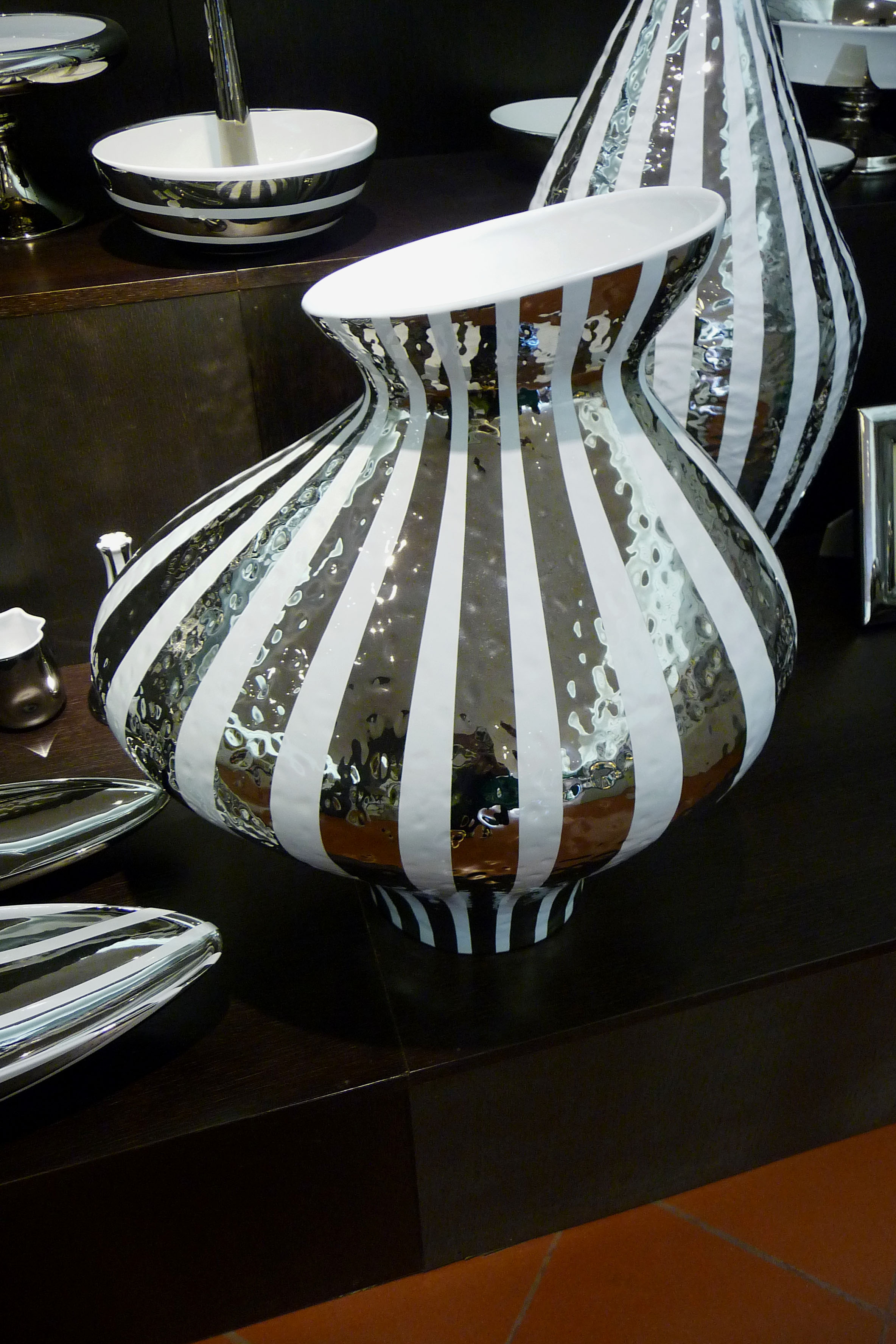
The ‘silver’ stripe is actually platinum and the vase was priced at €1,400.
The ceramics alone make the trip to Faenza worthwhile and there are over 50 workshops most of which welcome visitors – look for the signs outside the shops (see one above).
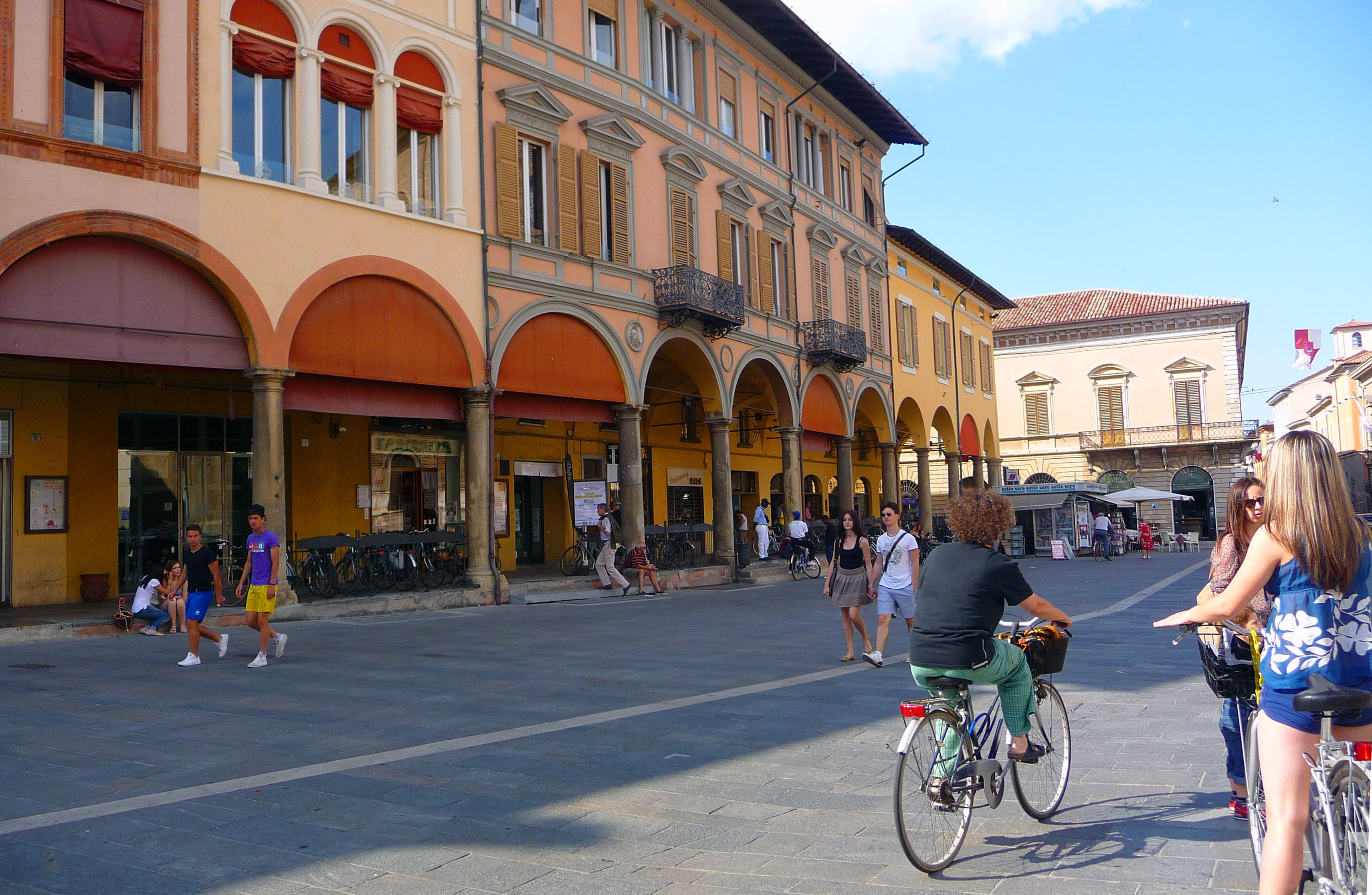
However, Faenza is also a town of outstanding artistic and architectural features, two beautiful squares in Renaissance style, elegant arcaded streets, palaces, a 15th-century cathedral and an 18th-century theatre add to the aesthetic enjoyment while the food is superb.
Not to be missed: The magnificent Museo Internazionale delle Ceramiche in Faenza has some of the world’s most beautiful pieces of majolica from every epoch and from all over the world, including a section dedicated to pottery from the Renaissance period.
Most items here are expensive. For example, the animal skin ceramic tea set was €400.
FOOTNOTE=
A ‘Majolica line’ can be traced from Faenza to the UK, through the centuries right up to the nineteenth when the technique of tin and lead glazing was further developed in London and Brighton before moving to Stoke-on-Trent, Staffordshire. Herbert Minton’s porcelain factory in Stoke on Trent was already quite famous when, Leon Arnoux, the great French ceramic chemist joined it in 1841 to help regenerate the production of lead-glazed pottery based on Renaissance designs.
These early pieces were destined for English gardens as the lead glaze protected urns, fountains, garden seats and ornaments from the English weather. Minton then used the same process for their fast-growing trade in culinary dishes, each piece descriptive of the food that would be served on it, oyster plates, fish platters crab, lobster and sardine boxes, and game dishes showing rabbit, partridge, pheasant and quail.
(I have seen references to the effect that the word Majolica refers to the fact that the goods were first exported to Majorca and then re-imported, It seems plausible but I haven’t been able to ascertain that this is, in fact, where the word came from).
I went to Cremona last winter and two things from that trip I remember clearly: one was how cold it was, so cold that I had to buy a woollen hat from a street trader who charged me an outrageous €20 for a very inferior product: the second, but most important, was my meeting with violin maker, Stefano Conia, a master luthier, an intense young man who makes violins with passion, violins that are bought and played by some of the world’s finest musicians.
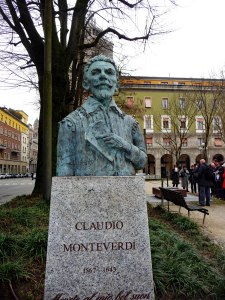
Cremona has been important in Italy’s cultural life since Roman times, located as it is on the banks of the Po River, a major junction for trade and commerce. The narrow streets of the city are rich in history, the red brick medieval towers and the Renaissance buildings shading the many statues of its famous sons, Antonio Stradivari and Claudio Monteverdi.
With the UK about to depart the EU albeit with an extremely narrow margin of Leave votes, my thoughts turned to my visit a few years ago to Strasbourg, site of the European Council and European Parliament and one of the loveliest places in Alsace.
This delightful city with its medieval churches and half-timbered houses seems to have become a byword for what some in the UK see as a hijacker of British sovereignty. Which is a shame, because that idea is blinding people to an elegant, international city of great charm that in the Middle Ages was referred to as The Crossroads of Europe. At that time, goods from the Baltic, Britain, the Mediterranean and the Far East poured across the borders to be traded for wines, grain and fabrics and just like today, when the languages of the 46 member states can be heard in the squares and streets of the city, traders speaking a dozen different languages, met and conducted business. The city continues to be the crossroads of Europe as people from different countries work and mingle in Strasbourg’s squares just as they did hundreds of years ago.
Once a free city within the Holy Roman Empire, Strasbourg later came under periods of French and German rule, which has given the ancient centre a unique appearance, half-timbered medieval houses sitting alongside elegant French-style mansions. In 1988, UNESCO classified Strasbourg as a World Monument, the first time such an honour was given to an entire city centre.
It is an easy place for visitors to discover as the traffic problems that beset most big cities have been solved here with a combination of canal boats, a sleek and comfortable light rail system, local buses, and pedestrianised squares. Although it presents itself as a folksy-like small town, Strasbourg is very international, cosmopolitan and multilingual.
GRAND ILE ISLAND
This is the historic part of the city where you will find the main sights and using the 142-metre high spire of the Cathedral as your landmark, you will soon find your way around Strasbourg.
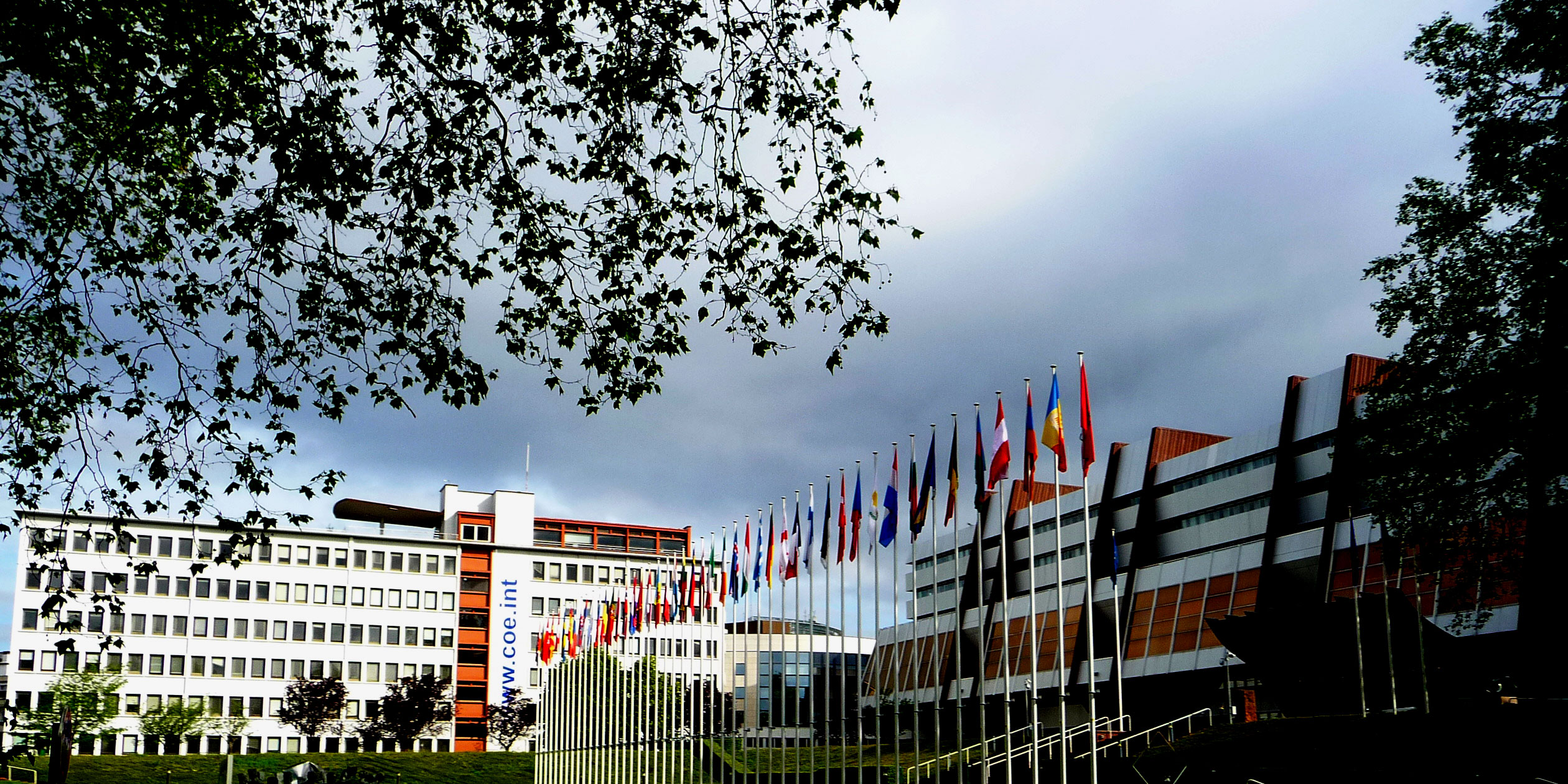
The city’s charm has much to do with its canals which surround the Grand Ill island where Petite France, is located. A 70-minute boat trip (open-top in fine weather) on Batorama’s Twenty Centuries of History, circumnavigates the whole of the Grande-Île before skirting the 19th-century German Quarter. The turn-around point and good photo opportunity is where the European Parliament, Council of Europe and European Court of Human Rights are head-quartered, a magnificent display of concrete, steel and glass.
On the boat cruise you will see the Vauban Dam, near the confluence of canals by the Pont Couverts, a defensive lock which allowed the entire southern part of the city to be flooded in times of war. It is
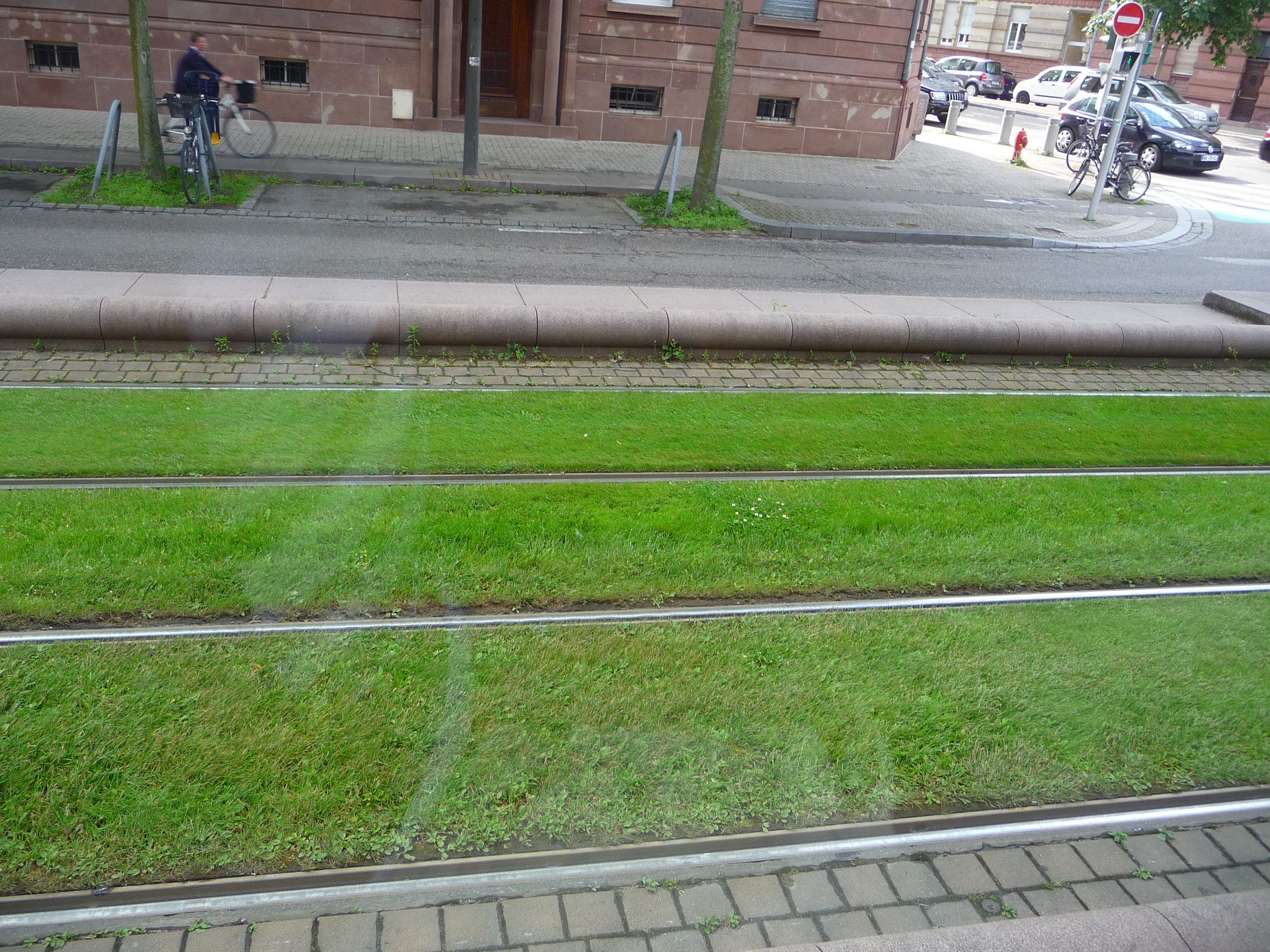
They even grow grass between the tramlines in the street
Walking around the canals, especially in the early part of the year when everything seems green and lush and the spring flowers are out in abundance is an equally attractive way of seeing the main sights. This is a city that loves nature and it takes pride in decorating every bridge and windowsill with baskets of flowers, changed according to the seasons.
PETITE FRANCE, STRASBOURG (a UNESCO site)
The number one attraction in Strasbourg is Petite France, a photographic cluster of 16th and 17th-century half-timbered houses reflected in the waters of the canal. These houses were originally built for the millers, fishermen and tanners who used to live and work in this part of town. If you have taken the boat tour, you may like also to take a tour of the historic centre with an audio guide (€5.50) from the Tourist Office which will introduce you, via a winding route through the narrow streets, to a truly fascinating old town.
NOTRE DAME CATHEDRAL Opening hours: 7am-7pm
The Cathedral, an imposing red sandstone edifice, stands alone in its square and towers above the city. It was the tallest building in the world until the 19th century and is the second most visited cathedral in France after Notre Dame in Paris, receiving 4 million visitors a year. Built in 1439 it is considered to be an outstanding masterpiece of Romanesque and late Gothic art with outstanding 12th-century stained glass windows. Inside is one of the world’s largest astronomical clocks.
Try to arrive at the cathedral by noon to get a good viewpoint for the 12.30 display of the famous Astronomical Clock. The procession of sixteenth-century automata was designed to remind us of our mortality. Afterwards, you can climb 332 steps to the platform below the cathedral’s twin towers for a stunning view.
The narrow street that leads to the cathedral and the Place de Cathedral are the liveliest places in Strasbourg, especially in summer, and are filled with outdoor restaurants that remain open late into the night. Entertainment is in the form of jazz musicians, mime artists and clowns.
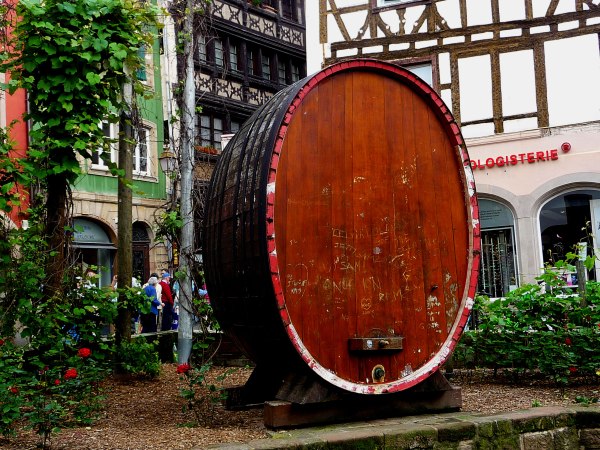
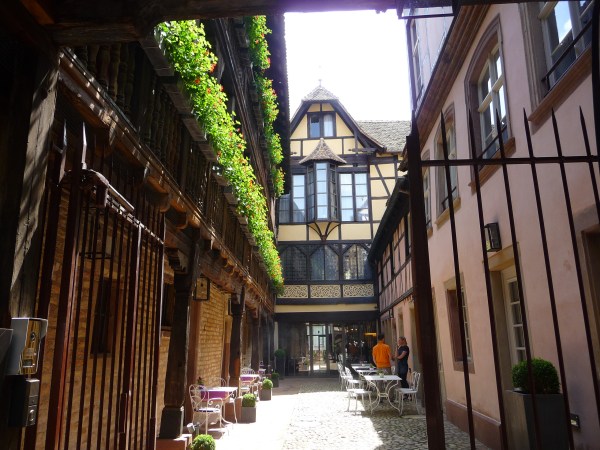
This is the oldest house in Strasbourg
And finally, Strasbourg’s Christmas Market has a high reputation but its popularity may be its undoing. After a few evenings of mulled wine, yuletide cake, Silent Night and Adeste Fidelis, a spring or autumn visit begins to look very attractive.
Strasbourg is a city that has a very special charm at any time of the year and the organisations that dominate its life are what still guarantees peace in Europe. If you are looking for culture, cuisine and character, Strasbourg is hard to beat.
A few recommended eating places: Expect the usual French coq au vin, boeuf bourguignon, crème Brulee and crepe Suzette, but be prepared also for the German influence of pork and sauerkraut.
First up though, is wine. Strasbourg is the capital of one of France’s premier wine regions and if you are in the mood to sample some of the best, head for Terres à Vin, 1 Rue du Miroir, tel +33 3 88 51 37 20, with several by-the-glass options from €3.20 to over €10).
Pain d’Epices, 14 Rue des Dentelles, for indulgent gingerbreads and cake and for the heady scents of spices.
Master-Patissier, Christian Mayer, offers a tea room second to none in Strasbourg at 10 Rue Mercière, just a few yards from the cathedral.
Maison Kammerzell 16 Place du Cathédrale, tel +33 3 88 32 42 14, where the oldest section dates back to 1427, is a Strasbourg institution. Occupying rooms on four floors, you can sample the house speciality of fish sauerkraut if you fancy that but there are many less thought-provoking dishes from which to choose, average €40 for three courses.
Au Pont Corbeau, 21 Quai Saint-Nicolas, tel +33 3 88 35 60 68, – a warm and welcoming place where the onion soup is so thick you could stand your spoon up in it. A modest but excellent wine list available. Average €32 for three courses.
The Batorama Tour departs from the Quai outside Palais Rohan, adults €12.50.
A ticket with unlimited tram and bus trips valid for 24 hours is available for €4.30. Also, you can rent bikes (vélhop) for $5 per day.
If there’s a city in France that can offer more in the way of enjoyment, relaxation, places to visit outside the area than Montpelier, then I have yet to find it.
Known as the sunshine capital of France because of its 300 sunny days per year, Montpelier lies just 11 km from the Mediterranean coast and has its own wide sandy beach within an easy tram ride.
Montpelier combines recent history and old-fashioned elegance with a youthful feel, mostly due to its large student population and its university. It had the first medical school in France at which Nostradamus and Rabelais studied and is a delightful mix of old buildings in the centre, and major new-age industries in modern buildings around the edge. Lovely beaches are nearby at Palavas-les-Flots. What more could anyone want?
As easy town to get around, the places listed as ‘must-sees’ are more or less grouped together, the Place de la Comédie, the Peyrou garden, the Charles de Gaulle esplanade, t the Arc de Triomphe,.and the Saint-Roch church, all on the well-trodden tourist route. However, like European capital cities such as London, Madrid, or Paris, the city abounds with special neighbourhoods with individual identities, some specialising in artisan work, some in antiquities and others devoted to food and wine. Their social mix gives them a fascination lacking in other towns in the region.
The Three Graces Statue, Montpelier
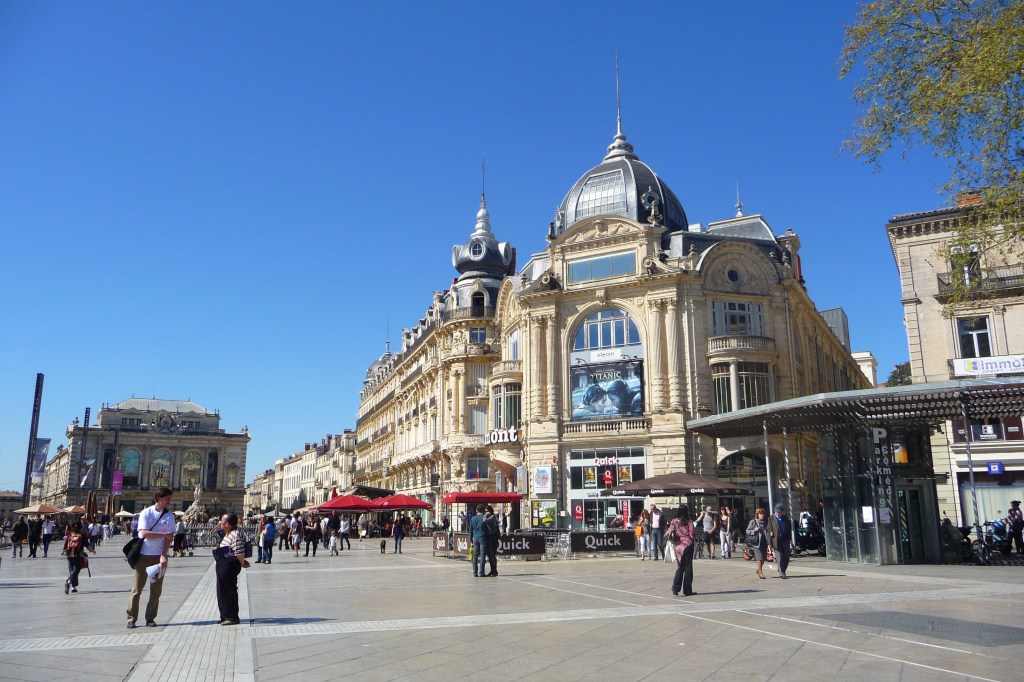
The centre of the action and the beating heart of the pedestrianised centre is the Place de la Comédie. During the morning there is a market at one side of the Place where the local farmers set up stalls and sell fresh fruit and vegetables: off to one side of this is the flower market, a static garden of jewel-coloured blooms and plants. During the season an old-fashioned carousel is stationed at the other end of the square near the Opera House (a useful place to arrange to meet someone as is the statue of the Three Graces). In the middle of the square street artists demonstrate their talents as magicians, living statues, cycle gymnasts, mime artists and break dancers. Passengers coming from the St. Roch railway station with their wheeled luggage skirt around them as they dodge the colourful trams that glide over the yellow paving while students watch from the nearby cafes, their books open before them.
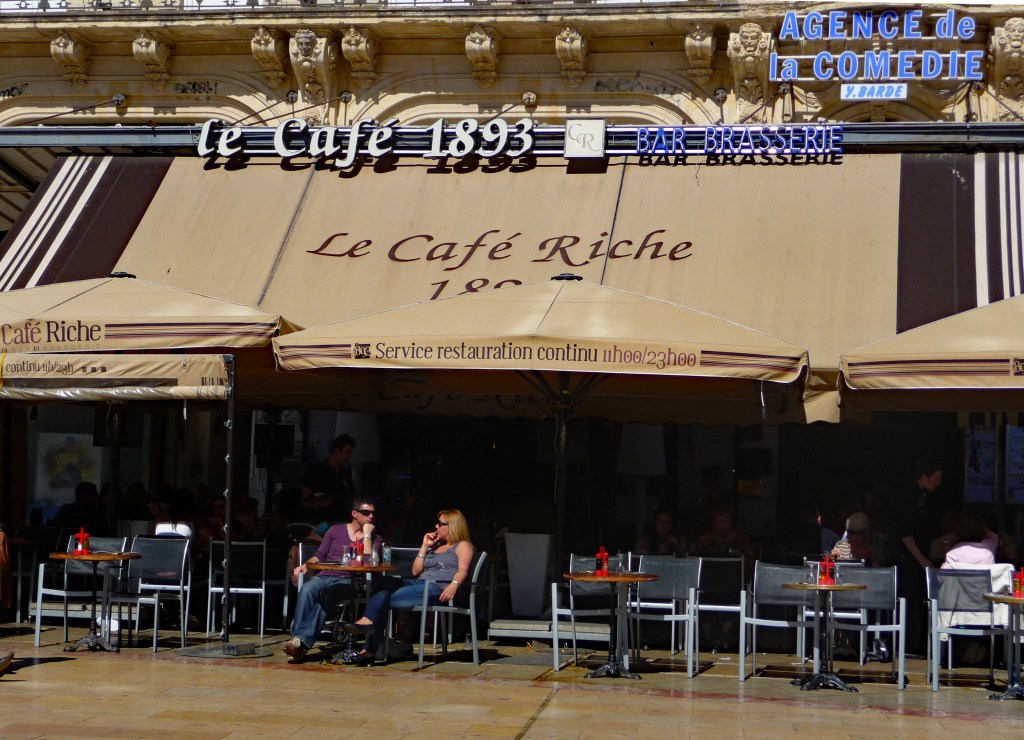
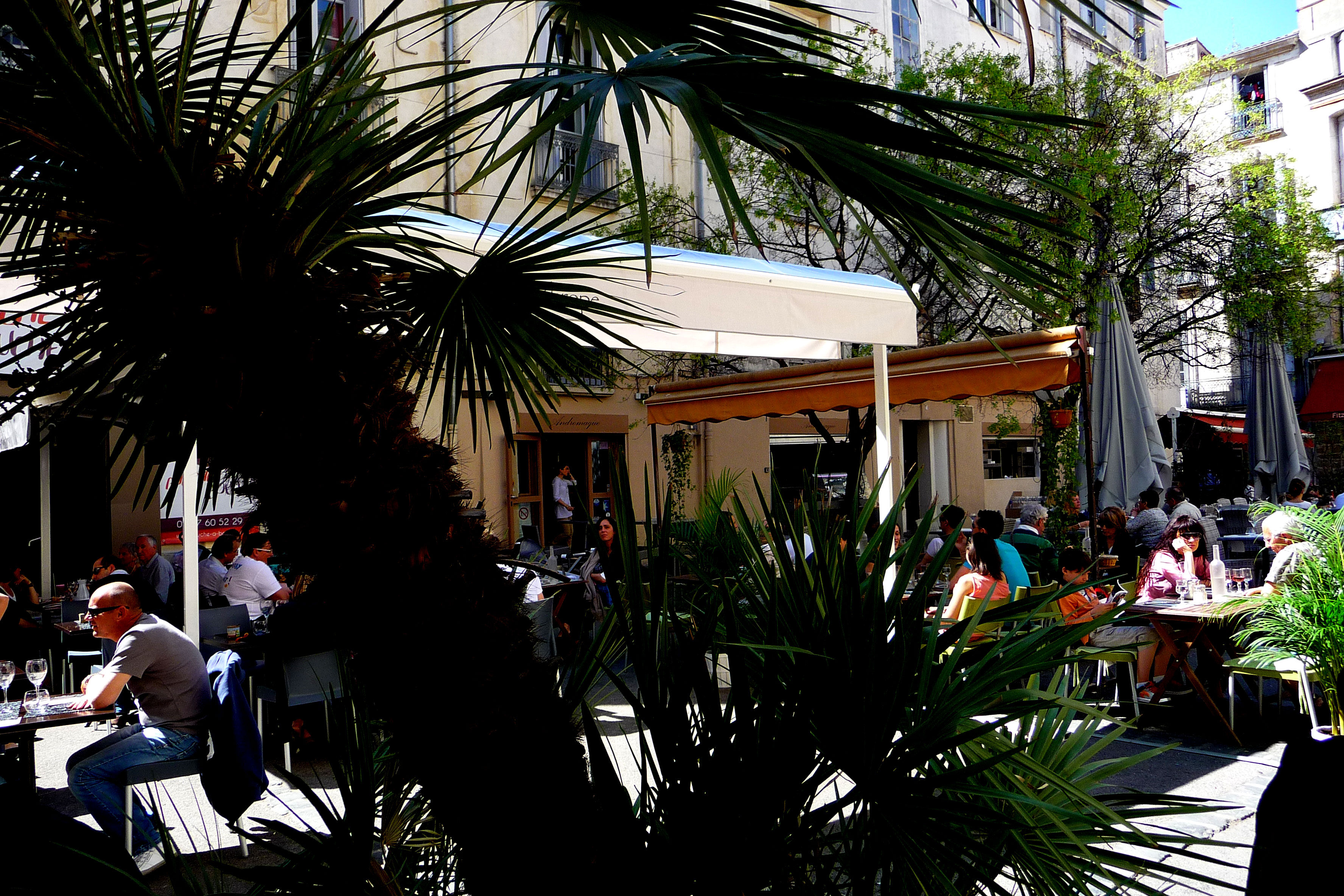
The large student population makes it a lively spot all year round and gives the city a buzz. The cafés, bars, and bistros in the pedestrianised city square which spill out onto the street are one of the attractions of Montpelier and it can be difficult to find a table at certain times. One of the busiest cafés, the Café Riche, is also the most popular and dominates the square with a grand awning bearing the name and date of its foundation.
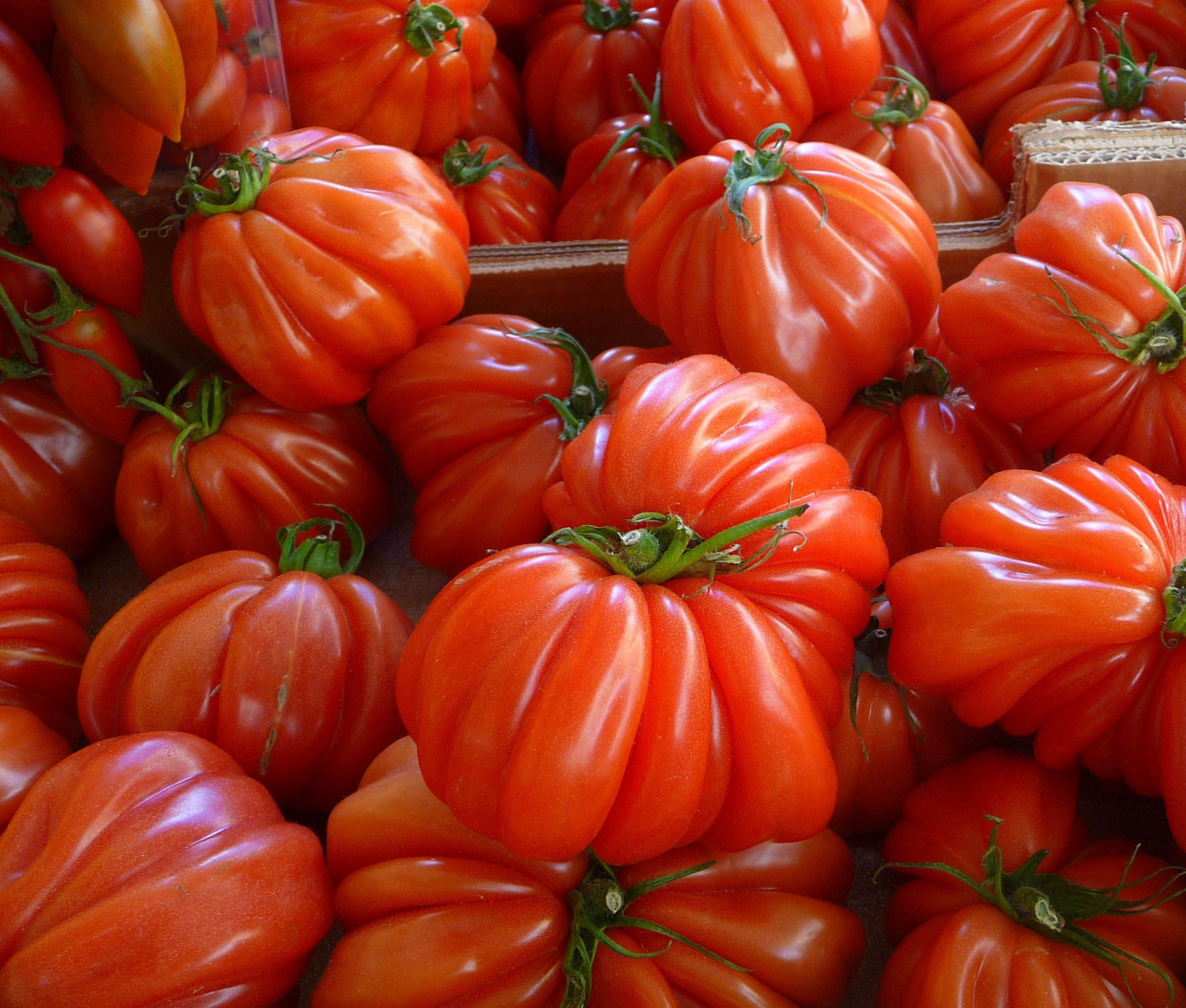
Couer de Bouef Tomatoes – a Speciality of the Region
The Montpelier region is known for its local produce, its excellent wine, its fine dining and its farmers’ markets. It has 3 Michelin-starred restaurants in addition to other excellent eating places and bistros. Being right in the heart of the Languedoc, the opportunity to sample the luscious wines of the region as well as those of nearby Roussillon shouldn’t be missed, and tastings at nearby vineyards are easy to arrange.
Restaurant in Montpelier
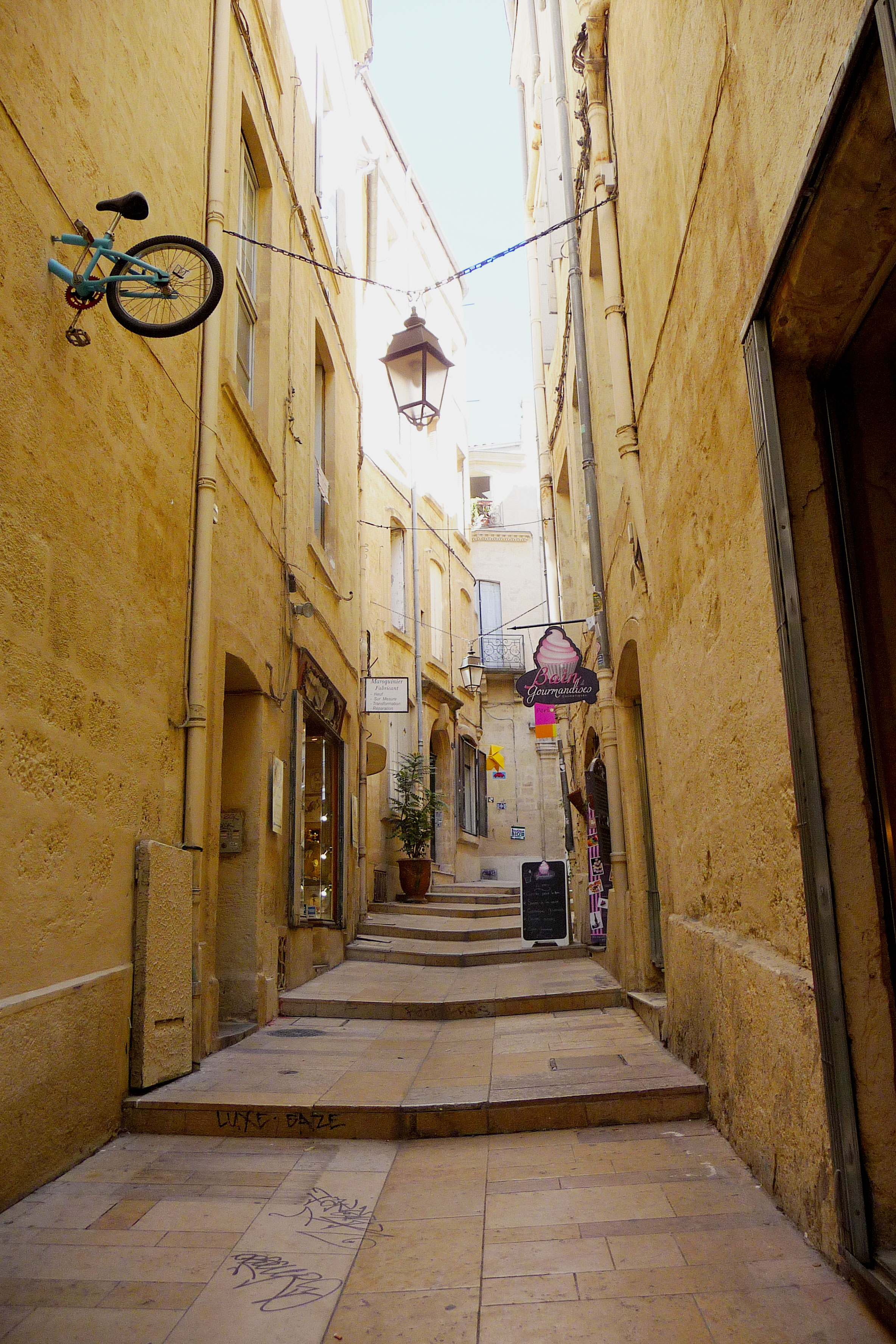
The old town with its medieval narrow streets is lined with upmarket boutiques and antique shops interspersed with restaurants and typical houses of the area fronted by private courtyards, a world that sits quite comfortably with cutting-edge design and architecture in other parts of the city. Check out the mock-Gothic Pavilion Populaire and compare it with the modern, glass-clad town hall. Even transport gets into the act, with designer trams from the hand of no less than Christian Lacroix!
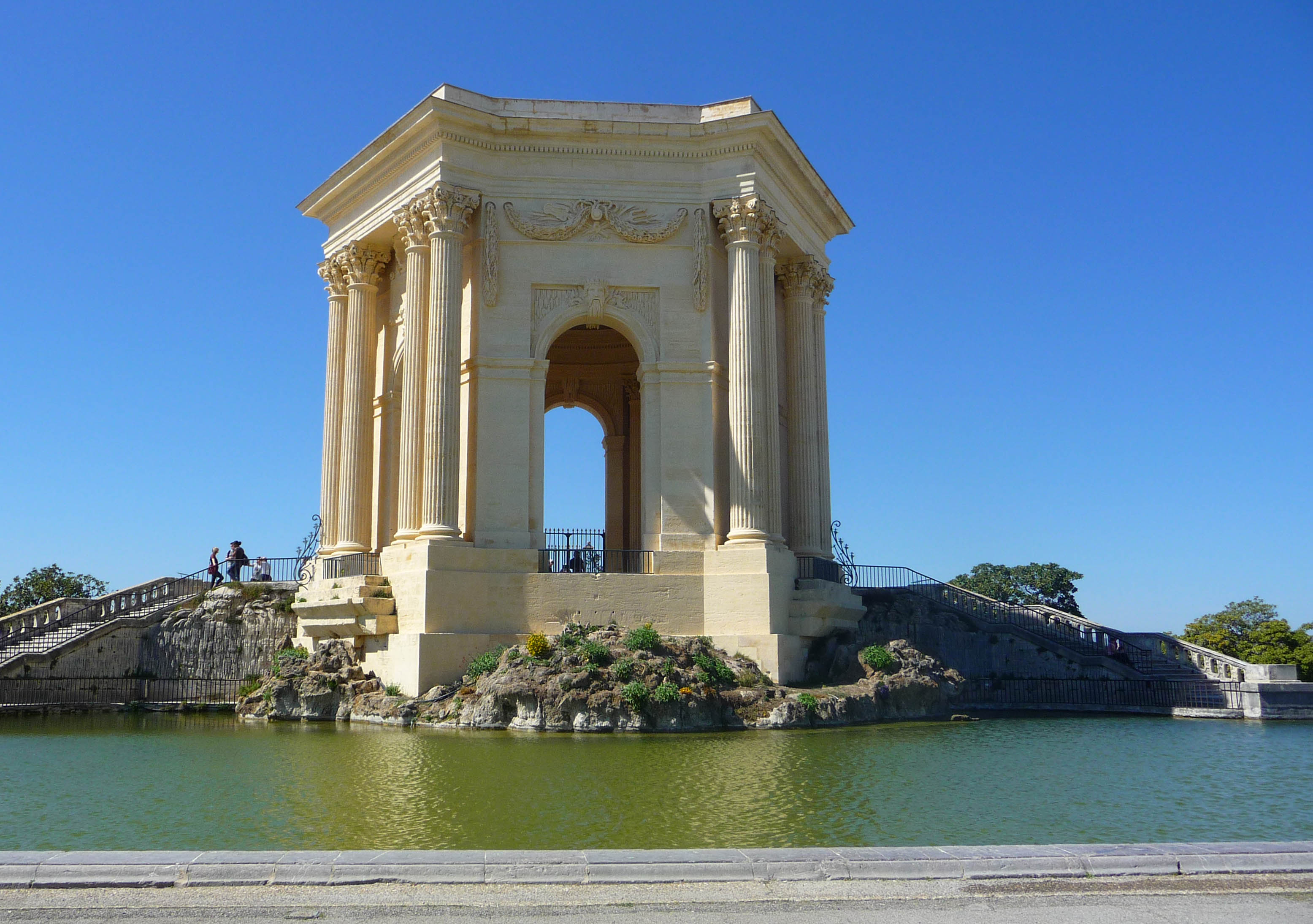
Montpelier
Wander along Rue Foch, a road carved through medieval Montpellier to the Arc-de-Triomphe, a glorious golden stone arch which could only be in France and which was built to honour Louis XIV. Just beyond this point, you will come upon the king mounted on a horse on the magnificent Peyrou Promenade.
King Louis XIV on Horse
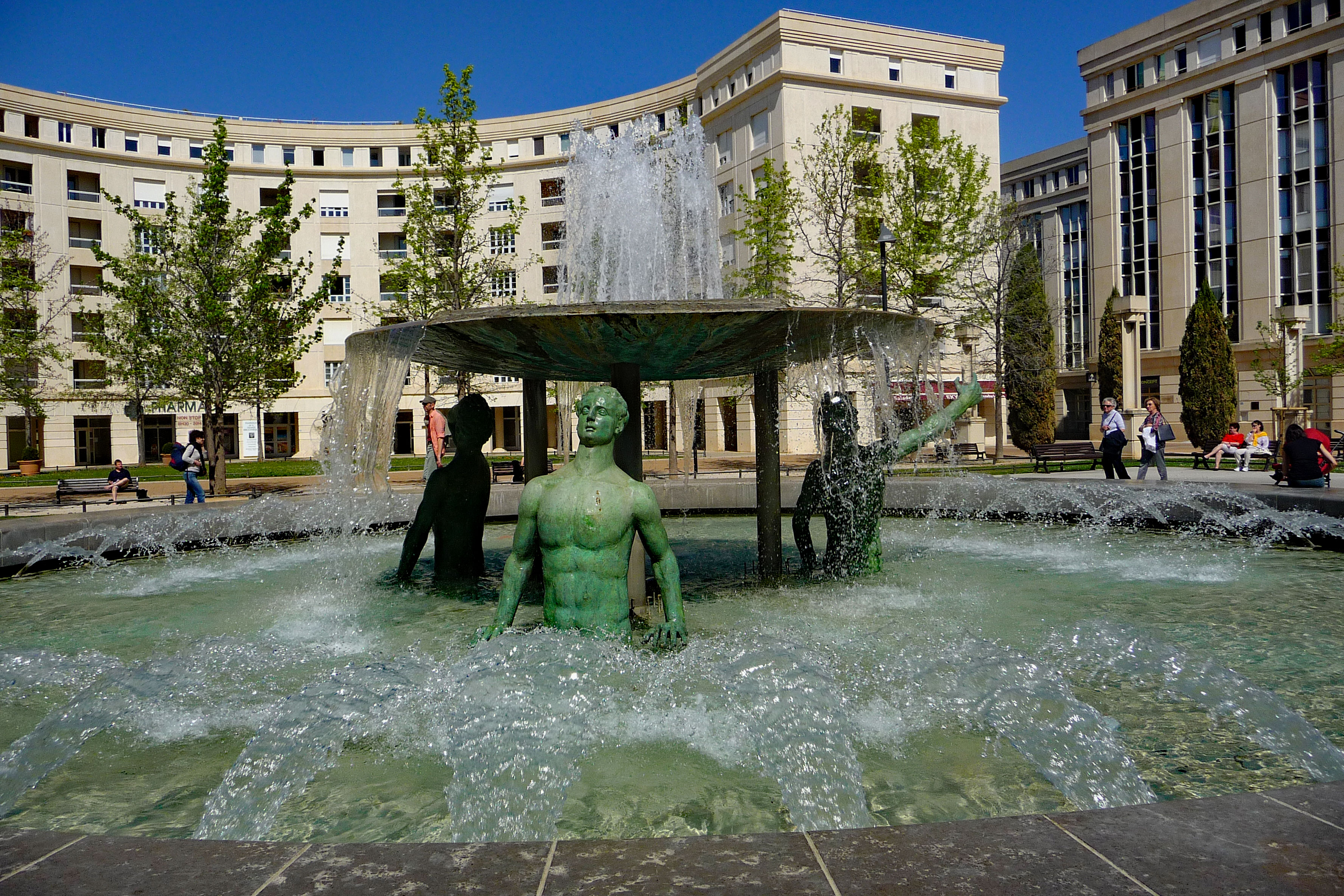
Antigone is Montpelier’s new modern part of the city, is located to the east of the historic centre and is the biggest single development to be built in France. This extraordinary development which extends the city to the banks of the River Lez, has been designed by Catalan architect Ricardo Bofill and was completed in the 1980’s.
Antigone
As it’s name implies, the area is based loosely on the architecture of Ancient Greece and a further link is apparent in the boulevards with names like Rue de L’Acropole and Rue de Thebes that open out and lead you into large squares with names redolent of famous Greek events, like Place de Marathon and Place de Sparte. The neoclassical design of the buildings, the sculptures, and the layout, are dramatically different to the architecture of the old town, and although on a larger than life scale, it is all well proportioned.
At the end of the Antigone district is the Place de Europe, a huge semi-circular area with a crescent of buildings. On the other side is the River Liz adding to the drama of the site and on the opposite bank the ‘Hotel de Region’ also built in the neo-classical style.
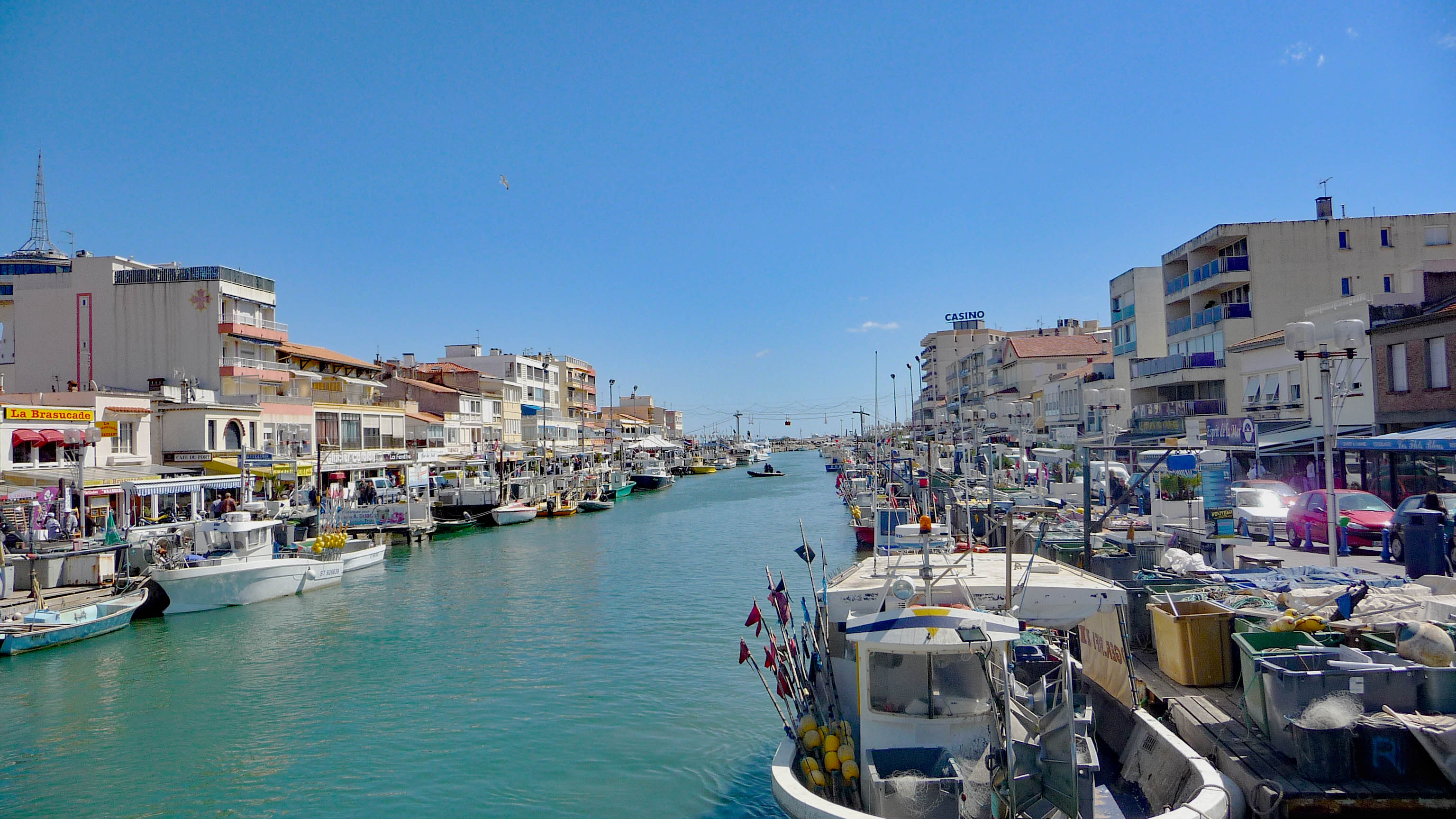
Palavas-les-Flots, Montpelier
The fishing port of Palavas-les-Flots is worth a trip even if it’s only for a bowl of mussels served with chips (French fries to some) or garlic and herb breads in any one of the ways in which they are served here. The port is making great efforts to turn itself into a seaside resort but despite the attempts of the many boat owners to entice you aboard for a sea trip, a fishing trip or a tour around the lagoons, it remains firmly a place to visit for its great food. Bars, bistros, and ice-cream parlours line the central canal and you can walk a few miles along the spit of land to the medieval Maguelone cathedral which stands between sea and lagoon.
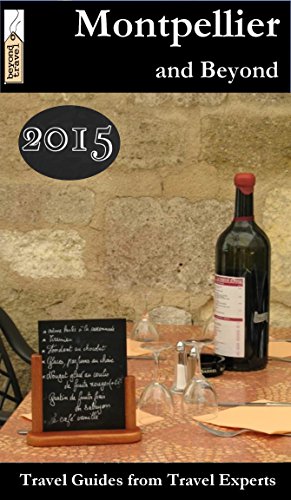
Best Guide Book
Montpelier and Beyond Travel Guide is a pocket guide to the best of Montpellier, written by two award-winning travel experts Donna Dailey and Mike Gerard and published by the team behind the successful Beyond London Travel. Available from Amazon as an e-book or a download for Kindle.







 © Historic Royal Palaces/Peter Li

















 Statue of Claudio Monteverdi, in…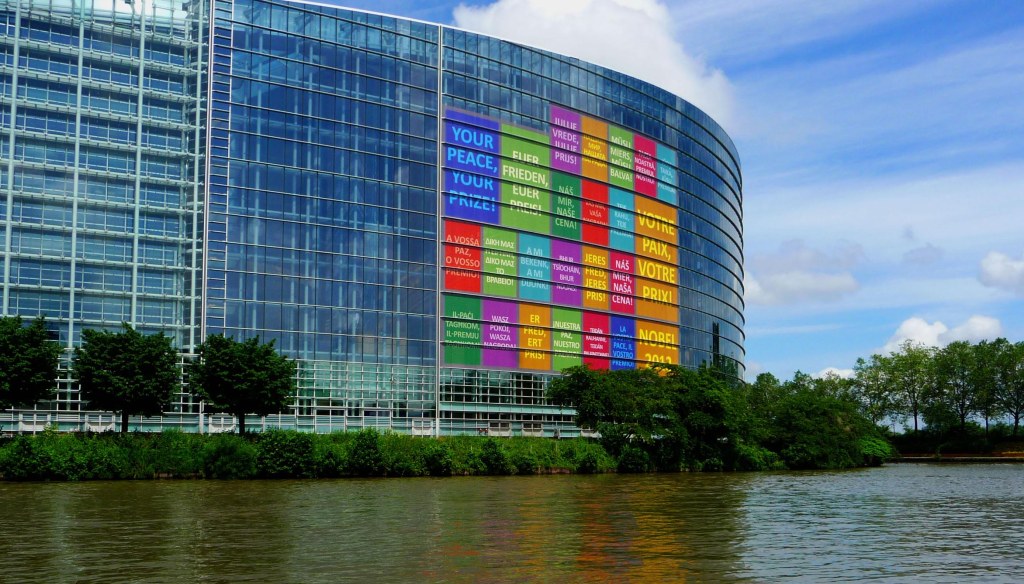








 MARI'S TRAVELS WITH HER CAMERA