Category: Europe – Mediterranean

Spain, Italy, P:ortugal & France

  • The Azores – Portugal in Mid-Atlantic

    The Azores – Portugal in Mid-Atlantic

    P1110184

    I didn’t realise how few people knew about the green volcanic archipelago of The Azores until my recent article on the tea grown there persuaded many people to contact me for more information.  The mountains, lakes and picturesque towns are The Azores greatest attraction and because the capricious climate means that mass tourism is unlikely to destroy the strong culture of the archipelago one can really use the word ‘unspoilt’ to describe the islands.

    Having said that, they have now been discovered by the cruise market and nearly every day there is a cruise ship moored in one of the harbours.

    But meantime, the 9 islands are there for the traveller who looks for beauty and tranquillity, not adventure, not crazy nightlife, but the serenity that used to be the added value of most remote islands.They are perfectly placed for outdoor activities with a lack of pollution both in land and at sea as well as unique and diverse terrain.

    Walking, Hiking and Trekking in the Azores   

    Lichen on Stone in Mountains
    Lichen on Stone in Mountains
    Tree in Botanic Gardens in S. Miguel
    Tree in Botanic Gardens in S. Miguel

    Hiking and trekking includes walking up to volcanic peaks, around craters and through mountains.  Local organizations such as the Os Montanheiros have spent countless hours mapping and cleaning trails all about the Azores. The Mountain of Pico and the Pico is a “must climb” for those wanting a moderate exercise and a unique stunning view of 4 other islands,  Terceira, Faial, S. Jorge and Graciosa, on a cloud-free day).    Horse riding tours via places such as Picos da Aventura, local farms such as Quinta das Raiadas can also be reserved, the tours being made along the beautiful countryside.

    Whale Watching and Swimming with Dolphins

    The most reliable departure ports are Ponta Delgada, Vila Franca do Campo, Horta, Lajes do Pico and Madalena.   Visitors are taken out on small boats and often get within ten yards of the whales. Contrary to the mass-produced affairs that swimming with the dolphins involves in more popular places, in the Azores, one is not allowed to touch the dolphins due to environmental concerns.  This in no way decreases the fun to be had especially as you swim in a clean blue ocean with pleasant water temperature.

    Coastal Adventure Sailing,  Yachting and other Water Activities   

    The Azores from the Sea
    The Azores from the Sea

    It is possible to spend time sailing between the islands and exploring what each one has to offer:  boats moore in sheltered marinas or anchor in secluded bays.  Find out more from the individual islands as weather and winds make a difference to the frequency.  Canoeing is popular in the main marinas as well as some of the lakes in S. Miguel and Flores such as Sete Cidades e Furnas.

    The marinas of Ponta Delgada and Horta are world famous for those crossing the Atlantic with Horta in particular having been used for centuries by the yachting community as a place to pull in for a rest and a g. & t!
    Pleasant cafe by Church
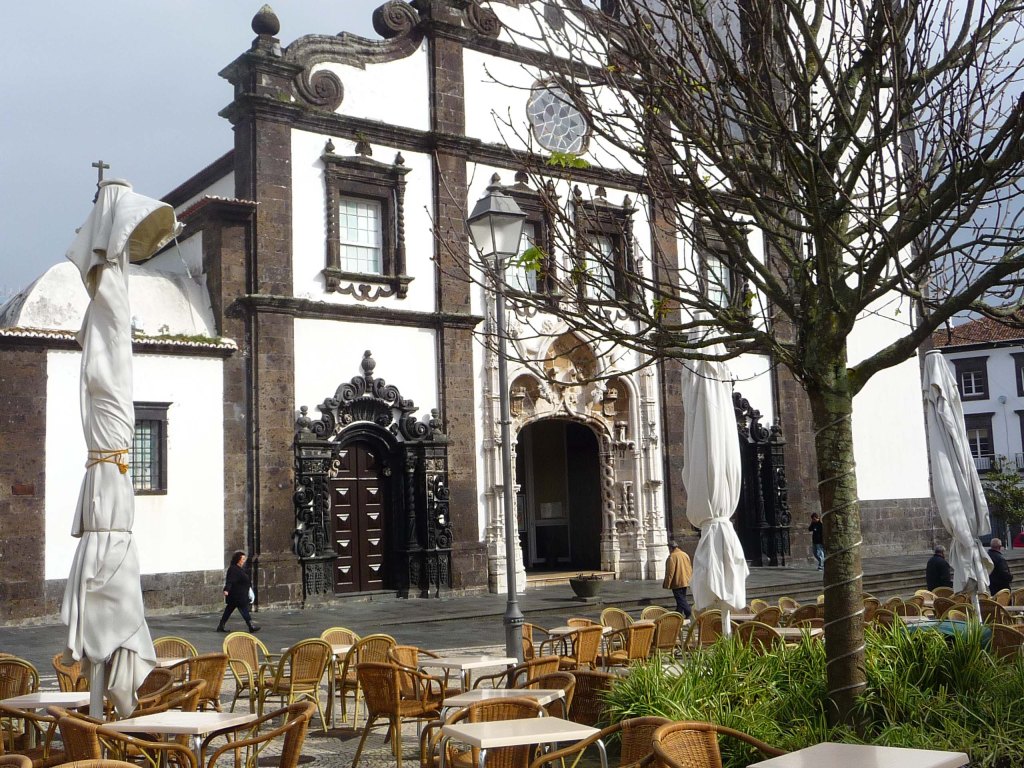
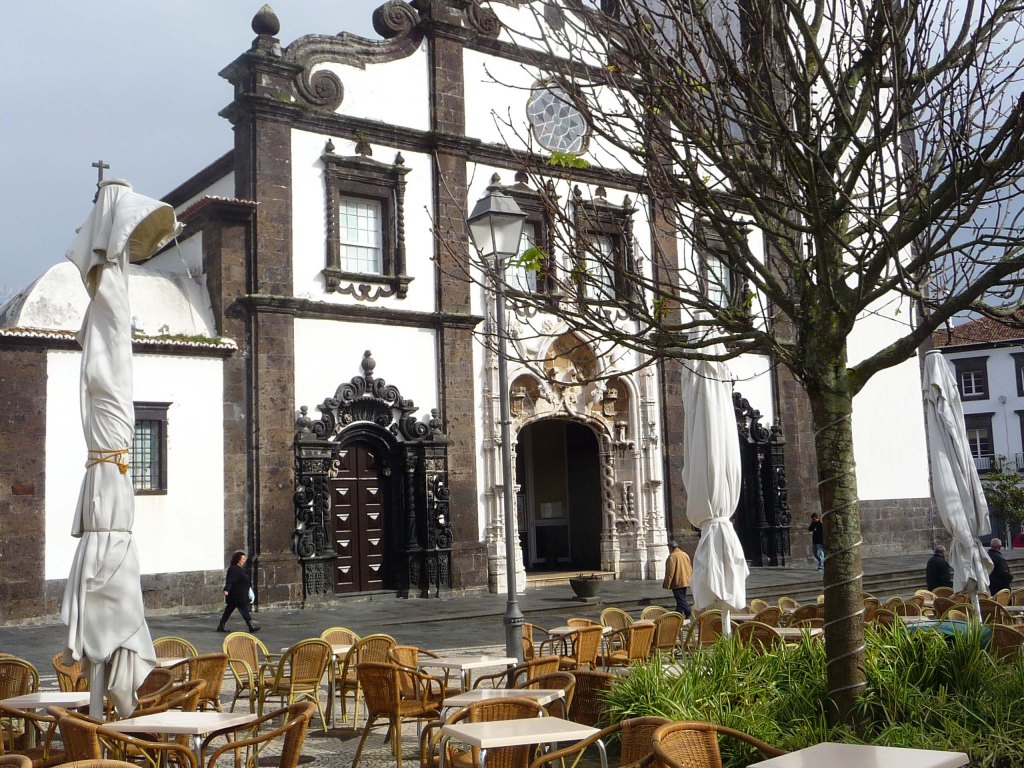
    Pleasant cafe by Church

    Surfing

    Located in mid-Atlantic as they are, the Azores have plenty of swell most of the time. Not  surprising therefore, that major international events are being held there for both men and women (on S. Miguel).  The Azores are slowly becoming a surfing mecca for those want to surf with fellow aficionados, the main spots being Ribeira Grande, a powerful beach break with consistent waves, and Rabo de Peixe, a left-hander created by the harbor development.  Only for experienced surfers as these are, more or less, uncharted and sometimes dangerous waters.

    Diving and Underwater Activities

    The Azores is home to some unique and fantastic sub-aquatic setting. With a variety of fish and water mammals great coastal formations, excellent water visibility and temperature, the Azores have become a must-visit place for diving aficionados. Many certified diving centers are located in the various islands. Two decompression chambers are available in S. Miguel and Terceira.

    Golf

    A less strenuous activity is gold and The Azores are a great place for golfing due to its pleasant weather.    S. Miguel has 3 golf and there is one in Terceira, all fully certified and internationally recognized 18 hole courses.

    Local Transport, Horse & Carriage in Ponta Delgado
    Local Transport – Horse & Carriage

    Volcanism

    There is current fascination with volcanoes and on The Azores special mention should be made of the underground lake (Graciosa), the volcanic cones of Furnas valley (Sao Miguel), the remains of the Capelinhos volcano (Faial), the sulphur grottoes next the “caldeira de Guilherme Moniz” (Terceira), the basaltic columns of “Rocha dos Bordoes” (Flores) and the many grottoes and caverns on the islands of Sao Miguel, Santa Maria, Pico, Sao Jorge and Terceira.
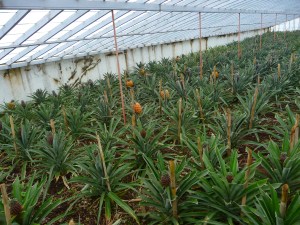
    Pineapples growing in glasshouse - a local speciality.
    Pineapples growing in glasshouse – a local speciality.

    If there is time for any other sports while on a trip to the islands, think about hang-gliding, bicycle rides, tennis, jeep safaris or moto-quad.    In fact, there are few sports that cannot be indulged in on the Azores, but if you aren’t a sporty type, there is plenty of beautiful scenery on which to feast the eye, gorgeous architecture, excellent and unusual shopping (think pineapple liqueur made on the islands, sea-island cotton goods,and  island grown tea).

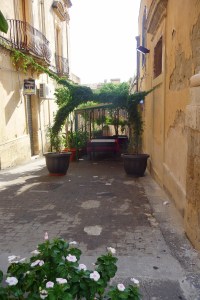
    A Street in Ponta Delgado
    A Street in Ponta Delgado
  • Tea Growing in Portuguese Azores

    Tea Growing in Portuguese Azores

    Stunning colour of the azaleas in January
    Stunning colour of the azaleas in January

    Of all the things I expected to find in the Azores, that group of Portuguese islands in the Atlantic, stunning scenery, beautiful architecture, charming people and good food, tea was not on my list. When I say tea, I don’t mean the tea you find in tea-rooms and restaurants, I mean tea growing on hillsides and gathered in traditional ways.  So far from the Orient, so almost Europe, the tea is delicious.

    When one thinks of tea, one usually thinks of Chinese or Indian, but I was more than a little surprised to find that the tea grown in the Azores, on hillsides that attract heat and rain in just the right quantities for this particular type of leaf, is quite delightful.

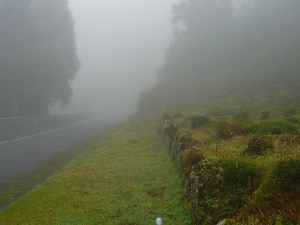
    Frequent mistiness keeps the pastures lush.
    Frequent mistiness keeps the pastures lush.

    It is believed that tea was first discovered in China in 2737 BC.  Legend has it that the Emperor Shen-Nung, who drank boiled water for his health, was one day enjoying this plain beverage when some leaves accidentally blew into the drinking vessel:  the resultant savoury and aromatic brew started the passion for tea drinking.

    It wasn’t until the Portuguese expeditions to the Orient 16th century, that the western world discovered the wonders of tea, but it was the Dutch and the English who developed the trade in Europe in the 18th century, which later reached the Americas.  Today, few houses in the world are without this popular beverage whether it is in the form of speciality teas, robust breakfast tea, or the current favourite,  green tea.

    The Azores is the furthest point from Europe in which tea is grown.  It was introduced to the islands in 1820 when one Jacinto Leite started the first plantation in São Miguel, with seeds which he brought from Brazil, where he had been Commander of the Royal Guards in the court of Dom João V1.

    Tea plantations very quickly took over from citrus growing on the island during the 19th century and in the 1850’s tea production reached approximately 250 tons – a lot for a small island.  Sadly, wars and a policy that protected the Mozambique tea industry, severely affected tea production in the Azores, and by 1966 there were only 5 of the original 14 tea manufacturers left.

    Swirley black and white marble mosaic pavements
    Swirley black and white marble mosaic pavements

    One of these was the Gorreana Tea Factory (Chá Gorreana) which had been founded in 1883 by the Gago da Câmara family and which today produces nearly 40 tons of a strong-flavoured tea annually, three-quarters of which is sold with the region.  One of the things that sets Gorreana’s tea apart from others is that it is purely organic, as neither pesticides nor fungicides are needed in the region, as no pests exist in the islands.

    The Gorreana Tea Factory produces 3 types of black tea – Orange Pekoe (a light and aromatic tea produced from the first leaf),  Pekoe (fuller –flavoured than the Orange Pekoe and prepared from the second leaf) and Broken Tea (produced from the lowest leaf).  It also produces a Green Tea (Hysso) rich in tannins with a very full flavour and green colour.
    The islands of the Azores are delightful for many reasons, their exotic flowers, the dazzling colours of the blooms against the lush green grass, the charming people and the feeling of stepping back fifty years, but their tea is something quite special and should be sampled while on the islands.  It also makes a perfect gift to take home for friends.

    Further details http://www.gorreana.com

    P1110143

  • Noto – Sicily’s Perfect Baroque Town

    Noto – Sicily’s Perfect Baroque Town

    Sicily, with its dark history, rough mountains, ravishing scenery, and Etna, that brooding snow-capped volcano that is  never far from people’s thoughts, is one of the Mediterranean islands to which I am constantly drawn back.   I go there for the known attractions and for the food, heavily influenced by the cuisine of the many nations that conquered the island, and for the Baroque towns that sprang up after the earthquake of 1693 that devastated the south-east of the island.  All are beautiful, but the finest of them all is Noto, a town built of golden stone from a local quarry and a UNESCO World Heritage Site. After the earthquake, Giuseppe Lanza, Duke of Camastra, employed the best architects of the day to rebuild the city just south of the original town: the result is a triumph of urban planning and harmony.  Noto is in the province of Siracusa, itself a gem of a city and one that should not be rushed through as it has some of the most beautiful buildings in the area, plus the world famous Duomo in the Piazza of the same name, a sea-front with a wall just made for sitting on while you feast on a gelato.  Noto lies about 35 kilometers southwest of Siracusa and is easily reached by local trains which run regularly.        

    It was built almost entirely in the  prevailing style at the time, Baroque, and these near-perfect buildings are what makes Noto so special and which earned it the title of  UNESCO World Heritage site.

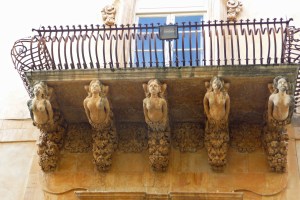
    It is a very accessible town.  You can wander the length of the graceful Corso, stopping here and there for a coffee and one of Noto’s famous cakes, or a gelato or freshly squeezed orange or lemon juice.  Take a detour down the side streets and climb the steep steps to the top where the aristocrats lived, then come down to the next level which housed the clergy and other nobility, before arriving back at street level where the ordinary people lived.   One of the best streets in which to wander is the Via Nicolaci, famous for its buttressed balconies held up with playful horses, griffons, cherubs and old men, incongruous on an otherwise severely classical façade.

    Just at the top of Via Nicolaci is the beautiful elliptical façade of the Chiesa di Montevirgine. I didn’t have time to count them, let alone visit them, but I was assured that Noto has thirty-two churches.  Think on that – thirty two churches.

    So, what to visit when you are only there for a day visit.  If time is short my advice is just to wander.  Like Florence, the history of the town is in its buildings, their façades and the sense of life in the streets.  The Cathedral rises impressively above Corso Vittorio Emmanuelle and is approached by a wide and graceful flight of steps and its simple interior  

    may well come as a surprise in contrast to its exterior.

    I had initially mistaken the flamboyant Chiesa di san Dominica for the Cathedral, flanked as it is by huge palm trees and looking more Middle East than Mediterranean. The Municipio (town hall) has an exuberant trompe l’oeil ceiling and a “magic mirror” which is just a mirror of illusion.  My own favourite interior was the Vittorio Emmanuelle Theatre, still offering productions to its patrons, a fantasy theatre with red velvet and gilded boxes lining the walls echoed by heavy drapes curving round the proscenium arch.      

    If you want to imagine what Italian towns looked like in the 17th century, then Noto should be on your list of towns to visit – it’s very special.    

  • Luxury Cruising on Burgundy’s Canals

    Luxury Cruising on Burgundy’s Canals

    Burgundy is famous for great wines and cheeses but those not exported are a special treat best sampled while cruising in luxury through France on board a canal barge.

    A Peaceful Mooring for the Evening

    Cruising on the barges of European Waterways definitely falls into the category of luxury, if luxury can be defined as having large air-conditioned bedroom suites (unusual on barging holidays) being pampered, and being served superb food and drink.

    The GoBarging company has been cruising European waters since 1974, since when their reputation as canal cruise experts has gone from strength to strength. Unashamedly serving the luxury end of the cruise market they deliver what they promise, food of the highest quality, fine wines, expertly chosen regional cheeses to accompany the dishes, and a crew that pampers and looks after everyone with genuine warmth. The 24-hour open bar carries a wide selection of spirits, wines and liqueurs.

    In France GoBarging.com covers different parts of Burgundy, Provence, the South of France, the Rhone and Loire Valleys. Passengers are collected in Paris and driven in comfortable mini buses to the embarkation points.

    Approaching a Lock on the Nivernais Canal

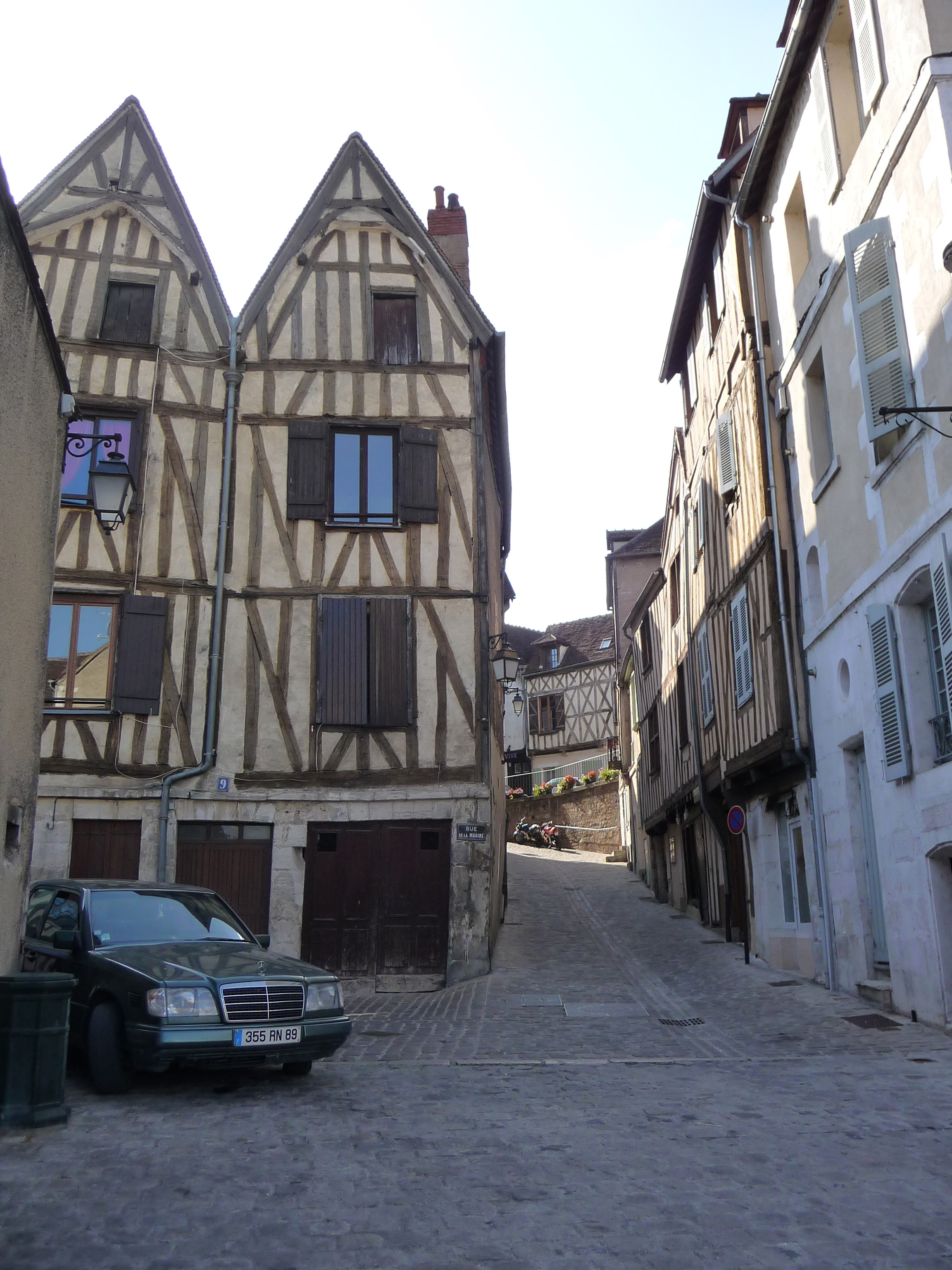
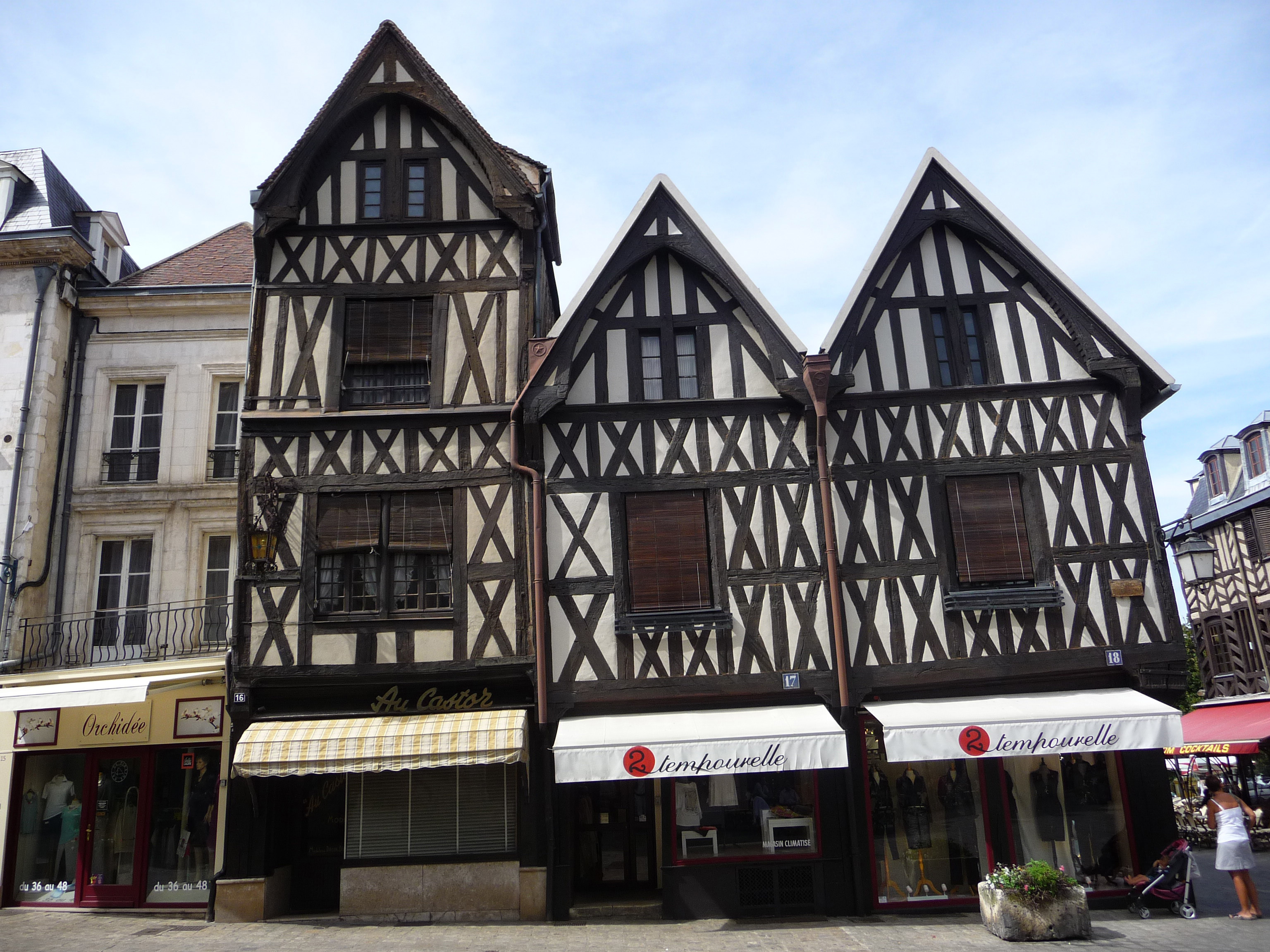
    Taking just one cruise for instance, one that departs from the  scenic town of Auxerre with its magnificent Gothic style cathedral and streets of half-timbered houses, the barge passes through 45 locks on the Nivernais Canal.   Negotiating the locks (by Captain and crew) gives passengers the opportunity to disembark and walk along the towpath or make use of one of the bicycles carried on board to explore further inland.

    Getting to know fellow travellers is facilitated by a champagne reception hosted by the captain. The free-flowing wines and cocktails ensure a lively atmosphere at all times. The wines and cheeses are explained before meals by one of the charming hostesses on board and the chef ascertains guests’ likes and dislikes and offers alternatives if necessary.

    Burgundy has some of the most stunning scenery in France. The canal and the River Yonne wind through rolling hills dotted with ancient villages in which every limestone house has pink roses climbing the beige walls and window boxes crammed full of red and pink geraniums. Vineyards, fruit orchards and farms add a variety of colour, and with 3-4 harvests a year in the area, there are always ribbons of green alternating with golden fields of wheat.

    Chateau on a Hill seen from the Canal

    Barges on the canals sail approximately half a day, the other half being spent at a place of interest.   All members of the crew are well versed in the history of the area and act as guides and drivers. If walking cobbled streets is not to everyone’s liking there is usually an interesting bar from which to people watch, or remaining on the barge with a book and some music from the library is the other option.

    Vineyard in Beaune

    Few people want to miss the tours of the wine-cellars though, especially in Chablis, the tiny area that produces the coveted vins de luxe Grand Cru and Premier Cru Chablis. French vineyards in Burgundy are frequently small and family-owned specialising in only two grape varieties, the red pinot noir and the white chardonnay. The sparkling wine of the region, the Cremant, is a revelation to some people who have not tried it before.

    The towns visited afford time for exploring and shopping, whether Auxerre with its gold sundial clock and quirky statues dotted throughout the maze of pedestrianised streets or Vézelay with the Roman Basilica of St. Mary Magdalene where the crusaders converged before setting out for Jerusalem, a centre for artists of all kinds and a perfect place to buy ceramics, paintings, or woven tapestries.

    As an alternative to a spa stay, barging is perfect. It is just as relaxing, the food is much better, there is no TV, no “entertainment”, no jolly “mine host” encouraging audience participation, only good food over which to linger with a fine wine or liqueur. Cabins are comfortable and spacious, and the captain, chef and crew are chosen for their friendliness, charm and ability to cope with any emergency.

    Many companies on the French canals offer cruises of varying periods, but I’ve only travelled with the company mentioned above, European Waterways.  Having found one that pleases me, why change?  

    Reflections
  • Auxerre, Historic Town in France

    Auxerre, Historic Town in France

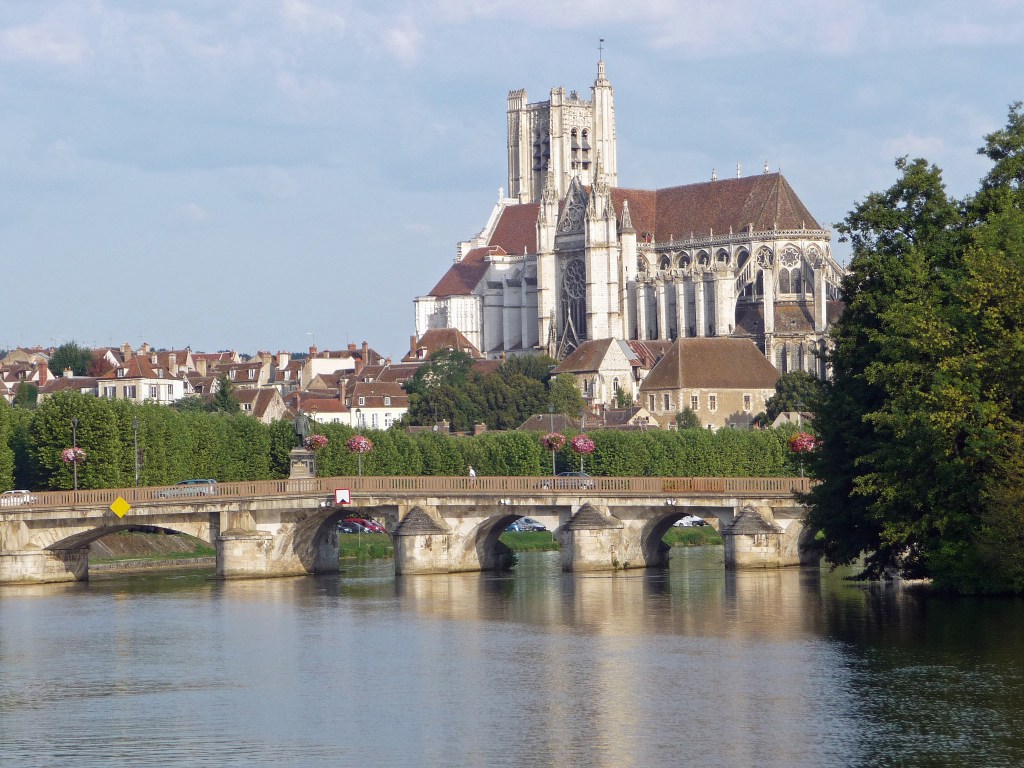
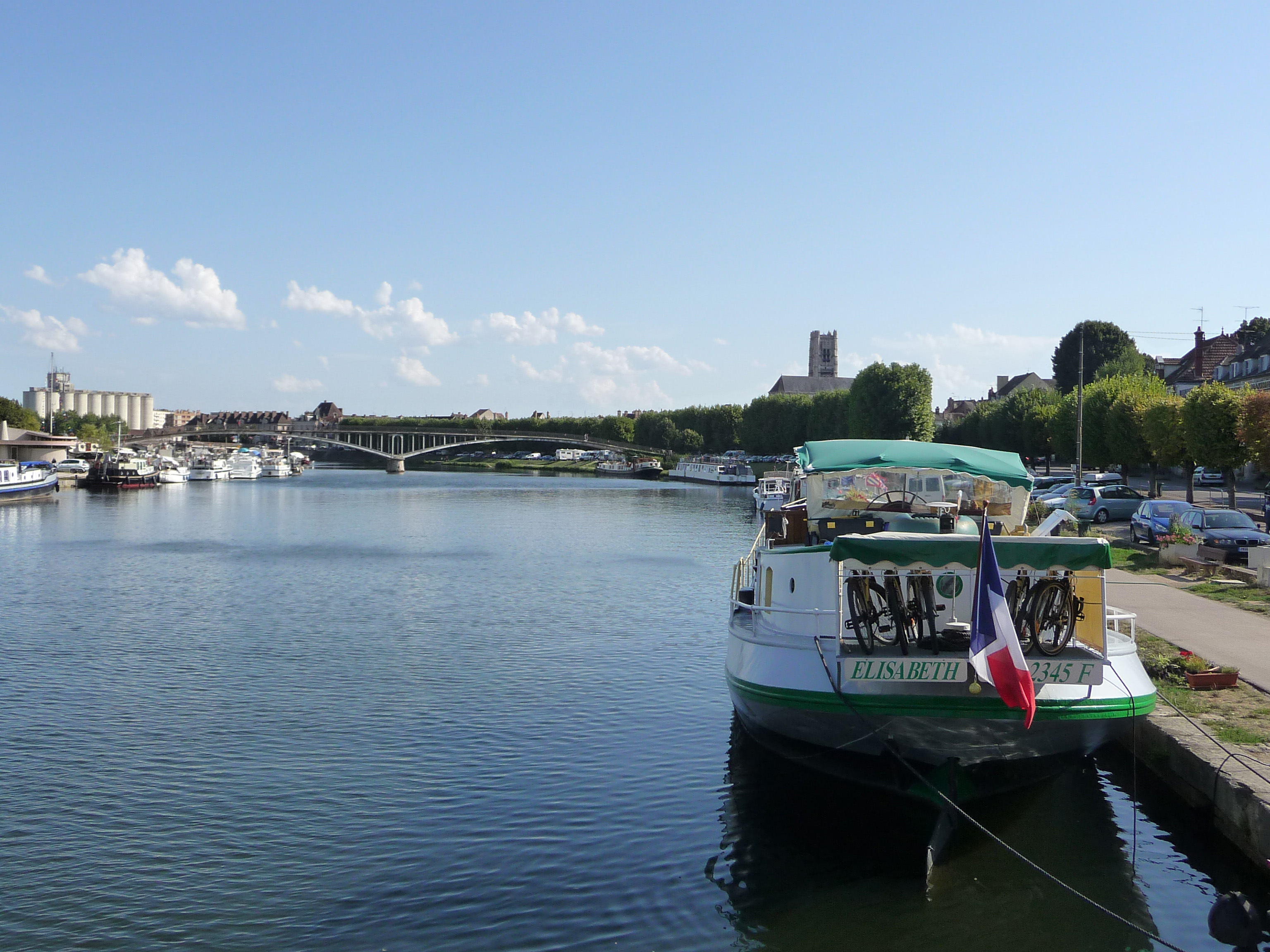
    Auxere on the River Yonne

    Just over an hour from Paris by train and in the heart of the Yonne are of Burgundy.  You may be lucky enough to cruise some of the canals in the area, but if not and if you can drag yourself away from the charms of Paris, you won’t be disappointed in this town colonised by the Romans.

    The vineyards that surround Auxerre from which are produced some delightful  wines, are among the most celebrated in France, and some of the oldest.   This is the area of the great Chablis houses and if time permits a visit to Chablis itself would be the icing on the cake.   It lies approximately 15 kilometres away, famous for its white wine from the Chardonnay grape, referred to here as liquid gold.   The oldest certified vineyard in France, the Clos de la Chainette dating back to the 7th century, is in the Auxerre area.

    Centreville, Auxerre.  Auxerre (pronounced Ausserre), was originally an active port, being on the wine route, but as the railways superseded water transport it lost its pre-eminence and became the pleasant unhurried town it is today.  Situated as it is on the River Yonne, and with the growth of sailing and the popularity of France’s canals, river cruisers and hotel barges have once again made the river the focal point of the town.  Cafés and restaurants along the banks are ideal places from which to while away an afternoon.

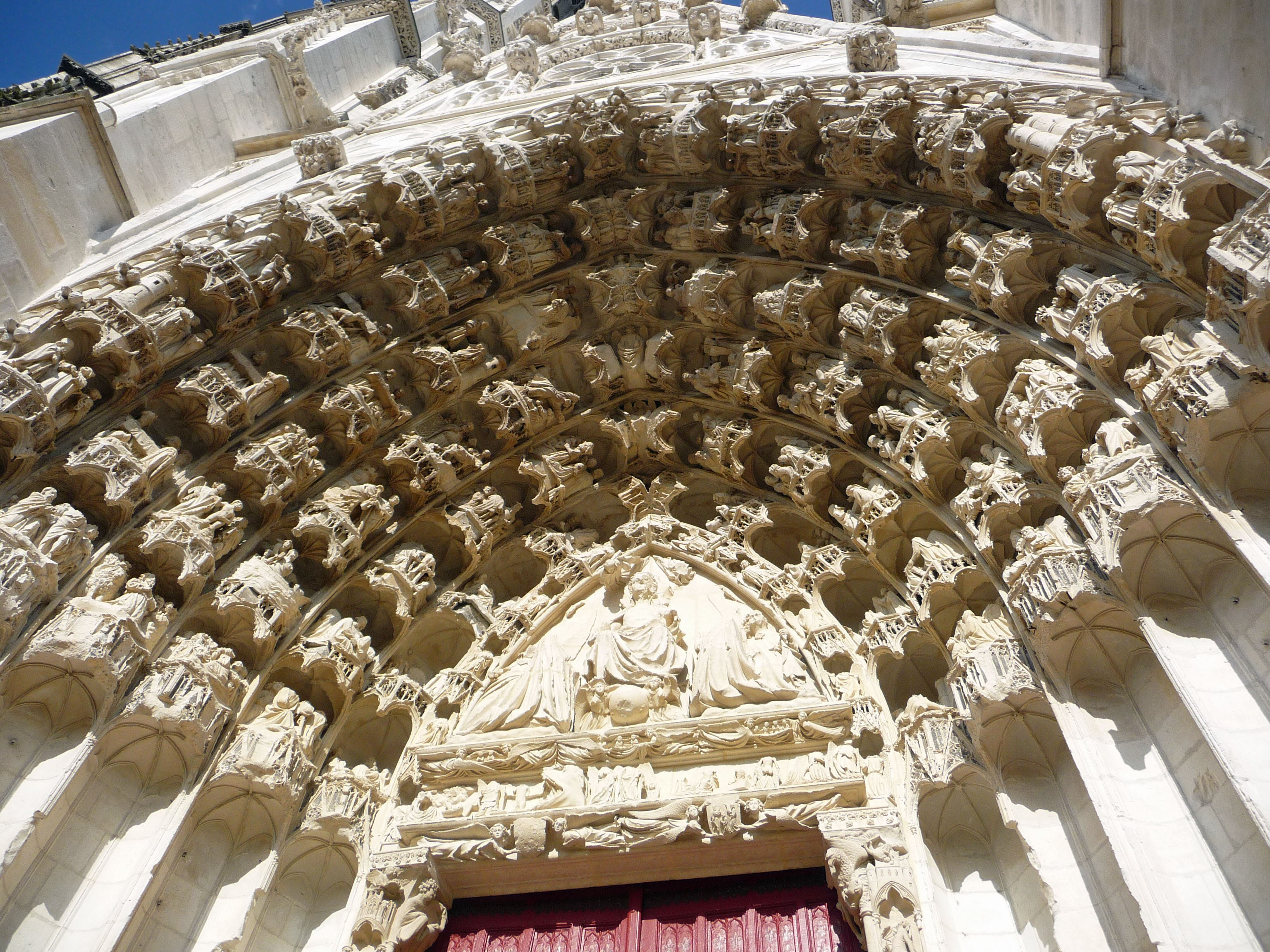
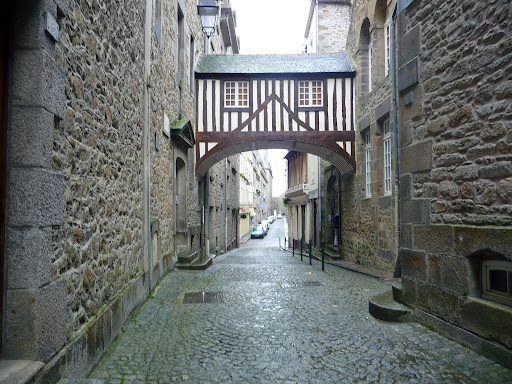
    The old town starts right behind the Quai and from here a walk through the steep narrow cobbled streets with their timbered houses up to the newly restored Cathedral St Etienne is an essential part of a visit.   The Tour de l’Horloge, a magnificent sundial, leads into the pedestrian shopping area.

    It is a town that repays exploring on foot, as it has preserved an exceptional architectural heritage and every corner seems to hold a piece of art and history.  Its historic centre is crisscrossed by winding streets along which are boutiques, restaurants and houses of the local residents.  It may look like an open-air Museum, but  Auxerre is very much a living town.

    Not to be missed: the Cathedral of St. Etienne, St. Germain Abbey, Plaçe St. Nicholas and the houses with wooden sides along the banks of the River Yonne.

    Cathedral Entrance
    Auxerre on the River Yonne
  • Where to Eat in Logroño: Home of Rioja Wines

    Where to Eat in Logroño: Home of Rioja Wines

    Vineyards of Rioja viewed from above

    Eating well is not difficult in Logroño. From Tapas to gourmet foods, the visitor is assured of quality, freshness and a perfect marriage of Rioja to food.
    Glorious Seafood in Logrono

    The wines of the Rioja region are legendary, and most restauranteurs in Logroño can recommend a good accompanying wine from the many on offer. And it’s not just the wines: some restaurateurs insist that the olive oil they use is of equal importance.

    Restaurant La VentaMoncalvillo

    Top of the list must come La VentaMoncalvillo, a country restaurant which lies about 12 miles to the south of Longroño in Daroca de Rioja. Since opening in 1997 this restaurant has grown from a modest little place to one of the most important restaurants in the region.

    The two owners, brothers Carlos and Ignacio Echapresto do everything between them from the wine buying to the organization of the seasonal menus. In spring it is daily fresh vegetables like asparagus, artichokes etc; in summer, salads and fruits and the crisp, green vegetables and tomatoes that smell of the sun, autumn offers small game like partridge, quail and woodcock and the earthy tones of wild, woodland mushrooms like morels, porcini and chanterelles, and in winter the heavier casserole dishes and big game like boar and venison.

    A dish of wild mushroom sliced so thinly as to be almost transparent and served with the best olive oil and a sprinkling of chives makes a perfect starter at VentaMoncalvillo, especially when followed by Ibérico ham sliced just so wrapped round the white asparagus that is a speciality of Spain.

    All dishes are served with wines chosen to accompany them, whether it be a white, a rosé or a deep, dark and luscious red.

    Taberna Herrerias, Logroño  

    Superb Fish

    In an easy to find area of old Logroño, stands the Taberna Herrerias (means Blacksmiths Tavern), on the street of the same name, a 16th century palace sympathetically renovated without losing any of its ancient charm.

    Now a restaurant serving delicious fresh, locally produced food, the clientele is mainly professional people and “ladies who lunch” – everyone hugely enjoying themselves. The wines come from all over the world, but naturally, the locally produced Rioja is very much to the fore, especially the top quality Riojas that are sometimes difficult to source.

    The ground floor offers cocktails and light snacks, suitable for a quick ‘drop in’ meal and on the first floor are the kitchens. The main dining room is on the second floor from which it offer views of the 13th century Church of San Bartolomé and the 12th century spire of the Church of Santa Maria de Palacio, but it is not easy to spend time on admiring the outside views when the food on the table is so good.

    Even a simple plate like a tomato salad seemed fresher and more tasty than any I’d had before and the seafood dishes, risottos, fish, vegetables and meats, matched with delightful wines from Rioja, were a gourmand’s delight. This restaurant is always very busy and reservations are recommended.

    Casa de Comidas Lorenzo, Logroño  

    How Many Bottles of Rioja?

    For something slightly simpler but equally delicious, the Lorenzo Restaurant in Calle San Agustin is an excellent choice. Its pristine dining room on the first floor is a haven from the bustling street outside and the menu has something to please everyone.

    The long list of starters was a problem on our visit, but the owner was happy to bring a selection of his best dishes which enabled everyone to have a “tasting” of the starters which ranged from a simple salad to a risotto. The fish menu contains a great variety of fish from cod, hake, sole, gurnard and monkfish..

    If a main course of meat is required, I would suggest trying the roast suckling pig which is a speciality here. It’s not a dish that is available everywhere, but worth trying when you find it.

    Evening Paseo in Logrono

    And if all this food is just too much, then head off to the Calle Laurel for tapas, a mini-meal for which Logroño is famous.

    Tapas Bar Where the Food is Always Good
  • The Wine Museum of Rioja

    The Wine Museum of Rioja

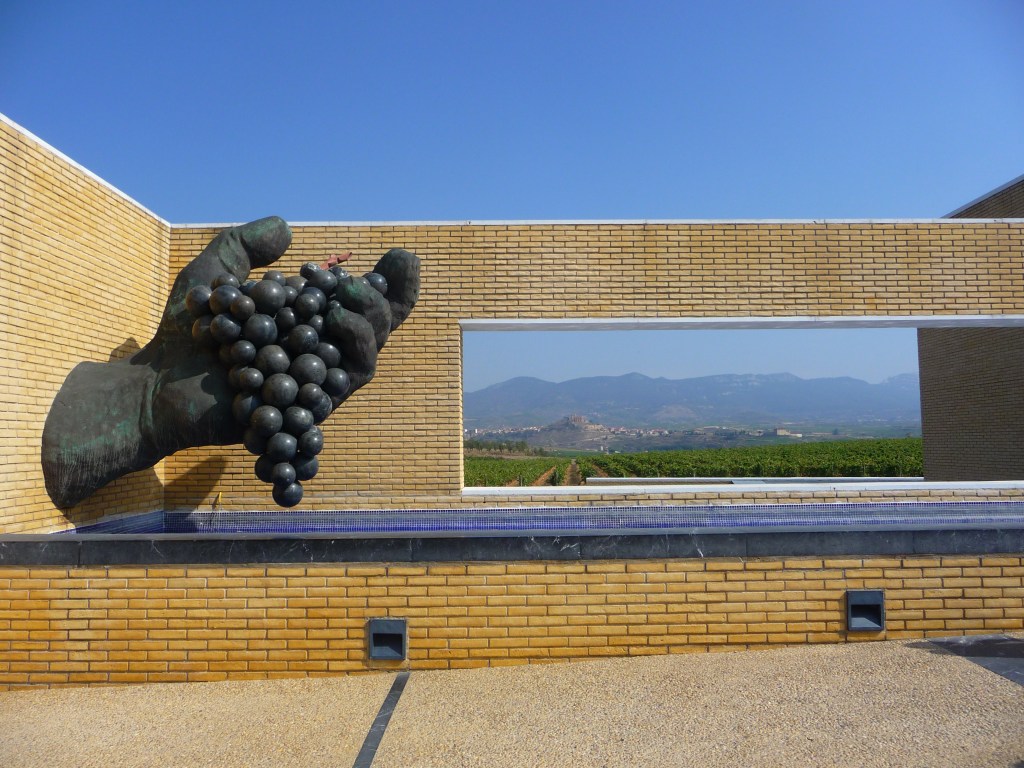
    Dinastía Vivanco Bodegas Museo del Vinois not just a great Museum, it is a beautiful one as well, set in the heart of the wine area of Alberite in La Rioja, Spain.  What also places this Museum in a category of its own is its geographical position with glorious views over the surrounding countryside.

    View from the Steps of the Museum of Wine, Rioja

    The Museum is located right next to the Vivanco winery from which it takes its name, in the town of Briones, La Rioja, and was built to “give back to wine what wine has given to us” in the words of its founder Pedro Vivanco Paracuellos. It was Senor Vivanco’s passion for collecting everything to do with wine that led him to open this magnificent museum, created to showcase every aspect of his collection.

    With audiovisual and interactive displays and a specific route for physically or visually impaired visitors, this museum ticks all the right boxes. The collection is divided into 5 main spaces and takes the visitor from the process of vine cultivation through its development from 8000 years ago right up to the present day, the history of which shows how the vine is central to our culture. Dinastía Vivanco Museo del Vino is set to become the world’s greatest museum of viniculture

    What to See in the Wine Museum at La Rioja

    Starting with an introductory video about the family Vivanco, visitors then move through the rest of the museum. An easy to follow plan guides one around but various sections can be skipped if time is short, or if the particular theme is not of interest. During the tour one learns that wine is closely related to human patterns of settlement and that it was found in both pagan and religious ceremonies from the earliest days.

    Egyptians, Romans and Greeks are all well represented in the displays, and some beautiful mosaics and drinking vessels are on show along with the front panel of a 3rd century sarcophagus and some small oil paintings on copper. Many artistic works show how grapevines and wine have been used throughout the ages to depict figures in classical mythology. With ancient presses and ploughs, etchings and early pictures to illustrate the harvests, and photographs of more recent times, the life of the labourers in the vineyards is brought to life.

    Barrels and Bottles and Transportation of Wine

    Transportation of wine was always of major importance and barrel making and acquiring the correct oak wood for the barrels occupies a goodly section of the museum. There are only 3 types of oak used to make barrels today, Sessile Oak which adds a vanilla flavour to the wine, English, French and Russian Oak (not much used) which is very tannic, and American White Oak which adds chocolate aromas. Oak grows very slowly and cannot be cut before it is 120 years old.

    As well as the barrels there is a whole area devoted to bottles and the corks used in them. The use of cork is always recommended for fine wines as its flexibility means that it swells up on contact with the wine and fits tightly into the bottle. The foil on the cork and top of the bottle protects it from exterior airs.

    This slideshow requires JavaScript.

    Following on from that there is a display of nearly 3,000 corkscrews that charts the evolution of this simple instrument, dating from the first patented model in the 18th century. Wine has given work to many people in many trades over many centuries.

    It would be a shame to leave this delightful museum without spending time in the Essence area, a spot where different aromas can be experienced, from jasmine to leather, chocolate to chillies. It is revelatory.

    Restaurant, Bar and Wine Tasting Area

    Outside the displays can be found the tasting bar where one can spend a happy half-hour or so, sampling the delightful wines of the area.   The bar sells a fine collection of local and imported wines, and the excellent onsite restaurant offers superb, local dishes, cooked and served in the local fashion and with carefully chosen wines to accompany them.

    A Pink Dawn Over the Rioja Vineyards
  • La Albufera Nature Park, Valencia, Spain

    La Albufera Nature Park, Valencia, Spain

    This slideshow requires JavaScript.

    Valencia may be going through a difficult patch at the moment with the credit crisis seeming to have hit it hard, but it’s a city that should be visited for the ultra modernity of its City of Arts and Sciences.  Those who now say Valencia shouldn’t have spent so much on this grandiose but gorgeous city had earlier been the first to admire and encourage Valencia in its endeavours.  The slideshow above shows part of this very modern metropolis, a park credited with having the most environmental and ecological value in Spain: it is beautiful at any time of the year and is well worth the short trip from the city centre.

    Then the next day head off to La Albufera, the Nature Park just outside the city in the village of the same name.  Images below are all from La Albufera.

    A Canal in La Albufera

    To get to La Albufera from Valencia is easy whether you use self-drive, bus or cycle.   Head south along the El Saler motorway for about 12 Kl. until the Lake of Albufera comes into view.  La Albufera, Valencia, Spain, Restaurants in Main Street

    Lying between sea and rice fields, the lake and surrounding wetlands are separated from the Mediterranean Sea by sand dunes and pinewoods, a paradise for migrating birds. Serious bird-watchers should head for El Palmar at the head of the park where there is a tower from which to watch the birds.

    La Albufera Park and Lake, Valencia

    This immense natural park and its surrounding rice fields, the crop from which forms the basis of the famous Valencia paella, and the canals dotted with fishing boats that hug the grassy verges of the lake, are less than 30 minutes away from the medieval splendour of Valencia, yet it seems like part of another world.

    Farm Houses with the typical thatched roofs.

    Lake Albufera is the largest lake in Spain and was formed aeons ago by sediment from the rivers Turia and Júcar which hem it in on either side sealing it off from the sea and making the 6 Kls. of water into a freshwater lake.   The innumerable canals leading to the lake are well used by fishermen who are usually to be found with their boats, ready to organize a relaxing trip on the lake or a fishing trip (bait and lines provided if necessary). Todos es posible (everything is possible) as they say in Spain.

    Despite its size, the lake is estimated to be only one-tenth of the size recorded by the Romans. The remainder has been cultivated and turned into fields which in spring are drained and planted with rice seeds ready to be fertilized in May.  In July and August the Albufera is one enormous emerald paddi-field ready to be harvested in September.

    Eating in La Albufera, Valencia

    Eating places alongside one of the Canals. Boats for hire.

    As well as the water activities, the boat trips, and the walks along the lake, the popularity of the restaurants that proliferate along the canals and in the village mean that they are a major attraction to visitors from the outskirts and from the city.   They all serve typical Valenciana fare, and more typically, dishes from the area of the lake. One of these is Ali i pebre de Anguilas, a sort of slightly spicy eel stew with potatoes, tomatoes and garlic. For those unsure of their ability to eat eels, a small tapas ración can be bought as a trial sample.

    P1040632
    Valencia Paella

    Valencian paella is the other offering: eaten straight from the pan in which it was cooked, everyone having their own spoon, or if requested, it can be transferred to individual plates.

    Beaches Surrounding the Lake at La Albufera, Valencia

    There are good sandy beaches near the town of El Saler together with a camping site. Natural sand dunes make up the 10kl Dehasa del Saler, backed by pine trees which provide necessary shade in summer.

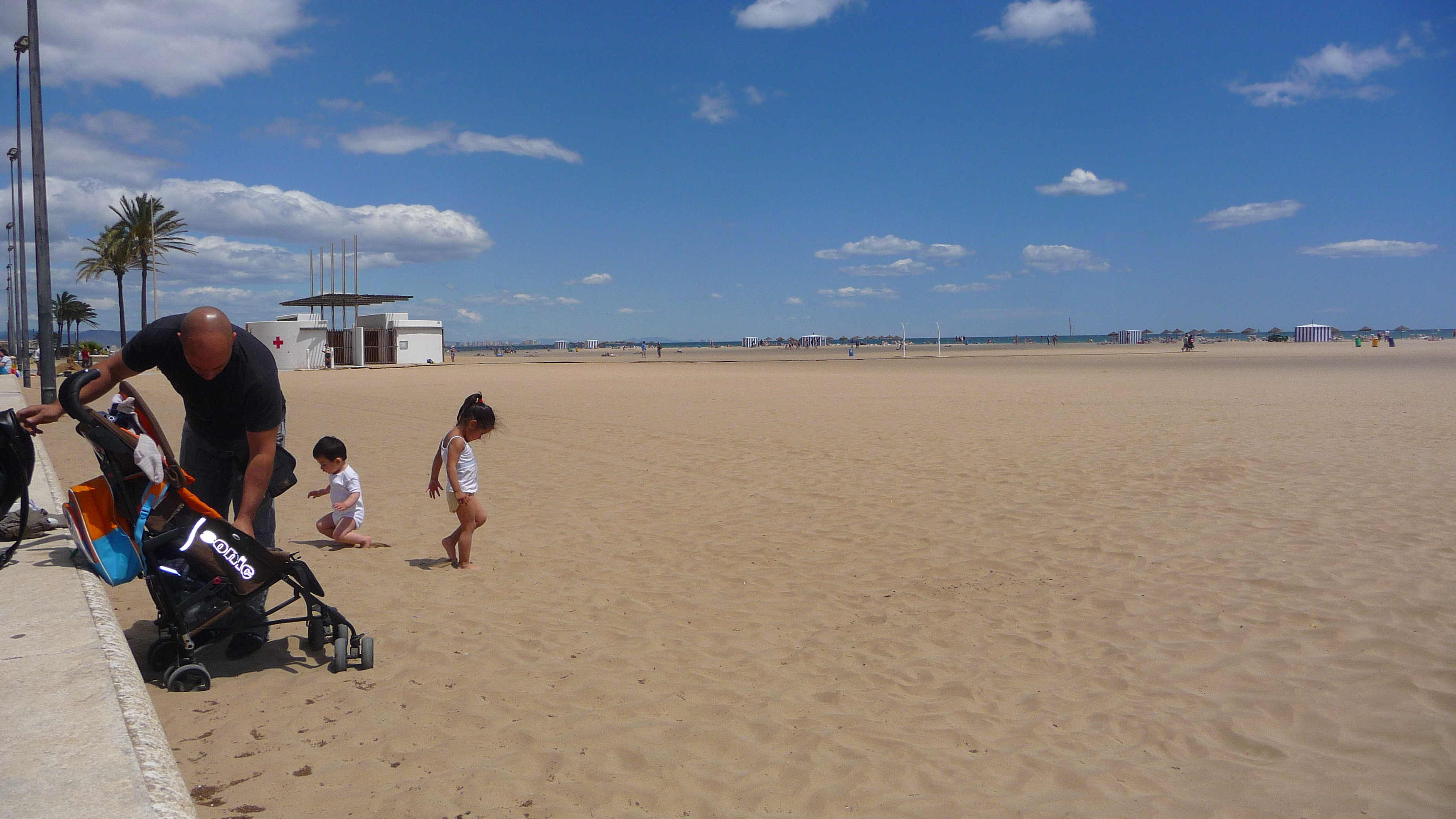
    Without doubt, the best beaches in Valencia are in the city itself, miles of golden, soft, sandy beach near the harbour and the King Juan Carlos Marina built for Valencia’s hosting of America’s Cup three years ago.  They seem to stretch for miles from the Esplanade to the sea (shoes necessary when the sun is hot) and the best seafood restaurants are dotted along the promenade.

    P1040599
    Wide Sandy Beach at Valencia

    Spending a day on the enormous sandy beach and around the harbour and marina is a perfect antidote to too much sight-seeing in Spain’s third most important city of golden-stoned buildings.


  • The Poetry is in the Pity: War Poets and Poetry

    The Poetry is in the Pity: War Poets and Poetry

    Reading some of Linda O’Neil’s poetry on her blog  http://www.poetrypf.co.uk/lyndaoneillpage.shtml) sent me back to my favourite war poets, Wilfrid Owen, Siegfried Sassoon, Isaac Rosenberg, Alun Lewis, Edward Thomas and many others, and to France where they fought.  I’m a regular visitor to France, sometimes to visit the World War I War cemeteries there, sometimes to cruise the canals, and sometimes I can combine the two.

    Reading Linda’s lovely poem Embroidery, which I think we can call a homage to Owen, reminded me of the time I visited, not the vast fields of white crosses, but Owen’s grave in the little French cemetery at Ors in north eastern France near the site of the battle to cross the Sambre Oise canal.  He was killed there, just one week before the Armistice of 1918.

    Today, his body lies, not in Poets’ Corner in St. Paul’s, but in a tranquil plot in the British war graves section of Ors’ village cemetery, a short walk from the place where he died.   Britain’s greatest war poet, Owen wrote poetry of a rare compassion and beauty, war poetry that did not hesitate to describe unseemly death and disablement in ways that had never been attempted before.  ‘My poetry is in the pity’ said Owen, and it is the pity and the compassion that we take from the poems.

    My first visit to his grave was made nearly 20 years ago when, together with members of the Western Front Association and the Wilfrid Owen Society, we took part in the dedication of a Memorial to the poet.   The military historians who accompanied our party breathed life into statistics and Battle Plan references that our maps high-lighted.  Ground was fought over and won and fought over again and lost, as we listened to the story of the attacks across fields we stood on, and marched up trails that were once dirt tracks.

    On the Somme the villages seem caught in a time warp.  After the war most places were rebuilt exactly as they had been before 1914, and you pass through villages whose names echo with a terrible resonance down the years, Thiepval, Fricourt, Maricourt, Montauban – villages which stand today almost as they did then.  What has changed is the terrain.  In many places today the Somme is like a prairie: hedges have been uprooted to maximise planting, and the flat, rolling plains are unlike the former fields on which the battles were fought.  Despite these changes, and 100 years after the 1914-18 battles, the Somme still throws up the bones of long dead combatants, old bits of ordnance and the occasional live shell.  Mametz Wood is a chilling place, even on a fine day when the sun is shining.

    The sun was shining as we gathered on the banks of the Sambre-Oise canal to listen to the story of the battle in which Owen was killed.  The geese from the nearby farm were loud in their scolding, and staring at us from the opposite bank were cows, not Germans.  It was all a far cry from November 4th, 1918, when the men of the 2nd Manchesters and the 15th and 16th Lancashire Fusiliers fought long and hard for control of these now peaceful waters.  Difficult to imagine on this sunny morning, the men of the Royal Engineers working feverishly to make and mend the bridges and pontoons that were carrying the assault troops across the canal: difficult to imagine the shouts of the men, the sounds of the gunfire, and the screams of the wounded.

    The day lives in my memory chiefly because of the French welcome.   The whole town turned out to welcome us, or so it seemed, and for the dedication of the Memorial.  Representatives from the Western Front Association and the Wilfrid Owen Society took their places alongside  M. Houson the Mayor of Ors, and dignitaries from other nearby towns.  Then down the street came the band, bussed in for the occasion from the neighbouring village of le Catillon.  That afternoon they had their most appreciative audience ever.

    Certain songs have instant access to our emotions – one of them is Roses of Picardy.  As the opening bars of that sentimental old melody began, the chattering stopped and the crowd fell silent.  There were few there who were not moved to tears and the relief from the emotion of the moment was almost audible when the Mayor started his speech of welcome.

    For some of us the pilgrimage ended as we laid our tributes on the grave of the poet and read the words on the pristine white slab that marks his burial place.  I remembered his last letter home to his mother …. There is no danger here, or if any, it will be over before you read these lines ..      Prophetic words.  The bells were ringing to announce the Armistice when the doorbell rang in the Owen household and Susan and Tom Owen got the telegram they’d been dreading.

    Readers with an interest in Owen’s poetry who visit France, will have no bother finding Ors.  It is an easy spot to reach lying not far from Amiens (Michelin Touring Map No. 50.  200 Km. North of Paris, 40 Km. North-east of San Quentin and 25 Km. South-east of Cambrai).  Walk across the bridge that spans the canal and you will see the Memorial erected to Owen just nineteen years ago by the villagers, the Western Front Association and the Wilfrid Owen Society.  The Commonwealth graves are in a quiet spot at the side of the village cemetery, their pristine white slabs terribly upright in sharp contrast to the polished granite and marble of the French headstones.

    The bond that grew between the men who fought in World War I was of a special kind, forged in the hell of the trenches and kept alive by the inability of those on the home front to comprehend the horror of that war.  Some may think that Westminster Abbey is the only fit place for a great English poet.  I believe Wilfrid Owen is happier to lie at Ors with the men whose life, and death, he shared.

    Read Linda’s poem on http://www.poetrypf.co.uk/lyndaoneillpoems.shtml  and you’ll see why my memory slipped back to nearly 20 years ago.  Travel takes one to strange places and although I have visited the graves in the cemeteries on the River Kwai many times and been moved to tears more than once, those upright white slabs in France seem to resonate with the tragedy of all wars.  Is it the poetry the fallen left behind?  Is it the prose, not just from the English combatants, but Frenchman Henri Barbusse, German Erich Maria Remarque, and the Russian Pavel Antokolsky.

    They have all left their mark on literature, and on lovers of poetry, but was still go on.

  • A DAY TRIP TO SAINT MALO, FRANCE

    A DAY TRIP TO SAINT MALO, FRANCE

    A DAY TRIP TO SAINT MALO
    Saint Malo from the Sea
    To St. Malo for a couple of days with Brittainy Ferries from Portsmouth, a smooth journey in an ensuite cabin that surpassed my expectations.  The food on board was delicious – and very inexpensive for the quality.  On offer was a buffet with main course served separately from the grill, an a la carte menu, a snack bar and a self-service restaurant – choice enough for everyone.
    Heart of the old Town
    Unfortunately, the first morning in St. Malo brought winds and rain, and when I say winds, I mean icy cold winds that cut through my three layers of warm clothing like a Siberian dagger.  Foolishly ignoring the advice of the hotel receptionist, we took ourselves off on a tour of discovery, only to find that nothing opened before 10 a.m. in St. Malo – not even a coffee shop – so we had the wet, cobble-stoned streets to ourselves as we perused the soggy map trying to negotiate the lanes, alleys and squares of this granite island.  Down one side-street we managed to locate a coffee shop which served delicious chocolate and croissants so the morning took on a more cheerful aspect.
    By midday however, the sun was out, the sky was blue, and it was smiling Gallic faces all round.  Saint Malo surges up from rocks and curves to form a natural harbour.  The Cathedral which we’d earlier visited (partly to escape the rain) dominates the skyline and is a good marker if one gets lost.  Despite the religious symbol however, the city has a somewhat shady past, being the haunt of Barbary pirates in the 18th and 19th centuries who preyed on the ships crossing the channel.
    The Old Town
    It would be a good idea to take La Petit Train de Saint Malo for the 30 minute sight-seeing tour – a good 5 Euros worth – before embarking on a walking tour with a map, as this tours the walled city and the surrounding port and includes an English commentary.  Visitors to the town can see quickly where the landmarks are and make a note as to what they would like to return to see when time permits.
    The Beach and the Causeway to the Isle
    The heart of the city is the old walled town known as Intra-Muros (inside the walls) and a favourite walk is on top of these 20-foot thick walls.  From high above town and beach one has a magnificent view of the surrounding area and down into the maze of medieval streets.  A stretch of approximately one and a half miles can be walked and despite being buffeted by the wind, it was a joy to gaze on the golden sands of St. Malo which stretch right along the Brittany coast, watch the parties of schoolchildren wander along the water’s edge, and the hardier folk who were hurrying along the stone-flagged causeway to Grand Be islet (don’t attempt this if the tide is coming in: if you do, then you must stay on the island until it goes out again).
    Restarant on the Walls
    1 Kilo of Moules avec Frites 11 Euros
    In a town known for its fish and seafood it can be a problem to decide where to eat, so many are the good restaurants on offer.  One row of restaurants backs on to the walls (Rue Jacques Cartier and Place Chateaubriand) and this seemed to be most people’s favourite place.  And do try a Kir Breton (Kir and Breton Cider).  Most people, for lunch and dinner, seemed to be opting for moules in all their forms washed down with either local cider or white wine, followed by crepes for dessert.
    The weather didn’t encourage sea trips but bus rides to nearby Dinard and Dinan were easy to arrange.  We were temped to take a taxi to Mont-Saint-Michel for 85 Euros but decided against it not knowing what the weather would be like.
    Next day we sailed back to Portsmouth on the Bretagne with the sun shining fiercely from a blue, blue sky.  It was ‘on the deck’ weather the whole way back and I’ve already made up my mind to do this trip again.