Category: Europe – Mediterranean
Spain, Italy, P:ortugal & France
-
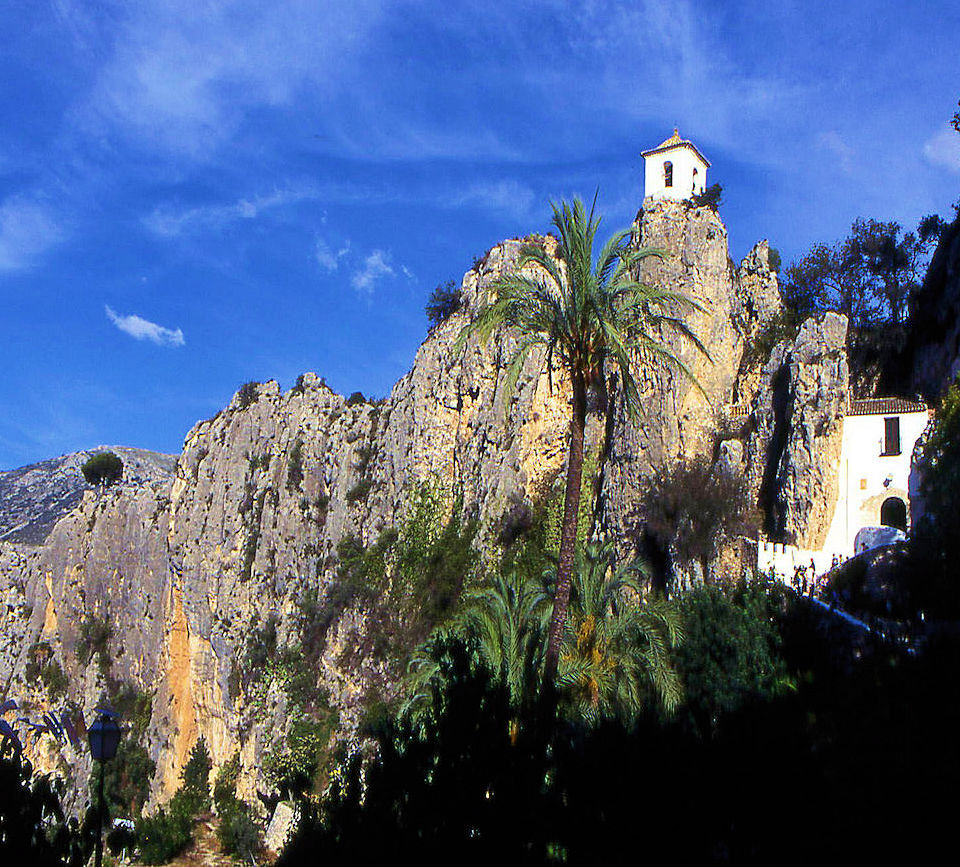
Silent Sunday – Guadalest, Spain
On top of the rock at Guadalest, Spain where it couldn’t be any more silent. -
Sculpture Saturday: Cyprus
This group of bronze statues shows the release of Greek Cypriot prisoners, peasants and clergy, from British colonial rule during the fight for independence on the island of Cyprus. The statue is in Nicosia but I was unable to find a date for it. I photographed it sometime in the 1970’s and I think it was fairly new then.
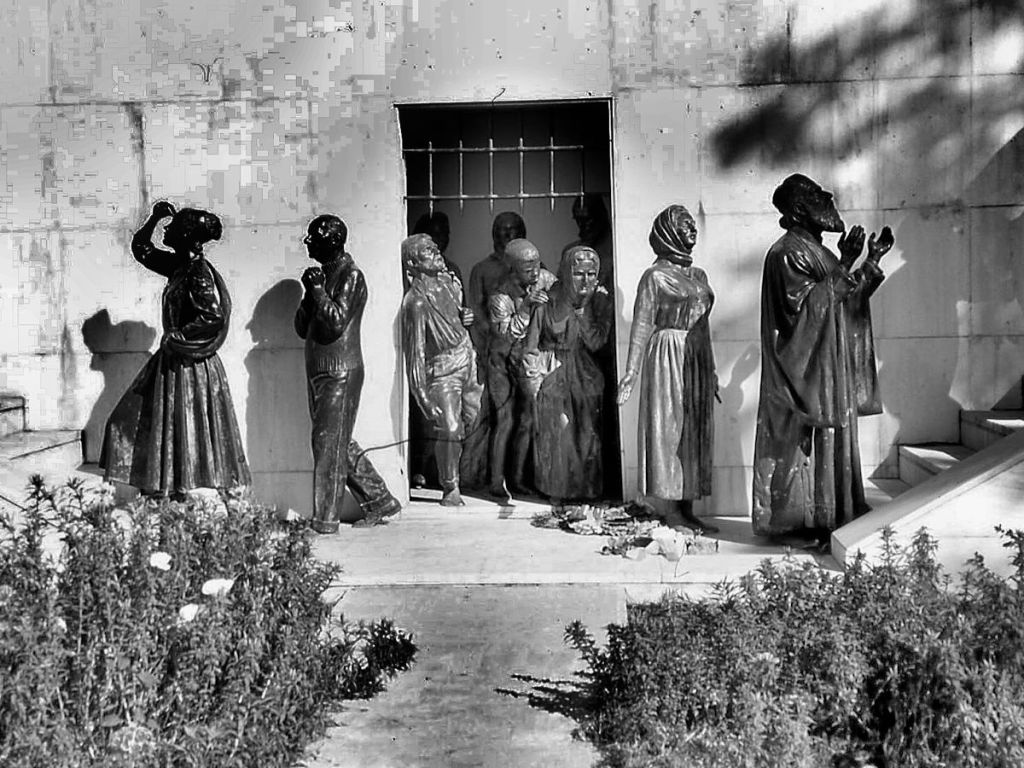
EOKA and the fight for Independence, Cyprus Linked to Mind Over Memory who hosts this challenge.
-
SILENT SUNDAY
It is always sad to see deserted villages and town and even though they are being given status by UNESCO, they still harbour a feeling of meloncholy.
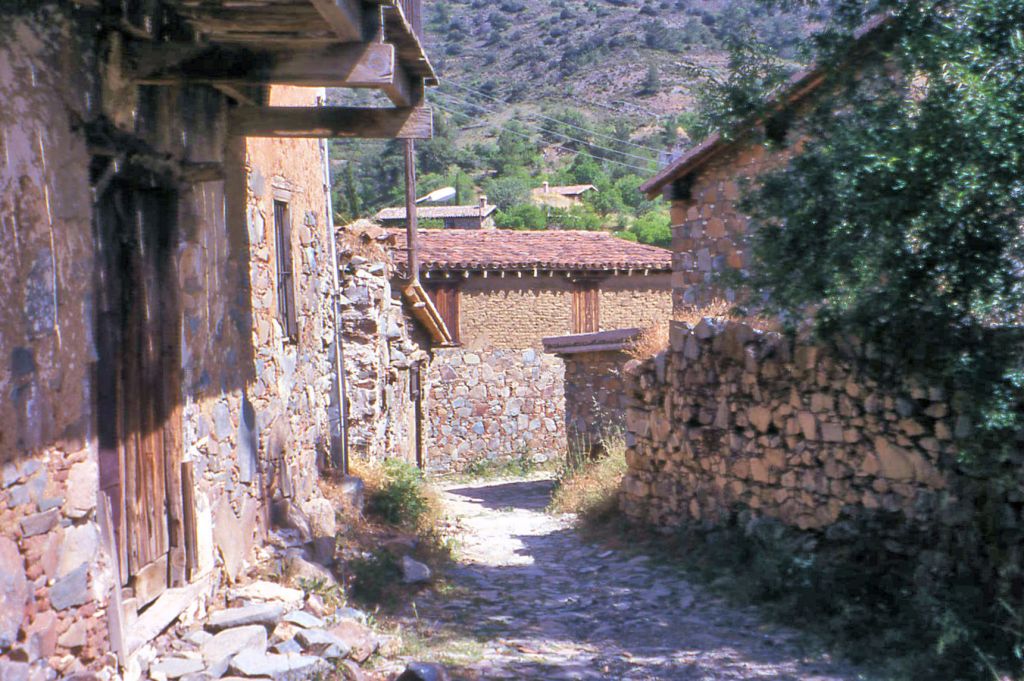
Fikardou Village – a Unesco Heritage Site in Cyprus There is no escaping the fact that young people will no longer work at back-breaking, low-paying jobs on farms, and abandoned villages like these are a familiar site all over the Mediterranean. Even when some houses are restored by a local who works abroad, they are then used only as holiday homes. The greatest cause for concern then becomes the elderly left to fend for themselves when all the young people have fled to coastal towns for work.
-
Sculpture Saturday
And now, for something completely different (thank you Monty Python).
(this was still in my Drafts folder so I’m re-posting it as I’m unsure what is happening. Another mix-up with Blocks?)
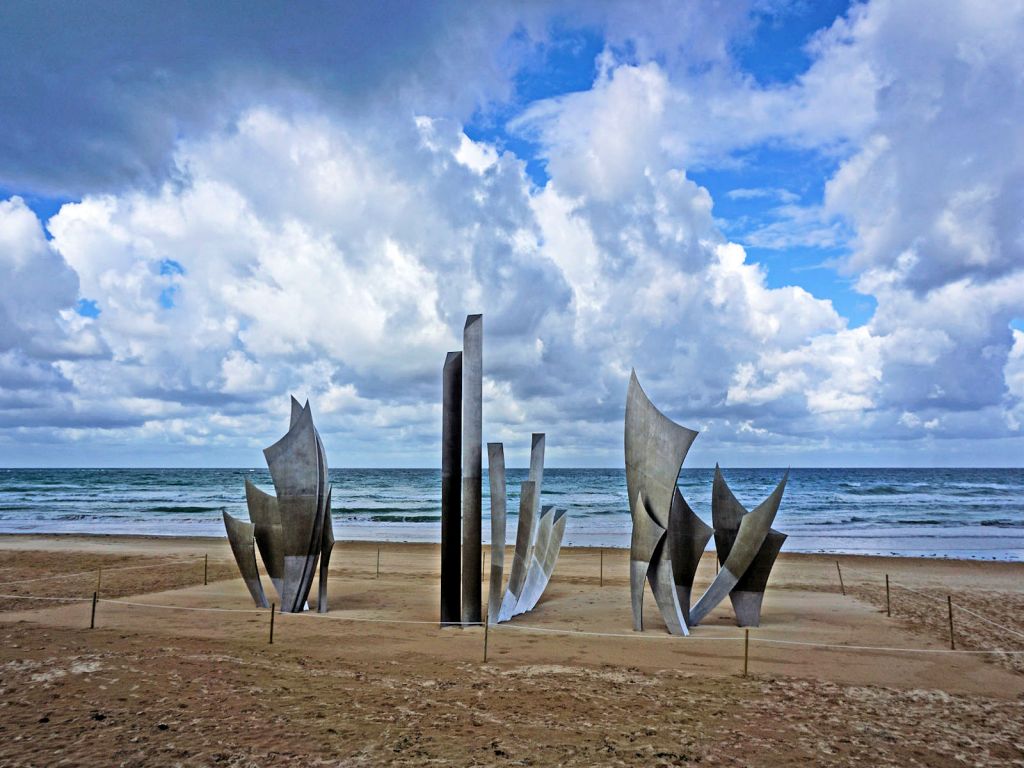
Les Braves by Anilore Banonon on Omaha Beach, Normandy Commissioned by the French government on the 60th Anniversary of WWll and erected in 2004 as a monument to the Americans who helped liberate France, this moving sculpture stands at the centre of Omaha Beach.
The beach today is an place of calm and tranquillity but 76 years ago it was an inferno of noise, smoke and slaughter. Here, along a five-mile stretch of shoreline, the men of the American 1st and 29th Divisions, caught off-guard as they had not expected to meet such opposition, battled their way through fierce German defences.
Thousands of Allied troops were killed in the D-Day battle of Omaha Beach on June 6, 1944, but it was perhaps the single greatest turning point of World War II.t.
-
Six Word Saturday
My patio pot fails in comparison.

How I wish I could grow my favourite herb in such quantities. This is truly Mediterranean, typical of a market-stall where the buyers could fill a plastic bag full of the glorious smelling origano for a Euro or two.
Linked to http://restlessjo.me/2020/05/30/six-word-saturday-357/
-
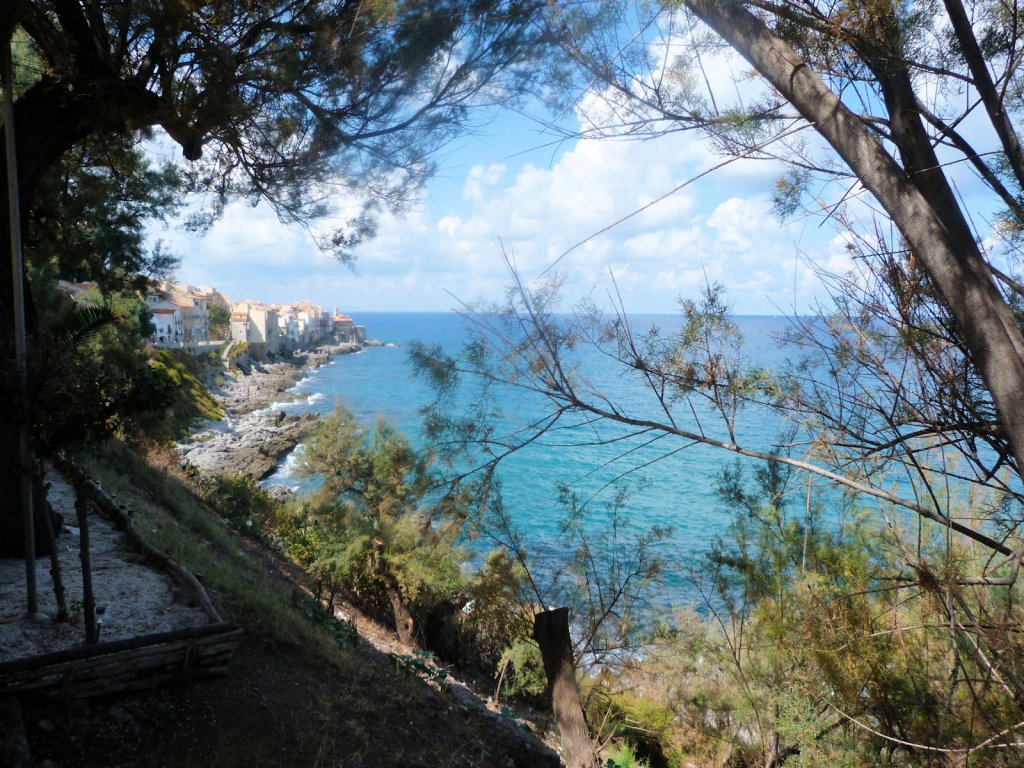
Cefalù: Resort Town in Sicily
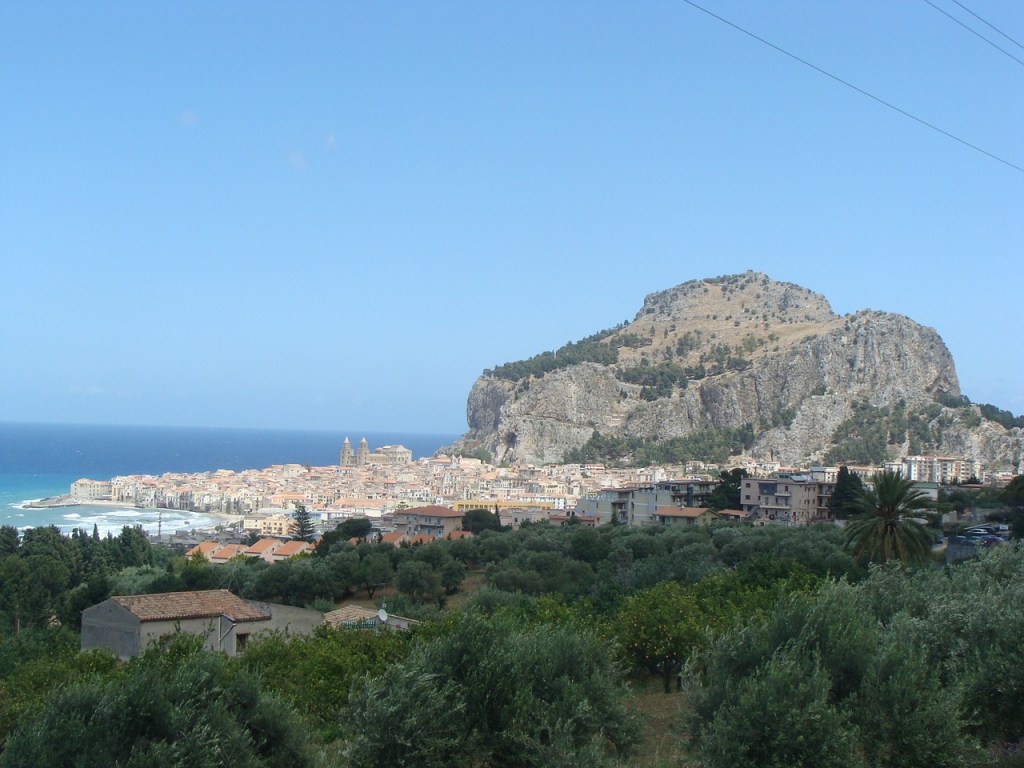
When people ask me what my favourite place in Sicily is, I give the name of the last one I visited, because each time I go there, Sicily works her magic on me and I fall in love again with the people, the scenery, the ambiance of wherever I happen to be. Last time it was Cefalù, the medieval town lying just an hour’s drive east of Palermo and located between its own natural bay and the towering rocky granite mass called La Rocca.
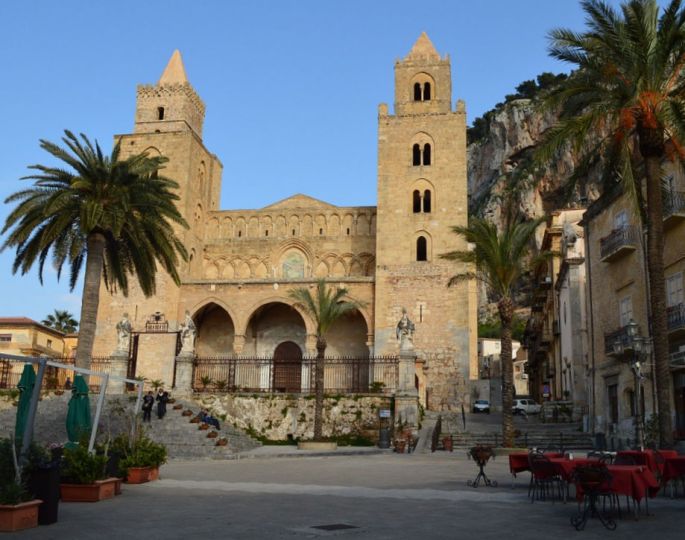
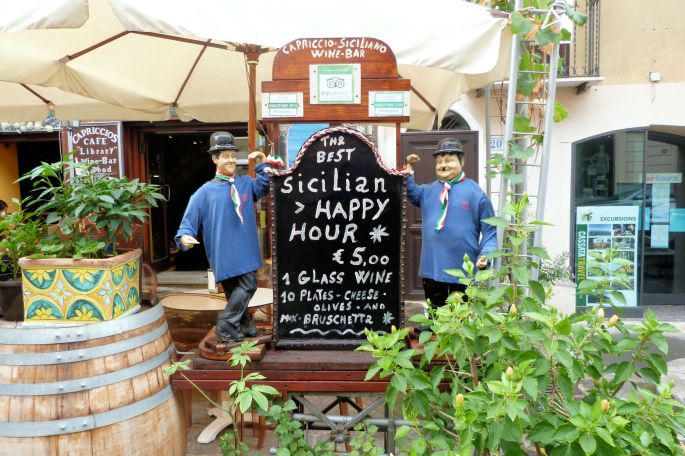
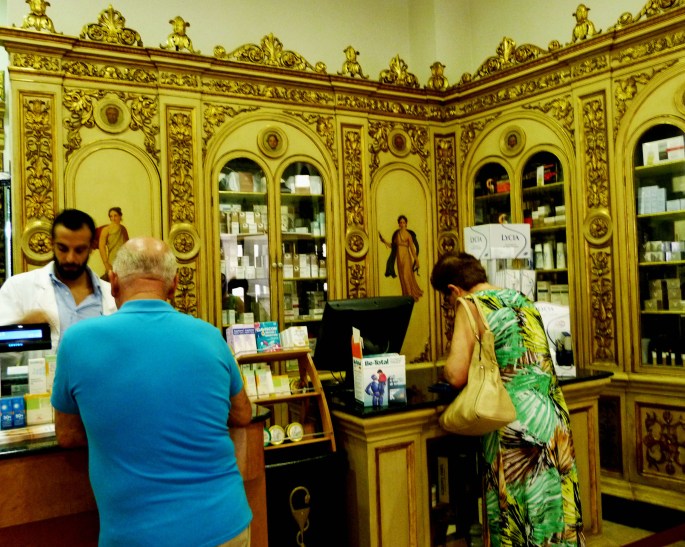
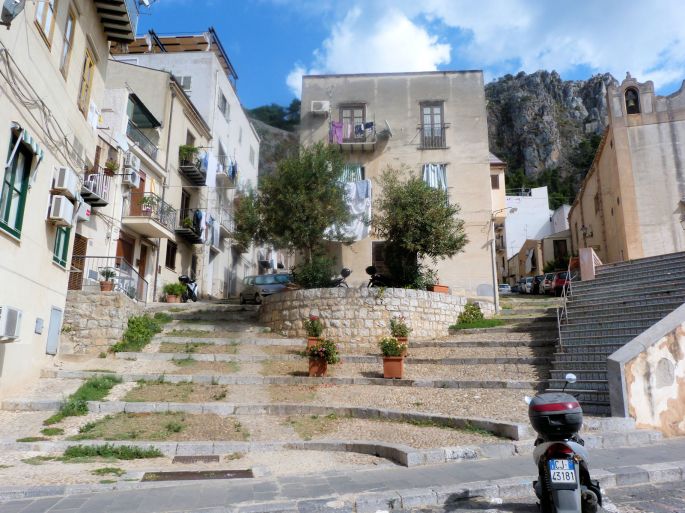
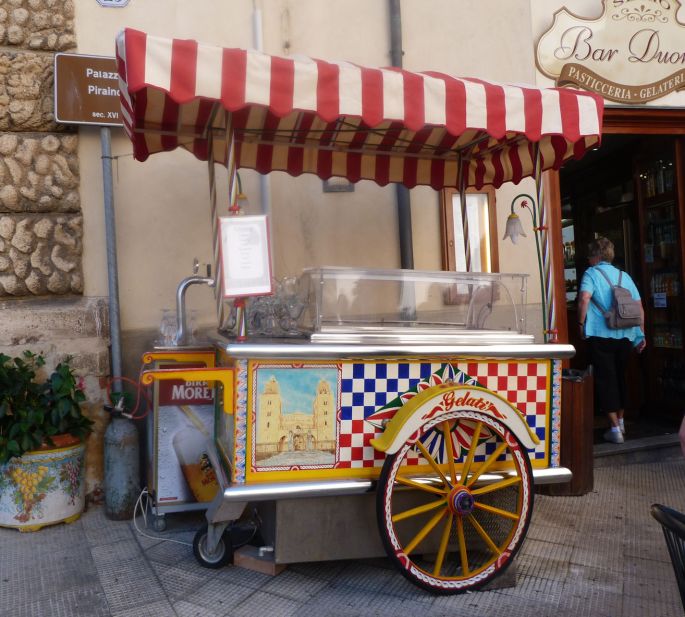
El Duomo, just off the main street I had thought of Cefalù as a touristy town as it seemed to feature in most of the holiday brochures but when I first walked down its winding medieval main street flanked with an array of little shops from artisan bakers and designer boutiques to a beautifully tiled pharmacy complete with ancient fittings, I realised how wrong I’d been. In between the shops are family-run restaurants serving the freshest of fish and local delicacies, and its unique Norman cathedral is right on the street, although set a little way back, its place in the life of the town assured. Doubly so, as there is a bar and a gelateria on the corner!
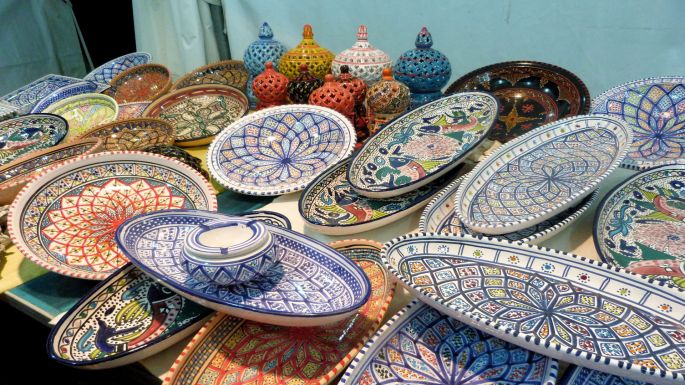
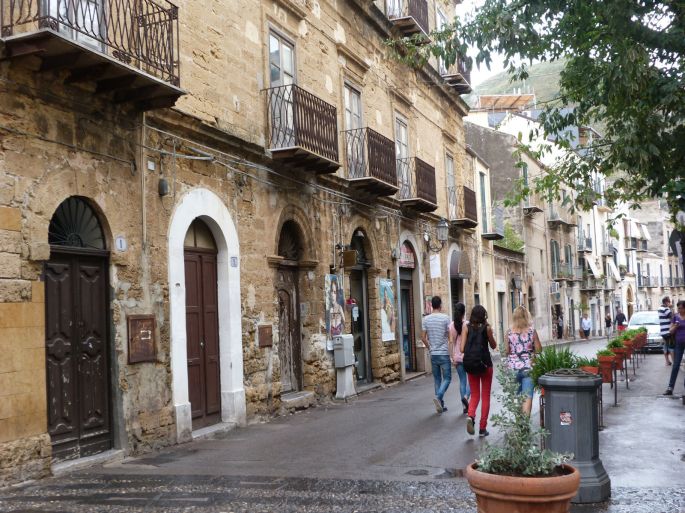
Street scenes in Cefalu, Local ceramics and Old Fashioned Pharmacy Cefalù’s origins go back to the Carthegenians. It was then colonised by the Greeks (the name derives from the ancient Greek word for “Cape”) but the town we see today was built at the behest of the Norman King, Roger II.
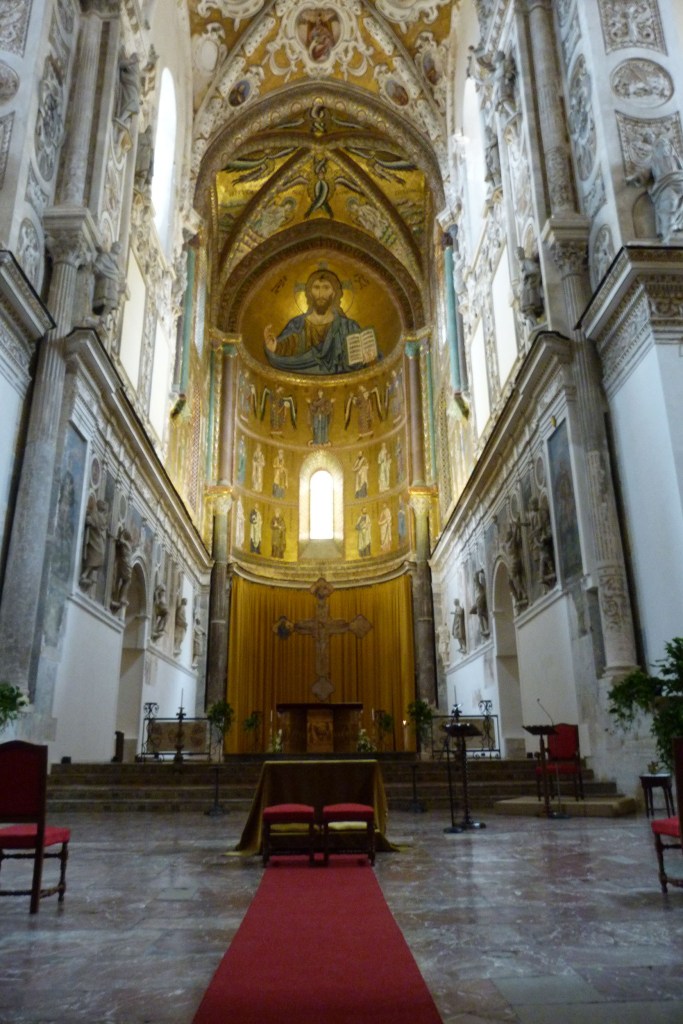
The building of the two-towered Cathedral began in 1131 and is a fine example of what is termed “Sicilian Romanesque”. There is an exquisite mosaic of Christ Pantocrator on a gold background above the altar, created by twelfth-century Byzantine artists which is twinned with the Palatine Chapel in Palermo and the Duomo in Monreale. If there is a chance to see all three on a trip do take advantage of this, because seeing the trio of mosaics enhances one’s appreciation of each one.
Towering above the Duomo and the town centre is La Rocca, a massive crag which presents an interesting challenge to walkers in the hot summer months. The steep ascent winds up ancient, well worn steps and footpaths but it is well worth the effort to reach the top. A bottle of water is essential. Don’t even attempt the climb in very hot weather,
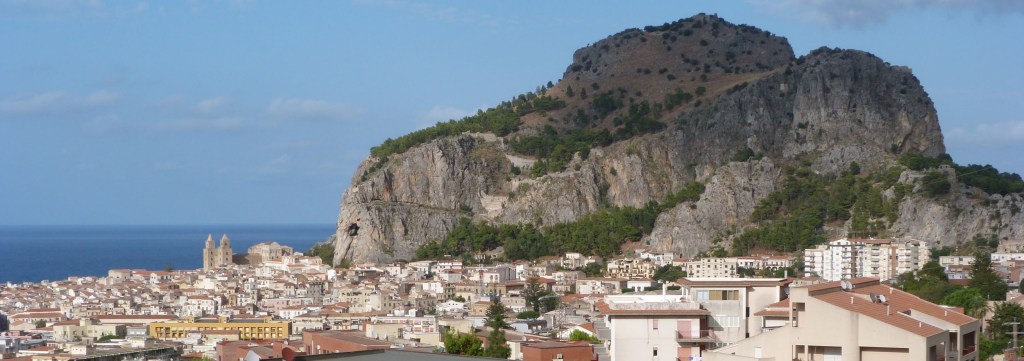
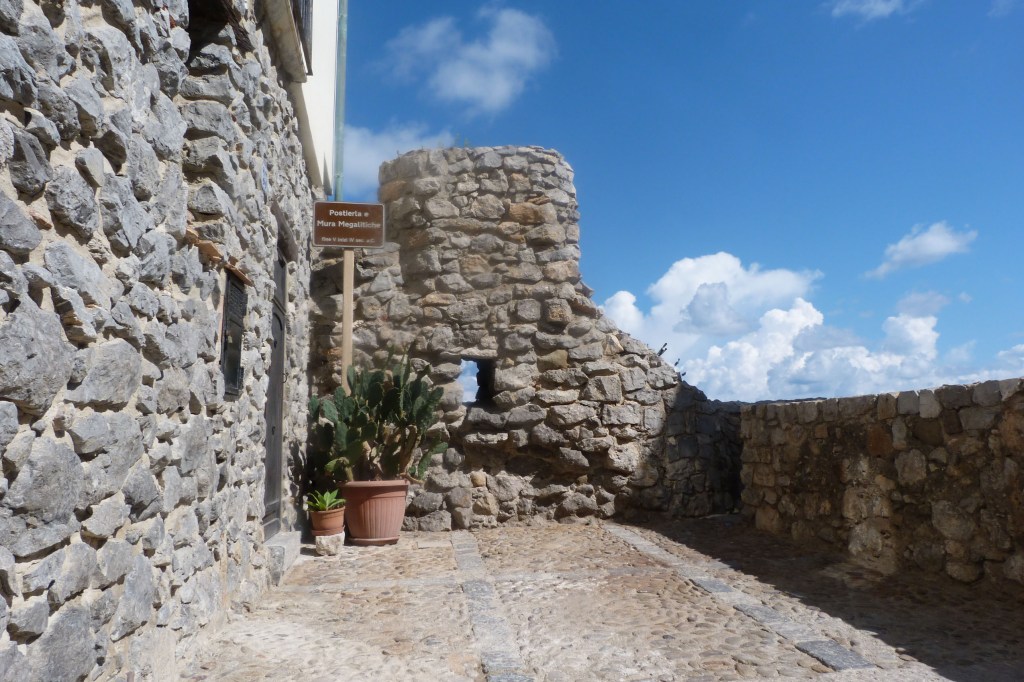
La Rocca, Cefalu It is an old Saracen stronghold and near the top there are the remains of a megalithic Temple of Diana which dates back to Sicanian-Greek times (the Sicans were one of the native peoples of Sicily, and Diana, of course, is a Latin name for the Greek goddess Artemis). Left to decay over time only parts of the fortress survive – fragments of several small castles and a vast medieval wall encircling the mountain. The crenelated ‘castle’ at the summit is a recent, but faithful, reconstruction and beyond the temple, the mountain is wooded with pine trees and a few indigenous shrubs.
As well as the ruins of the temple, the climb is worth the effort for the truly spectacular views of the cathedral, town and coast. Red roofed houses and the ochre and yellow walls of the town are gilded by the sun and on the dark sapphire of the sea tiny white sail boats are bobbing.
Around the old walls of the town and typical scene in town centre The harbour area with it narrow alleys and medieval buildings is a picturesque spot. Unlike most of the fishing villages that dot Sicily’s coast, Cefalù had a great and grand past – important enough for Roger II to build a cathedral here. Worth seeing are the Saracen wash-house, the Lavatorio, and the Osterio Magno originally thought to have been King Roger’s residence but which now houses art exhibitions.
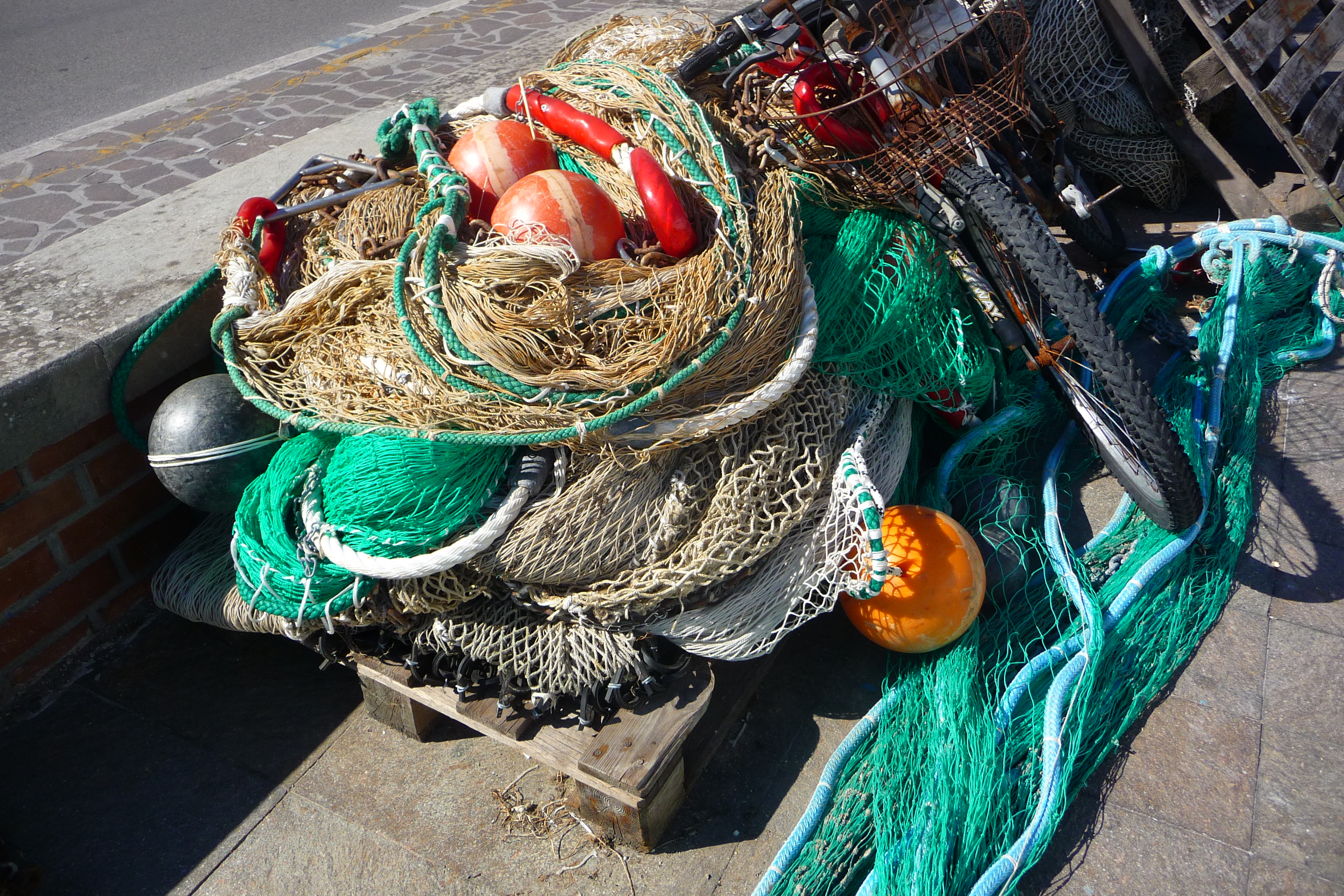
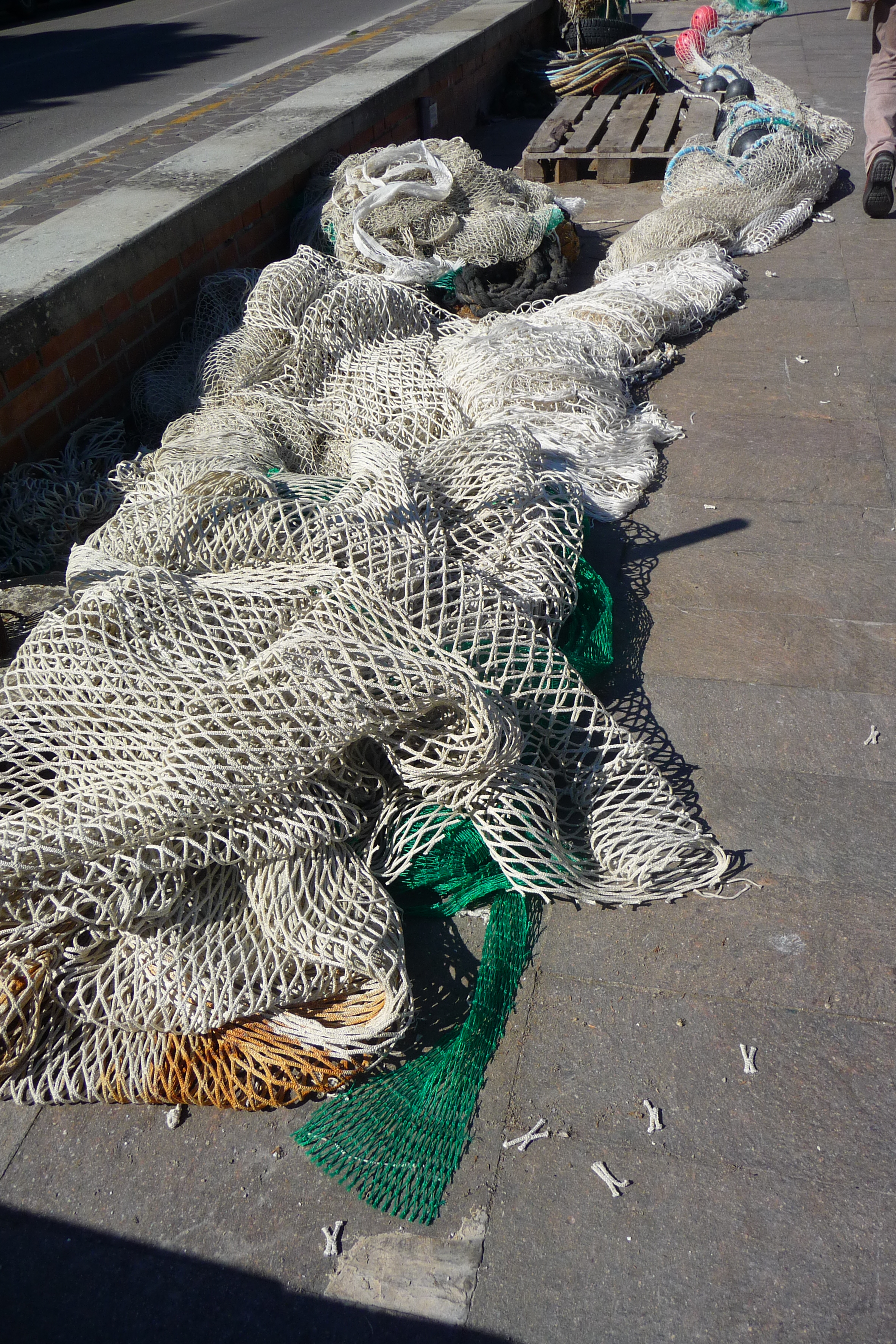
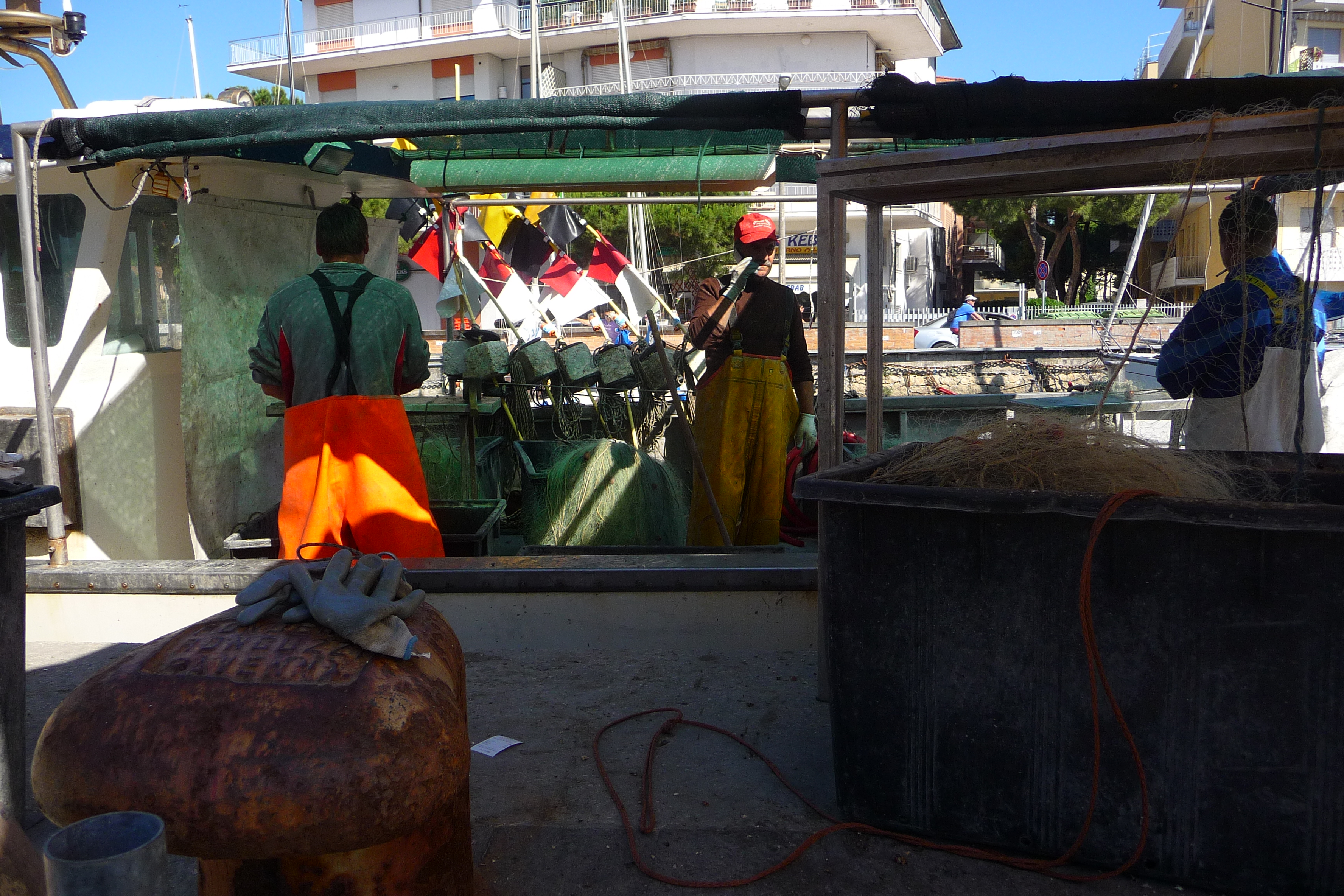
During the morning the fishermen sit on the quayside by their upturned boats, repairing their nets or getting ready to take to sea again, happy to exchange banter with the curious tourists who are fascinated by the method of net-mending. If it is not a school-day there will be children playing among the ropes of blue and orange and dogs and the occasional brave cat will chase each other around the lobster pots.
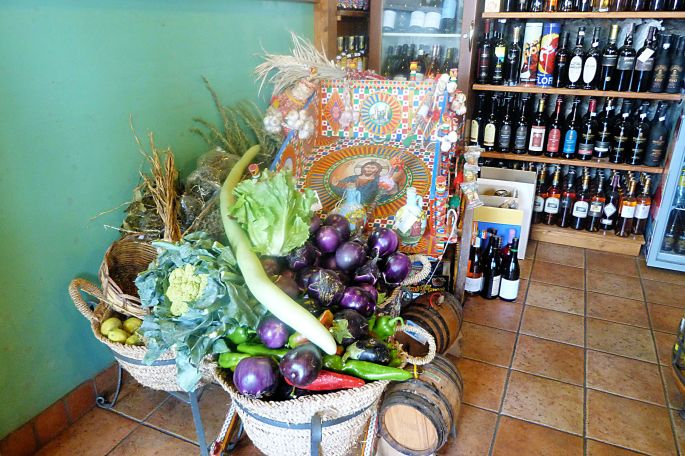
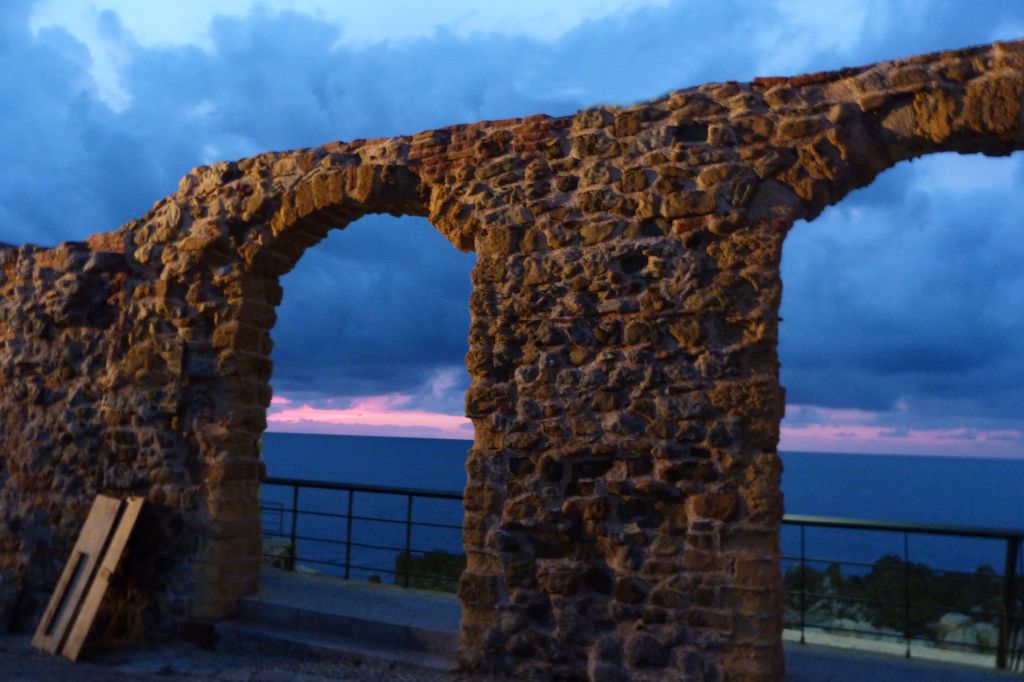
Style Italia, even in this small local shop While its later history was less distinguished, there is still an indefinable air of something important about this harbour. The beach is indifferent but its position, and views of stunning sunsets through archways in the walls make it a magnet for people at night, to walk along the rocky path that winds along the shore below the sea-facing walls and to drink coffee or wine in dusky bars that hug the waterfront.
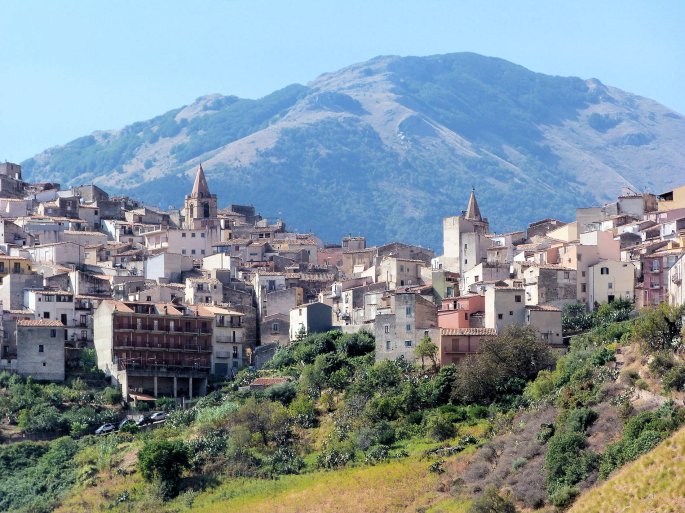
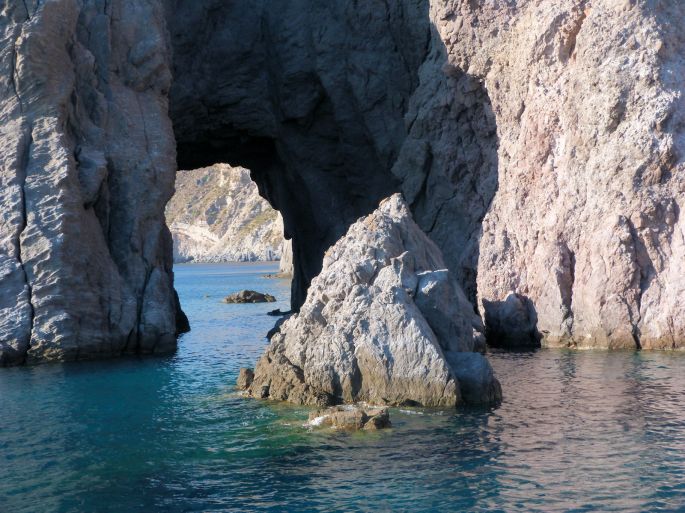
Around Cefalù, places of interest include a hillside pilgrimage destination, the Sanctuary of Gibilmanna, and directly south of Cefalù is the Madonie National Park (my own favourite) where holiday-makers will find skiing in winter and hiking in spring and autumn. The pictuesque town of Castelbuono in the park makes a pleasant day out whether you take a taxi or a bus (a 40 minute journey departing from Cefalù railway station), Palermo is just an hour away by train, and the Aeolian Islands can be reached by hydrofoil in the summer, including Volcano Island with its still live volcano (best seen at night if you have time).
1) Madonie National Park and 2) the waters around the Aeolian Islands Sicilian cooking has a reputation second to none but those with a nut allergy should be careful. Sicilians really love pistachios. They eat these green nuts wherever possible and will even smear pistachio paste from a jar on a slice of panettone. They sprinkle them over pastries, create wonderful ice cream with them and make pasta sauce with them. Pasta with prawns, tomatoes and pistachio has to be eaten to be believed – it’s fabulous. And while pistachio ice cream is not unknown to us in Europe or the USA, that in Sicily has a flavour so intense that most people after the first one, ask for ‘a large one’ next time.
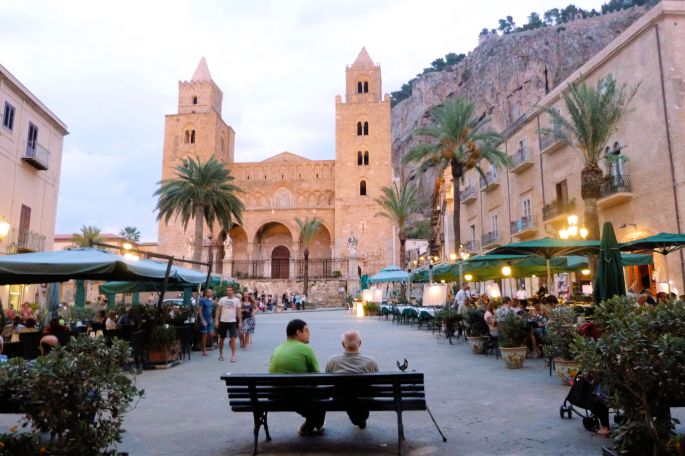
Where better for an aperitif ? Right in front of El Duomo And Cefalu also has beaches. Most beaches have a charge for chairs and umbrellas but along with this you get clean sands and well behaved people, sunshine, sea, boat rides, and often a cafe. What more could the seeker after a hedonistic holiday ask for?
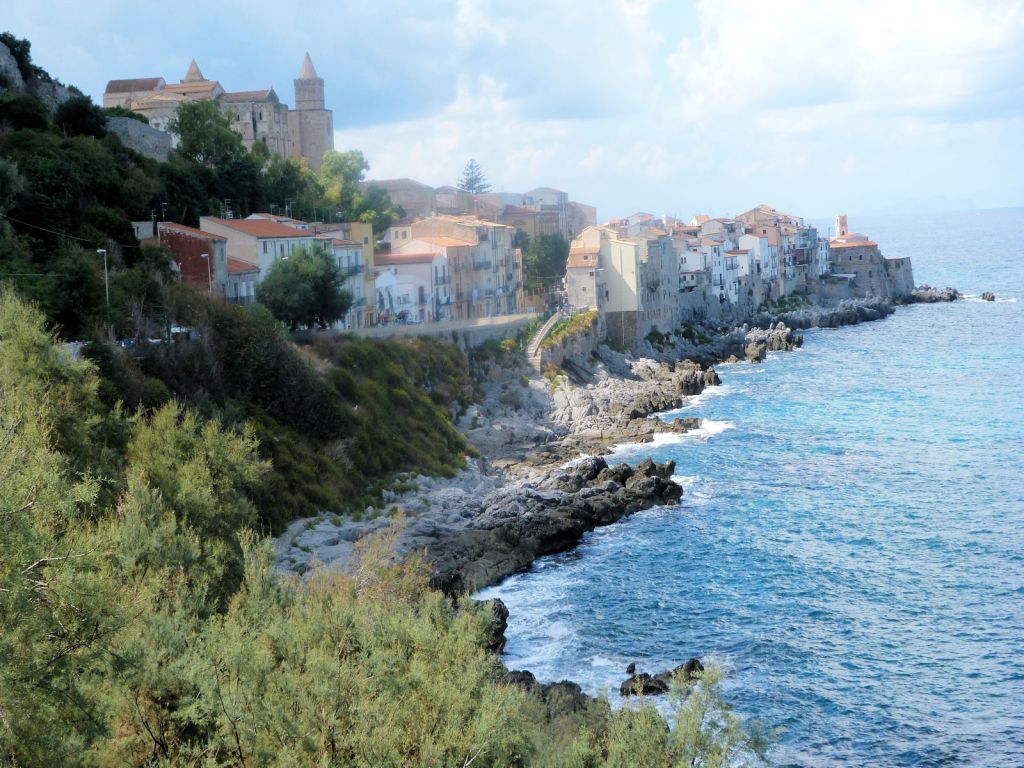
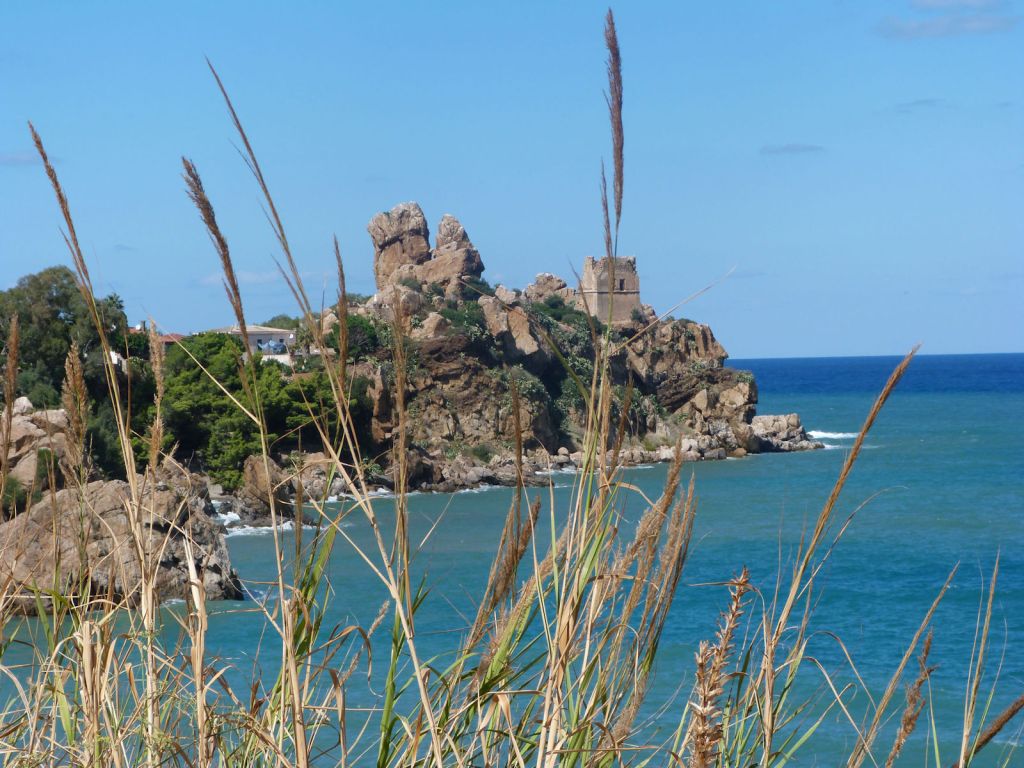
1) Rocky Coast around Cefalu. 2) Stop me and Buy One Gelateria 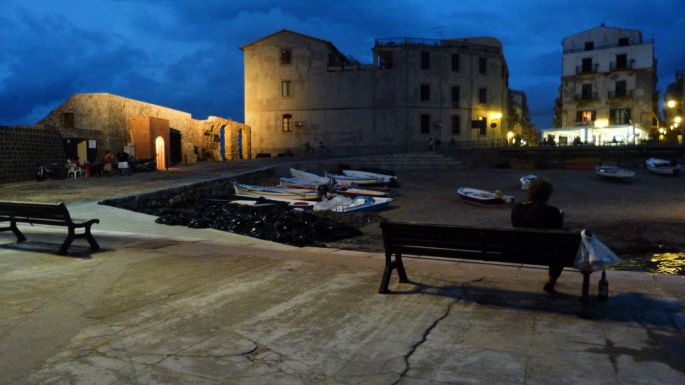
Cefalu Harbour at Night -
Sculpture Saturday
One day late

Unknown in Salamanca They must have run out of plaques when they erected this sitting man statue on the walls in Salamanca but a student told me it was the writer Unomuno. It’s not shown among the 20 most famous statues in that city of many statues, but I loved it.
Link to Sculpture Saturday
-
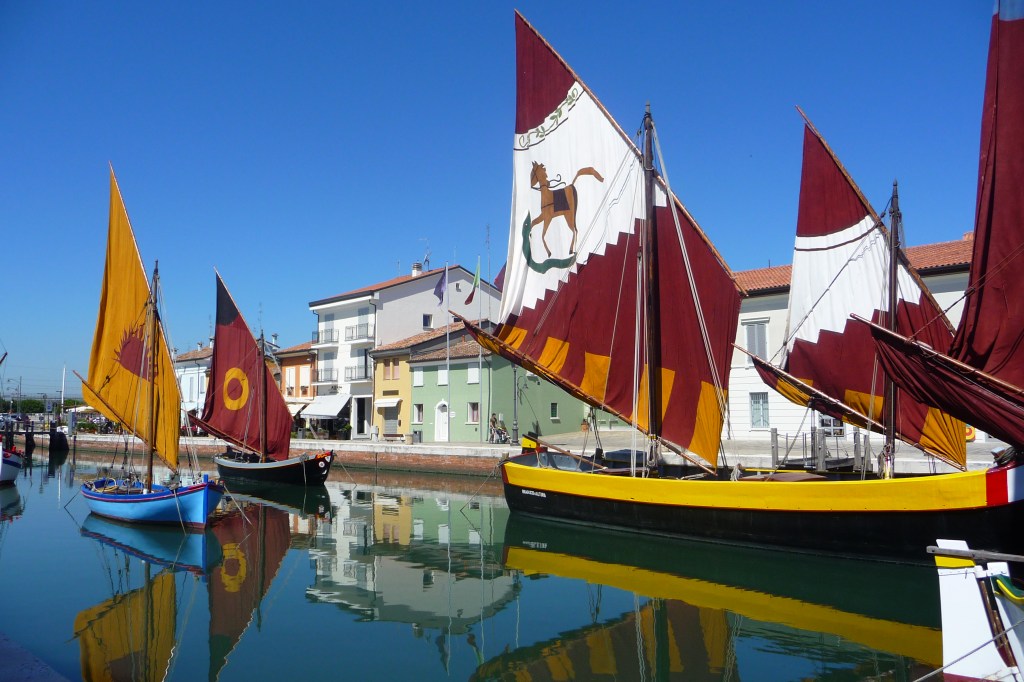
CESENATICO AND THE LEONARDO DA VINCI CANAL
Leonardo da Vinci Canal
For years now I’ve been totally in love with the region of Emilio-Romagna in Italy, mostly, I admit, because of its food, but my first flirtation with the area came when I visited Cesenatico. It was here that I discovered that the canal that runs through the centre of the town, was designed by Leonardo da Vinci and I was immediately charmed. That the genius who produced so much art could also put his mind to something so mundane, seemed so wonderful. Is there nothing he didn’t design? How had it escaped me?
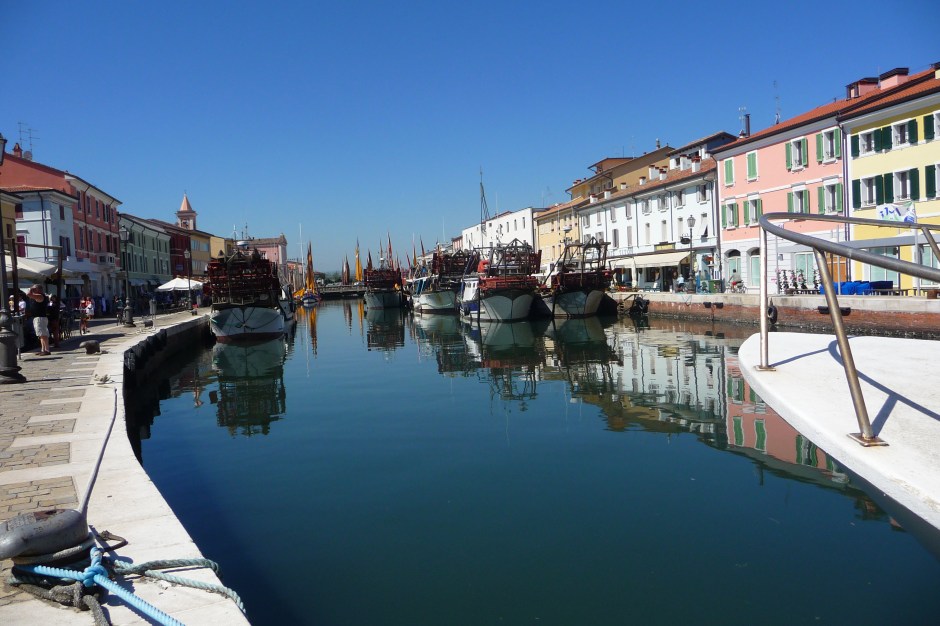
Canal and Port Cesenatico has been a popular seaside resort for Italian visitors since the early 20th century, but it wasn’t until the end of the Second World War when people began to seek pleasure in sandy beaches and sun that its tourist trade really took off : Cesenatico’s beaches stretch for over five kilometres. More recently, the town has seen an influx of visitors attracted by the beaches and shallow waters of the Adriatic, the bars, bistros, elegant shops and gelateria that line the canalside, and the near perfect weather.

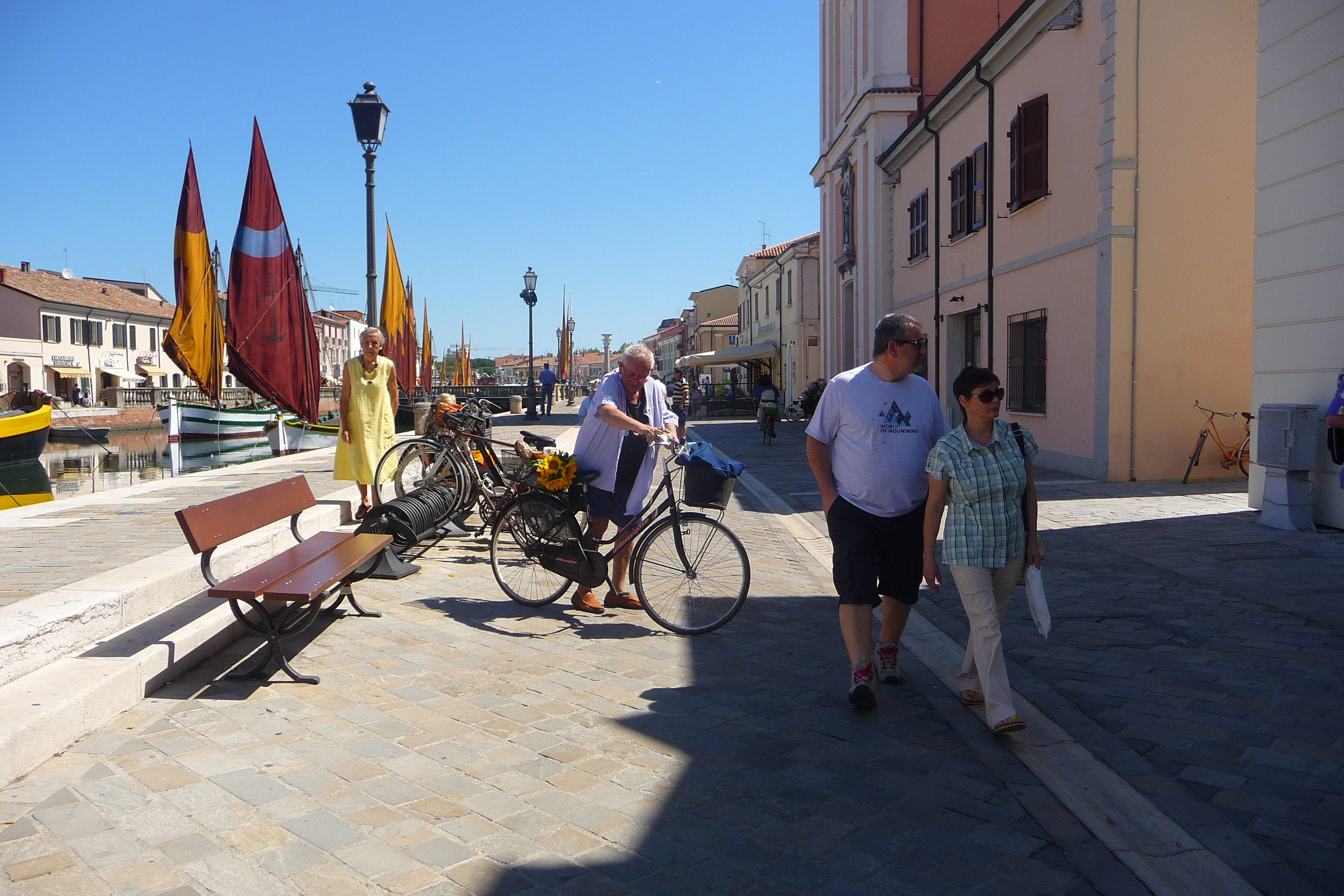
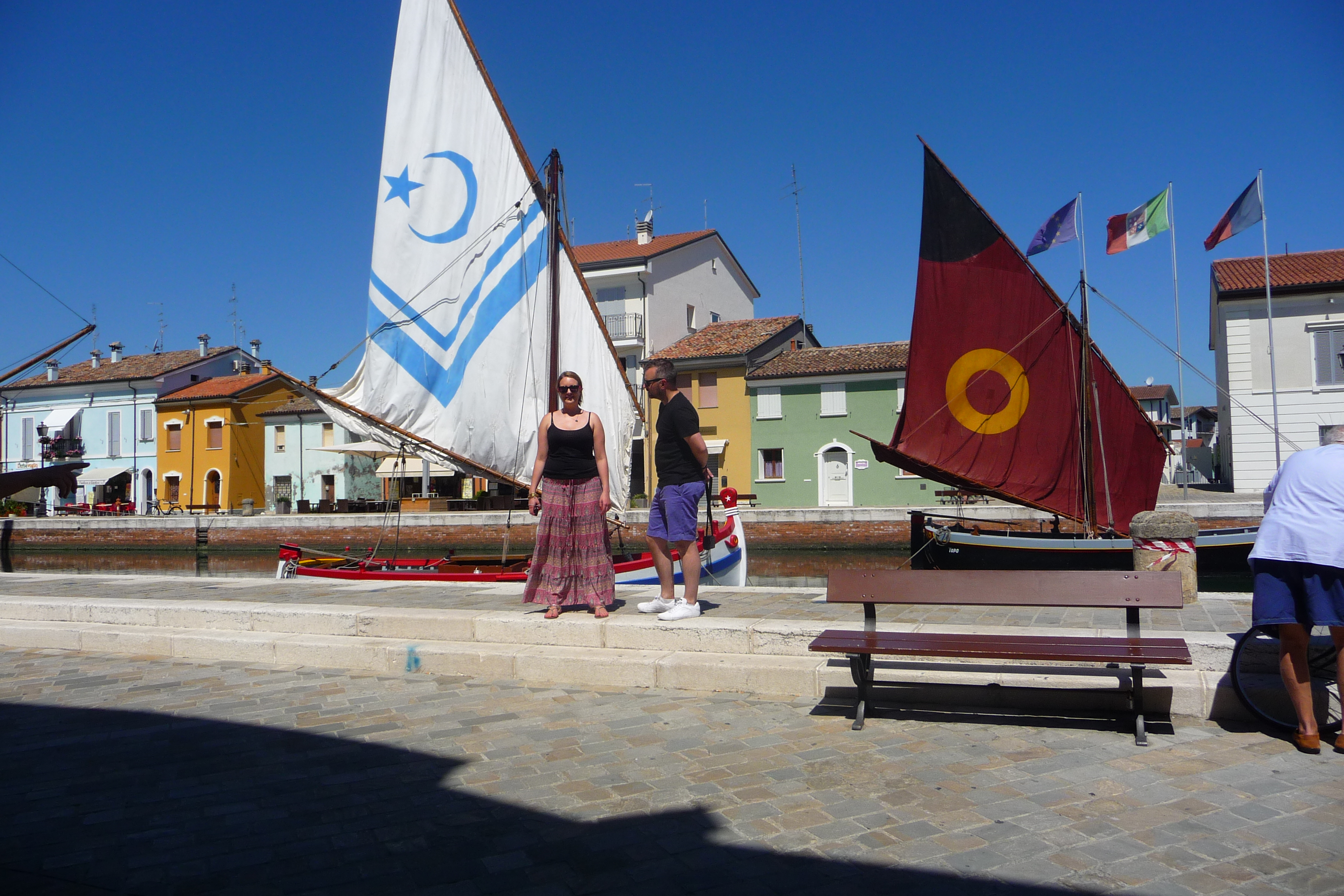
Outdoor Museum of Boats on the Canal This is as medieval as it gets and it rings with names from history. The ancient fishing harbour was designed in 1502 by da Vinci on the orders of Cesare Borgia, two names to set the mind racing. One part of the canal has been closed off to accommodate the Floating Museum of Marine History in which eight perfectly restored boats of the type that were once used locally for trade in the upper and middle Adriatic are on display. Painted in the natural colours that were used in the past, each sail represents a different fishing family from the area. This was done originally so that the boats could be recognised at a distance: today they are a lesson in maritime history.


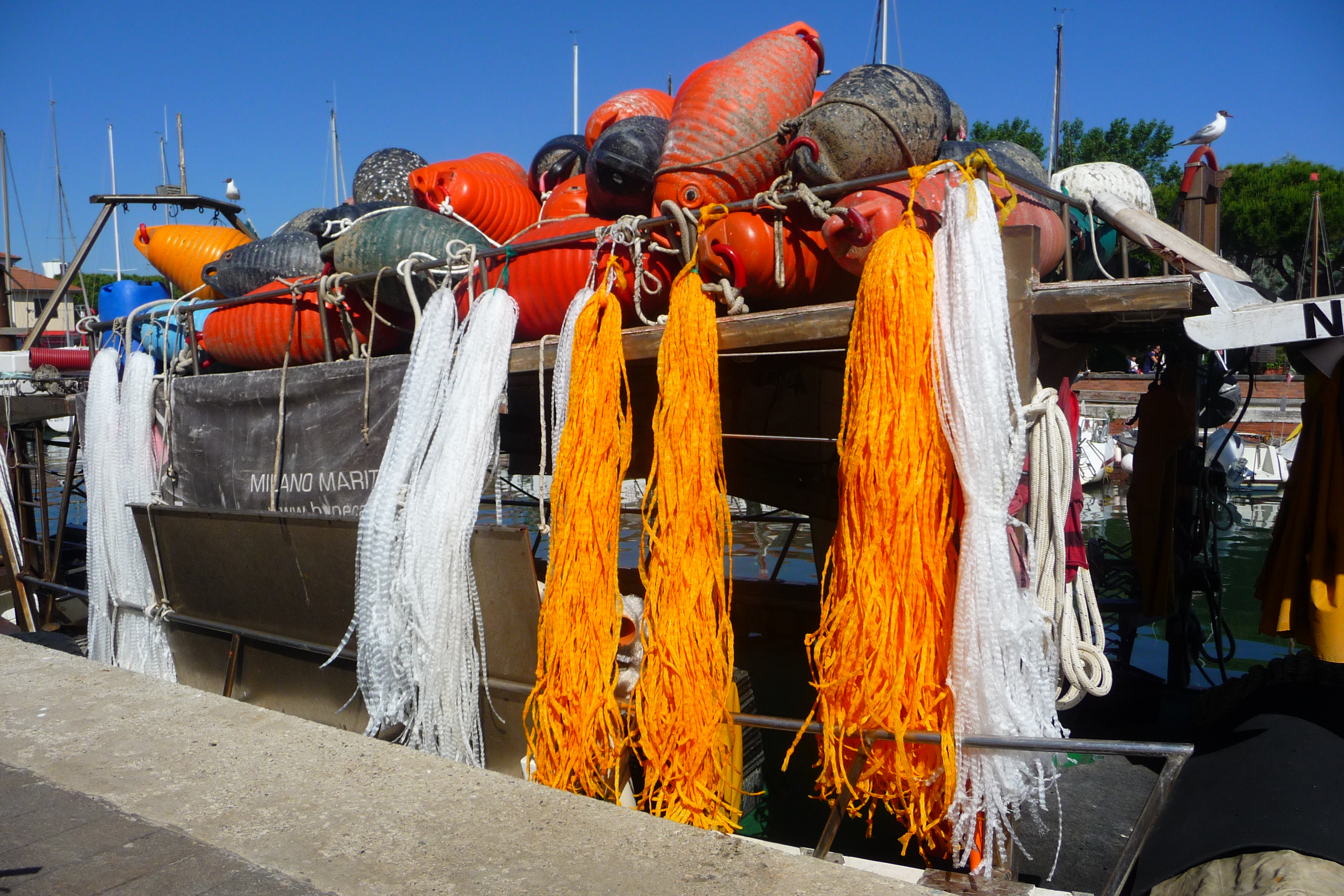
Alongside the canal the indoor Maritime Museum houses artefacts and documents dating back to the prehistory of navigation. As the port supports today’s fishing industry the canal bustles with working boats, many of which sell their catch from the boat. Weaving in and out are small yachts and leisure craft for the canal has an attraction for all who love messing about on boats.

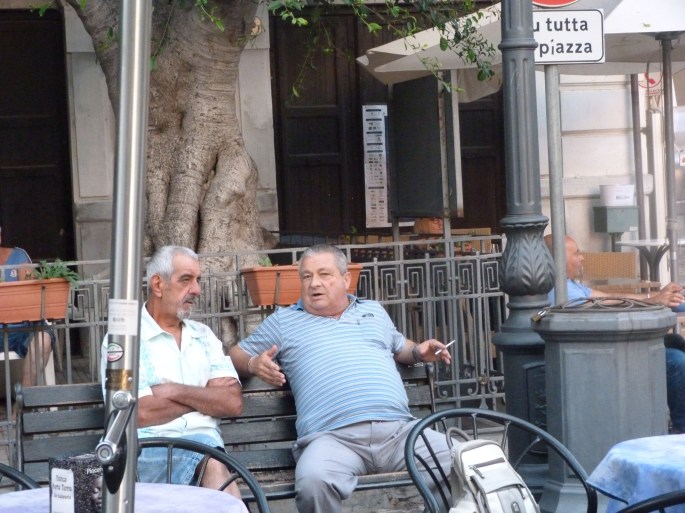
If it’s a sunny day and being indoors is not to your liking, then admire the collection of medieval boats on the canal while sitting at a nearby café with a glass of the delicious local wine. If you are there on a Sunday expect to see elegant ladies tottering about on their Louboutins, tiny dogs clutched in their arms, impeccably dressed young men making the passagieta with or without their girlfriends, and old men sitting outside the bars nursing espressos and smoking.
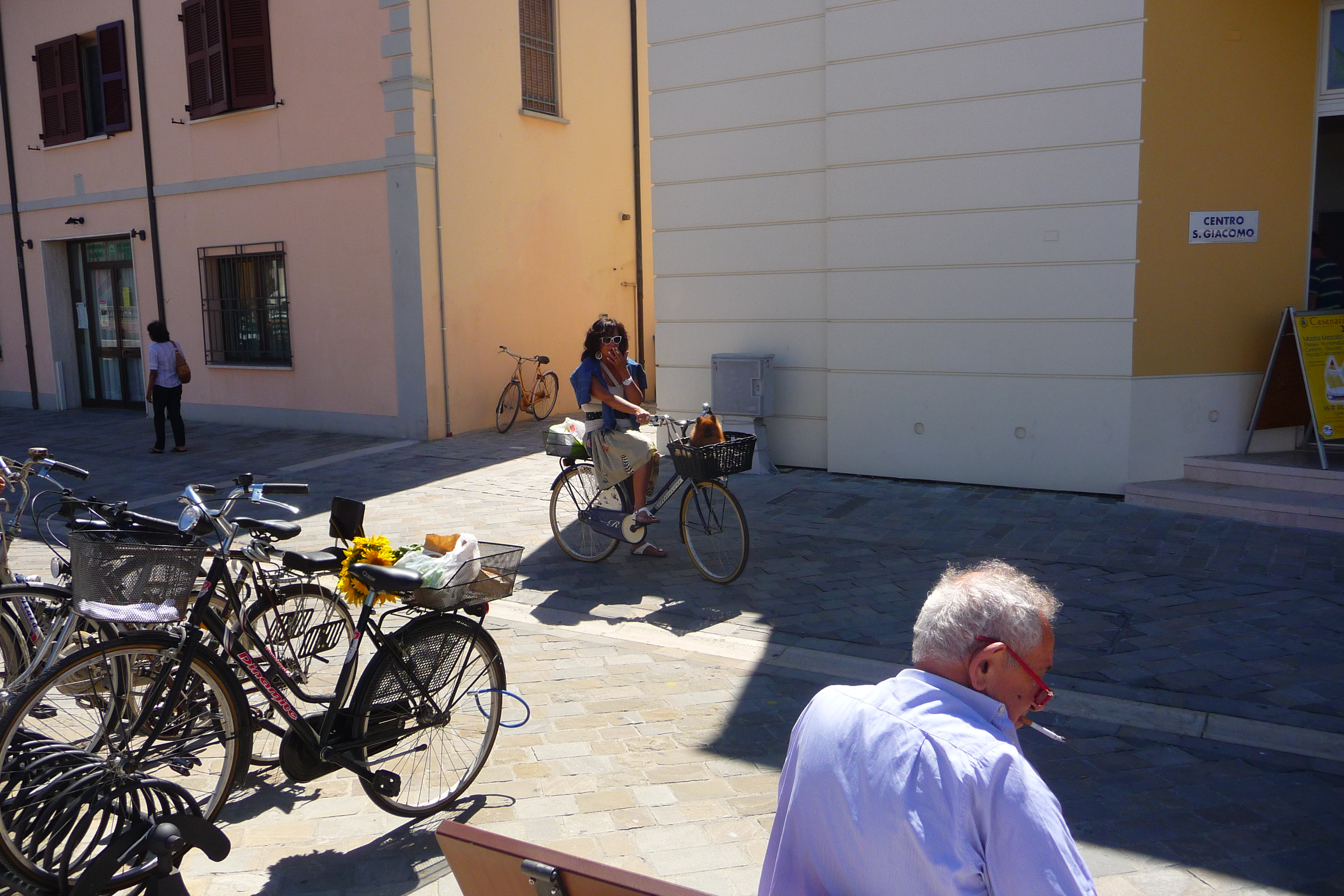
Cesenatico was the first Italian town to erect a monument in honour of the great Liberator of Italy, Giuseppe Garibaldi, to signify his connection to the town and this statue can be seen in Piazza Pisacane. In August of 1849, the great man, his wife, and other patriots fleeing from Rome were hunted down here.
There are a few other monuments to visit if you can drag yourself away from the port and its charms or the beach and the calm waters. The birthplace of the poet Moretti is now a centre for the study of 20th century Italian literature with a display of his books and papers, and the Theatre built by the architect Candido Panzani which, having survived damage sustained during the Second World War was restored in 1992, is architecturally very interesting.


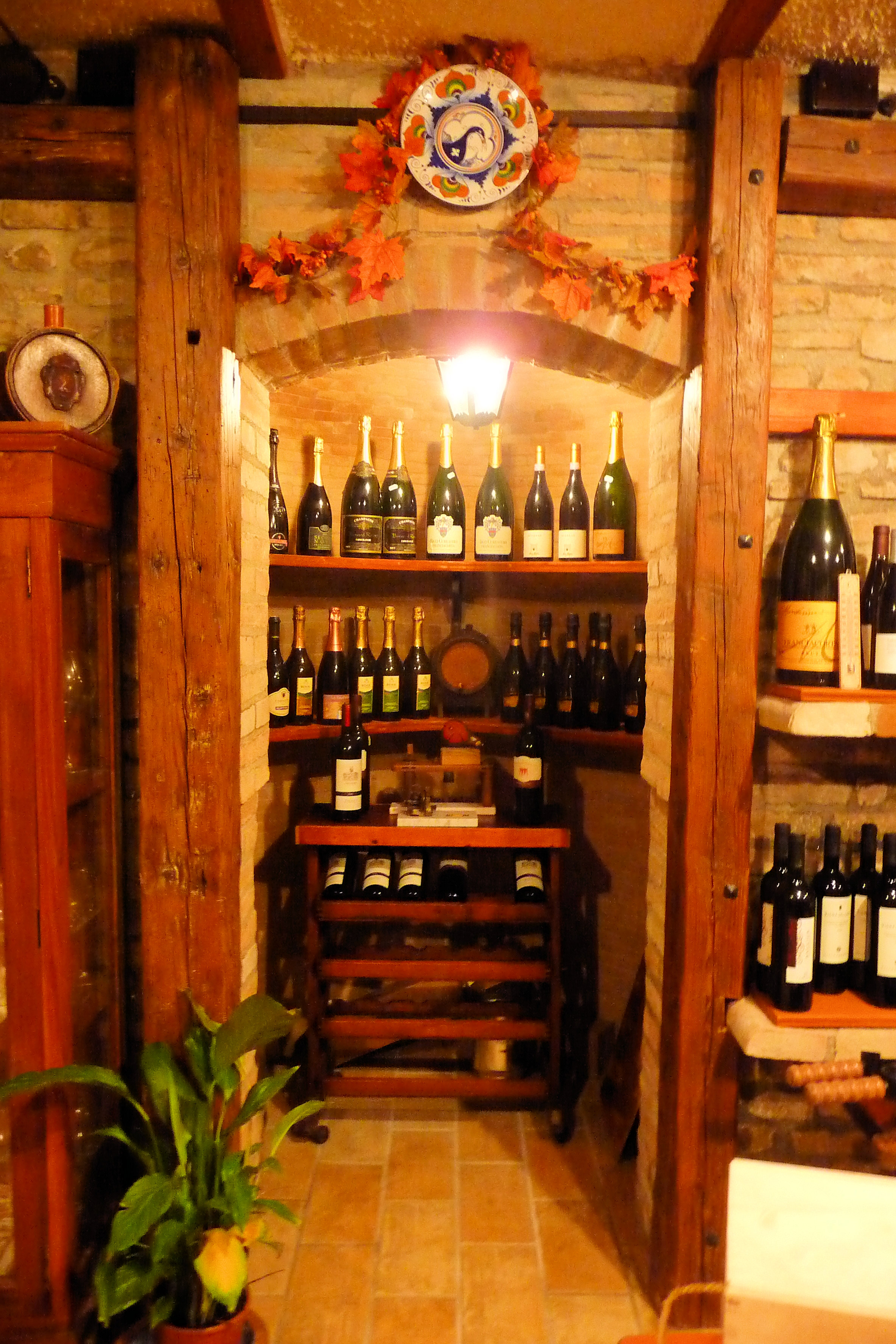
But Cesenatico is really a place made for relaxation, for doing what the locals do, chill out with a coffee and grappa, lunch al fresco with local wines, or dine elegantly while watching the world go by.
The region of Emilia-Romagna in Italy has many lovely towns and villages but none, apart from Cesenatico, has a canal designed by Leonardo da Vinci, running through it.
-
POMPEII
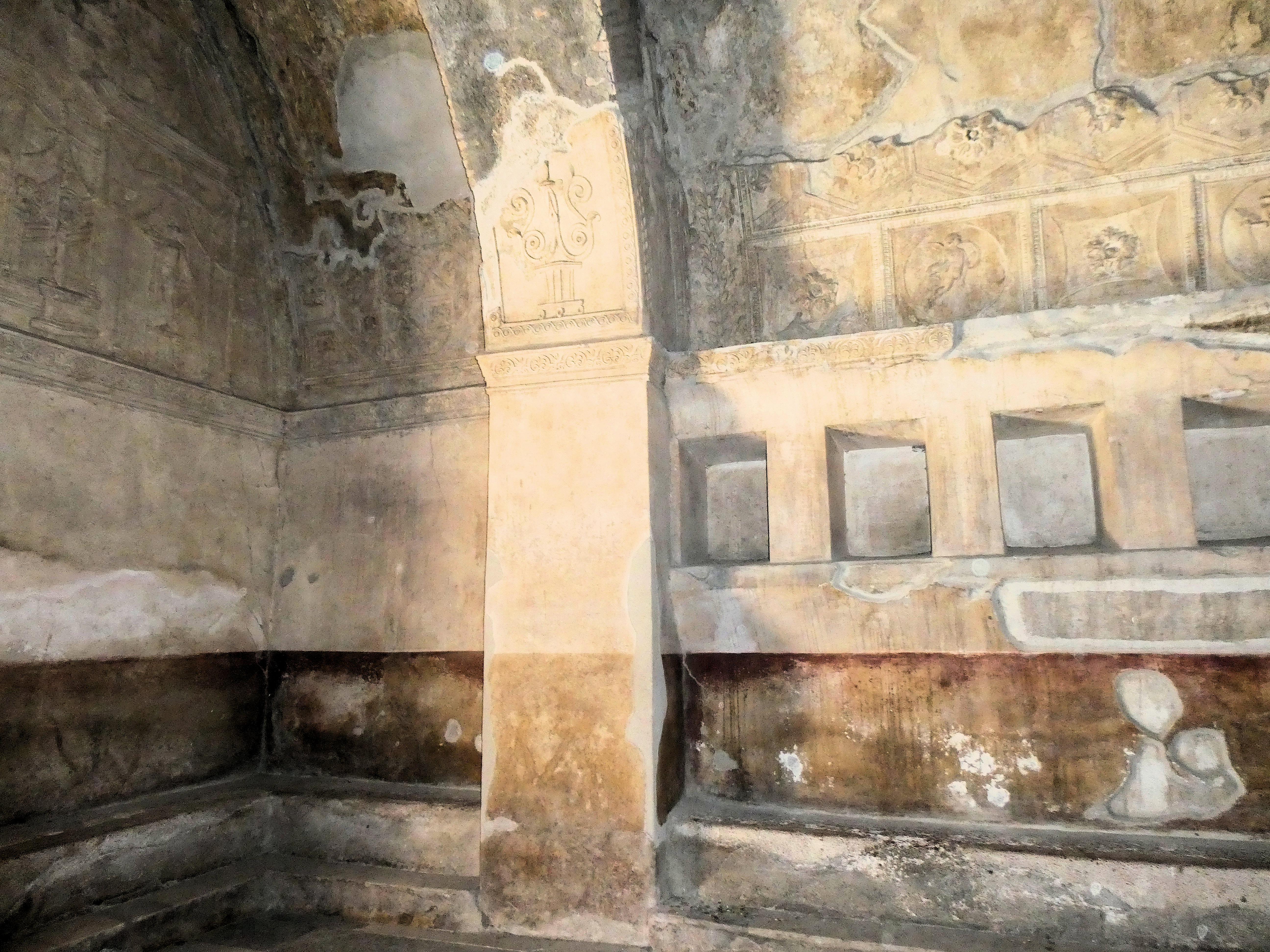
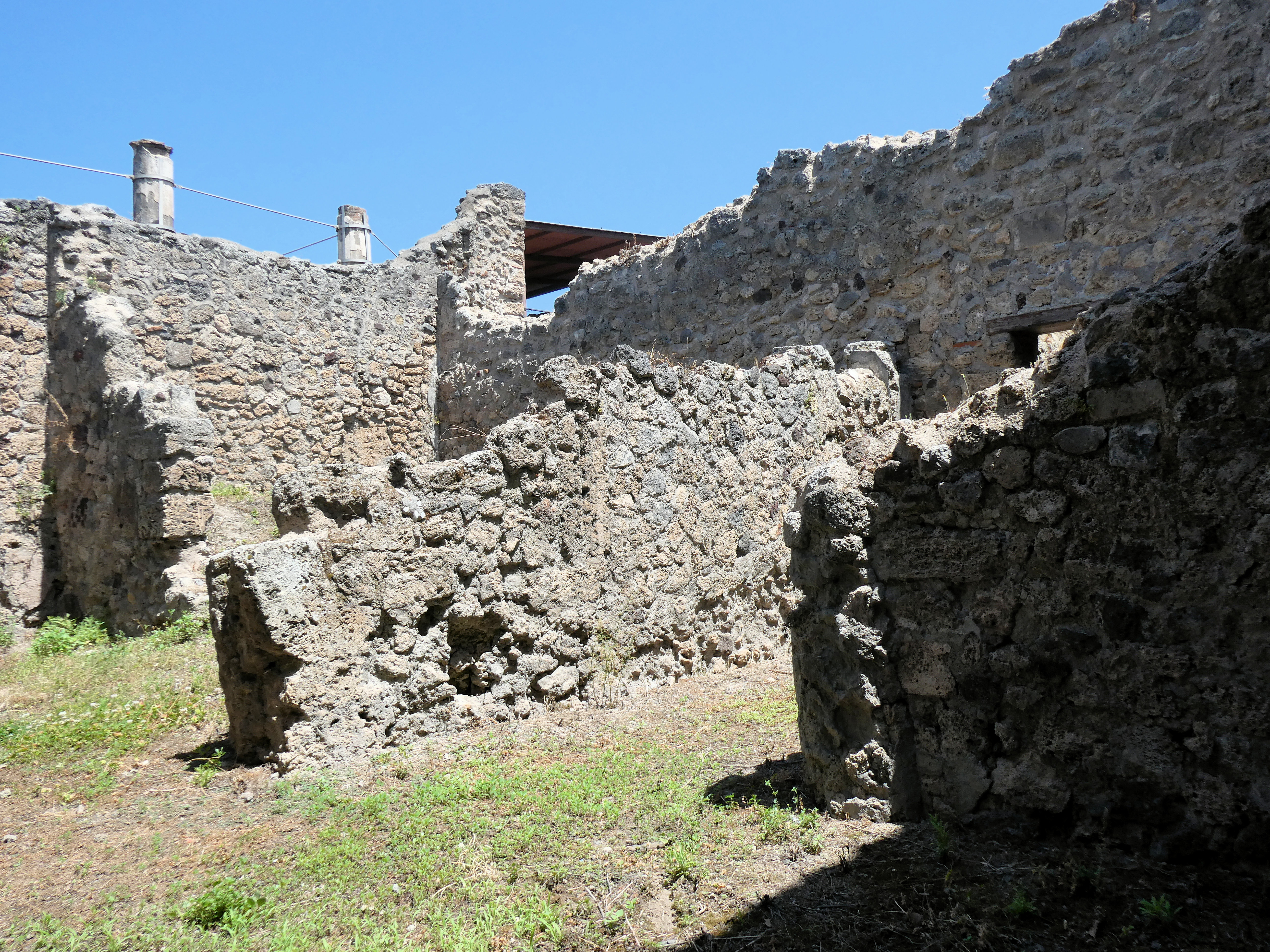
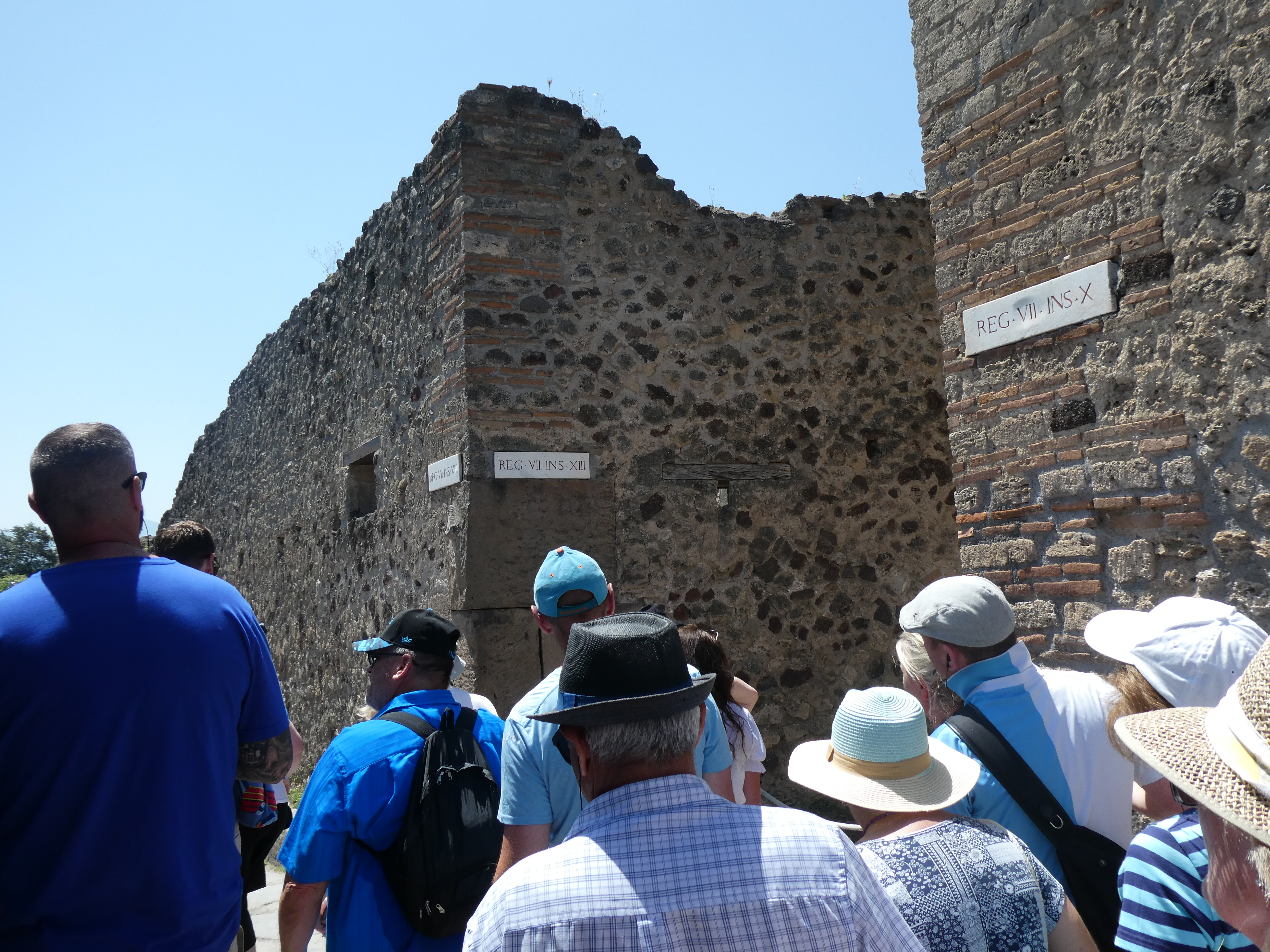
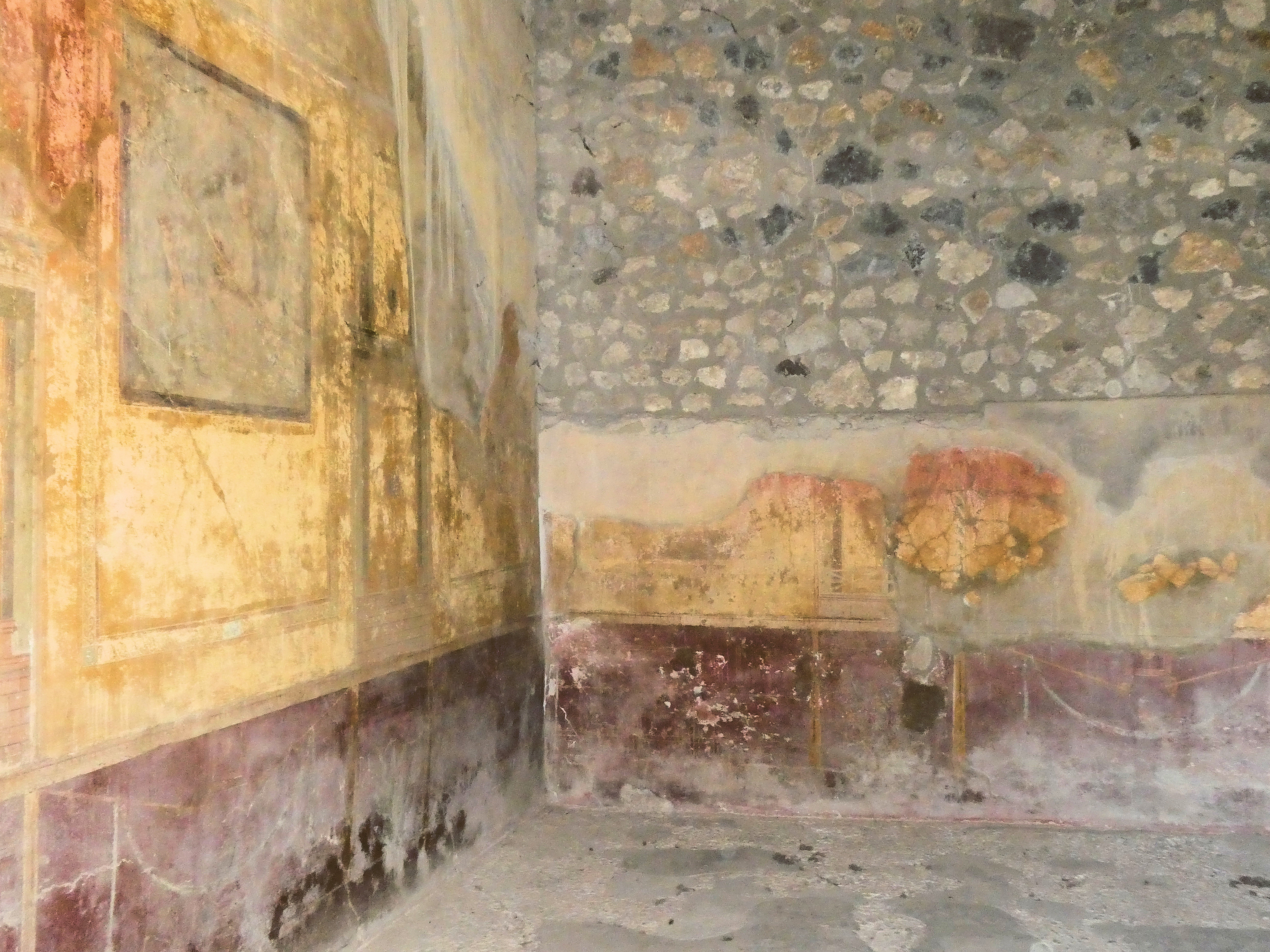
Most people know about the tragedy that was Pompeii so it would be presumptuous of me to write a post on its history. I will, therefore, content myself with posting some images I took when I was there in June last when I struggled in the heatwave and the crowds that had disembarked from the 3 cruise ships in the Bay of Naples. Here are just a few essential details.
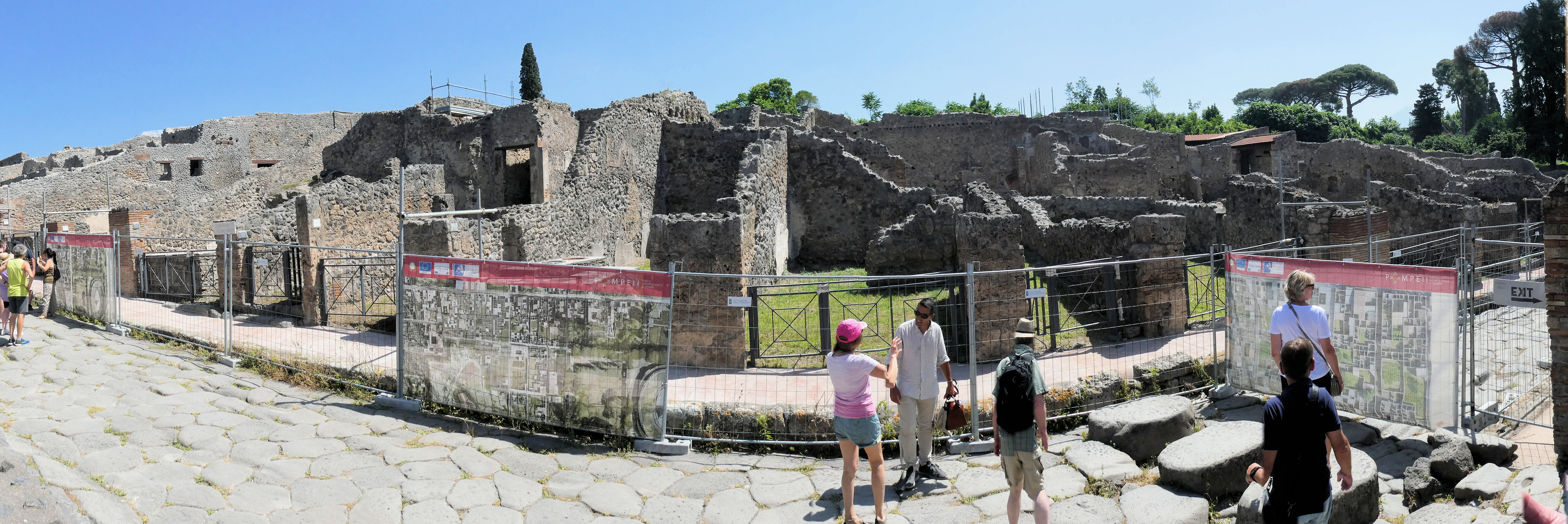

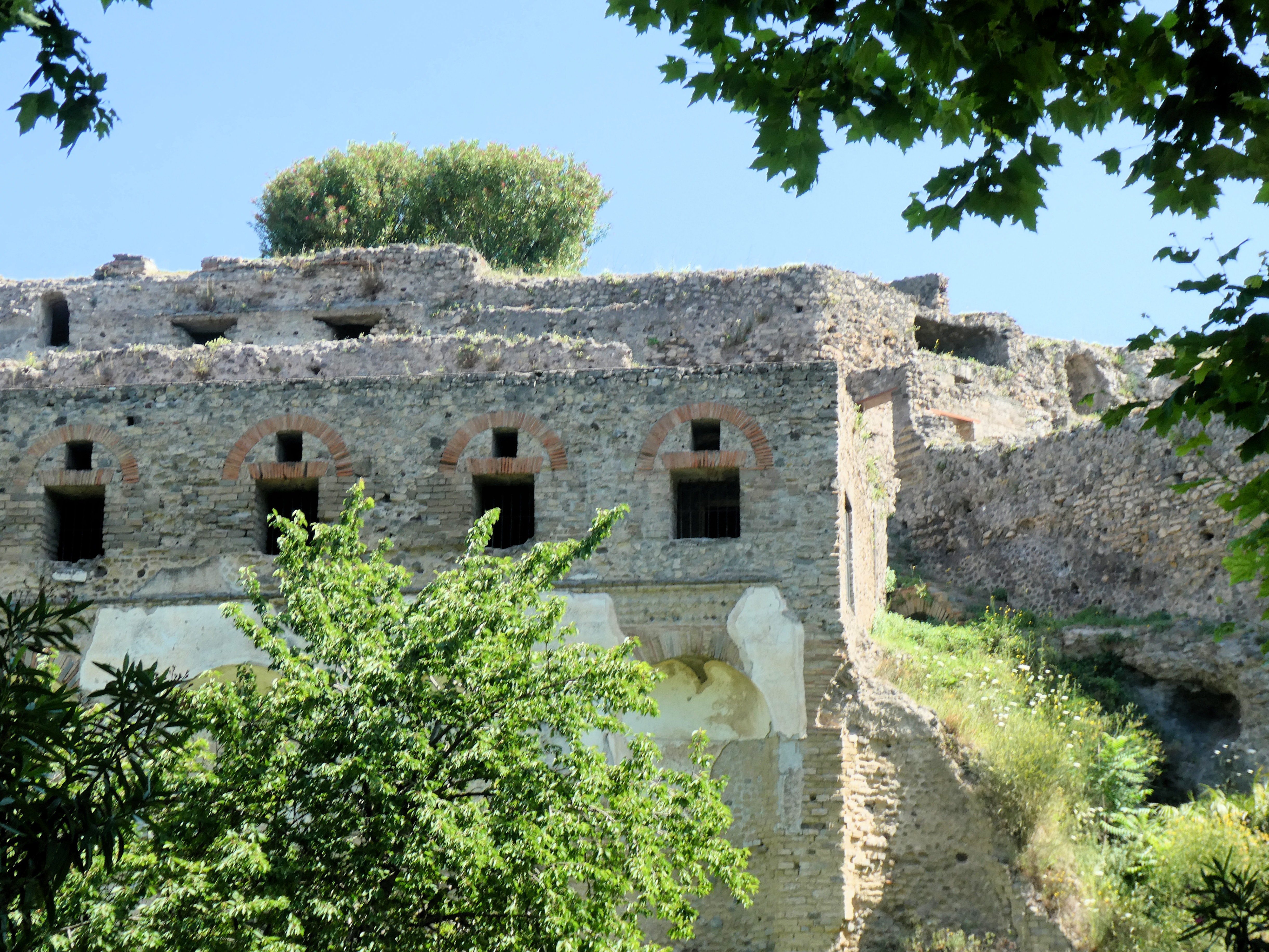

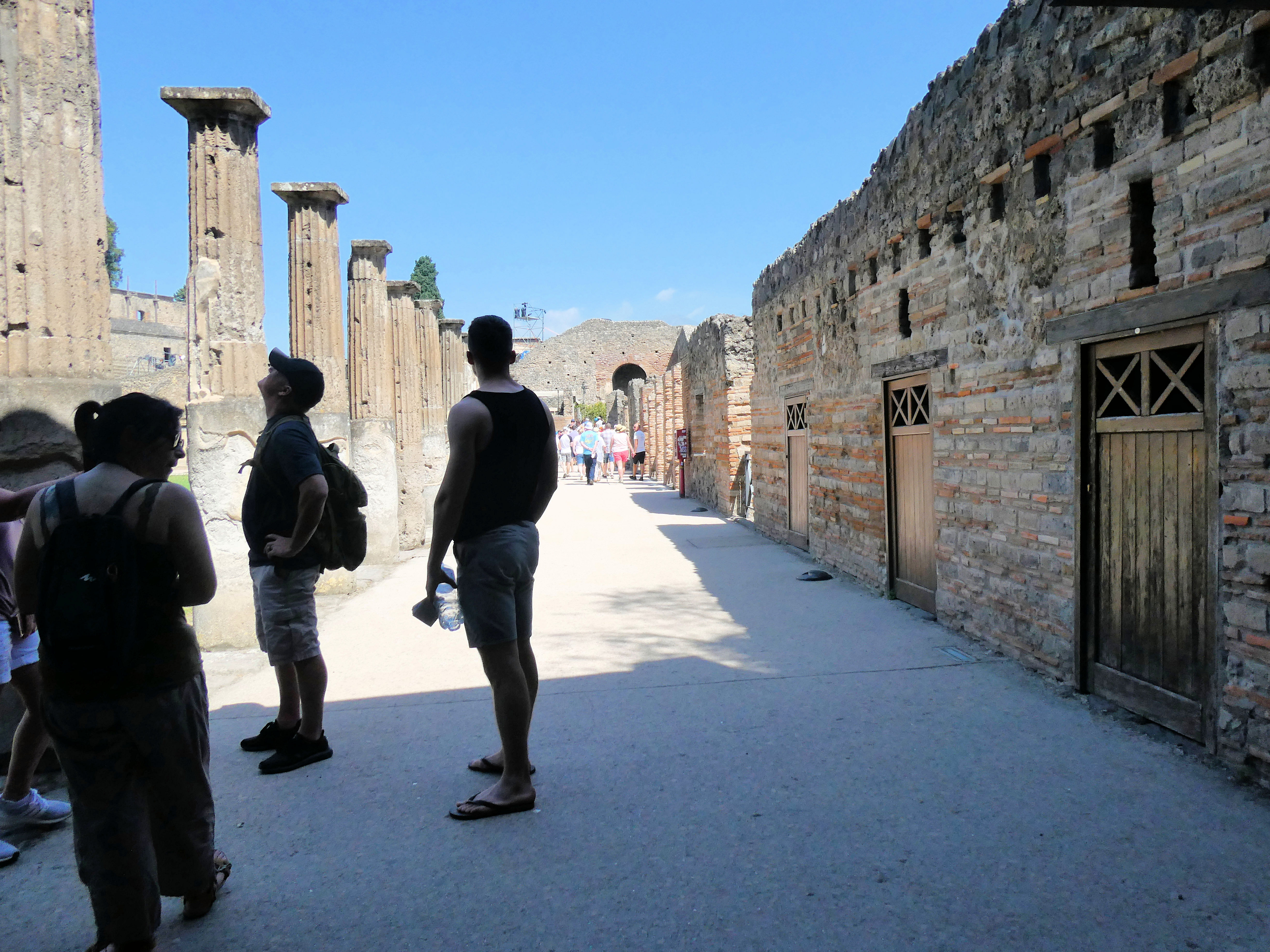
It wasn’t until 1594 that the architect Dominico Fontana, discovered the ruins while digging a canal but serious excavations didn’t begin until the mid 18th century. Of the city’s original 66 hectares, 44 have now been excavated but not all of this area is accessible to the public.

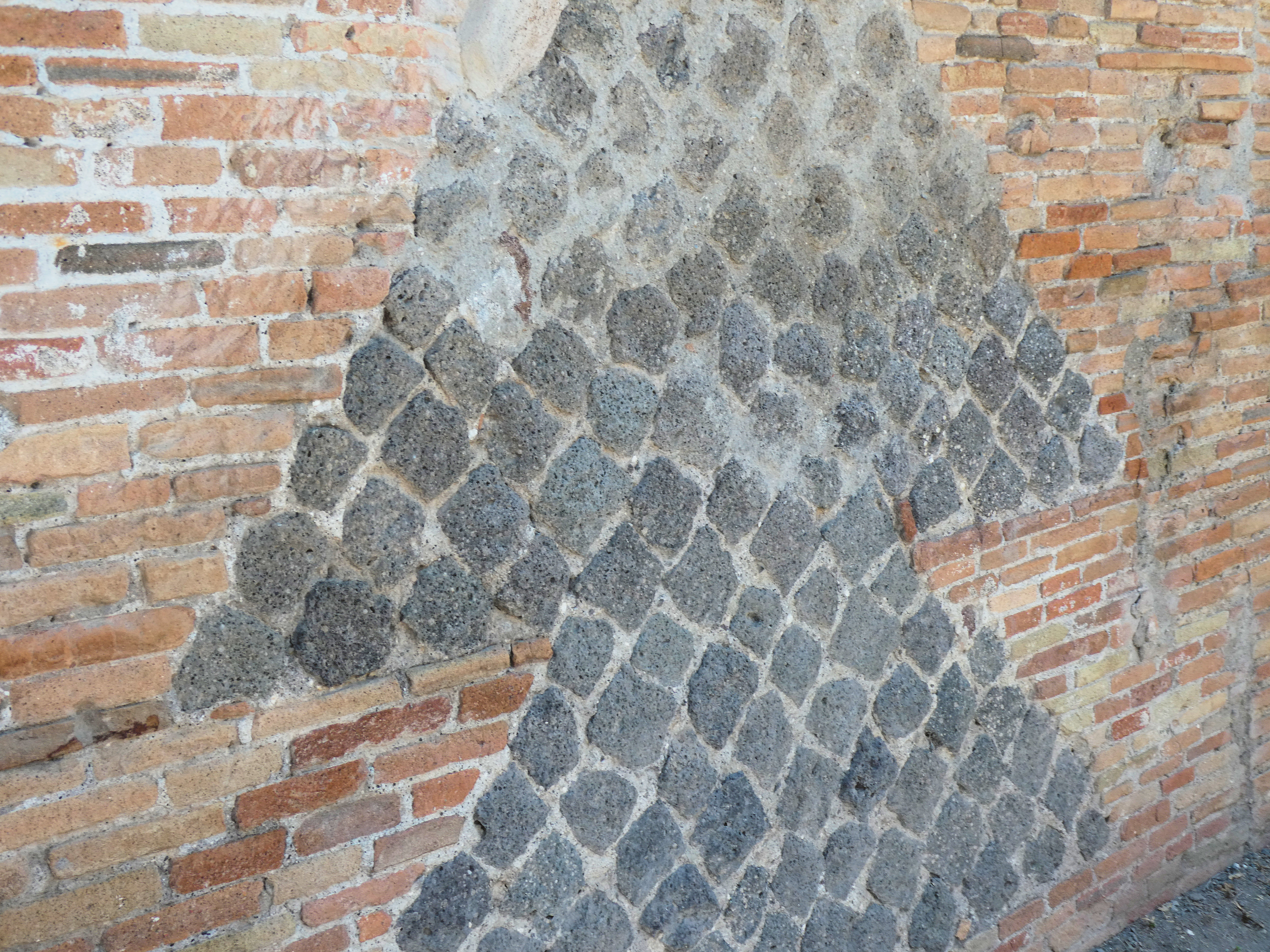
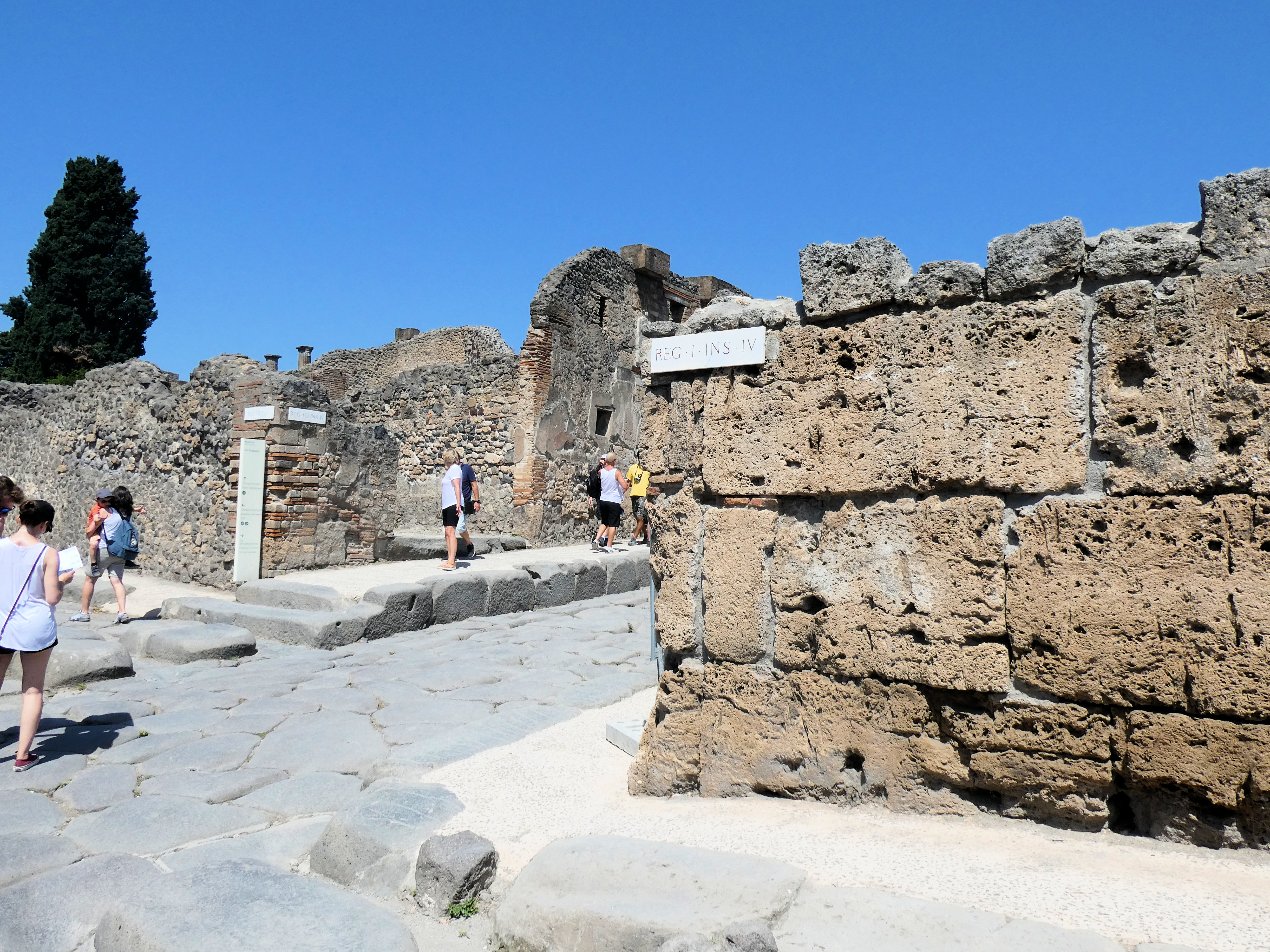
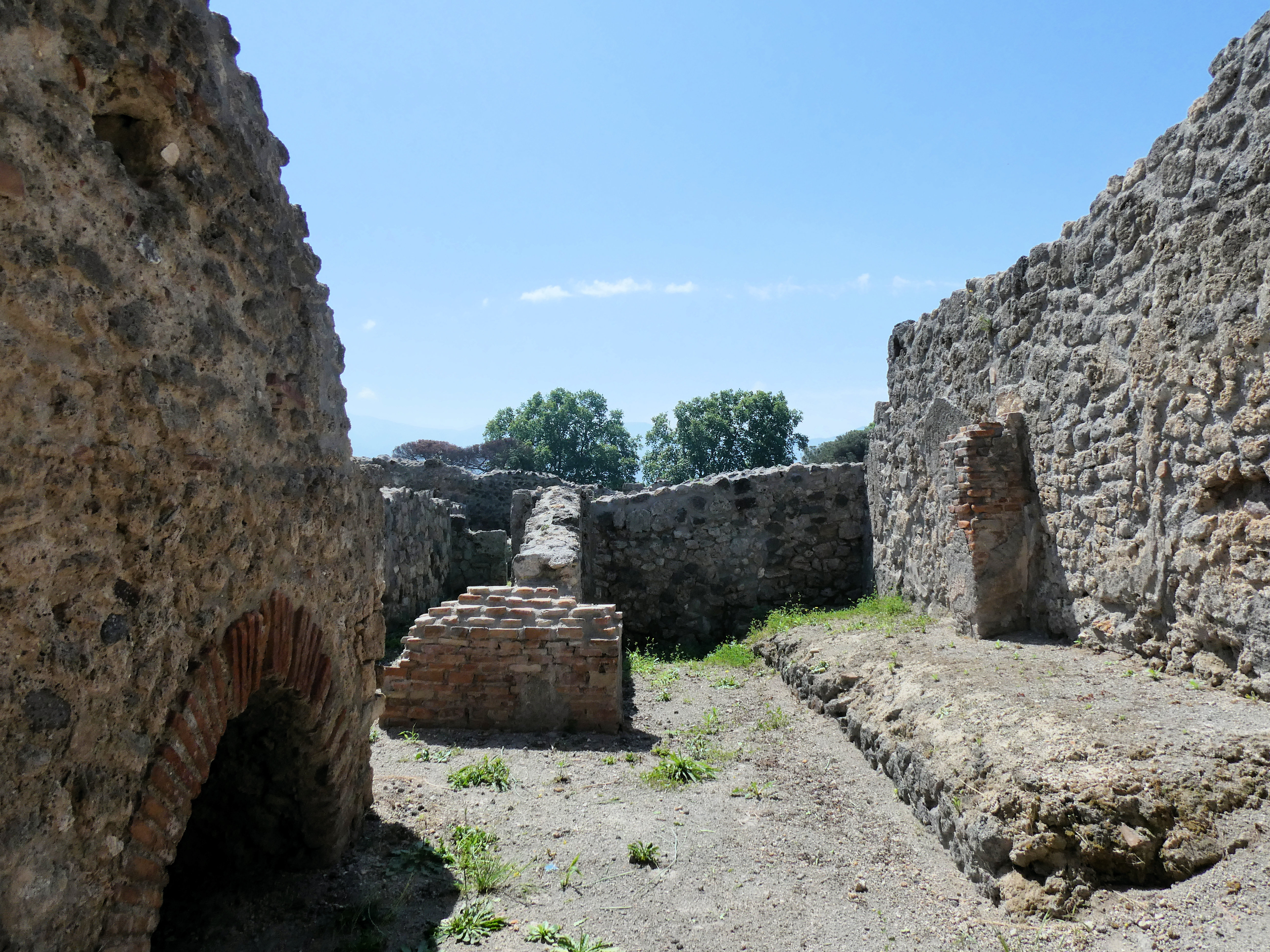
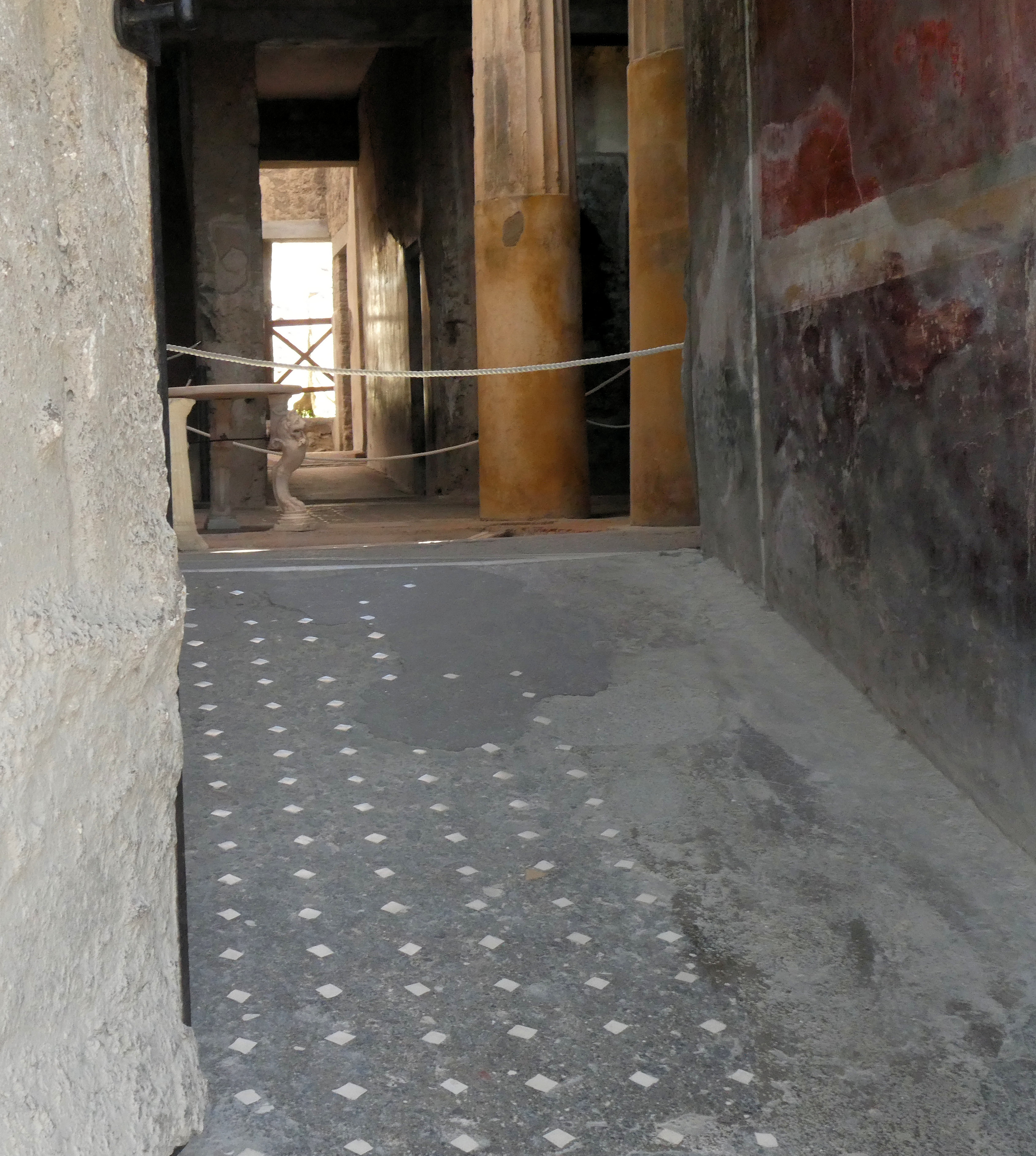
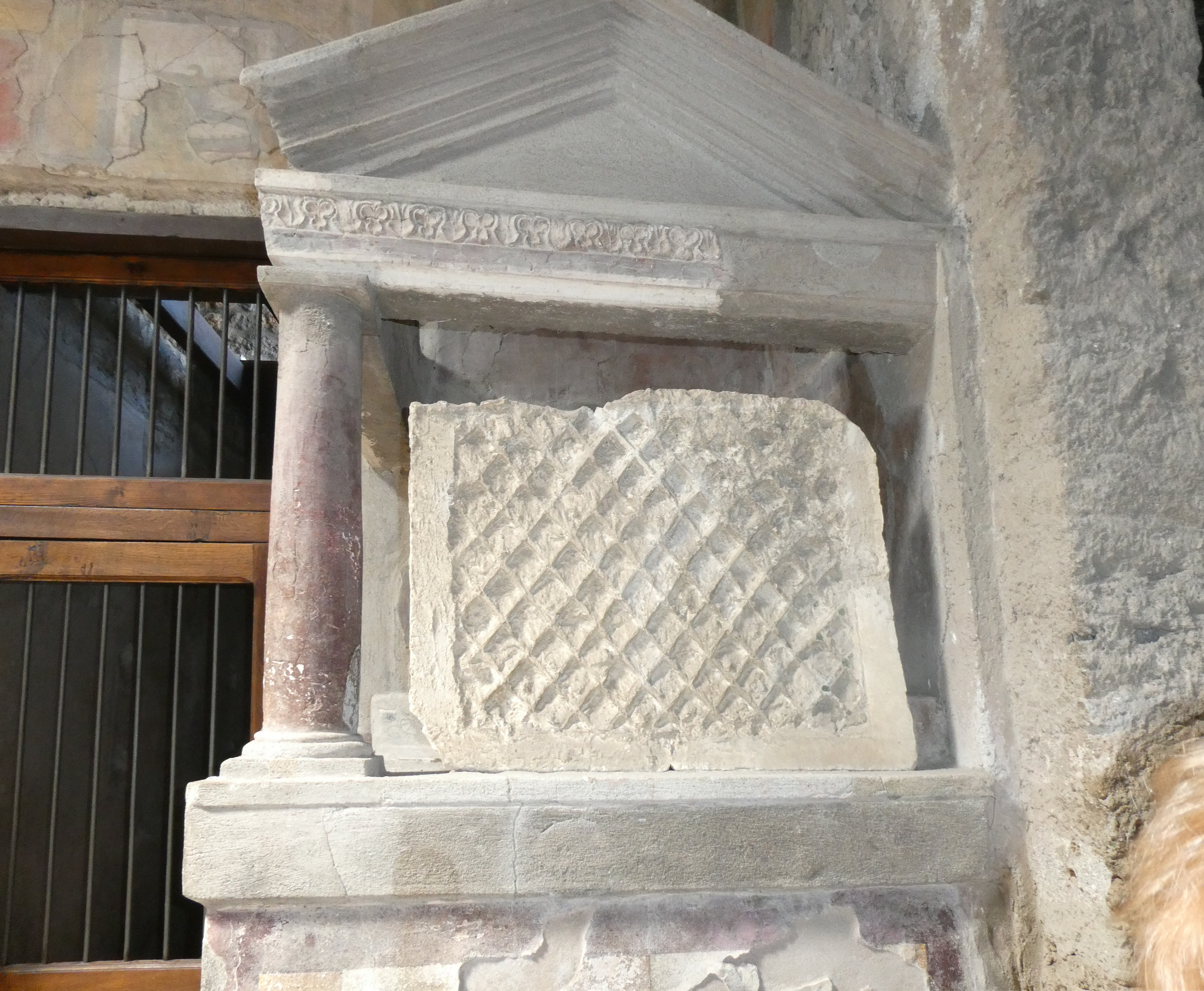
Pompeii wasn’t destroyed by Vesuvius in AD 79: it was buried under a layer of burning pumice stone which means that much of it is remarkably well preserved. Today the visitor can walk down Roman streets, peer into what we know were brothels and bath-houses, snoop around houses, temples and shops and sit in the amphitheatre and pretend to be an ancient Roman. Some of the frescoes are in a remarkable condition, the colours vibrant and the figures well defined. Those in the the brothel are quite explicit as they were there to provide visual inspiration for the clients and they were a cause for scandal in the Vatican when they were first revealed in 2001.


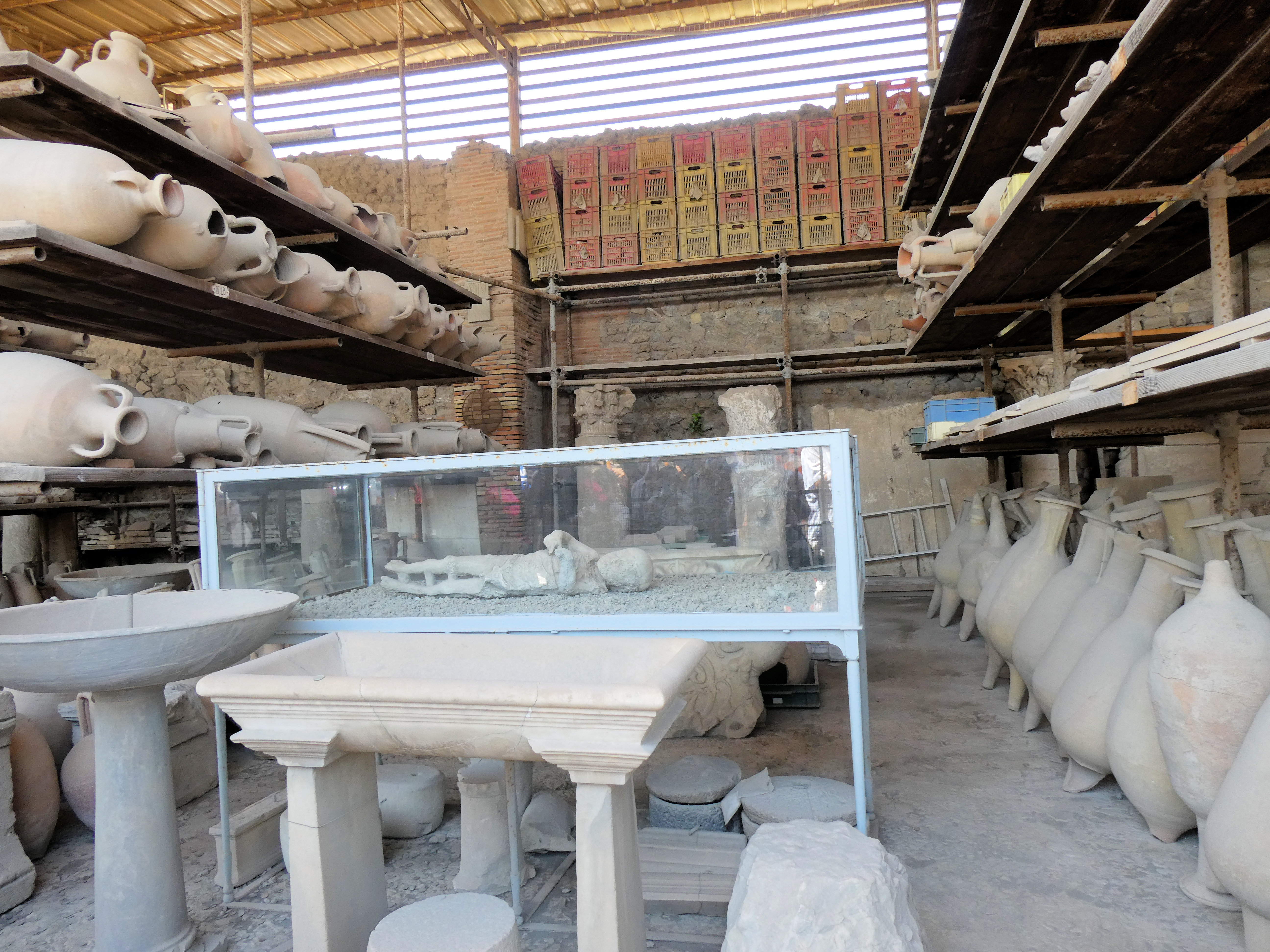
There had been severe earthquakes in the area for two days previous to the volcano’s eruption so many people had left the town for safety, otherwise the number of lives lost would have been a lot more. Nevertheless, 2,000 men, women and children perished. Plaster casts of some of the bodies that were excavated are on display but some are still under renovation.


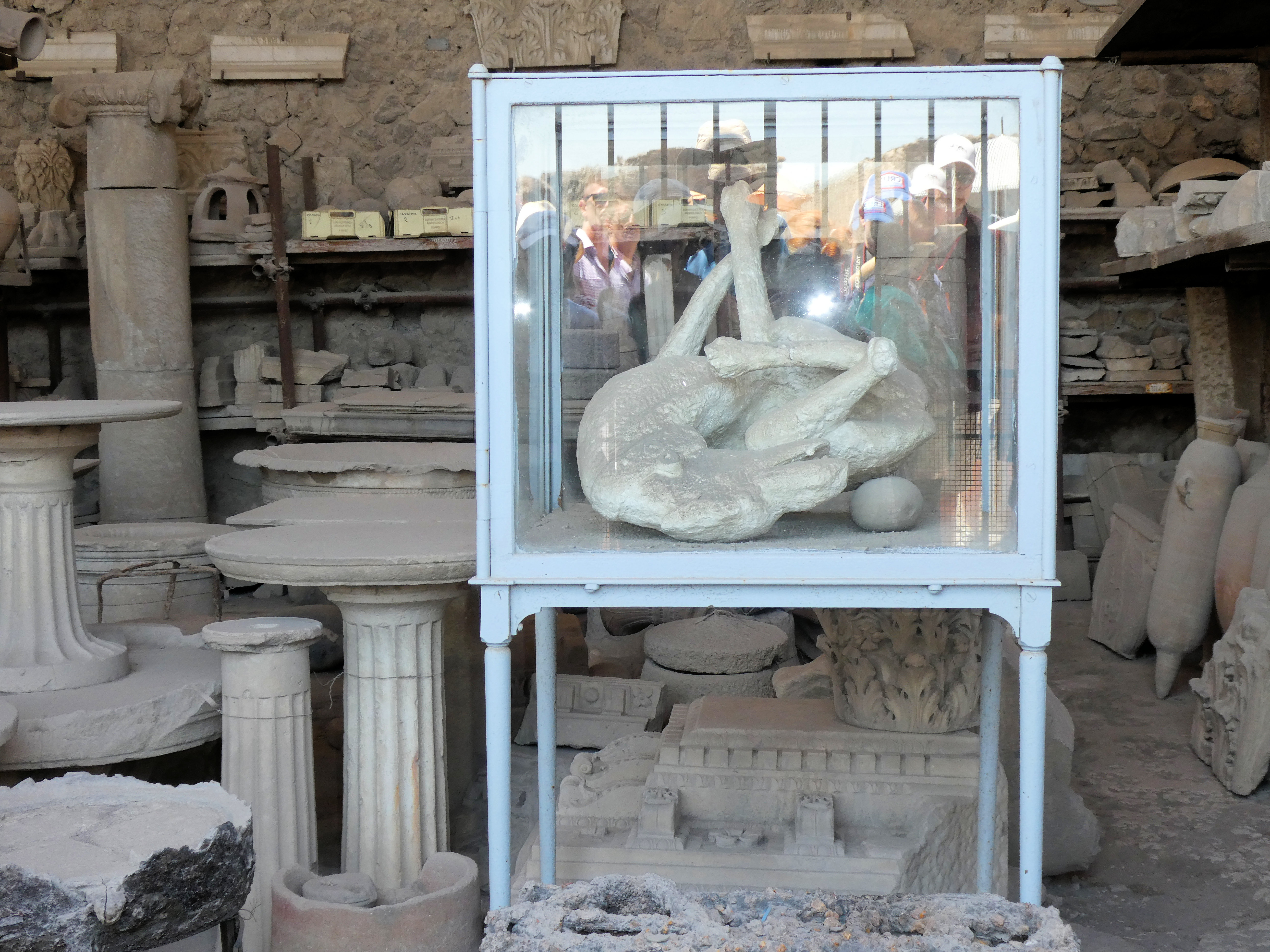


My first visit to Pompeii was many years ago in late autumn and I would recommend that time of year. The number of visitors visiting the Naples area in late spring, summer and early autumn and ticking Pompeii off their bucket-list makes it a less enjoyable tour for the serious lover of history or archaeology. Besides the crowds, there is the heat, and Pompeii offers no shade whatsoever.
Recommended Reading
There are many histories of the destruction of Pompeii but the best must surely be Robert Harris’s Pompeii (2004) published by Hutchinson which reads like a thriller and is a true page-turner.
The original account is by Pliny the Younger who was there at the time and most accounts are based on this, another very exciting read.

Photo by king kurt, Pixabay 
Photo: Pascal, Pixabay