Category: Europe – Northern Europe & Scandinavia

Austria, Belgium, Germany, Scandinavia, Croatia, Bosnia & Herzogovina

  • Flowers in Springtime

    I admire the many photographs of gardens and flowers other people post on their sites and walking around my minute plot this afternoon I thought I’d do something similar.  I think it’s a sort of displacement activity as I haven’t been in a writing mood for some time now, nor have I remembered to take my camera when I’ve gone out walking.  If I did I could post something on Jo’s Monday Walk which I’ve been meaning to do for some time.

    So here goes.  First up is something I’m thrilled about, a blossom laden branch of my damson tree, one of my favourite fruits but one that is very hard to come by these days.  The amount of blossom still on the tree after the March winds makes me think I may be blessed with a decent crop of fruit this summer.  It’s only in its third year in my garden so, fingers crossed ….

    A-blossom-laden-branch-of-my-Damson-tree

    Next up is a planter of tulips just struggling into the light and behind them is an azalea which is almost finished now.  It was tempted out by a burst of almost summer weather a few weeks ago when it, along with my early lavender, gave pleasure to some bees who appeared to be in a drunk/druggy state as they careered into each other and tumbled from blossom to blossom.

    Tulips backed by a pink AzaleaNot far from this is this rampant yellow flowering bush/shrub whose name I have forgotten.  I know it started life last year as a small cutting and like Topsy, it just growed and growed, now I shall have to take the secateurs to it as my garden is really small.  But for now, its cheerful yellow colour brightens up my day.

    I can't recall the name but it's a lovely spash of colour in the garden

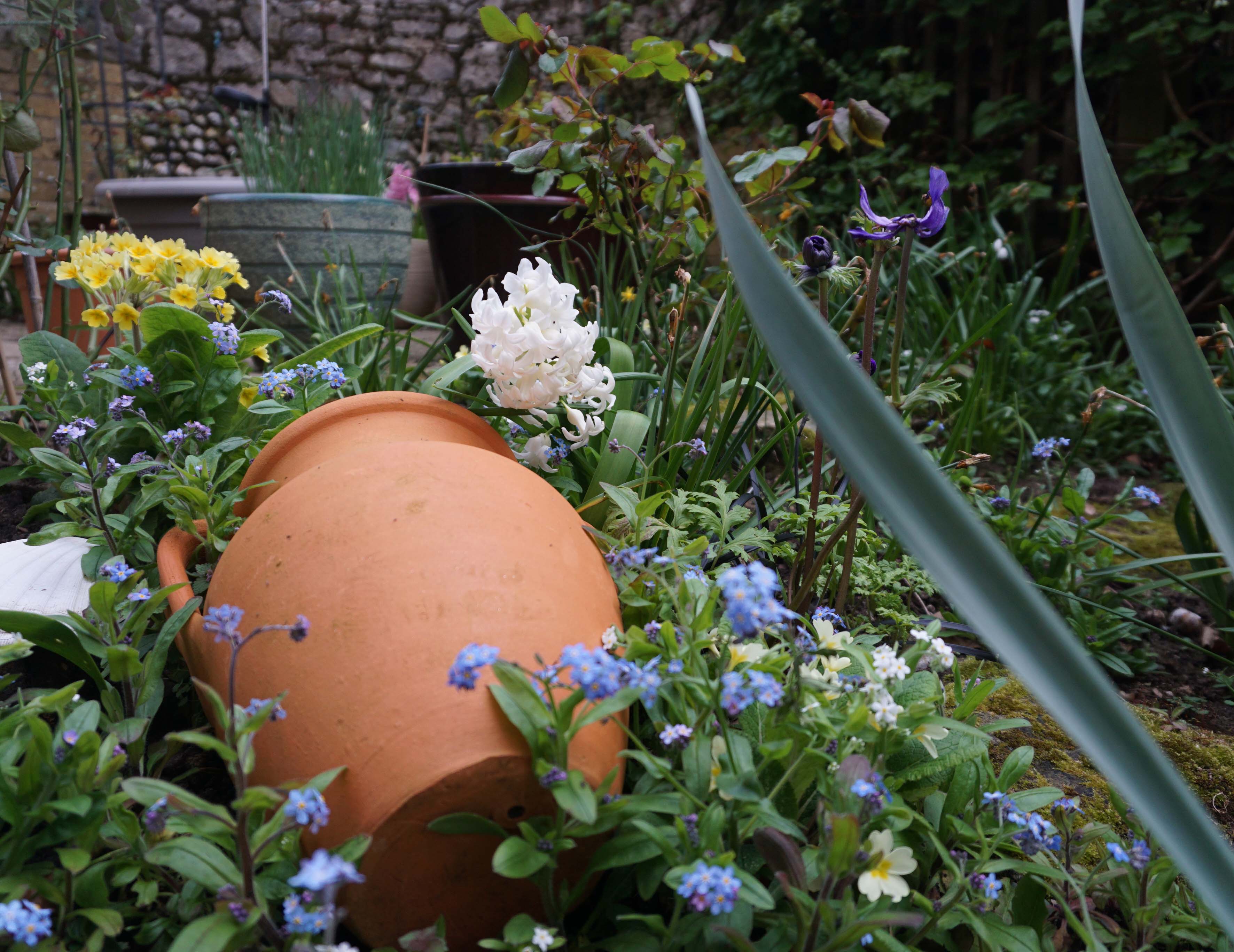
    I liked this last one while I was taking it, but looking at it now it appears a bit sad.  Definitely, an end of something, winter I hope, with the urn lying on its side, the background of dull containers without their jewel-like summer flowers, the lone crocus and the forget-me-nots struggling for a place.  It’s even a bit blurred as I have a back problem and cannot position myself to get the best photographs, so am apt to aim the camera haphazardly when I can’t do ground shots.

    The last of the crocus and the first of the forget-me-nots

    Anyway, a glimpse of some flowers in my garden, in lieu of a travel piece.

    Oh, and an out-of-focus Camelia

    !Camelia

  • Krka  National Park, Croatia

    Krka National Park, Croatia

    One of the loveliest areas in Dalmatia is the Krka National Park which can be easily reached from either Split or Dubrovnik and all towns in between.  Named after the river of the same name, the Park covers an area of over 142 square km and includes two-thirds of the river itself and it lies about 10km from the pretty town of Sibenik.

    dsc00015-2

    Rushing Waters in the Krka Valley

    © Mari Nicholson

    Most people go there to see the magnificent waterfalls, but it deserves a visit for the feeling of peace and tranquility one finds walking through the exceptional wealth of flora and fauna – to date over 1020 plant species and subspecies have been recorded in the park area, including amphibians, reptiles and endemic fish species – listening to the birdsong and relishing the aromas from the pine trees, the wild herbs and the flowers (especially the lavender).  Due to the river’s exceptional importance for the spring and autumn bird migrations. this is also one of Europe’s foremost ornithological areas: 800 different species have been identified.

    kyko-wild-cyclamen

    Carpet of wild cyclamen in Krka Valley

    © Mari Nicholson

    Without doubt however, the top attractions of the Park are the waterfalls, especially the famous Skradinski Buk Falls which are one of Croatia’s most famous sights. This is a collection of 17 waterfalls that range in height from over 45 metres.  The Roski Slap is another famous fall within the park, actually a series of 12 waterfalls in a space of just 450 metres.

    perfect-peace-by-tranquil-pond-on-river-kyka

    Reflections in a Tranquil Pond on the Krka River

    © Mari Nicholson

    There is a boardwalk throughout the park which makes traversing the paths fairly easy and although it may pose a problem for those who find difficulty walking, or need help, there are always people around ready to lend a hand.  There are also railings to help guide those less nimble on their feet.

    fish-swim-in-the-tranquil-pond-on-kyka

    Fish enjoy the waters of the tranquil ponds in Krka River

    © Mari Nicholson

    There is a well laid out picnic area with seating, and surrounding this area are kiosks selling food and ice-cream, tea and coffee, and souvenirs.  From here you can take a boat excursion which affords an opportunity to relax and ‘listen to the silence’.  Some of the boats include stop-offs which give a chance to wander on footpaths along the water before hopping back on at the next stop.

    looking-down-on-town-picnic-area-at-kyka
    Looking down on Town and Swimming area on the Krka River-

    © Mari Nicholson

    Best of all though, unlike the Plitvice Lakes National Park, swimming is allowed at Krka River in designated places (under the main falls and by the picnic area).  The stunning vista of the falls and the thunder of the water as it pours down drowns out the excited shouts of adults and children swimming in the lake formed beneath the waterfall and revelling in the unique experience of swimming in such a fantastic spot.

    enjoying-swimming-in-waterfalls-at-kyka-national-park

    Swimming under the Waterfalls at Krka Valley Waterfalls.

    © Mari Nicholson

    rushing-waters-at-kyka-river

    Glorious Turquoise Waters of the Krka River

    © Mari Nicholson

    Getting to Krka National Park:

    From Split Bus Station take one of the many daily buses to Sibenik (journey time about 1 hour 40 minutes), then from Sibenik  take a bus to Skradin, a town just outside the park.

    If you’re travelling from elsewhere in Croatia, likewise make your way to Sibenik first and then travel on to Skradin and Krka National Park.  There are organised excursions to Krka from many towns in Dalmatia, details from a local travel agency.

    You can also embark on an organised excursion to Krka from many towns in Dalmatia – enquire at a local travel agency for details.

    p1150649

    Fish in the river Krka

    © Mari Nicholson

    a-quiet-pool-in-the-kyka-river


  • Shakespeare’s Cities (2)

    Shakespeare’s Cities (2)

    HAMLET – Denmark

    No use telling the world that Hamlet is not autobiographical as approximately 200,000 people beat a path to Kronberg Castle in Denmark every year.  Shakespeare set the fictitious story in Elsinore Castle and it is presumed that this was Kronborg Castle which has existed since 1420 and is considered to be one of Europe’s finest Renaissance castles.

    schloss_kronborg_vom_meer

    Elsinore (Kronberg Castle) – WikiCommons

    Despite being burned to the ground twice, Kronberg has continued to maintain its vital position at the head of the Øresund Sound. Ships passing into the Baltic Sea used to pay tolls at the Castle and Helsingør (the Danish translation of Elsinore) was once one of the most important towns in Europe.

    Shakespeare’s evocative imagery, the dramatic story, and the play’s worldwide popularity means that thousands of people visit Kronborg Castle every year.  A UNESCO World Heritage Site since 2000, the dingy catacombs and graceful towers have become synonymous with the doomed Prince Hamlet.   Guided tours are offered in June, July and August, but the best time to visit, if possible, is during the annual Shakespeare festival in August.

    From Copenhagen the journey takes less than 45 minutes or the “Hamlet” ferry takes passengers from Helsingborg, Sweden through the narrow strait.

    MERCHANT OF VENICE – Venice

    Italy was one of Shakespeare’s favourite locations in which to set his plays.  Venice, which provided the setting for the story of Antonio, Bassanio and Portia in The Merchant of Venice, is one of Italy’s glories, its beauty breath-taking when approached from the sea, and its treasures among the greatest in Italy.

    venice-1678651_1920

    The ghettos may have gone, but this famous port city is still exceptionally atmospheric.  It’s hard not to have flashbacks to scenes from the 1973 Nicholas Roeg film Don’t Look Now if you are strolling around Venice as dusk falls.

    Take a gondola to Palazzo Ducale and explore the former wine bars, cafes and churches,   visit some of the art galleries, relax on a boat ride to the outer islands and when the sight-seeing has exhausted you, take the canal trip down to Padua.  But, for some quiet time to think about the play, you will have to visit in winter – the only time the tourists don’t visit in their thousands.  With four or five giant cruise ships docking most days, Venice is in danger of losing all character and the world of Portia and Shylock may become a thing of the past.   It’s impossible to see Venice properly during the day, for that you have to wait until the cruise visitors have returned to their ships when you are no longer forced to dawdle behind them as they crowd the streets in groups with their cameras on sticks held high, desperate to get the photograph that may serve as an aide memoire when they return to their cocooned cruiser.

    If I can paraphrase, it must be Venice, there’s a gondola in my photograph.

    venice-1721988_1920

    MEASURE FOR MEASURE – Vienna

    One doesn’t associate Austria with Shakespeare yet for some reason he set one of his plays in Vienna, a Vienna that is not recognisable today but that has some similarities with the Vienna that existed immediately after the Second World War when it was a city divided between the four powers, Britain, France, Russia and USA.

    concerthaus

    Concert Hall in Vienna – Mari Nicholson

    Measure for Measure is set in a Vienna whose streets and taverns are teeming with criminals, prostitutes and pimps, not one we would recognise today.  This problem play offers us the purity of the city that was Austria’s cultural crown jewel, long hailed for its art, architecture and intellectuals as a city that has to balance purity with la vie bohème; the old with the new.  Often referred to as one of Shakespeare’s problem plays, its text has often been altered to suit the mores and morals of the period in which it was performed.

    Most of the action takes place in the Duke’s palace, in the city prison and in the streets of Vienna. The play’s main themes include justice, “mortality and mercy in Vienna,” and the dichotomy between corruption and purity: “some rise by sin, and some by virtue fall.”

    Today’s Vienna is more about Strauss than sin, Mozart rather than mayhem.

    There is little to remind you of Measure for Measure but Vienna boasts Shakespeare Garden, a space dedicated to the flora and fauna in his works, a pleasant place to spend a little time.  Then maybe light a candle at the gothic St Stephen’s Cathedral and enjoy the quintessential coffee and cake at Hotel Sacher where you will have to join a queue for perhaps 20 minutes in order to get a seat and a piece of that cake – Sacher torte – but it’s worth it.

    Have a traditional night out at the Viennese Opera before heading to a trendy bar in Freihaus or to a restaurant for the perfect Weiner Schnitzel.  Shakespeare would have loved it I bet.

  • Cliff Diving at Mostar, BosniaHerzeGovina

    Cliff Diving at Mostar, BosniaHerzeGovina

    p1150743
    Thronging the Bridge to see the Cliff Dives – Mari Nicholson

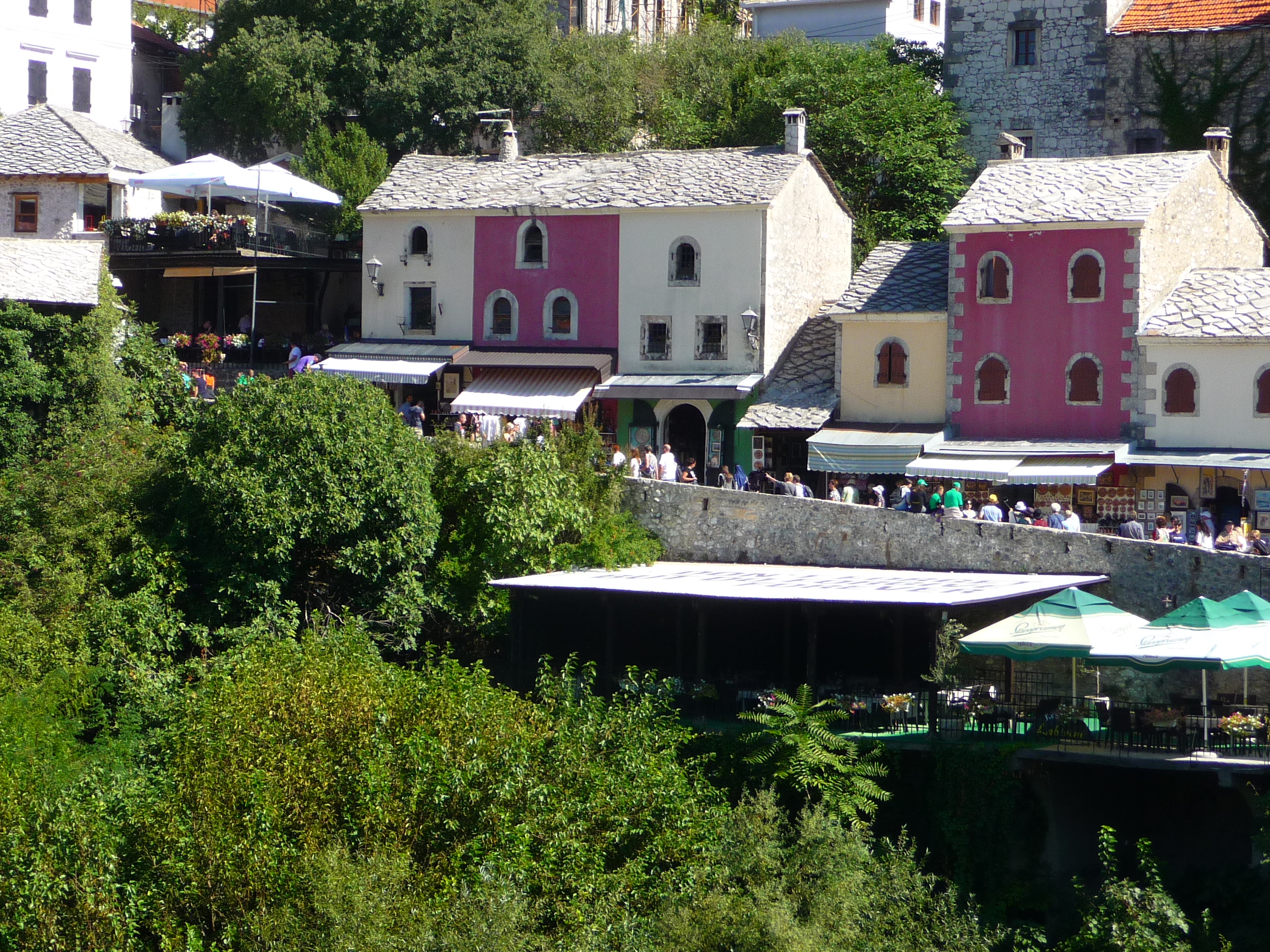
    I must confess that when I visited the world famous Mostar Bridge in Bosnia-Herzegovina a few weeks ago, my attention was easily diverted from the historical reasons for my visit.  Surrounded on all sides by the travelling fans, plus hundreds of local fans of the Red Bull Cliff  Divers, I jostled with everyone else fo a place from which to view the adrenalin fuelled dives of these young men and women.

    p1150752
    Preparing to do a Back Somersault off the Platform – Mari Nicholson

    I had been unaware of the event until I got there so had to do a quick check on who was in what position, something I found fairly easy as the Mostar locals are all big fans.  I was even informed that my own countryman, the young British diver Gary Hunt, was lying in fourth position at the time (he subsequently came in second in this trial).

    checking-the-distance

    Checking that all is well

    You can read about the Stari Most Bridge (colloquially known as the Mostar Bridge) in my earlier post put up this afternoon so I need not go into its historical importance here, nor mention the terrible war in which it was destroyed.

    p1150742

    Awaiting the “rescue” divers below.

    The Iconic Stari Most bridge served as launch point for 22 male and female athletes during the Red Bull Cliff Diving World Series’ 7th stop on 24 September 2016 in Bosnia and Herzegovina.  Five-time champion Gary Hunt had missed out on a win in the previous two stops – in the past six seasons the brilliant Brit has never gone more than two stops without a win.

    p1150753

    It may be a coach with the diver – Mari Nicholson.

    I haven’t seen any of these Cliff Diving Championships before live, although I have watched some of them on media outlets but the stunning setting of Bosna-Herzegovina’s most renowned landmark, where diving has been a tradition dating back to the 17th century, has made me a total fan.  The city’s diving enthusiasts have warm-heartedly welcomed the 22 World Series athletes for many years now and introduced them to their preferred take-off point high above the Neretva River.

    p1150750

    There are Vantage Points Everywhere – Mari Nicholson

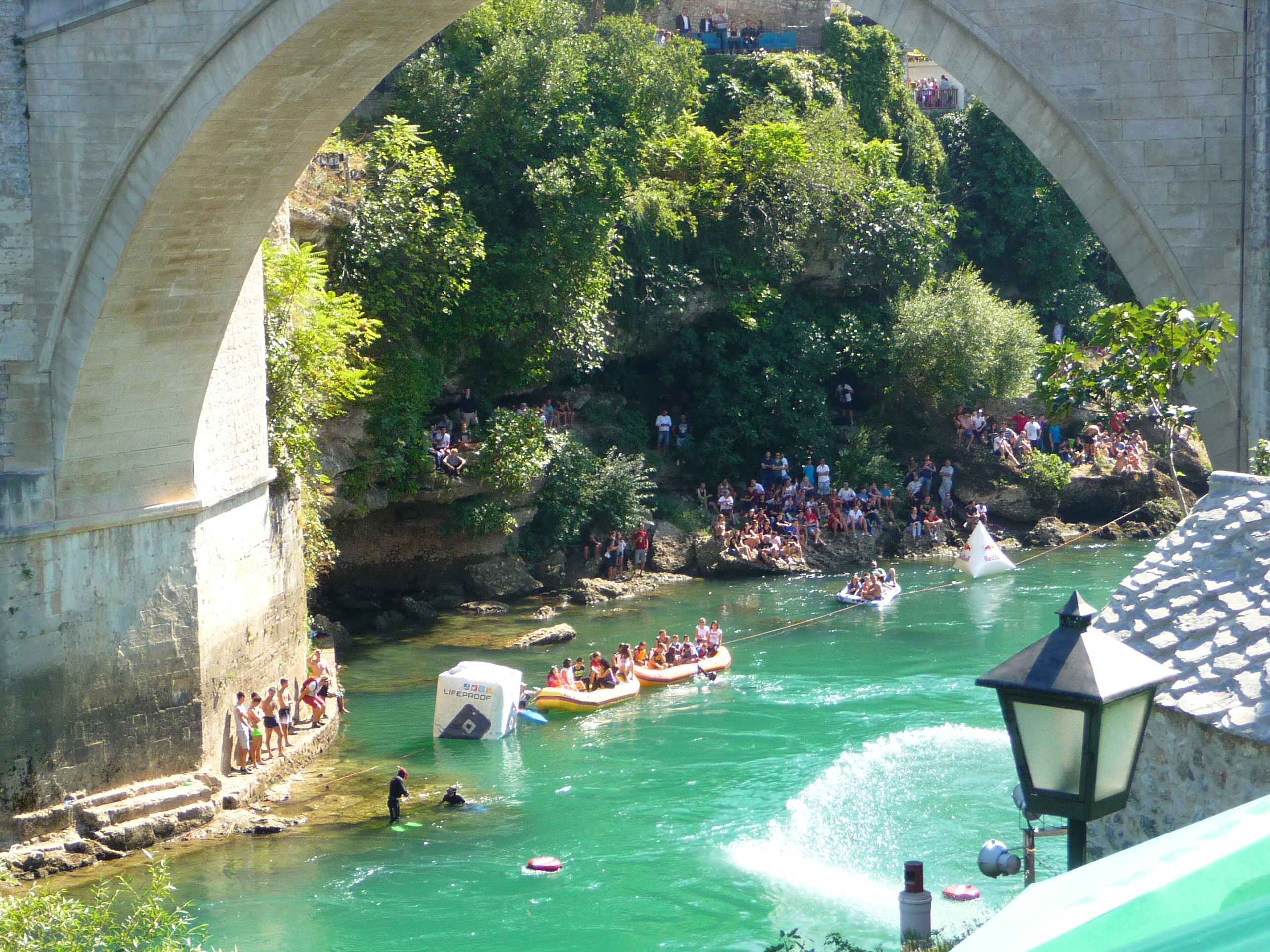
    “This town lives for diving and lives for this bridge,” my waiter told me as we gave our order in Restaurant Teatro, a balconied eatng place that offered a fantastic view of the bridge, the crowds, and the amazing turquoise river below with the colourful rescue canoes and the wet-suited divers.  He seemed to know everyone in the competition, from much respected Columbian Orlando Duque right down to the 25-year-old wildcard Australian female diver Rhiannon Iffland, here to battle it out with Canada’s Lysanne Richard.

    p1150756

    The Diver Enters the Water and rescue is at hand should it be needed – Mari Nicholson

    The first dives off the bridge date back more than 400 years, my waiter told me, but in the current competition, the men dive from a platform 28 metres high and the women from the bridge at 21 metres high.  Eternalized in the city’s flag and coat of arms, life in Mostar has been centred on the humpback bridge ever since its construction in the 16th century as the young men plunge into the Neretva River to prove their courage in a test of maturity.

    p1150755

    The colour of the water looks inviting – but from 85 feet??  – Mari Nicholson

    Competition cliff diving dates back to 1770, when King Kahekili, the last king of Maui (Hawaiian islands), leapt from Kaunolu, a 63-foot (19-meter) cliff and entered the water below without causing a splash.  Later, he made his warriors jump from cliffs to prove their courage and loyalty.  It is probably the easiest sport for the enthusiast to enter as there is no equipment to buy and no special clothing to wear.  All you need is nerve, a fit body, and the ability to sail through the air from a dizzy height and plunge into waters below, avoiding cliffs and jutting rocks as you descend.

    mostar-765787_1280

    Old Mostar and the bridge – Photo Pixabay

    The teams tour the world as they compete in different countries each month in front of top judges from the sport.  More information and pictures can be seen here.   It really is thrilling.

    See also:  Mostar, UNESCO World Heritage Site in Bosnia Herzegovina.

  • Weekly Photo Challenge: Nostalgia

    The  last days of summer, the last two deckchairs on the beach, coats on because the weather has turned really cold on this early Autumn day.   Maybe it was just the contrast with the former sunny days that made this party don what looks like winter gear?  Who knows, but the scene struck me as somewhat forlorn.

    last-days-of-summer

  • Weekly Photo Challenge: Nostalgia

    I hate to think how many years ago this was.   Rubbing down, preparing, under-coating, top-coating an entire broken-down house.  I look back in wonder at the energy and enthusiasm we had then, but I also look back with gratitude at the fun we had in doing up an old house and then standing back and saying, this is all our work.

    firgrove-kitchen-1965


  • Weekly Photo Challenge – Mirror

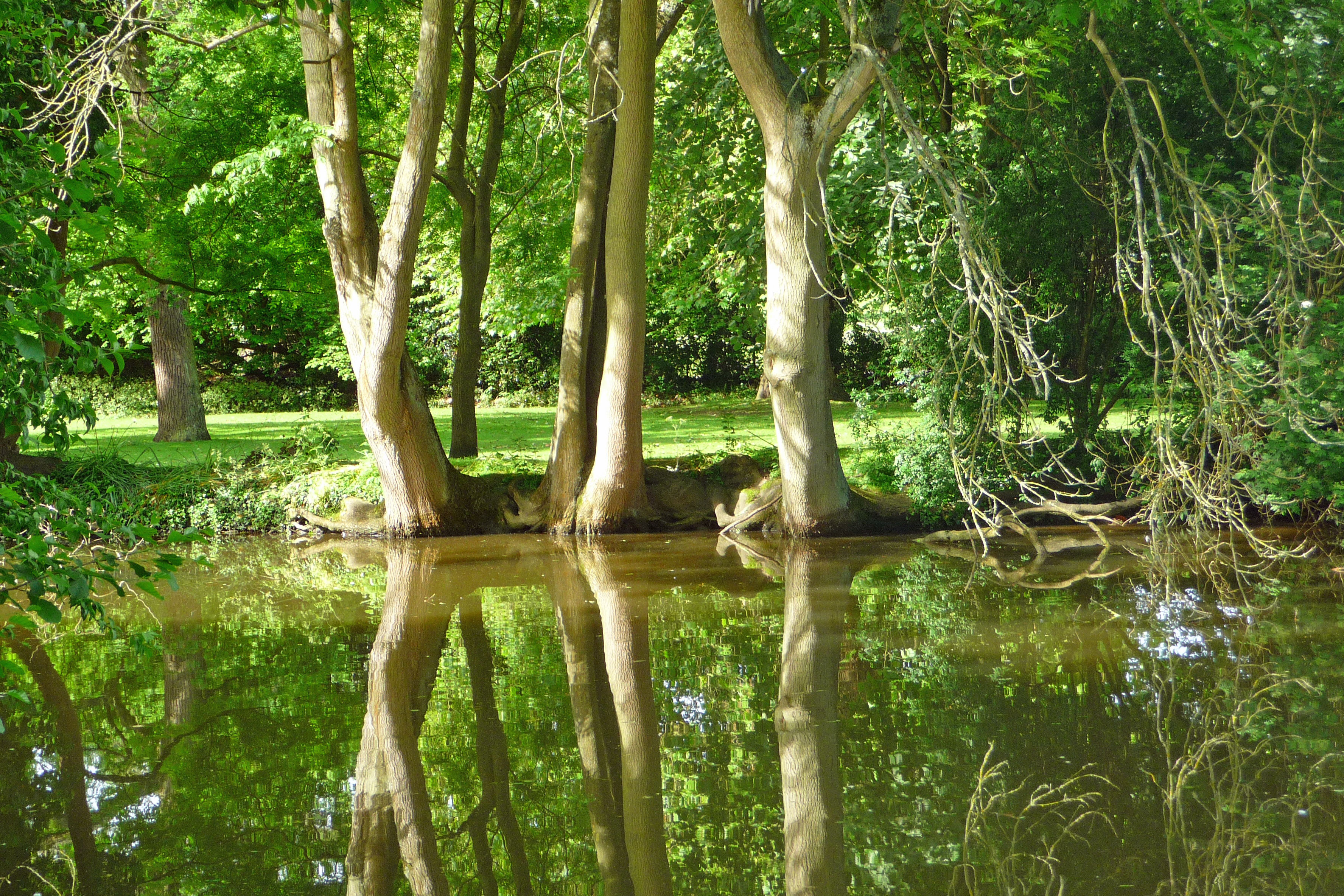
    My photograph this week pretty basically depicts the challenge word, Mirror, and shows just a reflection.  It is, however, one of my favourite photographs from a fondly remembered day spent recently in lovely St. Albans in the UK, formerly the ancient Roman city of Verulanium.

    The picture was taken in the grounds of a hotel in the town where I was attending a wedding.  I’d escaped for a few moments to wander through the 20-acres of beautfully landscaped gardens and as I came upon the quiet waters of this lovely lake the symmetry of the trees reflections had me reaching for my camera.

    Reflections-in-the-Lake,-St

  • The Mary Rose, Henry VIII’s Lost Ship

    The Mary Rose, Henry VIII’s Lost Ship

    To Portsmouth Historic Dockyard on England’s south coast for the unveiling of the last stages of the restoration of Henry VIII’s favourite ship, The Mary Rose, after the Museum’s six-month closure to the public.

    The date is especially significant because today, July 19th 2016, is the 471st Anniversary of the Tudor ship’s sinking off the coast of England.   Over the years since her discovery on the bottom of the seabed and her subsequent raising from this watery grave in 1982 (an event watched by 60 million people worldwide) she has attracted and thrilled people in equal measure.

    During the excavation project, 27,831 dives were made, and 22,710 hours of marine Archaeological work was needed on the seabed.  The struggles and hardships endured by all who worked on this modern project is a story all by itself, but after decades of hard work and 437 years under water, the Mary Rose is now finally on view to the public in a spectacular Museum inside Portsmouth’s Historic Dockyard, home also, to Nelson’s ship The Victory.

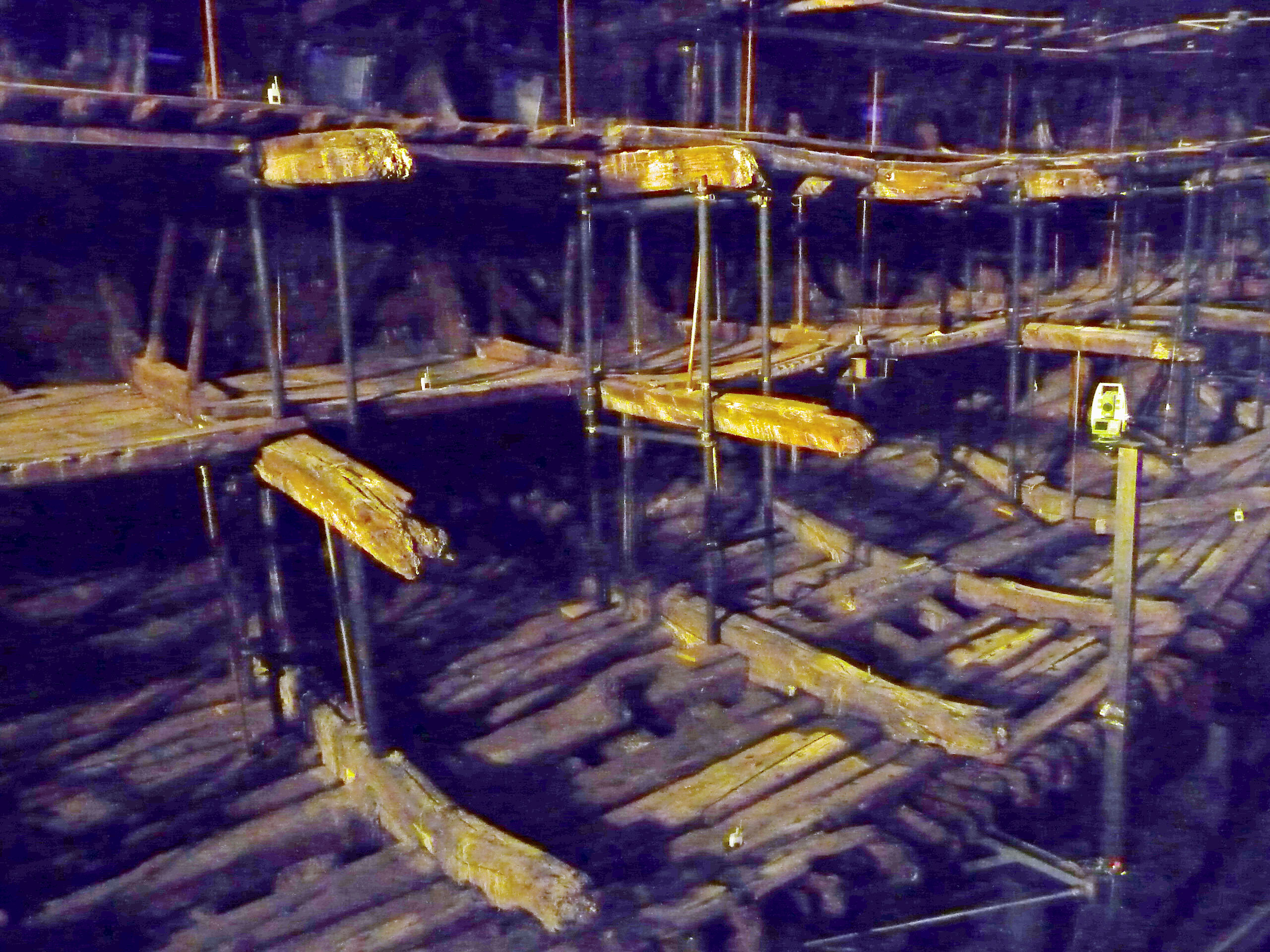
    ISON_160719MaryRose-6203
    The newly unveiled wreck of the Mary Rose in Portsmouth. Today is the 471st anniversary of the sinking of the ship in The Solent in 1545. The ill-fated Tudor warship was raised from the seabed in 1982. Picture date: Tuesday July 19, 2016. Photograph by © Christopher Ison for the National Museum of the Royal Navy (NMRN). 07544044177 chris@christopherison.com http://www.christopherison.com
    It took 600 trees, mainly oak but some elm, to build the ship in 1510 and now one can see displayed, some of these wonderfully preserved timbers.  The Mary Rose sank on the 19th July 1545, as it left Portsmouth with 500 men on board (of which only 35 survived) to take part in the 3rd French War, and it sank to the bottom of the Solent within sight of King Henry who was watching its departure from Southsea Castle.  It lay there, at an angle of 60ᵒ, until excavations began in 1971.  (Below is an image of cannon balls taken through the glass floor of the ship).

    Cannon-balls-iviewed-through-glass-in-the-gallery-floor)

    Since it’s recovery, The Mary Rose has been undergoing continuous conservation.  First, the hull was sprayed with a mist of freshly chilled water and then, from 1994 to April 2013 when it entered a stage of controlled drying, with a water-soluble wax.  Thanks to these methods, the hull is now in a stable condition which means that the black drying ducts which provided the necessary conditions for this, can now be removed and visitors can now have a clear and uninterrupted view.

    Close-up-of-timbers-from-Mary-Rose

    Close up of timbers of The Mary Rose –  Mari Nicholson

    To date, 19,000 artefacts have been recovered from the site, including

    • 6,600 arrow bits
    • 9 barrels containing bones of fully-grown cattle
    • 1 full skeleton of a dog aged between 18 months and 2 years old.

    The new look Mary Rose Museum provides stunning panoramic views of all nine galleries of the ship through floor to ceiling glazing on the lower and main decks, while on the upper deck visitors will enter via an airlock and are then separated from the ship by only a glass balcony.  On the floor are glass panels through which they can view ‘below decks’ which holds cannon balls and work-rooms.

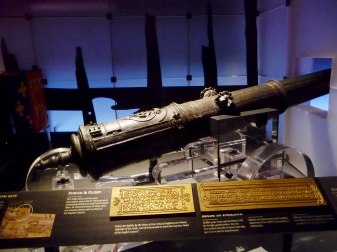
    Gun-from-Mary-Rose

    Gun from The Mary Rose – Mari Nicholson

    Plaque-on-gun-from-Mary-Rose

    A walk around the Museum gives food for thought as you see how life was lived below decks in the 16th century.  Whole cabins can be seen, the carpenter’s cabin, the surgeon’s cabin, the captain’s cabin, the archers’ quarters and those of the deck-hands, as well as the everyday things that made life bearable for these sailors, dice (for illicit gambling), purses, sewing-kits, belts.  It is a fascinating insight into history, and a couple of hours spent here can impart more knowledge than reading a treatise on naval life in the days of Henry VIII.  The plaque on the gun boasts Made in England because most guns were made in other parts of Europe and imported.

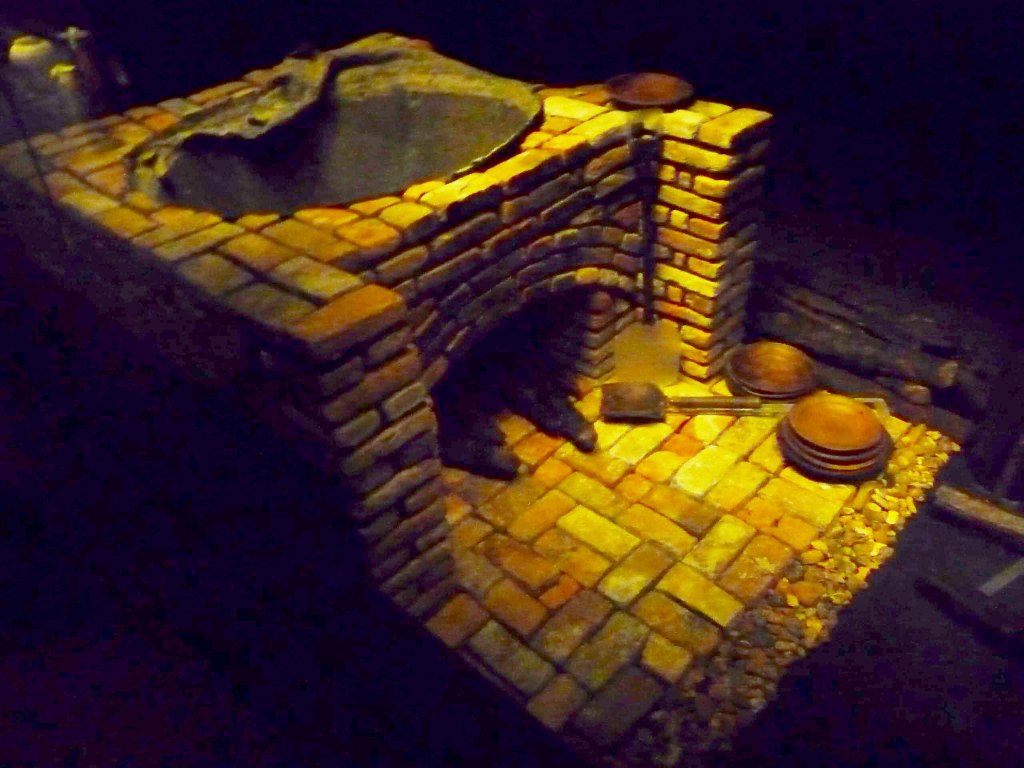
    The baker’s oven that is pictured below is the original in every way, right down to the bricks used.

    P1150490
    TV crews at Mary Rose Museum for the Unveiling, 19/06/16
    Mary-Rose
    Mary Rose Timbers

    Baker's-Oven-(Original-Bricks)

    Cook's-Utensils
    Cook’s Utensils
  • Weekly Photo Challenge: ABSTRACT

    Truly abstract I think.  Love the subtle muddy colours and the starkness of the image.

    This is a piece of graffiti on a wall in London’s East End (Brick Lane area).  It’s a wonderful place in which to make artistic discoveries.  This one comes from the camera of London photographer Steve Moore who has given me permission to use it.

    Abstract


  • Weekly Photo Challenge: Future

    Weekly Photo Challenge: Future

    I’ve recently moved house and am still coming to grips with making a new garden.  This year I’m trying to grow roses in pots but if this doesn’t work I shall replant them next year in a new rose bed I hope to make.  I had a large rose garden in my former home which I can’t hope to replace as I’ve downsized drastically.

    However,  roses are my favourite flowers, and I’ve bought ten super plants, all highly perfumed Old English species, mostly repeat flowering and with their heady scents they shall have pride of place on my bedroom balcony.

    This is my future.  Whether they will bloom as the labels show is a moot point, but ……………. we live in hope.  Wish me well.

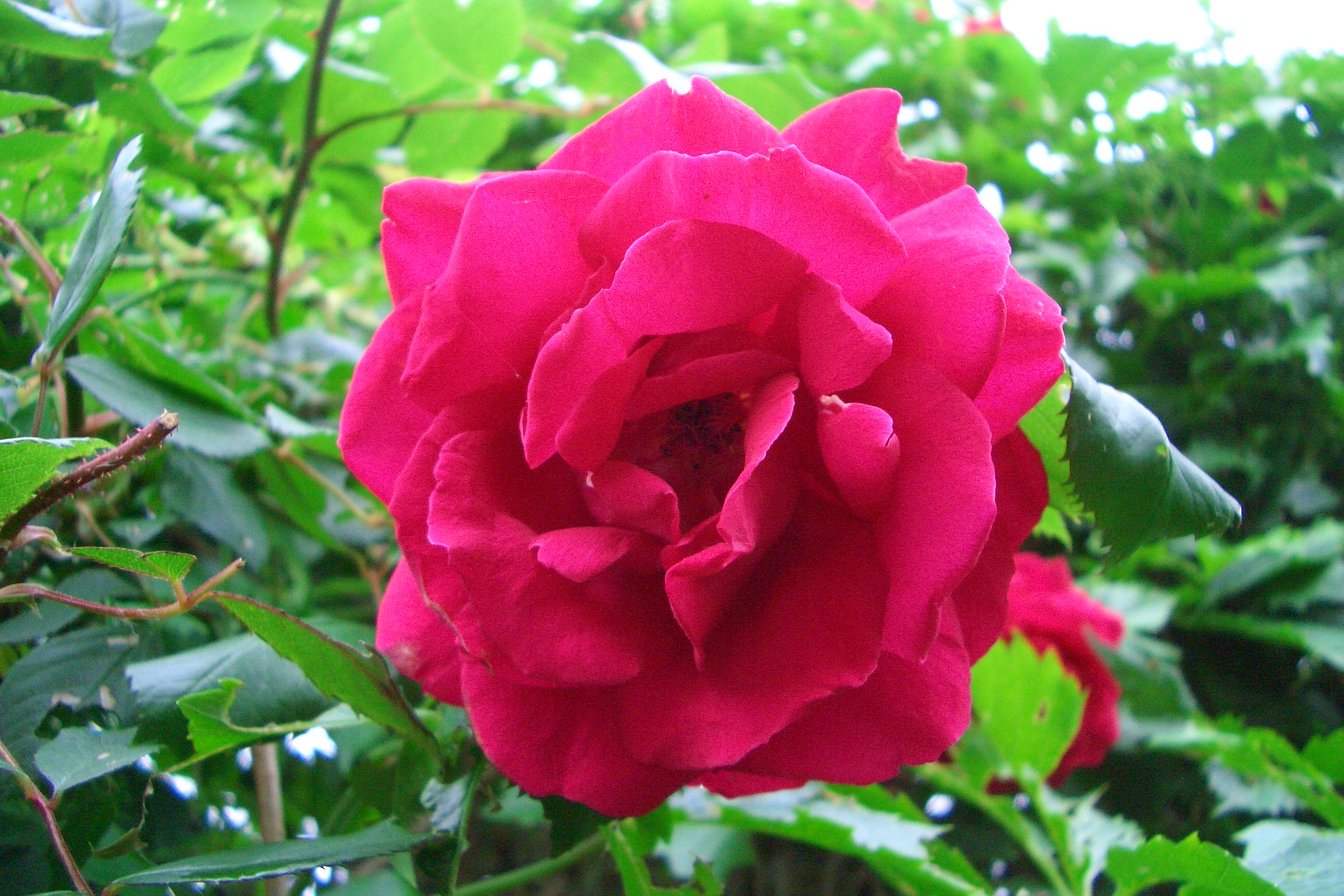
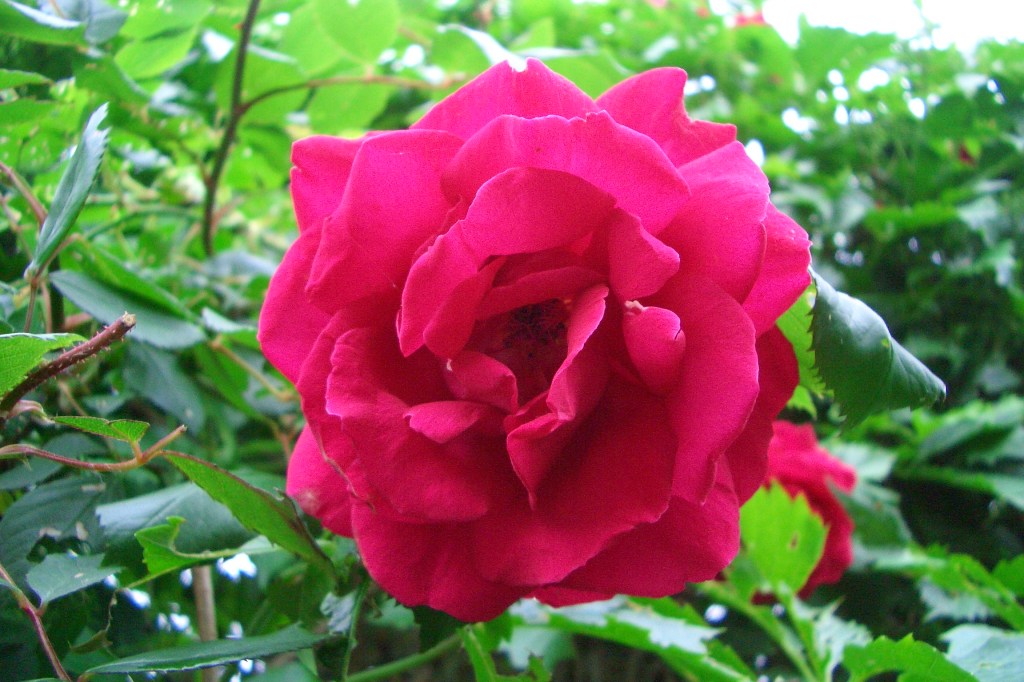
    My favourite rose (for its appearance and sunny look from early June until nearly December where I live) is Tequila Sunrise.  I thought I had an image of this from my old garden but it seems to have disappeared from the folder.  But here is another of my favourites, Gertrude Jekyll, which I’ve bought again and if it shows blooms like this one, my future will indeed be bright.

    Some of the other roses I’ve bought are Thomas a Beckett, Grace, James Galway, the Alnwick Rose, Iceberg.   Rose aficionados will recognise some of them.

    Rose 2