It’s not that I don’t like the blocks themselves, it’s that the script offering them runs across what I’m trying to write, causing frustration and annoyance. For a while back I was coping but now WP seems to have put a gremlin in the works. Instead of the block for Image showing up, I get a list of blocks I don’t need or use (for business, mostly) so I have to find ways to get the image block up which means time spent searching. If I only use paragraph and image can’t the Blocks intuitively sense this? Why offer me blocks I’ve never used?
Today I was uploading a Sculpture Saturday post and the tools down the right-hand side disappeared, leaving me with a page which held my text and image but nothing else. I couldn’t find categories, tags, slugs, anything like that so I had to add these via the list of Posts. Then I wanted to defer this posting until Saturday, but that button wasn’t there either. I thought if I hit Publish it might give me the chance to put a date in but no, I hit publish and guess what, it’s published it!
Day something in the great lock down and my place is tidier than a monk’s cell so while I’m thinking of what past travels to write about, I’m sorting half a lifetime’s accumulation of trivia, travel books, cards and pamphlets kept from the last great tidying session when I downsized six years ago. It’s been hard, but hey, I’ve managed to throw out two books, and at least five pamphlets I’ll never read again and I have put some of the postcards aside to send to friends! The rest will have to stay put until the next national crisis. More I cannot do!
So here are just a few pictures that remind me of happy times.
This Can Only be Bondi Beach
Sunset: Fisherman in Fiji
Me in Cuba 1981
Midsummer in Stockholm
Negotiating Locks in France
Memories are Made of photos like these
Sifting through my memory box I relive and recall trips which have slipped to the back of my mind. These in turn encourage me to look out photographs, some prints, some transparencies which I must get down to converting to digital images one of these days. Black and white prints, slides, then coloured prints and finally digital prints and computer discs. And then there are the old family photos and my husbands wartime photos in Burma to be sorted through one day.
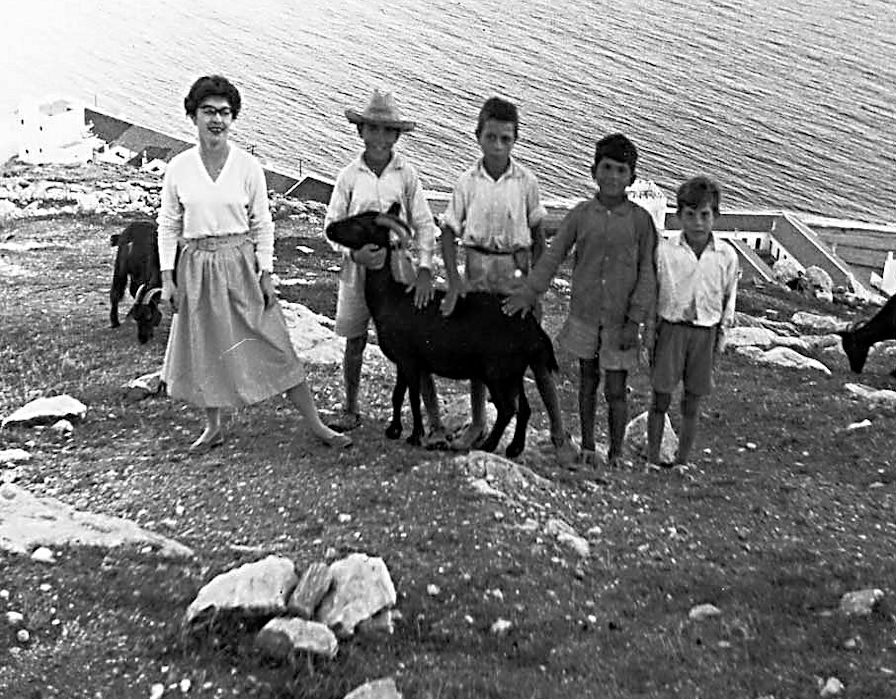
Mari & Goatherds at Castel de Ferro
Breakdown on road to Granada
Castel de Ferro
Avenida Hotel, Benidorm
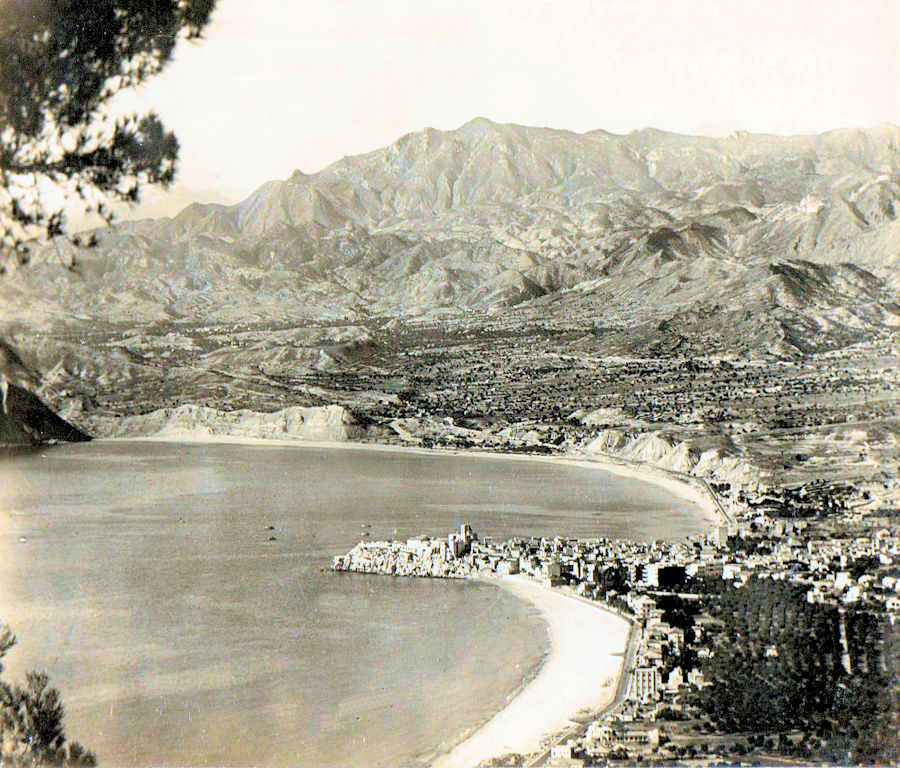
Benidorm before Mass Tourism
Late Fifties, early sixties Spain
It was the early sixties when we discovered a little village called Castel de Ferro when the son of the owner of the only hotel there jumped out in front of our car to stop us and invite us in to see the new swimming pool. Those were innocent days when we politely stopped and they actually thought it was a good way to get tourists to stay with them.
And stay we did, for two weeks or so, during which time the local boy-goatherds followed me around wherever I went. They had never seen a ‘foreigner’ before and when my husband took them all for a ride in the green Austin van we had in those days, their giddy pleasure knew no bounds. We spent many hours with them and we’d supply a picnic as they were on the mountains from dawn till dusk with only a few scraps to eat, caring for the skinny goats. On the day we left all the little boys were crying and it near broke my heart.
Spain opened to tourism sometime in the fifties, and those of us who went then were greeted with warmth and friendliness. Franco had kept Spain out of World War Two (it was a broken country after the Civil War 1936-39 anyway) but as he leaned heavily towards the Axis’ powers help was not forthcoming to re-structure the country. Until the advent of the Cold War and the West’s fear of Russia that is, when the need for strategic military basis and airports ushered in the Marshall Plan, and Spain, along with other countries in Europe received aid, mainly from the USA, which helped it get back on its feet again.
It took a long time though, for the infrastructure to get into place. For many years the roads throughout Spain bore the chalked message “Franco, Mas Arboles, Mas Agua, Mas Carreteras” (more trees, more water, more roads). Not only were the existing roads in dire states but there were few of them. The above photo of the car breakdown took place on the main road between Valencia and Granada. Our car hit a rock or stone in the middle of the road and combined with driving on many untarmacked roads throughout our trip, it brought us to a halt. Local farm-workers helped move it and we managed to limp on until we came to a repair shop/garage.
Nowadays Spain has some of the best roads in Europe.
The photo of Benidorm is of the town before it became the biggest thing in tourism and the Avenida Hotel (still there) was one of only a handful in 1959. We stayed there in a room where our balcony looked on to the open air cinema which showed mainly very old, heavily censored films, but with a cheap bottle of wine and some nibbles to enjoy, it made for a fun night. I say ‘night’ because the cinema didn’t start until midnight or later – no-one worried about the possibility of people not being able to sleep. You either slept or you went to the cinema. What? You want another option?
Typical scene in Southern Spain
Orchids always remind me of Thailand
I drank lots of Manzanilla in this bar in Arcos de la Frontera
Serrano Ham & Garlic
Still in Spain, but one photo of orchids in Thailand has crept in.
I think I’d better stop there as the post is getting too long. I’ve still got a bunch of photographs on the computer which I hope to downsize and caption and I’ll put a few more up after I’ve tussled with the garden where the weeds are in a defiant mood. I’ve got to get them under control before they master me.
Hey, I hadn’t realized I had changed my blog theme!
I had ‘lost’ my blog, something I’d also done six years ago, and it’s taken me 2-3 days to get it sorted out with the help of the nice people on the WP Help Forum. Meantime, passing the time I was looking at other Themes and clicking on them to see what they looked like. I hadn’t meant to change my theme, but obviously, I have done so – even using one of their header photos. It’s not a bad theme, but when I have more time I shall have to come back and change it again, either to what I had before or something different.
When I have more time, that’s a joke isn’t it? but it seems that the more time I have on lock-down the less time I seem to have to do essential things. Mind you, I’ve done a lot of sorting out, (bags full of stuff for the charity shops when they re-open), tidying up in general, and fulfilling those halfhearted resolutions I made at New Year. Half my day seems to be spent making lists for the grocery slots I might get!
April, 2020: I miss a lot during these days of lock-down, of isolation and no contact with friends, but what I’m missing more than I thought I would is the work I and a group of other volunteers have been doing with our County Archaeologist, Dr. Ruth Waller.
“The past is another country “said J.P. Hartley, but I don’t think he had in mind the 13th or 14th centuries when he said that. It is something very obvious to me however, as a volunteer with the Brading Community Archive Group, when I open a centuries-old Rate Book, a Fee Farm Rent Book or a Poor Rate Book. For over a year now we have been working on unlocking the past through old documents, books, paintings and photographs from the village of Brading on the Isle of Wight, a project made possible by a Grant from the Heritage Lottery Fund and without which the project would not be possible.
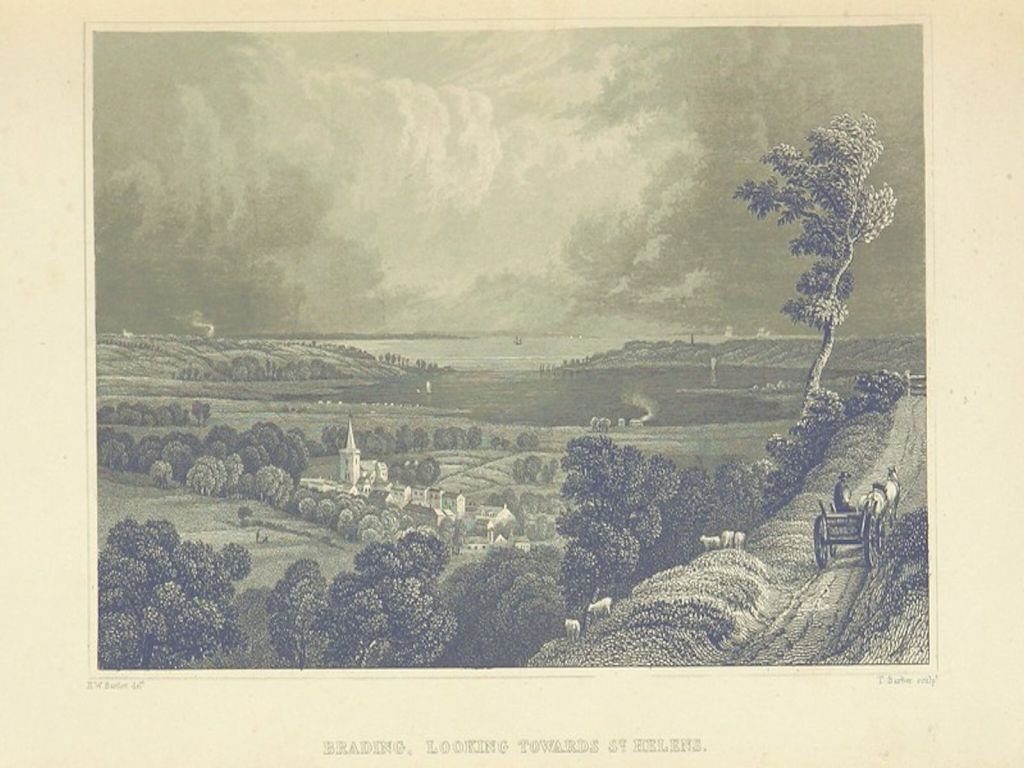
Old Brading – British Library Print from Villages & Geographical Maps
The end result will be that books and documents which have been hidden away for centuries will be transcribed and available online to researchers. The original documents will be seen side by side with the transcribed documents and will also be available in paper form for researchers.
Charles lst gave this once thriving seaport as security for a loan from the City of London. Today Brading is no longer a coastal seaway: after failed attemps in the 16th century the marshes were finally drained and the embankment completed on 1881 which enabled the railway system to progress.
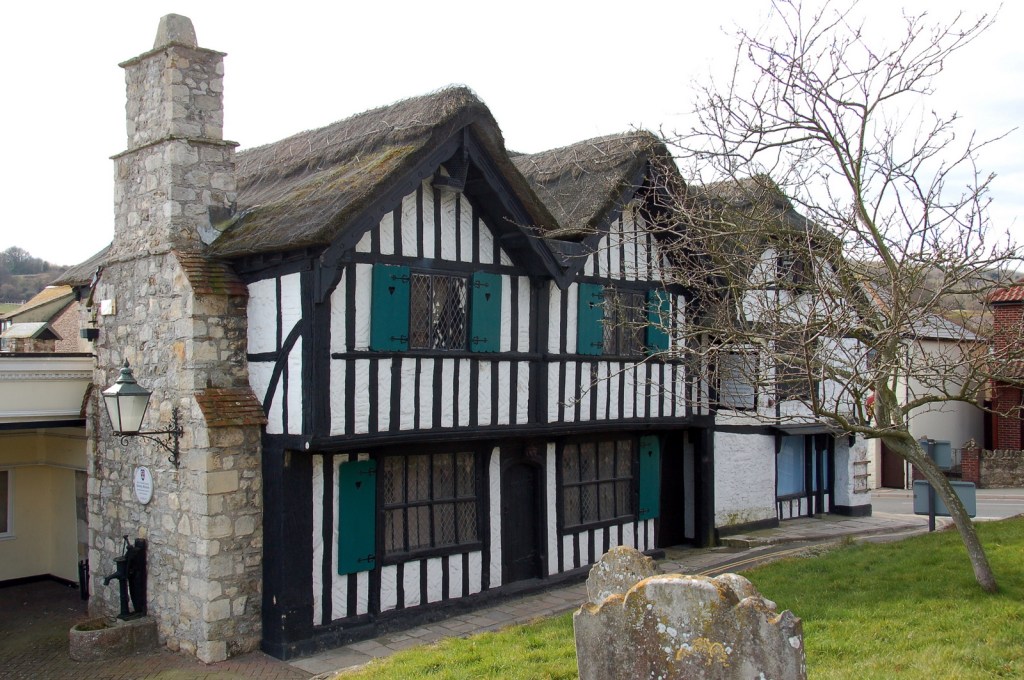
Brading Norman Church, Old Town Hall with Stocks Below – Photo Mari Nicholson
Brading’s history is apparent from the Norman Church at the top of the incline to the well-preserved 16th and 17th century houses that line both sides of the High Street with their eclectic range of windows, roofs and chimneys. Next to the church is the old town hall, a stone and brick building with an open arcade housing the stocks and whipping post, once the site of the butchers’ shambles for the market first held in 1285.
It is here that we work, in the Old Town Hall, a musty room over the stocks, a cold place in the winter as we can’t have heating because of the fragility of the books.
As bacteria, acids, oils and dirt on our hands can be transferred to the materials we are working on, disposable rubber gloves are worn at all times, no food or drink is allowed on the premises and it goes without saying that no pens are allowed anywhere near the documents or books (all notes must be taken using pencils). Working on the books is done according to prescribed rules: opening them at 1800 could cause irreparable damage (1200 is the maximum opening) and tightly bound books should be opened no more than 900. To prevent damage to the spine they are opened in a box made into a sort of cradle and as fragile surfaces must not be touched pages must never to be turned by the corners, and more …. And I haven’t got to photographs and pictures yet!
Before we got to the transcribing stage we had to carefully clean the books with special brushes which wouldn’t damage the paper, first the front, back and spine, then each page. When I say this was boring, believe me, I’m not exaggerating. After that, each book was wrapped in special acid-free paper, tied up with acid-free cotton tape, given a number which was attached to it and then placed carefully on shelves ready for the next stage.
Original Stocks, under the Old Town Hall – Photo Mari Nicholson
In the midst of all this ancient paraphanalia we sit among modern technology, overhead scanners, laptops, computer storage devices etc.
Once the transcribing began the brain was engaged and the fascination with ancient ways and history meant that even two cold winters in the Old Town Hall could be coped with – just! As well as remembering that 1752 was the first year in England to begin on January 1st (until then the New Year began officially on March 25th, Lady Day) there was the fact that two centuries earlier, in 1582, Pope Gregory XIII had reformed the Julian calendar because it did not conform to the solar system, and cut 10 days from the year. England did not follow other European countries in this and remained ten days behind until an adjustment was made in 1752 and these days removed. Then there are Regnal years versus calendar years and other hazards for the careless transcriber, one of the trickiest being documents written in the reign of Charles ll who came to the throne in May 1660 although he calculated his regnal year as beginning on 30 January 1649 the date of his father’s execution. These anomalies do not interfere with the actual transcription of the documents but they have to be kept in mind for dating purposes.
The actual transcription has to retain the original spelling and as spelling in English was not standardised until the 18th century this can create difficulties. Before then phonetic spelling was used and people wrote in the local dialect so when transcribing it is often necessary to say the word aloud as it appears on the page to get a sense of what the word might be. It is useful to know where the document was written or by whom as a word written by someone who spoke in a Somerset dialect say, could differ in spelling from that of a Londoner.
Old Brading – British Library Print from Villages & Geographical Maps
The books and documents themselves are fascinating and sometimes one can spend too long reading about the fines for allowing a pig to roam in the street, money requested for footware for a shoeless child of the village, for a cart to take an old woman to the Workhouse, or for bread for a hungry family. One is made aware of the importance of policing certain trades by the weights and measures being strictly kept under lock and key and checked and signed for each year, and made to wonder at the many pubs the village supported. There are many sad tales and one is grateful beyond words to have been born in this present day and age where despite its failings, there is a safety net to catch all but the most vulnerable in our society.
We shall be working on the books for another year at least, but once away from the ancient past and into the 20th century it will get easier, and I dare say, less interesting. Coronation street parties, the coming of street lighting and the contract to the lamp-lighter (£16 a year), are still fascinating but I shall miss the dark, old days, when life was ruled by the rising and setting of the sun and when having the price of a candle meant that a woman could wear her eyes out doing sewing to make an exra few pennies to feed the family.
When the lock-down is over and things return to normal, our little band of volunteers will return once more to our job of unlocking the past so that future generations will be able to research the history and times of Brading, Isle of Wight. Although it is but a small town on an island, the broad outlines of how it was run apply equally to towns and villages all over the country and the knowledge gained by looking at this one small town gives an insight into England’s governance at a micro level.
I haven’t posted for some weeks now as I’ve been tied up trying to recover virtually my entire photographic collection. I had a serious mishap with my computer and everything disappeared. Most of the documents I managed to recover but they are now in a different format and with the expenditure of quite a sum of money I got most of them back. Some were originally in an older version of Windows but had been converted but have now reverted to the former version.
The photographs are a different problem though. I managed to get quite a lot back but they are all mixed up. Not only are they in a jumble of dates but the captions have disappeared completely, leaving me at a loss as to where some were taken, when, and for what reason. Imagine trying to differentiate 100 churches or more, all taken at different periods in different countries and landscapes without any defining features, and you’ll have an idea of my problem.
My back-up went the same way and neither of the two computer experts I’ve had looking at it can understand why. Maybe because it is kept plugged in to my desktop all the time, to make a backup?
My older photographs I always put on DVDs (or CDs in the earlier days) and these are OK, but since I bought the Iomega backup machine I haven’t bothered. Lesson learned.
I am just about to put up a blog post but it won’t have the photographs I had planned to use of the volunteers working together on our project at Brading, Isle of Wight, and this after I’d got everyone’s permission to use the images!
And now to continue my search through thousands of images to try and re-caption them, date them (vaguely) and otherwise restore them.
Just to say that I’ve heard nothing from any of you lovely bloggers out there whose posts regularly pop into my Inbox to cheer me up. Finally, feeling both frustrated and cross, I approached WP for a reason as I knew you would all be posting and they suggested I check my Notifications page.
So I did. And guess what. A gremlin, or something, or somebody, had been in there an ticked the box to block all notifications. I am at a loss to account for this as I’ve never even seen this page to my knowledge.
But anyway, just so you know why you haven’t had any comments from me. I’m still here, not able to post due to pressure of things, but hoping to start soon, and meantime, I shall try and catch up with everyone’s recent posts.
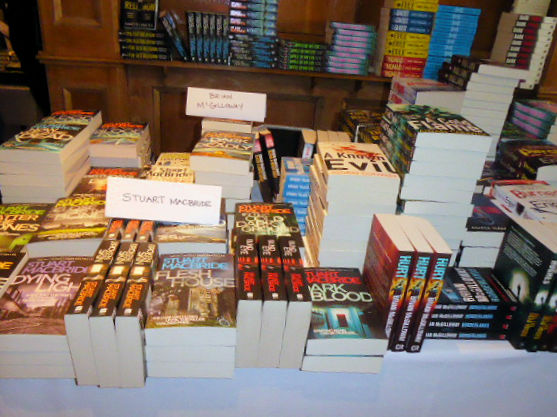
To Belfast Last weekend for the Noireland International Crime Fiction Festival held in The Europa Hotel and back home laden with books by writers mostly new to me. I realize that I have been in a rut, buying or borrowing only familiar writers, but listening to the panels of speakers at the Crime LitFest and browsing through the piles of books on the stands, I uncovered a whole new world.
And what a world I found at Noireland. Talks and panel events took place from Friday night till late Sunday afternoon and I was able to dip in and out as I wished. I managed to catch most of them. They ranged from An Englishwoman, An Irishwoman and a Scotswoman walk into the Noir which brought together the witty trio of Belinda Bauer, Jo Spain and Denise Mina, to a discussion between two of the top writers in the genre, Stuart MacBride and Adrian McKinty about their writing life.
Various panels of writers took to the stage to discuss themes that ranged from The Victim, which looked at the human being at the heart of the crime, through True Crime and Podcasts, Gothic Crime, The Outsider (the loner, one of the tropes of crime fiction), Chillin’ like a Villain which explored the nature of the Villain in crime, Political Villainy, right down to our very own Brexit Means ….. And if you think it was all serious, “Catch yourself on” as they say in Belfast, this was all about the craic and the jokes fell fast and furious even as the crimes discussed were bloody and brutal.
Difficult to chose a favourite session but I think I have to put in ace position the late evening reading by actor Adrian Dunbar of two spine-tingling chapters from John Connolly’s new novel, “A Book of Bones”. Hard though it was to disassociate the man from his TV character of DCI Ted Hastings in Line of Fire his inspired reading meant that he owned the narrator’s character within a few seconds of him starting to read. A cliché I know, but you could hear the proverbial pin drop.
This was a masterclass in reading aloud and holding an audience, but the man is an actor and a Northern Irish citizen so he was at home.
Another highlight for me was Anthony Horowitz talking about his writing career which spans books for young adults, the Alex Rider books, his Sherlock Holmes novels, Foyle’s War and Midsomer Murders on TV, his James Bond novels and how he was chosen by the Fleming Estate to write these. Few people know that Horowitz is a wonderful raconteur and notable wit when on stage.
This slideshow requires JavaScript.
Writers like Eoin McNamee, Haylen Beck, Claire Allan, Dervla McTiernan, Stuart Turton, Gerald Brennan, Sarah Vaughn, M.J. Arlidge and Will Dean who had flown in from his home in Sweden, ranged over topics such as how they get into their victim’s heads, the human being at the heart of the crime, the extremes that motherhood can drive a woman to, and how true crimes have influenced the writing of crime novels.
Ann Cleeves in discussion
The final session was Ann Cleeves in conversation with Brian McGilloway talking about her long career in writing and how she came to develop the characters of Jimmy Perez in Shetland, and DCI Vera Stanhope in the long-running Vera. A fascinating insight into the workings of a true crime writer.
I haven’t named every writer who took part in the Festival: I have listed them below, but a special mention must go to No Alibis bookshop in Belfast without whom this would not have taken place. The owner, David Torrans, is passionate about books, specializes in mystery and detective fiction and is involved in the community to the extent that he also uses the bookshop as a community venue for literary events and concerts, Van Morrison being just one who performed there.
Books bought from No Alibis Bookshop are free of postage in the UK so if you want to check out what’s available, log on to noalibis.com, buy a book and support an independent bookseller. If you are in Belfast, you’ll find the shop at 83 Botanic Ave, Belfast BT7 1JL and they even open on Sunday mornings.
Eat your heart out Amazon.
Other writers appearing at the Noireland International Crime Fiction Festival and not mentioned above:
Eoin McNamee, Haylen Beck, Claire Allen, Asia MacKay, Elodie Harper, Dervla McTiernan, Stuart Turton, Laura Purcell, Caroline Lee, William Ryan, Martyn Waites, Aidan Conway, Declan Hughes, Adam Handy, Thomas Enger, Renee Knight, James Swallow, Douglas Lindsay, Mason Cross, Steve Cavanagh, Karen Hamilton, Elly Griffiths, and D.B. John.
It used to be the root that made people give that nudge and wink smile that relegated the Ginseng root to the realms of sexual innuendo, it’s popularity relying more on its reputation as an aphrodisiac than a health supplement. Promotions along the lines of Appeases the Thirst of Women and Activates Manly Functions kept the root firmly in the field of sexual problems.
Nowadays, however, ginseng is recognized as having qualities that stimulate all senses and it is even credited with preventing breakdowns in both health and the nervous system. These claims may sound outlandish but, to the believer, the root is the antidote to everything. Two grammes a day is the recommended dose to keep one healthy and this can be taken in many forms. However, the jury is still out on the efficacies claimed for the product.
Some buyers place great faith in the shape of the root
Geumsan, the Capital of Ginseng
Geumsan, a small town just three hours south of Seoul, is the undisputed ginseng capital of South Korea where the 10-day Ginseng Fair and Market is attended by thousands and tons of the root is sold. Here the emphasis is solely on the plant with hundreds of tons of the product on sale as well as by-products of the root – ginseng tea, chocolates, cereal bars, jam, shampoo, soap and face creams.
It can be bought bottled, dried, raw, peeled, sliced, shaved, or steamed. A big trade is also done in ginseng wine and chicken gingseng soup. The wine at 13% alcohol has the obvious effect of perking most people up very quickly, proof, to the believers, that the root is working.
Different types of Ginseng
The Ginseng Fair and Market at Geumsan, Korea
The emphasis at the fair is on health and well being and Geumsan is the place to snap up not only fresh raw ginseng but the processed products.
At the fair there is a doctor pavilion and visitors can experience traditional treatments – including acupuncture – and discuss the ginseng effect with specialists. Many oriental doctors are there to lecture on the medical effects of the root and there are special pavilions where they treat children for various childhood illnesses. South Koreans believe there is nothing that ginseng cannot cure.
The Best Ginseng
The Raw Roots of Ginseng
The best ginseng is considered to be South Korean, opinions that come from Hong Kong and China, major importers of the crop. This has a lot to do with the shape of the root which the Chinese take to resemble the human body (ginseng from other countries resembles a carrot). It is said that it is the acidic soil in Geumsan that contributes so much to the quality of the ginseng as well as the heavier than average rainfall.
The plant is quite pretty above ground
The people of Geumsan can convince you of anything – their
marketing skills are way above what anyone would expect from this
small town – but they emphasize that Ginseng should be taken over a
long period. So whether you take the root as an aphrodisiac, for its
health properties, or to cure some illness or disease, remember that
it does not have an immediate effect.
Ginseng is available in all countries from health shops and other specialist shops, but to find a variety of the root, seek out the Chinatowns of western countries where it will be found in abundance.
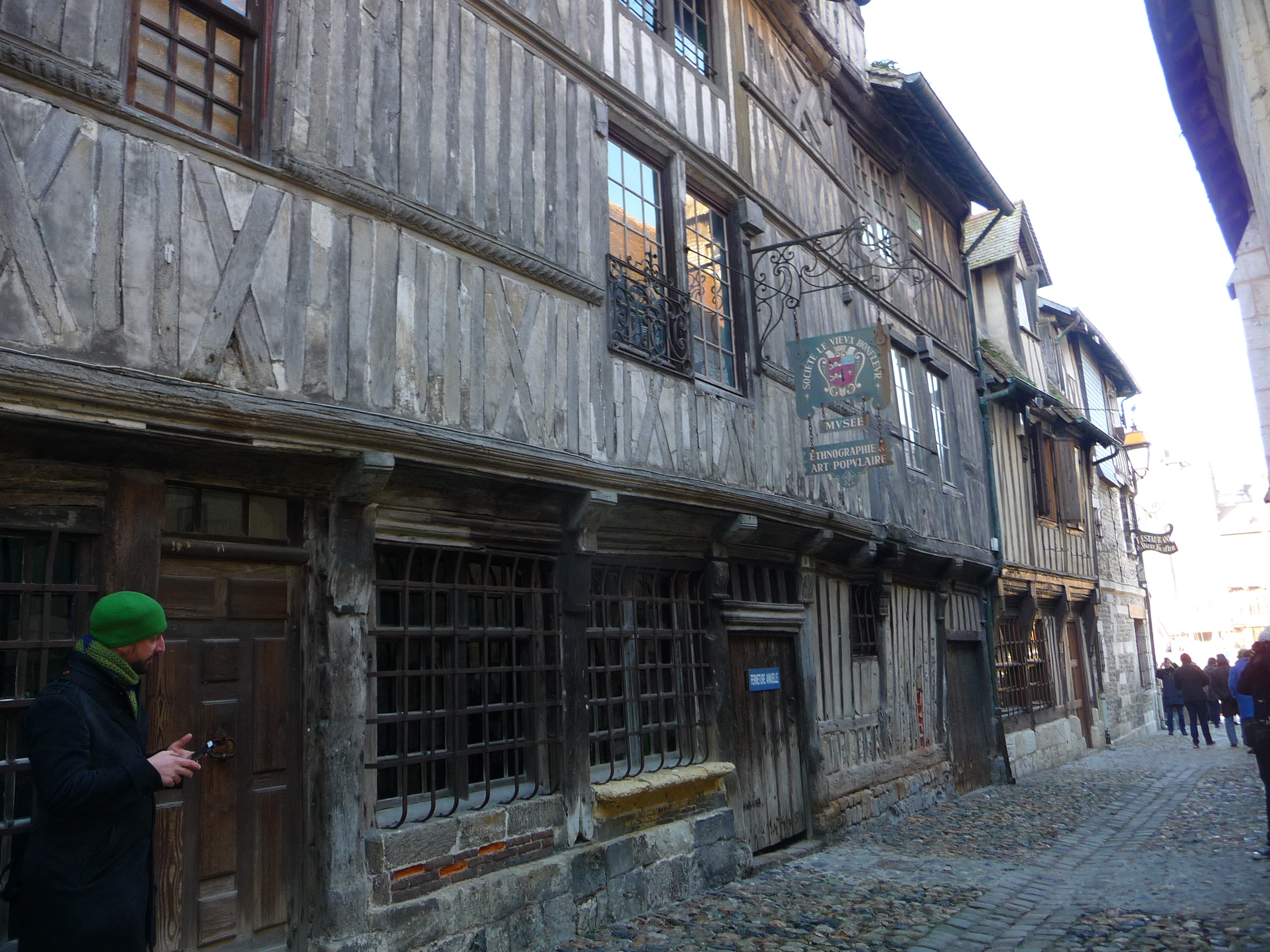
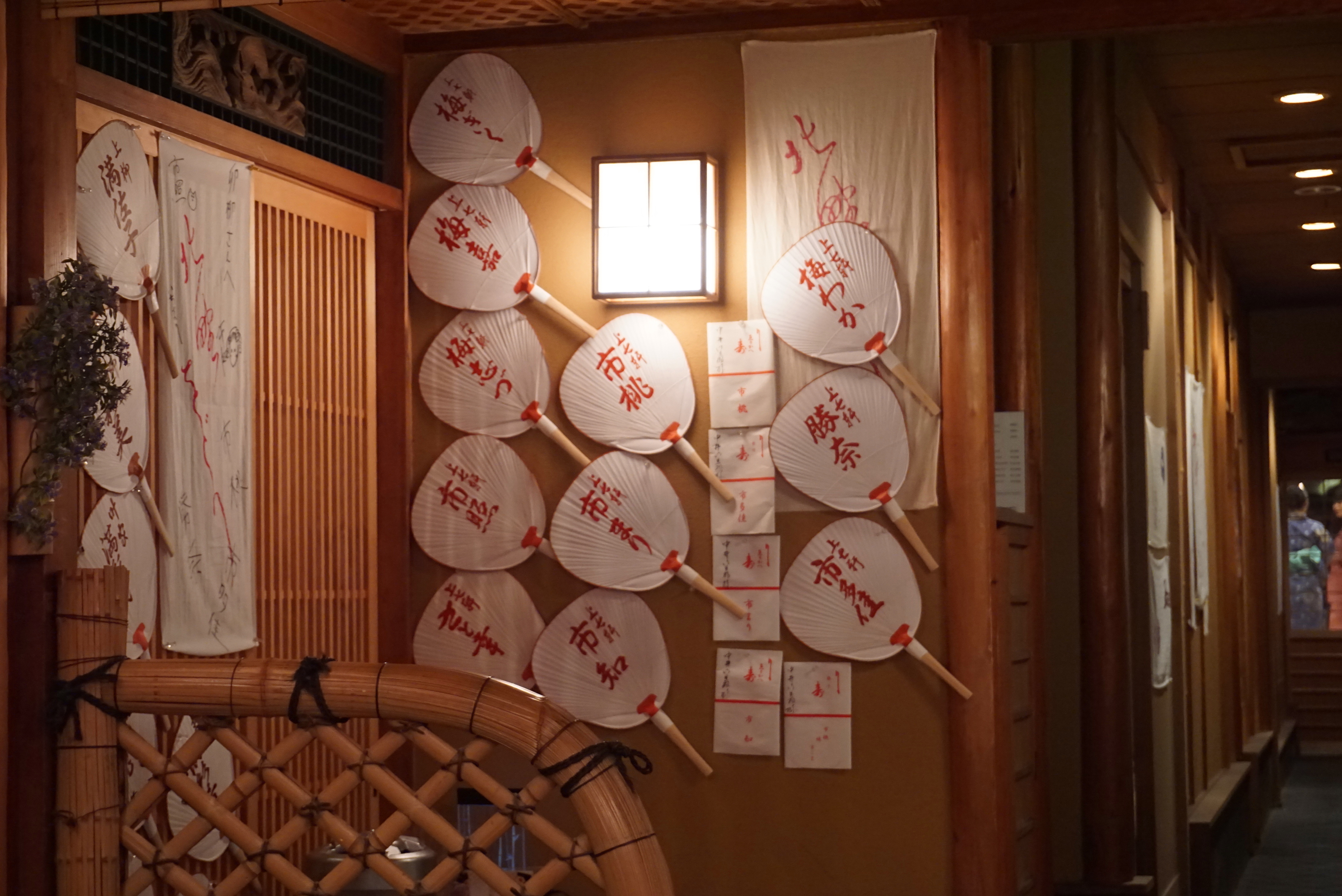
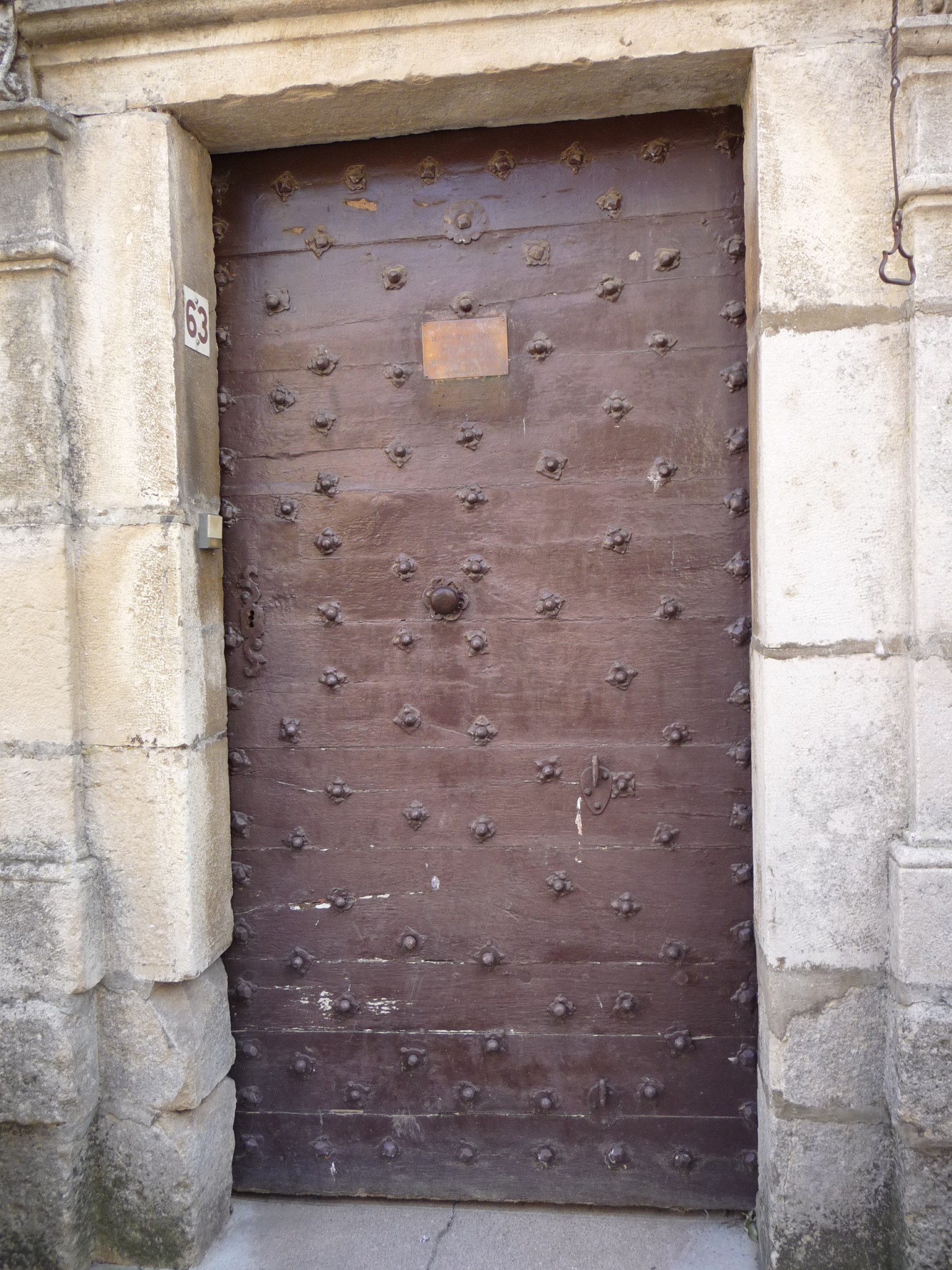
Writing is at standstill at the moment as I have an eye problem that prevents me from working on the computer (or it takes so long that I can’t do it anyway), so as doorways seems a popular feature of blogs, I thought I’d dig out a few of my favourites. The featured image is of a street of blue doors in East London, the others follow:
Lots of old doors in Honfleur, France
Can’t resist including my favourite pub in Belfast
Not exactly a doorway, but a delightful entrance to a restaurant in Tokyo
Surprises come in many forms and here are three of mine.
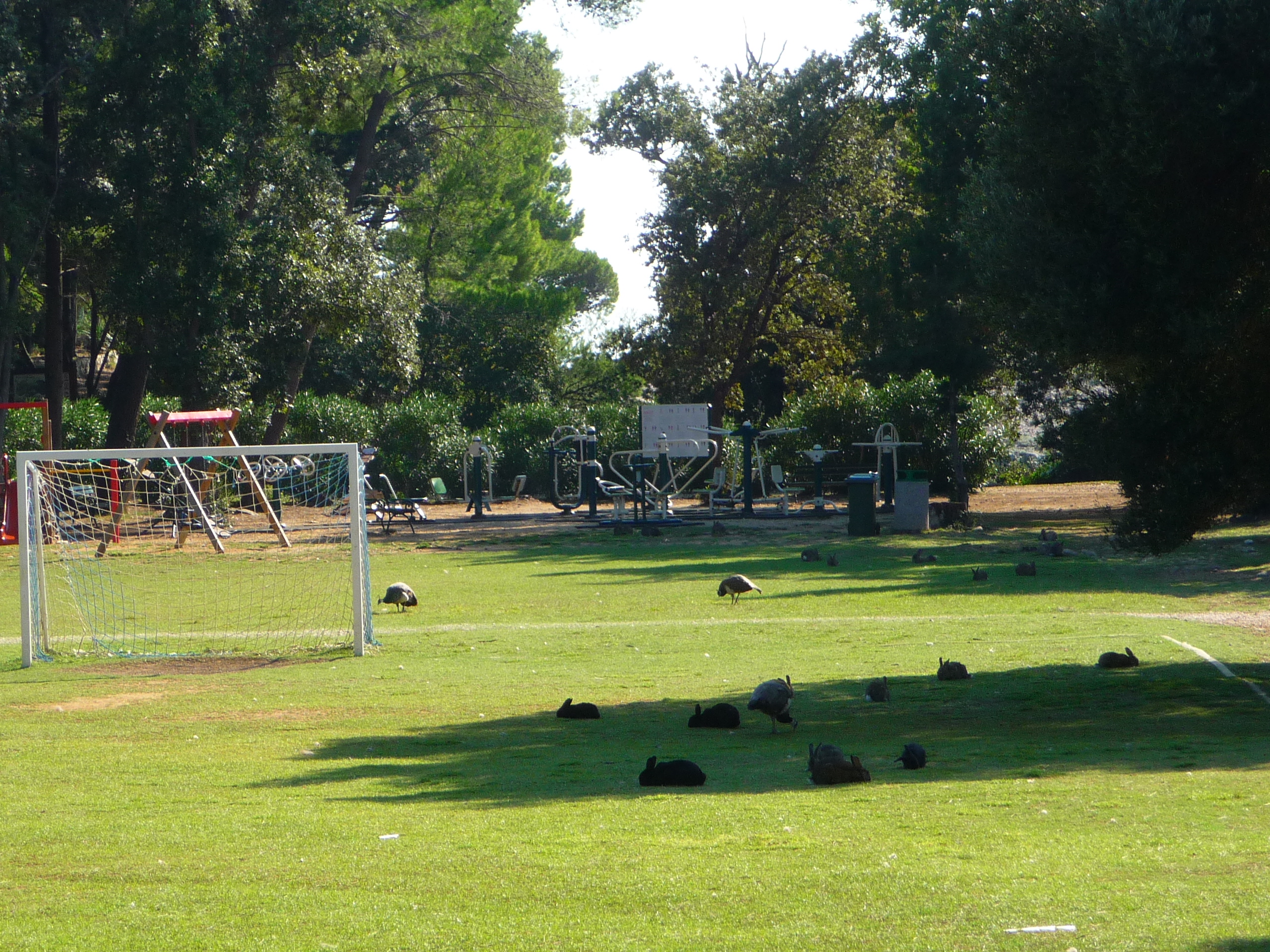
I was totally bowled over by the tame wild-life (well, rabbits, squirrels, peacocks and other birds) which allowed me to get up close and personal on one of Croatia’s islands. This was helped no doubt, by the fact that it was traffic-free. I fear however, that the hundreds of Game of Thrones fans who are invading the islands at the moment, may soon render this a thing of the past.
In Cyprus recently, I was surprised, and pleased, that the island wasn’t trying to hide its revolutionary past. This bronze grouping was perfectly placed to remind people of what the island had gone through to achieve it’s current tentative peace.
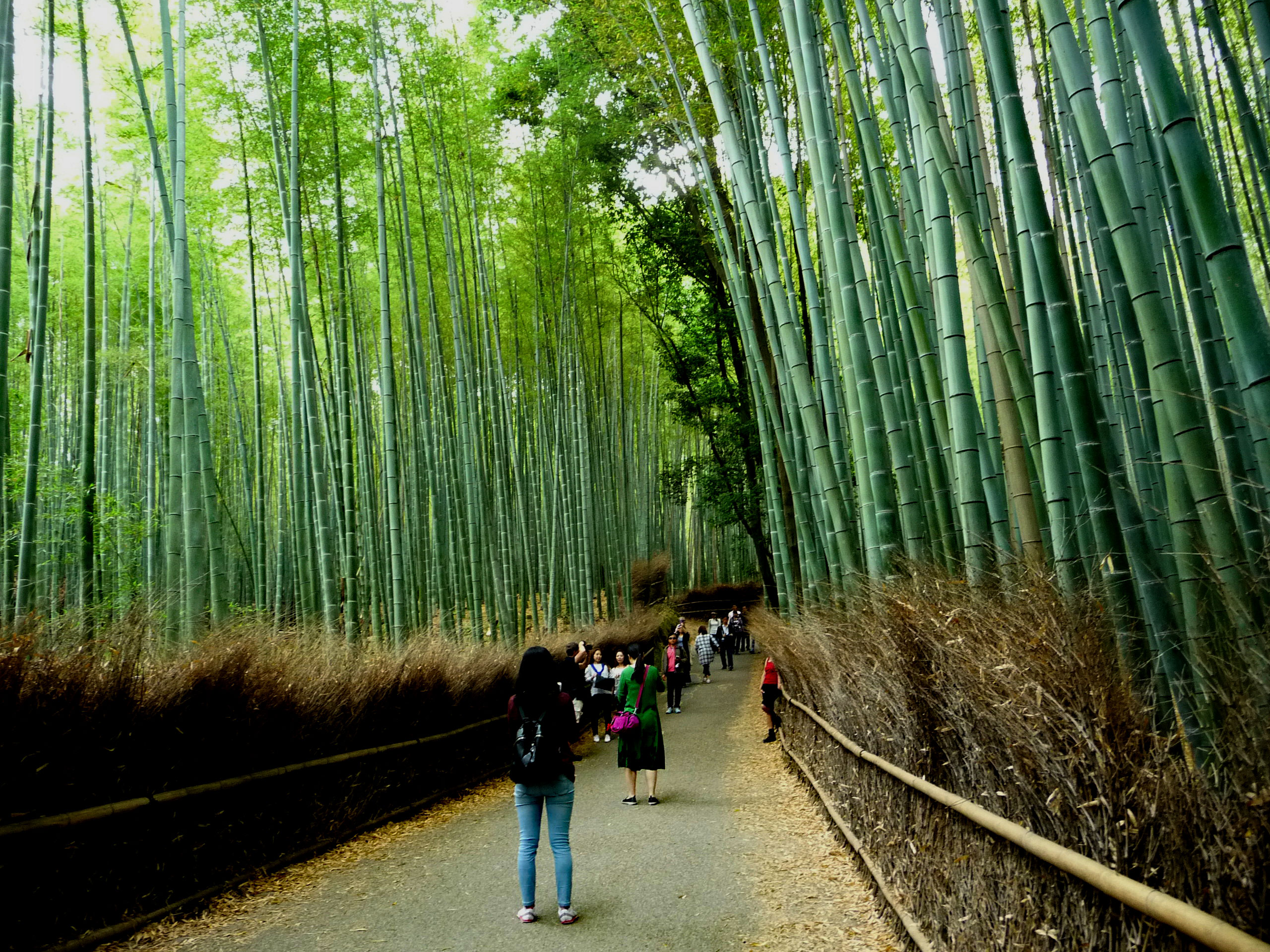
The beauty of the Arashiyama Bamboo Grove in Kyoto, Japan, should not have surprised me but it did. A cool, calm, oasis of tranquillity in the midst of a busy city it had a calming effect on everyone. I noticed that even mobile phones were less in use here than elsewhere – how’s that for peace!



















 MARI'S TRAVELS WITH HER CAMERA