Category: World Wars I & II, Literature, Battlefields & History

  • Barranco de Viznar: Unearthing Lorca’s Legacy and the Spanish Civil War Tragedy

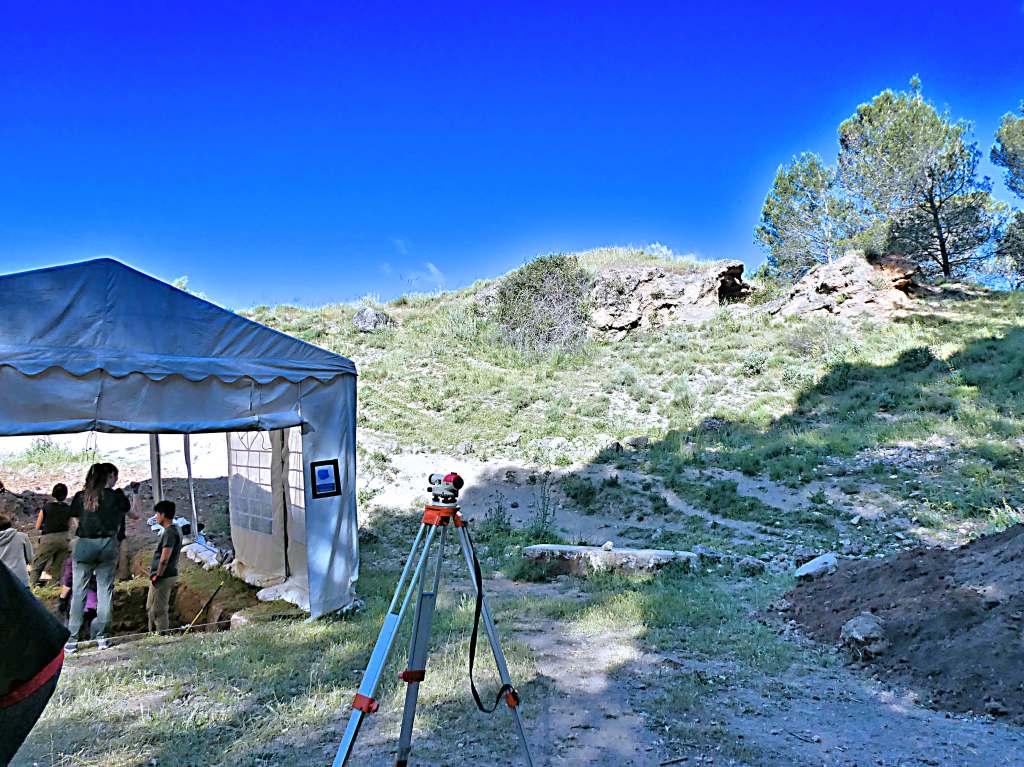
    They work in silence over a hole in the ground, on their knees, lying flat on their stomachs to access the dig. On a table nearby are some bones, skulls too. The harsh sun has bleached the surrounding terrain but there is a little shade in the nearby wooded area and under the gazebo tented area in which they work.

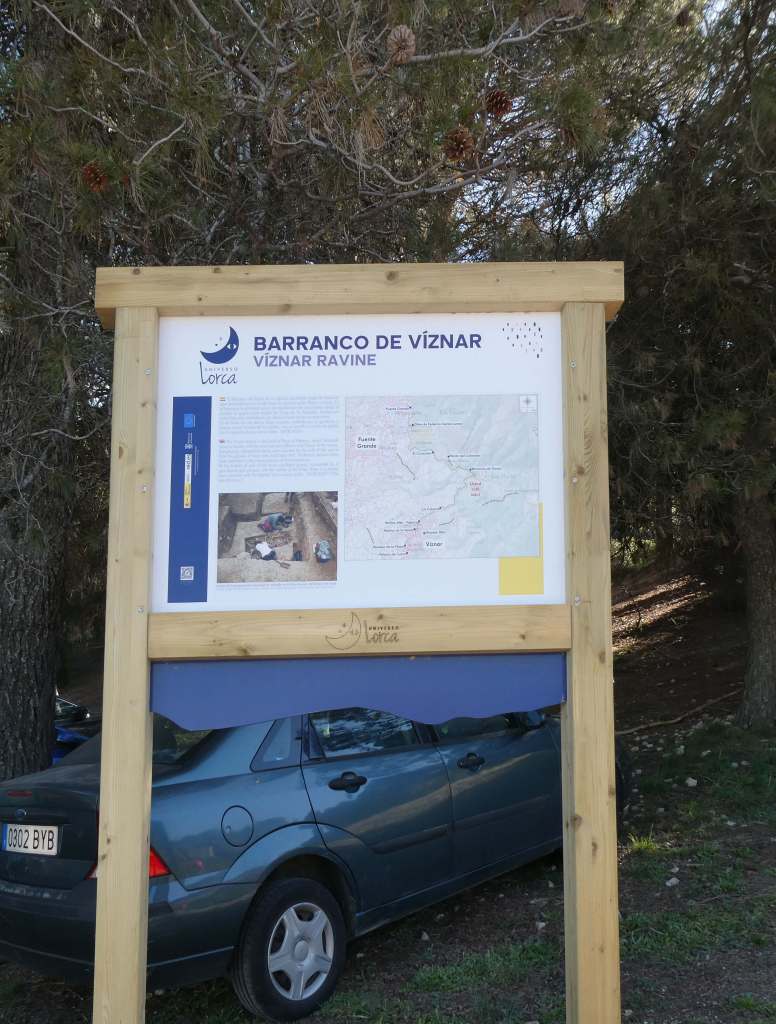
    The Barranco de Viznar has been declared a Place of Historical Memory in Granada, Spain, and as a life-long student of the Spanish Civil War, standing in this sloping, wooded area of about 10,000 square meters on a sharp curve of the road between Alfacar and Viznar, just has to be one of the best moment of 2024 for me.

    We know where the bodies are

    Imagine being given the opportunity to visit the site where the exhumation of thousands of young men assassinated by Franco’s troops during the Spanish civil war is taking place. Between September and November 1936, at the start of the Spanish Civil War (1936-1939), it is reckoned that at least 173 people were killed here and thrown into mass graves. Even earlier, in July and August, just after the coup d’état that triggered the war, there had been other assassinations, including that of the poet Federico García Lorca, but no record was left of them.
    Imagine how overwhelming it was , as a lover of Lorca’s poetry and plays, to be given the privilege of visiting the place where his assassination is presumed to have taken place in the opening days of that terrible conflict, and to talk with those involved in the ‘dig’.
    In Lorca’s Footsteps in Granada

    That is what happened when my friend Kathleen and I visited Granada recently to renew our acquaintance with a city that had charmed us both decades ago. We found it virtually unchanged, still intensely Spanish, catering mainly to Spanish visitors and still with the best tapas bars in Spain, but giving nods to a more modern vibe with the addition of Gin bars!

    Our idea was to walk In the Footsteps of Federico Garcia Lorca, guided by the Ian Gibson book of the same name, and it was while we were doing this that we had a serendipitous encounter with a Granada local who shared our enthusiasm and who invited us to visit the dig in Viznar.

    The Barranco de Viznar and its secrets

    The Barranco de Víznar is a ravine in the province of Granada, Spain, where a team of researchers made up of archaeologists, geophysicists, anthropologists, forensic experts and historians led by Francisco Carrión Méndez, a Senior Lecturer in Prehistory and Archaeology at the University of Granada has been searching for the bodies of the those assassinated during the Spanish Civil War, and searching for one in particular, the poet and playwright, Federico Garcia Lorca, one of the first to be killed.

    How Many Assassinations

    No one knows exactly how many were assassinated in the Spanish Civil War but it is estimated that it was more than 500,000, thousands of whom were massacred in the Province of Granada, some, including Lorca, even before Franco’s military coup.

    In the area of Viznar, to date, they have located 16 mass graves and recovered 124 bodies. In one mass grave they found the bodies of 10 people with gunshot wounds to the head and their hands tied behind their backs.

    The area of Barranco de Víznar was replanted with a thick forest of pine trees which has covered up the graves left after the mass executions committed by platoons of assault guards, part of the ferocious repression that followed the uprising.

    How is the Dig Funded

    The project is funded by the state and the regional government and is being conducted under the 1922  Democratic Memory Law which was enacted following the coming to power of the government of Pedro Sánchez. However, there are fears that this could be in jeopardy and the excavation stopped under a new government.

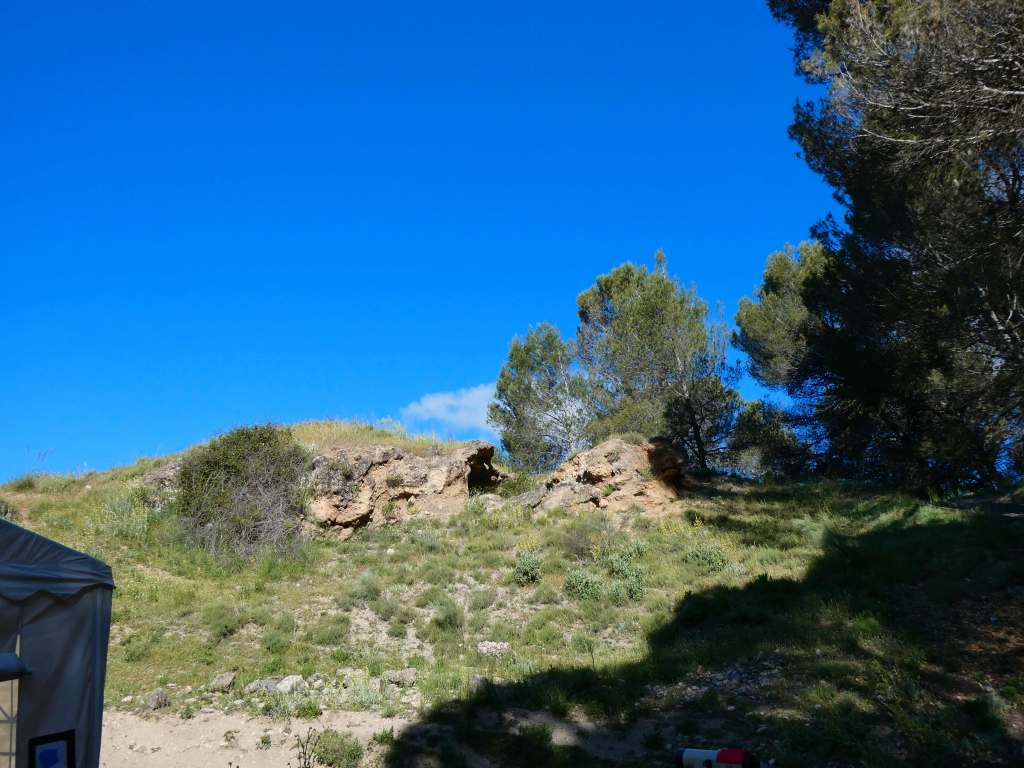
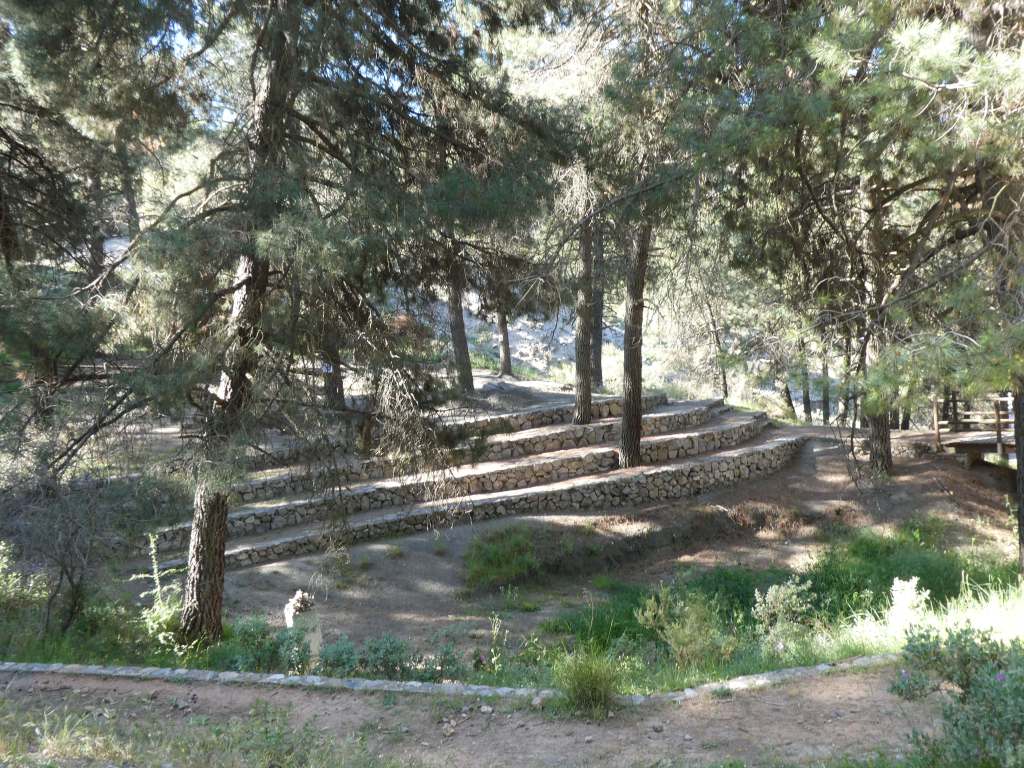
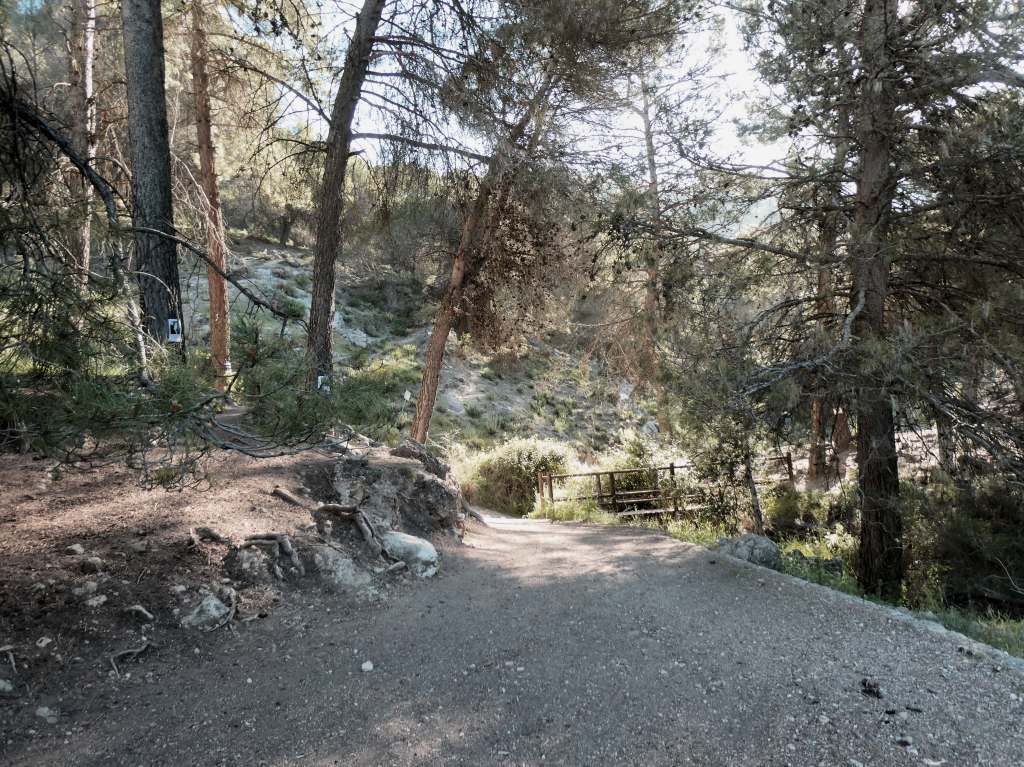
    Some scenes of the Barranco, above. Throughout the woods are dotted tents where the archaeologists and forensic scientists are working, in difficult terrain and extreme heat.

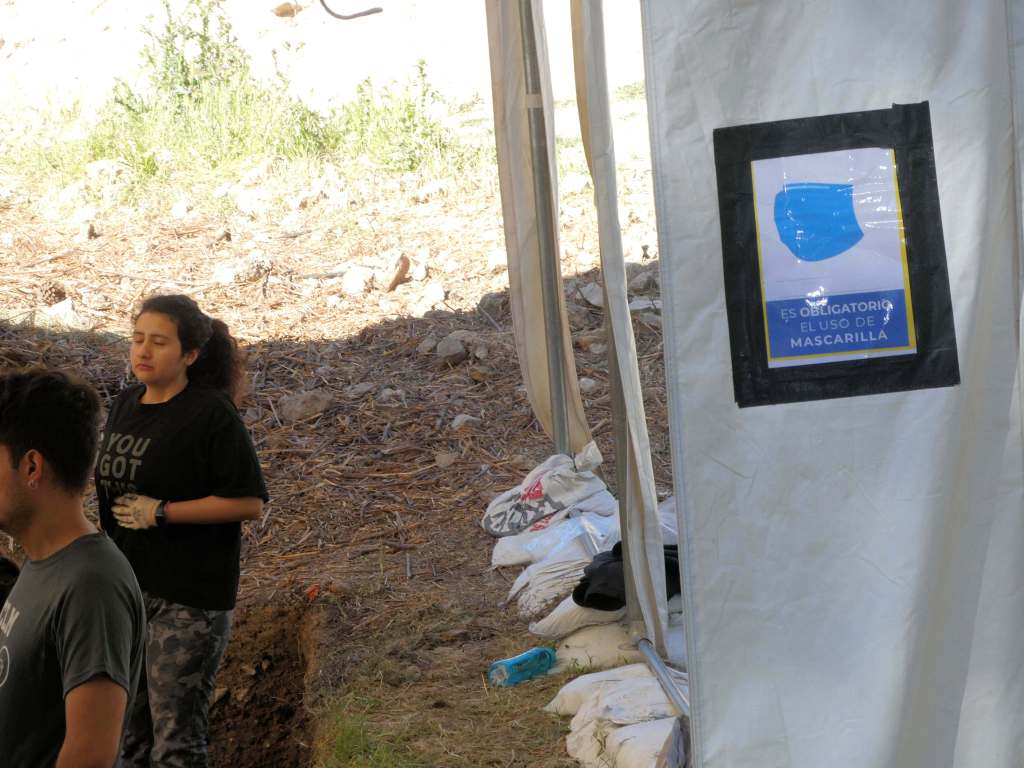
    One of the volunteers told me it usually takes four to six weeks to complete an exhumation, to excavate the personal effects and log, photograph and do the paperwork. Fortunately, the soil in the ravine of Víznar has managed to preserve the bones remarkably well, helpful in identifying the age and sex of the victims, as well as the injuries and the type of violence to which they were subjected. The DNA results can take a long time to come in but when the families are re-united with a family member, it is a great moment.

    Each tree could be a Memorial

    When a family is linked with a body from one of the mass graves via the DNA their permission is requested for a photograph of the victim to be displayed on a tree. Most families agree and it was an emotional moment to wander amongst the trees, see the photographs and read the names and occupations – some academics, a bullfighter but mostly ordinary citizens, killed because of their sympathies with the legally elected Republican government.

    Among the bones of those discovered is a former Rector of the University of Granada, Salvador Vila (above) who was brought from Salamanca to Granada and shot on October 22nd 1936. His wife, Gerda Leimdörfer, daughter of the editor-in-chief of Berlin’s leading Jewish newspaper, the Berliner Zeitung am Mittag, was spared thanks to the mediation of Manuel de Falla, the Spanish composer, who obtained a pardon in exchange for her conversion from Judaism to Catholicism.

    The burial area is accessed over uneven terrain and a paved dirt path has been laid by the City Council of Víznar that after a detour, leads to the main grave which is surrounded by a stone gallery filled with small metal plaques bearing the names and circumstances of those killed, placed there by Historical Memory Associations and the heirs of those shot.

    The Death of Lorca

    Lorca was spending time in the home of family friends, the Rosales, on Angulo Street, on 17th August 1936, when he was arrested and taken just 300 metres away to the Civil Government building, at that time a centre of terror: from there he was quickly transferred to Alfacar and Víznar, two small towns located only ten kilometres away where Franco’s rebel army had created a centre for the extermination of left-wing sympathizers. He was assassinated not only because of his beliefs and his ideology, but because he was homosexual.

    Memorial to Lorca

    All Were Lorca memorial stone

    Within the area there is a simple stone with the legend “All were Lorca. 18-08-2002″ and each year, on August 19, a poetry event takes place here beginning at midnight and lasting until the early hours of the morning. This celebration of Lorca’s poetry originally started as a clandestine event during the last years of the dictatorship and was the first open-air commemoration of Lorca’s assassination.

    The road to Al

    To date, Lorca’s body has not been discovered but hope remains high that one day it will be among those exhumed.

    Postscript:

    The project in the ravine, which is in its fourth and final phase, is now funded by the state and the regional government and is being conducted under the new Democratic Memory Law passed in 2022. It is not certain that this will continue if a more right-wing government should be installed in Madrid.

    Essential Reading

    For the politics of Spain during the Civil War and since, anything by Peter Preston is to be recommended.

    Ian Gibson: Federico García Lorca:  A Life (Faber & Faber)

    Ian Gibson:  The Assassination of Federico García Lorca (Penguin)

    Ian Gibson:  Lorca’s  Granada (Faber & Faber):  This is a great guide book to Granada as it takes you on ten routes, step by step from his birthplace to the site of his execution outside the city via the poets best-loved places in Granada.

    Granada Tourist Board – Patronato Provincial de Turismo de Granada
    Cárcel Baja, 3. 18001 Granada
    Tel: +34 958 24 71 27
    www.turgranada.es<http://www.turgranada.es/>

  • The War Horse at Mottistone

    The War Horse at Mottistone

    I re-watched “War Horse” a few nights ago, that wonderful film from the book by Michael Morpurgo that tells the tale of a brave horse and his human friend who both come through the horrors of the First World War after many trials and are finally united. **  As always, it reminded me of the story’s links with a real-life war horse and the man who bred and raised him on the Isle of Wight.    

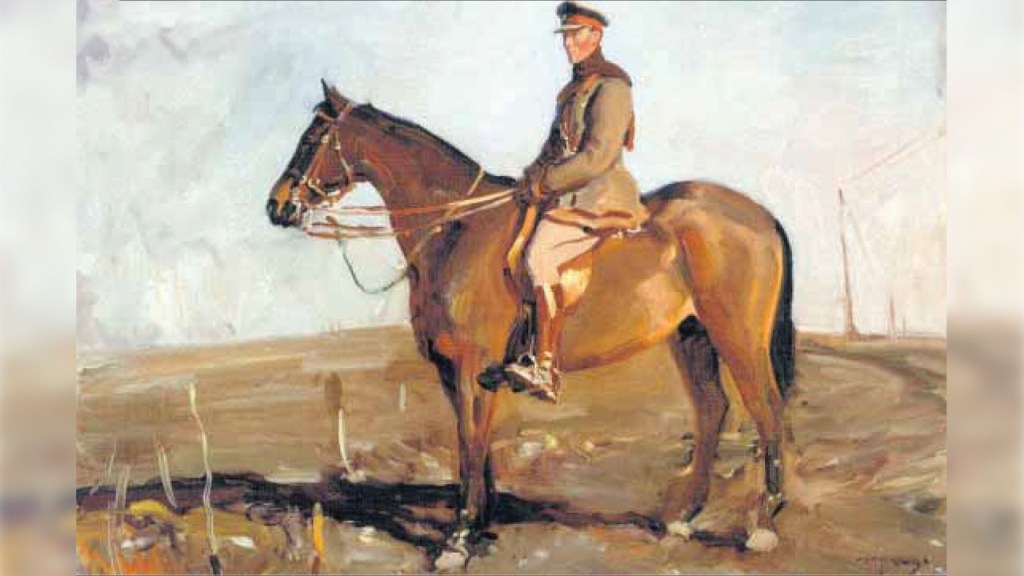
    Portrait of General Jack Seely on Warrior by Sir Alfred Munnings

    The original horse that served in the war was called Warrior and his story was told in 1934 by General Jack Seely in a book called My Horse Warrior, re-published in 2011, then again in paperback in 2013 and 2014.  It tells the story of Warrior from his birth in a field on the family’s estate on the Isle of Wight and how, due to a combination of character and some twists of fate, he was able to survive Ypres, The Somme and Passchendaele in a war in which over 8 million horses, donkeys and mules died.  Warrior lived to the age of 33 and died at his home in Mottistone, Isle of Wight, in 1941 and in 2014 his bravery was rewarded posthumously with an honorary PDSA Dickin Medal (the VC for animals).

    From a happy life in the fields of the estate on the Isle of Wight, Warrior was sent to war along with his owner, where as a result of his being able to survive so much, he gained a reputation for bravery under fire and was adopted as his formation’s mascot, as well as earning the nickname ‘the horse the Germans couldn’t kill’ – this from the Canadian cavalrymen he led.

    His owner was no less brave. On the Western Front he was involved in some of the defining moments of the First World War and led one of the last cavalry charges in history at the Battle of Moreuil Wood, on his faithful horse Warrior, in March 1918.

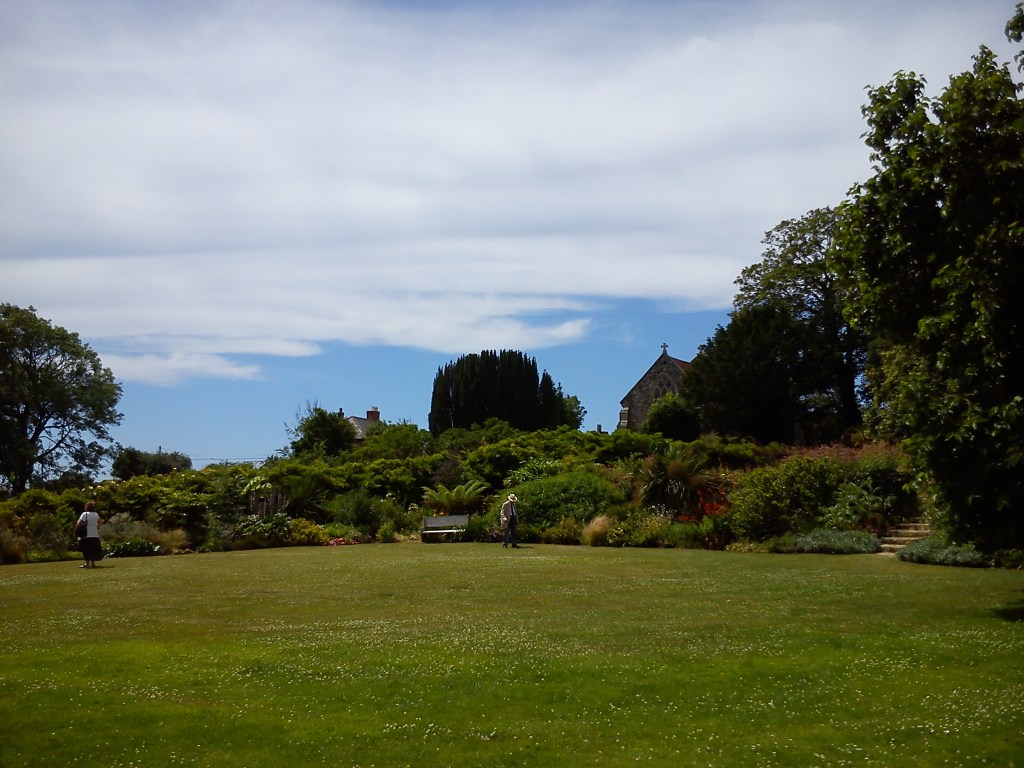
    And so we come to Mottistone Manor, first mentioned in the Domesday Book in 1086 and today a National Trust property.  The Manor as it stands today however, was created during the 15th and 16th centuries but the gardens we stroll in came much later.  These were laid out in the 1960’s, to the original design, with seasonal plantings which are a delight even in winter.

    Mottistone Manor

    Mottistone Manor was bought in 1861 by Charles Seely who was a Liberal politician and philanthropist who had made his fortune in the Industrial Revolution, and the Seely who owned Warrior was General Jack Seeley, the First Baron Mottistone, known to all as ‘Galloper’ Jack. 

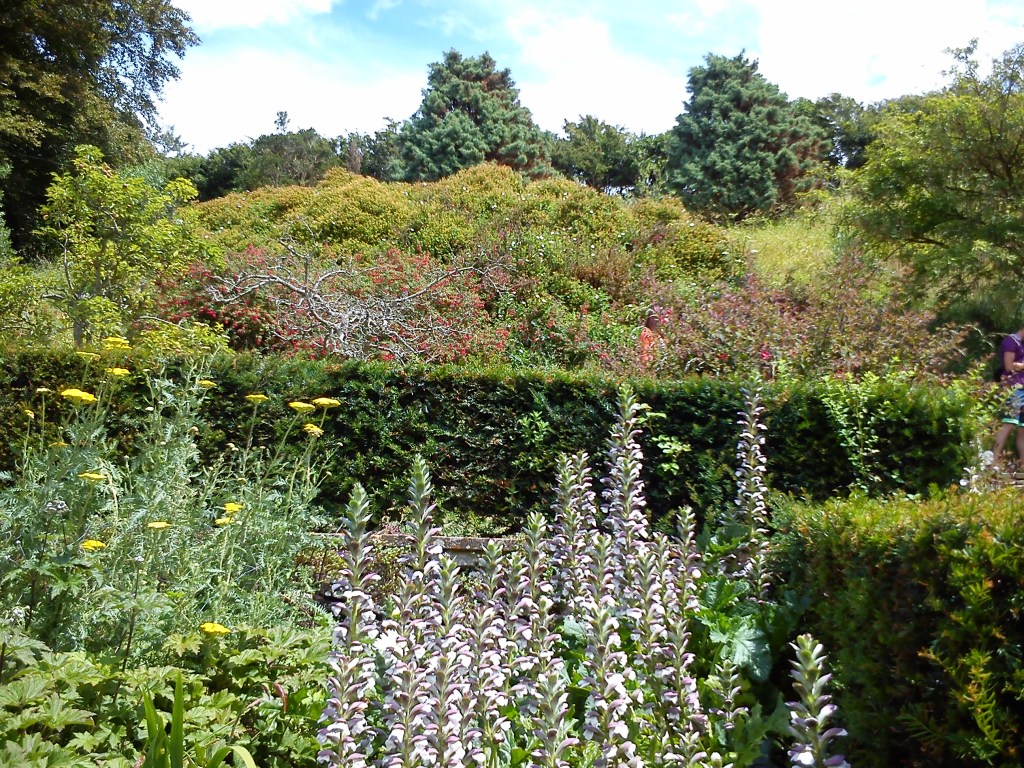
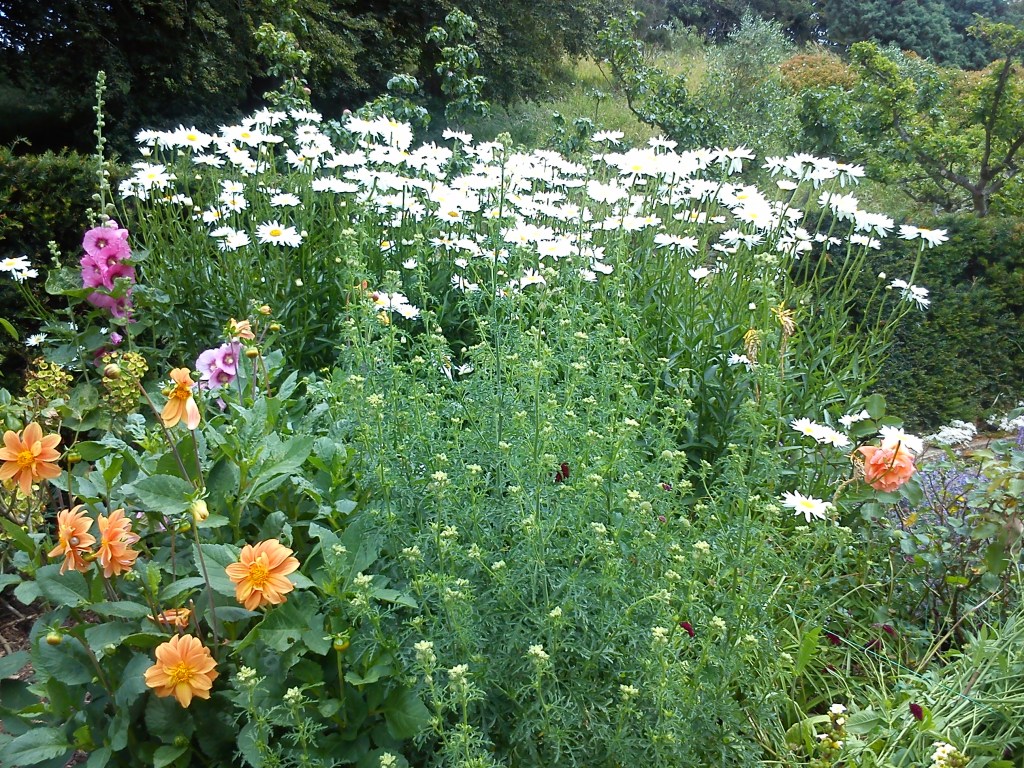
    Below are a few images of the gardens from last time I visited.   

    Of course, Warrior never wandered through these gardens but whenever I visit, I think about that horse and all the other animals that died in The Great War.  For me, Mottistone is a very fitting place to remember the brave Warrior.

    The War Horse is now available on the National Theatre’s new streaming service National Theatre at Home. The iconic and multi-award-winning production of War Horse, based on the novel by Michael Morpugo, is available on demand for the first time since its premiere 13 years ago.

    ** The film was directed by Stephen Spielberg from a script by Lee Hall and Richard Curtis and starred Tom Hiddleston, Benedict Cumberbatch, Emily Watson, Jeremy Irving, Peter Mullen, David Thewlis and Celine Buckens.

  • Remembering WWll Convoys

    ALAN ROSS, Poet

    When I posted my Saturday Sculpture last week (the Memorial to the men of the Merchant Navy who left on the Arctic convoys from Cardiff in Wales) it set me thinking of one of the poets of the Second World War, Alun Ross, whose name seldom crops up in anthologies but whose poems I feel should be more widely known. 

    ‘Where are the war poets’, the newspapers asked on the outbreak of the Second World War.  Cyril Connolly answered them with a curt “Under your nose”.  And indeed they were, although the poems they were writing were very different from those written in and of The Great War.  The new style was nonchalent, laconic and cool, poetry that came from disillusion, a war spawned by what Auden called ‘the low dishonest decade’. 

    Alas Ross, who served on the minesweepers and then the destroyers that accompanied the Arctic convoys safely through the seas to Russia, wrote poems of immense power, less well known than they should be, but then the Arctic Convoy servicemen always said they were overlooked in the war.   If there is anger in them, it would appear to be anger more against nature than the human enemy but unlike the more famous World War ll poets Keith Douglas and Alun Lewis, he is not laconic, nor is he nonchalant.  He ended his service in Germany overseeing the break-up of the German fleet, de-nazification, the identifying of war criminals, and the Belsen Trials.  We cab say that he saw the worst of everything that man could do to man.

    Alus Ross, Poet

    Ross was a man of letters, a journalist, editor and publisher, and it is often said that from the detail in the poems, his journalistic roots are obvious: they paint a picture as vivid as a newspaper headline but his anger appears to be more against nature than the human enemy. 

    … The white faces float like refuse…. they clutch with fingers frozen into claws the lifebelts …. (Survivors) is a sentence that sear the mind, as does his longer poems describing the fears they lived with daily, the dark, heavy, seas, the perpetual cold and the fear of a torpedo attack leading to an icy grave. 

    On a convoy ship

    On 30th December 1942 Ross was in a convoy when it was attacked by German surface raiders in an action known as the Battle of the Barents Sea. From this came the epic poem J.W.51B – Convoy, a poem that describes the horrifying minutes when Alan was trapped below decks on the destroyer HMS Onslow  with only the dead bodies of his comrades for company: ‘…Heads floating like lilies/ Pulled under by the currents..’ Alan somehow survived that day. Two-hundreds and fifty of his shipmates did not. The experience haunted him until the day he died in 2001. 

    Here are a few lines from that poem.

     ‘A’ and ‘B’ Guns unable to fire, Radar destroyed, aerials ripped,

    And, forward, the sea stripping The Mess decks, spilling over tables, Fire and water clinching like boxers As the ship listed, sprawling them. Tamblin, his earphones awry, like a laurel wreath Slipped on a drunken god, gargled to death In water with a noise of snoring.

    To read more I would recommend his short collected poems, Open Sea (London Magazine Editions)

    I think I am correct in saying that the Government has still to produce a medal for these brave men who risked so much in terrible conditions. Last I heard some years ago the Arctic Medal was still a dream in the heads of a few good men. There are only about 200 of these veterans left now. Surely it is time they were rewarded?

  • When Democracy Ruled

    Image by Carol M. Highsmith – https://commons.wikimedia.org

    Depressed by the current news, the arguments, the depths to which politicians and supposedly clever men and women are sinking, I think back to how years ago Franklin D. Roosevelt was a beacon of light to a world deep in a fiscal depression. As he saw America through a war and put in action methods to help Europe build itself up after the second world war, he laid the groundwork for 20th century democracy in the western world. Less than a century later, we stand to lose it.

    FDR had many faults, he was a human being after all, but he was a giant compared to what we see today.

  • SCULPTURE SATURDAY:  Scottish Memorial in France

    SCULPTURE SATURDAY: Scottish Memorial in France

    I debated with myself whether or not to post these images as some might wish to argue that they are not sculpture. Yet they were brought into being by a sculptor whose name unfortunately, I have not been able to find (I am still searching).

    So here is the Monument to the Scottish fallen in World War 1, an unusual sculpture of granite slabs slotted together like dry-stone walling which stands in a field adjacent to the British Military Cemetery on the road between St. Laurent-Blangy and Gavrelle and which was unveiled on 9 April 1922, the fifth anniversary of the battle. Located north of the village of Athies it is not far from the battlefields of Loos and Arras.

    Pont du Jour Memorial to the Scottish fallen

    Around the field are individual stones with the names of Scottish battalions who fought here.

    And a close-up of the plaque on the monument.

    Ypres to the Scheldt 1915-1918

  • Sculpture Saturday: Cyprus

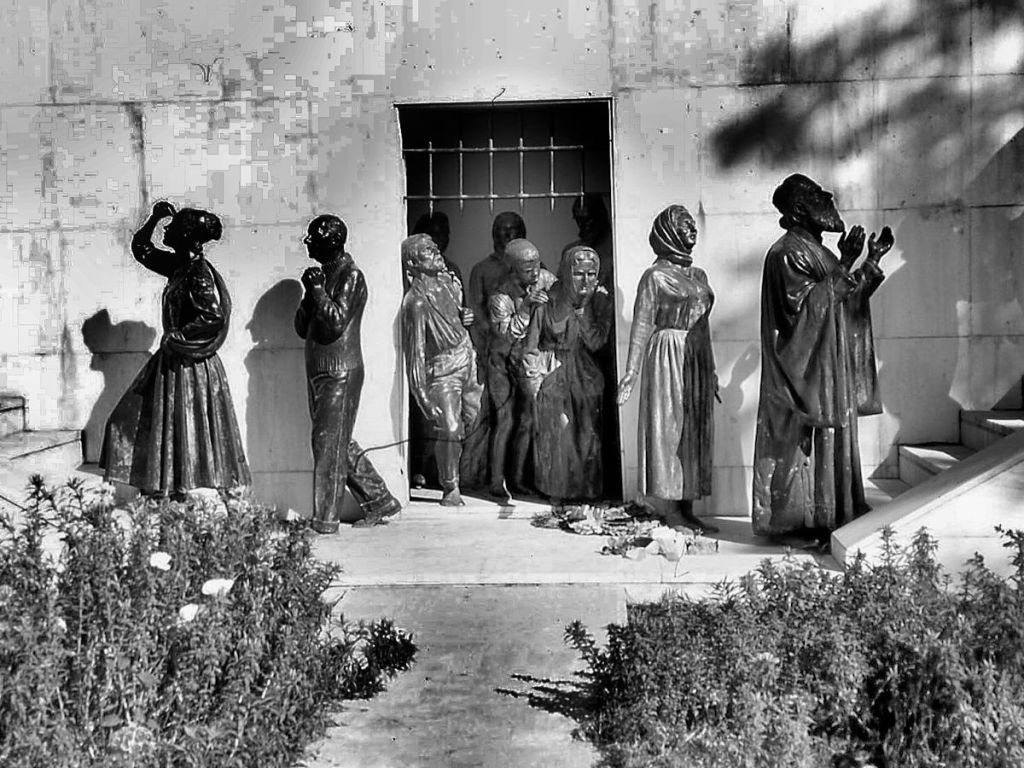
    This group of bronze statues shows the release of Greek Cypriot prisoners, peasants and clergy, from British colonial rule during the fight for independence on the island of Cyprus. The statue is in Nicosia but I was unable to find a date for it. I photographed it sometime in the 1970’s and I think it was fairly new then.

    EOKA and the fight for Independence, Cyprus

    Linked to Mind Over Memory who hosts this challenge.

  • Bayeux:  D-Day Landings in Normandy

    Bayeux: D-Day Landings in Normandy

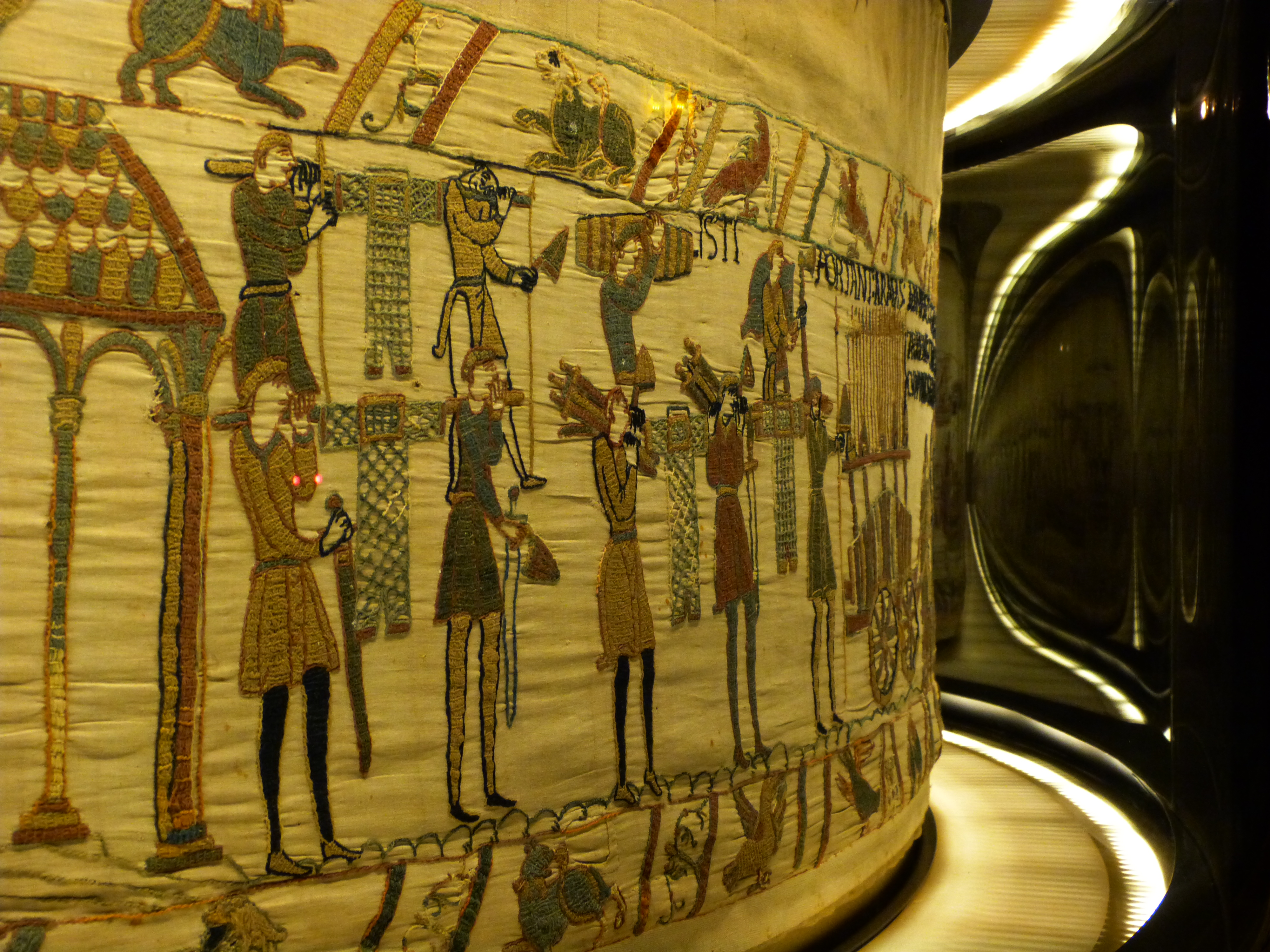
    Although the UNESCO listed Bayeux Tapestry that depicts the 1066 invasion of England by William the Conqueror dominates Bayeux, this Normandy town has much more to offer than just the tapestry (actually an embroidery stitched on linen).

    Section of the Bayeux Tapestry in Bayeux Image Copyright Ville de Bayeux
    Section of the Bayeux Tapestry in Bayeux
    Copyright Ville de Bayeux

    The splendid and beautiful Norman-Romanesque-Gothic Cathédrale Notre-Dame de Bayeux, consecrated in 1077, in the centre of this very historic city is well worth a visit, as is the Bishop’s Palace which stands next to it and which is now a museum.

    Les Amoureux de Bayeux Cathedral. Photo courtesy of Bayeux Tourist office
    Les Amoureux de Bayeux Cathedral.
    Photo courtesy of Bayeux Tourist office

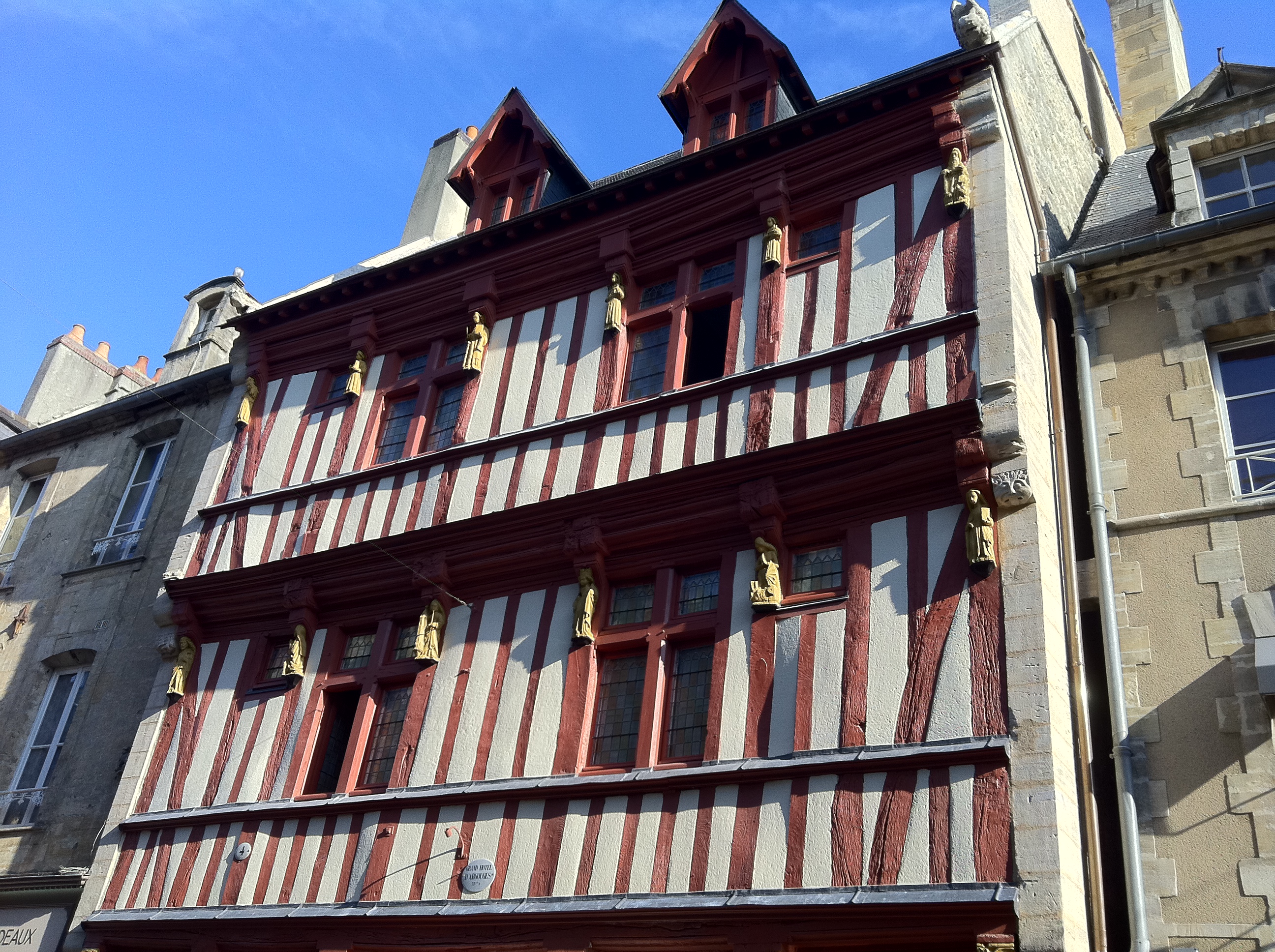
    Grand Hotel dArgouges
    Grand Hotel dArgouges

    Many of the buildings you will come across in the old town were former monasteries, as Bayeux was once an important religious centre, but in the streets adjoining, most of the historic houses have been converted into designer boutiques and fine restaurants.

    Bayeux, The Cathedral. Copyright Mari Nicholson
    Bayeux, The Cathedral. Copyright Mari Nicholson

    Bayeux offers the tourist excellent sightseeing, from its War Museum, British and Commonwealth war cemetery, and the D-Day Landing beaches which lie close by, to the surrounding countryside with grand châteaux and abbeys and the lure of Calvados producing distilleries.

    The Bayeux Tapestry

    Section of the Bayeux Tapestry. Photo Copyright Ville de Bayeux
    Section of the Bayeux Tapestry. Photo provided by Ville de Bayeux

    Although the Bayeux tapestry has its home in France, it is believed that it was originally made in southern England.  The graphic tale of the invasion and the battles that took place are at the centre of the canvas that measures over 70 metres (230 feet) in length, in fifty-eight action-packed scenes of bloody battles.  Severed limbs and decapitated heads graphically explain the ongoing carnage, while religious allegories and illustrations of everyday life in the 11th century make up the borders.  The panel-by-panel audio guide which is included in the entry fee is a great asset as you view the tapestry

    Bayeux Museum Ticket
    Bayeux Museum Ticket

    Bayeux in World War II

    Bayeux, The River Aure
    Bayeux, The River Aure. Copyright Mari Nicholson

    Bayeux is the only town in Normandy to be left completely undamaged after World War II and had the great good fortune to be quickly liberated by the Allies after the D-Day landings.  For a brief period, it was the capital of Free France after General De Gaulle arrived hot on the heels of the Allied forces in 1944 and set up his government in the town.

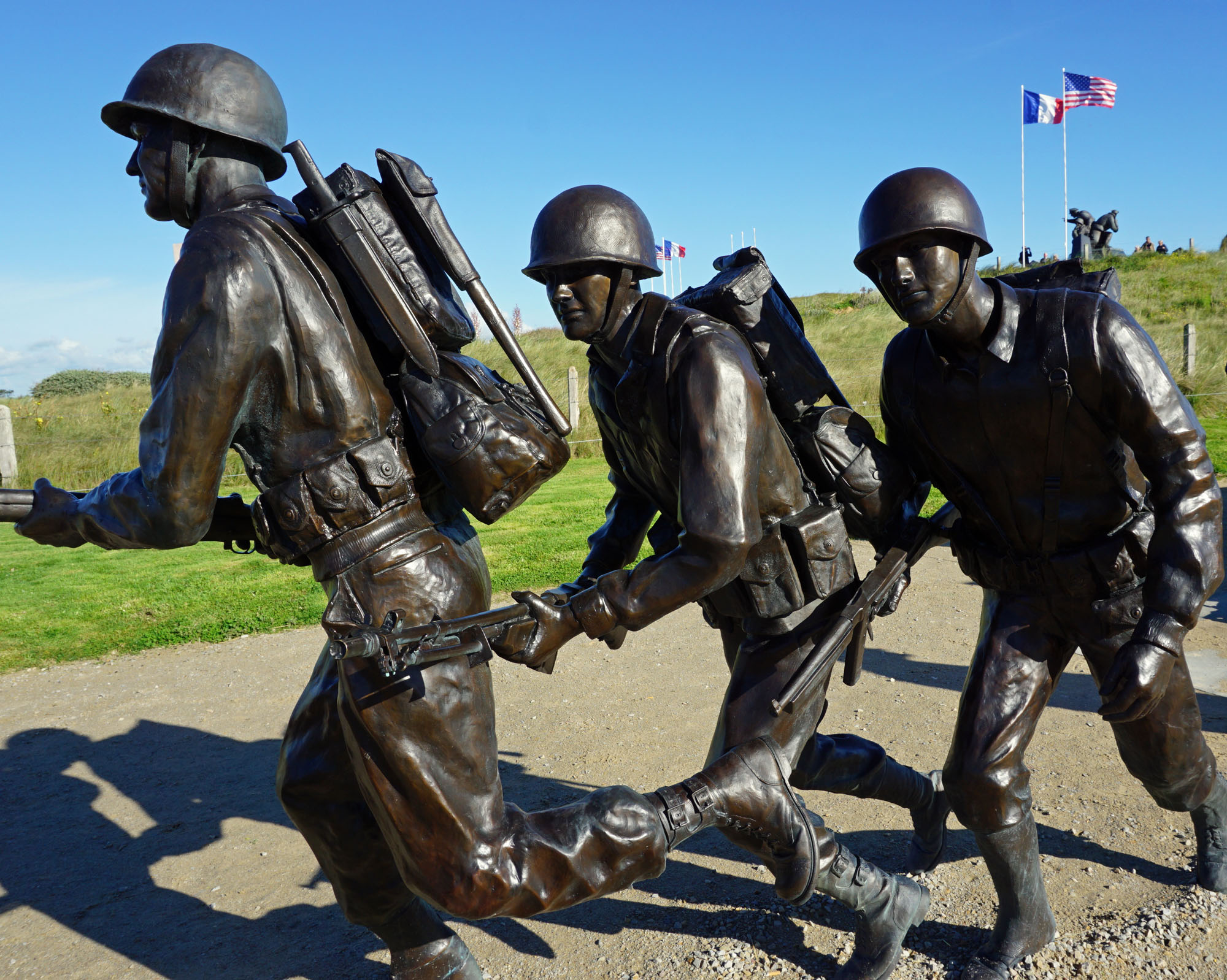
    The biggest British cemetery in Normandy is found in Bayeux with 4,648 graves. For those who have come to look at the D-Day landing beaches, a visit to this cemetery, Bayeux’s own War Museum, and the vast cemetery for over 10,000  US troops in Omaha, puts in focus the sacrifices made in these parts.

    D-Day Landings at Arromanches

    Bayeux is the perfect place to choose as the point from which to tour the beaches of the Normandy landings as they are all within easy reach of the town.  I wouldn’t advise doing them all on the same day, but a couple of beaches and a Museum are quite possible.   Before heading for what are actually quite beautiful beaches, a trip to Arromanches 360 is recommended. This is a circular cinema, unique in France, that immerses you in the Battle of Normandy, allowing you to see everything “in the round” over 360 degrees in a 35-minute session.  Original archived images from Canada, Germany, UK and French collections retracing the 100 days of the battle, are shown on nine screens to give the 360ᵒ effect.  This is a fine tribute to the allied soldiers and the more than 20,000 civilians who died to free Western Europe, and whose personal stories are told in interviews: a very special museum.   Prices are given below.

    The Mulberry Harbour and beach at Arromanches:

    Mulberry Harbour on Arromanches Beach
    Mulberry Harbour on Arromanches Beach. Copyright Mari Nicholson

    From the beach at Arromanches you can see the remains of several pontoons.  The artificial Mulberry Ports A and B were prefabricated in England and towed into place at Gold Beach at speeds of 5 m.p.h. from June 7th.  Seventeen ships were sunk at sea to form a breakwater called Gooseberry and a huge 10 miles of roadway was then created. Mulberries were, and still remain, a terrific technological feat.

    By the end of the 100 days in which it was used, the completed harbour had become more efficient than either Cherbourg or Le Havre, and during this time it disembarked 2.3 million men, 500,000 vehicles and 4 million tons of equipment and supplies.

    Pillboxes on the cliffs of this small fishing port helped the Germans defend and control the town so the fighting to capture the cliffs and advance into France was fierce and bloody.

    After a visit to Arromanches 360 and seeing the beaches and cliffs which the combatants had to scale after landing, one has a much better idea of the hell that is war.

    Prices for Arromanches 360

    Adults: 5 €   Students/Children/Seniors (over 60 years): 4,50 €    Children (under 10 years), veterans: free

    Opening Times:    27TH Jan – 31st March  10.00 –17.00 (closed 2nd Feb): 1st Apl – 31st May  10.00-18.00: 1st June–31st August  09.40 – 18.40: 1st-30th Sept 10.00-18.10:  1st Oct – 11th Nov. 10.00-17.40:  12th Nov-31Dec 10.10-17.10 (Closed on Mondays except on 21st and 28 December.

    Address:  Chemin du Calvaire – BP 9 – 14117 Arromanches-les-Bains.  Tel 02 31 06 06 45 resa@memorial-caen.fr       website: www.arromanches360.com

    War Memorial, D=Day Landings in Normandy
    War Memorial, D=Day Landings in Normandy. Copyright Mari Nicholson