Author: maristravels

  • Winchester, Ancient Capital of Wessex

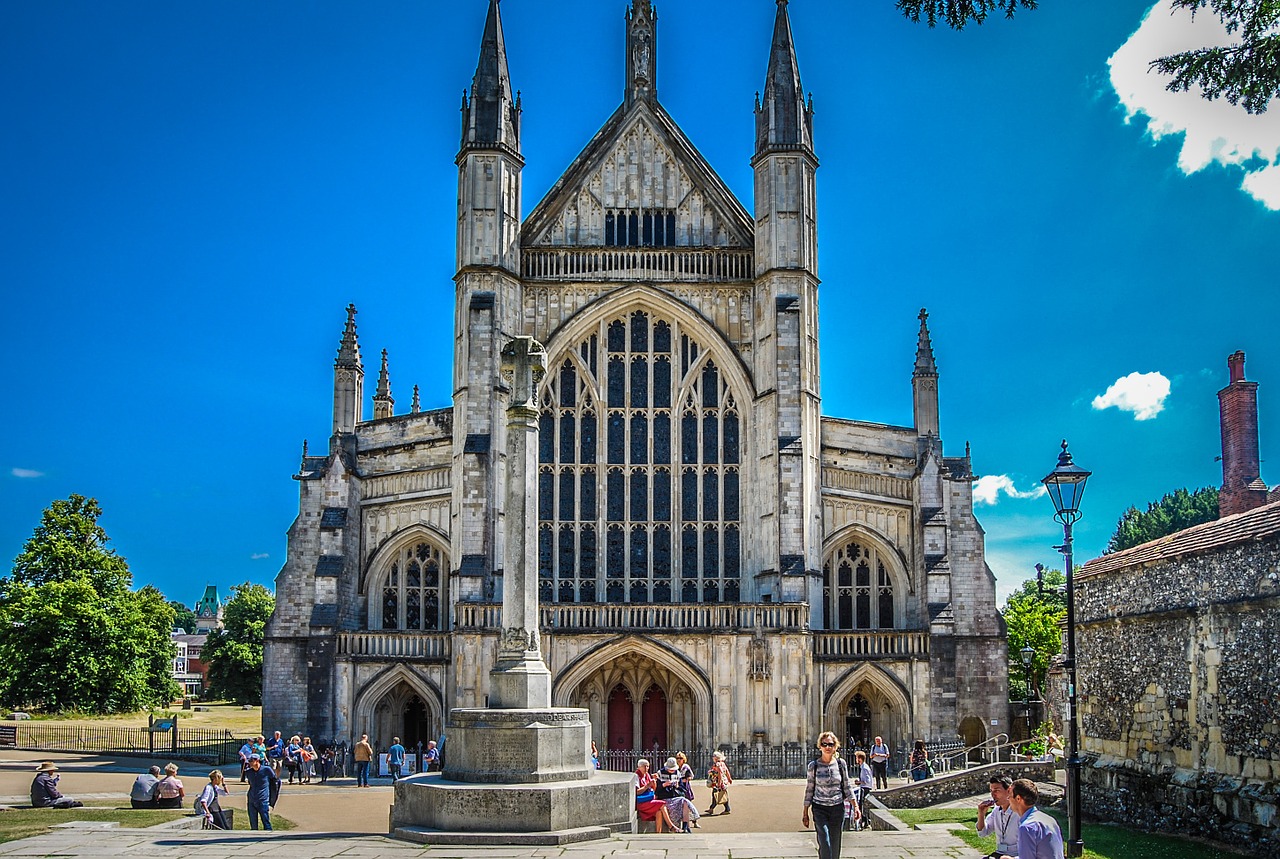
    Winchester Cathedral

    It seems a shame that King Alfred, the man who defeated the Danes and united the English, has gone down in popular history merely as the man who burnt the cakes.  But the city he made his capital does the man proud and it is impossible to stroll through the ancient streets of Winchester and not be aware of how “the Great” came to be added to Alfred’s name.

    An unspoilt city and England’s ancient capital (the Court was mobile during the Anglo-Saxon period but the city was considered the capital of Wessex and England at the time), the cobblestones, buildings and monuments of Winchester, just an hour from London, ring with history.  If you like big bangs and all things military, it is also home to a host of museums dedicated to all things warlike.  Surrounded by water meadows and rolling downland, it offers the best of city life – modern shopping, quirky open air events, and great entertainment and it can be covered in a day (although a couple of days will show more of what is on offer and allow trips into the surrounding villages).

    Fulling Mill Cottage and River Arle

    To get a panoramic view of the streets and buildings laid out according to the original Saxon plan, a good starting point is St. Giles’ Hill (a great spot for a picnic), from where you can  pick out Hamo Thorneycroft’s famous statue of King Alfred.  Then follow in the King’s footsteps from the walls erected to keep out the Danes to what is the largest medieval cathedral in the world.   Famous for its treasures, from the sumptuously illustrated 12th century Bible to medieval paintings and a 16-metre stained-glass window 66% of which dates from medieval times, Winchester Cathedral is that much-overused word, awesome.
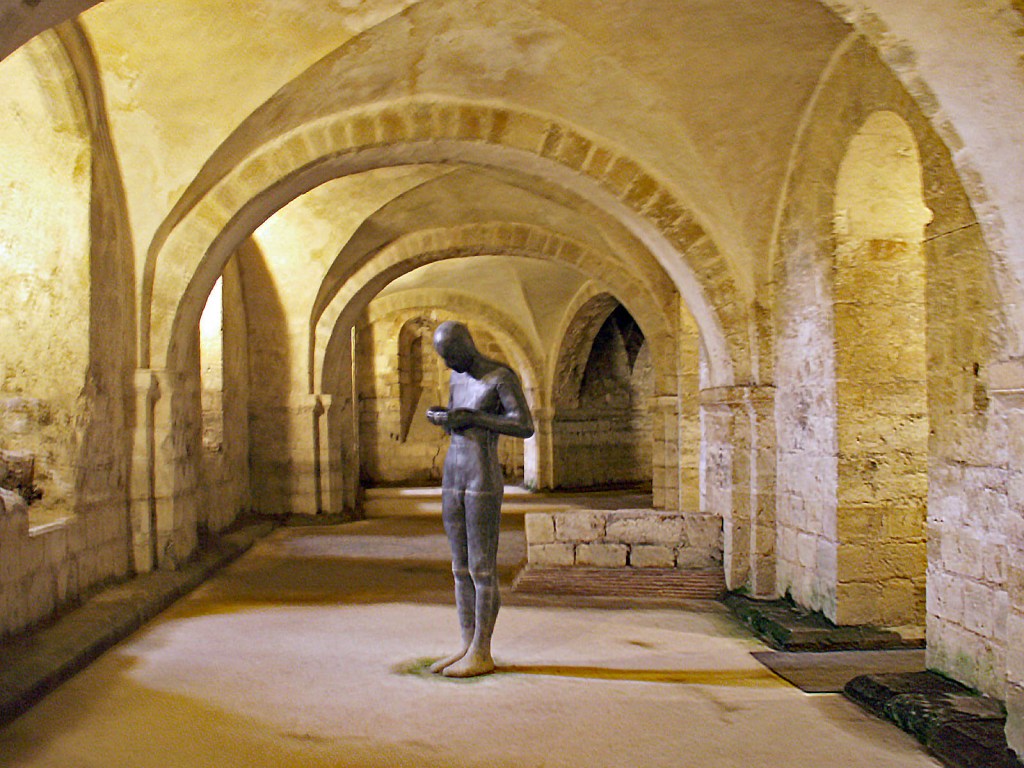
    One of the Anthony Gormley Statues in the Crypt of Winchester Cathedral
    One of the Gormley statues in the Crypt of Winchester Cathedral
    The-Crypt,-Winchester-Cathe
    The Crypt, Winchester Cathedral

    The newest acquisition is Sound ll, the Antony Gormley sculpture now permanently installed in the cathedral’s crypt where it looks particularly striking when the crypt floods which it frequently does.  Even if you don’t make a habit of visiting cathedrals, do make an exception to view this magnificent Gormley work.
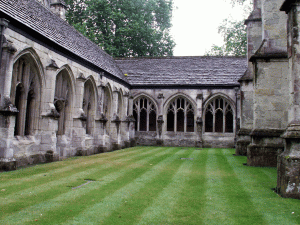
    Cloisters-of-Winchester-Cat
    The Cloisters, Winchester Cathedral

    Fans of The Da Vinci Code will be interested to know that the cathedral’s North transept doubles as the Vatican in the film of the book, but those of a more classical bent will head for the tomb of Jane Austen which can be found in the  nave where there is also a stained glass window to her memory.

    Jane Austen Plaque in Winchester Cathedral

    The novelist died in Winchester on 18 July 1817 and is buried in the cathedral.  While in this part of the cathedral, take note of the black font which depicts St. Nicholas of Smyrna giving an old man three bags of gold for his three daughters, said to be the forerunner of the pawnbrokers sign of three golden balls.

    Continuing in the footsteps of King Alfred you could then head up the High Street to the Great Hall, all that remains of Winchester castle, and which for 700 years has housed the legendary Round Table.   Old it certainly is, and round, but it hangs on a wall where with its red, black and white colouring it resembles an enormous dartboard.  According to myth, the original was created by the wizard Merlin, but carbon dating in 1976 proved that this particular table was not made in the Arthurian 6th century but in the 13th, and this use of HyperPhysics sadly put paid to the legend.

    The Round Table

    The Round Table, High up on the Wall

    Just outside the south door of the Great Hall, is Eleanor’s Garden, a re-creation of a medieval herbarium with turf seats and a camomile lawn, named after Eleanor, wife of Henry III, and Eleanor, wife of Edward I.  All the plants you see would have been grown in the 13th century, when floral symbols had priority over design.  The rose, lily, iris and strawberry plants represent aspects of religion while the greens – the grass, ivy, bay and holly represent faithfulness.

    The oldest continuously running school in the country, 14th century Winchester College which became a model for Eton and for King’s College, Cambridge is nearby.  You can join a guided tour for an intriguing glimpse into the medieval heart of the college, the 14th century Gothic chapel with its early example of a wooden vaulted roof, the cloisters (where graffiti carved into the stones during the 16th and 17th centuries is still visible) and the original scholars’ dining-room.  As a complete contrast, you could later check out medieval Westgate, a fortified gateway which served as a debtors’ prison for 150 years and where prisoners graffiti is also still intact, albeit rather different from that of the scholars! 
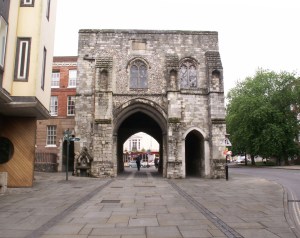
    The West Gate, Winchester
    Westgate

    One expects to find ghosts in most ancient cities and Winchester is no exception.   The most famous haunted Inn is The Eclipse in The Square, where the spectre of Alicia Lisle haunts the corridors.  Seventy-one years old when she was found guilty of harbouring rebel cavaliers and sentenced to death by Hanging Judge Jeffreys, she spent her last night here in 1685 listening to the scaffold being erected for her hanging.
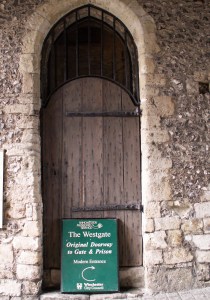
    Old Prison Gate
    Old Prison Gate

    At the Theatre Royal in Jewry Street, a wandering apparition haunts the dress-circle and gallery looking for her long lost lover while in the 18th century High Street offices formerly occupied by the county newspaper, the rattling chains of a woman dressed in grey has been known to rattle the staff on more than one occasion.

    Streams and waterways punctuate the streets of the city giving it a homely atmosphere – especially when you see someone hauling a fine trout out of the river – and the Bikeabout Scheme means that you can tour around for most of the day for the small registration fee of £10.   Reflective jackets and helmets are also available.

    Half-timbered hous in Winchester
    Half-timbered hous in Winchester

    You don’t need to cycle of course: there is a good transport system from Winchester to the picturesque villages of the Itchen and Meon Valleys,  handsome Georgian colour-washed Alresford (pronounced Allsford) for instance, home of the famous Watercress Steam Railway where you can make a childhood dream come true by riding on the footplate.   Later, stroll down the town’s elegant streets with their antique shops, and discreet fashion boutiques or along the riverside where the thatched timber-framed Fulling Mill straddles the River Arle.  Alresford is the home of watercress farming in the UK, so expect to sample gourmet dishes made of the green stuff – watercress pudding, watercress quiche and even watercress scones with afternoon tea – in smart bistros, tea rooms and old-fashioned pubs like the Wykeham Arms with its award-winning menu.


    Main shopping area in Alresford

    If there are children in the party, then don’t miss Marwell Zoo.   Home to over 200 species of animals and birds, from meerkats to sand cats, and some of the world’s rarest big cats including the Amur leopard and the snow leopard.  There are volunteer guides around the park to help visitors and to explain and illustrate the efforts the zoo is making to rehabilitate endangered animals back in their habitat.

    And after all that history and ancient stones, Winchester can still surprise you with its pedestrian-friendly streets, colourful markets and exquisite boutiques nestling beside large-scale stores.  The High Street – once the Roman’s east-west route through the city – is home to stylish shops with Regency and Elizabethan bow-fronted windows, while The Square offers quaint pubs and restaurants after your exertions, and everywhere you’ll find bronze and stone carvings, many by famous sculptors.    It lies just one hour by train from London, 40 minutes from Portsmouth Ferry Terminal, and 15 minutes from Southampton Airport.


    KONICA MINOLTA DIGITAL CAMERA
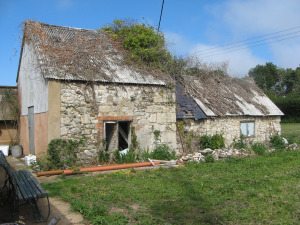
    Very Old Barn, NB date of erection in grey bricks at bottom of building.

    Winchester’s a winner, and whether you taste runs to real ale or English wines, pub grub or gourmet dining, Goth outfits to designer chic, you’ll find it all here amidst the quiet stones that hold history’s secrets.
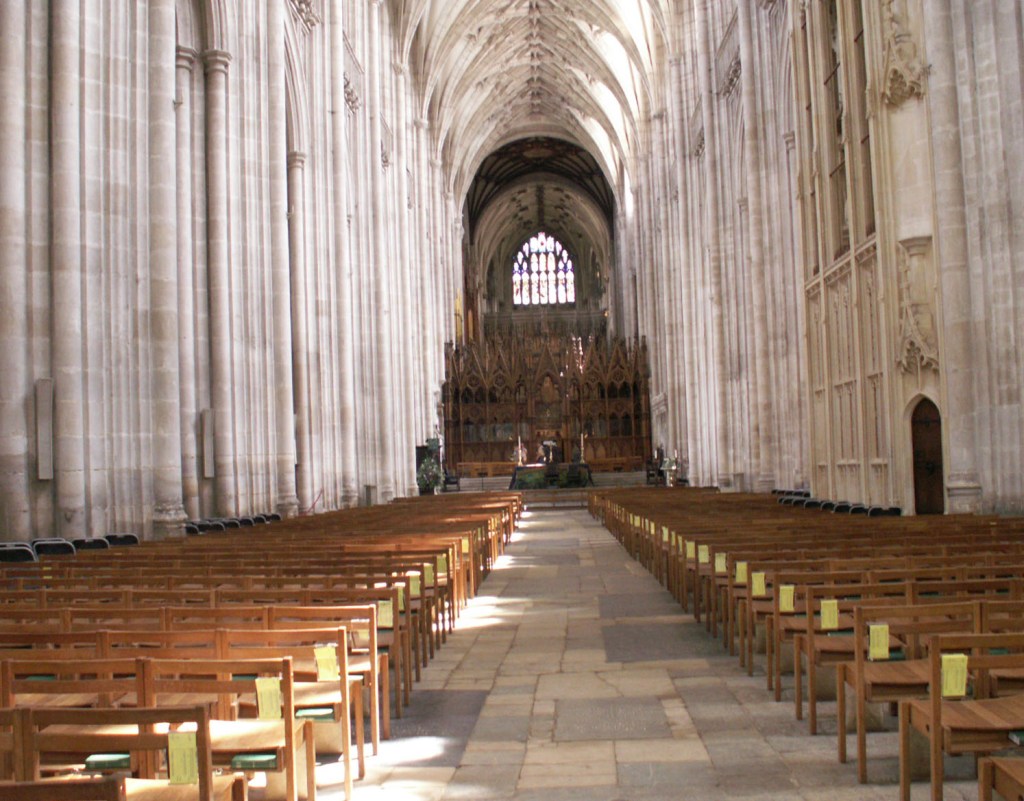
    Interior Winchester Cathedral

    Interior, Winchester Cathedral


  • Tribute to Allen Toussaint

    Allen Toussaint died of a heart attack on November 10th last. Aged 77, he was one of the great Jazz and Rock and Roll legends that influenced many of today’s household names, including Lee Dorsey, Irma Thomas and Ernie K-Doe. He collaborated with Paul McCartney, LaBelle, Robert Parker and Elvis Costello over the years and he was also a talent scout, record producer, studio owner, singer and arranger. He left New Orleans for New York in the wake of Katerina and it was when he returned to New Orleans that his career as a performer really took off.

    Toussant_Obama_Medal_2013 (1)
    Toussaint receives Medal for Services to the Arts from President Obama Photo by P. Souza


    Piano-player/Bandleader Jon Cleary, born in the UK but long-time resident in New Orleans and considered a native of the city, has long been a fan of Toussaint and in 2012 he recorded Occapella, a mix of popular and less familiar pieces penned by the legendary songwriter.

    Occapella286

    Jon was one of the musicians asked to play at the Tribute Concert held in the Orpheum Theatre, New Orleans on November 20th, just prior to the internment.

    The casket was placed at the front of the stage and friends, fans and fellow stars joined together to mourn the legend, then stayed to cheer his legacy. This legacy was celebrated by an all-star lineup of singers and musicians who took to the stage to perform his songs in genres that covered his work in pop, R&b, gospel and even funk. The recently re-opened theatre rocked.

    For the finale, all the musicians, along with Mayor Mitch Landrieu, piled onstage and blew the roof off with a frantic rendition of I’ll Fly Away with Troy ‘Trombone Shorty’ Andrews and the Preservation Hall Jazz Band.
    After Oh Didn’t he Ramble the pall bearers carried the coffin out of the theatre to the hearse, followed by the family and everyone who’d been on stage, as the band played  Just a Closer Walk with Thee in slow tempo.

    AllenToussaintFreretStFestival2009DSBNOLA_(cropped)
    Allen Toussaint Photo by Derek Bridges

    Outside, crowds had been waiting since the small hours to pay their respects. They waited almost silently as the slow march continued and as the coffin was placed in the long stretch limo hearse. Then they erupted, singing and dancing, twirling their umbrellas, and in general, giving one of New Orleans’ favourite sons, a joyful send-off. The family hadn’t intended for the traditional Second Lining, but they gave in to the crowd’s wishes and the place went wild.

    New Orleans will continue, as it always has, but it will never be quite the same.

  • Chiang Rai and Thailand’s Hill Tribes

    Chiang Rai and Thailand’s Hill Tribes

    Chiang Rai Merit Making
    Chiang Rai Merit Making

    Located on a plain beneath the outermost edge of the Himalayan range is Chiang Rai, capital of the province of the same name and until recently one of Thailand’s best kept secrets.

    Without the slick presentation of big sister Chiang Mai, 180 Kl. to the south, Chiang Rai is a pleasing town with much less traffic, wide, clean streets and few skyscrapers. Here in the heart of the slow-paced province, the market-place and temple are the hub of the community, as they have been for centuries.

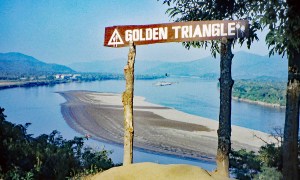
    This is the part of Thailand that to date has attracted few long term visitors yet it is arguably Thailand’s most undervalued region. A province of mountains and rivers, you’ll find yourself everywhere either on a river or in the hills or mountains that form one continuous rippling green chain across the northern border with Laos and Myanmar.  It offers the most accessible base from which to venture into these countries and it is within easy reach of the Golden Triangle, that magnificent and tranquil setting where the borders of Thailand, Laos and Myanmar meet on the Mekong river, and where the S.E. Asian drug trade was spawned in the poppy fields of the area.

    Golden Triangle

    The essence of Chiang Rai is its untouched environment and breathtaking scenery, understated and soft hued, like a Chinese brush painting. Towering mountains and craggy limestone peaks loom out of the soft, opalescent, morning mists, elephants haul teak on river banks, and families drift up and down the rivers on their bamboo rafts which are transport, house and working stations.

    Cultivation in Mountains

    Most western visitors come here to visit the hill tribes, among which the Lisu, Akha, Karen and Yao who live in settlements of thatched huts in the mountains, are the best known. Home to thirteen different hill tribes who migrated from various parts of South China and North and Central Burma, there is a wealth of ethnic cultures in this small area.

    It is a vexing question as to whether the visitor to the hill tribes is an agent of destruction or preservation. Exposure to outside influences has certainly altered the lives of the hill-tribes and many now expect payment for being photographed, an action that is viewed by some as a step towards the destruction of their culture. An alternative view is that the money earned gives the hill tribes an enhanced view of their culture and the interest shown in this aspect of their life helps to preserve this.

    Akha Hill Tribe family

    The province wants to show off its many delights and is seriously out to attract visitors. Most of its attractions are cultural and natural, so they are looking for a more ecologically aware kind of tourist, one who will appreciate the natural beauty of the area and its shy but friendly people. Indeed, the people are one of the greatest assets of the area with a gentle innocence and a uniquely northern curiosity about the visitor.

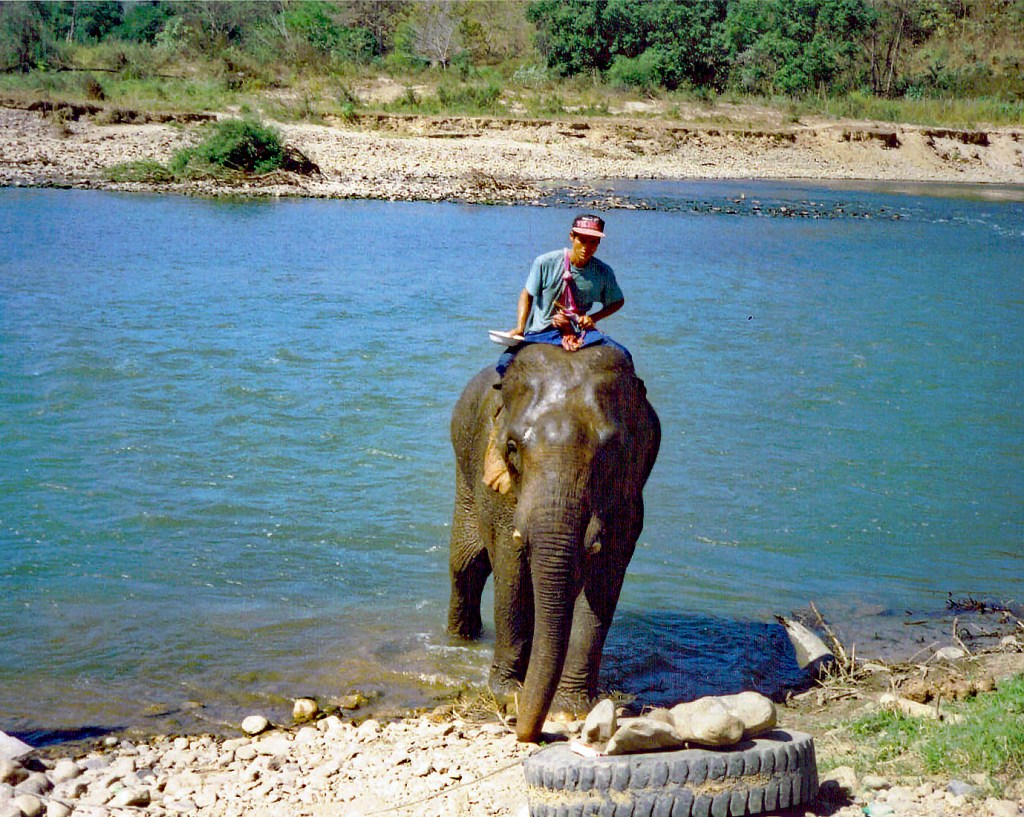
    Elephant Bathing
    Elephant Bathing

    From Chiang Rai one can take a boat ride up the river to the village of Rammit, home to the Karen tribe. Because of the dense jungle that stretches for miles the elephant is the only animal capable of working here, and the Karen have become excellent elephant trainers and handlers. The journey takes about 40 minutes and a good time to arrive is midday when the elephants have finished morning work and turn the river into their playground and bathtub.

    In these hills also, you’ll find Doi Mae Salong, where the descendants of the soldiers of the 93rd Division of the Kuomintang now live, combatants who made the long journey from China after the civil war. It is a long winding road with wooden one-story shop houses on either side selling food, sweets (bite carefully into the most appealing looking, some are positively foul) and Chinese medicines. Snakes bottled in Brandy, spiders in oil, scorpions in wine are all popular buys with the locals but most of the Chinese descendants tend tea and coffee plantations, orchards and vegetable. gardens.

    Merit Making on the Streets of Chiang Rai
    Dawn, and a young girl makes Merit in Chiang Rai

    With little effort, you can imagine you’ve wandered back into an older age. Layer upon layer of mountain ridges drift in and out among the clouds from your vantage point in the village which is set on a slight incline in the mountain side. Rich green farmland runs down into narrow valleys and mountain people laden with heavy loads can be seen trekking up and down the paths. There is little noise apart from the sighing of the wind in the bamboos and the soft boom from the bronze bell in the temple.

    In recent memory, the opium poppy was the  only cash crop grown in the high mountains at over 1000 metres where the temperature was very suitable for its cultivation but strenuous efforts by the Thai government and various NGOs have weaned the hill tribes from their reliance on this and nowadays crops like soya and sago have taken their place. This alteration to a way of life unchanged for centuries has placed pressures on the different cultures and is causing change.  Apart from the poppy, there are no more forests to which they can move, no more trees to chop down and burn, and no patches of plants and herbs for medicine and food.

    Street sceme Mae Sai (Border with Myanmar)
    Street scene Mae Sai (Border with Myanmar)

    M0st accept a settled existence and tourism is playing an increasingly important role in ensuring this for their eventual survival. Inevitably, tribes will diminish or vanish, but they have adapted before and can adapt again. Anything that can raise them from the grinding poverty of their daily lives can be construed as destructive only by the most perverse of eco-tourists.

    There are many small hotels and inexpensive guesthouses in the hills, especially in the border area of Mae Sai, but don’t expect western food. Horses and mules can be rented for distant journeys and local people serve as guides. The hill tribes ignore borders, cheerfully crossing and re-crossing the border between Thailand and Myanmar and, some say, occasionally venturing back home to China.

    So when thinking of the cool mountains of Thailand, think Chiang Rai rather than Chiang Mai, a town which is, in most people’s minds, merely a northern version of Bangkok.

  • A Misunderstanding at Nether Fondle.

    I love Jan Toms stories of Nether Fondle (reminds me of a village that would appear in Beyond Our Ken). This is her latest. Read this, and if you enjoy it, catch the others on her WordPress site.

    janettoms's avatarjantomsbriefbiographies

    . Misunderstanding at Nether Fondle

    Tales from a Village Somewhere in England

    High Street Nether Fondle A village scene at Nether Fondle

    The best thing about being out of work was having time to daydream about better jobs. Top of Bruce Daylounger’s list was being a personal trainer in a girls’ school but so far nothing had turned up.
    Then, to his amazement, his reluctant application to the Nether Fondle Weekly was successful and he was appointed junior sports reporter. The down side was that he hated exercise. Watching others heaving and sweating was only marginally worse than doing it himself but before he had a chance to speculate further, the editor, a hard-bitten ex-Fleet Street hack called Jerry Bruise crushed any aspirations.
    ‘This paper’s crap. Don’t get no ideas of writing nothing worth reading. You gotta be prepared to cover baby shows, dog shows, craft shows, vicars’ tea parties. Most exciting thing happens…

    View original post 2,105 more words

  • Bayeux:  D-Day Landings in Normandy

    Bayeux: D-Day Landings in Normandy

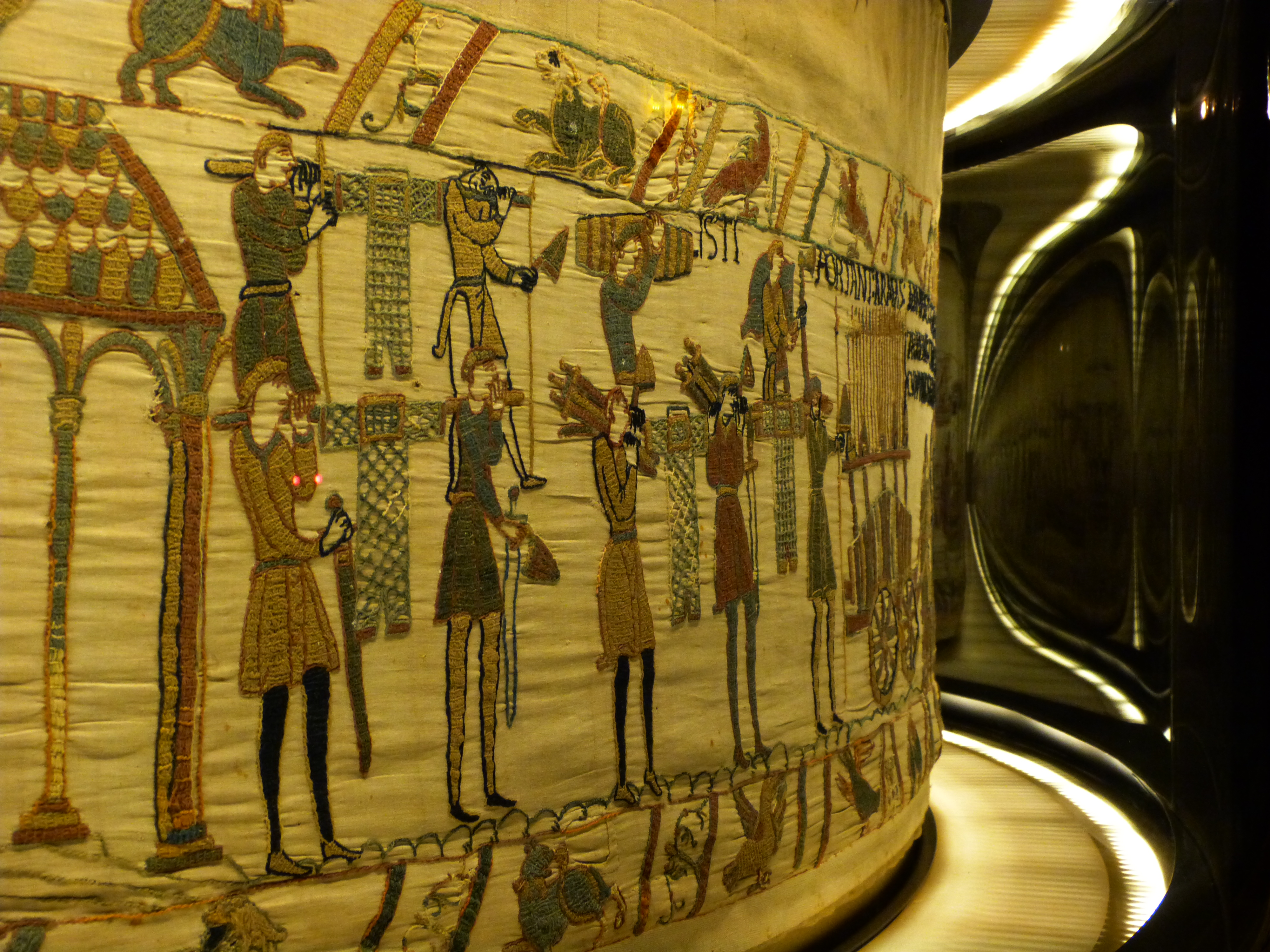
    Although the UNESCO listed Bayeux Tapestry that depicts the 1066 invasion of England by William the Conqueror dominates Bayeux, this Normandy town has much more to offer than just the tapestry (actually an embroidery stitched on linen).

    Section of the Bayeux Tapestry in Bayeux Image Copyright Ville de Bayeux
    Section of the Bayeux Tapestry in Bayeux
    Copyright Ville de Bayeux

    The splendid and beautiful Norman-Romanesque-Gothic Cathédrale Notre-Dame de Bayeux, consecrated in 1077, in the centre of this very historic city is well worth a visit, as is the Bishop’s Palace which stands next to it and which is now a museum.

    Les Amoureux de Bayeux Cathedral. Photo courtesy of Bayeux Tourist office
    Les Amoureux de Bayeux Cathedral.
    Photo courtesy of Bayeux Tourist office
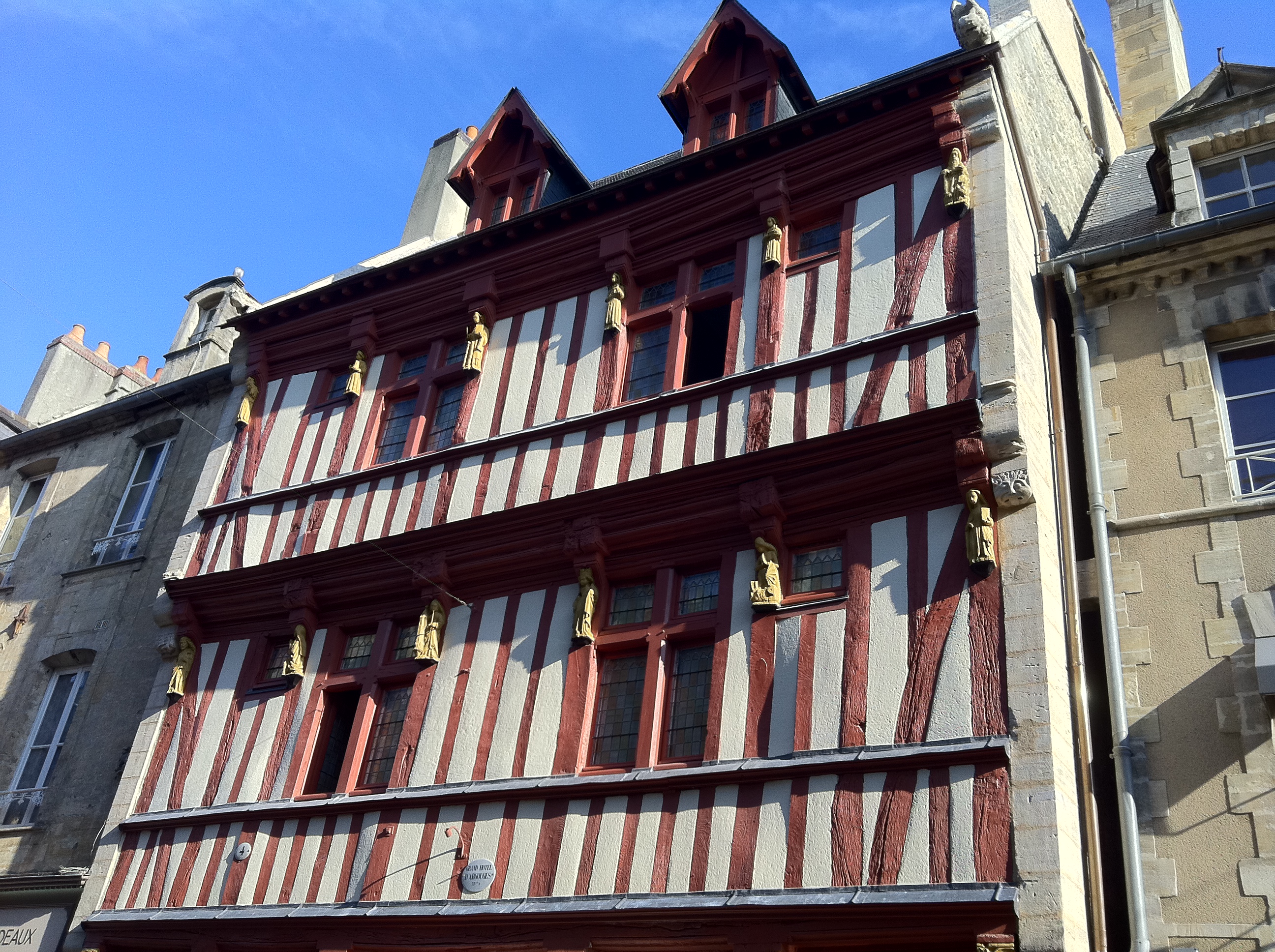
    Grand Hotel dArgouges
    Grand Hotel dArgouges

    Many of the buildings you will come across in the old town were former monasteries, as Bayeux was once an important religious centre, but in the streets adjoining, most of the historic houses have been converted into designer boutiques and fine restaurants.

    Bayeux, The Cathedral. Copyright Mari Nicholson
    Bayeux, The Cathedral. Copyright Mari Nicholson

    Bayeux offers the tourist excellent sightseeing, from its War Museum, British and Commonwealth war cemetery, and the D-Day Landing beaches which lie close by, to the surrounding countryside with grand châteaux and abbeys and the lure of Calvados producing distilleries.

    The Bayeux Tapestry

    Section of the Bayeux Tapestry. Photo Copyright Ville de Bayeux
    Section of the Bayeux Tapestry. Photo provided by Ville de Bayeux

    Although the Bayeux tapestry has its home in France, it is believed that it was originally made in southern England.  The graphic tale of the invasion and the battles that took place are at the centre of the canvas that measures over 70 metres (230 feet) in length, in fifty-eight action-packed scenes of bloody battles.  Severed limbs and decapitated heads graphically explain the ongoing carnage, while religious allegories and illustrations of everyday life in the 11th century make up the borders.  The panel-by-panel audio guide which is included in the entry fee is a great asset as you view the tapestry

    Bayeux Museum Ticket
    Bayeux Museum Ticket

    Bayeux in World War II

    Bayeux, The River Aure
    Bayeux, The River Aure. Copyright Mari Nicholson

    Bayeux is the only town in Normandy to be left completely undamaged after World War II and had the great good fortune to be quickly liberated by the Allies after the D-Day landings.  For a brief period, it was the capital of Free France after General De Gaulle arrived hot on the heels of the Allied forces in 1944 and set up his government in the town.

    The biggest British cemetery in Normandy is found in Bayeux with 4,648 graves. For those who have come to look at the D-Day landing beaches, a visit to this cemetery, Bayeux’s own War Museum, and the vast cemetery for over 10,000  US troops in Omaha, puts in focus the sacrifices made in these parts.

    D-Day Landings at Arromanches

    Bayeux is the perfect place to choose as the point from which to tour the beaches of the Normandy landings as they are all within easy reach of the town.  I wouldn’t advise doing them all on the same day, but a couple of beaches and a Museum are quite possible.   Before heading for what are actually quite beautiful beaches, a trip to Arromanches 360 is recommended. This is a circular cinema, unique in France, that immerses you in the Battle of Normandy, allowing you to see everything “in the round” over 360 degrees in a 35-minute session.  Original archived images from Canada, Germany, UK and French collections retracing the 100 days of the battle, are shown on nine screens to give the 360ᵒ effect.  This is a fine tribute to the allied soldiers and the more than 20,000 civilians who died to free Western Europe, and whose personal stories are told in interviews: a very special museum.   Prices are given below.

    The Mulberry Harbour and beach at Arromanches:

    Mulberry Harbour on Arromanches Beach
    Mulberry Harbour on Arromanches Beach. Copyright Mari Nicholson

    From the beach at Arromanches you can see the remains of several pontoons.  The artificial Mulberry Ports A and B were prefabricated in England and towed into place at Gold Beach at speeds of 5 m.p.h. from June 7th.  Seventeen ships were sunk at sea to form a breakwater called Gooseberry and a huge 10 miles of roadway was then created. Mulberries were, and still remain, a terrific technological feat.

    By the end of the 100 days in which it was used, the completed harbour had become more efficient than either Cherbourg or Le Havre, and during this time it disembarked 2.3 million men, 500,000 vehicles and 4 million tons of equipment and supplies.

    Pillboxes on the cliffs of this small fishing port helped the Germans defend and control the town so the fighting to capture the cliffs and advance into France was fierce and bloody.

    After a visit to Arromanches 360 and seeing the beaches and cliffs which the combatants had to scale after landing, one has a much better idea of the hell that is war.

    Prices for Arromanches 360

    Adults: 5 €   Students/Children/Seniors (over 60 years): 4,50 €    Children (under 10 years), veterans: free

    Opening Times:    27TH Jan – 31st March  10.00 –17.00 (closed 2nd Feb): 1st Apl – 31st May  10.00-18.00: 1st June–31st August  09.40 – 18.40: 1st-30th Sept 10.00-18.10:  1st Oct – 11th Nov. 10.00-17.40:  12th Nov-31Dec 10.10-17.10 (Closed on Mondays except on 21st and 28 December.

    Address:  Chemin du Calvaire – BP 9 – 14117 Arromanches-les-Bains.  Tel 02 31 06 06 45 resa@memorial-caen.fr       website: www.arromanches360.com

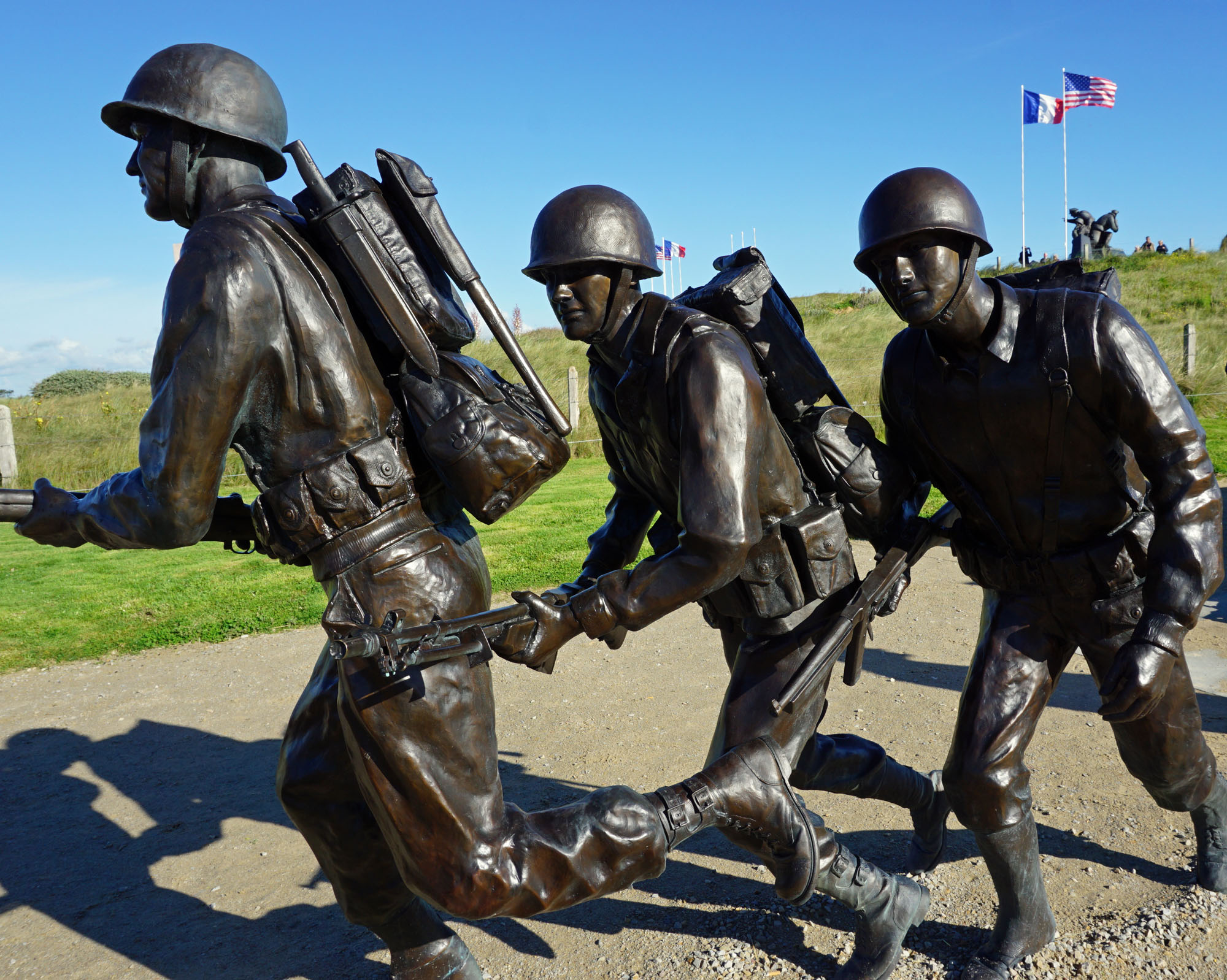
    War Memorial, D=Day Landings in Normandy
    War Memorial, D=Day Landings in Normandy. Copyright Mari Nicholson
  • D-Day Landings at Normandy

    A Section of the over-10,000+ Graves at Omaha Beach Cemetery

    Just back from Normandy where I’ve been touring the beaches and cliffs of the Normandy landing area where the invasion of France that led to the end of the 2nd World War took place.   It was an emotional trip even though no one close to me had died in the horror that was unleashed that day, but one cannot fail to be moved when confronted with a cemetery containing 10,500 white crosses each one guarding a fallen combatant.

    It was June 6th, 1944, when the assault on the French coast took place.  Every type of transport at the Allies disposal was thrown into the battle and incredible ingenuity allowed Bailey bridges and the Mulberry pontoons to be shipped across the Channel without the Germans knowing. Horsa gliders towed by ‘planes carried the British 6th Airbourne Division across the channel to storm the bridges at Ranville-Bénouville (known today as Pegasus Bridge).  The most intensely fought over sands, the six-mile-wide Omaha beach, largest of all the five beaches on the coast (Gold, Juno, Sword, Omaha and Utah) was to be taken by the US 1st Army led by Omar Bradley. The plan was to land infantry troops alongside armoured amphibious Sherman tanks, but the Shermans never made it.  The tanks were released from their landing craft too far away from the beach as there was a much greater swell further out to sea than the Americans had bargained on and all but two of the tanks sank shortly after leaving their craft. Many units landed in the wrong place due to the strong tides and winds carrying the landing craft away from their positions.

    Omaha is most remembered for the casualties the Americans took there as the German machine gun fire tore into the troops as they tried to sprint across the beach to the seawall.  It was a massacre, a terrible loss of life.

    Although Hollywoodish, the film The Longest Day, gives a very good impression of what that day in June was like.  I watched it before I departed for France and again on my return a few days ago when I was able to recognise some of the places I’d visited.  The weather didn’t favour the invaders, nor did it favour me as I walked in their footsteps: Normandy is famous for its changeable climate.

    There are many wonderful Museums, and I’ve appended photographs of their leaflets below, but if there is time for only one or two, make it (1) The Memorial of Caen in the town of the same name and 2) Pegasus Museum.  The Memorial of Caen, as well as artefacts, has lots of cinematic clips and chairs on which to rest while you watch – a boon for many people.  It also has a great restaurant and a good snack bar/cafe.  I was there for 4 hours but could have done with 6, and I didn’t have time to tour the bunker, nor to visit The Cold War Exhibition which I was told was excellent.  Pegasus Museum has the bridge, a replica of the glider that landed just a few yards from it, and another glider in the grounds into which you can climb for an exploration of the conditions in which the parachutists made that journey across the channel.  In the area also is the original cafe in which Major Howard set up his HQ shortly after he landed, and where the tea and coffee are pretty good.

    Major John Howard's Headquarters immediately after landing at Pegasus Bridge.
    Major John Howard’s Headquarters immediately after landing at Pegasus Bridge. Today known as The Pegasus Bridge Cafe it i still in the hands of the family who owned it in 1945.

    I hope to blog about individual beaches in due course.

    A Selection of Mueums along the Normandu Coast
    A Selection of Museums along the Normandy Coast
  • Australia: Destinations Perth and Cairns

    Perth offers a gentle welcome to the visitor heading for Australia for the first time.  Its superb location by the Swan River, white sandy beaches on the nearby Indian Ocean, cultural attractions and a cuisine to rival that of Sydney, makes every visit a pleasure.

    Apart from beach activities, including great surfing, the city itself  offers many attractions: like King’s Park with it’s superb views over the city, the 42 acres Botanic Garden, and the Aquarium of Western Australia where you walk through a 321-foot tunnel lined with glass, behind which thousands of colourful fish, sharks, and stingrays lurk.  If you want to get up close and personal with the sharks, “no probs.” as they say in Perth, you just trot off to the Discovery Pool where, if you are a qualified diver, you can have a face-to-face shark experience.

    The “fun” part of the city is in the district of Northbridge where you will find a range of nightclubs, pubs, cafes and eateries, offering an eclectic mix of cultures and cuisines, but better still is “Freo” (Fremantle), located 20 minutes south of the city but almost an integral part of Perth itself.   European in appearance, Freo is a café-lined port with spectacular beaches and a more sophisticated lifestyle, but still distinctly Australian with verandaed beer-houses and pub barbecues a regular sight.

    From Freo, take the 80-minute ferry ride over to RottenestIsland, accompanied (sometimes) by migrating whales, dolphins and sea-lions.   Once an Aboriginal penal colony, Rottenest is now a weekending town thronged with people who gather for karaoke bar singalongs as well as a closer acquaintance with the beer culture.

    It would be a shame to spend all your time in the flesh-pots of Freo though, as Perth is an ideal stepping-off point for one and two-day-trips.   My own favourite is the wine producing MargaretRiver region on the Indian Ocean.  Although 155 miles away it is well worth a trip, if only to sample on site the lush, jammy Shirazes for which the area is famous and to revel in the ancient karri forests, beautiful countryside and heavenly beaches famed for their surf.

    Second favourite is the journey north from Perth to see the Pinnacles, thousands of eerie limestone pillars up to four metres tall that dot the stark desert of the NamburgNational Park, and Monkey Mia where dolphins come into the shallow waters to feed.  I combined both trips over 3 days which gave me time for sightseeing, swimming and hanging out.

    Perth embraces families, adult singles and couples alike and the range of entertainment for children and adults is a fair indication of why so many people come here for a vacation and then find it hard to go back home.

    CAIRNS

    In sharp contrast to Perth is Cairns, right bang at the point where two world heritage sites meet – the Great Barrier Reef and the Daintree Rainforest – and the closest thing to tropical paradise I’ve found.

    Few places can match Cairns’ concentration of activities, indigenous culture and pure natural splendour.  The Esplanade, up and down which the pelicans parade in undisputed ownership, has budget hostels, bars, eateries, boutiques and a great night time atmosphere.  The Pier waterfront complex has five-star hotels, some really super Australian designer shops and an eclectic range of restaurants.

    The glitz has been totally absorbed by the town, but no matter how luxurious the suite, how chilled the champagne and how blue the pool, there is always a sense that a salt-water crocodile lurks not far away: Cairns has a primeval feel underneath the luxury, that’s what makes it different.

    It’s essentially a stopping-off post for other trips, whether it be a trip to the Great Barrier Reef or any one of many rainforest trips.  The GBR needs no introduction to most people as its coral reefs are one of the most photographed sites in the world.  Snorkelling through the forests of staghorn coral, surrounded by round fish, flat fish, fluted fish, giant sea turtles, crimson squirrelfish, and sea cucumbers is exciting, but sensory overload really sets in when you spot the giant clams, their purple and green mottled lips open to their full 1 metre size.

    There is an inner reef suitable for novices and beginners, an outer reef bordering the open sea with canyons and deep water, and the island reefs which are combination of both.  If you are staying on one of the blissful Islands, then your hotel will have a boat to transport you to the reefs, but if you choose a mainland hotel, then there are plenty of snazzy boats with scheduled trips out to the reefs from the waterfront.

    For my money though, the rainforest is the most awe-inspiring place outside Cairns.  Having taken the Scenic Railway trip which chugs through 15 tunnels as it climbs 300 metres towards the AthertonHighlands and the village of Kuranda, and a boat ride on the crocodile infested DaintreeRiver, I was keen to spend a few days in a Rainforest Lodge.  Although I wore a rain poncho most of the time, the life of the forest was so absorbing that the constant misty rain was forgotten.  Central to this was the trip on Skyrail (a world first in ecotourism).  Sailing high above the rainforest canopy your gondola passes over eucalypt woodland, waterfalls, and trees in which white cockatoos nest, with panoramic views to Cairns, Trinity Beach and Green and Fitzroy islands.  You can alight at different stations en route to experience the forest floor from the comfort of boardwalks surrounded by trees, lush palms, ferns, animals and birdlife.

    Whatever your style, Cairns can offer you an experience you won’t find anywhere else in the world.

  • Bratislava – Slovakian Capital on the Danube

    Bratislava – Slovakian Capital on the Danube

    Bratislava Castle viewed from the Danube River
    Bratislava Castle viewed from the Danube River

    Bratislava sits on the banks of the Danube backed by the forested hills of the Small Carpathians, and with less than half a million inhabitants, it contrasts beautifully with both Vienna and Salzburg which are near neighbours.  Instead of sophistication and modernity, Bratislava offers an old-world charm and courtesy, and a way of life that allows time for relaxation in the coffee shops that are as ubiquitous here as in Vienna, and evening entertainment in the form of opera, ballet, classical music and jazz, drinking in traditional old pubs or dining in a range of classy restaurants.

    Local Transport
    Local Transport

    Centre of old town

    It could be Europe’s most relaxed city as well because it has retained its human scale having been spared the development and urban sprawl that afflicts other parts of the continent.  One need not  spend time poring over maps on street corners, or hours finding one’s way in and out of metros or looking for the right bus to take one on to the next ‘must see’.

    All this, plus the Danube, which is one of the city’s main assets, makes Bratislava my current favourite capital.

    Pleasure Boat on the Danube
    The Danube with Pleasure Boat

    The city has a long and proud history that dates back to pre-Roman times and although much has been destroyed there are still traces of some of the people who lived here, Celts, Romans, Germans, Hungarians and, of course, Slovaks.  Their influences can be seen not only in the architecture but in the cuisine and the startlingly good wines on offer.  On the edge of the city, the vineyards on the hillsides have been producing wine for centuries and quite close to Bratislava are wine towns where you can taste the wines before buying.

    Bratislave Square
    Bratislava Square (Copyright Slovakia Tourist Board)

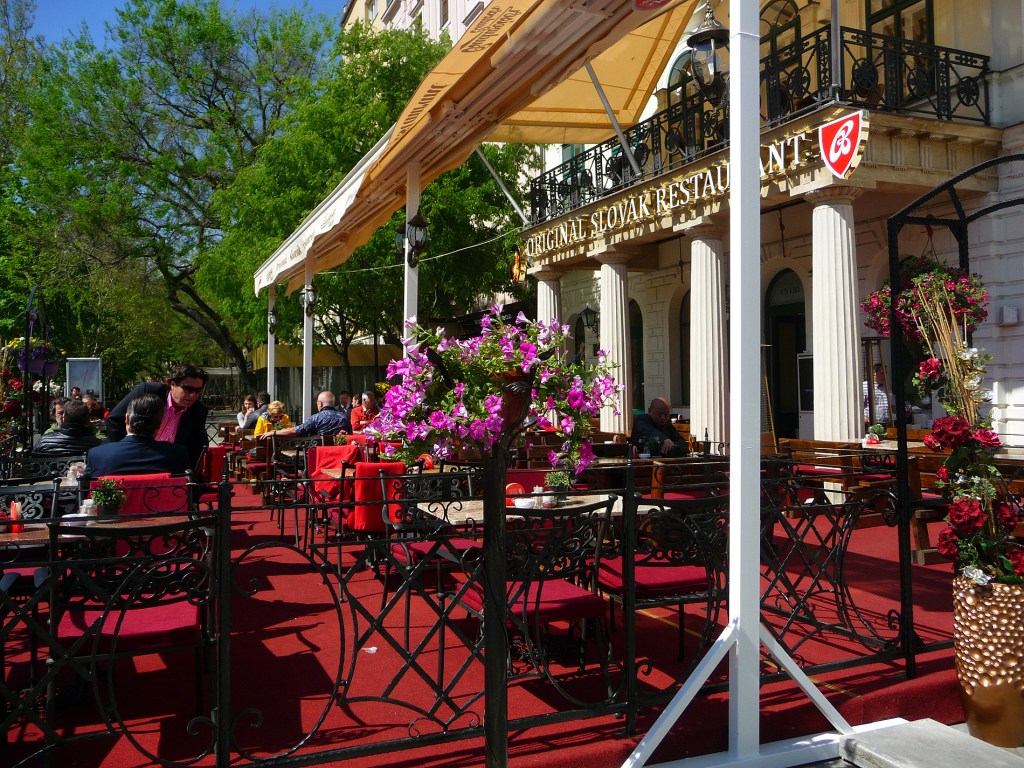
    In its small historical centre the charm is concentrated. Some ten years ago they started to renovate the streets and the houses (although some are still awaiting an overhaul), and that their efforts have paid off is obvious in the multitude of cafes, bars and restaurants that have sprung up alongside souvenir shops and fashion stores.  Most cafes have outdoor seating on the pavement and on warm days the tables will be bustling with life, giving the city a very Parisian atmosphere.

    Wide Squares & Boulevards
    Centreville, Bratislava
    Roland's Fountain
    Roland’s Fountain, Bratislava

    .

    House awaiting Renovation
    Awaiting Restoration

    The Old Town is the place to stroll the narrow pedestrian streets lined with 18th-century buildings: many have been beautifully restored, but some are still in the process.  The many sidewalk cafes that lie under the gaze of the Stone Age city castle (high up on a hill from which are great views over the old town and the Danube) are great for people watching.

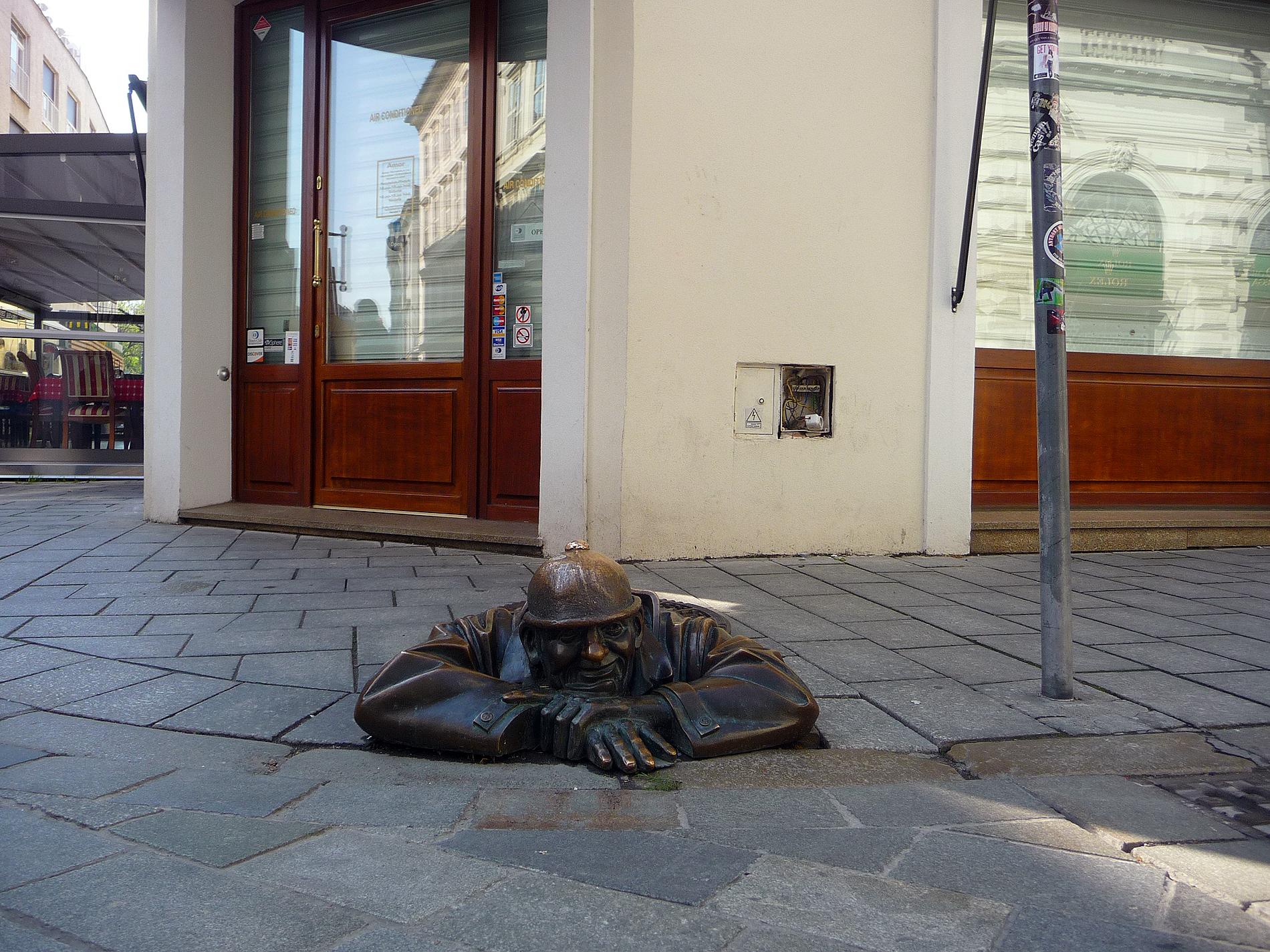
    The main square, a picturesque 13th-century quadrant, is flanked by pastel-colored houses and hosts the 15th-century Old Town Hall: nearby are Roland’s Fountain (the most famous fountain in Bratislava as well as one of the city’s important landmarks), St. Michael’s Gate (the only remaining gate of the medieval fortification of the city), and the 14th century St. Martin’s Cathedral which saw the coronation of 11 Austro-Hungarian monarchs. A feature of the Old Town are bronze sculptures, but not as one imagines sculptures, these are quirky works, workmen emerging from the pavement, soldiers standing supporting lamps, and figures leaning on benches (see below).

    Bronze statue with tourist
    Bronze statue with tourist
    Worker emerging from the ground (1)
    Bronze sculpture of man emerging from ground
    Statue in Silver
    Statue of Man with Hat at Srtreet Corner

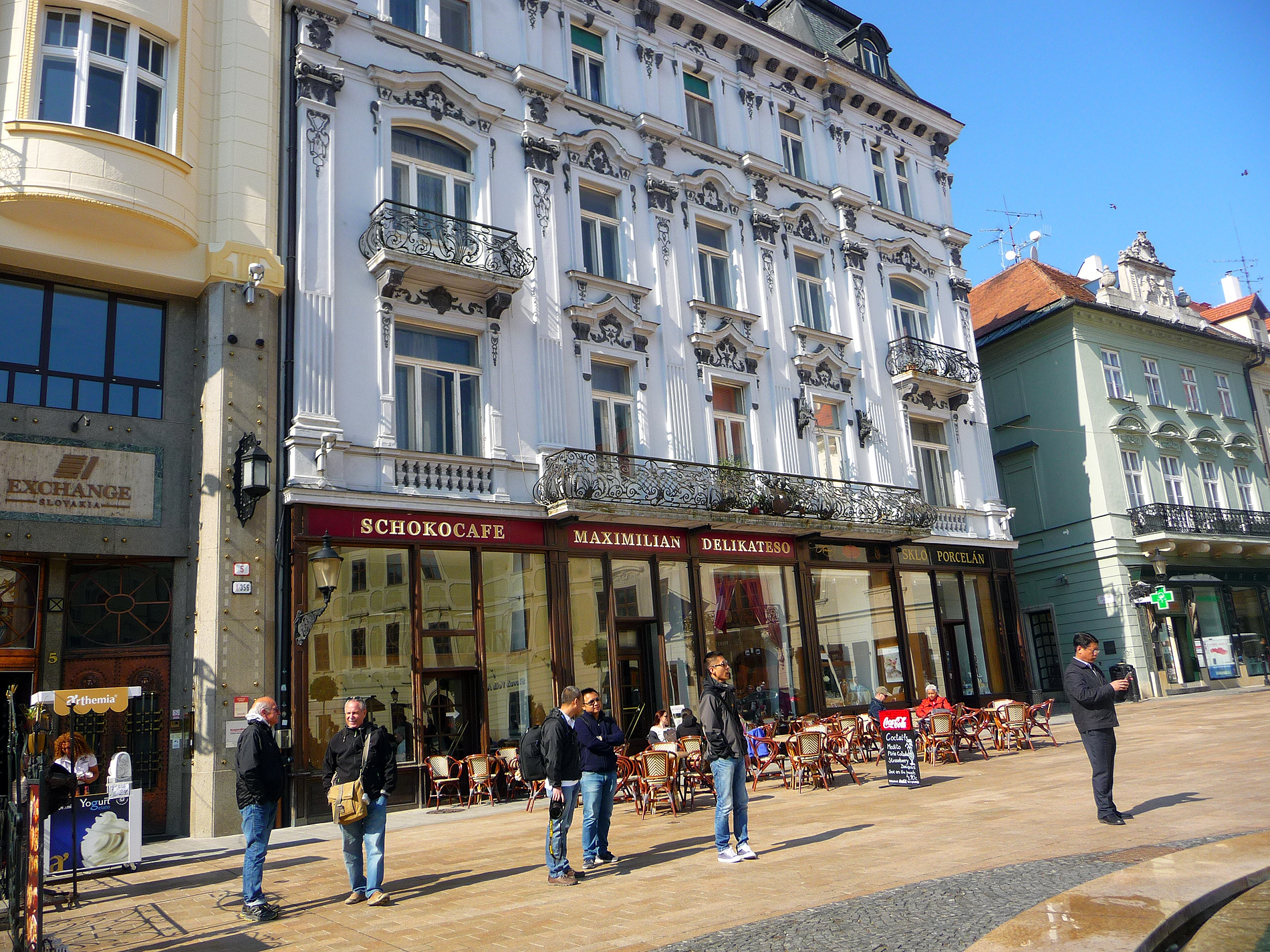
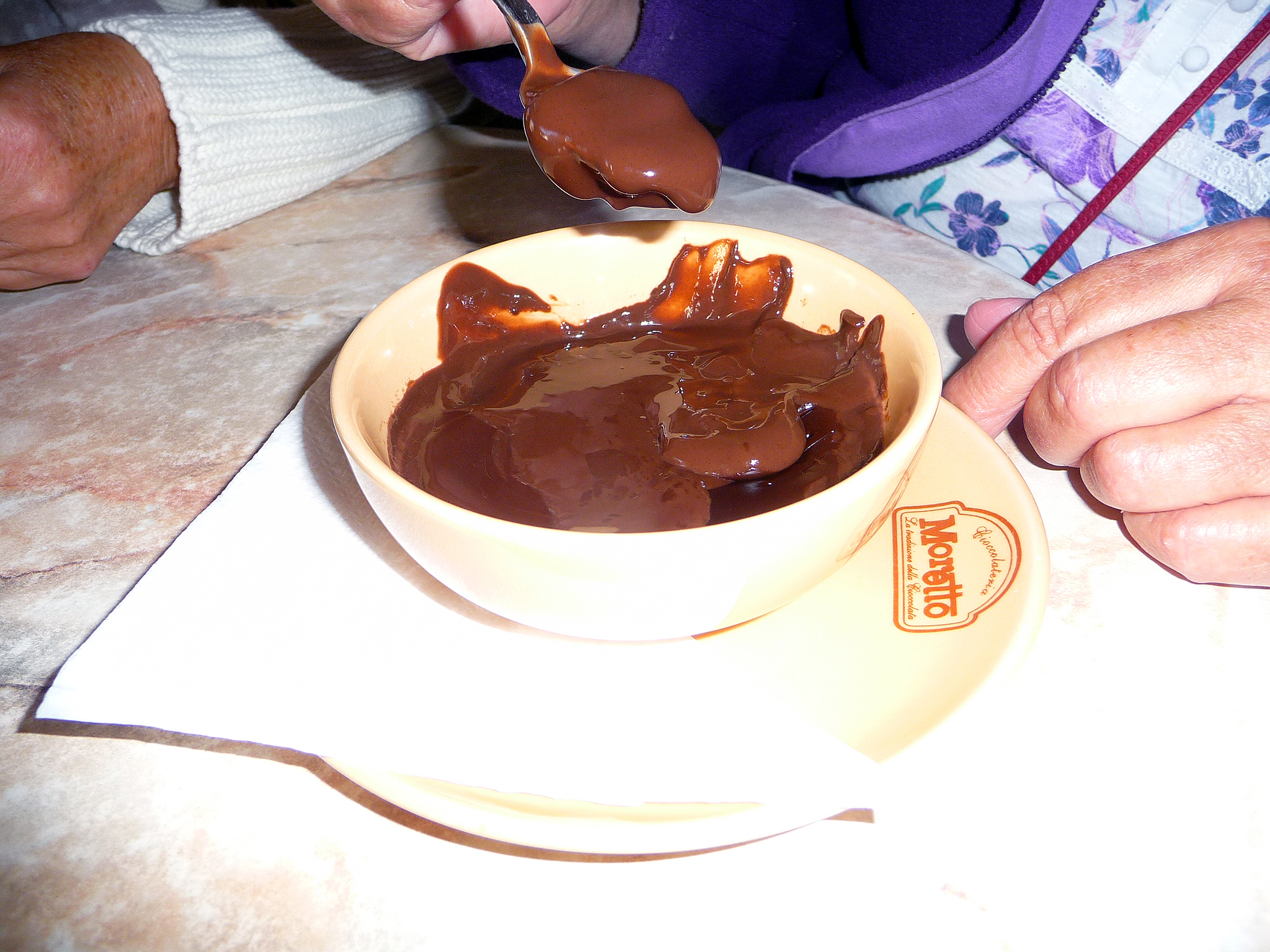
    In the middle of the main square is Schokocafe Maximilian, an elegant coffee-chocolate house with a reputation second to none.  I had read about the famous chocolate served in this establishment and was looking forward to my very special ‘hot chocolate’. That is exactly what I had, hot chocolate, but oh, how disappointing. Maximilian’s hot chocolate is not a drinking chocolate as we know it, rather is it a chocolate pudding, a mousse (but more dense), so thick that I could stand my spoon up in it, literally.  I ordered cream in an effort to thin it down but this didn’t work either.

    Coffee in Maxamillians
    Coffee in Maximilians
    Coffee with Cream in Maximillians
    Coffee with Creamm in Maximilians

    Take my advice and have a coffee, admire the glorious wall to ceiling chocolate counter and the Art Nouveau interior or sit outdoors and admire Roland’s fountain and the old Town Hall, just two of the places to see and photograph.  And if it is raining, or the weather is cold, then add a dash to the coffee of one of the local spirits such as the herbal liqueur Demänovka, or the gin-like borovička or the more famous slivovica which is made from plums for warmth.

    Traditional pubs are a feature of Bratislava and most socialising is done in these places, some of which are large and noisy, some small and intimate and some very modern.  I liked the ones housed in the city’s ancient cellars, the really traditional ones, as these are dying out in many parts of the continent.  Just look for the beer sign and then head down the stairs.  Several are housed in the city’s ancient cellars – look for a sign advertising beer, and head down the stairs.  And although the beer is of high quality, its wine producing means that good wines are always available even in the brashest pub.
    Facade of magnificent building
    Beautiful facade of buildings

    But Bratislava is not only about café-culture.  It is also the sporting capital of Slovakia with the country’s biggest football and ice hockey teams and a purpose-built white-water rafting centre on the Danube.
    Popular with walkers and cyclists, its location on the slopes of the Small Carpathian hills mean there is a wide range of hiking opportunities within the city itself and in the surrounding area where forested hillsides comprise almost one-quarter of the city’s area.

    Interior of Maxamillians
    Interior of Maxamilians

    For mountain-bikers the region if filled with trails but even if you are not a biker, a network of sealed walking and cycling paths through the woods leads to historic towns such as Stupava and Sväty Júr. Best place to start is the Železná Studienka valley, a short way out of the town which can be accessed by train from the main railway station (to Bratislava- Železná-studienka station) if you prefer not to negotiate the town.  A trail leads up the tree-lined valley, passing several lakes and at the top a cable car connects the top of the valley to the hill-top at Koliba.  Or, take the number 203 trolleybus from Hodžovo námestie (in front of the Presidential Palace), in the direction of Koliba.  Go right to the end and walk up the hill in front into the forest and the trail emerges at a clearing dotted with bars and cafes.


    Bratislava on the Danube by Slovakia Tourist Board
    Bratislava with the Danube Copyright Slovakia Tourist Board

    The River Danube that winds through town is one of Bratislava’s great assets and it is a magnet for walkers, cyclists, inline skaters, and strollers who come to watch the commercial riverboats that cruise the river and the high speed catamaran that links Bratislava and Vienna several times a day during summer.  For cyclists, a particularly popular ride is out to the Danubiana Meulensteen Art Museum at Čunovo from where it is possible to catch a boat back to the city.

    Lace Work and Embroidery for sale at a stall in the Old Town

    Bratislava may be a small capital city, but it offers a lot to the visitor.  Slovakia has a particularly rich folk culture, and this can be seen in the local woodwork, ceramics, textiles and music.  The people are proud of their heritage, and several shops offer a range of locally produced, quality goods, ranging from the distinctive blue and yellow pottery to hand embroidered children’s clothes and houehold linens, modern glassware and traditional wooden items.

    The best time to see traditional hand-crafted goods is at the Christmas Markets but go anytime to this lovely city and enjoy the produce, the crafts and the hospitality – but watch out for the chocolate.

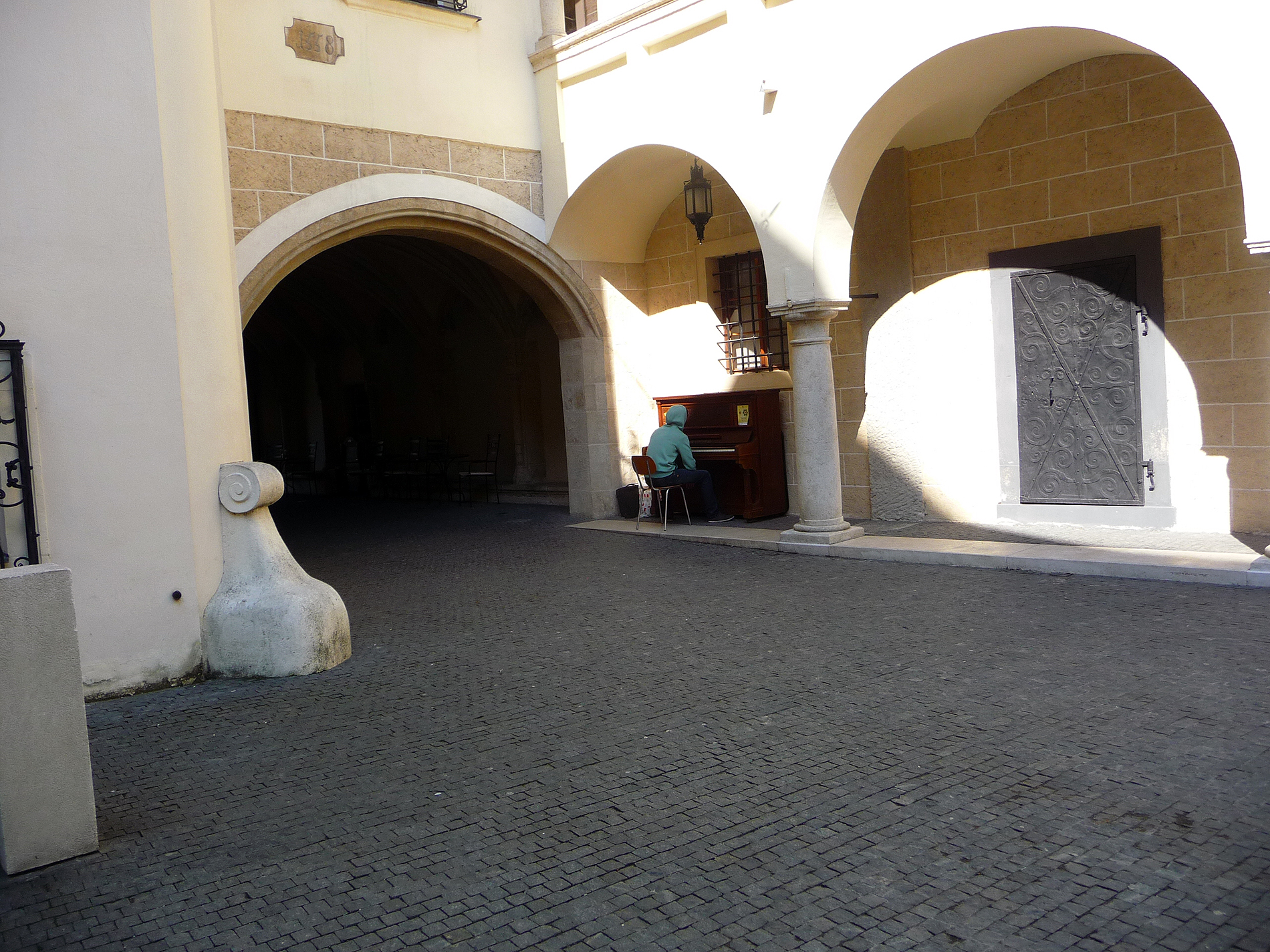
    A piano in the open-air for students to practise on
    My Favourite Spot. A Piano left under an archway for practice purposes for students who had no instrument of their own.
  • Deliverance in Louisiana

    Deliverance in Louisiana

    In response to The Daily Post’s weekly photo challenge: “Creepy.”

    Not everyone finds the place creepy, but I do. The air is hot and humid, eerily still as the electric boat moves slowly through the swampy waters of the Louisiana bayous whose trees are hung with ghostlike, gossamer-fine, Spanish Moss.  I can’t see the shore because the branches of the trees that line the banks hang far into the waters, hiding just discernible movements and deadening the squelchy noises that drift towards us.  Now and then a snake plops from an overhanging branch and the shadowy form of a nutria, an animal like a river rat on steroids, can be seen slipping into the murky swamp through the yellow and purple wild irises that cover the banks. Household pets are kept indoors in these parts, cats and dawgs are all the same to a giant Nutria.

    Crocodiles lurking on the Bayou

    Turtles, herons, and egrets share floating logs, but trail your hand in the water and the log will move swiftly to snatch at it, for this is alligator country and ‘gators will eat anything that moves.  The bayous, streams that are fed by the Mississippi River in the low-lying areas of Louisiana, make ideal homes for alligators.

    The culture of the bayou is Cajun:  a banjo is playing from somewhere over to the left and low voices are heard.  It’s not romantic anymore, it’s creepy and scary, as my memory flashes to Deliverance (1972) John Boorman’s brilliant, action-adventure film about four suburban businessmen who encounter disaster on a summer river trip.  The banjo duet and the film’s brutal action haunt me still, and this river, this boat, is a perfect scene from that film.

    And I’m in the middle of it.  And the banjos play on.

  • The German Cemetery in Crete

    The German Cemetery in Crete

    The Granite Cross that Dominates the Entrance to the Cemetery

    The huge granite cross, starkly outlined against the blue sky, dominates the entrance to the German War Cemetery in Malame, Crete, scene of some of the most ferocious fighting during the Second World War – the aptly named Battle of Crete. The cemetery, home to the remains of 4,700 German soldiers who died on the island, is easy to find as it is just off the coast road in Malame, a short distance from Chania.

    The German Cemetery High Above Malame, Crete
    The German Cemetery, high above Malarme

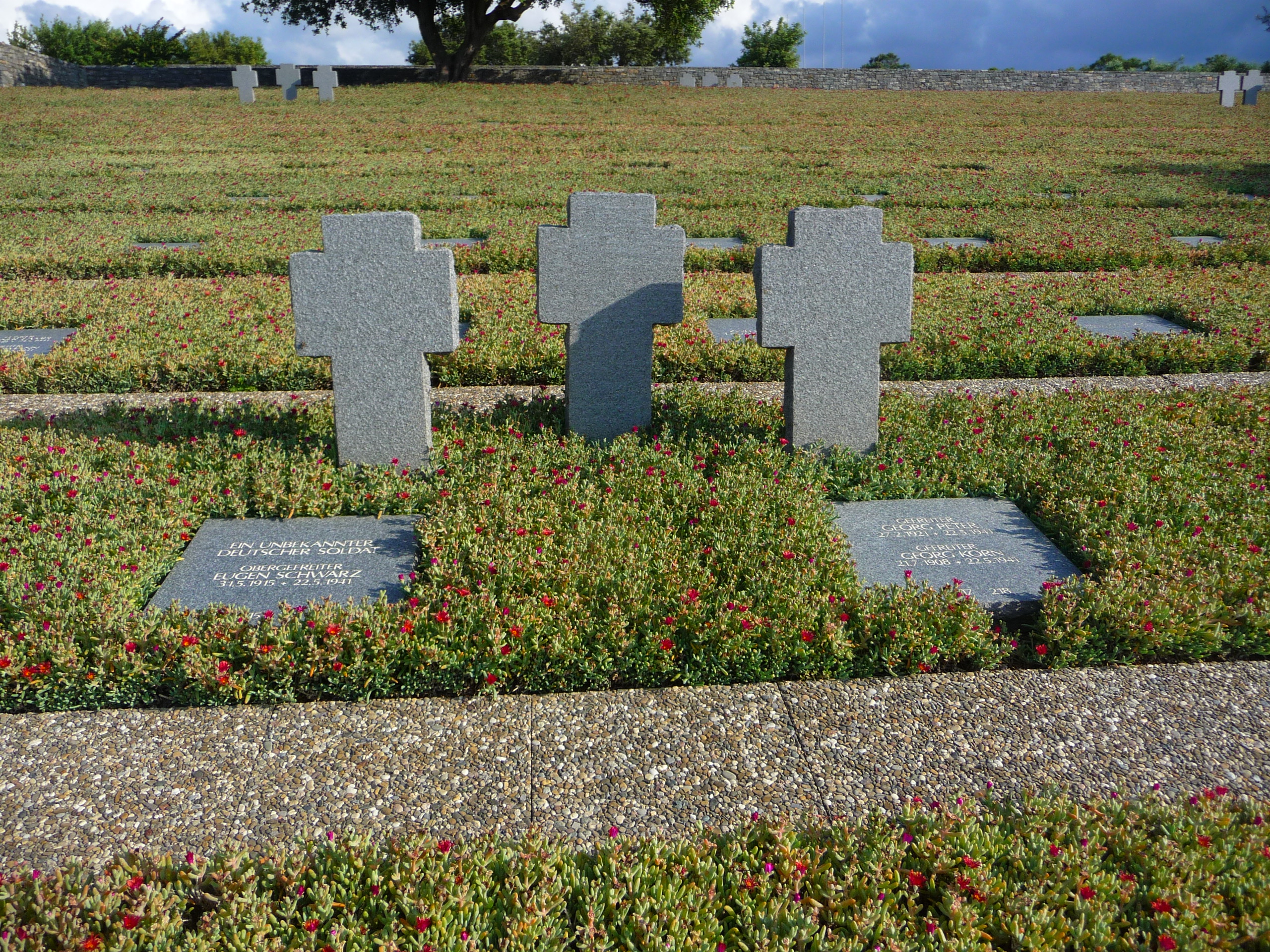
    Once in the cemetery proper, one is faced with sombre, grey granite crosses dotted about the area with small granite plaques embedded in the ground, each one bearing the name of two soldiers who lie beneath.  Interspersed with the grey lozenge-like plaques are tough grasses and plant forms that can withstand the dry heat and the cold, snowy winters of Crete.

    Plaque to a German Soldier
    Plaque to a fallen soldier

    The Battle of Malame in May 1941 has become famous as one of attack and counter attack, assault and retreat, with the Cretan partisans and what remained of the Greek army on the island, fighting alongside a New Zealand infantry company, the RAF and Fleet Air Arm personnel left stranded at the airfield.

    Three crosses and two plaques.
    Three crosses and two plaques.

    Over 500 Junkers attacked in a blitzkrieg similar to that launched on Guernica, Spain, five years earlier.  Historians still query why the powers-that-be failed to realize that Hitler might try the same tactics again five years later.

    Wave after wave of German paratroopers invaded the island. The Junkers were followed by an armada of paratroopers who were ferried in on gliders and parachute troop carriers and who darkened the sky as they descended in their thousands.  (There were 70 gliders each one holding 10 paratroopers and these were followed by parachute troop carriers). Many were shot as they descended or were enmeshed in the surrounding olive trees.

    The invaders who died in this assault were initially interred at 62 locations on the island but in 1960, following permission from the Greek Government, the Germans were permitted to recover these bodies which were then transferred to the Gonia monastery at Kolymbari. (The Monastery had been a centre for the Resistance during the Battle of Crete and the monks were imprisoned in Chania prisons, after the Germans found guns inside the chapel).

    German Cemetery at Malame
    View of the German Cemetery with its crosses and granite plaques.

    In 1971 the remains of 4,465 German troops were transferred to their current resting place in Malame, designed as a cemetery for the Germans who died on the four main battlegrounds of Malame, Chania, Rethymnon and Heraklion.  The cemetery was consecrated on 6th October 1974.

    The human cost paid by the German and Allied forces in the fight for Crete was very high.  There is a little Museum on the cemetery site with information on the walls about the history of the battles but most Cretans dispute the interpretations offered.

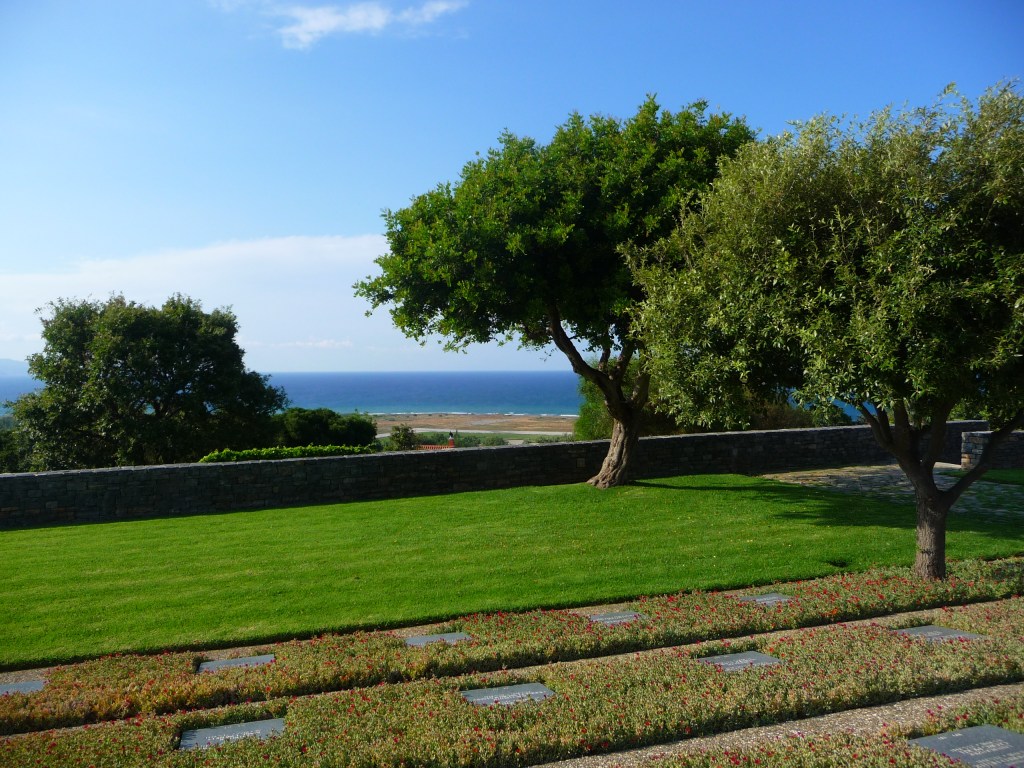
    View from The German Cemetery at Malame
    View to the Coast from the German Cemetery

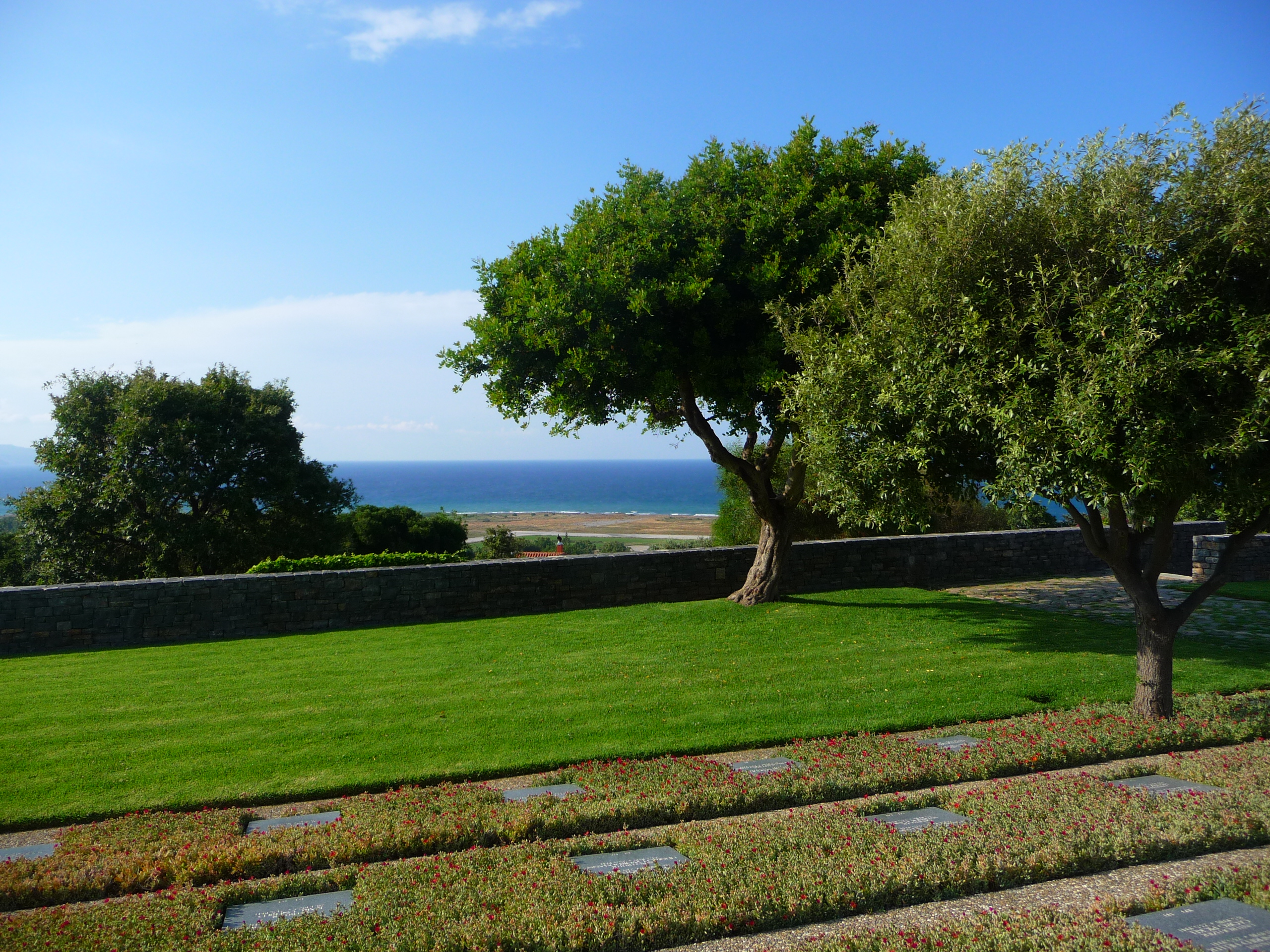
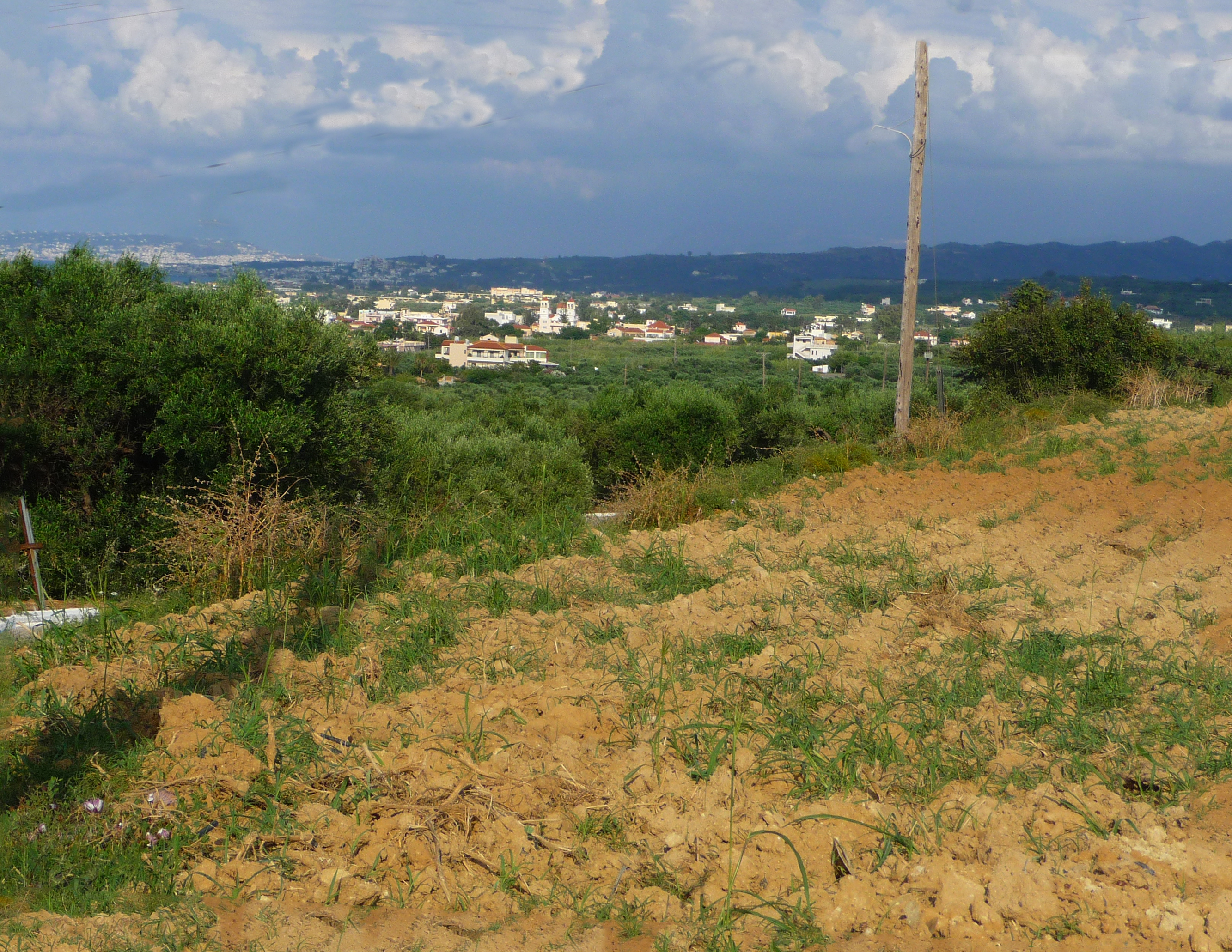
    From the cemetery the view to the coast is stunning.  Standing at the top one can see far into the deep blue bay of Chania across hillsides dotted with olive trees, winding down to the Tavronitis River.  Goats graze among the trees, their bleating rising from below sounding eerily like a child crying. A thin ribbon of road runs between the olive groves and the Aegean Sea beyond, and it is hard to imagine the horror that erupted in this peaceful area 75 years ago, or to visualize the dead and dying that littered the beaches and fields.

    Neither side has exact numbers of fallen soldiers.

    R.I.P.

    Best books on the history of the Battle of Crete:

    Crete:  The Battle and the Resistance by Antony Beevor (John Murray, Paperback – a division of Hodder Headline (1991).  Still regarded as the best history of Crete during WW11

    The Cretan Runner by George Psychoundakis (trans. by Patrick Leigh Fermor):  John Murray, Paperback (first published 1955).  A first-hand account by one of the partisans from the mountains.