Author: maristravels

  • Historic Istanbul, Turkey

    Historic Istanbul, Turkey

    sIstanbul has long been a lure for travellers in pursuit of the exotic, the city where Europe and Asia meet in harmony yet where the whiff of an alien culture is obvious.   Just over a hundred years ago, it was as far as the sensible person on the Grand Tour would venture and it was the stopping place for that most exotic form of transport in those days, the Orient Express.   It was where Christians met Muslims, a city of fewer than a million people, the city with a well-preserved heritage from Byzantine churches to Ottoman palaces.

    Sunset in Istanbul
    Sunset in Istanbul

    Today’s world travellers venture much further in their quest for exciting destinations but Istanbul still manages to stir the senses.  This derives from many things, from the faces of its citizens who hail from many regions of the country and on whose faces is written the country’s history, the magnificent architecture ranging from early 5th century to present day designs in glass and steel, and from the mosques and churches with their mosaics and fine carpets that point to the continuity of the two cultures side by side.

    If you have only one day there, perhaps on a cruise ship, then the two most important sights are the Aya Sofia and the Blue Mosque.  But if you have longer, than take a boat cruise on the Bosphorus and have a fish sandwich at the end of it (fresh fish from the Bosphorus fried on board and slapped between two pieces of bread).

    The following places should be included in your tour.

    On the Banks of the Bosphorus, Istanbul
    On the Banks of the Bosphorus, Istanbul

    Basilica Cistern

    A magnificent underground reservoir with 336 columns each one 9m high beneath a high vaulted ceiling.  Visitors walk through this forest of pillars on raised wooden boards above carp-filled waters which reflect the columns.    It was built in the 4th century during the reign of Constantine the Great and creates an impressive atmosphere.

    Topkapi Palace
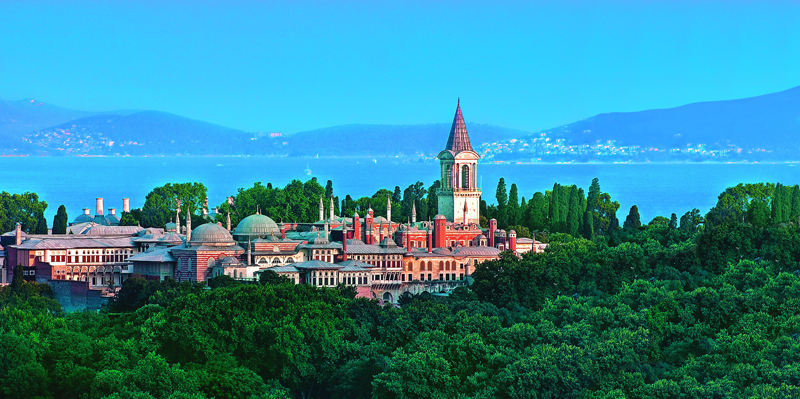
    Topkapı -palace
    Topkapi Palace with Bosphorus in Background

    Topkapi is the largest and oldest palace in the world to survive until today.  Situated on the site of the first settlement in Istanbul, it commands an impressive view of the Golden Horn, the Bosphorus and the Sea of Marmara.   Once home to the Ottaman Empire’s ruling sultans from the mid 15th century to the mid 19th century this sprawling palace was turned into a museum on orders from Ataturk in 1924.  Inside it consists of richly decorated chambers, pavilions overlooking the Bosphorus which were part of the private world of the harem, and holds some of the fantastic diamonds and other jewels of the  Court.  Most famous of these is the Topkapi emerald-encrusted dagger.  Television still shows the Jules Dassin film of the same name, Topkapi, starring Melina Mercouri, Peter Ustinov, Maximilian Schell, and Robert Morley which was about the attempted theft of this famous emerald. If you have never seen it, catch it next time it is screened: it is well worth watching.

    Grand Bazaar

    Grand Bazaar, Istanbul
    Grand Bazaar, Istanbul

    Said to have been founded by Istanbul’s first  Ottaman ruler, Mehmet ll, the Grand Bazaar is one of the most famous souks in the world.  It is a town within a city, miles of alleyways lined with over 4,000 shops which makes it an easy place in which to get lost.  Everything from jewellry and carpets to Turkish delight and fake handbags is for sale here.  The salesmen are experts at their job and you need to be firm if you don’t want to buy a silk carpet (which they can ship home for you) or a rug or a kelim. Caveat Emptor.

    The Blue Mosque

    Its real name is the Sultan Ahmed Mosque but everyone knows it now as The Blue Mosque, the only one ever to be built with six minarets.  One of the most famous monuments of Turkish and Islamic art it is a fine example of classical Turkish architecture.
    The architect, Mahmet Aga decorated the interior in jewel-like colours and it features stained glass, marble latticework and thousands of beautiful blue tiles which give it its name.  It was built in the early 17th century and was originally part of a larger complex of baths, public kitchens, a covered bazaar, a hospital, schools and a caravanserai, few of which survive today.

    If at all possible, try to view the mosque from the sea when, dominating the Old City skyline, it is breathtaking.

    Aya Sofia

    Hagia_Sophia_Pan_compressed

    The Byzantine Emperor, Justinian, was responsible for the commissioning of this Christian church in 532 AD, the crowning glory in Christiandom’s crown for a millenium.  Under the Ottamans it became a mosque but it is now a museum, famous for the seemingly unsupported vast dome of golden mosaics and stained glass windows.

    Hagia Sofia interior
    Hagia Sofia interior

    Aya Sofia (or Hagia Sofya or Haga Sofia) is one of the most visited Museums in the world.   Used as a Christian church for 916 years, it was converted into a mosque after the conquest of Istanbul by Fatih Sultan Mehmed and remained so for 482 years. In 1935, a decision by Kemal Atatürk and the Council of Ministers, meant that Hagia Sophia was converted into a museum, which it remains to this day.

    Hagia Sophia is open for visit every day except Mondays.
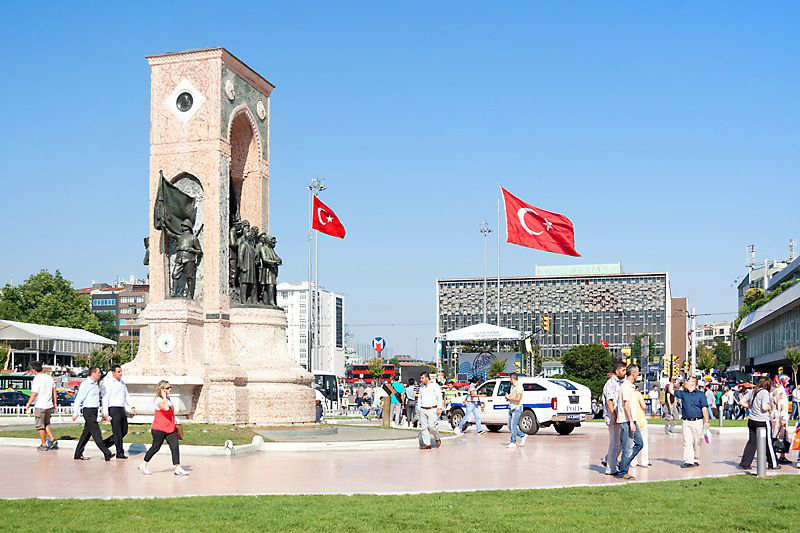
    Istikal Street Monument
    Istikal Street Monument
    Istiklal Street
    Istiklal Street

    IMAGES PROVIDED BY TURKEY TOURISM

  • Honfleur – Normandy’s Prettiest Port

    Honfleur – Normandy’s Prettiest Port

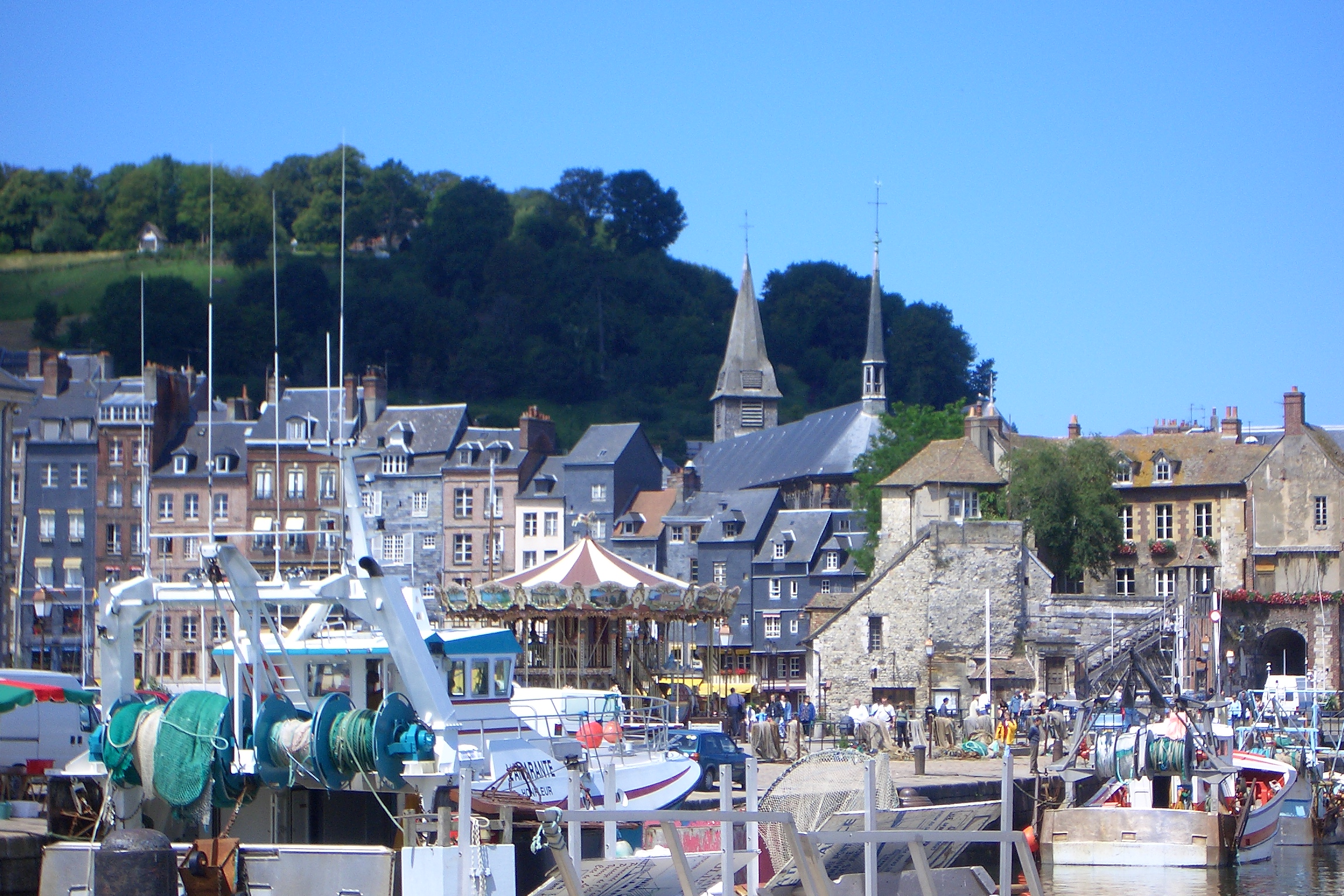
    Honfleur Port

    Now that the Eurostar has put so many French towns and cities within reach of the UK, the big decision is where to go. Yes, Paris is wonderful, but there are many other lovely places within a few hours of London, or just a hop across the channel from Dover or Portsmouth, and one of the loveliest is Honfleur.

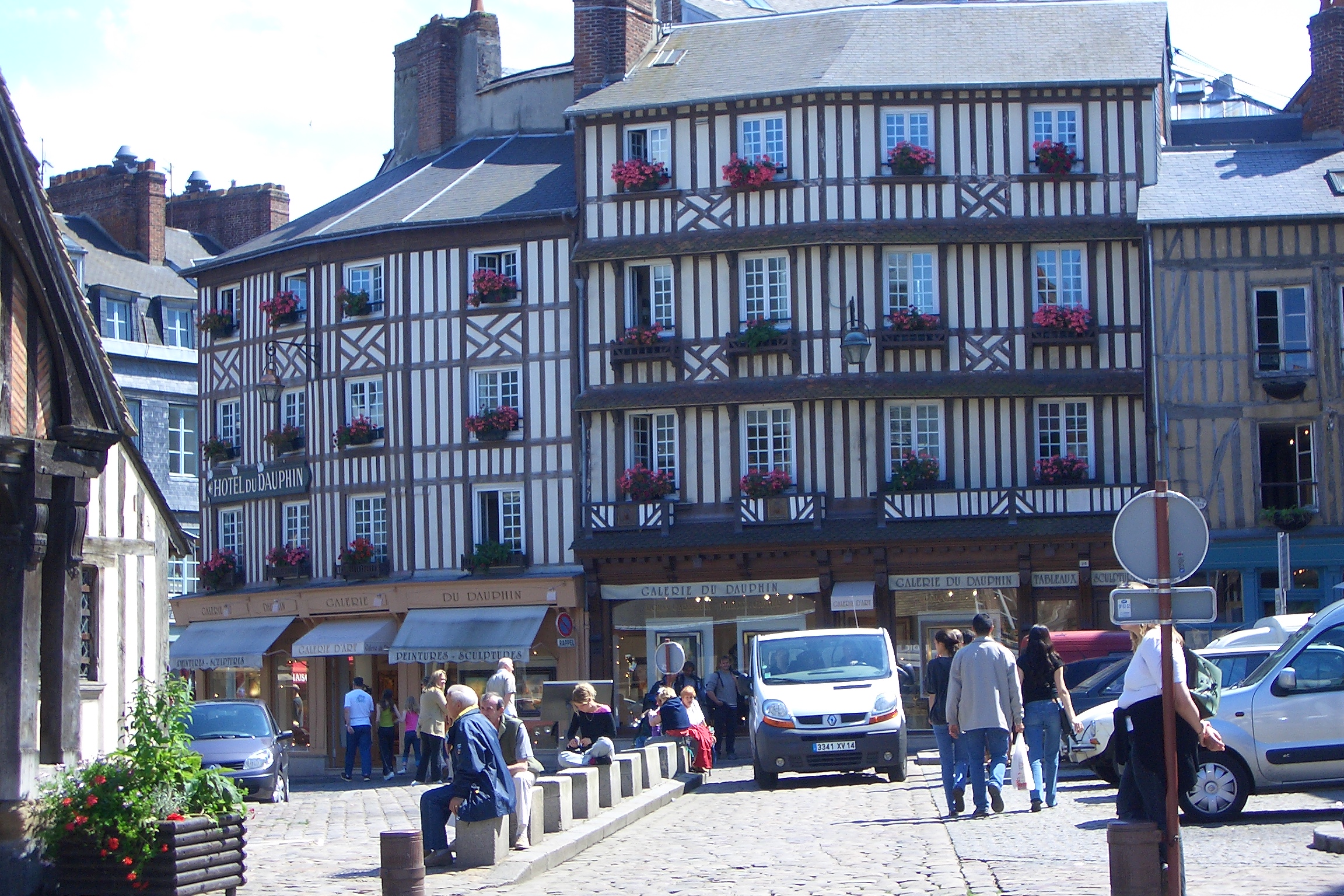
    Of all Normandy’s coastal resorts, Honfleur is the prettiest – it is like a postcard come to life – with its yacht-filled harbour lined with cafes. Most people will be familiar with the look of the town from the dozens of Impressionist paintings in which it features, from local-born painter Eugène Boudin to Pissarro, Cézanne, Renoir and Monet, who followed Renoir from Paris to paint the ever-changing light.

    Honfleur Houses

    Today the town still acts as a magnet for artists and there are probably more galleries than cafes or restaurants, and more bad art per square metre than anywhere else in France! Of course there is good art too, and you may pick up a bargain, but you will have to fight off the new rich oligarchs who now make up most of the tourists.

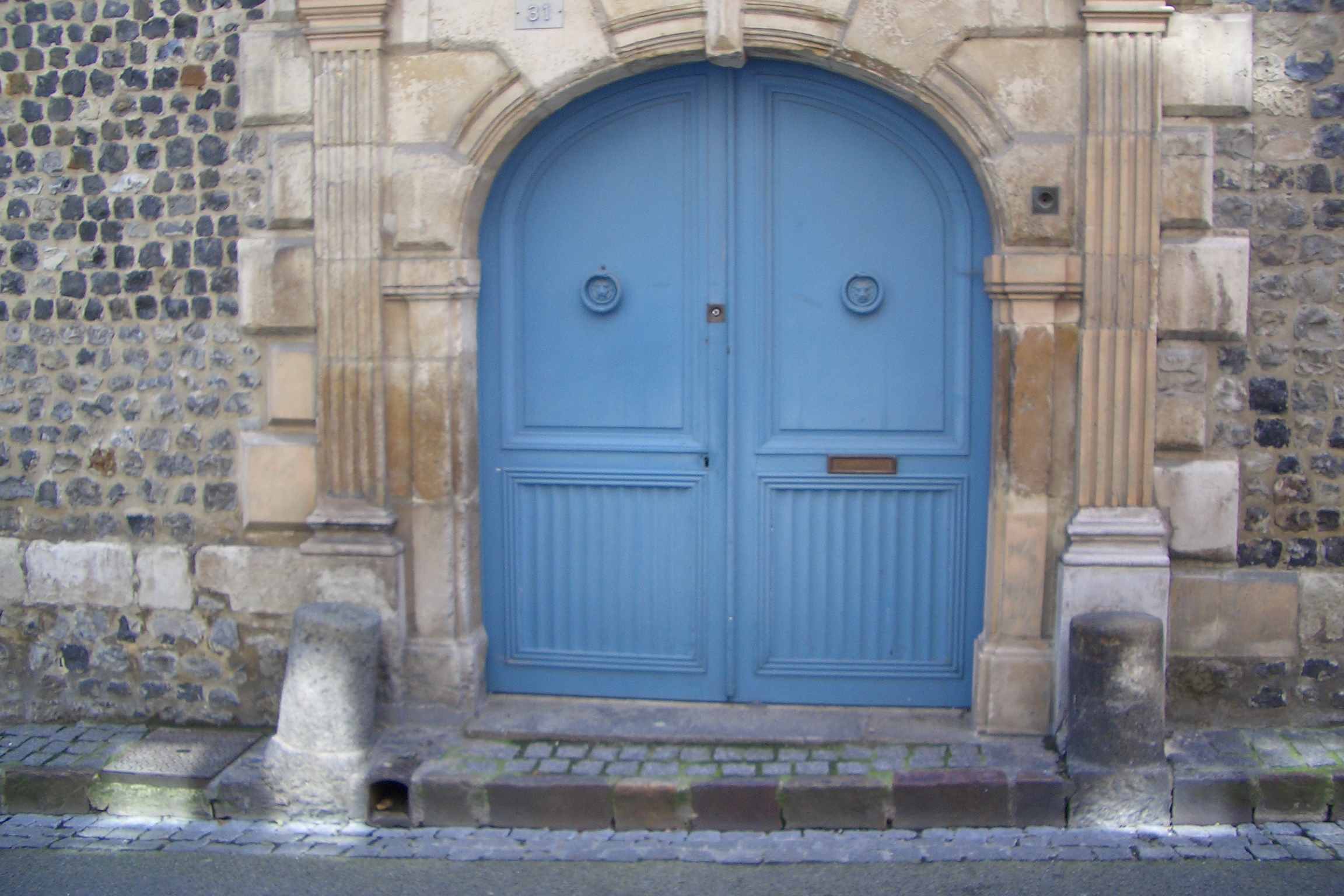
    Blue Door, 17th century House
    Blue Door, 17th century House

    Its exceptional geographical position makes Honfleur an ideal base to discover the route du cidre or the route des fromages, for walks around the Seine estuary in the steps of the impressionists, for visits to the bustling resort of Trouville, to historic Rouen, and to the Pay d’Auge valley for some of Normandy’s best cider and cheeses. Its harbour invites one to sit and relax over a coffee and cognac, lunch like the locals on the local moules, and watch the manoeuvering of boats in the harbour while the sun goes down.

    Mussels and Cider in Honfleur
    Mussels and Cider in Honfleur

    Normandy’s fertile countryside supports a rich dairy industry and prolific apple orchards, the basis for its cuisine based on the three Cs – cream, cider and cheese. And from the cream of course, comes the famously rich Normandy butter and from the apples comes the famous Calvados.

    There are beaches to die for in Normandy, as indeed some did in the Second World War, and visits to the famous battlefields can be easily arranged. There is a small beach in Honfleur but it would not suffice as a ‘holiday beach’, but is adequate for a day’s sunbathing.   Honfleur

    A few things not to miss.

    The Vieux-Bassin, (old dock) in the heart of the town, and the high, narrow old houses which overlook the harbour on three sides.

    Saint Catherine’s Church built entirely of wood.

    Honfleur Wooden Church Spire

    Old Wooden Church, Honfleur
    Old Wooden Church, Honfleur

    The Notre-Dame-de-Grâce Chapel has relics of the first explorations that marked the beginning of the first colonisations in New France (Canada). One of the oldest sanctuaries in the area still stands on the plateau de Grâce, surrounded by ancient trees.

    The Eugène Boudin Museum houses paintings by the 19th and 20th century painters from Honfleur and around, who followed Boudin – Dubourg, Jongkind, Monet, Courbet, Dufy, and others. Also on display are drawings and paintings bequeathed to the town by Eugène Boudin.

    Les Maisons Satie Museum paying tribute to Erik Satie, musician and composer born here in 1866.

    The Greniers à sel (Salt granaries): these date from 1670 and were used for storing up to 10,000 tons of salt at a time. Today these vast stone buildings are used for exhibitions, concerts and conferences.

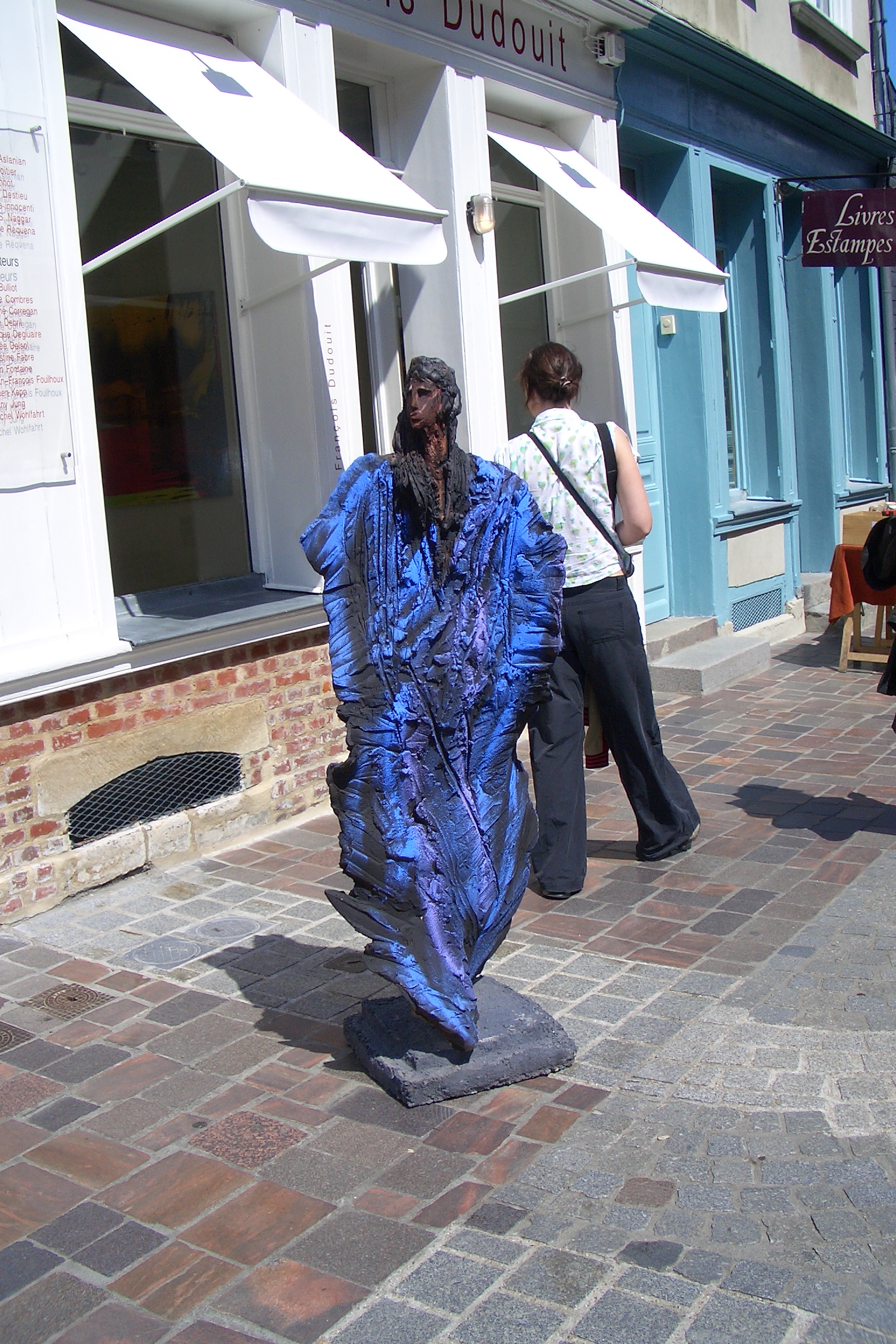
    Honfleur, charcoal statue outside antelier

    And find time to take a trip around the estuary, stroll along the backstreets where you will come across little museums, odd statues and traditional markets and discover the spirit of old Honfleur.

  • Syracuse, Sicily: Greatest Greek City in the World

    Syracuse, Sicily: Greatest Greek City in the World

    Syracuse (often spelt Siracuse) in south-east Sicily, is often overlooked in favour of the more touristy Taormina but the visitor to Sicily should not miss this city that was described by Cicero as the greatest Greek city in the world.

    Assaulted by Romans, Byzantines, Vandals, Arabs, Normans and Spanish, Sicily has absorbed these foreign cultures and made it her own, perhaps best exemplified by the Cathedral in the Piazza Duomo, the delightful pedestrianised square in the heart of Ortygia, the island in the centre of Syracuse.

    The façade of the cathedral is 18th-century and like so much of Sicily’s architecture, it was erected following the earthquake of 1693. It is actually built on successive altars to the Temple of Athena, the doors of which were said to be made of gold and ivory. Round about the 17th century the temple was transformed into a Christian church which later became the Cathedral. Walk down Via Minerva to view the outside of the Duomo and see how nothing was wasted: the giant Doric columns of the Greek temple to Athena were incorporated into the church that superseded it.

    Ancient Greek Pillar still supporting the duomo
    Ancient Greek Pillar still supporting the Duomo

    Syracuse Town

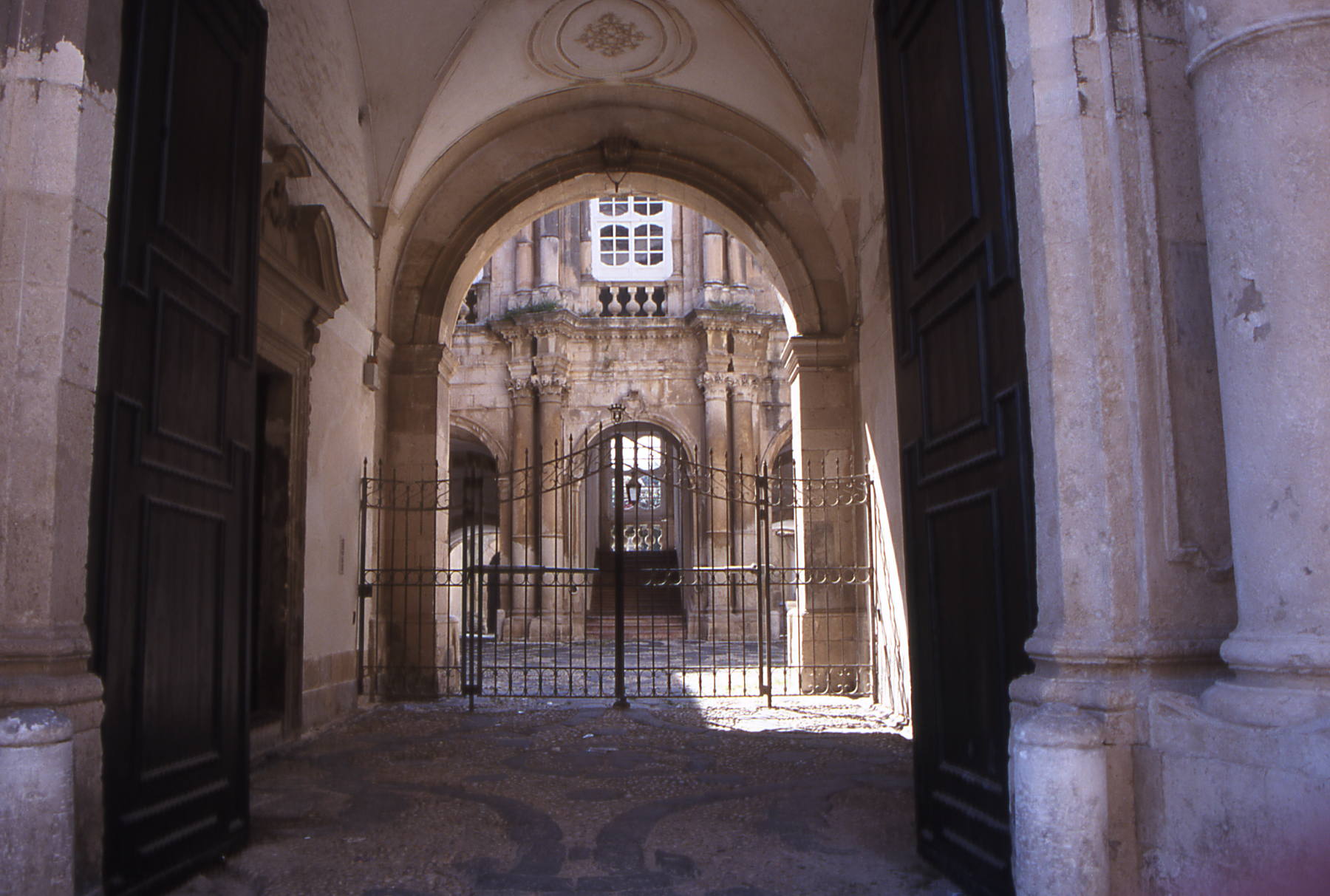
    Courtyard in Piazza Duomo, Siracusa
    Courtyard in Piazza Duomo, Siracusa

    The Piazza is regarded as one of the most beautiful in all Italy with the Cathedral on one side and various Baroque palaces dotted around the square. Day and night the piazza is a scene of energy and life as the ground floors of the once-great palaces now mostly operate as restaurants, cafés and bars.  On a warm evening there is no better place in Syracuse in which to sit and enjoy an espresso or aperitif.

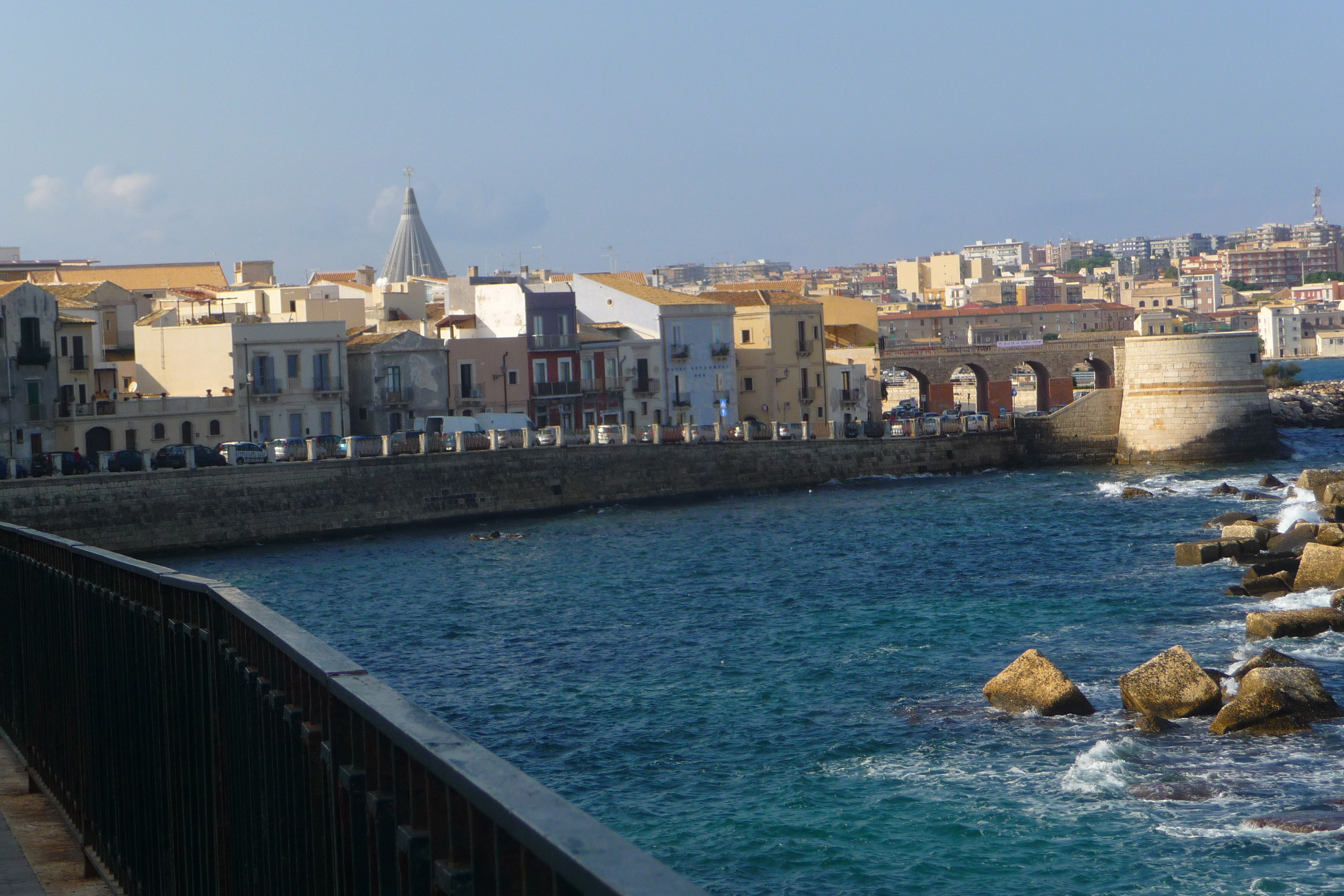
    A Bridge Links Old and New Siracusa
    A Bridge Links Old and New Syracuse

    There are two main areas in the town, the archaeological area which includes Greek and Roman theatres and remains, and Ortygia, a small island that feels more like a tiny peninsula, with beautifully restored Baroque buildings, a number of fine hotels and some great restaurants.

    The Archeological Area

    Temple to Apollo in Piazza Archimedes, Siracusa
    Temple to Apollo in Piazza Archimedes, Syracuse

    In the Neapolis Archaeological Park situated in the northwest of the town, are a number of well-preserved Greek and Roman remains.

    Greek Theatre, Siracusa
    Greek Theatre, Syracuse

    The main attraction is the Greek theatre (not to be confused with the more often photographed Greek Theatre in Taormina which has as its backdrop the snow-capped Mount Etna) where the plays of Aeschylus and Euripides are still performed from May to the end of June each summer as they were more than 2,000 years ago.

    Started in the 5th century when Syracuse was one of the great cultural centres of the Mediterranean world, the theatre is considered to be one of the most perfect examples of Greek architecture to have survived and can accommodate up to 15,000 spectators in its 59 rows.

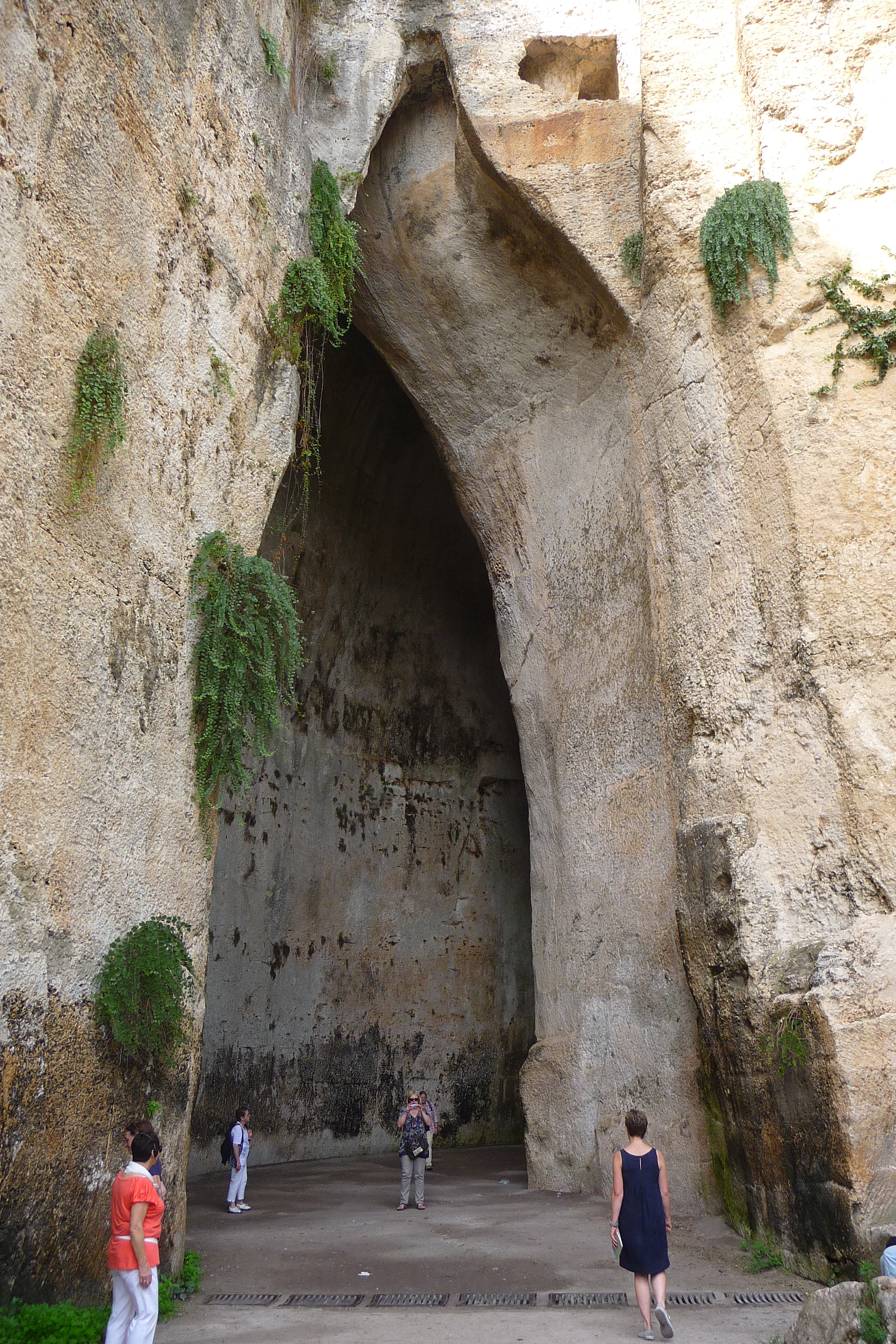
    The Ear of Dionysis

    The nearby fragrant lemon grove was once an old stone quarry used at one time to house 7,000 Athenian prisoners of war, the limestone dug from it in 500 BC being then used to build Syracuse.

    The Ear of Dionysis 4

    Wander into the vast man-made chamber known as Dionysius’s Ear, a 20m high pointed arch cut into the rock face which owes its name to a visit by Caravaggio in 1608. Used as a prison, the excellent Cathedral-like acoustics meant that the prisoners’ conversations could be heard from outside.

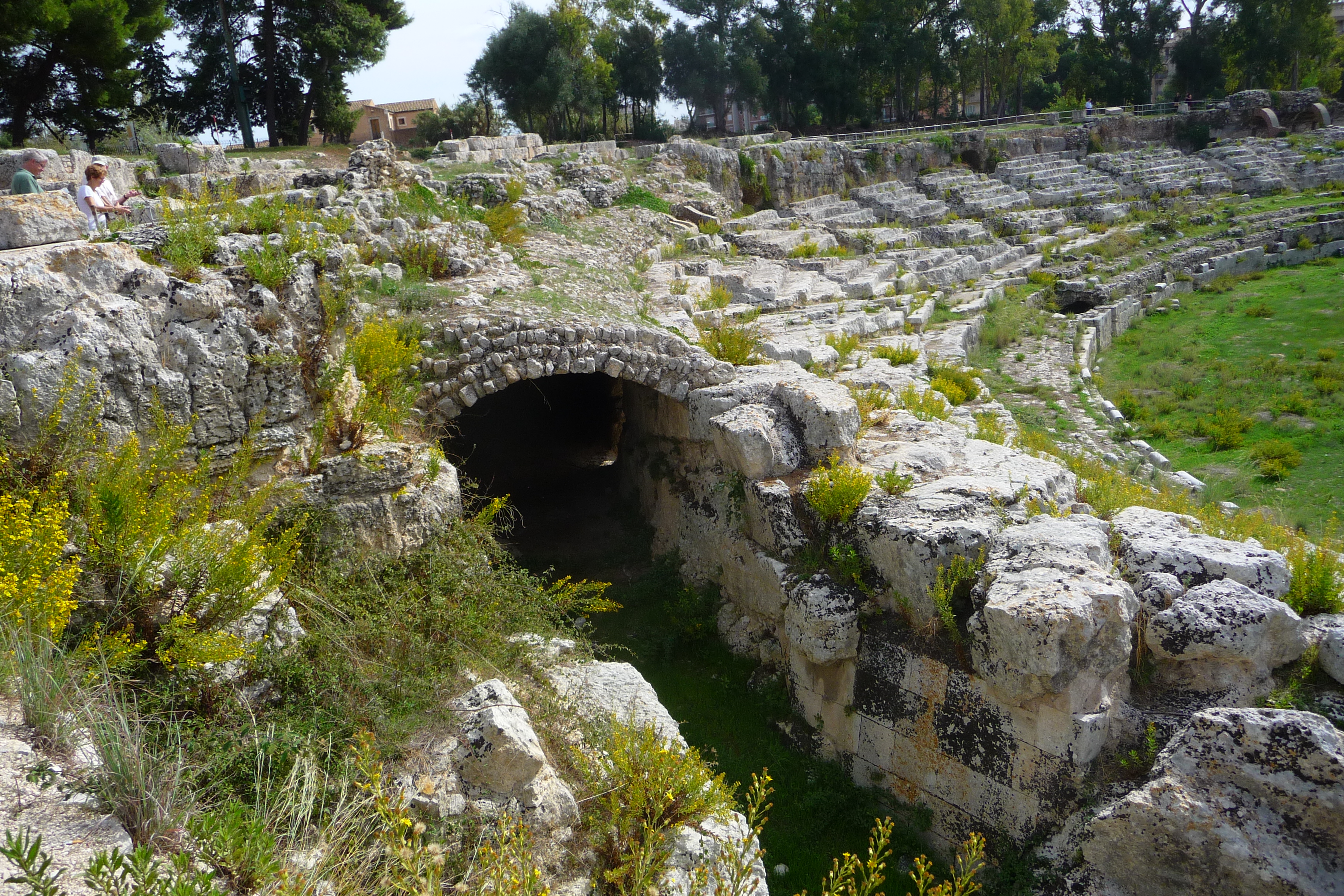
    There is also an impressive Roman amphitheatre, approximately 140m long, built in the 3rd Century AD where traditional blood sports took place, gladiators and wild animals providing the blood-letting that was so much part of these offerings. The hole in the centre is believed to have been a drain for the blood and gore – as one guide told me – or, a space for scenic machinery – as another guide told me!

    Roman Amphitheatre, Siracusa, Sicily
    Roman Amphitheatre, Syracuse, Sicily

    The Archaeological Museum is just a short walk from the park and if time allows, it is worth a visit.

    Ortygia, 2,55 Years of History

    At only 1km by 500m, the best way to see Ortygia is just to wander through the area admiring the Norman buildings and the Baroque decorative facades. Enjoy the sun at one of the cafes in the area sipping a café or an aperitif, or lunch al fresco at one of the many good restaurants on this tiny island.   Take a picnic and sit on the seawalls and admire the fish that swim lazily in the clear waters of the bay.

    Clear Waters of the Bay in Siracusa, Sicily
    Clear Waters of the Bay in Syracuse, Sicily

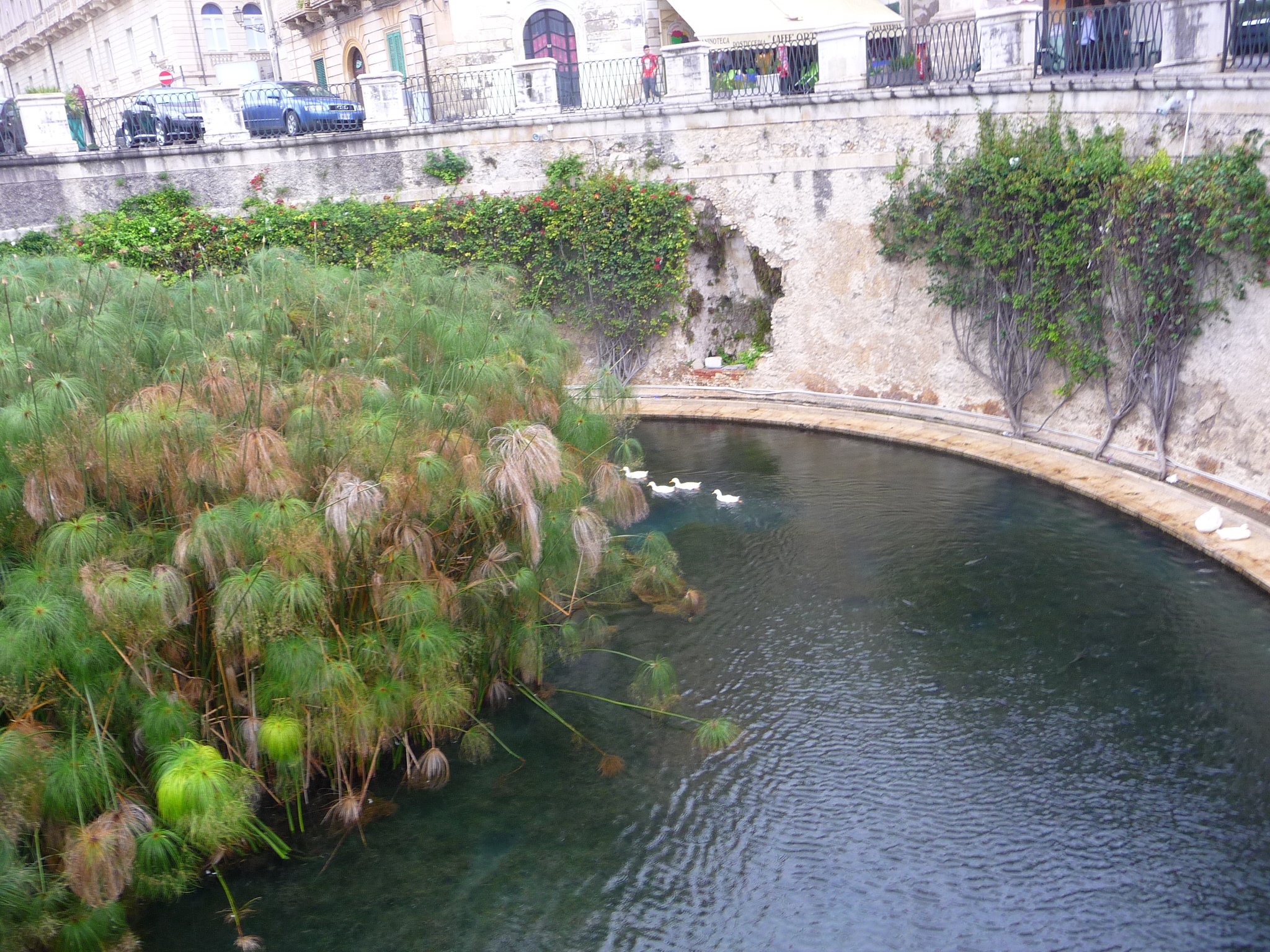
    One could easily walk past the Fountain of Arethusa. filled with white ducks and surrounded by walls of greenery, as it looks so unpretentious but it is one of the most important sights in Syracuse.

    Legend has it that the Arcadian nymph Arethusa, fled underwater to Syracuse to rid herself of the amorous advances of the God Alpheios and the Goddess Artemis transformed her into the freshwater spring that we see today.

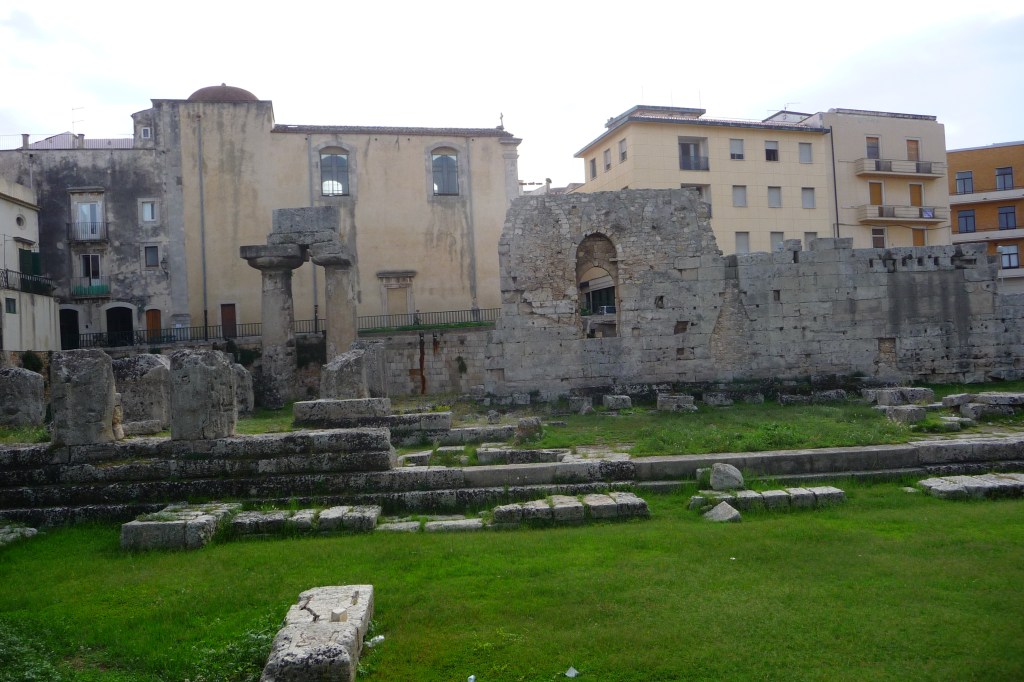
    The ruins of this Doric temple stand incongruously in the middle of the town (you can’t miss it as it’s on a main thoroughfare), on one side of which is a bustling market with sellers hawking clothes, handbags, umbrellas and anything else that will sell.

    Temple to Apollo 4
    Temple to Apollo, Siracusa, Sicily

    It seems such a pity that the Temple is not isolated so that visitors could enjoy it in tranquillity, but then it was probably full of bustling life when it was in use back in the 8th century BC when it was at its most active. It is the oldest temple in Sicily and over the centuries it has been a Byzantine church, a mosque and a Christian church.

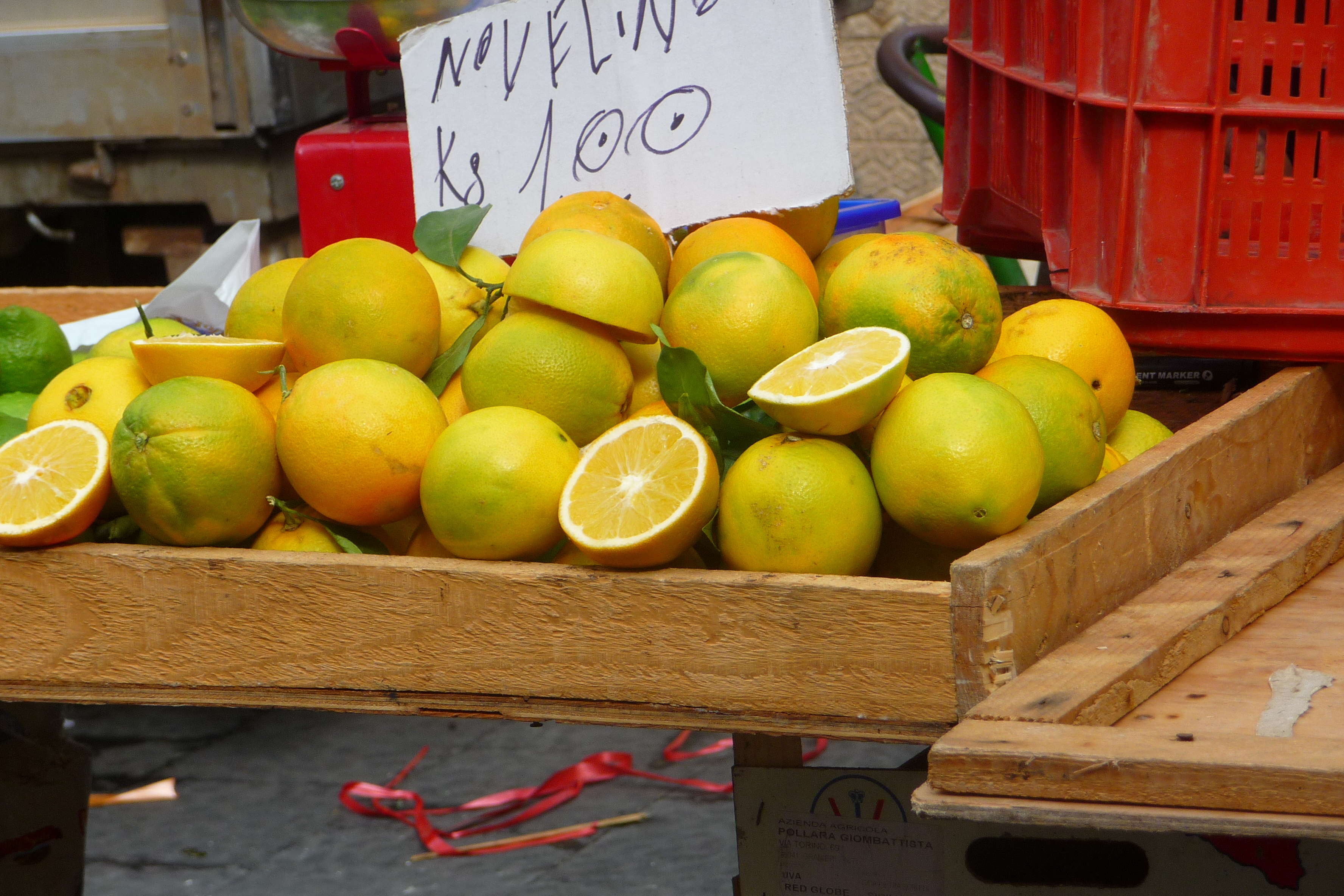
    Citrus from Sicily
    Citrus from Sicily

    Plato visited Sicily several times as did Simonides and Pindar, and Aeschylus sang of its beauty. Its enormous military power made it capable of withstanding attacks from Carthage and Athens and it remained powerful until the Arab conquest in 878 when it lost its supremacy.


    See also, Syracuse: The Other Bits

    Today Syracuse is a pleasant town in which to spend a few days – more if you want to travel beyond it, say to Noto, a perfect day out.

    Arethusa Spring, Siracusa
    Arethusa Spring, Siracusa
  • Italy’s Opera Offerings

    Italy’s Opera Offerings

    For opera lovers, the upcoming summer season of glorious music in Italy is something not to be missed.  All over the country festivals are about to open, many in small villages but all the more passionate because the town or village will have a personal tie to the composer whose work will be honoured.    Places like the San Galgano Opera Festival at Chiusdino, Siena that runs from June – August, the Rossini Opera Festival in Pesaro 10th-23rd August, and dozens more are set to keep opera fans happy during the summer months. My own favourites, the ones I hope to visit each year, are the Verona festival, the Puccini Festival in Torre del Lago and the Ravenna Festival, not just because of the music they offer but because they are in areas that allows touring during the day and longer trips on either side of the musicfest.

    Arena di Verona

    The Arena di Verona is one of the most magnificent arenas in Italy, capable of seating 20,000 patrons per performance but limited to 15,000 for safety reason.  The setting is truly magnificent, open to the elements and capable of staging the world’s most famous operas and adding props like real elephants and camels when the work calls for them.  This year the Arena celebrates 100 years and is offering Aida, Romeo and Juliet, Nabucco, Traviata, Trovatore, Rigoletto, and a Verdi Gala.    Among the special guests for the opening Gala are Placido Domingo, José Carreras and Andrea Bocelli.    June 14th – September 7th.

    Verona from the hills outside the city.
    Verona from the hills outside the city.

    The home of the legendary Romeo and Juliet, there is no lack of sightseeing in Verona itself, but nearby is Lake Garda surrounded by delightful towns, further afield but an easy day trip is Venice, and the Dolomites are on the doorstep.  What could be better.   http://www.arena.it

    The Amphitheatre of Verona
    The Amphitheatre of Verona

    Puccini & ClefThe 59th Puccini Festival takes place in Torre del Lago from July 12th – Augst 24th, a festival created by the great man himself in 1930 and since continued.  The outdoor theatre close to Vlla Mausoleo where Puccini’s remains lie, is a wonderful setting in which to enjoy the music of one of the greatest opera composers of all time.  This year the offerings are Cavalleria Rusticana, Il Tabarro, Tosca, Turandot and Rigoletto. There is little accommodation in Torre del Lago and most visitors to the event choose to stay either at nearby Viarragio or Lucca (my favourite).

    Madame Butterfly in Mosaic Tiles in Lucca
    Madame Butterfly in Mosaic Tiles in Lucca

    Lucca has the Puccini museum, is the only town remaining with its surrounding walls intact, the top of which can be walked or cycled around as they are very wide, and is known as the “tower town” due to the number of intact tall towers there.  A charming cathedral, free concerts in the evenings when not at the opera, some great restaurants, and Lucca could be the prize of the season.  Besides, it is just a short rail journey from Pisa and so perfect for connecting flights.   http://www.puccinifestival.it

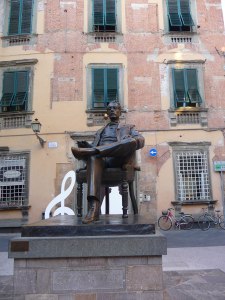
    Puccini Statue in Piazza in Lucca (beside Museum)
    Puccini Statue in Piazza in Lucca (beside Museum)
    Magnificent 5th Century Mosaics in Ravenna
    Magnificent 5th Century Mosaics in Ravenna

    The Ravenna Festival from May to June  is hosted in its many theatres and churches.  The Byzantine basilicas, cloisters and piazzas combine to make a superb backdrop for the art and music on offer.  The finest opera companies with the finest singers converge on this small town for a very special festival, this one the 24th, and apart from opera and classical music, they will offer jazz, films and exhibitions.   http://www.ravennafestival.org

    For all other festivals, check out the following site which lists them all.  www.festivalopera.it

  • The Azores – Portugal in Mid-Atlantic

    The Azores – Portugal in Mid-Atlantic

    P1110184

    I didn’t realise how few people knew about the green volcanic archipelago of The Azores until my recent article on the tea grown there persuaded many people to contact me for more information.  The mountains, lakes and picturesque towns are The Azores greatest attraction and because the capricious climate means that mass tourism is unlikely to destroy the strong culture of the archipelago one can really use the word ‘unspoilt’ to describe the islands.

    Having said that, they have now been discovered by the cruise market and nearly every day there is a cruise ship moored in one of the harbours.

    But meantime, the 9 islands are there for the traveller who looks for beauty and tranquillity, not adventure, not crazy nightlife, but the serenity that used to be the added value of most remote islands.They are perfectly placed for outdoor activities with a lack of pollution both in land and at sea as well as unique and diverse terrain.

    Walking, Hiking and Trekking in the Azores   

    Lichen on Stone in Mountains
    Lichen on Stone in Mountains
    Tree in Botanic Gardens in S. Miguel
    Tree in Botanic Gardens in S. Miguel

    Hiking and trekking includes walking up to volcanic peaks, around craters and through mountains.  Local organizations such as the Os Montanheiros have spent countless hours mapping and cleaning trails all about the Azores. The Mountain of Pico and the Pico is a “must climb” for those wanting a moderate exercise and a unique stunning view of 4 other islands,  Terceira, Faial, S. Jorge and Graciosa, on a cloud-free day).    Horse riding tours via places such as Picos da Aventura, local farms such as Quinta das Raiadas can also be reserved, the tours being made along the beautiful countryside.

    Whale Watching and Swimming with Dolphins

    The most reliable departure ports are Ponta Delgada, Vila Franca do Campo, Horta, Lajes do Pico and Madalena.   Visitors are taken out on small boats and often get within ten yards of the whales. Contrary to the mass-produced affairs that swimming with the dolphins involves in more popular places, in the Azores, one is not allowed to touch the dolphins due to environmental concerns.  This in no way decreases the fun to be had especially as you swim in a clean blue ocean with pleasant water temperature.

    Coastal Adventure Sailing,  Yachting and other Water Activities   

    The Azores from the Sea
    The Azores from the Sea

    It is possible to spend time sailing between the islands and exploring what each one has to offer:  boats moore in sheltered marinas or anchor in secluded bays.  Find out more from the individual islands as weather and winds make a difference to the frequency.  Canoeing is popular in the main marinas as well as some of the lakes in S. Miguel and Flores such as Sete Cidades e Furnas.

    The marinas of Ponta Delgada and Horta are world famous for those crossing the Atlantic with Horta in particular having been used for centuries by the yachting community as a place to pull in for a rest and a g. & t!

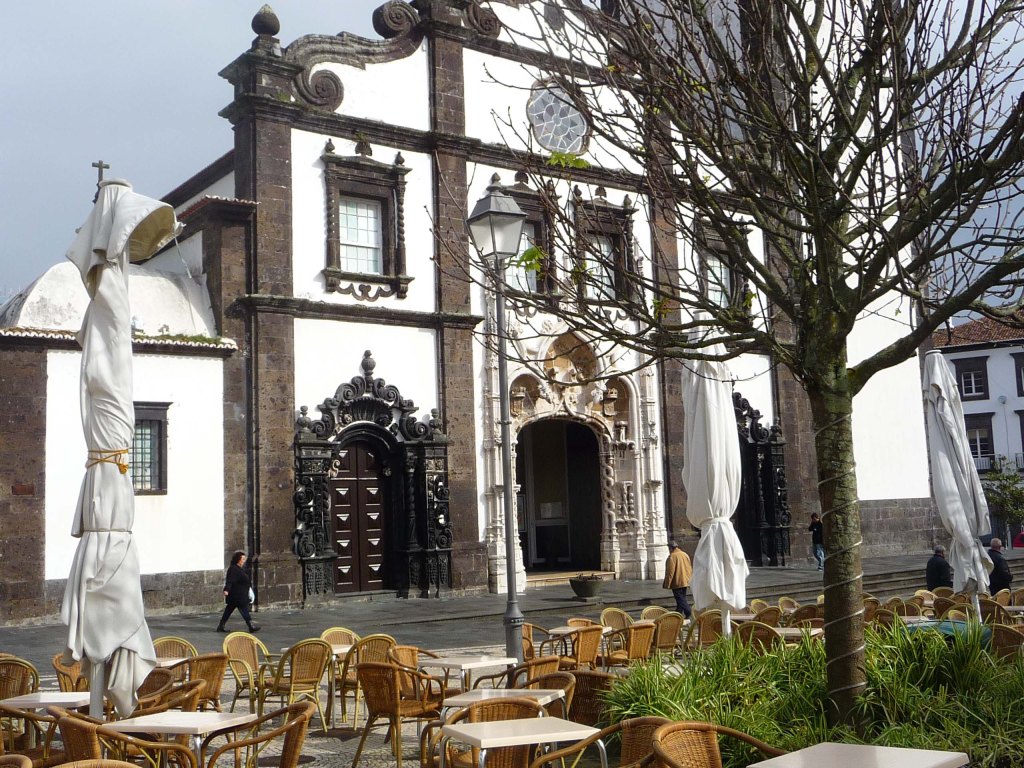
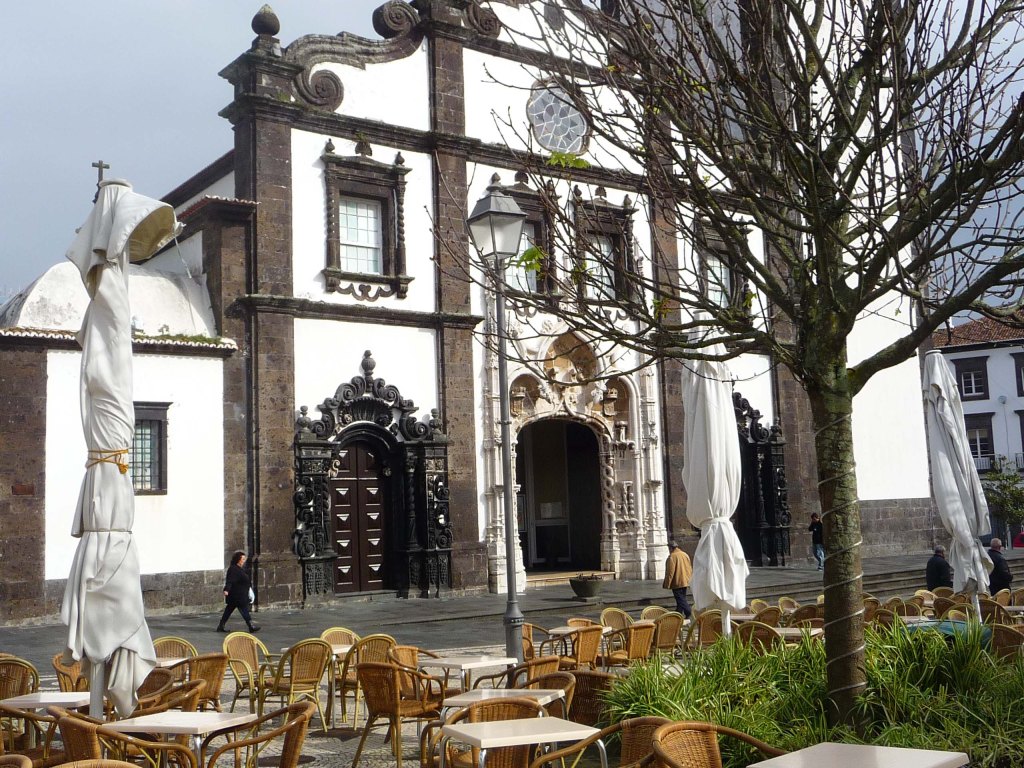
    Pleasant cafe by Church
    Pleasant cafe by Church

    Surfing

    Located in mid-Atlantic as they are, the Azores have plenty of swell most of the time. Not  surprising therefore, that major international events are being held there for both men and women (on S. Miguel).  The Azores are slowly becoming a surfing mecca for those want to surf with fellow aficionados, the main spots being Ribeira Grande, a powerful beach break with consistent waves, and Rabo de Peixe, a left-hander created by the harbor development.  Only for experienced surfers as these are, more or less, uncharted and sometimes dangerous waters.

    Diving and Underwater Activities

    The Azores is home to some unique and fantastic sub-aquatic setting. With a variety of fish and water mammals great coastal formations, excellent water visibility and temperature, the Azores have become a must-visit place for diving aficionados. Many certified diving centers are located in the various islands. Two decompression chambers are available in S. Miguel and Terceira.

    Golf

    A less strenuous activity is gold and The Azores are a great place for golfing due to its pleasant weather.    S. Miguel has 3 golf and there is one in Terceira, all fully certified and internationally recognized 18 hole courses.

    Local Transport, Horse & Carriage in Ponta Delgado
    Local Transport – Horse & Carriage

    Volcanism

    There is current fascination with volcanoes and on The Azores special mention should be made of the underground lake (Graciosa), the volcanic cones of Furnas valley (Sao Miguel), the remains of the Capelinhos volcano (Faial), the sulphur grottoes next the “caldeira de Guilherme Moniz” (Terceira), the basaltic columns of “Rocha dos Bordoes” (Flores) and the many grottoes and caverns on the islands of Sao Miguel, Santa Maria, Pico, Sao Jorge and Terceira.

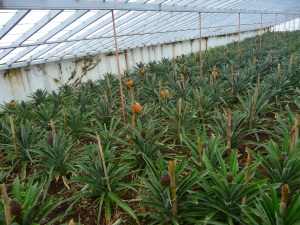
    Pineapples growing in glasshouse - a local speciality.
    Pineapples growing in glasshouse – a local speciality.

    If there is time for any other sports while on a trip to the islands, think about hang-gliding, bicycle rides, tennis, jeep safaris or moto-quad.    In fact, there are few sports that cannot be indulged in on the Azores, but if you aren’t a sporty type, there is plenty of beautiful scenery on which to feast the eye, gorgeous architecture, excellent and unusual shopping (think pineapple liqueur made on the islands, sea-island cotton goods,and  island grown tea).

    A Street in Ponta Delgado
    A Street in Ponta Delgado
  • Tea Growing in Portuguese Azores

    Tea Growing in Portuguese Azores

    Stunning colour of the azaleas in January
    Stunning colour of the azaleas in January

    Of all the things I expected to find in the Azores, that group of Portuguese islands in the Atlantic, stunning scenery, beautiful architecture, charming people and good food, tea was not on my list. When I say tea, I don’t mean the tea you find in tea-rooms and restaurants, I mean tea growing on hillsides and gathered in traditional ways.  So far from the Orient, so almost Europe, the tea is delicious.

    When one thinks of tea, one usually thinks of Chinese or Indian, but I was more than a little surprised to find that the tea grown in the Azores, on hillsides that attract heat and rain in just the right quantities for this particular type of leaf, is quite delightful.

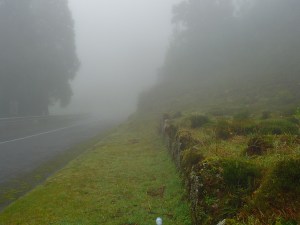
    Frequent mistiness keeps the pastures lush.
    Frequent mistiness keeps the pastures lush.

    It is believed that tea was first discovered in China in 2737 BC.  Legend has it that the Emperor Shen-Nung, who drank boiled water for his health, was one day enjoying this plain beverage when some leaves accidentally blew into the drinking vessel:  the resultant savoury and aromatic brew started the passion for tea drinking.

    It wasn’t until the Portuguese expeditions to the Orient 16th century, that the western world discovered the wonders of tea, but it was the Dutch and the English who developed the trade in Europe in the 18th century, which later reached the Americas.  Today, few houses in the world are without this popular beverage whether it is in the form of speciality teas, robust breakfast tea, or the current favourite,  green tea.

    The Azores is the furthest point from Europe in which tea is grown.  It was introduced to the islands in 1820 when one Jacinto Leite started the first plantation in São Miguel, with seeds which he brought from Brazil, where he had been Commander of the Royal Guards in the court of Dom João V1.

    Tea plantations very quickly took over from citrus growing on the island during the 19th century and in the 1850’s tea production reached approximately 250 tons – a lot for a small island.  Sadly, wars and a policy that protected the Mozambique tea industry, severely affected tea production in the Azores, and by 1966 there were only 5 of the original 14 tea manufacturers left.

    Swirley black and white marble mosaic pavements
    Swirley black and white marble mosaic pavements

    One of these was the Gorreana Tea Factory (Chá Gorreana) which had been founded in 1883 by the Gago da Câmara family and which today produces nearly 40 tons of a strong-flavoured tea annually, three-quarters of which is sold with the region.  One of the things that sets Gorreana’s tea apart from others is that it is purely organic, as neither pesticides nor fungicides are needed in the region, as no pests exist in the islands.

    The Gorreana Tea Factory produces 3 types of black tea – Orange Pekoe (a light and aromatic tea produced from the first leaf),  Pekoe (fuller –flavoured than the Orange Pekoe and prepared from the second leaf) and Broken Tea (produced from the lowest leaf).  It also produces a Green Tea (Hysso) rich in tannins with a very full flavour and green colour.

    The islands of the Azores are delightful for many reasons, their exotic flowers, the dazzling colours of the blooms against the lush green grass, the charming people and the feeling of stepping back fifty years, but their tea is something quite special and should be sampled while on the islands.  It also makes a perfect gift to take home for friends.

    Further details http://www.gorreana.com

    P1110143

  • Cruising:  The Verdict.

    Cruising: The Verdict.

    In my last post I wondered if cruising was all it’s cracked up to me.  Well, I have now returned from a my Caribbean cruise and have reached a verdict.  No, it’s not.

    Lifeboat and Sea
    Lifeboat and Sea

    Mind you, I went with my viewpoint on the subject of cruising already half-formed.  My interaction with regular cruisers had not always been positive as I had found most of them to have little interest in the countries they visited: they spoke of “seeing” the city when they had spent a mere six hours there.  No harm there you may well say and I agree: we don’t all have to like the same thing.   But I felt that cruising took away the real adventure and excitement of travel, of discovering new things and being surprised by sights and sounds.

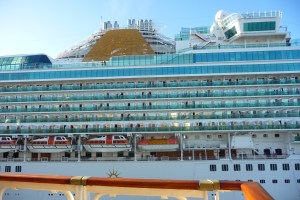
    Big Ship in the Harbour
    Big Ship in Harbour – Probably Celebrity Cruises

    What I also hadn’t realised was the sheer competitiveness of the cruising lifestyle.  Those who had cruised most often talked about their Platinum status with certain lines, their Diamond status with others and their Gold cards, all of which entitled them to various bonus events and favours, champagne in the cabin, extra captain’s cocktail party, an upgrade (the only worthwhile bonus in my opinion) and early booking rights.  I listened in awe at the dinner table to the cut and thrust of the conversation and tried to work out if 4 Cunard trips equalled 3 P. & O and how many P & O’s or Celebrity Cruises would one have to do to have equal par with someone who’d done a trip on the Queen Mary.  It was a world I’d never known before, one fraught with social dangers.

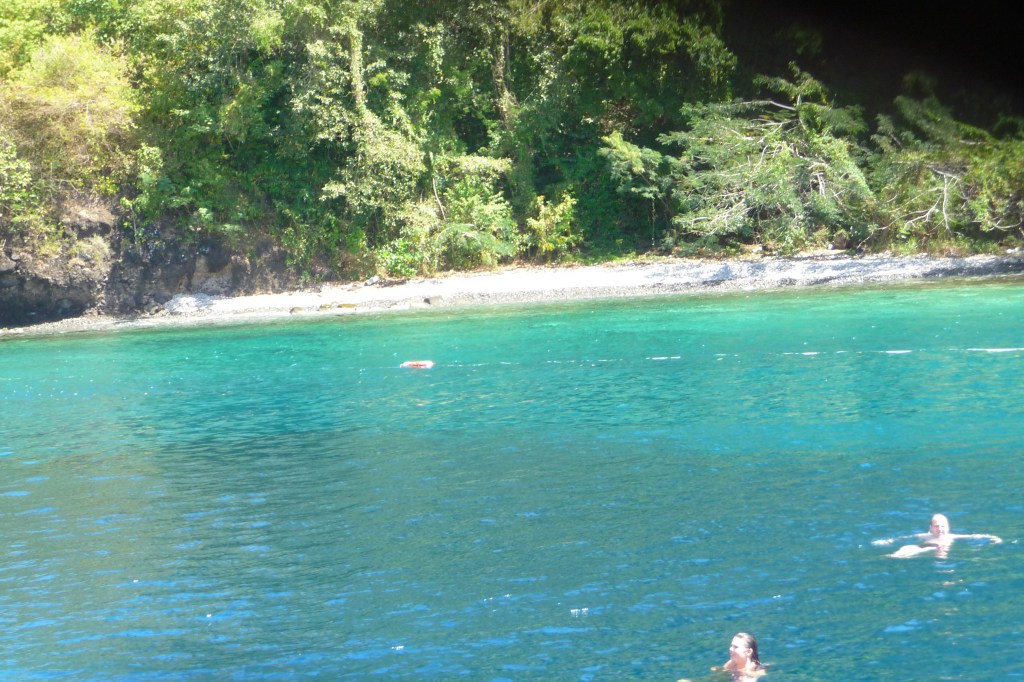
    Swimming in St. Vincent's in the Caribbean
    Swimming in St. Vincent’s in the Caribbean

    Then there were the back-to-backs, those who stayed on the ship and continued with the next voyage, sometimes 3 voyages all together.  Many of these people didn’t even bother getting off the ship when it docked, saying “Oh, we’ve been here before and it doesn’t change much!”  Well no, it probably didn’t, but don’t we all change with the years and what appealed last year might not this year so isn’t a town or city worth another look

    The Azoes and Street Art

    Amazing Street Art in Porta Delgado in the Azores

    .But then I love my casually shod feet on the ground as I roam the streets and alleyways of foreign ports.  I love evenings sitting at wayside cafes and restaurants, watching the world go by as I sip a coffee or something stronger.  I love the strange smells that waft from the kitchens, the sounds of foreign languages, the frisson of excitement as one tries to remember the warnings from friends of the dangers of certain places.  And there’s none of that on a cruise.

    I got off at every port, I went on some trips into the interior, but I don’t think for a moment that I experienced the Caribbean.  I saw beautiful landscapes and seascapes through the window of a coach, I managed a walk along a beach once or twice, and sampled Creole cooking on one occasion, but we never interacted with the locals.  I walked through the towns where we docked listening to the cries of the vendors, being hustled to take a taxi, buy a necklace, try some rum, but all the time aware that the ship would sail without me if I wasn’t back in time.  Even on the one day I managed to have lunch in the town it wasn’t possible to meet any local characters as I normally do.  I was an obvious visitor from the ship (two ships unloading over 5,000 people into a small town skews everything out of kilter).

    Tropical Blooms in Martinique
    Tropical Blooms in the island of Martinique in the Caribbean

    So, I shall return to land holidays with maybe the occasional cargo-ship trip (these I don’t class like cruise ships – they are so different).  A week trekking in the hills in my own country, or walking in Austria or Switzerland, lazing on an Asian beach and attending a religious festival in the evening, or jazzing it up in New Orleans is more my style.

  • Is Cruising all It’s Cracked up to Be?

    Is Cruising all It’s Cracked up to Be?

    Wash from the Ship
    Wash from the Ship

    Now that Christmas is over I can finally turn my thoughts to holidays again.  I am lucky to live on an island where the summer months are delightful, the waters are warm (usually) and sailing, swimming, and surfing are all popular pastimes, so I usually creep away somewhere warmer during the winter.

    This year, for the first time, I have opted to try cruising    I am not sure if I’m going to like it as I’m an inveterate people watcher from cafe tables in Southern Spain and Italy, bistros in France and Konditori in Denmark and Sweden, but I feel it’s time I had a change.

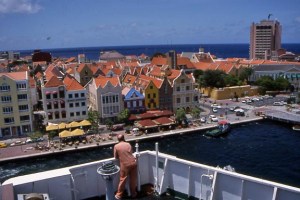
    Williamstad Harbour

    Not only am I going on a cruise-ship but I’m going to the Spice Islands of the Caribbean so I shall not have the usual pleasure of traipsing around ruins and wrecked churches, guide-book in hand, feet encased is stolid walking shoes.   But everyone tells me I will love it, so I’m giving it a go.

    I have travelled the ocean before, but always on a cargo ship, one of the big ones that are the length of 3 football pitches, around which a walk makes a perfect workout before, or after a meal.  I have always enjoyed them, but then feeling part of a working ship seems so much better than being a passenger on a cruise ship.

    Beautiful Williamstad, Dutch Antilles Sure, we dressed up in the evening, but so did the crew who changed from oily overalls into pristine whites to mingle with the six passengers in the bar.  No entertainment but we made our own, pockets of conversation with the mixed crew from South Africa, Philippines, Angola, UK and South America, Trivial Pursuit, watching the latest DVDs together, or just spending longer over the magnificent meals: cargo ship food is always good I’ve found without encouraging too much gluttony.

    Al Fresco Evenings in the Tropics

    The Chef & the Barbie

    And then there were the Sunday barbecues on the deck, dress-down for captain and crew when the flamboyant shirts and shorts made an appearance and we all relaxed.

    Eddie Does His Thing

    I think I shall miss all that as I polish up my hat and smarten my glad rags.  On the other hand I may find it the best thing since sliced bread.  Who knows?

    Photos from my last cargo ship trip on display here.

    AStreetin CartagenaA Pilot Boat Approaches

    Security in Caracas

  • The Best Salmon Restaurant in Sweden

    The Best Salmon Restaurant in Sweden

    Every once in a while one comes across a really superb restaurant in an unexpected place, sometimes on a main road, sometimes hidden away down a side street, and last week this happened to me.

    On the long drive between Gothenburg and Oslo, I found Laxbutiken LJungskile by exiting off the main road to this “salmon house” recommended by my friend Kelly Andersson from Gothenburg, who spoke in very complimentary terms about the food.

    P1100419
    The self-serve coffee area.
    P1100418
    Cool, clean, Scandinavian decor

    Situated beside a lake, with outdoor seating surrounding the elegantly designed restaurant, one could imagine the pleasure of dining in the outdoor space during a Swedish summer, but this was November, so it was inside for us.

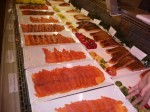
    The interior did not disappoint.  Elegant décor in grey and lime green set of the food which was arranged in a long glass cabinet behind which stood smiling waitresses with advice.

    And advice was needed!   Here was more salmon than I’d ever seen served in more ways than I’d ever known.  Eight types of smoked salmon, from the basic Gravdlax to smoked salmon with different herbs and mixtures of herbs, there was poached salmon, grilled salmon, boiled salmon, salted salmon,

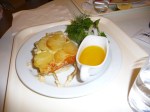
    A salmon dish with sauces
    A salmon dish with sauces
    Salmon in every form
    Salmon in every form
    P1100413
    A selection of salmon dishes

    deep fried salmon, salmon pie, salmon cake and more.  To go with these were delicious sauces like caviar sauce, white sauce with dill, lobster butter sauce, Malibu sauce, and a deep green garlic and spinach sauce.

    The choice was difficult so I eventually decided on the Large Salmon Platter which gave me five varieties of salmon, 2 sauces, salad and boiled potatoes (at an unbelievable 145 Kroner).  More than I could eat, I was relieved to be offered a “doggy bag” (a rather elegant box packed in another bag) to take away.

    The simplicity of good ingredients well prepared and served
    The simplicity of good ingredients well prepared and served
  • TATE BRITAIN –  GREAT BRITISH ART IN LONDON

    TATE BRITAIN – GREAT BRITISH ART IN LONDON

    A Grenadier Guard in London
    A Grenadier Guard in London

    Tate Britain, the original Tate Gallery to distinguish it from Tate Modern, is situated near Lambeth Palace and just a short walk from the South Bank, the Eye and Westminster.  It is an elegant building with a neo-classical portico in the area of Millbank and stands on the site of the former Millbank Penitentiary.  It houses the greatest collection of British Art in the world, works by  Epstein, Gainsborough, Hirst, Hockney, Hogarth, Rossetti, Sickert, Spencer, Stubbs,  and the artists of the pre-Raphaelite Brotherhood who revolutionised British art in the 19th century.      copyright Tate Britain

    Special attention is given to three outstanding British artists from the Romantic age: Blake and Constable have dedicated spaces within the gallery, while the Turner Collection of approximately 300 paintings and many thousands of watercolours, is housed in the specially built Clore Gallery.

    Originally called the National Gallery of British Art it started with a collection of 65 modern British paintings given by its founder Sir Henry Tate (he of the sugar cube and sugar refining firm) when it opened in 1897.  A further gift from Sir Henry in 1899 enabled an extension to be built, and in 1910 thanks to the gift of Sir Joseph Duveen, the Turner Wing was completed.

    Over the years the Gallery amassed a collection of works dating from the 16th to the 20th century, to include Modern Art in 1916 and three new galleries for foreign art ten years later.  This led to a change of name from National Gallery of British Art to The Tate Gallery.

    Parliament, Lndon, in evening light.
    Parliament, London, in evening light.

    The Tate is rightly famous for its collection of the works of the foremost English Romantic painter and landscape artist –  J.M.W. Turner (1775-1851).   Turner left his collection of oil paintings and thousands of studies to the nation on condition that they were kept together, and in 1987 the Clore Gallery was opened to house this magnificent bequest.

    When the Tate Modern opened on Bankside in 2000, a decision was made to create more space by transferring the collection of international modern art from 1900 to the present day to the new gallery.  Tate Modern, a former pumping station, is the perfect repository for modern art, and in the Turbine Hall, it has space to display enormous installations.

    Looking Across to the Embankment from the South Bank, London
    Looking Across to the Embankment from the South Bank, London

    Tate Britain however, continues to house the Turner Prize exhibition, one of the art world’s most controversial prizes.  Awarded to an artist under 50, British or working in Great Britain, the Turner Prize attracts both media attention and public demonstrations, former well known winners being Damien Hirst, Grayson Perry and Gilbert and George.

    The Tate is no stranger to controversy, from accusations of favouritism in the purchase of work by Royal Academicians in the 19th century to media ridicule of the works it purchases today.  There was the famous case in 1972 of the work by Carl Andre popularly known as The Bricks, which caused The Times newspaper to complain about institutional waste of taxpayers’ money.  In 1995 a gift of £20,000 from art fraudster John Drewe came to light, along with the fact that the gallery had given Drewe access to its archives from which he forged documents authenticating fake paintings which he then sold.  The last major scandal was in 2005 over the Tate’s purchase of Chris Ofili’s work The Upper Room for £705,000 with accusations of a conflict of interest.

    None of these controversies however, detracts from the Tate’s magnificence.  Whatever time of the year one chooses to visit, there will be one or two challenging exhibitions ranging from Neo-classical sculptures, exhibitions of the work of Rubens, William Blake, and Millais (founder of the Pre-Raphaelite Brotherhood), to film and video work of Derek Jarman and that of the Iranian film maker and photographer, Mitra Tabrizian.  All this as well as the gallery’s normal offerings.

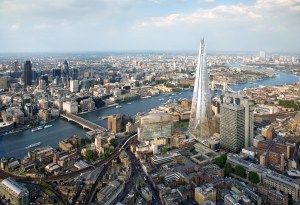
    View Over London from The Shard, Highest Building in Western Europe
    View Over London from The Shard, Highest Building in Western Europe

    Three year’s ago the Tate held the Francis Bacon Exhibition (1909-1992), a re-assessment of his work in the light of new research since his death, comprising around 60 of his most important pieces from each period of his life.   It showed in great detail, the work of possibly the 20th century’s greatest painter of the human figure in an exhibition that captured its sexuality, violence and isolation.  The artist’s bleak outlook, his flamboyant homosexuality and his colourful private life had made him a controversial figure in life as much as in death.

    For those visiting Liverpool, the superb Tate Liverpool which opened in 1988 shows various works from the London Tates as well as mounting its own eclectic displays and for those heading for Cornwall, the Tate St. Ives has an equally impressive collection.

    The London Eye
    The London Eye

    The out-of-London Tates entail rail or coach travel from London, but Tate Britain is an easy walk from Westminster.  For a truly memorable arrival, the best way to travel is by river-boat which leaves half-hourly from Tate Modern on the Thames, stopping at the London Eye along the way.

    Like that other great palace of art in Trafalgar Square, the National Gallery, the Tate also offers free admission apart from special exhibitions.

    website: www.tate.org.uk

    Open 10.00 a.m. to 17.50 daily.

    Bus No. 77A runs from the centre of London through Westminster, Whitehall, Trafalgar Square and Aldwych to the Museum every ten minutes.   Nearest underground:  Pimlico.    Two superb licensed restaurants are in the basement of the Gallery.

    Visitors wanting a quick and expert guide to parts of the Gallery should take one of the free one-hour tours offered daily which start at 11 a.m. 12 p.m. 2 p.m. and 3 p.m (Saturdays and Sundays 12.00 and 15.00 only).