Category: Europe – Northern Europe & Scandinavia

Austria, Belgium, Germany, Scandinavia, Croatia, Bosnia & Herzogovina

  • In the Footsteps of The Impressionists

    In the Footsteps of The Impressionists

    Looking through some images last night reminded me of a trip I took a few years ago visiting the places where the Impressionists had painted (sometimes standing exactly where they had stood as they worked), places like Rouen, Honfleur, Etretat and Le Havre in N. France.  The idea behind the trip was to look at the reality of what the artists had painted and then to make a connection with the painting by viewing it in a nearby gallery.

    Where and what they painted at the time was a complete change in the art world, helped by pre-mixed paints in tubes and new vibrant hues like chromium yellow and French ultramarine that freed them from the chore of grinding up lapus lazuli and mixing dry pigment in linseed oil to make colour.  With these aids, their style of painting could now evolve and they were able to paint ordinary subject matter outdoors, capturing the momentary, transient aspects of light and the ever-changing colours of the clouds.

    Claude Monet painted more than thirty versions of Notre-Dame Cathedral in Rouen, a church which is a mishmash of architectural styles spanning four centuries, but which is mesmerizing in its scale and grandeur.    As we stood facing the church from the opposite side of the square from where Monet had painted the church, rain was pouring down its exterior walls.  But Monet had painted many rain-washed scenes of the Cathedral so that was good.
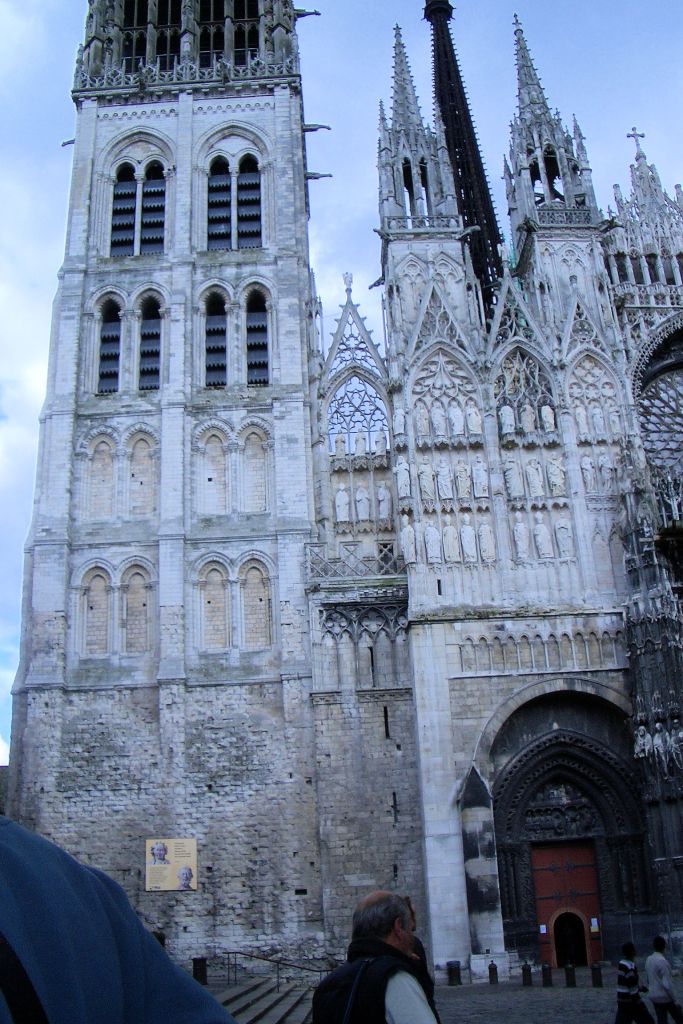
    Notre-Dame Cathedral, Rouen
    Notre-Dame Cathederal, Rouen

    The Musée des Beaux-Art in Rouen has a particularly fine collection of Impressionist paintings and when I came face to face with Monet’s misty, murky impression of the rainswept sumptuous west face of this massive Gothic structure, I was nearer understanding why so many were painted in the rain.

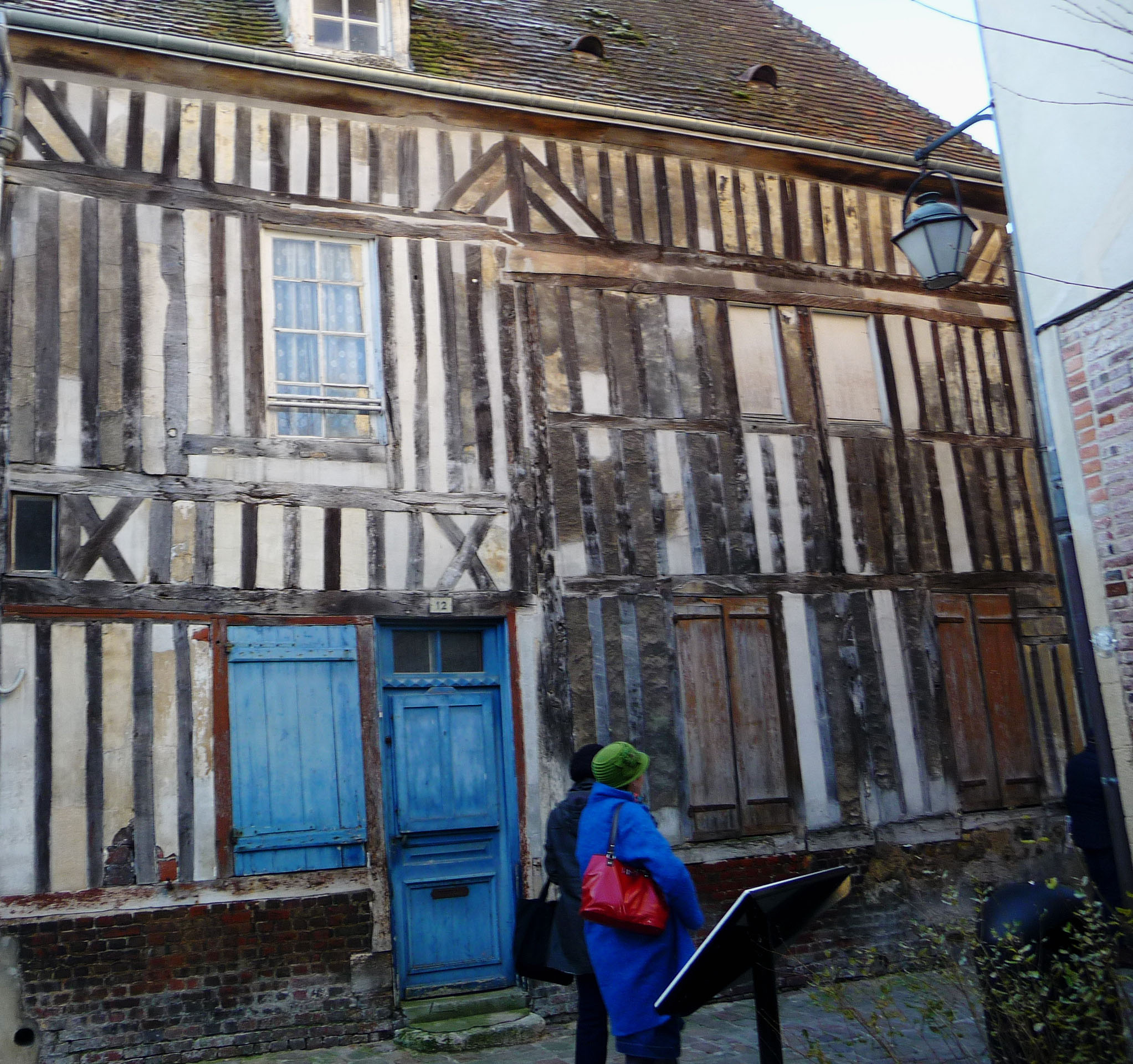
    Rouen is a maze of cobbled streets lined with beautifully preserved or restored half-timbered houses that lean crookedly together: more than 100 of these houses date back to the Middle Ages.  Many of these streets lead from the Cathedral to the famous Rue du Gros Horloge with its lavish Renaissance clock centred in an elegantly carved arch, and then to the city’s hub, the Place du Vieux Marché ringed by cafés and restaurants housed in 16th – 18th century buildings, and famous as the place where Joan of Arc was burned at the stake in 1431.  An iron cross set in a simple little memorial garden marks the spot and a daringly designed slate-covered church dedicated to the saint stands next to it.

    Joan-of-Arc-Place
    Place Joan d’Arc, Rouen

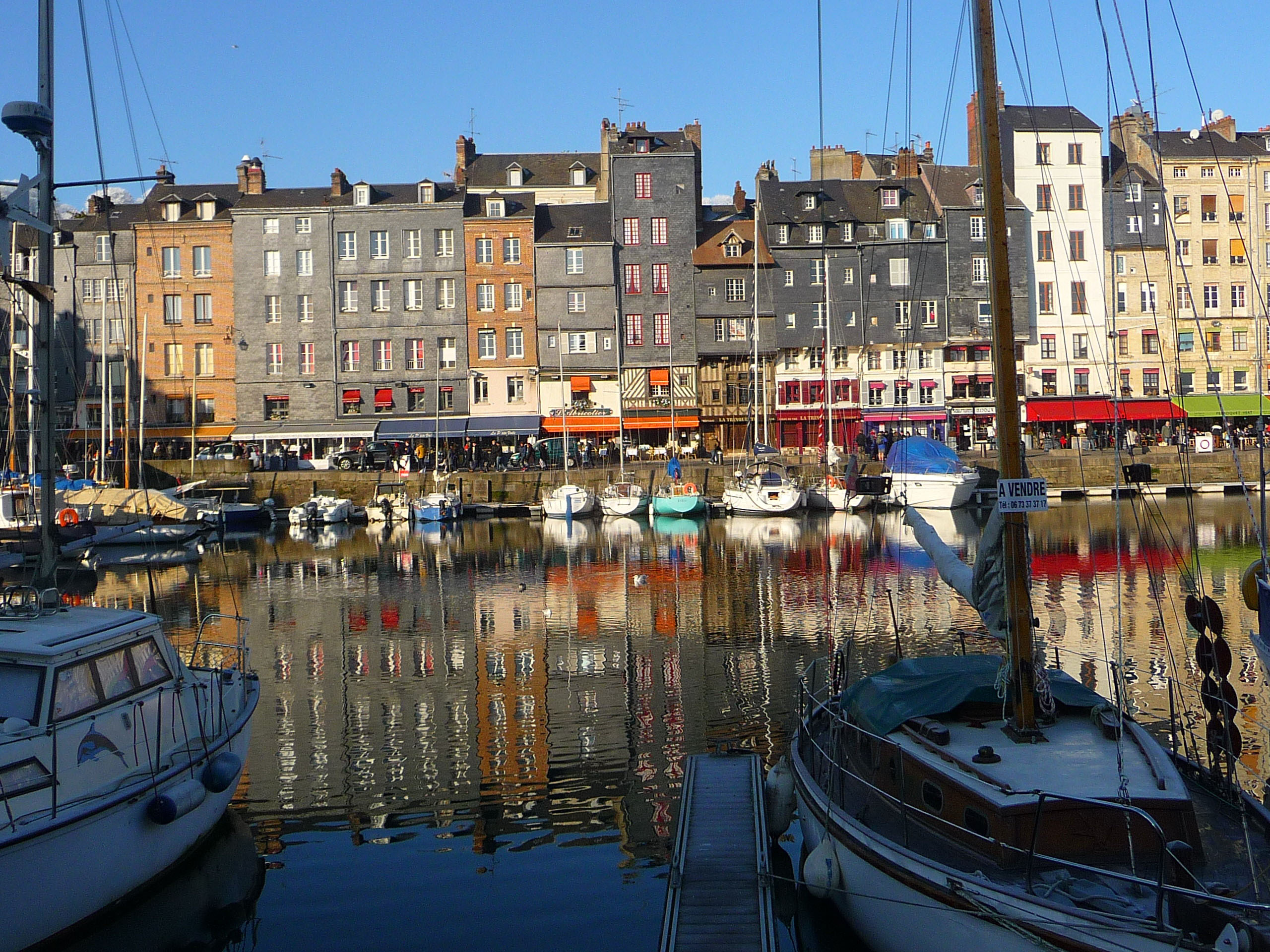
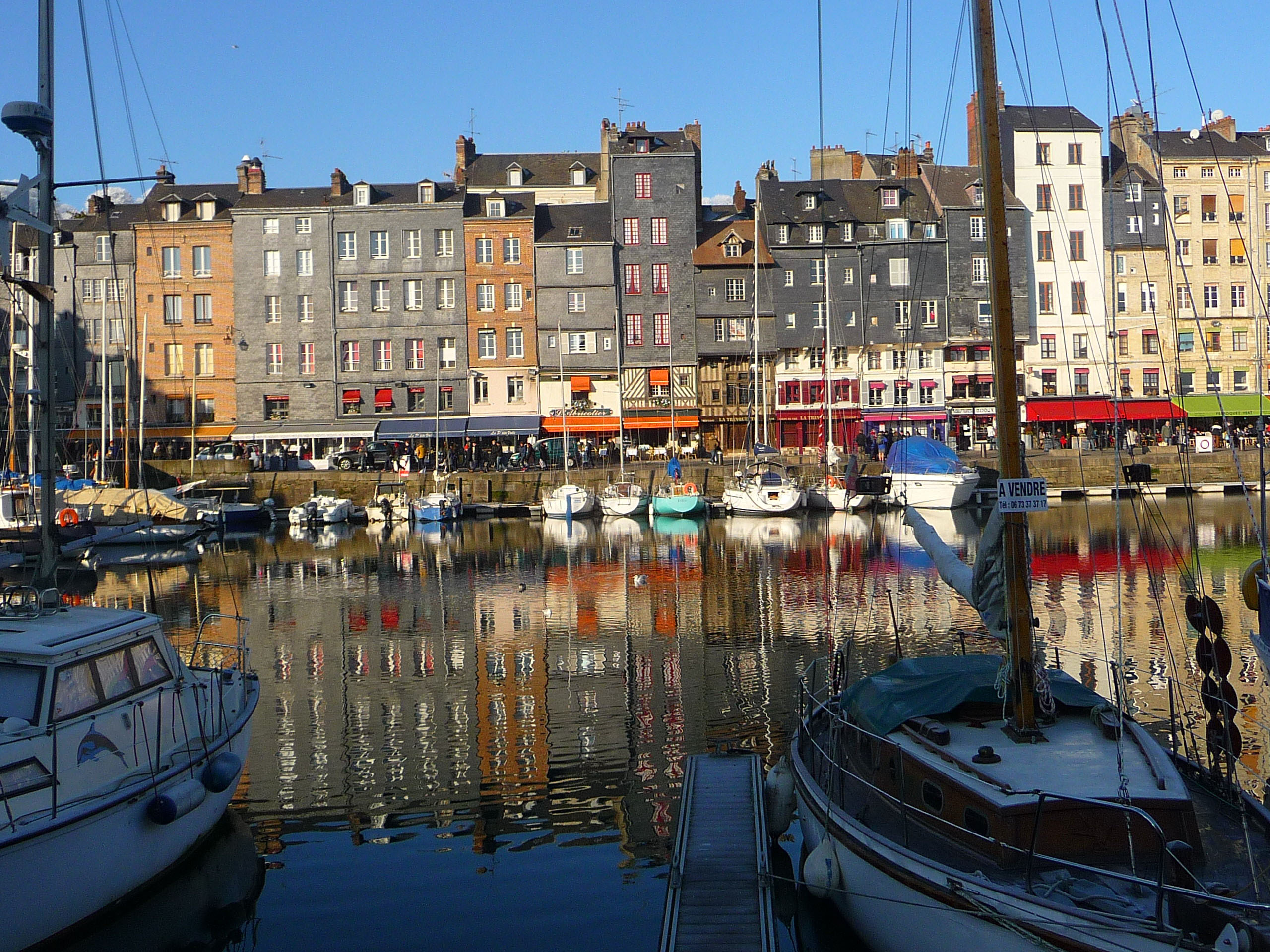
    Not far from Rouen is atmospheric little Honfleur, a town unlike any other in Normandy where the 10-storey high timber and slate-faced buildings that surround its 17th century Vieux Bassin has made it one of the most photographed towns on the Seine.   Bright trawlers jostle together in the old harbour to sell succulent seafood on the quayside, seafood which is later served up by the many waterside restaurants.
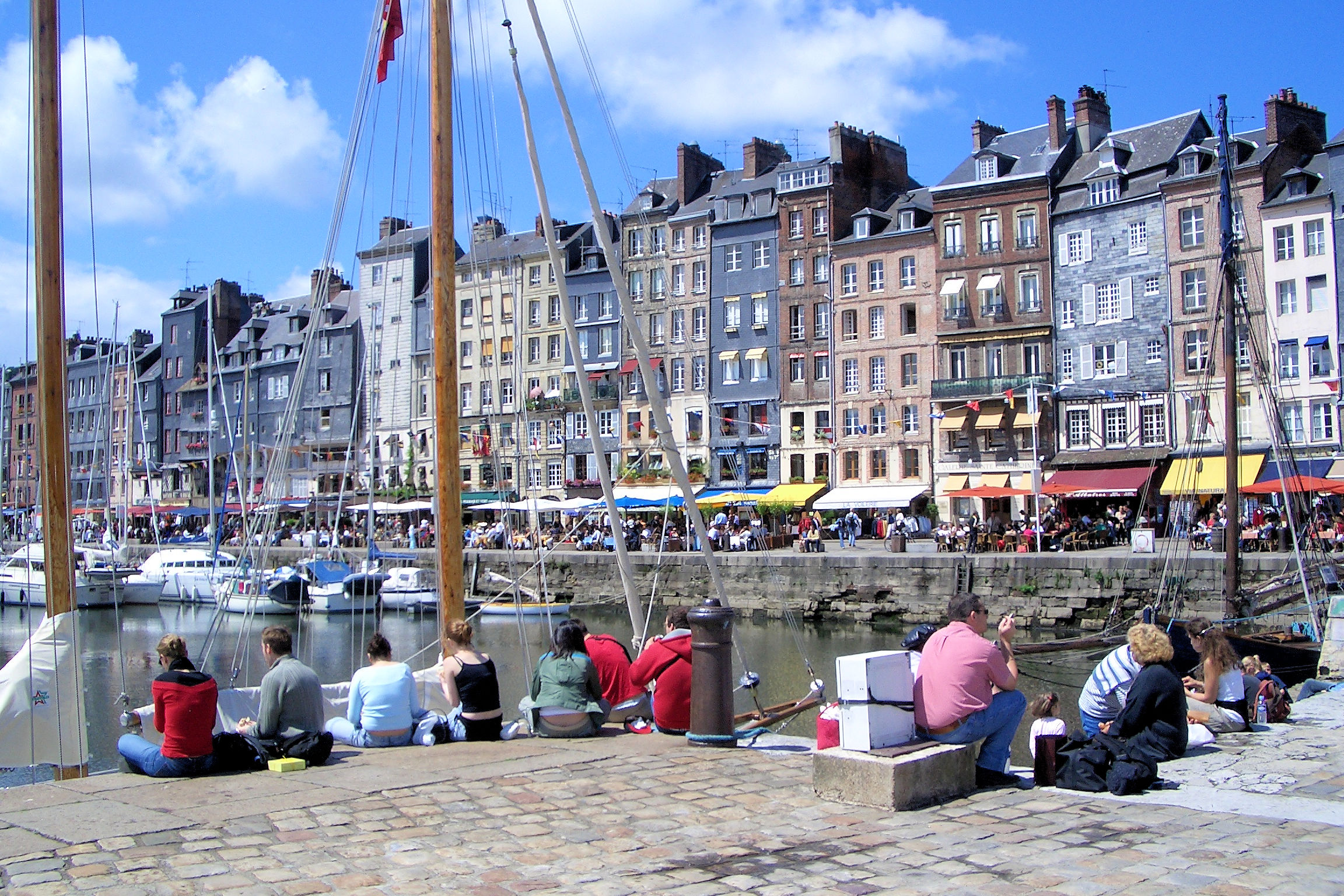
    Honfleur 4

    It is here that Eugène Boudin and a like-minded group of friends from Paris formed the Impressionist movement.  Attracted by the beauty of the town and the quality of its light they used to gather at the nearby Côte de Grace Hill above the town, and paint the scene before them, edging towards something experimental and new, using short, broken brushstrokes of untinted and unmixed colour, painting wet paint on to wet paint instead of waiting for one layer to dry, which led to intermingling of the colours.   Later, they would drink and dine in a simple 17th-century farm dwelling, Ferme St. Siméon, now a luxurious and very expensive hotel.
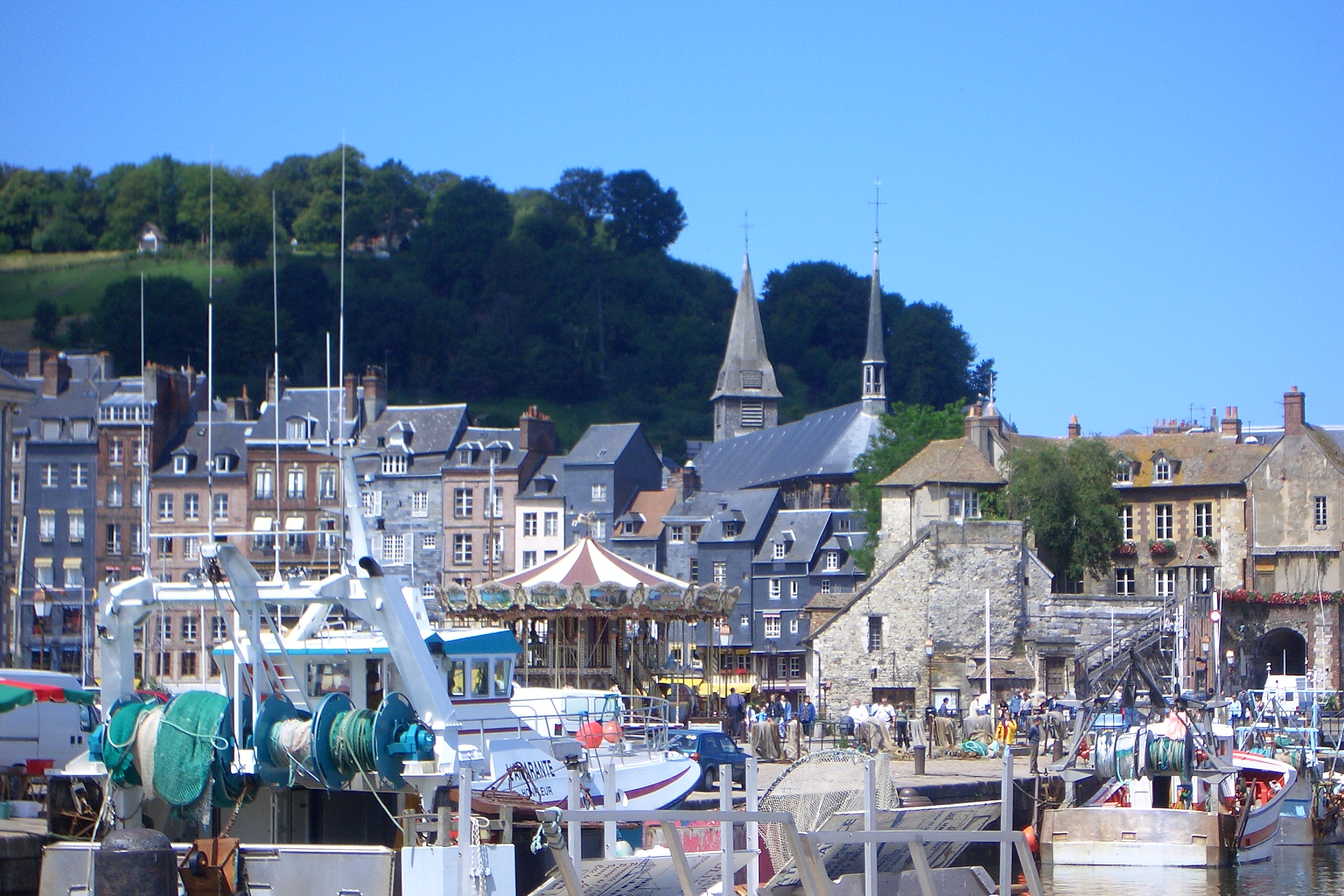
    Honfleur

    The delightful and intimate little art gallery, Musée Eugène Boudin, founded in 1868 by Honfleur’s best known artist, considered by many to be the father of Impressionism, has one of the best collections of Boudin’s own works – including the wonderful Port de Dieppe – as well as a vast collection of paintings by artists like Jongkind, Isabey, Monet, Dubourg, Mettling, Pissarro, Renoir and Dufy who came to be known as “the Honfleur school”.

    Honfleur was also the birthplace in 1886 of the musician Erik Satie and it is worth spending an extra hour or two in the Maisons Satie where you are led from one room to another to the accompaniment of Satie’s music backed by a series of stunning Satie-esque visual effects – like the white piano in an all-white room that clanks and jangles maniacally.
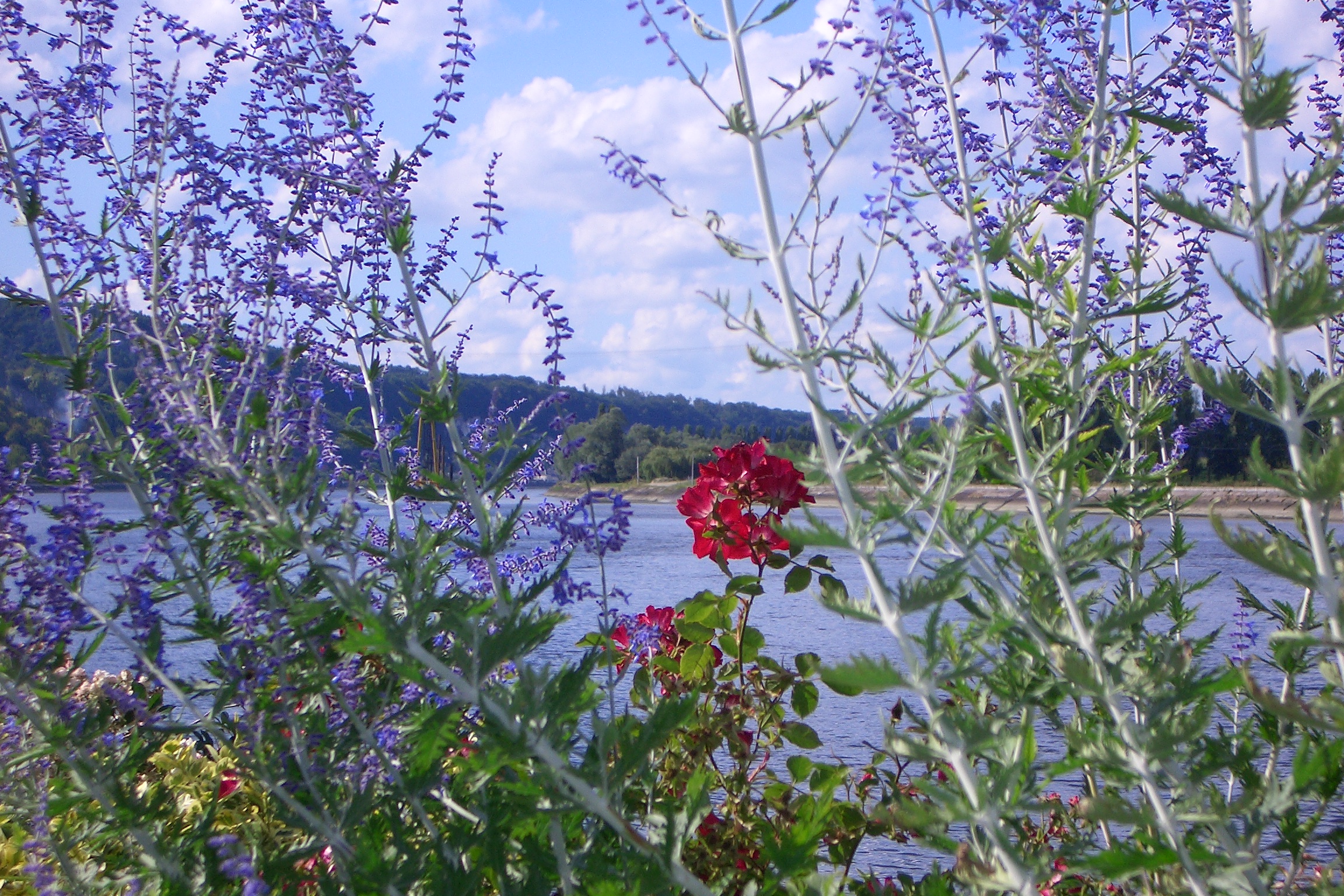
    The scene painted by Sisley at La Bouille
    This is my picture of a scene painted by Sisley at La Bouille 

    A surfeit of art and too many Museums can lead to an inability to be a discerning art critic, so a trip to La Bouille on the banks of the Seine, a favourite spot for Alfred Sisley to paint, came next.   Packed with art galleries and good restaurants, this charming village is a haven of peace.  To see it from the river, you can board a cruise from Rouen and enjoy the scenery along the way, the many little villages along the curves of the Seine and the village life of France.   Canoes and kayaks swish through the water, a little ferry chugs across the river transporting passengers and cars between Duclair and La Bouille, and Sahurs and La Bouille and if you stand by the landing stage and gaze downstream to the loop in the Seine, you are looking at a scene often painted by Sisley.

    The quality of light that floods Normandy attracted the painters to the coast at Etretat where the spectacular setting between cliffs eroded into arc-like shapes brought Boudin, Monet, Courbet, Isabey, Delacroix, Degas and Matisse here when it was still a fishing village.  They came to paint the natural arches and stone outcrops (one needle rock stands 70 metres high) shaped by the thundering waves:  they came also to paint the beach scene, for Etretat was a fashionable town in the 19th century, popular with Parisians and writers like Flaubert, Gide and Maupassant were regular visitors.

    La Porte d'Aval with L'Alguille (needle)
    La Porte d’Aval avec L’Alguile (needle)

    (It is still popular with visitors from Paris and Le Havre).  From every angle on the promenade, you can see the scenes the impressionists worked on, but the best view is found by climbing the steps from the promenade and walking along the path at the top of the cliff.

    Etretat may have attracted many visitors from nearby Le Havre, but that port city has its own magnificent steel and glass Musée Malraux right on the waterfront, recently revamped to make use of the optimum light.

    beach-3396646_1920
    The Beach at LeHavre 

    Many people pass speedily through Le Havre without realizing that the local Museum houses an unbeatable collection of paintings by the local born Raoul Dufy, full of the dazzling blues and vibrant colours for which he is known.  Eugêne Boudin, the other impressionist who lived here, is represented in the Museum by over 200 canvasses.   Monet was brought up here from the age of five (and taken under Boudin’s wing when he was 15 years old), painted several masterpieces, including the one that some believe gave the name to the group, Impression Soleil Levant (Impression Sunrise) from a position just in front of the museum.  The collection includes the square Giverny waterlily painting and one of his brooding paintings of London’s Houses of Parliament.

    le-havre-3399560_640
    LeHavre 

    I knew little of Impressionism before I went looking at the paintings with a ‘painterly’ eye but now I no longer view thundery skies with the jaundiced eye of the philistine.  If there is a bright yellow sun I know that the Impressionists would depict the shadows as violet, and if the shadows are blue I know that the sky must have had strong orange tints.  Now on my walks, when I see changeable and tumultuous clouds I think of the skies I saw, often stretched across half a canvas, and I think, “That’s a Boudin sky” and I don’t even mind that they herald rain.

    Monet hated the tag “Impressionism” but whether he liked it or not, it was this that defined the movement.  Unspoilt Normandy, rich in beguiling light, ever-changing skies and the winding Seine made the perfect studio for the painters.

    Notes:  I would hate people to think that Rouen’s Musée des Beaux-Art only has a collection of Impressionist paintings.  It also houses a fine collection of work by Renaissance and Flemish painters, plus a magnificent Caravaggio and a whole roomful of Veronese (plus it is rich in paintings of Monet’s vibrant poppies).

    If time permits, do eat at one of the glass-screened restaurants in Etretat.

    Le Havre had to be massively rebuilt after the city’s obliteration during the second world war, but it still retains some old Breton architecture in the St. Francois quarter.

  • Gothenburg: New Beginnings

    Gothenburg: New Beginnings

    In Sweden last week, and despite the -4 degrees, I had one of the best walks I’d had in Gothenburg for many years.  I’ve always loved the city but on earlier visits to family, we’ve stuck to the areas I know and enjoy.

    Fish Market
    Exterior Fish Market, Gothenburg

    My first visit is always to the Feskekorke – quite literally translated as “fish church” – where fishmongers have been hawking their freshest wares since 1847 and where the shop in the basement and the restaurant up top can satisfy both the inner and outer gourmand.  Sweden’s fish, in its quality, is the best in the world in my opinion.

    The Avenyn

    Then there’s the Avenyn, the wide Boulevard that runs from the centre of town up to the Konstmuseet, where one can see works by Van Gogh, Picasso and Rembrandt, and some truly delightful 19th-century Nordic art, including the beautiful, evocative paintings of Carl Larsson.  The old part of town is known as The Haga, well worth a visit to browse the chic boutiques in the narrow streets full of old Swedish charm, and to people watch from the cafés that serve everything from vegan to high-end Scandinavian food.  Many of these are housed in pretty 19th-century wooden dwellings that not long ago were slated for demolition.

    Skansen Kronan, Gothenburg- Pixabay
    Skansen Kronan, on Risåsberget Hill in the Haga district.


    Shopping Mall, Gothenburg
    Shopping Mall in Gothenburg

    I never seemed to get beyond these places, partly because of the numerous coffee shops selling cinnamon buns that I found it difficult to resist.  In Gothenburg, independent coffee shops are the rule: ask for a Starbucks and you’ll be directed to the train station where you’ll find the only branch of the chain in the city.  Coffee comes strong and black but there us always milk on the side.  In many places, a second cup comes free.

    This time in Gothenburg, however, we went somewhere quite different.Canal walk in Gothenburg

    The Gothia River, which cuts through the city, was home to the massive Swedish shipbuilding industry between the mid-19th century and its demise in the 1970s, much like the shipbuilding industry in Scotland and Belfast.Canal walk in Gothenburg 2


    At its peak, 15,200 employees worked in the industry; Gothenburg was known as a shipbuilding town and Sweden was a world-leading shipbuilding nation.

    Work in progressIn recent years, however, the wharves, factories and large tracts of derelict land have been undergoing a slow and painstaking transformation.  The area of Lindholmen is now one of the most dynamic places in Gothenburg, a hub of entrepreneurial skills, universities, colleges, and a business hub to encourage business and academia to work together.   Cranes and overhead gantries are silhouetted against the sky, ferries bustle across the water carrying workers and residents of the new elegant apartments lining the embankment to and from the new ‘town’.

    Stena Line Boats in Harbour
    Stena Line ships awaiting passengers in the Harbour

    Lindholmen has moved on and has morphed from a lively shipbuilding area into a flourishing residential town, businesses have relocated here and former industrial buildings have become sports halls, gymnasiums, and chic cafes and restaurants.  The well-laid out streets and paths along the waterside, the canals that run through the ‘town’ and the sense of a young, innovative spirit is palpable. The free ferry ride to Lindholmen

    There are many ways of getting to Lindholmen, bus, tram, cycling or by the free ferries which runs every 8 minutes between Stenpiren and Lindholmspiren, weekdays between the hours of 07:00 to 18:00. The ride only takes 5 minutes.

    AsOne of the sleek ferryboats that criss-crosses the river in Gothenburg we had walked from the train station in town we took the ferry and walked around the area, admiring the elegant apartments with balconies that overlooked the harbour, the colourful buildings and the ducks that waddled up to us when it looked as though we might stop and feed them.  Canal in Gothenburg (Lindholmen)It was a delightful walk in an area I’d never visited before, but it’s now on my list for further exploration and a return visit to the Turkish restaurant which served one of the best pastas I’ve had in years.

    How’s that for Internationalism!

    Gothenburg, colourful building
    New colourful buildings in the University/Business area of Lindholmen

    A few tips:

    Invest in a Göteborg City Card. It may seem pricey at £28 for 24 hours, but this gives you free or reduced entry to most museums and attractions, free travel on public transport including the Gothia River ferry taxis, as well as some city tours.

    Do have a ride on Electric bus route 55:  Gothenburg’s first route for electric buses runs between Lindholmen Science Park and Johanneberg Science Park via Avenyn, Brunnsparken and Götaälvbron. The buses are silent and emission-free and run on electricity from wind power and hydropower. The bus route is among the most modern in the world. Among other things, passengers can recharge their phones onboard and enter and exit the bus from indoors. Ordinary Västtrafik tickets are used to ride the bus.

    Beware of cyclists – like many Scandinavian countries, the bicycle is king in Gothenburg. Don’t walk on the cycle tracks (the trails are well posted on the pavements) and keep a particular eye out for them on the pavements of the wider streets.  Bike station, Pixabay

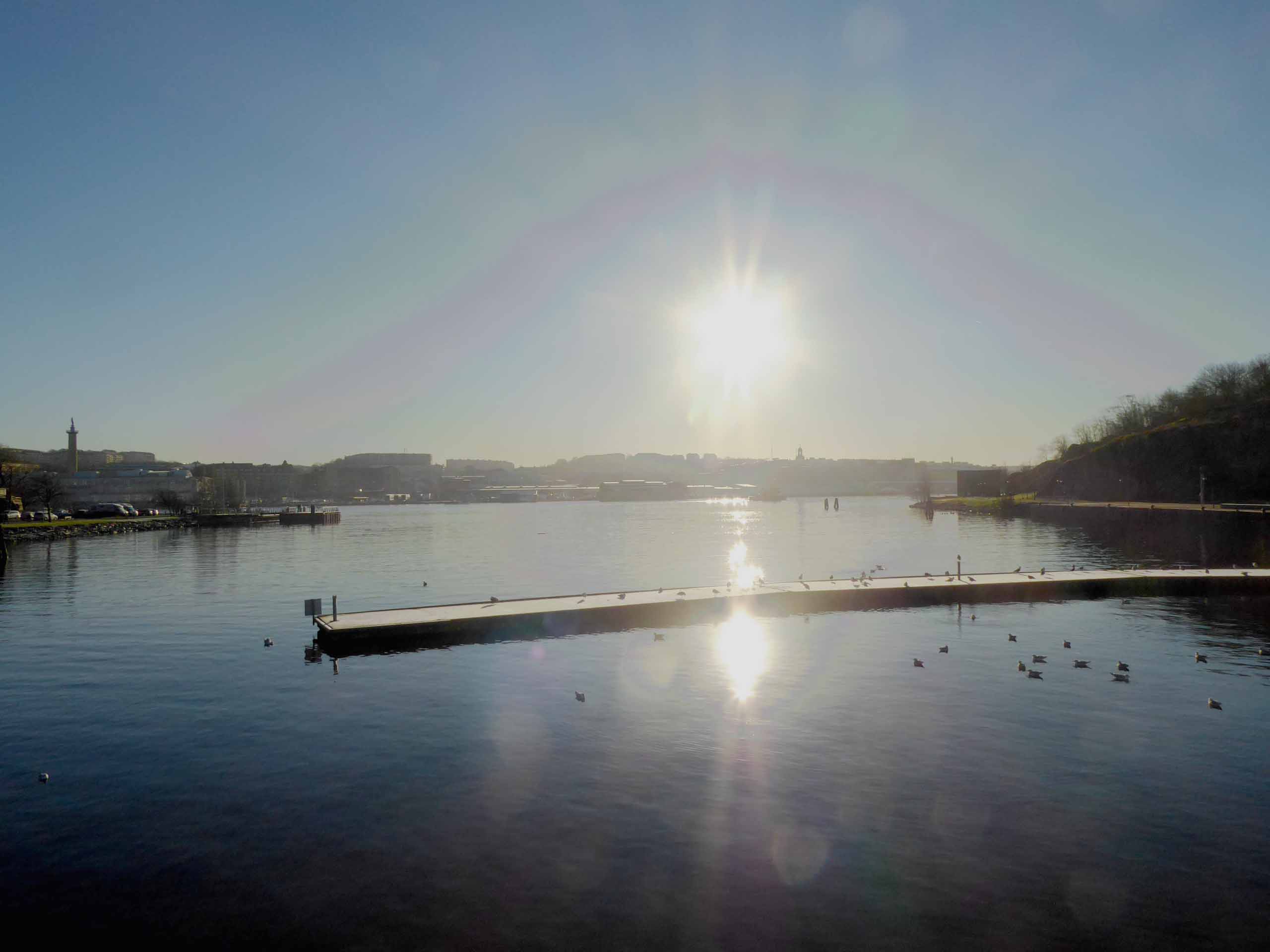
    End of the day over Gothenburg Harbour
    Sunshine on a steely sea: late afternoon, Lindholmen, Gothenburg


  • A Walk on the Ramparts of Ypres

    A Walk on the Ramparts of Ypres

    I didn’t imagine it would be so difficult to write about my walk on the Ypres Salient in Belgium, as I followed the course of the World War l battle of 1917 but it’s impossible to write about the horrors of the 3rd Battle of Ypres (also known as Passchendaele) without including great chunks of history to explain just why we were walking there, and a blog is no place for a history essay.   That being the case, I have to forget my idea of doing a Monday walk for Jo and just add a few photos with connecting text. A few historical notes will be appended at the end of the blog for those who want to read them.

    Menin Gate at night
    The Menin Gate just before the ceremony of The Last Post

    First though, a few details.

    During the course of the war, Ypres was all but obliterated by artillery fire.  At the end of what we now call The Great War, it lay in ruins, only a handful of buildings left standing.  First-time visitors to Ypres find it hard to believe that this magnificent town with its enormous square surrounded by medieval and Renaissance buildings was completely flattened by 1918.   Virtually the whole of the town you see today was reconstructed from scratch, stone by stone, brick by brick during the 1920’s and 1930’s.  Rubble that could be incorporated into the buildings was collected, cleaned and re-used and the planners, by referring to the medieval sketches and diagrams that had survived, were able to painstakingly rebuild the squares, streets and beautiful buildings of this ancient Flemish town.

    Throughout the town, you will see bronze plaques bearing the outline of the Cloth Hall, the Cathedral and the Menin Gate at street corners.  These are the signposts for the 5.5km  provincial Heritage Footpath,  the most complete footpath in the Ypres inner city.

    Ypres Panorama (sort of)
    Panoramic View of Ypres centre with the famous Cloth Hall on the left – © Mari Nicholson
    Ypres by night
    Ypres at Night with famous Cloth Hall on left –  © Mari Nicholson

    Ypres had been fortified since about the 10th century and the Ypres ramparts are the best preserved in the country.  The town originated on the banks of the Ieperlee and some ten centuries ago it was contained within little more than an earth wall and some moats, parts of which, dating from 1385, still survive.  Later, stone walls and towers were added and later still, under occupation by the Habsburgs and then the French in the 17th and 18th centuries, the walls were strengthened, and bastions, advanced redoubts and more moats were added.  The Lille Gate is the only city gate left out of the many that existed in the past.

    Ramparts Walk 2
    On the Ramparts at Ypres – © Mari Nicholson
    Ramparts Walk
    Ypres Ramparts

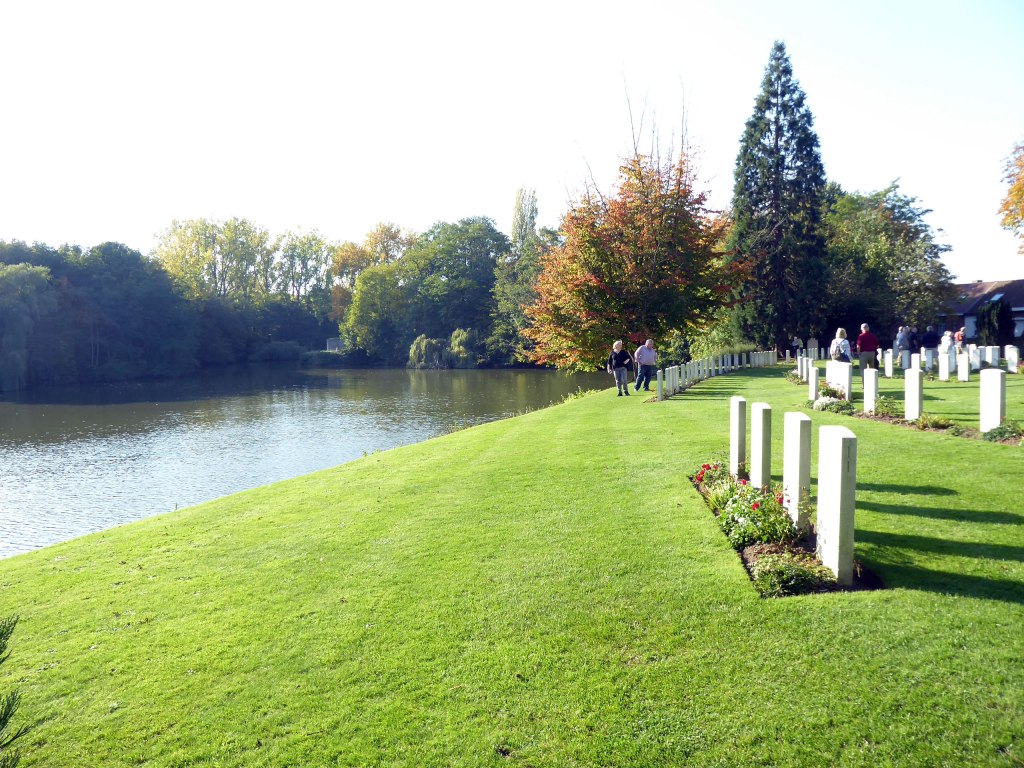
    The Ypres Ramparts are wide: strolling them in autumn is delightful as the falling leaves cushion the feet of the walker.  The signposted route is 2.6 km long and meanders past lakes and ponds (the remains of the moat), interesting statuary, and through the Lille Gate into a small W.W.l military cemetery filled with the upright white headstones erected by the Commonwealth War Graves Commission, a sight all too familiar to visitors to France and Belgium.  The municipal museum is located not far from the gate.  Along the route, 23 panels provide information on the various points of Vauban’s ramparts.

    Ypres-cemetery---peaceful-now,-but-it-was-once-a-scene-of-horrow

    A peaceful spot in the Lille Cemetery on Ypres’ Ramparts – © Mari Nicholson

    There are 198 soldiers buried here, among them the graves of six New Zealand troops who were killed simultaneously by the same shell:  their graves are now symbolically grouped together.

    Ypres-cemetery---Headstones-to-a-few-of-the-fallen
    Six New Zealand soldiers buried here together as they were killed by the same shell – © Mari

    There follows some photographs I took on this walk which ended at the back of the Menin Gate, in some ways more beautiful than the gate whose picture we are familiar with at which buglers from the local Fire Brigade play the Last Post every night at 8 p.m. This custom has continued since 1928 when it was first inaugurated, save for 4 years during World War ll when the German occupation prevented it.  This year being an Anniversary Year it attracts a few hundred people every night but sometimes there are just a few onlookers, yet the volunteer buglers nightly continue their tribute to the fallen.

    Menin Gate (back of)
    The Menin Gate from the Ramparts side


    This slideshow requires JavaScript.


    Notes:

    A.  Engraved on The Menin Gate Memorial are the names of over 54,000 officers and men of the United Kingdom and Commonwealth Forces who died in the Ypres Salient before 16th August 1917 and who have no known grave.  Tyne Cot has 35,000 names and there are  75,000 engraved on the Thiepval Memorial.

    B.  Menin Gate Last Post:  At 7.30pm the police arrive and all traffic is stopped from    driving through the Menin Gate until 8.30pm.  For one hour the noise of traffic ceases.  A   stillness descends and the crowd is hushed.

    7.55pm: Buglers of the local volunteer Fire Brigade arrive and stand ready at the eastern entrance of the Menin Gate Memorial.  They then step into the roadway under the Memorial arch facing towards the town.  The Last Post is played.

     C.   Of the battles, the largest and most costly in terms of human suffering was the Third   Battle of Ypres (31 July to 6 November 1917, also known as the Battle of Passchendaele),   in which the British, Canadian, ANZAC, and French forces recaptured the Passchendaele  Ridge east of the city at a terrible cost of lives.   It had been a battle across muddy,  swampy fields taken and lost, then lost and taken again.  After months of fighting only a few miles of ground had been won by the Allied forces at a cost of nearly half a million casualties on all sides.

    D.  The defence of Ypres was essential for the Allied forces as the town was a strategic point blocking the route of the Imperial German Army to the Belgian and French coastal ports (the ‘race to the sea’).   Thousands of Allied troops died in the rubble of its buildings, the shattered farmland around it and in the fields and meadows that had been deliberately flooded by the Belgian King to try and prevent the enemy from gaining a foothold.   Both sides fought ferocious battles and lived in inhuman conditions to maintain possession.  The Allied losses were horrendous but thousands of German lives were also lost on the battlefields around Ypres during their four years of offensive and defensive battles.


    Passchendaels-Banner

  • Journey’s End at Ypres – In Remembrance

    Journey’s End at Ypres – In Remembrance

    I thought my first post after my trip to Belgium last week would be about my walks around the battlefields of Ypres, but my mind is so full of the experience of seeing R.C. Sherriff’s play Journey’s End, performed in an Ammunition Dump in that Belgium city, that I want to talk about that instead.

    flyer-front

    This particular run of the play finishes on November 12th, so I urge anyone in that area or anyone who can reach it easily, to book quickly to see the play (details below).

    Journey’s End is the only drama about the First World War written by a playwright who actually fought in the war.

    r-c-sheriff_2
    R. C. Sherriff


    Exactly one hundred years ago, Sherriff fought at Passchendaele in the 3rd Battle of Ypres and approximately 90 years since the play was first staged in London (with Laurence Olivier in the lead) it is being staged by the UK based MESH Theatre Co. in an old restored ammunition dump with 3-metre thick walls made to resemble the dugout in which the play is set, in Ypres, the town that was razed to the ground and re-built.

    The action takes place over 4 days prior to the disastrous battle of St. Quentin and deals with the physical and mental ordeals of trench warfare experienced by a group of British officers during the run-up to the battle, the changes wrought by the war on one officer in particular (an alcoholic at just 21 years old, a causal effect of the war) and the effects of shell-shock on another.  Only a few forward-looking medics took much notice at that time of what we would now call PTSD but which then was often considered cowardice, or if you were lucky, shell shock (after being named such in 1915).

    Ramparts Walk 3
    A Walk on the Ramparts at Ypres  © Mari Nicholson

    The ‘Theatre’ is accessed through a couple of hessian sacks serving as a doorway to the dug-out, the setting is atmospheric, lighting restricted to a few candles and two or three oil-lamps which barely illuminate the smokey trench.  Seating is limited to about 80 seats which surround a centre space on which the action takes place, the acting is powerful and emotional and being immersed in the atmosphere of the trench makes for a very moving experience.

    The current run extends to November 12th with tickets at €15. Matinees 3.00 Wednesdays, Fridays and Sundays with evening performances at 7 p.m. on Tuesdays, Thursdays and Saturdays, the performance running just over 2 hours.

    If you don’t manage to see it this year, make a note in your diary that the company will be performing it again in 2018, the centenary of the end of the Great War, at Thiepval, France from 18th September – 8th October and at Ypres, Belgium from 10th October to 12th November.

    Menin Gate at night
    Waiting for the Last Post to be Played at The Menin Gate  © Mari Nicholson


  • Weekly Photo Challenge – Texture

    Both my ‘texture’ pictures come from Bratislava, a lovely city where old traditions are still honoured, lace making is still practised by ladies who sit in the square with their spools of white cotton, and where the coffee house is an institution.

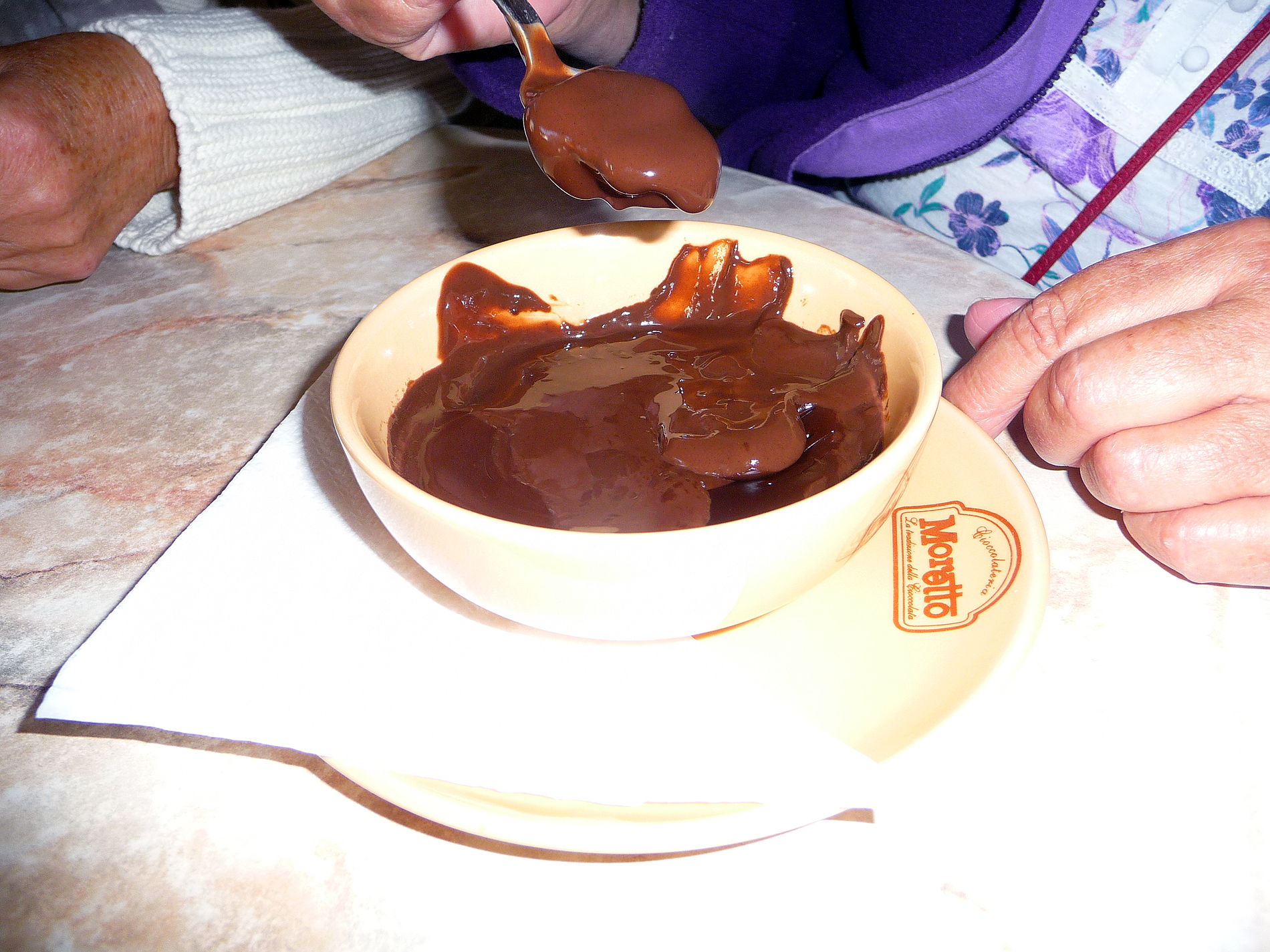
    This first picture definitely reminds me of texture.  Before visiting I had read about the fabulous Bratislava chocolate and couldn’t wait to try it.  It was a cold, rainy day and I was looking forward to some hot drinking chocolate with a dollop of cream on top. No one had told me that it is a liquid chocolate eaten with a spoon.  Texture.

    Coffee in Maxamillians
    Coffee at Macimillians, Bratislava

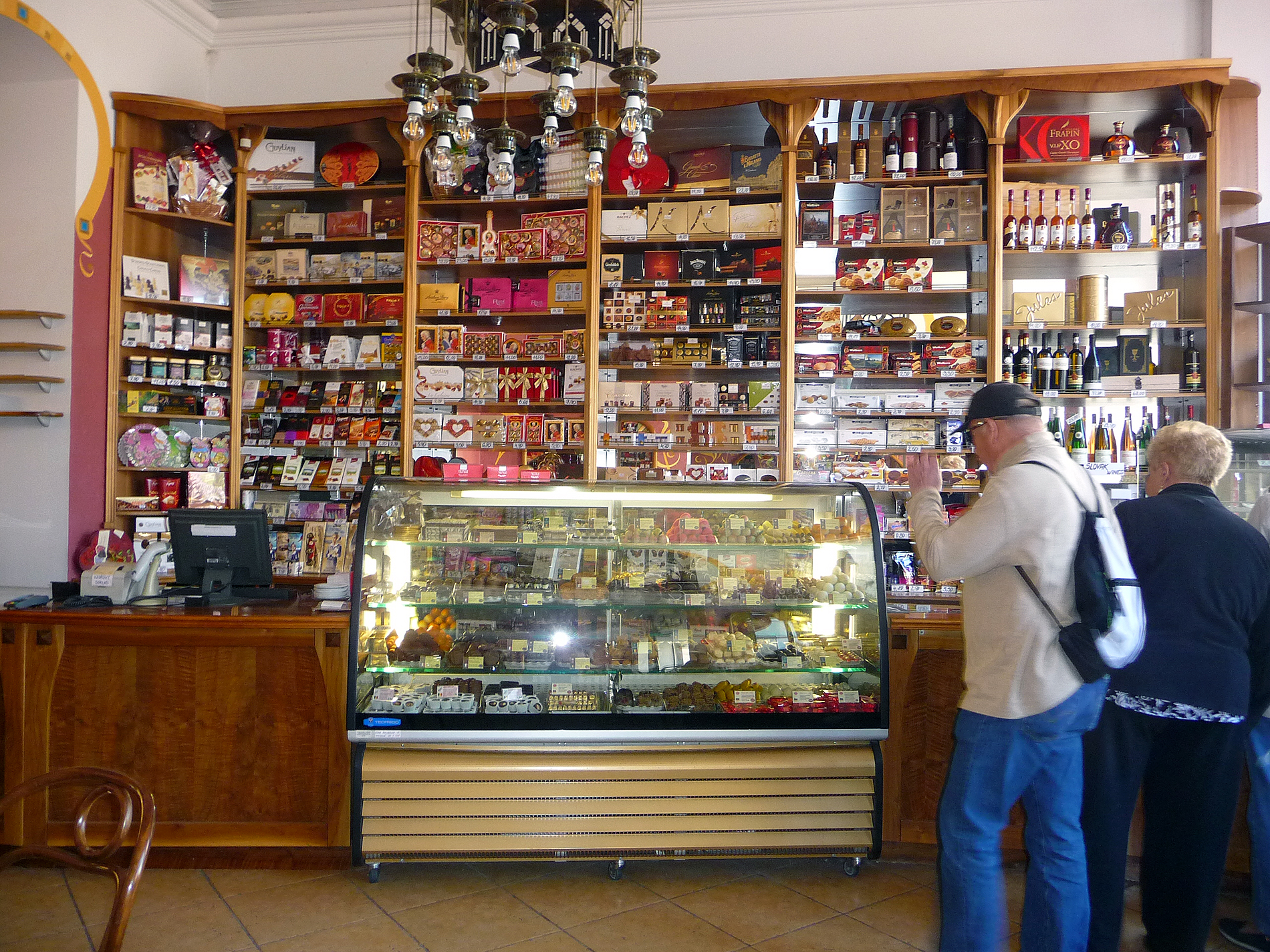
    My second texture is also nostalgic.  This was a sweet-shop in the centre of town with an array of boiled sweets, caramels, toffees and chocolates, that so reminded me of my childhood.  I could taste the texture of the clove sweets, the bullseyes, and the fruit caramels but I ended up buying some delicious chocolates.  You guessed it, I’m a chocoholic.

    Old Fashioned Sweet shop

  • Strasbourg – Cross Roads of Europe

    Strasbourg – Cross Roads of Europe

    With the UK about to depart the EU albeit with an extremely narrow margin of Leave votes, my thoughts turned to my visit a few years ago to Strasbourg, site of the European Council and European Parliament and one of the loveliest places in Alsace.

    A-Strasbourg-Square

    P1110743

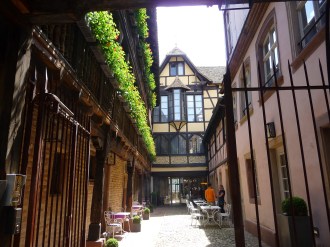
    This delightful city with its medieval churches and half-timbered houses seems to have become a byword for what some in the UK see as a hijacker of British sovereignty.   Which is a shame, because that idea is blinding people to an elegant, international city of great charm that in the Middle Ages was referred to as The Crossroads of Europe.  At that time, goods from the Baltic, Britain, the Mediterranean and the Far East poured across the borders to be traded for wines, grain and fabrics and just like today, when the languages of the 46 member states can be heard in the squares and streets of the city, traders speaking a dozen different languages, met and conducted business.  The city continues to be the crossroads of Europe  as people from different countries work and mingle in Strasbourg’s squares just as they did hundreds of years ago.

    Once a free city within the Holy Roman Empire, Strasbourg later came under periods of French and German rule, which has given the ancient centre a unique appearance, half-timbered medieval houses sitting alongside elegant French-style mansions.  In 1988, UNESCO classified Strasbourg as a World Monument, the first time such an honour was given to an entire city centre.

    It is an easy place for visitors to discover as the traffic problems that beset most big cities have been solved here with a combination of canal boats, a sleek and comfortable light rail system, local buses, and pedestrianised squares.  Although it presents itself as a folksy-like small town, Strasbourg is very international, cosmopolitan and multilingual.

    GRAND ILE ISLAND

    This is the historic part of the city where you will find the main sights and using the 142-metre high spire of the Cathedral as your landmark, you will soon find your way around Strasbourg.

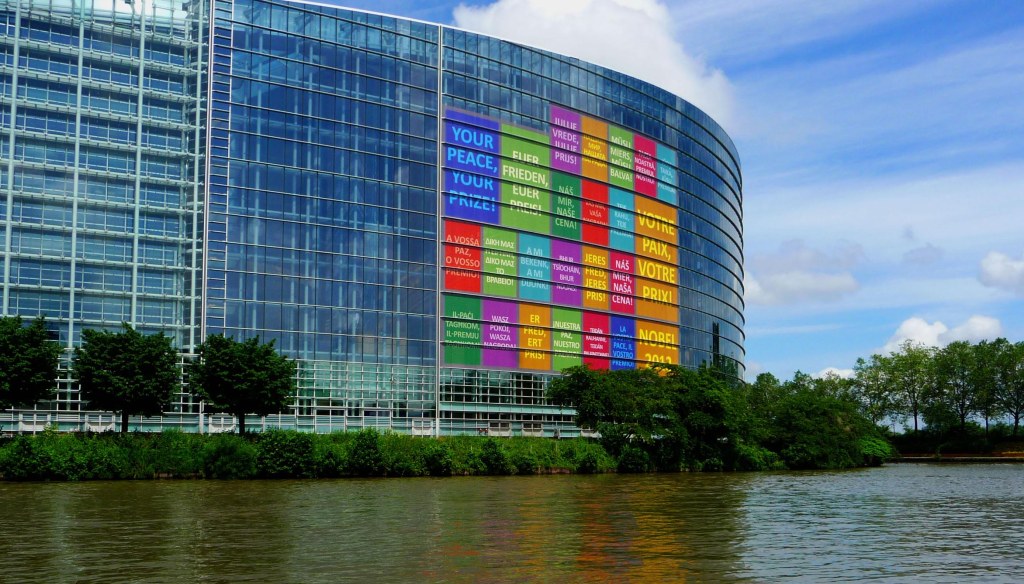
    The city’s charm has much to do with its canals which surround the Grand Ill island where Petite France, is located.  A 70-minute boat trip (open-top in fine weather) on Batorama’s Twenty Centuries of History, circumnavigates the whole of the Grande-Île before skirting the 19th-century German Quarter.  The turn-around point and good photo opportunity is where the European Parliament, Council of Europe and European Court of Human Rights are head-quartered, a magnificent display of concrete, steel and glass.

    Flags-of-all-Nations

    On the boat cruise you will see the Vauban Dam, near the confluence of canals by the Pont Couverts, a defensive lock which allowed the entire southern part of the city to be flooded in times of war.  It is P1110618

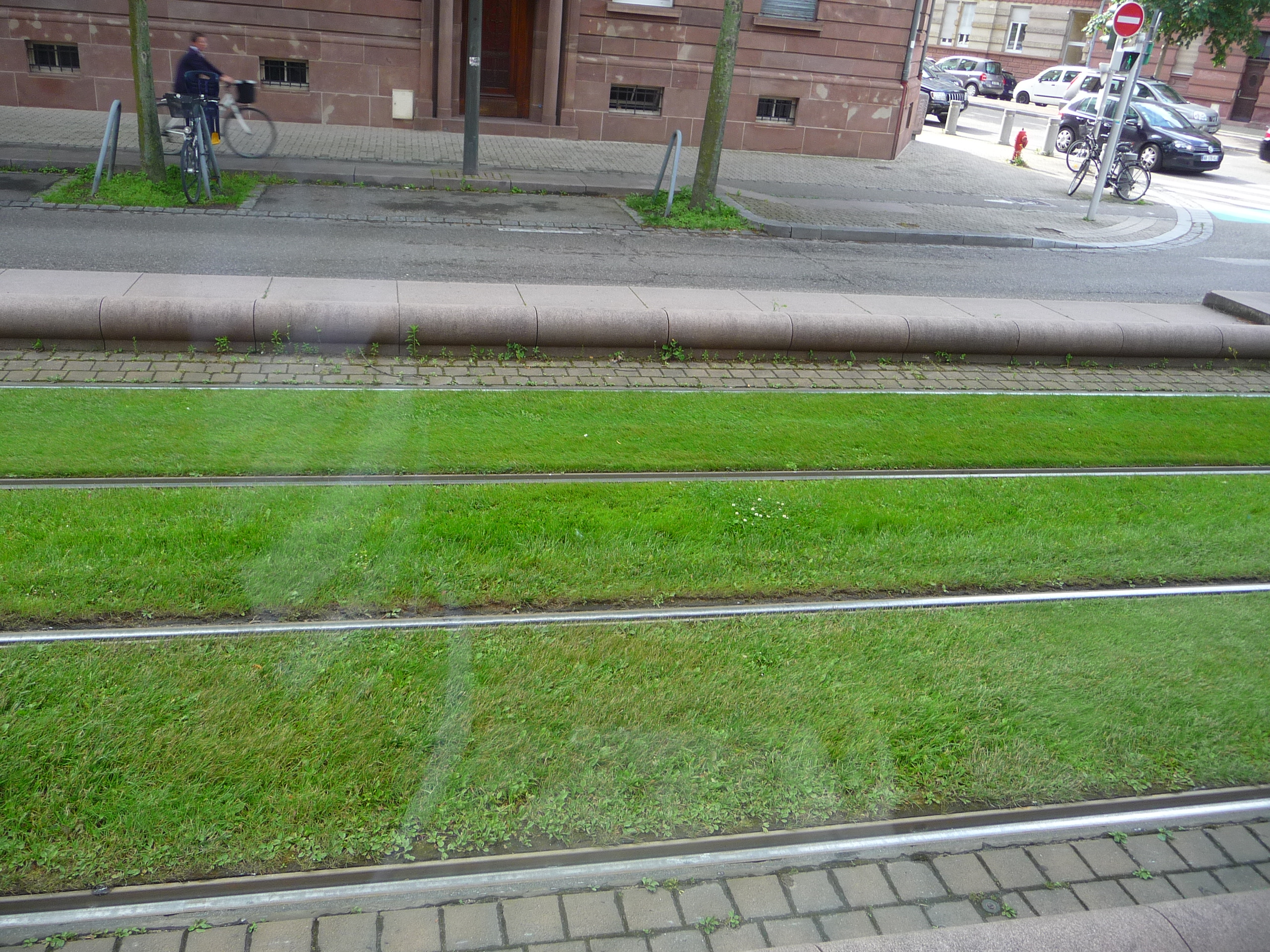
    They even grow grass between the tramlines in the street

    Walking around the canals, especially in the early part of the year when everything seems green and lush and the spring flowers are out in abundance is an equally attractive way of seeing the main sights.  This is a city that loves nature and it takes pride in decorating every bridge and windowsill with baskets of flowers, changed according to the seasons.

    PETITE FRANCE, STRASBOURG (a UNESCO site)

    The number one attraction in Strasbourg is Petite France, a photographic cluster of 16th and 17th-century half-timbered houses reflected in the waters of the canal.  These houses were originally built for the millers, fishermen and tanners who used to live and work in this part of town.  If you have taken the boat tour, you may like also to take a tour of the historic centre with an audio guide (€5.50) from the Tourist Office which will introduce you, via a winding route through the narrow streets, to a truly fascinating old town.

    NOTRE DAME CATHEDRAL Opening hours: 7am-7pm

    Cathedral-from-the-canal

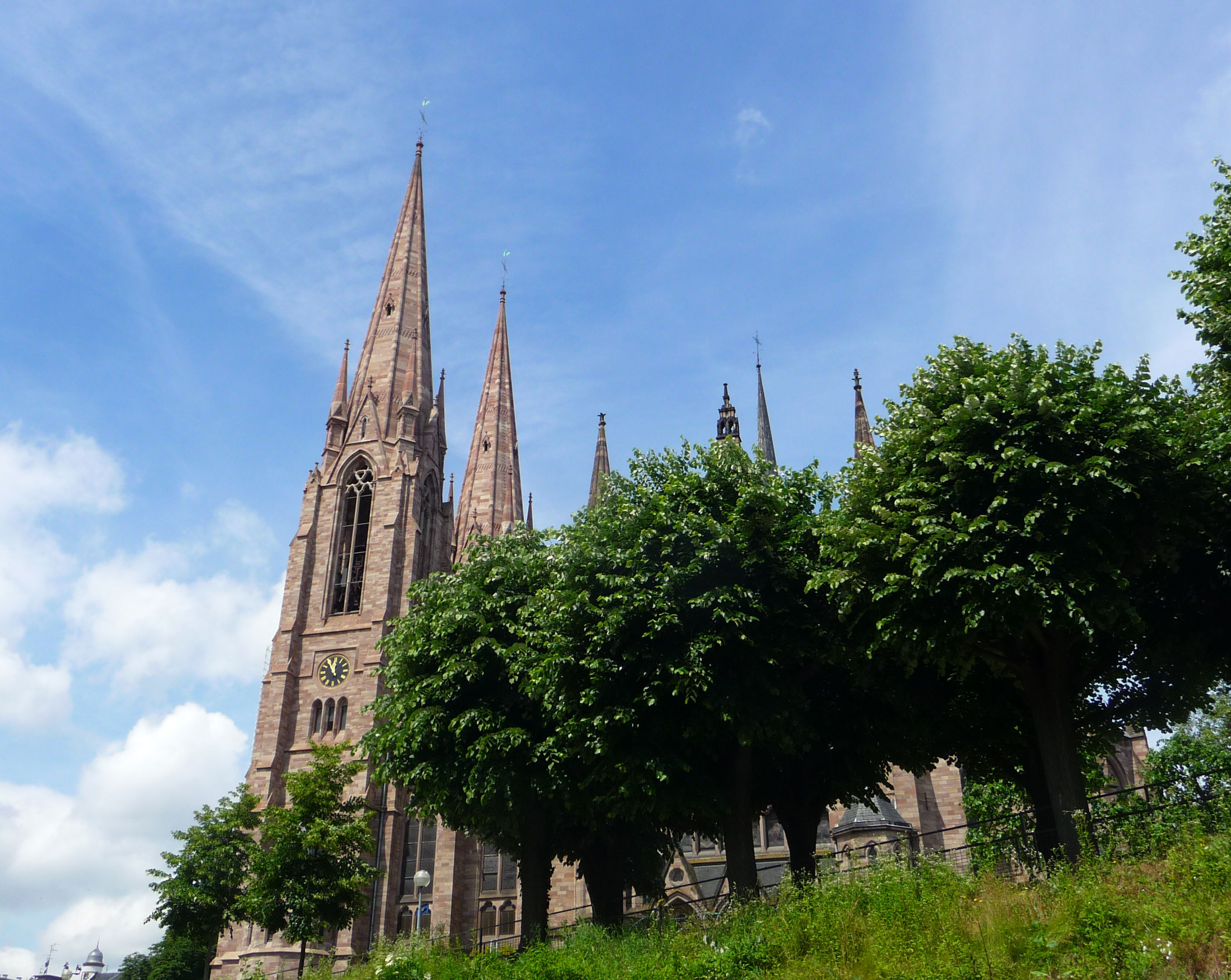
    The Cathedral, an imposing red sandstone edifice, stands alone in its square and towers above the city.  It was the tallest building in the world until the 19th century and is the second most visited cathedral in France after Notre Dame in Paris, receiving 4 million visitors a year.  Built in 1439 it is considered to be an outstanding masterpiece of Romanesque and late Gothic art with outstanding 12th-century stained glass windows. Inside is one of the world’s largest astronomical clocks.

    Try to arrive at the cathedral by noon to get a good viewpoint for the 12.30 display of the famous Astronomical Clock.  The procession of sixteenth-century automata was designed to remind us of our mortality.   Afterwards, you can climb 332 steps to the platform below the cathedral’s twin towers for a stunning view.

    The narrow street that leads to the cathedral and the Place de Cathedral are the liveliest places in Strasbourg, especially in summer, and are filled with outdoor restaurants that remain open late into the night.  Entertainment is in the form of jazz musicians, mime artists and clowns.

    Oldest-House-in-Strasbourg
    This is the oldest house in Strasbourg

    And finally, Strasbourg’s Christmas Market has a high reputation but its popularity may be its undoing.  After a few evenings of mulled wine, yuletide cake, Silent Night and Adeste Fidelis, a spring or autumn visit begins to look very attractive.

    Strasbourg is a city that has a very special charm at any time of the year and the organisations that dominate its life are what still guarantees peace in Europe.  If you are looking for culture, cuisine and character, Strasbourg is hard to beat.

    Facade-of-the-Oldest-House-in-Strasbourg

    A few recommended eating places:  Expect the usual French coq au vin, boeuf bourguignon, crème Brulee and crepe Suzette, but be prepared also for the German influence of pork and sauerkraut.

    First up though, is wine.  Strasbourg is the capital of one of France’s premier wine regions and if you are in the mood to sample some of the best, head for Terres à Vin, 1 Rue du Miroir, tel +33 3 88 51 37 20, with several by-the-glass options from €3.20 to over €10).

    Pain d’Epices, 14 Rue des Dentelles, for indulgent gingerbreads and cake and for the heady scents of spices.

    Master-Patissier, Christian Mayer, offers a tea room second to none in Strasbourg at 10 Rue Mercière, just a few yards from the cathedral.

    Maison Kammerzell 16 Place du Cathédrale, tel +33 3 88 32 42 14, where the oldest section dates back to 1427, is a Strasbourg institution.  Occupying rooms on four floors, you can sample the house speciality of fish sauerkraut if you fancy that but there are many less thought-provoking dishes from which to choose, average €40 for three courses.

    Au Pont Corbeau, 21 Quai Saint-Nicolas, tel +33 3 88 35 60 68, – a warm and welcoming place where the onion soup is so thick you could stand your spoon up in it.  A modest but excellent wine list available.  Average €32 for three courses.

    The Batorama Tour departs from the Quai outside Palais Rohan, adults €12.50.

    A ticket with unlimited tram and bus trips valid for 24 hours is available for €4.30. Also, you can rent bikes (vélhop) for $5 per day.

    Tourist Office, 17 Place de la Cathédrale

  • A Sunday Lunch Time Walk

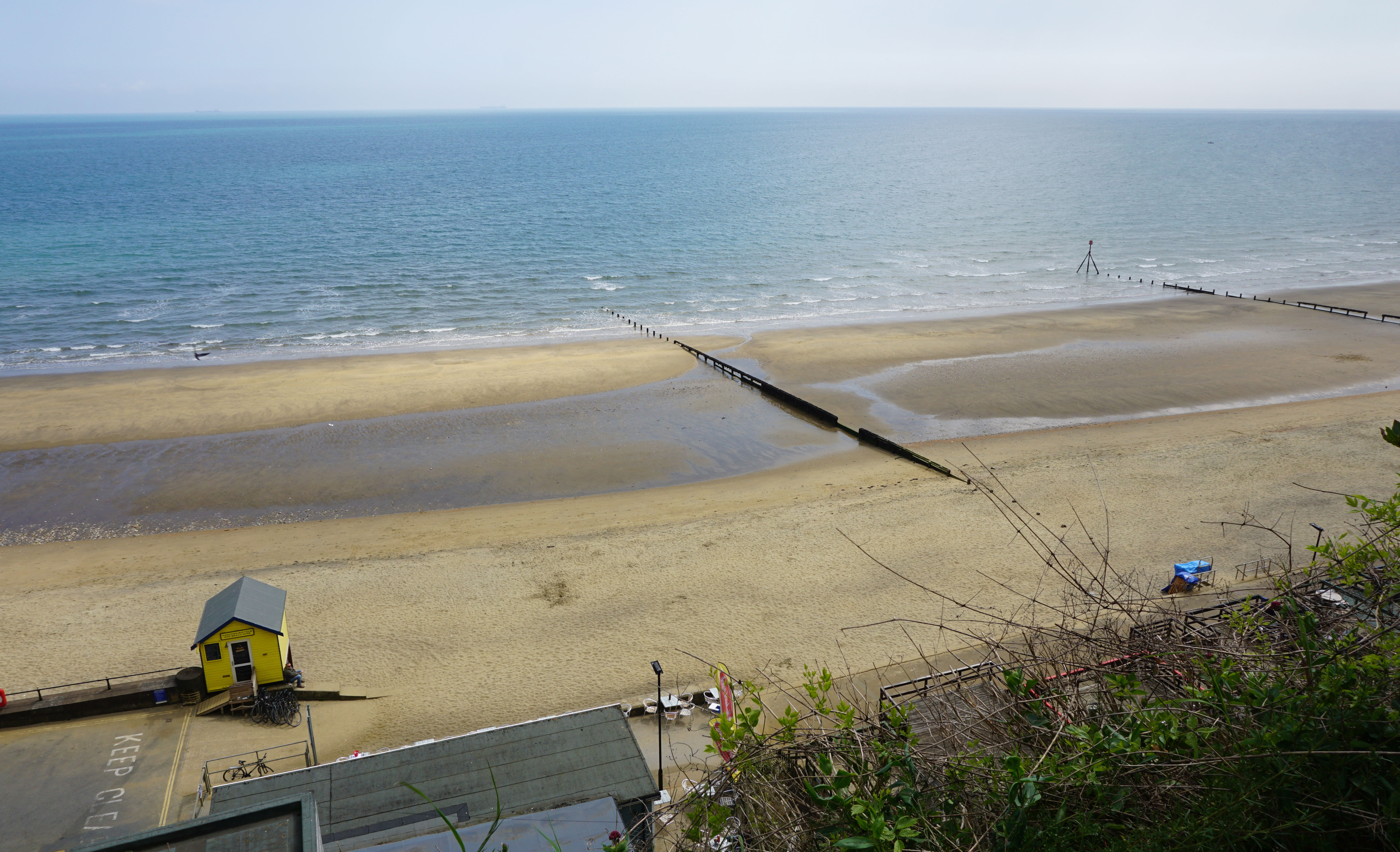
    Looking-down-to-Beach-from-Cliff-Path.-SandownI thought I’d time my walk today for lunchtime and, as I thought, I had the place to myself.  Being Sunday, I presume most people are eating out or at home tucking into ‘le rosbif’ or even pasta or pizza.

    So this is Sandown, Isle of Wight, on a beautiful sunny day in April, looking down from the Cliff Path that runs between this town and the next town, Shanklin, then down a steep path on to the beach.   I walked through to the Cliff Path from the main road, it looks quite woody and yes, it is, with hidden niches, wild flowers, primroses and bluebells sheltering under gnarled old trees, and the inevitable folly.

    Grey-skies-soon-gave-way-to-blue

    Cliff-Path,-Sandown,-Isle-of-Wight


    Pockets-of-wildflowers-dot-the-Cliff-at-Sandown

    Cliff-Path,-SandownLooking-down-to-the-Beach-from-Cl;iff-Path


    By now, the beach will be full of walkers, the ice-cream kiosks will be doing a roaring trade, and the Pier will be packed with children on the bouncy castle and various other amusements.

    Culver-Cliff,-Sandown

    Deserted-beach-at-Sandown-Isle-of-Wight


    The tables that were empty at lunch-time will be occupied with people drinking teas and coffees, snacking on home-made cakes, and perhaps sitting back reading the Sunday papers.  Soon-to-be-filled-with-happy-eaters!

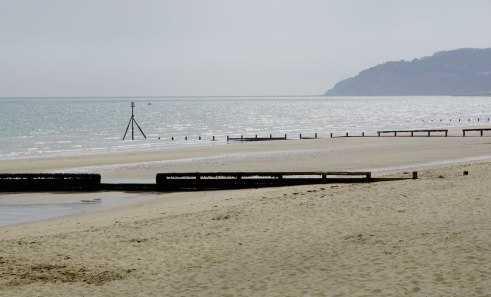
    Culver Cliff, the massive white chalk cliff that curves around the edge of Sandown, hiding Whitecliff Bay and Bembridge, catches the light when the sun shines, and out on the horizon are cruise liners and cargo ships bound inward for Southampton, or outward for foreign parts.

    Sandown-Pier,-Isle-of-Wight

    Lobster-Baskets

    Some have been here with me before, but the beaches around the island never fail to please me, and walking on the sands, or on the revetment that runs under the cliff, or even on the pavement where convenient benches make stopping to take in the view even more of a pleasure, makes this my favourite walk – always.


  • Honfleur, Beautiful Even in Winter

    Honfleur, Beautiful Even in Winter

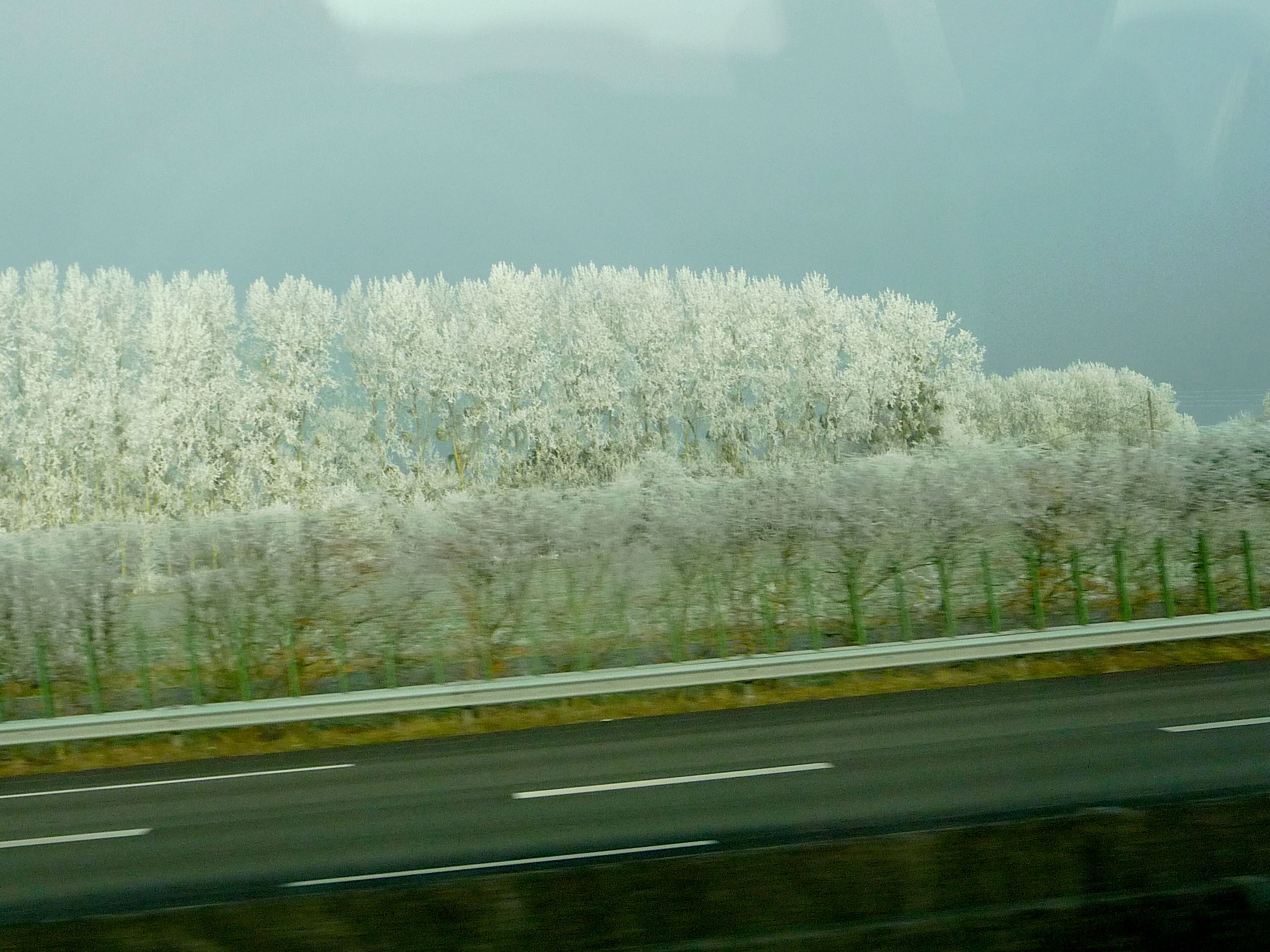
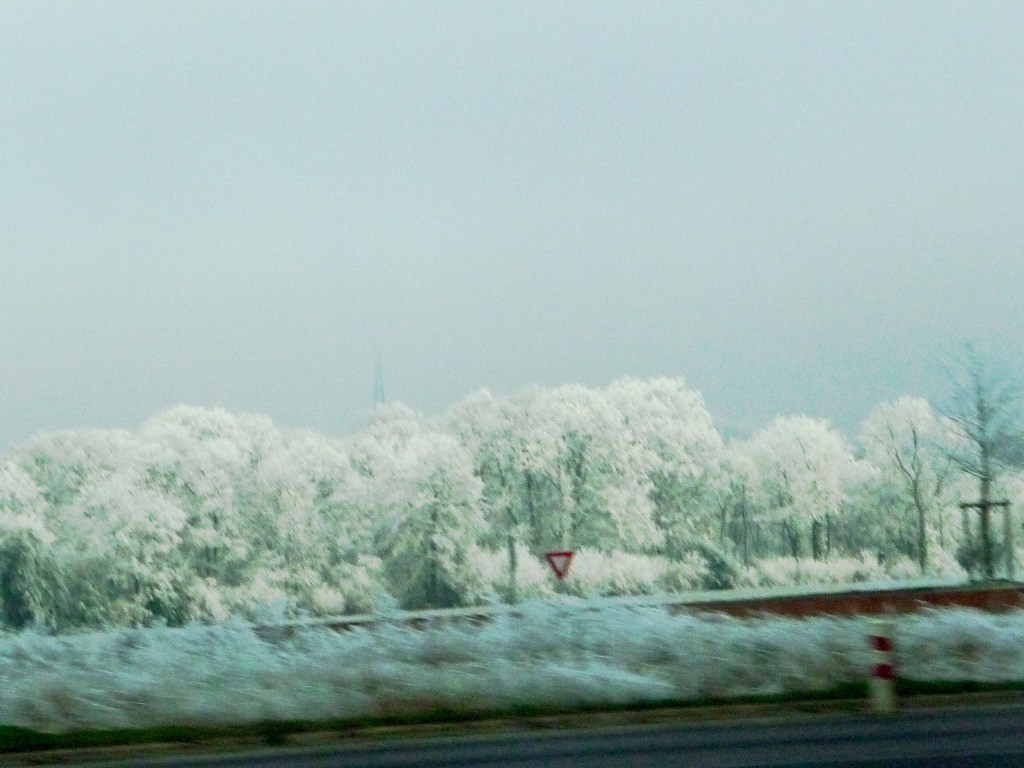
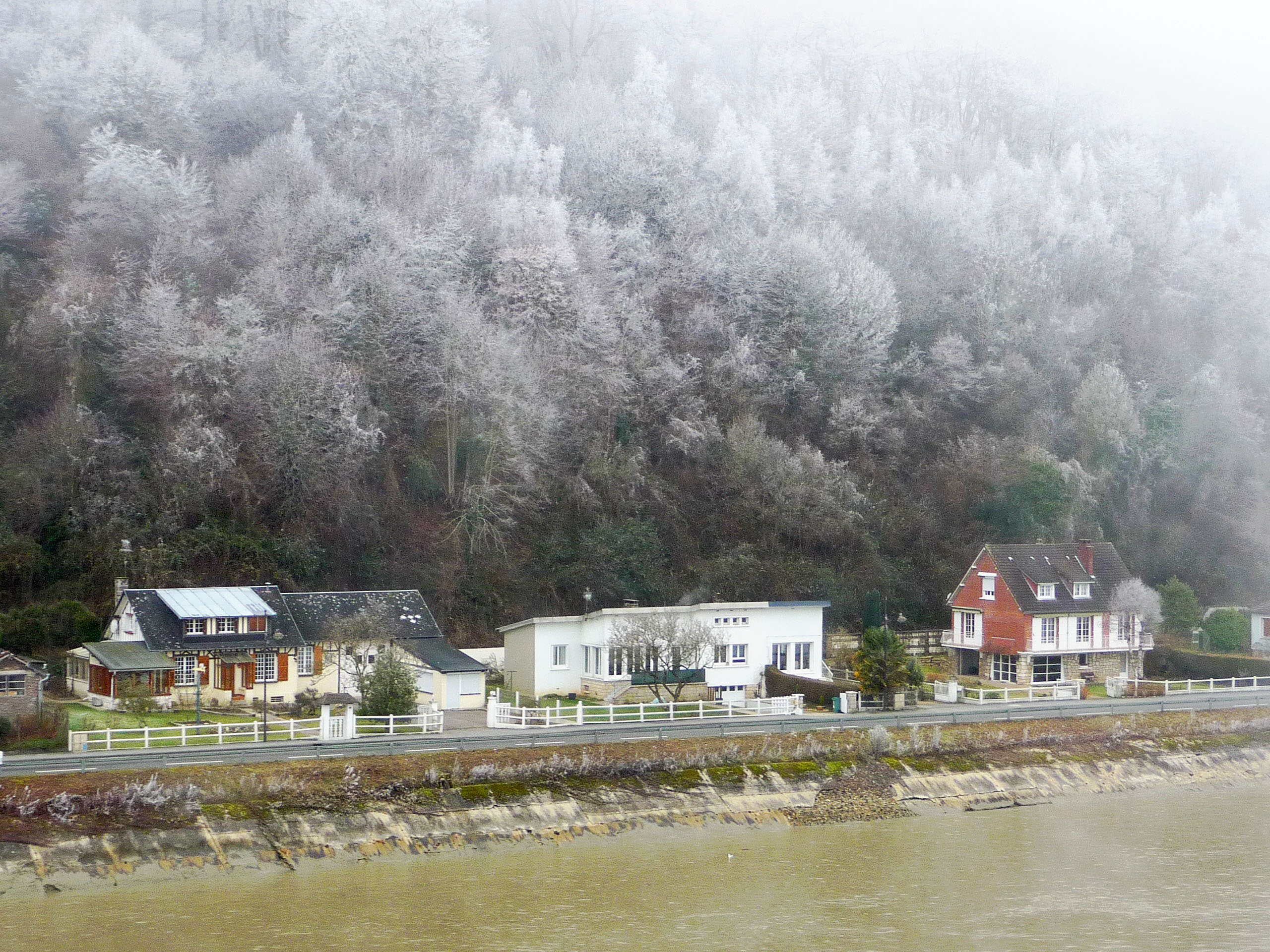
    Frost=covered trees near Honfleur3
    Frosted Trees along the Road (seen from the ship)

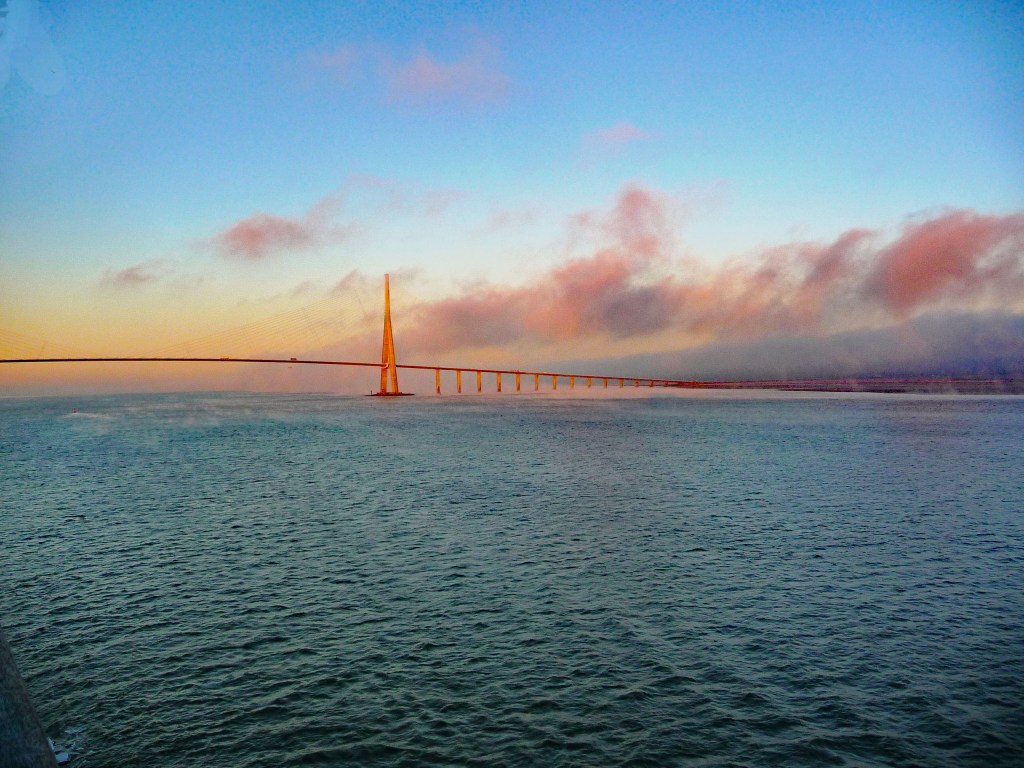
    I’ve written before about Honfleur, my favourite French town, but before this year I’d only visited it in summer.  I arrived in France on New Year’s Eve this time, not by car as I had done before, but on a ship which sailed down the Seine from L’Havre to Rouen.

    Frost-covered trees near Honfleur
    So White it Looks Like Snow

    On the journey we looked out on a wondrous scene of frost-covered trees on the banks of the river, trees which at first I took to be silver birch, so thickly covered in frost were they.

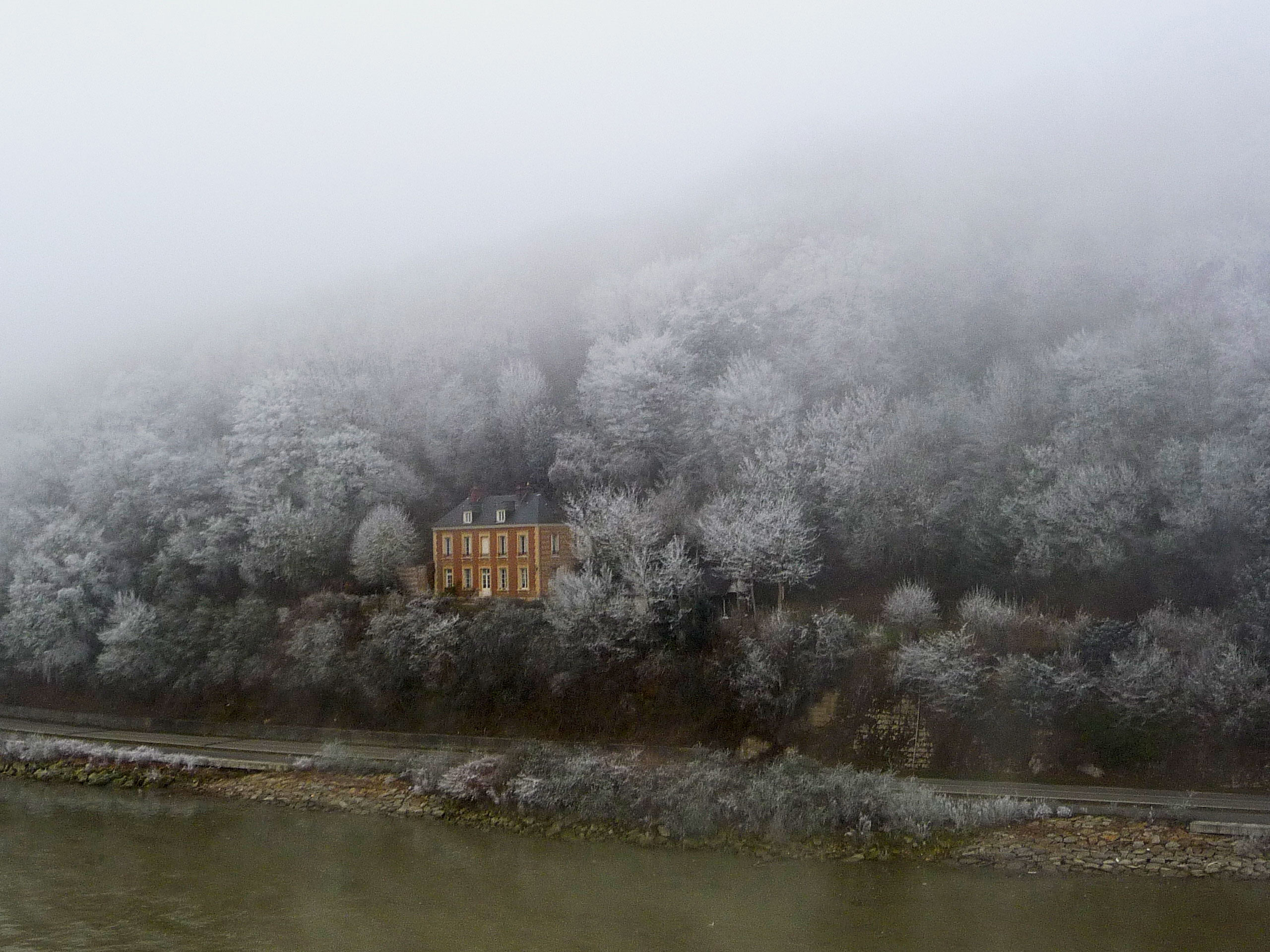
    In-the-midst-of-the-frosty-trees,-a-lone-mansion.
    In the midst of the frosted trees a mansion appears.
    I had never seen anything like this before, and it was made more fascinating by the fact that there were also pockets of greenery where the frost had not reached.

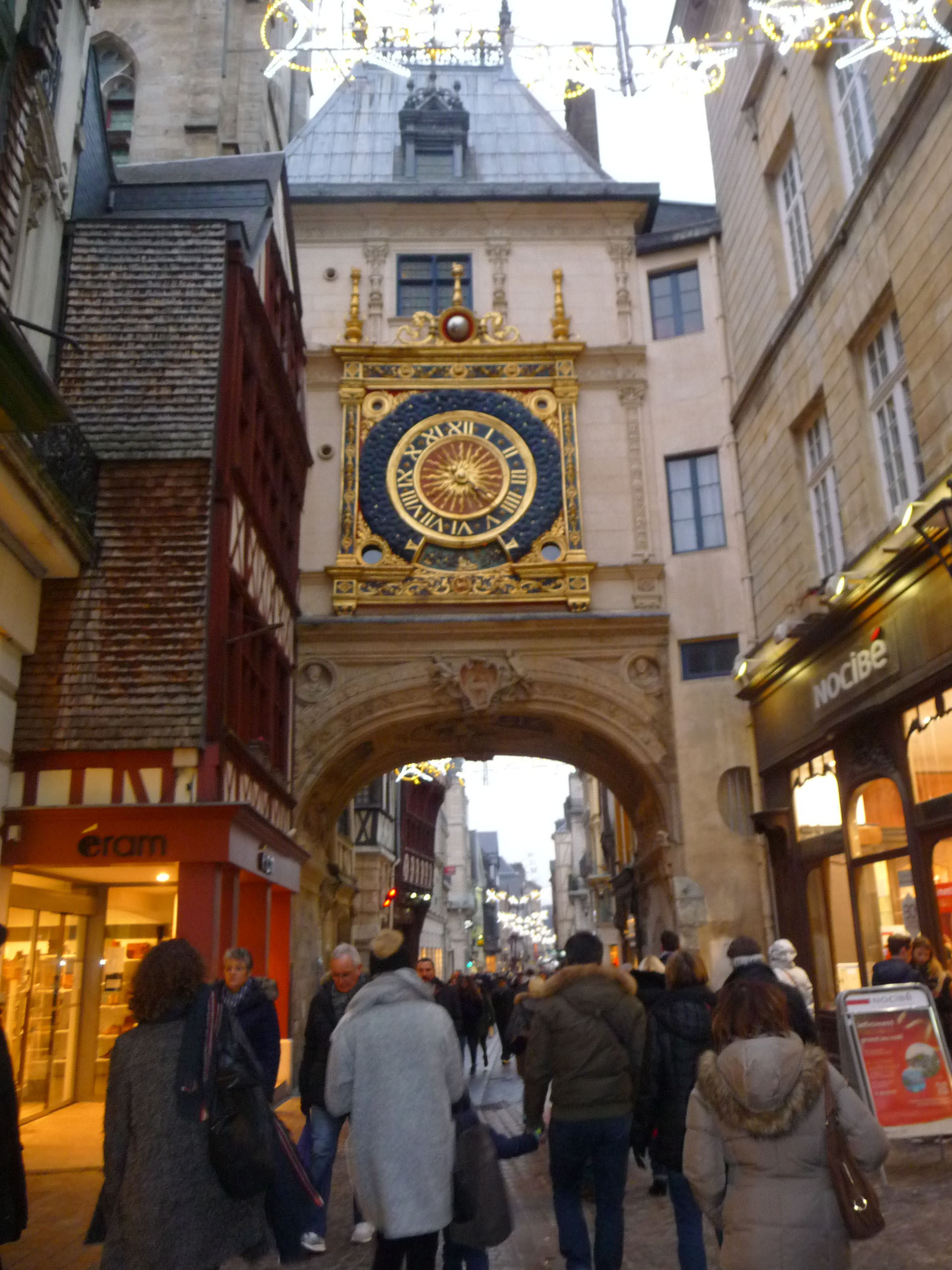
    The Great Clock, Rouen

    Rouen – the Great Clock

    Honfleur is no far from Rouen so it seemed a good idea to take ourselves off there for the day, even though I had presumed the town would be mostly closed up for the winter.  But no, the town was as busy as ever with cafés, restaurants and bars open and packed with visitors.  As usual, the area around the marina, the Vieux Basin, was the most crowded and we had a problem finding a table at lunch time.

    Honfleur, an essential stop on any Norman itinerary, is still a fishing port, and despite its sophisticated yacht harbour and fantastic high-rise houses surrounding it, the town has preserved its rich artistic and historic heritage in its traditional buildings and picturesque streets and squares.  It is unlike any other part of Normandy, seeming to bear no relation to industrial Le Havre just across the Seine estuary or the Pays dAuge to the south.

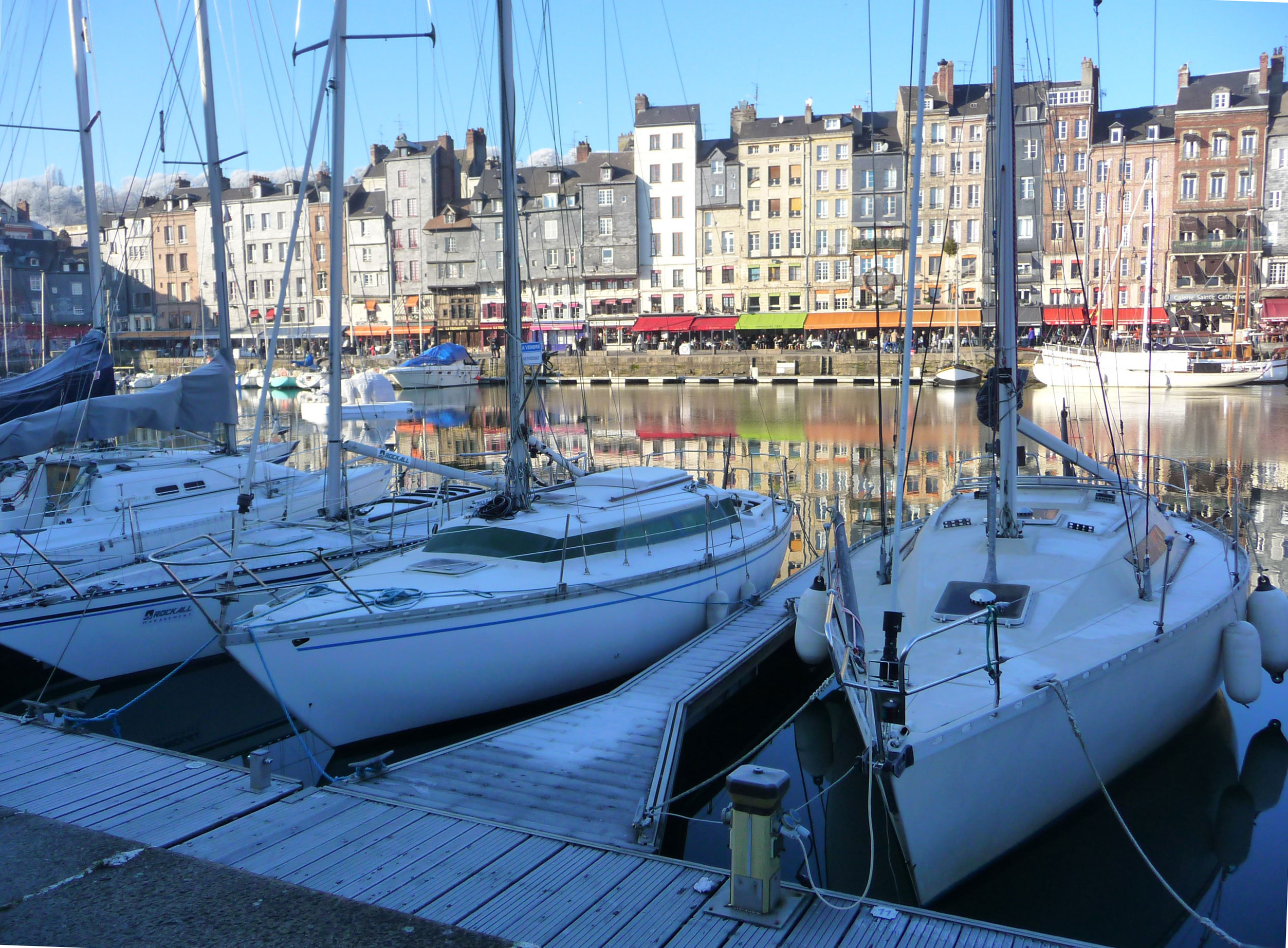
    Honfleur--VBieux-Bassin-6
    Hofleur – the Marina
    Vieix Bassin, Honfleur
    St. Catherine’s Quay

    The oldest part of Honfleur lies in the area of the Vieux Bassin, a tangle of delightful cobbled streets and alleys known as L’Enclos, the original medieval town of Honfleur enclosed within the first town walls.

    Honfleur staple
    A Normandy Staple

    Here you will find the oldest church, the deconsecrated 14th and 15th century St. Etienne’s, a Gothic parish church constructed of chalk with flint and Caen stone.  The bell tower is covered with a façade of chestnut wood in the local tradition, as indeed, are many of the old houses behind it.

    Honfleur 4
    A Street in Honfleur

    Behind this is the original 17th-century Greniers a Sel (salt warehouses) the royal salt stores that once contained 11,000 tonnes of salt for preserving the locally caught fish and the Atlantic cod and herring which the fleets landed.

    Honfleur 3
    Honfleur Street

    The Bassin is surrounded by picturesque narrow houses, and without doubt this is what catches the eye of every visitor upon their first visit to Honfleur.  The real jewels (and looking like jewels too because each one is a different colour) are in the row along the Quai St. Catherine, some of the houses being 10-stories high, with slate roofs and half-timbered and slate façades looking as though they might topple over at any minute.

    Vieix Bassin, Honfleur
    The Beautiful Vieux Bassin, present-day yacht Marina, of Honfleur

    An interesting fact about these narrow 16th and 18th century houses that are squeezed against one another on St Catherine’s quay is that not only are they all different in size, shape, and colour, but that they also have two ground floors: one opening on to the quay and another one, half way up opening behind on to either Dauphin Street or Logettes Street.  Because of this, each house is privately owned by two different householders.

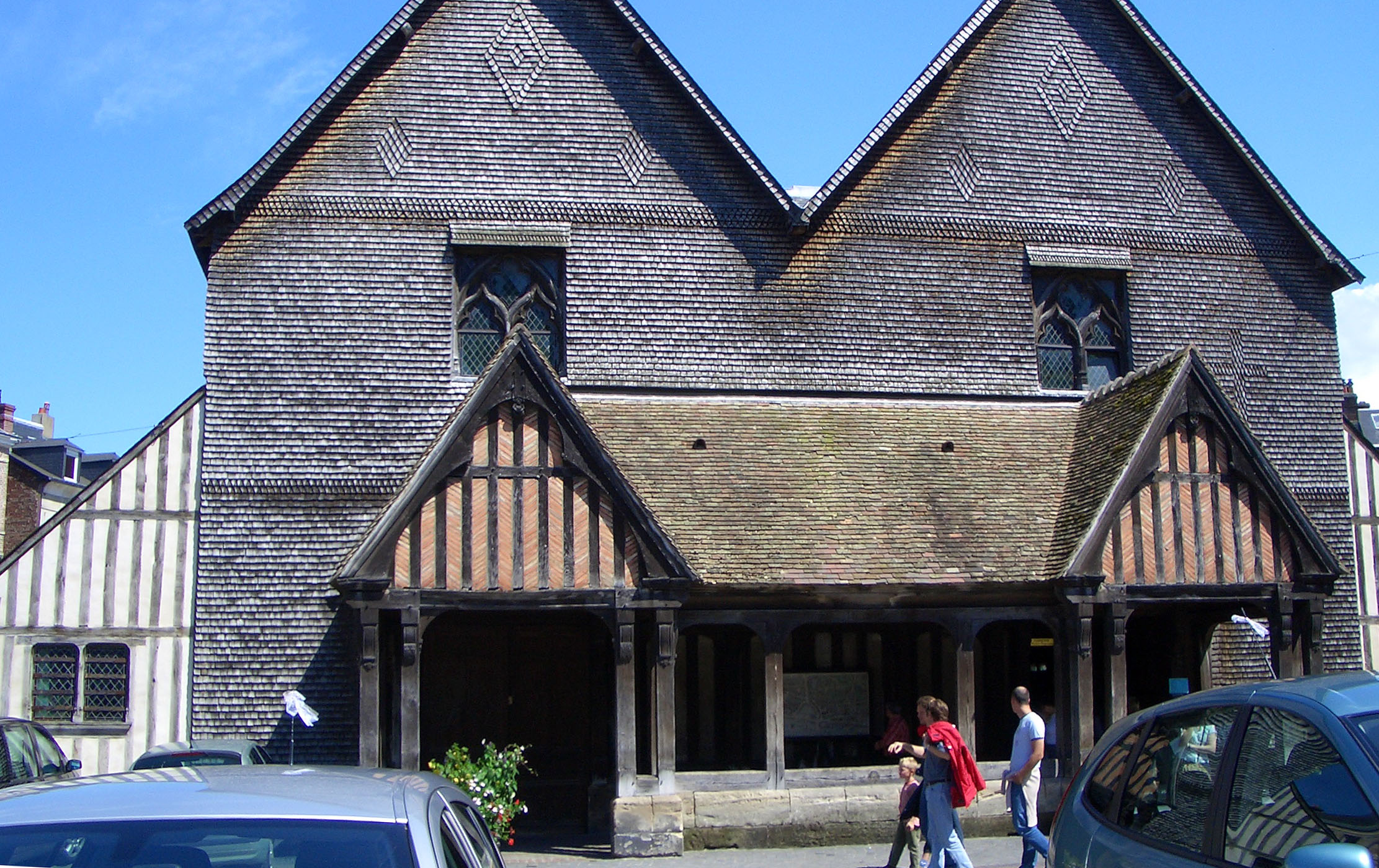
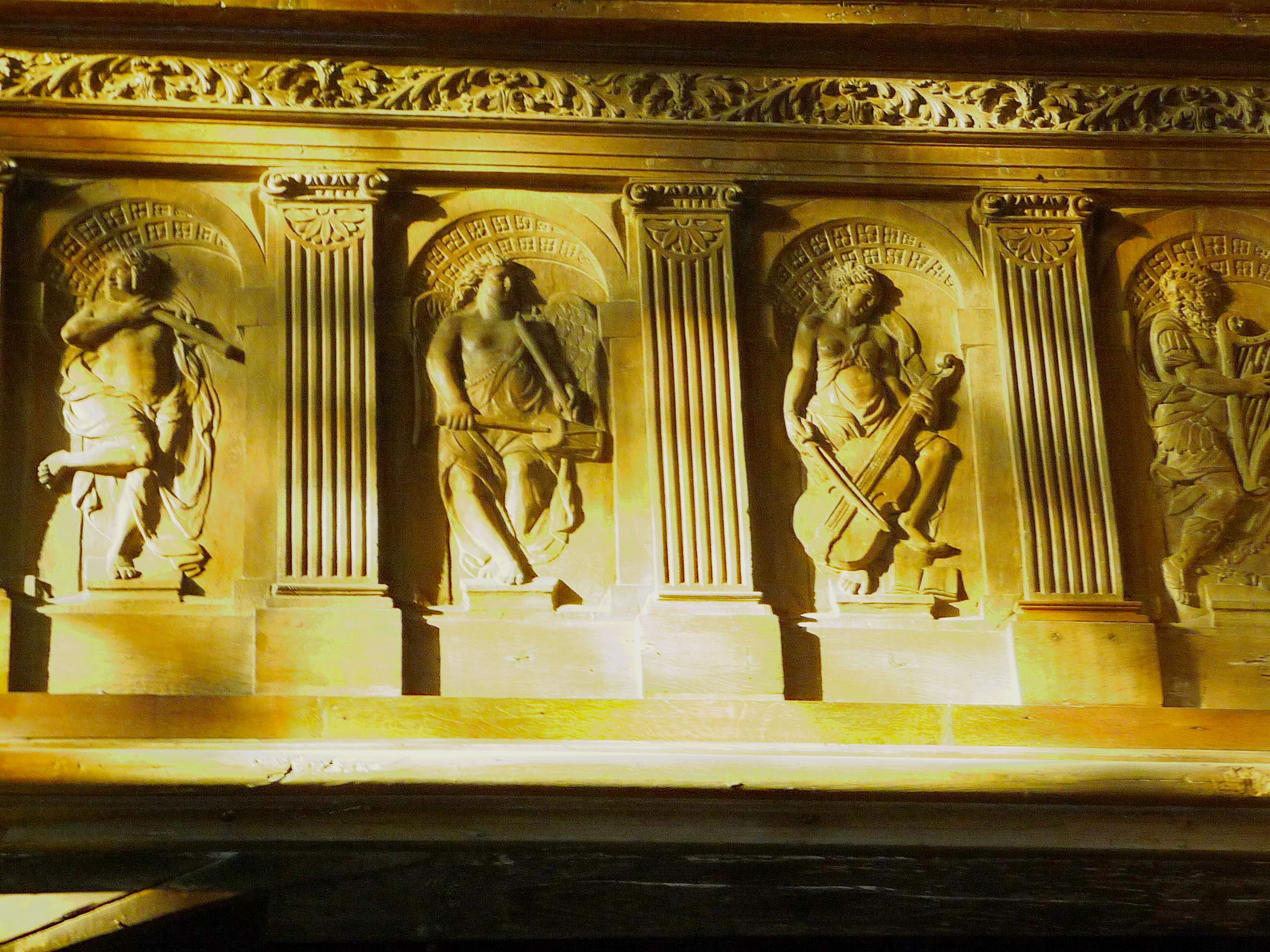
    Honfleur’s finest architectural prize is the old wooden Church of St. Catherine which was built by shipwrights in the 15th and 16th century just outside the walls of the medieval town, using wood from the nearby forest.

    Honfleur Wooden Church
    Honfleur

    This is the largest wooden church with a separate bell-tower in France.  The interior architecture of the church is quite remarkable, as the shipwrights used their naval construction skills in the building of it (stone was scarce but timber was plentiful in the neighbouring forests) and in shape inside it resembles an overturned double hull.  Look closely at the pillars and you will see many irregularities pointing to the crudeness of the tools used in the work.  The separate bell tower, opposite the church, is an oak construction built above the bell-ringer’s house and this serves as an annexe to the Eugène Boudin Museum – a must for art lovers.

    Honfleur old Belfry Tower
    Wooden Bell Tower

    Honfleur has been attracting painters to the area for generations.  Boudin, known as the father of Impressionism, was born in Honfleur and painters such as Monet, Corot, Daubigny and Dufy were drawn to these parts by the beauty and quality of the light.  Their work is well represented in the many galleries in the area.  The painters usually stayed just outside the town at Ferme St. Simeon, then a rustic auberge, now a very grand and beautiful five-star hotel standing in magnificent grounds.
    Carvings inside Wooden Church
    Carvings in Wooden Church

    Honfleur was also the birthplace in 1886 of the avant-garde musician, artist and writer, Erik Satie, and there is a Museum dedicated to the man where you can immerse yourself in his quirky world.  Unlike any other museum you’ve been to, this one takes you from room to room to the accompaniment of Satie’s music (via electronic headsets). stunning visual effects and extracts from his writing.  Even if Satie is not one of your favourites, this is a very special experience which I’d highly recommend.

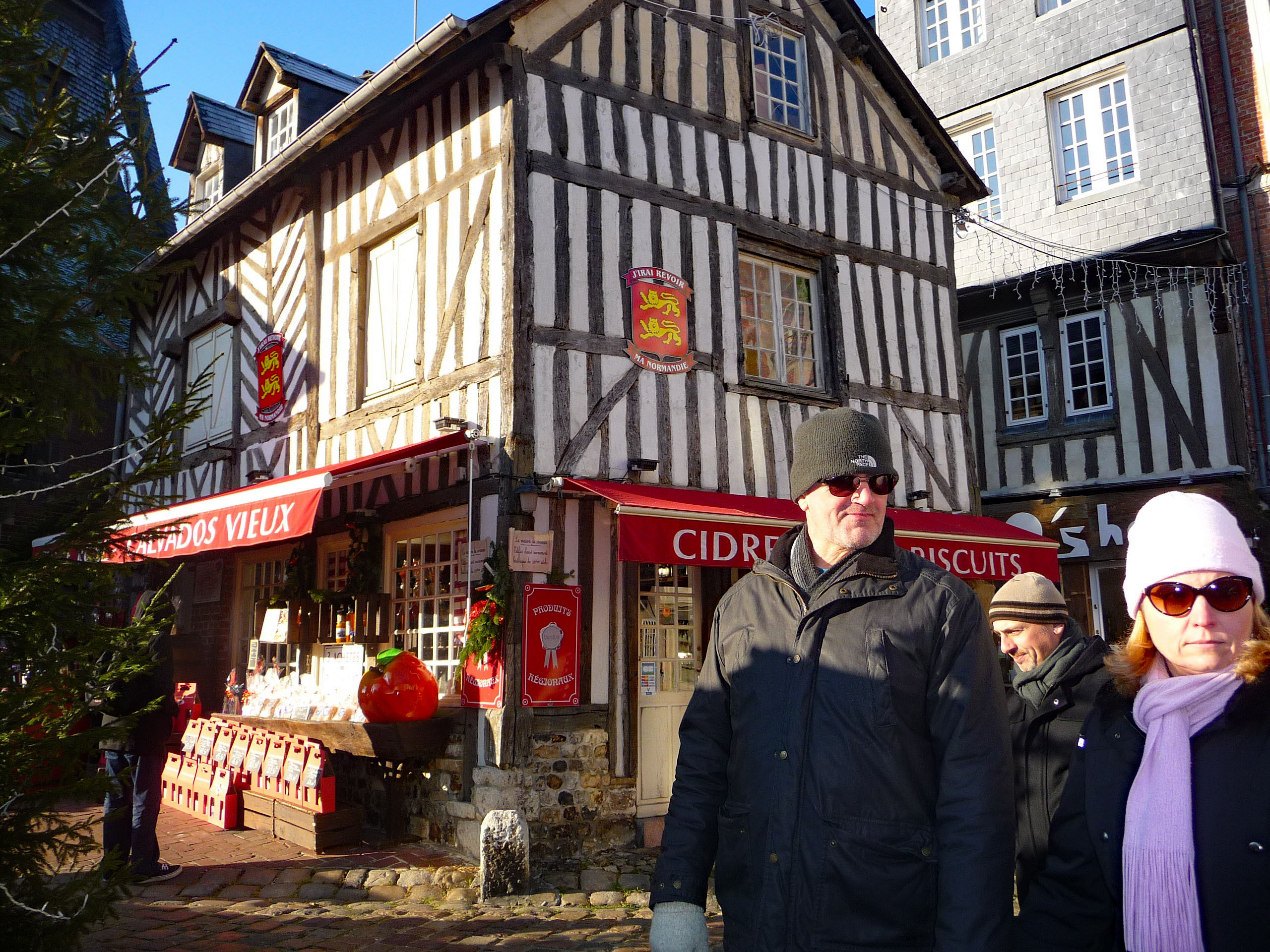
    Calvados House, Honfleur
    Street scene in Honfleur

    It is very easy to walk around this small town and you won’t get lost.  However, like many towns, Honfleur has a Petit Train Touristique, a tractor-drawn ‘train’ that trundles around the main tourist spots, operating May-September.  If only there for a day, I’d recommend this.

    Honfleur Tourist Board.

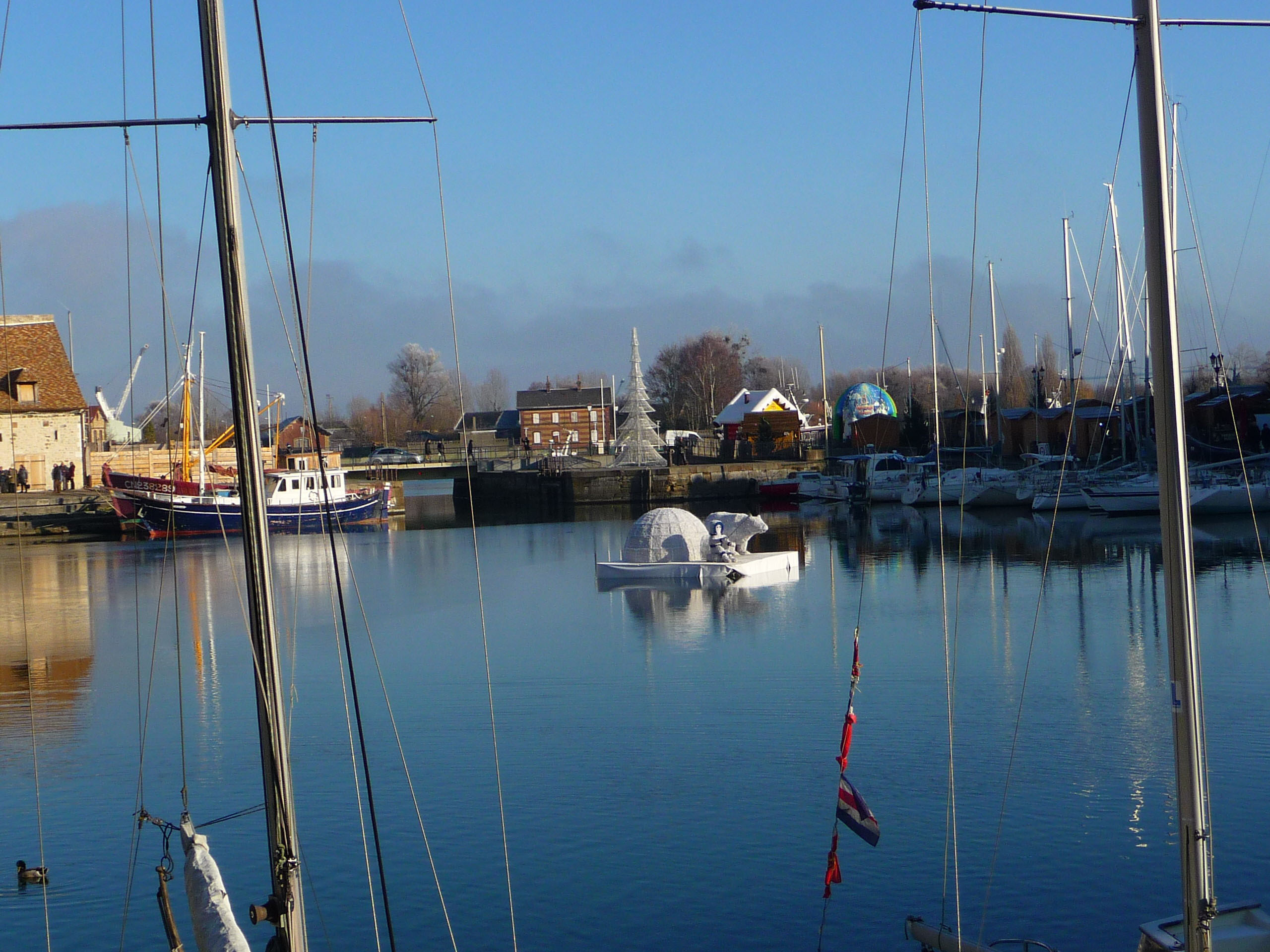
    Winter scene in Vieux Bassin - Polar Bear on Ice
    Polar Bear on Ice in Vieux Bassin – but not a real one!
    Frosted trees above towpath houses on Seine
    Seine riverbank scene, town with Frosted Trees
  • Spring into Summer

    Spring into Summer

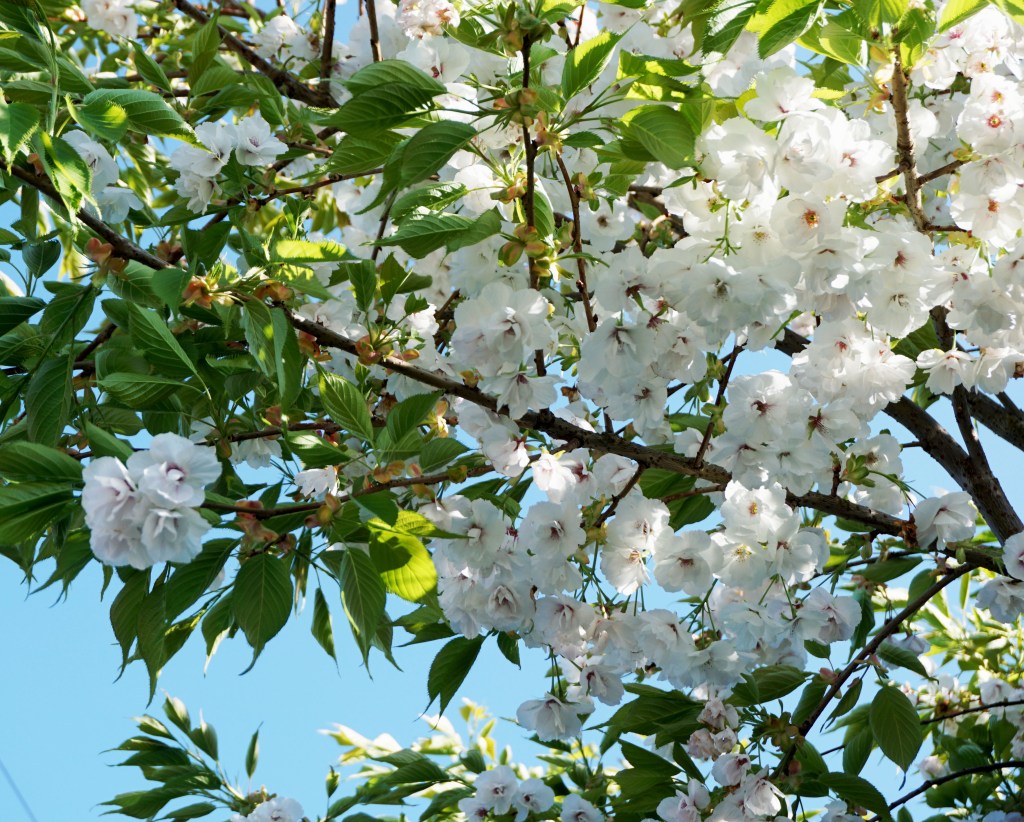
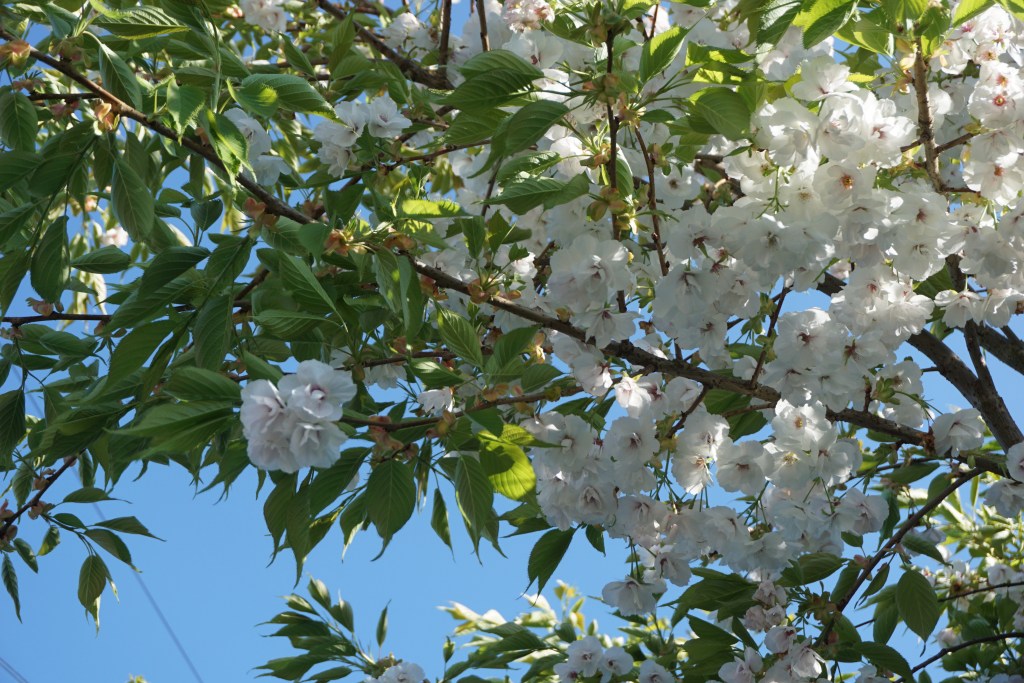
    Blue Sky Through Cherry Blossom

    The blue sky through my cherry blossom is enough to put an idiotic smile on my face and make me feel really good. How beautiful is that sky and how perfect the flowers.

  • Sunday Walk on Isle of Wight

    Sunday Walk on Isle of Wight

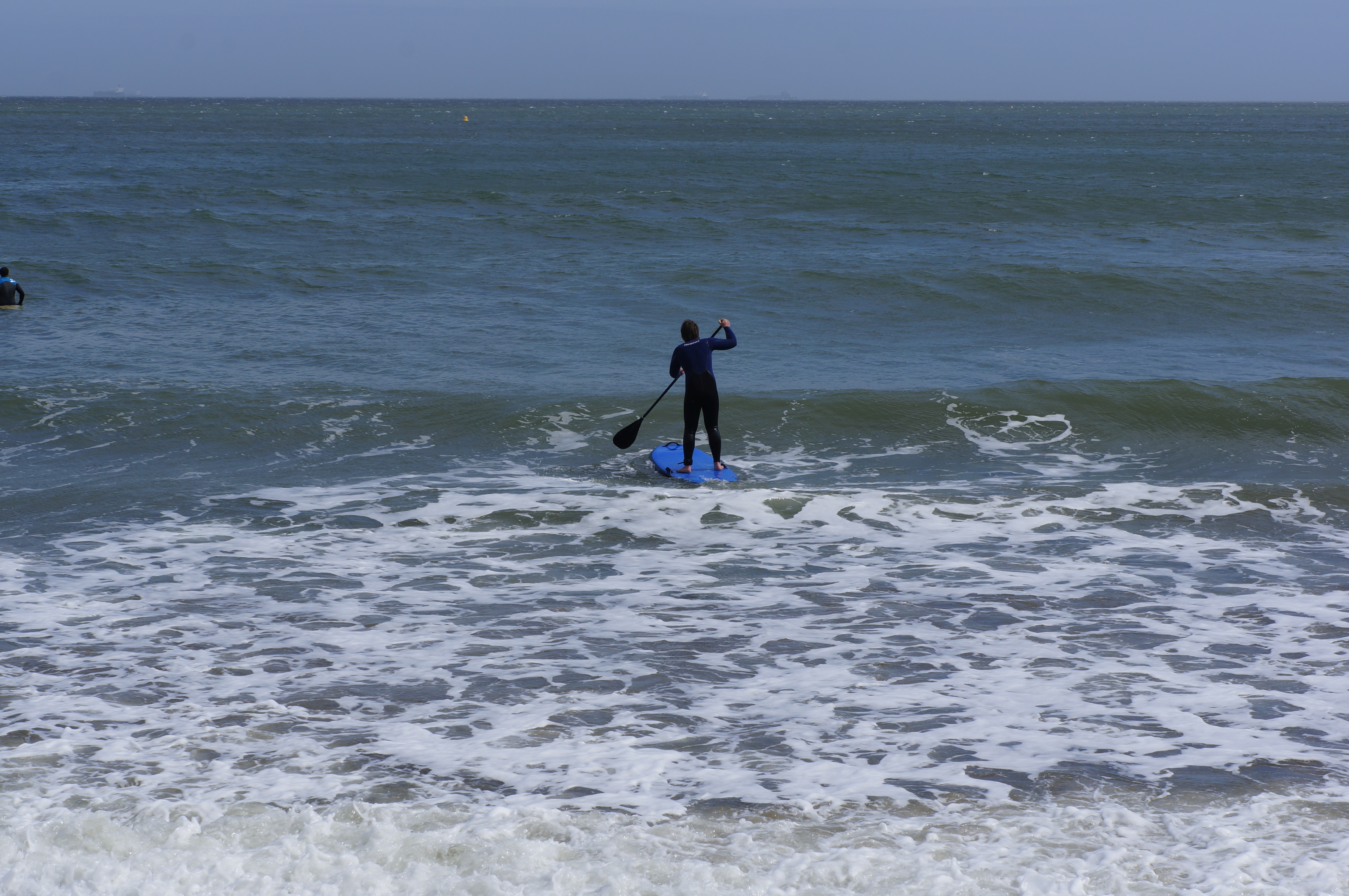
    A walk along the seafront at Sandown, Isle of Wight, with my friend Steve from London, a brilliant photographer who has brought his camera with him, produced some great images that I’d like to share with you.  Sandown shares with Shanklin, the next town, a marvellous crescent of golden beach, perfect for safe swimming –  one of the reasons why both towns attract families with young children.

    _DSC3445

    Sandown also has the Dinosaur Museum, this being Dinosaur Island, and Shanklin has a wonderful Chine that leads from the centre of the old town, down through ferny green walks, to the beach and the sea.

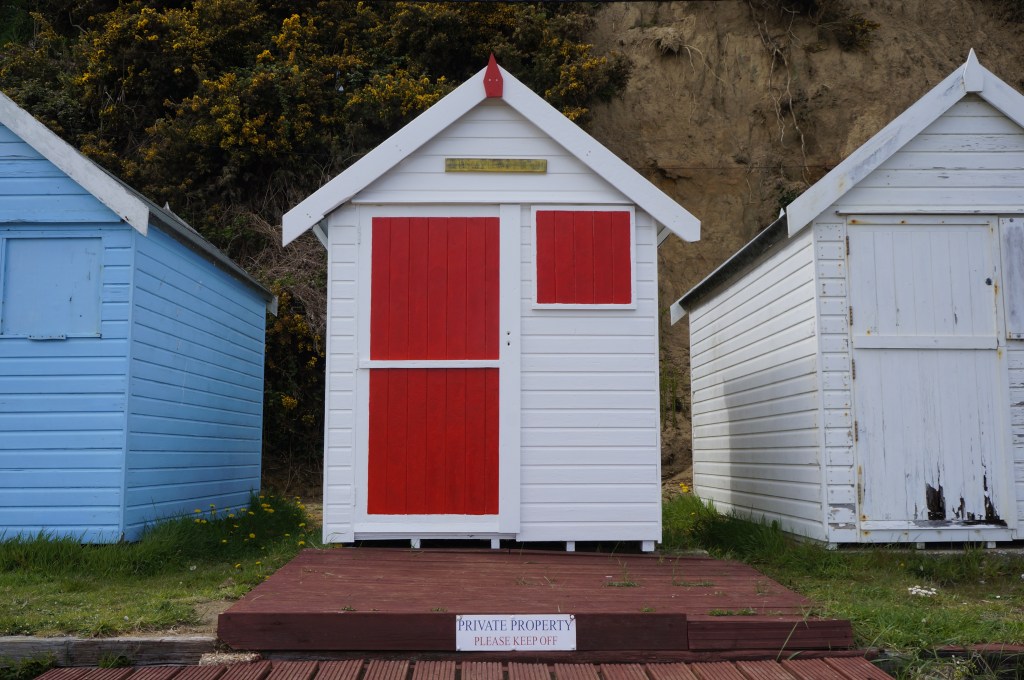
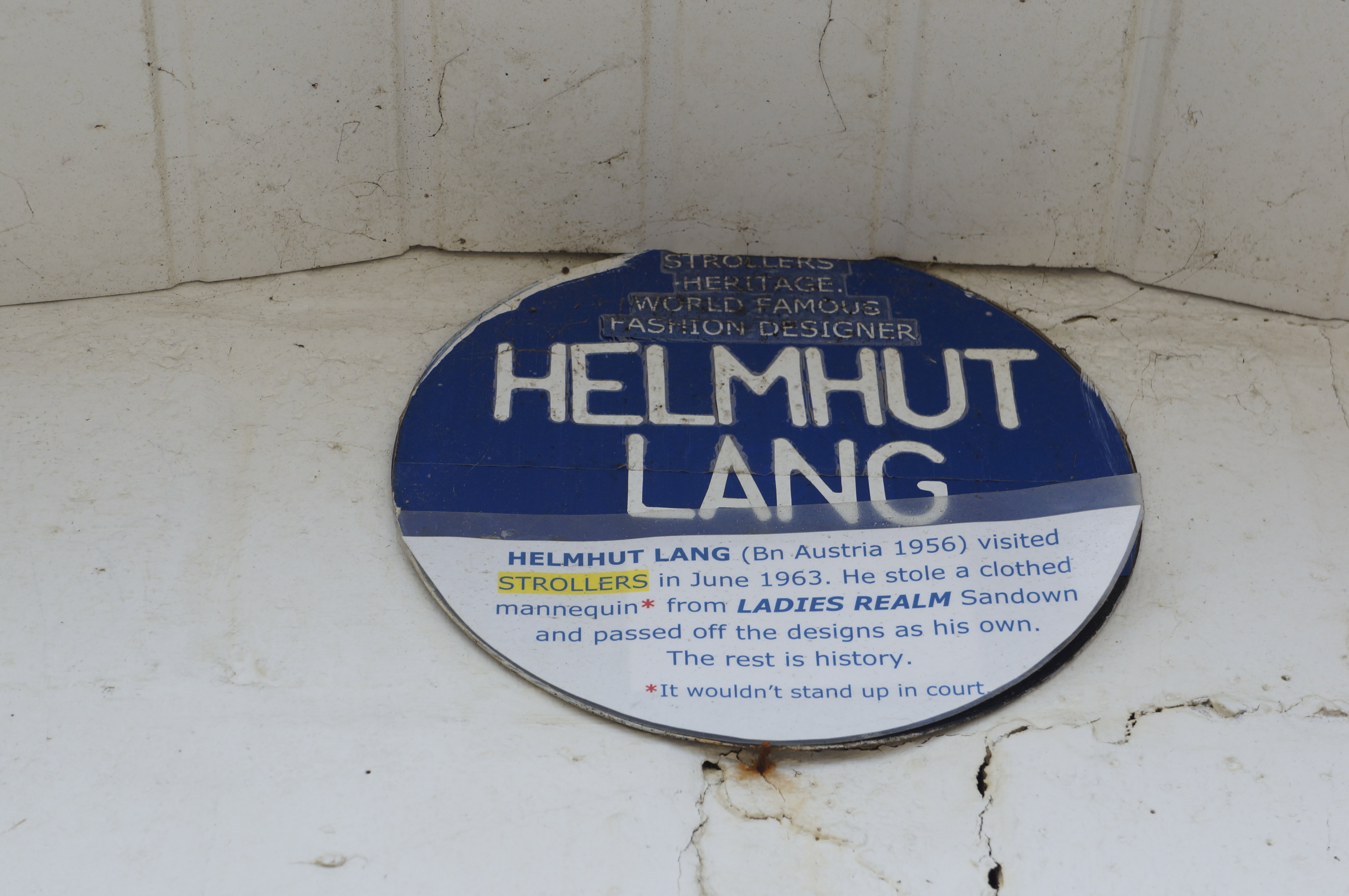
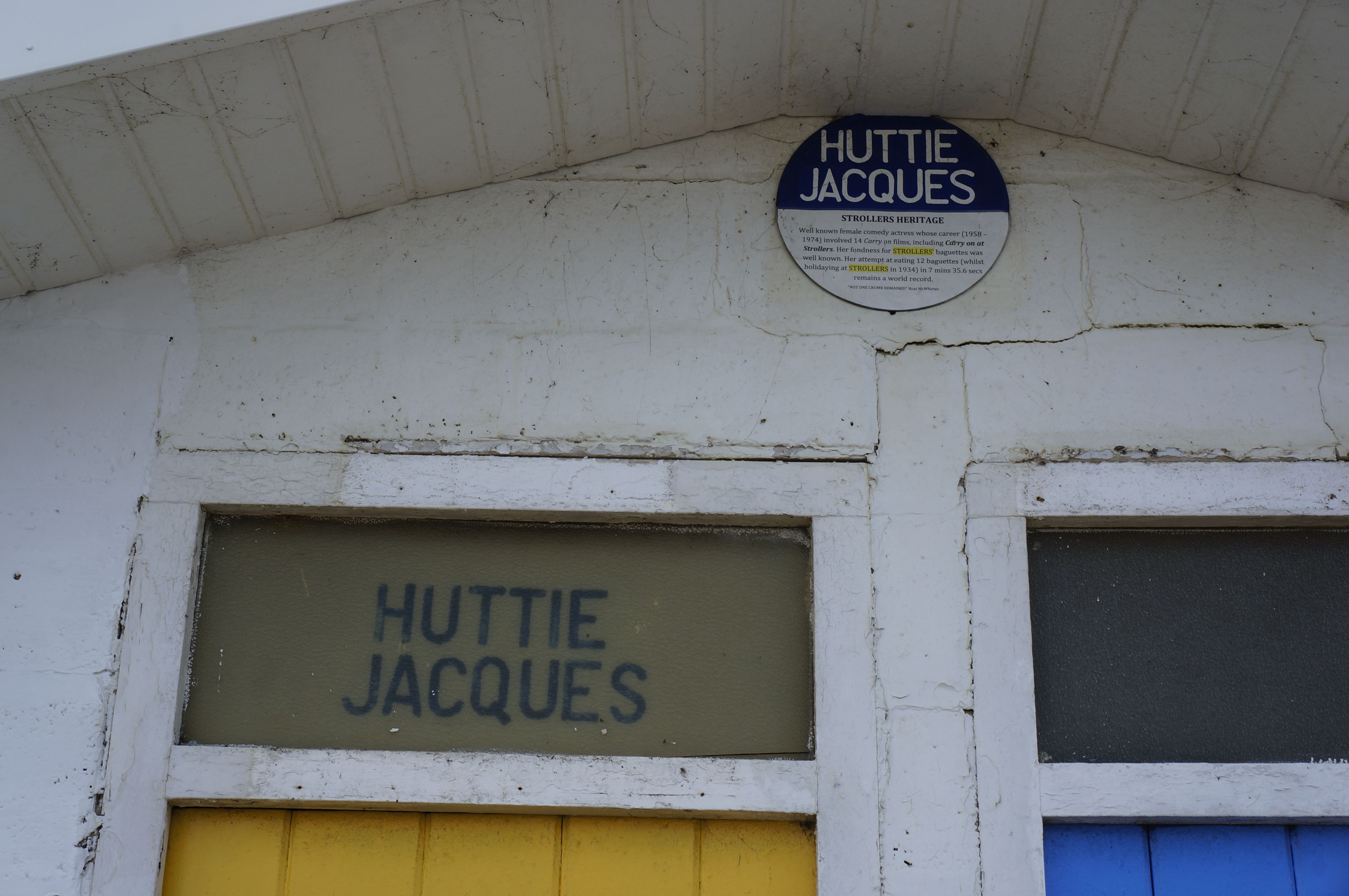
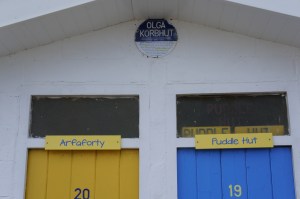
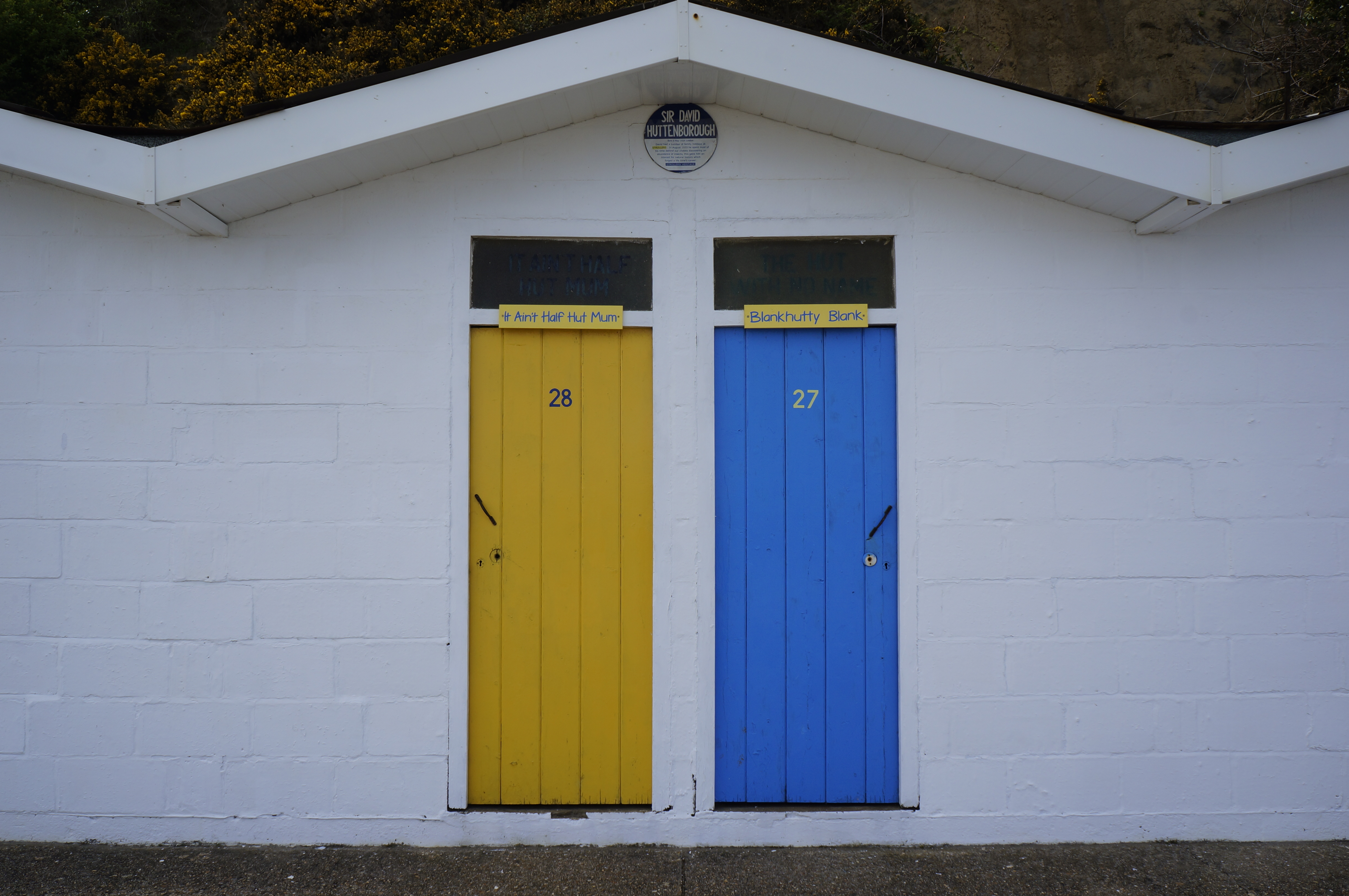
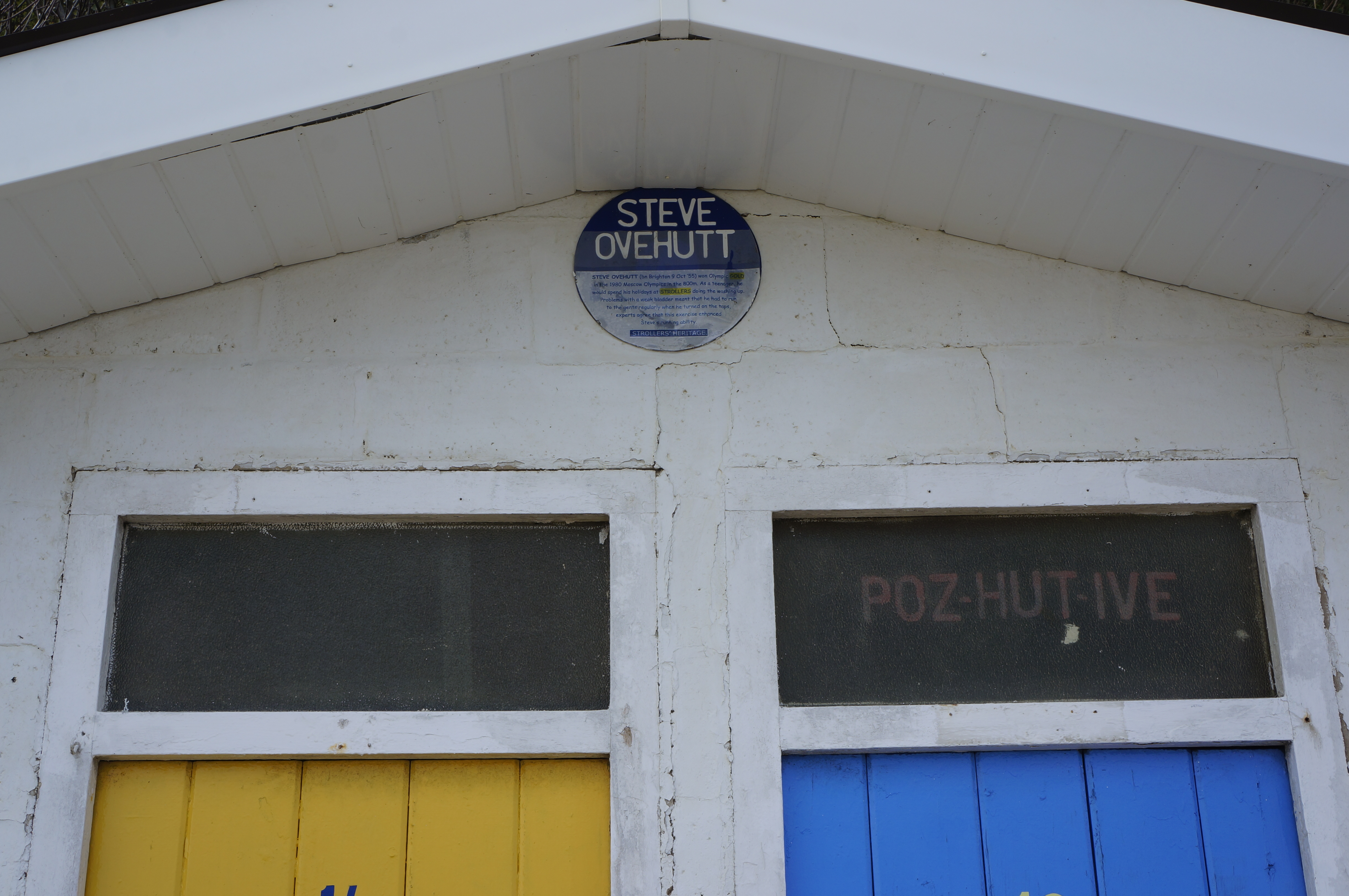
    But Sandown has something more frivolous – beach huts that make one smile, because the custom here is to give them all peculiar, funny names, a play on the word ‘hut’ more than ‘funny’, clever, quirky, and guaranteed to make one smile.

    Steve took these photos for me.   I hope you like them too.  You may have to click on the images to enlarge the name plaques.

    _DSC3471_DSC3468

    _DSC3466_DSC3465

    So there you have it, Sandown Esplanade beneath the Cliff Path and along the beach on a delightful walk that leads to Shanklin (well lit during the evening as well) with cafes, life-guards, invigorating breezes and views of giant ships leaving Portsmouth and Southampton for foreign ports, as you walk along.

    _DSC3459_DSC3461


    _DSC3458

    And for the last photo, well, it speaks for itself.

    _DSC3469