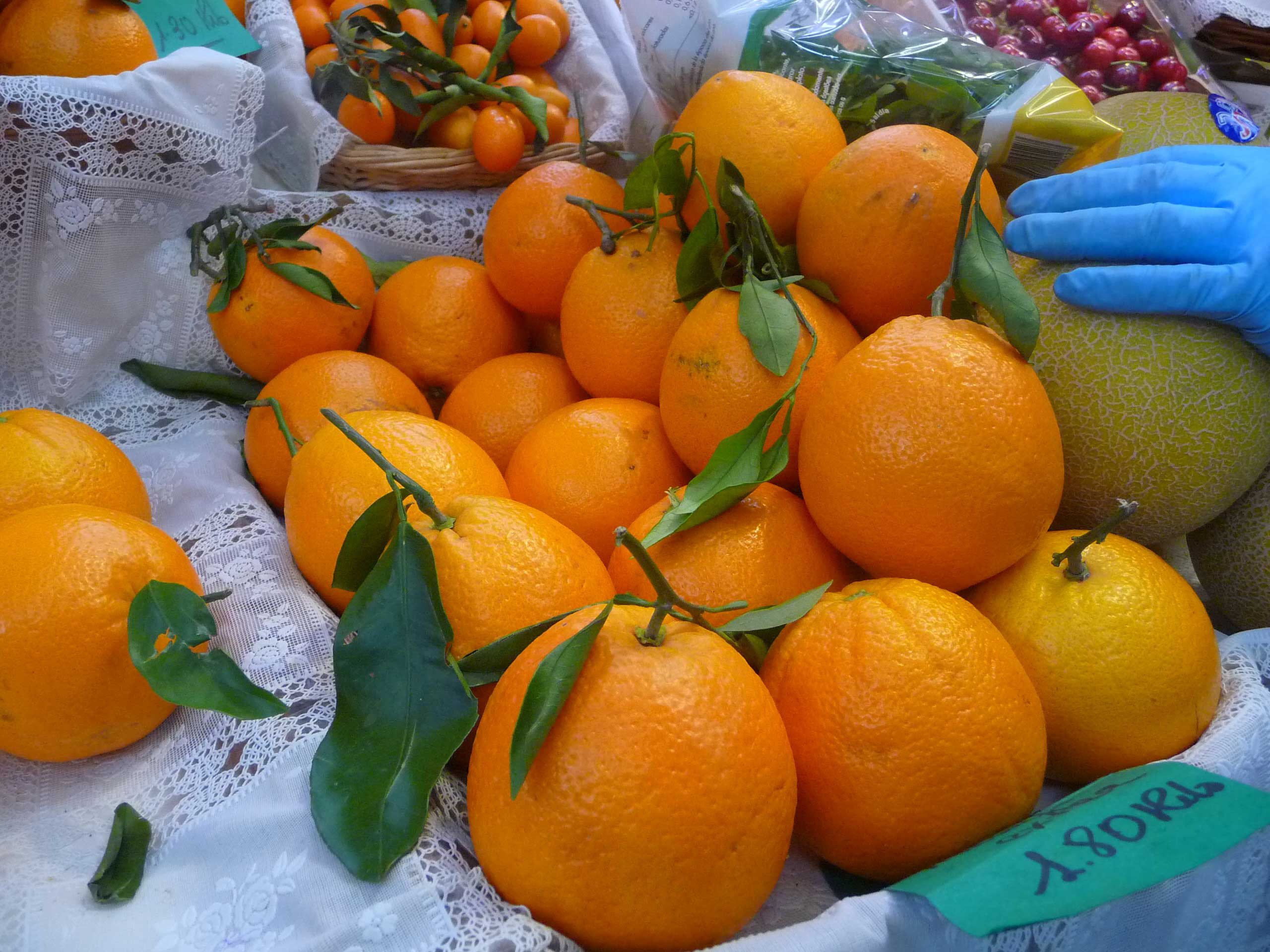
What cold be more orange that these gorgeous Spanish oranges. The very sight of them makes me salivate remembering how they tasted. How come we never seem to get really juicy oranges these days?
Young monks changing their robes – Photo Mari Nicholson
I never did find out why these young monks were changing their robes in the street by the Grand Palace in Bangkok, but they did it discreetly and looked decidedly pleased when they had accomplished the task.
Pottery for Sale on a Valencia street – Photo Mari Nicholson
I’m a sucker for anything that looks ‘local’ even though I know I shall never use it when I get home, but in my minds eye I can see me producing succulent food smelling of rosemary and garlic, mint and oregano, the whole resting on a bed of peppery olive oil and maybe some ciabbata. Dream on. I get home, realize it’s another foolish buy and it ends up at the back of the cupboard. But I love the orange colour of these dishes and yes, I did buy some.
I have just won third prize in a Travel Writing competition run by the Society of Women Writers & Journalists in the UK and I thought I’d put the piece up this week as my blog.
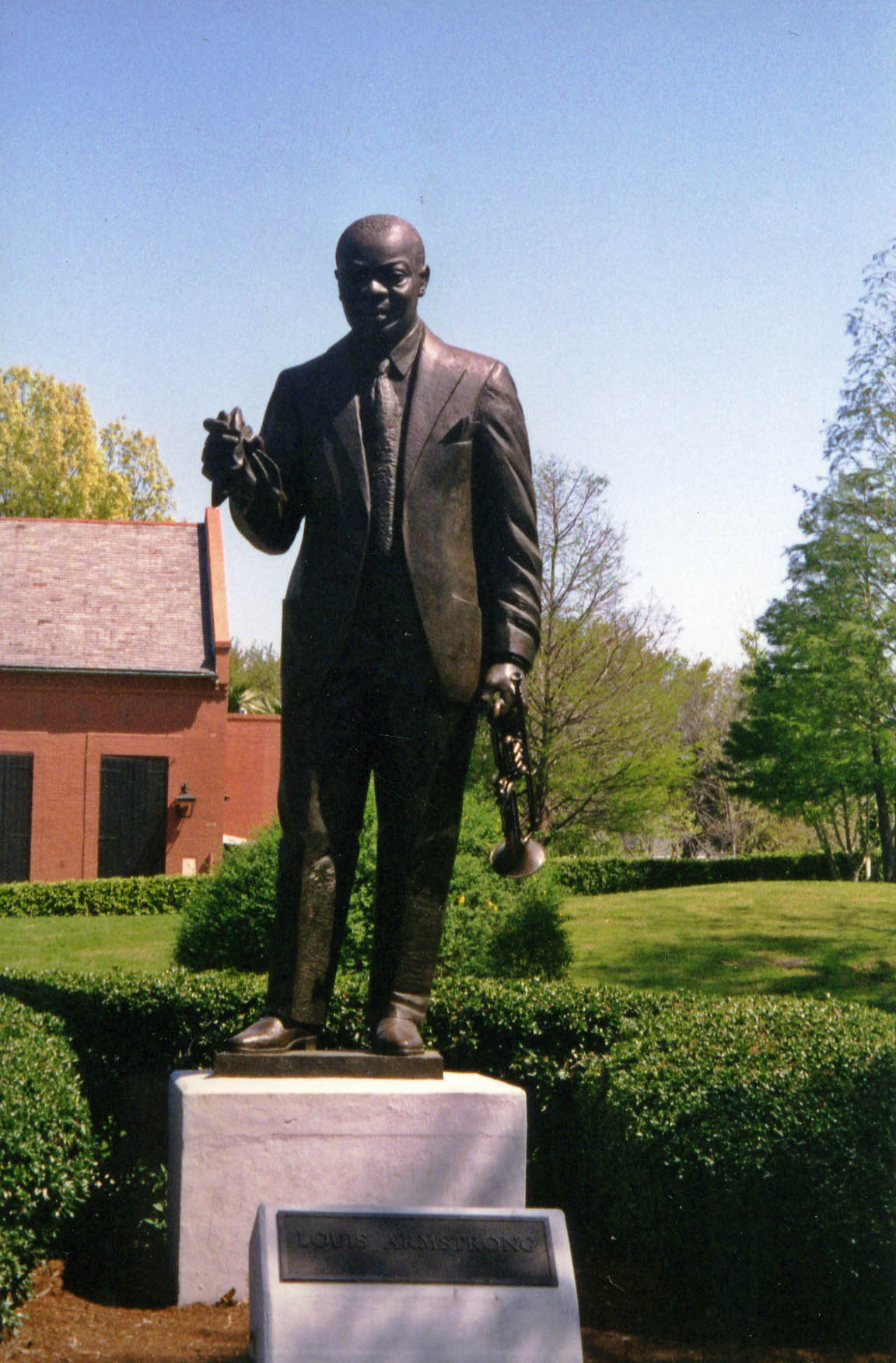
The article is about New Orleans‘ recovery after Huricane Katerina had nearly destroyed it. For some, it did totally destroy their homes and their way of life, but some survived to re-build the city and forge a new existence for themselves and their families. I’ve loved jazz and the city it hails from all my life: I love the easy-going rhythm of life and the people’s insouciance to the travails and troubles that beset them but I take my hat off now to their stoicism and their love of life which has restored New Orleans to something of its former glory.
Third Prize: Title as above
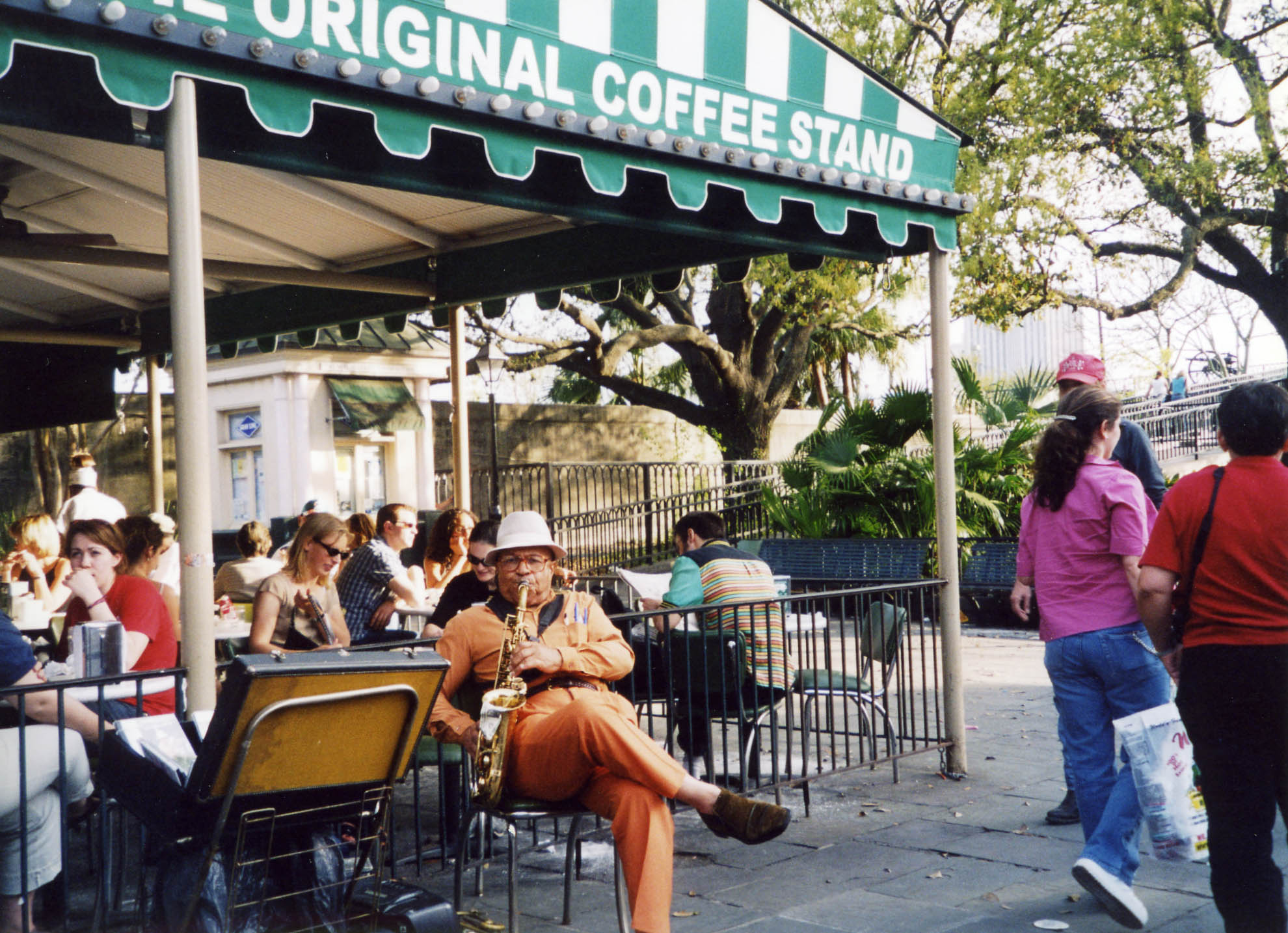
Lone Musician on Decatur – Mari Nicholson
The saxophonist in the too small trilby sits outside a café on Decatur, playing a soft, seductive blues. Just down the street, a trio runs through its repertoire while onlookers stand around in the sunshine and clap each solo. Behind us, on the muddy Mississippi the paddle boats make their way downstream, the sounds of ‘Oh, Didn’t he ramble’ drifting across from the onboard jazz band. Music is everywhere and everywhere it is good.
Mississippi Paddle Steamer – Mari Nicholson
For this is New Orleans, cradled between the Mississippi and Lake Pontchartrain, a dizzying jumble of black and white where European cultures blend with Caribbean influences and where the world’s finest jazz musicians can be found busking on street corners or playing for tips in the magnolia hung Jackson Square.
The history of the city is embedded in the fading, peeling façades of the houses in the French Quarter their filigreed balconies overhung with lush greenery and fragrant jasmine.
Balconies in the French Quarter – Mari Nicholson
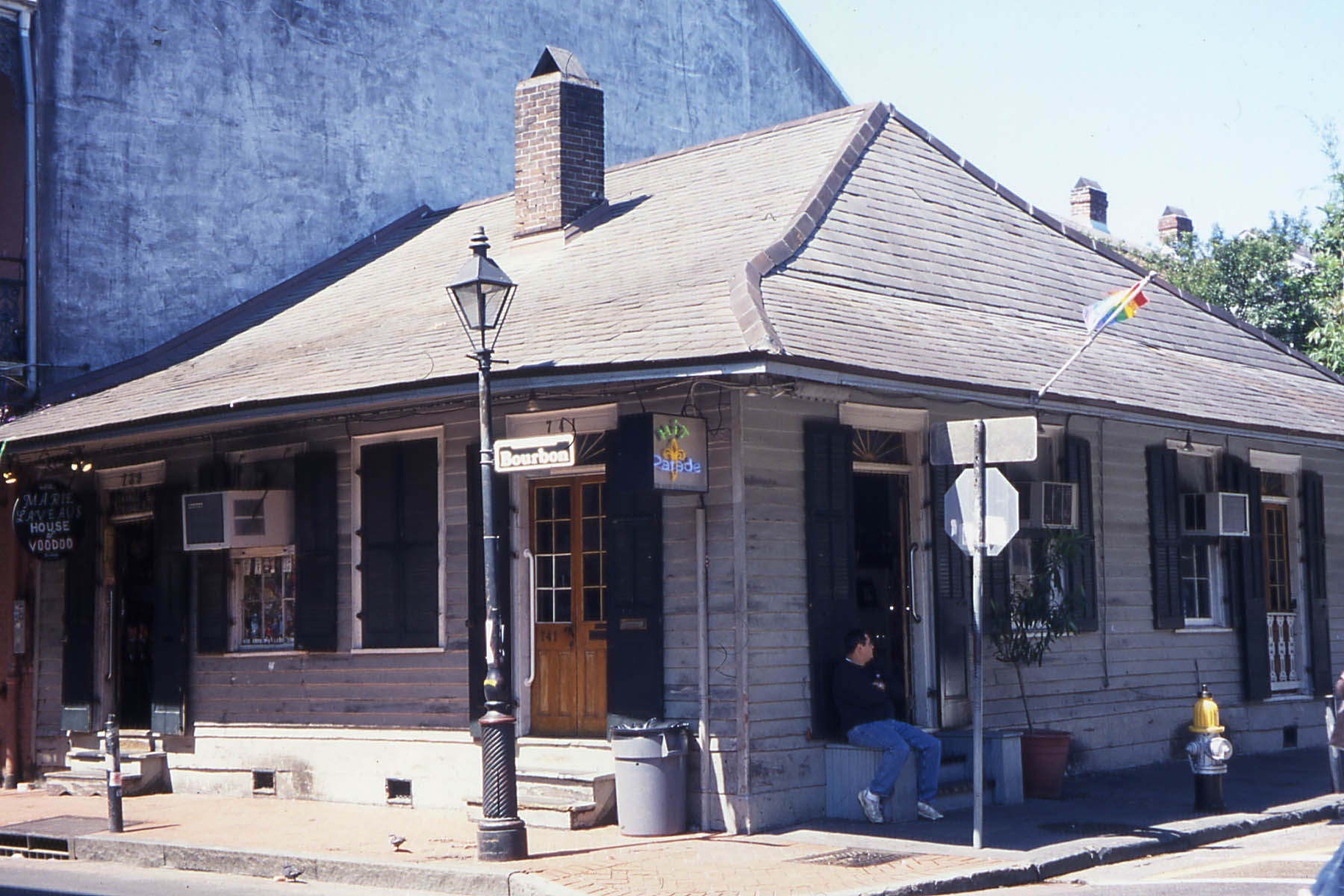
Cemeteries full of crumbling marble tombs, voodoo shops and houses selling magic potions called gris-gris should lend a feeling of melancholia but they don’t. This is a place where voodoo is a thriving religion an where a funeral brings people on to the streets to follow the coffin while as many jazz bands as can be mustered tag along on floats to add to the spirit of the day.
Voodoo House in New Orleans – Mari Nicholson
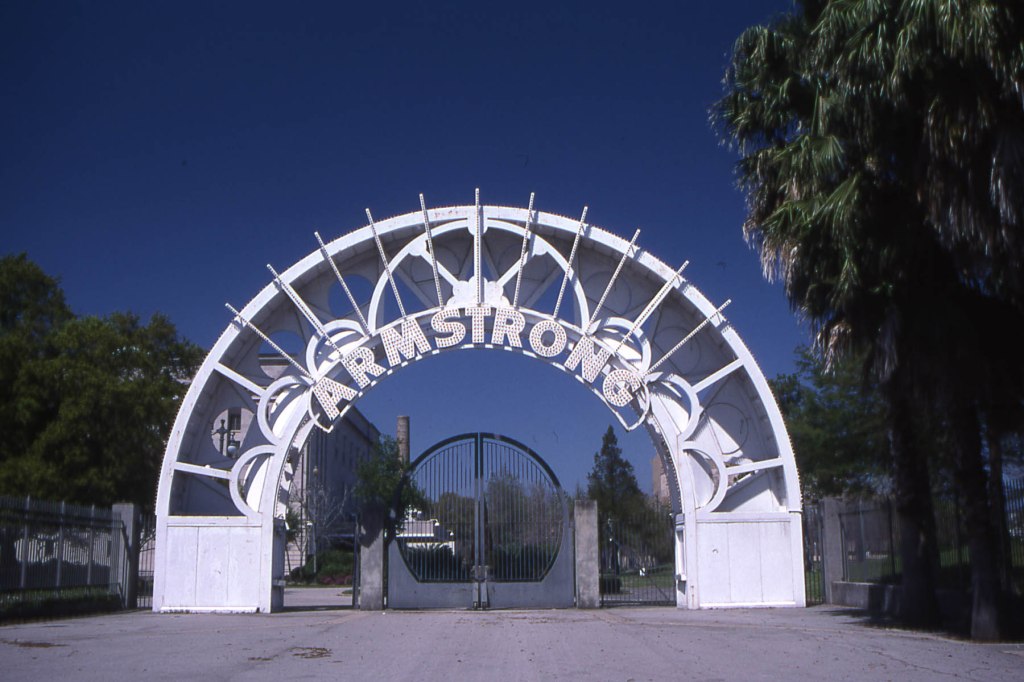
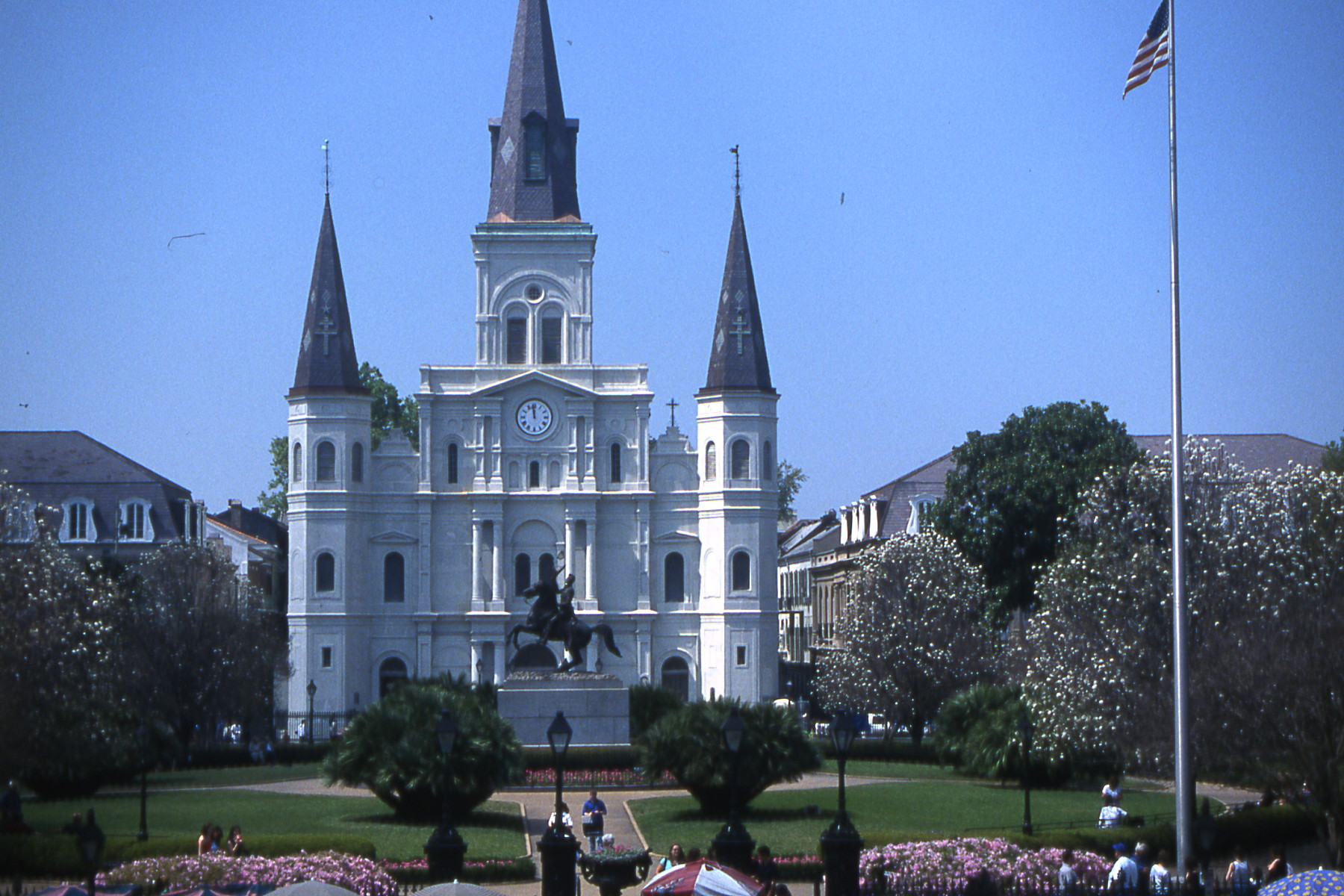
The French Quarter was the site of the original settlement and the heart of the city for 300 years and I start my stroll in Jackson Square, once the Plaza de Armes under Spanish rule in the 1700’s but now a green oasis in front of St. Louis cathedral, the oldest continuously active Catholic Church in the USA. The Square is bustling with jugglers, dancers, tarot card readers, and voodoo priestesses, the whole sound-tracked by groups of itinerant jazz musicians.
Zydecko Musicians in Street
Tarot Card Readers in Jackson – Mari
Following the map in my self-guided walking tour (available free from the Tourist Office) I check off The Cabilde, from which Spain, France, the Confederate states and the USA have each at one time ruled New Orleans, before continuing through some of the city’s most attractive streets. The leaflet illuminates important buildings from convents and haunted houses to the homes of writers Tennessee Williams and Frances Parkinson Keyes. I hop on the Riverfront streetcar and for $1.50 I ride the 2-mile route along the Mississippi to the famous French Market and the stalls of the Flea Market.
St. Louis Cathedral – Mari Nicholson
There are plenty of opportunities to stop for a snack or a meal and after a while I head for Café du Monde for coffee and beignets (doughnuts to die for, smothered in icing sugar). New Orleans is gastronomic heaven whether you chose the world’s most famous Cajun restaurant, K-Paul’s at 416 Chartres Street or the more budget range La Madeleine for a croissant and chicory flavoured coffee but the two dishes you must try are Gumbo, the ultimate Creole dish, made with local Gulf shrimps, crabs and crawfish, and the more basic Red Beans and Rice, once comfort food for the poor but now elevated to a specialty. Or chill out with a po’boy sandwich – crusty French bread filled with fried oysters, shrimps or soft shell crabs, roast beef, gravy and cheese. We’re talking BIG sandwiches here. Naw’lins don’t do small!
Most famous Jazz Club, Preservation Hall – Mari Nicholson
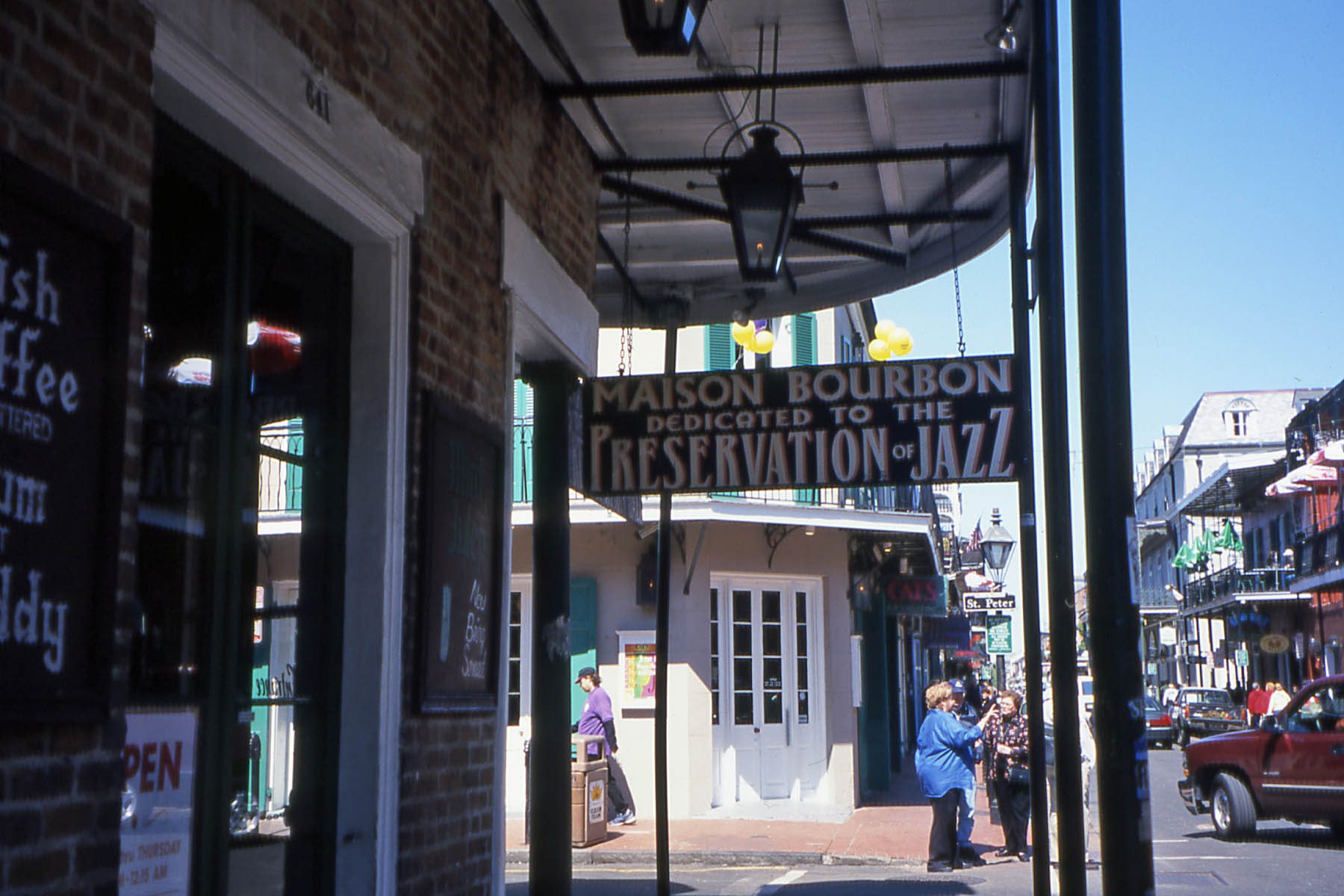
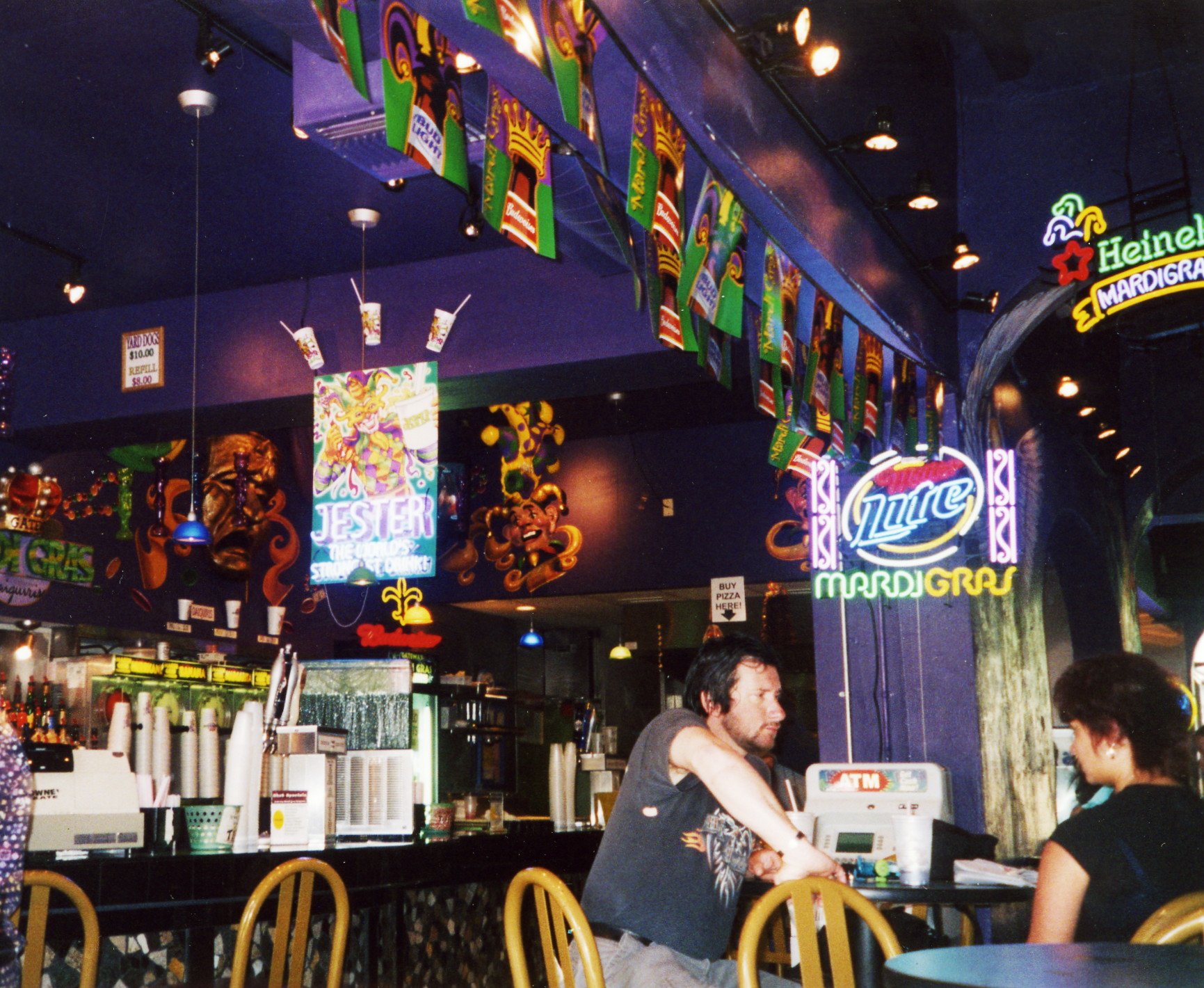
For many, the best time in New Orleans is after dark when the night beat of Bourbon Street starts up, when Preservation Hall hosts the oldest jazz musicians who play 30-minute sets, and the restaurants and bars fill up with customers. It may require a pre-emptive cocktail or two to cope with the astounding decibels that reverberate in the seven blocks of Bourbon and the even more ear-splitting noise from the dark bars that line the narrow street, so head for the atmospheric Napoleon House at 500 Chartres or Pat O’Brien’s on Bourbon for a Hurricane, or a Sazarac, Huey Long’s favourite tipple, a potent mix of whiskies, bitters, lemon juice and aniseed liqueur. Rumour has it that if you ask for a third the barman asks you to sign a waiver.
Inside a bar on Bourbon – Mari Nicholson
Bourbon Street is fun but for the authentic jazz experience, head away from the yelps and yells of the crowds that congregate here, towards places like Vaughan’s on Dauphine Street, Tipitinas at Napolean Aveue, the House of Blues on Decatur Street or Snug Harbour on Frenchman Street. If you are heading out of the French Quarter make sure you have the ‘phone number of a taxi company with you as you will find it impossible to pick up a taxi anywhere and, not to put too fine a point on it, you wouldn’t want to be wandering around New Orleans alone after dark.
If it’s Cajun music you’re after – washboards, corrugated tin, fiddles and accordions – or its faster variant, Zydeco, you can find this at Mulate’s on Julia Street where you can work off the fried catfish and dirty rice by two-stepping to the fast rhythms. Instructors are on hand to give neophytes a whirl around the floor.
It’s easy after only a few hours in The Big Easy to put life on hold and forget Museums and churches. There are shops to investigate, a horse and carriage ride around town to contemplae and a ride on the historic landmark that is the olive-green St. Charles’ Streetcar at Canal Street. For $1.25 you can ride for 13 miles from the Riverfront to the Lake and on to the Garden District, to view the mansions built by the rich merchants in the last century, the lush gardens surrounding them dotted with trees hung with gossamer-like grey streamers of Spanish moss.
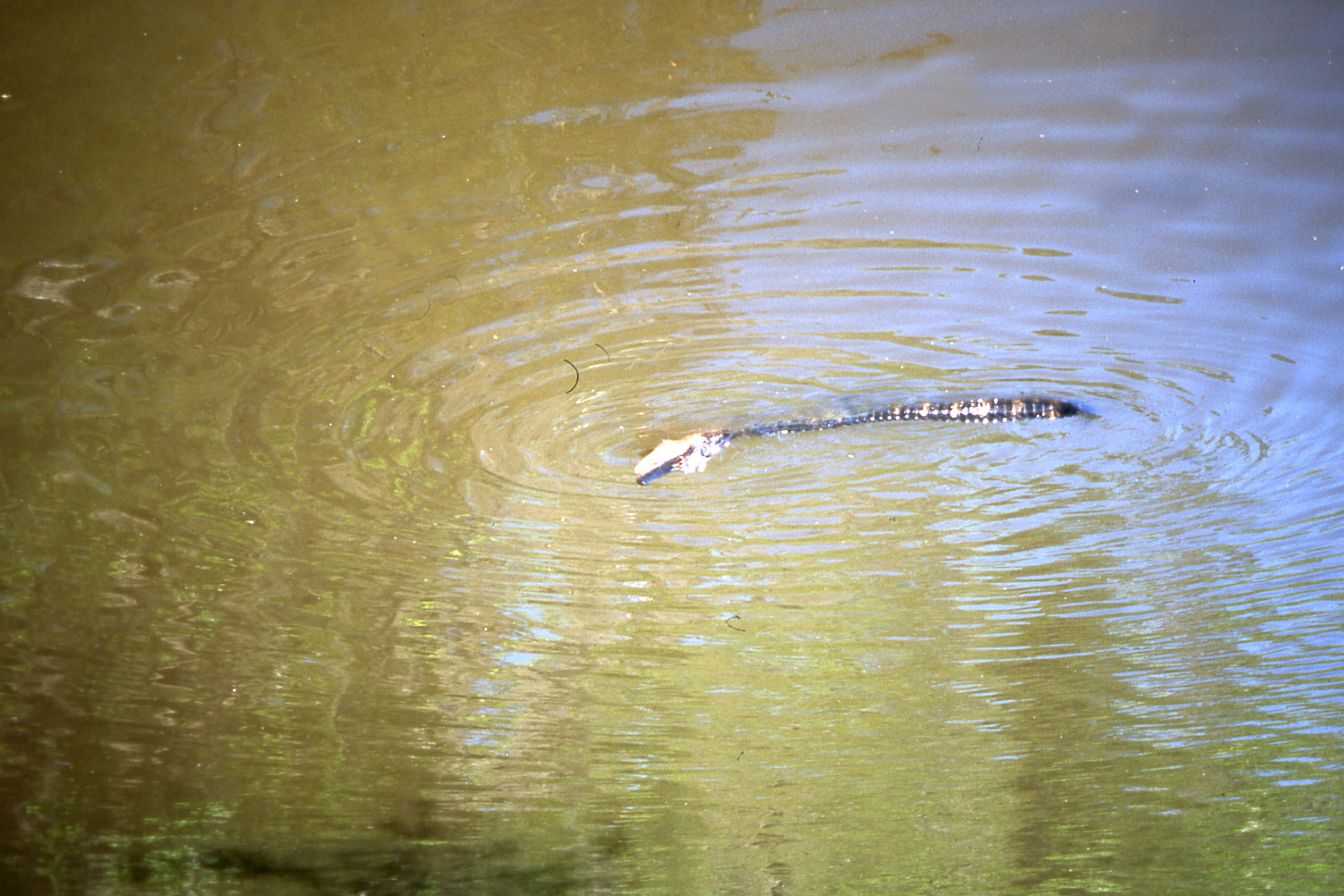
Alligator waits for the unwary – Mari Nicholson
Best of all is to take a trip on the bayous to observe Cajun life, so book up for a day’s tour through the swamps, either by kayak or cruise boat, and meet the trappers and fishermen, boat builders and farmers. In the tranquility of these Cypress Swamps where turtles and egrets share floating logs in the waters, the noise of the city seems a long way away. You can be lulled into a sense of non-danger but trail your hands in the water at your peril for the alligators move swiftly to snatch at anything that moves in these swamps. And if the alligators miss you, the nutrias, a sort of giant water rat on steroids, might get you.
From the bayous to the grand houses of the plantation owners is like moving from one life to another, from “Cat on a Hot Tin Roof” to “Gone with the Wind”. Driving along the Mississippi River gazing at the antebellum dwellings will have you longing to sample a mint julep on one of the verandahs. If time is short, the best two houses to visit both in the lives lived by the inhabitants and in the architecture, are Laura Plantation and Oak Valley Plantation. The guides bring the houses to life with their tales of black slaves who laboured in the hot sun to cut the cane that made the owners rich and the claustrophobic life lived by the women of the house. And, at Oak Valley Plantation, you can have that Mint Julep sitting on the verandah of the house and for a few moments, you can be a character in a Tennessee Williams play – if you can forget that you’re drinking a mint julep from a plastic cup.
Plantation House – Mari Nicholson
The New Orleans motto is “Laissez les bon temps rouler” (Let the Good Times Roll) a maxim that took a knock after the Katerina floods, but along with the rest of Louisiana, the inhabitants of the city are doing their best to get the good times rolling again – and they are succeeding.
Despite the tragedy of Katerina, New Orleans is once more up and running and you can again enjoy a cocktail-to- go on Bourbon or Basin Streets -a lurid coloured concoction in a highball glass that you get to drink on the street.
Just over 13 years ago, on 26th December 2004, the Asian tsunami hit our television screens, brought to us by horrifying holiday videos showing the sea retreating, then towering up in a massive wave that swept up beaches, destroying hotels, houses, cars, boats and anything that stood in its way. We saw only the video footage shot by the few holidays makers who escaped its power, but on the Thai coastline that stretched across six provinces, Phuket, Krabi, Phang-nga, Ranong, Satun and Trang, it took 5,395 lives (among them 2,000 foreign tourists).
Hard to Imagine a giant wave surging towards this placid beach.
Khao Lak, the location for the Ewan McGregor film of the tsunami, The Impossible, is the Thai resort that recorded the most deaths in the disaster; the official death count of 3,950 is considered by some to be an underestimate with estimates reaching as high as 10,000 due to the large number of undocumented Burmese migrants who disappeared.
I was in Hua Hin in Thailand when it happened, waiting to meet up with a couple of close friends who were in Khao Lak at the time. I never saw them again: they were but two of the many foreign tourists whose bodies were never recovered. My most harrowing memory from that time, apart from the wall to wall tragedy that was unfolding daily on the TV screens, was standing alongside hundreds of Thais in utter silence by the roadside in Hua Hin as we watched the convoy of trucks carrying rough, wooden coffins to the disaster zone further south.
A Village that is Renewing Itself in Khao Lak
I made the journey back to Khao Lak a few weeks ago to see how it was faring and my heart sang as I saw how the people have managed to put this traumatic episode behind them, how the villages are renewing themselves, how the tourist trade on which so much depends has bounced back, better than it was before, and how the loveliest beaches in Thailand and Southern Thailand’s finest rainforest are once again open for business.
The magnificent beaches of Khao Lak
At the time of the tsunami it was a peaceful alternative to the brash resort of Phuket, some 55 miles to the south, and so it remains. But whereas before it had bungalows, now there are small low-lying hotels spread among the palm trees, the hardwoods, and the trailing lianas, that create a forest canopy that crackles with noise from the cicadas and the frogs.
Khao Lak’s inter-connected beaches extend for many miles and a small-town atmosphere still prevails. The town, if one can call it that, is a row of shop houses selling the essentials for locals and a few bits for tourists, like hats, sunscreen, sarongs etc. It is not a place to shop till you drop, but it is a place where you can soak up the pleasures of Thai life, the smells of durian, garlic and spices and where you can enjoy eye-wateringly hot street food as Thai children gather around you and stare. Then there are the giggling beach masseuses who’ll pummel you in bamboo shelters for one-tenth of what you will pay elsewhere in Europe, the sound of the sea lapping the sands being the only noise.
There are tsunami-related Memorials, of course. About a mile inland lies Motorboat 813 from the Thai Navy which had been providing protection to Princess Ubolratana Phannawadee and family when the tsunami struck. The 25-metre heavy boat was carried 1 kilometre inland and it was decided to leave it there after the clean-up, as a permanent reminder of what happened. The princess’s son, Bhumi Jensen, who had been out on a jet ski at the time, was one of those who died in the tsunami: his body was discovered the next day.
There is also a private tsunami museum whose exhibits are mainly videos on a loop, detailing the traumatic events, the grisly findings and the processing of victims’ bodies. One cannot walk through this museum without feeling moved, if not to tears, then to reflection on the tragedy. Then there is the Baan Nam Khem tsunami Memorial Park, right by the beach, consisting of two long walls curved like a big wave. One wall is covered in mosaic tiles, with name plaques set into the wall, some with photographs, some with fresh flowers. Most of the photographs are of smiling children, heart-breaking in their happiness and innocence before the wave struck.
But as I said, Khao Lak today is recovering well and the people are welcoming visitors once again to what must surely be one of the loveliest places in Thailand. Within easy reach are the Similan Islands for diving in pristine waters, Khao Sok National Park for a rainforest experience, hiking in green, forested hills, and a profusion of wildlife from monitor lizards to cobras to keep one interested!
I found the perfect hotel as well, the Manathai, set just back from the beach in a quiet area with an open-air bar perfect for taking in the dramatic sunsets that atracts everyone down to the beach for pre-dinner cocktails. The main restaurant served a fine International menu and the beachside Thai restaurant was just perfect. Rooms were large and exquisitely furnished, but best of all was the super-large balcony – perfect for the early morning coffee.
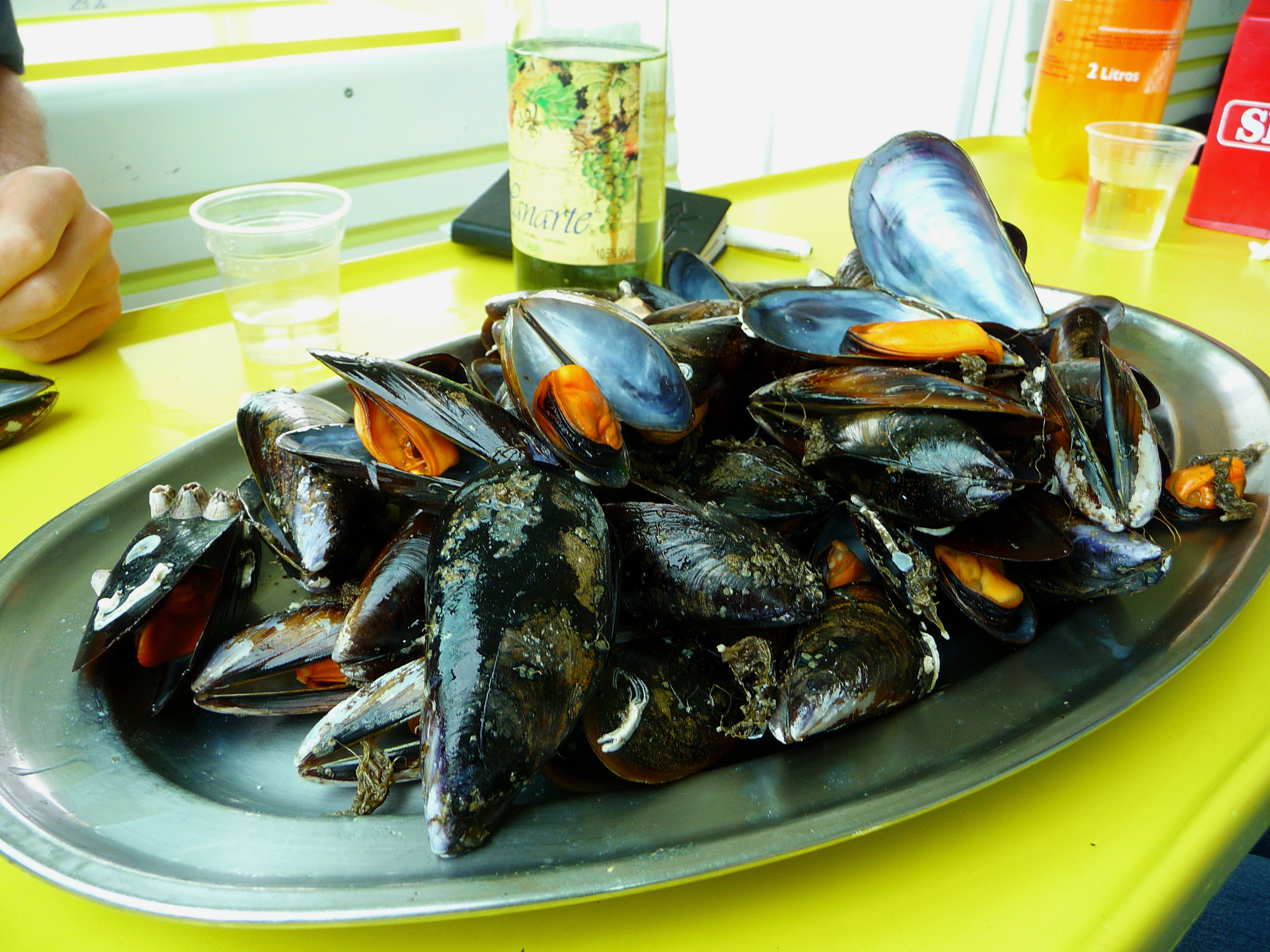
At one of Brighton’s seafood restaurants yesterday I had some amazing mussels, the like of which I hadn’t expected to find in the UK. They reminded me of the time I was in Galicia in Northern Spain and my trip out to the mollusc beds to see them being collected, and an even better recollection, the meal we had on the return boat journey of mussels cooked simply in wine and garlic in a traditional enamel pot and served with fresh crusty bread and bottles of unnamed, in fact unlabelled, wine, which nevertheless tasted like nectar.
Vigo, Galicia
Galicia in Spain’s green north is a far cry from the Costas and is nowhere as well known as the southern provinces, yet it is probably the most beautiful part of Spain with really white sand beaches, fragrant pine trees perfuming the air, beautiful buildings, great hotels, and wines produced in small quantities and kept for local sale only. If you think only of sun, sand and Sangria, think again and head for Galicia for seafood, shellfish and the road to Santiago.
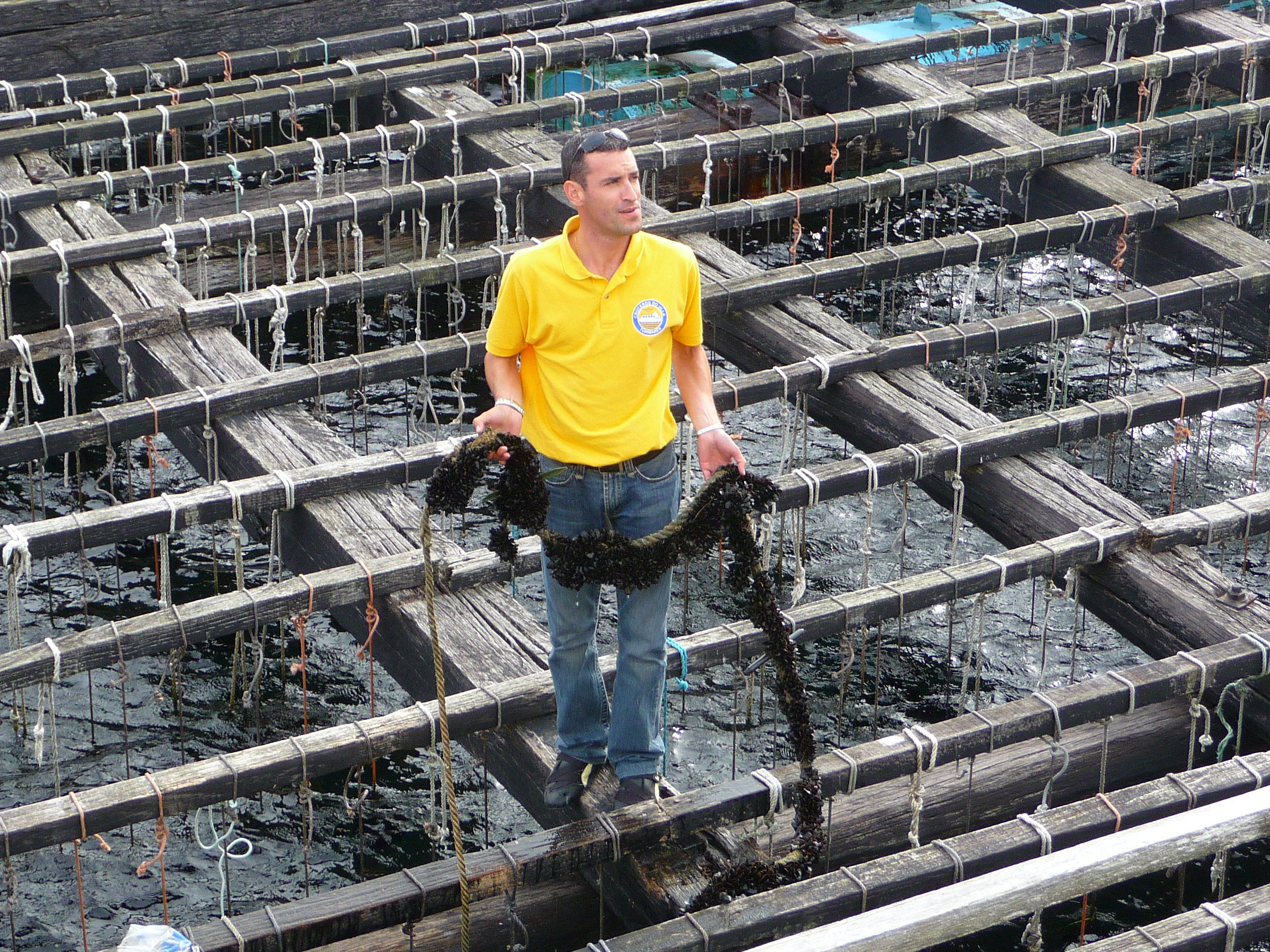
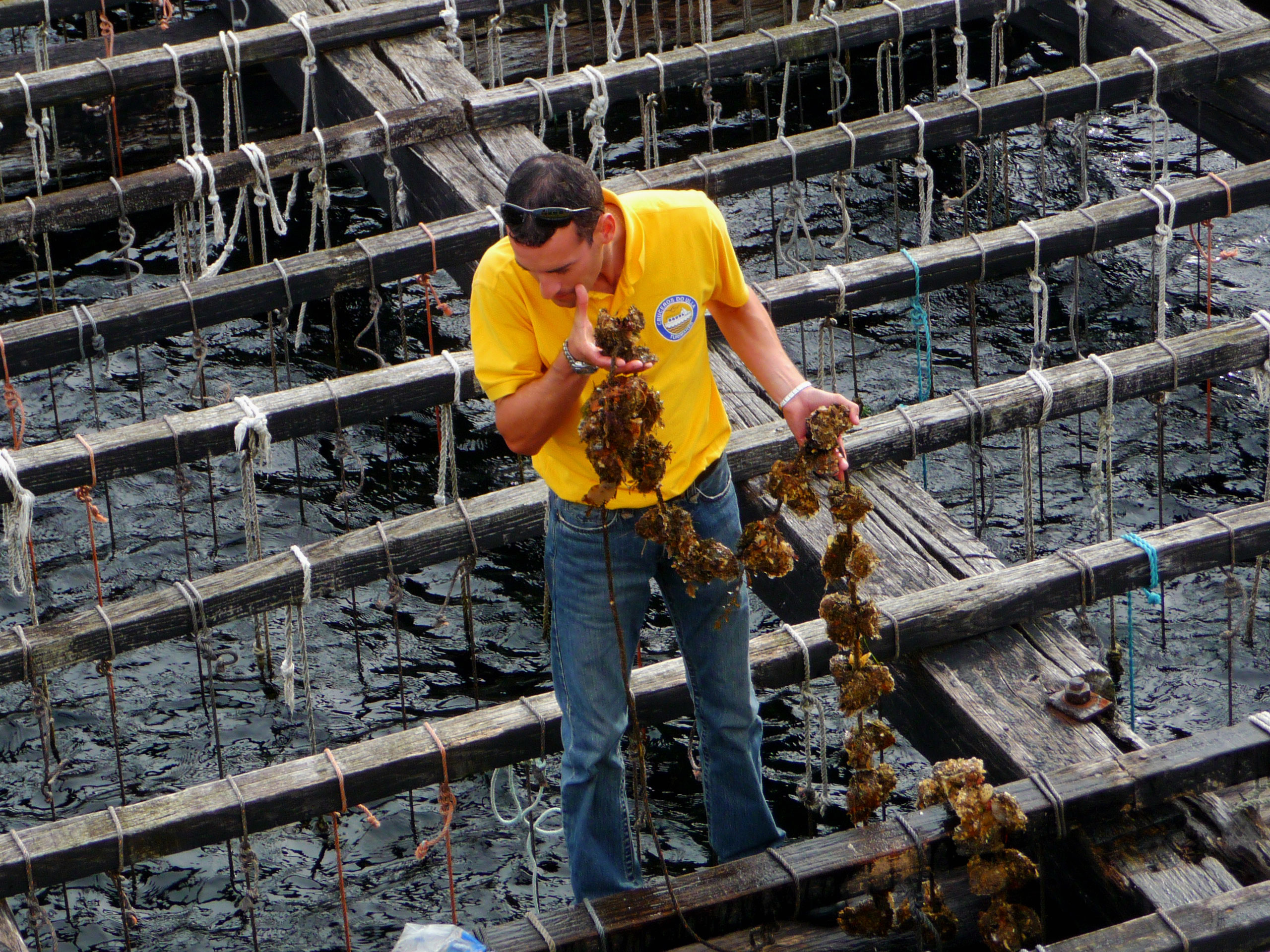
Gathering in the mussels – Photo Mari Nicholson
O Grove was once an island but today it is joined to the mainland thanks to the winds from the south-west, which have caused the surrounding sands to form an isthmus and it now sits on the mouth of the Arousa estuary, a stone’s throw away from the luxury Parador Pontevedra. As well as shellfish gathering and shallow-water fishing, the local population of approximately 12,000, lives from the farming of mussels, oysters and scallops.
Bateas in the Sea
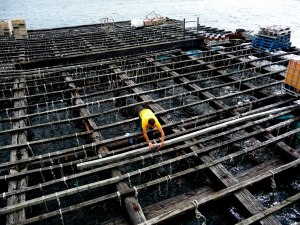
Ropes, on which the molluscs grow, are hung from bateas, wooden platforms in the water, and these heavy ropes which can weigh up to half a ton when the mussels are fully grown, are checked out and collected daily.
Re-arranging the Ropes – Mari Nichol
From your boat you can watch the men drag up the heavy ropes of scallops and mussels as they stand on wooden rafts in the water, the bateas.
Since 1963, the port of O Grove has staged a yearly festival which takes place over several days during the first two weeks in October. Many excellent local wines are available but it is almost compulsory to drink the local “Rías Baixas” as an accompaniment to the wide variety of seafood but, believe me, it is easy to get a taste for this little-known wine (little known outside of the area that is).
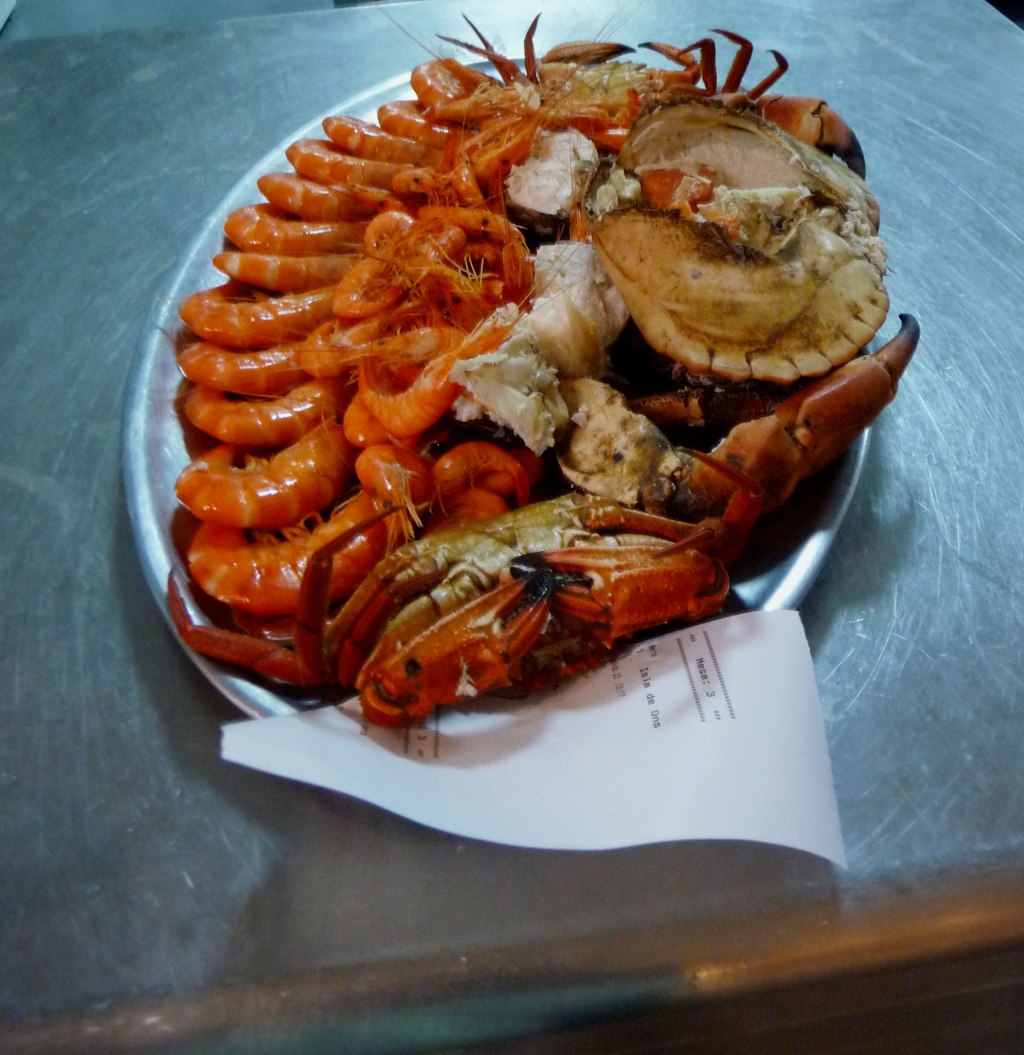
At the festival, visitors can wander among the food stalls, sampling delicious seafood cooked by locals, dishes that exploit the riches of the surrounding Atlantic Ocean including mussels and turbot, for which the region is famous, oysters, clams, shrimp, scallops, velvet crabs, crawfish and goose barnacles. O Grove’s seafood festival also comes with music and dancing. Every day different bands play traditional Galician folk music which includes a lot of Galician bagpipes, and there is the usual folkloric content in singing and dancing.
Collecting the Scallops – Photo Mari Nicholson
Local boats make trips out to the mussel and scallop beds and these can be booked at any of the agencies around the port.
Should you want to do some local sightseeing there are a couple of local towns worth visiting, and the busy city of Vigo is an hour or so on the train. You can even visit Santiago de Compostela for a day.
What to see nearby:
Illa de AToxa, whose fame is derived from its medicinal mineral waters and mud, the therapeutic properties of which for the skin and respiratory passages as well as the salts and soaps which are made from them, have turned the island into a major spa resort. AToxa is the biggest of the half dozen islands, which emerge with the ebb and flow of the tides on the O Vao mud flats.
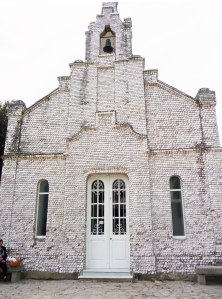
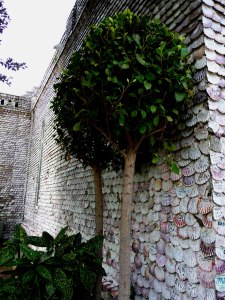
Isla de La Tojaor Isla de la Atoxa where the main building to visit and to photograph is the hermitage church of San Sebastian dating from the XII century. It is completely covered with scallop shells to protect the façade – quite an amazing sight.
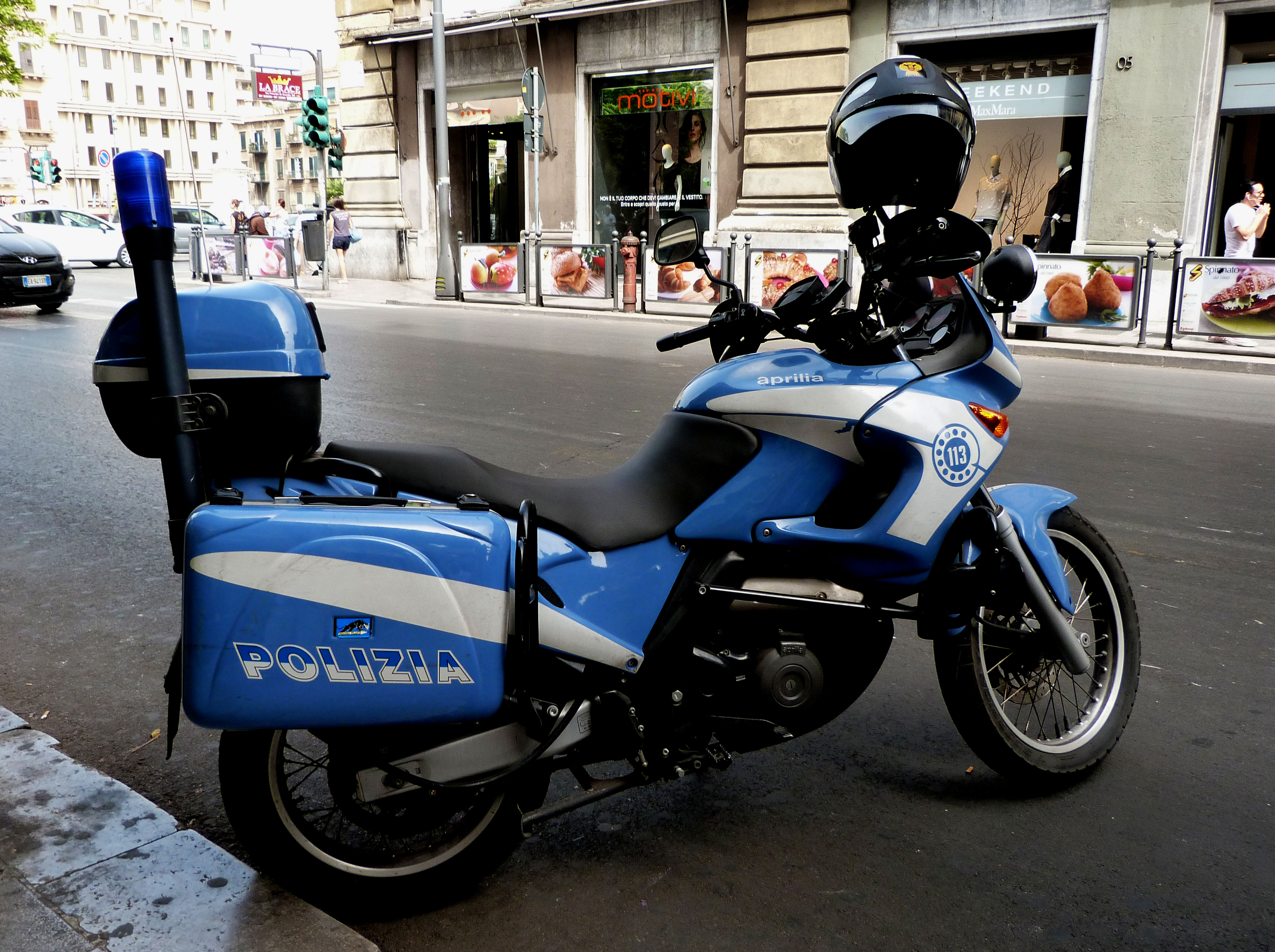
Palermo is like nowhere else in Europe. It’s a crazy, chaotic, crumbling city with a vibrant life that has led it to defy the Mafia, the last in a line of exploiters bent on conquering and subduing the spirit of its people. Every neighbouring power at one time or another. has occupied this island that lies at the crossroads of the Mediterranean, with the result that it offers the visitor a heady mixture of aromatic Arabic food served in tiled restaurants that hark back to Spanish invaders, and stunning architecture and artefacts from Greek and Norman periods. All this in streets lined with crumbling buildings, visual proof of the Italian Government’s neglect of a region for which it seems to have no respect.
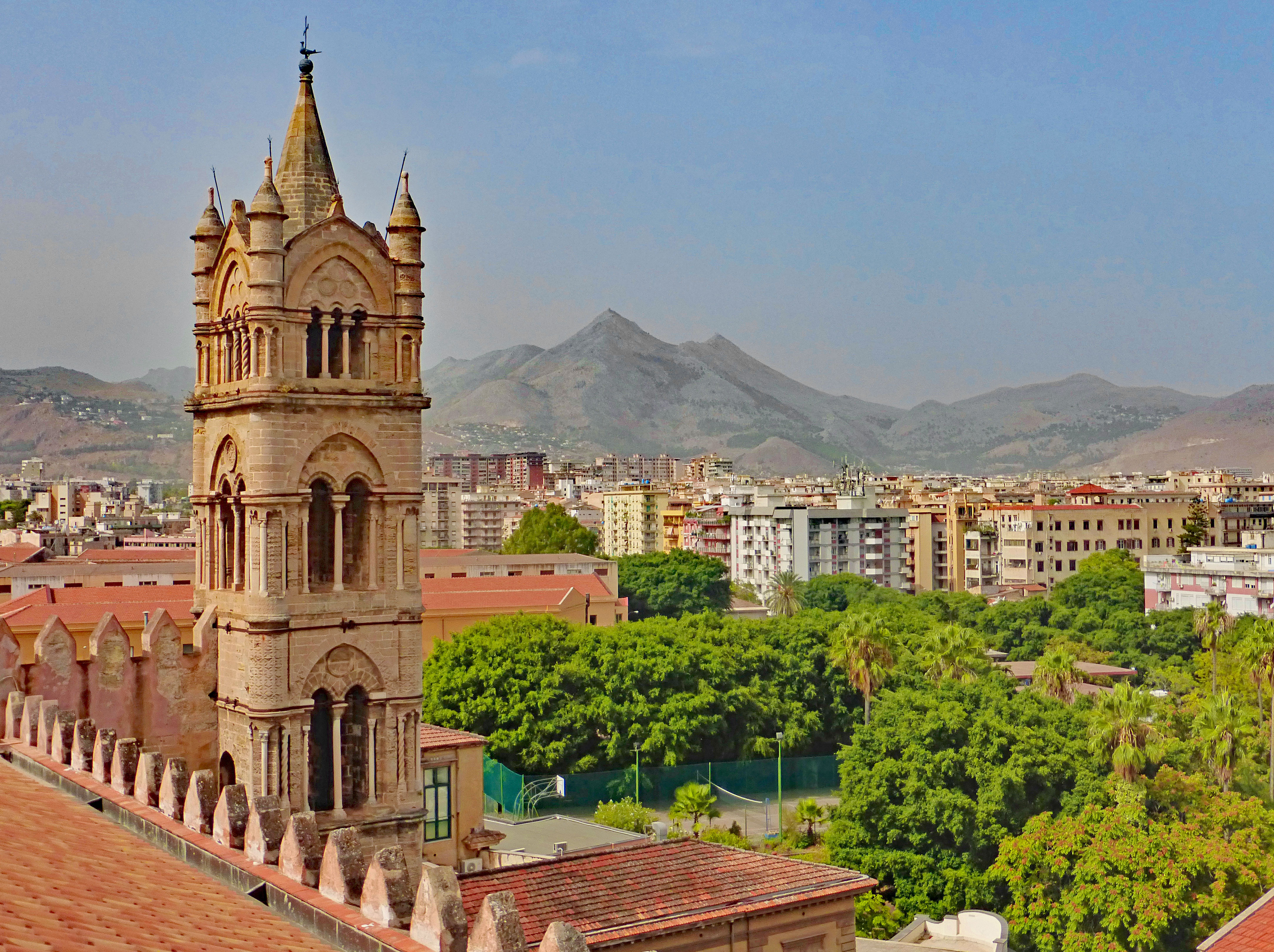
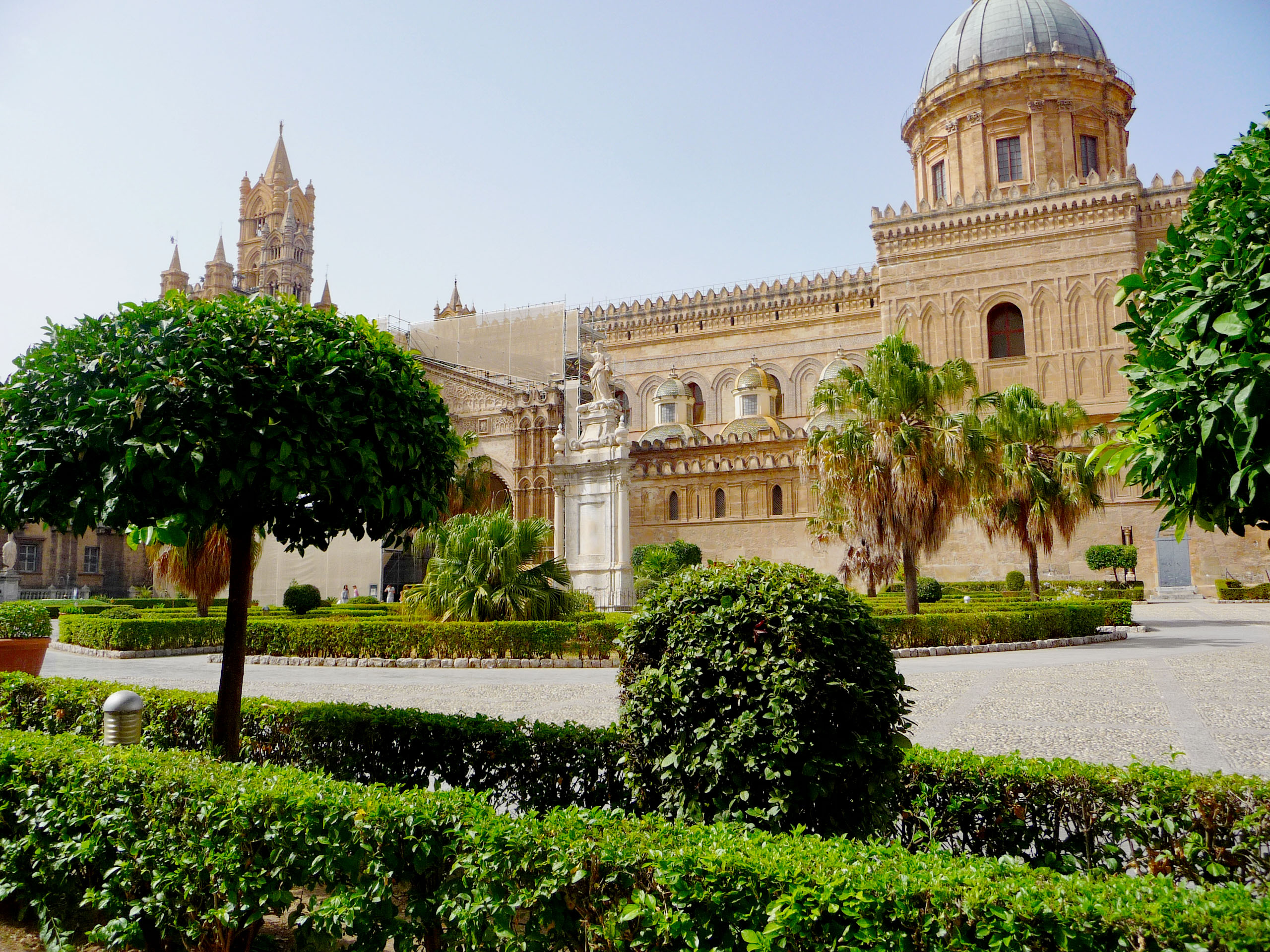
View from the Cathedral by Solange Hando
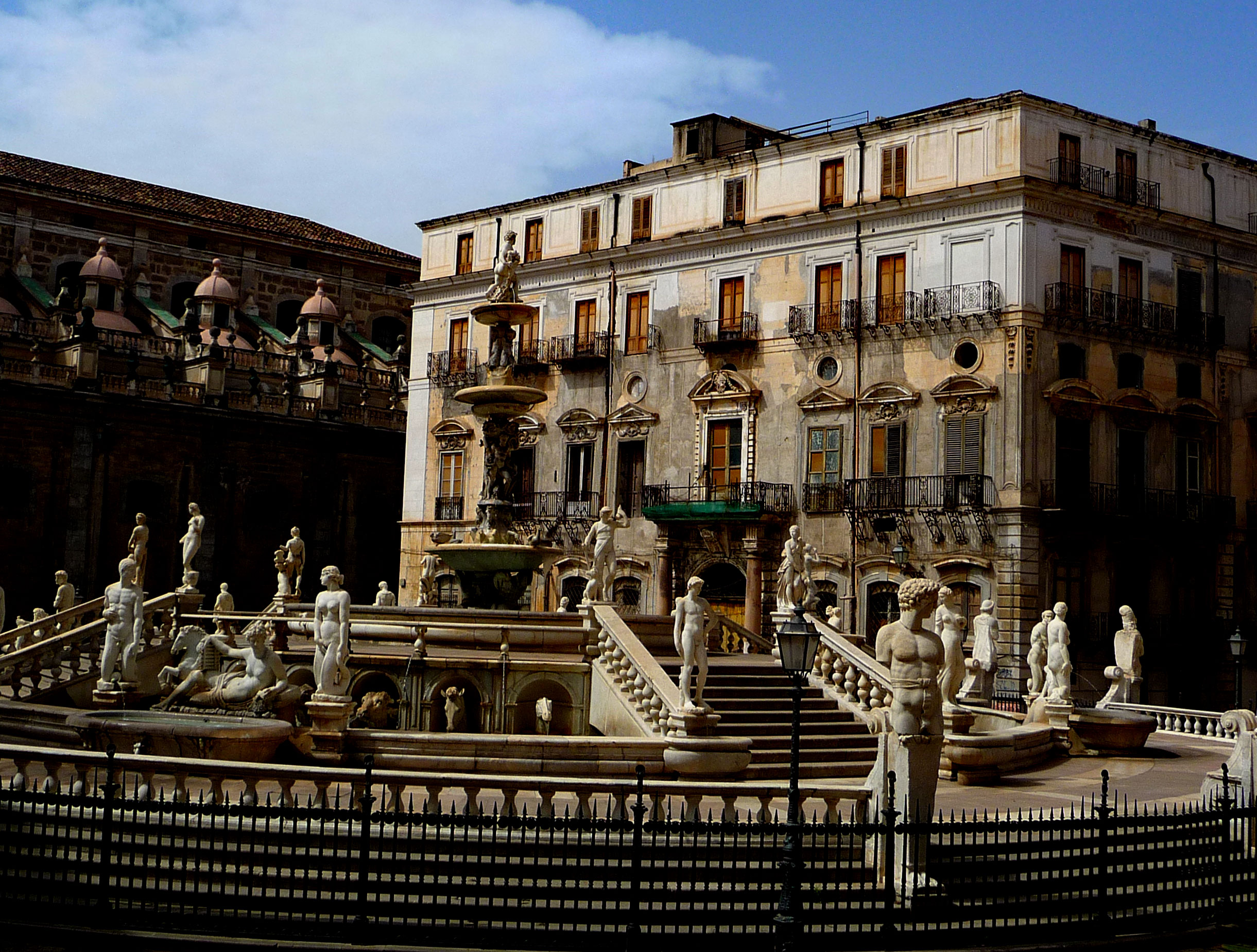
We all think we know Palermo from years of watching films like The Godfather (in all its parts), and Scarface, but the films have never shown the beauty of the baroque palaces, the marble statues that are public art, the beauty of the bay at sunset and the tranquillity of the surrounding countryside.
Outdoor Art in Sicily – Photo Mari Nicholson
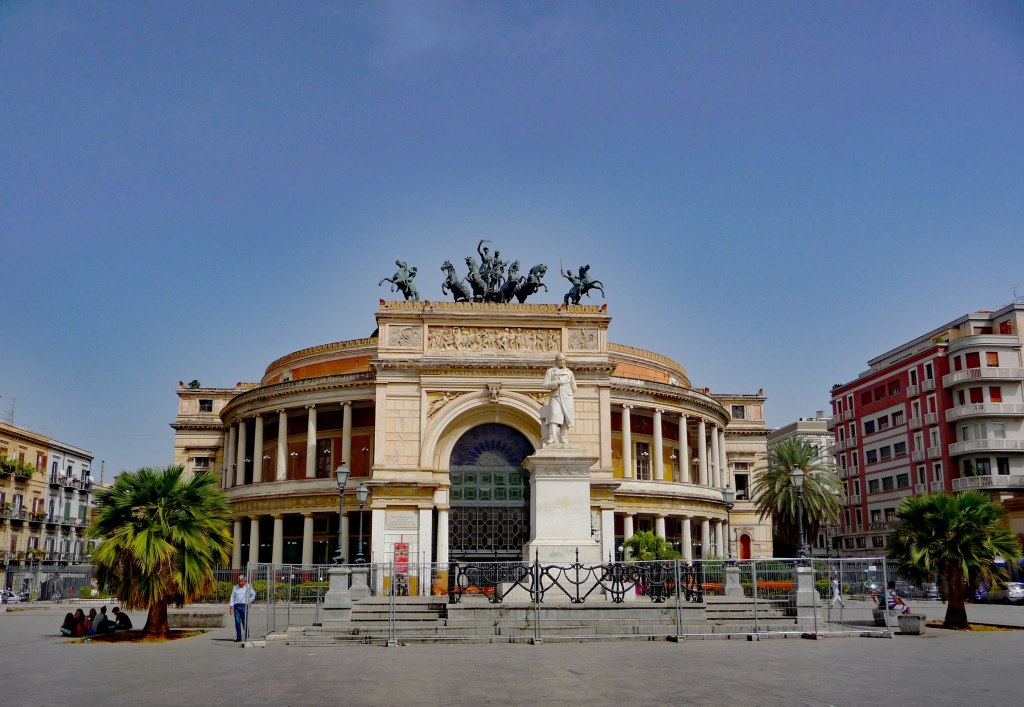
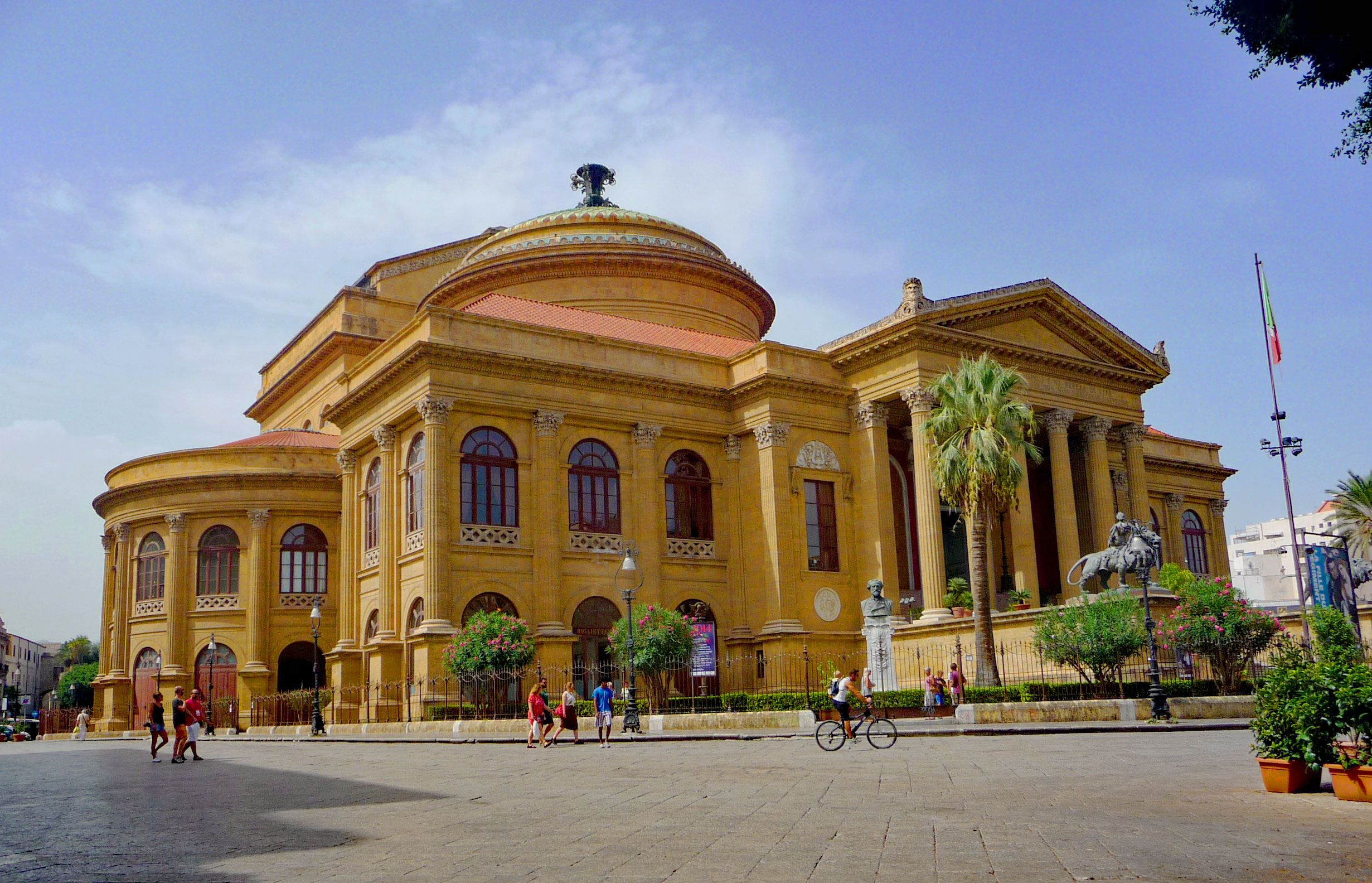
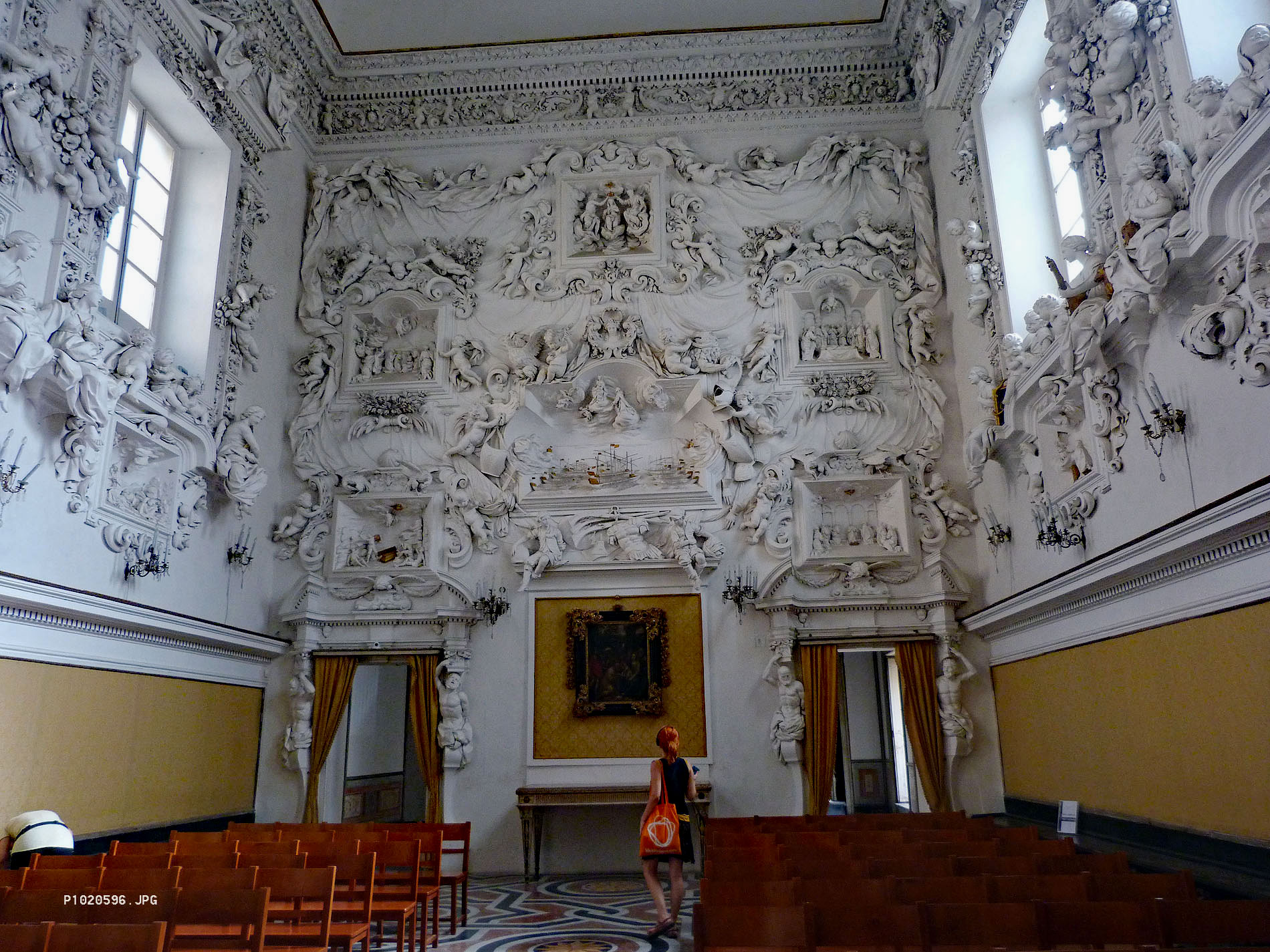
The façade of the Teatro Massimo, the magnificence of the Cathedrale at Monreale, five miles south of the city, with its fabulous mosaics brought to Sicily from Byzantium, and the hidden beauties of the marble Serpotto Cherubs in the Oratorio del Santissimo Rosario, are Palermo at its best. At its worst are the alleys strewn with litter, the almost feral children that chase each other around the stalls in the markets, itinerant sellers of silver jewellery and leather belts who accost you at tourist spots, and neighbourhoods filled with ghosts.
Teatro Massimo In Piazza Verdi, Palermo – Photo Mari Nicholson
Italy in the raw is on every Rococo street corner, the Italy of Andrea Camilleri’s Inspector Montalbano (he operates in a different region of Sicily but the sense of his world is here). Stand in the Piazza Verdi opposite the Teatro Massimo, Europe’s third largest opera house, and look towards the steps of the theatre on which the final scene ofThe Godfather IIItook place, and I defy you not to hear the swelling music of Cavalleria Rusticana and hear the howl of anguish from Al Pacino as his beloved daughter died in his arms.
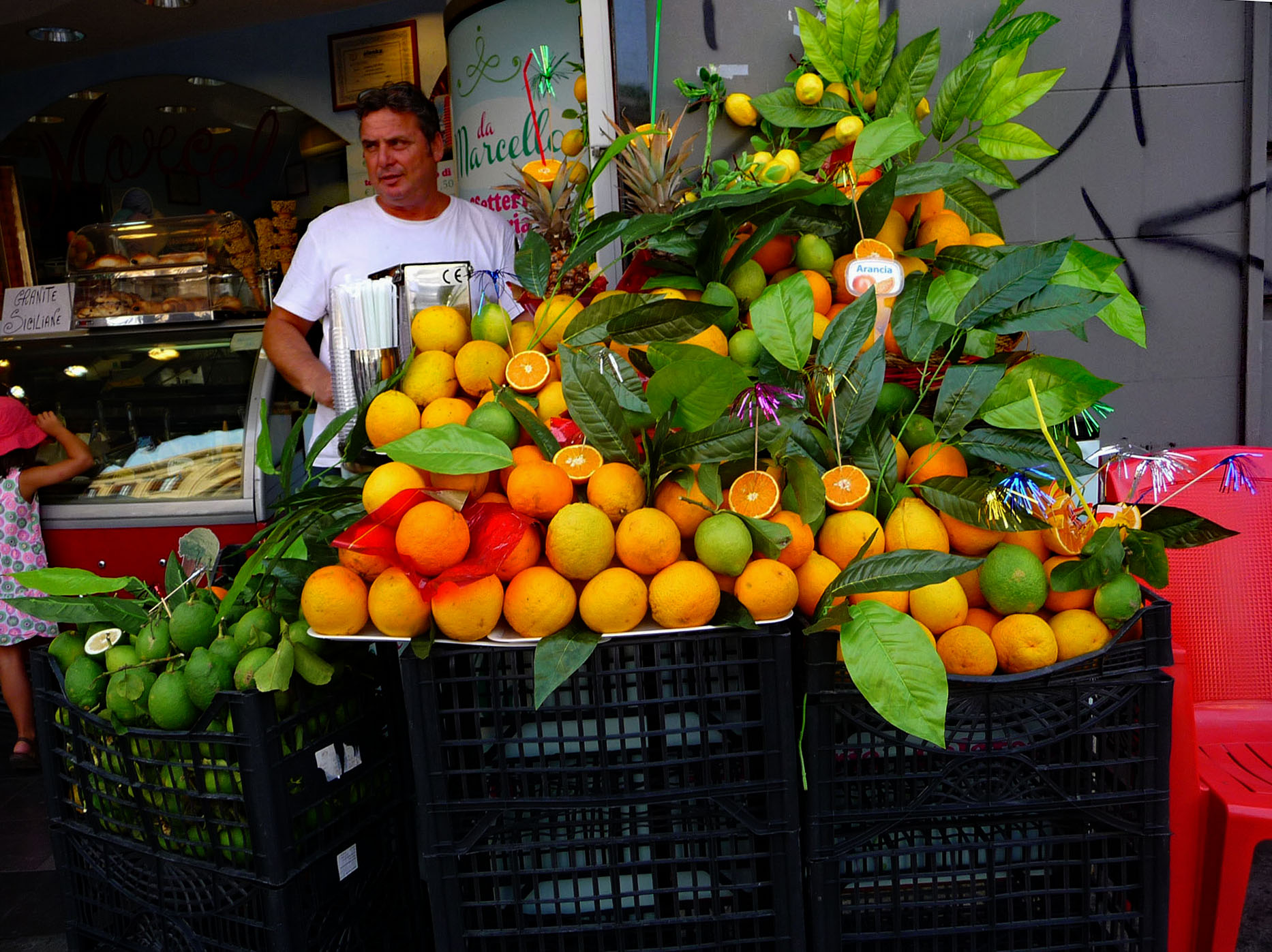
But it is in its streets that the real Palermo, and Sicily, is revealed and in its boisterous markets with their mixture of fresh food, dusty shoes and lurid outerwear vying for your attention with the fast-food stall, the fresh orange-juice seller and the suspect ‘antiques’. Crumbling baroque facades look down on this carnival of life which attracts the rich and poor of the city.
The Orange Juice Seller, Palermo, Sicily – Photo by Mari
Despite advances made by the justice system and the reverence in which Giovanne Falcone and Paolo Borsellino are held (the two Judges gunned down by the Sicilian Mafia in 1992) the honoured society is still a reality in Palermo. Its presence is a burden the Sicilians have had to bear for many years because few were prepared to defy the demands of the organised crime ring and, let’s face it, it dispensed a type of justice, the only sort on which the poor could rely.
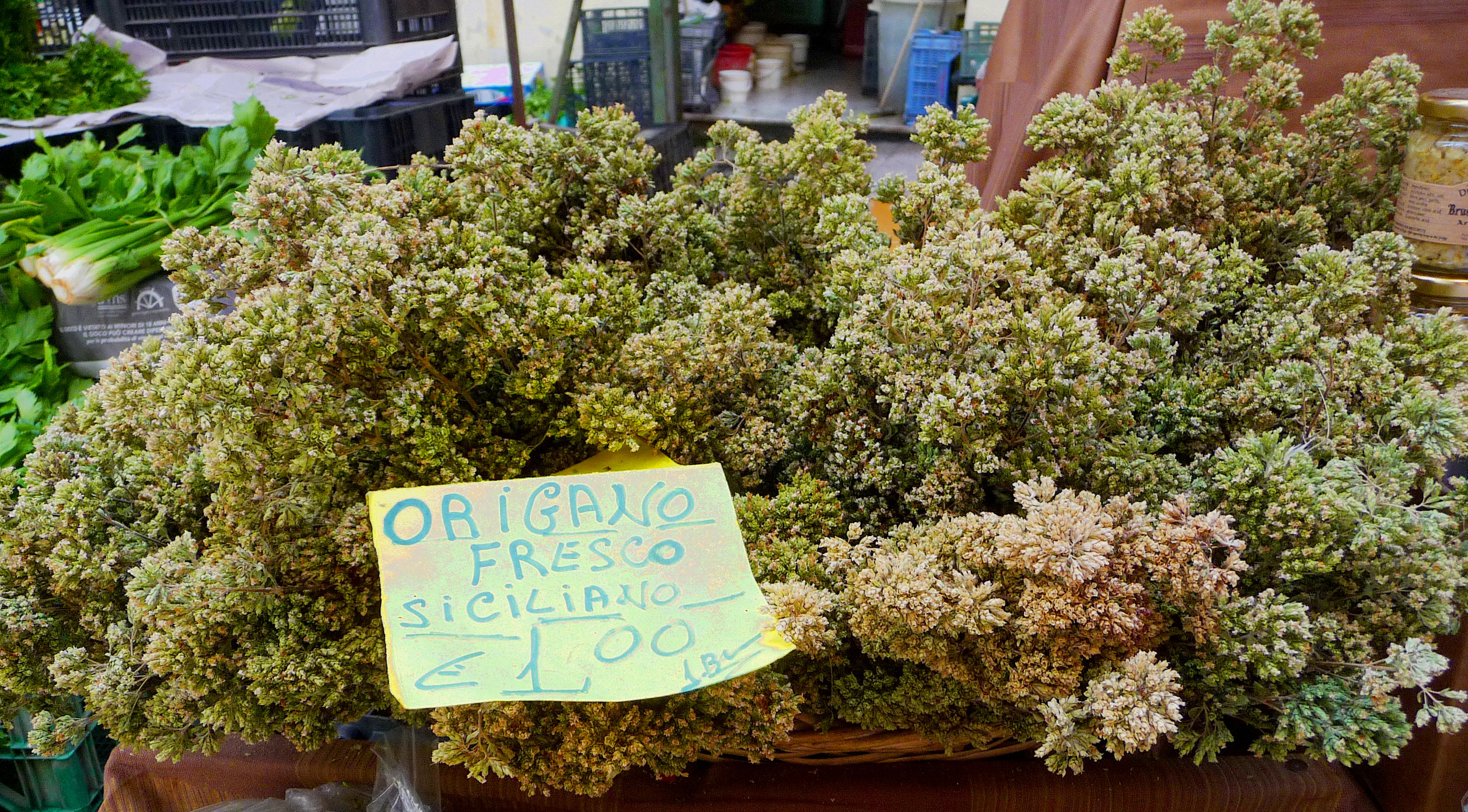
Herb Stall in Palermo Market, Sicily – Photo by Mari Nicholson
Yet by the end of the 20th century and as a result of the assassination of the two popular judges, the Sicilians began to challenge the status quo. Led by Rita Borsellino, sister of the assassinated judge, a native of Palermo and an activist, an anti-Mafia movement, Libera, was formed. Now another movement called Addiopizzo, meaning ‘goodbye to protection payments’ is operating, a movement that is trying to involve tourists for the good of the city.
Addiopizzo was founded in 1994 by a few young restaurateurs who had a vision of a Sicily where the Mafia did not control all sectors of the economy and where businesses of all sizes could keep 100% of their profits.
This organisation has now moved into offering anti-Mafia tours and accommodation and lists of bars and restaurants are available where it is guaranteed that the owners are refusing to pay protection money. Addiopizzo offers walking and cycling tours, car hire and accommodation, and can even arrange a tour to Corleone.
Addiopizzo could be the saviour of Palermo and the means by which the people’s pride and their strength to resist the corruption which has ruined their city, could be resurrected. I personally, can highly recommend all their tours and the walk around Palermo is truly an eye-opener.
In the midst of the chaos, the crumbling architecture, the fading grandeur and beauty of its palaces and mansions, the city has a vibrancy not felt in any other city in Italy. It has a life of its own, a language of its own, and it has art spilling out on to the streets. Go see for yourself, and when you’re there, do support ADDIO PIZZO.
An article in The Guardian (UK) a few days ago alerted me to the fact that the world’s biggest fish market is about to close. This is the Tsukiji wholesale Market in Tokyo where Japan’s obsession with seafood is transformed into an operation worth almost 2 billion Yen a day (about £15.5 million).
But Tokyo’s new governor, Yuiko Koike put a halt to the move to the new premises in Toyosu, about a mile south along Tokyo Bay, as rumours have arisen that the new site, built at a cost of Y588 billion, is contaminated with dangerous toxins.
Let’s get the stats. out of the way fist. The current site handles more than 400 varieties of seafood a day and sells nearly 300 varieties of fruit at stalls around the periphery. Approximately 200,000 vehicles pass through its gates every day and it is estimated that about 60,000 people depend on the market for their livelihood. Those are the numbers that put the market at No. 1.
The auctions at Tsukiji start at dawn and by the time they have ended, hundreds of thousands of tuna, prawns, lobsters, crayfish, octopus and squid, will have passed through the market on their way to fish stalls and restaurant around the country and beyond. The Japanese eat more fish per head than any other developed country, about 27 kg. compared with the global average of 19 kg. and they consume 80% of the bluefin tuna caught.
When I went there I was struck by how this very old market was equipped with the most modern technology on the floor, from the automatic carts and floats that buzzed around to the ice-making machines, and how huge blocks of ice were loaded into a hopper which then disgorged crushed ice to be rushed along to the dispatching area to be packed around the fish.
Like the London markets which were forced to leave their hallowed premises, the Tokyo move to new premises is acknowledged as necessary. At the same time, it is recognised that something is always lost when atmosphere and charm are swapped for modernity and clean lines.
Although the outer market is being spared – good news for the thousands of tourists who flock here for the most refreshing sushi breakfast in Japan – for the thousands of people with an emotional attachment to the Tsukdji Market, the city planners are ripping the heart out of Japan’s food tradition.
The jury is still out on the move. We must wait and see.
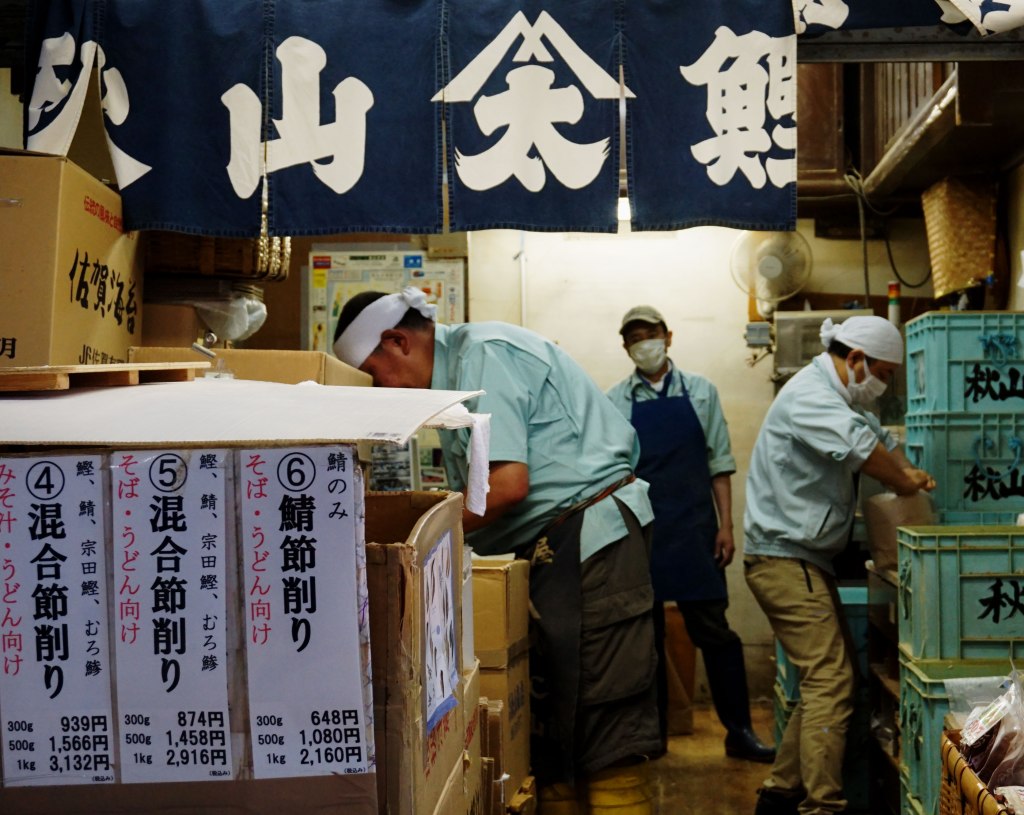
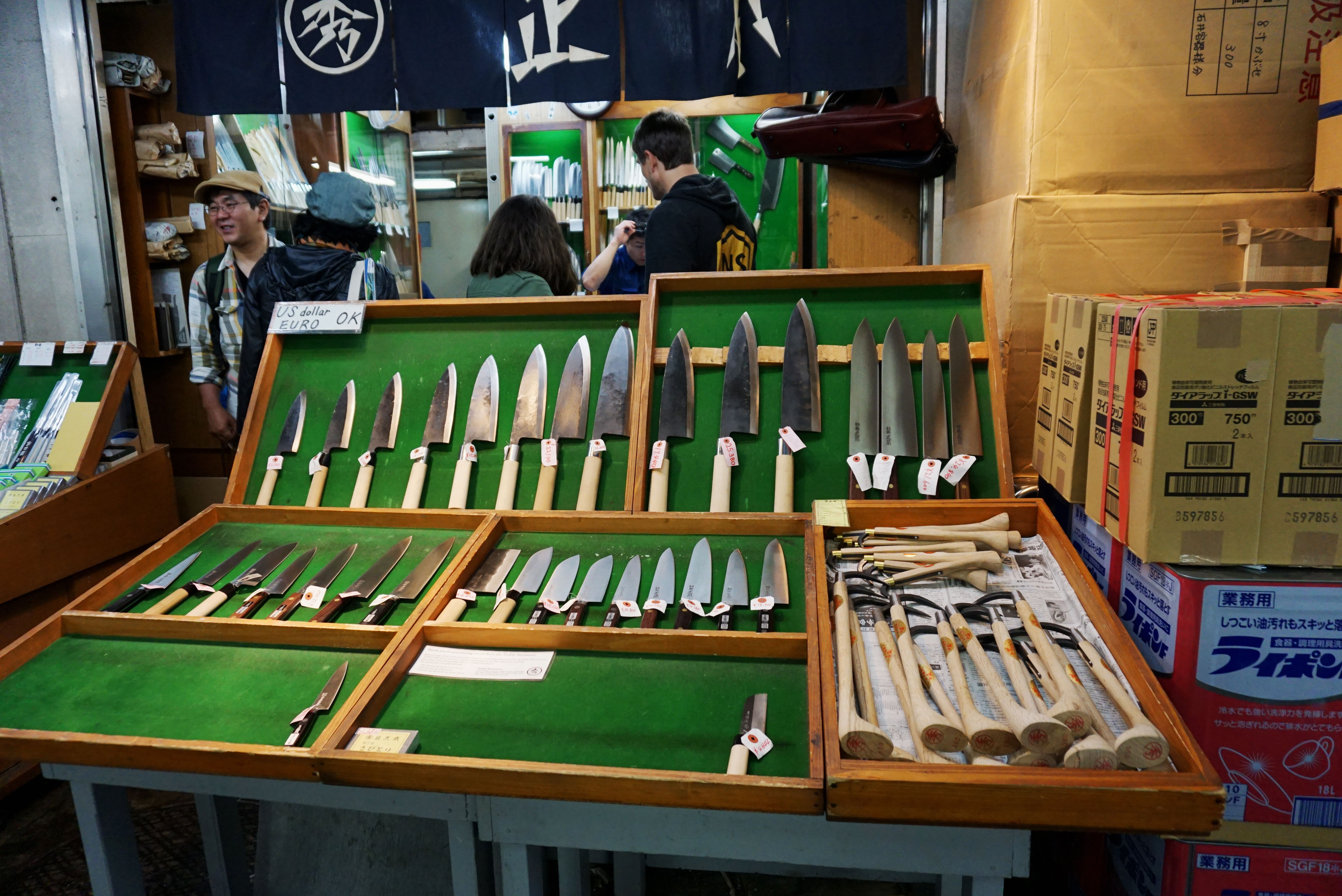
Below, a slideshow of some of the photographs I took inside the market. They are not pretty, but then this isn’t a retail market, it’s a very busy wholesale market where the fish are inspected, bought and shipped out within an hour. The knives were in a shop that sold only fish knives like these: I feel sure I could gut a fish if I had one of these, but then I’d have to close my eyes as I’m squeamish and I might cut off a finger!
Foreigners (farangs) are not especially known for their linguistic abilities in Thailand, perhaps because the Thai language is tonal which makes it more difficult to learn. Words may be pronounced in five tones which can give five different meanings, a high, a low, a rising, a falling, and a level tone.
There is, however, one phrase that everyone soon learns even if the tone in which it is spoken is often wrong – Mai pen rai. You will hear this used every day in many different circumstances and will soon begin to use it yourself. I used to have a tee-shirt emblazoned with the phrase Mai Pen Rai Means Never Mine – the misspelling of the last word in the translation being excused by the tee-shirt seller himself with the words ‘Mai pen rai’. ‘Never mind. It doesn’t matter?’
Mai pen rai cannot be literally translated: ‘not is what’ would be more or less the literal meaning but what it really means is ‘Never mind’ or ‘Don’t worry’, or ‘You’ve broken my foot but it’s OK” or one of those meaningless phrases we use in daily life to avoid embarrassment. In Thailand, it’s always accompanied with a smile.
You tread on someone’s sandalled foot and as the damaged one limps away you will probably hear ‘ Mai pen rai’ – it doesn’t matter. You spill red wine on someone’s white shirt, ‘Mai pen rai’ – no problem. The waiter spills soup down the back of your neck, ‘Mai pen rai’ – it wasn’t hot you say, as your skin starts to blister.
It can also mean ‘tomorrow’. ‘I’m sorry I cannot meet you tonight’. Mai pen rai (I’m in no hurry). Your partner has left you? Mai pen rai – plenty more fish in the sea.
This cover-all phrase is linked to the Thai character and their belief in ‘karma’ and the inevitable consequences of a past life. It is also linked to their dislike of confrontation and the wish to not upset anyone. The Thais will invariably tell you what you want to hear, not what is true, as in ‘Is it far to Bangkok?’: answer ‘No, just a little bit further down the road’, i.e. two hours drive away. And this isn’t far removed from embarrassment which is also tied to losing face. You lose face if you argue, you lose face if you are confrontational, so a Mai pen rai is always better.
If, when on holiday in Thailand, the waiter gets your order wrong then merely smiles at your anger and says Mai pen rai, it’s not that he is uncaring, it’s the Thai way of turning away wrath. If he doesn’t even come back with your order it could be that you weren’t understood and rather than embarrass you, he has ignored you.
In that case, just say Mai pen rai, and order again – with a smile.
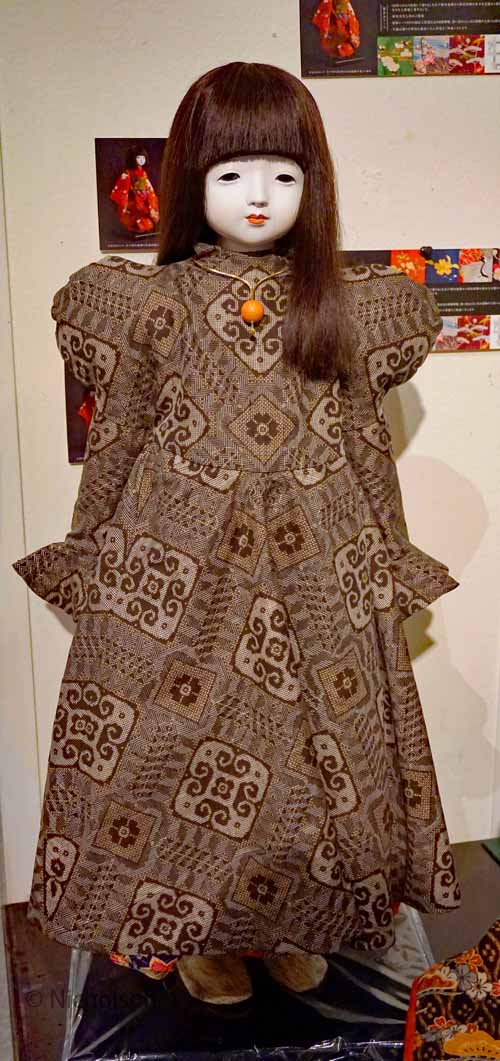
It was the window full of beautiful dolls dressed in exquisite kimonos that stopped me in my tracks as we strolled along Sanjyo Avenue, an area with many Meiji and Taisho-era buildings in Kyoto, former Imperial capital of Japan. This is a city where traditional arts and crafts flourish, where the scent of green tea drifts from the many long-established tea shops, and where it is customary to hire a kimono in which to stroll around and even to have matching make-up applied.
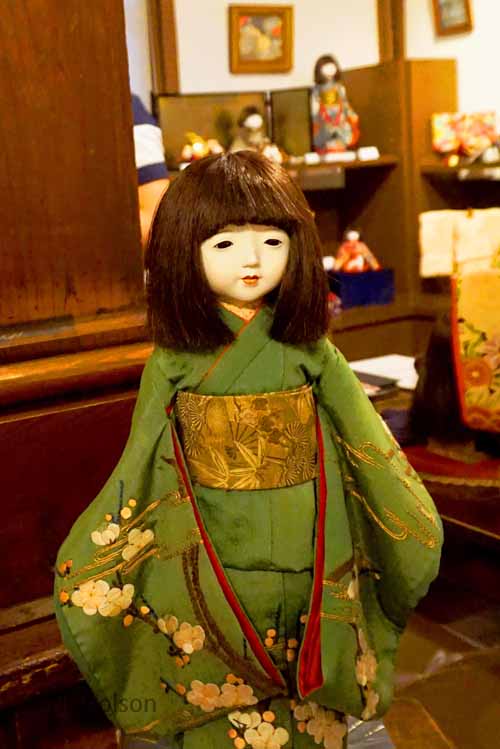
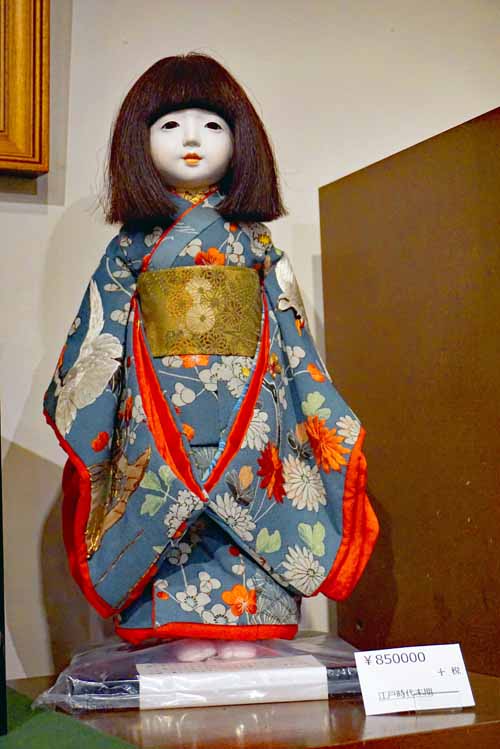
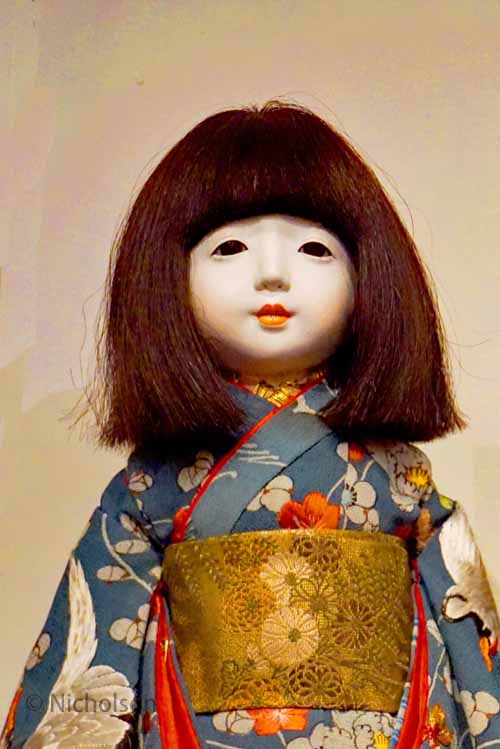
Lured into the shop, Doll Studio Tomo, by the window display, we found a veritable heaven full of dolls, each one exquisitely dressed in costumes made from antique kimonos, each with a slightly different facial expression and posture. The dolls are the product of carefully selected materials and technical skills and have the faces, forms and postures of young children, projecting the image of an ideal child. These are not dolls for children, but ‘collectables’ for very sophisticated grown-ups.
Speaking to the proprietor of Studio Tomo, a member of the family that has been making these dolls since 1983, he explained that the dolls, which measure 26cm – 64cm, are the product of the maker’s awareness of the feelings of those who will look at them and enjoy them in their everyday lives, or as we would say, someone who knows his customers.
The uniquely patterned costumes of these traditional Japanese dolls are made of priceless antique kimono fabric dating from the late Edo period (1600-1867) to the early Showa era (1926-1989). The heads and bodies are made of pulverised seashells combined with a heated natural glue, which is poured into moulds until it hardens. After this, the moulds are removed, the parts are polished with soft cloths, and the eyes, mouth, and other features are individually incised with a chisel.
The eyes are made in the same way as artificial human eyes, then they are fixed in position to give the dolls a slightly shy, downturned glance. The hair should sway naturally, so Tomo Studio is as careful in its selection of hair as it is in all other aspects of doll-making and the hair moves so that it evokes the image of the child doll.
The costumes for all Tomo dolls are made from antique fabric. According to my research into the subject, Masako Morishige, who produces the dolls’ clothes, says that
“the history of these textiles goes back as far as the Momoyama period (1568-1600). Most of the dyed and woven cloth for the kimonos was made from the later Edo period to the early Showa era. The vivid reds and purples that are striking even in a dim exhibition hall cannot be produced by modern industrial methods. The patterns and design of traditional kimonos are reworked into fresh new creations. Valuable silk crepe from the Edo period and examples of Yuzen dyeing are also used”.
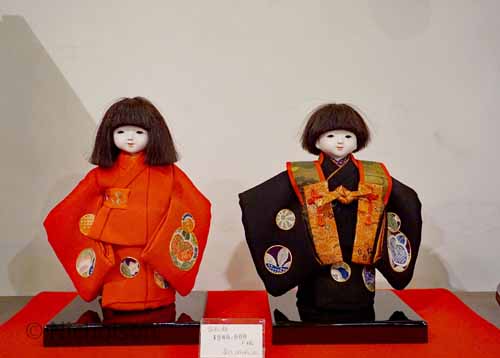
Antique kimonos sell for huge sums, and £10,000 is nothing to spend on a garment, hence the high price of the dolls. Alongside one of the dolls photographed above, is the price of 850,000 Yen and this is fairly average. The costumes are made from the undamaged parts that can be cut without ruining the original embroidery and the patterns in the cloth, a skill that demands artistic insight and an ability to be able to see the completed figure. Nothing is wasted, tiny pieces left over are used to make accessories.
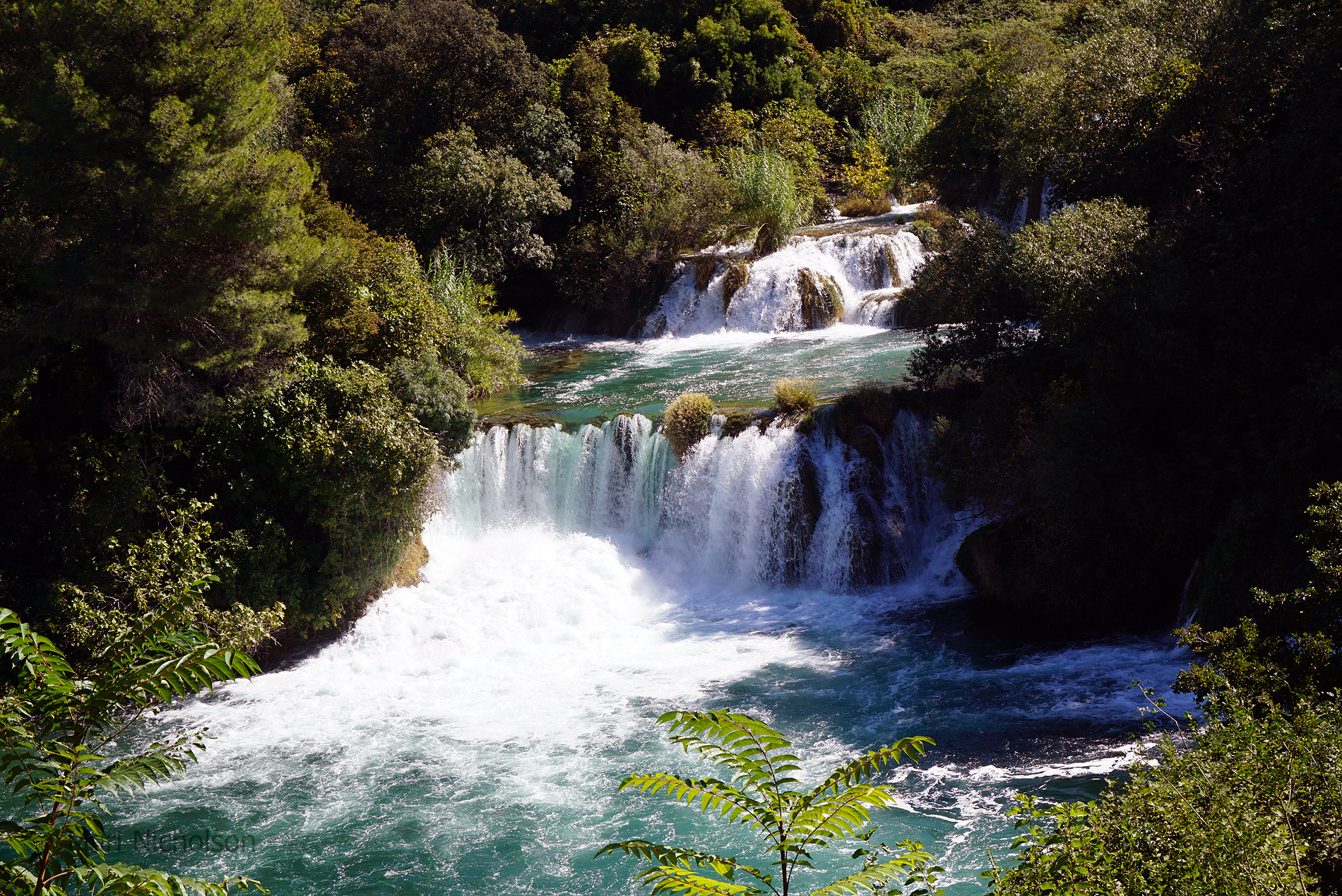
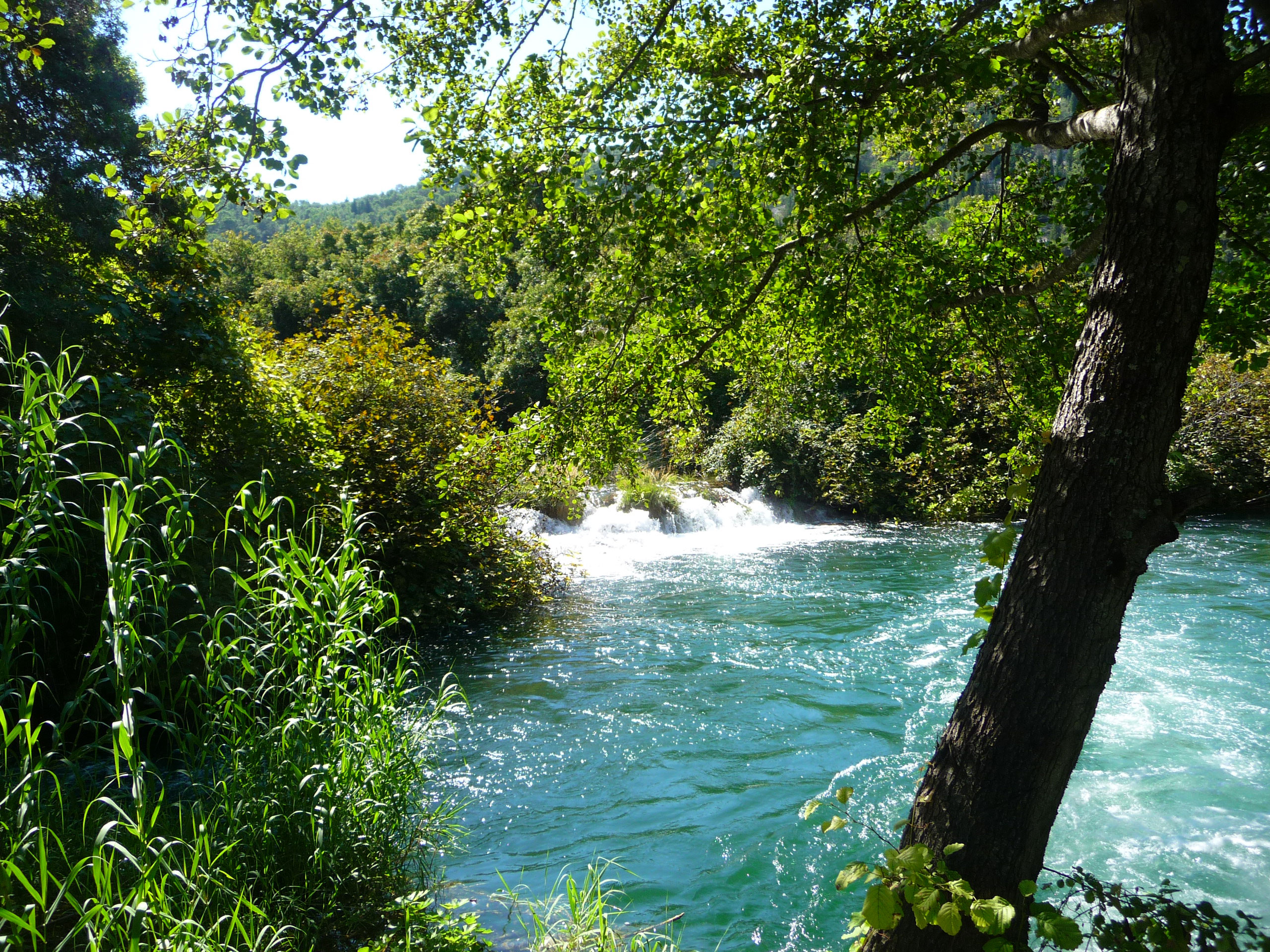
One of the loveliest areas in Dalmatia is the Krka National Park which can be easily reached from either Split or Dubrovnik and all towns in between. Named after the river of the same name, the Park covers an area of over 142 square km and includes two-thirds of the river itself and it lies about 10km from the pretty town of Sibenik.
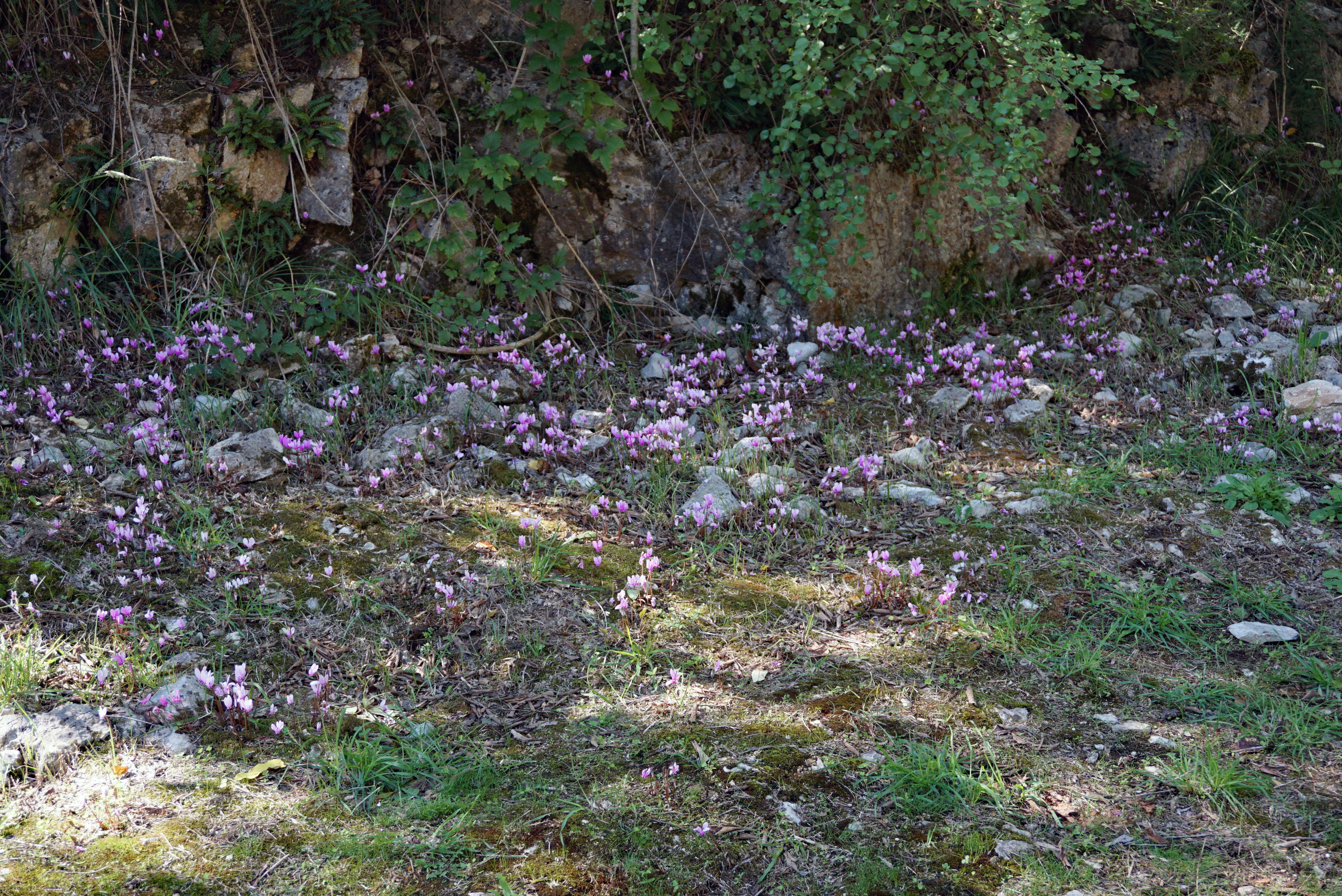
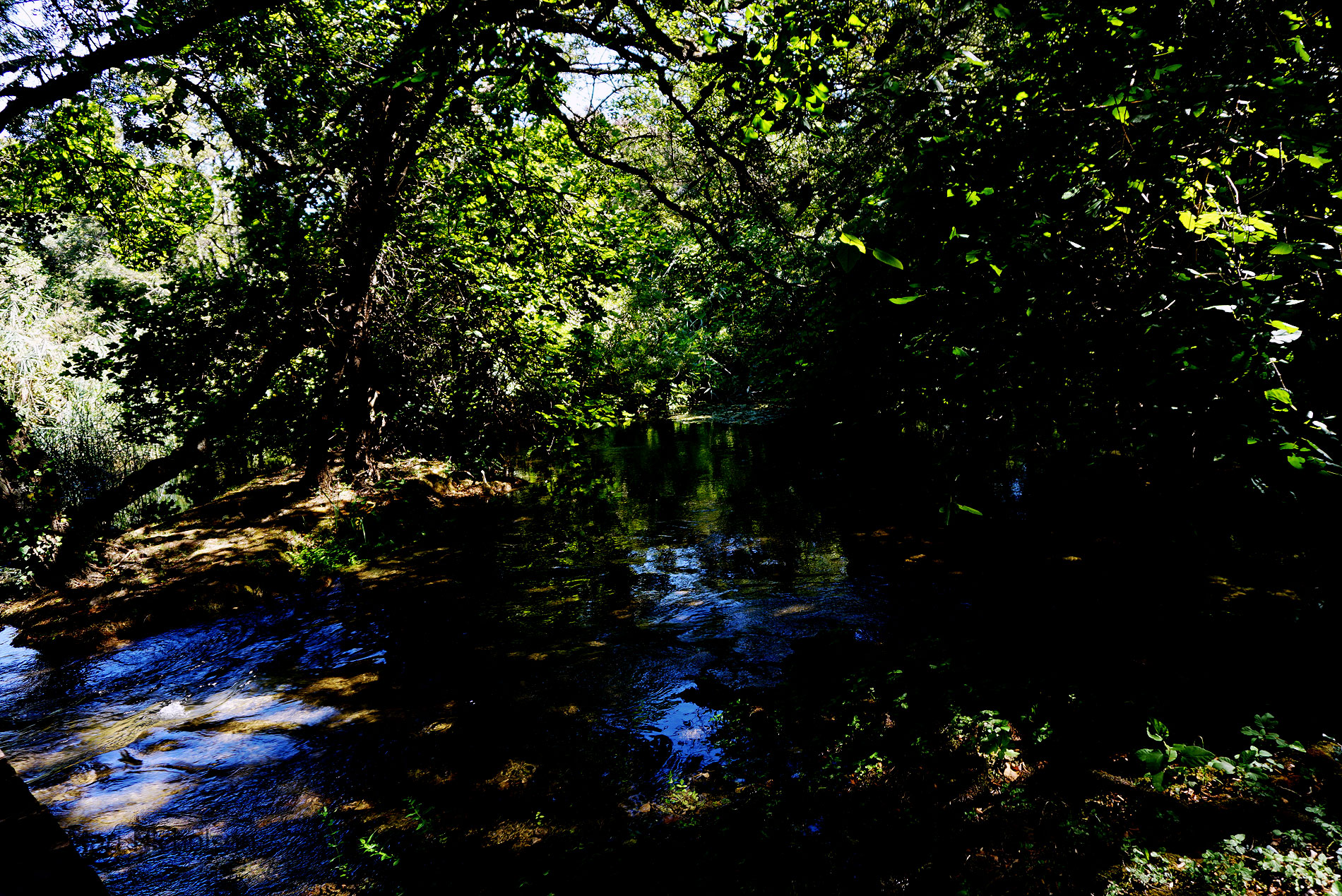
Most people go there to see the magnificent waterfalls, but it deserves a visit for the feeling of peace and tranquility one finds walking through the exceptional wealth of flora and fauna – to date over 1020 plant species and subspecies have been recorded in the park area, including amphibians, reptiles and endemic fish species – listening to the birdsong and relishing the aromas from the pine trees, the wild herbs and the flowers (especially the lavender). Due to the river’s exceptional importance for the spring and autumn bird migrations. this is also one of Europe’s foremost ornithological areas: 800 different species have been identified.
Without doubt however, the top attractions of the Park are the waterfalls, especially the famous Skradinski Buk Falls which are one of Croatia’s most famous sights. This is a collection of 17 waterfalls that range in height from over 45 metres. The Roski Slap is another famous fall within the park, actually a series of 12 waterfalls in a space of just 450 metres.
There is a boardwalk throughout the park which makes traversing the paths fairly easy and although it may pose a problem for those who find difficulty walking, or need help, there are always people around ready to lend a hand. There are also railings to help guide those less nimble on their feet.
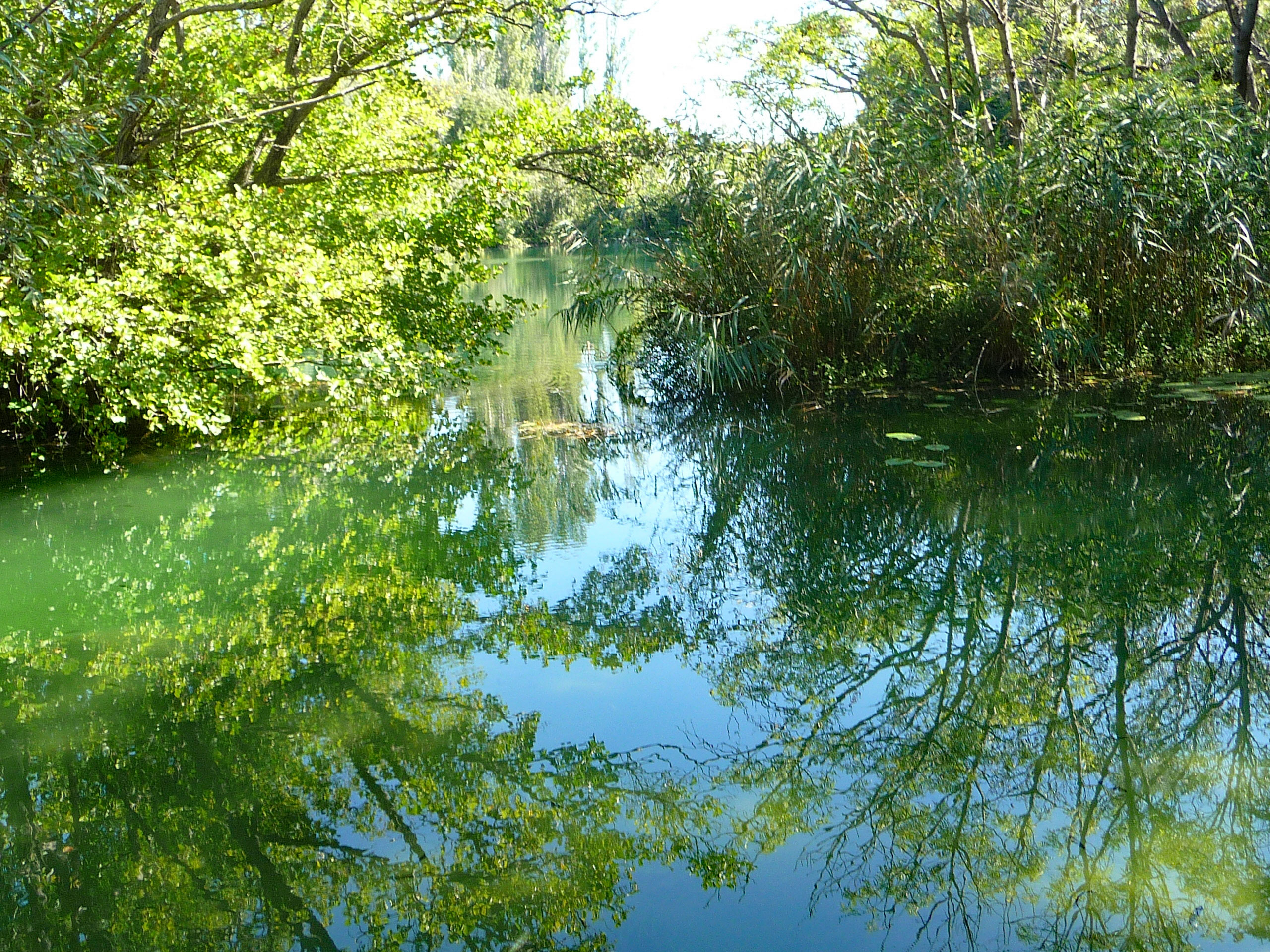
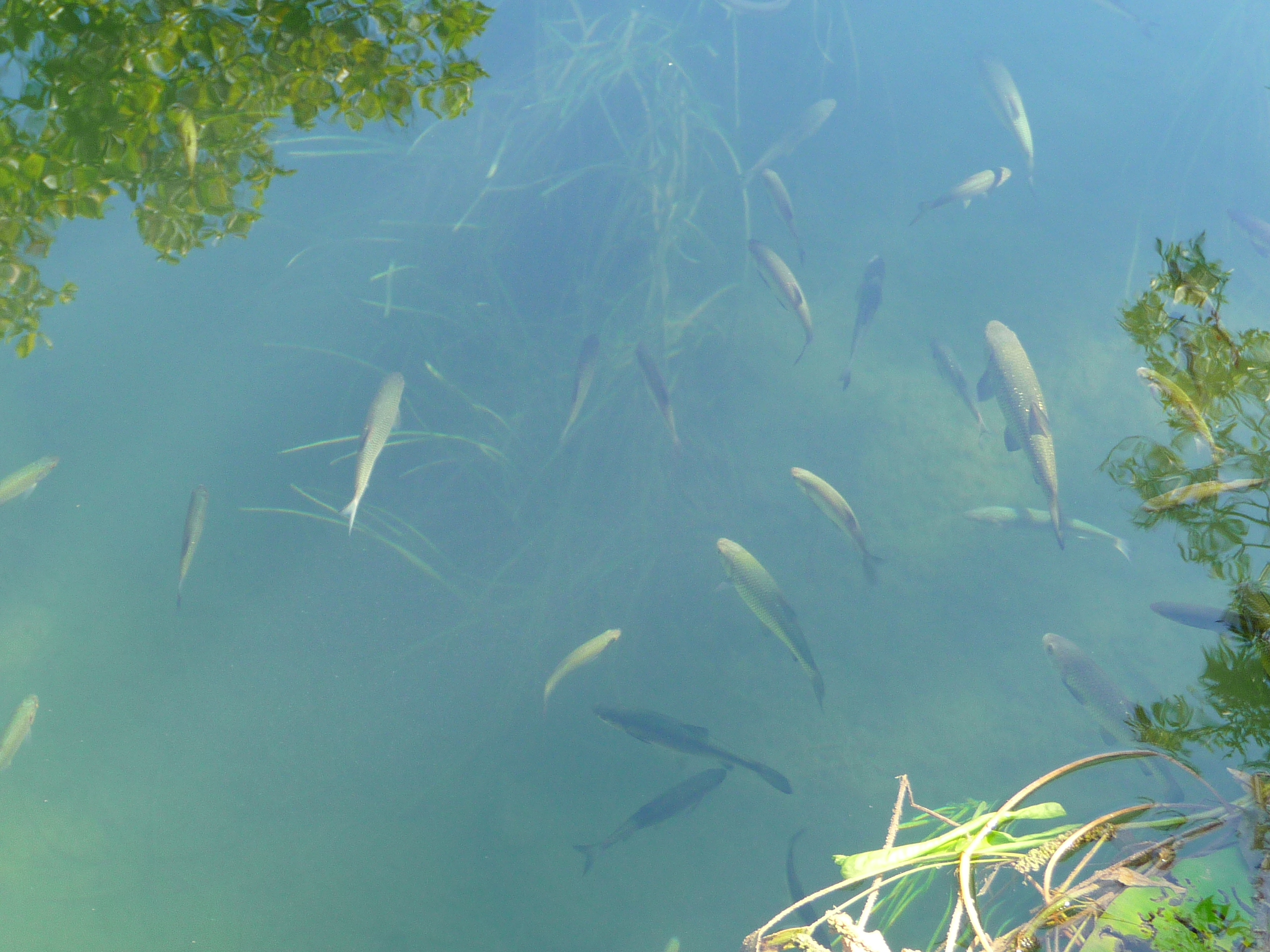
Fish enjoy the waters of the tranquil ponds in Krka River
There is a well laid out picnic area with seating, and surrounding this area are kiosks selling food and ice-cream, tea and coffee, and souvenirs. From here you can take a boat excursion which affords an opportunity to relax and ‘listen to the silence’. Some of the boats include stop-offs which give a chance to wander on footpaths along the water before hopping back on at the next stop.
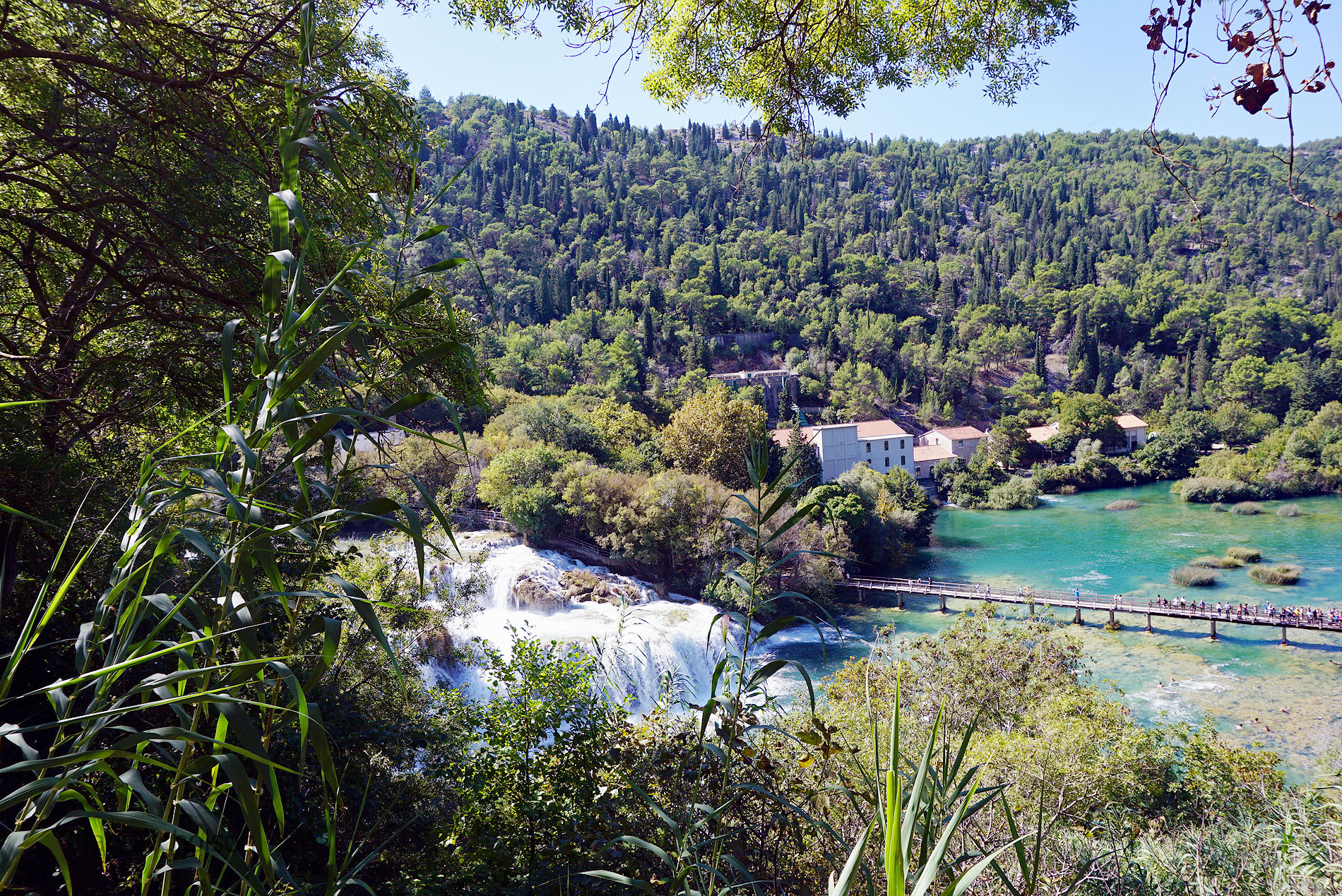
Looking down on Town and Swimming area on the Krka River-
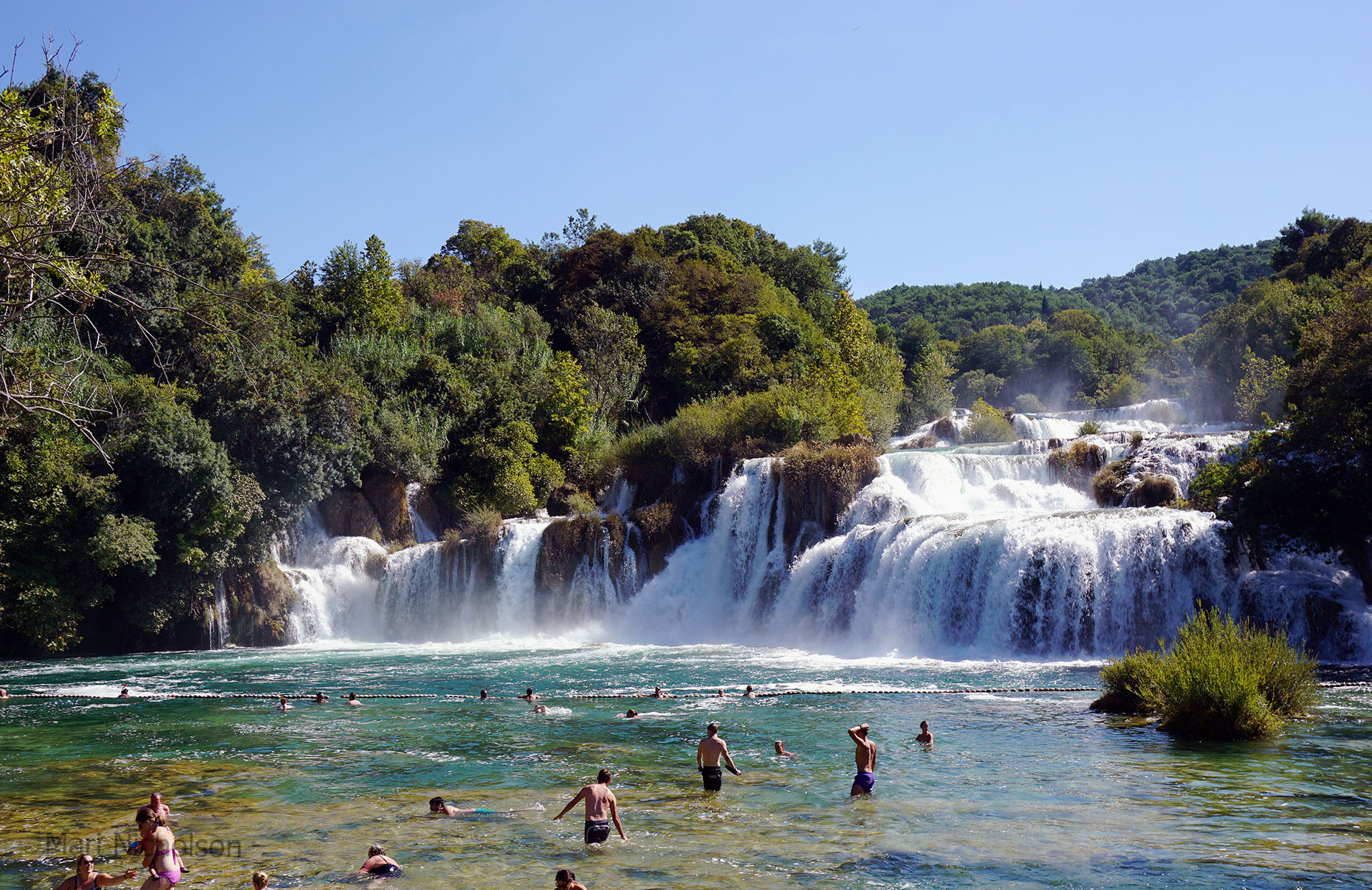
Best of all though, unlike the Plitvice Lakes National Park, swimming is allowed at Krka River in designated places (under the main falls and by the picnic area). The stunning vista of the falls and the thunder of the water as it pours down drowns out the excited shouts of adults and children swimming in the lake formed beneath the waterfall and revelling in the unique experience of swimming in such a fantastic spot.
Swimming under the Waterfalls at Krka Valley Waterfalls.
From Split Bus Station take one of the many daily buses to Sibenik (journey time about 1 hour 40 minutes), then from Sibenik take a bus to Skradin, a town just outside the park.
If you’re travelling from elsewhere in Croatia, likewise make your way to Sibenik first and then travel on to Skradin and Krka National Park. There are organised excursions to Krka from many towns in Dalmatia, details from a local travel agency.
You can also embark on an organised excursion to Krka from many towns in Dalmatia – enquire at a local travel agency for details.
Shine can have many meanings: a high gloss polish, a brilliant lacquer finish, a light on a mirror, moonlight on water, a child’s freshly washed face before bedtime any or all of these can be offered. I’ve found one or two that fitted these categories but they weren’t my favourites, instead, I’ve gone for the photographs below.
The first ‘Shine’ is the colourful and exquisite marble floor of the covered-in Galleria Emmanuelle in Milano, the trendy, upmarket shopping area that stretches from the famous Duomo to the Opera House. All the top-named brands have shops here (dare one call them shops, I wonder?) and apart from the gloss of the beautiful marble, the whole place has a ‘shininess’ that seems part of this monied world.
Exquisite marble floor of the Galleria Emmanuelle in Milano – Mari Nicholson
And now for something completely different. The photograph below was taken when I visited a workshop outside Hanoi where dedicated instructors were teaching children who had been injured by landmines in Vietnam, a trade that would eventually enable them to work in the world outside. The glass jar on the table is full of wafer-thin sheets of gold leaf and this young girl is painstakingly applying it to parts of a picture.
Vietnam, Applying gold leaf to a picture to make it shine.
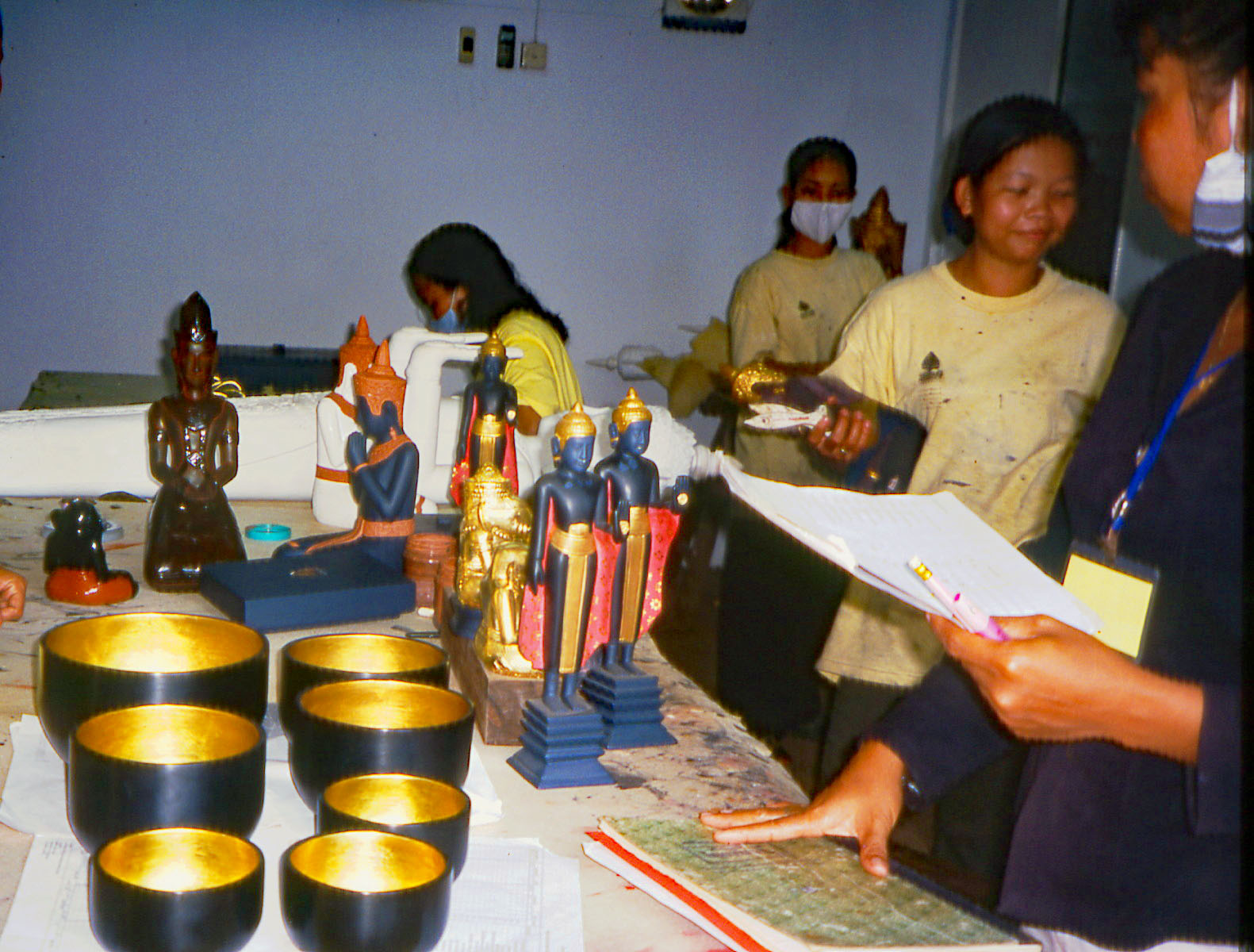
On on the same trip in S.E. Asia, in Cambodia, we came across a school .with something of the same idea. A group of young students were being taught how to use gold leaf on religious icons, how to make Buddha statues, how to do intricate woodwork etc. To me, it seemed incredibly difficult and needing great patience, but the ever-smiling children assured me it was easy for them and better than working in the rice fields where they never had enough to eat.
Cambodia, Using gold leaf effectively on Buddha statuettes and bowls – Mari Nicholson.
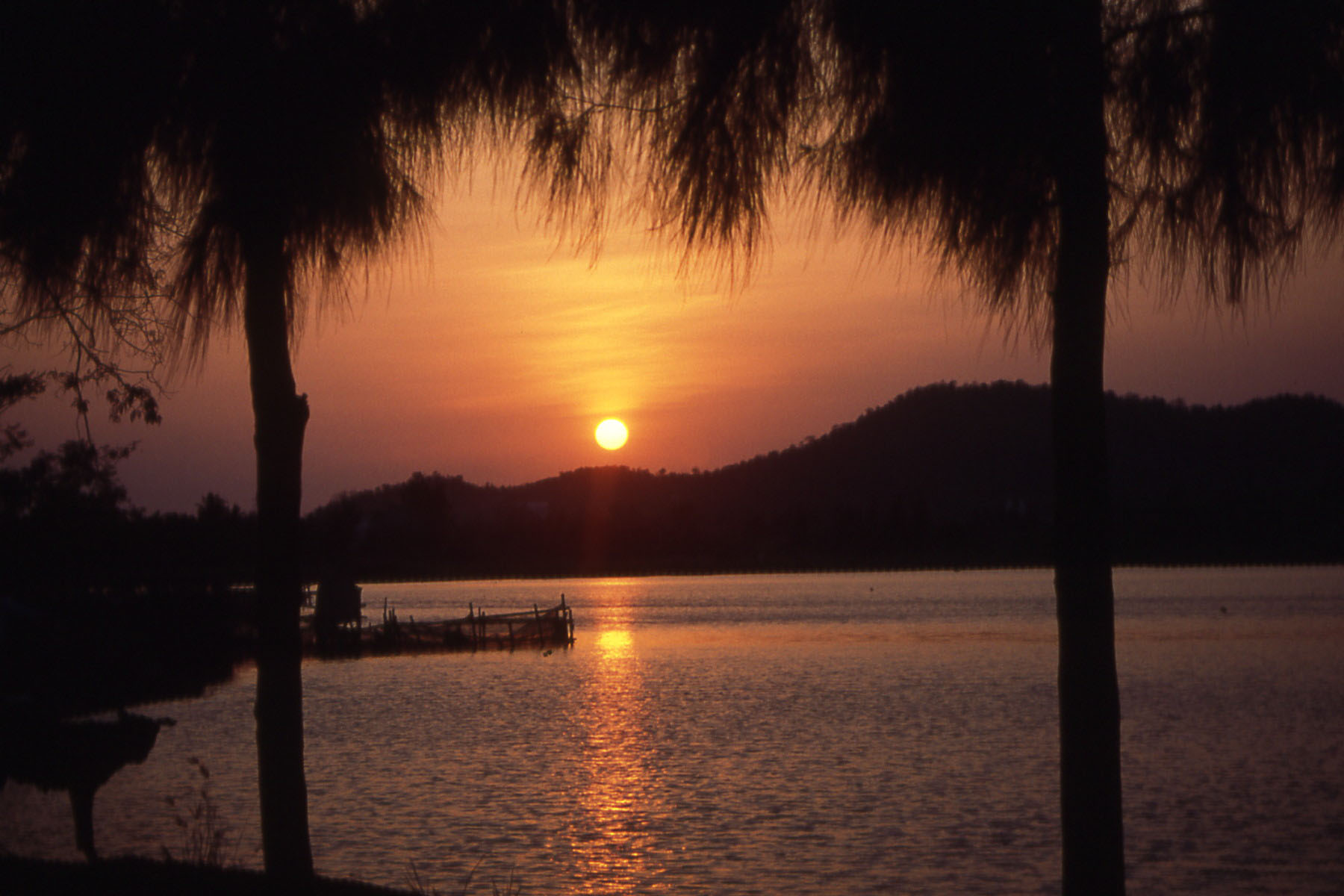
And what is nicer than a sunset with the falling sun shining on the water, the rustle of palm trees, and the lap of the waves.
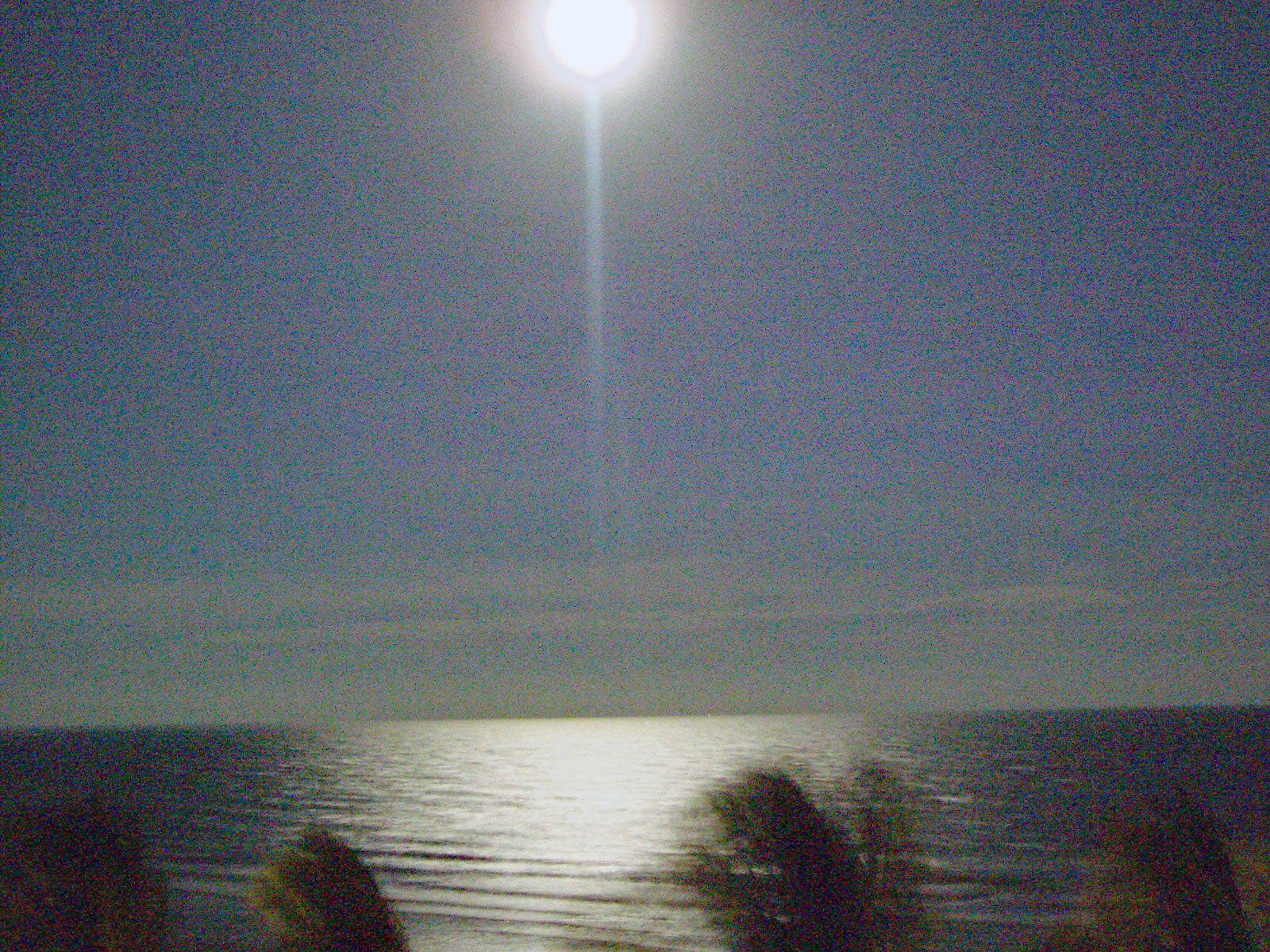
And lastly, probably the best shine of all, the moon on the water, in this case a silvery moon that turned the sea a shiny gunmetal grey that could have been anywhere but was actually in a tropical land.
Shiny, shiny, moon. I feel a song coming on – Mari Nicholson









 But as I said, Khao Lak today is recovering well and the people are welcoming visitors once again to what must surely be one of the loveliest places in Thailand. Within easy reach are the Similan Islands for diving in pristine waters, Khao Sok National Park for a rainforest experience, hiking in green, forested hills, and a profusion of wildlife from monitor lizards to cobras to keep one interested!













 MARI'S TRAVELS WITH HER CAMERA