Category: Uncategorized

  • JAPAN:  Walking in the Japanese Alps

    JAPAN: Walking in the Japanese Alps

    Standing on the platform in Shinjuku Station in Tokyo and seeing the Express train go through was proof enough that it deserves the praise lavished on it.  The Express really does go through like a bullet: blink and you’ll miss it.  This sleek, slim, beautifully designed train is simply incredible.

    Tokyo to Kamikochi

    And I’m about to board it.  We are leaving Tokyo on the Limited Express and heading to Matsumoto and then onwards by local train to Shima Shima before boarding the bus to the village of Kamikochi in the Chubu Sangaku National Park, otherwise known as the Japanese Alps.

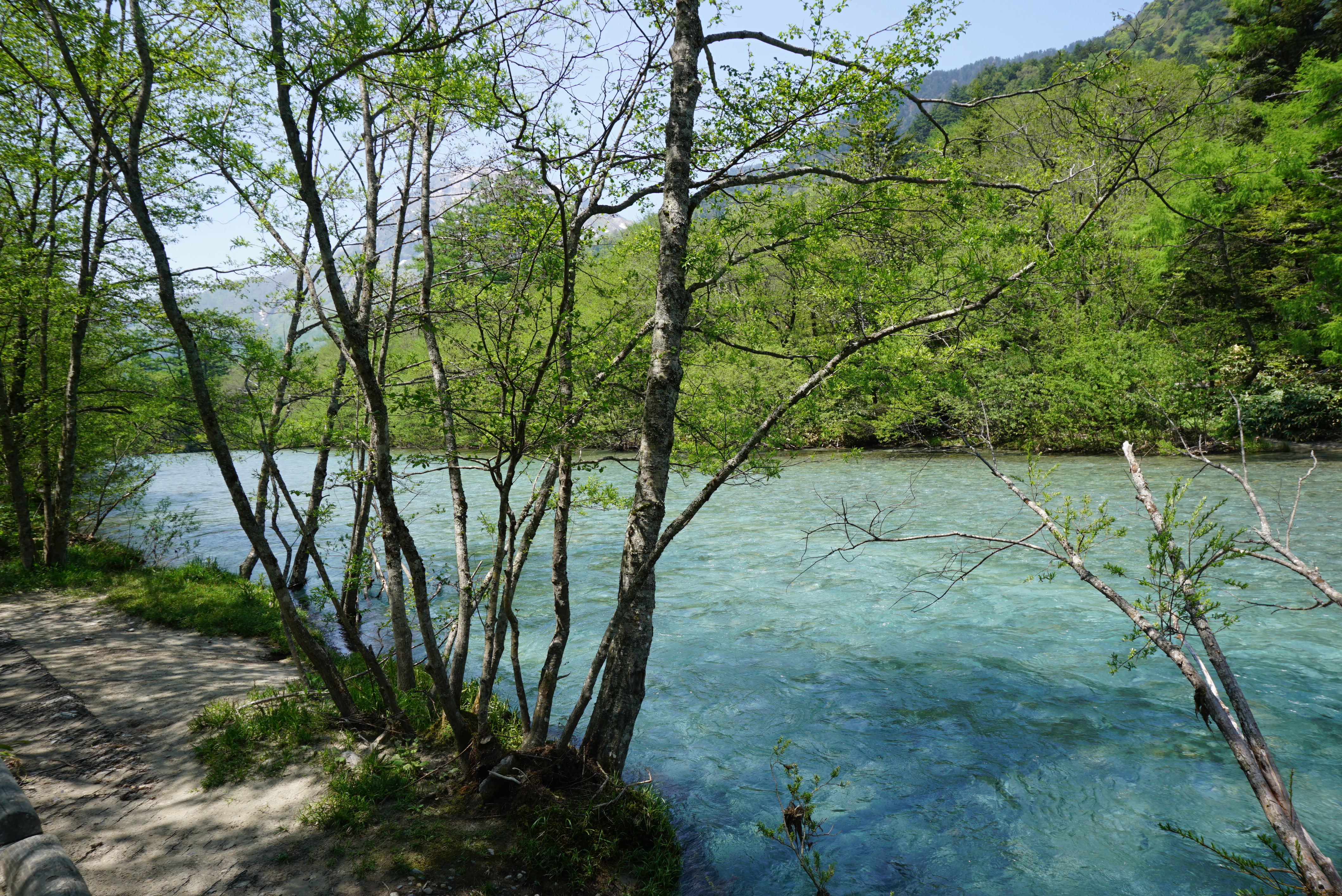
    Kamikochi is a moderately developed village surrounded by snow-capped mountains, with half a dozen hotels, some souvenir shops, and a few mountain huts.  Over the next few days, my friends Ken and Steve and I shall be walking the many trails laid out through the pine trees and along the fast-flowing rivers of turquoise snowmelt.  The area is only open from mid/late April until November, it stands 1500 meters above sea level and is home to the active volcano Yakedake (2455 m).

    Interior Shinkansen

    Interior of  Train – Mari Nicholson

    The train experience far exceeds my expectations, with carpeted floors, roomy recliner seats, and a quiet trolley service.  The big surprise is the attendant who comes along about every hour or so with individually packaged, cold wet wipes which she hands out to everyone.  Not only that but the wet towels are collected afterwards, so no unpleasant wipes are left hanging around.

    From the train windows, we see suburbs of small-holdings each with a small paddi-field, aqueducts, huge electronic towers, and always, gardens filled with pink azaleas, irises and hydrangeas in full bloom along with the ubiquitous bonsai.
    Tokyo Suburbs - Rice paddi from house to railway

    Rice-planting from road to railway track – Mari Nicholson

    A taxi from Kamikochi bus station takes us to the Imperial Hotel, a rustic Alpine-style building, located just below the mountains in the midst of sweet-smelling pines.   Off to the side of reception is a bar in which an enormous open fire sits in the middle of the room, around which, I later found, the hotel clients relaxed and chatted after a day’s hiking   Our rooms are delightful and we decided to quickly explore the hotel’s facilities and then go for a stroll along the Azusa river which meanders its way through the valley.

    Three days later and we feel we never want to leave Kamikochi.  It is the tail-end of the Japanese spring so we are too early for the yearly breathtaking display of Japanese Azaleas (the Rhododendron japonium) and Sagisuge (Eriophorum gracile) that flower during the summer.  In late autumn they are equally attractive as they then sport a coating of fine, white frost.
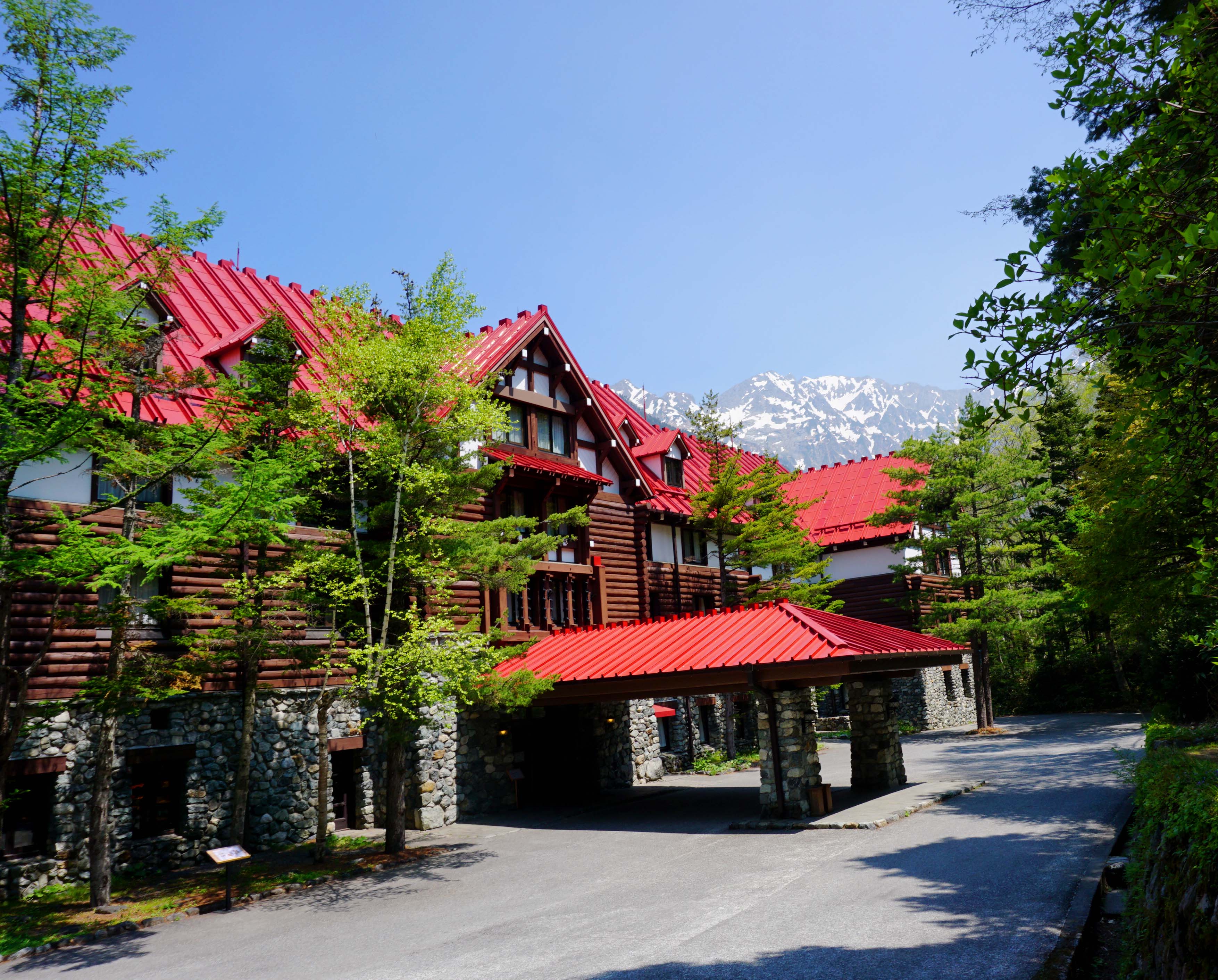
    Imperial Hotel, Kamikochi
    Imperial Hotel, Kamikochi – Mari Nicholson

    The area of Kamikochi is simply stunning with an amazing variety of bird life whose sweet song hangs in the air from morning till night.  Wild macaques (they do not interfere with visitors because people are careful not to feed them) play on the paths in family groups and among the trees along the river.  As we stroll along, the babies peek from their mother’s arms with big black eyes.
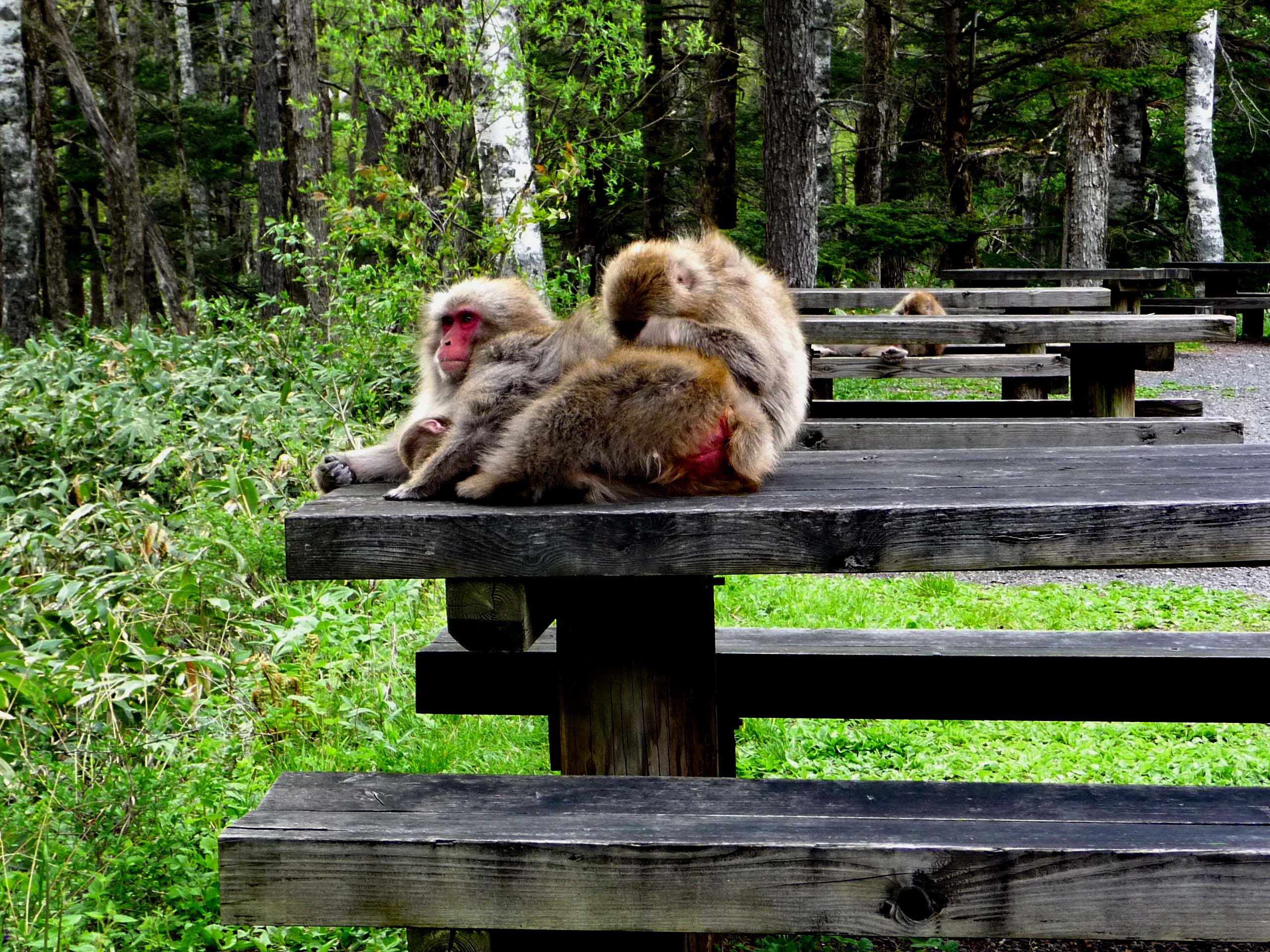
    The Macaque takeover of the public tables and benches
    Macques lay claim to the picnic area – Mari Nicholson

    Sometimes, “if you go down to the woods today, you’re sure of a big surprise” in the form of a big, unfriendly, black bear.   Not to be trifled with, or approached, walkers and hikers are advised to carry a bell attached to their backpacks so that the ringing of the bell as you walk, informs the bear of an approaching human.  We purchased ours on arrival and were glad we did when we came across the sign that informed us that a black bear had been sighted just a couple of days before our arrival!
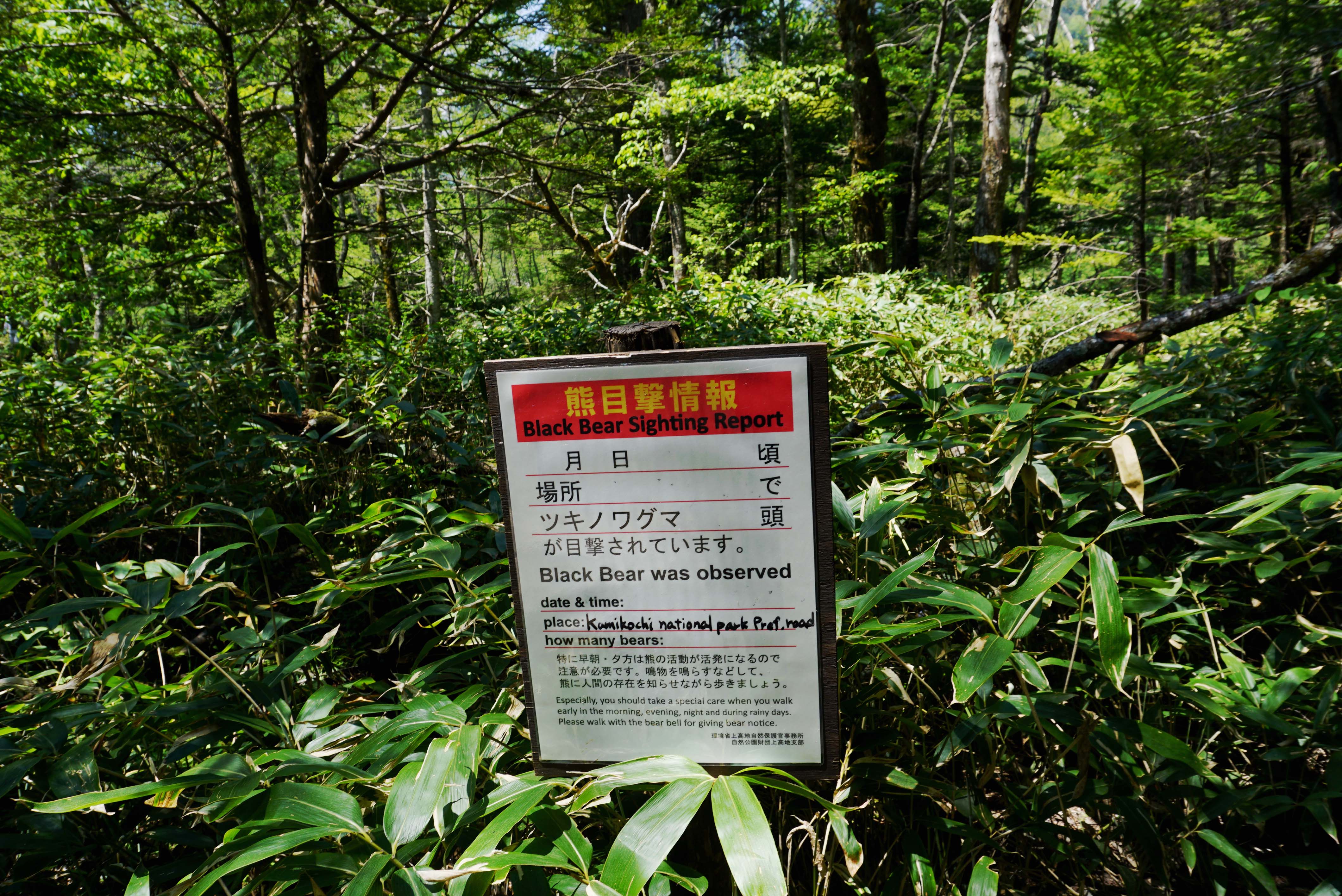
    Bear Sighting Poster
    Black Bear Sighting in Woods at Kamikochi – Mari Nicholson

    For non-walkers, the local area is safe and accessible, and there are natural hot spring baths for those who fancy the Japanese custom of sitting in a tub with other people. There are well-posted trails ranging from easy rambles to more serious hikes, and treks to the high peaks which surround the valley.
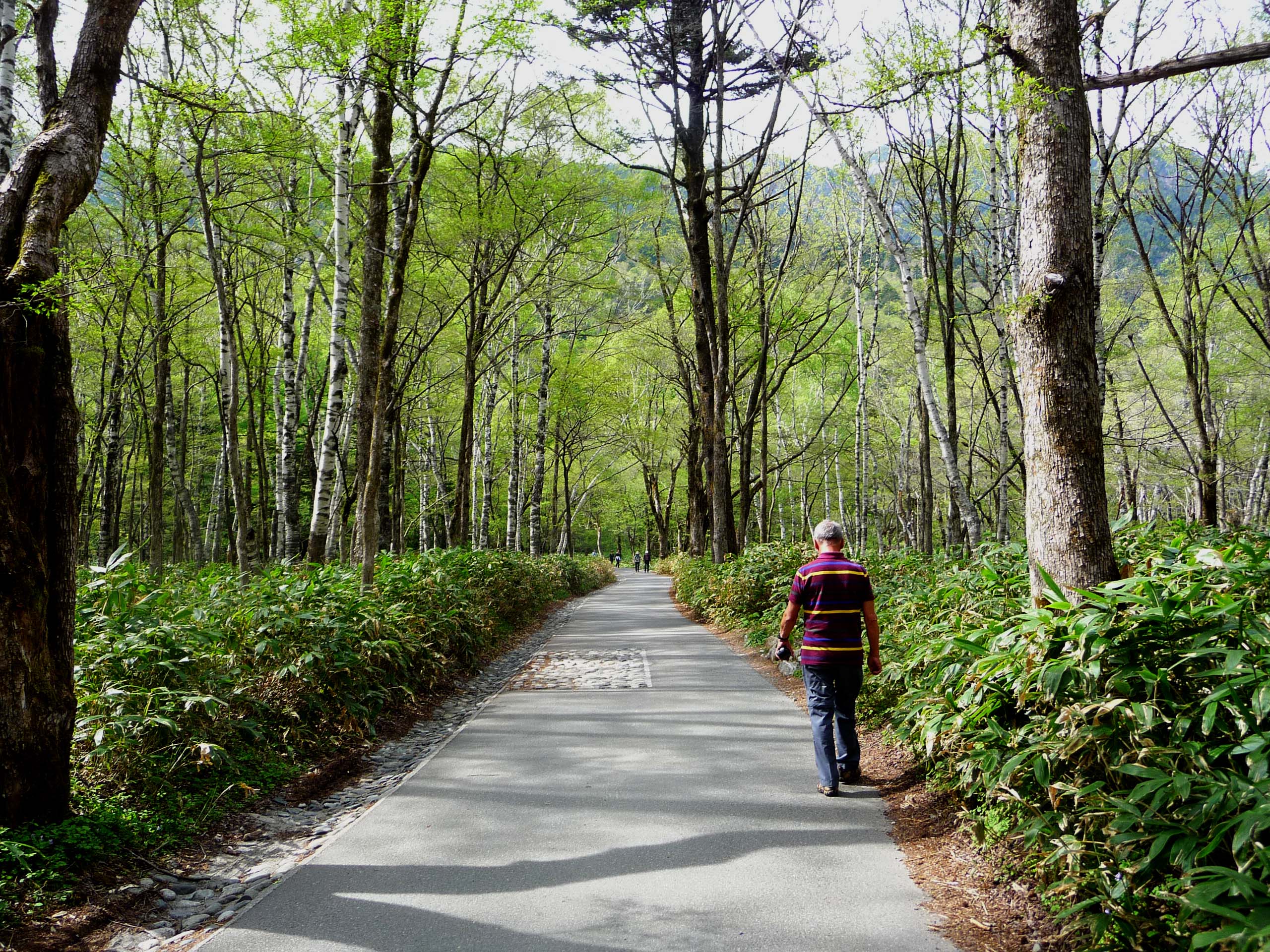
    A Walker in the woods
    Walking in the woods in Kamikochi


    Hikers by the river


    This area was discovered by a British missionary, the Reverend  Walter Weston (1861-1940) who arrived in Japan aged 27.   He mapped the area, sparking Japanese interest in Western-style mountaineering as a sport and he popularised the term ‘Japanese Alps’ through his work “Mountaineering and Exploring in the Japanese Alps (1896)”.
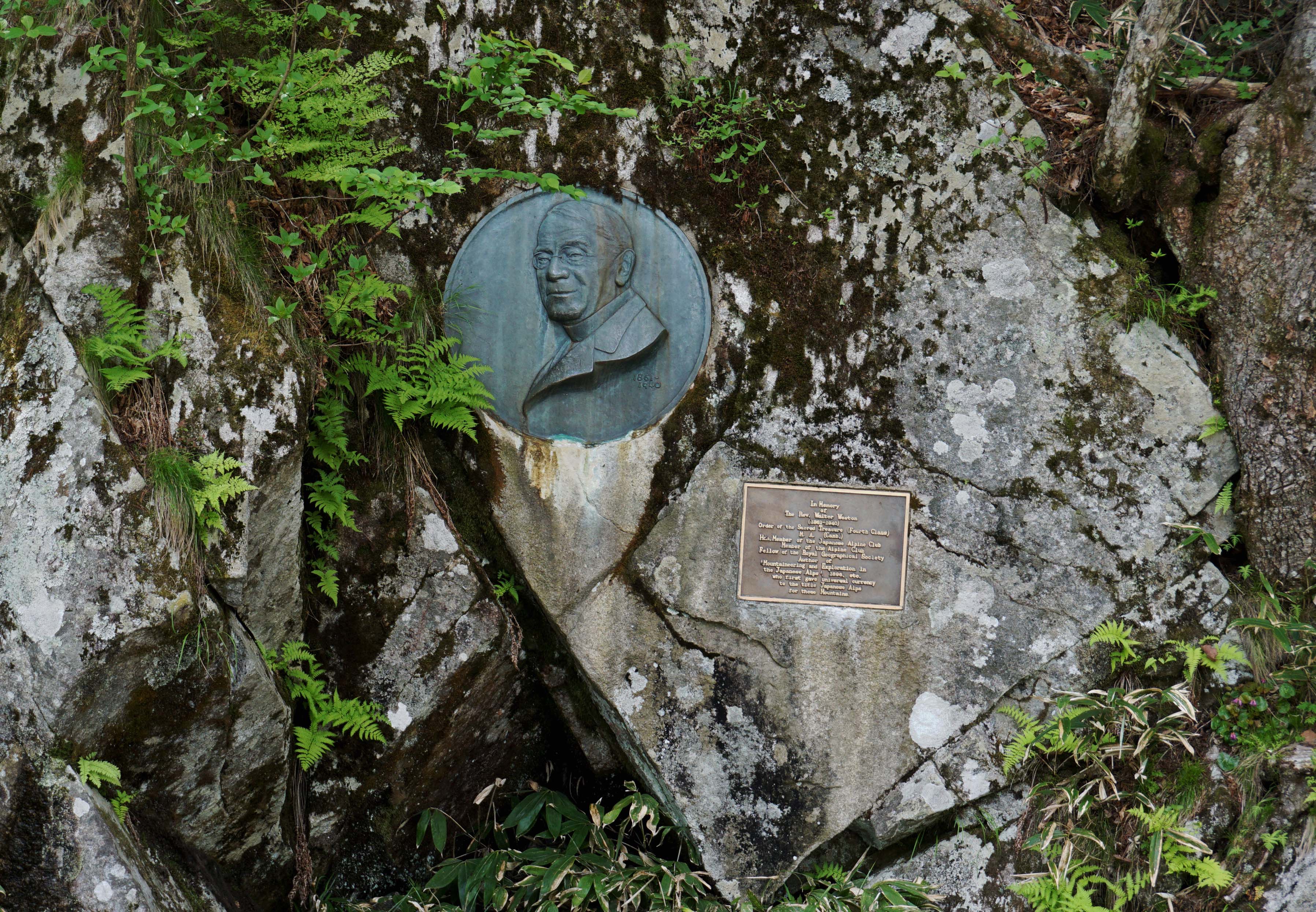
    Plaque to Re. Weston

    Plaque to Rev. Weston on Azusa River – Mari Nicholson

    He is known as the Father of Mountain Climbing in Japan, and a plaque has been erected in his honour set into the rock on the west side of the Azusa River, just north of the Onsen Hotel. On the first Sunday in June, the Weston Festival is held to celebrate the opening of the mountain-climbing season.

    Walking in Kamikochi

    The simplest way to enjoy a day in Kamikochi is by walking or hiking one of the trails along Azusa River from Taisho Pond to Myojin Bridge.  This is mostly flat terrain and is suitable for all levels of fitness, requires no walking or hiking experience and will only take a few hours – perfect for the less experienced hiker or walker.  No need for hiking boots or specialist footwear, normal trainers will do for these sort of walks. A Walk in the Woods A pleasant one-hour stroll is along the Azusa River from Kappa Bridge (see below) to an area called Myojin where there are several lodges and a few shops.

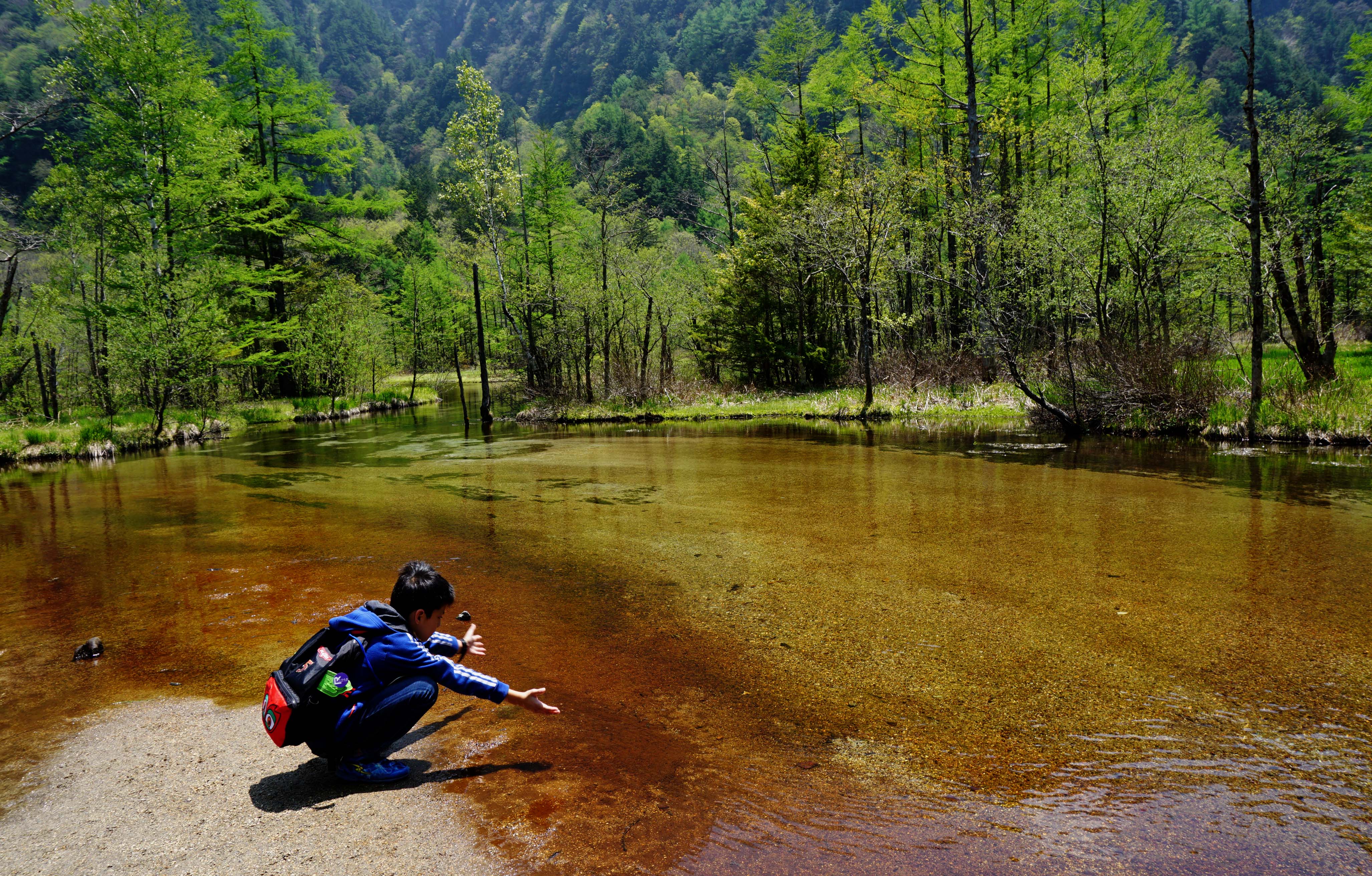
    Myolin Pond actually consists of two linked ponds, one large, one small, filled with crystal clear water.  It is a place where walkers like to pause and sit awhile, listening to the soft swish of the bamboo along the lakeside, admiring the reflection of Mt. Moyjndake in the waters, and the birds that sit on the rocks in the pond.  A tranquil spot by the pond
     

    Japanese boy at Tsaio Pond
    Japanese Boy Plays by the Tsaisho Pond – Mari Nicholson

    Tashiro Bridge is the starting point of Nishi-Hotaka Mountain trekking course. From here it takes about 20 minutes to walk to Kappa Bridge, 40 minutes to Taisho Pond and 5 minutes to the Weston Memorial.

    Hikers along the river in Kamikochi
    Hikers along the river in Kamikochi

    Kappa Bridge

    Tourists at Kappa Bridge, Chubu Sangaku National Park, Kamikochi

    Kapps Bridge with Weekend Tourists – Mari Nicholson

    Fifty minutes from Myolin is the famous Kappa Bridge, from which hiking trails lead up and down the valleys and towards the mountain summits.  Along these trails, markers indicate the best bird-watching points where wagtails, Japanese bush warbler, Japanese robin, flycatchers, Arctic Warbler, Horsfield’s hawk cuckoo, willow tit, nuthatch, wren, pygmy woodpecker, and others too numerous to list can be seen.

    The Kappa-Bashi is a 36.6 x 3.1-metre wooden suspension bridge over the Azusa-gawa river in the centre of Kamikochi, not far from the bus terminal.  Several hotels, restaurants and souvenir shops can be found here.  With the Hotaka Mountain Range in front and volcanic Mt. Yakedake billowing white smoke in the south, Kappa-Bashi’s stunning views from the bridge makes this one of the most scenic spots in the town, hence its popularity.

    Visitor Centre, Kamikochi, Japan - Mari Nicholson

    The Visitor Centre in Kamikochi – Mari Nicholson

    The more experienced walker will enjoy the climbs in the surrounding peaks, following one of the many delineated trails.  These are more challenging and are only recommended between mid-June and mid-September.  If you are new to the area, you should be aware that the treeline of Kamikochi continues up to 2500 metres which takes the hiker into a craggy world of rocks and cliffs where, even in good weather, climbing can be extremely dangerous.   These peaks should be tackled with great care, especially if there is wind or rain, as the rain on the high crags can be intense and has been known to continue for several days, leaving hikers on the verge of hypothermia.  Every year there are accidents and people lose their lives in the mountains.

    Resting awhile in the Kamikochi Park

    Resting Awhile – Mari Nicholson

    A 3-hour walk from Kappa Bridge is Yokoo, the climbing base for many of the 300-metre mountains in the Japanese Alps, including Yarigatake, a tranquil place and perfect for walking.  There is a mountain lodge in the area for overnight hikers.

    A Bend in the River - Dramatic Scenery

    Fast-Flowing Rivers of Snow Melt – Mari Nicholson

    And I just can’t resist one more picture of mother and baby macaques, part of the family we encountered on one of our walks through and along the river.  The soulful expression on the face of the mother, and the tiny baby peeking out from under her fur is as tender as you’ll get in any ‘mother-love’ picture.

    dsc01554

    Mother and Baby by Steve Moore.

    The whole area of Kamikochi is covered with virgin forests of birch, Japanese larch trees, and Japanese hemlocks.  In June, the young leaves of birch trees are so beautiful that they attract many tourists to what is called the “light green mist”.  Generally, the foliage is at its peak in October and attracts visitors who come to admire the wonder of it.

    I’ve seen it in spring and part summer, now I want to experience this delightful spot in the Japanese Alps in the autumn.  I know where I shall be heading next time I’m in Japan.

    Points of Interest in Kamikochi

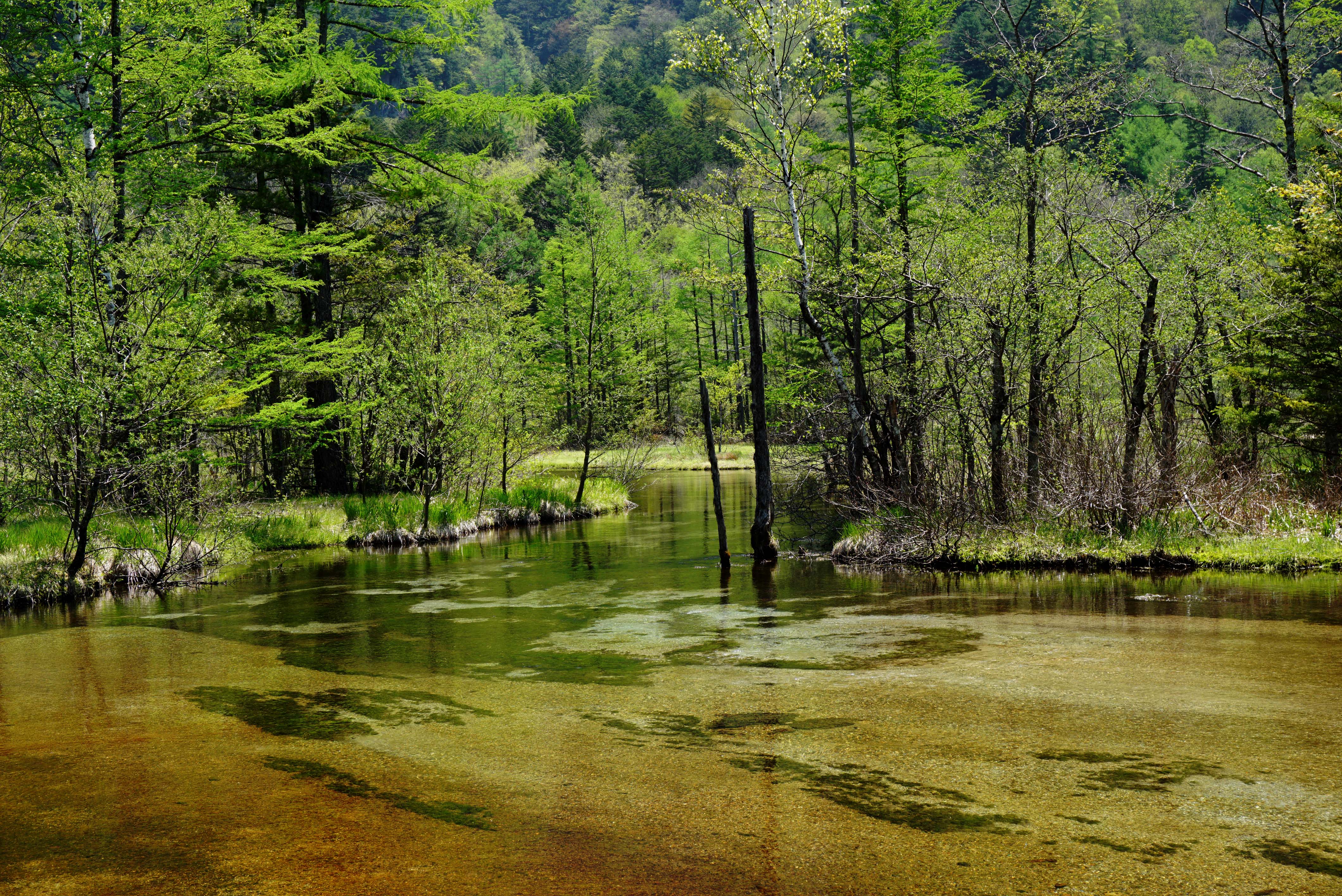
    Taisho Pond (Taishoike) was formed in June 1915, when an eruption of the nearby volcano Yakedake dammed Azusa River and created the pond. Decayed trees, standing in the pond, provide a special sight.  It  is a small pond surrounded by marshland located along the hiking trail connecting the Kappabashi with Taisho Pond.  This pond never freezes over completely due to the spring waters underneath.

    Kamikochi Imperial Hotel Built in 1933, is the most prestigious accommodation in Kamikochi, offering a combination of mountain lodge atmosphere and first class hospitality services.  The food was the best we had in Japan, with very fresh lake fish every day on the menu.

    Imperial Hotel Kamikochi.  Terrace and Balcony Rooms - Mari Nicholson
    Imperial Hotel, Kamikochi, Terrace & Balconied Rooms – Mari Nicholson


    The Takezawa Marsh, a 5-10 minute walk from the Kappabashi along the trail towards Myojin Pond, is one of the most scenic areas of Kamikochi.

    Myojin Pond can be reached in about a one hour walk from the Kappabashi.

    Kamikochi Visitor Center Open daily from 8:00 to 17:00 (free admission), the visitor centre introduces the geography, geology, fauna, flora and folklore of Kamikochi and provides information to mountain climbers. Booklets available and

    How to Get There

    From Tokyo, two trains get you to Matsumoto, the JR Nagano Shinkansen to Nagano. From Nagano, take the Shinonoi Line to Matsumoto.  The other option is the JR Chuo Line, slower than the Shinkansen, but it takes you to Matsumoto from Shinjuku Station. At Matsumoto, take the Matsumoto Dentetsu Railway to Shin-Shimashima, this is as far as you can go. From here, a bus, or a taxi will take you to Kamikochi.

    Visitor Centre in Kamikochi:   Phone: 0263 95 2606

    Hours: 8:00 to 17:00, mid-April to November 15, free admission

    7:00 to 18:00 July 20-August 20

    Closed November 15th through winter

    Climate

    The temperature in Kamikochi is 5 to 10 ℃ lower than Matsumoto and in late autumn it sometimes falls below freezing point.  Winter clothes are recommended from mid-October to early May when snow may be encountered, and carry rain wear at all times because it rains a lot in the Kamikochi mountains.
  • TOKYO  MAPS

    TOKYO MAPS

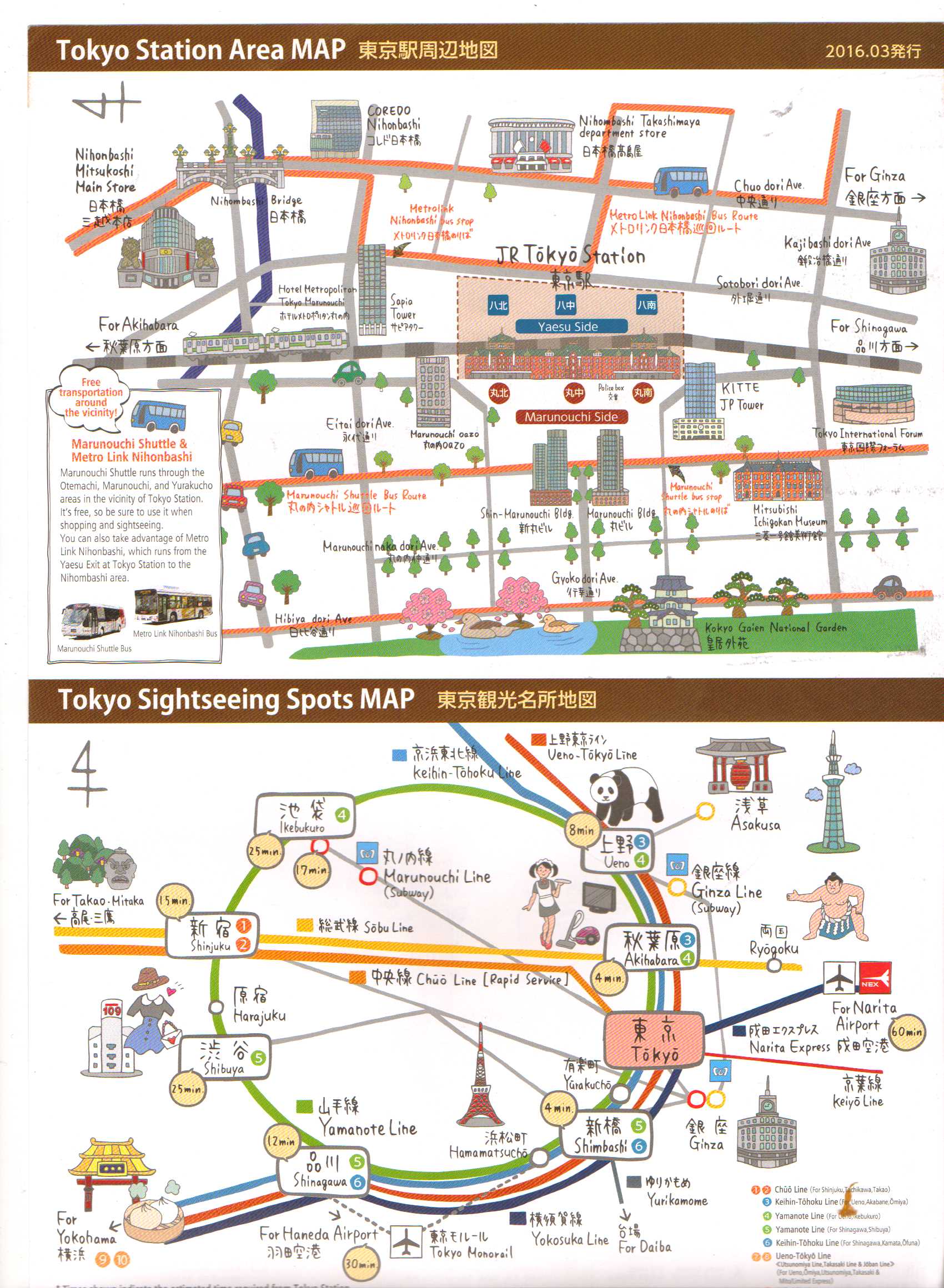
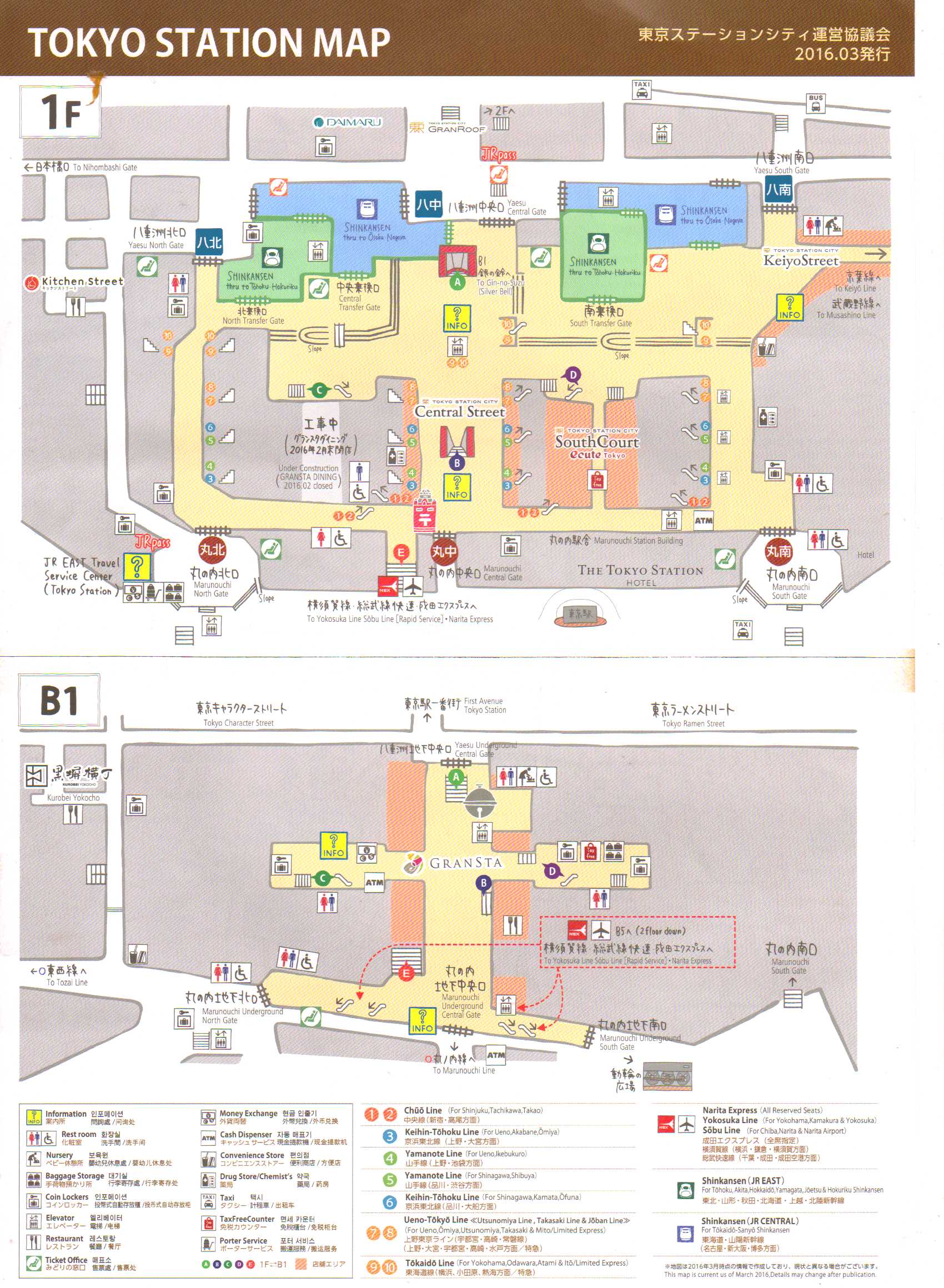
    I’ve written in earlier posts about how easy it is to negotiate the subway/metro, and the train stations in Tokyo, so here are the maps to help you do so.  Also posted is a map of Tokyo’s streets.

    As the train stations link to everywhere in Japan, if you’re travelling on, it could be useful to study these before setting out.  The subway/metro maps are a doddle to follow and the system can’t be recommended highly enough for getting around the city.

    Hope these help.

    Tokyo Subway Map

    Tokyo Maps

    Tokyo Maps 11


  • TOKYO  SIGHTSEEING

    TOKYO SIGHTSEEING

    One concentrates on districts in Tokyo rather than buildings and monuments of which there are few, because, despite hundreds of years of history, there is nothing of any permanence left in the city, apart from the Imperial Palace which you can only look at from the Imperial Gardens.  The lack of permanent buildings and monuments is because the houses burnt down regularly as they were traditionally made of wood, and because frequent earthquakes made the use of stone too dangerous.
    Tokyo’s districts, however, are many and varied and it is a good idea to know what you want to do and see before setting off to explore.  Each area offers something different, but if you like a frisson of naughtiness, then maybe keep Roppongi for nighttime.

    DSC00048
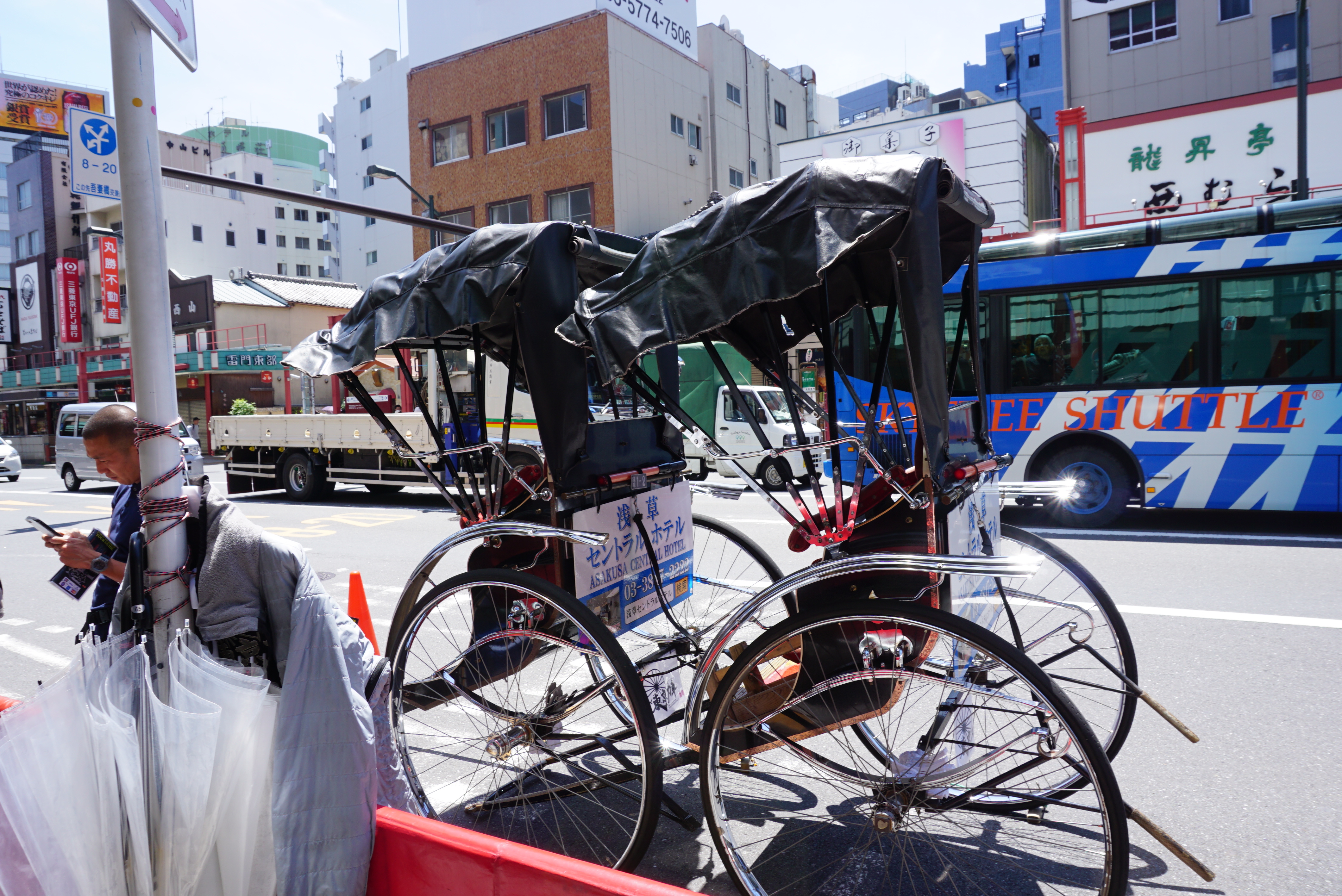
    Rickshaws for Hire –

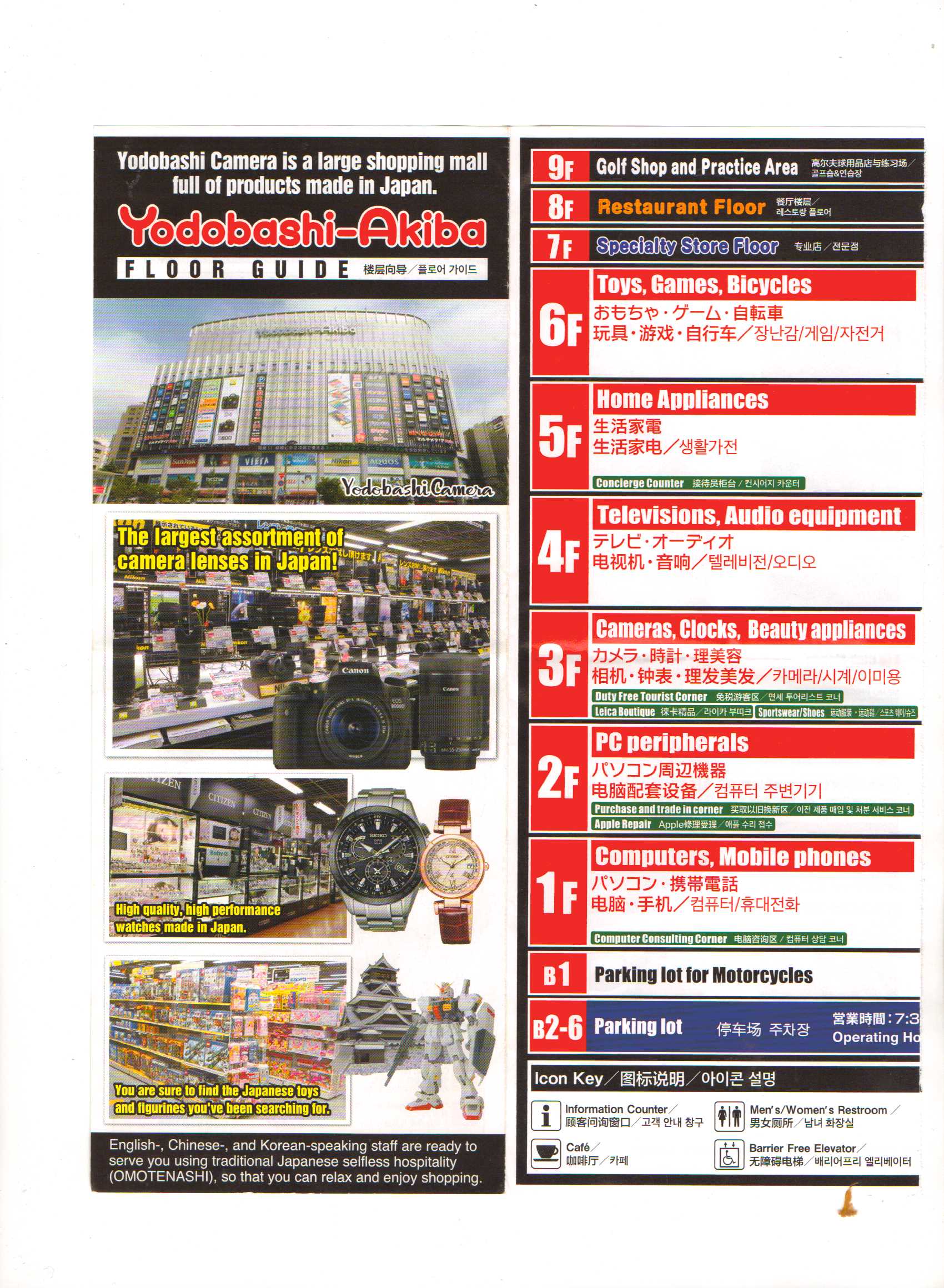
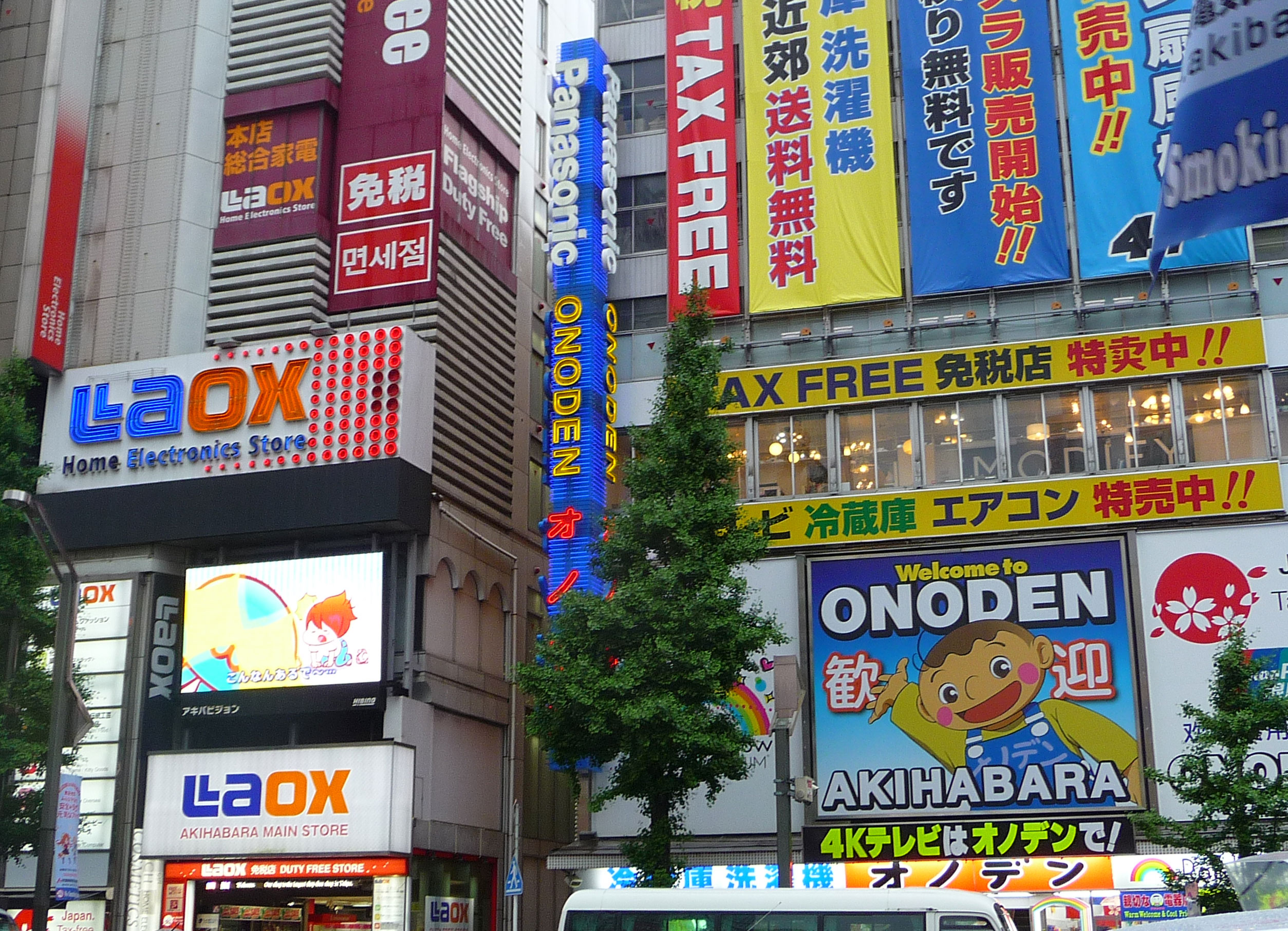
    Akihabara– Electronics town – is what the name implies.  It’s heaven for gadget freaks, where thousands of square metres are given over to nothing but electronics, from wide-screen televisions to electronic toilet seats, through all beauty products, kitchen appliances, cameras, ‘phones and games.   Hard not to spend money in a place like this especially when you see, and covet, the latest model of camera or ‘phone, maybe 3 years ahead of when we’ll see it in the West. Electronic Japan

    Fortunately, it’s so easy to do a ‘phone check on prices these days wherever you are, and we found, much to our surprise, that most of the goods in Electronics town were priced higher than they were in our own country (possibly to do with the currency fluctuations) so prices were a disincentive to buy.  We did succumb, however, to one or two items unavailable to us at home: I defy anyone to walk through this store or the next on my list, the Sony Building, without buying something, even if it’s only a camera case!

    The Sony Building is another Mecca for electronic-mad visitors.  All the trend-setting Sony stuff is laid out on six floors and you can have hands-on fun with the latest games, listen to car stereos, see a demonstration of the future of television and even have a meal.  On the ground floor, there is an English pub where the food, wines and spirits are pretty good.  Japanese beer, Asahi, can be recommended.

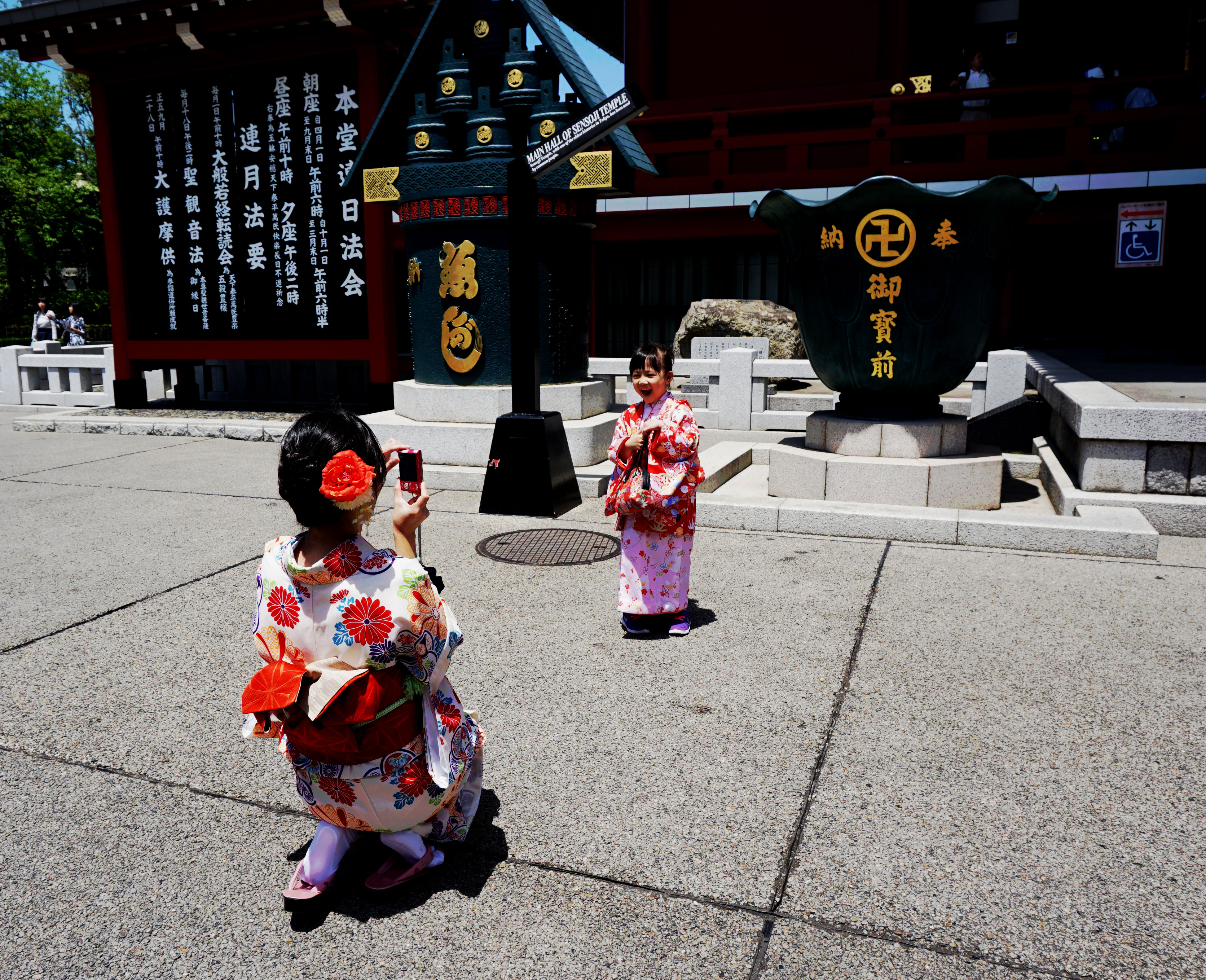
    Mother-takes-daughters'-photo-at-Senso-ji-Shrine

    Mother photographs laughing daughter at Senso-ji Shrine

    Asakusa District is said to retain much of the atmosphere that existed before the Second World War when it was Tokyo’s hub of popular entertainment.  You’ll see fewer businessmen here with briefcases, few banks and few high-rises but there are interesting small shops and craft stalls, and you can climb to the viewing platform of the Tokyo Skytree – the World’s tallest tower at 634 metres – for panoramic views over the city.

    If hot spring baths are your thing and you are not planning a visit to one of the Ryokans where you usually have your own volcanic spring on your balcony, then the Jyakotsuyu Onsen (hot spring) at Taito-ku, Tokyo 111-0032, will give you the authentic experience.

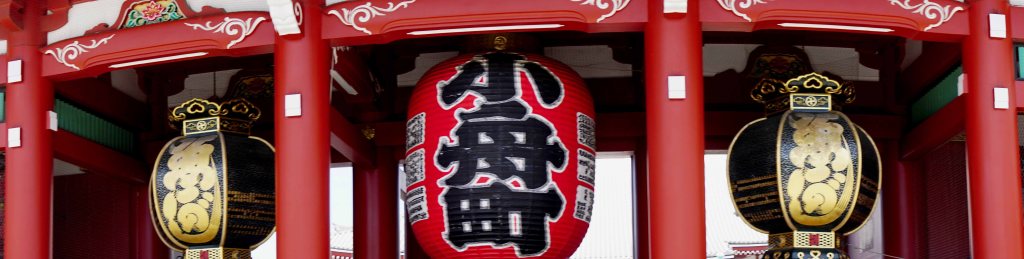
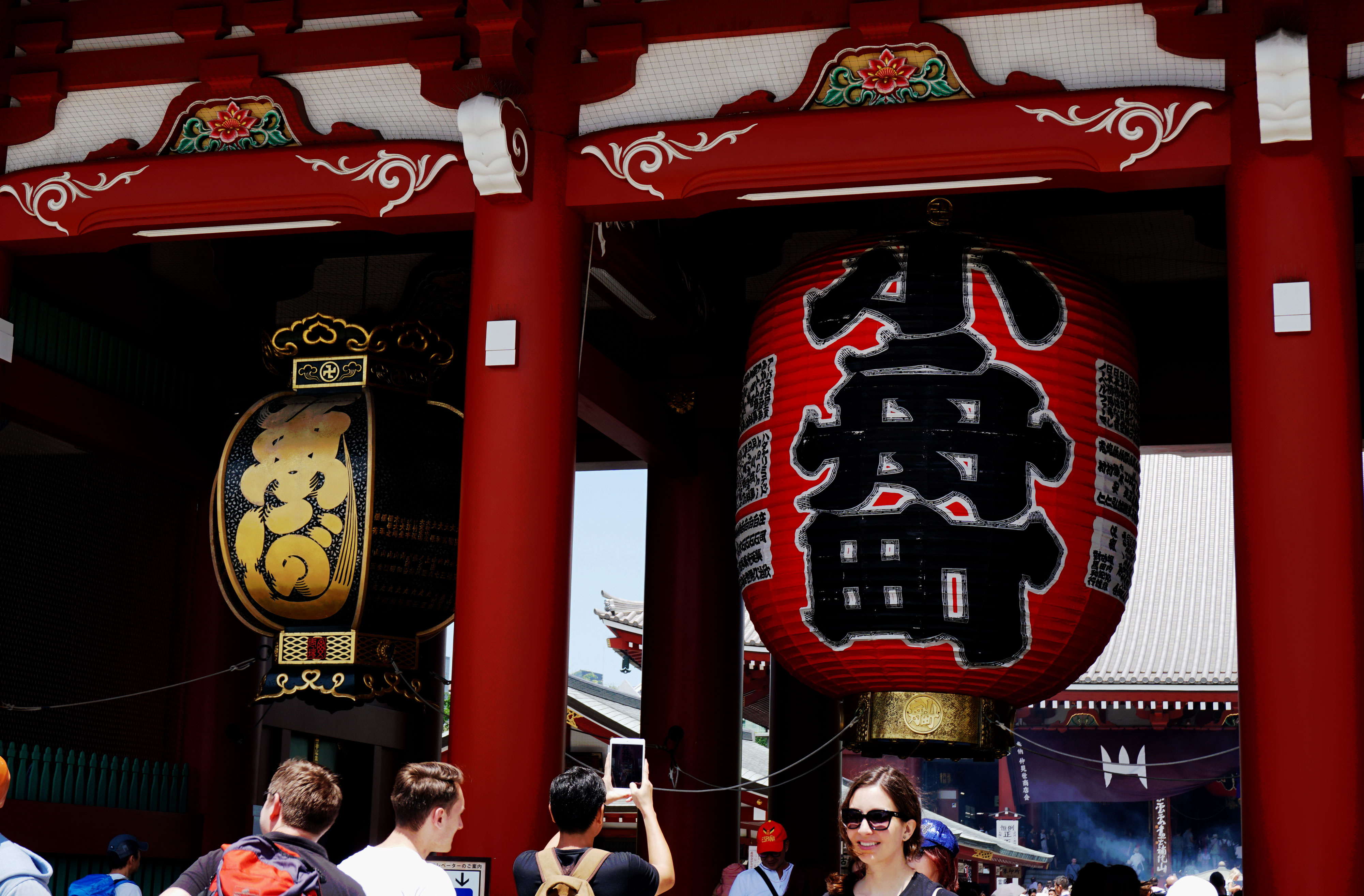
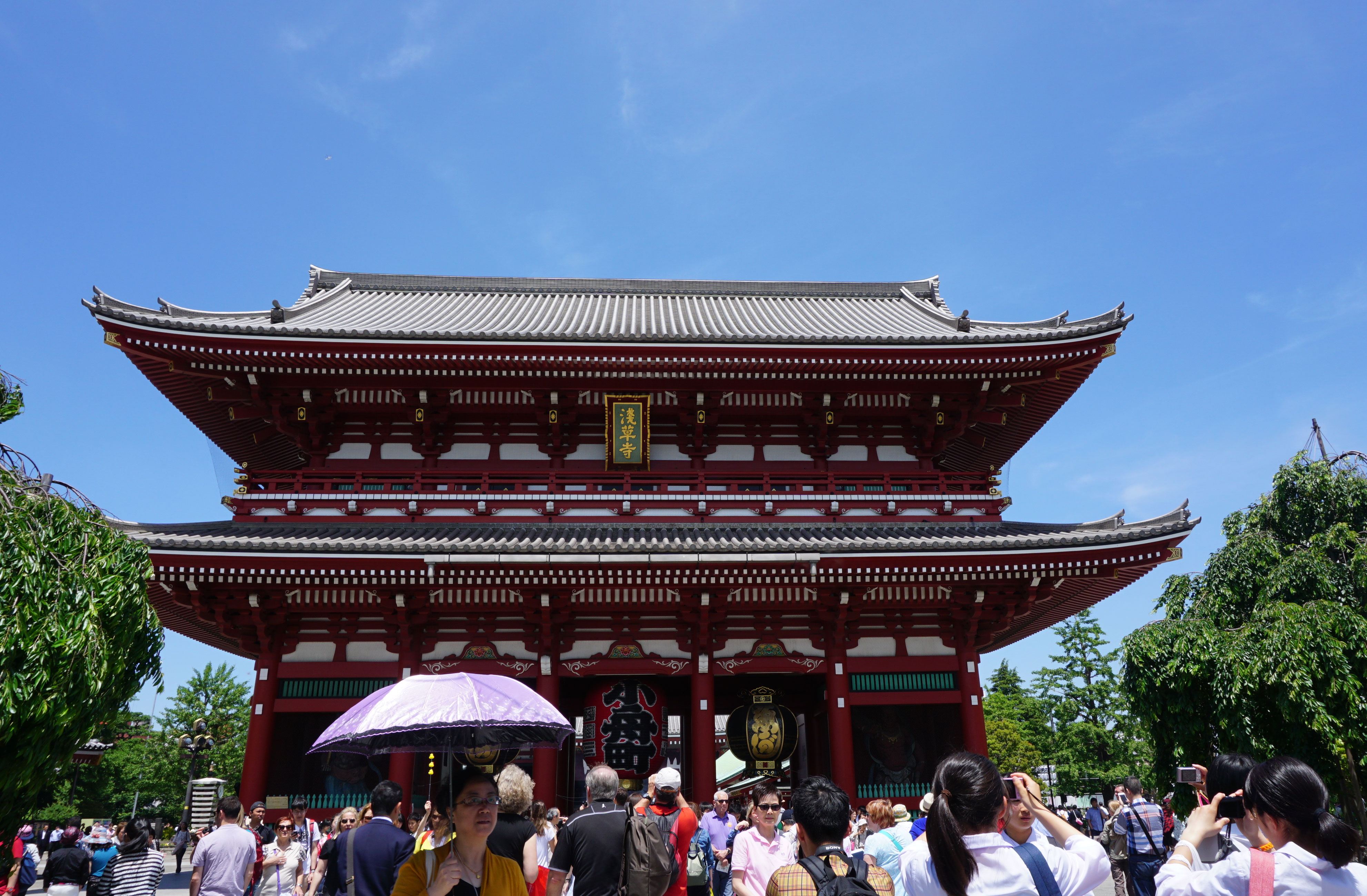
    Senso-jo-Temple-Entrance

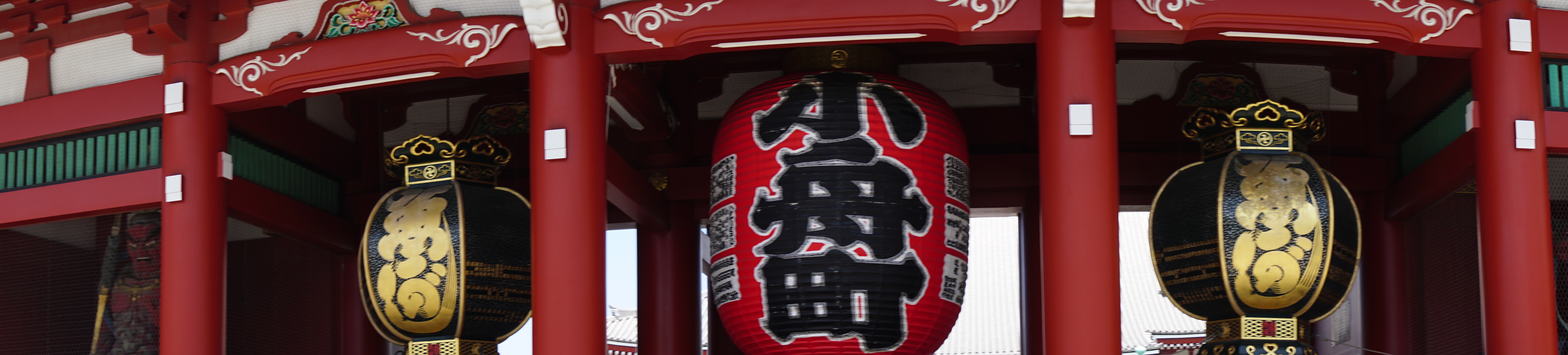
    The Red Lantern at Senso-ji Shrine

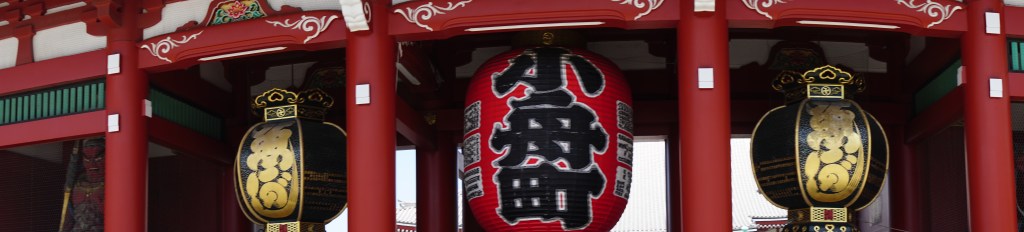
    Asakusa also houses the oldest and most impressive temple in Tokyo, the Senso-ji, one of the city’s most treasured temples.  The Thunder Gate dominates the entrance with the red lantern immortalised in Hiroshige’s early 19th-century woodblock print still dominating the entrance.  Beyond the gate lies a bustling street where 54 shops line what is one of the oldest shopping streets in Tokyo, and which leads to the temple buildings with their heavy lead roofs.

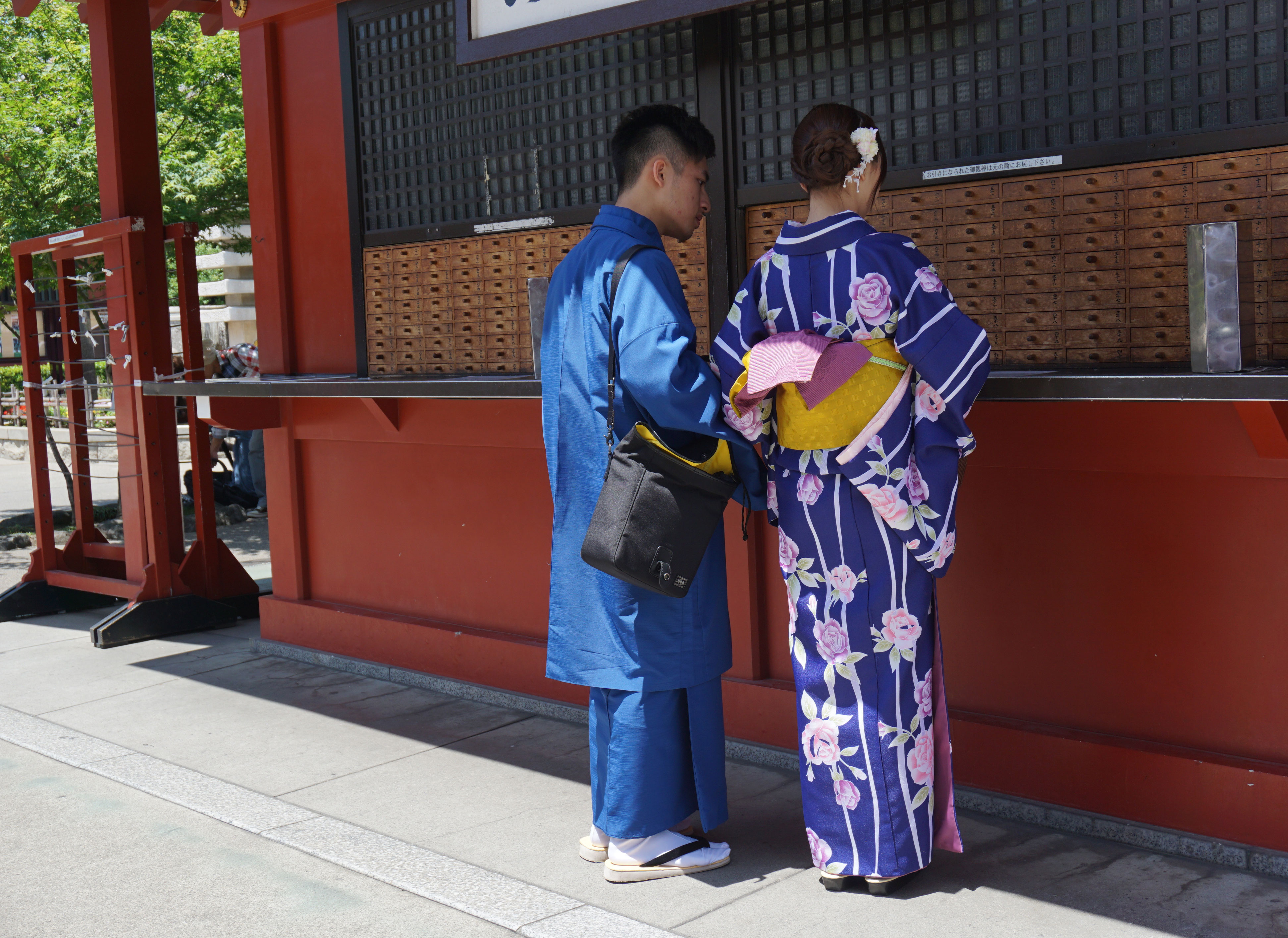
    Young-couple-check-out-the-fortune-tickets

    A Young Couple Check out the Fortune Slips

    The temple grounds are incredibly busy with sightseers, people praying, shopping and taking selfies of themselves and their families, and those seeking a look into the future.  For 100 yen your future will be foretold but should it not be what you hoped for, them you simply tie the fortune ticket to the nearest wire tree and it will remain forever within the temple grounds.  And then you buy another, hoping that this time, your luck will be better.

    Senso-ji-temple-2

    Senso-ji Temple

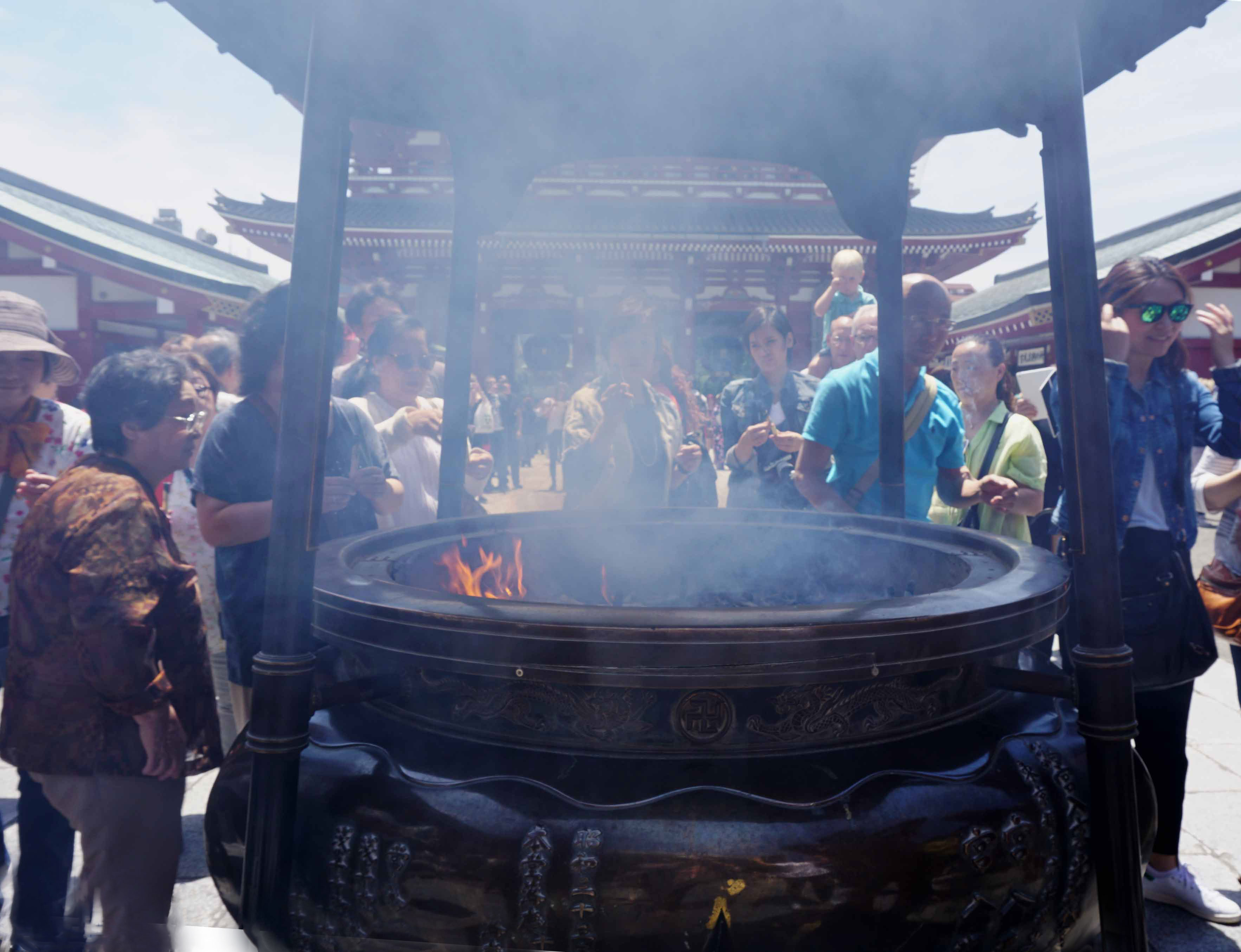
    Incense blows from the great bronze urn in front of the main hall and men and women dive into the smoke and stroke it over their heads (for clearer thoughts? more hair?) while others light their incense sticks and just pray.

    Bathing-in-the-Smoke-at-Senso-Ji

    Bathing in the Smoke

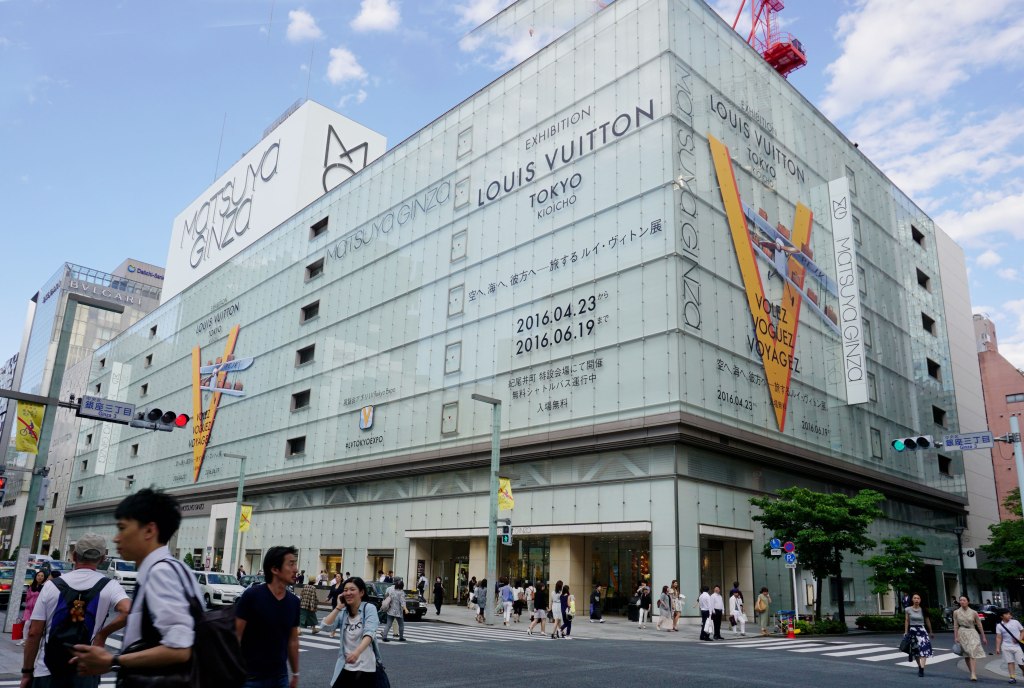
    Ginza District is famous for its up-market shopping and the range of designer shops that line the street.  It’s a great place for admiring the window dresser’s art where the placement of a purse with a belt and a scarf is like a modern still life. All the top designer names are here.

    Lv---Ginza

    Louis Vuitton in Ginza

    Dior-store-on-Ginza

    Budget-conscious shoppers should head for the Uniqlo store which offers floors of trendy designs at cheaper prices.  Both men and women are catered for here and although the music is loud, the staff is cheerful and helpful.

    Roppongi District is where the Japanese go to let their hair down.  It could be called sleazy in some senses, raucous and tasteless in another, but it is undeniably what a lot of people want as you will see if you venture into this Vegas in Japan area where behaviour you don’t see anywhere else in the city is tolerated.

    Kagurazaka was once a 200 strong Geisha town which was razed in the 1945 bombing and there are still some 20 Geisha here.  If you take a stroll down the cobblestone alleyways of the town  you may meet some of the ghosts that they say still haunt the place.

    On-Tokyo-BayDSC01101

    On Tokyo Bay

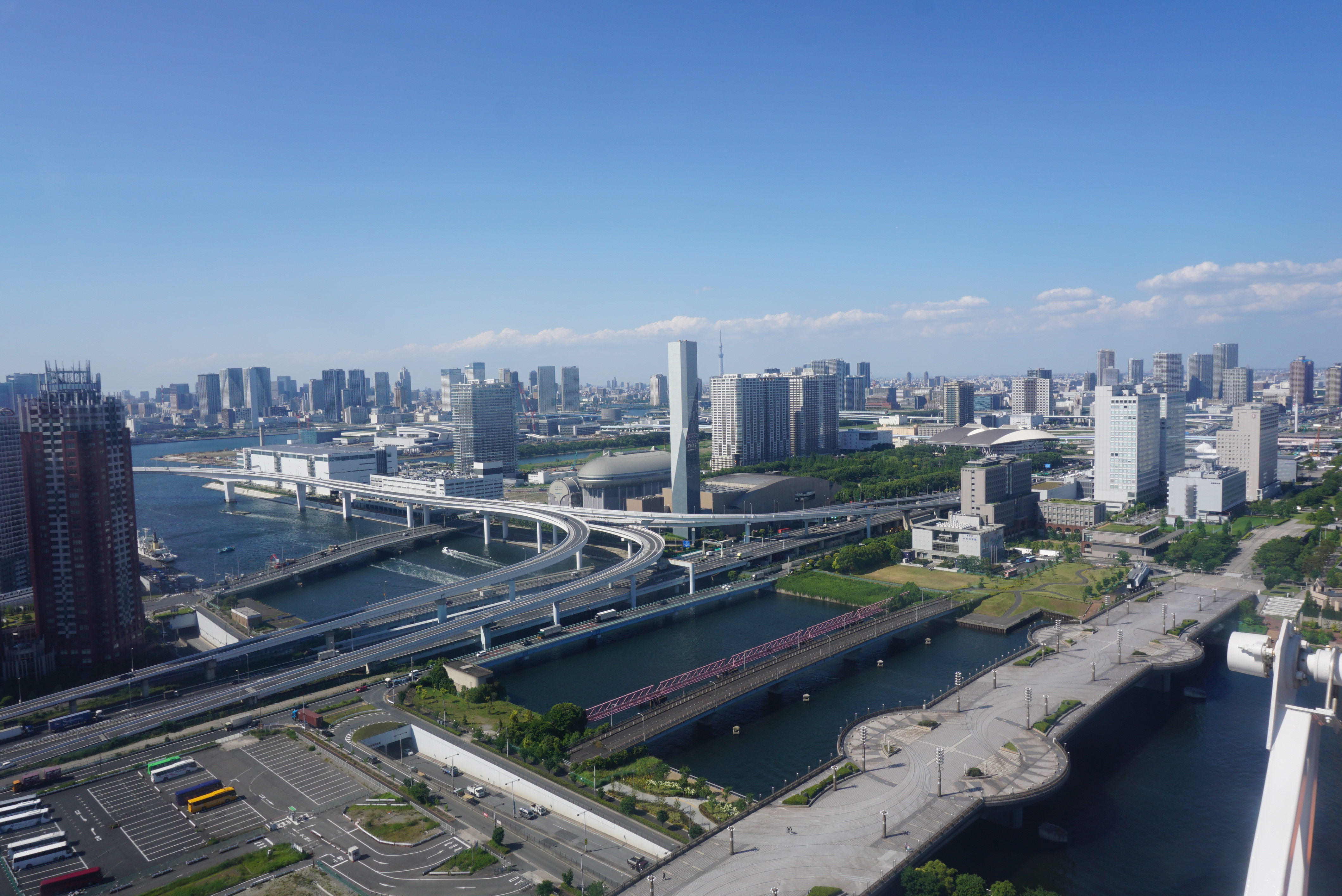
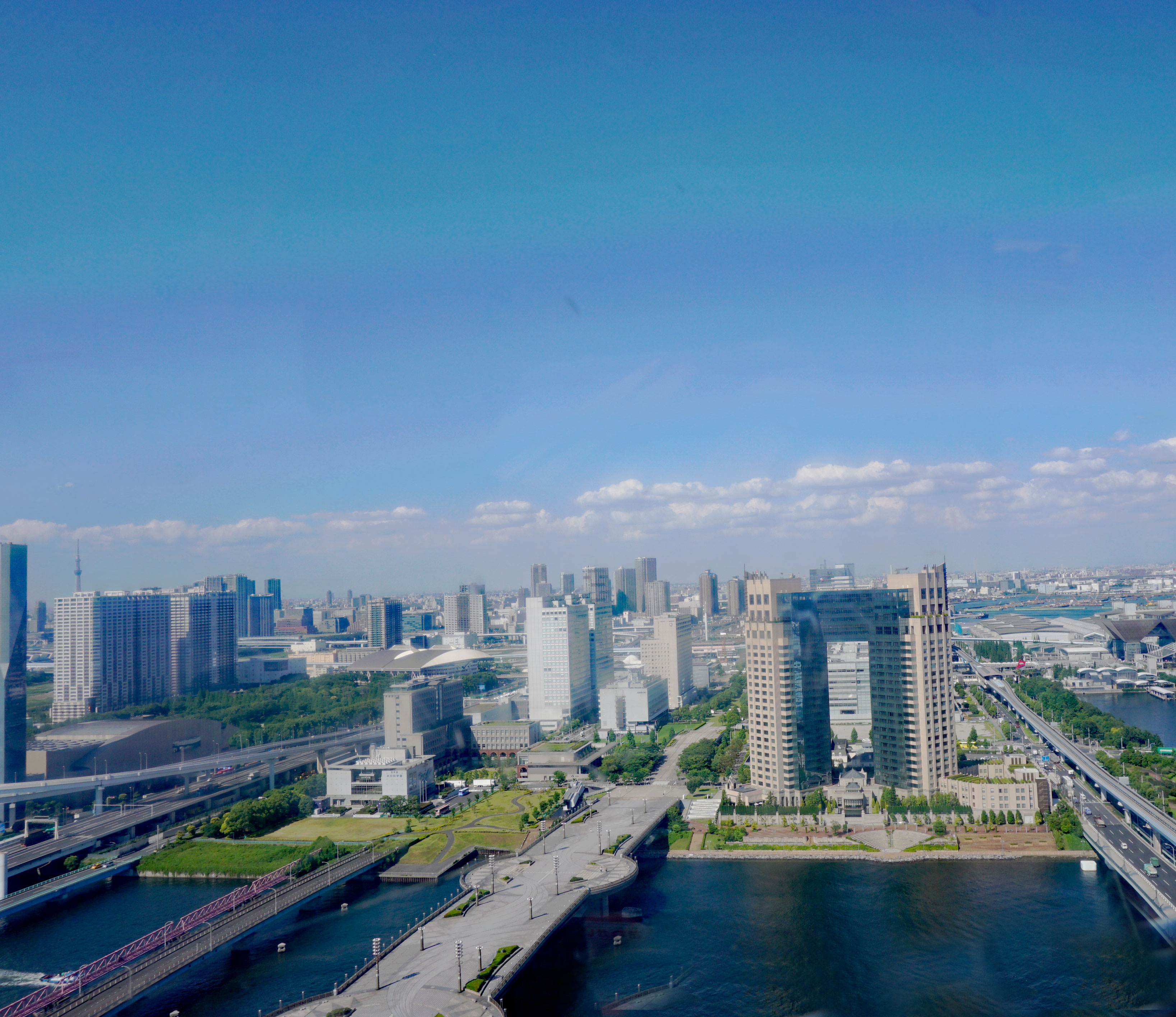
    And when you want to have an hour’s rest, take the boat trip on Tokyo Bay, which gives you a totally different look at this fabulous city, as well as a comfortable ride in a well-ventilated boat with large picture windows on either side.  Once at the end of the trip, you can, if you wish, continue on to Odaiba island complex and ride the Big Eye for another view over Tokyo.

    Tokyo-at-Night

    Night time Tokyo

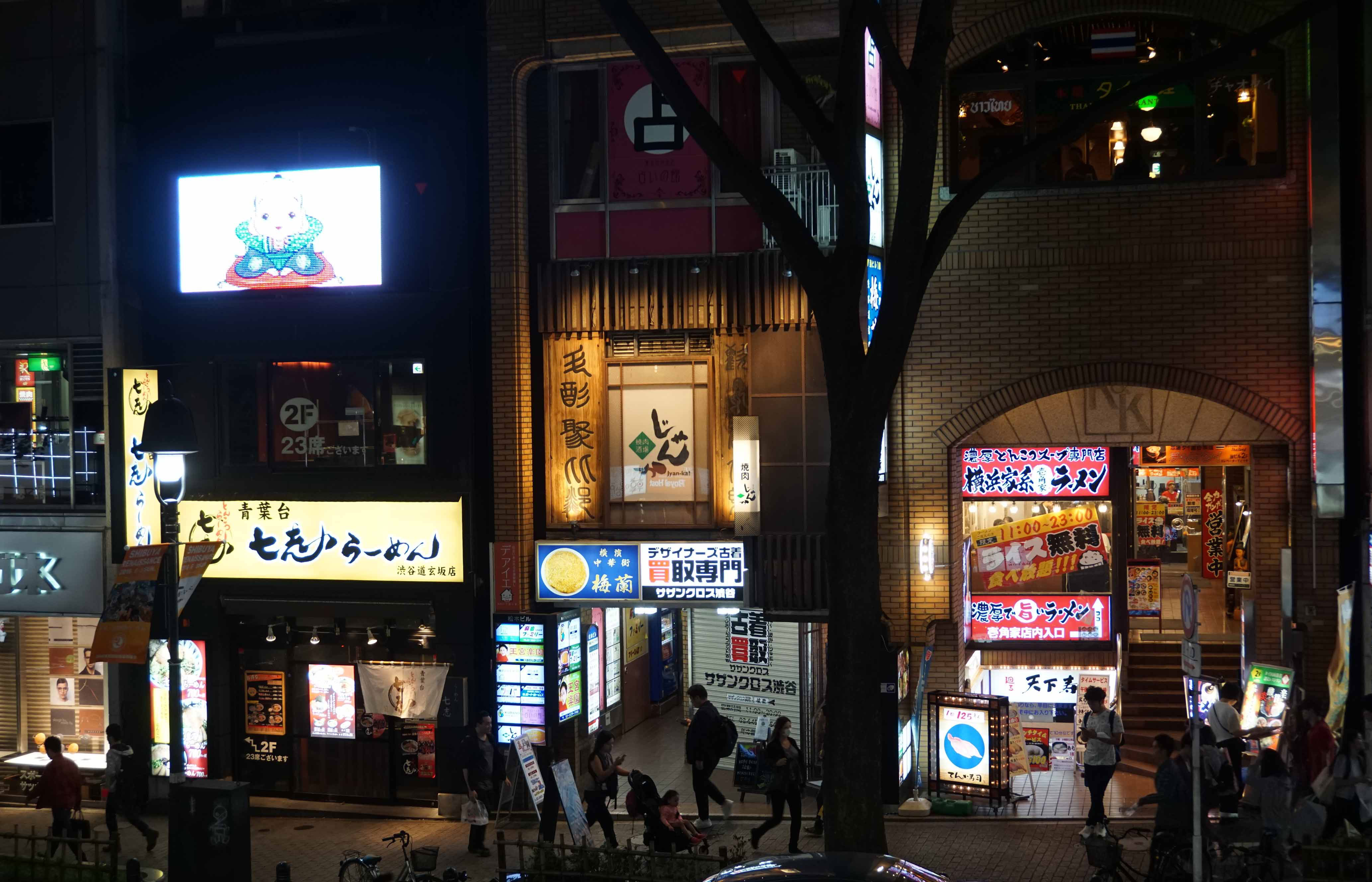
    Shinjuku District is considered now to be the heart of the entertainment area, especially adult entertainment where nothing seems forbidden.  Bars, restaurants serving food from every nation, and discount shops abound with street entertainment on every corner.  If any place in Tokyo might be considered slightly unsafe, this would be it, so beware of pickpockets and don’t go into any bars with unlisted prices.  Check it out during the day before venturing into it at night.

    Tokyo-in-Colour

    Shinjuku Ni-chrome is a couple of blocks away from the centre and is the gay and lesbian nexus of Tokyo.

    Outside the Shibuya subway station in Tokyo is an intersection where it is estimated as many as 2,500 people cross the street every time the light changes.  It handles over 2 million people a day but you won’t be pushed or jostled, the Japanese are much too polite for that.  It is the beginning and end of two main subway lines and during the day or at night when the neon is crackling all around you, join the surge of people at the famous crossroads as the cacophony of music, horns, tannoys and talk assault your ears.

    Worth checking out.

    Towers

    The Tokyo Metropolitan Government building comprises two huge towers each 248 metres.  From the viewing level on floor 45 of either building, the views of the city and surrounding areas are stunning.  In the winter (because of the clarity) you can usually see Mt. Fuji on the horizon.

    SUMO

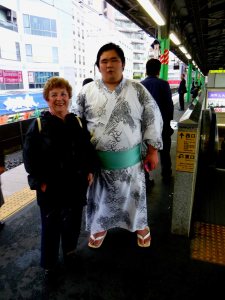
    The writer with Sumo Wrestler in Subway

    The writer with a Sumo Wrestler met on subway

    If it isn’t the season for the Sumo tournaments and you’d like to see them in action, then head for their stables at Arashio Beya 2-47-2 Nihonbashi-hamacho, Chuo-ku 103-0007 (1 min. walk from Hama-cho station on the Asakusa line, and usually from about 7 a.m. – 10. am.  Many consider these practice sessions even better than the tournaments as they are constant.  Make sure you follow the rules of not pointing your feet at the wrestlers (bad luck), no flash photography, no tripod, don’t stand up to get a better shot, and don’t bring food or drink.

    Tokyo may seem weird but it is a fabulous city, a glorious hotchpotch of lights, noise and incredibly well-behaved people who stand patiently at the lights waiting for them to turn green when there isn’t a car for miles around.  It’s fun whether you take it in during daylight hours or nighttime.

  • TOKYO – Soaring Towers and Electronic Delights

    TOKYO – Soaring Towers and Electronic Delights

    From bonsai in lush landscaped gardens, to kimona-clad beauties shopping in Ginza, and from pale green tatami mats in Ryokans to exquisite floral arrangements, Tokyo, as well as reaching into the future, is picture-book Japan come to life.

    This is the first stop on a tour that will take in stays in some of Japan’s most beautiful cities and countryside, Kamikochi in the Japanese Alps, Kyoto, the ancient capital, Takayama, whose beautiful old town still preserves traditions, Hiroshima and Miyajima, and Hakone where a cable-car side-trip to Mount Fuji is planned.  Fingers crossed, the weather will be fine on the day.

    DSC00144

    Kamikochi, Japanese Alps, turquoise waters of the snowmelt from surrounding mountains – Mari Nicholson

    Driving into the city from the airport did not show a green  and pleasant land.  Living space is at a premium in Tokyo, which means that the suburbs are composed of high-rise apartment blocks built wherever space could be found, all in a uniform grey, unbroken by a splash of colour or flowers on a balcony.  Once in the city however, another world becomes apparent.

    Getting around Tokyo

    Tokyo is a city of districts, each offering something different to the visitor, so it repays a bit of research before you set out to explore.

    With its sensory bombardment, the capital of Japan can seem daunting to the first time visitor but with a little planning, we found it to be very accessible.

    Tokyo is composed of many different districts each with its own character and charm, and as a capital with a reputation for safety, walking the streets is one of the best ways to absorb the atmosphere, check out the local craft shops, or explore the shopping malls both below and above ground.  I am a leisurely traveller, happy to leave some things unseen, rather than rush around ticking off the sights, so I didn’t try to see everything.

    Orientation, subways, and trains

    Inside-one-of-Tokyo's-stations

    Tokyo Train Station – Mari Nicholson

    Rail is, without doubt, the best way to get around Tokyo, and the trick is to buy an IC Rail Pass for 3,000 Yen which is something like the UK Oyster Card, and which is valid on the vast subway network, the equally extensive overland train network, and the Monorail (great for views over Tokyo Bay), and also valid to use in some Japanese cities.  Not only that, but you can use it to buy drinks from the kiosks on every station, just slap your card on the designated spot, and hey presto! green tea or hot chocolate can be yours in an instant.  Topping up when needed is easy, with instructions in English.

    Taxis are on the expensive side, but you don’t tip in Japan so at least what you see on the clock is what you pay.  If you decide to hire one, then ask your hotel to write the destination in Japanese and show this to the driver.  Rear passenger doors are automatically locked so wait for the door to open.

    Luckily my travelling companions, Ken and Steve, are wizards when it comes to map-reading, especially subway maps, so I was able to rely on their expertise on negotiating the metro.  Even I, after the first day, felt confident beneath Tokyo’s streets, as the system is made easy for non-Japanese speakers, with letters and numbers as well as names on the stations, fail-proof directions to platforms and tannoy announcements throughout the carriages when a station is reached.

    Tip:  Buy your IC Card and get a Tube Map as a priority on your first day.  Then hurl yourself into the city and enjoy the experience – remembering to stop for sustenance occasionally.

    Tokyo Fish Market

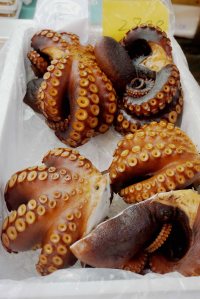
    Octopus in Tokyo Fish Market
    Octopus – Mari Nicholson


    DSC00010 copy
    Eeels in Tsukiji Market – Mari Nicholson


    Everyone said the Tsukiji fish market which handles a larger volume of seafood than any other market in the world is a must, and although we had all seen fish markets in the East before, we went there on our first morning.  It’s impressive, with over 400 varieties of seafood on display from massive tuna laid out on marble slabs, squid and octopus squirming in baskets, shellfish heaped up in mounds, baskets of crustaceans, and eels, lots of eels, along with species of fish I’d never seen before.  Tiny automated carts zip around (you need to watch out for these) collecting boxed items to be forwarded on.  I loved the machine where huge blocks of ice were man-handled into a drum which turned it into ice cubes which were then used to pack the fish for the retail market.

    Parks and Gardens

    Gardens,-Tokyo

    Misty Day in Tokyo Garden – Mari Nicholson

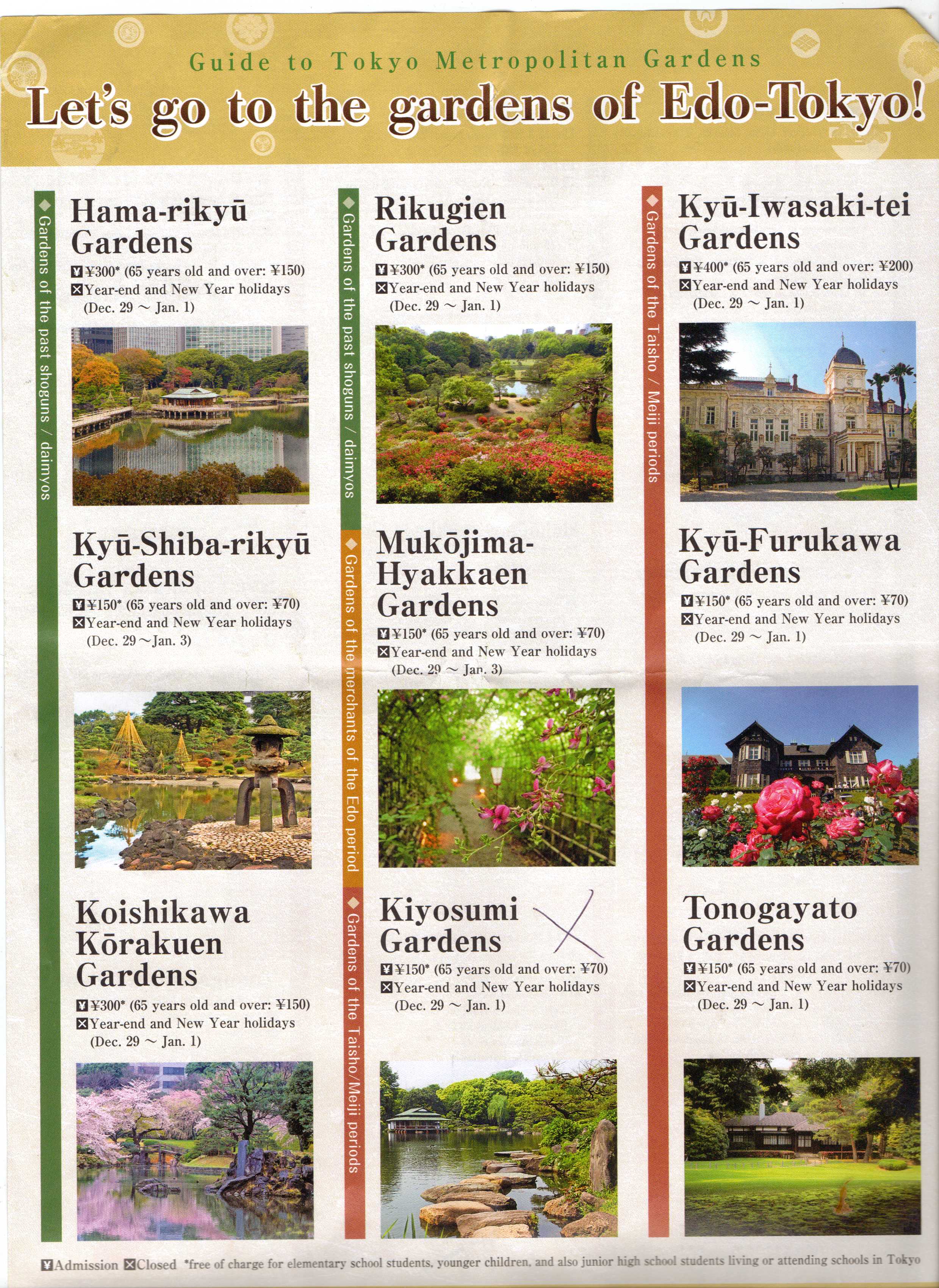
    Too many to be able to visit them all, so we choose just three, the Shinjuku Gyoen Park where an air of tranquillity heals the spirit, and Koi carp plop in the streams under arched bridges, the gardens surrounding the Imperial Palace which are a superb example of the perfect Japanese Garden and the Kiyosumi Gardens with its large pond surrounded by some very special stones placed in the garden as stepping-stones, paving stones and stones for the waterfall.

    ImperialPalaceGarden, Tokyo

    Imperial Palace Garden, Tokyo – Japanese Tourist Board

    Tokyo Gardens

    MUSEUMS

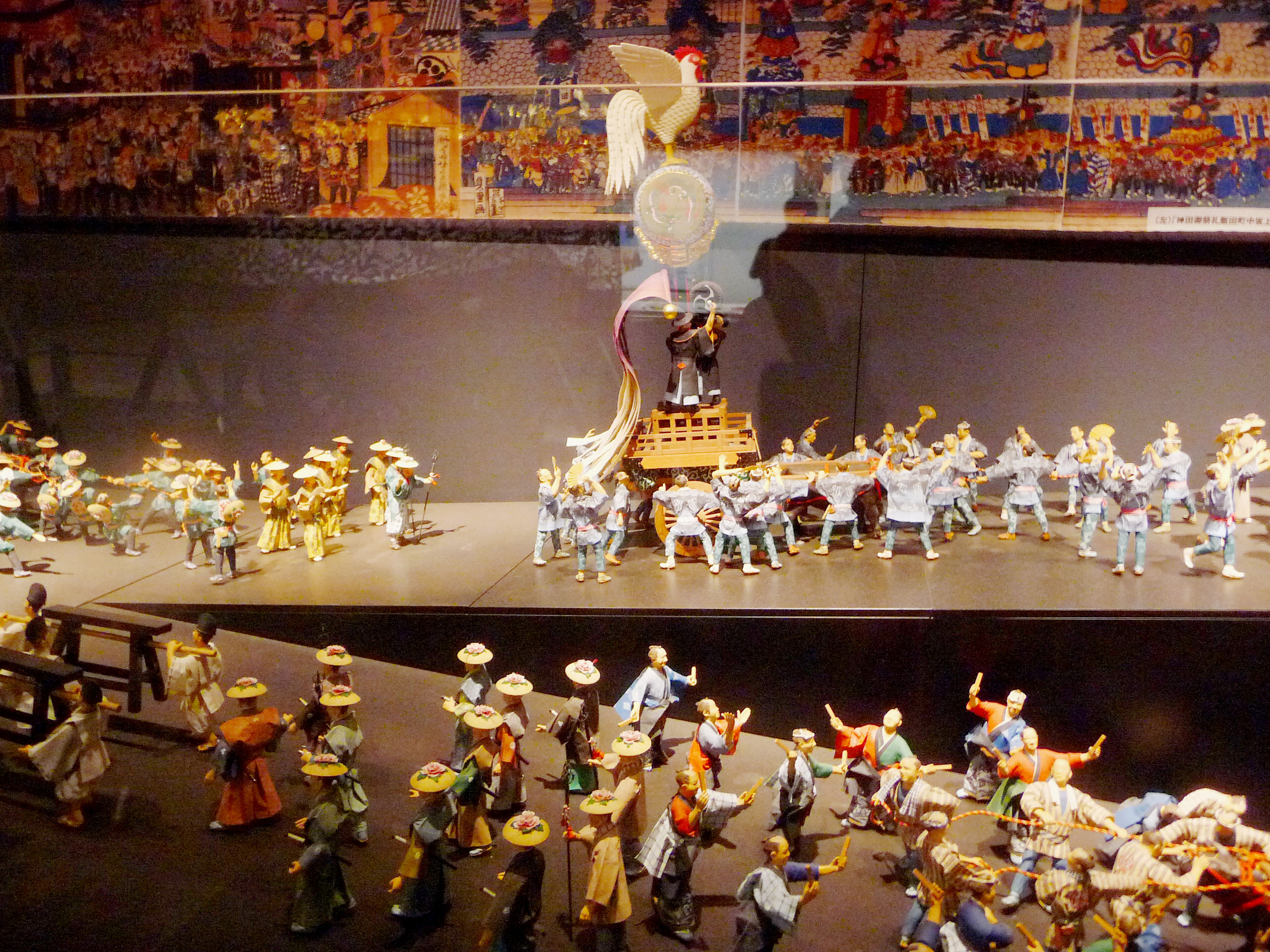
    There are too many Museums to mention and too many to visit on a 3-day visit if one wanted to see anything else, so Fukagawa Edo Museum was the only Museum we visited in Tokyo.  This was an instant lesson in Japanese history and was a great help in understanding modern Japan.  It consists of a display of reconstructed Fukugawa Saga-cho houses, taverns, and shops, all looking as though they’ve just been vacated – as well as a small theatre and lecture hall, all furnished in the period.  There are interactive displays and fantastic model towns, rivers and courtyards filled with people.  Well worth the visit.

    Edo-Museum-Figures

    Edo Museum – Mari Nicholson


    Menu,-Tokyo

    Restaurant Menu – Mari Nicholson

    There are so many superb restaurants in Tokyo, that won’t go into the eating experience, but the best sushi restaurant in Tokyo is said to be in Kyubey, right here in Ginza .  Sadly, we just couldn’t make time to visit it as there was just so much sight-seeing to take in but from what we heard from other people, this is definitely the place to go.  The prices are in keeping with the area with dishes from 4,000 to 8,000 yen, while a full set runs from 10,000 – 30,000 yen.

    But I was mightily intrigued by some of the ‘alternative’ restaurants in the city.  First up there are the ‘Maid’ restaurants which pander to Japanese male fantasies and allows the customer to interact with real-life manga characters. Waitresses are typically dressed as French maids and customers are treated as though they are the masters/mistress of the house.  These range from standoffish Victorian style maid service to the school-themed cafes where customers pay to be spoon-fed or to be slapped in the face in public.

    An eye-opening blog by fellow WP blogger, Stacey Gleiss, is worth reading here, https://thesixfootbonsai.com/2016/05/22/child-bride-a-few-months-shy/ as it explains a lot about these restaurants and the Japanese man’s liking for ‘childlike women’.

    Then there are the ‘Cat’ cafes, the ‘Dog cafes, the ‘Bird’ cafes, the ‘Rabbit’ cafes, where you can sip your coffee or tea while relaxing with either your own pet or a rental pet.  As space is so scarce, many people do not have the option to keep a pet so this is the answer to the problem.  Mind you, if you do have the space to have a dog or a cat, you can also buy a pram in which to wheel them about.  It stopped me in my tracks, but the Japanese sailed serenely by, unfazed by this strangeness.

    And now there is a ‘Goat’ café as well, 5 minutes walk from Shibuya Station at Shinoda Building 1F, 23-3 Shibuya, but I wasn’t able to check this out to see how they interacted with the goats.  This one sounds seriously weird.

    (To be continued)

    DSC00073

  • Japan – Land of the Rising Sun

    Japan – Land of the Rising Sun

    I have had this image of Japan for years, of a country of kimono-clad beauties, beautiful gardens landscaped with flowers and red bridges, temples, and Bonsai, and, you know what, it is just like that.

    Japan 1
    Kimono-clad Japanese Lady

    I  didn’t manage to cover the whole of Japan on my trip, that will take a few years, but I did chance upon many instances of the above as well as the frenetic crackling neon of Tokyo with shopping on Ginza, the surge of people crossing the road at Shinju and suspicious bars behind curtained doorways off the main streets: the traditional craft shops in Takayama; the Ryokans where you sleep on a futon and eat only Japanese food: Kamikochi in the Japanese Alps, a sublimely tranquil place for walking and cycling, where snow-capped mountains surround fast-flowing rivers, and monkeys cavort among the bamboo, and where the birdsong is so sweet it stops you in your tracks: Kyoto, ancient capital of Japan with its traditions and spectacular sight-seeing: Hiroshima with its sombre Peace Park and its nearby island of Miyajima, and Hakone where the image of the ic0nic Mount Fuji changes depending on time of day and weather.

    To say it was culture shock is putting it mildly whether it was from seeing a racoon on a lead being led along the street, to seeing a dog in a ‘dog-pram’ being wheeled around a park, to witnessing day in and day out, the regiment of ‘salarymen’ coming and going from their businesses all dressed in their uniform of black suits, white shirts and dark ties. The men of this most conservative of nations never sport coloured shirts.

    Japan 2
    Japan

    The kimono-clad women and young girls I saw, and the few men I glimpsed dressed in traditional garb, I later found were often Koreans who hired the kimonos when they were in Japan.  Many Japanese hire them also, as the cost of buying a good kimono, or a special one, can be astronomical, and they are nearly always worn for weddings.

    So, join me as I blog about my trip on later pages, let me know if I can answer any questions you may have, or just log on and say ‘hello’.

    DSC00073


  • Rome and the Tiber

    Rome and the Tiber

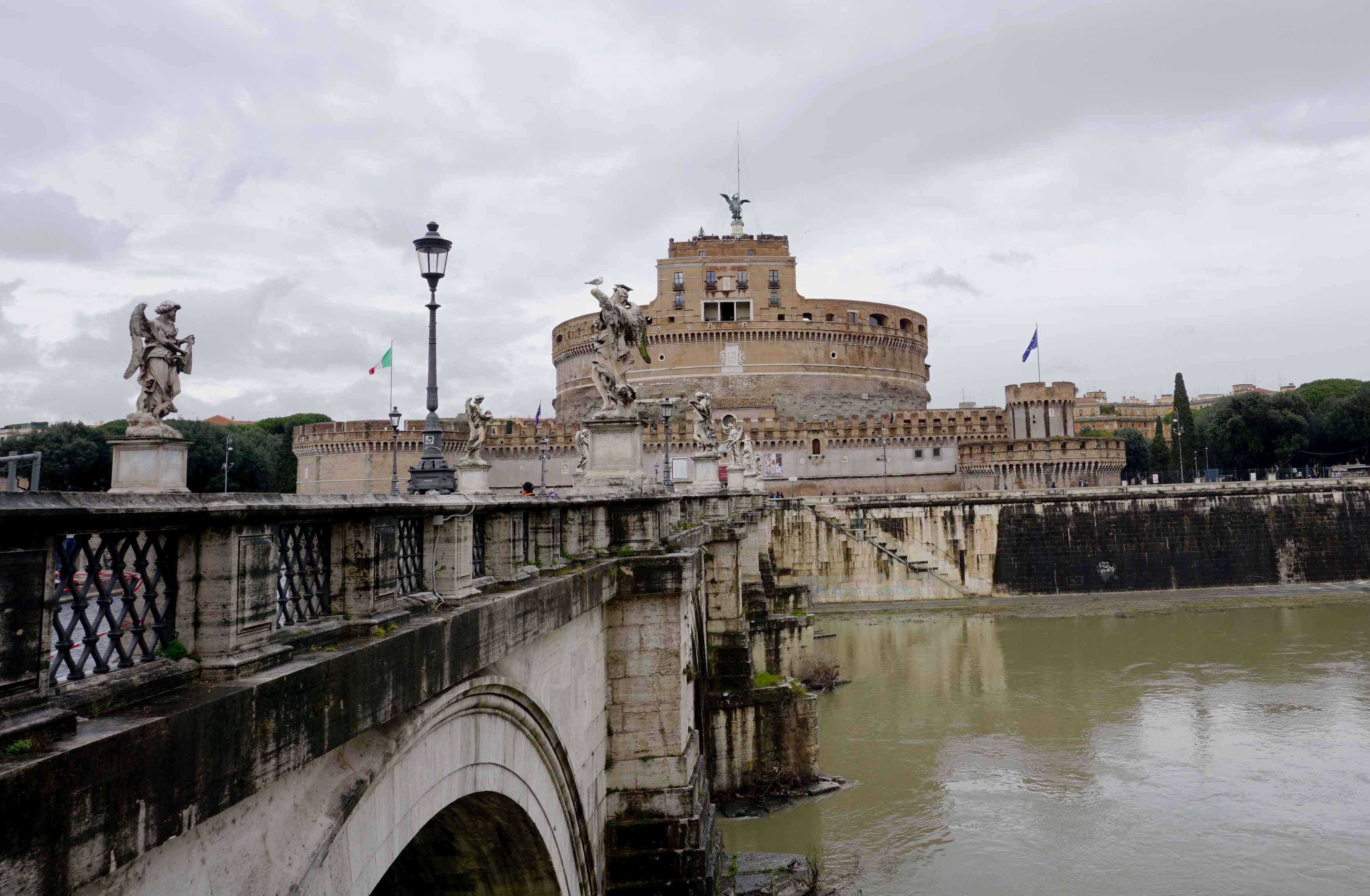
    Castel-Sant'Angelo-from-across-the-Tiber

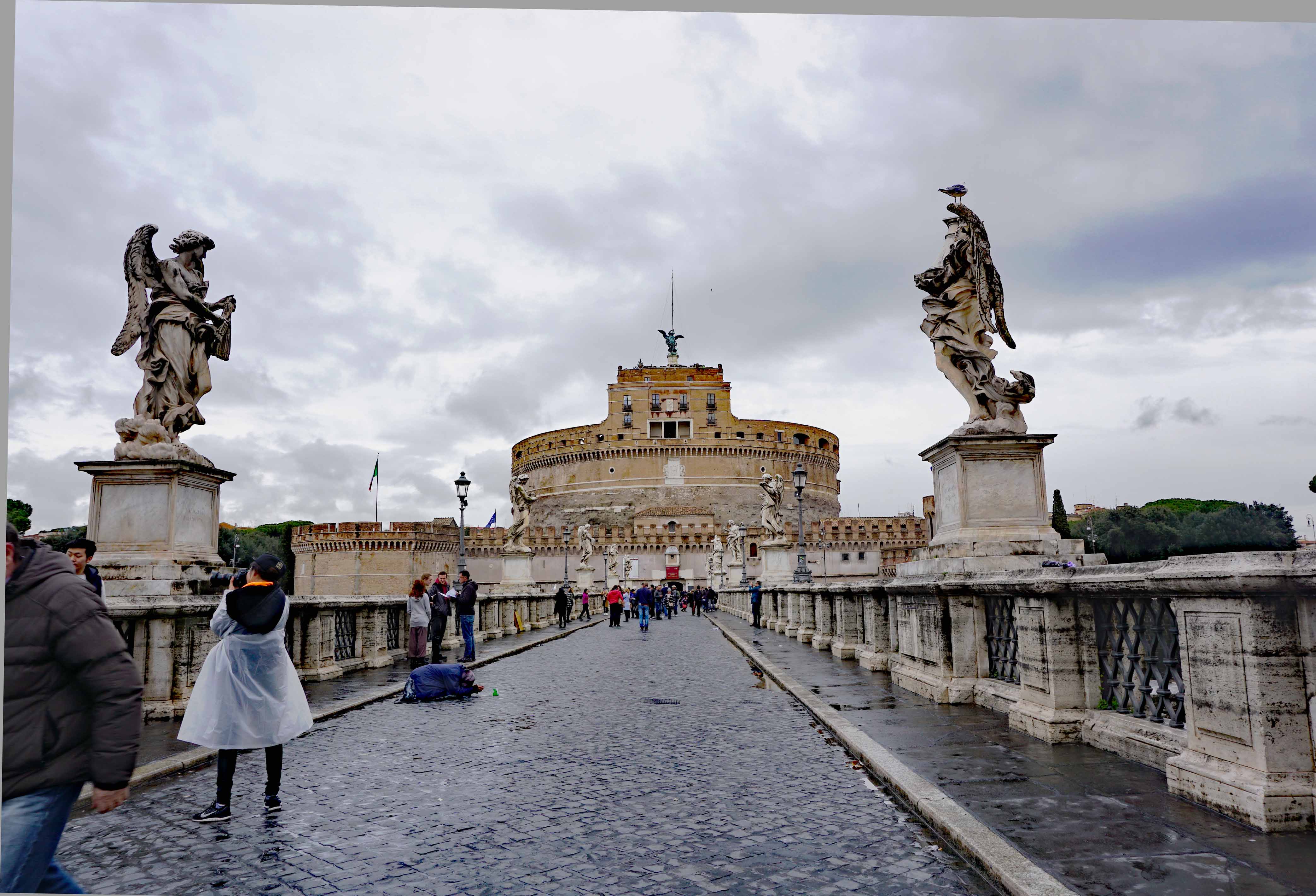
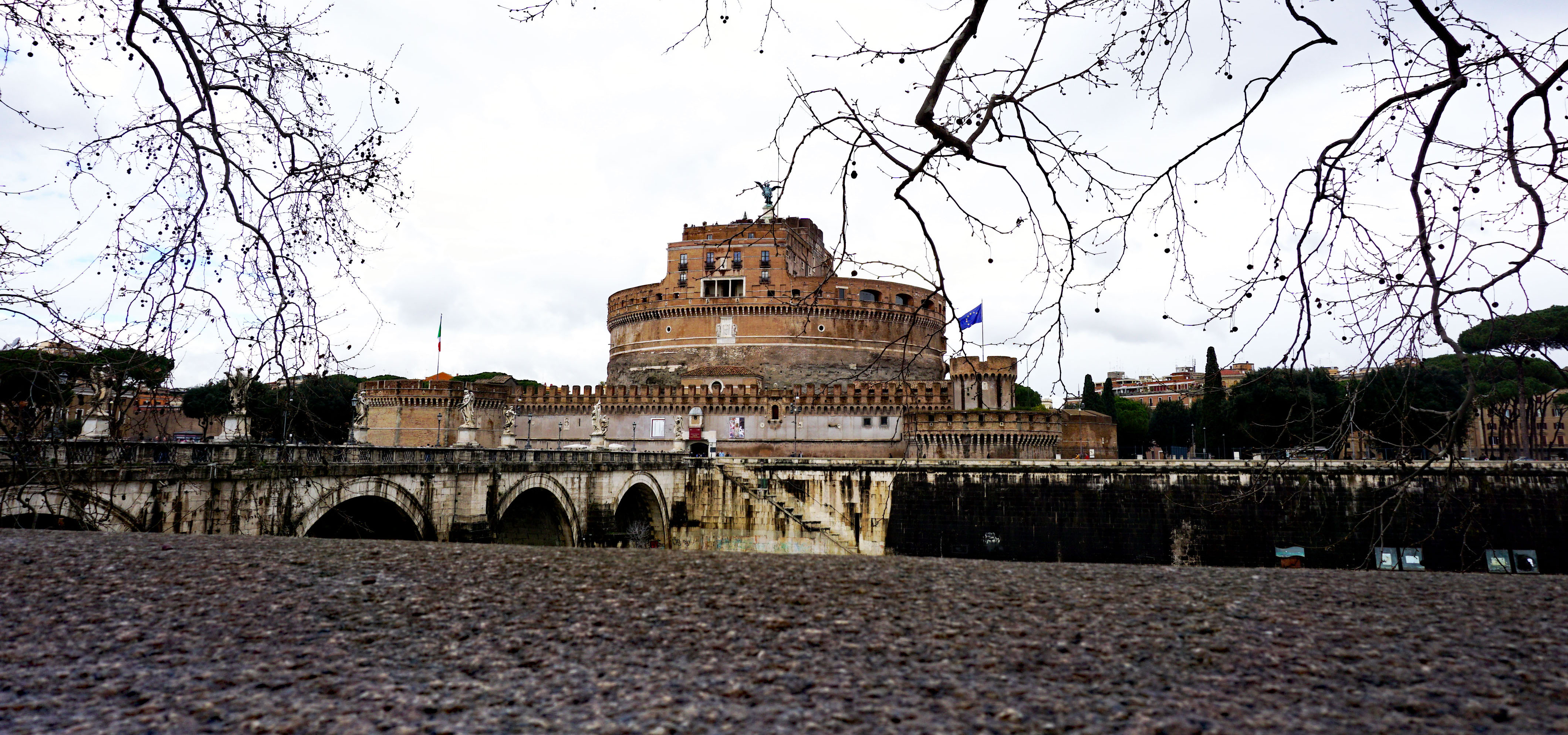
    Castell Sant’Angelo across the Tiber – Photo Mari Nicholson

    The Tiber has been the soul of Rome since the city’s inception, and it could be said that Rome owes its very existence to this strategically important river on whose banks the first settlements were built.  The two sides of the river are joined by more than thirty bridges, creating a fascinating setting for the archeology and history of the eternal city.

    View_of_the_Tiber_Looking_Towards_the_Castel_Sant'Angelo,_with_Saint_Peter's_in_the_Distance
    Old View of the Tiber, possibly 18th century

    Several of the old Roman bridges no longer exist, in Papal Rome and in the modern city seven were built in the 19th century and ten in the 20th century.

    Bridge on the Tiber leading to Castell Sant'Angelo
    Ponte Sant’Angelo with statues

    The Tiber (named after Tiberius who drowned in the river) is unlike rivers like The Danube, The Seine or The Thames as there is little activity on the water.  In the summer, various boats convey tourists along the stretch of the river, but in general, it seems underused. However, along the Lungotevere, the boulevards that run alongside it, human traffic always seems to flow.

    Flooding was a regular occurrence before the high embankments were built in the 19th century when there were houses located along the banks of this navigable river which was used for fishing and bathing.  Over time, however, silting and sediment build-up meant that the river became unsuitable for navigation.

    Looking downriver towards the Cavour bridge

    Looking down to Cavour Bridge, Rome

    As in other cities such as Bangkok, Seville, London and Paris, tour boats were introduced along the river to give locals and tourists a unique opportunity to view the city.  This is a great way to take in the panorama, and immerse yourself in one of the most evocative cities in the world.

    A stroll along the Boulevard is also a favourite pastime and a visit to Castell Sant’Angelo and the Jewish Ghetto and Synagogue, which are both situated along the Tiber can be combined in a “Tiber walk”.  There are many restaurants, cafes, and bars down by the river  so sustenance is not a problem: these are very noticeable at night when the warm lights from their windows illuminate the Boulevards.

    The Tiber

    The Tiber, Rome – Mari Nicholson

    Whether you opt for a dinner cruise, a daytime hop-on-hop-off cruise, or a private jaunt, along the way you can admire the great Palace of Justice, designed by William Calderoni;  Sant’Angelo Castle, one of the oldest monuments of Rome; St. Peter’s Basilica, Tiberina Island, a picturesque island linked by one of the most famous bridges in the city, and the innumerable bridges that span the Tiber.

    Ponte Sant'Angelo with statues

    Ponte Sant’Angelo Looking towards the Castle – Mari Nicholson

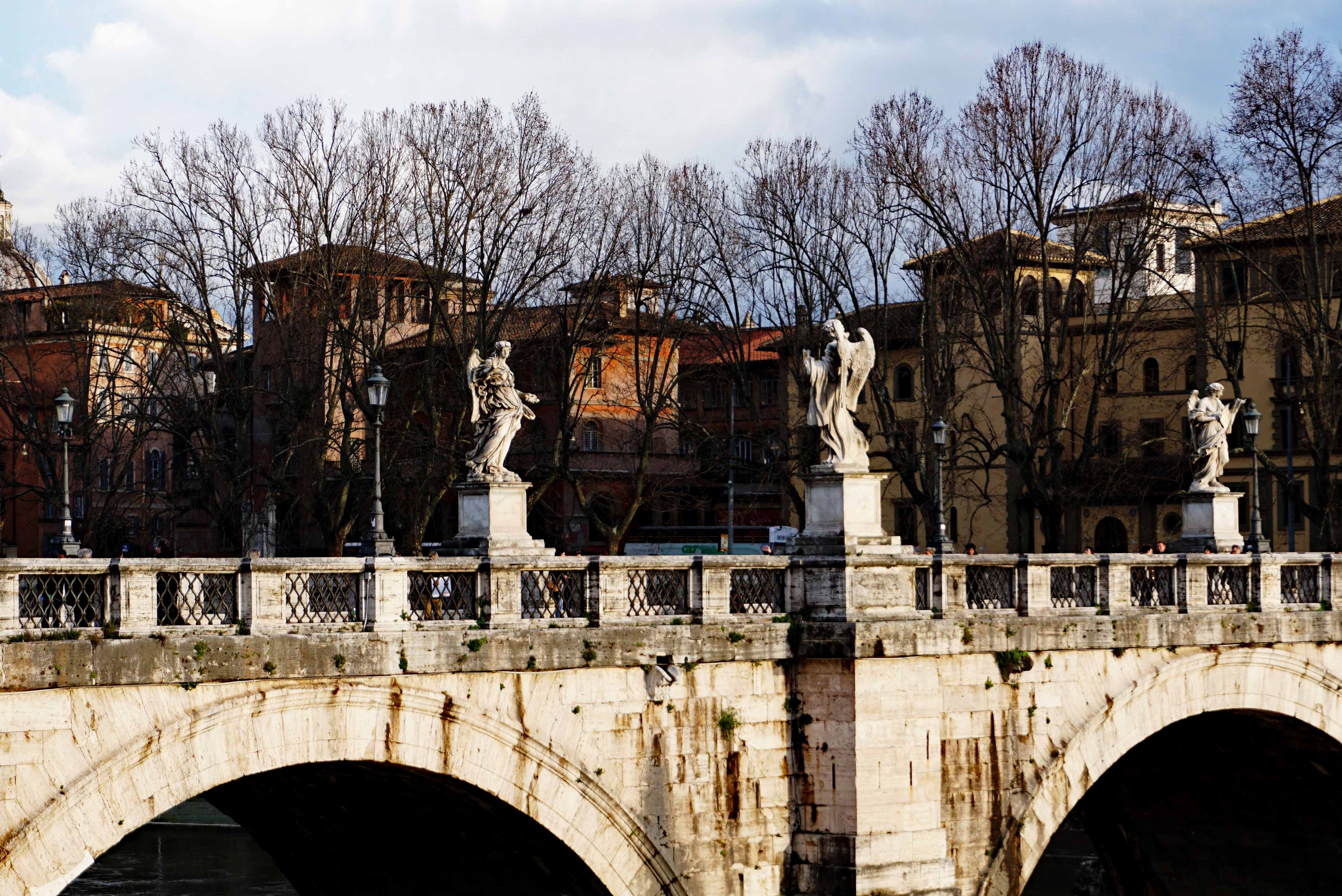
    When the surface of the Tiber is calm and the monuments that span the river are reflected in the still waters, they increase one’s delight in the vista they offer across Rome.  Ponte Sant’Angelo (by the castle of the same name), Ponte Fabricio, Ponte Rotto, Ponte Garibaldi, they all offer a sense of the history of the city.

    Angel-on-Ponte-Sant'Angelo-near-Castle
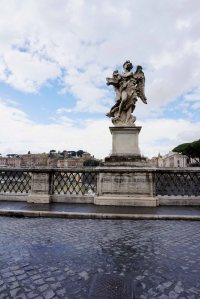
    Angel on Pone Sant’Angelo – Mari Nicholson

    Angel on the Ponte Sant'Angelo
    Angel on Ponte Sant’Angelo

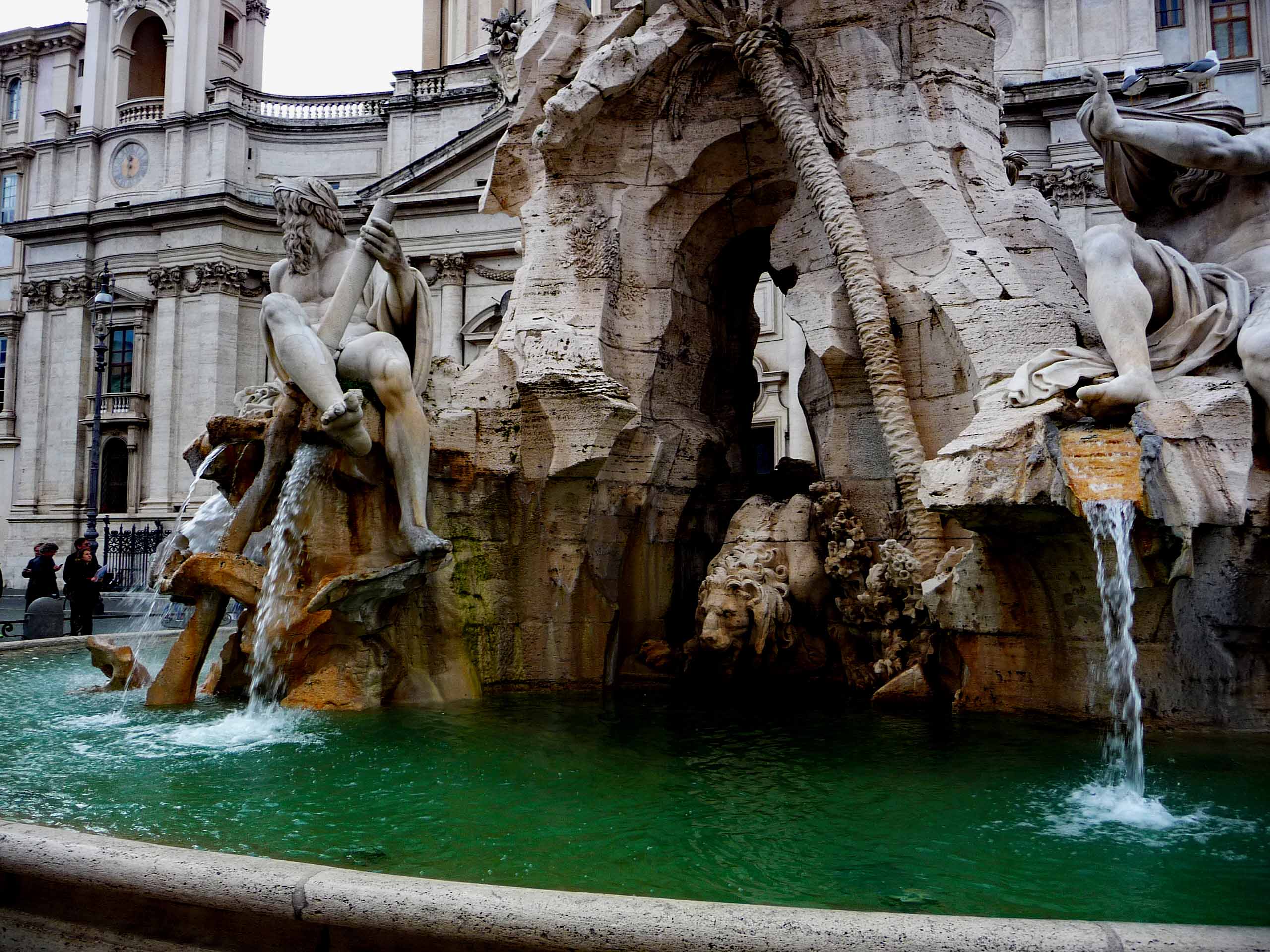
    The first named, Ponte Sant’Angela is the most spectacular, being embellished with angels carrying the instruments of Christ’s passion, and was designed by Gian Lorenzo Bernini whose fountain in Piazza Navona is one of the most photographed in Rome.

    The Ponte Sant’Angelo was erected to ease the movement between the Vatican (which was also connected to the Castell Sant’Angelo) and the commercial area across the river.

    Ponte Sant'Angelo

    The Vatican City is the only zone controlled by the papacy today, but in earlier centuries papal dominion was exercised over the entire city, hence the need for easy connection with the commercial area of the settlement.   Three energetic popes, Urban VIII (1623–44), Innocent X (1644–55), and Alexander VII (1655–67), harnessed the versatile talents of the great artists nd sculptors of the day to build monuments and beautify areas all over Rome but especially in the Vatican area.

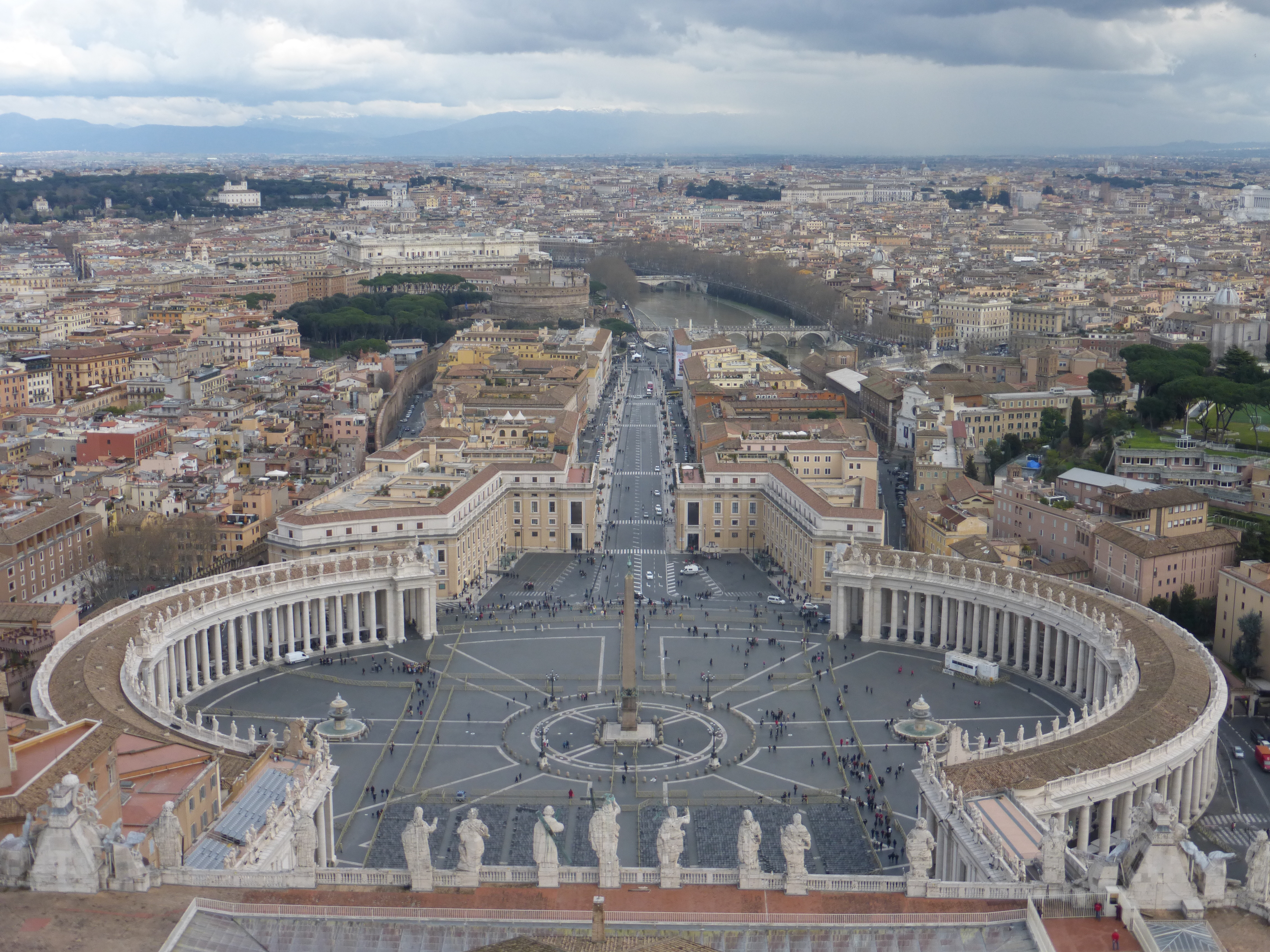
    View from the Vatican Dome
    View from the Vatican to Ponte Sant’Angelo – Photo Solange Hando

    A walk along the Tiber, and then up the imposing obelisk and olive-tree-lined road to the Vatican is an exercise in itself and you can be forgiven if you decide to postpone visiting St. Peter’s Basilica and the Vatican Museum until another day.  It can take a long time to do justice to them both.   A trip to the top of St. Peter’s is a worthwhile exercise but be warned, there are many steps to the top.  A lift goes part way only.

    Part of Bernini's Magnificent 4-Rivers Fountain in Piazza Navona, Rome

    Part of Bernini’s Magnificent 4-Rivers Fountain in Piazza Navona – Photo Mari Nicholson

    How to get there:  Ponte Sant’Angelo:  Metro Line A, Lepanto stop. Boats leave from nearby.        Buses 23, 34, 40, 49, 62, 280, 492, and 990.        Tram 19.

  • Weekly Photo Challenge: ABSTRACT

    Truly abstract I think.  Love the subtle muddy colours and the starkness of the image.

    This is a piece of graffiti on a wall in London’s East End (Brick Lane area).  It’s a wonderful place in which to make artistic discoveries.  This one comes from the camera of London photographer Steve Moore who has given me permission to use it.

    Abstract


  • Weekly Photo Challenge: Future

    Weekly Photo Challenge: Future

    I’ve recently moved house and am still coming to grips with making a new garden.  This year I’m trying to grow roses in pots but if this doesn’t work I shall replant them next year in a new rose bed I hope to make.  I had a large rose garden in my former home which I can’t hope to replace as I’ve downsized drastically.

    However,  roses are my favourite flowers, and I’ve bought ten super plants, all highly perfumed Old English species, mostly repeat flowering and with their heady scents they shall have pride of place on my bedroom balcony.

    This is my future.  Whether they will bloom as the labels show is a moot point, but ……………. we live in hope.  Wish me well.

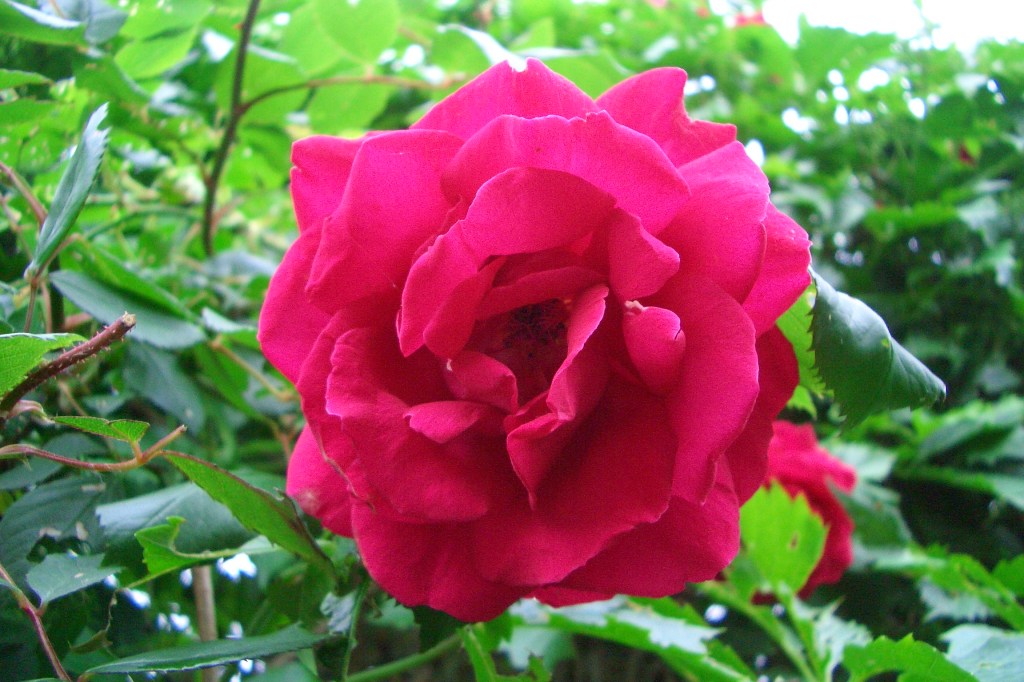
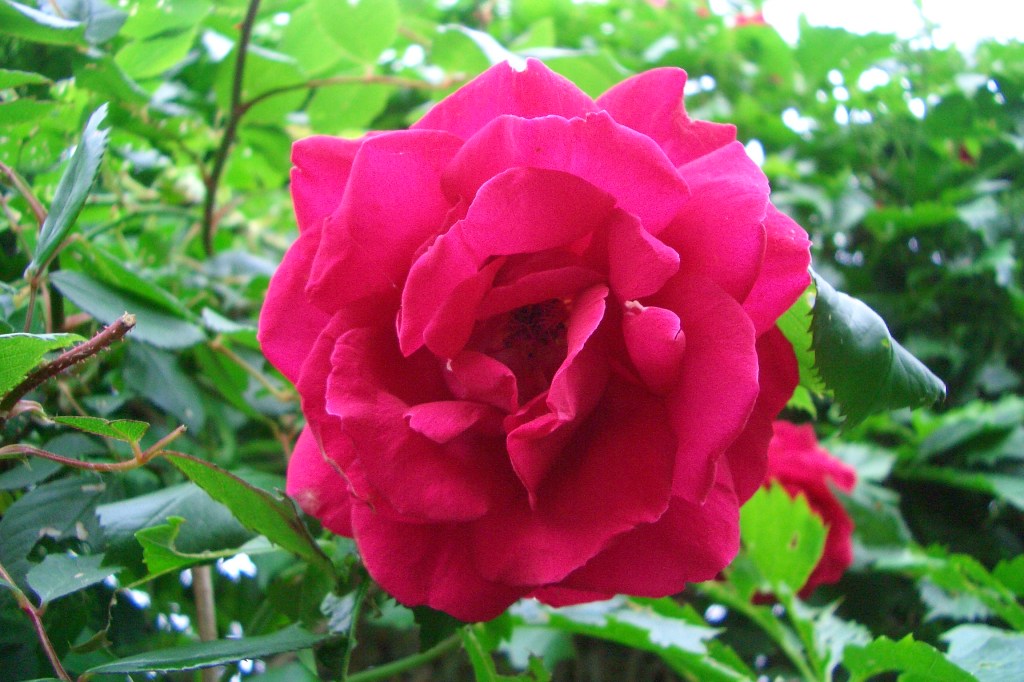
    My favourite rose (for its appearance and sunny look from early June until nearly December where I live) is Tequila Sunrise.  I thought I had an image of this from my old garden but it seems to have disappeared from the folder.  But here is another of my favourites, Gertrude Jekyll, which I’ve bought again and if it shows blooms like this one, my future will indeed be bright.

    Some of the other roses I’ve bought are Thomas a Beckett, Grace, James Galway, the Alnwick Rose, Iceberg.   Rose aficionados will recognise some of them.

    Rose 2

  • Photography Challenge 101: Landscape

    Took me a while to think about some landscapes, and unfortunately, I was unable to get out and about to photograph some, so here is a selection of some of my favourites.


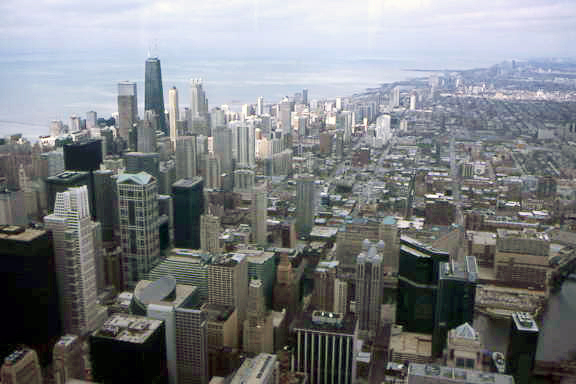
    Chicago from Sears' Toweer
    Chicago, from Sears’ Tower – Photo Mari Nicholson

    This was taken on a fairly good day in Chicago from the top of the famous landmark, the Sears’ Tower.  The skyline is probably more impressive from ground level, but I found the view from above quite exciting.   See another Chicago photo, bottom.


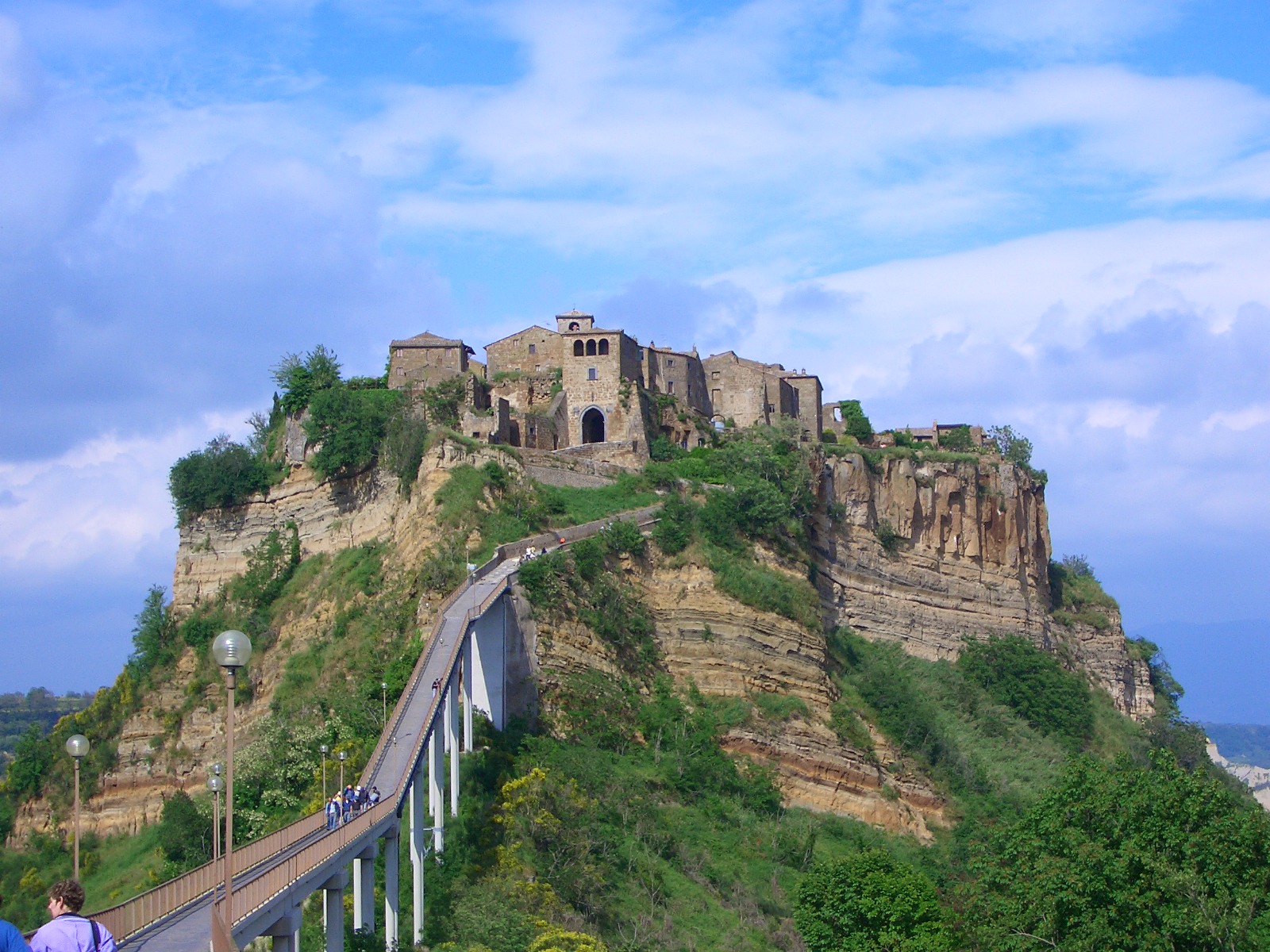
    Citiva 6
    Citava, Italy – Photo Mari Nicholson

    Citiva is in Lazio Province, within driving distance of Siena, Rome. and Orvieto.  Inside the mountain fastness is a quaint old town of cobbled stoned streets, a couple of good restaurants serving rustic food, and a Bodega where the wine flows very liberally.

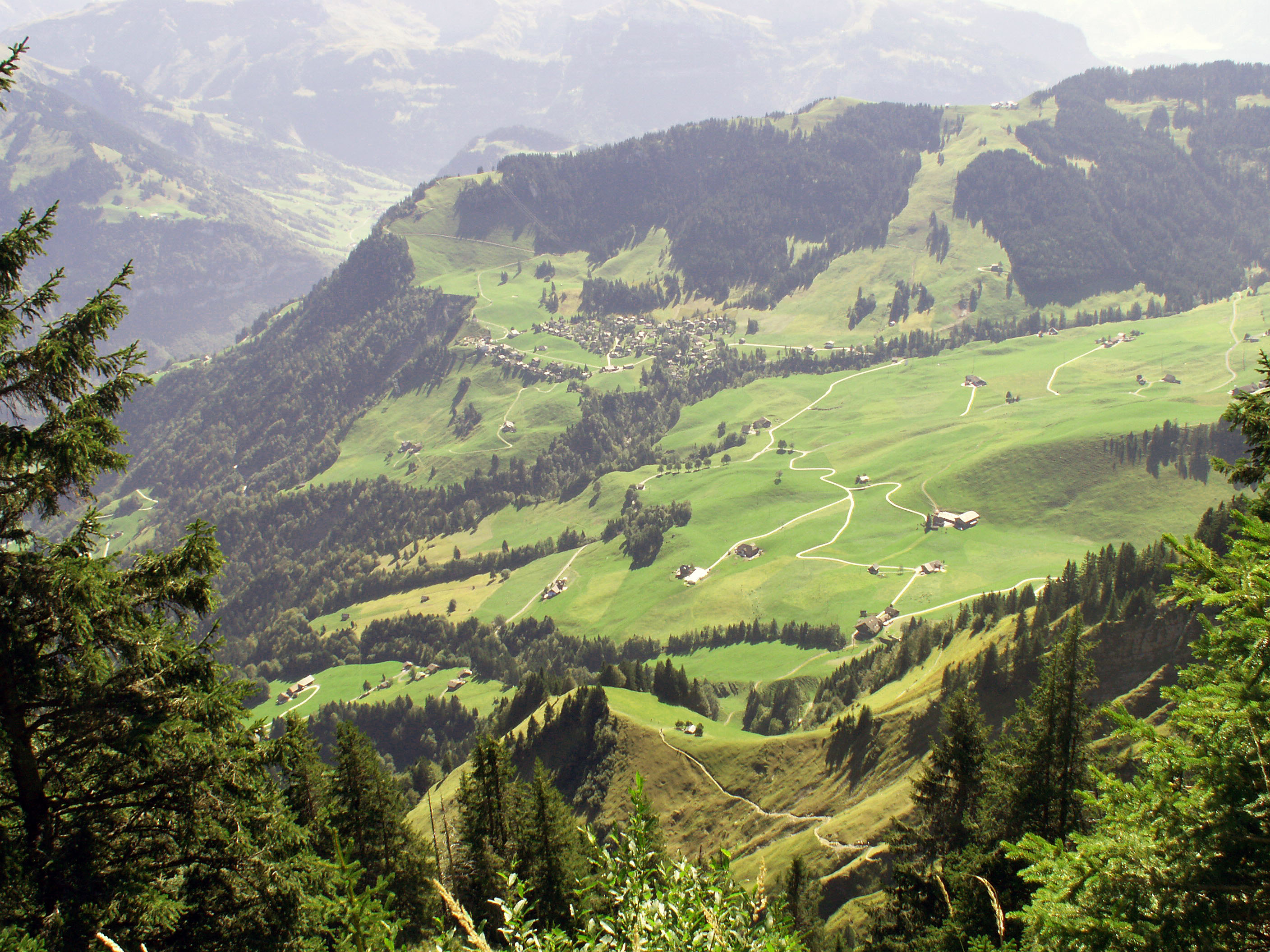
    Walking trails to Stanserhorn
    Walking trails to Stanserhorn in Switzerland

    This was taken from a cable car as we floated over the mountains in Switzerland.  I seem to remember that it was quite a long cable-car trip, longer than most I remember.  It was a magical journey over the mountains and villages below, the brown and white cows hardly visible and their cowbells muffled by the distance.

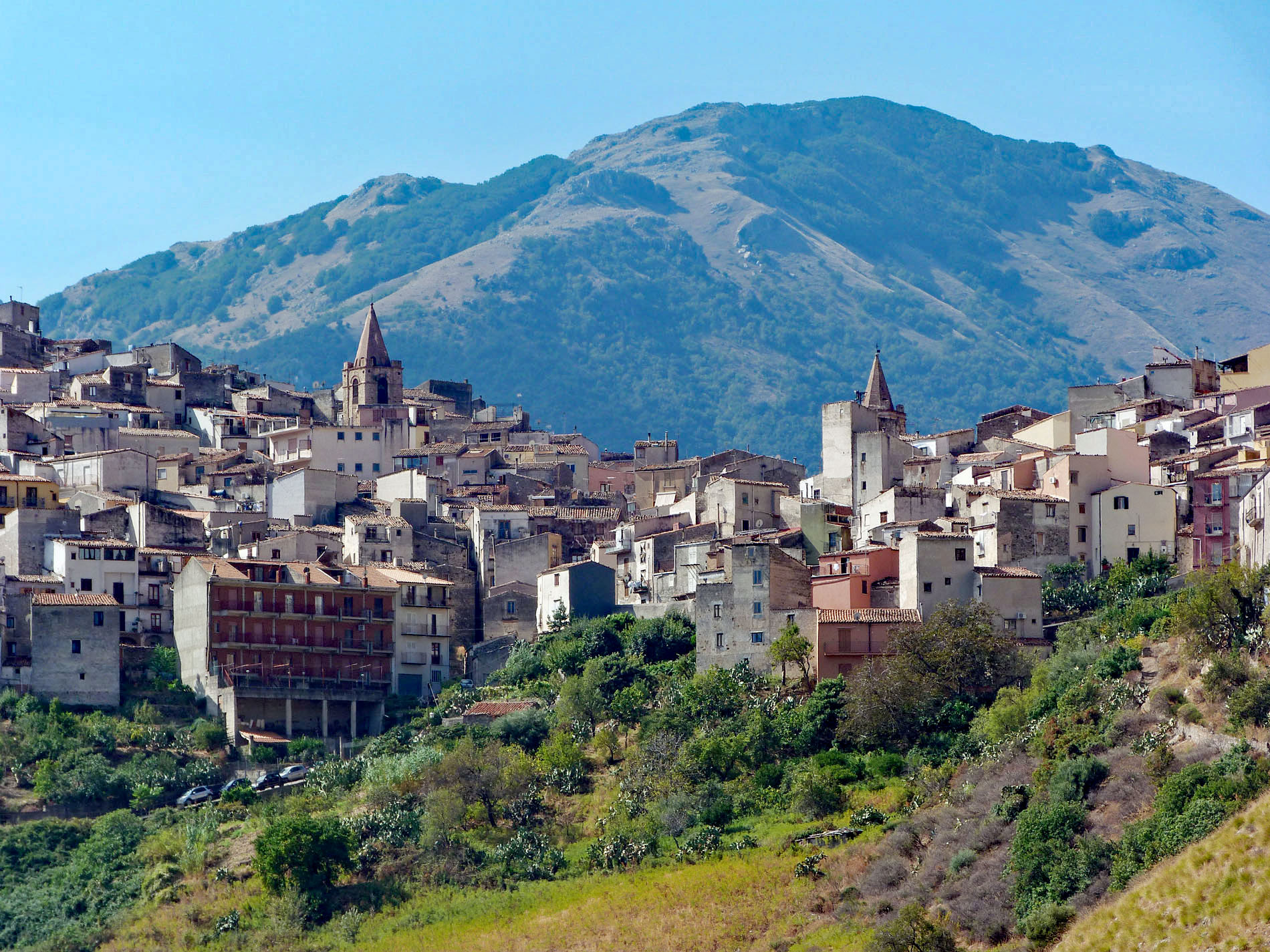
    Village in the Madonie National Park, Sicily
    Village in Madonie National Park, Sicily – Photo Mari Nicholson

    One of my favourite places in Sicily, the National Park of Madonie, where wild figs grow along the roadside and just a few locals are left in near-deserted villages to sit outside their doors and chat to whoever passes by.  Now and again one sees a thriving village like this one, which is being slowly restored to its former glory by returning families who have made some money working elsewhere and now are coming home to reclaim their birthright.

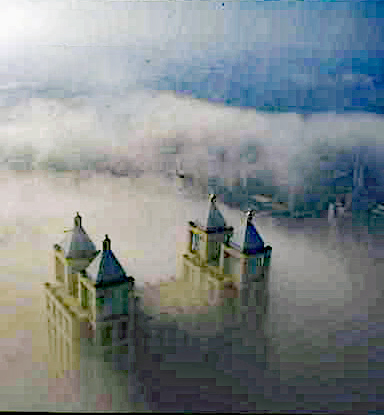
    Skyline with clouds - Chicago
    Chicago skyline peeking from out the clouds

  • Photograhy 101: Treasures

    I’ve racked my brain to think of something I regard as a treasure but apart from books there is nothing I really treasure.  I’m not into possessions too much, although I seem to be surrounded with souvenirs, pictures and odd things I wouldn’t want to lose.

    However, none of these would I class as a treasure, but I do treasure the flowers in my garden and feel upset when things go wrong there.  Last night, for instance, like most of the UK, the storm we had in my area (winds of apparently 106 mph), wrecked havoc in my garden.  I won’t mention the fence that’s down, bags of rubbish upended, the missing furniture, etc.

    I’d just invested in eight new rose trees from David Austin and these were still in pots but blew over, losing half their soil and damaging the tips.  I hope they will survive but who knows.  The daffodils were flattened, the camellia is now a mess of brown-tipped blossom and will need to be dead-headed when I can summon up the energy, and my new pansies will take a long time to recover.

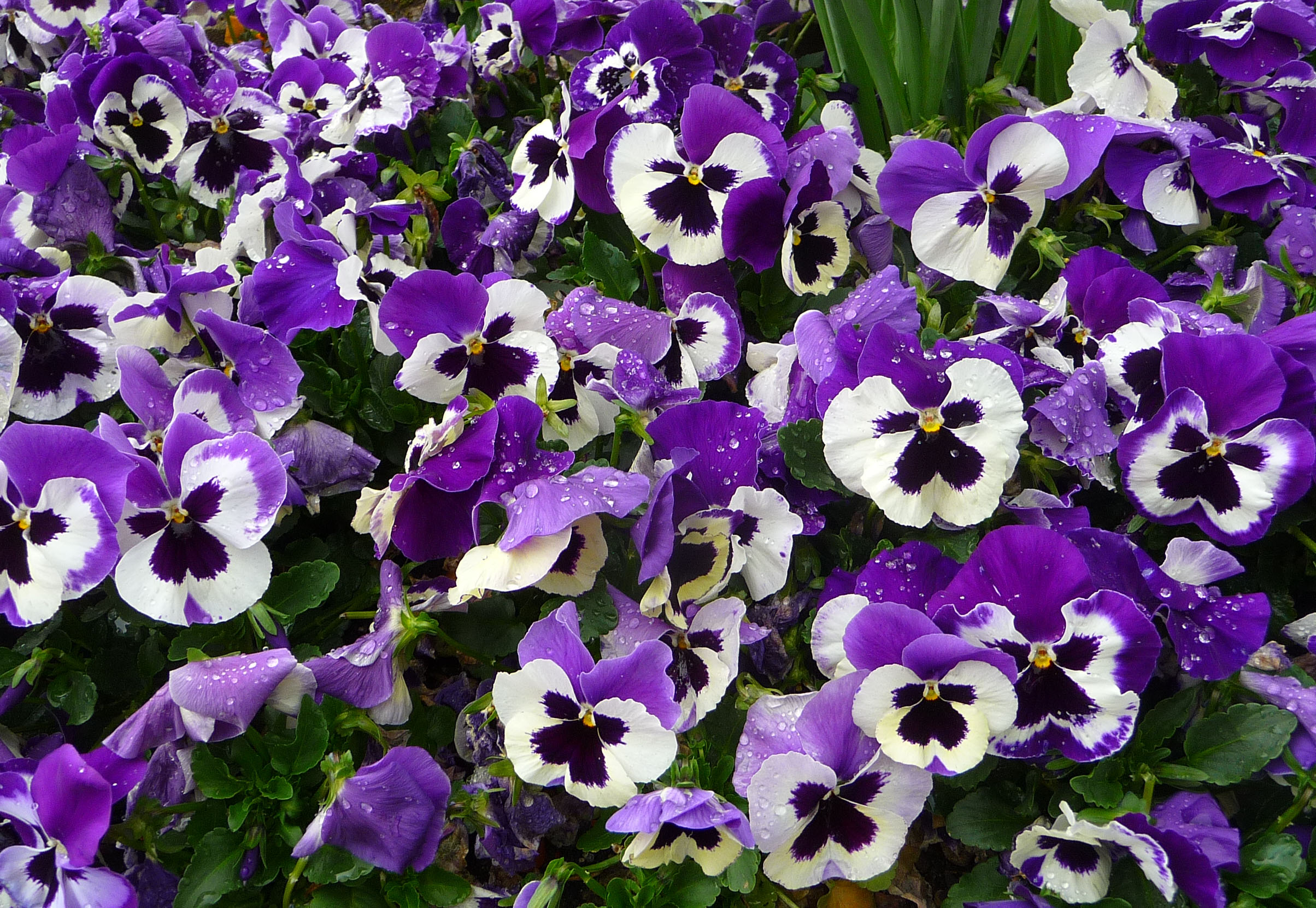
    But I’m cheered when I look at some of my photographs and remember how earlier pansies looked.  At least I have a photograph!

    Pansies - after the rain.
    Pansies after the Rain – Mari Nicholson

    f18082556
    Rose 1915 – Mari Nicholson