Category: Uncategorized

  • Chiang Rai and Thailand’s Hill Tribes

    Chiang Rai and Thailand’s Hill Tribes

    Chiang Rai Merit Making
    Chiang Rai Merit Making

    Located on a plain beneath the outermost edge of the Himalayan range is Chiang Rai, capital of the province of the same name and until recently one of Thailand’s best kept secrets.

    Without the slick presentation of big sister Chiang Mai, 180 Kl. to the south, Chiang Rai is a pleasing town with much less traffic, wide, clean streets and few skyscrapers. Here in the heart of the slow-paced province, the market-place and temple are the hub of the community, as they have been for centuries.

    This is the part of Thailand that to date has attracted few long term visitors yet it is arguably Thailand’s most undervalued region. A province of mountains and rivers, you’ll find yourself everywhere either on a river or in the hills or mountains that form one continuous rippling green chain across the northern border with Laos and Myanmar.  It offers the most accessible base from which to venture into these countries and it is within easy reach of the Golden Triangle, that magnificent and tranquil setting where the borders of Thailand, Laos and Myanmar meet on the Mekong river, and where the S.E. Asian drug trade was spawned in the poppy fields of the area.
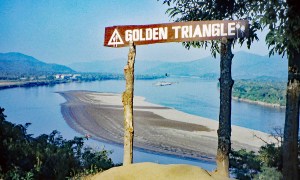
    Golden Triangle

    The essence of Chiang Rai is its untouched environment and breathtaking scenery, understated and soft hued, like a Chinese brush painting. Towering mountains and craggy limestone peaks loom out of the soft, opalescent, morning mists, elephants haul teak on river banks, and families drift up and down the rivers on their bamboo rafts which are transport, house and working stations.
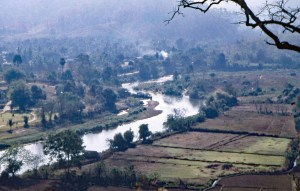
    Cultivation in Mountains

    Most western visitors come here to visit the hill tribes, among which the Lisu, Akha, Karen and Yao who live in settlements of thatched huts in the mountains, are the best known. Home to thirteen different hill tribes who migrated from various parts of South China and North and Central Burma, there is a wealth of ethnic cultures in this small area.

    It is a vexing question as to whether the visitor to the hill tribes is an agent of destruction or preservation. Exposure to outside influences has certainly altered the lives of the hill-tribes and many now expect payment for being photographed, an action that is viewed by some as a step towards the destruction of their culture. An alternative view is that the money earned gives the hill tribes an enhanced view of their culture and the interest shown in this aspect of their life helps to preserve this.

    Akha Hill Tribe family

    The province wants to show off its many delights and is seriously out to attract visitors. Most of its attractions are cultural and natural, so they are looking for a more ecologically aware kind of tourist, one who will appreciate the natural beauty of the area and its shy but friendly people. Indeed, the people are one of the greatest assets of the area with a gentle innocence and a uniquely northern curiosity about the visitor.
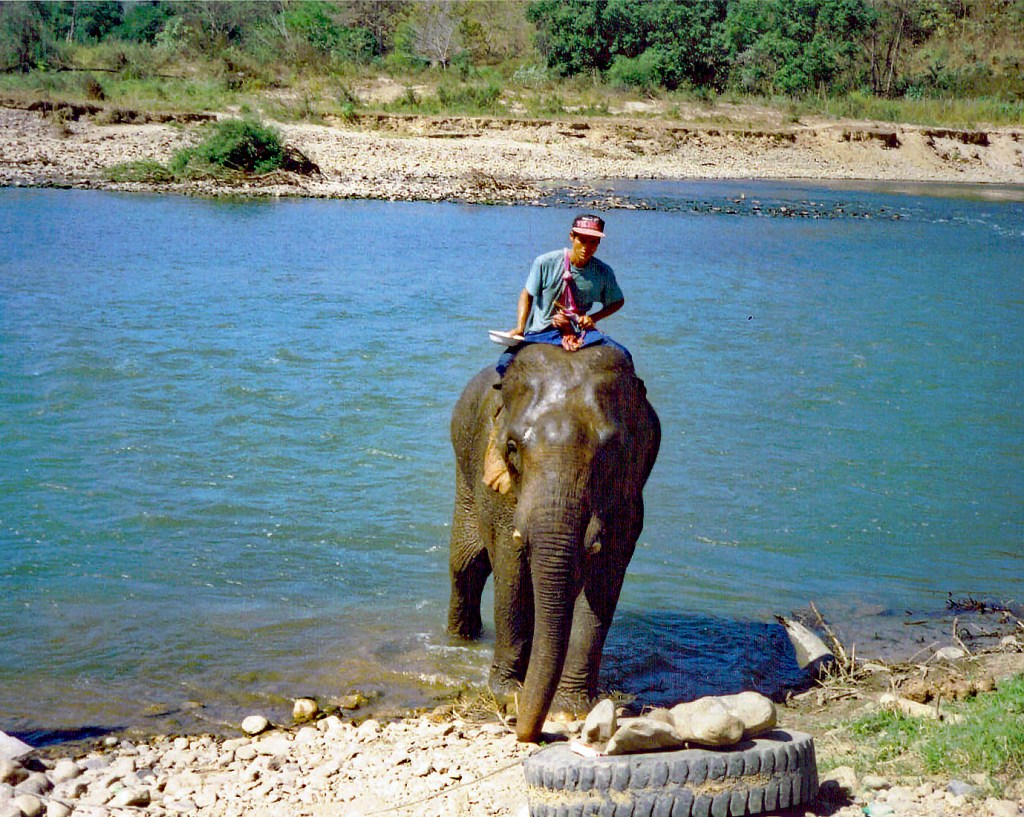
    Elephant Bathing
    Elephant Bathing

    From Chiang Rai one can take a boat ride up the river to the village of Rammit, home to the Karen tribe. Because of the dense jungle that stretches for miles the elephant is the only animal capable of working here, and the Karen have become excellent elephant trainers and handlers. The journey takes about 40 minutes and a good time to arrive is midday when the elephants have finished morning work and turn the river into their playground and bathtub.

    In these hills also, you’ll find Doi Mae Salong, where the descendants of the soldiers of the 93rd Division of the Kuomintang now live, combatants who made the long journey from China after the civil war. It is a long winding road with wooden one-story shop houses on either side selling food, sweets (bite carefully into the most appealing looking, some are positively foul) and Chinese medicines. Snakes bottled in Brandy, spiders in oil, scorpions in wine are all popular buys with the locals but most of the Chinese descendants tend tea and coffee plantations, orchards and vegetable. gardens.

    Merit Making on the Streets of Chiang Rai
    Dawn, and a young girl makes Merit in Chiang Rai

    With little effort, you can imagine you’ve wandered back into an older age. Layer upon layer of mountain ridges drift in and out among the clouds from your vantage point in the village which is set on a slight incline in the mountain side. Rich green farmland runs down into narrow valleys and mountain people laden with heavy loads can be seen trekking up and down the paths. There is little noise apart from the sighing of the wind in the bamboos and the soft boom from the bronze bell in the temple.

    In recent memory, the opium poppy was the  only cash crop grown in the high mountains at over 1000 metres where the temperature was very suitable for its cultivation but strenuous efforts by the Thai government and various NGOs have weaned the hill tribes from their reliance on this and nowadays crops like soya and sago have taken their place. This alteration to a way of life unchanged for centuries has placed pressures on the different cultures and is causing change.  Apart from the poppy, there are no more forests to which they can move, no more trees to chop down and burn, and no patches of plants and herbs for medicine and food.

    Street sceme Mae Sai (Border with Myanmar)
    Street scene Mae Sai (Border with Myanmar)

    M0st accept a settled existence and tourism is playing an increasingly important role in ensuring this for their eventual survival. Inevitably, tribes will diminish or vanish, but they have adapted before and can adapt again. Anything that can raise them from the grinding poverty of their daily lives can be construed as destructive only by the most perverse of eco-tourists.

    There are many small hotels and inexpensive guesthouses in the hills, especially in the border area of Mae Sai, but don’t expect western food. Horses and mules can be rented for distant journeys and local people serve as guides. The hill tribes ignore borders, cheerfully crossing and re-crossing the border between Thailand and Myanmar and, some say, occasionally venturing back home to China.

    So when thinking of the cool mountains of Thailand, think Chiang Rai rather than Chiang Mai, a town which is, in most people’s minds, merely a northern version of Bangkok.

  • A Misunderstanding at Nether Fondle.

    I love Jan Toms stories of Nether Fondle (reminds me of a village that would appear in Beyond Our Ken). This is her latest. Read this, and if you enjoy it, catch the others on her WordPress site.

    janettoms's avatarjantomsbriefbiographies

    . Misunderstanding at Nether Fondle

    Tales from a Village Somewhere in England

    High Street Nether Fondle A village scene at Nether Fondle

    The best thing about being out of work was having time to daydream about better jobs. Top of Bruce Daylounger’s list was being a personal trainer in a girls’ school but so far nothing had turned up.
    Then, to his amazement, his reluctant application to the Nether Fondle Weekly was successful and he was appointed junior sports reporter. The down side was that he hated exercise. Watching others heaving and sweating was only marginally worse than doing it himself but before he had a chance to speculate further, the editor, a hard-bitten ex-Fleet Street hack called Jerry Bruise crushed any aspirations.
    ‘This paper’s crap. Don’t get no ideas of writing nothing worth reading. You gotta be prepared to cover baby shows, dog shows, craft shows, vicars’ tea parties. Most exciting thing happens…

    View original post 2,105 more words

  • Australia: Destinations Perth and Cairns

    Perth offers a gentle welcome to the visitor heading for Australia for the first time.  Its superb location by the Swan River, white sandy beaches on the nearby Indian Ocean, cultural attractions and a cuisine to rival that of Sydney, makes every visit a pleasure.

    Apart from beach activities, including great surfing, the city itself  offers many attractions: like King’s Park with it’s superb views over the city, the 42 acres Botanic Garden, and the Aquarium of Western Australia where you walk through a 321-foot tunnel lined with glass, behind which thousands of colourful fish, sharks, and stingrays lurk.  If you want to get up close and personal with the sharks, “no probs.” as they say in Perth, you just trot off to the Discovery Pool where, if you are a qualified diver, you can have a face-to-face shark experience.

    The “fun” part of the city is in the district of Northbridge where you will find a range of nightclubs, pubs, cafes and eateries, offering an eclectic mix of cultures and cuisines, but better still is “Freo” (Fremantle), located 20 minutes south of the city but almost an integral part of Perth itself.   European in appearance, Freo is a café-lined port with spectacular beaches and a more sophisticated lifestyle, but still distinctly Australian with verandaed beer-houses and pub barbecues a regular sight.

    From Freo, take the 80-minute ferry ride over to RottenestIsland, accompanied (sometimes) by migrating whales, dolphins and sea-lions.   Once an Aboriginal penal colony, Rottenest is now a weekending town thronged with people who gather for karaoke bar singalongs as well as a closer acquaintance with the beer culture.

    It would be a shame to spend all your time in the flesh-pots of Freo though, as Perth is an ideal stepping-off point for one and two-day-trips.   My own favourite is the wine producing MargaretRiver region on the Indian Ocean.  Although 155 miles away it is well worth a trip, if only to sample on site the lush, jammy Shirazes for which the area is famous and to revel in the ancient karri forests, beautiful countryside and heavenly beaches famed for their surf.

    Second favourite is the journey north from Perth to see the Pinnacles, thousands of eerie limestone pillars up to four metres tall that dot the stark desert of the NamburgNational Park, and Monkey Mia where dolphins come into the shallow waters to feed.  I combined both trips over 3 days which gave me time for sightseeing, swimming and hanging out.

    Perth embraces families, adult singles and couples alike and the range of entertainment for children and adults is a fair indication of why so many people come here for a vacation and then find it hard to go back home.

    CAIRNS

    In sharp contrast to Perth is Cairns, right bang at the point where two world heritage sites meet – the Great Barrier Reef and the Daintree Rainforest – and the closest thing to tropical paradise I’ve found.

    Few places can match Cairns’ concentration of activities, indigenous culture and pure natural splendour.  The Esplanade, up and down which the pelicans parade in undisputed ownership, has budget hostels, bars, eateries, boutiques and a great night time atmosphere.  The Pier waterfront complex has five-star hotels, some really super Australian designer shops and an eclectic range of restaurants.

    The glitz has been totally absorbed by the town, but no matter how luxurious the suite, how chilled the champagne and how blue the pool, there is always a sense that a salt-water crocodile lurks not far away: Cairns has a primeval feel underneath the luxury, that’s what makes it different.

    It’s essentially a stopping-off post for other trips, whether it be a trip to the Great Barrier Reef or any one of many rainforest trips.  The GBR needs no introduction to most people as its coral reefs are one of the most photographed sites in the world.  Snorkelling through the forests of staghorn coral, surrounded by round fish, flat fish, fluted fish, giant sea turtles, crimson squirrelfish, and sea cucumbers is exciting, but sensory overload really sets in when you spot the giant clams, their purple and green mottled lips open to their full 1 metre size.

    There is an inner reef suitable for novices and beginners, an outer reef bordering the open sea with canyons and deep water, and the island reefs which are combination of both.  If you are staying on one of the blissful Islands, then your hotel will have a boat to transport you to the reefs, but if you choose a mainland hotel, then there are plenty of snazzy boats with scheduled trips out to the reefs from the waterfront.

    For my money though, the rainforest is the most awe-inspiring place outside Cairns.  Having taken the Scenic Railway trip which chugs through 15 tunnels as it climbs 300 metres towards the AthertonHighlands and the village of Kuranda, and a boat ride on the crocodile infested DaintreeRiver, I was keen to spend a few days in a Rainforest Lodge.  Although I wore a rain poncho most of the time, the life of the forest was so absorbing that the constant misty rain was forgotten.  Central to this was the trip on Skyrail (a world first in ecotourism).  Sailing high above the rainforest canopy your gondola passes over eucalypt woodland, waterfalls, and trees in which white cockatoos nest, with panoramic views to Cairns, Trinity Beach and Green and Fitzroy islands.  You can alight at different stations en route to experience the forest floor from the comfort of boardwalks surrounded by trees, lush palms, ferns, animals and birdlife.

    Whatever your style, Cairns can offer you an experience you won’t find anywhere else in the world.

  • Curaçao – More than Just a Liqueur

    Curaçao – More than Just a Liqueur

    I was tempted to use this Post as part of the Orange photo challenge, thinking Dutch/Orange, Williamstad/William of Orange, Curaçao/Orange liqueur, but I thought that might be considered an anology too far!

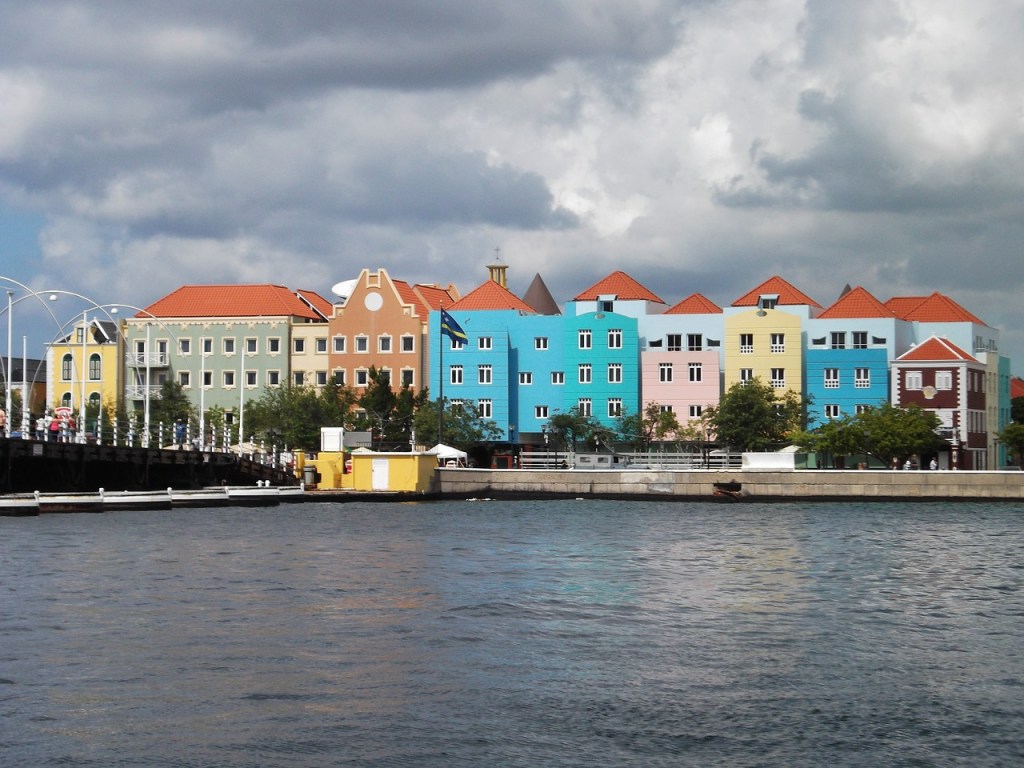
    Entering Harbour at Williamstad
    Entering Harbour at Williamstad

    The ABC of the Caribbean    

    Aruba, Bonaire and Curaçao, the ABC of the Dutch Antilles, located in the southern Caribbean Sea just off the Venezuelan coast, are 3 of the most beautiful islands in the Caribbean   Not only are they physically beautiful but the people themselves are among the friendliest and most welcoming in the Caribbean, something to do with the Netherland’s good governance of the islands it is said.

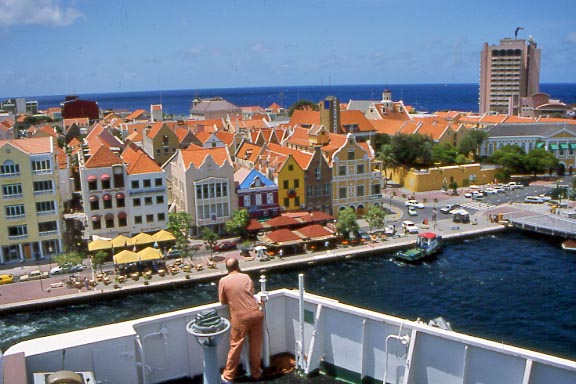
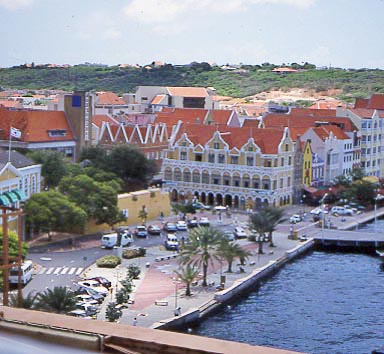
    Williamstad, Capital of Curacao
    Williamstad, Capital of Curacao

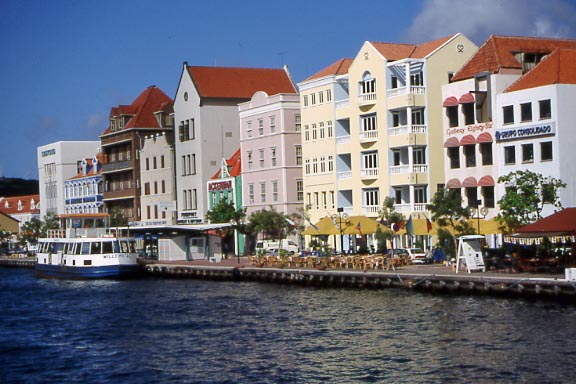
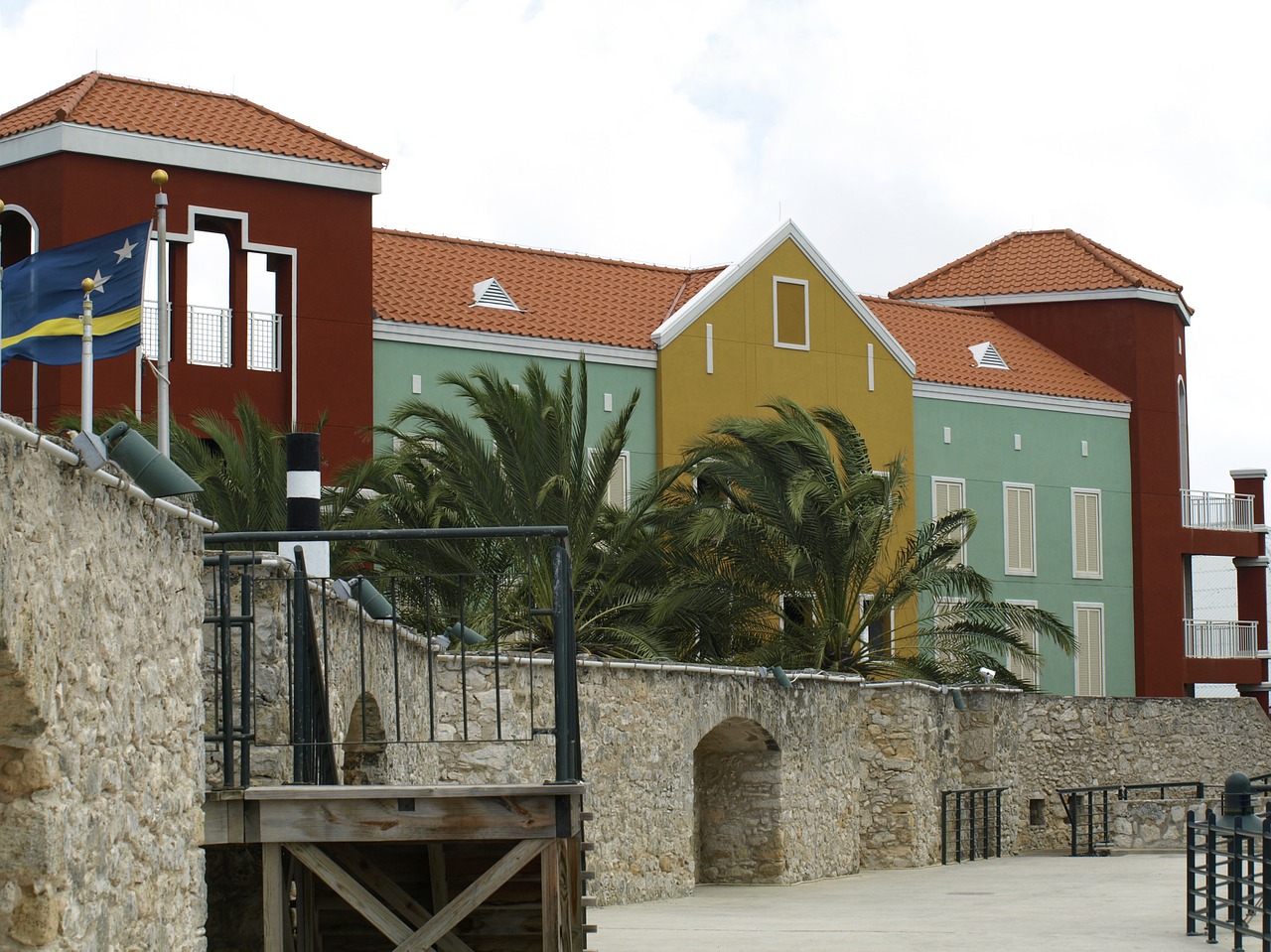
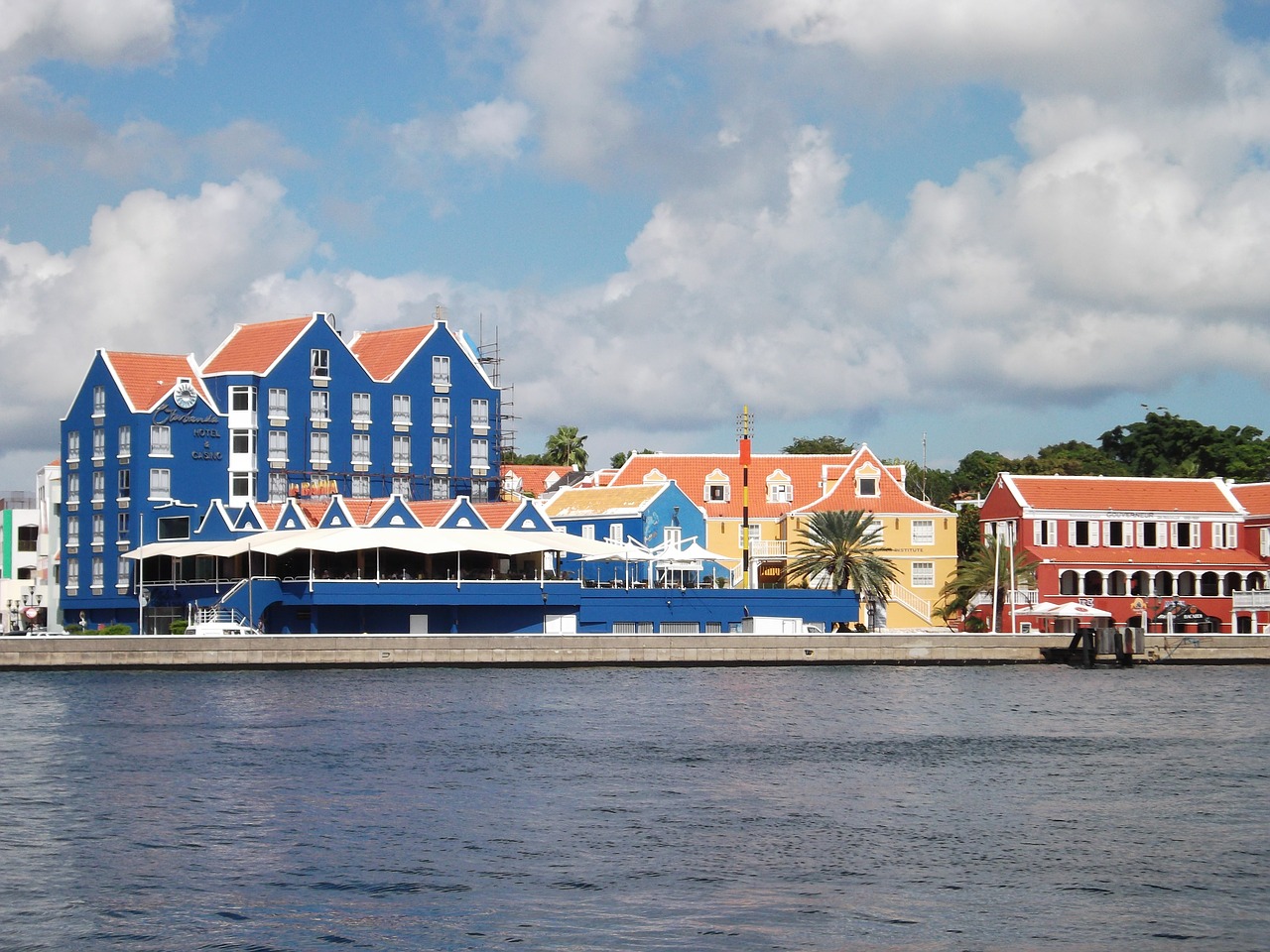
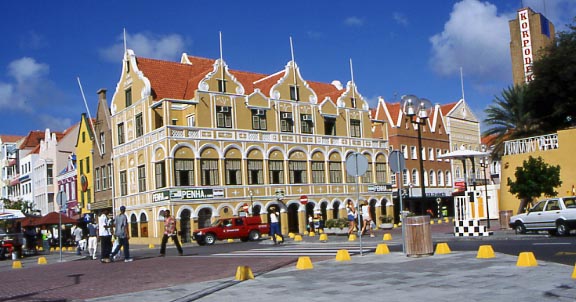
    Imagine a tropical Amsterdam if you will and you have Curaçao.  Williamstad, the capital, is a town of tidy Dutch-style streets with tall narrow houses in pastel colours of blue, green and pink lining the quayside, interspersed with emerald green swathes of grass and former warehouses now seerving as Museums.  Prosperous and clean shops and delightful open-air bars and cafés give cheering evidence of the good husbandry of the former Dutch owners.  A perfect town in which to wander, safely it must be mentioned, there are some superb restaurants and plenty of budget ones as well, great retail experiences in the Duty Free shops which stock everything from designer clothes to gold jewellery and Havana cigars, Curaçao has it all.

    Beaches, Seas and Aquasports

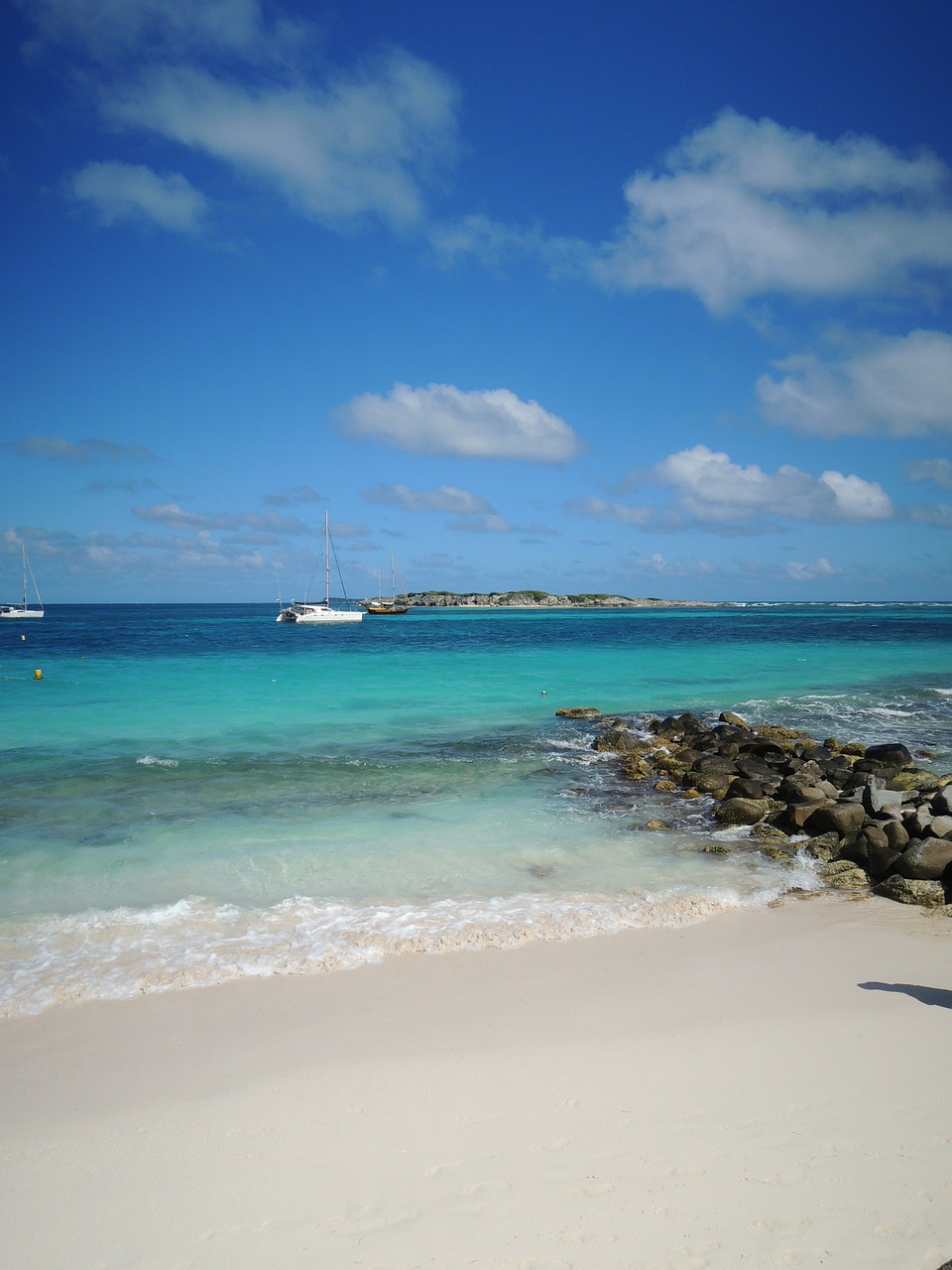
    White Beaches and Turquoise Seas
    White Beaches and Turquoise Seas

    Fascinating though the town is, the beaches and the tremendous amount of water sports on offer, exercise a pull on even the most dedicated of shoppers.  There are 35 fantastic beaches with white sands that are really blazingly, blindingly white and with the background of the turquoise sea (yes really turquoise) this is a picture postcard tropical idyll.  Swimming, snorkelling, diving or merely floating lazily on the seas around Curaçao is something everyone should do once in their lives.

    Williamstad, Curacao, Habour.
    Williamstad, Curacao, Habour.

    I’m no diver – I’m not even a swimmer – but I was nearly tempted into taking lessons from one of the many diving schools we visited, so enticing were the waters.  ‘Rubber suits aren’t necessary’ Piet said persuasively.  ‘The water is very warm, between 70ᵒ and 85ᵒ’.  But I shied off and now I wish I hadn’t.

    The Town of Williamstad, Curacao
    The Town of Williamstad, Curacao

    My partner however, sampled some of the over 65 varied dive sites including spectacularly located shipwrecks, and raved about waters with 100 foot visibility, the gentle drop offs and walls blanketed by magnificent coral formations.  And I’ll swear he hasn’t been the same since he swam underwater with the turtles and the multi-coloured fish, an experience he likened to a psychedelic dream.

    House in Curacao
    House in Curacao

    And it’s not just swimming, snorkelling and diving.  The Marine Park and Underwater Nature Reserve offer other experiences, the best of which for most people is the Curasub, the mini-submarine which takes passengers 320 metres below the sea and which is a boon for those who, for whatever reason, cannot dive.  The journey last about one and a half hours and is a delight from start to finish.  It is also safe as the internal pressure means that the sub can surface much more quickly than can a diver.

    National Parks and Museums

    There are experiences of a different king at the Christoffel Park, a naturally laid out wildlife preserve covering 4,500 acres, flanked by hills and shadowed by the majestic mount Christoffel.  The park is home to rare sabal palms and orchids, iguanas, several species of birds and the shy Curaçao deer.  Horseback riding and mountain biking are available and driving, hiking or strolling is easy and pleasurable.

    Houses in Curacao
    Houses in Curacao

    Surprised by the varied number of Museums on Curaçao, ranging from an Antique Furniture Museum to the Jewish Historical Museum housed in the oldest continuously operating Synagogue in the Western Hemisphere (since AD 732) I had my work cut out to fit even a few of them in.  Once you’ve ticked off the museums you want to see you can then start on the many elegant Plantation Houses on the island.  The Caribbean as a whole is not short of Plantation Houses but the ones on Curaçao are in a class of their own and well worth a visit.

    Getting round the island

    Buses are a cost-effective way of getting around the island and a useful way of meeting the friendly locals, but taxi are cheap and plentiful.  For touring downtown Williamstad and to reach the Seaquarium there is an old time trolley bus with aircon at the front and fresh air in the back!

    ‘You must have a free ferry ride with the locals’ my hotel porter told me.  ‘It operates at least 30 times a day when the Queen Emma Bridge opens to let ships pass through’.  So I did, and it was fun.

    Williamstad
    Williamstad
    Williamstad, Curacao
    Williamstad, Curacao

    Curaçao was discovered by one of Columbus’s lieutenants, Alonso de Ojela.  It’s a pity the good Señor never had a chance to try the ice-cold beer, the only lager in the world brewed from seawater, or even ‘a sticky’, the sweet, syrupy Orange or Blue Curaçao.  I think he’d have liked them.

  • Return to Blogging

    So, after a long absence I have returned to blogging.  Friends have been asking me why I’ve neglected my blogs for so long and I can only plead overwork in other fields and, perhaps, a little bit of laziness as well.

    Now, however, I am determined to get back into the swing of things and update the blog on a regular basis, starting off by detailing some of my travels which have taken me to France, Italy, N. Ireland, Spain, Thailand and Vietnam since I last uploaded words and photos on the site.

    First, I wanted to make sure everything was working on the site, to add one or two gadgets which will make it easier for people to comment on the blog if they wish, and I’ve changed the background colour.  I’ve also added some new menus to the strapline which I hope you’ll like, I enjoyed playing with them myself, darting from Mosaic to Classic, from Timeline to Flipchart (and isn’t the flipchart one amazing?).

    So, watch this space.  Meantime, here’s a few recent images from my travels.  Hope you like them.

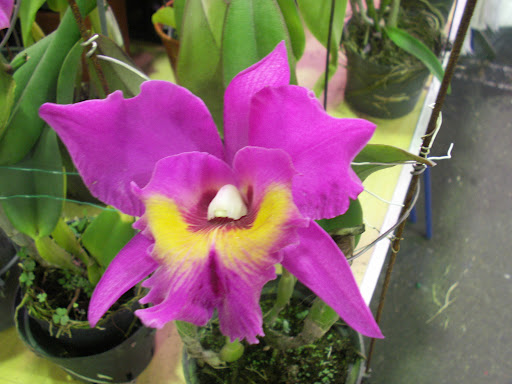
      Orchids in Thailand

     Sheep and Shed in Ireland

    Auxerre in France

    Menu in Italy

    Oranges in Spain

  • Asian Travels – Mari Nicholson

    I have decided to split my travel blogging into two separate areas, one for my forays into East Asia, an area of the world in which I travel extensively, and one for Europe.  I hope it will be easy for the readers to navigate between the two, and I hope I manage to leave links where necessary.

    I have decided to call this one Asian travels, and the one for my European excursions I propose calling, surprise surprise, European Travels.

    This year I have spent quite a bit of time in Thailand, my all-time favourite country, during which I managed to visit Koh Samui – just avoiding the flooding which hit the island shortly after I left – and I spent some time in Hua Hin, the Thai Royals’ favourite resort on the Gulf.  I also spent time in Khao Sok National Park and in Khao Yai National Park, two quite different areas of forest land, one to the North of Bangkok and one way down South, near Krabi, Phuket, and Surat Thani.

    I hope you’ll check in occasionally to read my articles, maybe to ask me some questions, or leave a comment.  This is just ‘Hello’ for today.  First blog coming up soon.