
Blog
-
Lens-Artist Challenge: Emotion
Linked to Lens-Artists Photo Challenge here
This is the first time I’ve ventured to try the challenge on this site and I hope my photo entries manage to illustrate emotions. First up is exhileration:
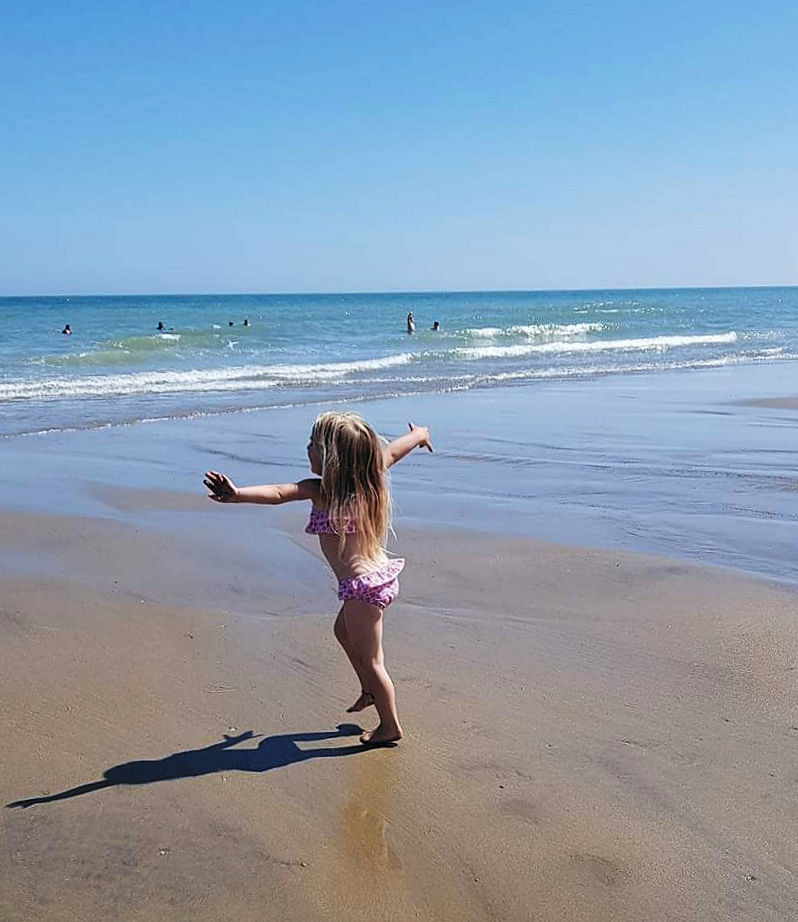
Exhileration When I saw this young girl rush into the sea it took me back decades to those heady days when a day at the seaside was such a joy, when the feel of the sand underneath my feet, the sea about to lap my toes and Mum and Dad safely watching me was all I needed for happiness.
In contrast is the following which I call Despair. I don’t know how else to describe it. We gave her the cakes we’d just bought and some money but left with that guilt we all carry when we see such sights on our streets. I took the photograph to remind me when I got home that life has little meaning for some people.

Despair Next up comes Stoicism. This was a group of blind musicians in Cambodia who sat and sang on a corner every day. We didn’t know if they were being exploited by the two young men who seemed in charge, these things are difficult to ascertain in most countries but less so in a place like Cambodia. I hope they were looked after – their music was really good.
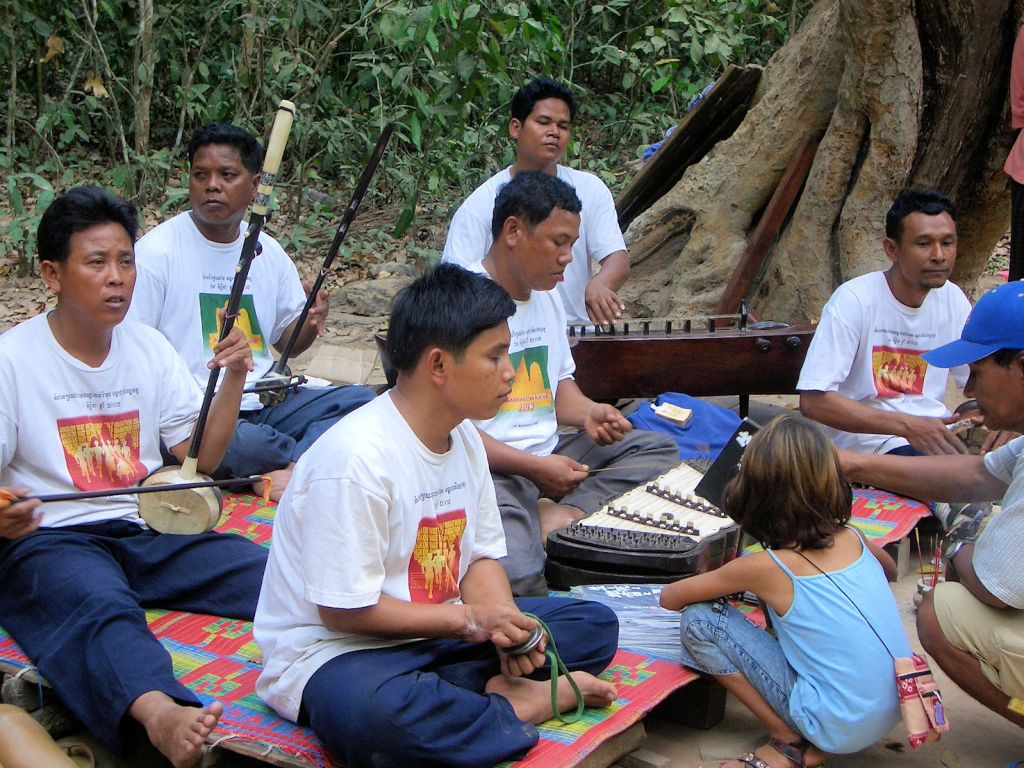
Stoicism – Bling musicians in Cambodia Let’s finish on something more positive, Pride. Pride in a profession. This is Stefano Conia, one of 134 Luthiers in Cremona, Italy. Cremona is the place for violin-making and Stefano is descended from a family of violin-makers: he and his father run the business from a workshop which I was privileged to visit a couple of years ago. Every stage of the instrument making is under his control, often from the procuring of the wood by going to the forest himself to get it. In this day of mass-produced violins from China, Cremona is facing competition but it will be hard to surpass the perfection of a hand-made violin from the likes of Stefano Cornia.
Pride – Stefano Cornia, Luthier of Cremona -
Silent Sunday

Behind the ramparts and the glitzy hotels, the shops, bars and restaurants, the local population of Dubrovnik live in steeply stepped streets like these. It would really focus the mind on up-dating the shopping list if one had to think of negotiating these steps every time a litre of milk was needed!
-

Saturday Sculpture Vimy War Memorial, France.

Vimy War Memorial Overlooking the Douai Plain, the Vimy Memorial is located approximately eight kilometres northeast of Arras and is the centrepiece of a 250-acre preserved battlefield park that encompasses a portion of the area over which the Canadians made their assault during the initial Battle of Vimy Ridge. The imposing structure stands amid craters and unexploded munitions that still honeycomb the grounds which remain largely closed off to the public for reasons of safety.
The Memorial is dedicated to the Canadians who served their country in battle during the First World War, and in particular. to the 60,000 who gave their lives in France. It also bears the names of 11,000 Canadian servicemen who died there who have no known grave.
The rough terrain is because it cannot be properly excavated due to unexploded munitions. Designed by W.S. Allward, it took 11 years to build. He had initially hoped to use marble for the facing stone but was persuaded that this would not weather in northern France. After a two year search he found a limestone of just the right colour, texture, and luminosity in the ruins of Diocletian’s Palace at Split in Croatia and managed to procure supplies from an ancient Roman quarry located in Croatia near Seget. Oscar Faber, a Danish structural engineer who designed the substructure for the Menin Gate at Ypres, prepared foundation plans and provided general supervision of the work.

Vimy Memorial from the road with designated pathway to the Monument Postscript:
During the Second World War Germany took control of the site and held the site’s caretaker in an internment camp for Allied civilians. There were rumours that it had been desecrated and to demonstrate that this was not so, Hitler, who reportedly admired the memorial for its peaceful nature, was photographed by the press while touring it on 2 June 1940. After the war it was found that it had not been damaged in any way and that it had been carefully looked after by the Germans during the war.
The site of 250 acres, most of which is forested and off limits to visitors to ensure public safety, is of rough terrain and because unexploded munitions make the task of grass cutting too dangerous for human operators, sheep graze the open meadows of the site.
-
Wordless Wednesday
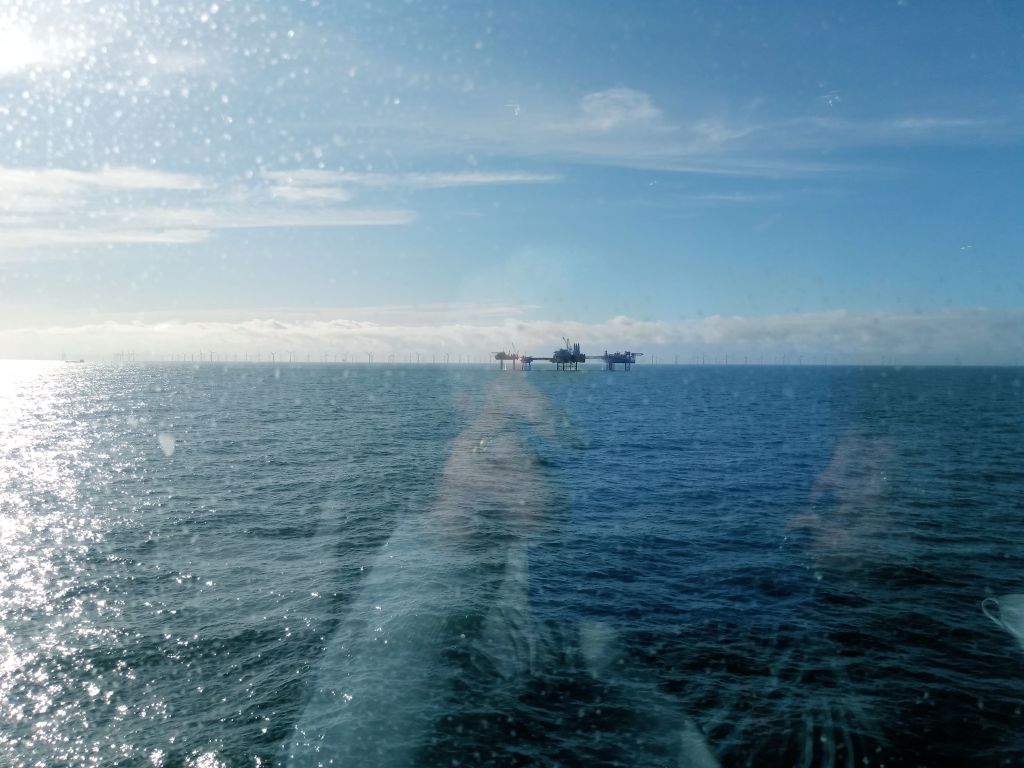
Oil Rigs, North Sea This picture is best viewed enlarged. You can then see the background clearly.
-
Silent Sunday: Trump’s World

Sign outside a church in New Orleans, USA Silence almost guaranteed on Sunday if they all leave their guns outside as this sign suggests.
-
Saturday Sculpture

Mary Magdalene with the Risen Christ by David Wynne (1967) This sculpture by David Wynne stands outside the entrance to St. Dunstan’s Chapel in Ely Cathedral and depicts the moment when Mary Magdalene recognizes Christ after he has risen from his tomb. Next to it is a plaque, which reads: “This striking sculpture by David Wynne captures the moment when a distraught Mary recognises Jesus on the morning of his resurrection. The figures are so thin it is as though everything has been stripped from them except the core of their being.“



 MARI'S TRAVELS WITH HER CAMERA