Blog

  • Gathering in the Mussels & Scallops

    Gathering in the Mussels & Scallops

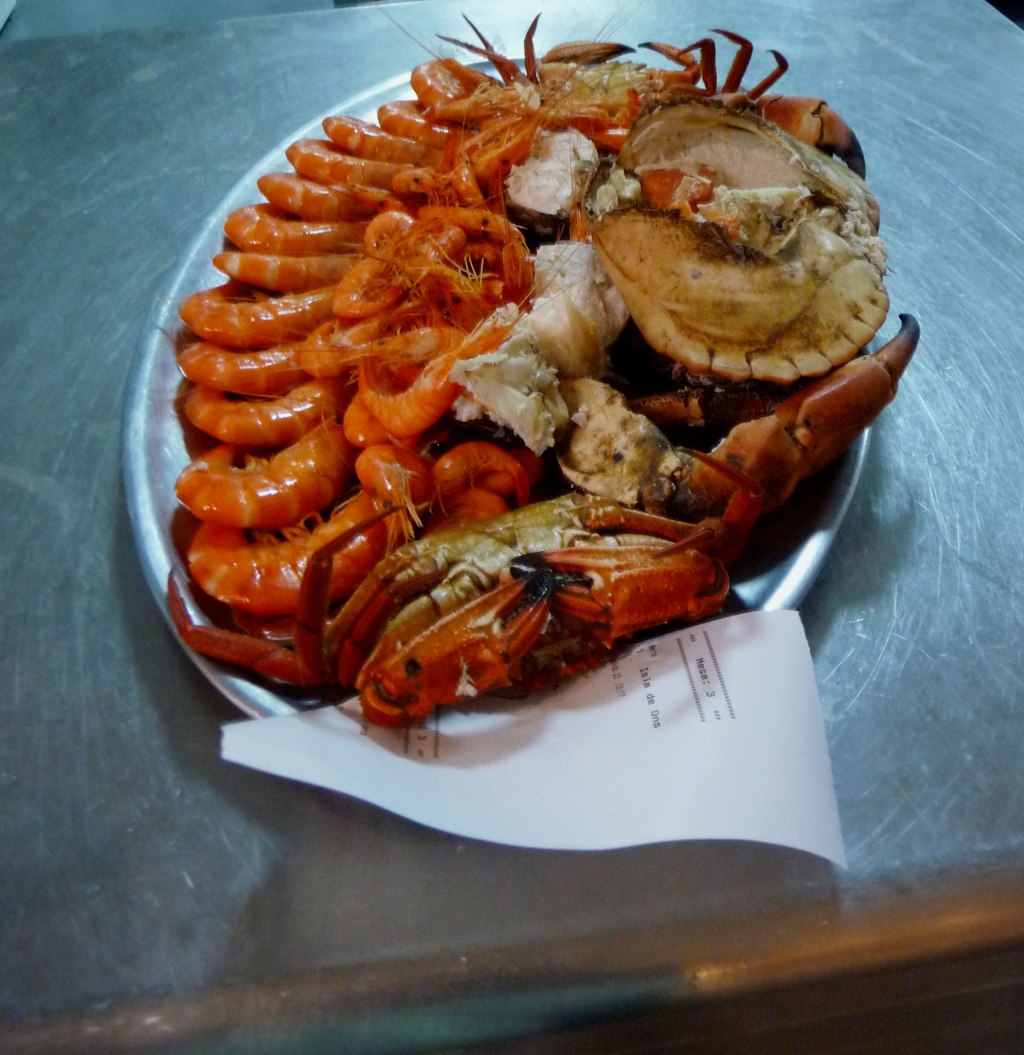
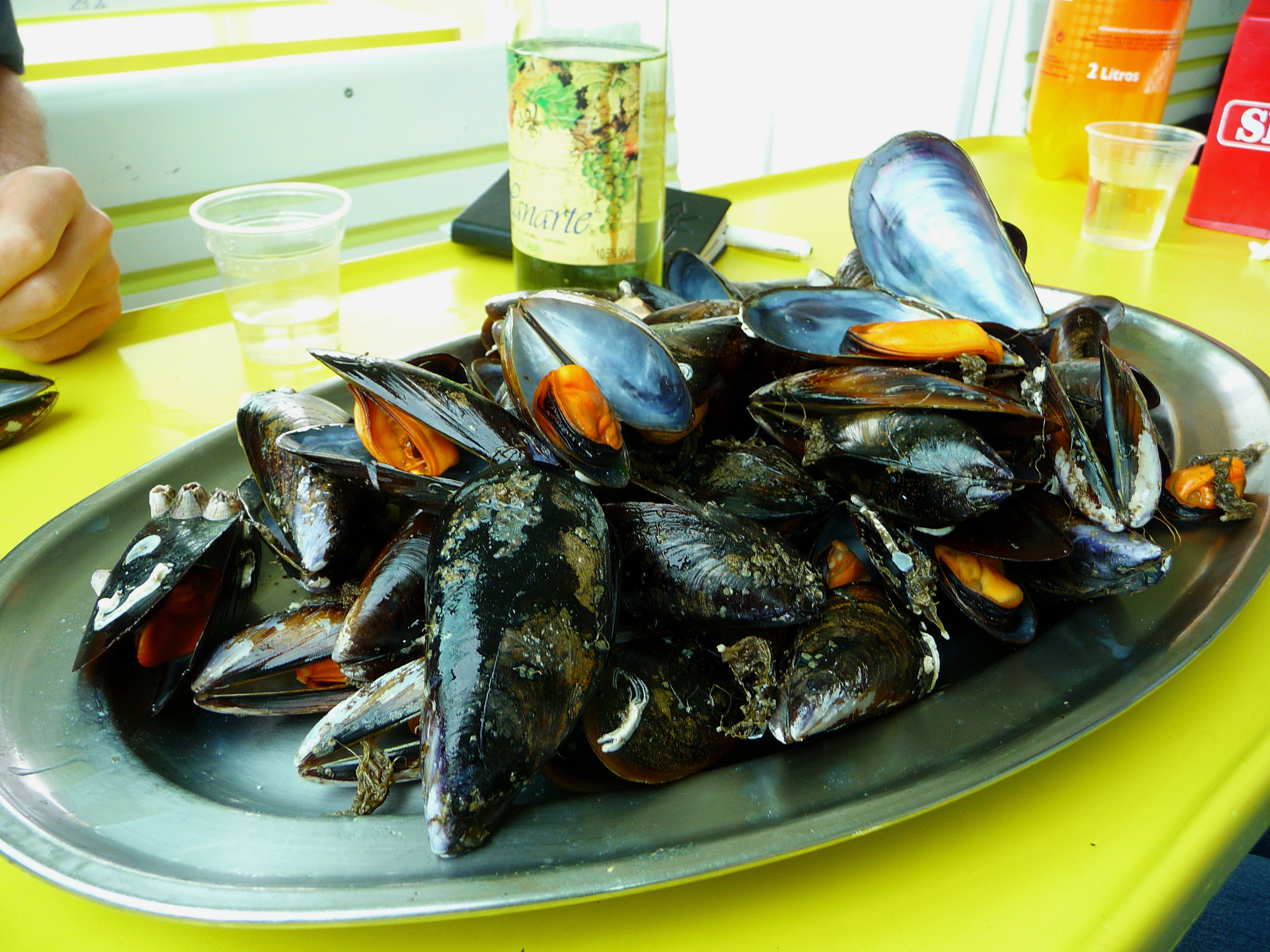
    At one of Brighton’s seafood restaurants yesterday I had some amazing mussels, the like of which I hadn’t expected to find in the UK.  They reminded me of the time I was in Galicia in Northern Spain and my trip out to the mollusc beds to see them being collected, and an even better recollection, the meal we had on the return boat journey of mussels cooked simply in wine and garlic in a traditional enamel pot and served with fresh crusty bread and bottles of unnamed, in fact unlabelled, wine, which nevertheless tasted like nectar.


    vigo-from-the-hill
    Vigo, Galicia

    Galicia in Spain’s green north is a far cry from the Costas and is nowhere as well known as the southern provinces, yet it is probably the most beautiful part of Spain with really white sand beaches, fragrant pine trees perfuming the air, beautiful buildings, great hotels, and wines produced in small quantities and kept for local sale only.  If you think only of sun, sand and Sangria, think again and head for Galicia for seafood, shellfish and the road to Santiago.
     

    mussells-being-hauled-on-to

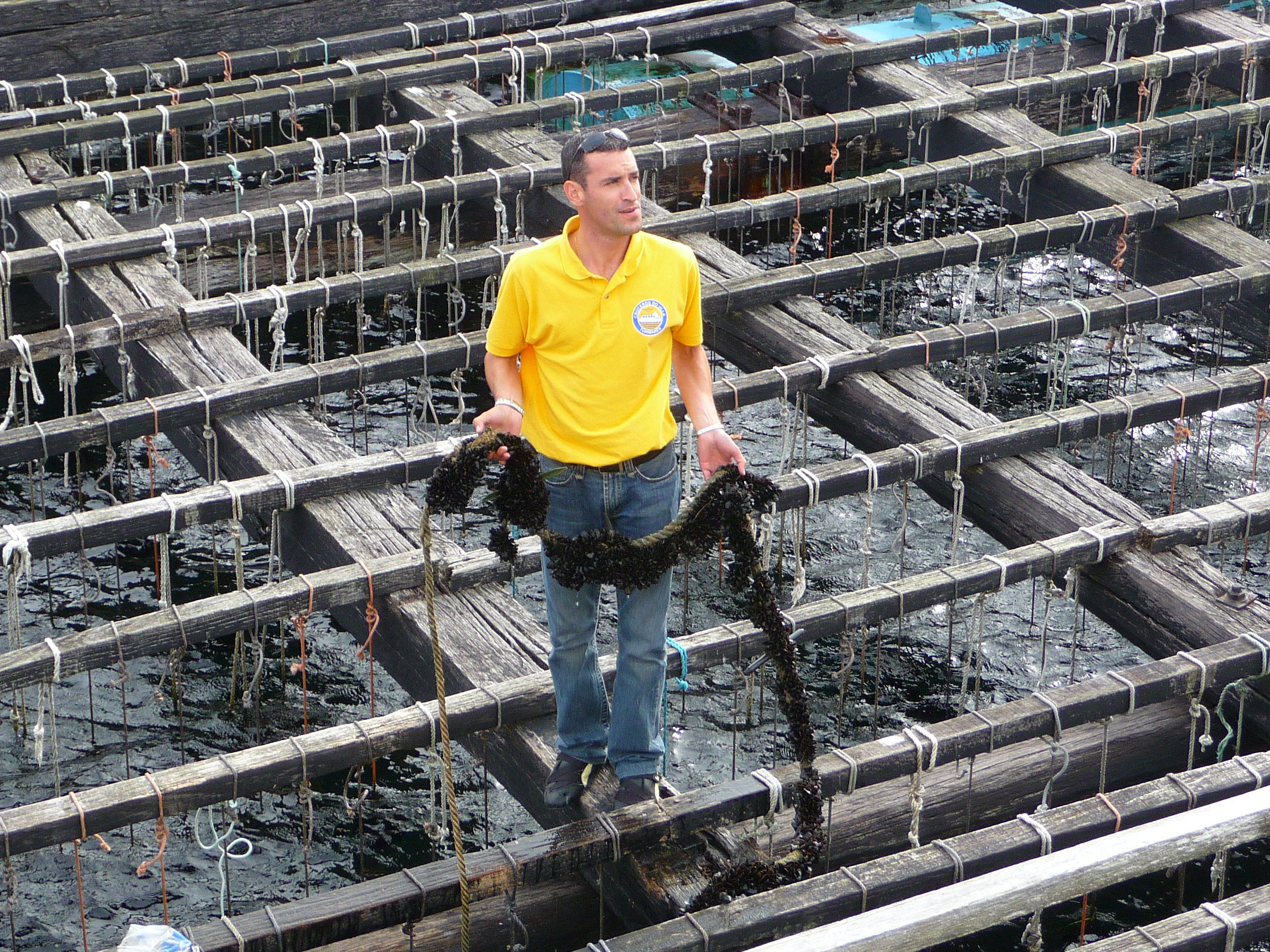
    Gathering in the mussels – Photo Mari Nicholson

    O Grove was once an island but today it is joined to the mainland thanks to the winds from the south-west, which have caused the surrounding sands to form an isthmus and it now sits on the mouth of the Arousa estuary, a stone’s throw away from the luxury Parador Pontevedra.  As well as shellfish gathering and shallow-water fishing, the local population of approximately 12,000, lives from the farming of mussels, oysters and scallops.
     

    bateas-on-the-sea-at-o-grove
    Bateas in the Sea


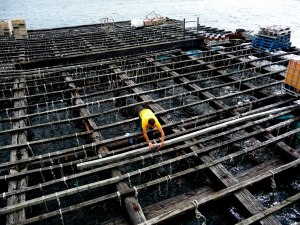
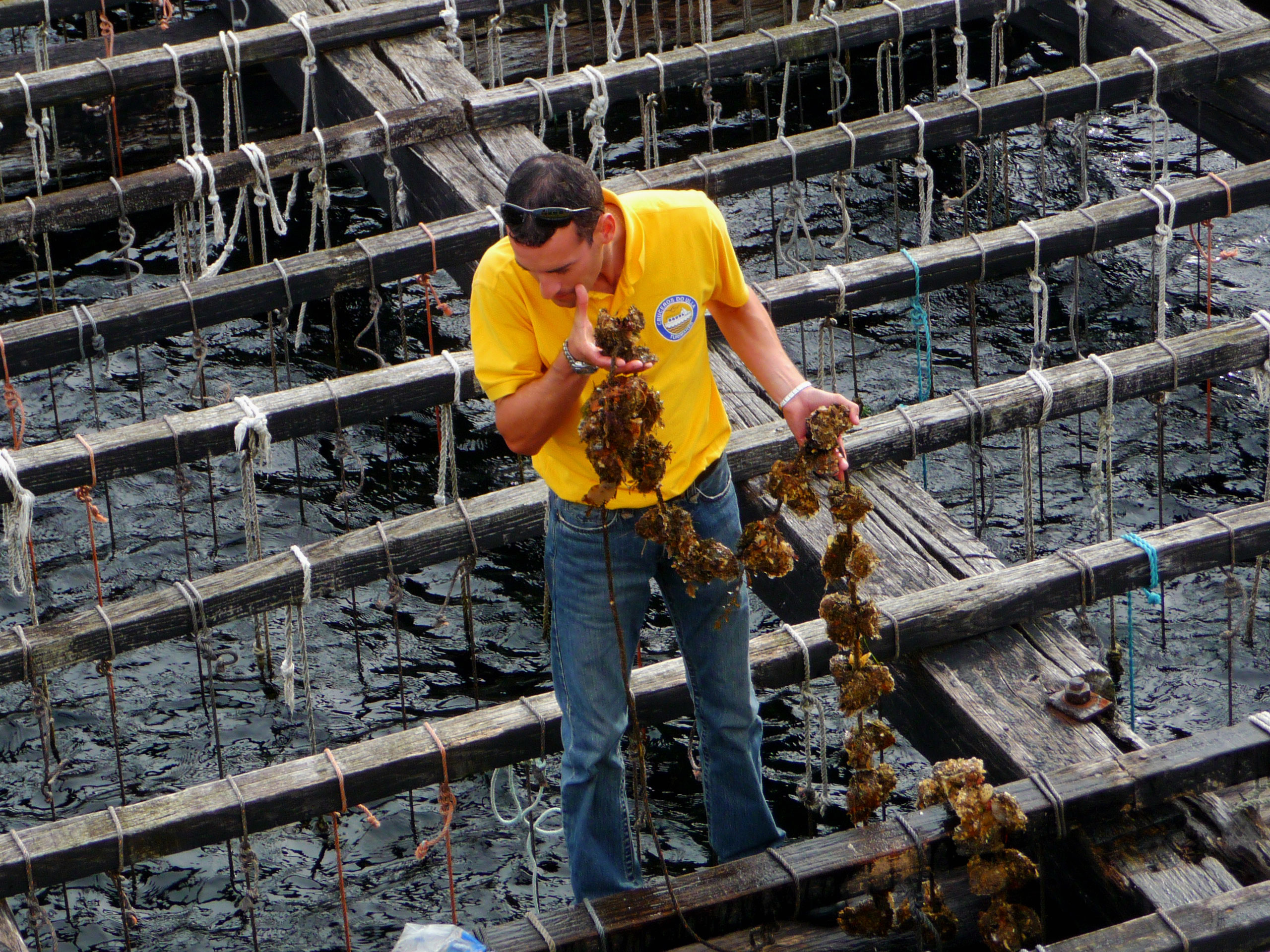
    Ropes, on which the molluscs grow, are hung from bateas, wooden platforms in the water, and these heavy ropes which can weigh up to half a ton when the mussels are fully grown, are checked out and collected daily.
    re-arrangig-the-ropes
    Re-arranging the Ropes – Mari Nichol


    From your boat you can watch the men drag up the heavy ropes of scallops and mussels as they stand on wooden rafts in the water, the bateas.

    Since 1963, the port of O Grove has staged a yearly festival which takes place over several days during the first two weeks in October.  Many excellent local wines are available but it is almost compulsory to drink the local “Rías Baixas”  as an accompaniment to the wide variety of seafood but, believe me, it is easy to get a taste for this little-known wine (little known outside of the area that is).
    orange-beauties

    At the festival, visitors can wander among the food stalls, sampling delicious seafood cooked by locals, dishes that exploit the riches of the surrounding Atlantic Ocean including mussels and turbot, for which the region is famous, oysters, clams, shrimp, scallops, velvet crabs, crawfish and goose barnacles.  O Grove’s seafood festival also comes with music and dancing.  Every day different bands play traditional Galician folk music which includes a lot of Galician bagpipes, and there is the usual folkloric content in singing and dancing.
    scallops-being-taken-from-the-sea-in-o-grove

    Collecting the Scallops – Photo Mari Nicholson

    Local boats make trips out to the mussel and scallop beds and these can be booked at any of the agencies around the port.

    Should you want to do some local sightseeing there are a couple of local towns worth visiting, and the busy city of Vigo is an hour or so on the train.  You can even visit Santiago de Compostela for a day.

    What to see nearby

    Illa de AToxa, whose fame is derived from its medicinal mineral waters and mud, the therapeutic properties of which for the skin and respiratory passages as well as the salts and soaps which are made from them, have turned the island into a major spa resort.  AToxa is the biggest of the half dozen islands, which emerge with the ebb and flow of the tides on the O Vao mud flats.
    st-sebastians-church-of-shells-2side-of-st-sebastians-shell-church

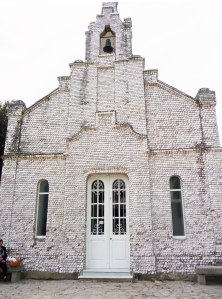
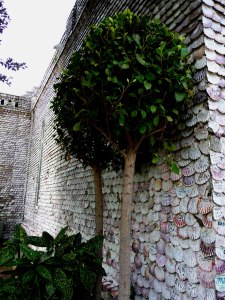
    Isla de La Toja or Isla de la Atoxa where the main building to visit and to photograph is the hermitage church of San Sebastian dating from the XII century.  It is completely covered with scallop shells to protect the façade – quite an amazing sight.
  • Palermo -Sicily’s Chaotic Capital

    Palermo -Sicily’s Chaotic Capital

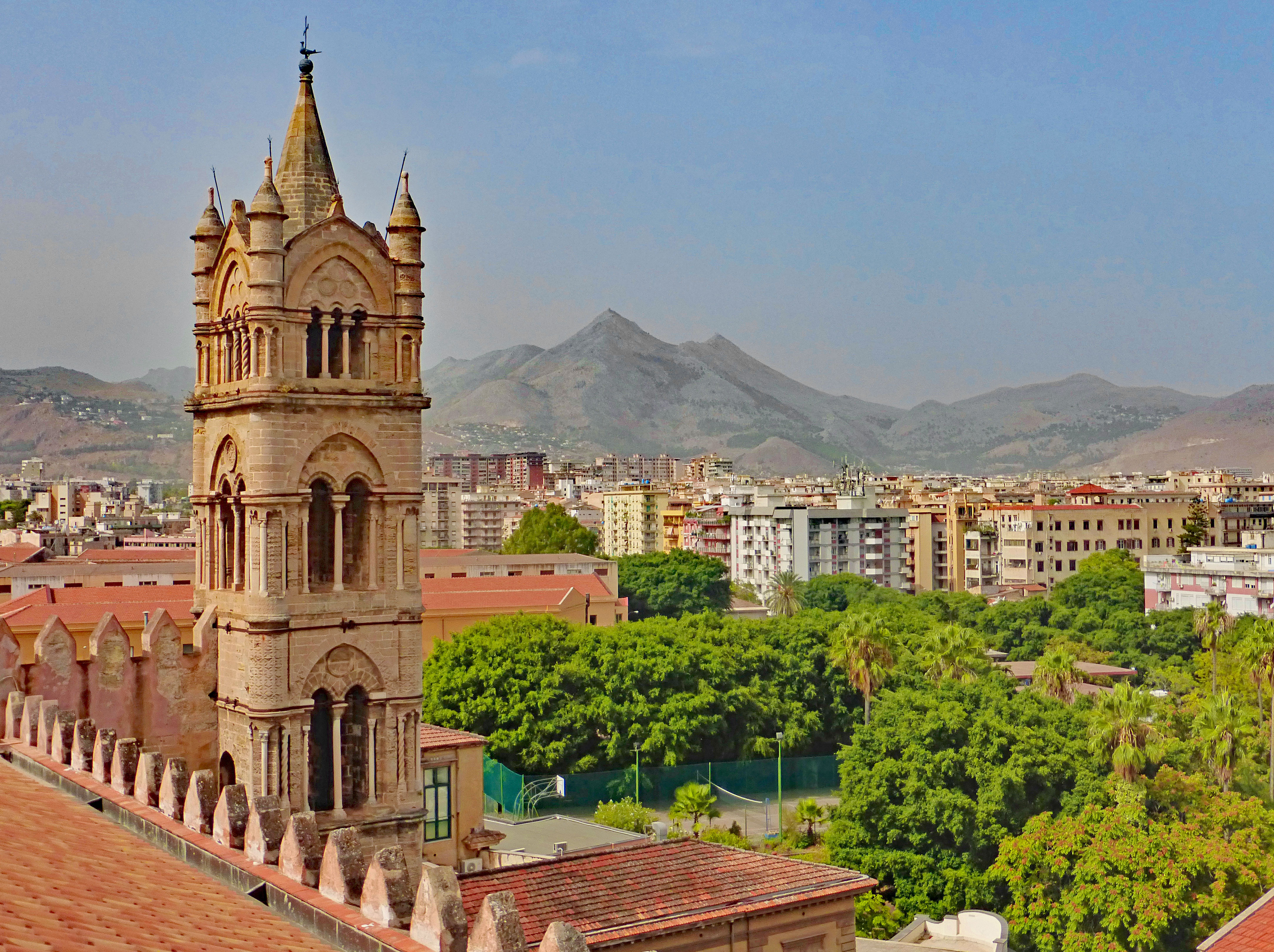
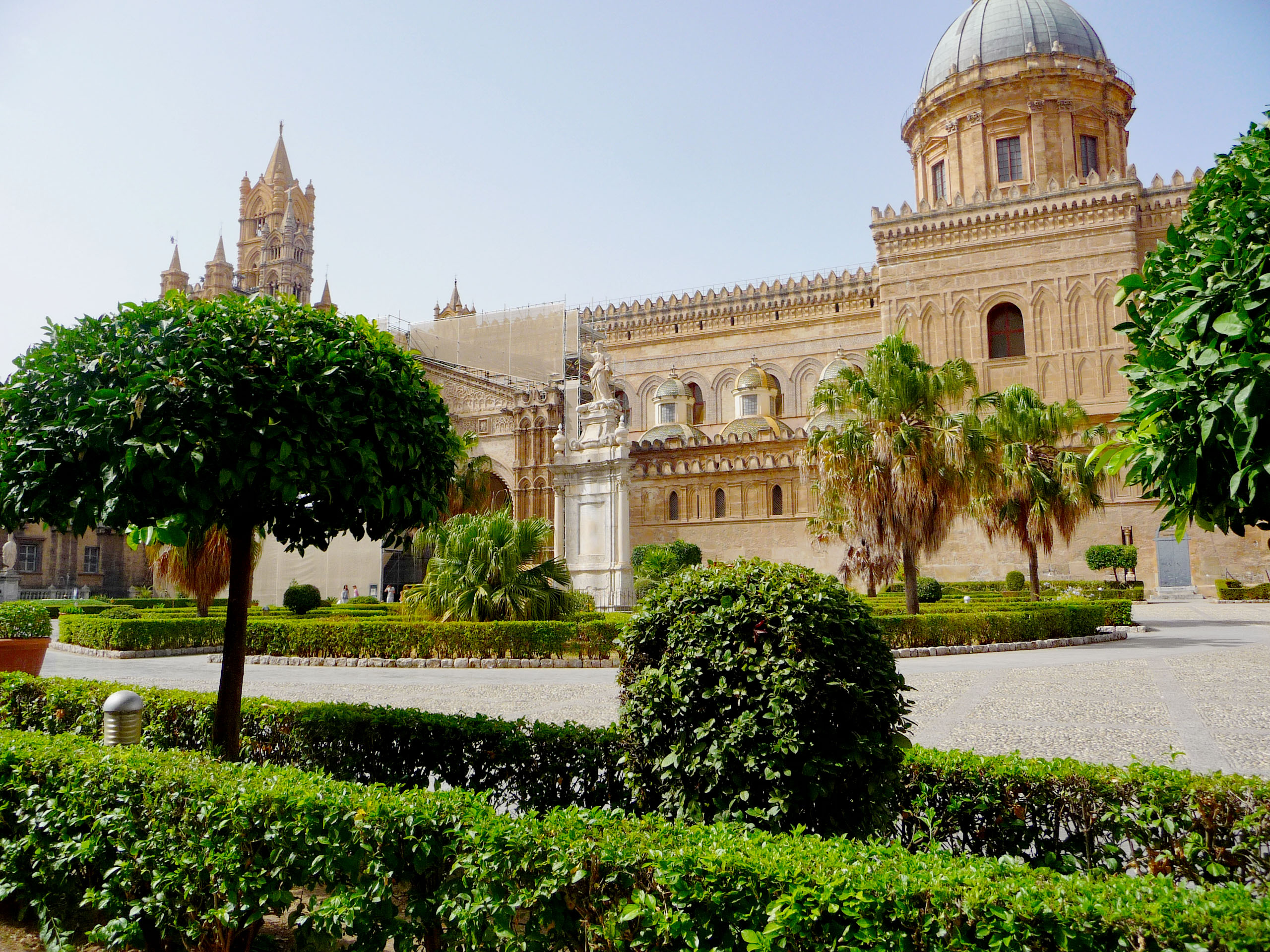
    Palermo is like nowhere else in Europe.  It’s a crazy, chaotic, crumbling city with a vibrant life that has led it to defy the Mafia, the last in a line of exploiters bent on conquering and subduing the spirit of its people.  Every neighbouring power at one time or another. has occupied this island that lies at the crossroads of the Mediterranean, with the result that it offers the visitor a heady mixture of aromatic Arabic food served in tiled restaurants that hark back to Spanish invaders, and stunning architecture and artefacts from Greek and Norman periods.  All this in streets lined with crumbling buildings, visual proof of the Italian Government’s neglect of a region for which it seems to have no respect.

    view-from-cathedral-by-solange

    View from the Cathedral by Solange Hando

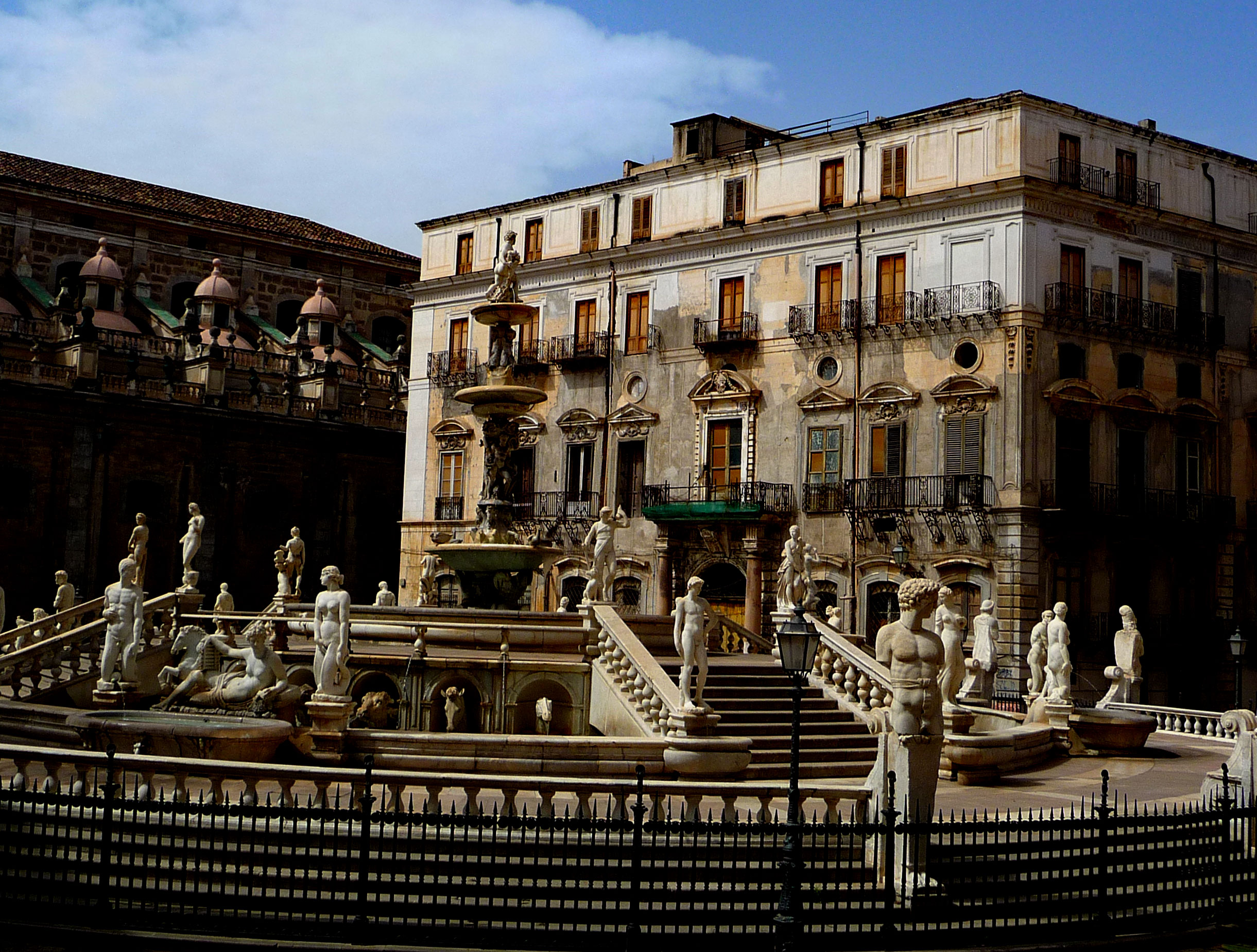
    We all think we know Palermo from years of watching films like The Godfather (in all its parts), and Scarface, but the films have never shown the beauty of the baroque palaces, the marble statues that are public art, the beauty of the bay at sunset and the tranquillity of the surrounding countryside.

    open-air-display-of-statues

    Outdoor Art in Sicily – Photo Mari Nicholson

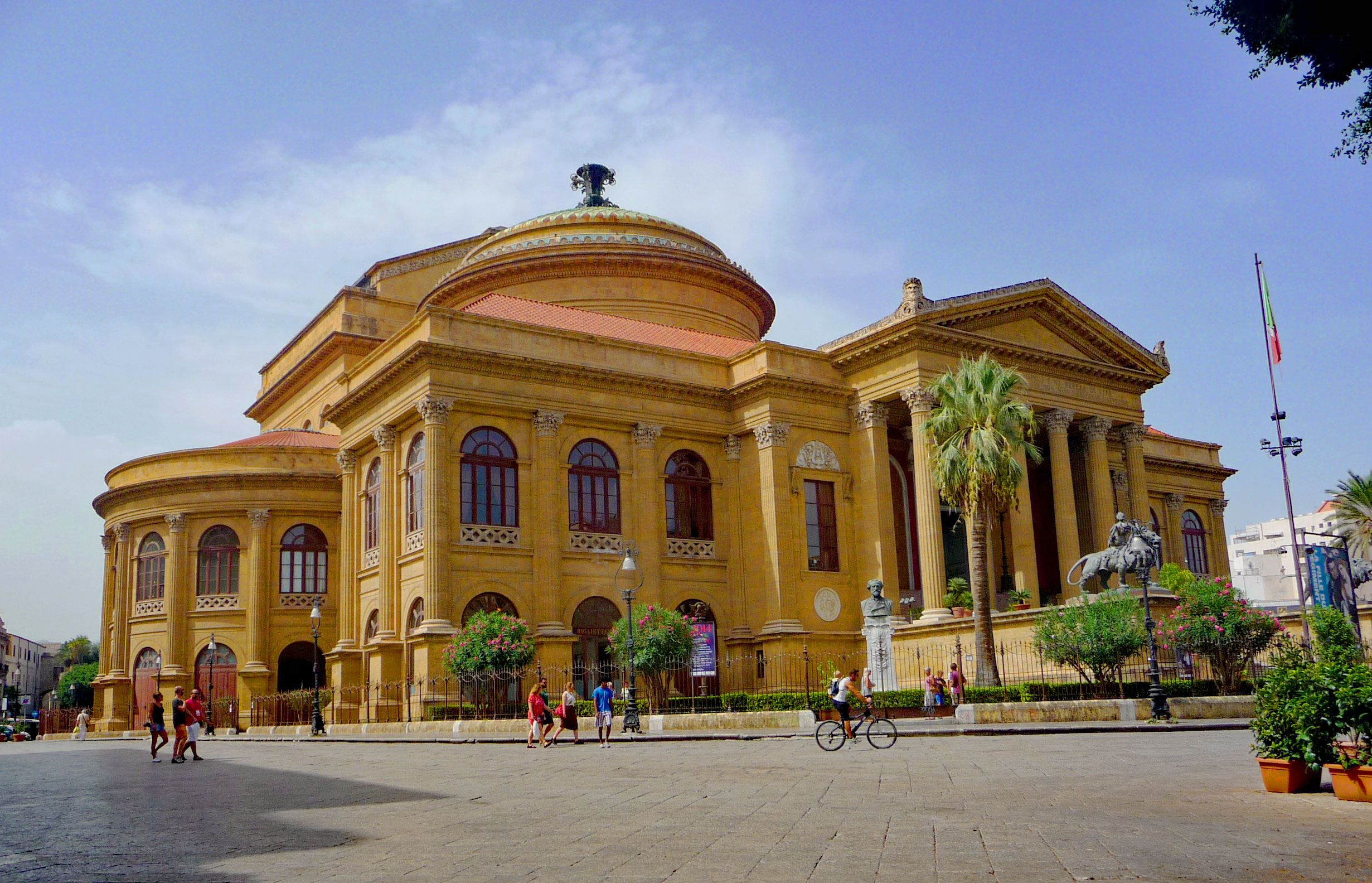
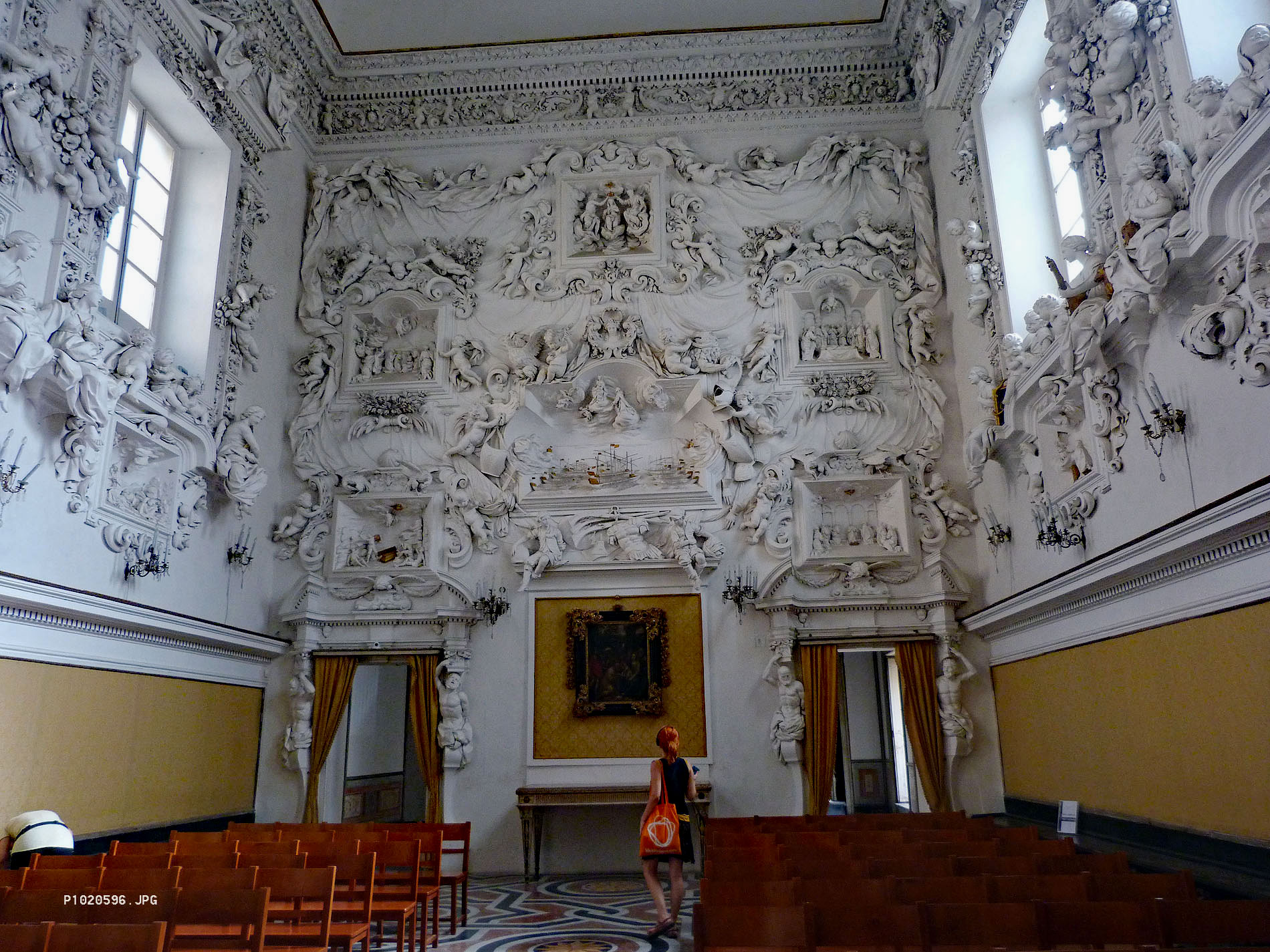
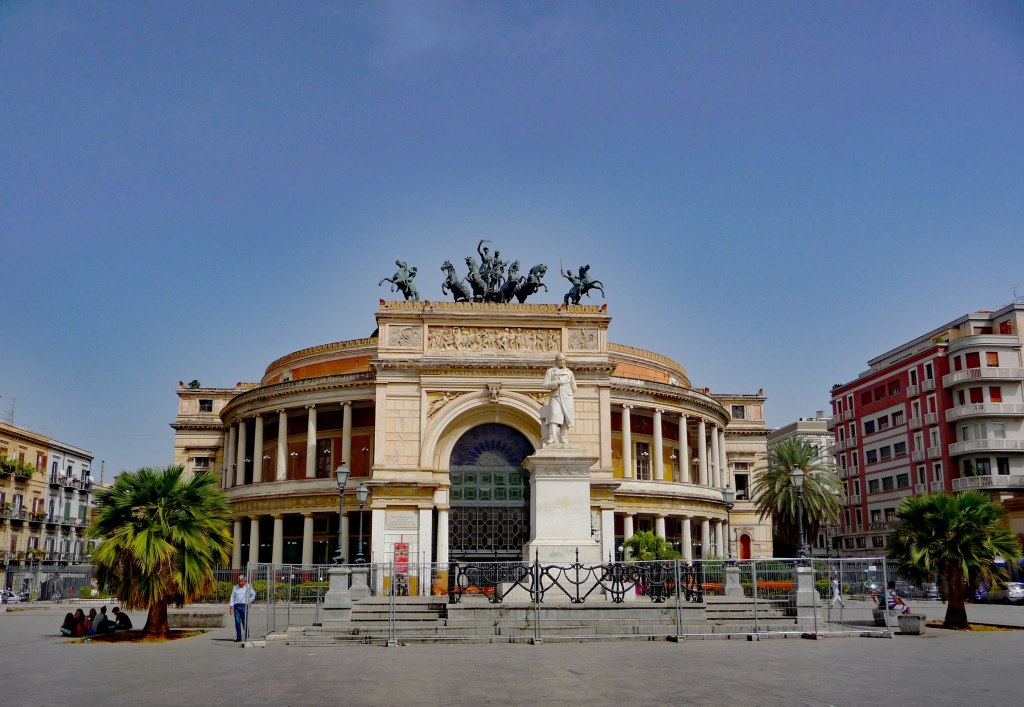
    The façade of the Teatro Massimo, the magnificence of the Cathedrale at Monreale, five miles south of the city, with its fabulous mosaics brought to Sicily from Byzantium, and the hidden beauties of the marble Serpotto Cherubs in the Oratorio del Santissimo Rosario, are Palermo at its best.  At its worst are the alleys strewn with litter, the almost feral children that chase each other around the stalls in the markets, itinerant sellers of silver jewellery and leather belts who accost you at tourist spots, and neighbourhoods filled with ghosts.

    teatro-massimo-palemo

    Teatro Massimo In Piazza Verdi, Palermo – Photo Mari Nicholson

    Italy in the raw is on every Rococo street corner, the Italy of Andrea Camilleri’s  Inspector Montalbano (he operates in a different region of Sicily but the sense of his world is here).  Stand in the Piazza Verdi opposite the Teatro Massimo, Europe’s third largest opera house, and look towards the steps of the theatre on which the final scene of The Godfather III took place, and I defy you not to hear the swelling music of Cavalleria Rusticana and hear the howl of anguish from Al Pacino as his beloved daughter died in his arms.

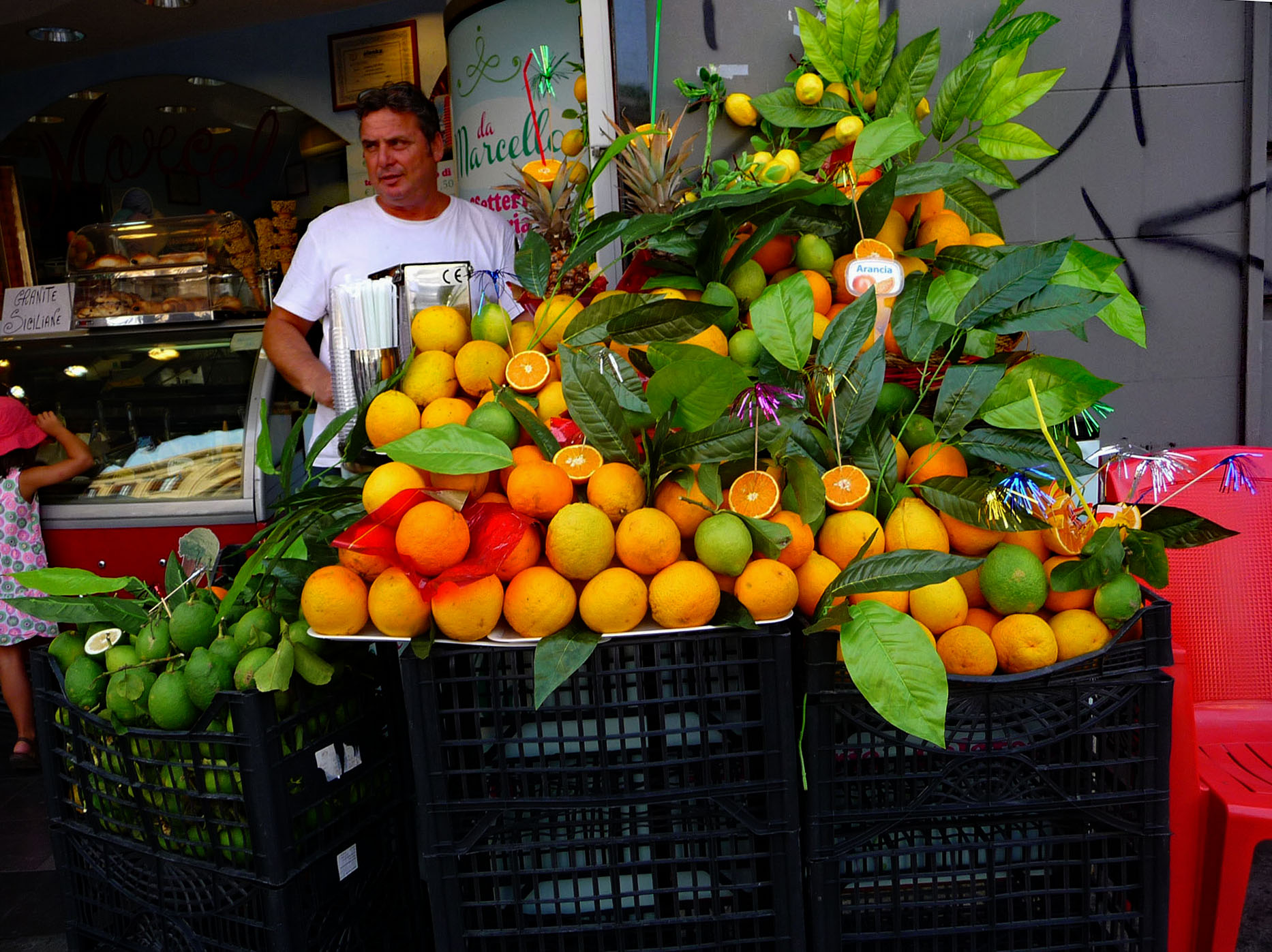
    But it is in its streets that the real Palermo, and Sicily, is revealed and in its boisterous markets with their mixture of fresh food, dusty shoes and lurid outerwear vying for your attention with the fast-food stall, the fresh orange-juice seller and the suspect ‘antiques’.  Crumbling baroque facades look down on this carnival of life which attracts the rich and poor of the city.

    freshly-squeezed-juices-on-every-corner-2jpg

    The Orange Juice Seller, Palermo, Sicily  –  Photo by Mari

    Despite advances made by the justice system and the reverence in which Giovanne Falcone and Paolo Borsellino are held (the two Judges gunned down by the Sicilian Mafia in 1992) the honoured society is still a reality in Palermo.  Its presence is a burden the Sicilians have had to bear for many years because few were prepared to defy the demands of the organised crime ring and, let’s face it, it dispensed a type of justice, the only sort on which the poor could rely.

    so-much-oregano-palermo-sicily

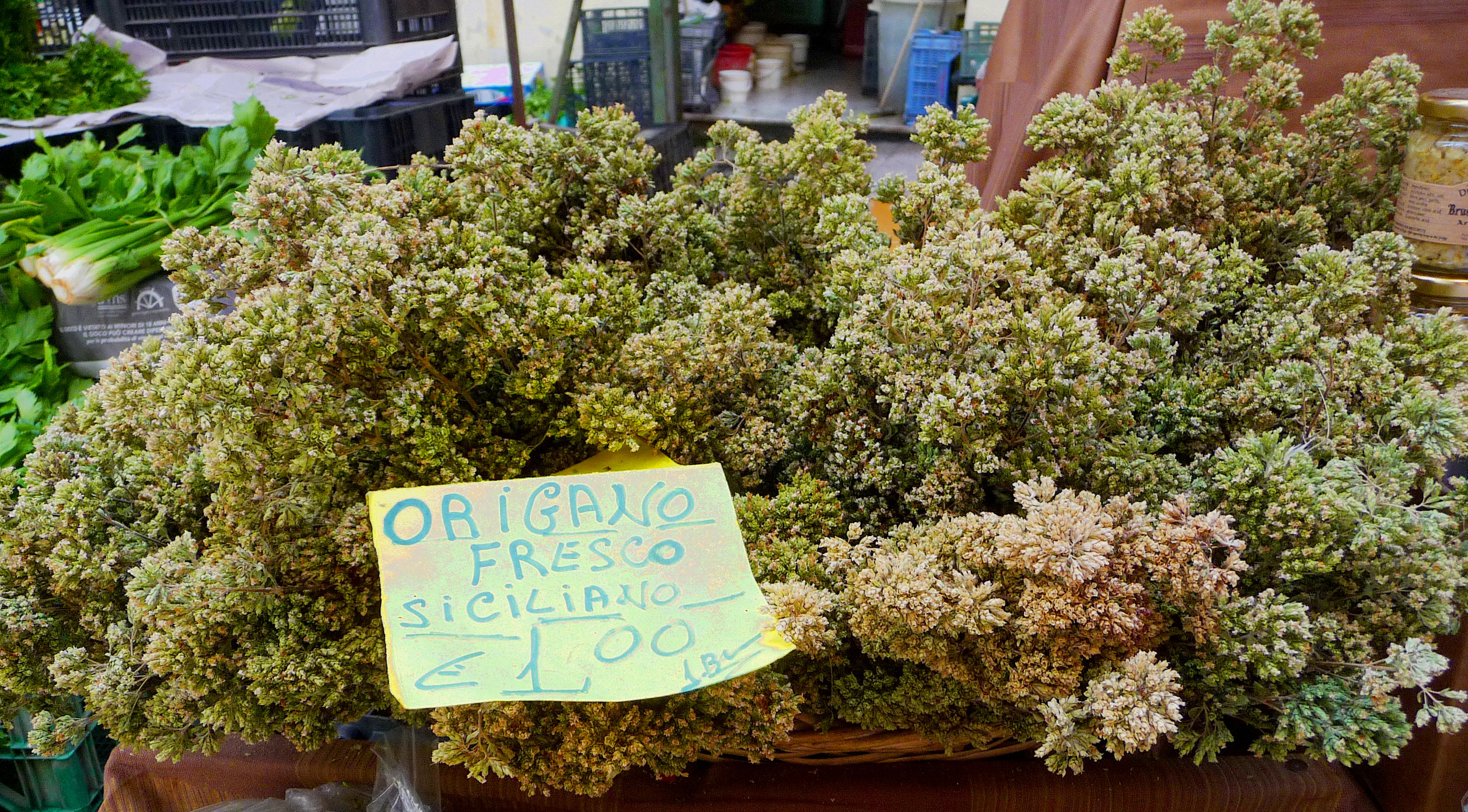
    Herb Stall in Palermo Market, Sicily – Photo by Mari Nicholson

    Yet by the end of the 20th century and as a result of the assassination of the two popular judges, the Sicilians began to challenge the status quo.  Led by Rita Borsellino, sister of the assassinated judge, a native of Palermo and an activist,  an anti-Mafia movement, Libera, was formed.  Now another movement called Addiopizzo, meaning ‘goodbye to protection payments’ is operating, a movement that is trying to involve tourists for the good of the city.

    Addiopizzo was founded in 1994 by a few young restaurateurs who had a vision of  a Sicily where the Mafia did not control all sectors of the economy and where businesses of all sizes could keep 100% of their profits.

    This organisation has now moved into offering anti-Mafia tours and accommodation and lists of bars and restaurants are available where it is guaranteed that the owners are  refusing to pay protection money.  Addiopizzo offers walking and cycling tours, car hire and accommodation, and can even arrange a tour to Corleone.

    Addiopizzo could be the saviour of Palermo and the means by which the people’s pride and their strength to resist the corruption which has ruined their city, could be resurrected.  I personally, can highly recommend all their tours and the walk around Palermo is truly an eye-opener.

    In the midst of the chaos, the crumbling architecture, the fading grandeur and beauty of its palaces and mansions, the city has a vibrancy not felt in any other city in Italy.  It has a life of its own, a language of its own, and it has art spilling out on to the streets.  Go see for yourself, and when you’re there, do support ADDIO PIZZO.

    the-ubiquitous-scooter

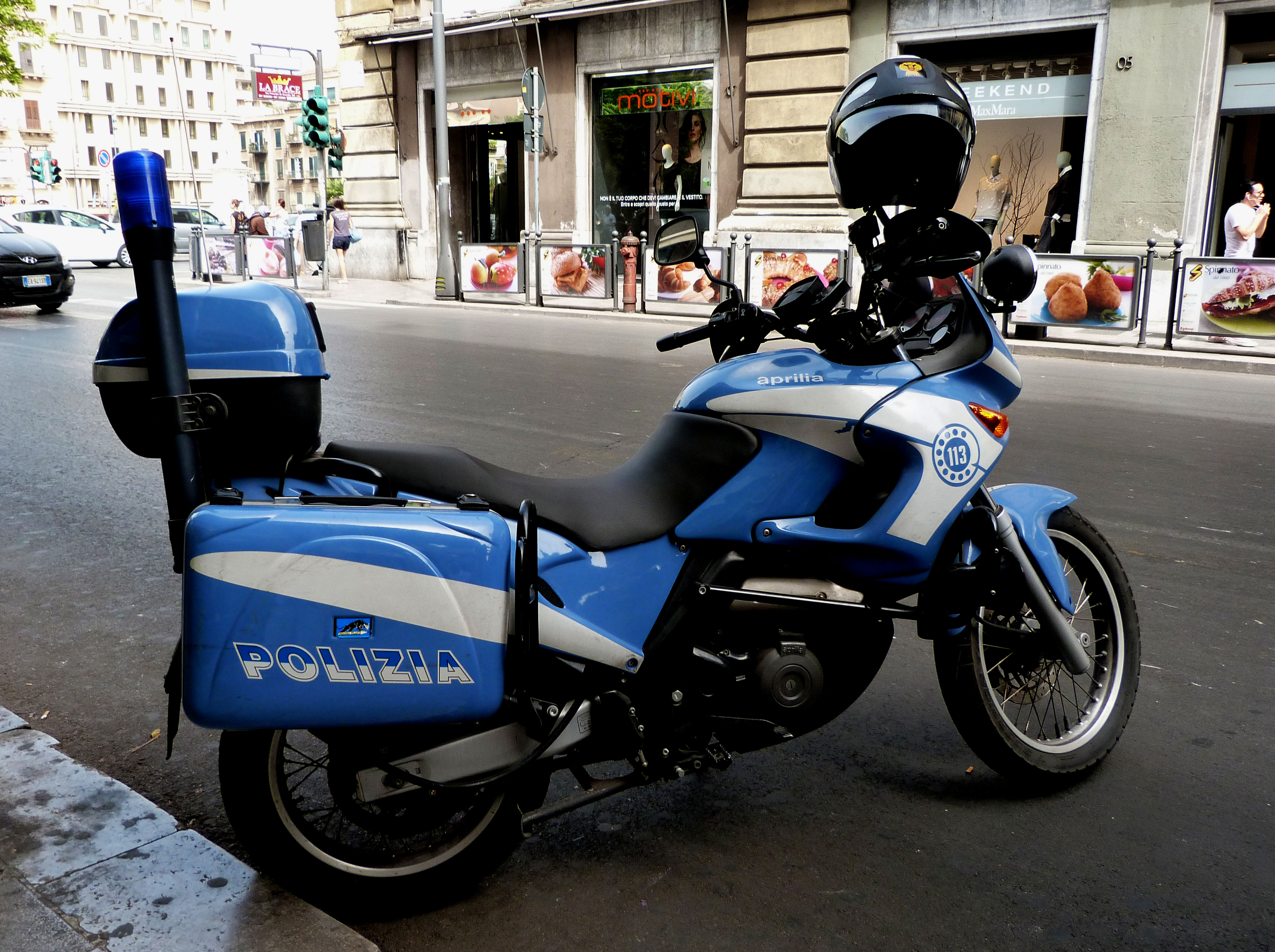
    The Ubiquitous Scooter – Photo by Mari Nicholson

    .

  • TOKYO’S FAMOUS FISH MARKET

    TOKYO’S FAMOUS FISH MARKET

    An article in The Guardian (UK) a few days ago alerted me to the fact that the world’s biggest fish market is about to close.   This is the Tsukiji wholesale Market in Tokyo where Japan’s obsession with seafood is transformed into an operation worth almost 2 billion Yen a day (about £15.5 million).

    But Tokyo’s new governor, Yuiko Koike put a halt to the move to the new premises in Toyosu, about a mile south along Tokyo Bay, as rumours have arisen that the new site, built at a cost of Y588 billion, is contaminated with dangerous toxins.

    evertything-for-the-fish-cook

    Let’s get the stats. out of the way fist.  The current site handles more than 400 varieties of seafood a day and sells nearly 300 varieties of fruit at stalls around the periphery.  Approximately 200,000 vehicles pass through its gates every day and it is estimated that about 60,000 people depend on the market for their livelihood.  Those are the numbers that put the market at No. 1.

    The auctions at Tsukiji start at dawn and by the time they have ended, hundreds of thousands of tuna, prawns, lobsters, crayfish, octopus and squid, will have passed through the market on their way to fish stalls and restaurant around the country and beyond.  The Japanese eat more fish per head than any other developed country, about 27 kg. compared with the global average of 19 kg. and they consume 80% of the bluefin tuna caught.
    When I went there I was struck by how this very old market was equipped with the most modern technology on the floor, from the automatic carts and floats that buzzed around to the ice-making machines, and how huge blocks of ice were loaded into a hopper which then disgorged crushed ice to be rushed along to the dispatching area to be packed around the fish.

    Like the London markets which were forced to leave their hallowed premises, the Tokyo move to new premises is acknowledged as necessary.  At the same time, it is recognised that something is always lost when atmosphere and charm are swapped for modernity and clean lines.

    Although the outer market is being spared – good news for the thousands of tourists who flock here for the most refreshing sushi breakfast in Japan – for the thousands of people with an emotional attachment to the Tsukdji Market, the city planners are ripping the heart out of Japan’s food tradition.

    The jury is still out on the move.  We must wait and see.

    ==================================================================

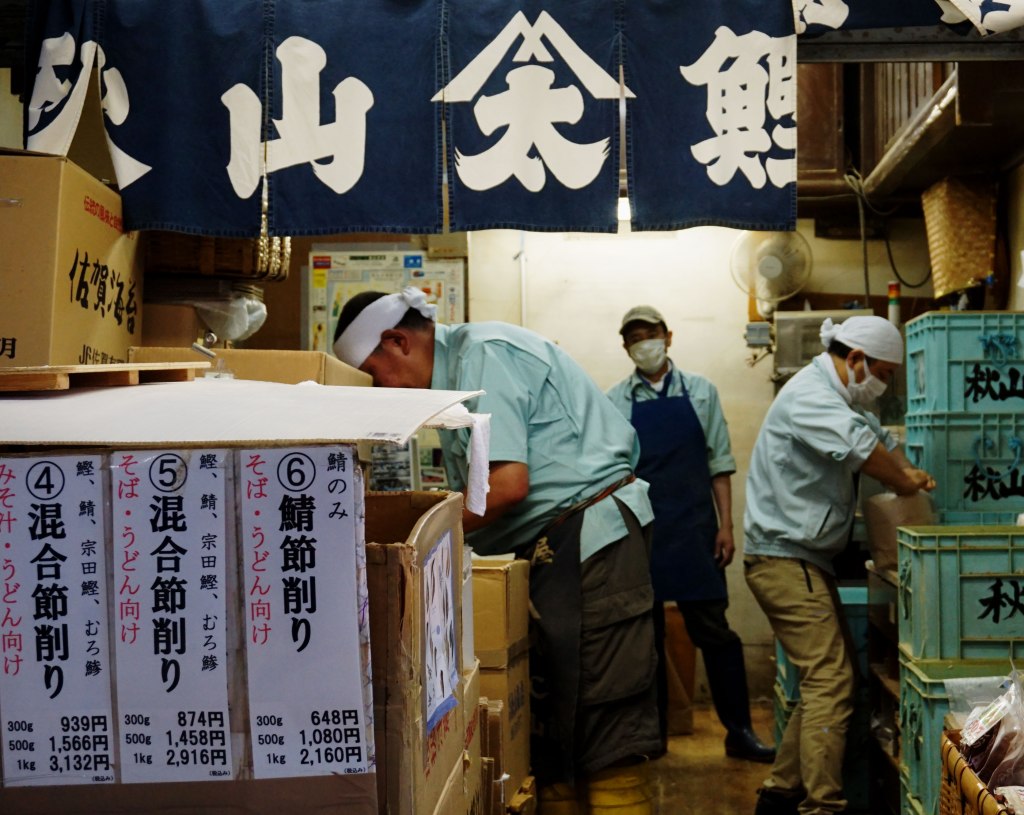
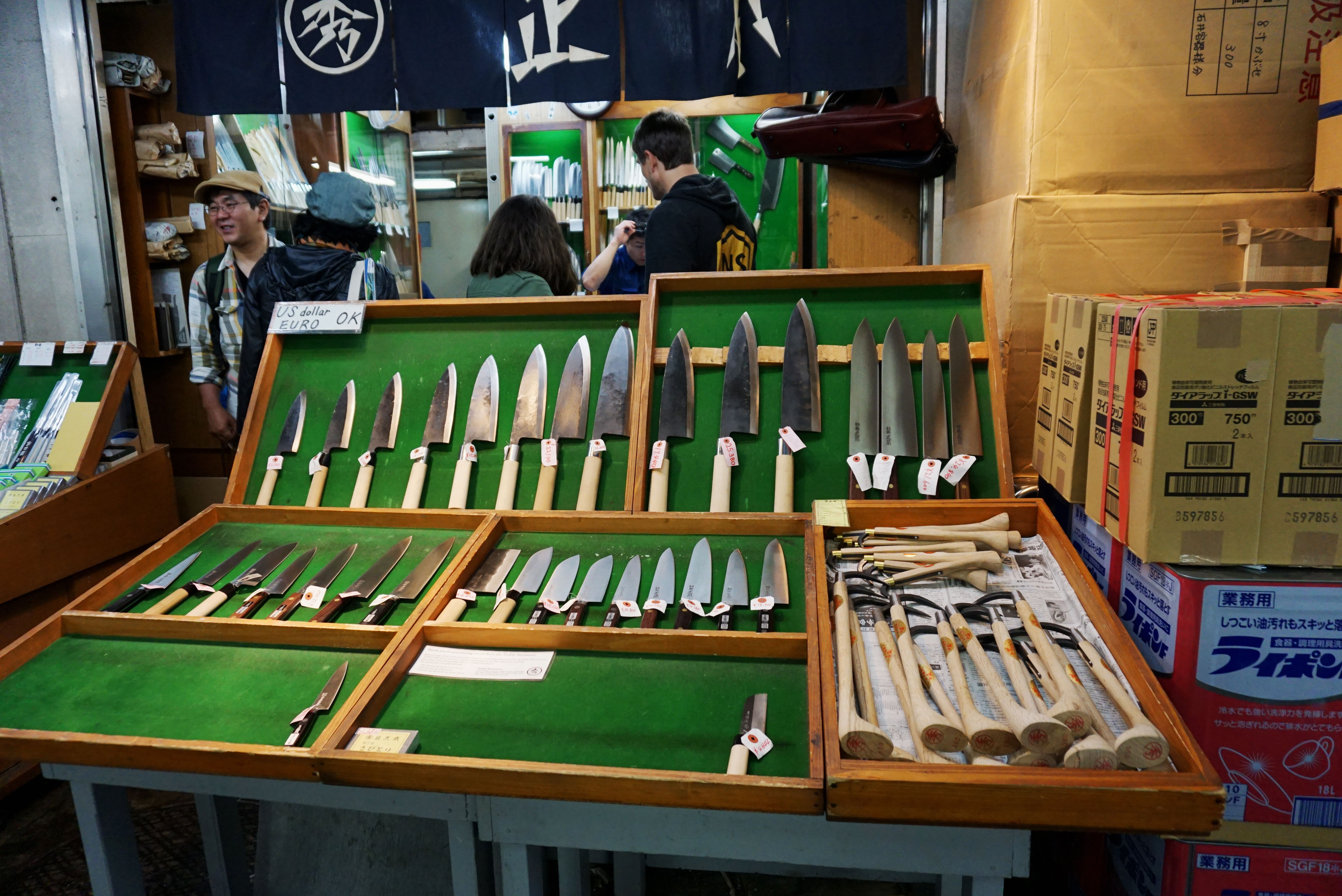
    Below, a slideshow of some of the photographs I took inside the market. They are not pretty, but then this isn’t a retail market, it’s a very busy wholesale market where the fish are inspected, bought and shipped out within an hour.  The knives were in a shop that sold only fish knives like these: I feel sure I could gut a fish if I had one of these, but then I’d have to close my eyes as I’m squeamish and I might cut off a finger!
    This slideshow requires JavaScript.

  • Essential Thai  – Mai Pen Rai

    Essential Thai – Mai Pen Rai

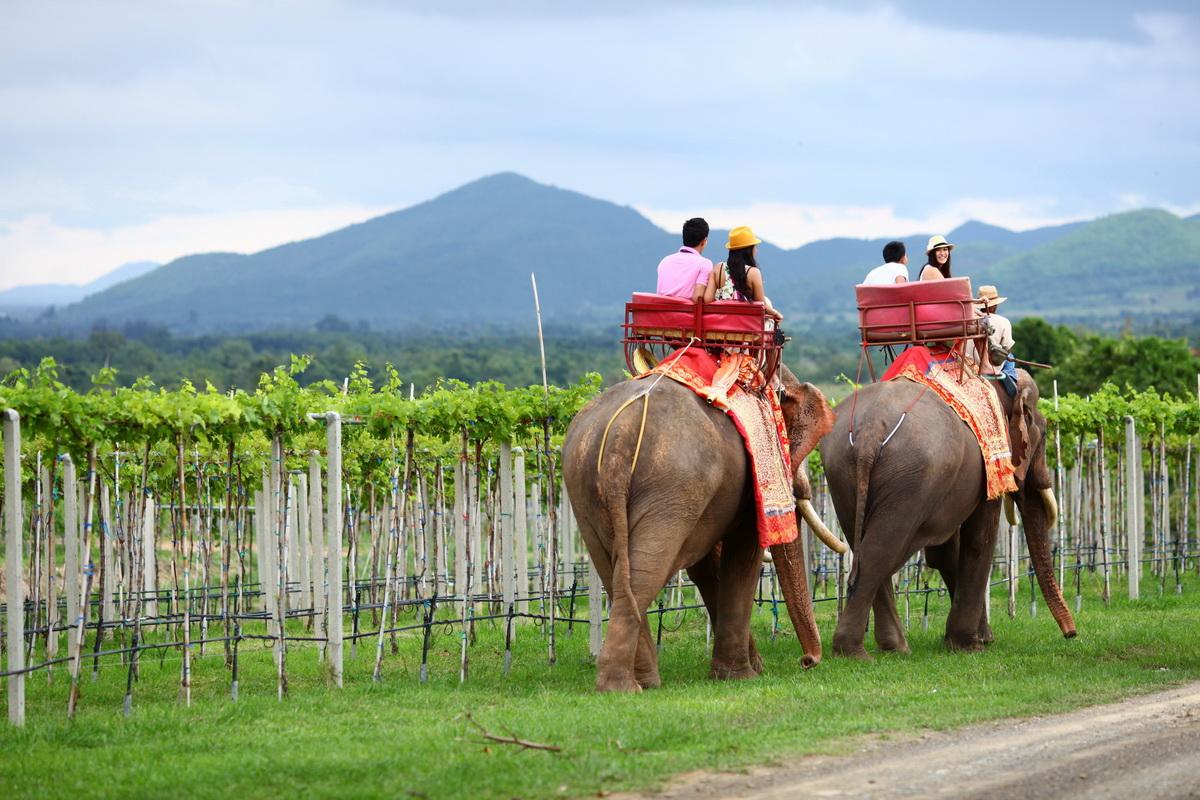
    Foreigners (farangs) are not especially known for their linguistic  abilities in Thailand, perhaps because the Thai language is tonal which makes it more difficult to learn.   Words may be pronounced in five tones which can give five different meanings, a high, a low, a rising, a falling, and a level tone.

    There is, however, one phrase that everyone soon learns even if the tone in which it is spoken is often wrong –  Mai pen rai.  You will hear this used every day in many different circumstances and will soon begin to use it yourself.  I used to have a tee-shirt emblazoned with the phrase Mai Pen Rai Means Never Mine – the misspelling of the last word in the translation being excused by the tee-shirt seller himself with the words ‘Mai pen rai’. ‘Never mind.  It doesn’t matter?’

    elephant-rides

    Mai pen rai cannot be literally translated: ‘not is what’ would be more or less the literal meaning but what it really means is ‘Never mind’ or ‘Don’t worry’, or ‘You’ve broken my foot but it’s OK” or one of those meaningless phrases we use in daily life to avoid embarrassment.   In Thailand, it’s always accompanied with a smile.

    You tread on someone’s sandalled foot and as the damaged one limps away you will probably hear  ‘ Mai pen rai’ – it doesn’t matter.  You spill red wine on someone’s white shirt, ‘Mai pen rai’ – no problem.  The waiter spills soup down the back of your neck, ‘Mai pen rai’ – it wasn’t hot you say, as your skin starts to blister.

    It can also mean ‘tomorrow’.  ‘I’m sorry I cannot meet you tonight’.  Mai pen rai (I’m in no hurry).  Your partner has left you?  Mai pen rai – plenty more fish in the sea.

    big-buddha-in-pattaya

    This cover-all phrase is linked to the Thai character and their belief in ‘karma’ and the inevitable consequences of a past life.  It is also linked to their dislike of confrontation and the wish to not upset anyone.  The Thais will invariably tell you what you want to hear, not what is true, as in ‘Is it far to Bangkok?’:  answer  ‘No, just a little bit further down the road’, i.e. two hours drive away.   And this isn’t far removed from embarrassment which is also tied to losing face.  You lose face if you argue, you lose face if you are confrontational, so a Mai pen rai is always better.

    If, when on holiday in Thailand, the waiter gets your order wrong then merely smiles at your anger and says Mai pen rai, it’s not that he is uncaring, it’s the Thai way of turning away wrath.   If he doesn’t even come back with your order it could be that you weren’t understood and rather than embarrass you, he has ignored you.

    In that case, just say Mai pen rai, and order again – with a smile.

    cimg2373

  • The Japanese Doll Studio

    The Japanese Doll Studio

    It was the window full of beautiful dolls dressed in exquisite kimonos that stopped me in my tracks as we strolled along Sanjyo Avenue, an area with many Meiji and Taisho-era buildings in Kyoto, former Imperial capital of Japan. This is a city where traditional arts and crafts flourish, where the scent of green tea drifts from the many long-established tea shops, and where it is customary to hire a kimono in which to stroll around and even to have matching make-up applied.

    dolls-1dolls-1

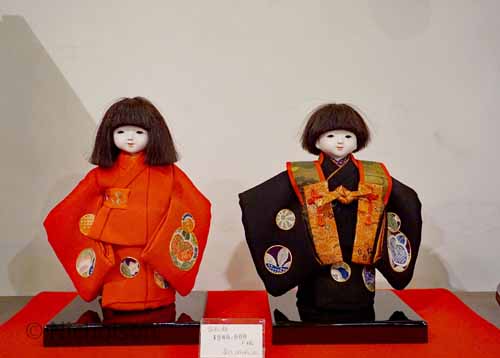
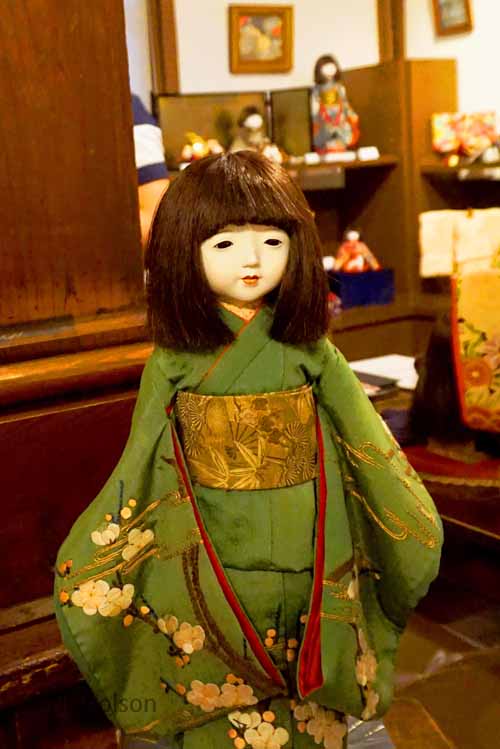
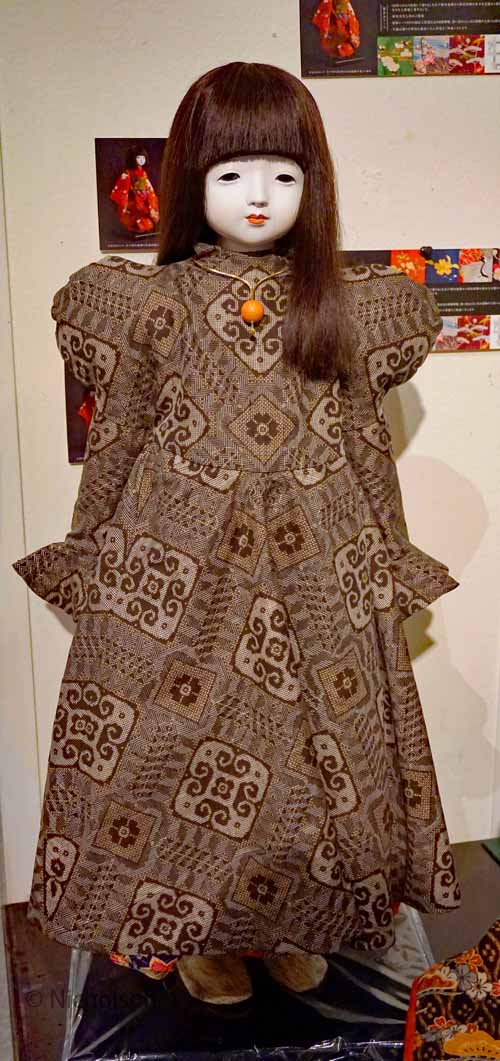
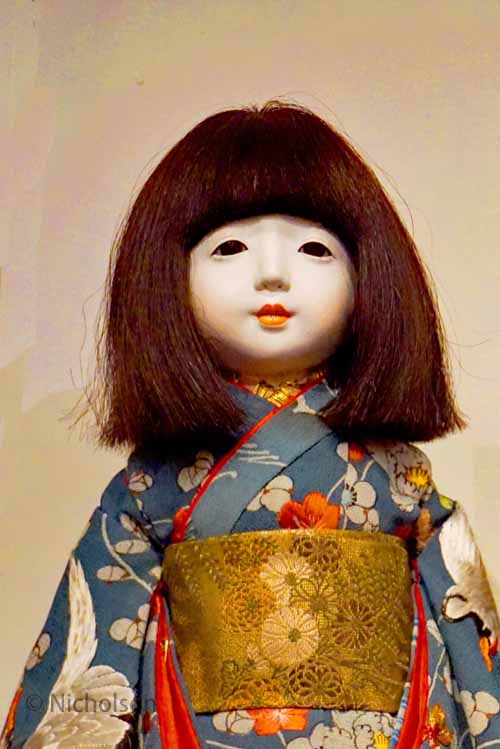
    Lured into the shop, Doll Studio Tomo, by the window display, we found a veritable heaven full of dolls, each one exquisitely dressed in costumes made from antique kimonos, each with a slightly different facial expression and posture. The dolls are the product of carefully selected materials and technical skills and have the faces, forms and postures of young children, projecting the image of an ideal child.  These are not dolls for children, but ‘collectables’ for very sophisticated grown-ups.

    dolls-3dolls-3

    Speaking to the proprietor of Studio Tomo, a member of the family that has been making these dolls since 1983, he explained that the dolls, which measure 26cm – 64cm, are the product of the maker’s awareness of the feelings of those who will look at them and enjoy them in their everyday lives, or as we would say, someone who knows his customers.

    dolls-7dolls-7

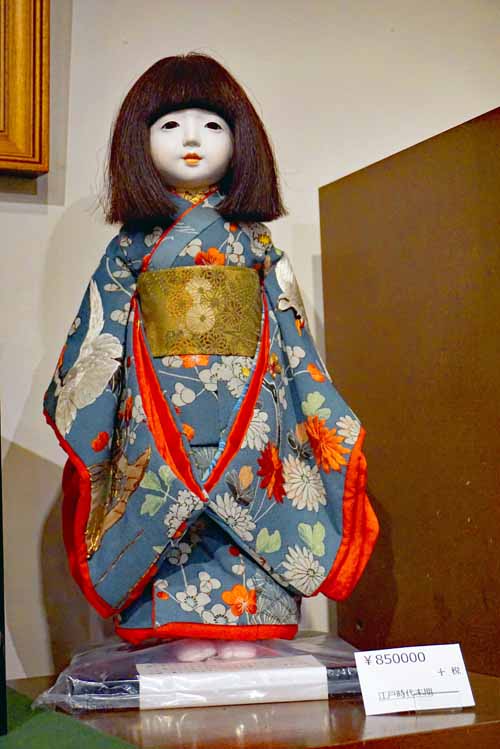
    The uniquely patterned costumes of these traditional Japanese dolls are made of priceless antique kimono fabric dating from the late Edo period (1600-1867) to the early Showa era (1926-1989).  The heads and bodies are made of pulverised seashells combined with a heated natural glue, which is poured into moulds until it hardens.  After this, the moulds are removed, the parts are polished with soft cloths, and the eyes, mouth, and other features are individually incised with a chisel.

    dolls-8dolls-8

    The eyes are made in the same way as artificial human eyes, then they are fixed in position to give the dolls a slightly shy, downturned glance.  The hair should sway naturally, so Tomo Studio is as careful in its selection of hair as it is in all other aspects of doll-making and the hair moves so that it evokes the image of the child doll.

    dolls-45

    The costumes for all Tomo dolls are made from antique fabric. According to my research into the subject, Masako Morishige, who produces the dolls’ clothes, says that

    “the history of these textiles goes back as far as the Momoyama period (1568-1600). Most of the dyed and woven cloth for the kimonos was made from the later Edo period to the early Showa era. The vivid reds and purples that are striking even in a dim exhibition hall cannot be produced by modern industrial methods. The patterns and design of traditional kimonos are reworked into fresh new creations. Valuable silk crepe from the Edo period and examples of Yuzen dyeing are also used”.

    dolls-6dolls-6

    Antique kimonos sell for huge sums, and £10,000 is nothing to spend on a garment, hence the high price of the dolls.  Alongside one of the dolls photographed above, is the price of 850,000 Yen and this is fairly average. The costumes are made from the undamaged parts that can be cut without ruining the original embroidery and the patterns in the cloth, a skill that demands artistic insight and an ability to be able to see the completed figure. Nothing is wasted, tiny pieces left over are used to make accessories.

    dolls-5dolls-5

    Doll Studio Tomo occasionally has exhibitions outside Japan (they were in London in 2015). Contact the Japanese National Tourism Board to enquire as to when they may be in your area.

    Doll Studio Tomo Gallery, First Floor, SACRA Building, 20 Nakanomachi Saniyo Tominokouji, Nakagyoku, Kyoto, Japan 604-8083

    Tel: +81 (0)75 211 5914     http://www.doll-tomo.com/english/

  • Krka  National Park, Croatia

    Krka National Park, Croatia

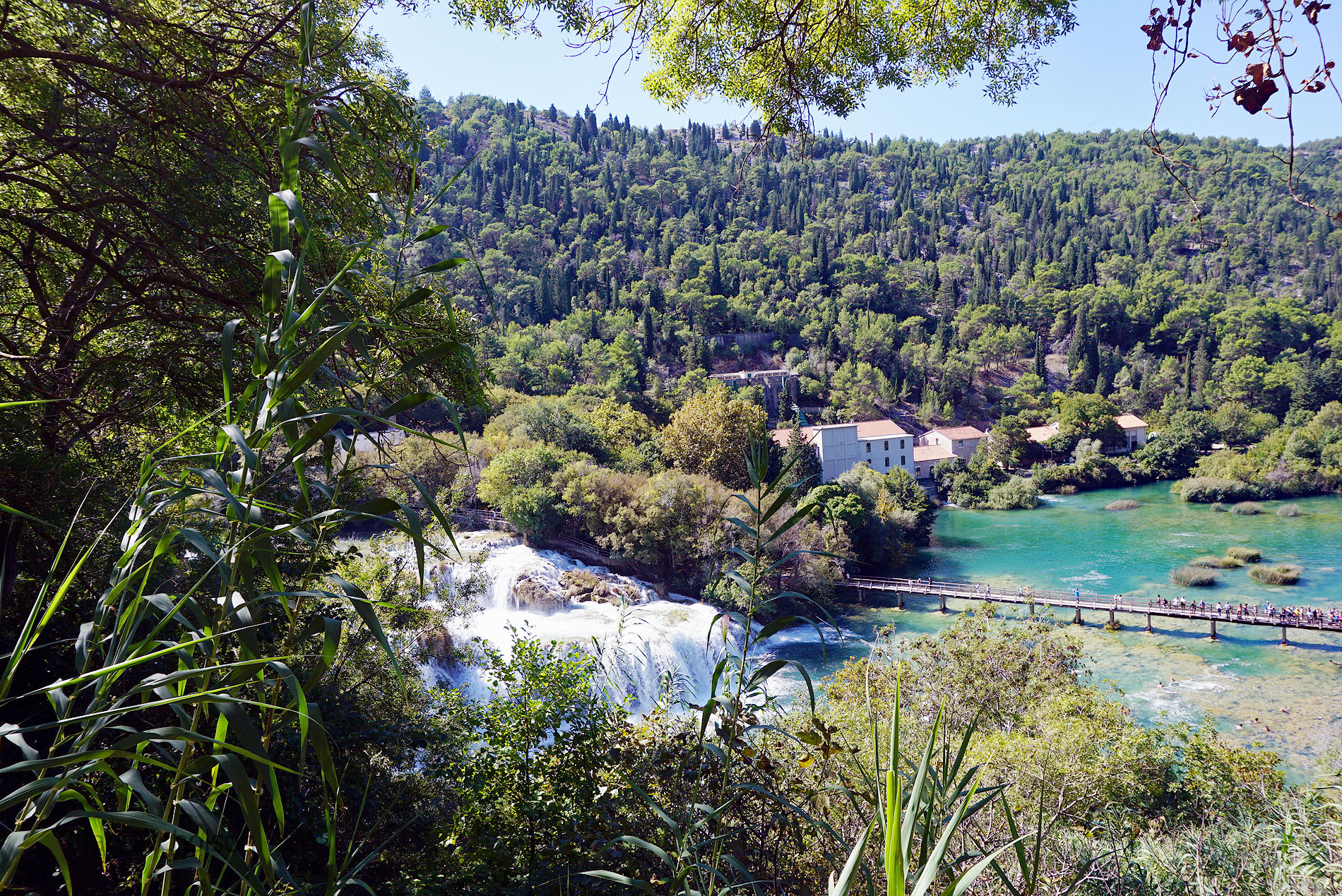
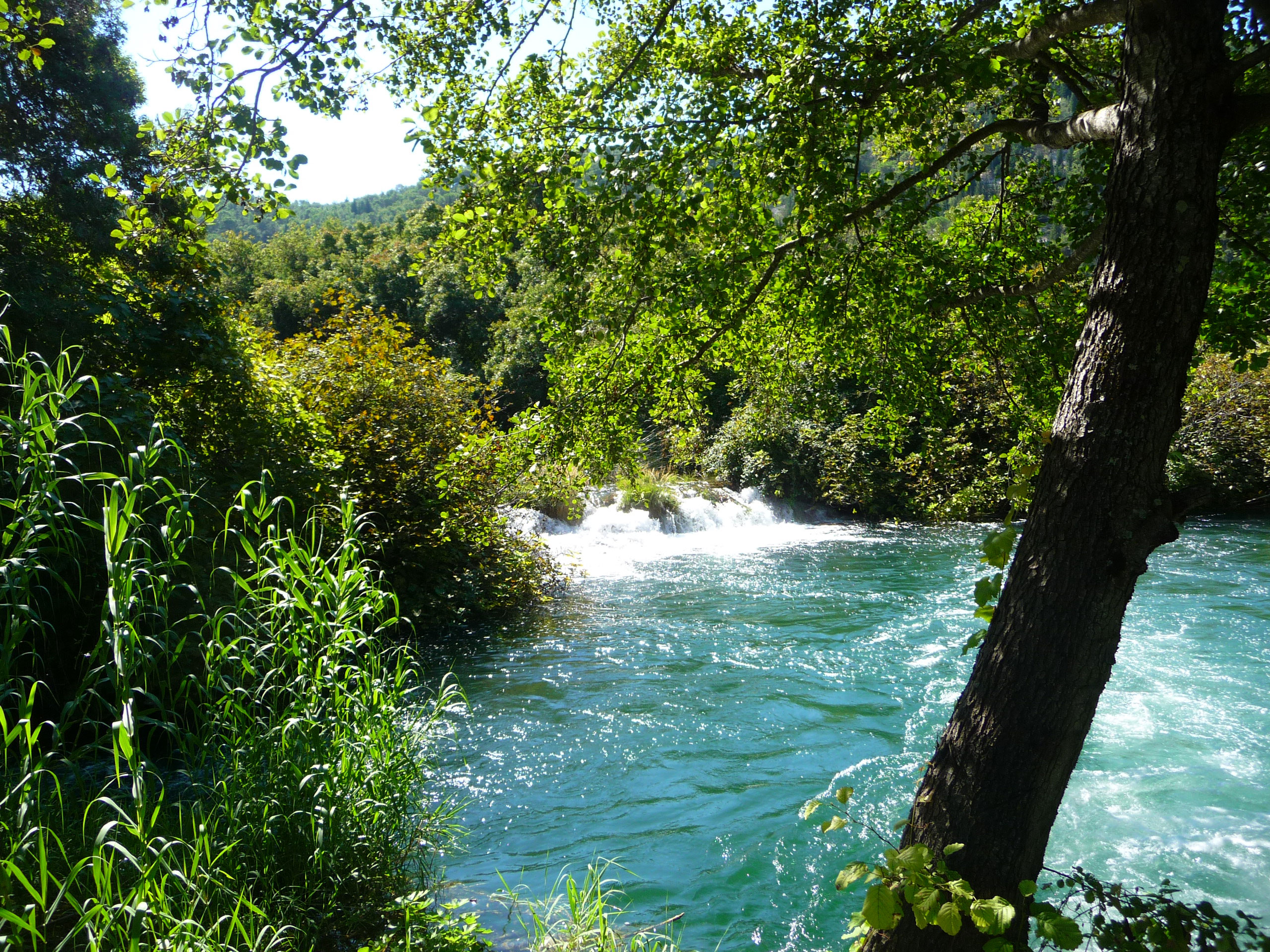
    One of the loveliest areas in Dalmatia is the Krka National Park which can be easily reached from either Split or Dubrovnik and all towns in between.  Named after the river of the same name, the Park covers an area of over 142 square km and includes two-thirds of the river itself and it lies about 10km from the pretty town of Sibenik.

    dsc00015-2

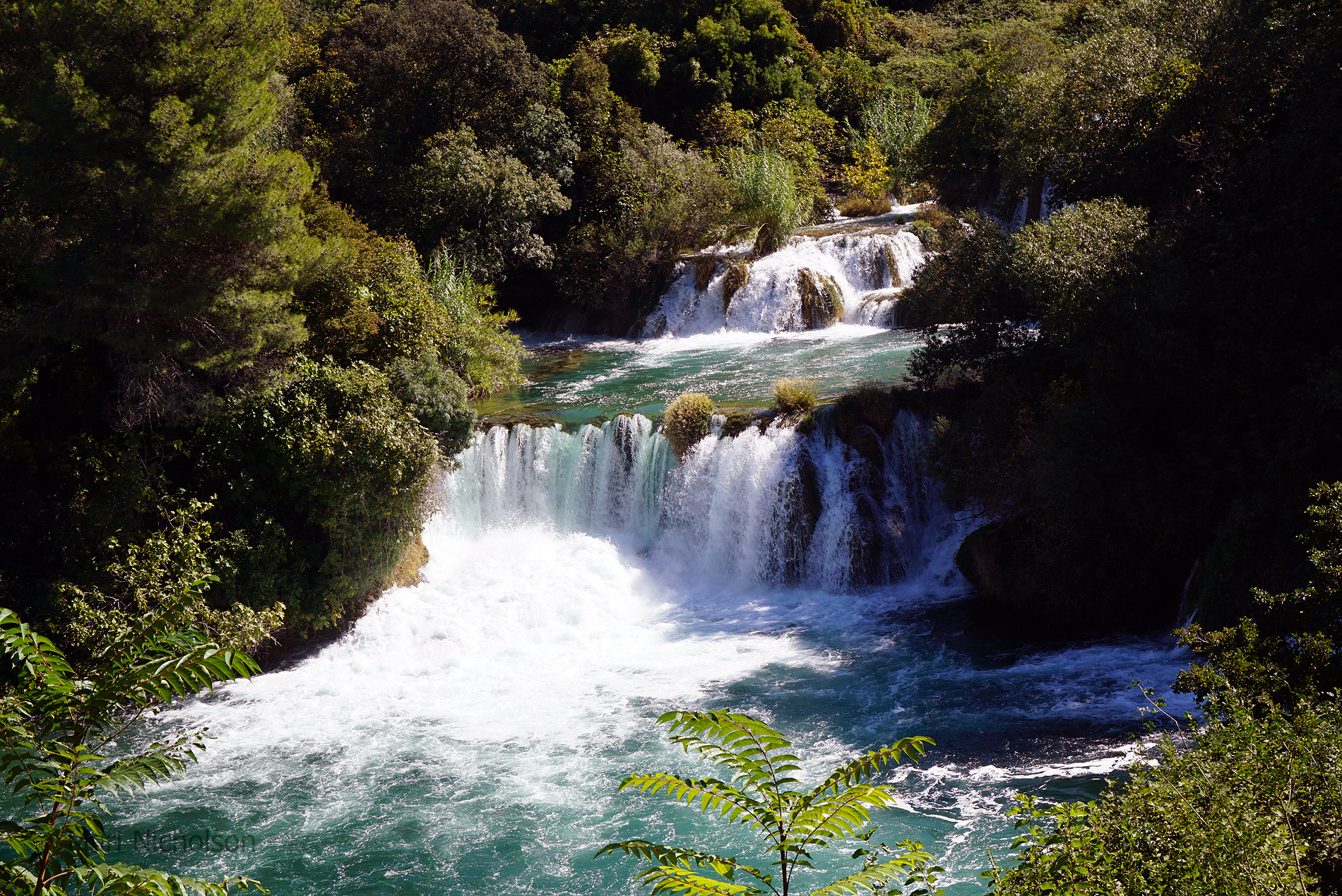
    Rushing Waters in the Krka Valley

    © Mari Nicholson

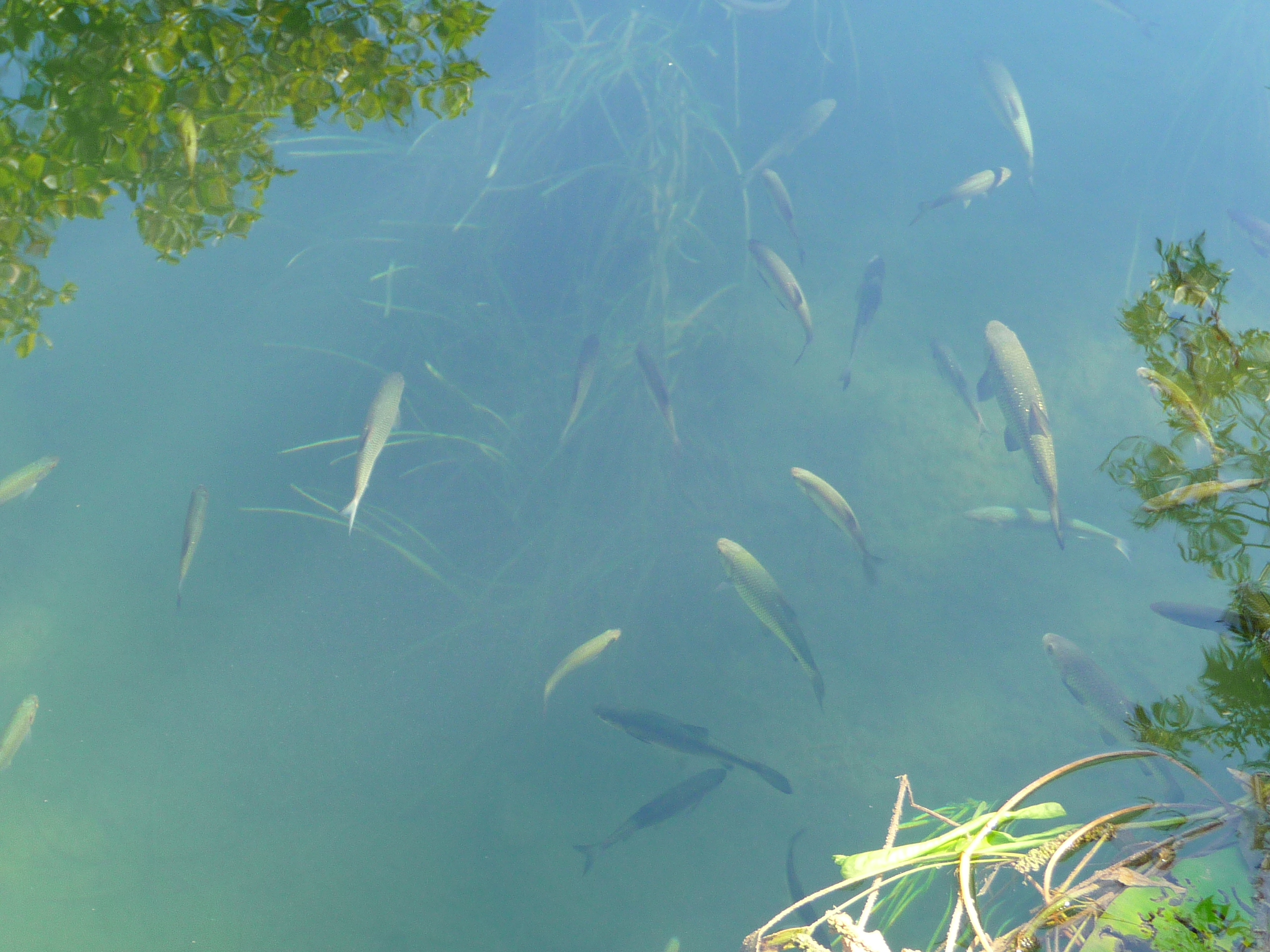
    Most people go there to see the magnificent waterfalls, but it deserves a visit for the feeling of peace and tranquility one finds walking through the exceptional wealth of flora and fauna – to date over 1020 plant species and subspecies have been recorded in the park area, including amphibians, reptiles and endemic fish species – listening to the birdsong and relishing the aromas from the pine trees, the wild herbs and the flowers (especially the lavender).  Due to the river’s exceptional importance for the spring and autumn bird migrations. this is also one of Europe’s foremost ornithological areas: 800 different species have been identified.

    kyko-wild-cyclamen

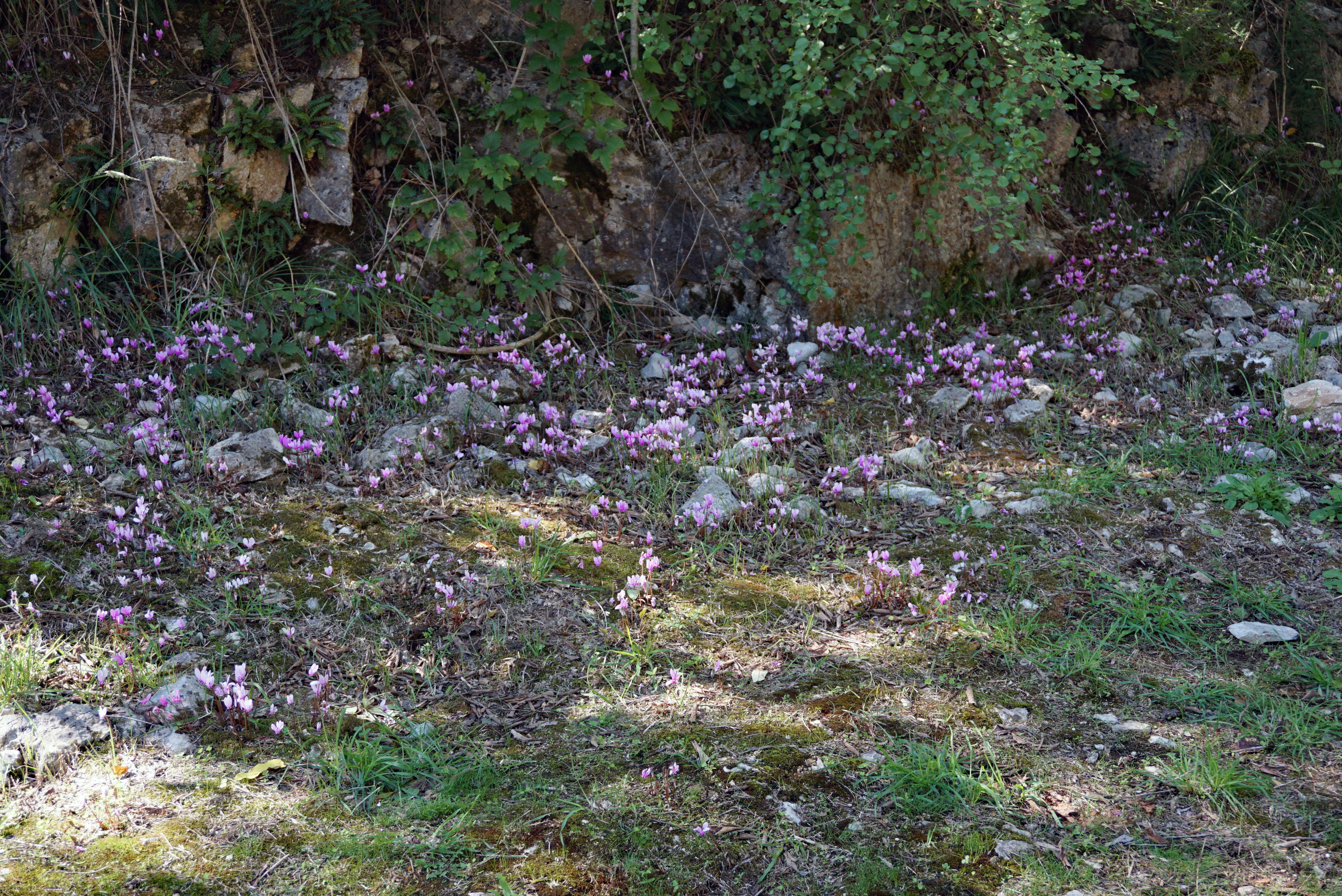
    Carpet of wild cyclamen in Krka Valley

    © Mari Nicholson

    Without doubt however, the top attractions of the Park are the waterfalls, especially the famous Skradinski Buk Falls which are one of Croatia’s most famous sights. This is a collection of 17 waterfalls that range in height from over 45 metres.  The Roski Slap is another famous fall within the park, actually a series of 12 waterfalls in a space of just 450 metres.

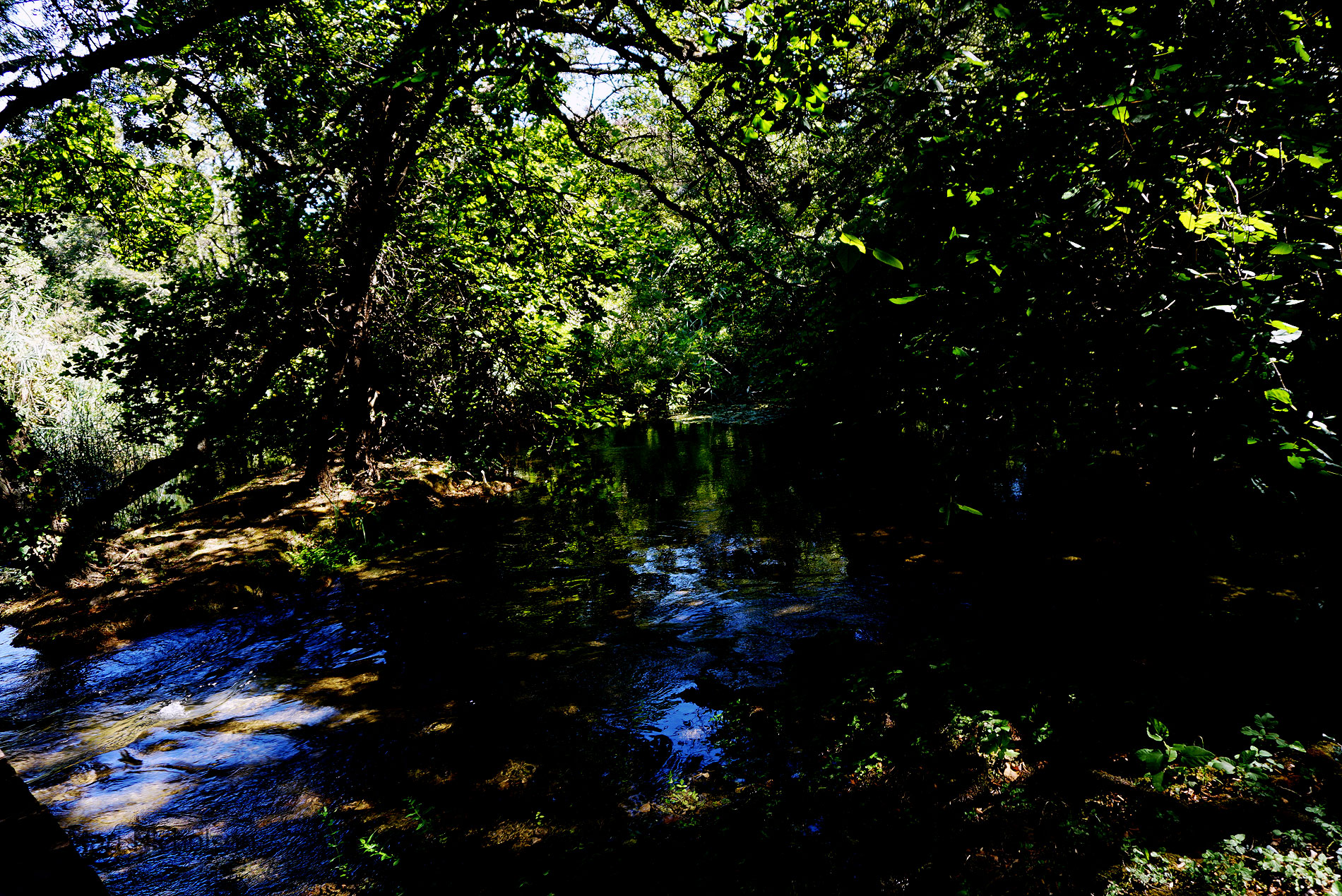
    perfect-peace-by-tranquil-pond-on-river-kyka

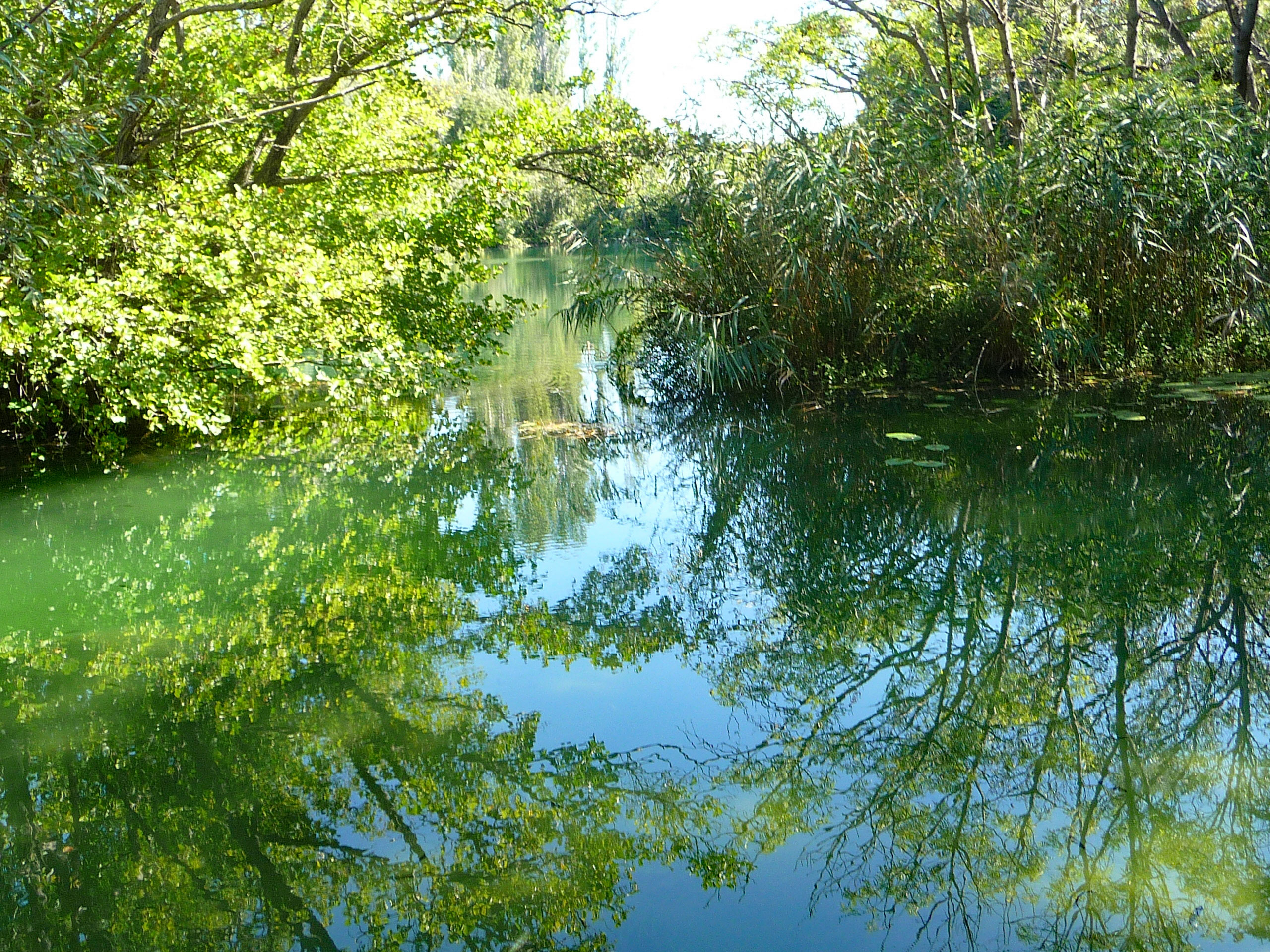
    Reflections in a Tranquil Pond on the Krka River

    © Mari Nicholson

    There is a boardwalk throughout the park which makes traversing the paths fairly easy and although it may pose a problem for those who find difficulty walking, or need help, there are always people around ready to lend a hand.  There are also railings to help guide those less nimble on their feet.

    fish-swim-in-the-tranquil-pond-on-kyka

    Fish enjoy the waters of the tranquil ponds in Krka River

    © Mari Nicholson

    There is a well laid out picnic area with seating, and surrounding this area are kiosks selling food and ice-cream, tea and coffee, and souvenirs.  From here you can take a boat excursion which affords an opportunity to relax and ‘listen to the silence’.  Some of the boats include stop-offs which give a chance to wander on footpaths along the water before hopping back on at the next stop.

    looking-down-on-town-picnic-area-at-kyka
    Looking down on Town and Swimming area on the Krka River-

    © Mari Nicholson

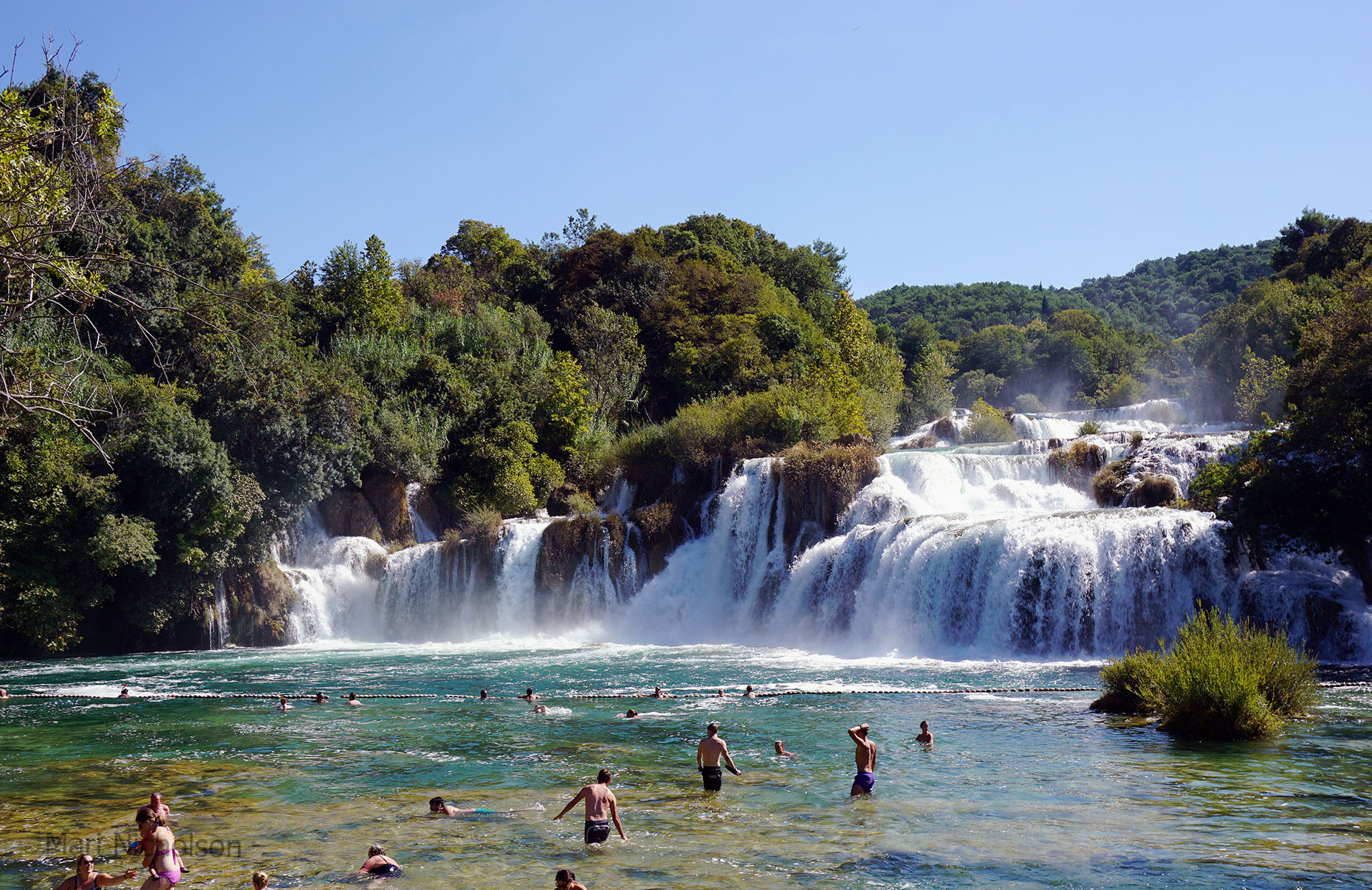
    Best of all though, unlike the Plitvice Lakes National Park, swimming is allowed at Krka River in designated places (under the main falls and by the picnic area).  The stunning vista of the falls and the thunder of the water as it pours down drowns out the excited shouts of adults and children swimming in the lake formed beneath the waterfall and revelling in the unique experience of swimming in such a fantastic spot.

    enjoying-swimming-in-waterfalls-at-kyka-national-park

    Swimming under the Waterfalls at Krka Valley Waterfalls.

    © Mari Nicholson

    rushing-waters-at-kyka-river

    Glorious Turquoise Waters of the Krka River

    © Mari Nicholson

    Getting to Krka National Park:

    From Split Bus Station take one of the many daily buses to Sibenik (journey time about 1 hour 40 minutes), then from Sibenik  take a bus to Skradin, a town just outside the park.

    If you’re travelling from elsewhere in Croatia, likewise make your way to Sibenik first and then travel on to Skradin and Krka National Park.  There are organised excursions to Krka from many towns in Dalmatia, details from a local travel agency.

    You can also embark on an organised excursion to Krka from many towns in Dalmatia – enquire at a local travel agency for details.

    p1150649

    Fish in the river Krka

    © Mari Nicholson

    a-quiet-pool-in-the-kyka-river


  • Weekly Photo Challenge: SHINE

    Shine can have many meanings: a high gloss polish, a brilliant lacquer finish, a light on a mirror, moonlight on water, a child’s freshly washed face before bedtime any or all of these can be offered.   I’ve found one or two that fitted these categories but they weren’t my favourites, instead, I’ve gone for the photographs below.

    The first ‘Shine’ is the colourful and exquisite marble floor of the covered-in Galleria Emmanuelle in Milano, the trendy, upmarket shopping area that stretches from the famous Duomo to the Opera House.  All the top-named brands have shops here (dare one call them shops, I wonder?) and apart from the gloss of the beautiful marble, the whole place has a ‘shininess’ that seems part of this monied world.

    shiny-floor-of-the-galleria-emmanuelle-in-milano

    Exquisite marble floor of the Galleria Emmanuelle in Milano – Mari Nicholson

    And now for something completely different.   The photograph below was taken when I visited a workshop outside Hanoi where dedicated instructors were teaching children who had been injured by landmines in Vietnam, a trade that would eventually enable them to work in the world outside.  The glass jar on the table is full of wafer-thin sheets of gold leaf and this young girl is painstakingly applying it to parts of a picture.

    applying-gold-leaf-landmine-victims-school-in-vietnam

    Vietnam, Applying gold leaf to a picture to make it shine.

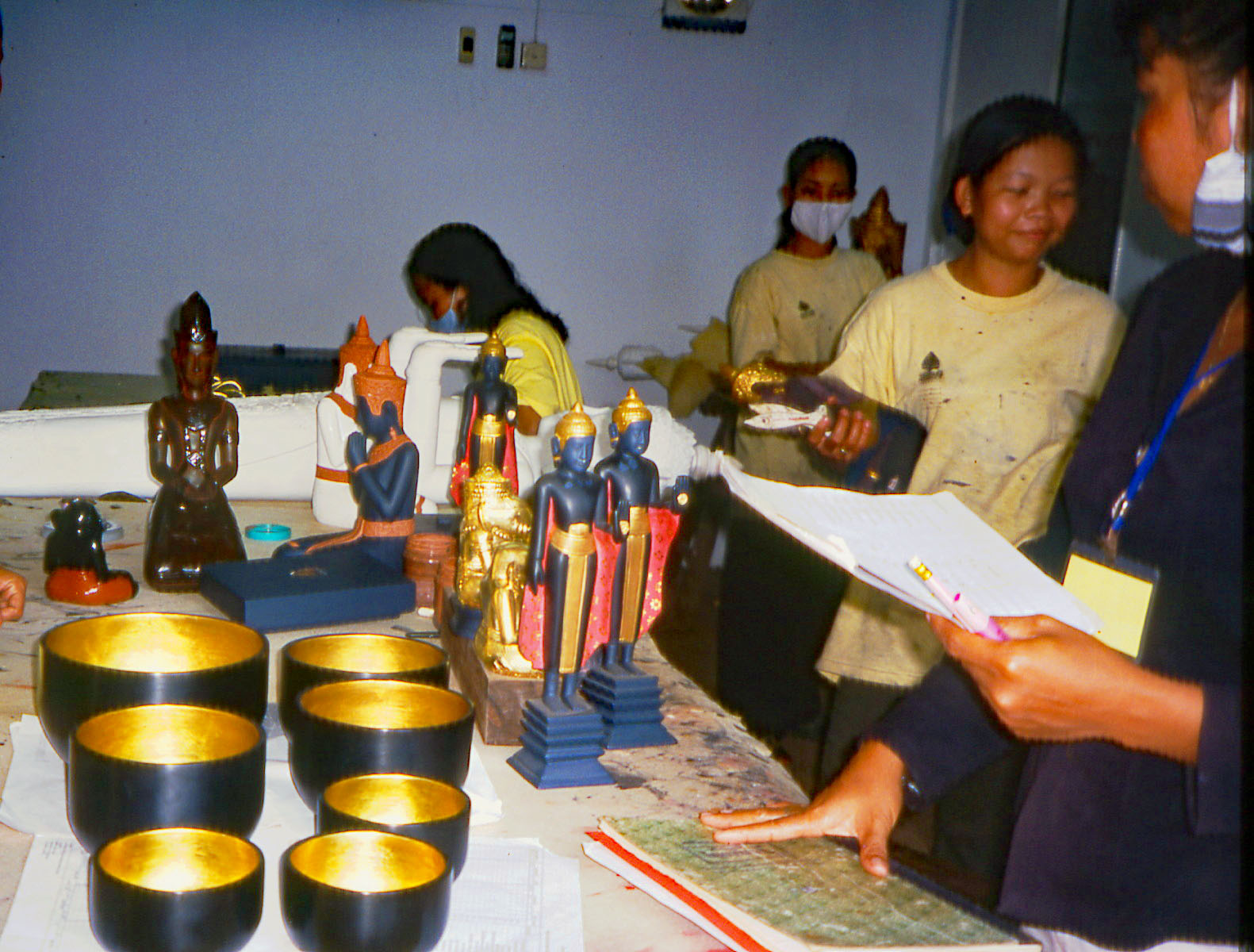
    On on the same trip in S.E. Asia, in Cambodia, we came across a school .with something of the same idea.  A group of young students were being taught how to use gold leaf on religious icons, how to make Buddha statues, how to do intricate woodwork etc.  To me, it seemed incredibly difficult and needing great patience, but the ever-smiling children assured me it was easy for them and better than working in the rice fields where they never had enough to eat.

    gilding-the-buddhas-in-cambodia
    Cambodia, Using gold leaf effectively on Buddha statuettes and bowls – Mari Nicholson.

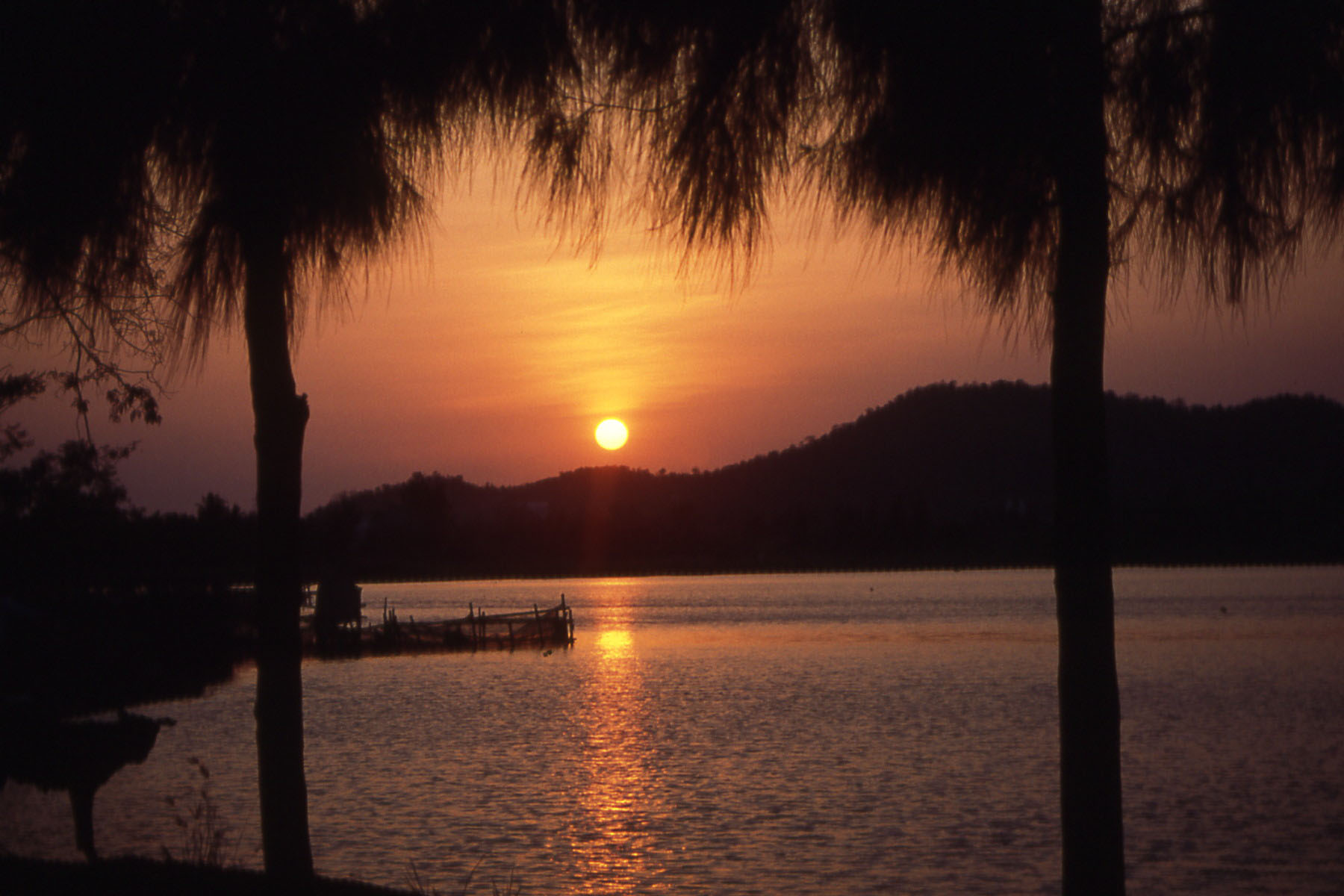
    And what is nicer than a sunset with the falling sun shining on the water, the rustle of palm trees, and the lap of the waves.

    nothing-beats-a-shiny-sunset-sea-and-palm-trees

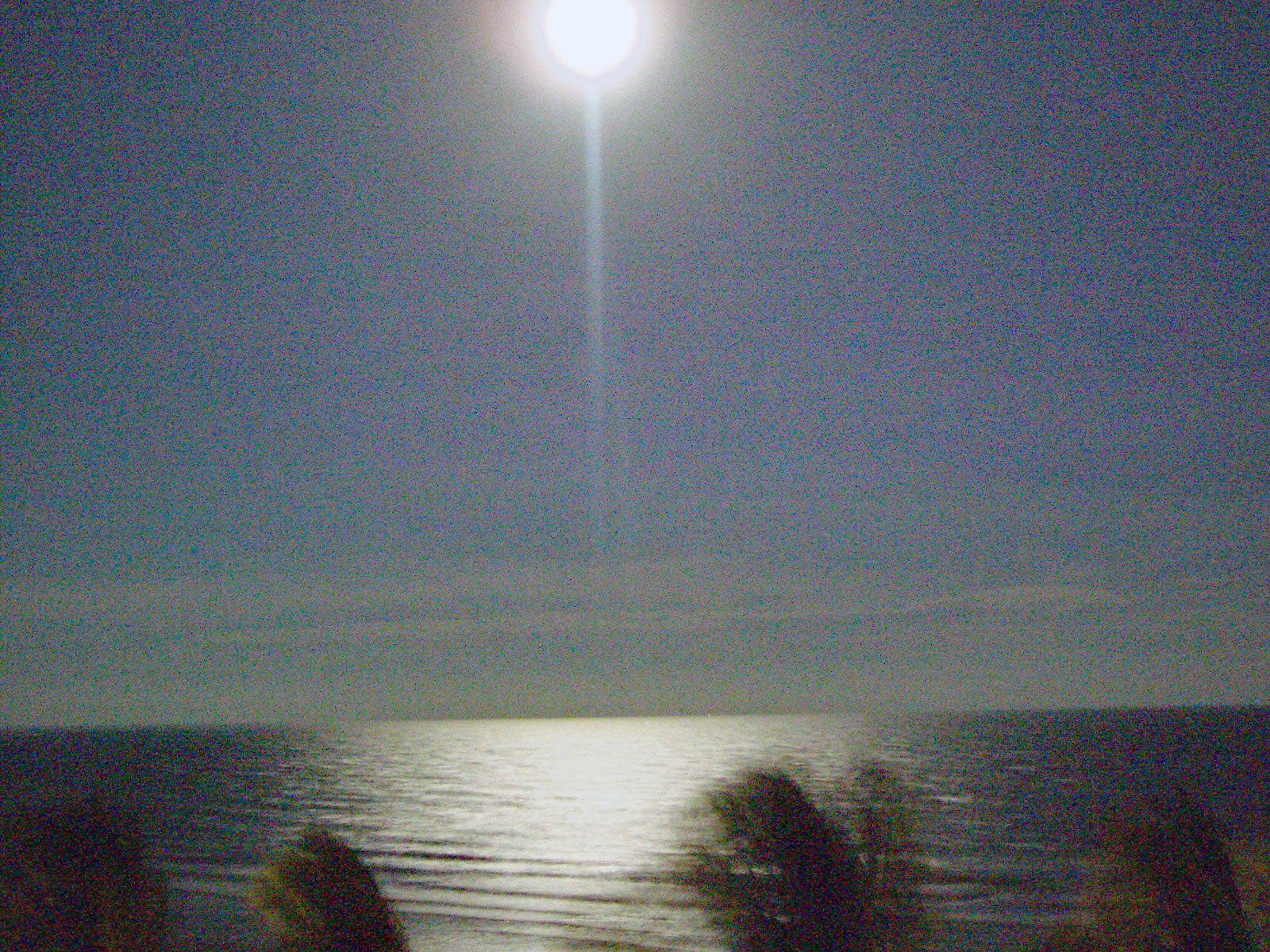
    And lastly, probably the best shine of all, the moon on the water, in this case a silvery moon that turned the sea a shiny gunmetal grey that could have been anywhere but was actually in a tropical land.

    moonlight-at-rimtalay
    Shiny, shiny, moon.  I feel a song coming on – Mari Nicholson

  • WEEKLY PHOTO CHALLENGE: LOCAL

    “Any place I hang my hat is home”, or so the old song goes and this is almost true for me.  I seem to be able to settle in any location and feel instantly at home – even on holiday.  Feet under the table, a few friends around, some olives and some wine to keep the conversation flowing, and I’m happy.

    That’s not to say, however, that certain places don’t take precedence, one of which is my permanent home now and has been for many years, the Isle of Wight, and the other is my childhood home in Northern Ireland.  These definitely represent home to me.

    Starting from childhood:

    my-childhood-home
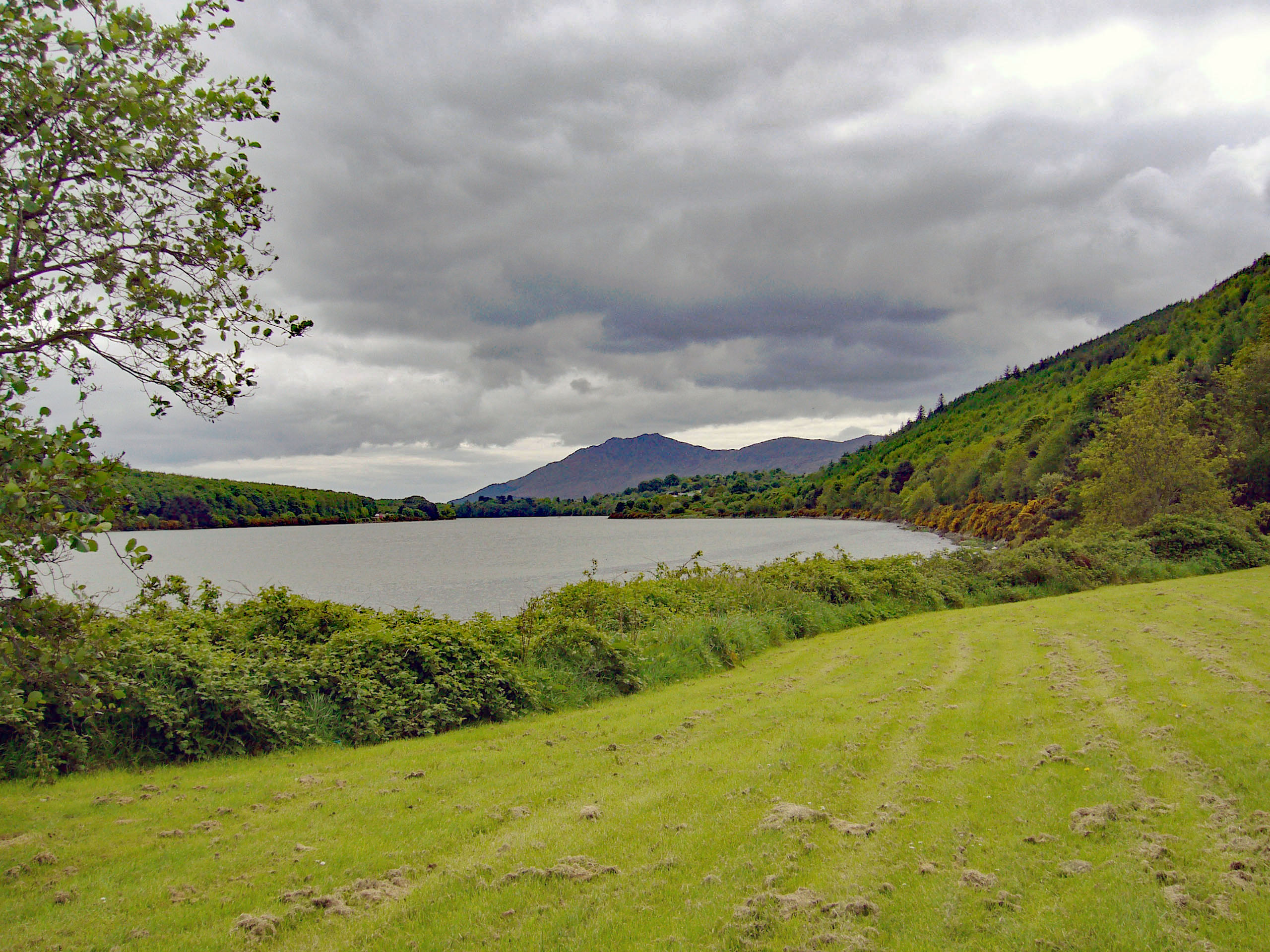
    Scene just outside my birth town – Photo Mari Nicholson

    KONICA MINOLTA DIGITAL CAMERA

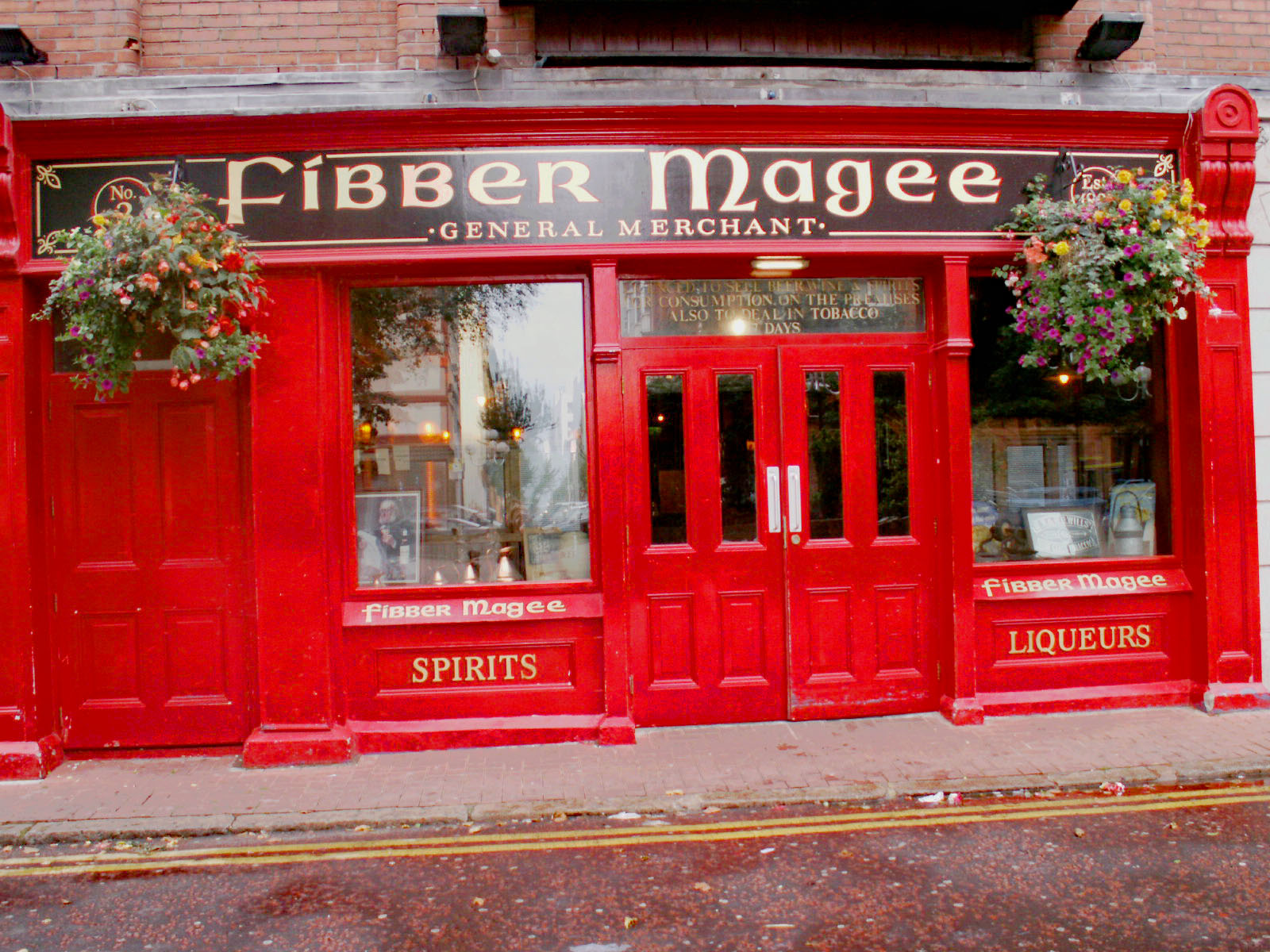
    Growing up I may have spent too much time in this pub, for the craic and the wild music – Photo Mari Nicholson

    KONICA MINOLTA DIGITAL CAMERA

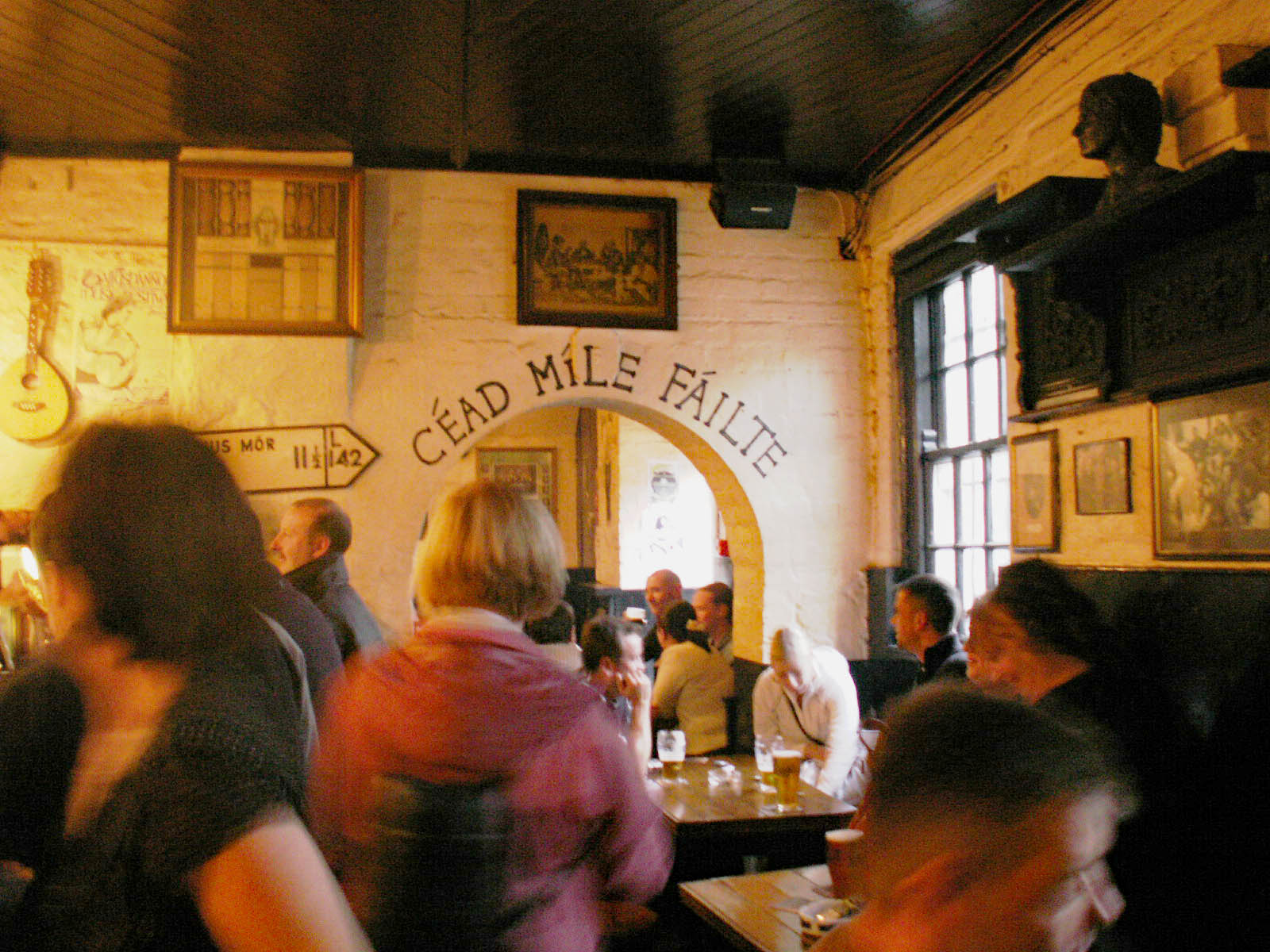
    Another favourite pub in Belfast – Kelly’s Cellars – famous for its Guinness.                        Photo Mari Nicholson

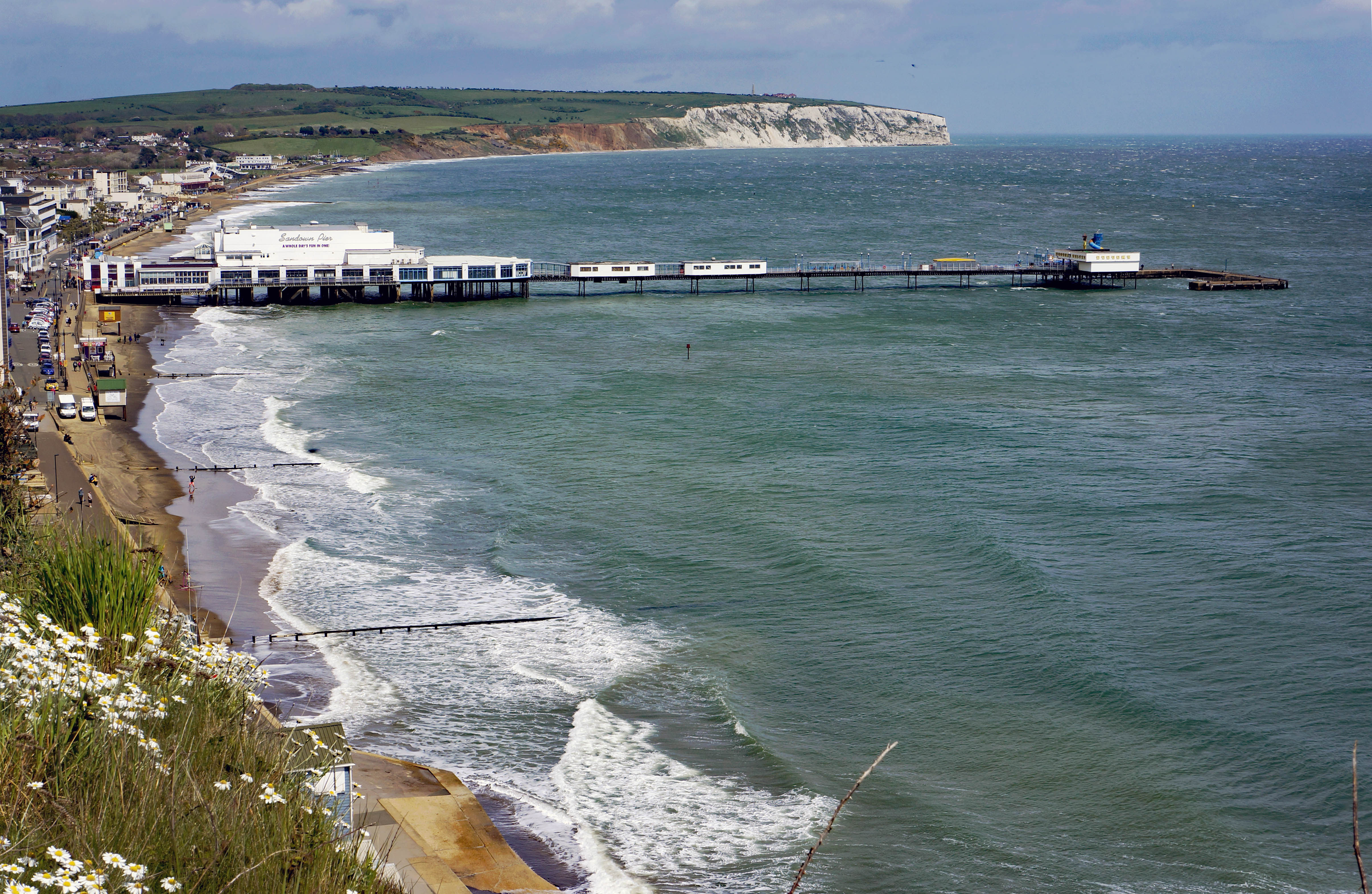
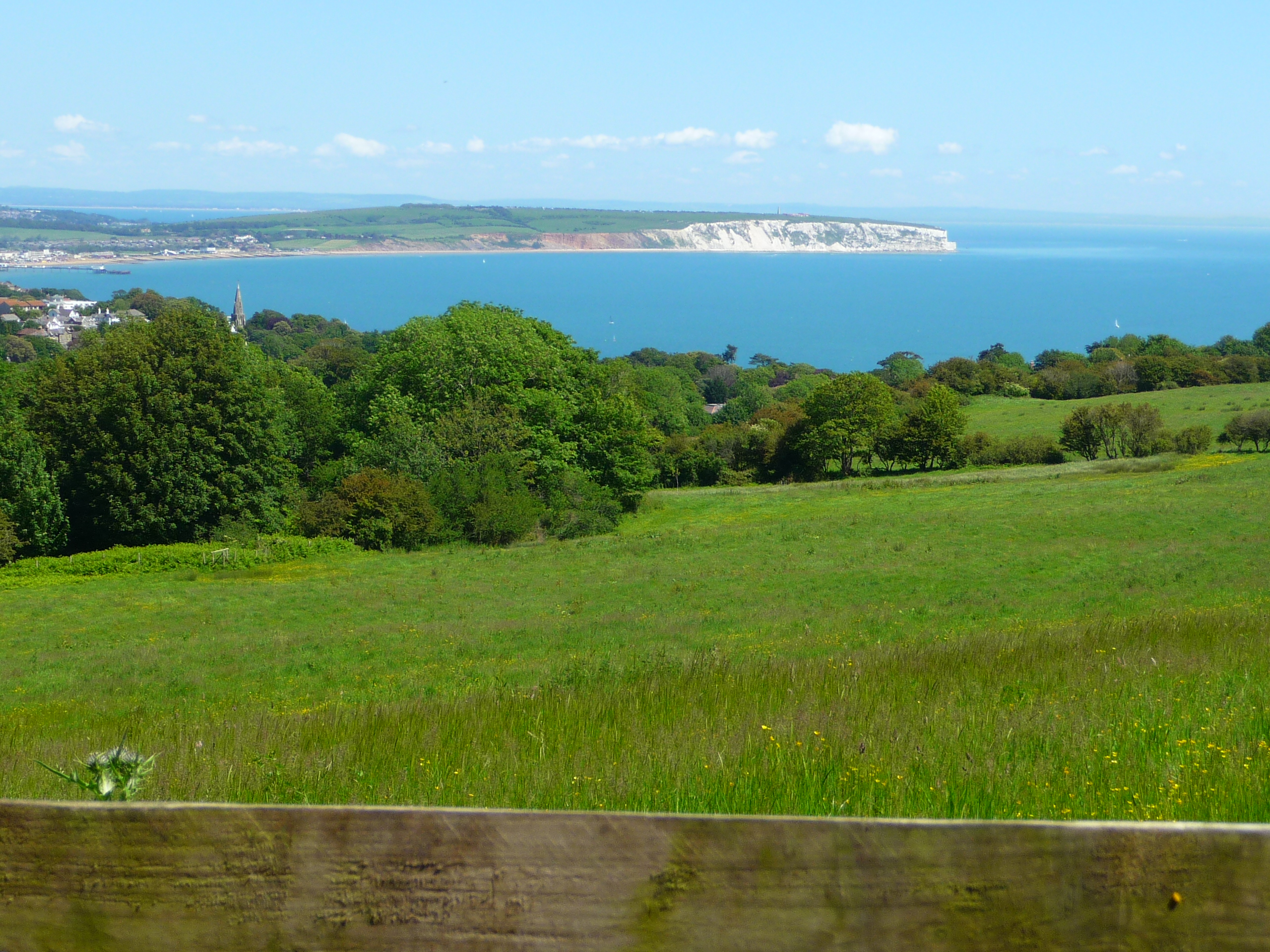
    Now I live near the sea, in this town, a favourite of many people some of whom visited it for the first time on a school trip.  The weather is usually good, we seldom see snow, the beaches are clean and safe, and the walking is superb.

    beach-pier
    My Home Town

    p1120463
    View to my beach from just outside the town – Photo Mari Nicholson

    It’s a place of thatched cottages, thatched pubs and even a thatched church                   Photos Mari Nicholson

  • Shakespeare’s Cities (2)

    Shakespeare’s Cities (2)

    HAMLET – Denmark

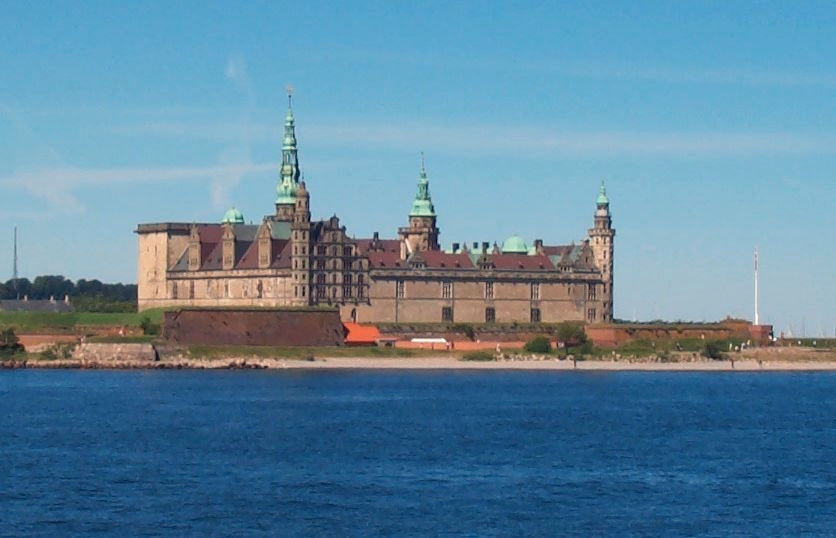
    No use telling the world that Hamlet is not autobiographical as approximately 200,000 people beat a path to Kronberg Castle in Denmark every year.  Shakespeare set the fictitious story in Elsinore Castle and it is presumed that this was Kronborg Castle which has existed since 1420 and is considered to be one of Europe’s finest Renaissance castles.

    schloss_kronborg_vom_meer

    Elsinore (Kronberg Castle) – WikiCommons

    Despite being burned to the ground twice, Kronberg has continued to maintain its vital position at the head of the Øresund Sound. Ships passing into the Baltic Sea used to pay tolls at the Castle and Helsingør (the Danish translation of Elsinore) was once one of the most important towns in Europe.

    Shakespeare’s evocative imagery, the dramatic story, and the play’s worldwide popularity means that thousands of people visit Kronborg Castle every year.  A UNESCO World Heritage Site since 2000, the dingy catacombs and graceful towers have become synonymous with the doomed Prince Hamlet.   Guided tours are offered in June, July and August, but the best time to visit, if possible, is during the annual Shakespeare festival in August.

    From Copenhagen the journey takes less than 45 minutes or the “Hamlet” ferry takes passengers from Helsingborg, Sweden through the narrow strait.

    MERCHANT OF VENICE – Venice

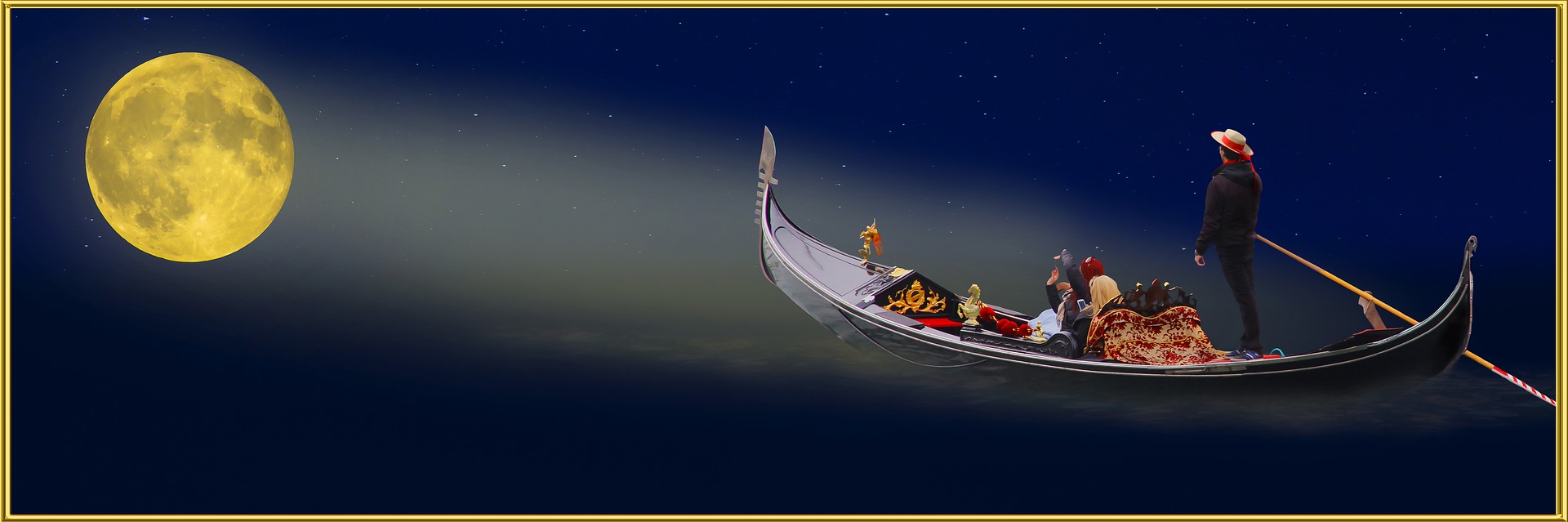
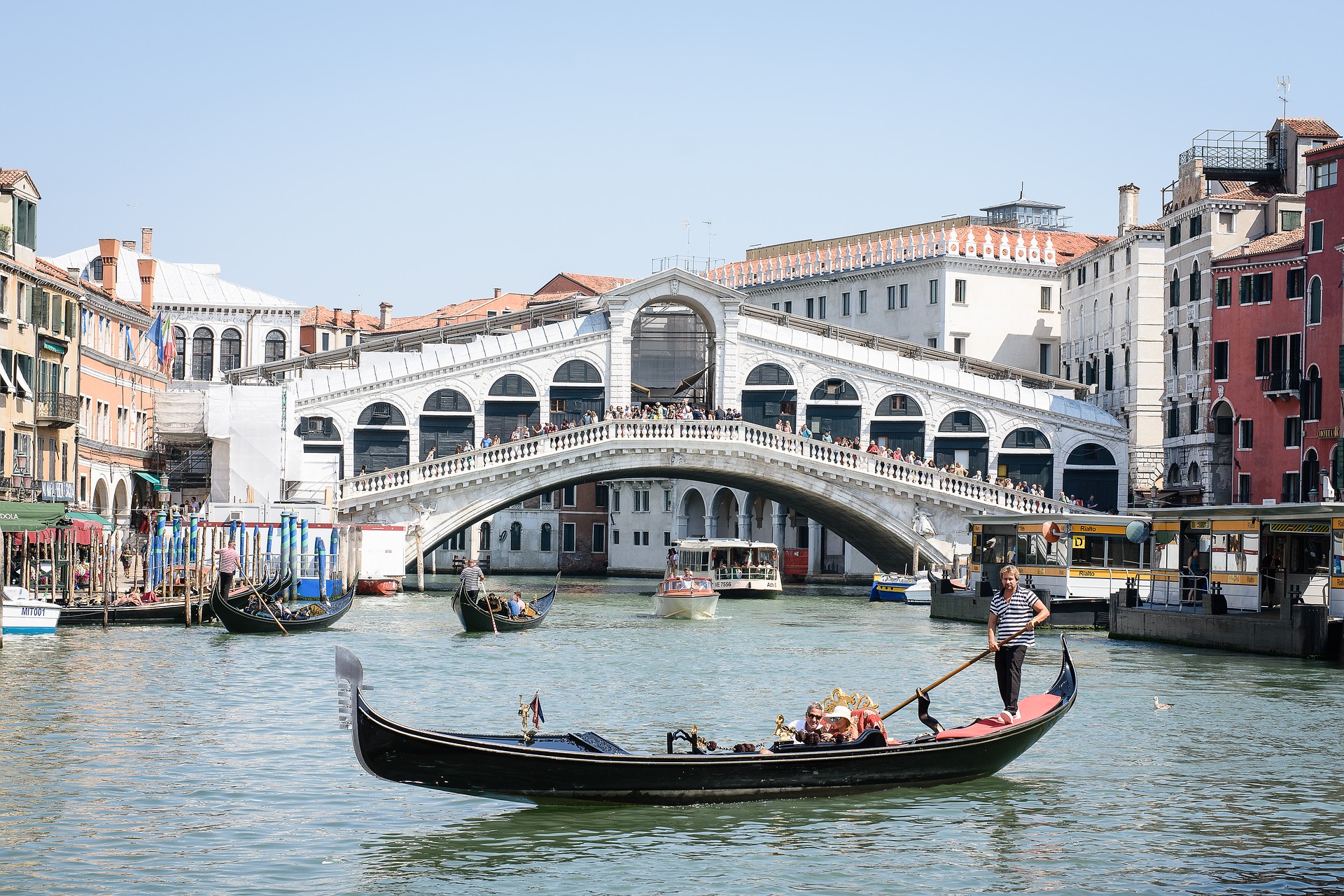
    Italy was one of Shakespeare’s favourite locations in which to set his plays.  Venice, which provided the setting for the story of Antonio, Bassanio and Portia in The Merchant of Venice, is one of Italy’s glories, its beauty breath-taking when approached from the sea, and its treasures among the greatest in Italy.

    venice-1678651_1920

    The ghettos may have gone, but this famous port city is still exceptionally atmospheric.  It’s hard not to have flashbacks to scenes from the 1973 Nicholas Roeg film Don’t Look Now if you are strolling around Venice as dusk falls.

    Take a gondola to Palazzo Ducale and explore the former wine bars, cafes and churches,   visit some of the art galleries, relax on a boat ride to the outer islands and when the sight-seeing has exhausted you, take the canal trip down to Padua.  But, for some quiet time to think about the play, you will have to visit in winter – the only time the tourists don’t visit in their thousands.  With four or five giant cruise ships docking most days, Venice is in danger of losing all character and the world of Portia and Shylock may become a thing of the past.   It’s impossible to see Venice properly during the day, for that you have to wait until the cruise visitors have returned to their ships when you are no longer forced to dawdle behind them as they crowd the streets in groups with their cameras on sticks held high, desperate to get the photograph that may serve as an aide memoire when they return to their cocooned cruiser.

    If I can paraphrase, it must be Venice, there’s a gondola in my photograph.

    venice-1721988_1920

    MEASURE FOR MEASURE – Vienna

    One doesn’t associate Austria with Shakespeare yet for some reason he set one of his plays in Vienna, a Vienna that is not recognisable today but that has some similarities with the Vienna that existed immediately after the Second World War when it was a city divided between the four powers, Britain, France, Russia and USA.

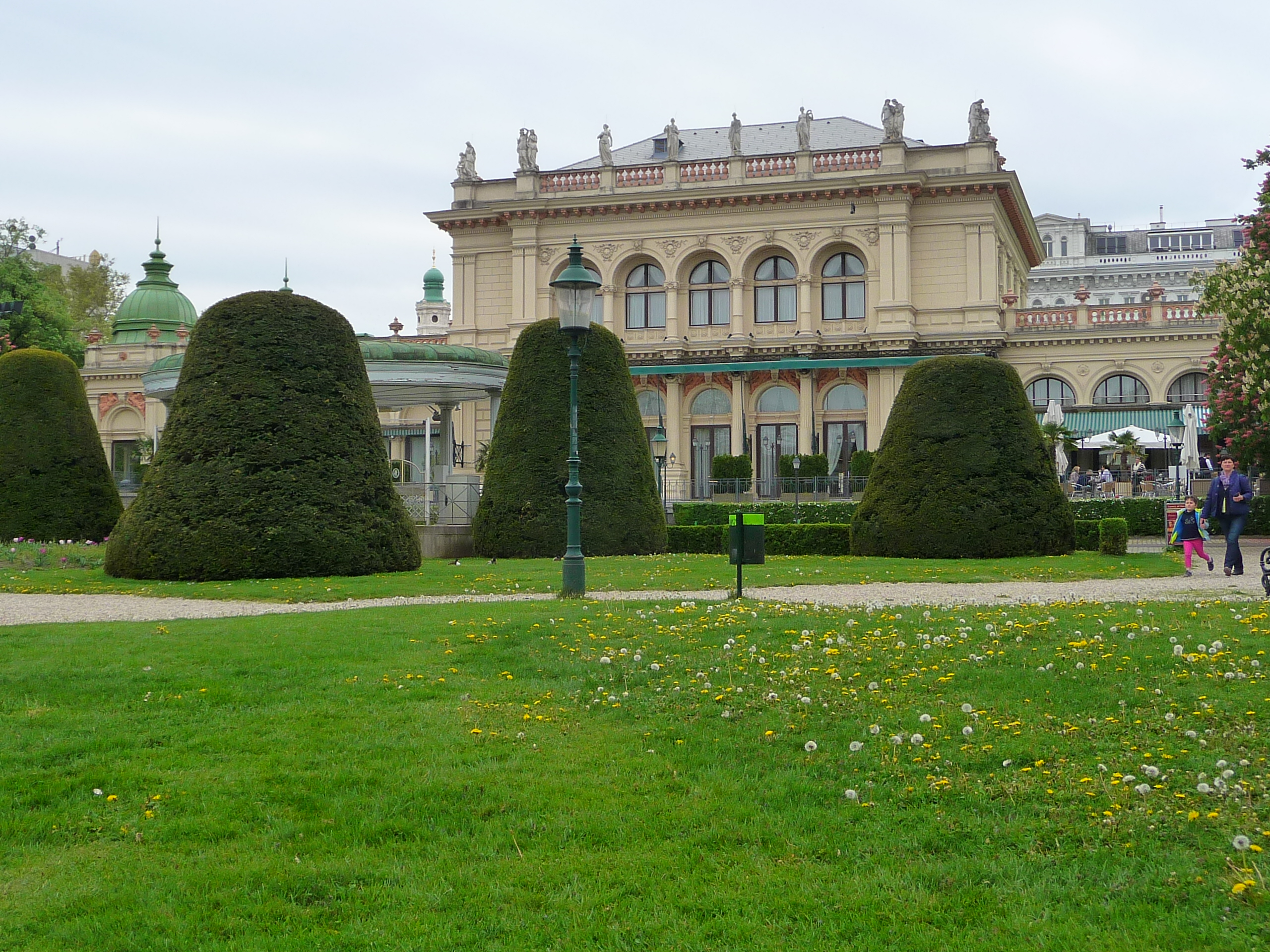
    concerthaus

    Concert Hall in Vienna – Mari Nicholson

    Measure for Measure is set in a Vienna whose streets and taverns are teeming with criminals, prostitutes and pimps, not one we would recognise today.  This problem play offers us the purity of the city that was Austria’s cultural crown jewel, long hailed for its art, architecture and intellectuals as a city that has to balance purity with la vie bohème; the old with the new.  Often referred to as one of Shakespeare’s problem plays, its text has often been altered to suit the mores and morals of the period in which it was performed.

    Most of the action takes place in the Duke’s palace, in the city prison and in the streets of Vienna. The play’s main themes include justice, “mortality and mercy in Vienna,” and the dichotomy between corruption and purity: “some rise by sin, and some by virtue fall.”

    Today’s Vienna is more about Strauss than sin, Mozart rather than mayhem.

    There is little to remind you of Measure for Measure but Vienna boasts Shakespeare Garden, a space dedicated to the flora and fauna in his works, a pleasant place to spend a little time.  Then maybe light a candle at the gothic St Stephen’s Cathedral and enjoy the quintessential coffee and cake at Hotel Sacher where you will have to join a queue for perhaps 20 minutes in order to get a seat and a piece of that cake – Sacher torte – but it’s worth it.

    Have a traditional night out at the Viennese Opera before heading to a trendy bar in Freihaus or to a restaurant for the perfect Weiner Schnitzel.  Shakespeare would have loved it I bet.

  • Shakespeare’s Cities (1)

    Looking through my photographs one evening last week and re-assigning some to other folders, I realised that many of them have attachments to Shakespearean locations, so I thought I’d give them an airing on Travels with my Camera today.

    ROMEO and JULIET – Verona

    Juliet;s Balcony

    Juliet’s Balcony – Mari Nicholson

    First up, one of my favourite Italian cities, Verona, a favourite because of the operas that are performed in the vast Roman amphitheatre, it’s proximity to the Dolomites, and the wonderful herb market I remember from my last visit.  Verona is actually the setting for three of the Bard’s plays but it is the Casa de Giulietta that is now a place of pilgrimage for young lovers because of Romeo and Juliet.  The walls of the building are covered with love notes all of which get a reply from a volunteer in the Juliet Club which operates from the premises.

    It is a town worth seeing even if you are not interested in visiting Juliet’s house which, let’s face it, is fiction after all.  The Renaissance houses and beautiful squares make one want to linger at the sidewalk cafes where the black-aproned waiters with slicked back hair seem to have a special Veronese air about them.  The evening passagitta is still a big occasion in the city and young and old stroll around in their finest clothes, unselfconsciously partaking of ice cream as the sun goes down on the golden stones of this lovely place.

    LOVE’S LABOUR LOST – Navarre

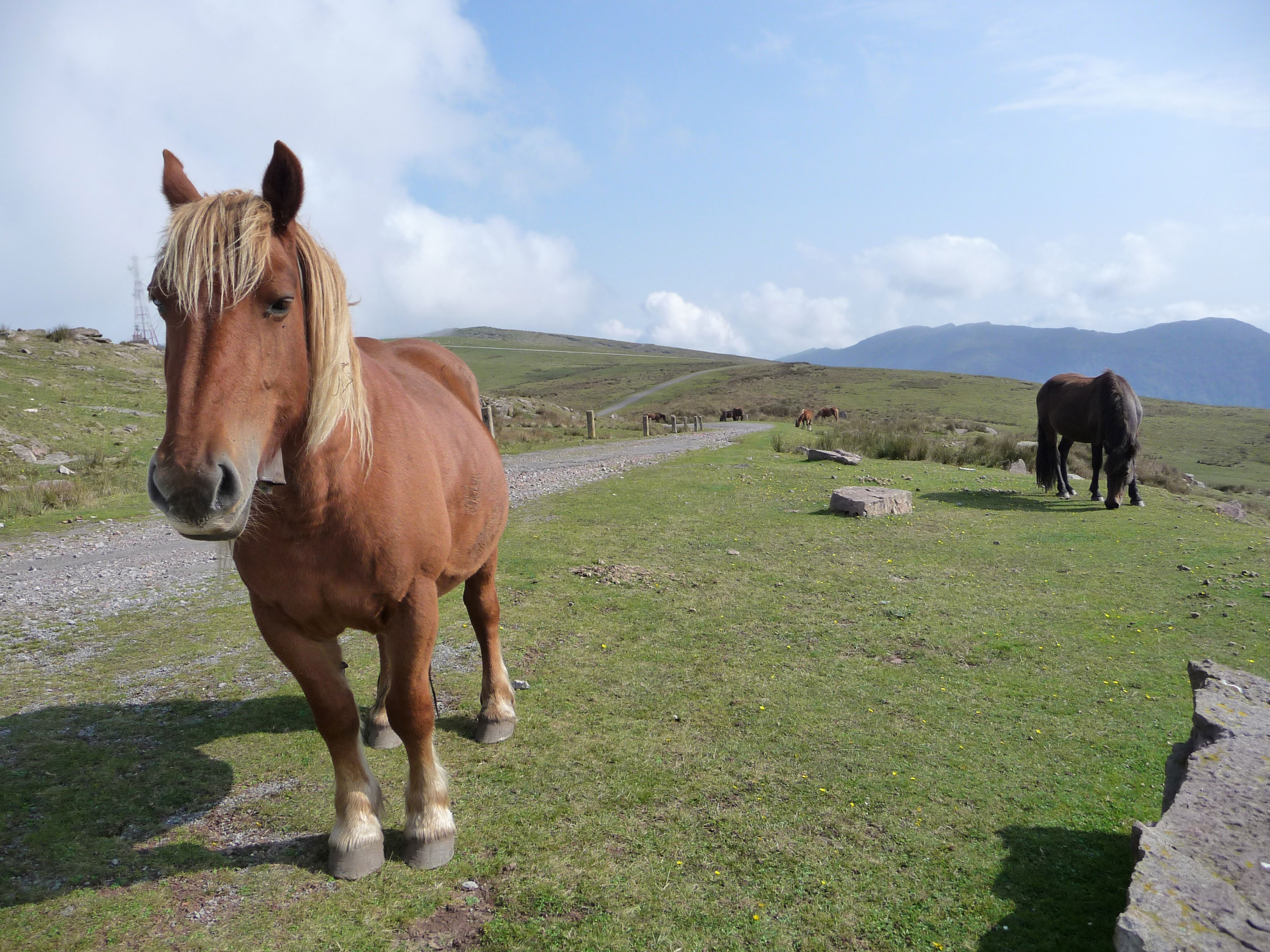
    lots-of-ponies-on-the-mount

    Wild Ponies on the Mountains in Navarre – Mari Nicholson

    Navarre in Northern Spain is the setting for the fantastical Love’s Labour Lost, and although it is almost certain that Shakespeare had no knowledge of this area during the writing of the play, its rolling pastures and fertile valleys seem a perfect setting.  Home to the famous bull run in Pamplona during the San Fermin fiesta in July, Navarre also has a quieter side.   Famous for the Gregorian chant sung in its monasteries, its  Pyrennean cows, wild horses, National Parks, Botanic gardens, its traditions run deep.  One of these is the fast game of Pelote which you should see if you get a chance.

    The autumn colours are eye-wateringly beautiful and a perfect contrast to the coastal houses which are painted either green and red or green and white.   The wines are exceptional – with a wide range of organics among them – and less well known than most other Spanish wines.   The population speaks Basque and the language is not easy to read – especially if you are driving – but Spanish is widely spoken everywhere.

    OTHELLO -Cyprus

    cyprus-1450730_1920

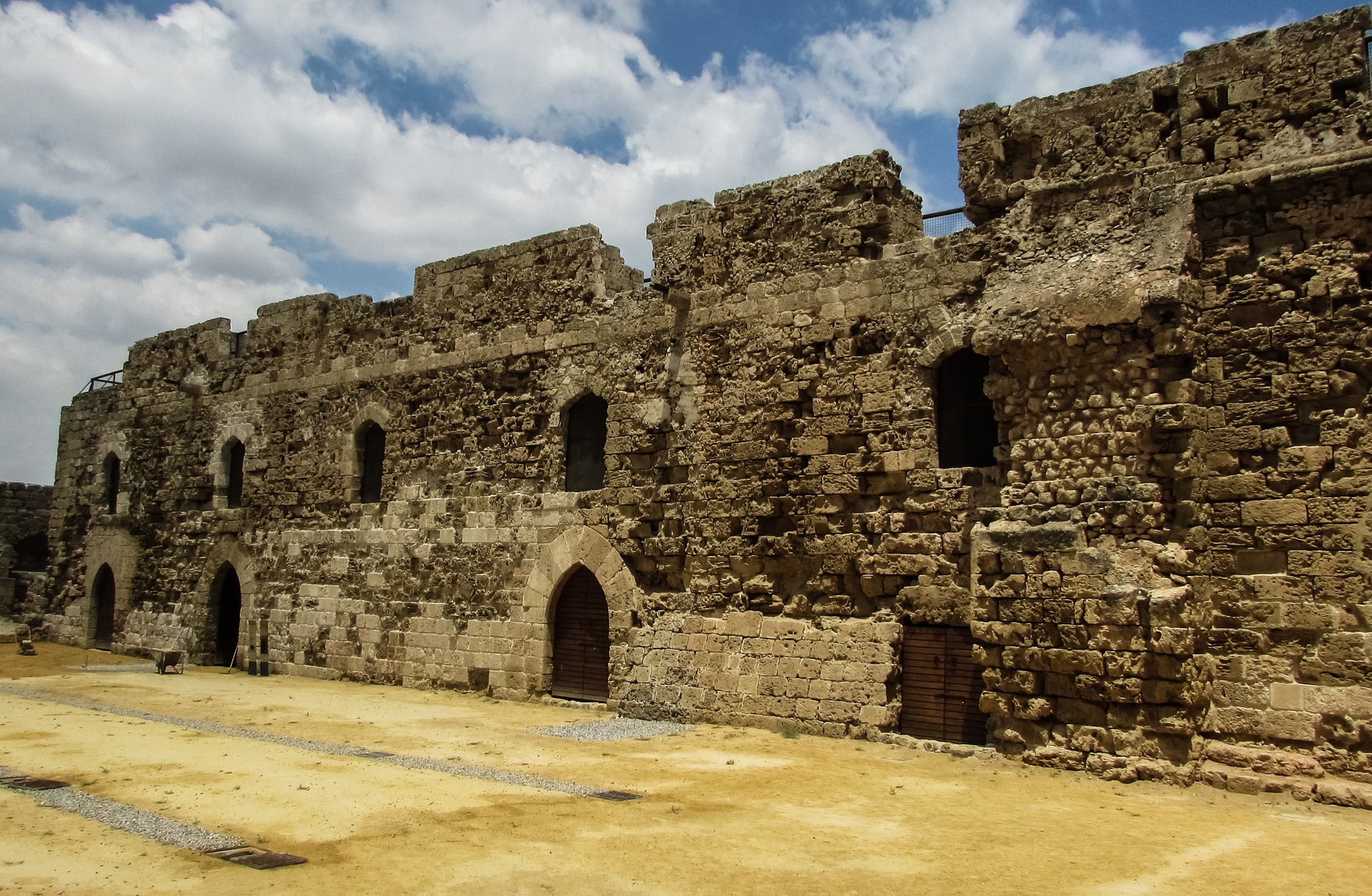
    Othello’s Castle, Famagusta, Cyprus – Photo Pixabay

    I first visited Famagusta when it was in the Greek-controlled part of the island of Cyprus and the Turks lived in the area where the castle (now named Othello’s Tower) stood.  Since the war and the division of the island, Famagusta is under Turkish control but can still be visited from all parts of the island.

    The land of Aphrodite and the tourist towns of Limassol, Paphos and Larnaca are hard to reconcile with the turbulence and the tragedy of Othello. yet drive into the mountain villages, or sit awhile and look at the seas around the island, and the story seems all too plausible – especially if you have visited Venice beforehand.

    It is an island that can be visited at any season, although if you want heat, summer is best: it is also the time to experience the Greek Drama festival and the many flower festivals in the villages.  It has a thriving winter season, however, a time to enjoy winter sports in the Troodos Mountains when walking and hiking take precedence over more relaxed summer activities.

    I feel if Othello had indulged more in the sensual delights of the island and listened less to Iago, Desdemona’s life may have been spared.

    THE COMEDY OF ERRORS – Ephesus, Turkey

    epheus

    Ephesus – Mari Nicholson

    Ancient Ephesus is the setting of the Bard’s shortest play, about twin brothers separated at birth.  It is also considered the apex of the Roman-Greco Empire and visitors may wander among the ruins of the fallen state, from the Corinthian-style Temple of Hadrian to the glorious Library of Celsus, and to the brothel which had connecting underground tunnels to the rooms  Much of the city is still to be excavated, but the solitary structures that remain showcase its former capital splendour.

    There is little in the nearby town but there are a lot of ruins and excavations to see, including the house where it is thought that the Virgin Mary had lived.  Izmir is about 30 km. away (about an hour’s drive) and for those who wish to combine a relaxing resort holiday with some serious sightseeing, the popular Kusadasi lies just a mere 19 km. away. Istanbul, the capital, is about 650 Km away and trips can be arranged but it needs a good 3 days to do it in comfort.Although flights are advertised they are not recommended.