Category: Europe – Northern Europe & Scandinavia
Austria, Belgium, Germany, Scandinavia, Croatia, Bosnia & Herzogovina
-
Summer was Yesterday
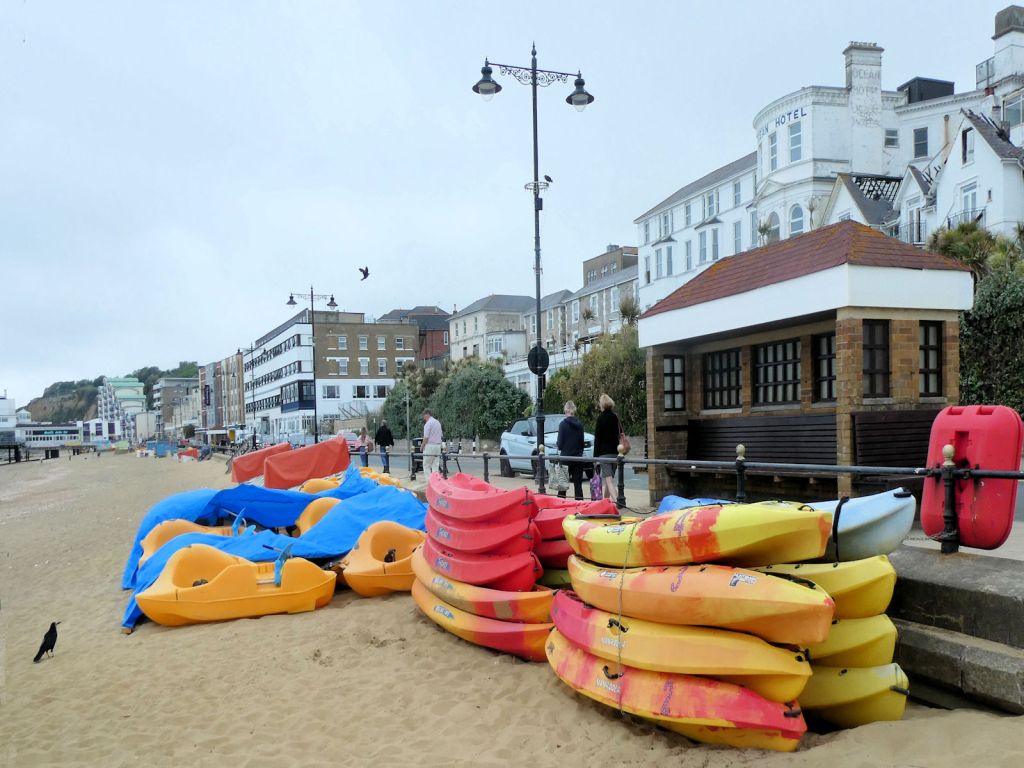
Summer was yesterday, today reverts to normal English June weather. But click on the image and look there in the distance, two ladies sitting on deckchairs, the wind being deflected by a windbreak. Say what they like, but we’ve got grit in bucketfuls in the UK: it takes more than grey skies and chill winds to put us off sitting on the beach. Two ends of the beach, mist coming over both. The right hand side image shows Shanklin on zoom setting viewed from the Pier at Sandown, about 3-4 miles away. -

Spring’s last Flush of Colour
My one rhododendron has been magnificent this year but over the last few days I think it’s decided enough is enough. I see a fading beauty now whereas once I looked upon a blowsy pink lady. So I shall sadly say goodbye to her as I welcome the summer shoots that are already in evidence in the borders.
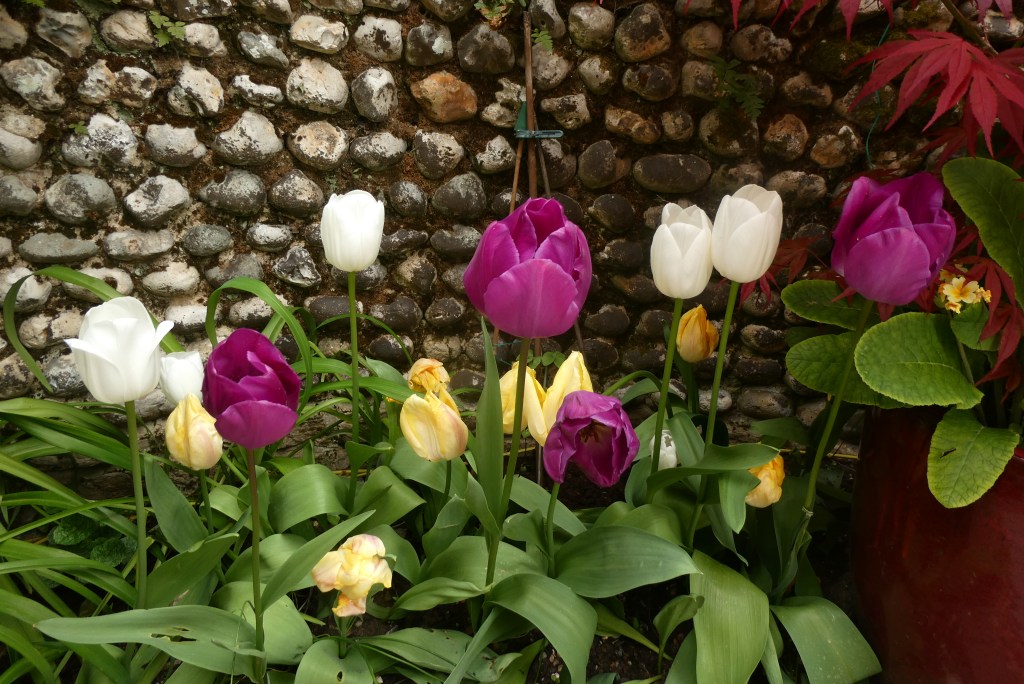
Rhododendron Also saying goodbye to spring are the early tulips. In the mornings they are stately and closed up, standing erect and proud as tulips do, but by afternoon as they open to the sun I see a deterioration.
It almost looks like a woodland scene (left) but it’s just an untidy border. And looking towards the summer is my new baby Acer, still in a small pot but due to be transferred when the wind dies down, and the older, lovely red Acer which I’ve had now for 5 years.
Red Acer and Yellow/Green Acer -

Looking for Bluebells

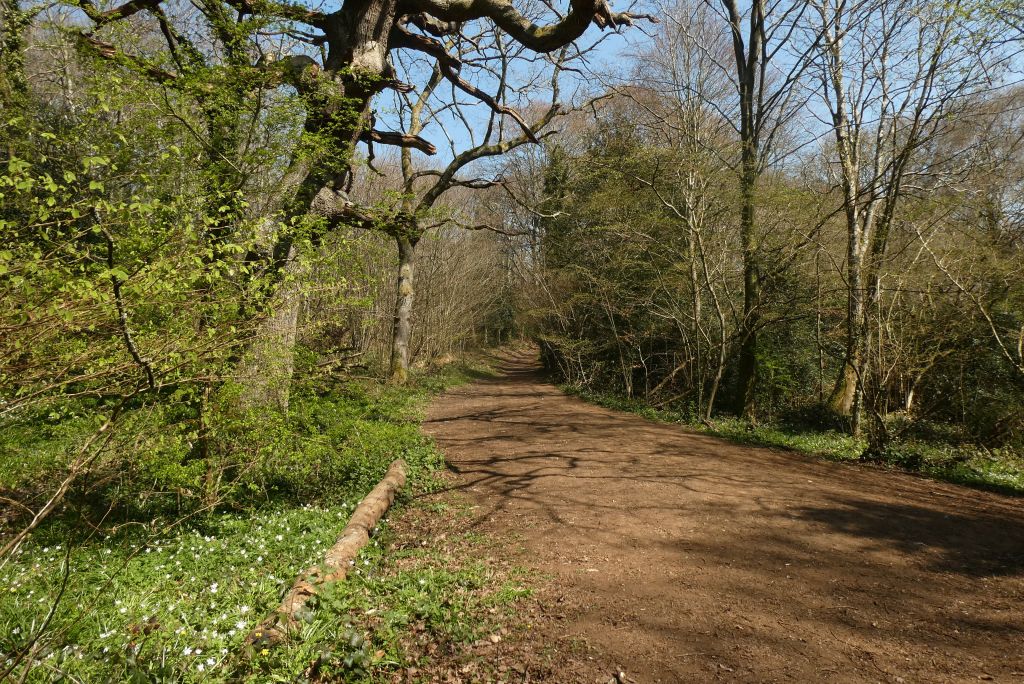
The only ones we found With a friend today to the National Trust’s Borthwood Copse on the Isle of Wight to search for bluebells. Normally at this time of year the woods are carpeted with bluebells and other shade-loving plants but for some reason this year, a cold spell at the wrong time probably, there were none to be seen apart from the lone clump in the photograph above. Nevertheless, the walk was enjoyable although I missed the picnicking families, the bounding dogs and the sight of squirrels darting up trees to escape their attentions, but we had the pleasure of intense birdsong as they celebrated spring with us.
Borthwood Copse was originally a royal hunting ground and it was bequeathed to the National Trust in 1926 by one, Frank Morey, who had purchased it a few years earlier to preserve it for wildlife. The land has been subsequently added to and it now covers a total of 60 acres.
Below are a few of the pictures I took today.
There are some ancient oaks, a grove of beech trees, coppiced sweet chestnut and some hazel trees: the woodland is one of the very few examples of working coppice on the Isle of Wight. Many small paths lead through the woodland which is particularly popular during the spring for the wild flowers normally found in abundance there and in the autumn for the vivid colours of the foliage: it is also home to large numbers of red squirrels.
Maybe next week the bluebells will be out and maybe next week I’ll manage another trip to Borthwood.

Guess whose shadow is falling on the flowers? -

The Third Man and Vienna

The unmistakable Harry Lime (Orson Welles) Last Thursday I watched The Third Man, possibly for the 4th time, the film that in 1999 was voted by the British Film Institute to be the film of the century: I have no argument with that decision. This British film noir starring Orson Welles, Joseph Cotton, Alida Valli and Trevor Howard has attained cult classic status in many countries, with its hypnotic theme tune played on the zither by Anton Karas, its atmospheric photography and its gritty screenplay.
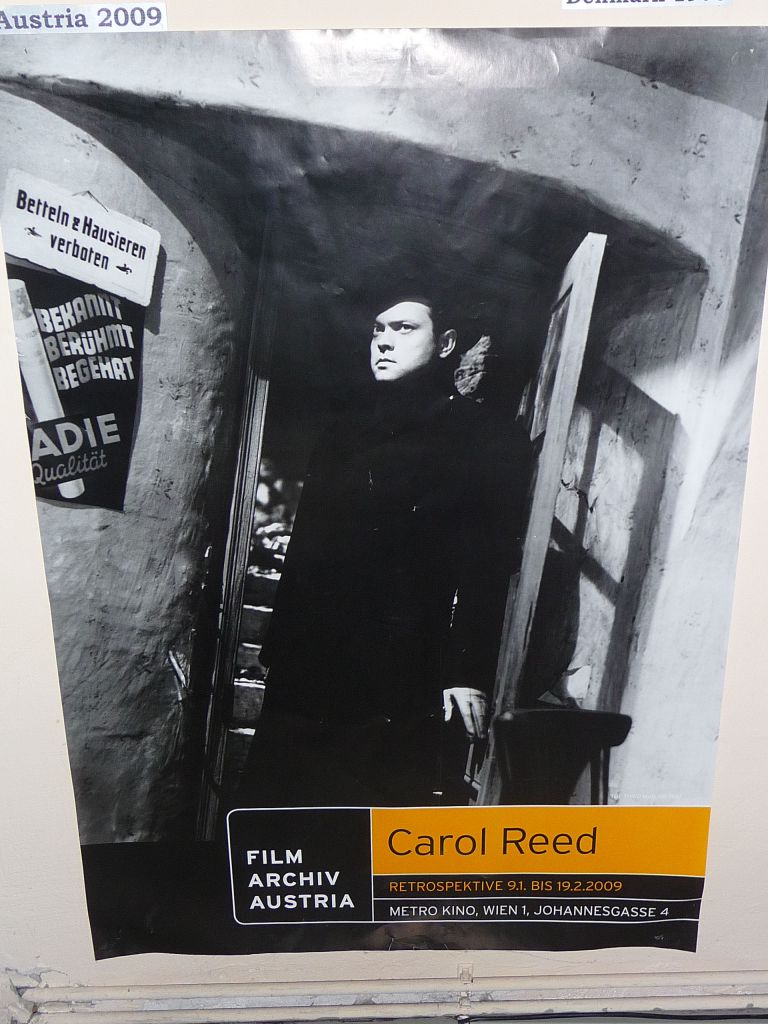
Directed by Carol Reed from a Graham Greene script, the real star of this 1949 film is post-war Vienna. Kim Philby, the UK’s most famous espionage agent who worked for the Russians along with Guy Burgess and Donald Maclean, had been resident in Vienna in the early thirties and it was this that gave Graham Greene the idea for the screenplay – or so it is said. Greene’s Vienna reveals the murky post-war underbelly of the city, the squalor and black-marketeering and the ambiguities of living in that world – the world of Harry Lime played by Orson Welles in the film.

Alida Valli, Joseph Cotton and Orson Welles It portrays a burnt out Vienna in the immediate aftermath of the Second World War, a city divided into four zones governed by Britain, France, Russia and the USA, a city that created a world of criminals and black marketeers.
I found this other Vienna in a little museum hidden down a residential side-street in the Margareten neighbourhood – The Third Man Museum. The sole focus of this private exhibition which exists without sponsors and without subsidies is Carol Reed’s now-legendary film and Vienna’s pre and post-war history. It is the perfect antidote to the sugariness of Vienna’s palaces and pastries.

A Wall Covered in Posters for the Film Gerhard Strassgschwandtner, 51, a ceramic artist and part-time city guide and his translator wife, Karin Hoefler, are responsible for this amazing collection. It is their consuming passion and they have designed the displays of 3000 original exhibits and documents and 420 cover versions of the Harry lime Theme in over fifteen rooms. Being unsubsidised they have to work at other jobs to support their passion so it is only open on Saturdays – and by appointments on other days.
Gerhard began collecting “Third Man” artifacts many years ago when he was trying to understand Vienna’s history. His idea at the beginning was to curate the history of Austria in the 1930s and 1940s, but as The Third Man encapsulates that history, the museum incorporates both Viennese history and the film. The museum is a trove of original film artifacts – from location stills and posters in foreign languages to clips of the stars and flea-market uniforms of Occupation soldiers. Dominating a corner of one room is a still functioning 1936 Ernemann 7b projection which was used when the film was first shown in Vienna and which is now used to play back a short film sequence. It was provided by Karin’s father who worked as a studio sound engineer. A whole wall is taken up with records that Anton Karas made of his moment of musical fame, including the zither with which he improvised the score as he watched the movie on the screen.

Original Camera used in Shooting of film 
There are over 2,000 original film posters, costumes, sheet music, sound and film recordings, autographed photos, zithers, CDs, books, and numerous cover versions of the music, including one from the Beatles. It even has Little Hansel’s cap!
The entrance to the museum is at street level and after you’ve spent time there, you are escorted outside and down the street to another building which houses, among other things, Trevor Howard’s original script and the actual zither on which the haunting theme music was recorded.

Interior of Museum 
Iconic Poster 
Museum Entrance
But The Third Man Museum is more than a film archive. Fascinating though the exhibits are, the rooms in the basement housing pre and post-war artefacts which are less about the film and more about the period in which it is set, are just as interesting: more so to historians of the period. Here, in these rooms, the murky world of post-war Vienna with its four sectors a barrier to movement and free speech, the black marketeers and the hunger of citizens fearful of the future, are brought to life, setting the film firmly in time and place.
Revealed here are tales of the clerical dictatorship that preceded Hitler and of Vienna’s enthusiasm for Nazism. There are sections covering the early thirties when Austria was ripe for a takeover by Hitler, the days of the 1938 Anschluss and the Nazi annexation of Austria, and the reality of 1.7 million displaced persons in post-war Austria. One set of photographs shows a day in the life of a Vienna street: defended in the morning by Germans, open for shopping in the afternoon, then watching as Russians marched through at dusk.
The post-war is covered extensively by displays marking the occupation by American, British, Russian and French forces. Ration books, newspaper cuttings, photographs, and video recordings of survivors, bring this harsh period to life and as background to The Third Man it is an invaluable historical source.
Not many locals visit this museum: the dark days of the 1930’s are seldom spoken of in today’s Vienna which prefers to think of itself as the city of Strauss and strudl, waltzes and weiner schnitzel. The portrayal of the city in ruins after the war with a population mostly involved in smuggling, black marketeering, or just looking the other way, is not one that the good people of Vienna want to remember.
Gerhard was quoted in an article as saying ““Nobody teaches it in schools. The Americans invented a myth of Austrian innocence. It is not up to me to challenge that fiction. Graham Greene does it all in the film.”

The famous zither of Anton Karas You may not see the Museum listed in local guides: don’t think this is because it is not worth it. It is very much worth a good part of a Saturday spent in Vienna. On an average weekend you can still enjoy high-calorie kaffee und kuchen, spend time in palaces, churches and art galleries and nights at the opera – even take a drive through the Vienna Woods, but don’t miss The Third Man Museum.
It is closed at the moment but will open as soon as Covid subsides and things return to normal. When I visited in 2019 the entrance fee was €8.90 (€2 off with the Vienna Card) and it opened from 2.00-6.00pm on Saturdays (private visits can be arranged with the owner). Watch the website for news of opening. https://www.3mpc.net/
The Third Man Museum, Corner Pressgasse / Muehlgasse, Pressgasse 25, Vienna 1040
Tel: 0043 1568 4872 (Have the address with you. My taxi driver had to telephone for directions).
Precis of the film for anyone who hasn’t seen it.
Briefly, The Third Man is a story about writer Holly Martins (Joseph Cotton) who arrives in Allied-occupied Vienna looking for his friend Harry Lime (Orson Welles). Told that Lime has been killed in a car accident he attends his funeral where Major Calloway (Trevor Howard) informs him that Lime is a criminal engaged in the blackmarket sale of essential medicines and currently wanted by the occupying army and the police. Martins refuses to believe this, and is convinced that Lime was murdered, as does Harry’s girlfriend (Alida Valli), a refugee from the Russian sector who is fearful of being returned there. In the most iconic shot of the film he sees Lime’s face illuminated in a car’s headlights and there follows a cat and mouse game played out in the sewers of Vienna when Lime is hunted down by the army and his one-time friend, Holly Martins.
For those few who may not have seen it, the American version had to be altered for USA distribution as the powers-that-be felt they weren’t shown in a very good light!
-

Ye Olde Cheshire Cheese: Famous Old London Pub
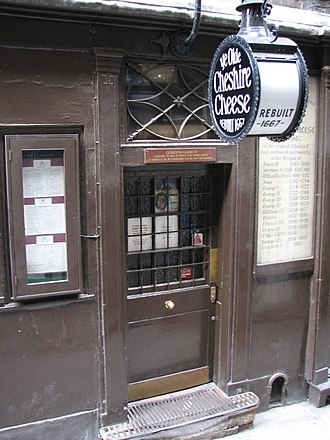
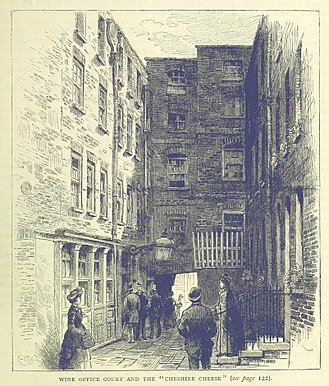
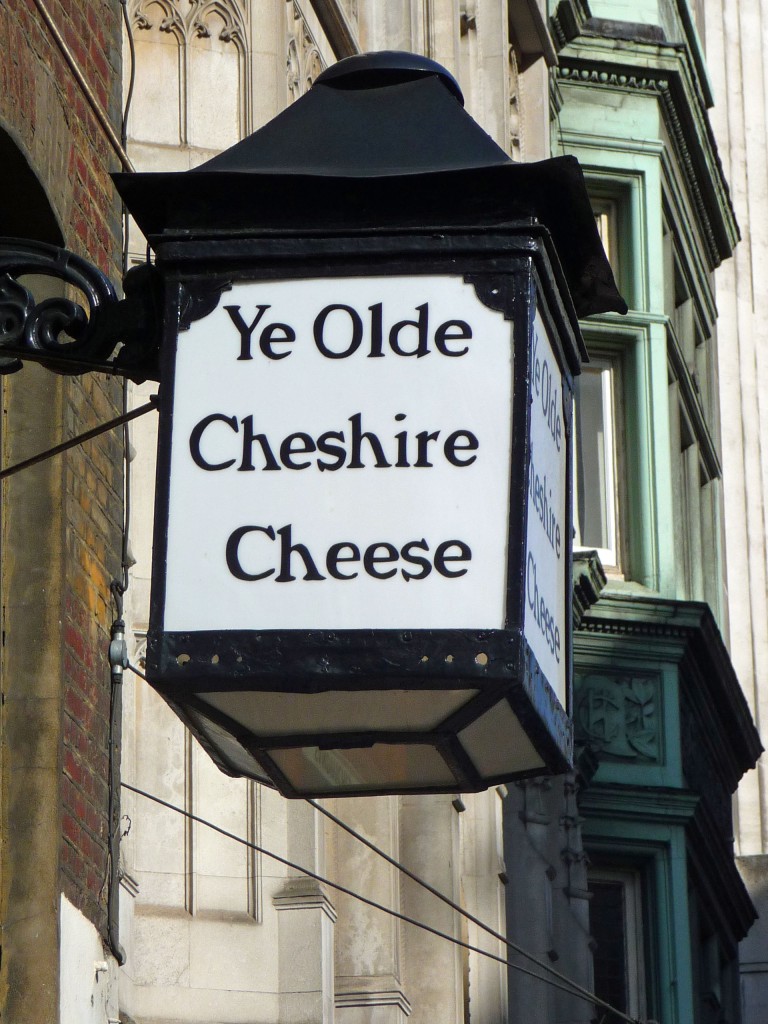
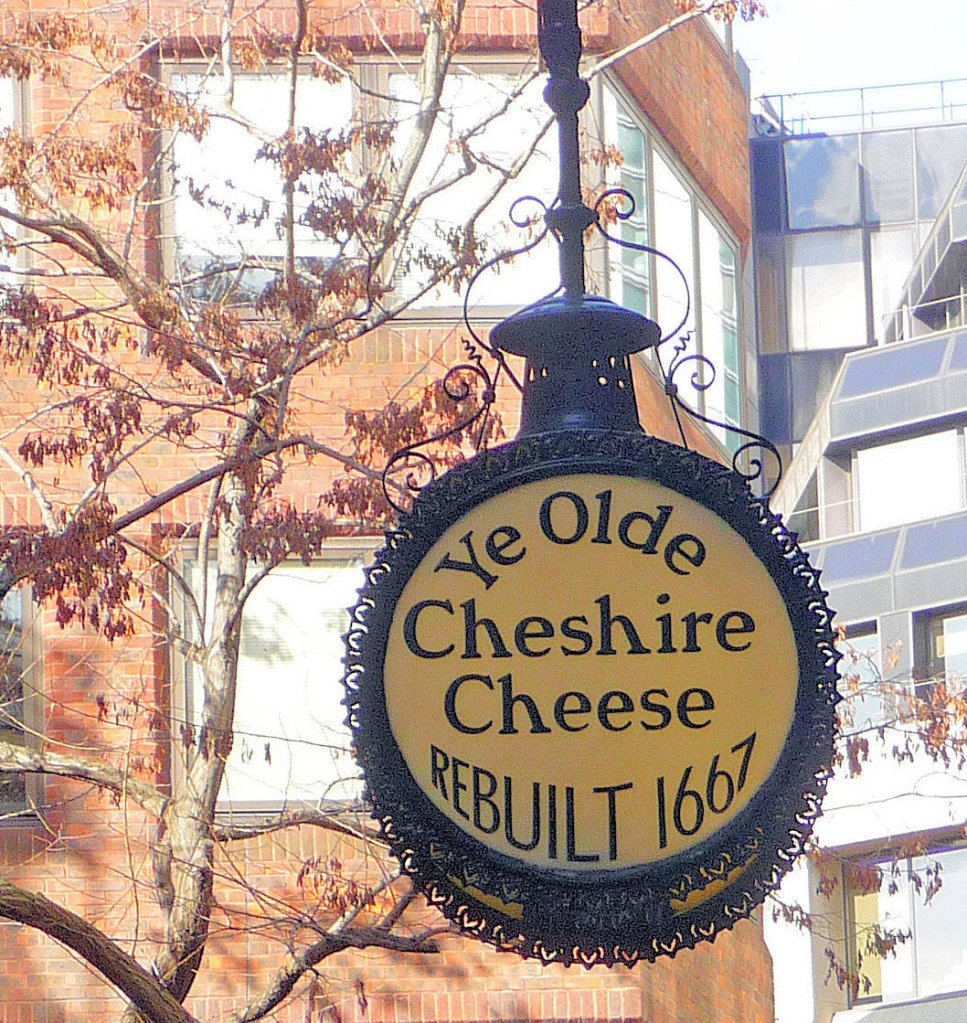
Banjobacon https://creativecommons.org/licenses/by/2.5, A few days ago, reading a reference to a part of London I once worked in, took me back to my favourite pub there, Ye Olde Cheshire Cheese in Fleet Street, one of the oldest pubs in the City of London. There has been a pub at this location since 1538 but it was destroyed in the Great Fire of London in 1666 and rebuilt a couple of years after that. Its atmosphere speaks to me of another time and another place, and as one would expect, it has many literary connections. The etching below of Ye Olde Cheshire Cat dates from 1887 and is from a collection in the British Library.
Ye Olde Cheshire Cheese is a labyrinth of rooms connected by jumbled up passageways but no one is quite sure which parts are original. Some of its earlier wainscoting has gone, most of the interior wood panelling dates from the nineteenth century, but it is claimed that the extensive vaulted cellars below, belonged to a 13th-century Carmelite monastery which once occupied the site.
The pub looks deceptively small from outside, but once entered you will find nooks and crannies in the rooms both upstairs and downstairs, with open fireplaces in winter. The “chophouse” (restaurant) is on the ground floor and the pub serves an excellent selection of ales, wines and spirits.
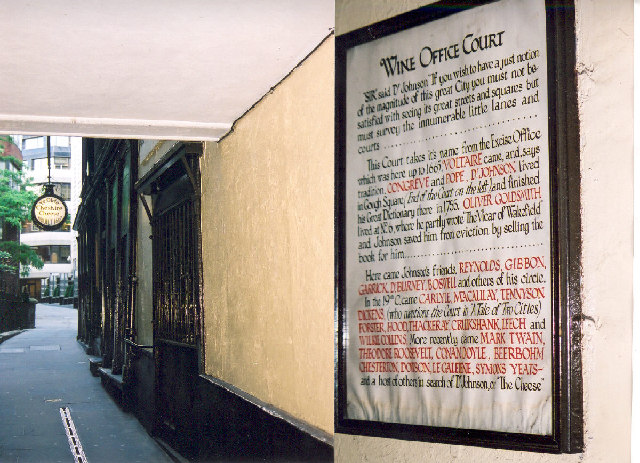
List of Famous People connected to Ye Olde Cheshire Cheese: Photo Marion Dutcher, Wiki Commons: In A Tale of Two Cities, Sidney Carton leads Charles Darnay through Fleet Street “up a covered alleyway into a tavern” where they dined after Darnay’s acquittal and today, patrons still enter via the narrow alley by the side.
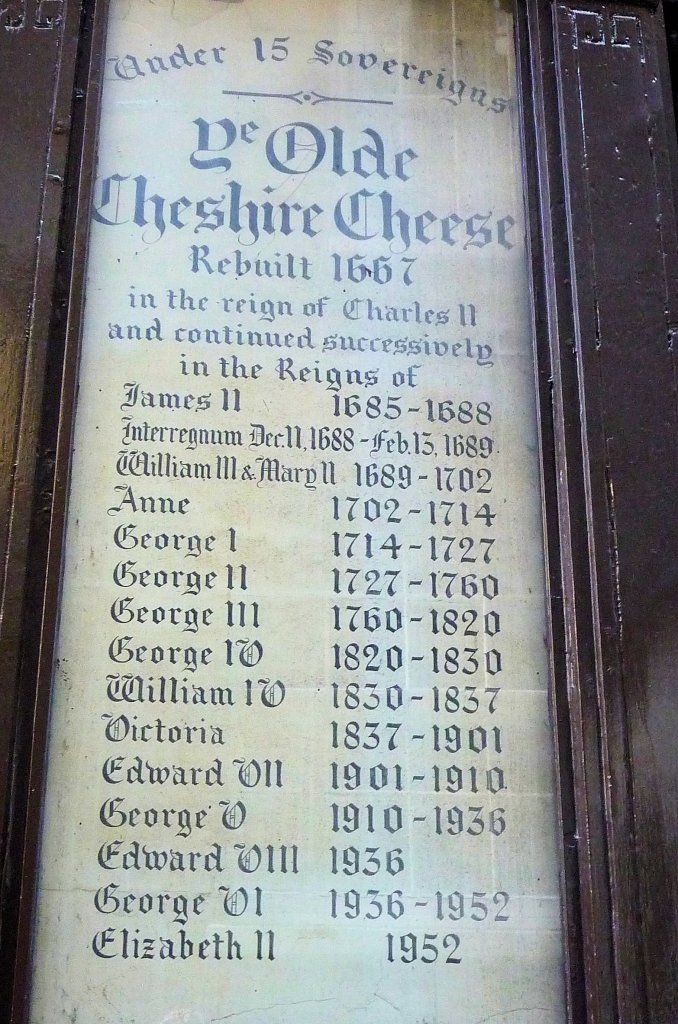
The Monarchs who have reigned during the lifetime of Ye Olde Cheshire Cat The interior walls are decorated with plaques detailing the many literary figures that patronised the pub over the centuries. The famous Dr. Johnson lived just down the street and there is a plaque there to him which is not surprising, aone to Charles Dickens whose characters haunt this area of London, but it was a surprise to find the likes of American Mark Twain, Alfred Lord Tennyson, Sir Arthur Conan Doyle, and P.G. Wodehouse, all regular visitors, honoured in the same way. P.G. Wodehouse famously mentioned the pub in one of his letters when he wrote “I looked in at the Garrick at lunchtime, took one glance …… at the mob, and went off to lunch by myself at the Cheshire Cheese”.
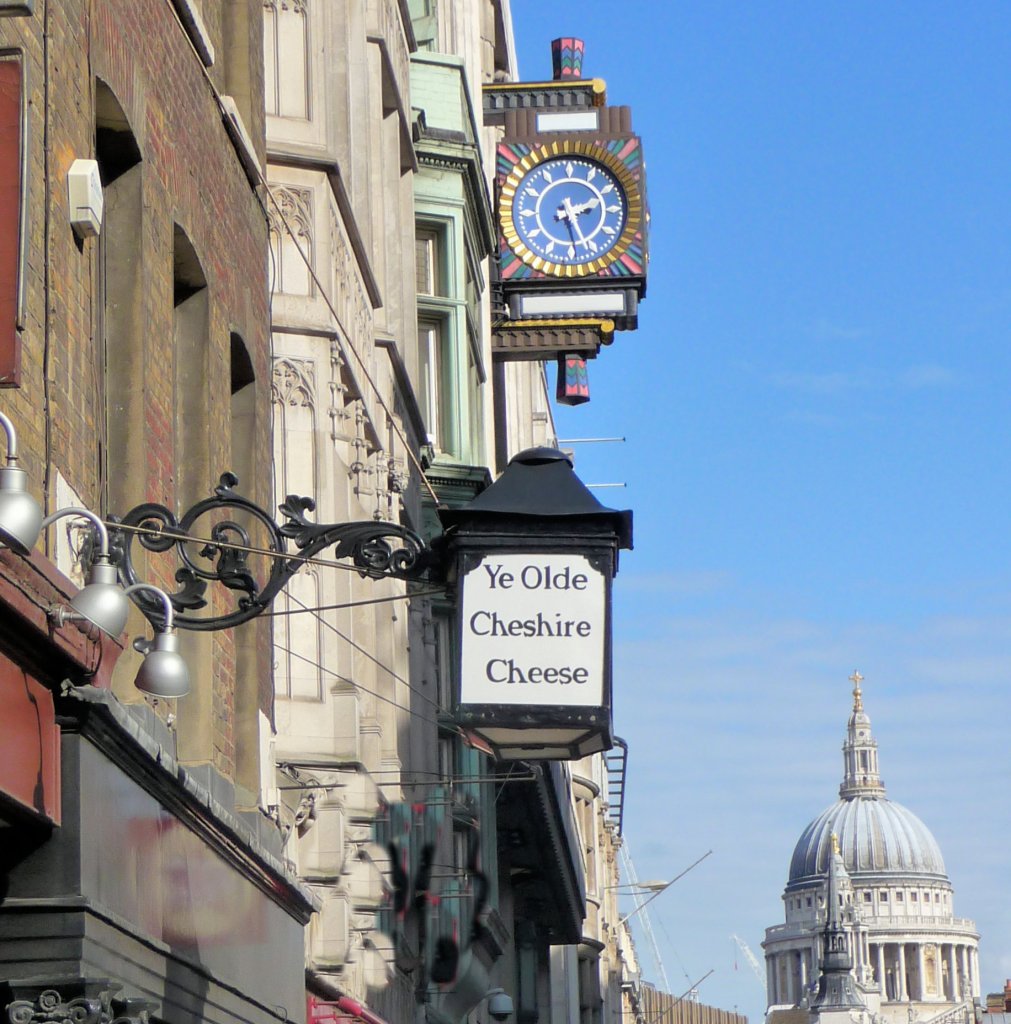
Ye Old Cheshire Cheese is just a few steps from St. Pauls Although Ye Olde Cheshire Cheese is very much on the tourist route along Fleet Street down to The Tower of London and the city, it is still ‘the local’ for those who work in the area and anyone wandering in from the street will immediately feel they are in a London pub. There is a buzz, an atmosphere, and an indefinable aura of the past about the place. In fact, I wouldn’t be surprised if Johnson’s cat wandered in looking for the good Doctor.
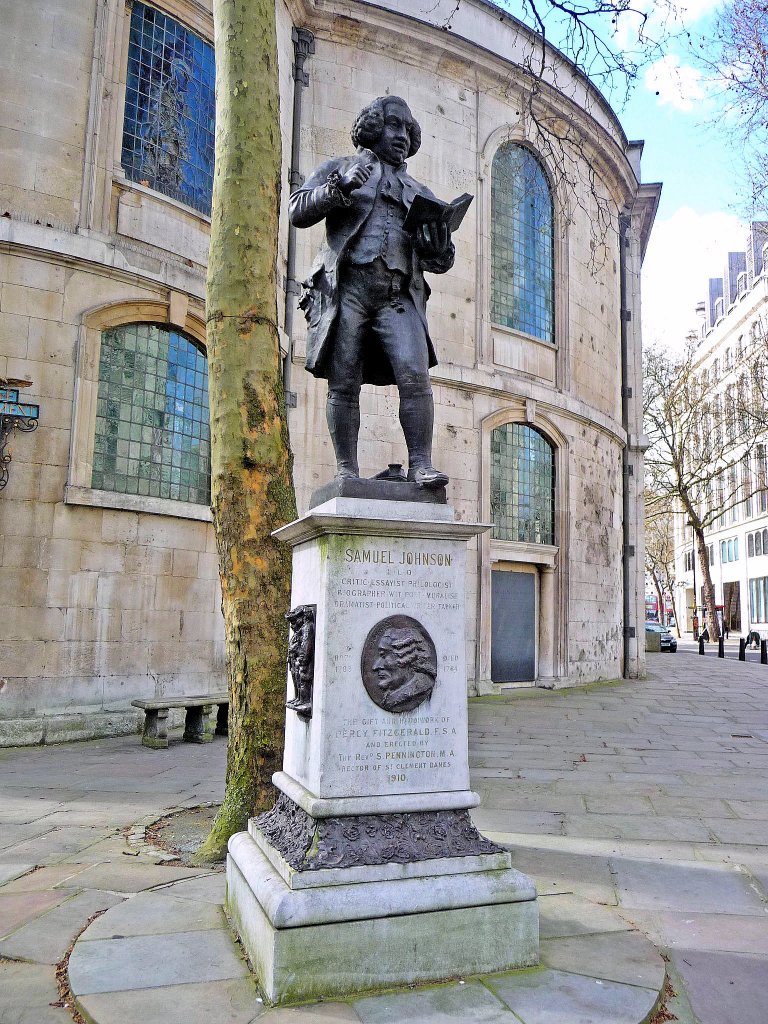
Dr. Johnson 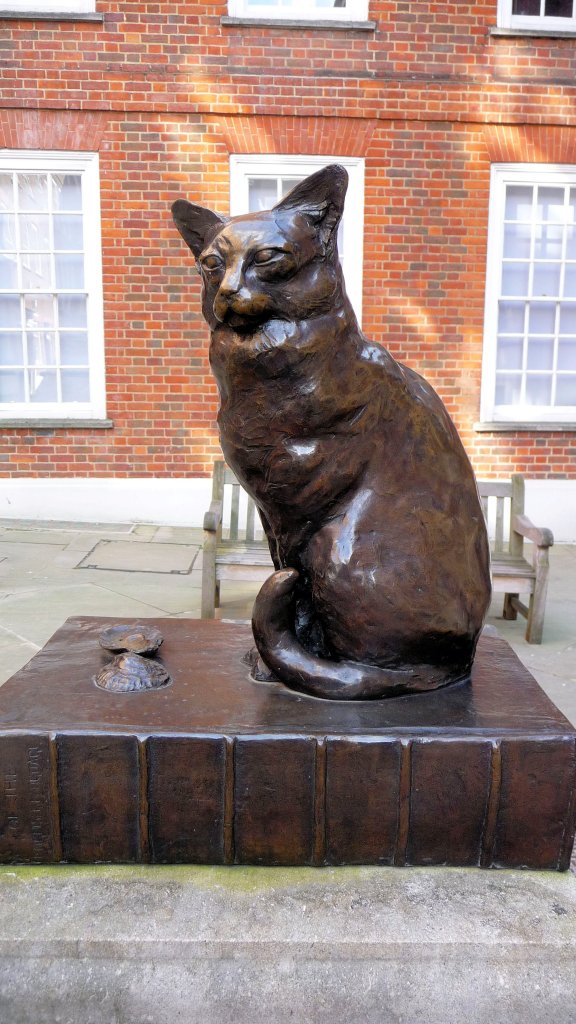
Dr. Johnson’s Cat
-
A Walk for Edward Thomas
I can no longer walk the distances or climb the hills that would warrant inclusion in Restless Jo’s Monday Walks but looking through my photographs today I came across one of me beside the Memorial Stone to the poet, Edward Thomas, taken about 30 or more years ago, way back in the days when I walked long distances and climbed hills with abandon. It started me thinking about the poet, and the walk from Steep to the Memorial Stone, about 4 miles over bridle paths and stiles, through beautiful wooded countryside to the final stretch up a steep, chalky slope to the Stone.
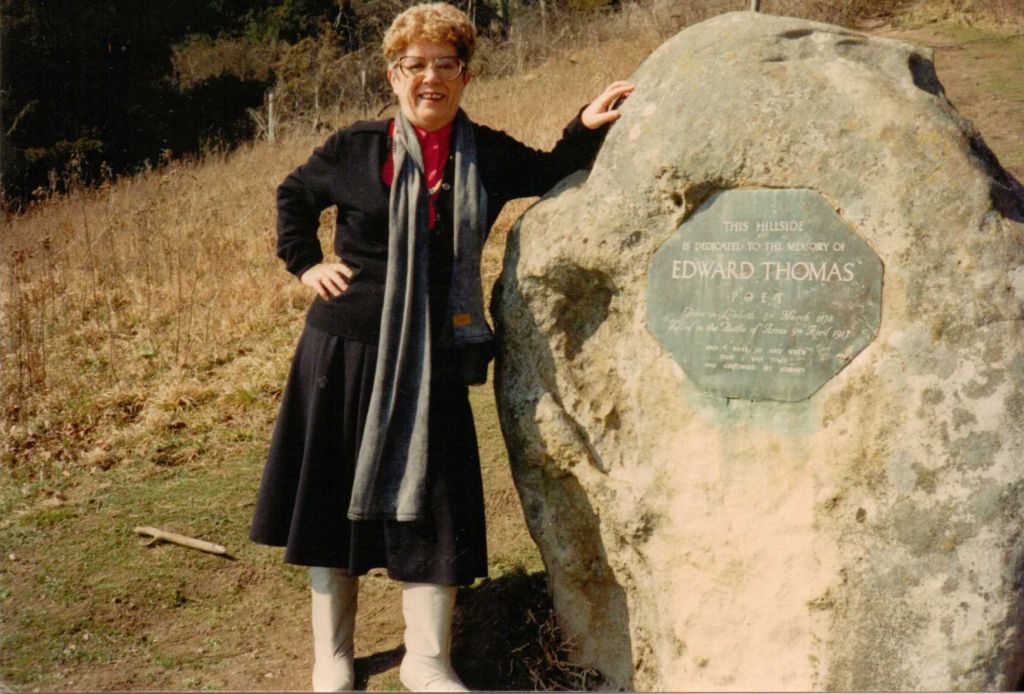
Mari at the Edward Thomas Memorial on top of Shoulder of Mutton Hill in Hampshire The Sarsen stone and the octagonal bronze plaque designed by Professor Sir Patrick Leslie Abercrombie and erected in 1937, stands on top of the Shoulder of Mutton Hill in Hampshire. Lord Horder of Ashford Chace owned the land when the stone was erected and he dedicated the hillside in perpetuity to Edward Thomas. It is now Listed Grade II.
The plaque reads: This Hillside is Dedicated to the Memory of Edward Thomas Poet, Born in Lambeth 3rd March 1878 Killed in the Battle of Arras 9 April 1917 And I Rose up and Knew That I was Tired and Continued my Journey.
Note that the whole hillside has been dedicated to the poet.
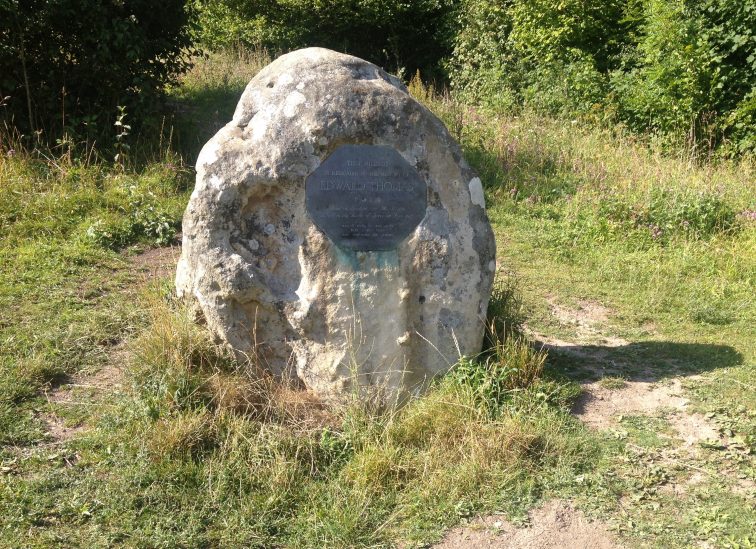
Edward Thomas Memorial 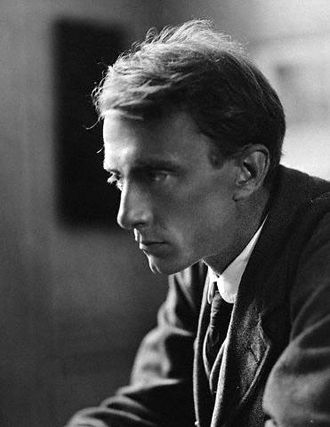
Edward Thomas, Poet 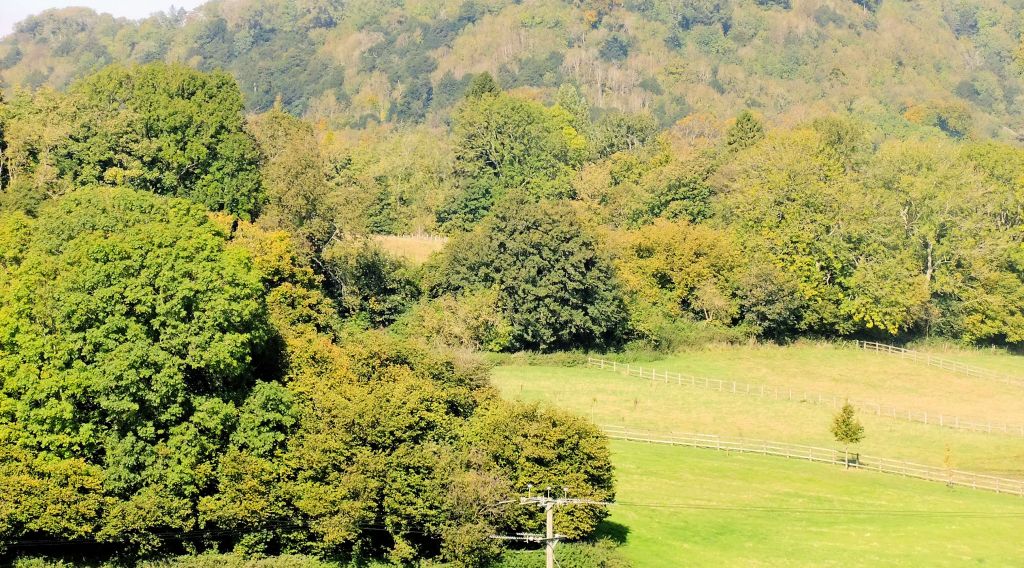
Shoulder of Mutton Hill You may know the poem Adlestrop, a poem most of us learned at school and one of Edward Thomas’s most famous poems. I’ve loved his poetry since I first read Adlestrop.
……… Yes. I remember Adlestrop—
The name, because one afternoon
Of heat the express-train drew up there
Unwontedly. It was late June………
It was when I began to take a deep interest in War Poetry however, that I found Thomas again, and although he didn’t write about war and his poetry as his contemporaries were doing, I felt that his experiences in the trenches influenced his poetry of the English countryside. His poetry was lyrical, was tied to his rural home and displayed a profound love of natural beauty and of the area in which he lived.
My walk to the Memorial Stone was inspired by possibly, the best known poem of one of my favourite Second World War Poets, Alan Lewis – All Day It Has Rained. It depicts the dreariness and boredom of a soldier’s life on a slow Sunday at a military training camp in Edward Thomas country mixed with foreboding about what will follow when they go overseas. I give you just the closing few lines that took me to “Sheet and Steep and up the wooded scree”
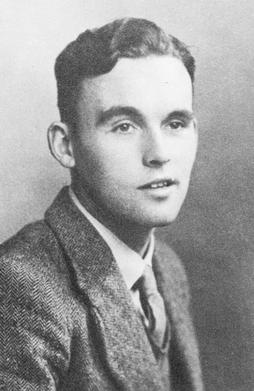
Alun Lewis, 2ns World War Poet Or the shaggy patient dog who followed me
By Sheet and Steep and up the wooded scree
To the Shoulder o’ Mutton where Edward Thomas brooded long
On death and beauty – till a bullet stopped his song.
Edward Thomas was killed at the first Battle of Arras on April 9th, 1917.
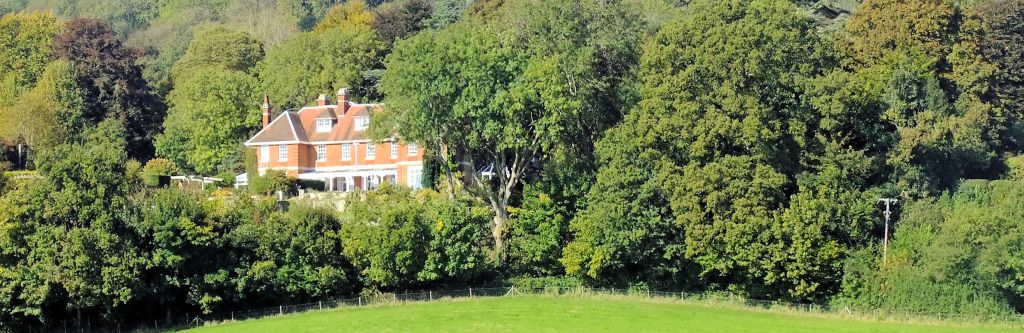
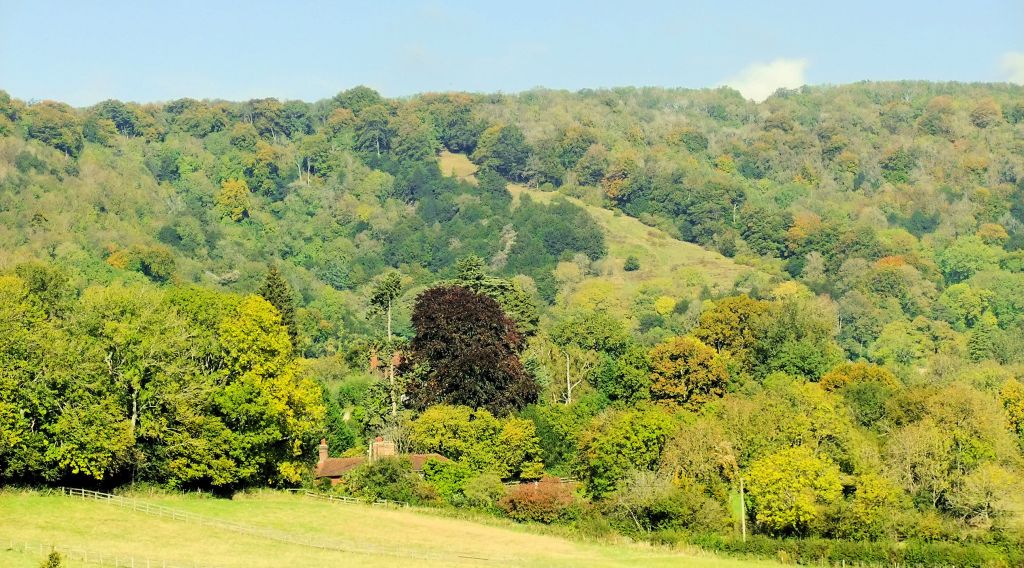
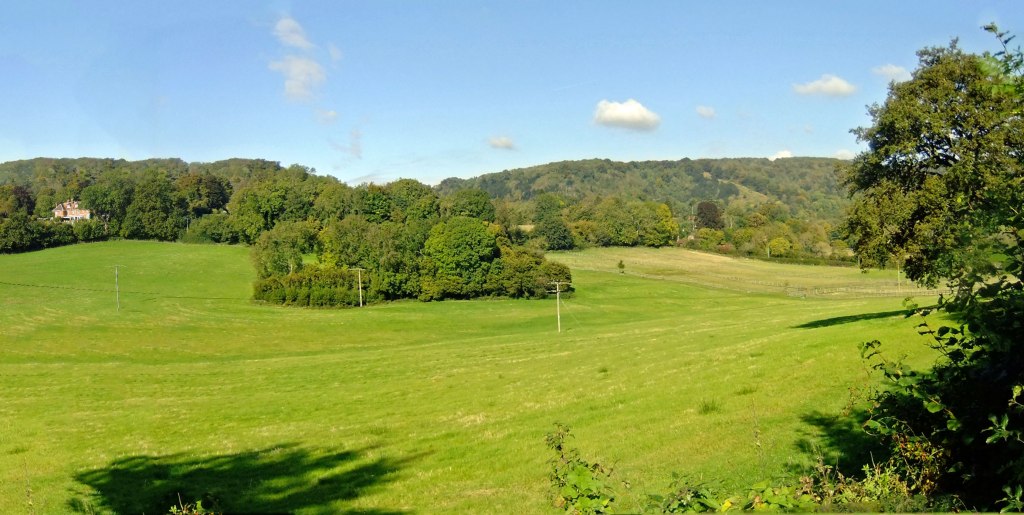
The poet lived in the village of Steep (near Petersfield) at the bottom of The Shoulder of Mutton Hill and it was this landscape, the fields and the hills, that informed his poetry.
In the village of Steep stands All Saints Church in which was installed in 1978 two beautiful glass windows engraved by Sir Lawrence Whistler and dedicated to the poet. The left window depicted a road across hills bordered by yew and flowering may. The poet’s jacket hangs on a branch and his pipe and stick are beside it with landscape and sky in the background. The right hand window has one of his poems engraved on it with above it, in the mist, his house on the hill above Steep. Below this is a sequence of doors the last one opening onto a Flanders battlefield from which the sun rises and then turns into the door latch he has just closed behind him in the poem.

Copy of a Postcard of the Whistler windows in All Saints’ Church Sadly, in 2010 the windows were smashed in a burglary and I understand there are no plans to replace them. Indeed, how could they replace such priceless work?
Further reading:
Collected Poems by Edward Thomas: Published by Faber & Faber
Collected Poems by Alun Lewis: Published by Seren Books
There are many biographies about both Alun Lewis and Edward Thomas but the two I have on my bookshelves are:
Now All Roads Lead to France by Matthew Hollis, which is about the last six years of Thomas’s life. Published by Faber & Faber
Alun Lewis. A Life by John Pikoulis Published by Poetry Wales Press
Below is a reading of Adlestrop by the late Geoffrey Palmer.
-
Spring just around the corner
Hush, hush, whisper who dare, plants are a-budding and spring’s in the air.
Sorry about that paraphrasing but with everything springing into life in my garden today I couldn’t resist it.
Daphne, Pink Camellia, Red Camellia I think these may have been out for a couple of days but the weather has been so inclement that I just couldn’t face it, but today I went to check what was happening to the last rose to keep flowering (and to take a picture of it). I found it had been blown away by the strong winds. Branches of my camellias had broken off, but there are great signs of spring with daffodil bulbs, snowdrops, crocuses, Daphne and Camellias all showing signs of bursting forth any minute now.
I can forget Covid19, just for a little while.
-
Challenge your Camera # Churches
Linked to Dr. B at Challenge your Camera here
Palermo Cathedral (Sicily) and detail 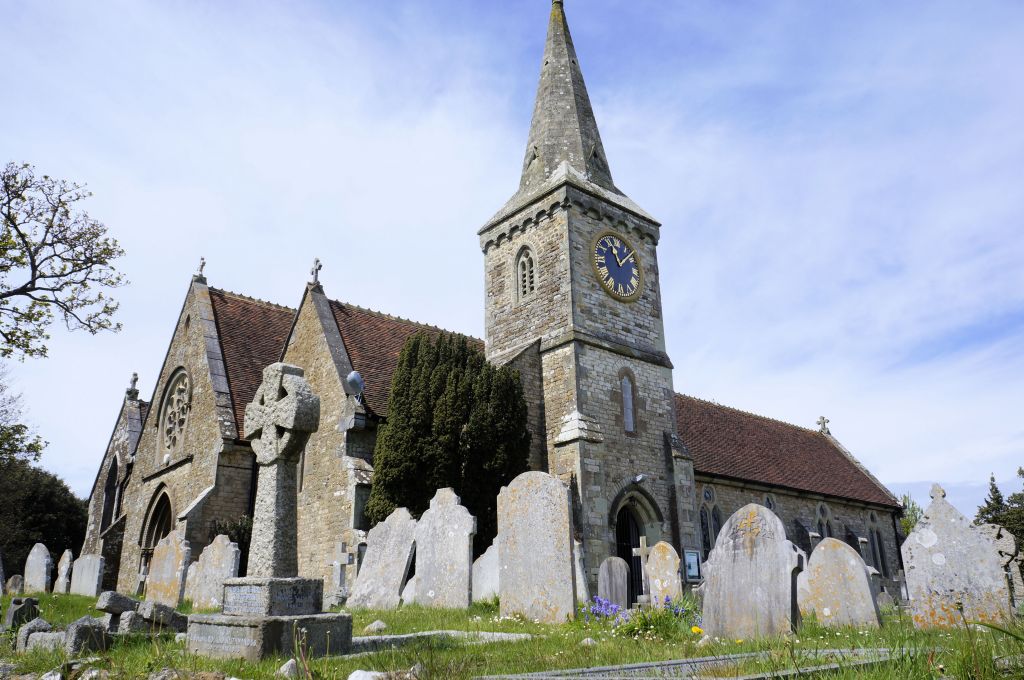
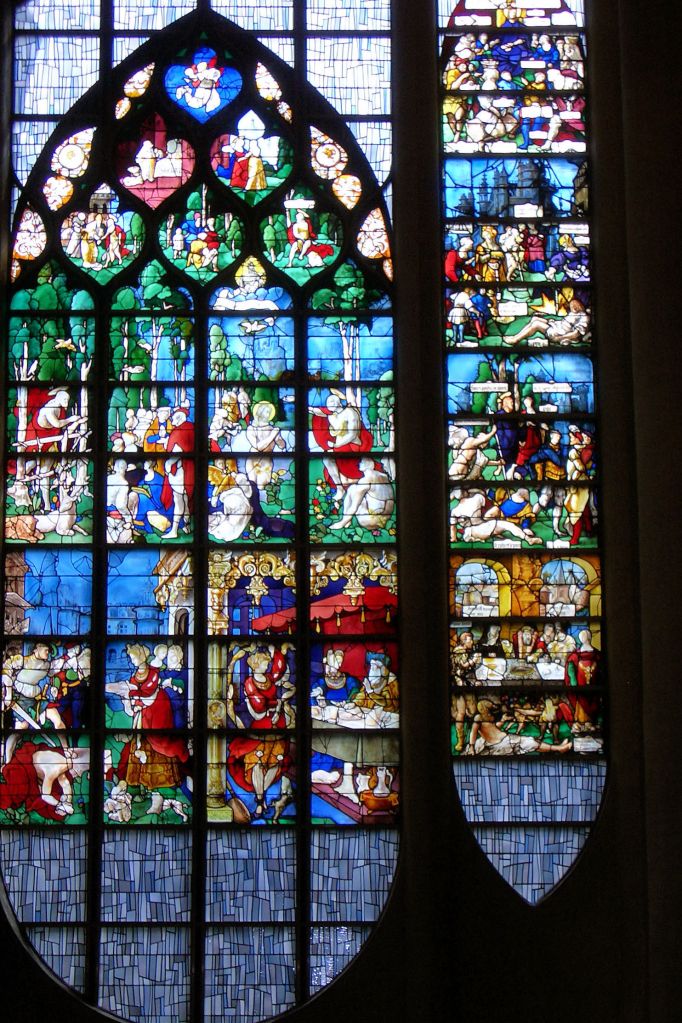
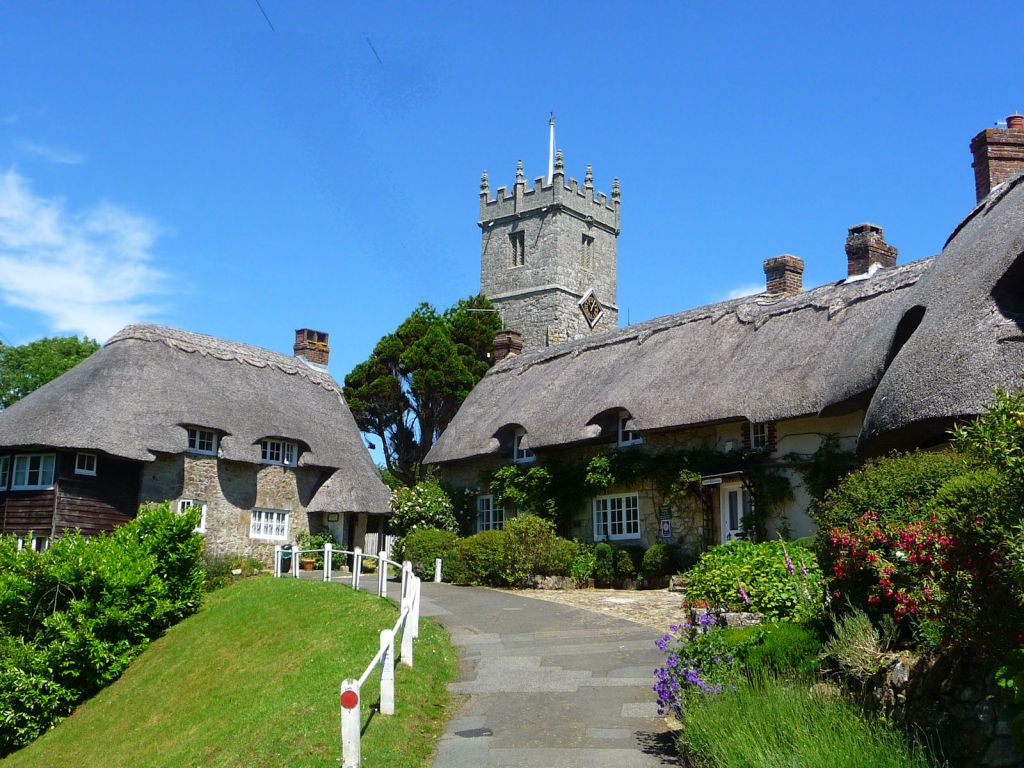
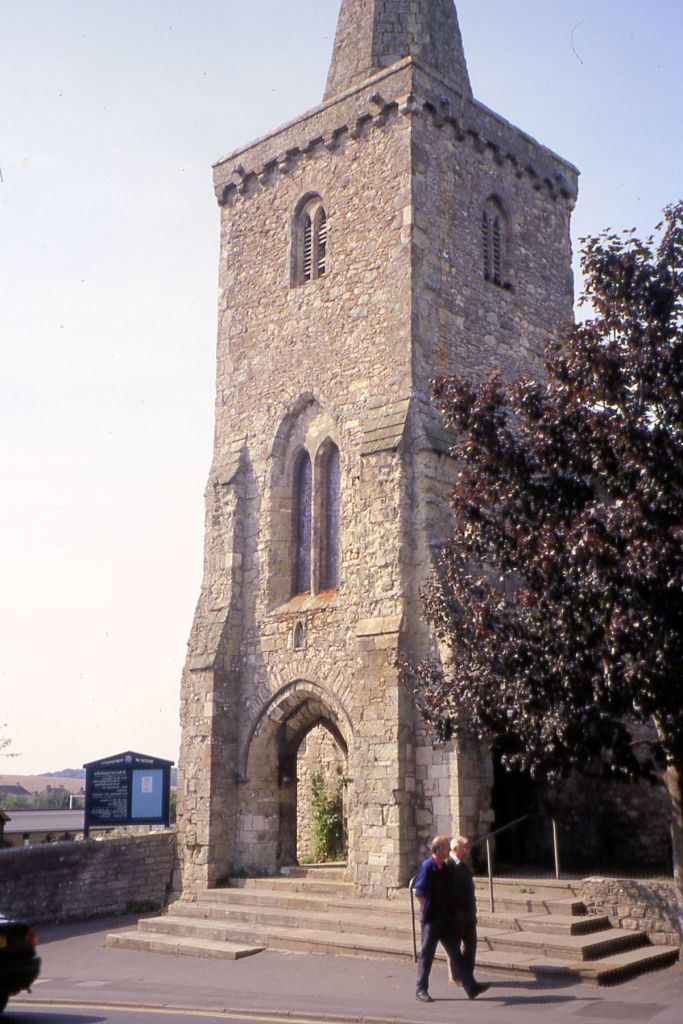
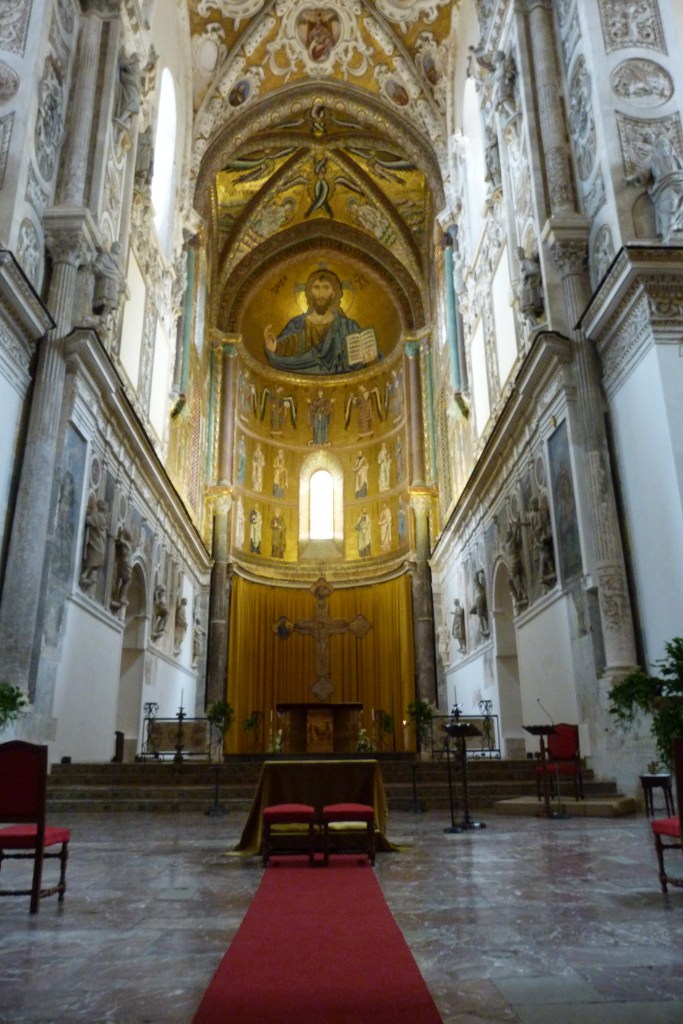
The Victorian Christchurch, Sandown, Isle of Wight, UK (consecrated 1847) St. Michael’s Cathedral, Lucca, Italy Notre Dame, Rouen, France Two famous Isle of Wight churches: Left – the 14th-15th century All-Saints church at Godshill and Right – the 12th century St. Mary’s church at Brading El Duomo, Cefalau, Sicily. Exterior and Interior -
Silent Sunday

Behind the ramparts and the glitzy hotels, the shops, bars and restaurants, the local population of Dubrovnik live in steeply stepped streets like these. It would really focus the mind on up-dating the shopping list if one had to think of negotiating these steps every time a litre of milk was needed!










 MARI'S TRAVELS WITH HER CAMERA