Too Many Terrapins, Too Small Pond

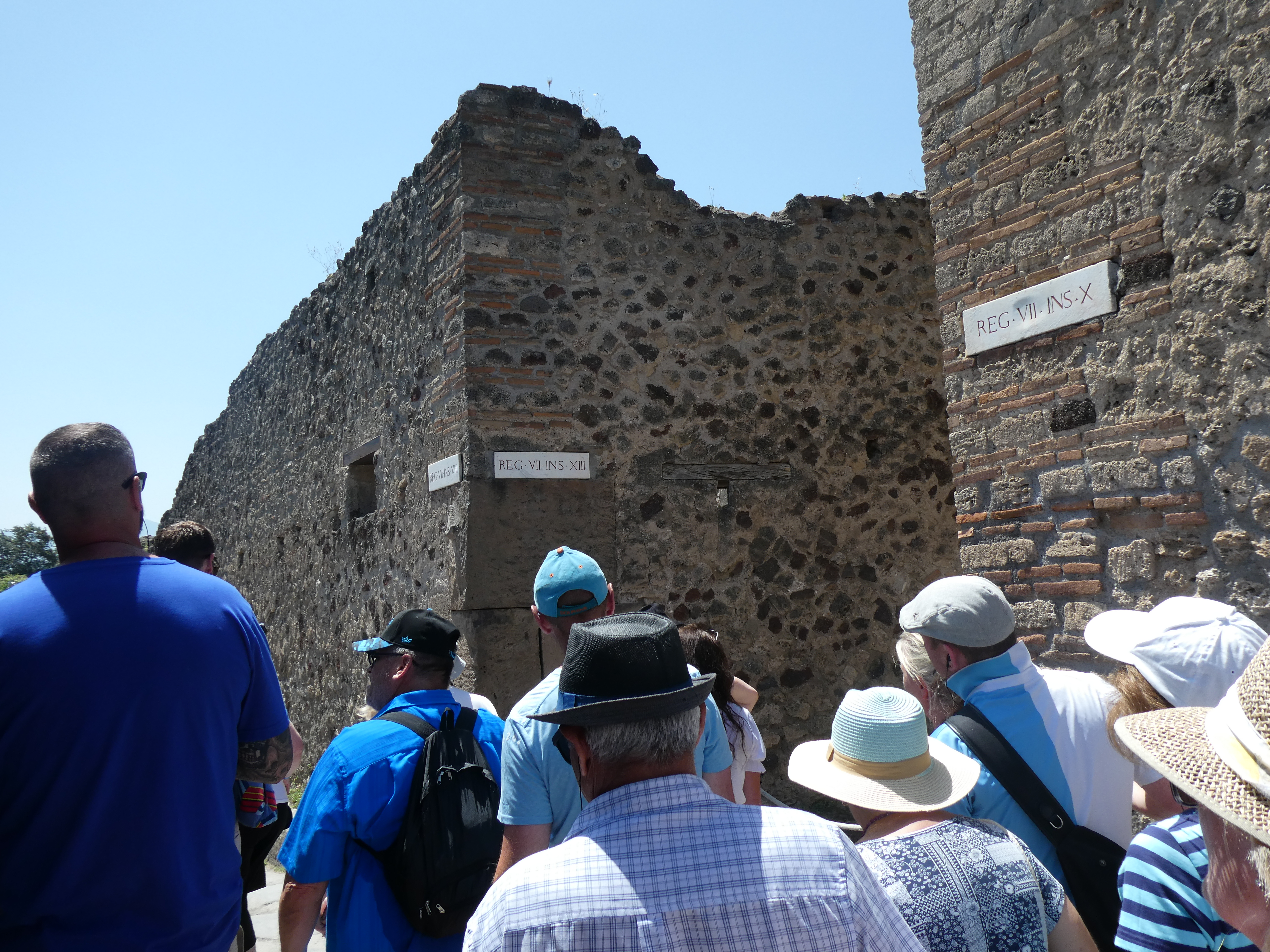
Most people know about the tragedy that was Pompeii so it would be presumptuous of me to write a post on its history. I will, therefore, content myself with posting some images I took when I was there in June last when I struggled in the heatwave and the crowds that had disembarked from the 3 cruise ships in the Bay of Naples. Here are just a few essential details.
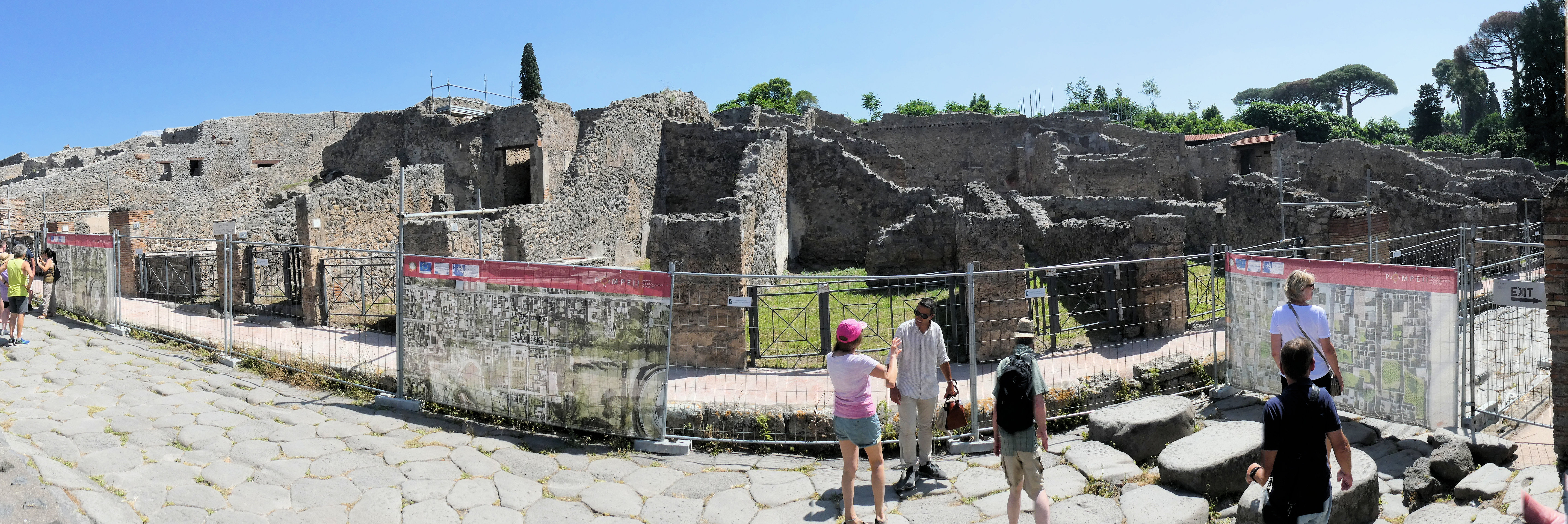

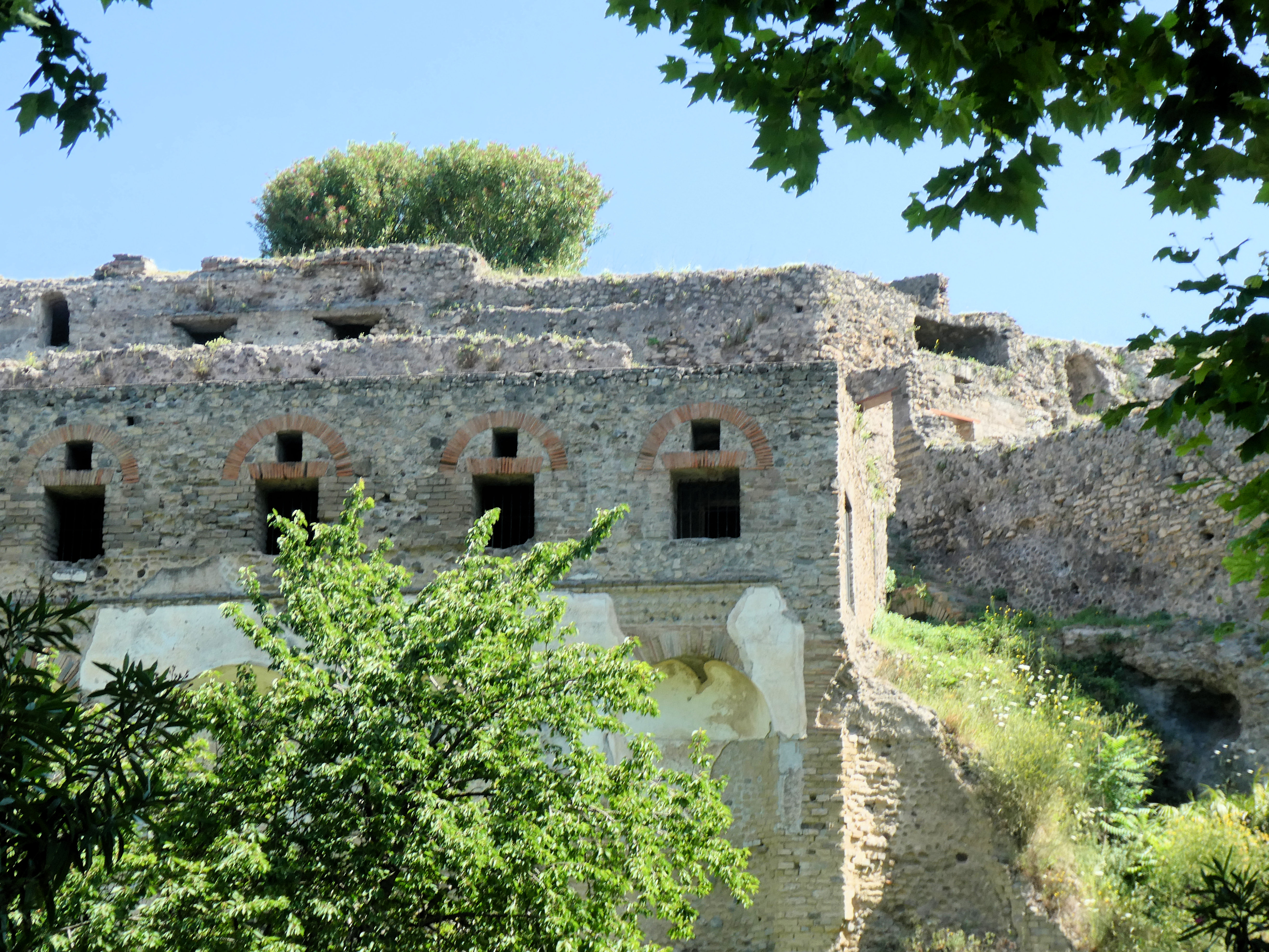

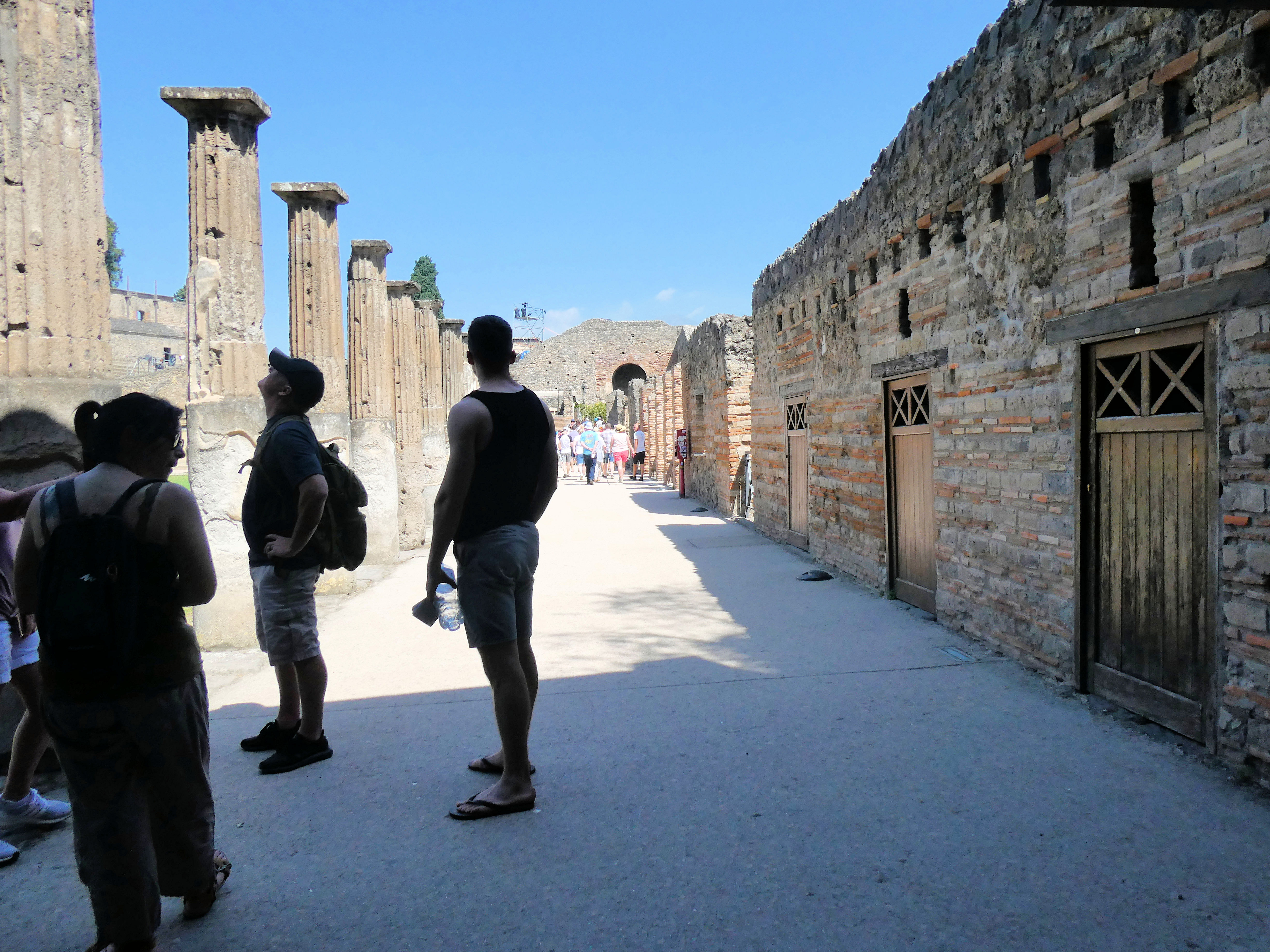
It wasn’t until 1594 that the architect Dominico Fontana, discovered the ruins while digging a canal but serious excavations didn’t begin until the mid 18th century. Of the city’s original 66 hectares, 44 have now been excavated but not all of this area is accessible to the public.

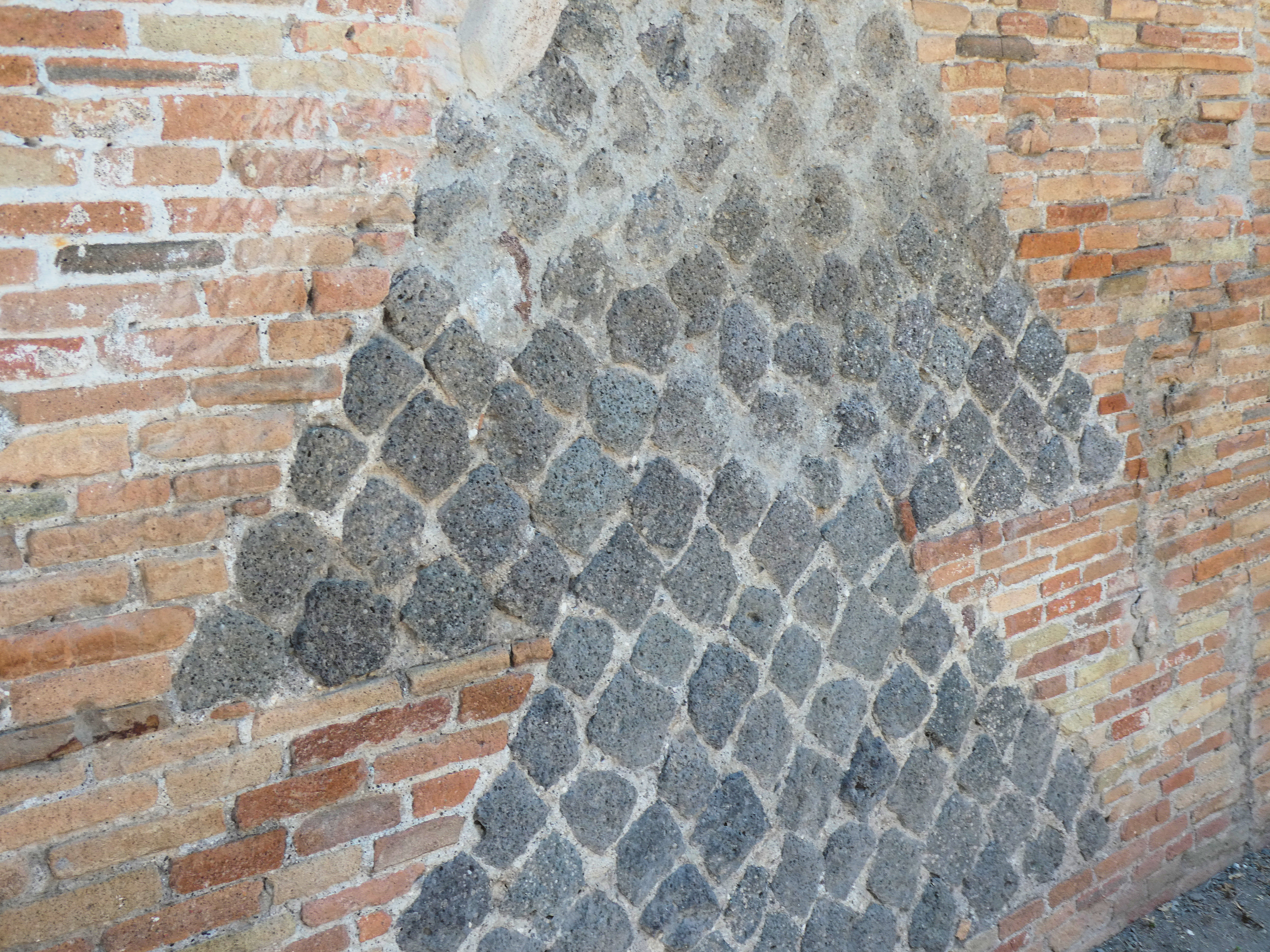
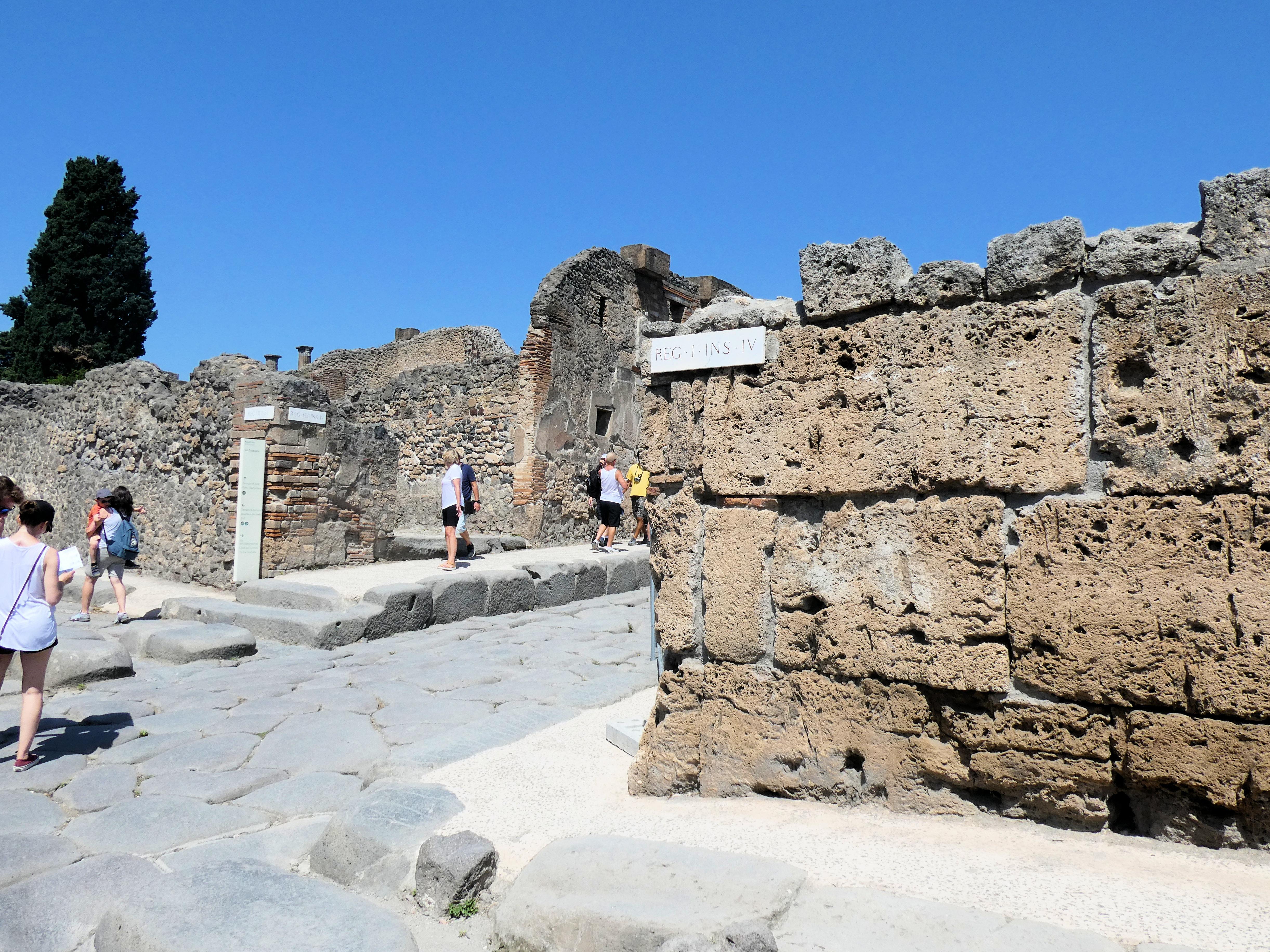
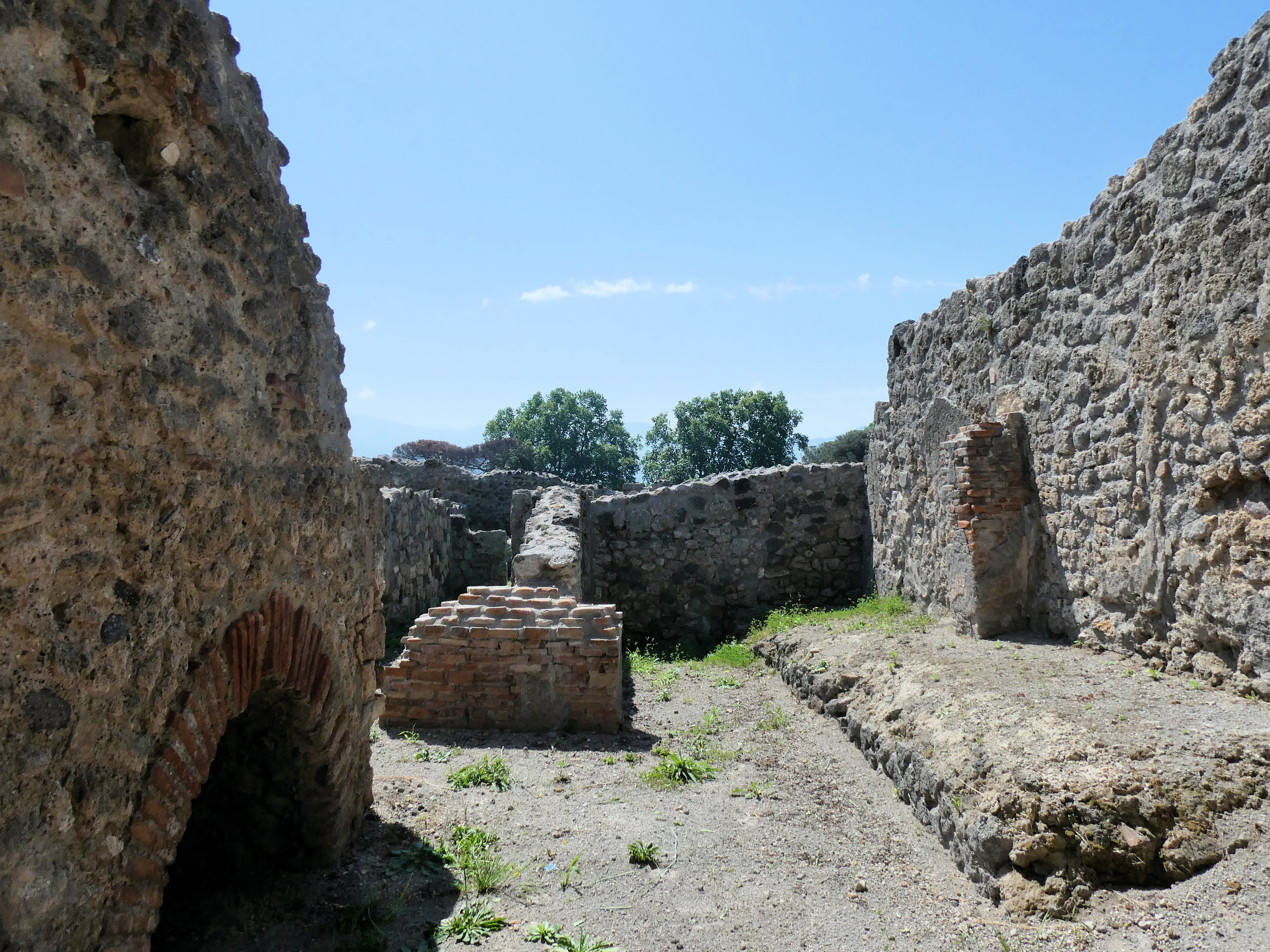
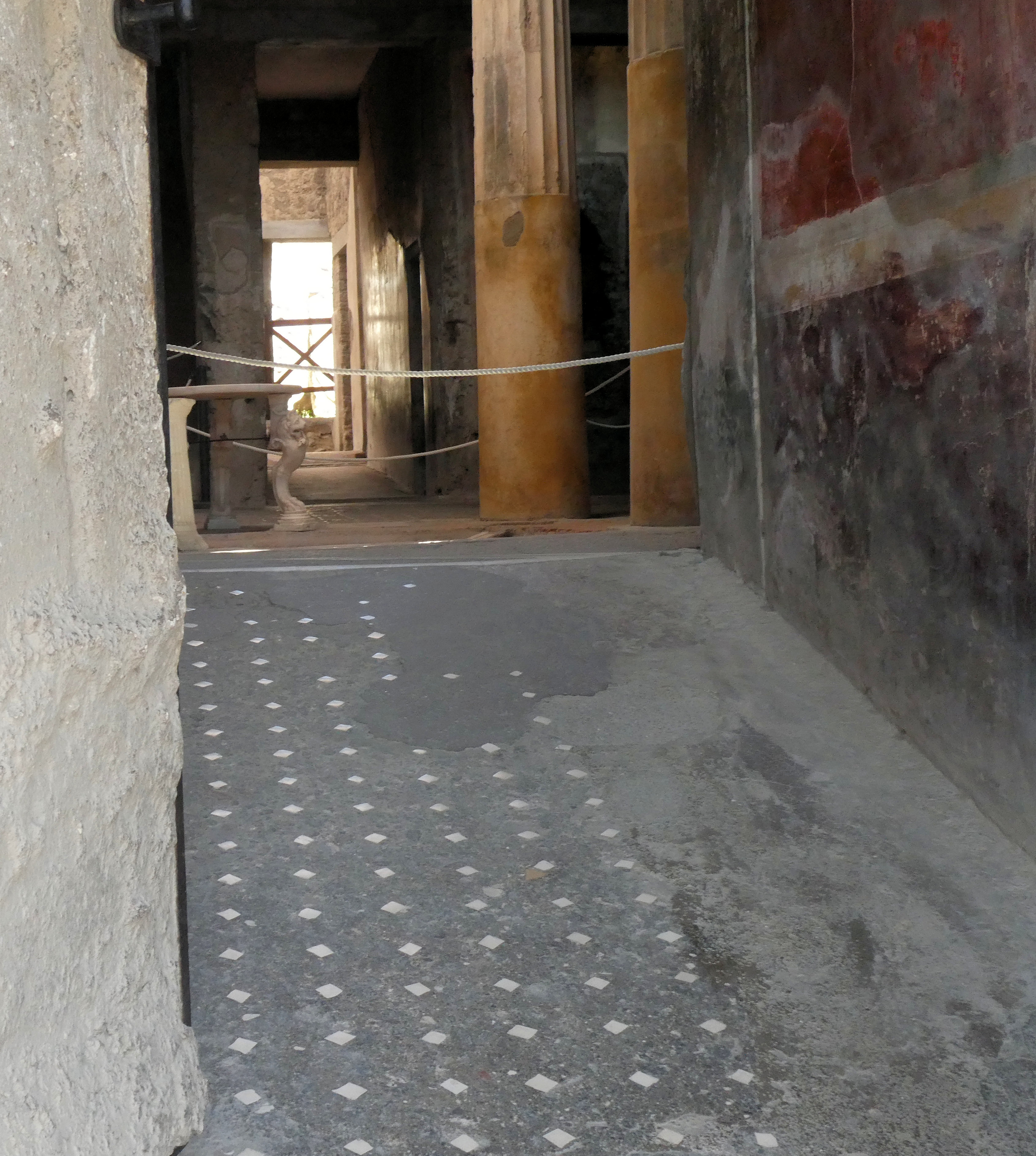
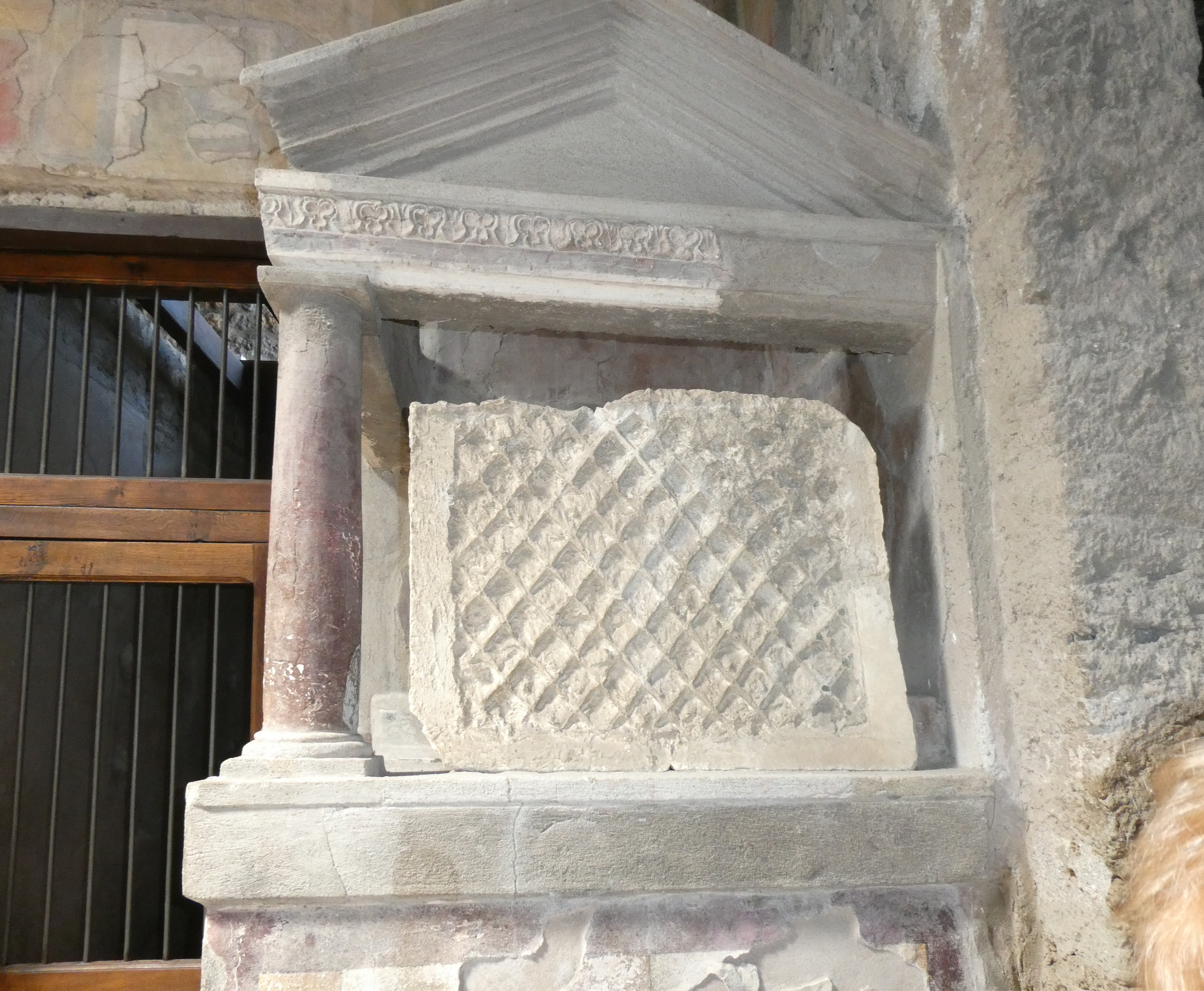
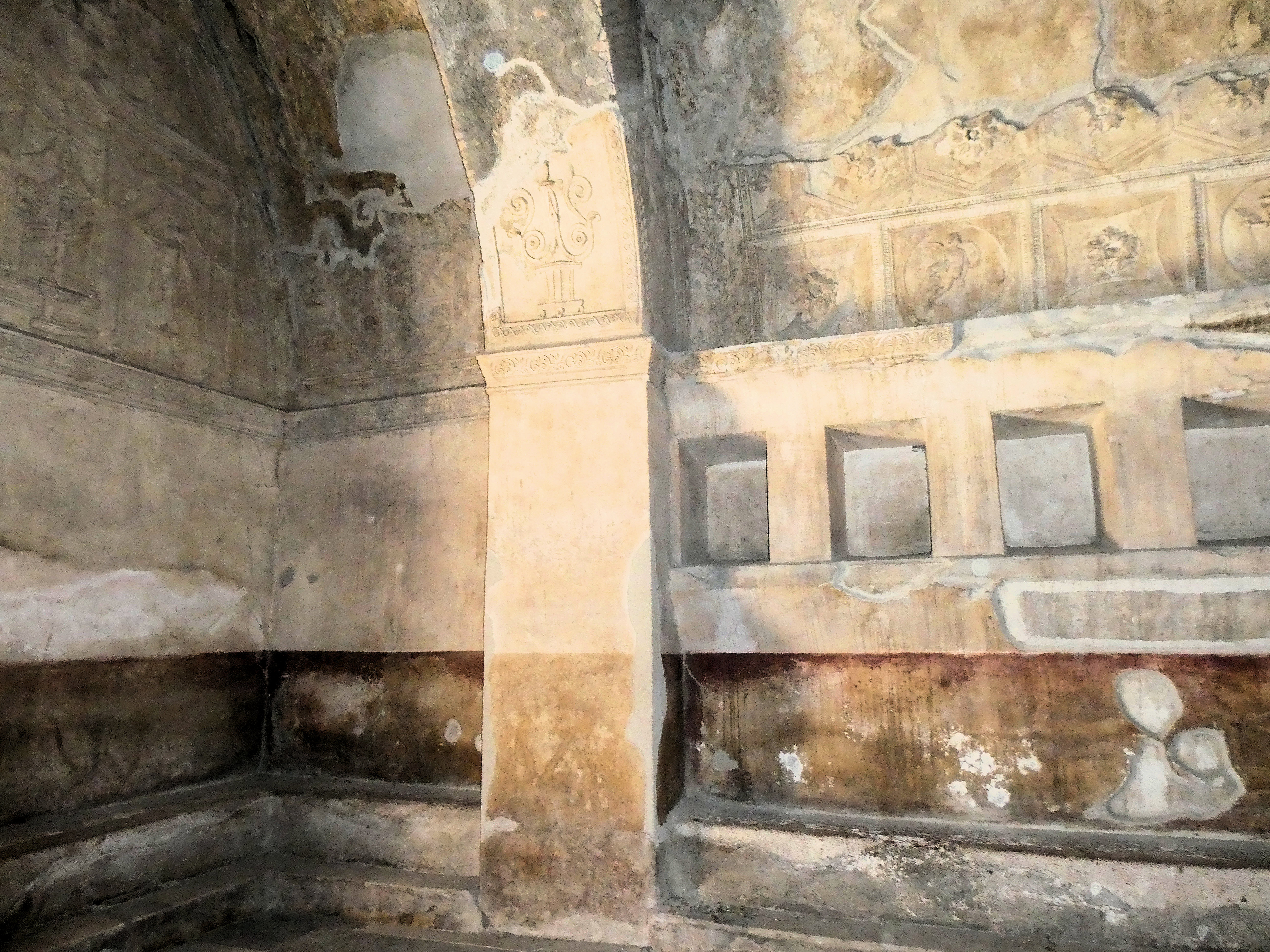
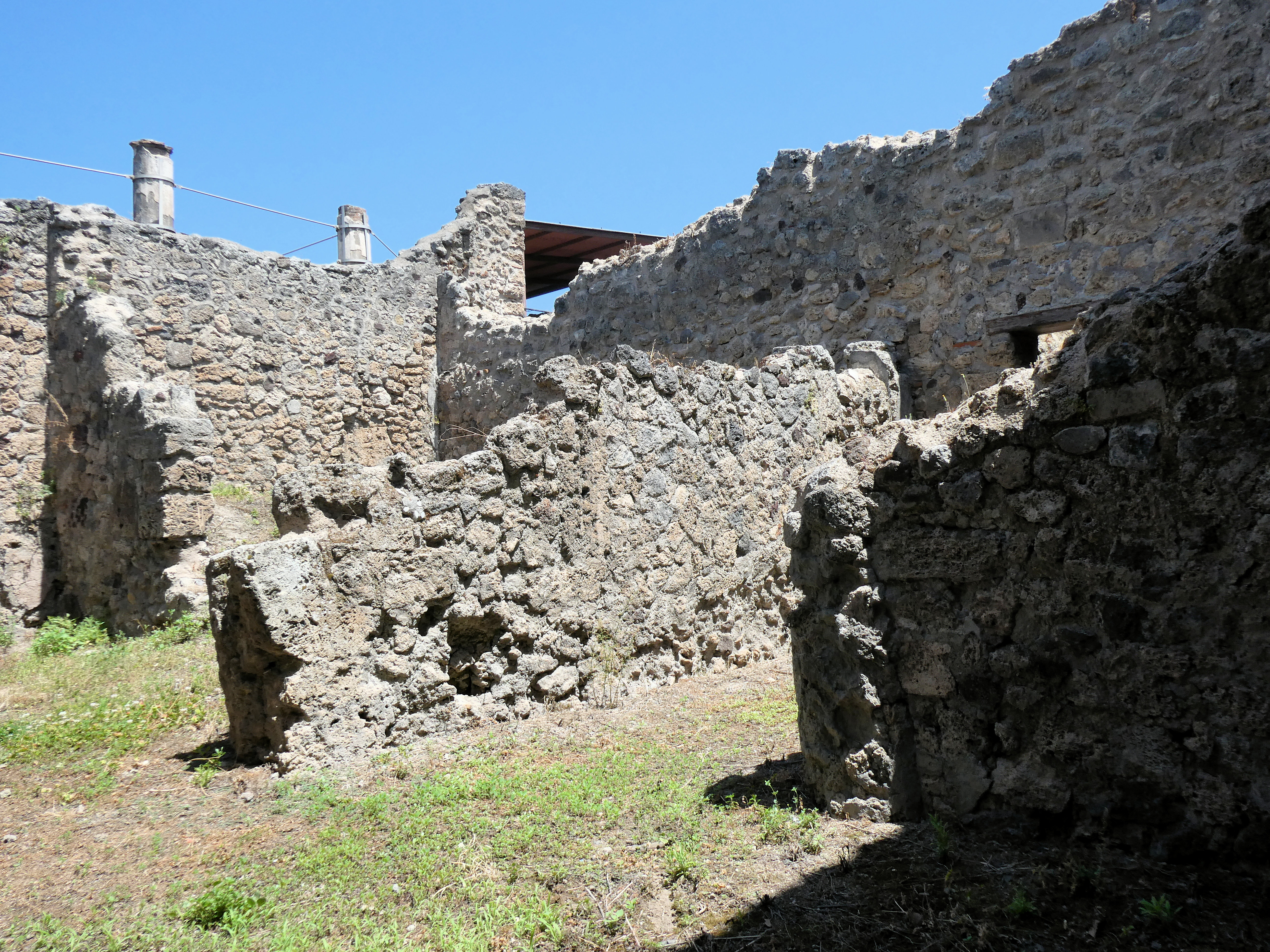
Pompeii wasn’t destroyed by Vesuvius in AD 79: it was buried under a layer of burning pumice stone which means that much of it is remarkably well preserved. Today the visitor can walk down Roman streets, peer into what we know were brothels and bath-houses, snoop around houses, temples and shops and sit in the amphitheatre and pretend to be an ancient Roman. Some of the frescoes are in a remarkable condition, the colours vibrant and the figures well defined. Those in the the brothel are quite explicit as they were there to provide visual inspiration for the clients and they were a cause for scandal in the Vatican when they were first revealed in 2001.


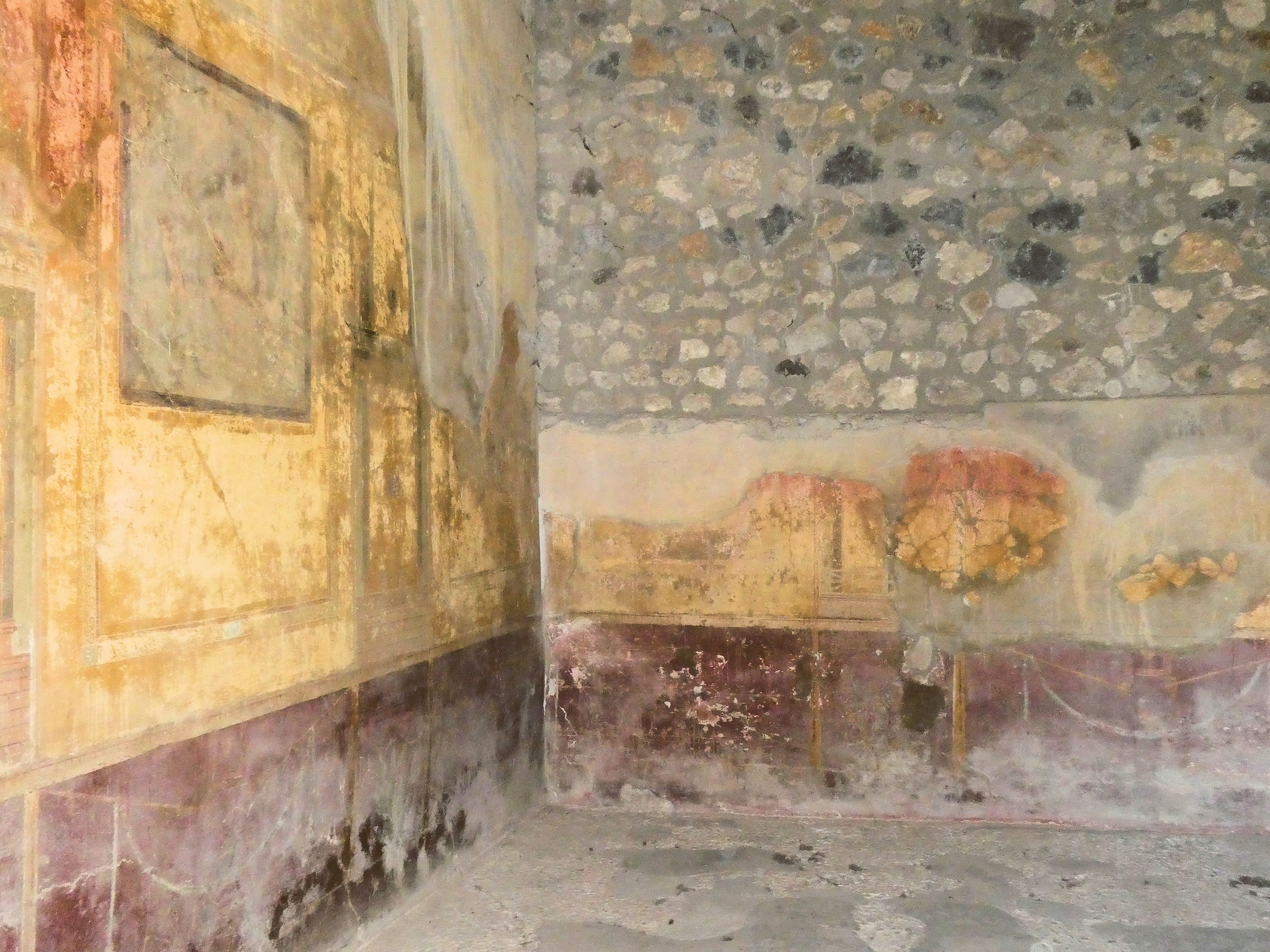
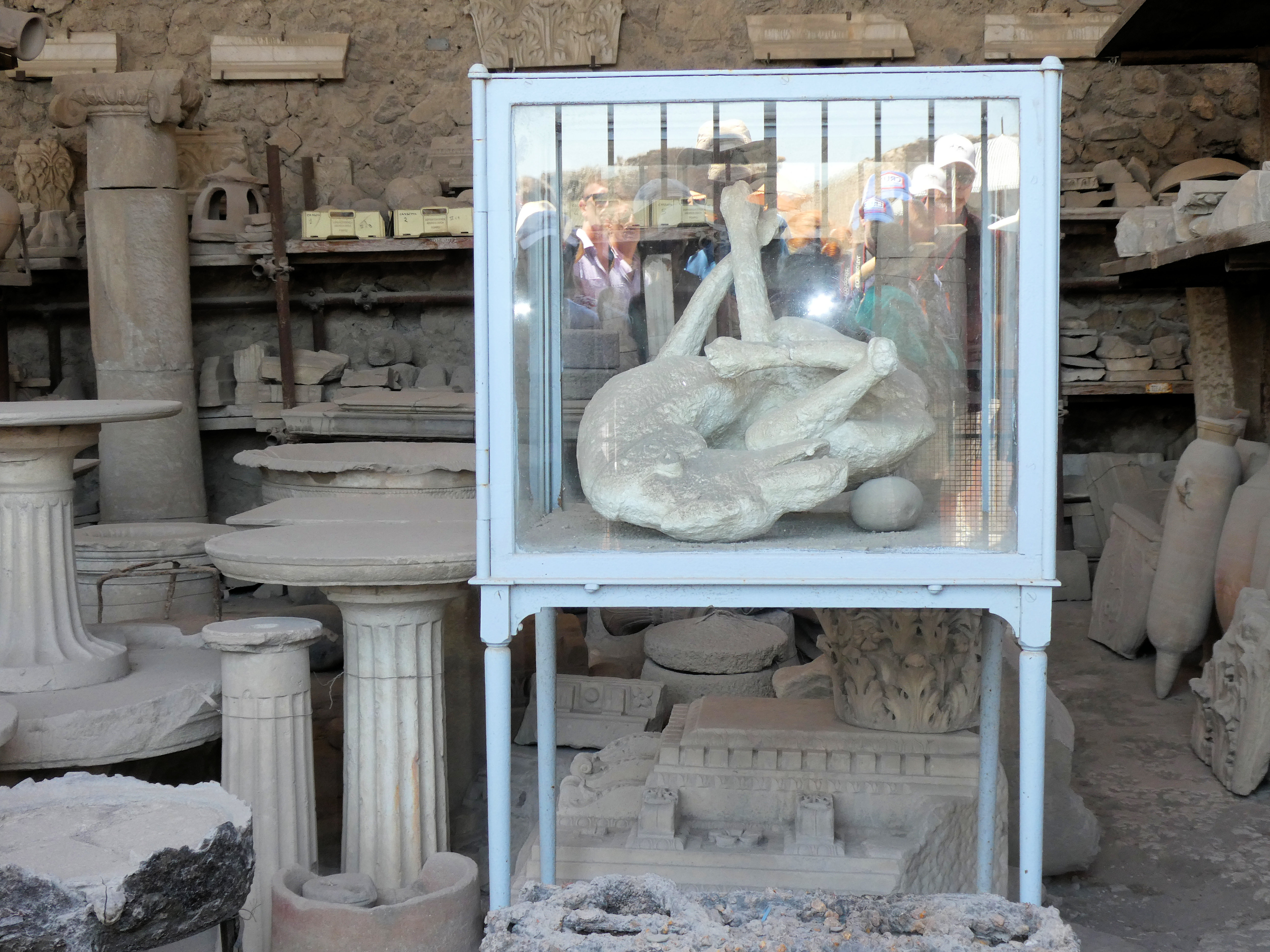
There had been severe earthquakes in the area for two days previous to the volcano’s eruption so many people had left the town for safety, otherwise the number of lives lost would have been a lot more. Nevertheless, 2,000 men, women and children perished. Plaster casts of some of the bodies that were excavated are on display but some are still under renovation.
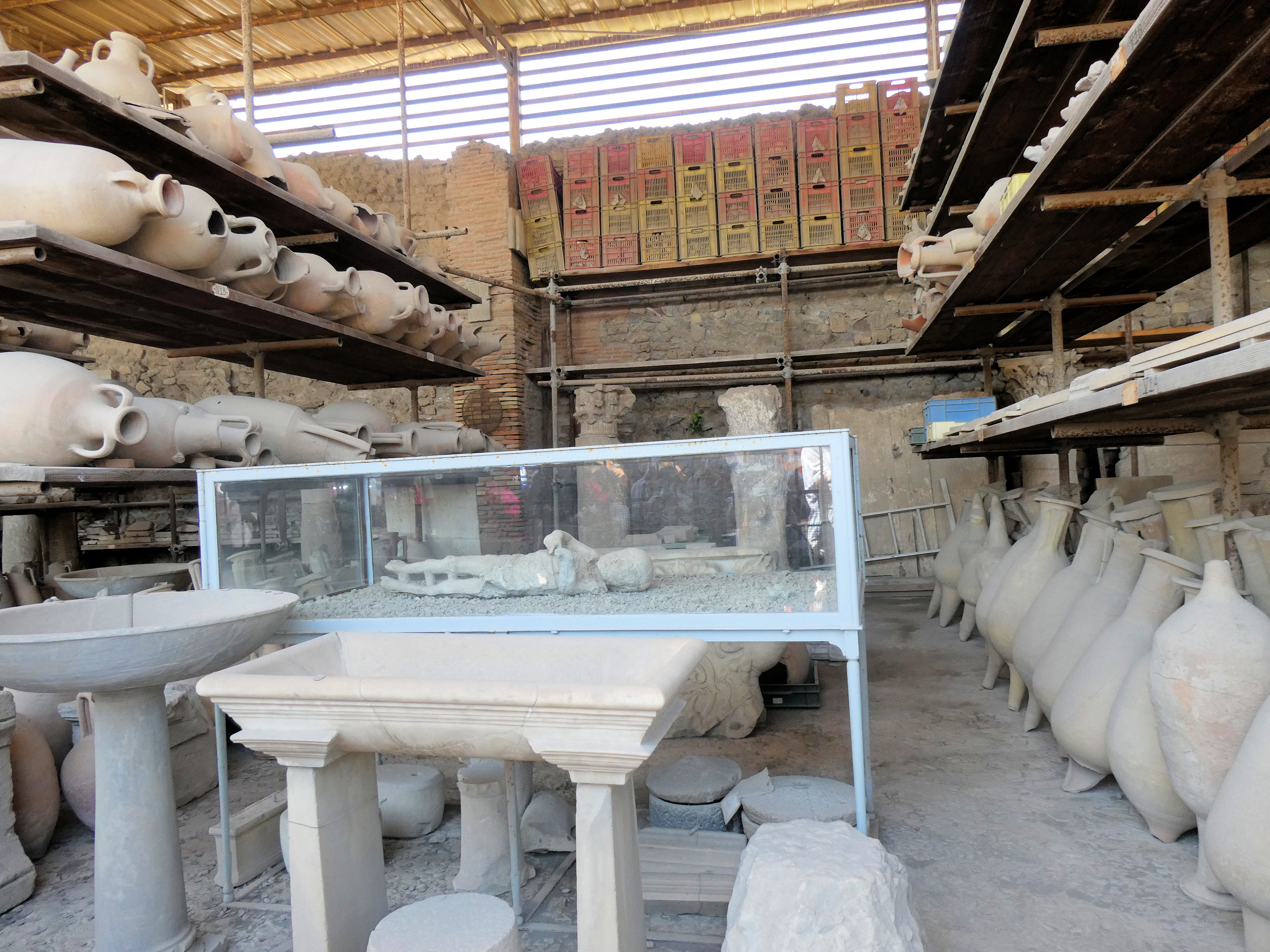




My first visit to Pompeii was many years ago in late autumn and I would recommend that time of year. The number of visitors visiting the Naples area in late spring, summer and early autumn and ticking Pompeii off their bucket-list makes it a less enjoyable tour for the serious lover of history or archaeology. Besides the crowds, there is the heat, and Pompeii offers no shade whatsoever.
Recommended Reading
There are many histories of the destruction of Pompeii but the best must surely be Robert Harris’s Pompeii (2004) published by Hutchinson which reads like a thriller and is a true page-turner.
The original account is by Pliny the Younger who was there at the time and most accounts are based on this, another very exciting read.


Many years ago I visited Sorrento but wasn’t sure what to make of it. I returned again this year and I am still not sure what it is that makes it tick, but tick it certainly does.
Sorrento has been a popular tourist destination for almost two centuries, having been an essential stop on the Grand Tour in the 19th century, the poet Lord Byron being one who sang the praises of the Sorrentino air. Of course it does have the brooding volcano Vesuvius, but somehow this doesn’t make one uneasy as does say, Mt. Etna in Sicily.

The perfume in the air is one of the things that makes this town different from most other resorts. Sorrento smells of citrus because the streets are lined with orange and lemon trees and there are at least 3 lemon plantations right in the town which can be visited and where you can sample their homemade Limoncello. We popped in most days for a tasting as one was opposite our hotel, and it was hard to resist.

The town is perched picturesquely on a plateau above the sea and there are spectacular views over the Bay of Naples and towards Vesuvius from most of the terraces around. Despite many of its old buildings having been demolished most of the historic town centre remains reasonably intact, the mellow old buildings giving the town an authenticity that many other towns lack. Along with its sister towns, Sant’Agnello, Piano di Sorrento and Meta di Sorrento which spread over land that was once primarily agricultural, visitors will find here an experience second to none.


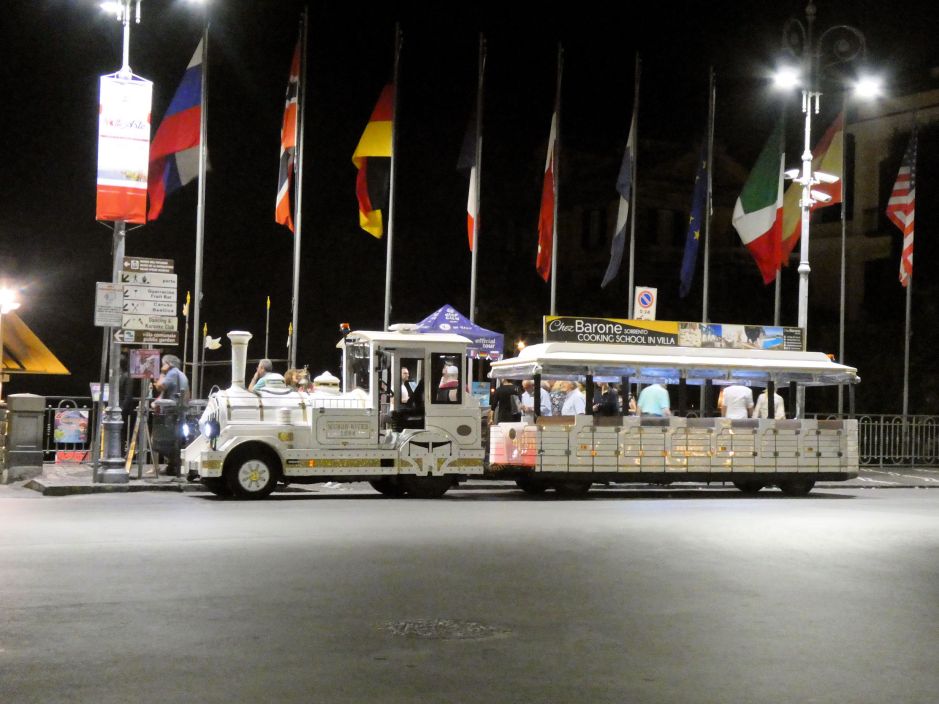


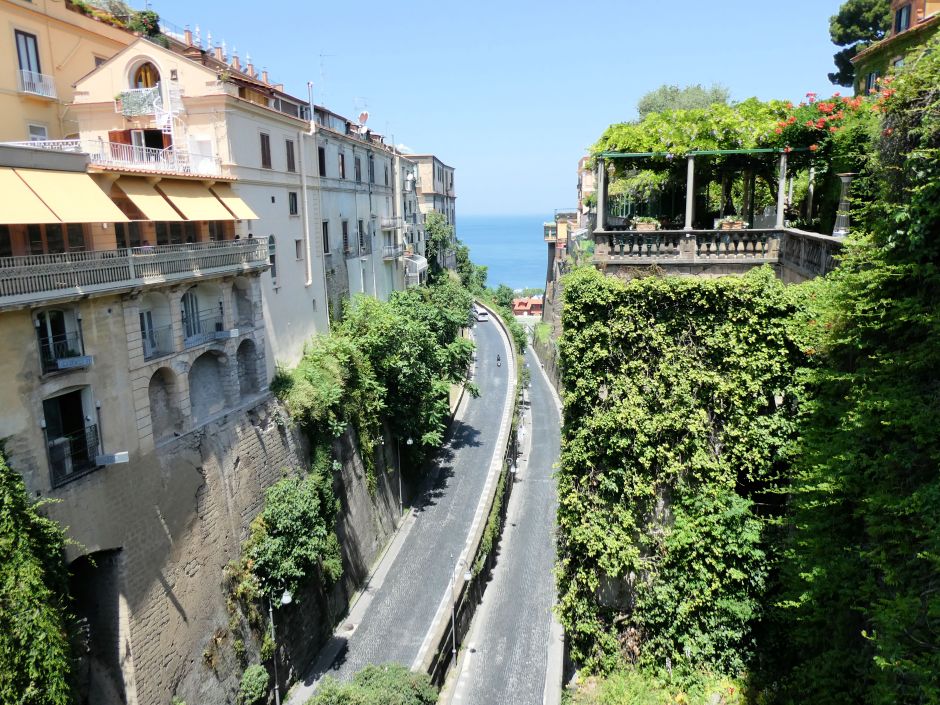

However, it must be said that Sorrento caters overwhelmingly for the English-speaking market – although it has its fair share of visitors from other countries. Menus are in English and everything seems to be geared towards English-speaking travellers. Sometimes the crowds of cheerful tourists thronging the streets and sitting at the bars in the Piazzo Tasso made me feel as though I hadn’t left home. But then along would come a couple of smiling Italian troubadours, the plaintive notes of “Come Back to Sorrento” or “O Sole Mio” plucked from a couple of mandolins would fill the air, and the Italian atmosphere would be restored.

I got used to hearing these two tunes throughout my stay, they are in the DNA of the place. As in Sicily where every other shop is playing Speak Softly Love the haunting tune from The Godfather trilogy, in Sorrento the shops offer accordions, mandolins and Neopolitan songs. Music is everywhere. Bars belt out arias from popular operas, the market stalls entertain with the latest Italian pop songs, and Neopolitan songs are everywhere because the Sorrentinos themselves are proud to have such a legacy of world renowned melodies and like listening to them, but it never gets too loud.

The main square, Piazzo Tasso, is named after the poet Torquato Tasso and is the focal point for the evening passeggiata where the locals come to see and be seen. This is when you know you are in Italy, when everyone is in their finest clothes and sauntering up and down streets – many paved with lava from Vesuvius – that radiate from Tasso into the old town and down to the Port.

A smaller Piazza, S. Antonio, named after the Basilica of the same name which is in the square, is less crowded but a good place to sit and watch the Italians park their cars (a whole post could be written on this alone).
And just a few steps from here and you come to the road that leads down to one of Sorrento’s two ports, the Marina Piccolo.

There are two ports in Sorrento but no footpath between them so they each have to be approached from the town separately. Marina Piccola is no great distance from Tasso and is a pleasant walk but as it has 130 steps leading down to the beach it may be advisable to think about getting the bus back – or down to it for those who find steps difficult.


Although Piccola means small, it is actually the bigger port (Italians love to confuse tourists), the port from where the ferries to Capri, Naples, Ischia and Amalfi depart and the port at which the cruise ships dock.

The more picturesque port of Marina Grande may be smaller but it has a village-like atmosphere and is where the majority of the seafood restaurants are to be found (one of them a fishermen’s co-operative where the fish is truly great). Nestled into a cove on the Amalfi Coast it is one of the most popular seaside resorts in Italy, homes and shops rising above the curve of the rocks, creating a harmonious, rustic charm. Sheltered by the promontory which separates it from the town, the harbour community retains time-honoured customs and maintains its primary source of survival – fishing.

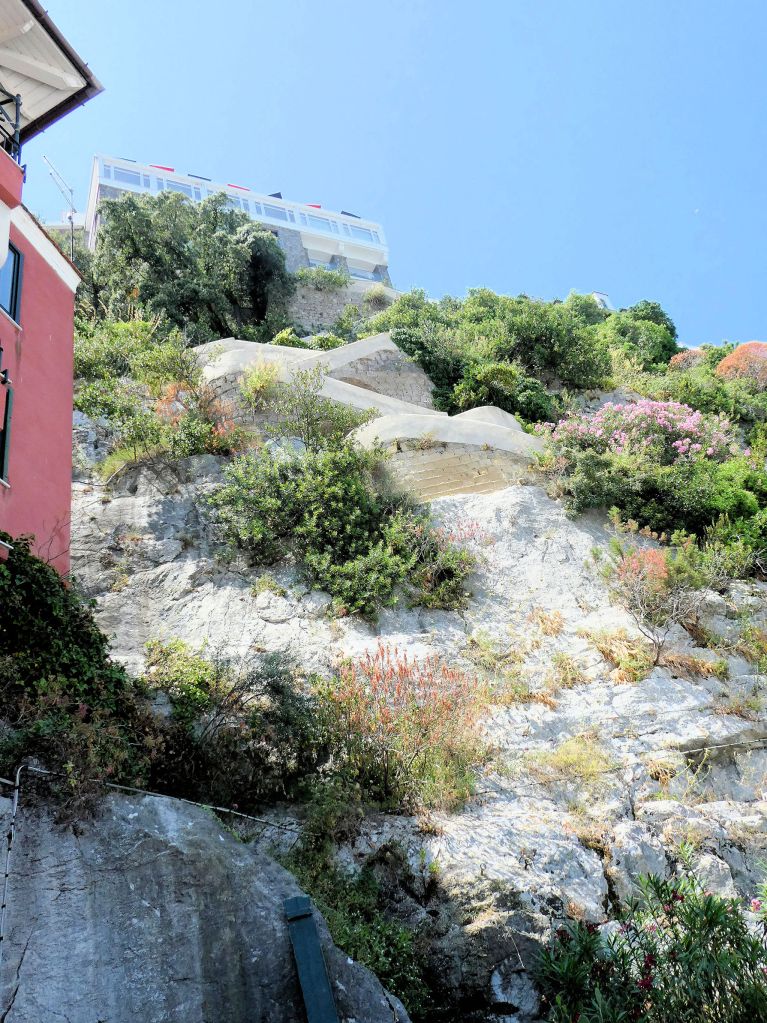

The scene in the port at sunset when the day-trippers have gone and the fishermen clean their nets and drink wine at open-air tables by the sea is evocative of an age which has all but vanished. The best way to visit this port is to take the bus down to the main square, walk along the seafront and then take the elevator back to the town when you are ready.


There is not much sand in Sorrento unfortunately, and access to the sea is mostly from wooden boardwalks built out over the water. Both ports have small private beaches where entrance fees are usually around €10 and there is a small public beach on Marine Piccola but this is always crowded.
Best if all, Sorrento is well placed for visiting the surrounding areas, for trips to Pompii, Herculaneum and Naples, which are all accessible by train, bus or organized tour, or less taxing perhaps, Amalfi and Ravello, along the magnificent coastal drive.

Sunday Photo Fiction
Summer’s over, the chairs are wrecked, I’ll pile ‘em up, see if I can balance them and maybe make a bridge for the cats to walk over before I trash them (the chairs, not the cats). Hmm. Looks quite good against the sky. O-M-G, I’ve created an art installation! Look at that. Could I sell it? Could I invite people to my garden to look at it? Could I call myself an artist? Pity the Council has no spare money due to the cuts, otherwise, I could ask them to buy it as a piece of civic furniture. Would be perfect in the current zeitgeist.
Inside my head lies a jewelled world.

This is my first Six-Word Saturday and I hope it’s OK for me not to count the ‘a’ as a word, as I was taught many years ago. I know many rules have changed since my early days and possibly that is also one.
This photograph was taken about ten years ago when I was in Austria and visited the Swarovski factory, a veritable fairyland of crystal figures and jewelry. The result of so much overpowering bling was that I didn’t buy even a tiny piece. I really coveted a huge crystal tiger that cost many thousands of pounds but as I couldn’t have that I decided to have nothing!
The interior is amazing but this exterior exceeds it: this is the most impressive entrance I have ever seen.
NB In case anyone thinks I’ve discovered the Elixir of Life, that is not me in the photograph.

You don’t know about CCTV yet, you think I’m just an image on a computer. But moggie, I’m watching you! Things have moved along since you first pawed a laptop and back here I have your number! I see how your eyes narrow and your tail twitches when I do my twirly thing, how you salivate when I come closer to the screen and when I pussyfoot (pussyfoot, how’s that?) along the wire fence. In your dreams, Clarence, in your dreams. The future is here and it’s mine.
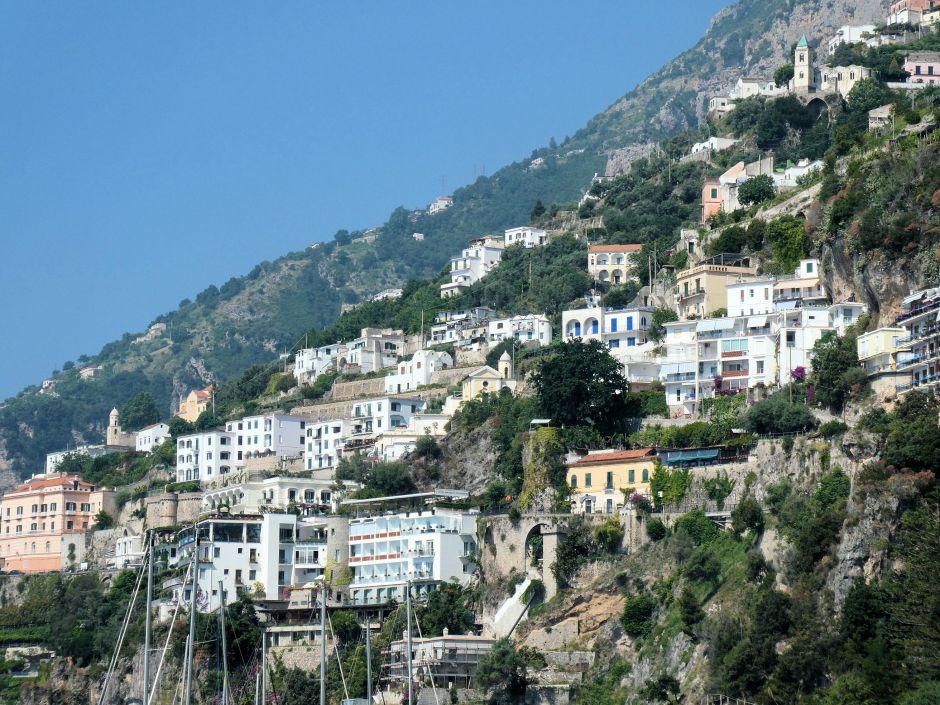
Amalfi, tiny and expensive is one of the easier coastal towns to walk around as it rises gently up the hillside from the waterfront rather than clinging vertically to it, like Positano for instance.

It is hard to believe that this very small town had a glorious history as a maritime republic on a par with Venice and Genoa, but Amalfi was a trade bridge between the Byzantine and western worlds for centuries with a population exceeding 70,000 (today, less than 5,000). Unfortunately, there are very few historical buildings of note to see as most of the old city, and its inhabitants, slid into the sea during the 1343 earthquake.
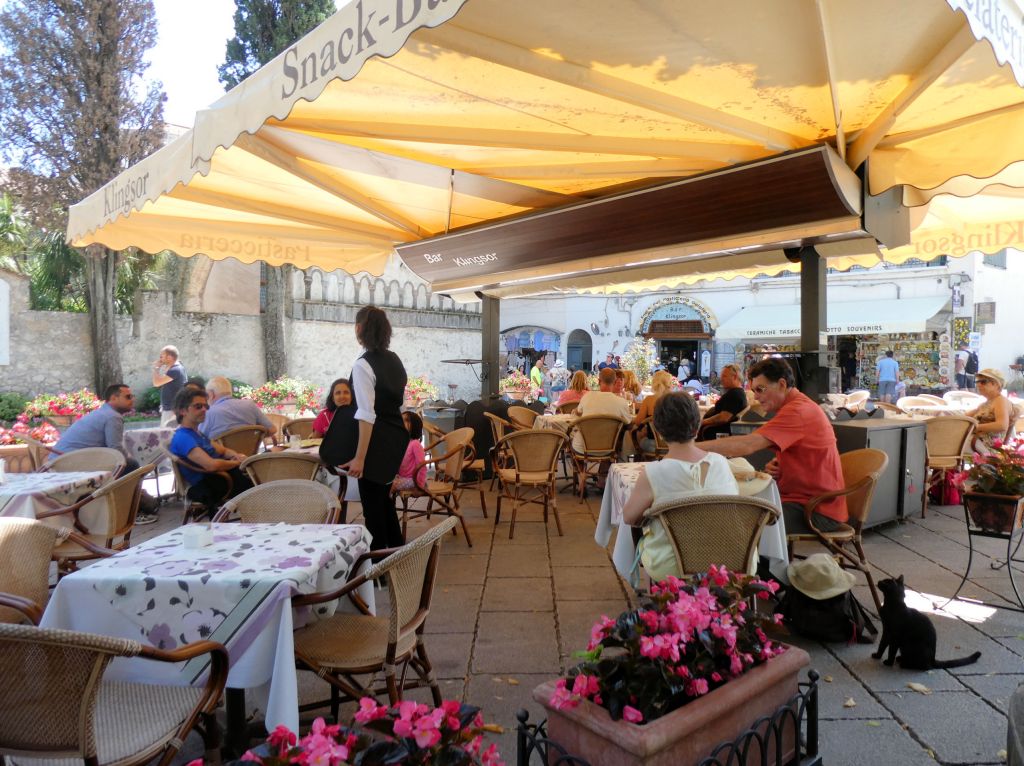
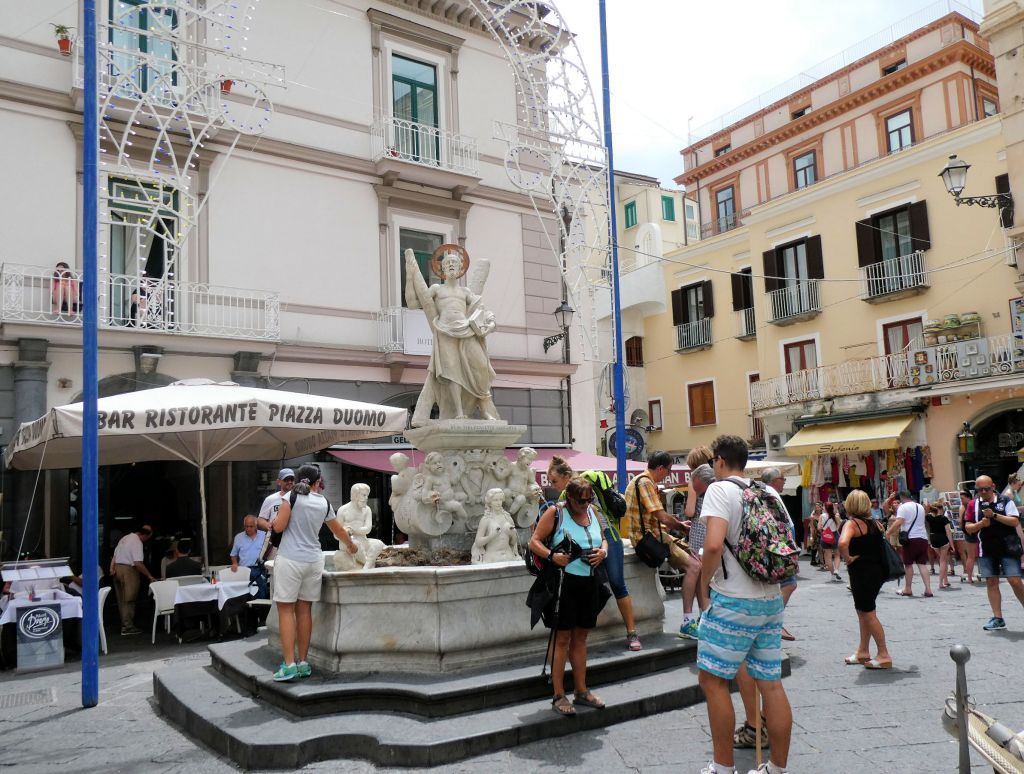
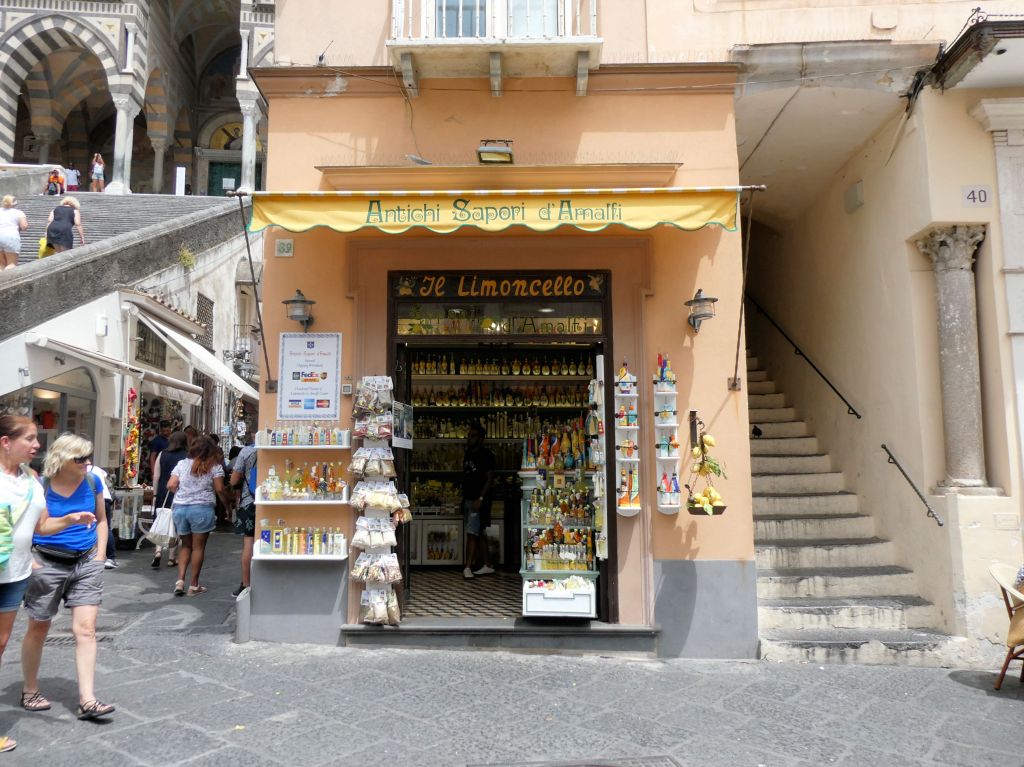

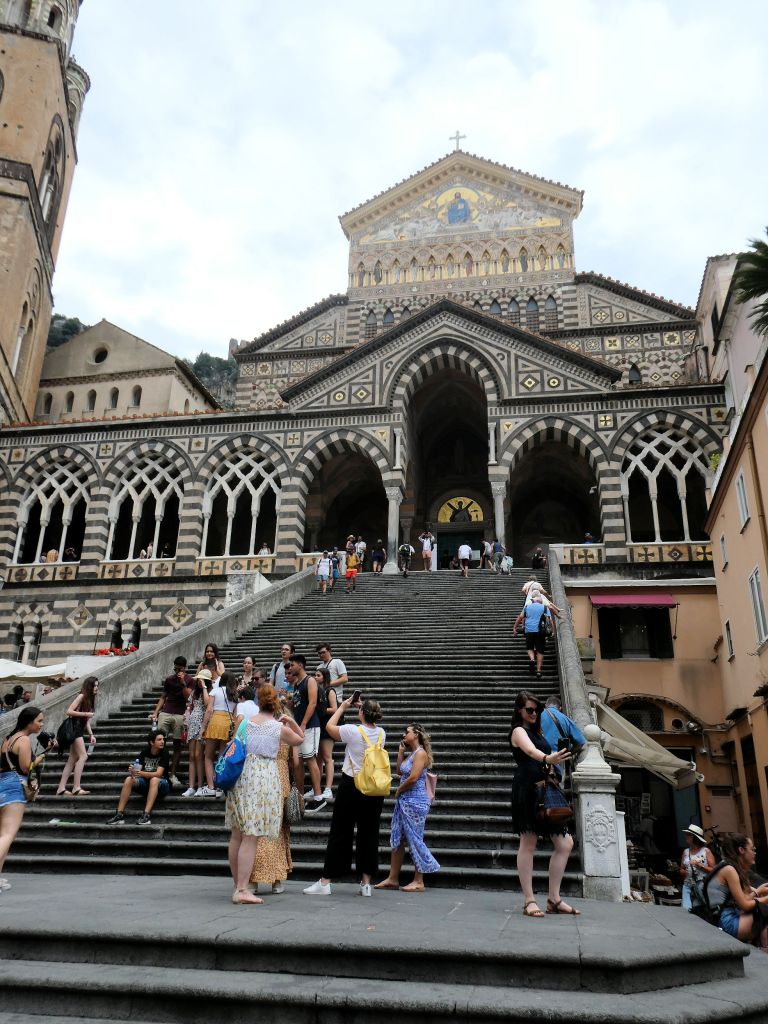
There is a delightful promenade along the waterfront and a marina full of colorful boats but the focal point of the historic center is the Piazza del Duomo with its striking cathedral dedicated to St. Andrew. There are sixty steps leading up to the Byzantine-style church with its Moorish-influenced arches and decoration and inside the church is a forest of columns and Arabesque arches and the hidden Cloister of Paradise, dating to 1266. The Piazza is lined with bars, cafes, gelaterias, artisan and tourist shops, and is a perfect place for people watching – if you can bag a table. It seems to be permanently busy. Don’t forget the water if you decide to walk up the steps, those 65 can feel like 100 when the sun is out.
Famous for the manufactire pf paper, the Paper Museum (Museo della Carta) is well worth a visit to see how the products were made by hand. There are still some family-owned paper mills that carry on the tradition of hand-made paper which can be bought in some of the high-end shops – good, if expensive buys, for that special present for someone who still likes to write letters.

However, the primary product of the area is lemons, enormous in size, picked fresh to make limoncello liqueur and to be used in local dishes. Lemon ice-cream features a lot in restaurants and gelaterias, the one by the town gate serving quite the biggest lemon sorbet I have every seen (or eaten).

If you don’t spend too much time over lunch or coffee, there will still be time to visit hilltop Ravello, full of historic, artistic, monumental and architectural treasures – another expensive town but exquisite in its layout, and its 13th century Villa Rufolo which has breathtaking views from gardens overlooking the sea. Famous names you’ll hear mentioned a lot in Ravello are Richard Wagner who was inspired by the Villa to compose some verses of the Parsifal, Boccaccio who stayed here while writing the Decameron, D. H. Lawrence who supposedly got inspiration for Lady Chatterley’s Lover while holidaying in the town and Gore Vidal who came for a visit and stayed for 30 years!

Shopping is rather special in Ravello too, as there are many craft and high-end fashion stops where you will find one-off garments – at a price, of course. Even the ice-cream advertises as ‘gourmet’ gelato though what that is I have no idea.


Restaurants bars and bistros abound, but walk around the interesting narrow backstreets of cobble-stones, peering in at dark interiors, looking over dry-stone walls fronting overgrown gardens and vegetable plots, if you want to see what this hill-top village is really like. Ravello is a great starting point for walks in the surrounding Lattari mountains along ancient paths.
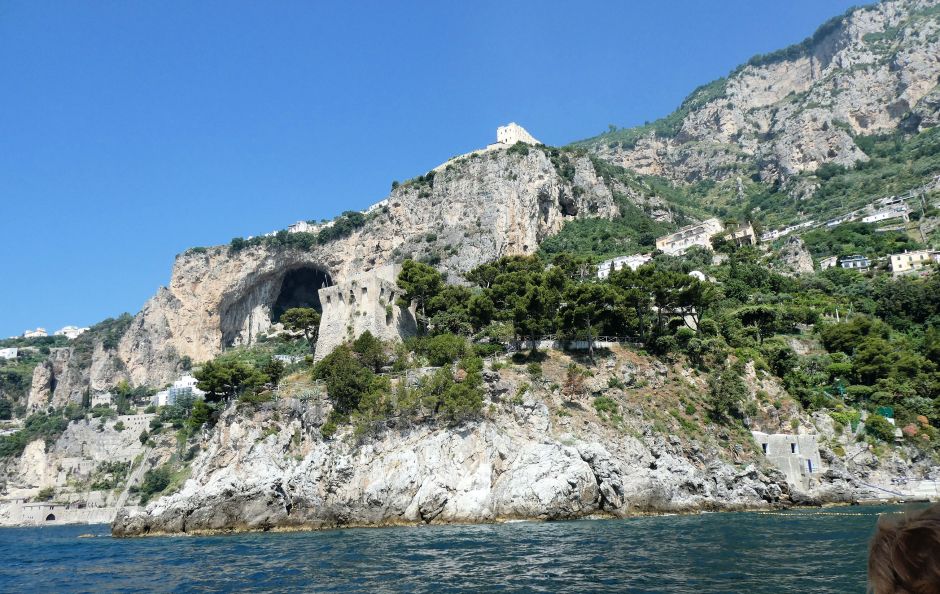
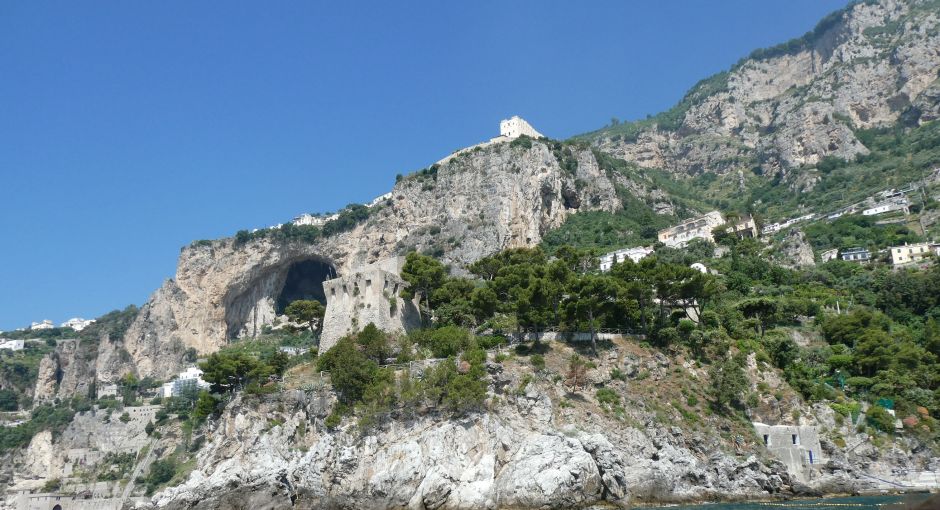
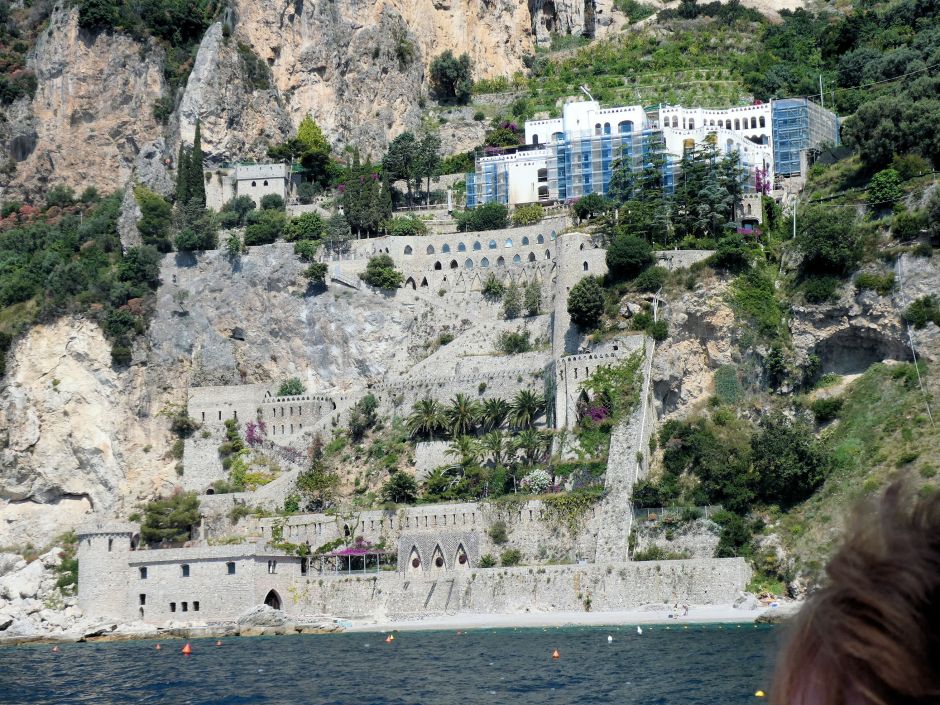
Amalfi’s trading importance may have declined but its maritime importance continues, as you can hop ferries and hydrofoils to Capri, Salerno, and Positano. For me, the best way to view Amalfi is from the sea and the best way to do that is to take a boat trip around the bay, either in one of the 45-minute trips or by hiring a boat to take you to hidden coves to enjoy some private sun and surf. You will see the homes of Gina Llolabrigida, Sofia Loren, George Clooney (before he moved to Como I presume) and other famous names, smaller than you’d imagine because of their position built into the rocks. In the above slide show of scenes from the sea, the blue and white house set ino the hillside is that of Sofia Loren.


Known as The Amalfi Drive (formally Strada Statale 163) the coast road along the shoreline from Sorrento to Amalfi (and on to Salerno) is one of the most poular drives in Italy. Originally built by the Romans, it is one of the most photographed coastal routes in the world, seen in countless films like Under the Tuscan Sun and the Humphrey Bogart classic Beat the Devil (1957) featuring a young Gina Lollobrigida. Gamers may recognize it as a setting for fictional tracks in Forza Motorsport and Gran Turismo 4 games. UNESCO actually named the Amalfi Coast an outstanding example of Mediterranean landscape and gave it a place on the World Heritage List.

Carved out of the side of the coastal cliffs for the greater part of its route, the road gives vertiginous views down to the Tyrrhenian Sea and to the towering cliffs above. It passes through Positano, the village of the rich and famous where fabulous villas accessible only on foot from above, by helicopter from the air, or by yacht from the sea, are built into the sides of the mountain, making it a major tourist attraction.
We originally took the guided tour by coach as this seemed the easiest way to experience the drive, and we were right, but we enjoyed the trip so much that we took the local bus a few days later and enjoyed it even more.
We decided against stopping off at Positano however, having been warned against this by a fellow hotel guest who had been left standing for hours as the buses returning from Amalfi were all full when it reached Positano so no chance of getting on one. Amalfi filled the day however, and we managed to fit in a trip to Ravello as well.


I have no argument with those who say that the 50 Kilometre Amalfi Coast drive is probably the world’s most beautiful and thrilling, piece of tarmac-ed sightseeing in Europe. If you can ignore the hairpin bends, the crazy Italian driving, the narrowness of the road that means your vehicle could possibly plunge into the churning sea below, the views are spectacular. The road is built at a very steep angle, zigzagging backwards and forwards and from the window of your vehicle you can see craggy rocks thrusting through the foamy waters below.

Despite the heavy traffic, all fighting for space on hairpin bends, the Amalfi Drive is a fascinating trip with every corner revealing an even more stunning view protected by Unesco. Pastel-coloured villages are terraced into the mountainside, medieval watchtowers guard the coast, and here and there huge colourful ceramic urns In yellow, blue, green and red, announce a “ceramic factory”. Among the green slopes of the cliffs are scented lemon groves and a profusion of pink and white oleanders, and enticing restaurants locate on precipitous corners daring you to stop for a coffee. This white-knuckle ride is one of Italy’s greatest wonders but it is not for the faint of heart. It is 80 kl of narrow, S-curve roadway strung halfway up a cliff with the waves crashing below.

At the end of the Drive you have Amalfi, tiny, expensive but one of the easier towns of those strung along the coast to walk around. It rises gently up the hillside from the waterfront rather than clinging vertically to it like some of the other coastal towns, like Positano for instance. Hard to believe that this very touristy town had a glorious history as a maritime republic on a par with the better known Pisa, Venice and Genoa.

Nevertheless, Amalfi was a trade bridge between the Byzantine and western worlds for centuries with a population exceeding 70,000 (today, less than 5,000). Unfortunately, there are very few historical buildings of note as most of the old city, and its inhabitants, slid into the sea during the 1343 earthquake.

I had a sort of time-travel experience yesterday when a celebratory day out with friends took me from London Waterloo in sumptuous style to Windsor, recently the perfect setting for two royal weddings. We traveled in a ‘special event’ steam train of the Royal Windsor Steam Express.

On board the vintage Pullman carriages of the RWSE it is easy to imagine yourself back in the golden age of steam travel as you relax in the plush seats with plenty of legroom. The wood paneling on the walls of the carriage soothes the eye, and the starched white tablecloths on the tables take you back decades.

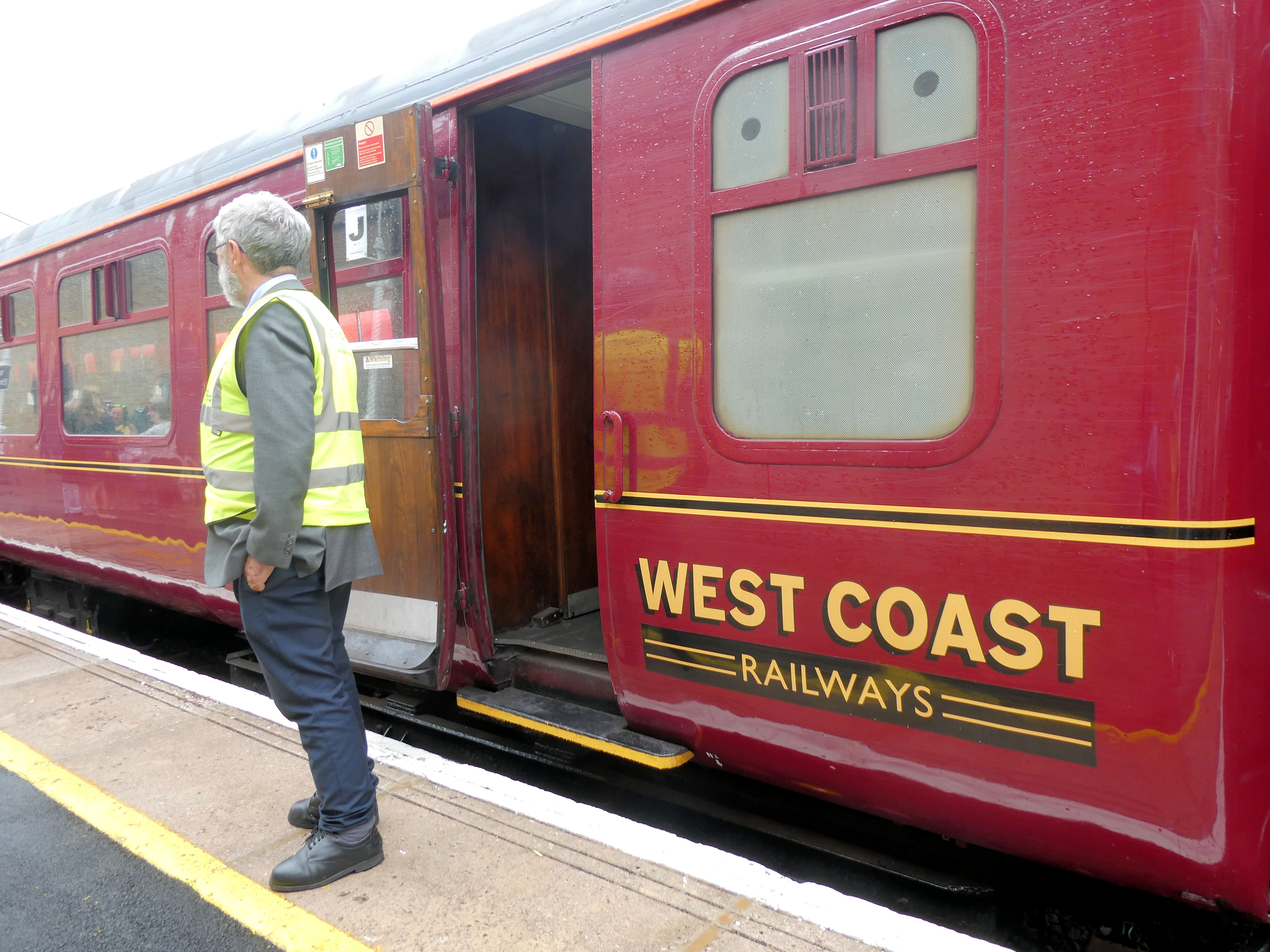


A champagne brunch is available in the Pullman dining carriages for £85 per person if you want the real luxe effect, but there is also the option of coffee, tea, wines and snacks from one of the charming hostesses on board in the Standard and First Class non-Pullman carriages.

Starting from London the Royal Windsor Steam Express passes many of London’s famous landmarks including the London Eye and Houses of Parliament, crossing the River Thames to reach leafy suburbs, reservoirs and lakes until it reaches the charming Royal Windsor & Eton Riverside Station designed by William Tite for the London & South Western Railway (LSWR). The steam engine used to pull the refurbished carriages is The Mayflower, an original British Rail engine built in 1948.
The station is right in the town and as soon as you exit you can see stunning Windsor Castle on the hill opposite. Windsor Castle is the largest and oldest inhabited castle in the world and is the Queen’s favourite weekend home.

The River Thames runs through the town and a boat trip along this stretch of the river is highly recommended. Unfortunately, we didn’t have time for this: I had done it before but would have very much liked to do it again had we not spent so much time lunching by the river and ambling around the town.

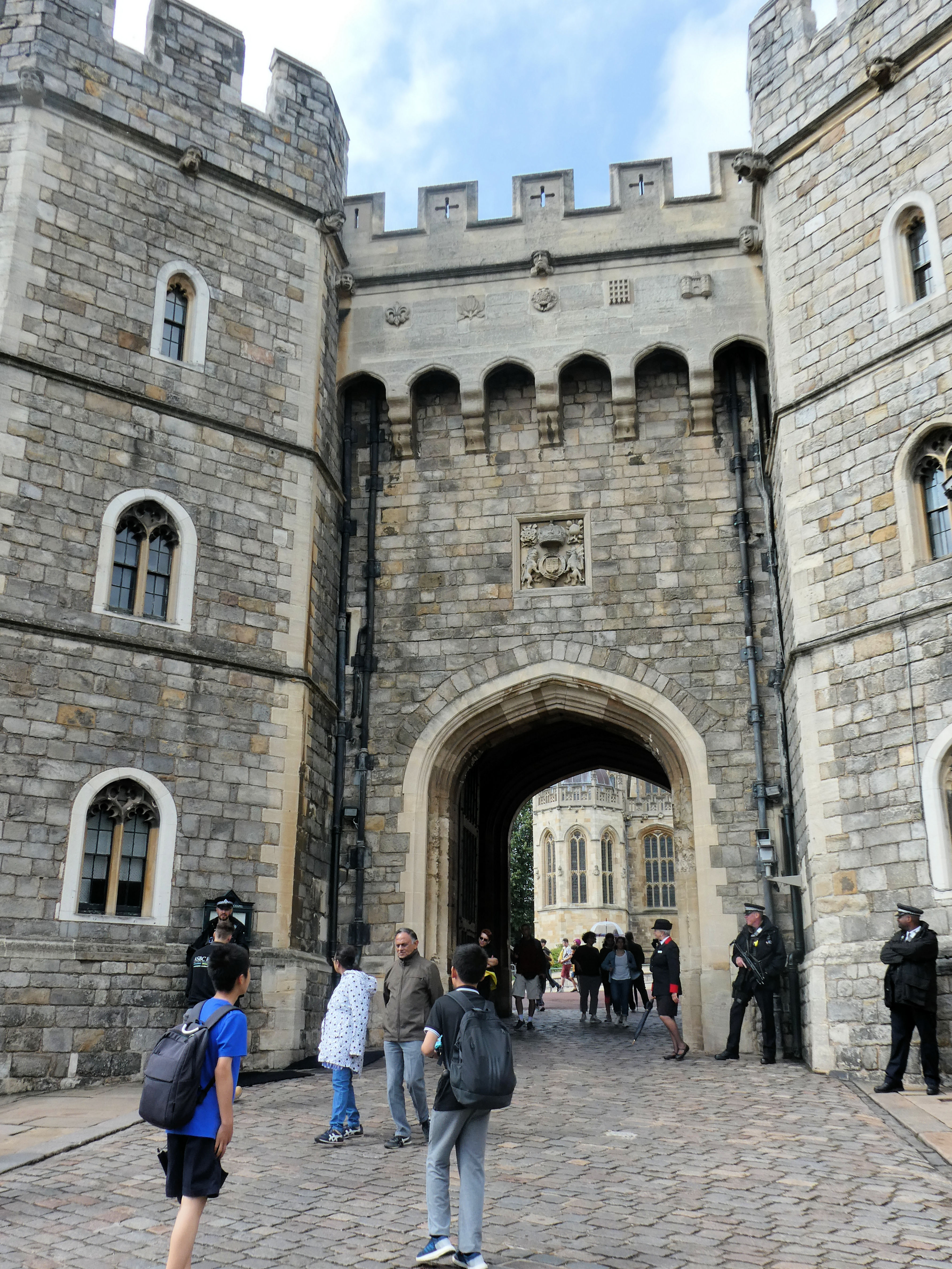


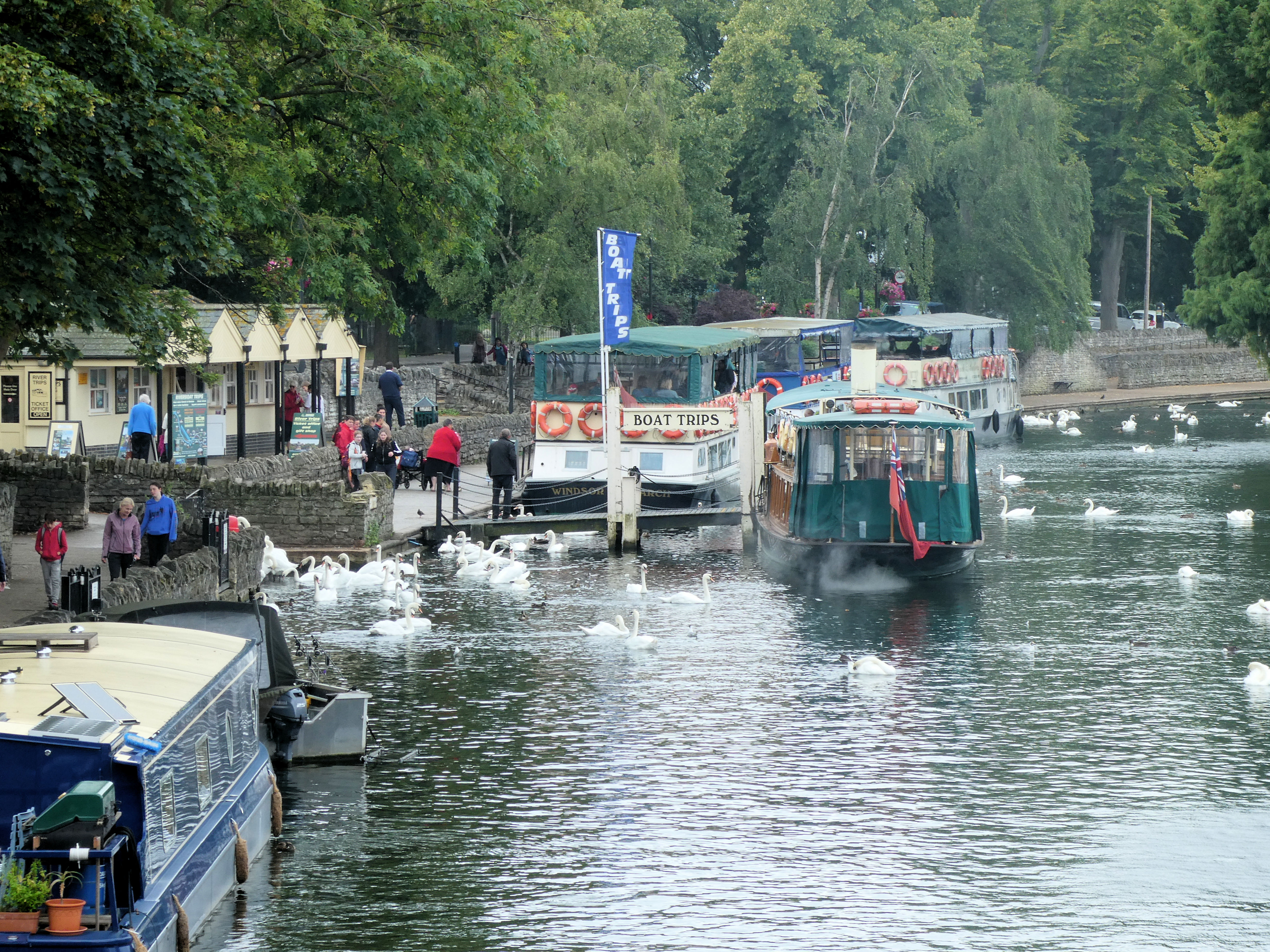
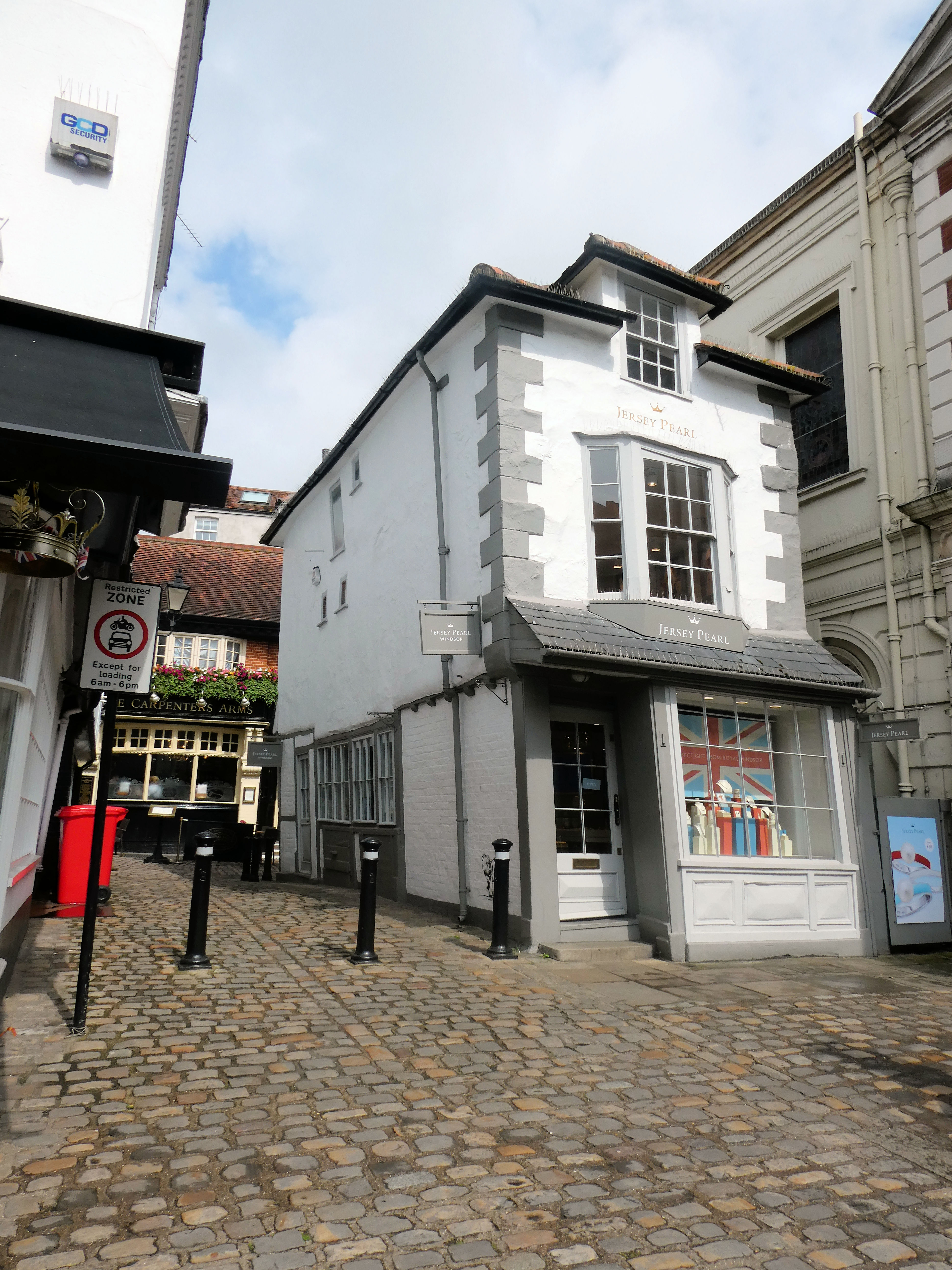
The Royal Borough has a rich mix of history, culture and heritage and if time allows a walk through the town is both practical and easy. If not, the hop-on-hop-off bus will transport you to the main sights in Windsor and next-door Eton. If you can time your visit to take in the colourful spectacle of the Guards marching through the streets of Windsor for the Changing the Guard ceremony within Windsor Castle’s walls, this unique sight could well be the icing on the cake.
Notes:
Windsor Tourist Office: https://www.windsor.gov.uk/visitor-information/visitor-information-centre
The steam train service runs every Tuesday from 4th June – 3rd September, with three daily services each way between Waterloo and Windsor & Eton Riverside station. Fares from £35 one way. Tel: 01483 209888 Website: SunsetSteamExpress.co.uk
1-Hour Boat Trips on the Thames at Windsor in an 1898 Steam Boat – 4 minutes walk from the station. £14 per person FrenchBrothers.co.uk Tel: 01753 837345
Hop-on Hop-Off Windsor Bus Tour £20. theoriginaltour.com/windsor Tel: 0208 877 2120

The Spanish Steps
I’ve often wondered why people flock to the Spanish Steps, a stairway composed of 135 of the widest steps in Europe, but they are an institution in Rome so never one to miss out on an institution, I took myself off there. I know the popularity of the steps has a lot to do with the William Wyler film A Roman Holiday which starred Audrey Hepburn and Gregory Peck, just as The Trevi Fountain owes much of its popularity to Fellini’s La Dolce Vita and its stars Anita Eksburg and Marcello Mastroioni, but nevertheless, I struggle to see the attraction here when the nearby gardens of the Villa Borghese are almost empty.

Built in the 18th century, this ultra-wide staircase was called the Spanish Steps because although designed by an Italian architect and financed by a French diplomat, it took the name from the Piazza di Spagna at their foot, in turn named after the nearby Spanish Embassy. The steps were built to connect the Embassy with the Trinita dei Monti church which stands in the Piazza at the top of the steps.

The English poet John Keats once lived in the building at the bottom of the steps in what is now the Keats & Shelley Museum to the left of which is Babington’s, the famous tea-house serving homesick Brits since 1893.
The steps may seem the perfect place to tuck into a takeaway, a sandwich or an ice-cream but this is something you must not do. Roman regulations forbids consuming anything on these steps, part of an effort to keep them looking pristine. After the latest restoration this rule is being vigorously enforced.
Rome city buses are too big to negotiate the narrow streets around the Spanish Steps so if you are not going to walk to it, take Linea A (red line) on the Metro and exit at Spagna. The station is right next to the Spanish Steps.
The Trevi Fountain

The Trevi Fountain is the largest Baroque fountain in Rome and one of the most famous fountains in the world having been featured in several notable films, including the above-mentioned Roman Holiday, Federico Fellini’s La Dolce Vita, the eponymous Three Coins in the Fountain, and Sabrina Goes to Rome. It is a non-stop photo opportunity from early morning until well after midnight, with a never-ending mass of people milling about, most of them with huge selfie-sticks and a disinclination to make room for others. If you need peace and quiet plan to visit very early in the morning.
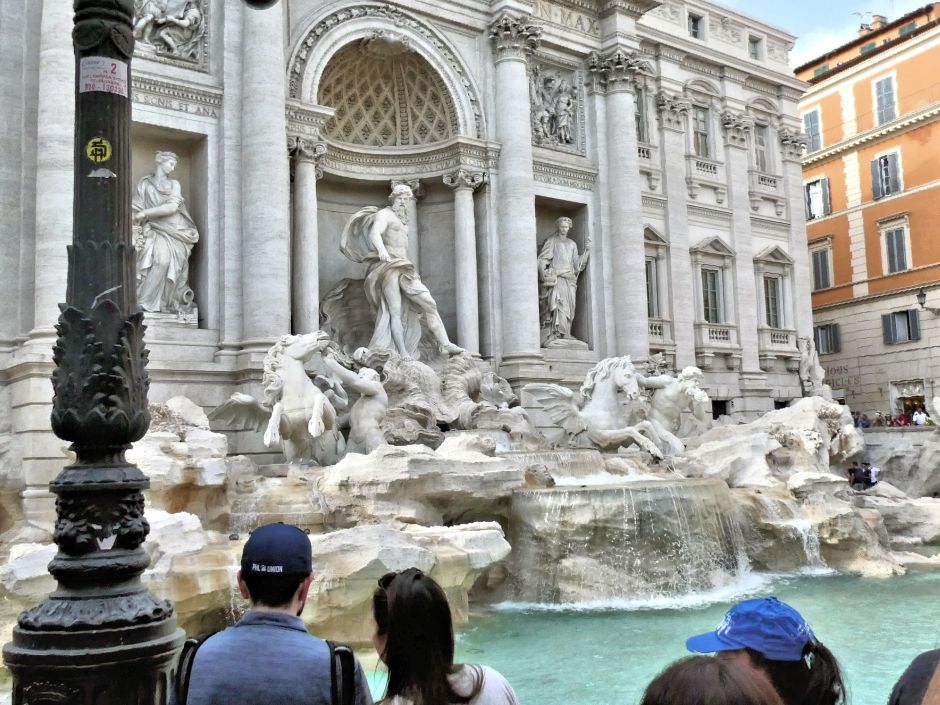
The fountain is said to date back to ancient Roman days, to the 19th century BC in fact, when the Aqua Virgo Aqueduct that provided water to the Roman baths and the fountains of central Rome was constructed, at the junction of three roads (tre vie) which give the Trevi Fountain its name.
It is is almost 50 metres across and heavily adorned with sculptures of Roman gods, tritons and horses, and is packed with visitors from morning till night.
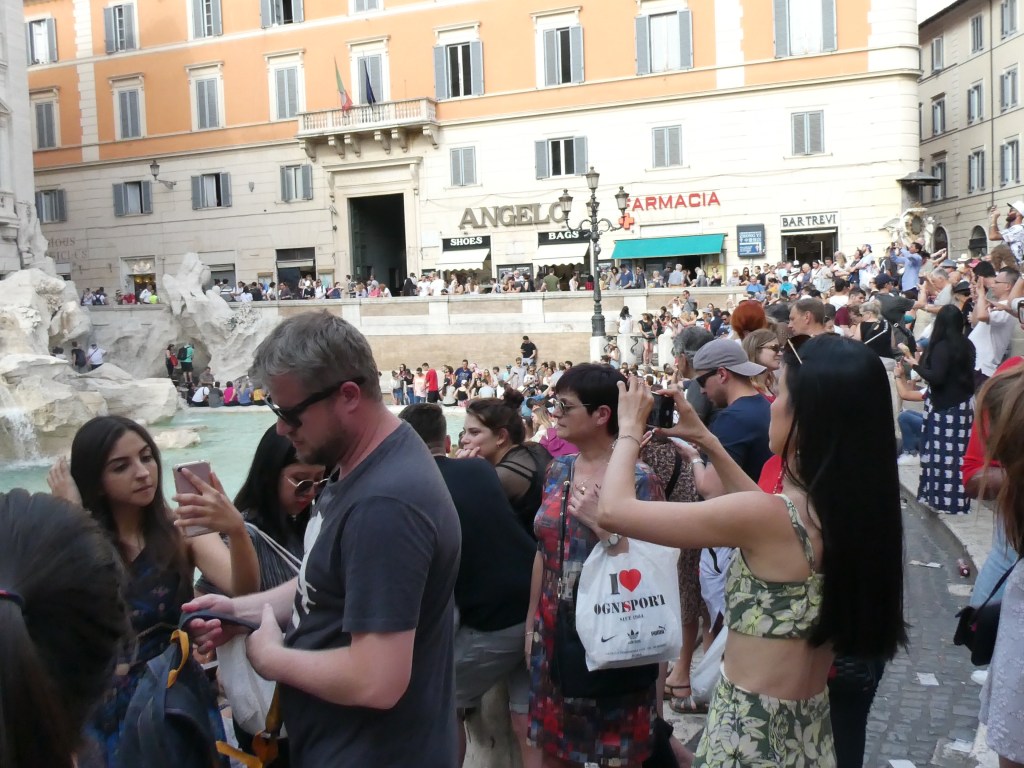
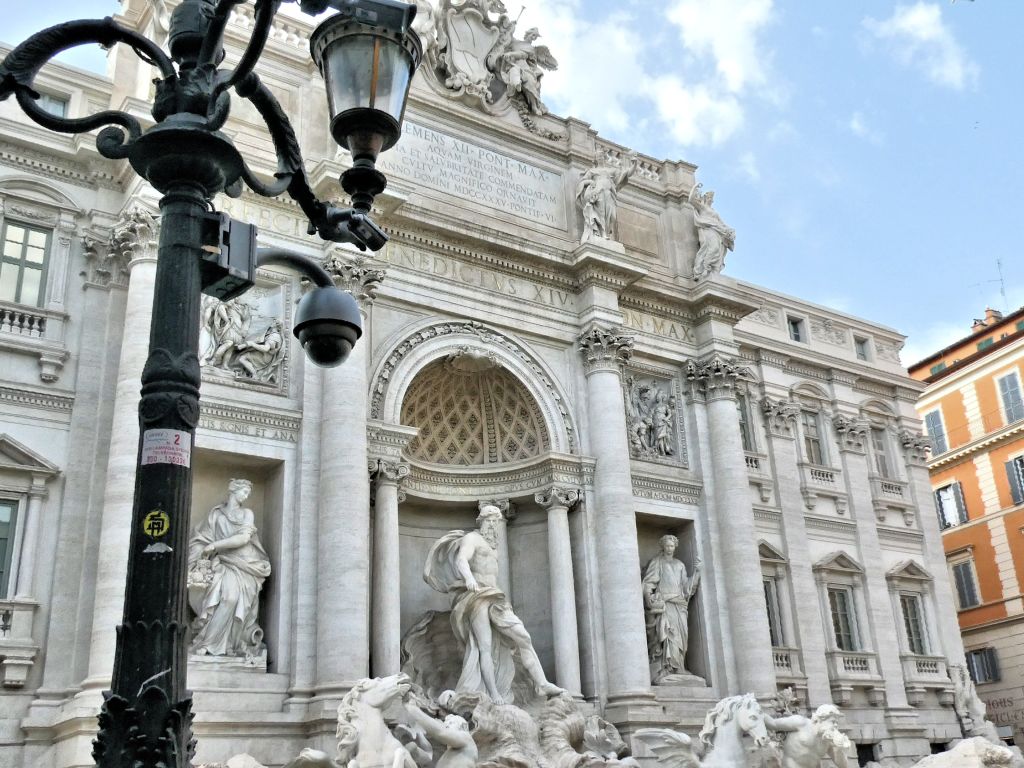
Approximately €3,000 is thrown into the fountain every day as people follow the tradition of throwing in coins. Legend has it that a coin thrown into the fountain will ensure a return to Rome, a legend that dates back to the ancient Romans who threw coins in water to ensure the water gods would bring them safely home.
The coins are collected every night and given to the Italian charity Caritas which has a supermarket program giving rechargeable cards to Rome’s needy to help them get groceries.
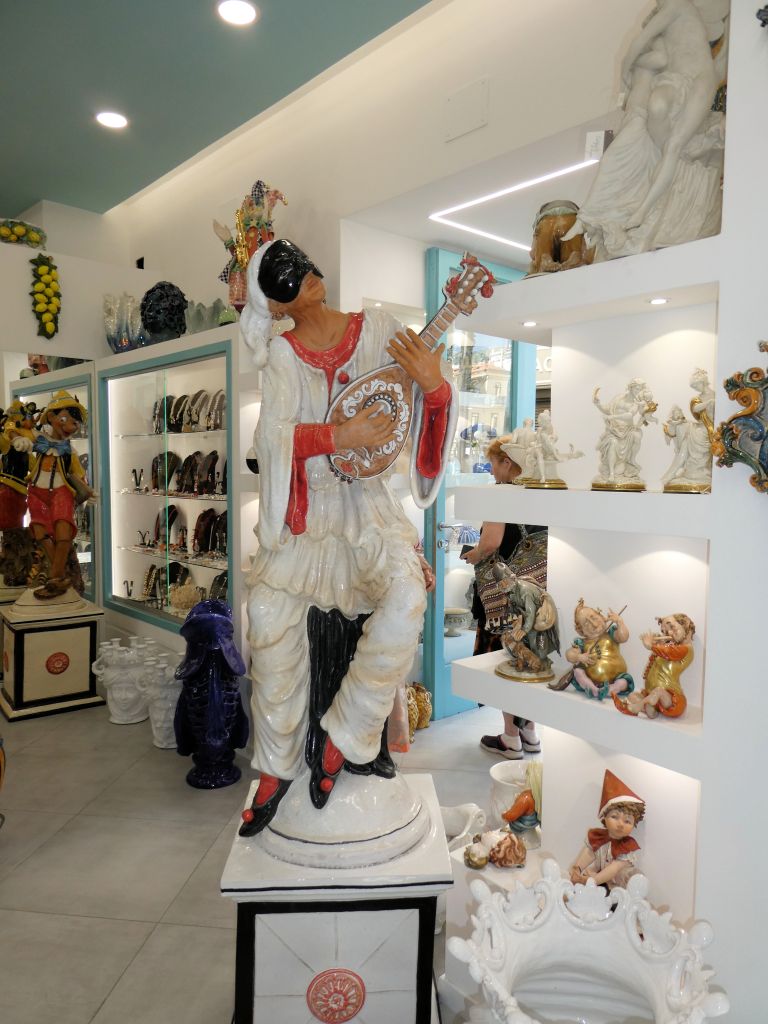
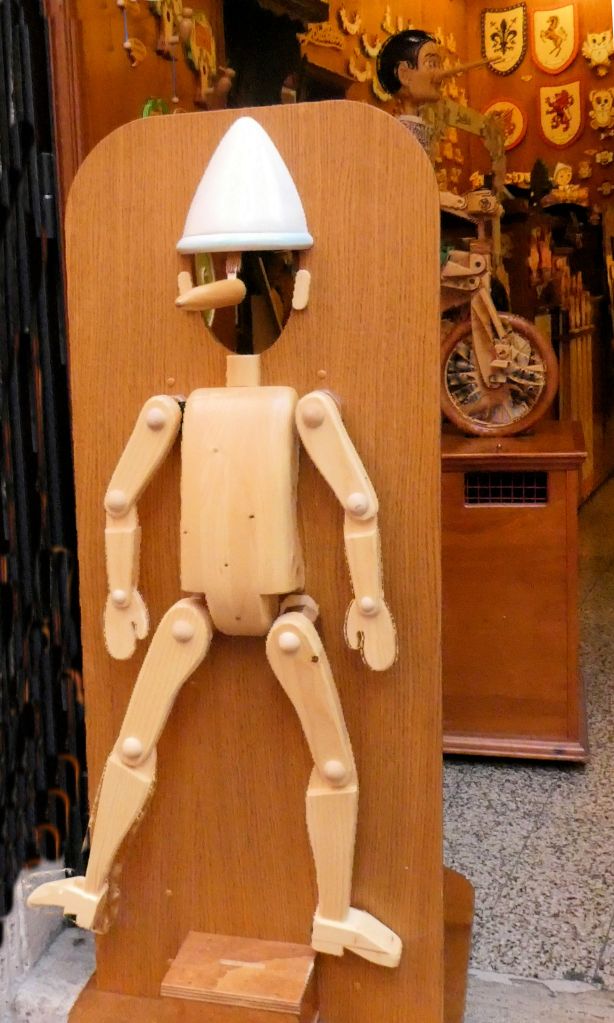
The streets around the area are lined with trattorias, gelaterias and restaurants, most serving food and drink at reasonable prices, despite its touristic position. Many shops sell wooden toys of the sort we don’t see nowadays, including Pinocchios from miniature to life-size. Nearby Via di San Vincenzo and Via della Dataria will lead you to the Quirinal Palace, as well as the Piazza del Quirinale with its obelisk and fountain of Castor and Pollux.
Most of Rome’s famous sights are within walking distance of the centre but there is a hop-on hop-off bus that leaves from the left-hand side of Vittorio Emmanuel ll every 20 mintues or so and this is an excellent way of getting to know where things are. Vittorio Emmanuel ll and The Colosseum are quite near each other, so can be visited at the same time and the Spanish Steps and the Trevi Fountain can be reached in about an hour from there, taking it at a leisurely pace.











 MARI'S TRAVELS WITH HER CAMERA