Category: Uncategorized

  • Dante Alighieri:  1321-2021

    Dante Alighieri: 1321-2021

    This year Italy celebrates the 700th anniversary of Dante Alighieri’s death, a genius born in Florence but whose remains now lie in Ravenna. The poet found Ravenna to be the ideal place to complete The Divine Comedy and as the home of his burial, the city has been preserving Dante’s memory for seven centuries since his death in 1321. How his bones came to be in that city of glorious mosaics is quite a story.

    Dante Alighieri: Photo by Rhodan59 via Pixabay

    Although his name will be forever associated with Florence, the city of his birth, when he died in 1321 he had been an exile living outside that city for some 20 years. He had been exiled for life by the Florentines themselves after being on the losing side in a local fight for control of the city. Despite offers to return home, Dante defiantly refused to do so, regarding the terms as unjust.

    Ravenna has the world’s most important Byzantine mosaics, a glittering jewel-box of 5th and 6th century art, described by Dante as being “of the sweet color of Oriental sapphires.”

    Tomb of Dante Aligheri in Ravenna

    He had been invited by Ravenna’s ruler to settle there and he had been a resident of the city for 3 years when he died, aged 56, already a major figure in the world of letters. He was buried outside the cloisters of the church of San Pier Maggiore (now the Basilica di San Francesco) in a Roman marble sarcophagus where it remained for the next 160 years as his reputation in Europe continued to grow. 

    The Cloisters

    It is said that it was the lectures in praise of Dante given by fellow poet Boccaccio (who followed Dante’s precedent and wrote in the vernacular instead of Latin) which caused the Florentines to re-think their loss, and seventy-five years after Dante’s death Florence made the first of many requests for the return of his body. Ravenna said no!   In 1430 Florence tried again, and again in 1476, but got the same firm “No” as an answer.  Meantime, the sarcophagus was moved to the other side of the cloister and a sculptor was commissioned to make a marble bas-relief of the poet at work.

    View to the Cloisters from the tomb

    Florence, now a very powerful city, took umbrage. It was 1513 and Giovanni di Lorenzo de’ Medici had just became Pope Leo X giving the Medici family the ultimate authority in the Christian world. Using the most powerful weapon in his authority, he issued a Papal Decree and demanded the return of Dante’s remains. Ravenna ignored the Decree. 

    After this last attempt by Florence, Ravenna then moved the remains inside the cloisters for safe-keeping where they were guarded by the monks for another 150 years. We know from a note left by a friar named Antonio Santi that on October 18th, 1677, he put the remains into a wooden casket and it was recorded in 1692 that workers carrying out repairs on the sarcophagus were supervised by armed guards to make sure nothing was stolen.

    The tomb with bas relief

    Dante’s reputation continued to grow over the ensuing centuries and in the late 18th century Ravenna decided to give Dante a more imposing tomb, to which end they commissioned a local architect to erect a small neoclassical mausoleum. This was lined with marble and topped with a dome to house the original sarcophagus and 15th-century bas-relief: it was completed in 1781.

    In 1805, a new threat appeared from France in the shape of Napoleon who had declared himself “Emperor of the French and King of Italy”. Ravenna fell under Napoleon’s rule and as his armies looted their way through religious orders up and down the region, the friars were forced to abandon their monastery. But first they made sure that the poet’s remains didn’t become war spoils. After less than 30 years in his new mausoleum Dante’s remains were gathered up and put back in the wooden chest in which they’d spent most of the 18th century and in 1810 they were hidden in a wall of the chapel. Then the friars fled, forgetting to tell anyone what they’d done or where to find the bones, so that right up to the middle of the 19th century, pilgrims continued to visit Ravenna to pay homage to the poet, not realizing that the mausoleum was empty. 

    There are many Via Dante Alighieri’s in Italy and he spent many years of his exile in Verona where he was a guest of the tyrannical del Scaligeri family. Many other countries also welcomed the poet, because, like Shakespeare, his work is universal. This street sign however, is in Ravenna, the city in which he choose to live for most of his exile.

    The remains, hidden inside the wall, might have remained there had they not been discovered by a worker at the basilica in 1865.  Of equal, if not more, importance, was the fact that someone spotted the note first put in the casket with the bones and labelled “Dantis ossa” (“Dante’s bones”). On examining the bones, doctors pronounced them to be the almost intact skeleton of an older man between 165-170 centimetres tall, and so they were accepted as the remains of one of the greatest writers of all time.

    At last the bones, now in a heavy wooden casket lined with lead, could be placed in the mausoleum in Ravenna, the city that had opened its doors to the exile and where the poet wanted to be laid to rest.

    Portrait of Dante. Credit: Photo by Gordon Johnson via Pixabay

    But rest for Dante was still not possible because World War II was now raging over Europe. In 1944 Northern Italy was occupied by the Germans, and the Allies were bombing day and night.  Once more the poet’s bones had to be moved: this time they were buried in the garden of the basilica, where they remained until hostilities ceased. Finally, on December 19th, 1945, Dante was taken back to his Ravenna mausoleum.

    Florence has given up seeking the return of its famous son and in a gesture of friendship, the city sends local Tuscan olive oil each year to burn in the lamp that lights Dante’s mausoleum. 

  • Lens Artists Challenge No. 177 – Celebrations

    Lens Artists Challenge No. 177 – Celebrations

    There’s always plenty to celebrate in the world and here I offer three different celebrations. The first one is the annual Old Gaffers Festival on the Isle of Wight, Old Gaffers being boats which since the time of King Charles I, have favoured the gaff rig, where the mainsail has a spar at the top (the gaff, hence gaffer), and at the bottom, (the boom).

    The annual Old Gaffers Festival takes place in the historic Isle of Wight seaside town of Yarmouth and includes entertainment, parades, bands, sideshows, eating and drinking tents and everything needed for a celebratory weekend. Not forgetting the Old Gaffers themselves which are ranged out on the waters of the Solent, bedecked with bunting and flags.

    Next up are two Japanese weddings which were taking place at Miyajima Island when we were there a few years ago. The bride and groom looked so elegant in their traditional dress as did most of the guests, the setting was perfect and everyone looked happy to be celebrating the wedding of the young couples.

    And lastly we come to the Flower Festival in Limassol, Cyprus, which was a glorious village affair where things went wrong, the children ran off to greet grandparents in the stands, the band played as village bands do and everyone, including the onlookers, had a wonderful time. One of the best flower festivals I’ve ever attended, it was done for the people of the village, few tourists were around (it was out of season and the few that were there had mostly gone off sight-seeing), and everyone, from the Mayor down to the littlest tot, had a thoroughly good day.

  • Lens Artists Challenge No. 176

    Ann-Christine this week suggests that we go for a minimalist challenge but, as she says, that doesn’t mean just one picture. Use 1, 2 or 3, as long as you use only one image for each story you have captured.

    What is a photo story? Some photos are taken just for their story, and some stories come to mind when you see your photo on the screen. A lot of photographic storytelling involves shots of scenes and phenomena that cannot easily be explained through words.

    Here are three of mine.

    My first images are of a young man I met a few years ago in the violin-making centre of Italy, Cremona. The afternoon I spent with this young luthier in his workroom watching him undertake the delicate tasks of cutting and filing, staining and painting taught me more about dedication, passion and love of a craft than I’d ever hoped to learn. And while he talked to me about how he sourced the wood and what it meant to go into the forest to find just the right tree, I was conscious of the mass-produced violins that were flooding the country from China and how his future is no longer as assured as it was a few years ago. Below is a postcard of the Conio family, grandfather, father and Stefano, all luthiers. Their life inspires me when the world seems full of dross.

    The Conio family of violin makers in Cremona.

    If you’d like to know more about Stefano, read my blog about him which covers in more detail exactly what he does.

    My second subject is somewhat similar in that he too, is totally hands-on. A bodhrán is an Irish frame drum, a circular wooden frame covered with goatskin on one side, the other side open-ended allowing one hand to be placed against the inside of the drum head to control pitch and timbre. It is played by striking the skin with a bone known as a cipín.

    Eamon Maguire makes his bodhráns from start to finish totally by hand. So hands-on is Belfast dwelling Eamon (above) that he first catches his wild goat, one of those that roams the hills of Antrim (he has a special licence to do this), kills it and then cures the skin to make the drum. Then and then only, he can begin the delicate work of making the bodhrán, before fine-tuning and embellishing it with his signature mark, a tuft of goat-hair and a quotation from the Book of Kells.
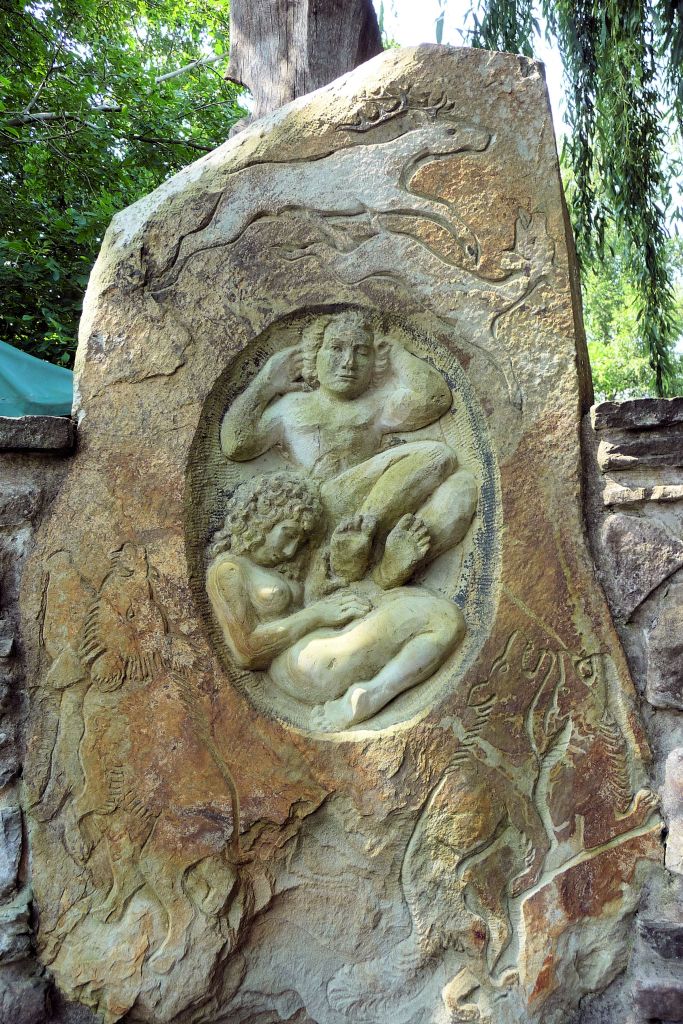
    Eamon makes the finest bodhrans in Ireland and he supplies these to most of the Irish bands we are familiar with today including The Chieftains and The Fureys, to musicians like Bob Dylan, and to celebrities and Presidents of the USA. His work can also be seen in private homes and galleries from San Franscisco to Tokyo. He is also a fine sculptor in Irish bog oak which, yes, he digs up himself from the bogs and he plays in a band and teaches Irish set dancing!

    Although like the two men above, she may have been hands-on from beginning to the end of this effort, she lives a somewhat different life. It is just after dawn on a beach in Thailand and this old lady is setting up to sell hard-boiled eggs to the early workers, locals, who will shortly pass by. Not for her the more lucrative tourist trade which the umbrellas in the background will soon welcome for beers and snacks, those sites are too expensive, so she buys eggs in the market, carries them home and boils them (probably outside on an open fire as few women like her have kitchens) and then hauls them down to the beach in the hope of selling them.

    Before the tourists flock down to the water’s edge she will have packed up and gone, and they’ll never know someone like her existed. This is subsistence.

  • Lens-Artists’Challenge

    Lens-Artists Challenge #176- One Image/One Story


    I love a mystery, don’t you? Why was this young couple undergoing such an intense cleansing? Had they done something terribly wrong? Was it a type of Merit-making? On the other hand, maybe they were being cleansed before undertaking a journey, a project, or even a marriage? This was the third bowl of ‘crystal water’ I’d seen poured over them and it seemed as though there was more to come. I wish we’d been able to wait to ask some questions but time didn’t allow for this.


    No, no, no. Find a policeman if you want directions. These children in Caracas may seem to know exactly where the Change Bureau is but they will probably send you to the nearest Emerald seller as every other person there seems to have a contact in the business, working from a street corner or a shop doorway. Emeralds and Cambio, the two things tourists are looking for in Bolivar Plaza (don’t mention cocaine).

    It was the year 2000, and we did ask a policeman in the crowded square where we could exchange some money. He recommended his ‘cousin’ in a nearby bank as the best person with whom to do a deal, and he took us there and waited for his ‘cut’ from the bank clerk, at the end of the transaction. Cultural expectations overturned at every corner in a fascinating city.

  • ‘Tis the Last Rose of Summer

    Definitely, what’s left are only stragglers. This one is making a brave effort to stay aloft and to still give off a marvellous perfume.

    ‘Tis the Last Rose of Summer
  • Caerleon – The Sculptures

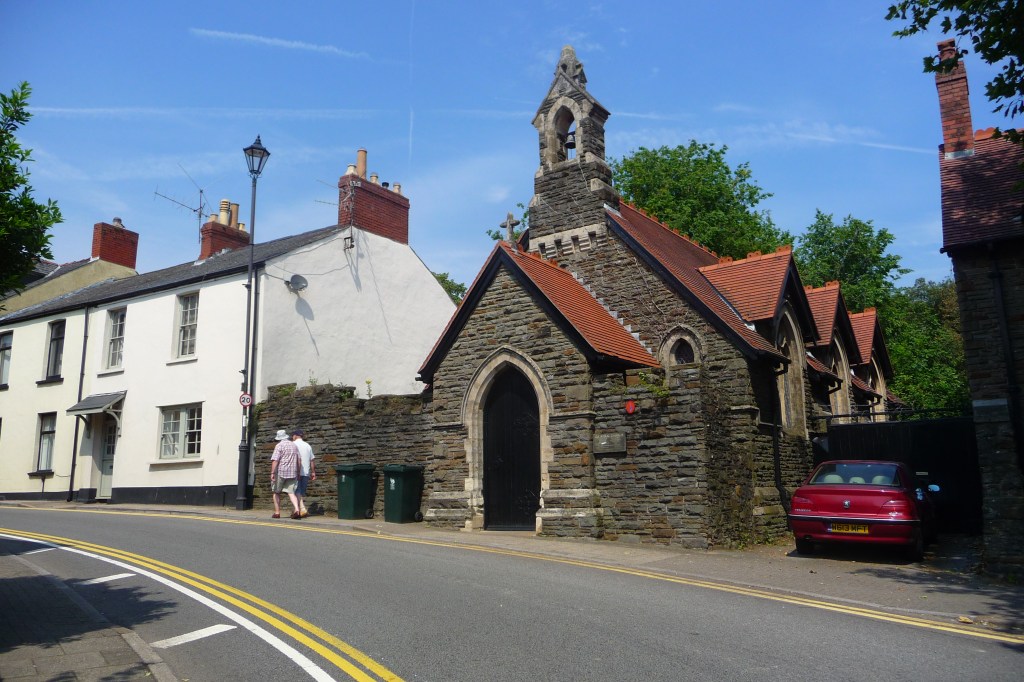
    Caerleon town, just five miles from Newport in Wales, is a pleasant, charming little town of mostly Georgian houses, narrow streets with good shops and some excellent restaurants. A historic town, famous for its Roman amphitheatre and the Roman Museum, it is easy to spend a good couple of days here just enjoying the fascinating history of the place. See my post Camelot in Wales.

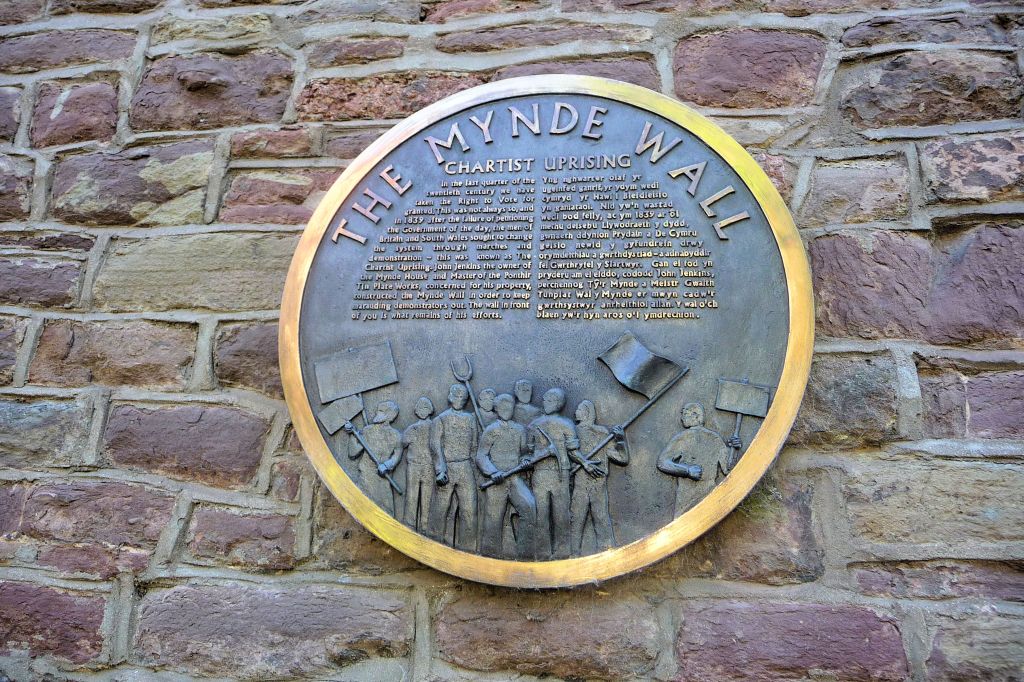
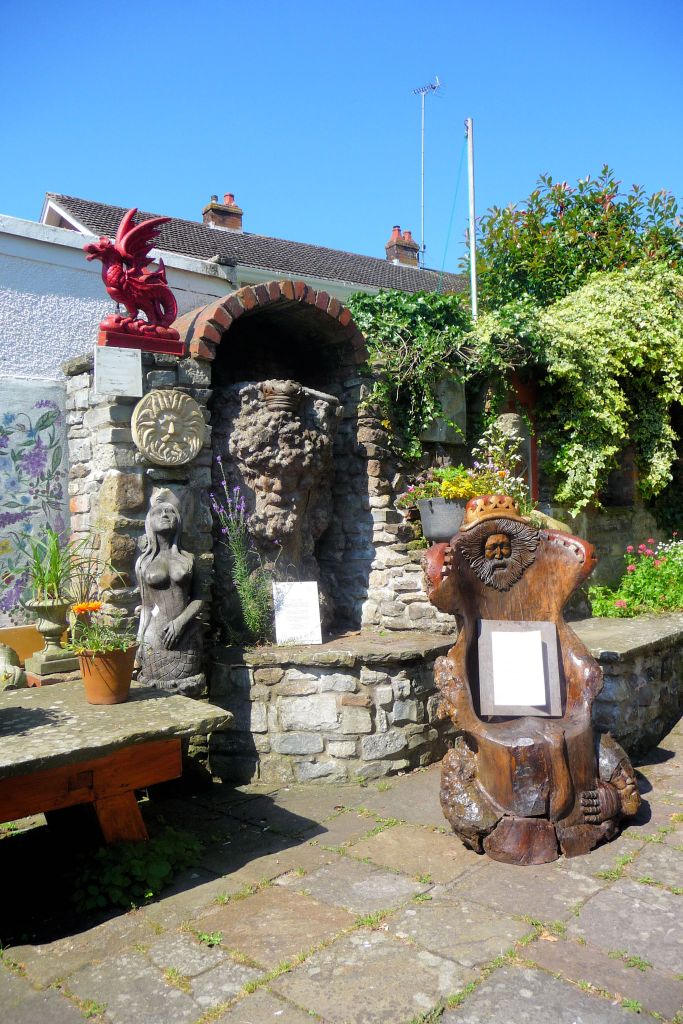
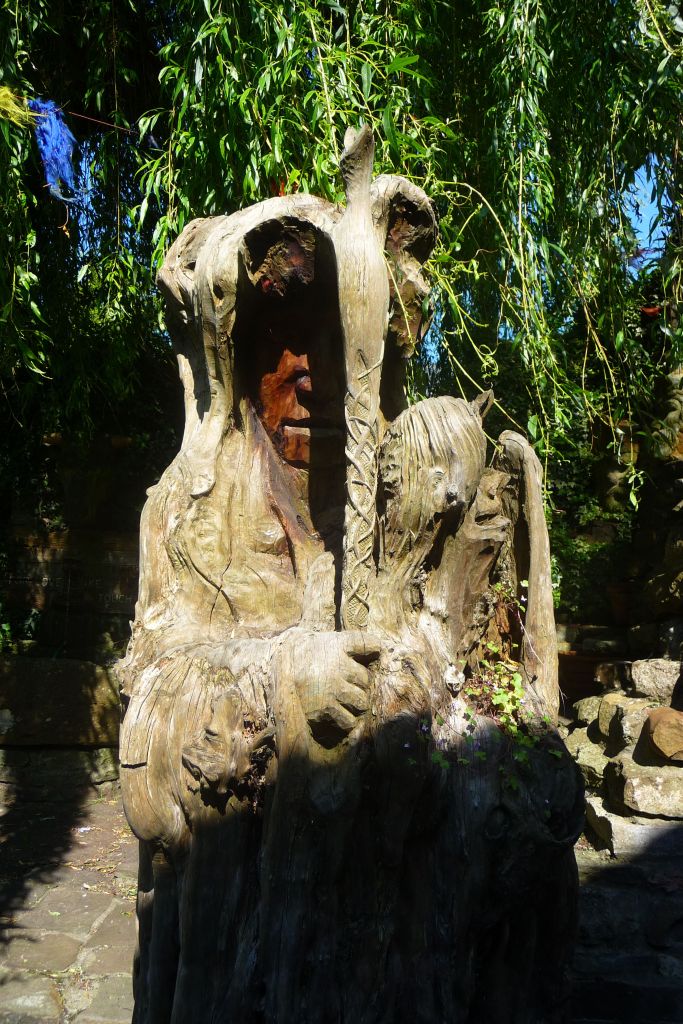
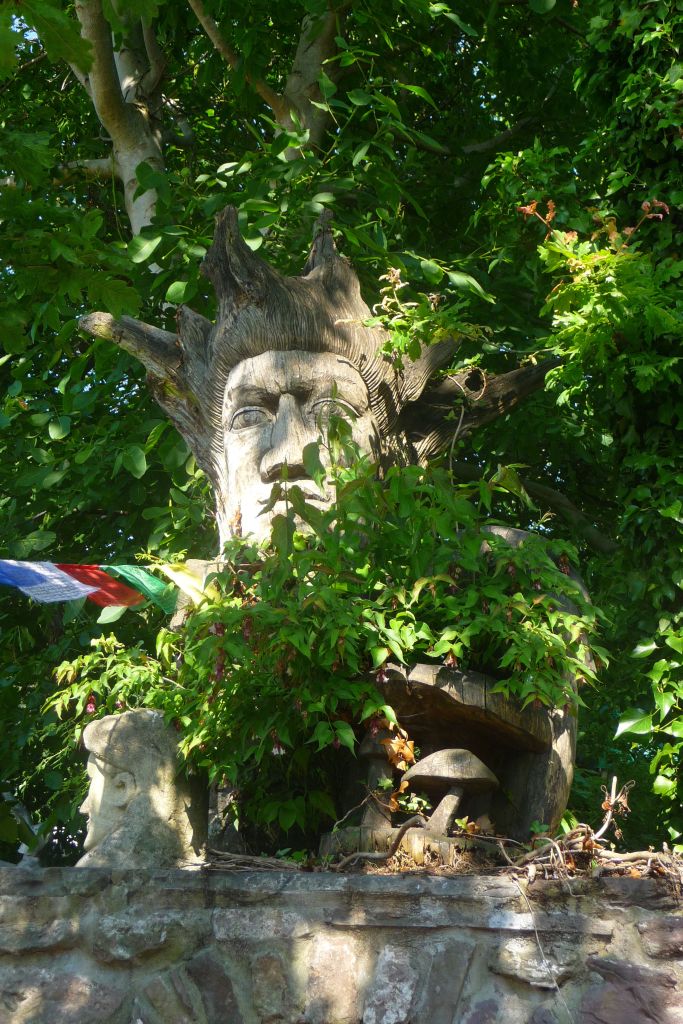
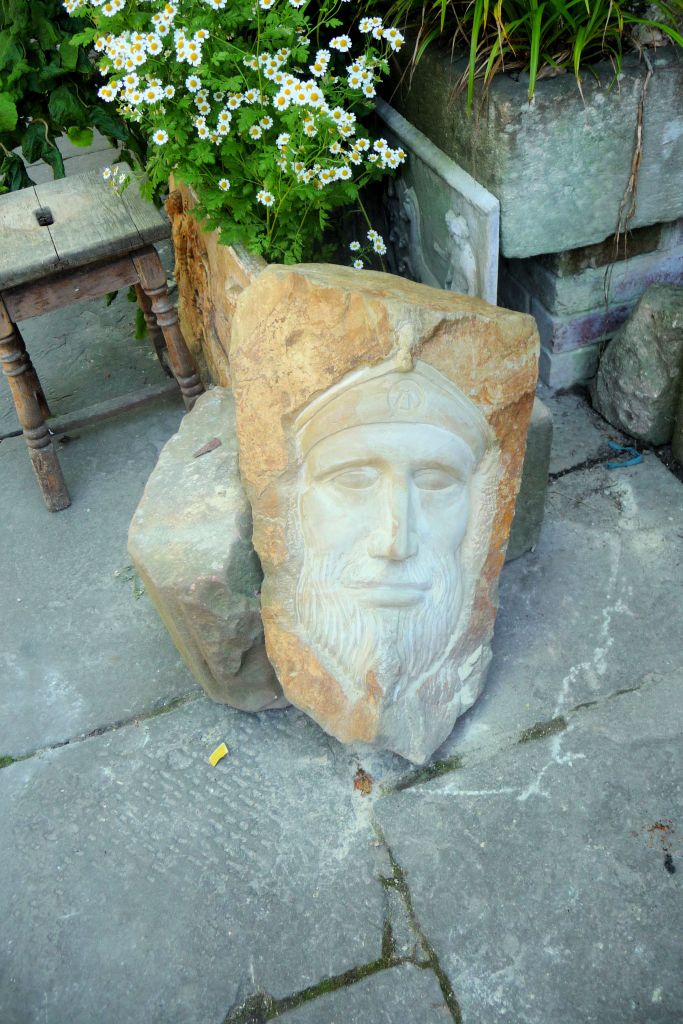
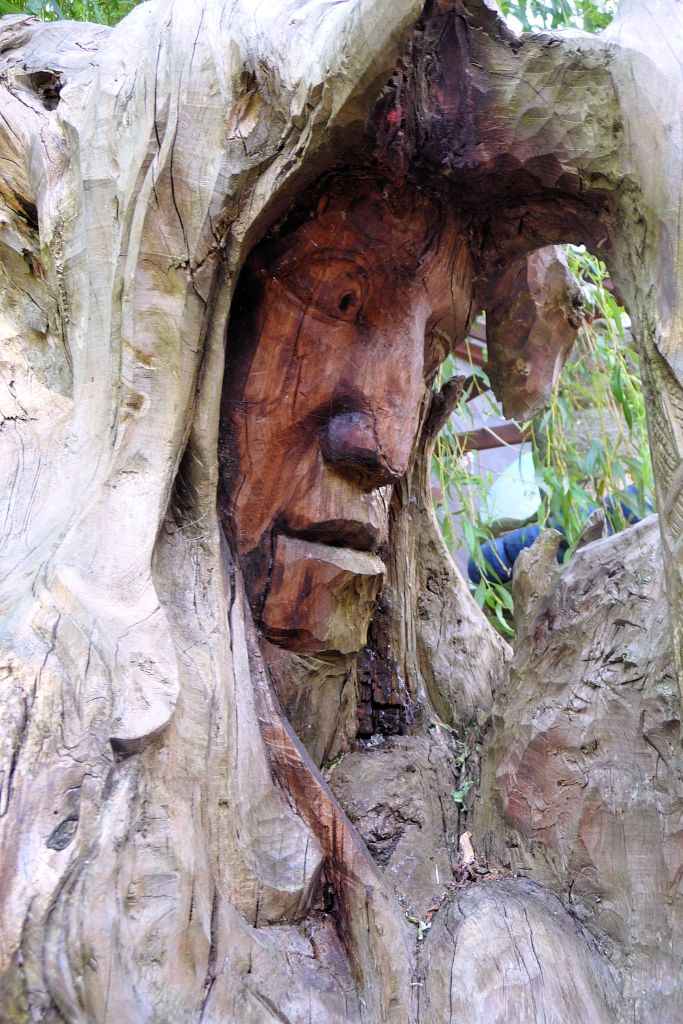
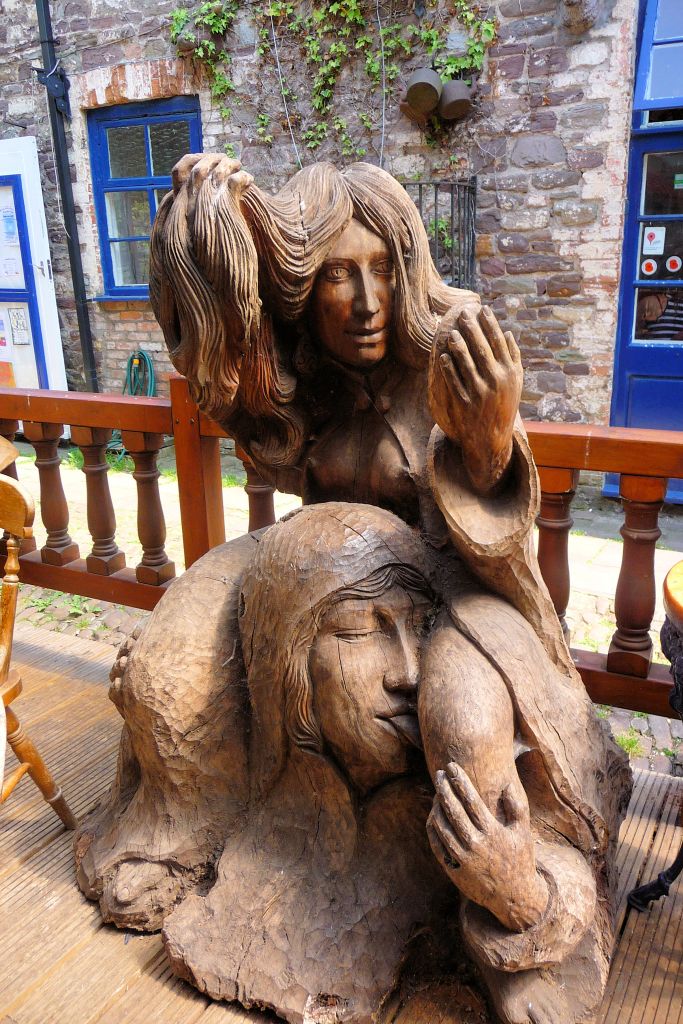
    But Caerleon has more to offer than ancient history.  Just off the High Street you can walk through a reconstructed arch of the main Roman gates, across cobblestones and into an eighteenth century walled garden peopled with sculptures of King Arthur, Merlin, Mordred and Morgana, and, at 44 feet long – the world’s largest love spoon.  Alongside these carvings of mythical figures are carvings of characters from classic Welsh folktales from The Mabinogion, a collection of sculptures that has no equal anywhere in Wales.

    Caerleon has FFWRWM

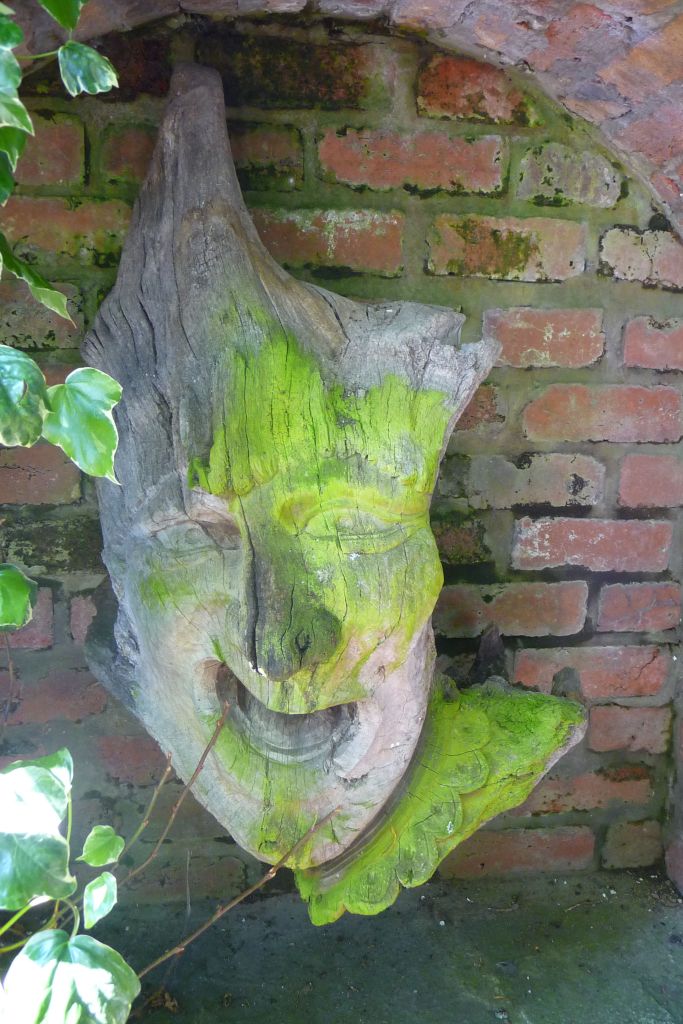
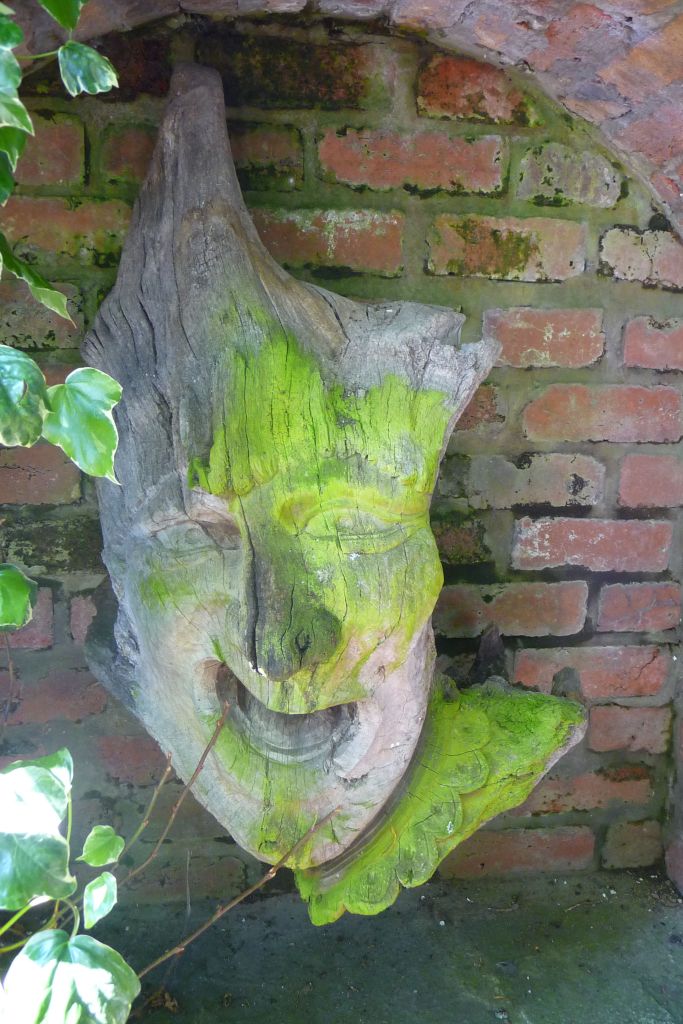
    Lifesize Head

    So here, in the heart of Caerleon town, is Ffwrwm Arts where people can meet, sit and talk, shop, view an exhibition, have holistic treatments, enjoy fine arts, eat or even join a workshop.  And all around you are wonderful carved works of the imagination. If you’ve ever wondered about the Welsh myths, this is the place to find out exactly what they mean.

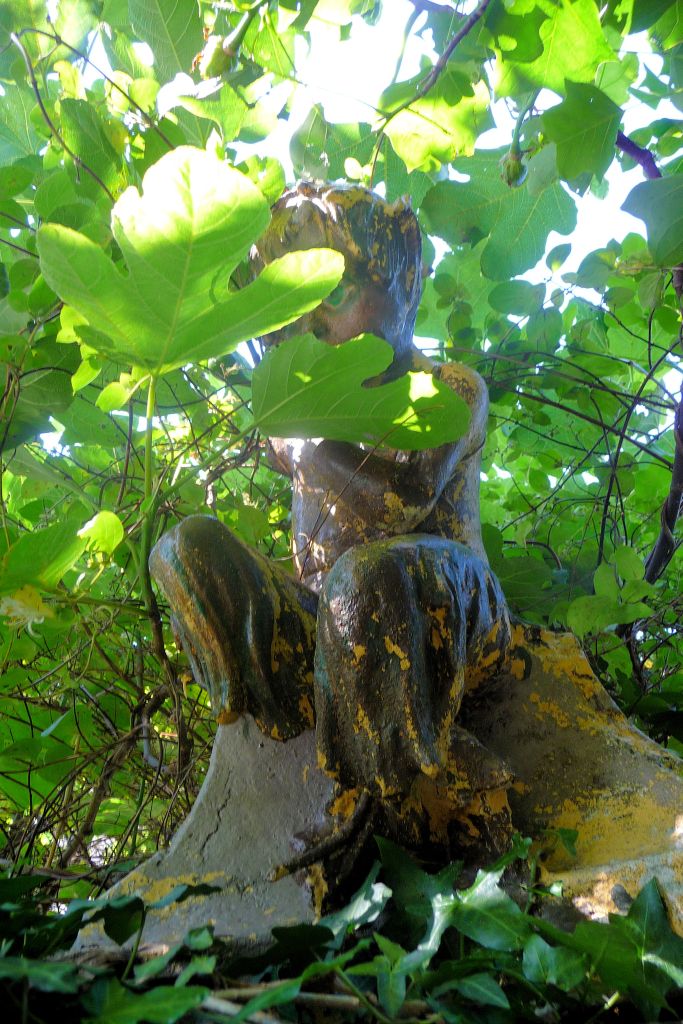
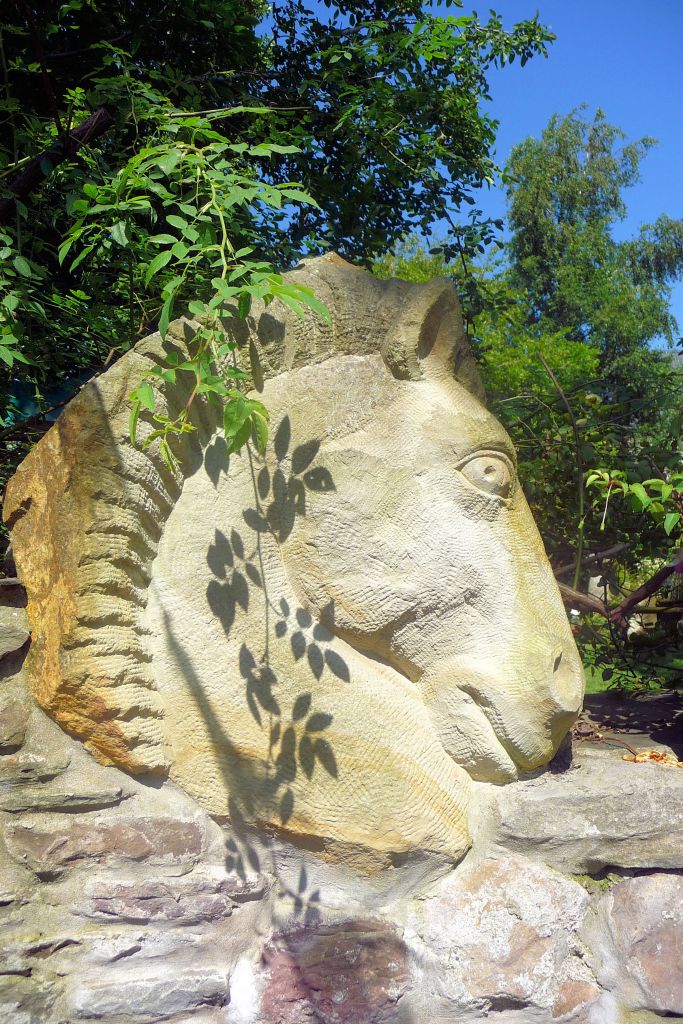
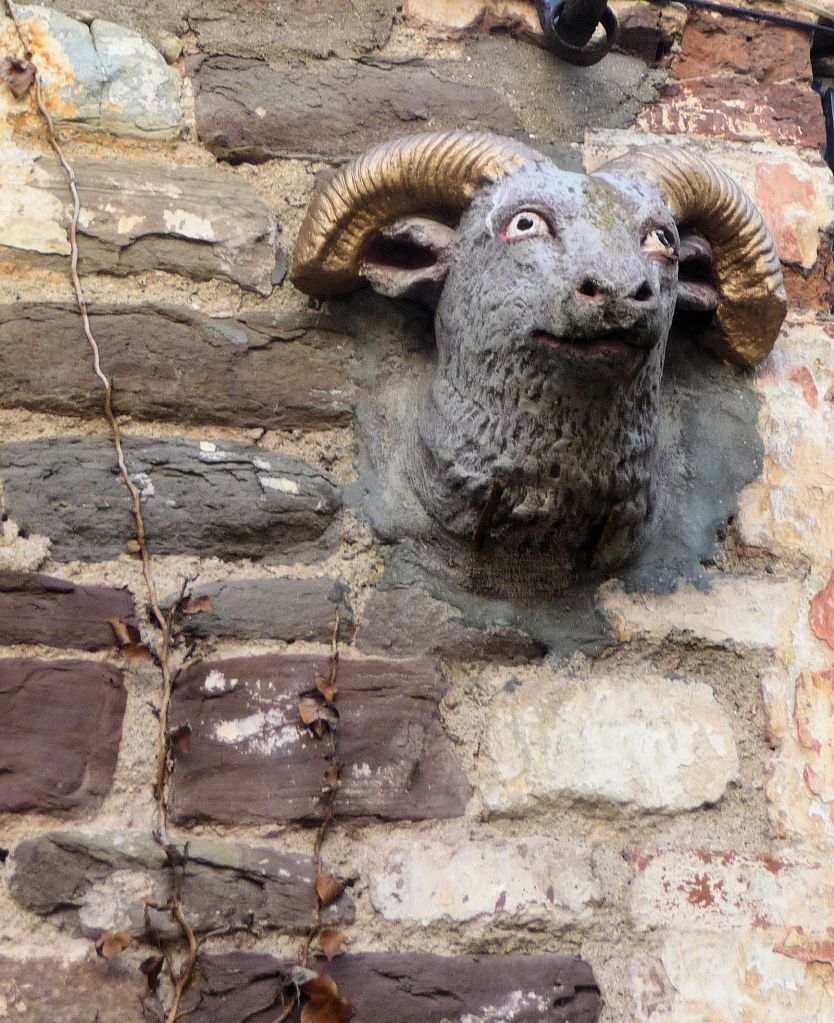
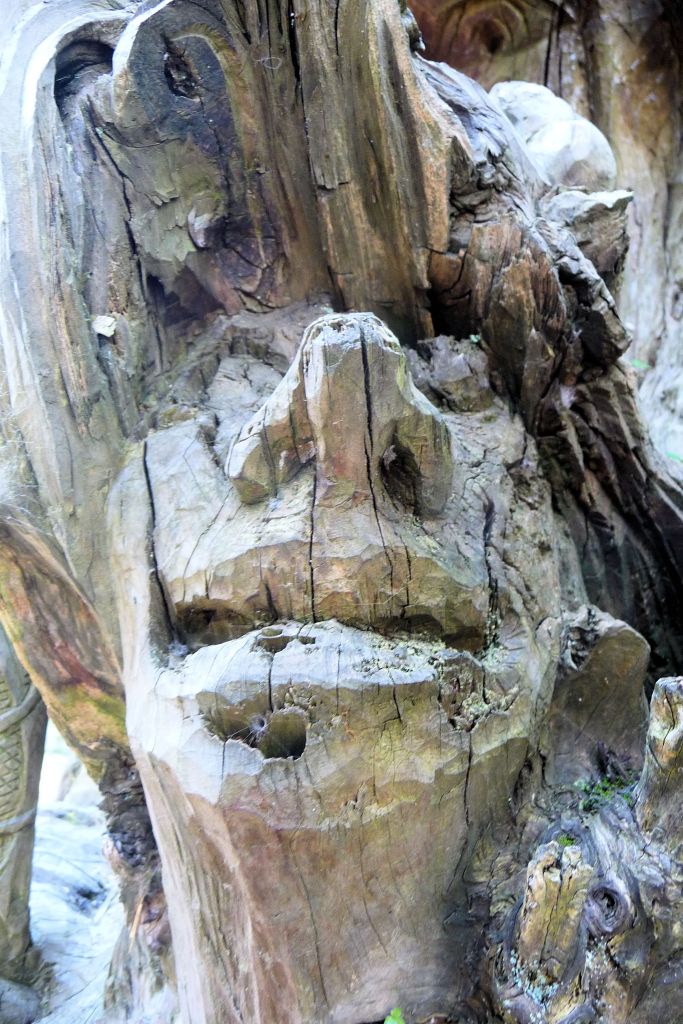
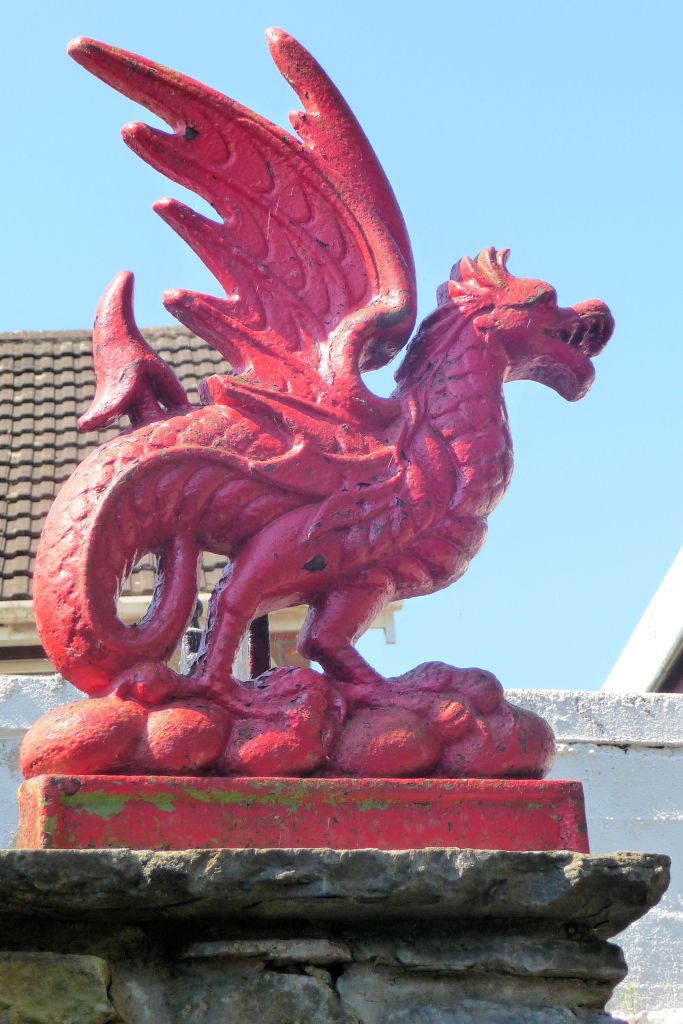
    The range is eclectic, the themes bookish and mythical.

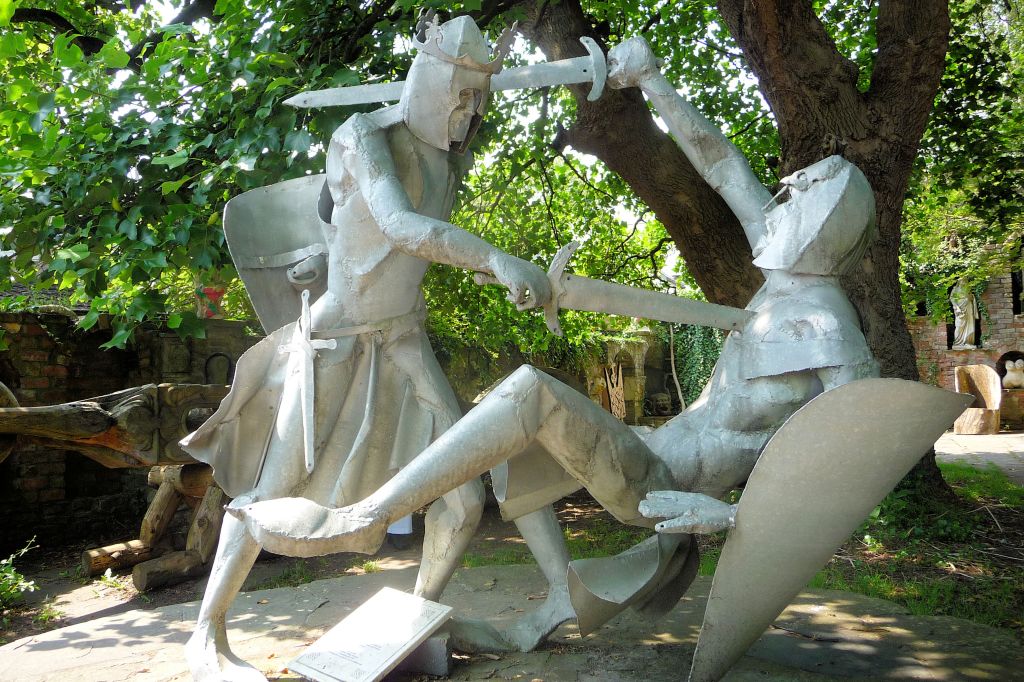
    We’ll finish with some Roman Legionairres fighting, because Caerleon was one of the most important military sites in Britain under the Roman Empire, home to the 2nd Augustan Legion of 6,000 soldiers.
  • Spirit Houses of Thailand

    Spirit Houses of Thailand

    Featured Image by Chainwit

    (I thought I had done a Post about this subject but I can’t find it although I had the word part in my folder, so here it is, and I hope it’s not the second time).

    It’s rush hour in Bangkok and the noise from the klaxons of the grid-locked traffic is deafening.   Under the impassive gaze of the police, vendors erect their stalls for the illegal evening street market, laying out the fake Rolexes, the Versace tee shirts and the Calvin Klein jeans.   On the narrow pavements all is hustle and bustle as tourists browse and stall-holders finger their calculators in readiness for the haggling.

    There are pockets of quiet though.  On islands in the middle of the road, on forecourts of the hotels, banks and shops that line the streets, people are quietly praying, their heads bowed and hands joined before what appear to be pagoda-roofed miniature dolls’ houses perched on top of posts.   But these are not dolls’ houses, these are spirit houses, shrines to the spirits of the land on which they are built, and the people really are praying in the midst of the mayhem that is often found in cities and towns in Thailand.

    Worshipers at the Erawan Shrine in Bangkok (Copyright; Ninary from Helsinki. https://creativecommons.org/licences/by-2/0)

                One of that country’s most endearing symbols, these shrines fascinate and baffle the first-time visitor to the Kingdom who has read that 98% of Thais are Buddhists.  The gentle tolerance that typifies the Thais however, allows for compatibility of many beliefs, and a belief in the spirits finds easy acceptance among virtually all Thais.    

                Every dwelling, whether private or public, has its spirit house, situated where the shadow of the main house doesn’t fall upon it.  The spot will have been chosen in consultation with an astrologer and in design it will resemble a miniature temple, sometimes painted red and gold, sometimes in plain wood and sometimes plain, dazzling white – public buildings seem to favour white alabaster or marble – and it will be high above the ground to show respect to the spirits who reside in it, but low enough for offerings to be made to them.

                When the shrine is first erected, a house-warming party is held for the spirits, who are invited to move in, the host spending as much money on the party as he can afford in order to do honour to the spirits.  If any misfortune should subsequently befall the house – a robbery, a fire, or a spouse running away, it would be a sure sign that the owner had skimped on the house-warming!   

                Servants will be represented by tiny terracotta or wooden figures placed inside the shrine as well as carved wooden elephants to transport the spirits should they wish to go visiting.   Family spirits are usually housed indoors, but spirits of the land and the highly respected spirits of rice, water, trees and wind always live outside, working within an inviolable division of labour.

    Most spirits are benevolent, but some are mischievous and some can be downright dangerous: they are always unpredictable.  Some are restless and troublesome – the spirits of those who have died violently (the Phi Tai Hong) or those who have died in childbirth and who spend their time searching for another body to inhabit (the Phi Tai Tong Klom), and there are some so dangerous that they must be bribed to stay out of the house.  Fortunately, they respond to bribery.

                This can take the form of offering extra special food, walking a number of times round the shrine, or in some cases, if the owners of the property on which the shrine stands fears a personal attack from the spirits, they may wear their clothes inside out for a week or two and change their name in order to confuse them. 

                Offerings are chosen to suit individual spirits.  In the South of Thailand where Islam moved steadily down the coast from Malaysia, the spirits that inhabit the land may be Muslim and the dietary rules that forbid the offering of pork and alcohol must be strictly adhered to.  Others are known to be partial to the odd glass of beer or whiskey and there is a famous roadside shrine just outside the village of Cha’am in Petchaburi province where, it is rumoured, a daily offering of marijuana is left for the spirits.

                At festivals it is usual to offer elaborate meals consisting of whole chickens, coconuts, honeycombs and other delicacies, as a thank you for past favours received, or to secure a favour, a win on the lottery, a new job, recovery from illness, a new wife or husband or even a partner for the night. There is no limit to the kind of request that can be made.  Bribes are frequently offered and being a pragmatic race the Thais, as often as not, withhold part of the bribe until the request is fulfilled.

                The offerings are placed on the small ledge in front of the shrine, like a mini altar.  The food may be eaten by the birds or it may blow away, but if say, a chicken or duck were offered, then this is sometimes removed and given to needy people in the area.  The merit lies in the giving.

                Some shrines are credited with miraculous powers, like the famous Erawan complex of spirit houses next to the hotel of the same name in the heart of downtown Bangkok (see header picture).   Stalls selling candles, joss-sticks, carved elephants and lotus flowers ring the central shrine, and a professional group of dancers and musicians in the sparkling costumes of old Siam can be hired to sing and dance for the spirits.

             There are no hard and fast rules, but when making offerings there are three essentials – water, rice, and joss sticks – and there are a couple of basic things to remember.  Do not offer food left over from a meal, or a piece of chocolate hastily broken off as a token.  Everything must be specifically for the spirits: don’t even smell the flowers if you’ve bought them as offerings.

    This shrine with the elaborate roof and carved frontage was one I saw in Chiang Rai.

                The Thais are not possessive of their spirits.  Before travelling onwards, you will often find yourself invited to join them in making offerings for your safe journey.  Whichever method of travel you choose, at the point of departure you will find spirit houses and at Bangkok’s International Airport, where the noses of all planes in Thai Airways fleet have been blessed by the Supreme Patriarch, you can calm yourself before take-off by visiting the spirit house by the runway.

                Just follow the Thai pilots, they never fly without first visiting a spirit house. 

    These two very plain looking spirit houses are in the grounds of the Old Royal Palace at Hua Hin.

    Header Image of People Praying at the Erawan Shrine in Bangkok is copyright of Chingwit https/creativecommons.org/licences/by-sa/4.0

  • Life in Colour: Orange

    Life in Colour: Orange

    Linked to Life in Colour at Jude’s here

    A few more oranges before the month is out.

    This first one is a hard-hat day. On holiday with Thai friends in Hua Hin, Thailand, I was shown around the site for the new Conference Hall at the Hotel Dusit Thani and then stayed on for the ceremony to appease the land spirits who had been disturbed by the building work.

    Inspecting the site for the new Conference Hall at Hotel Dusit Thani, Hua Hin with GM Khun Victor Sukseree

    In contrast we have here some lovely Koi at feeding time as one can guess from the fact that they are all swimming in the same direction, towards the food.

    A Koi Pond at Feeding Time

  • Life in Colour – Orange

    Life in Colour – Orange

    Linked to Life in Colour at Jude’s here

    Just a couple more orange pictures. My dwarf climbing rose is just about to give up the ghost for this year but I managed to take this picture a couple of weeks ago when the Indian Summer we are having persuaded it to give out a few more blooms. They all came together which is unusual at this time of year.

    Dwarf Climbing Rose

    There have been lots of terracotta pictures from people which reminded me of the market in Valencia where I always buy some cooking dishes, easily broken by someone as clumsy as me, but I love just having them on the worktops as they remind me of sunshine.

    Pottery for sale – Valencia Market, Spain

    Linked to Life in Colour at Jude’s here

  • CESENATICO AND THE LEONARDO DA VINCI CANAL

    CESENATICO AND THE LEONARDO DA VINCI CANAL

    Some comments on a recent photograph makes me think that a re-posting of this blogpost might be useful.

    maristravels's avatarMARI'S TRAVELS WITH HER CAMERA

    Leonardo da Vinci Canal

    For years now I’ve been totally in love with the region of Emilio-Romagna in Italy, mostly, I admit, because of its food, but my first flirtation with the area came when I visited Cesenatico. It was here that I discovered that the canal that runs through the centre of the town, was designed by Leonardo da Vinci and I was immediately charmed. That the genius who produced so much art could also put his mind to something so mundane, seemed so wonderful. Is there nothing he didn’t design? How had it escaped me?

    Canal and Port

    Cesenatico has been a popular seaside resort for Italian visitors since the early 20th century, but it wasn’t until the end of the Second World War when people began to seek pleasure in sandy beaches and sun that its tourist trade really took off : Cesenatico’s beaches stretch for over…

    View original post 515 more words