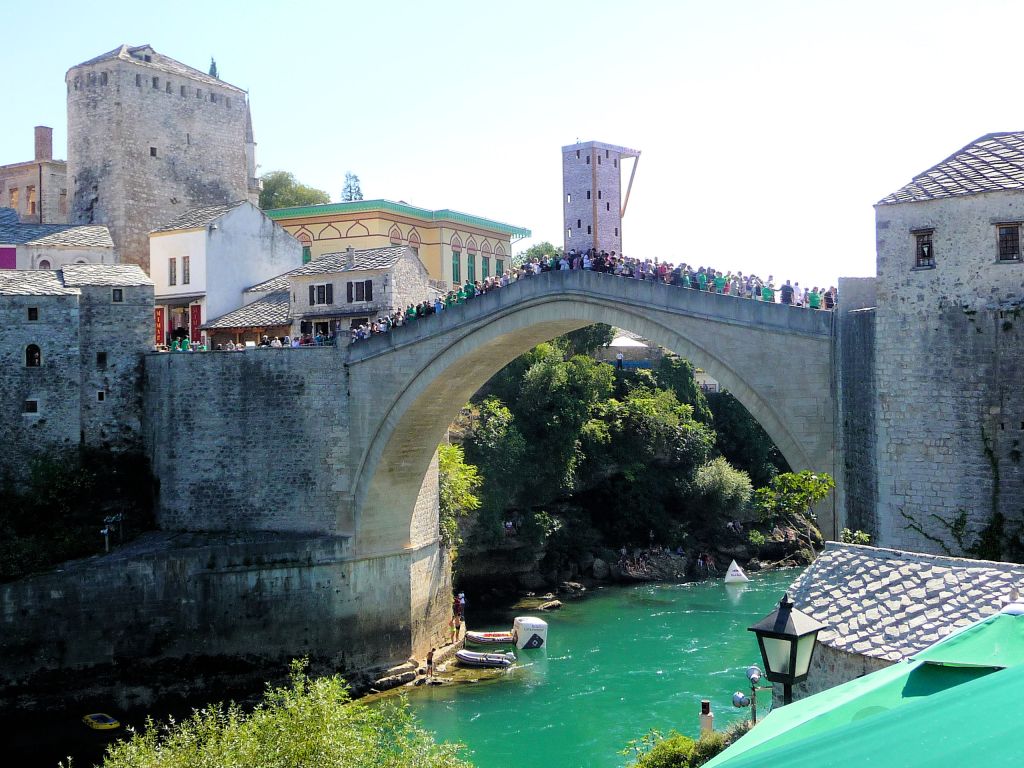
The first bridge is over the Neretva River in Mostar (Bosnia & Herzegovina) and the crowds on the top of the bridge are there to watch the Red Bull diving championships. The divers leap from the top of the tower on the bridge into the water below where there are safety precautions in place in case of accidents.
Mostar, Bosnia & Herzegovina
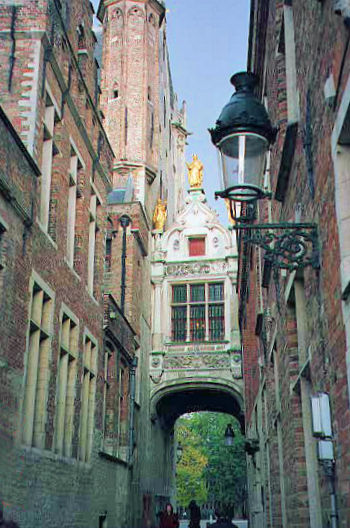
Next bridge is, maybe cheating? It’s a bridge between two houses in Bruges, Belgium.
Bruges
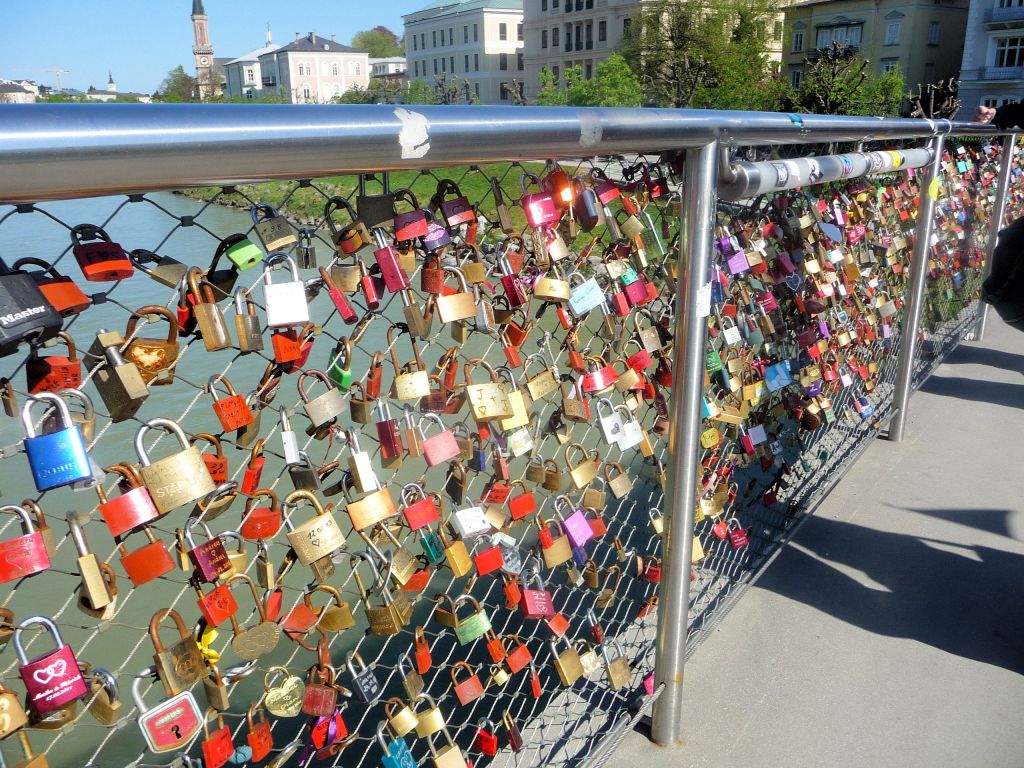
Next comes a bridge with love-locks, a custom which is now out of control in various countries with iron bridges as the weight of the locks is warping the ironwork and making them dangerous. This one crosses the Salzach river in Salzburg, Austria.
Salzburg
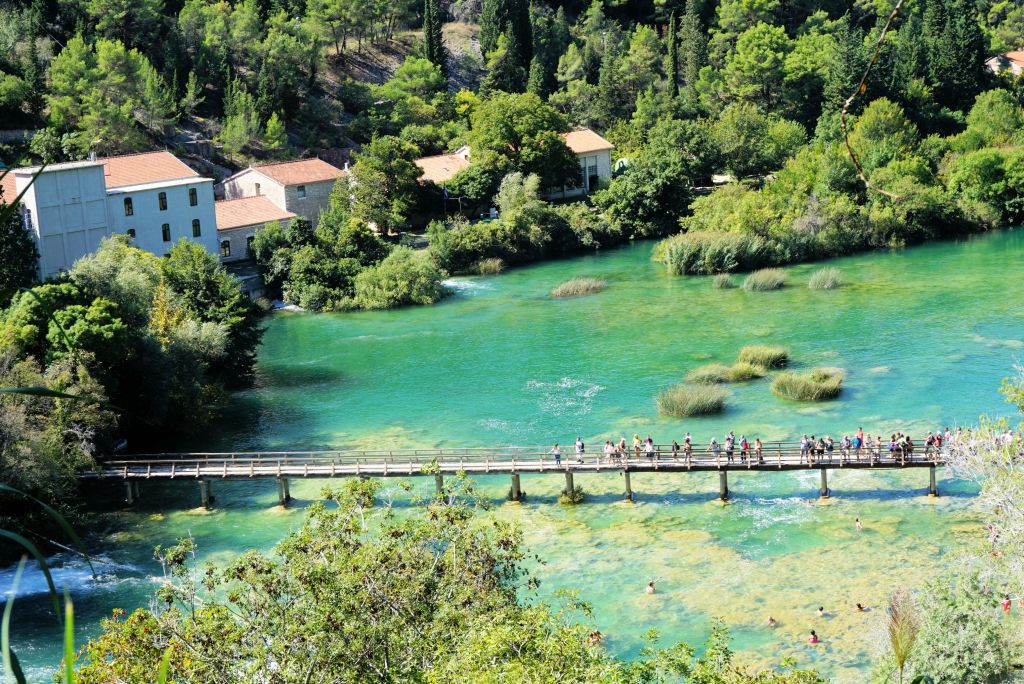
This one in Croatia in the Kikr National Park, one of the loveliest areas of that lovely country.
Kikr National Park, Croatia
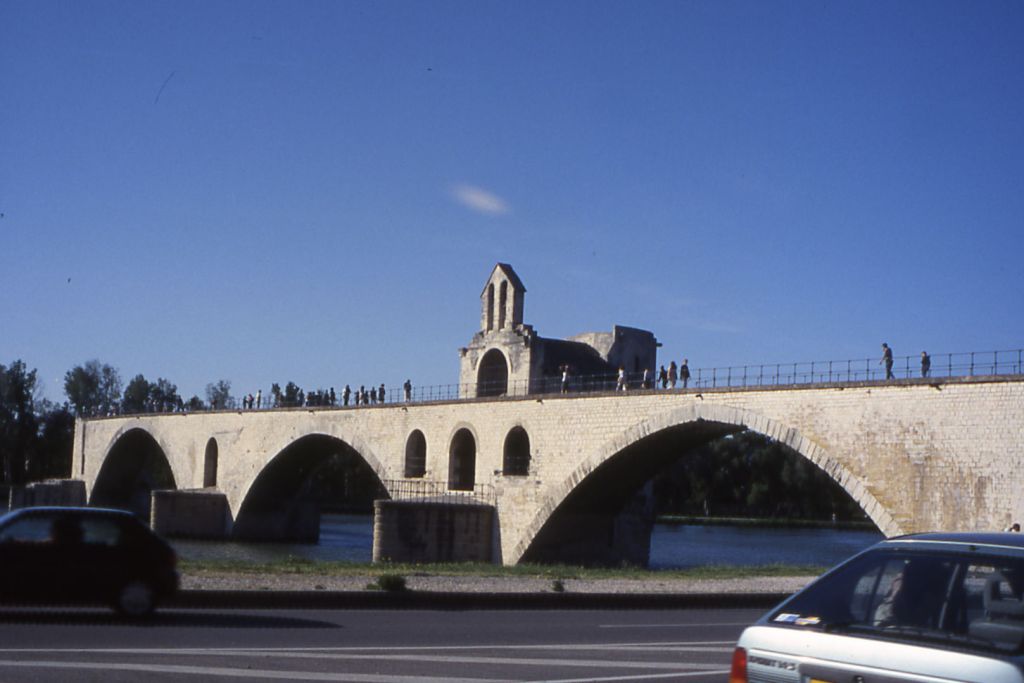
And finally, the Daddy of them all, Sur le Pont d’Avignon – The Bridge at Avignon.
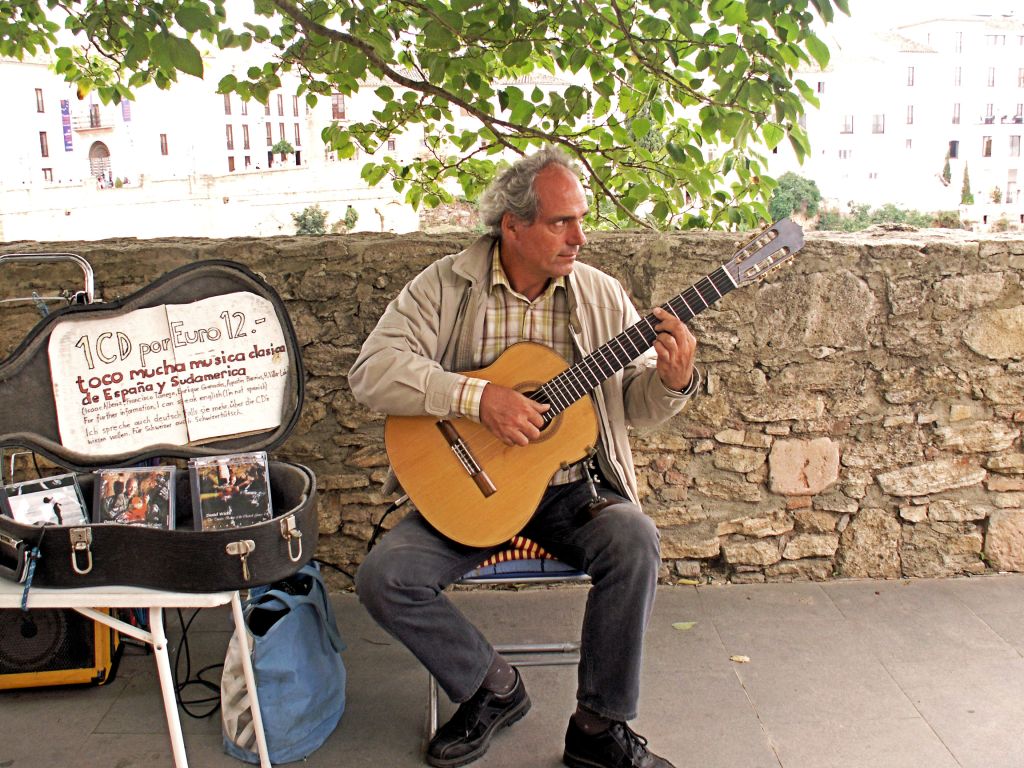
It’s hard to avoid guitar players in some towns in Spain but this one was actually pretty good and I did buy his CD which, surprise, surprise, actually sounded quite good when I played it at home.
Pequenas Senoritas en Seville
These two little girls were actually Peruvian, on holiday in Spain (I had their father’s permission to photograph them). He told me they that they had bought the costumes in Seville and insisted on wearing them all the time. He was going to buy a Spanish guitar for himself, and his wife, at that moment, was shopping for a black mantilla!
I’ve received some excellent images from the Granada Tourist Board to illustrate the post uploaded earlier todayand it has been edited to show these. I have also included a video I have found which I think is very interesting.
If you have read the first one but wish to see some more photographs, please click here.
The name Ian Gibson, authority on Spain’s greatest poet, Federico García Lorca, came up in a discussion with Marie over at HopsSkipsandJumps, and reminded me of my trip to visit Lorca’s village in Fuente Vaqueros near Granada. It is many years since I visited it but the memory lives on, and I still remember the heat, the stillness of the afternoon, and the sound of distant flamenco, all of which embody the spirit of the poet. Unfortunately, the photographs I took then were among those that got corrupted when my hard drive crashed some time ago but the Granada Tourist Board has been extremely helpful in providing me with a selection of images for which I am eternally grateful.
One of the tutors on the language course in Granada that I was on at that time said to me “The Alhambra is our soul, but Lorca is our heart” and I think this is true.
Granada did indeed have a deep influence on the adolescent Spanish playwright and poet and it was the Granadinos who first recognised his genius and his gift for a lyrical poetry that reflected the passion and pain of Andalucia. The landscape and the people who form the backdrop to his rural tragedies and his earlier poems lie in the villages of the Vega – the vast plains that surround Granada – and in places such as Fuente Vaqueros where he was born and where he spent his first 11 years.
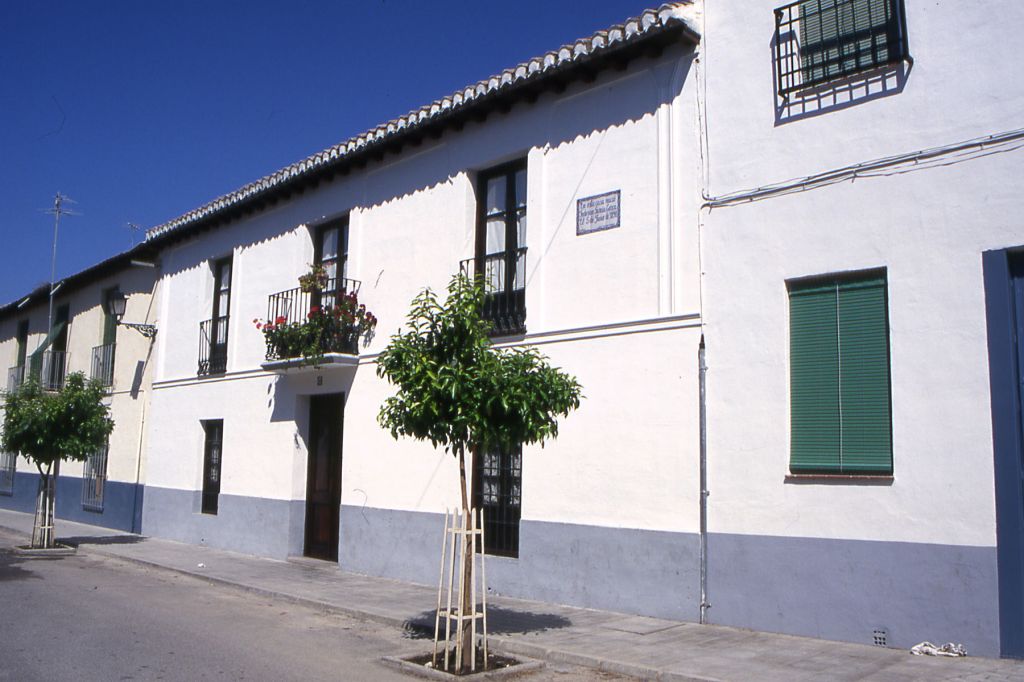
Lorca’s Childhood Home now a Museum – the only one of my photos that survived.
Fuente Vaqueros is a village of postcard-like simplicity and when I visited, the only sound at midday was the slap of dominoes coming from an inky bar hidden behind a beaded curtain. Old man sat in the shade of the poplar trees on one side of the plaza, while the aged women of the town, las viejas, dressed in black as if they have strayed from the playwright’s House of Bernarda Alba, were busy with their looms on the opposite side. Sitting at the Bar Lorca with a copita, is an ideal way to spend an afternoon.
From the workers in the olive groves that surround the village came faint snatches of the wailing, minor-keyed cante jondo, the song full of pain which Lorca captured in Gypsy Ballads and Poems of Cante Jondo. This is España Verdad – the true Spain – where Lorca found the passionate, gitano soul of Andalucía and put it into the poetic form that revolutionised Spanish theatre in the thirties.
La Fuente, as it is known locally, is a gracious little town with a maze of narrow cobblestoned streets and alleyways. At one time this area formed part of the Kingdom of Al-Andalus and eight centuries of Moorish influence are still obvious in the whiteness of the houses, the barred windows and the flower-filled courtyards glimpsed through open doors.
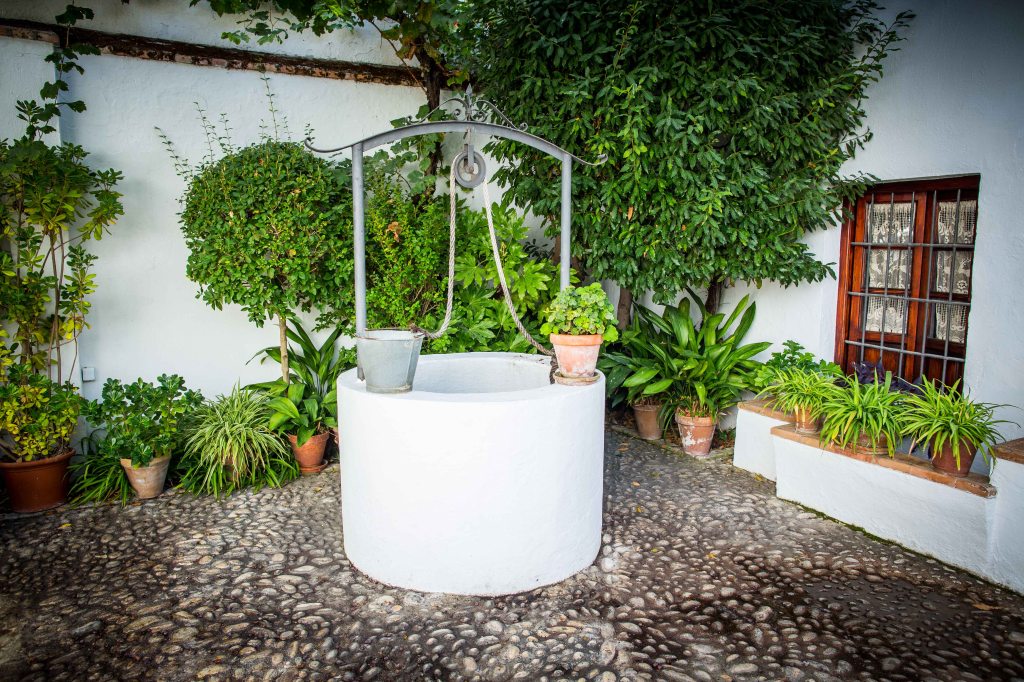
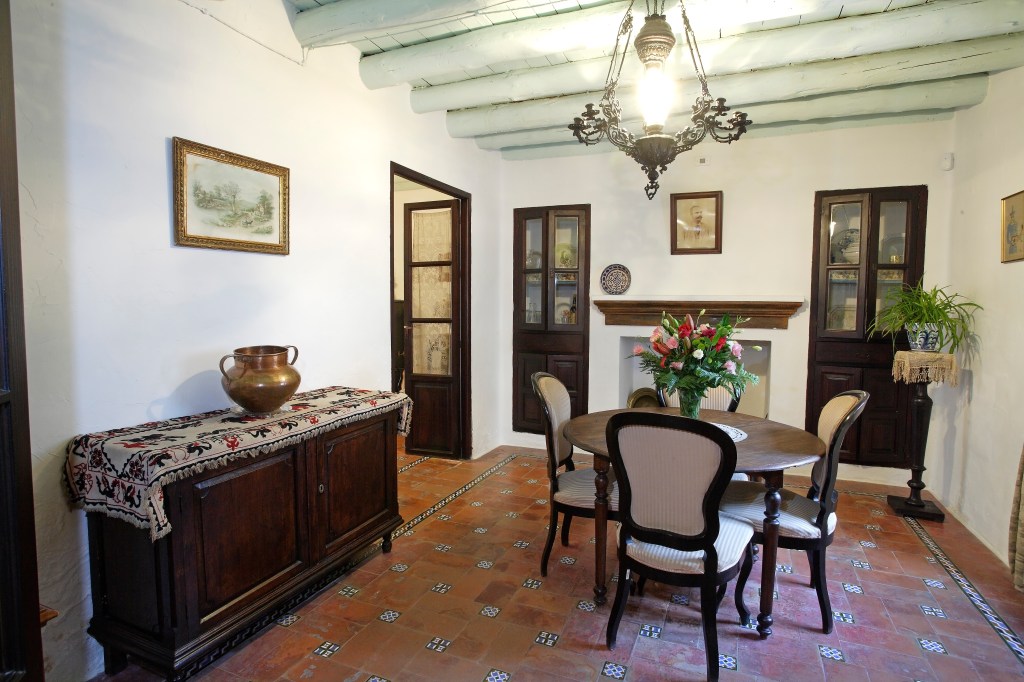
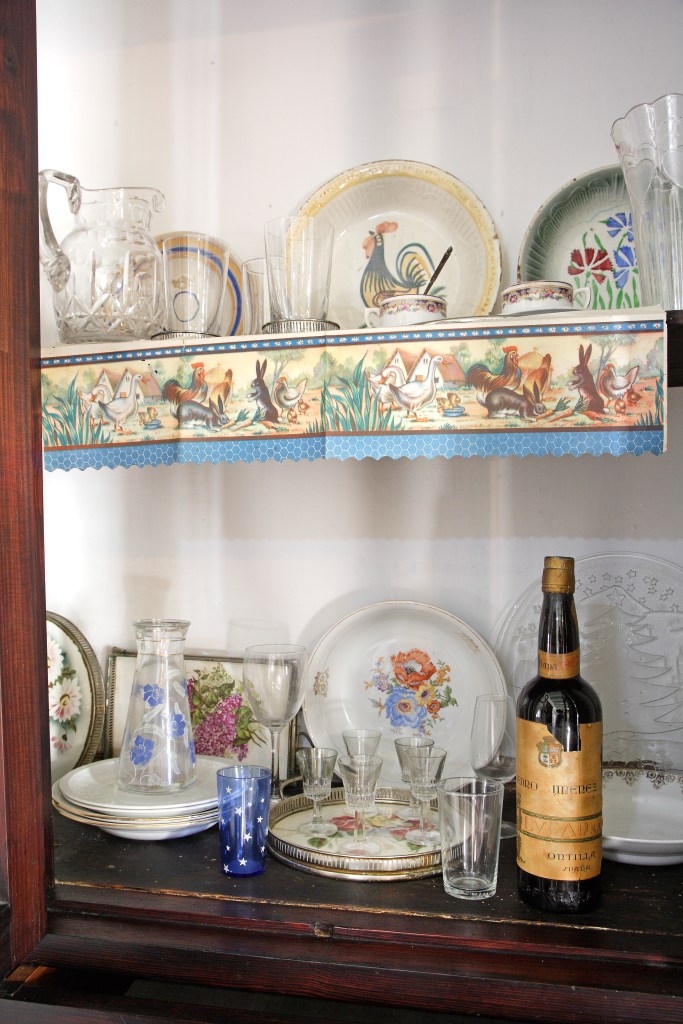
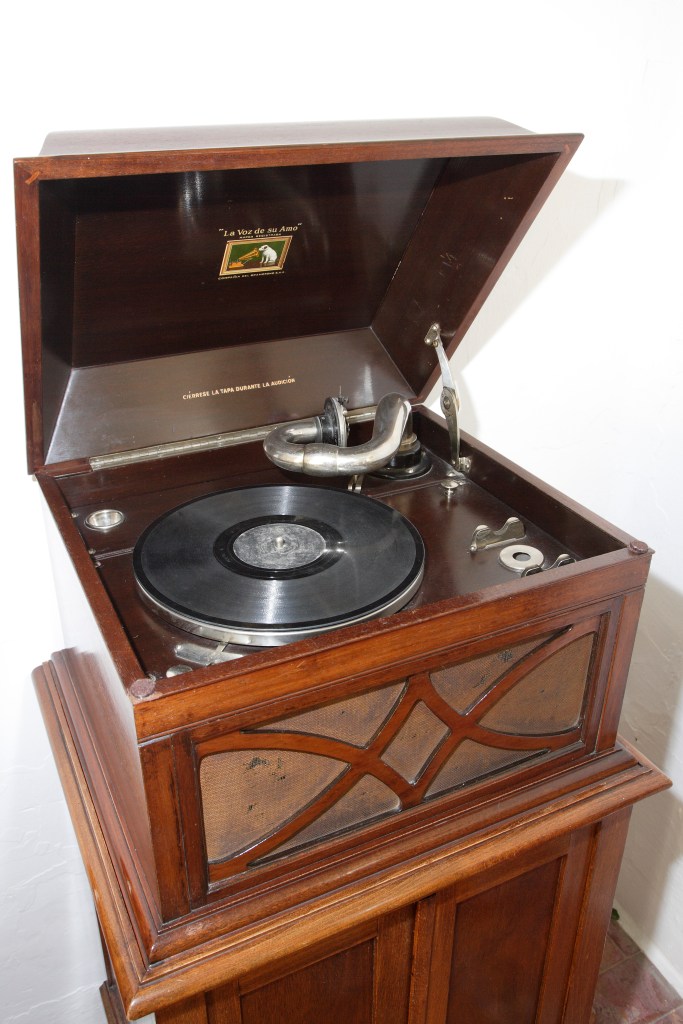
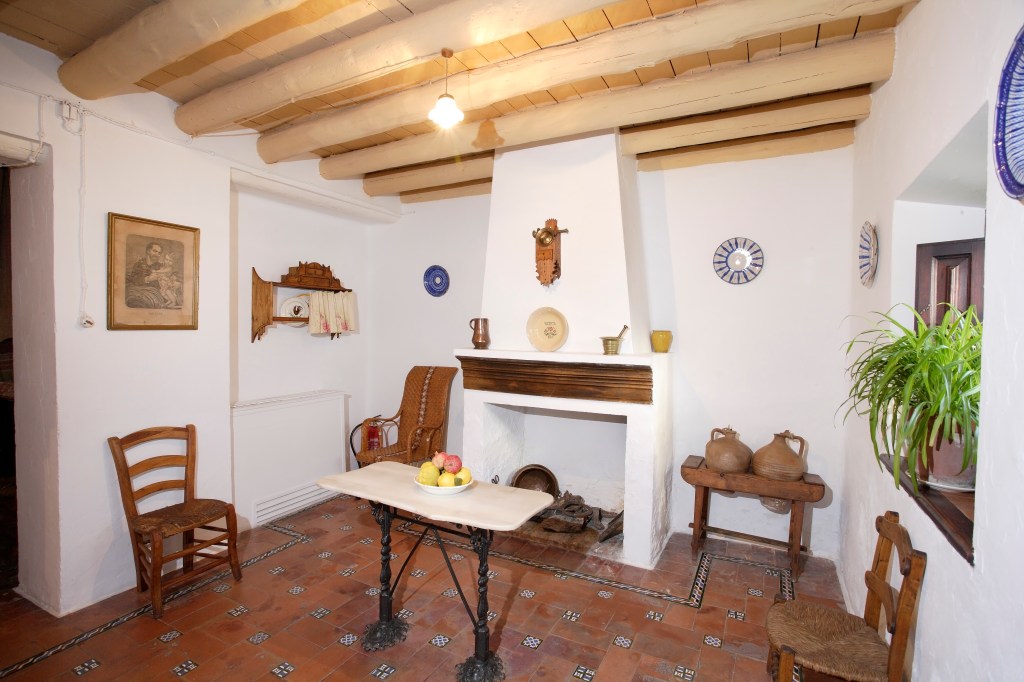
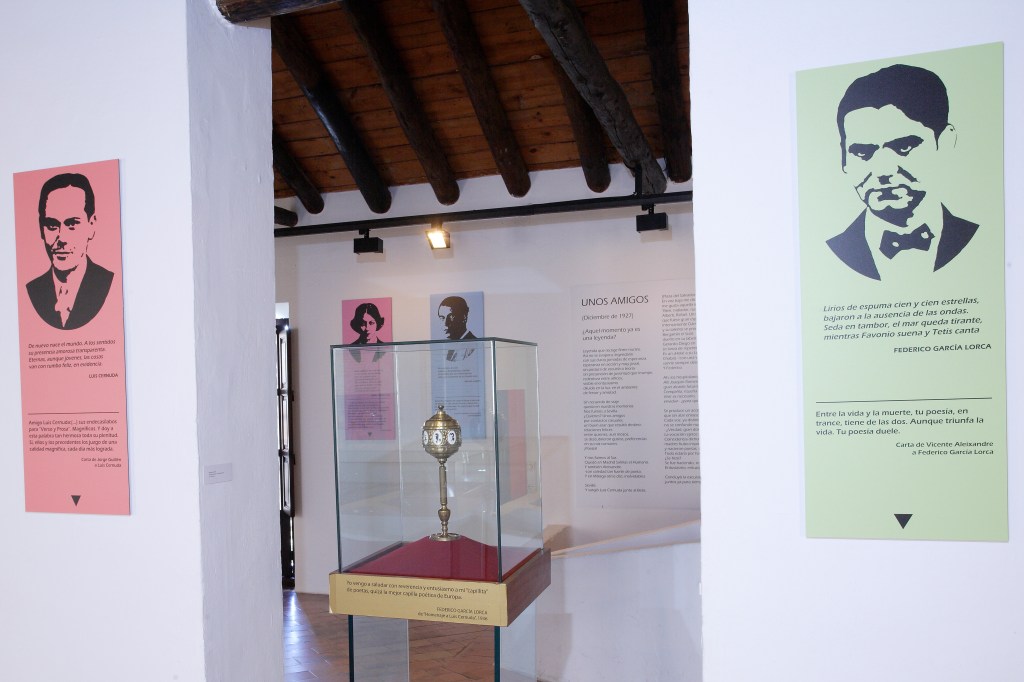
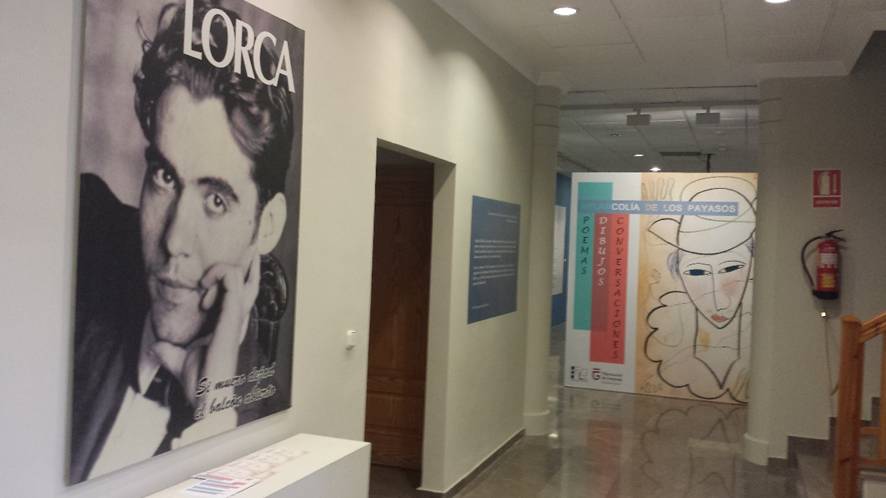
14/10/2015 FOTO: M. ZARZA CASA NATAL DE FEDERICO GARCIA LORCA EN FUENTE VAQUEROS( GRANADA), ACTUALMENTE ES UNA CASA MUSEO DONDE SE REALIZAN ACTIVIDADES CULTURALES.Museo Casa-Natal de Federico García Lorca en Fuente Vaqueros (Granada) Salón comedorMuseo Casa-Natal de Federico García Lorca en Fuente Vaqueros (Granada) Detalle alacena en el comedor.Museo Casa-Natal de Federico García Lorca en Fuente Vaqueros (Granada) Gramófono con disco de pizarra en el comedor.Museo Casa-Natal de Federico García Lorca en Fuente Vaqueros (Granada) Cocina.Museo Casa-Natal de Federico García Lorca en Fuente Vaqueros (Granada) Sala de exposición ubicada en la planta de arriba donde estaba antiguamente el granero.Museo Casa-Natal de Federico García Lorca en Fuente Vaqueros (Granada) Sala de exposición ubicada en la planta de arriba donde estaba antiguamente el granero.Museo Casa-Natal de Federico García Lorca en Fuente Vaqueros (Granada) Sala Anna María DalíPhotos of the Interior of the Museo Federico Garcia Lorca in Fuente Vaqueros all provided by the Granada Tourist Board
The street where Federico was born has been renamed Calle Poeta García Lorca and the house in which he spent his childhood has been transformed into a Museum. It is small with few objects to demand your attention, but in the converted upstairs granary there is a fascinating collection of photographs, manuscripts and curiosities covering the poet’s life, in particular his time in New York. If you feel you’ve seen too many castles and cathedrals in Spain, this unpretentious, sparsely furnished house with its idiosyncratic collection of papers is a delight.
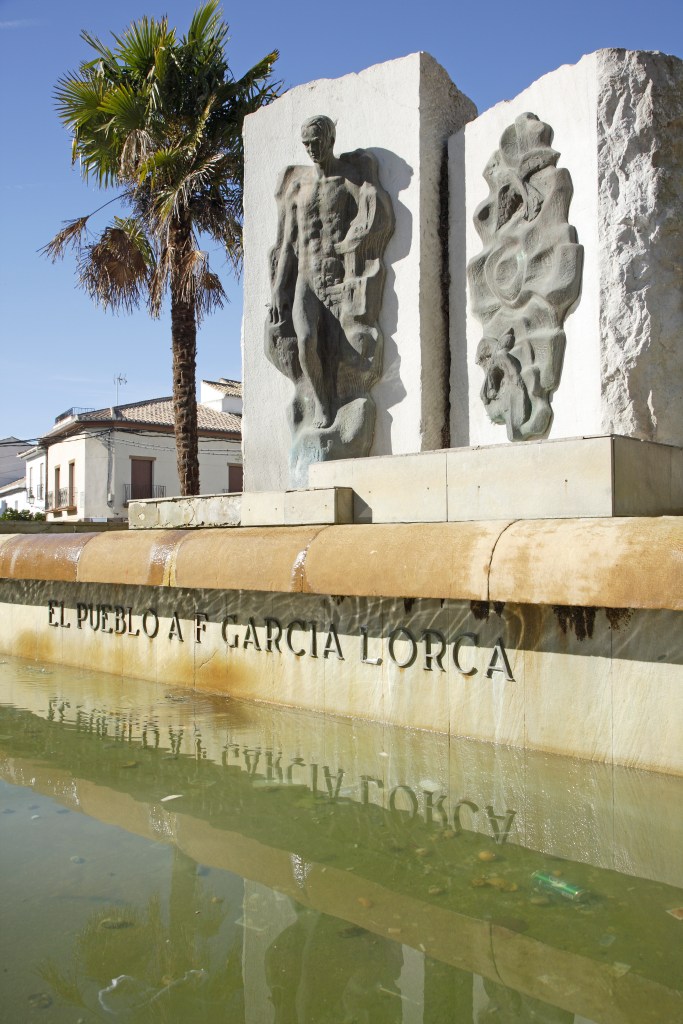
Escultura de Federico García Lorca ubicada en el Paseo del Prado de Fuente Vaqueros, Granada.Escultura de Federico García Lorca ubicada en el Paseo del Prado de Fuente Vaqueros, Granada.The sculpture of Federico García Lorca in Fuente Vaqueros Photos provided by Granada Tourist Board
Across the street from the museum and facing the plaza is the monument erected to the poet by Cayetano Anibal, and if you sit on the stone seat in front of the monument, with just a little suspension of disbelief, it is possible to see the square as Lorca saw it – a meadow full of wild flowers, grasses and lizards. Here he watched the women wash clothes in the fountain; here it was he absorbed the speech and the rhythms that were to energise his plays in later years; and here it was he learned to identify with the victims of a stifling tradition.
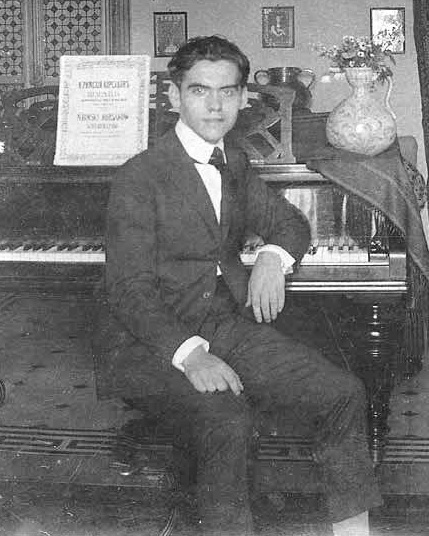
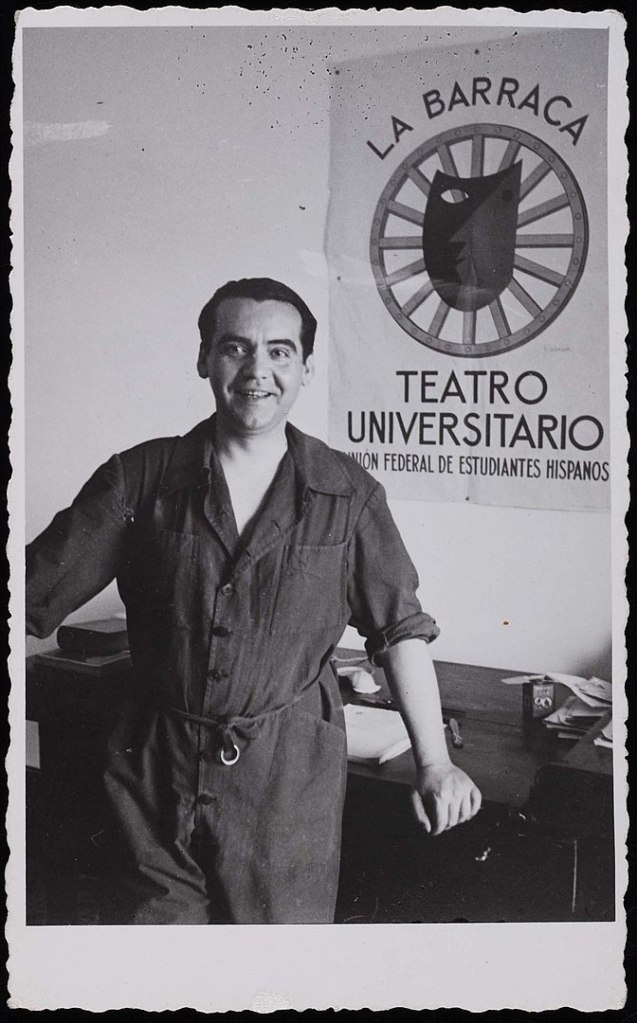
Museo Casa-Natal de Federico García Lorca en Fuente Vaqueros (Granada). Rincón del patio con el pozo.Lorca (photo from WikiCommons) on left and Photo from Granada Tourist Board on right
Lorca was assassinated by Franco’s Nationalist troops shortly after the outbreak of the Spanish Civil War in 1936, executed at a spot between Viznar and Alfacar. The place where he and fellow victims were shot is now the Parque Federico García Lorca, especially created to preserve their memory. If you are in Spain in August you may care to join the pilgrimage to this place with others who meet here at this time of year on the anniversary of his death.
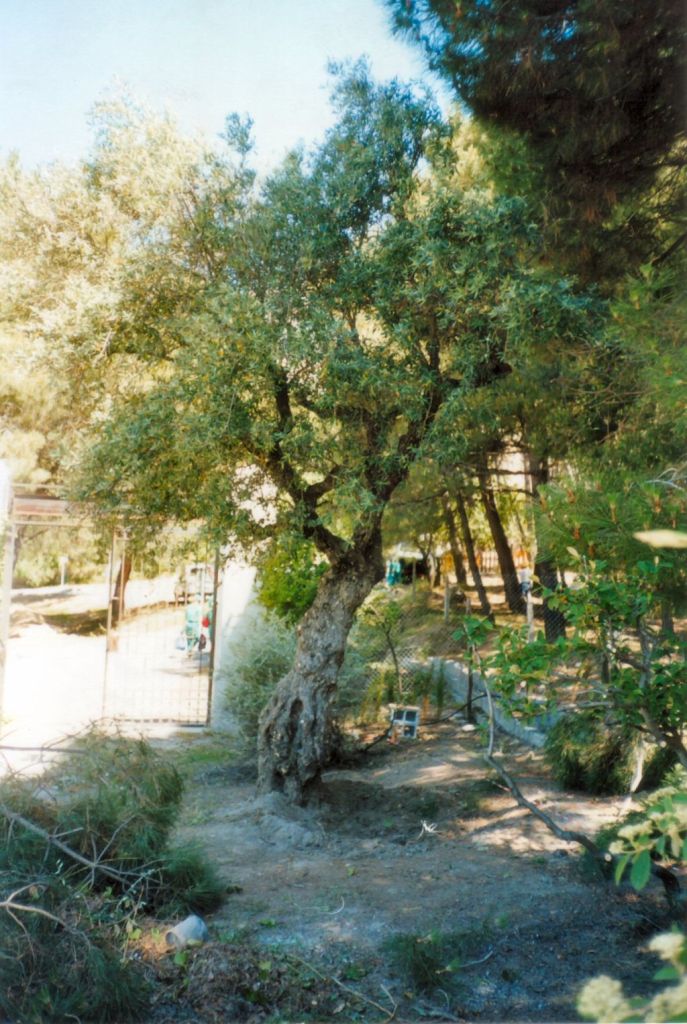
The olive tree near the village of Alfacar, beside which Lorca was said to have been shot, now disputed although it remains a site of homage. Photo: Graham Beards, CC BY-SA 3.0 WikiCommons.
Attempts have been made to recover his body from sites associated with his murder in August 1936 but without success, something that perhaps reflects the buried and unsettled legacy of the civil war. Excavations in Alfacar in 2009 in the Parque Federico García Lorca failed to locate his body, but close to the olive tree indicated by some as marking the location of the grave, there is a stone memorial to the poet/playwright and all other victims of the Civil War, and at the Barranco de Viznar, between Viznar and Alfacar, there is a memorial stone bearing the words “Lorca eran todos, 18-8-2002” (“All were Lorca”). The Barranco de Viznar is the site of mass graves thought by some to be another possible location of the poet’s remains.
His work and his memory were stifled under the claustrophobic rule of the dictator Franco until approximately 1957 when his works were once again open to the Spanish public, but in his own land he is now, again, hailed as a genius. His plays are as relevant today as they were in the thirties, their passion and pain as accessible now as they were then.
Meantime, the heartland of the ancient Kingdom of Granada, the cante jondo of the poems, remains the land of Lorca.
N.B. On July 17, 1936, a forty-three-year-old general named Francisco Franco launched a military rebellion against Spain’s legitimately elected government. Three days later Granada was seized by a cabal of military officers. In the three-year civil war that ensued, Franco and his ultranationalist Falangists received military assistance from Hitler and Mussolini. More than half a million Spaniards died before the Republic succumbed and Franco formally initiated his dictatorship in April, 1939. It lasted until his death, in 1975.
Facts:
Lorca’s House and Museum – Tel 00 34 (9)58 516453
Fiesta of Flamenco & Poetry on Lorca’s Birthday: June 5th – Tel 00 34 (9)58 446101
Essential Reading (apart from Lorca’s work of course)
Ian Gibson: Federico García Lorca: A Life (Faber & Faber)
Ian Gibson: The Assassination of Federico García Lorca (Penguin)
Ian Gibson: Lorca’s Granada (Faber & Faber): This is a great guide book to Granada as it takes you on ten routes, step by step from his birthplace to the site of his execution outside the city via the poets best-loved places in Granada.
For the politics of Spain during the Civil War and since, anything by Peter Preston is to be recommended.
The Granada Tourist Board has an specific website devoted to Lorca and it is well worth a browse. www.universolorca.com,
Meanwhile, this video will be enjoyed by those interested in seeing images of Lorca’s life in the 1920’s and early 1930’s with people like Dali, de Falla and other artistes of that time. The few seconds of adverts at the beginning and towards the end can be quickly deleted. Do watch to the end, it’s brilliant. The video is sound-tracked by a Leonard Cohen song.
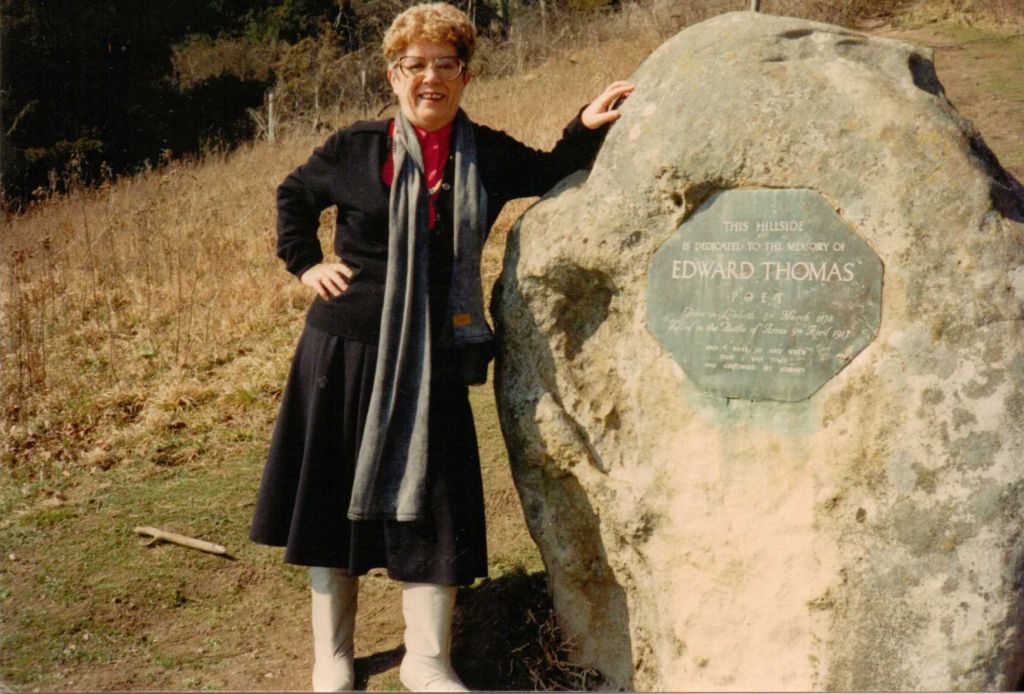
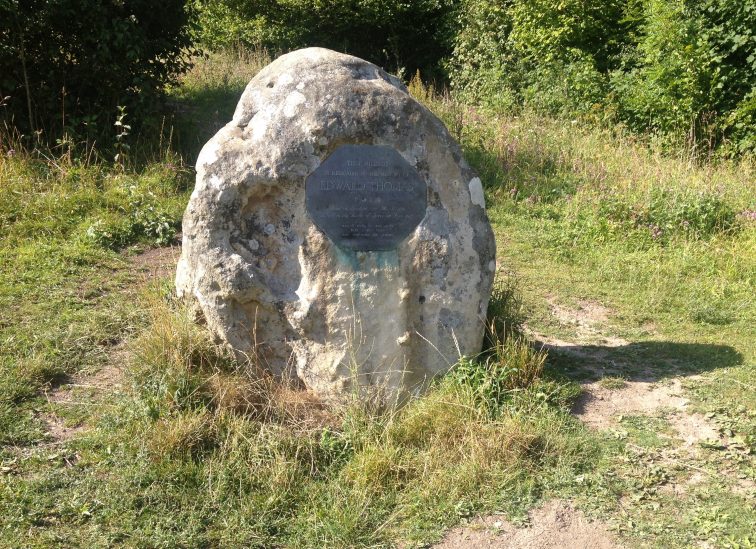
I can no longer walk the distances or climb the hills that would warrant inclusion in Restless Jo’s Monday Walks but looking through my photographs today I came across one of me beside the Memorial Stone to the poet, Edward Thomas, taken about 30 or more years ago, way back in the days when I walked long distances and climbed hills with abandon. It started me thinking about the poet, and the walk from Steep to the Memorial Stone, about 4 miles over bridle paths and stiles, through beautiful wooded countryside to the final stretch up a steep, chalky slope to the Stone.
Mari at the Edward Thomas Memorial on top of Shoulder of Mutton Hill in Hampshire
The Sarsen stone and the octagonal bronze plaque designed by Professor Sir Patrick Leslie Abercrombie and erected in 1937, stands on top of the Shoulder of Mutton Hill in Hampshire. Lord Horder of Ashford Chace owned the land when the stone was erected and he dedicated the hillside in perpetuity to Edward Thomas. It is now Listed Grade II.
The plaque reads: This Hillside is Dedicated to the Memory of Edward Thomas Poet, Born in Lambeth 3rd March 1878 Killed in the Battle of Arras 9 April 1917 And I Rose up and Knew That I was Tired and Continued my Journey.
Note that the whole hillside has been dedicated to the poet.
Edward Thomas Memorial
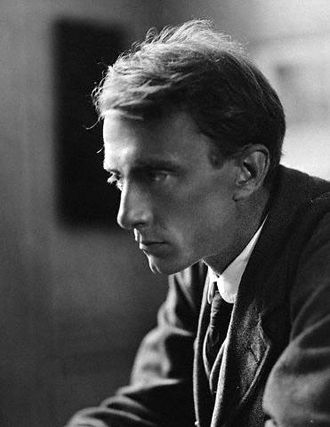
Edward Thomas, Poet
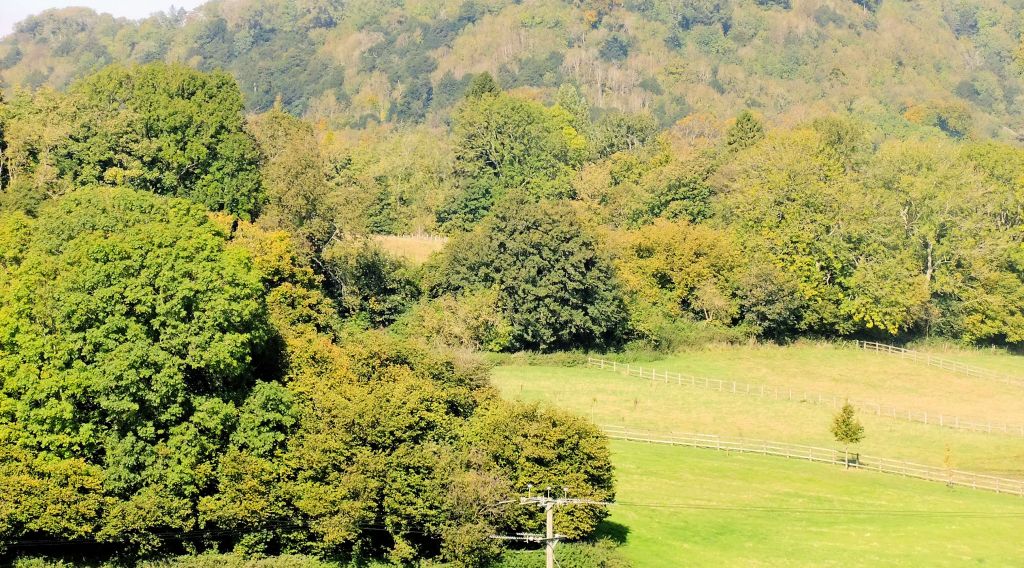
Shoulder of Mutton Hill
You may know the poem Adlestrop, a poem most of us learned at school and one of Edward Thomas’s most famous poems. I’ve loved his poetry since I first read Adlestrop.
……… Yes. I remember Adlestrop—
The name, because one afternoon
Of heat the express-train drew up there
Unwontedly. It was late June………
It was when I began to take a deep interest in War Poetry however, that I found Thomas again, and although he didn’t write about war and his poetry as his contemporaries were doing, I felt that his experiences in the trenches influenced his poetry of the English countryside. His poetry was lyrical, was tied to his rural home and displayed a profound love of natural beauty and of the area in which he lived.
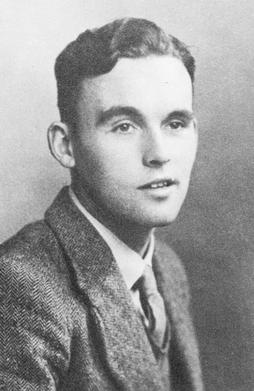
My walk to the Memorial Stone was inspired by possibly, the best known poem of one of my favourite Second World War Poets, Alan Lewis – All Day It Has Rained. It depicts the dreariness and boredom of a soldier’s life on a slow Sunday at a military training camp in Edward Thomas country mixed with foreboding about what will follow when they go overseas. I give you just the closing few lines that took me to “Sheet and Steep and up the wooded scree”
Alun Lewis, 2ns World War Poet
Or the shaggy patient dog who followed me
By Sheet and Steep and up the wooded scree
To the Shoulder o’ Mutton where Edward Thomas brooded long
On death and beauty – till a bullet stopped his song.
Edward Thomas was killed at the first Battle of Arras on April 9th, 1917.
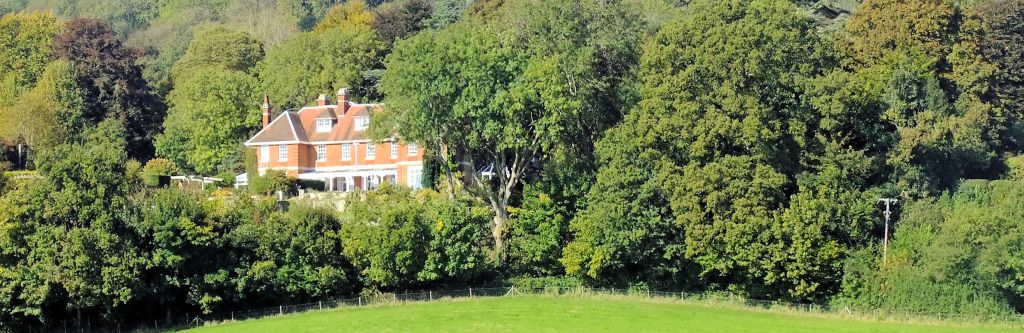
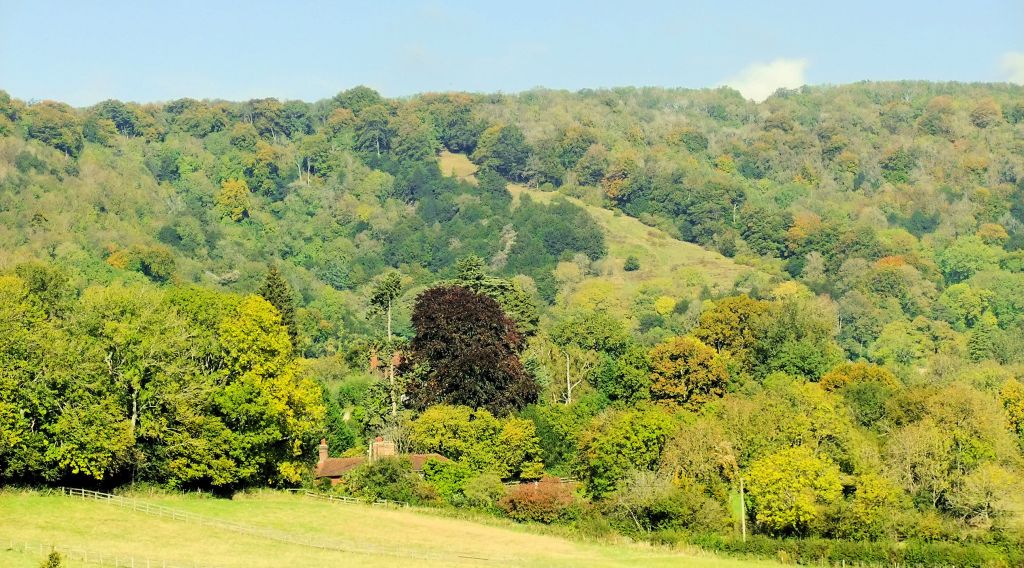
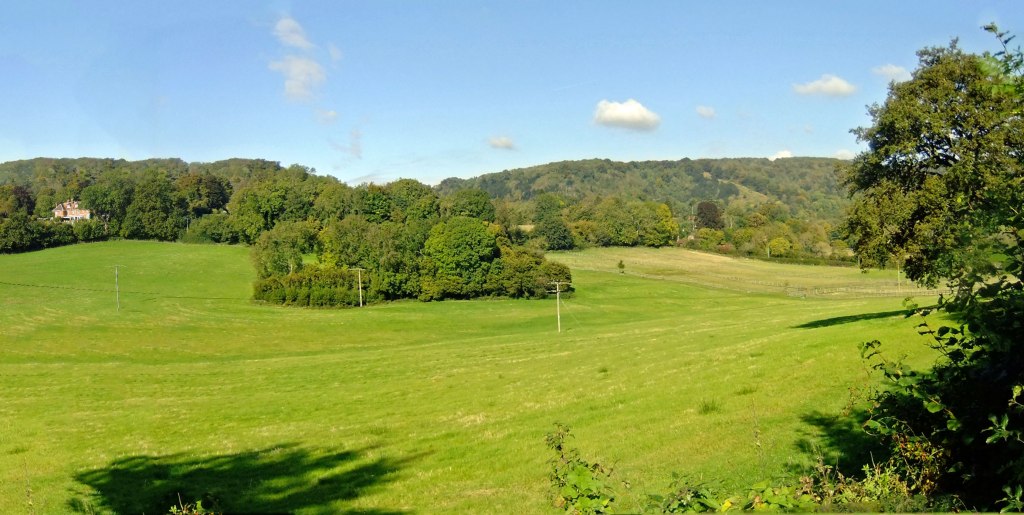
The poet lived in the village of Steep (near Petersfield) at the bottom of The Shoulder of Mutton Hill and it was this landscape, the fields and the hills, that informed his poetry.
In the village of Steep stands All Saints Church in which was installed in 1978 two beautiful glass windows engraved by Sir Lawrence Whistler and dedicated to the poet. The left window depicted a road across hills bordered by yew and flowering may. The poet’s jacket hangs on a branch and his pipe and stick are beside it with landscape and sky in the background. The right hand window has one of his poems engraved on it with above it, in the mist, his house on the hill above Steep. Below this is a sequence of doors the last one opening onto a Flanders battlefield from which the sun rises and then turns into the door latch he has just closed behind him in the poem.
Copy of a Postcard of the Whistler windows in All Saints’ Church
Sadly, in 2010 the windows were smashed in a burglary and I understand there are no plans to replace them. Indeed, how could they replace such priceless work?
Further reading:
Collected Poems by Edward Thomas: Published by Faber & Faber
Collected Poems by Alun Lewis: Published by Seren Books
There are many biographies about both Alun Lewis and Edward Thomas but the two I have on my bookshelves are:
Now All Roads Lead to France by Matthew Hollis, which is about the last six years of Thomas’s life. Published by Faber & Faber
Alun Lewis. A Life by John Pikoulis Published by Poetry Wales Press
Below is a reading of Adlestrop by the late Geoffrey Palmer.











 MARI'S TRAVELS WITH HER CAMERA