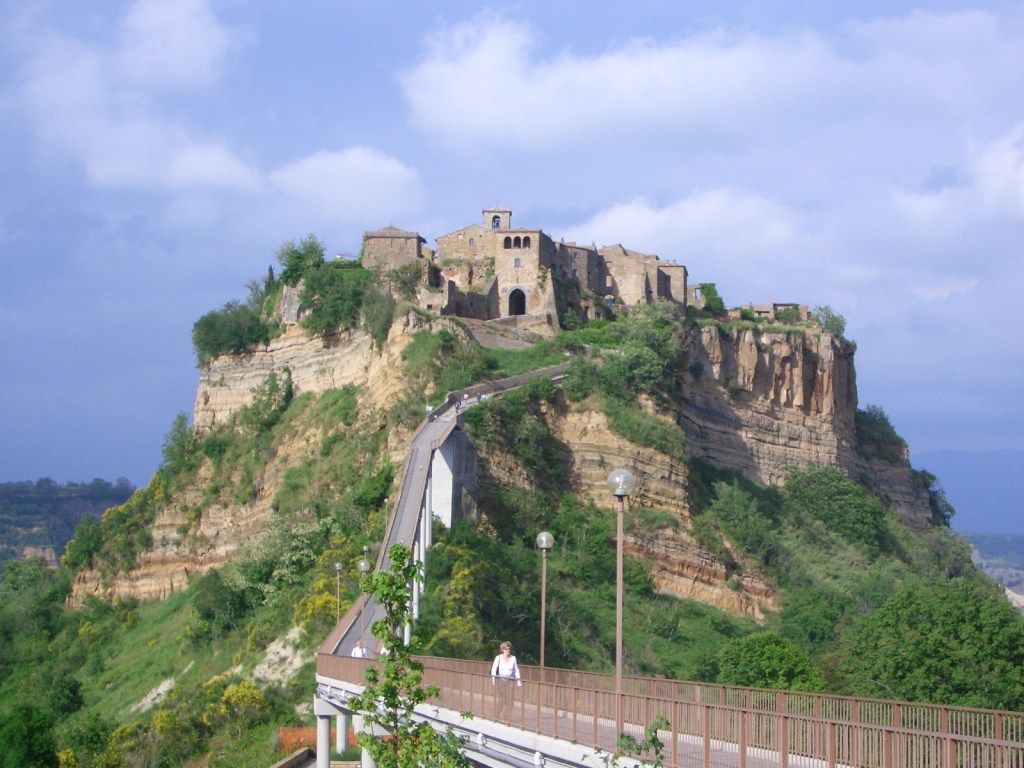
Another lazy Sunday afternoon, thinking I should be gardening, blogging or doing something more useful, and then I opened The Observer, my Sunday paper of choice, to find a picture of a village I’d visited back in 2004, and I shot awake.

The village was Civita di Bagnoregio and there was a whole page article (well, almost a whole page) about the place which, when we’d been there was deserted, save for a few cats and the charming owner of a small, inky-dark, Bodega into which we’d wandered. It was June and there were blazing logs in the open fireplace. Deserted wasn’t the word to describe the village. It was the sort of place you felt you would want to leave come sundown as ghosts seemed to haunt its medieval streets.


What has brought about the article in today’s paper is the fact that Civita has become the first area in Italy to charge tourists for visiting. Venice, where marches against tourism are a regular event, may care to take a lesson from the Mayor, Francesco Bigiotti, who made the decision to charge visitors for accessing the footbridge to the town in 2013 when the charge was 1.50 Euros, raised to 3 Euros this year with 5 Euros on Sundays.


Not only does this small fee enable the mayor to monitor the numbers entering the hamlet, it has also meant that communal taxes have been abolished in Civita and nearby Bagnoregio (pop.3,650) of which he is also Mayor, but it has provided much-needed employment. In fact, the town has zero unemployment now. Four hundred jobs have been created via two hundred new tourism-linked businesses that have emerged in the past few years. And there’s more: there is now transport for disabled local people and an improved health service. With an estimated 850 visitors due this year, the charge has obviously not had a detrimental effect on tourism.
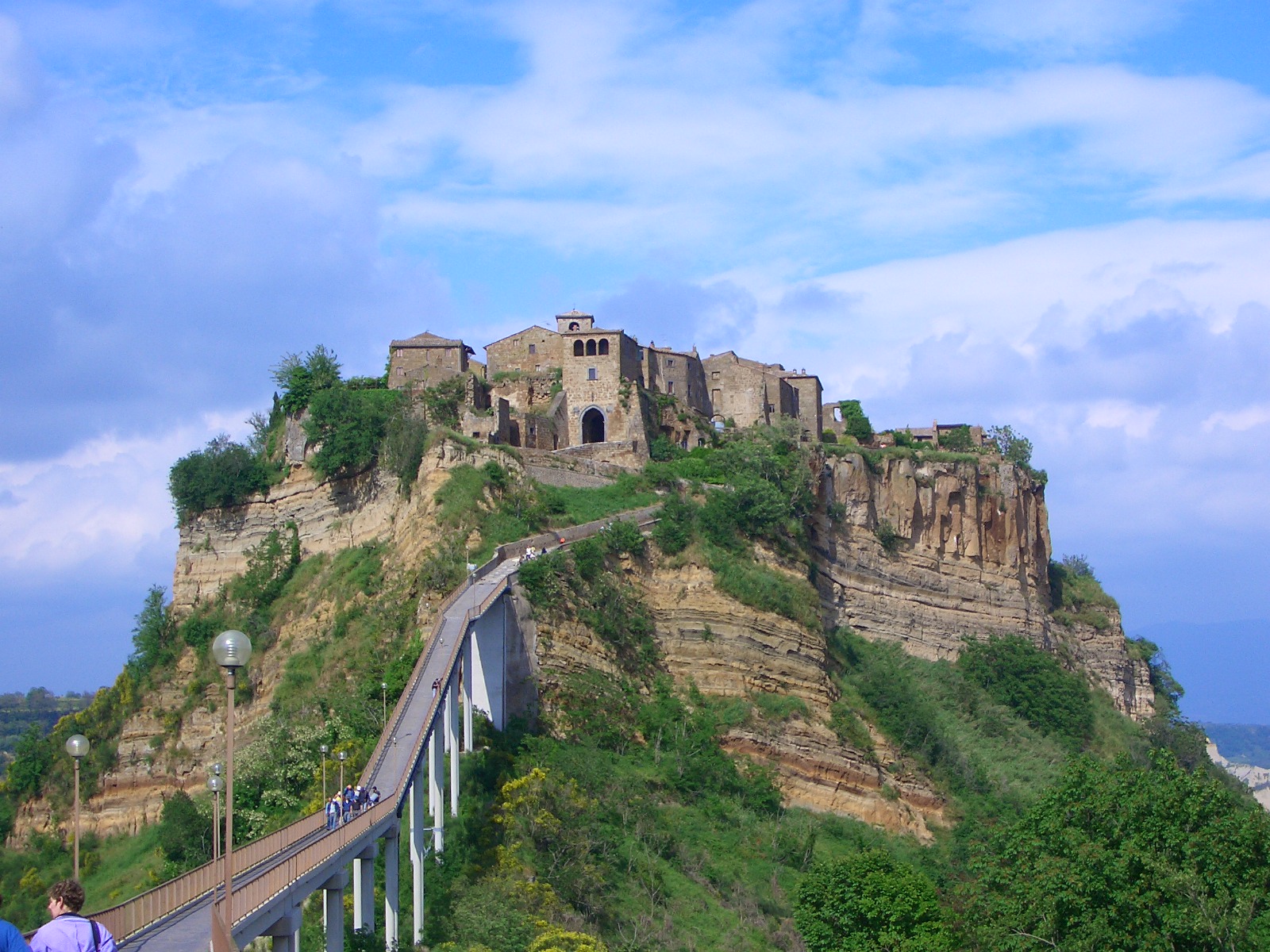
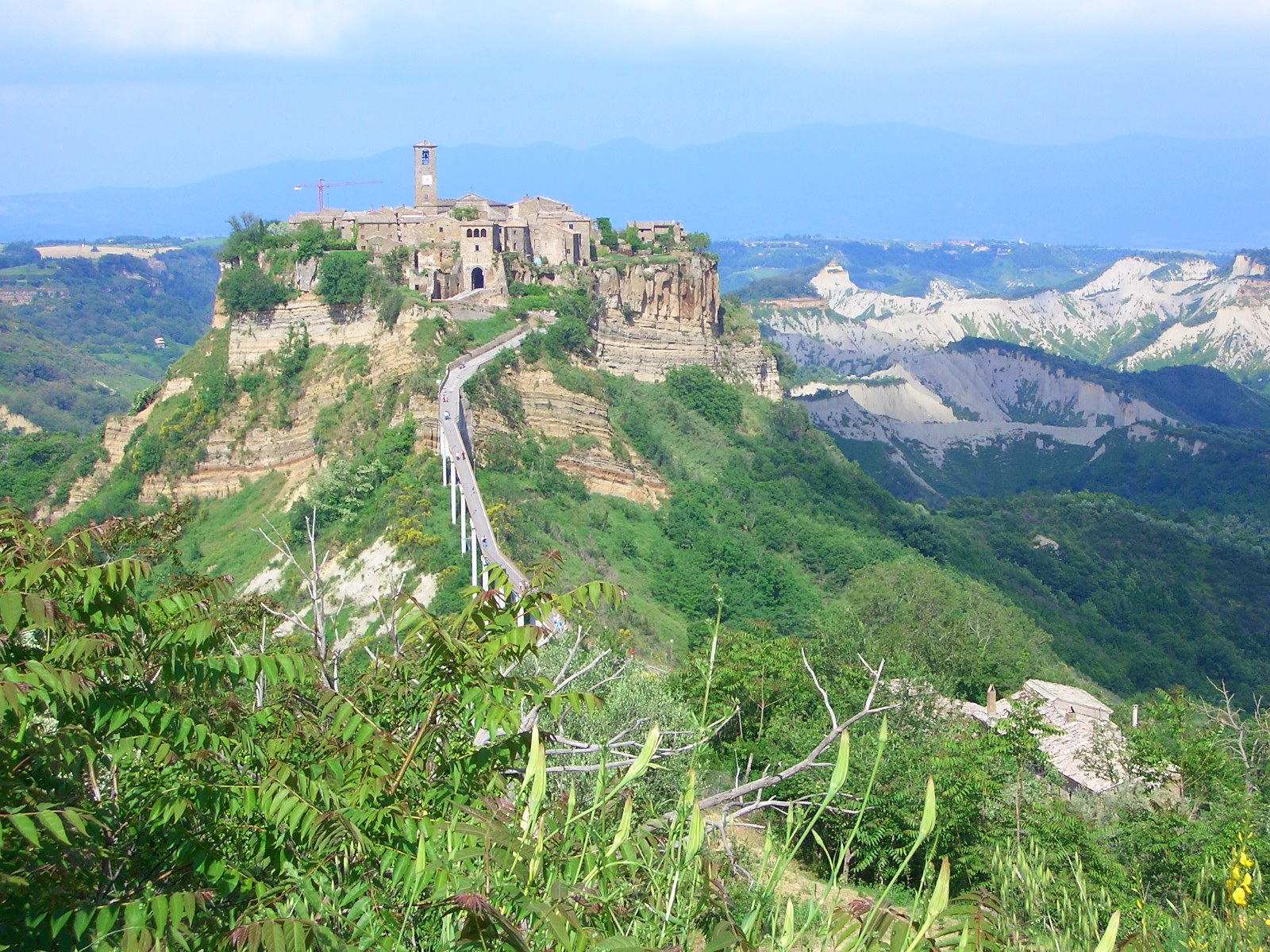
Back in 2004, our party of nine people had been staying at a nearby agriturismo farmhouse in Aquapendiente in Italy’s Lazio region, and one of the places recommended for a visit with our hire car had been Civita. There is no access for cars so visitors must be prepared for the walk across the sloping footbridge. We’d visited Orvieto, Siena and other surrounding towns and this fascinating cobble-stoned village built high on a plateau of volcanic rock surrounded by steep ravines promised to be a complete contrast.


Lying approximately 74 miles north of Rome Civita was founded by the Etruscans nearly 2,500 years ago and its year-round population is only 10 people. It was known as ‘the dying town’ due to floods, landslides and earthquakes that constantly threaten its survival. In 2014 and 2015, some of the old properties plunged into the ravine when the sides of the outcrop on which they were built gave way.
 Once at the top of the footbridge, you are faced with a huge stone gateway, the entrance, through which you arrive at the main Piazza which contains a 12th-century church with a bell tower. Off this are meticulously maintained streets of old stone houses, some of which have now been turned into holiday homes. At sunset the stones glow golden, softening the aspect of what could seem fortress-like.
I have no hesitation in recommending Civita as a perfect day-trip from any of the neighbouring towns, Siena, Orvieto, even Rome or Florence, if you have transport and are willing to hike up to the village, but remember, there is no post office, supermarket, chemist, doctor or hospital.
 The site is under consideration to be given world heritage status by UNESCO and two important names from the world of cinema are backing this, Oscar-winning composer Ennio Morricone and director Bernardo Bertolucci. But even if it is not successful, the outlook seems positive for Civita which will live once again, thanks to a tax on tourism.
Now, let’s see Venice do likewise.
I acknowledge, with thanks, the information on the Mayor’s initiatives which I got from the article by Angela Giuffrida in The Observer of 20th August 2017, on p.21
The photographs are mine all dating from 2004.




 I journeyed up from the coast on the little ‘Dotto’ train with which most of us are familiar in cities and resorts, but in this case, it traversed the famous Therisso Gorge. It surged up the hill in under an hour, through magnificent scenery, the air heady with the scent of herbs, great swathes of wild thyme, rosemary, pine, marjoram, oregano, and fennel. Many of the olive trees along the side of the road are hundreds of years old and behind the rocky caves can be glimpsed walnut, almond, hazelnut and chestnut trees.


















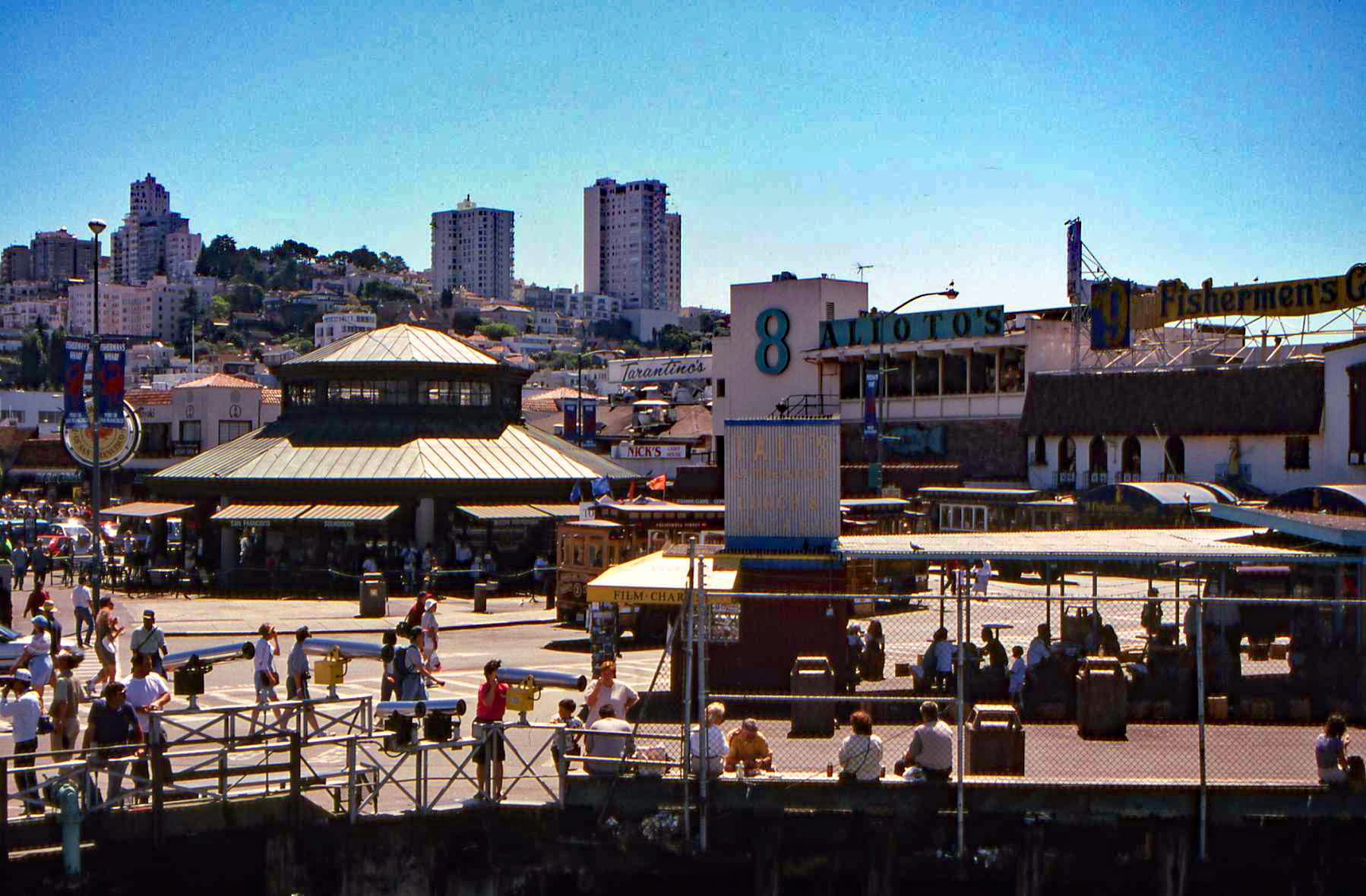
 At the end of this line (at Hyde and Beach) is The Buena Vista Cafe, where the locals insist that Irish Coffee was born. Don’t believe it. I’m with the good folk of Shannon Airport who claim to have invented it many years ago to comfort passengers held up by fog in the days when Shannon was a mere stop-off point for the ‘planes to the USA. What makes me so sure is that I doubt if the rich cream you need for an Irish Coffee – and that you get at Shannon – would be served in the USA as it would be too calorie rich!



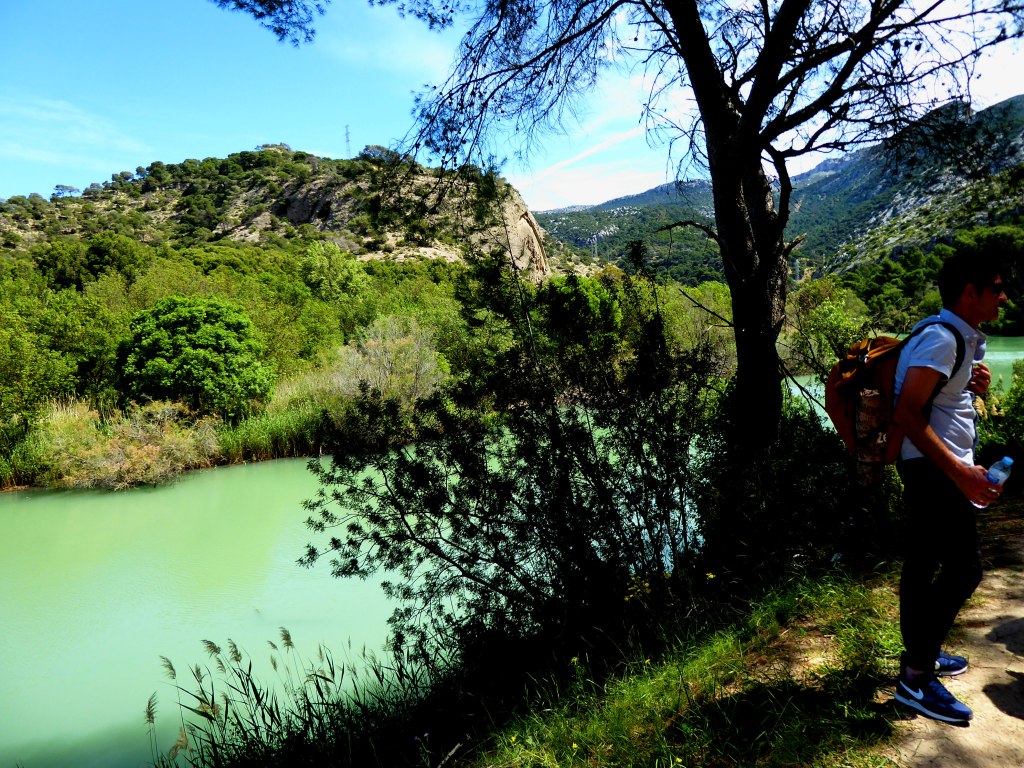

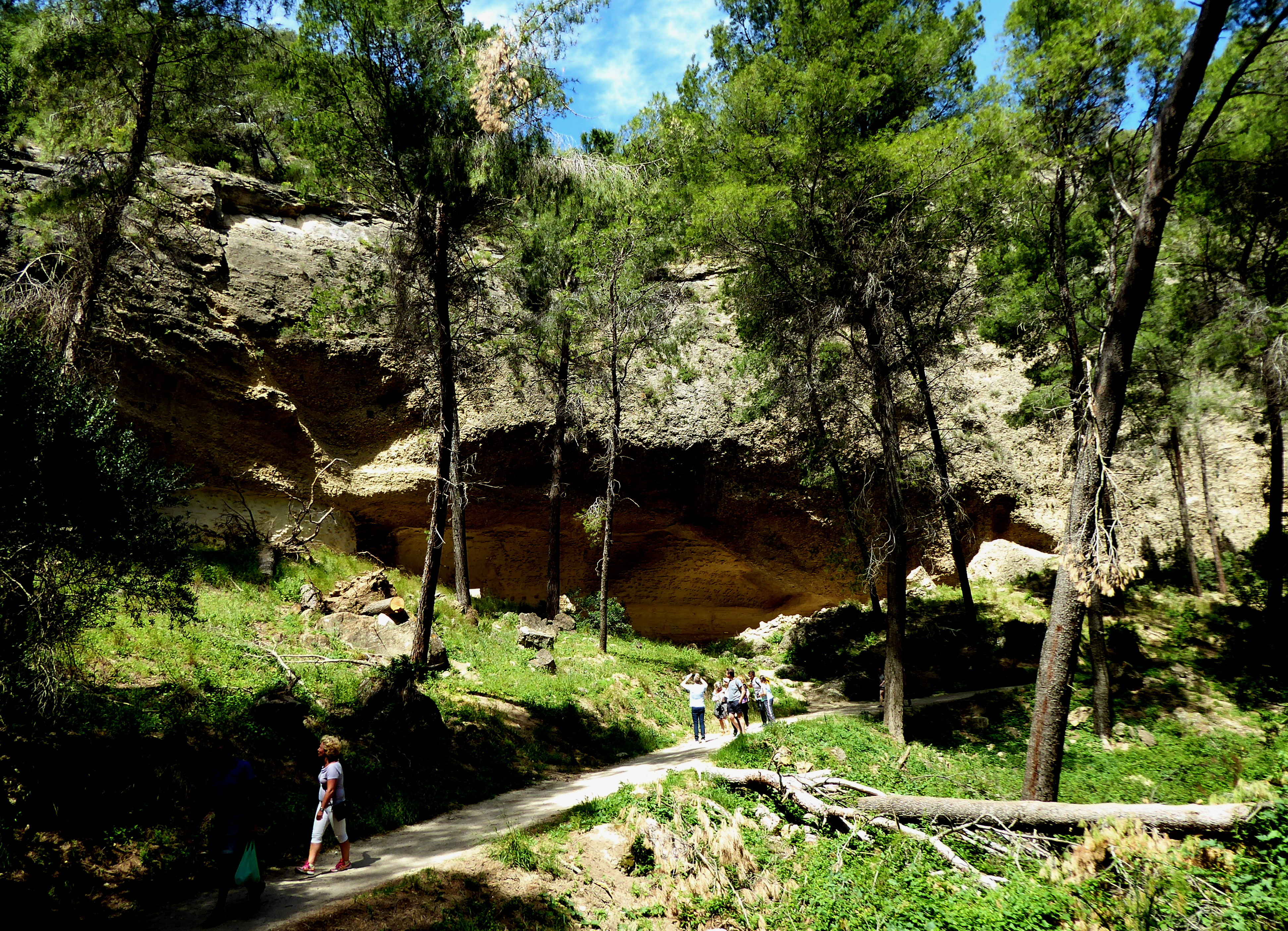
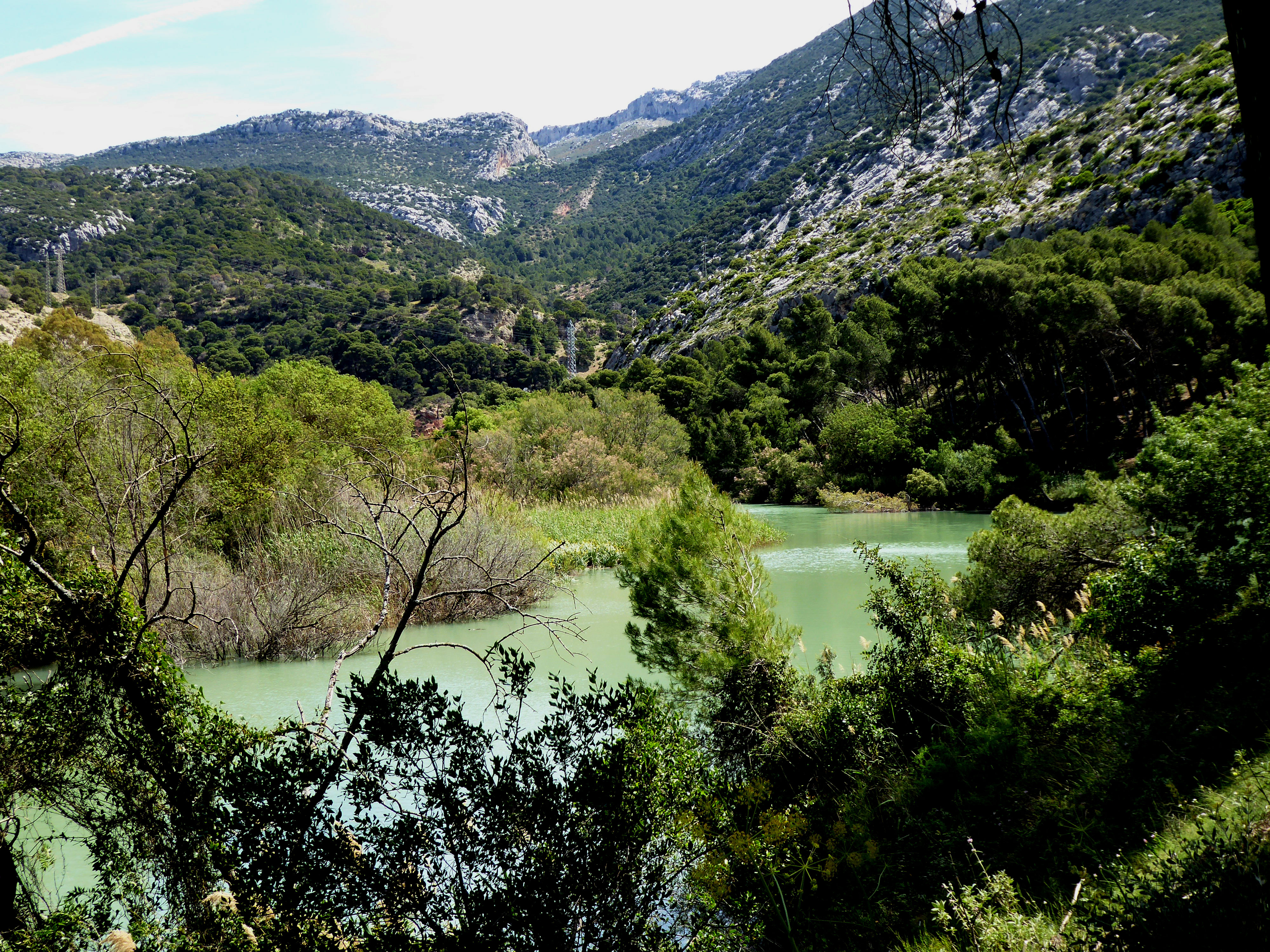
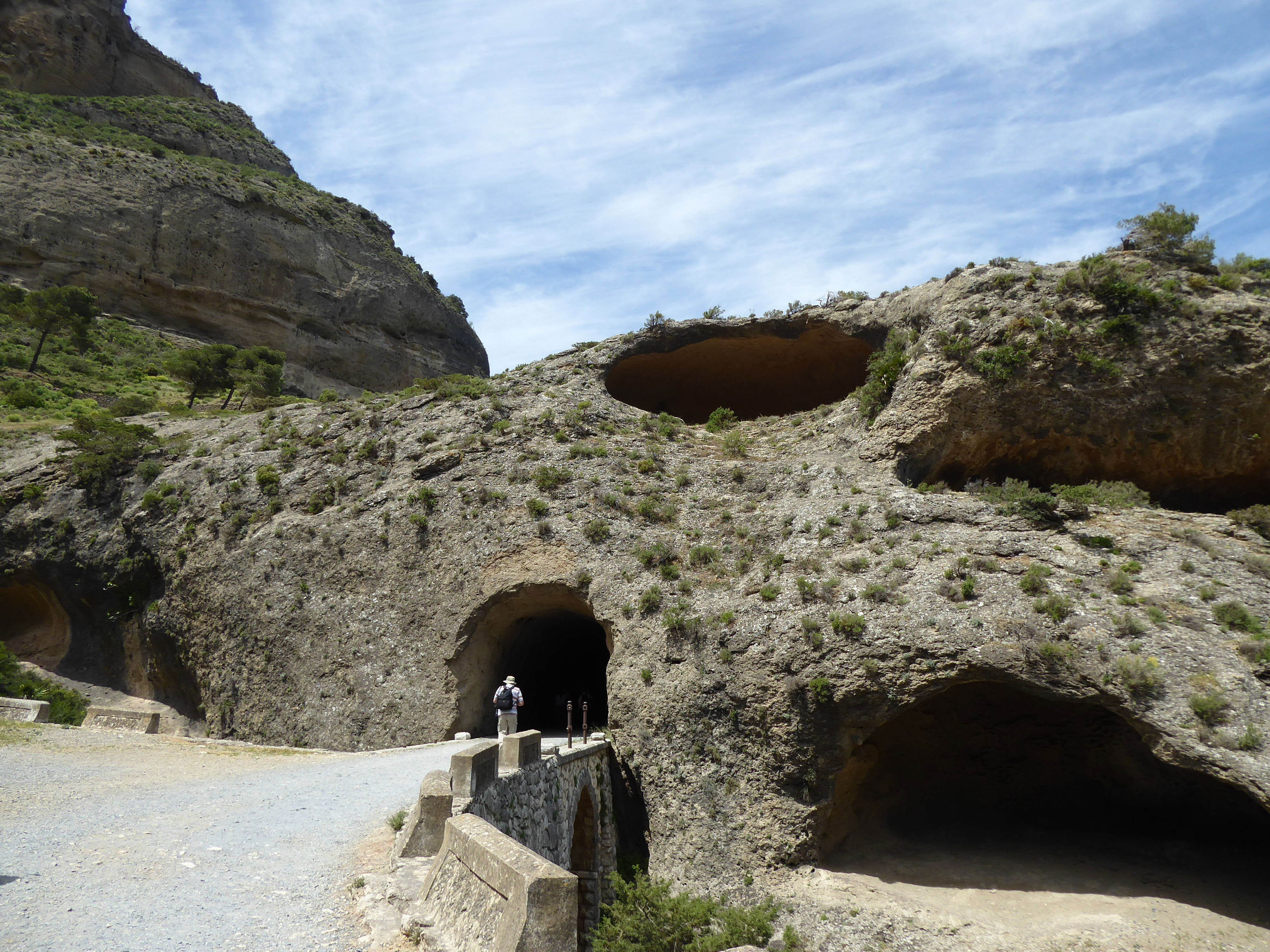
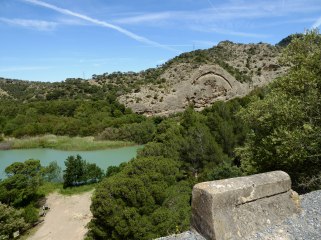 In addition to the massive slabs of limestone that form the walls, the river has carved caves and chasms in the gorge. There are over 20 caves in the area, and in nearby Ardales, paleolithic rock art can be seen in more than 1,600 meters of galleries.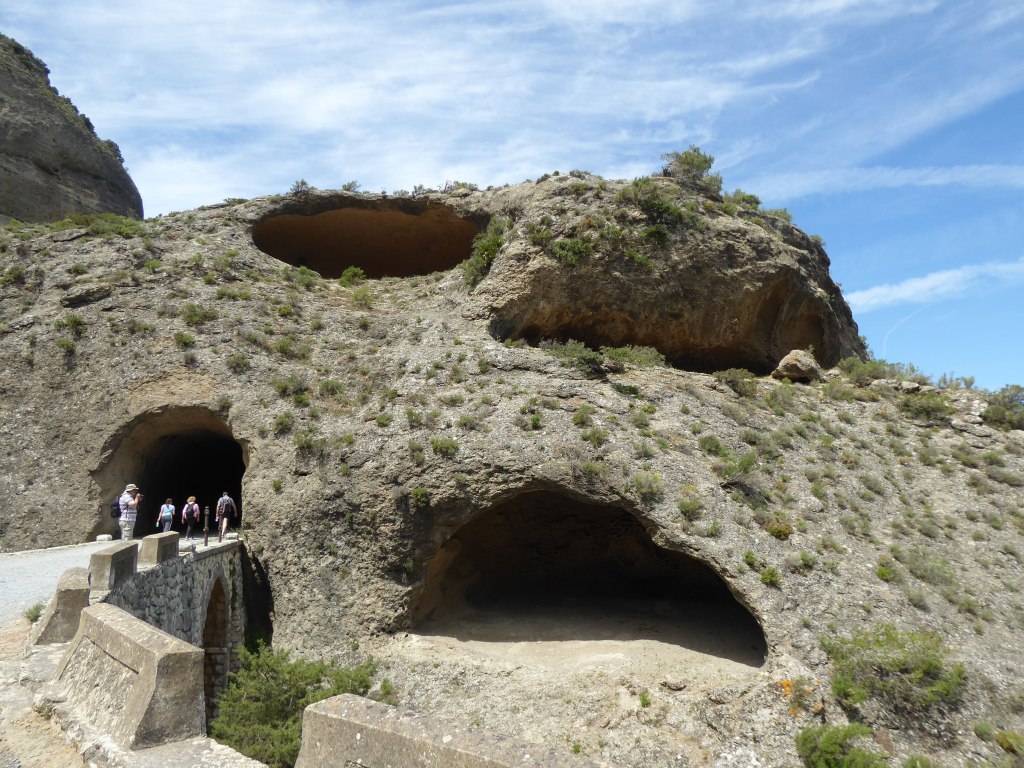
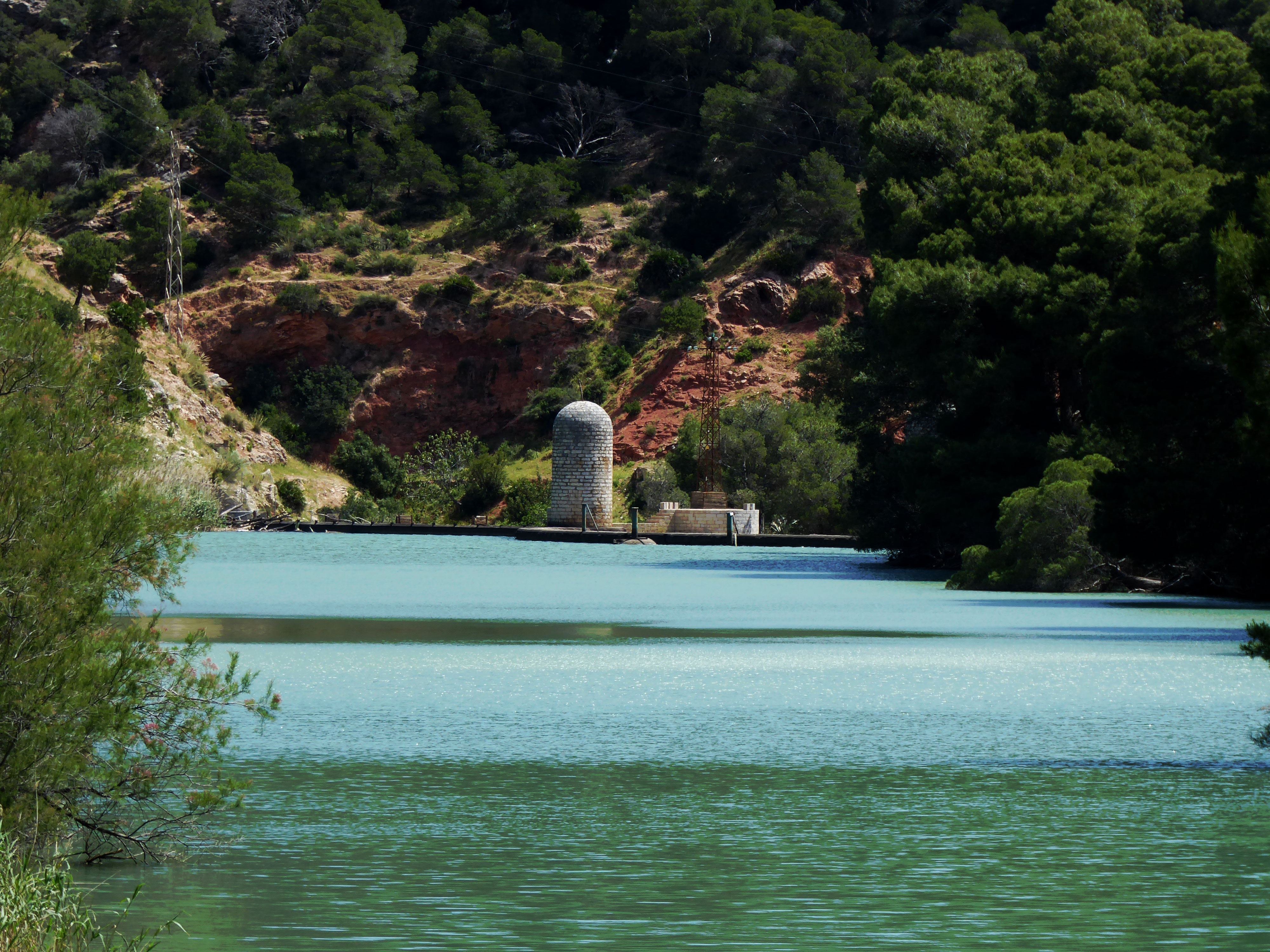
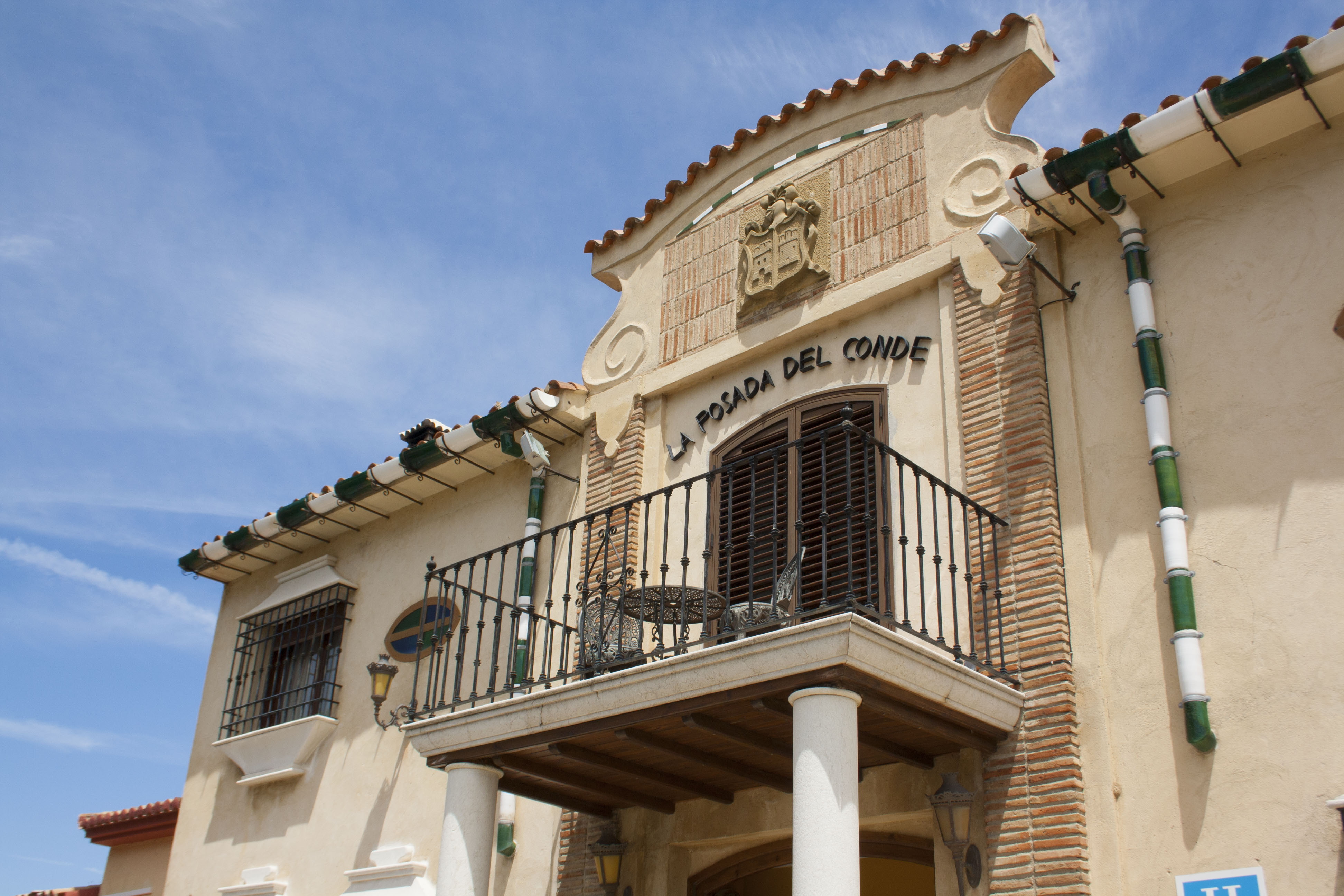 (or you can reserve rooms here if you wish to spend a few days in the area) which you will enjoy with local wines. Their salads are huge and the ingredients so fresh that I would have been content with only this but I worked my way through some delicious plates of chicken, jamón, vegetables and dessert. Another walk through the gorge was called for!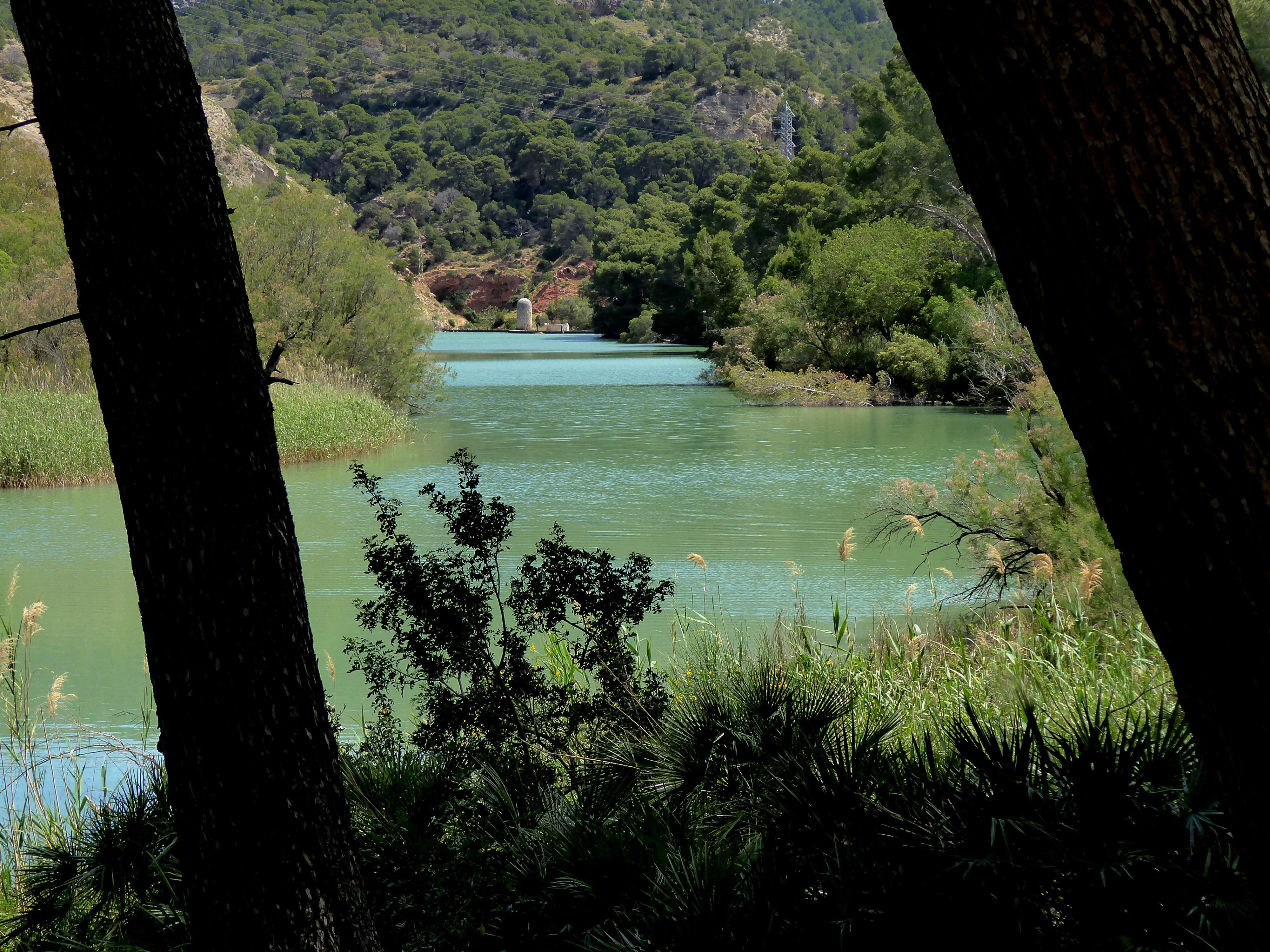
 MARI'S TRAVELS WITH HER CAMERA