I debated with myself whether or not to post these images as some might wish to argue that they are not sculpture. Yet they were brought into being by a sculptor whose name unfortunately, I have not been able to find (I am still searching).
So here is the Monument to the Scottish fallen in World War 1, an unusual sculpture of granite slabs slotted together like dry-stone walling which stands in a field adjacent to the British Military Cemetery on the road between St. Laurent-Blangy and Gavrelle and which was unveiled on 9 April 1922, the fifth anniversary of the battle. Located north of the village of Athies it is not far from the battlefields of Loos and Arras.
Pont du Jour Memorial to the Scottish fallen
Around the field are individual stones with the names of Scottish battalions who fought here.
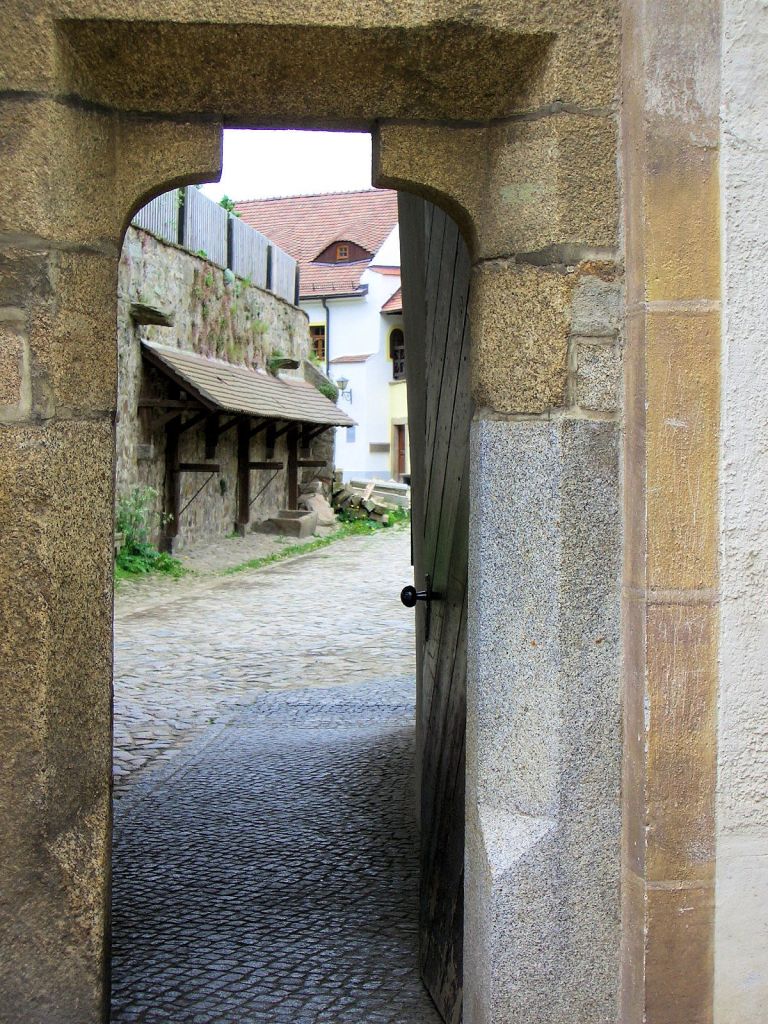
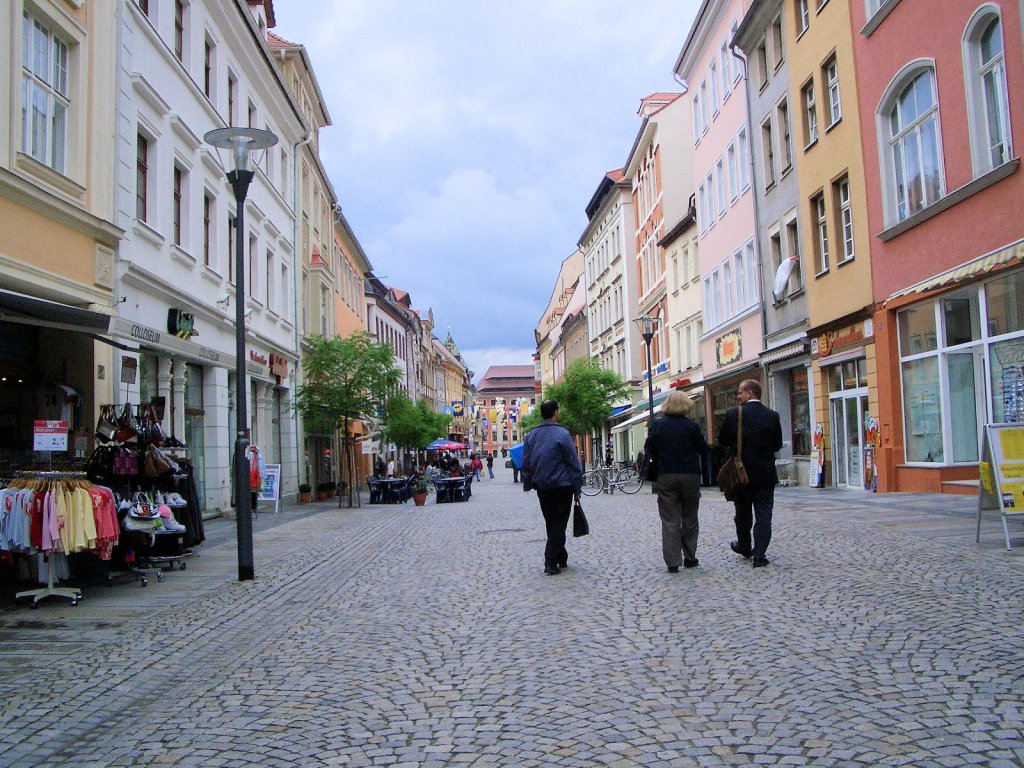
Just 40 Kl from Görlitz in German Saxony lies Bautzen, the town famous for the fact that all political prisoners were sent here at one time, and which celebrated its 1000-year-old existence just a few years ago. Although heavily damaged during World War II Bautzen has been well restored but it still retains the air of a small country town.
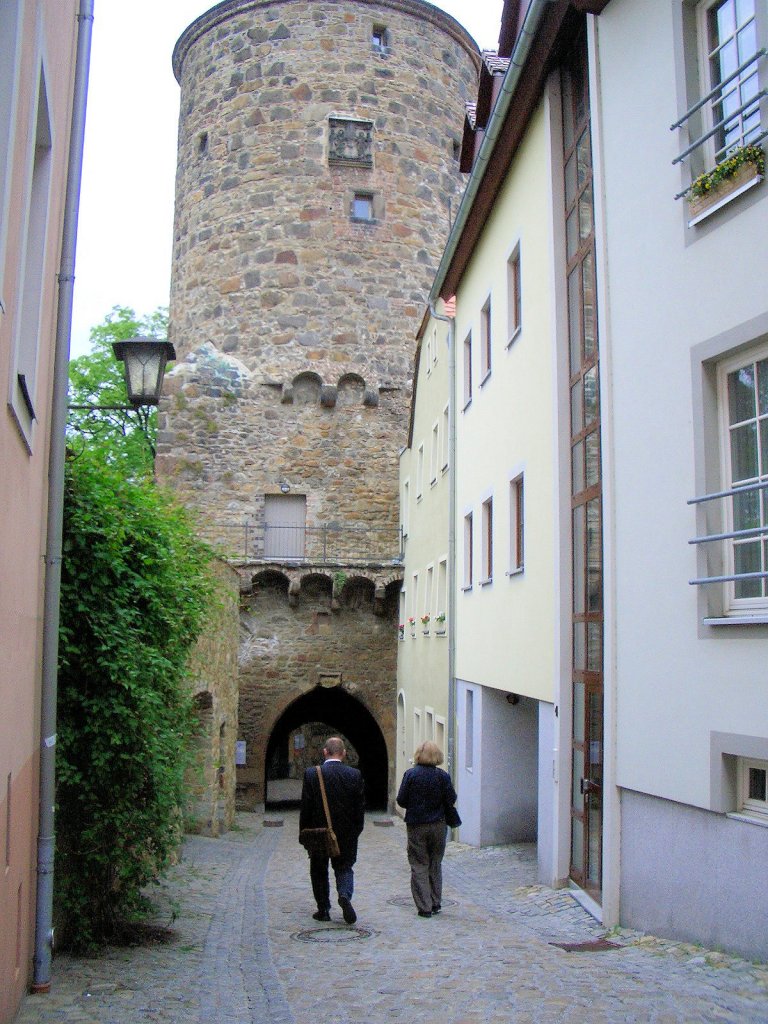
Although a small town it is the capital of Upper Lusatia, the region inhabited by the West Slav Sorbian minority since the 7th century. It is a typical German small town with a castle dating back to the 10th century, an interesting church, a town hall, and a main street lined with colourful old houses.
Image by Rico Lob (Pixabay)
Bautzen
It may be but a short hop but Bautzen is a world apart from Görlitz by virtue of the fact that it is the centre of Sorbian culture and the seat of the Sorbian nation. It would take more than a few posts to summarise the history of the Sorbian nation but it helps to know that the modern nation was founded by Moravians and Bohemians who had separated from the Catholic Church, long before Luther made his break from Rome. Both Catholics and Protestants live peacefully together although Catholic women wear white caps whereas Protestant women wear black, so one feels there may be some small tension there. Sorbs can be found across Central Europe, in Czechoslovakia and Poland.
The Sorb culture was suppressed by the Nazis during World War II but the end of the war saw the territory under the control of the Soviet Union, and it was this that was a factor in helping them re-establish their culture in 1945. As the communists wanted to prove they were better rulers than the Nazis, they made special efforts to re-instate the traditions and language of this Slavic minority with the result that today, the town is bi-lingual, the Sorbians dress as they did over 100 years ago, publish their own newspapers, have their own radio, perform in and support Germany’s only bi-lingual folk-theatre, educate their children in Sorbian traditions, speak their own language, and have been effective in ensuring that road signs and official notices in the area are in both German and Sorbian. The cultural museum in Ortenburg Castle tells the story of this Slavic people whose language closely resembles that of Czechoslovakia.
Traditional Dress of a Sorbian Woman
Bautzen is unique in other ways too, being positioned on a granite plateau above the Spree river and from the Friedensbrücke Bridge there is an awe-inspiring panorama of the 23 medieval towers that dominate what remains of the town wall. In the town centre stands, or leans, another tower, the 1000 year old Reichen Tower, which is 1.44 metres off the perpendicular. Visitors should climb to the top for a view of the town centre, rebuilt in Baroque style after the 30-years war in the 17th century.
And after all that sightseeing, the essential thing is to visit the famous Wjelbik restaurant with its splendid stained-glass windows for a typical Sorb meal. This may be served by the owner dressed in her 102 year old traditional Sorb costume who will take great delight in explaining every dish to you, from the dumplings in horseradish sauce to the home-made cinnamon ice-cream, or charming waitresses in national Sorb costumes.
Image by Rico Lob (Pixabay)
The food is heavy on carbs, lots of dumplings, but the icecream is fantastic.
Bautzen and Görlitz once formed part of a six-city alliance which wielded power over the whole of Upper Lusatia. That power has waned, but composers, castles, architecture and arts, are once more energising the life of this beautiful province and its power to charm the visitor is once again its greatest attraction.
Still a few interesting ruins around
Featured Image by Rico Lob (Pixabay)
Tourist information for Bautzen: Touristinfo Bautzen/Budyšin, Hauptmarkt 1, 02625 Bautzen: email: www.bautzen.de
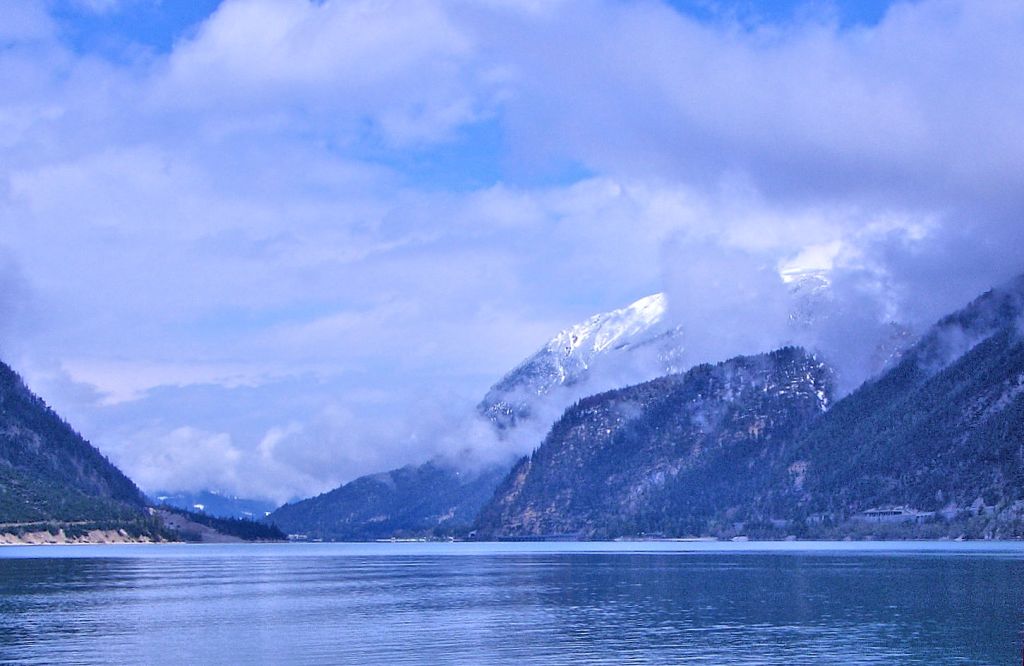
Between lakes and mountains on an unforgettable trip in the South Tyrol. This was late evening on my way to a Spa hotel where they had a vibrating bed!
A few days ago I published a post under the same title using two of Paula’s suggested words, and now I’m following up with another – Cuisine.
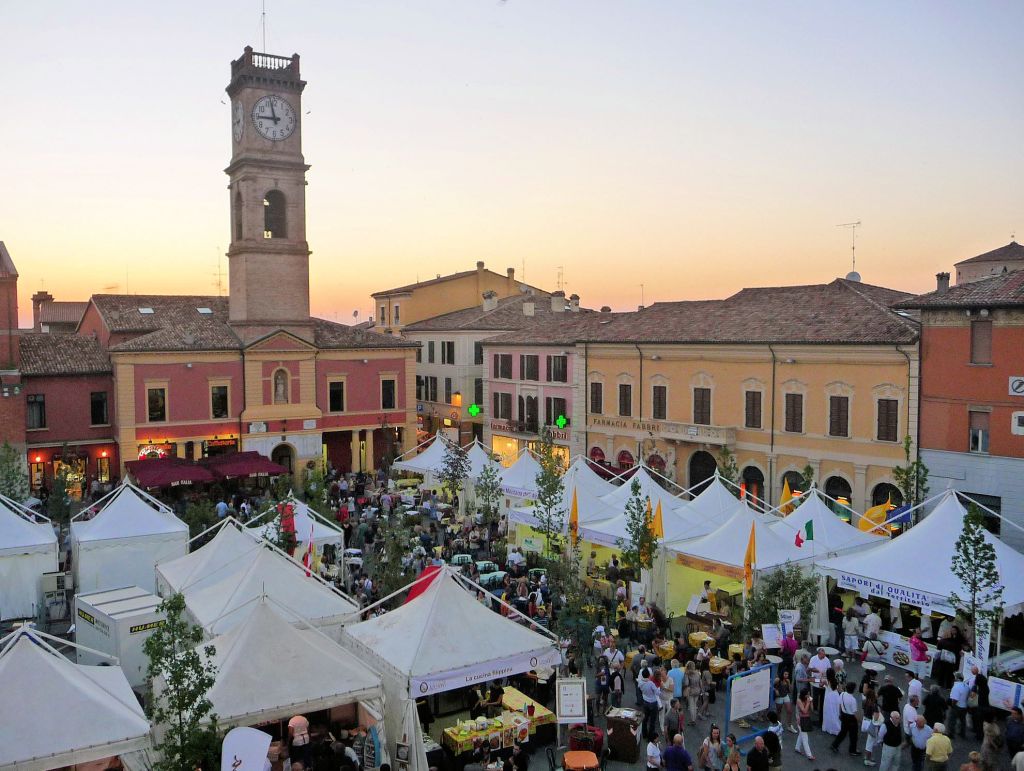
A couple of years ago I attended the Artusian Food and Wine Festival in Forlimpopuli in Italy, a festival that runs for ten days (I was only there for two) and which is run in honour of the father of modern Italian cookery Pelegrino Artusi (1820-1911). Mention him to any Italian chef and he will be instantly familiar with the name.
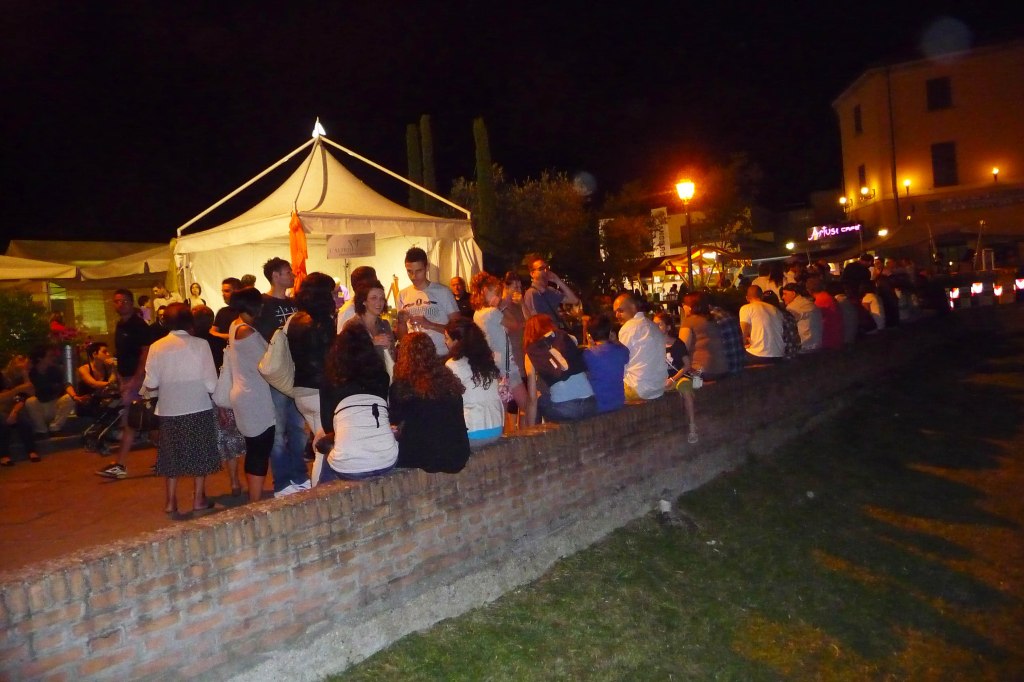
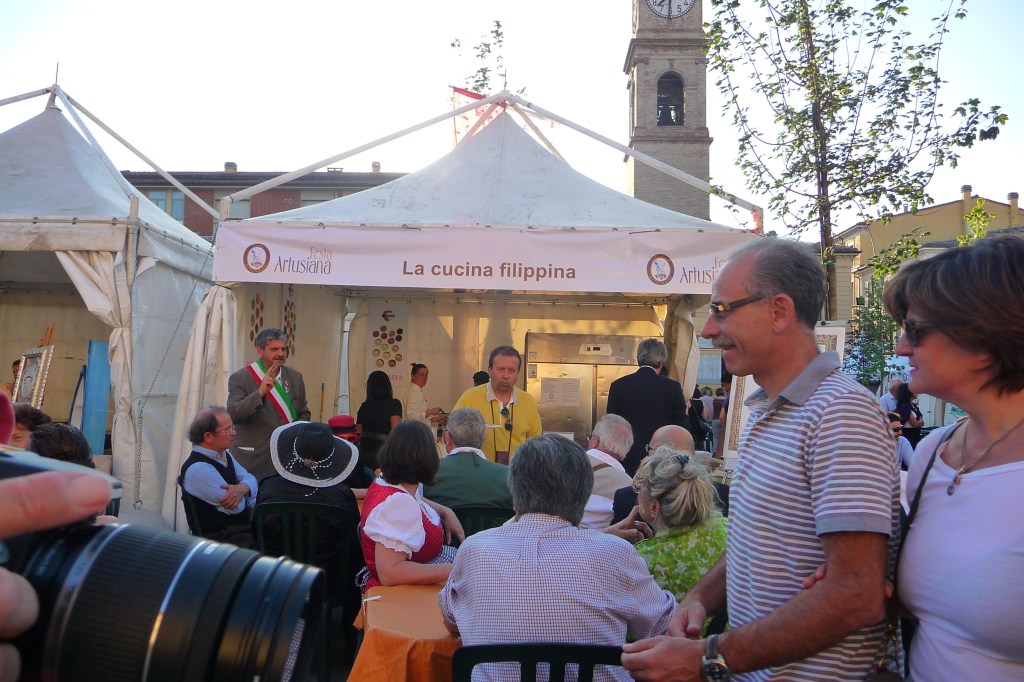
The Festival is about “home cooking” and “eating well”, and during the festival the town is thronged with food lovers, the streets and Piazza’s are re-named to connect with the Artusi cookery book, and day and night there are food tastings, packed restaurants, speciality menus, concerts, events, street musicians and happy people.
Piazza Artusi – re-named for festivalNight time and the eating continues at the Artusi FestivalThe tasting tent for Philippine food
I had planned a return this year but the festival was cancelled. I hope to make it next year as I yearn for that full-on festival atmosphere (without drunkenness, muddy fields or portaloos) which, it seems, you only get in the Mediterranean countries.
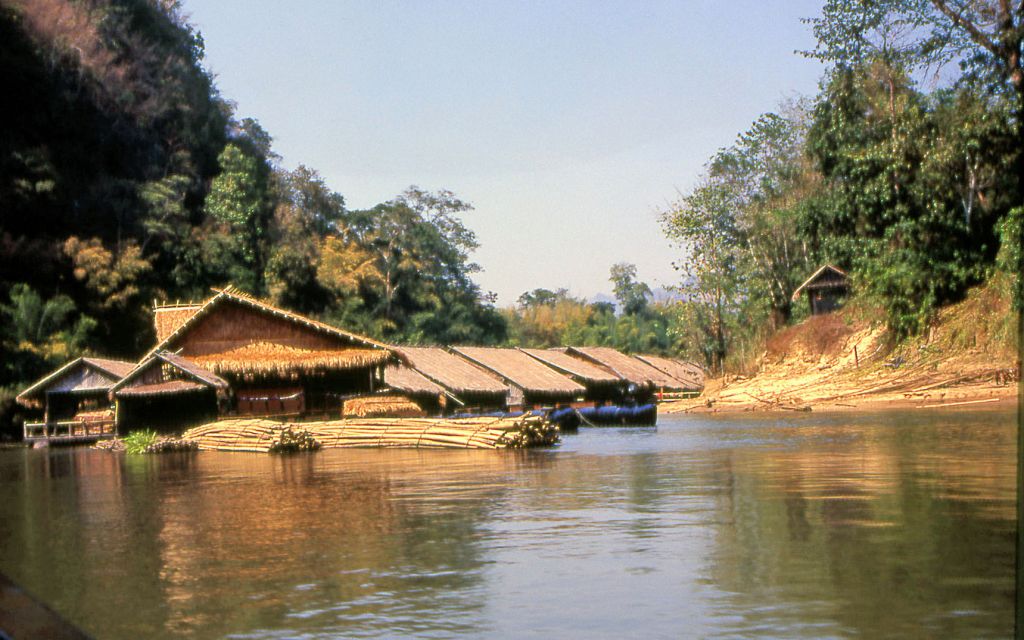
A scene of peace on what was once the site of unimaginable pain, Hellfire Pass on the River Kwai in Thailand. In this area live the people of the Mons, a distinct Thai tribe. One of these thatched houses is a schoolroom, one a restaurant and one a ‘hotel/restauarant’ (cold water shower with water from the river).
River Kwai
Water buffalo make the houses rock as they pass, the nearby paths are used by elephants and the high-pitched yells of monkeys serve as an morning alarm. I stayed here for a couple of nights and the animals kept me awake all night but I didn’t mind, it was magic.
Linked to Lost in Translation’s Thursday’s Special: Pick a Word
I’m a newbie on this site but love having an excuse to showcase my images by linking them to a word provided by Paula. Hope you like them.
ESTIVAL
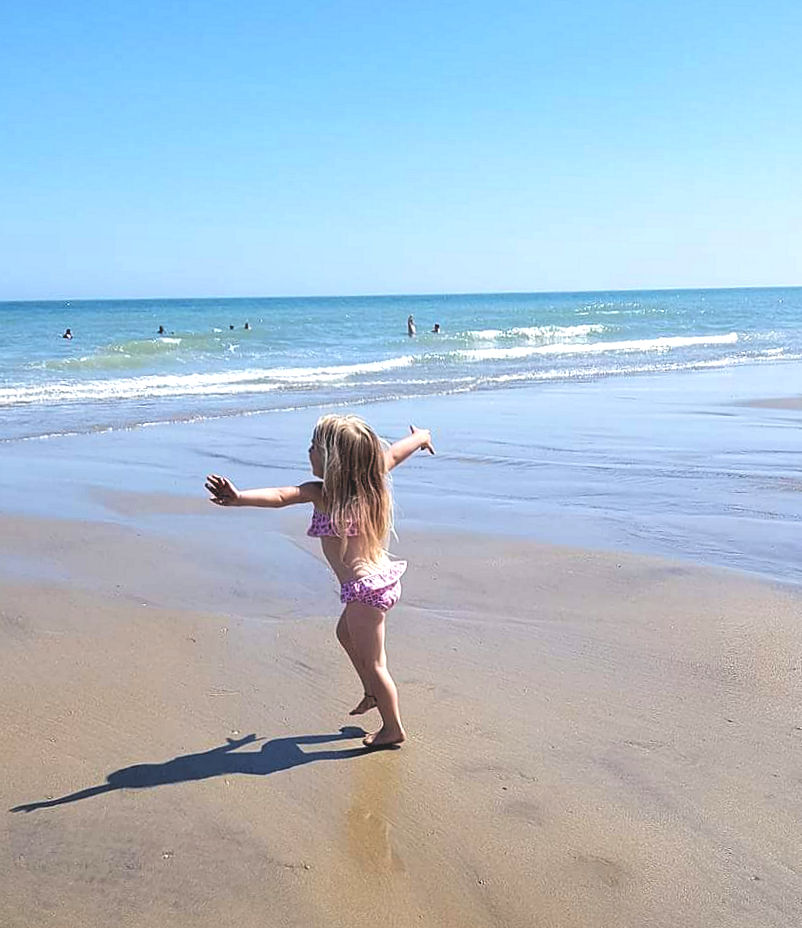
Dessie – Morning awakens and there’s the beach.
To me this photographs is summer writ large. It’s a 3-year-old member of my city dwelling family on her first morning on holiday on the Isle of Wight. The sheer delight on her face as she ran towards the sea, without fear, was wonderful to see.
SPAN
The Bridge at Mostar
The Red Bull Cliff Diving Championships at Mostar, 2018
We arrived at Mostar to find the town packed with divers who had come to take part in the Red Bull Cliff Diving Championships, their friends and managers. At first I was annoyed as the crush prevented us from doing the sight-seeing we’d planned but we soon became fascinated onlookers at the event. We were lucky to find a restaurant with balcony overlooking the river from which to view the diving so we settled in for lunch and watched the proceedings for most of the day. The boats in the water are there in case of any accidents (they have been known) and as you can see, some dive from the top of the tower and some dive from off the bridge.
We did manage most of the sightseeing later, after the crowds had gone and it was worth waiting around and getting back to Split much later than planned as history came to life as we wandered alone through the back streets in the early evening.
My recent post in Silent Sunday of an image of a Samoan house brought me not a few ‘phone calls from friends who read my blog but sadly, don’t comment. They all reminded me of an article I wrote some 30 years ago and which has been re-published many times by magazines in different countries and even won a prize back in the day for best published journalism from the Society of Women Writers and Journalists.
I have no photos of the event, it was in the days of transparencies and the last magazine to use them lost them, but I was well compensated for the loss as was the custom in the days before digital – would you believe £90 per trannie?
It’s strange reading it now and thinking of how travel writing has changed but I thought I’d put it up as a blog – so here it is.
Image by Simon Steinberger, Pixabay
Apu, our driver, was a big man, two metres tall and weighing about 100 kilogrammes. He stood before us, barefoot in an ankle-length blue and white lava-lava, a crisp white shirt, and a jaunty red hibiscus in his hair. Like most young men in Western Samoa, Polynesia’s most traditional and gentle island, his arms and legs were covered in tattoos, lending him an appearance that inspired awe in those who met him.
We had been invited to Apu’s village for the monthly cricket match, known as kirikiti, and our international group of three – one English, one Irish and one Australian – were the travelling supporters come to cheer on his team.
Once past the wharf and modest row of wooden offices and shops that line the harbour road of Samoa’s capital, Apia, we swung inland through small plantations of coconuts, yams and the pagoda-like kapok. Within an hour we had arrived at a clearing in a coconut plantation where the cricket match would take place.
Samoan Coconut Plantation by Simon Steinberger, Pixabay
Kirikiti is the Samoan version of a game only marginally recognisable as cricket. Rules are widely flexible and, since most of the young men and many of the girls like to be involved in the game, the number of participants is unlimited. The only proviso is that each team fields an equal number of players. Matches can last several days, with the losing team able to buy itself back into the match by donating a generous sum towards the host village’s catering bill.
There is never a dull mlment in Kirikiti. The odd shape of the three-sided bat and the wickets that resemble thin bamboo poles allow the totally unexpected to happen. Bets are made as to where the ball will land, with spectators and players kept in a constant state of suspense.
The players on the field were a wondrous sight. The 23-a-side teams had hitched their lava-lavas up to their knees and were rushing around the pitch waving to their friends and blowing tin whistles. They were followed by a group of only slightly less boisterous girls.
Apu’s team was sent in to bat first. The opening batsman strode to the wicket with a fierce look on his face, clutching his three-sided bat like a club. Even the yellow double hibiscus he wore in his hair which echoed the yellow flowers on his lava-lava barely managed to dim his ferocious appearance.
Samoan Image by Holger Detje, Pixabay
The warrior like Samoans scorn protective gear on the face and legs and I flinched as the ball hurtled towards the batsman accompanied by what sounded like a war-cry. As it cut through the air towards his hip, he drew his bat back and whacked it clean out of the clearing to murmurs of appreciation from the rest of the team most of whom were lying around the pitch like exotic birds at rest. If Samoan cricket can be said to have a fault, it is that anything less than a hefty swing of the bat is regarded as a serious weakness in the player. Usually the ball – light, and made from strips of raw rubber bled from local trees – flies way over the boundary, resulting in a long search through the undergrowth or in the sea, depending on the location of the pitch.
In this case, the ball flew into the nearby plantation, prompting two fielders to saunter off in search of it. During the ten minutes they were gone, the remaining players and spectators sat and gossiped and smoked banana-leaf cigars. The umpire picked up his guitar – conveniently left by the side of the field before the start of play – and began strumming. Others joined in singing. No one seemed to mind the game stalling, and it would have been churlish of us to complain.
Thwack! The second ball went the same way, soaring overhead to more appreciative whistles from the spectators who followed its flight with shaded eyes. We listened for the sound of it thuddng against the earth, but heard nothing. This one would take longer to find.
Some village boys and girls and two opposing team members vanished into the undergrowth. Two minutes passed, then five, ten: fifteen minutes elapsed before they emerged holding the ball aloft, three of them now wearing leis of blue and purple morning glories around their necks.
Those not fielding or batting sang and danced on the sidelines. It was difficult to know what attracted the spectators more, the cabaret or the cricket. Whistles were used throughout the game to emphasise good hits and the teams occasionally broke into exhuberant bursts of dancing.
Play continued for the rest of the afternoon, interspersed with singing and guitar playing when the ball was out. Apu’s team was losing the game as evening approached, prompting a heated debate as to whether it should continue. In the end, finances dictated that they concede the match, just as the tropical night descended.
Samoan Cricket on the Beach – Photo by MAM Ashfaq on Pexels.com
What sealed that day in my memory was not the match, however, but what happened after it was finished. Samoans love music and their rich, melodic voices entertained us with a song about the events of the day, in which we, their visitors, figured, ending on a plaintive note of farewell.
Then they sat back and looked at us expectantly. It dawned on us that local etiquette demanded we return the compliment. We protested our lack of music, our harsh voices, and our inability to sing like the Samoans, but all in vain. Gently, but firmly, it was explained to us that the day could not conclude without our offering a song. There was no hurry. The night was still young and we could remain there as long as we wished.
We huddled together, desperately trying to think of a song the words of which we all knew. Waltzing Matilda was discarded early; Danny Boy nearly won but none of us could get beyond ‘the summer’s gone’. Finally, our voices quavered on the air as we nervously began to sing the only song we all remembered from childhood.
No one laughed. Encouraged by the looks on the faces surrounding us and by their evident enjoyment at our attempts at a cappella, we embarked on a second and third verse in louder voices.
Samoans have an uncanny ability to pick up a melody garnered from years of harmonising in church, and as we came to the final chorus, their rich, deep voices blended effortlessly with our reedy falsettos and the entire village echoed to the massed voices of the Kirikiti teams and their supporters, as we all sang out con brio –
Bring back, bring back, Oh bring back my bonny to me, to me.
Bring back, bring back, o bring back my bonny to me.
It was the first, and last, time I’d cried at a cricket match.
Silent Sunday because the people are all in church – the Samoans are great church goers and they love hymn singing.
This is a typical Samoan dwelling, open to the elements and to the curious gaze of passers-by. They like people looking in and stopping to gaze at their possessions. In some houses you will see maybe 6 or 7 mattresses piled one atop the other, a sign of wealth, but wealth does not much matter here – or it didn’t when I visited many years ago – as the villages live as real communities and help each other, sharing food and resources as needed. If a storm is approaching they cover the openings with large banana leaves and suchlike .
Posted in connection with Debbie’s One Word Sunday – Arches
Arches are hard to avoid anywhere with ancient Roman or Greek architecture but I managed to find a ‘natural’ arch to supplement the two historic ones from Sicily/
Cave of the Nymphaen at Syracuse, SicilyArch in the rocks off the coast of Lipari, Aeolian IslandsGreek Theatre, Taormina, Sicily
If I had to choose a favourite it would be the Greek Theatre one, through which one can see a snow-covered Etna during the winter or on a still, calm, day, perhaps smoke erupting from the still-active volcano, at all times a perfect background to the play being enacted.
Posted in connection with Debbie’s One Word Sunday – Arches
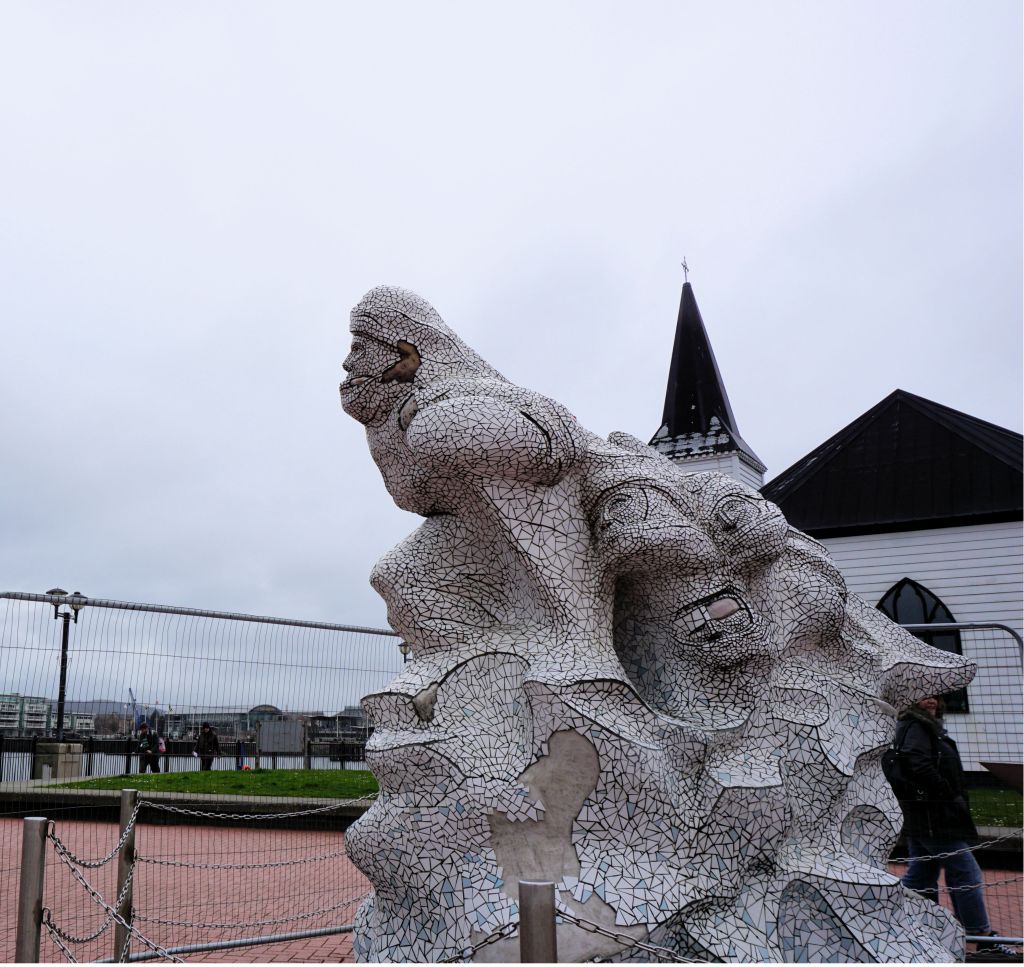
Mosaic sculpture Antarctic 100 erected in Waterfront Park, Cardiff, to celebrate the 100th Anniversary of the polar expedition which left from Cardiff in 1910 led by Captain Scott. The sculpture is by Jonathan Williams and it was erected in 2003.
It is perhaps fitting that this sculpture stands in front of the Nordic Church which once tended to the needs of the Norwegian sailors who sailed into and out of Cardiff Bay.
It was difficult to get a good picture of this sculpture because it had been surrounded by metal gates as a security measure and there was no way to get into the compound.
Captain Robert Scott’s trip to the South Pole which claimed his life and that of four more explorers left from Cardiff 110 years ago. His ship, the Terra Nova, sailed from the city’s docks laden with 100 tonnes of coal, 300 tonnes of fuel made from coal dust mixed with bitumen, as well as pots and plans from the Llanelli tin works.
His ship was cheered on by thousands when it set sail from the Welsh capital on the afternoon of 15 June, 1910. Three years later, thousands joined Scott’s widow Lady Kathleen and young son Peter to welcome her back.
Caption Captain Scott
In March 1912, Scott and his companions died just 11 miles from a supply depot having made it to the South Pole in January of that year only to find that Norwegian explorer Roald Amundsen had beaten them to it. Edgar Evans and Captain Titus Oates had earlier lost their lives.










 MARI'S TRAVELS WITH HER CAMERA