Blog

  • Sculpture Saturday: Seville

    In the lovely Maria Luisa Park in Seville is a monument to the Spanish poet Gustavo Adolfo Becquer and his poem Amor Eterno (Eternal Love). The statue depicts three women symbolizing the three states of love, excited love, possessed love and love lost. Behind them are two bronze pieces, ‘wounded love’ and ‘love hurts’ and a lifesize statue of the poet Becquer. The group of female figures is sculpted from a single piece of marble.

    Glorieta de Becquer –  Monument was constructed in 1911 by Lorenzo Coullaut-Valera, in collaboration with the architect Juan Talavera Heredia and Catalan sculptor Federico Bechini.

    The Cypress tree around which the monument is located was planted in 1850, according to some, and in 1870 according to others, and it is one of the individual trees of the Parque de Maria Luisa. The monument can be found along the Avenue de Becquer at the roundabout of the same name.
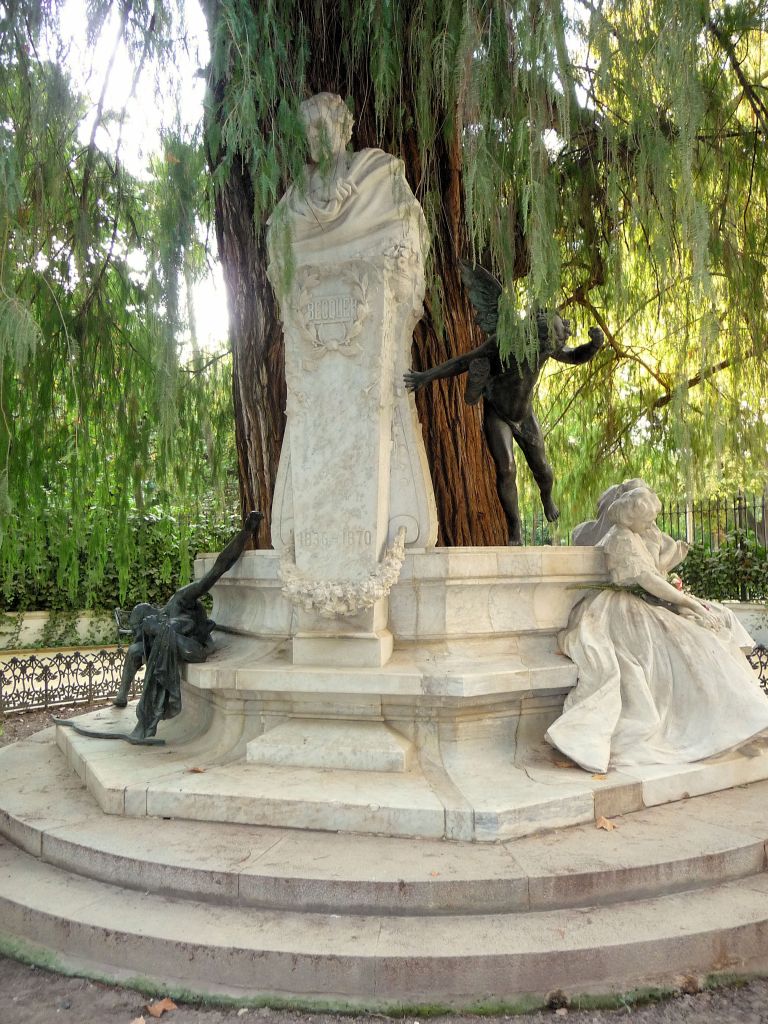
    View from the other side with statue of the poet Becquer and the two bronze figures with the seated females.

    Hundreds of trees line the avenues with exotic touches provided by colourful tiled benches and Moorish fountains and pools and there are numerous seats around the park and the famous monument from which to enjoy this beautiful green space close to the River Guadalquivir..

    The park was the site of the Expo 29, which had the Plaza de Espana as its centrepiece. My favourite way to see the park is to take a carriage ride through it – and yes, I know it’s a bit touristy and kitschy but nevertheless, it is a magical way to view this park. Large enough never to feel crowded, it is also a delightful place for a quiet stroll, a kids’ runabout, or a boat ride.  A more energetic option is a bike for four with sunshade – the front seats have belts to strap wriggly young children in safely. They are for hire in the road opposite Plaza de España.

  • An Artist in Ice

    An Artist in Ice

    Birthday Party on the Beach

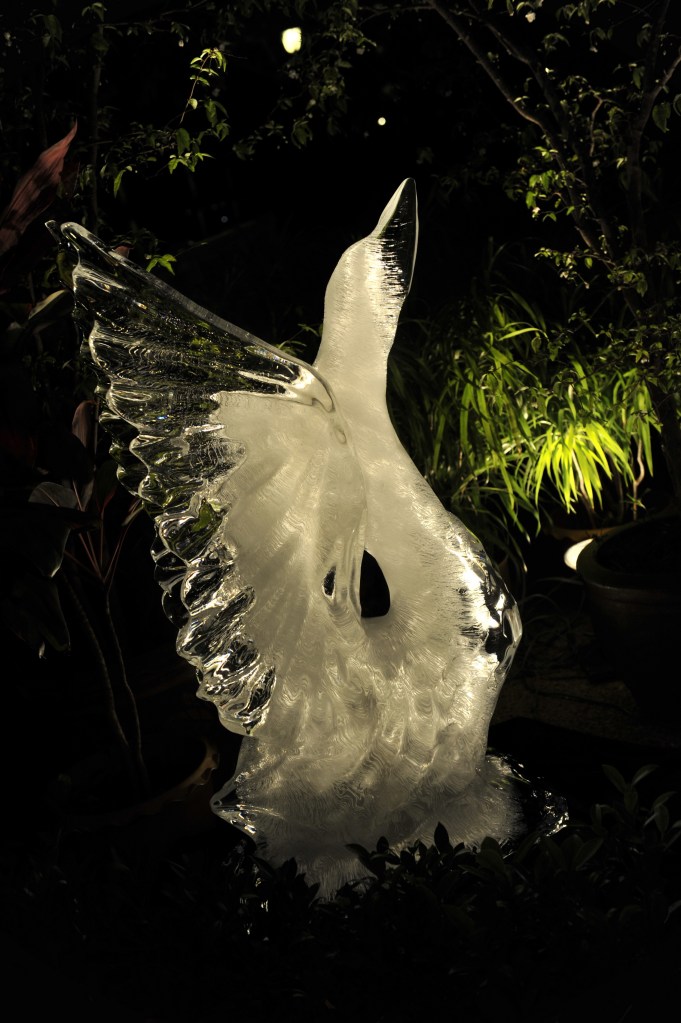
    The Buffet table at your holiday resort looks stunning, the food arranged with aesthetic attention to detail, and dominating the centre is a beautiful carving in ice, a pagoda, a ‘plane, a fantasie in ice with coloured lights making it dance and dazzle, or a bird, its neck an opaque white and the translucent wings poised as though to take flight.  In a few hours it will have dissolved into a puddle.
    The people who create these centrepieces are artists in ice, men and women who have the ability to create these beautiful animals, birds, and flowers in frozen water to add a shimmering brilliance to the tables.  And they do this knowing it will all disappear in a few hours. Performance art? Or art installation?

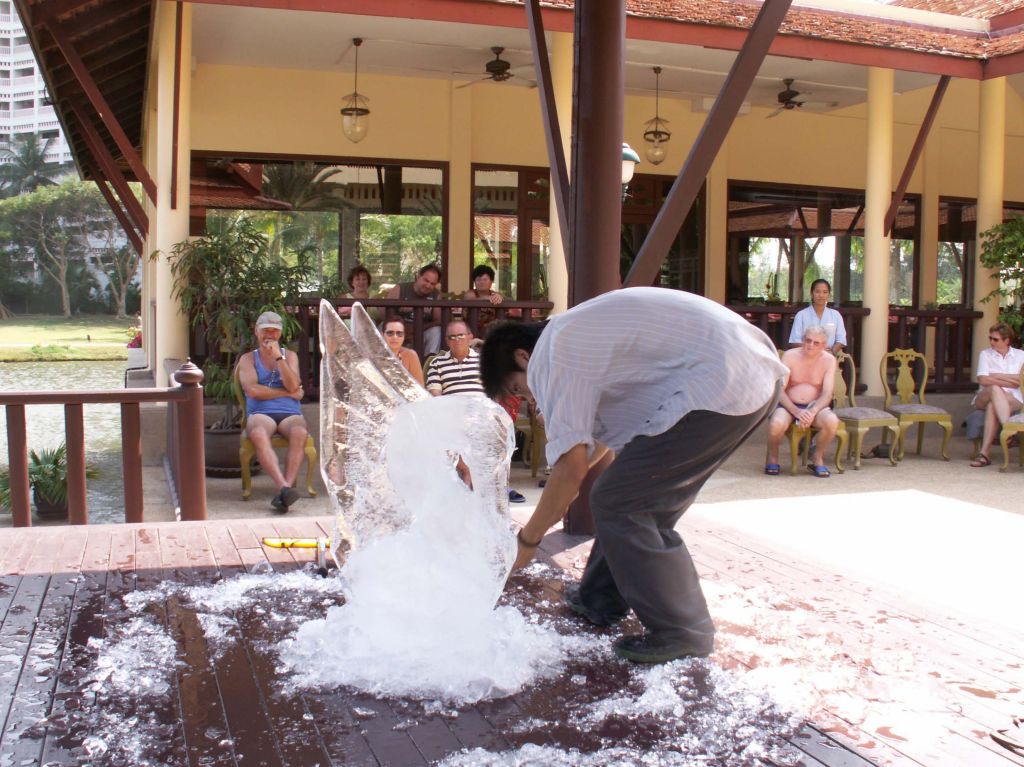
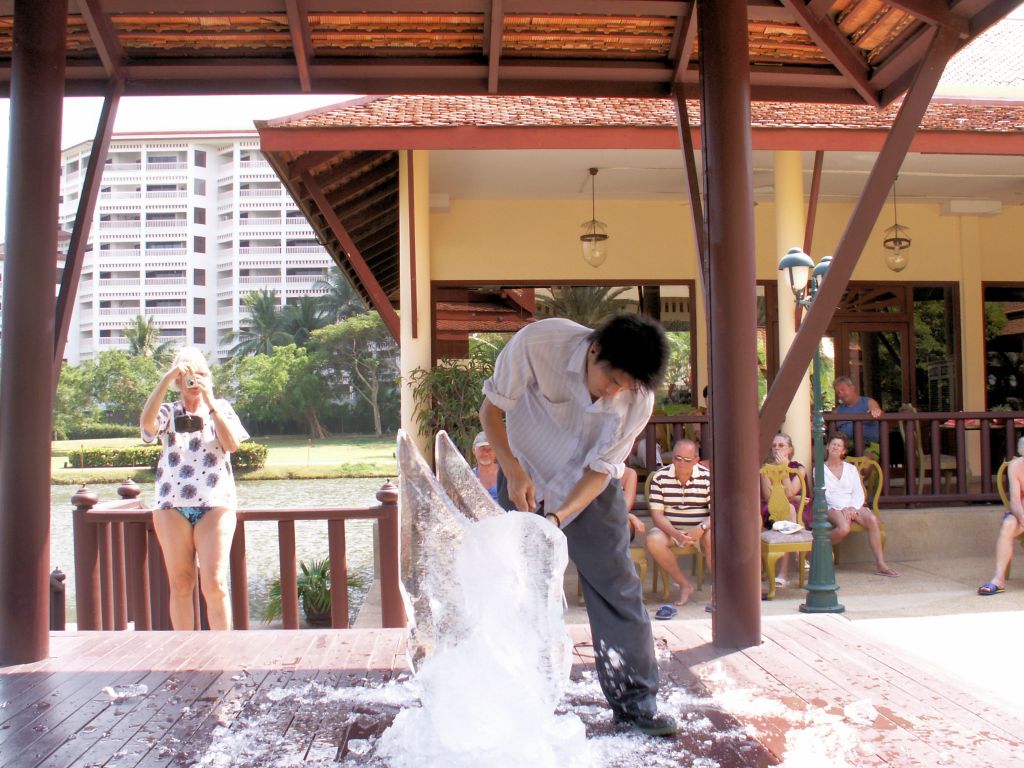
    Khun Panas Suchantra at the Dusit Thani Resort in Hua Hin, Thailand, was the resident artist in this ephemeral medium when I was last there.  He is involved in every aspect of the work, from the early discussions with the F & B Manager, the chef, and the General Manager if the event is of importance.  

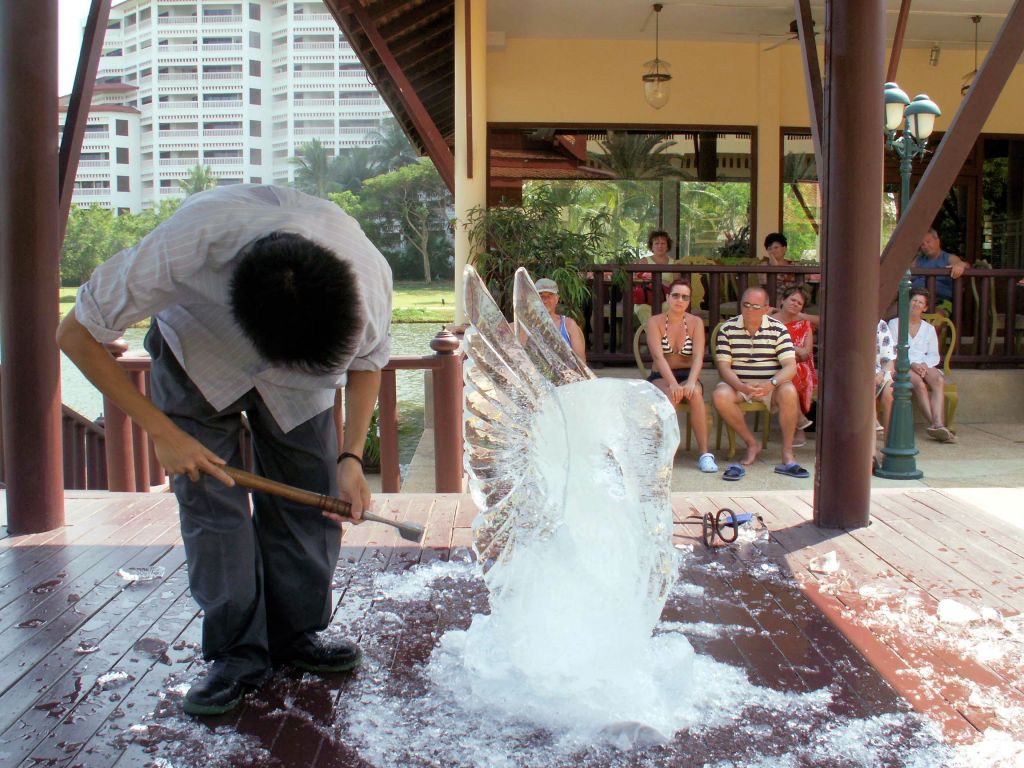
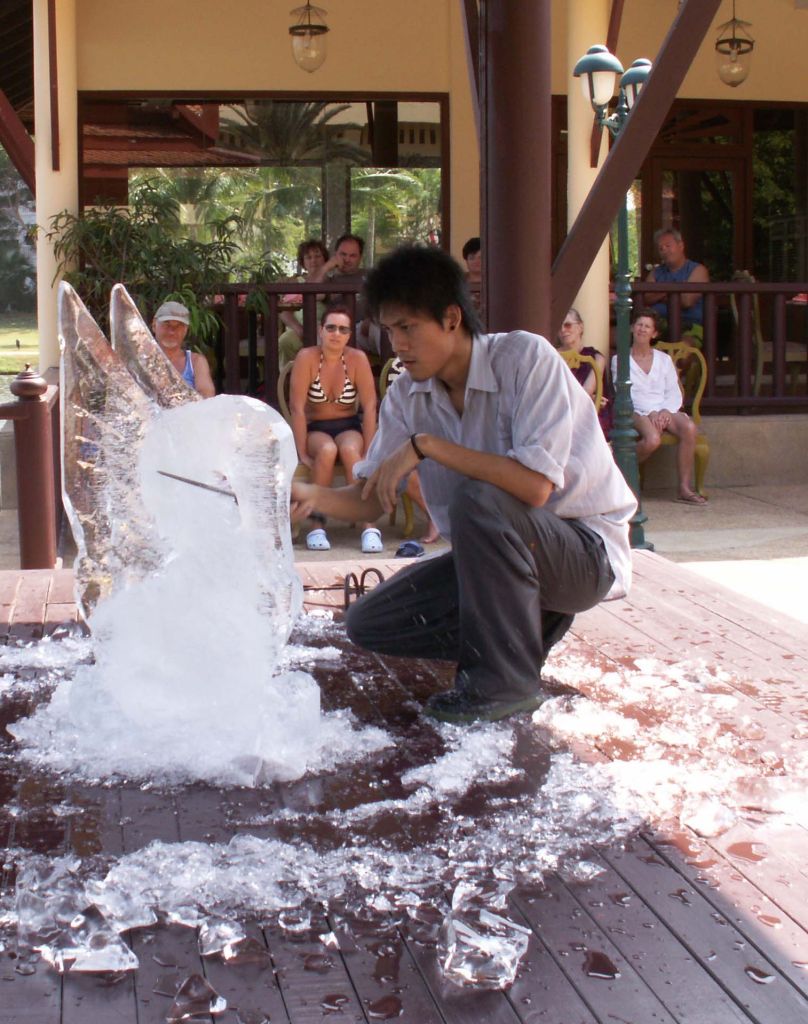
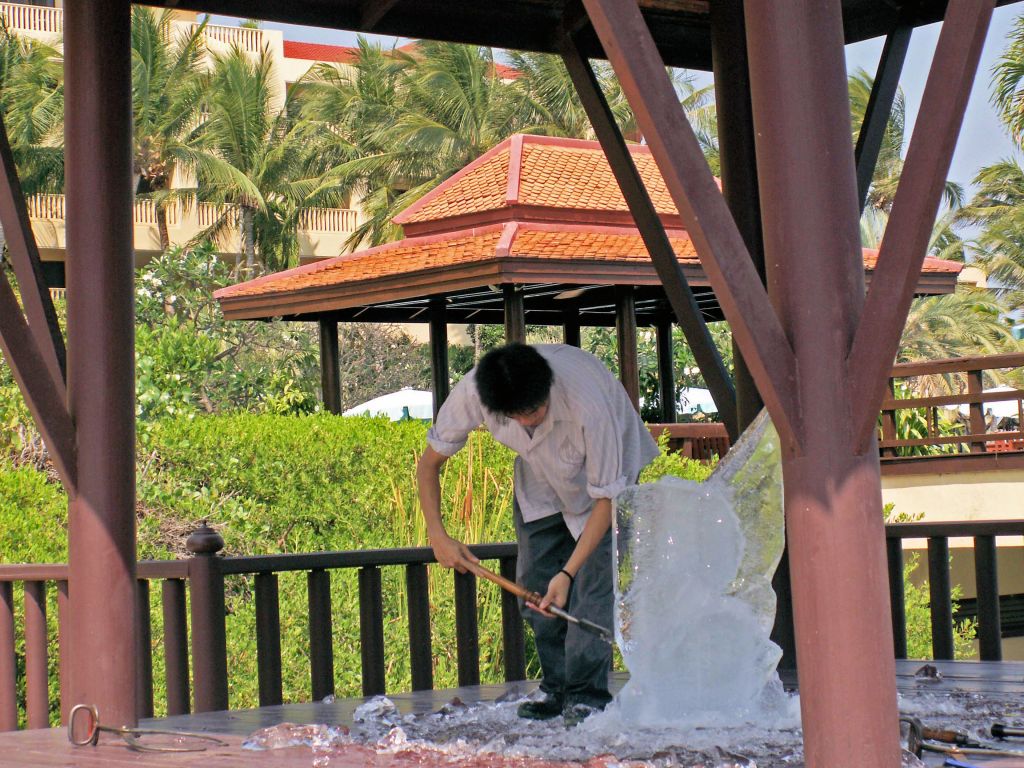
    I watched him work on various carvings over a three week period and never tired of the theatricality of the scene as he chipped and chopped, moved around with speed (the ice continues to melt as he works on it) and created delicate ice flowers and feathered wings with the precision of a mathematician.

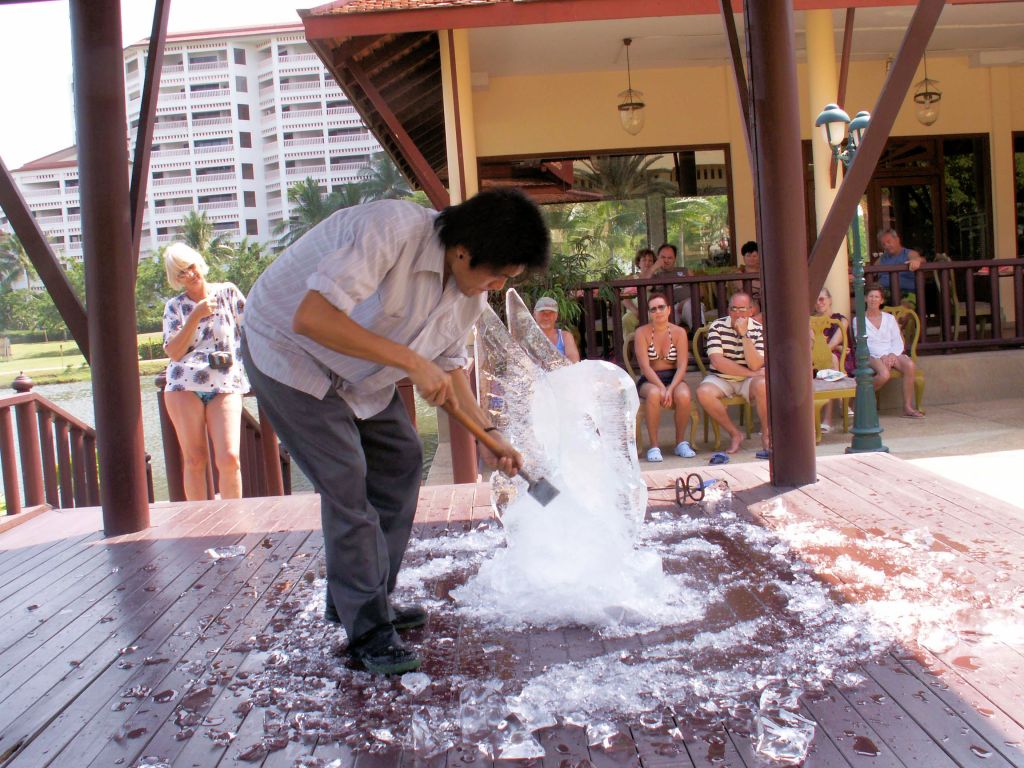
    Most ice-carving artists use many different types of chisels, plus a saw, to get their effects.   Initally, a V-angle chisel is used to score the outline and to draw on the uncut ice, gouge chisels with their round tipped blades are used for making patterns, and flat chisels are for shaving.  The saw is used for cutting and carving (see photograph below).

    Khun Panas  often works outdoors in a covered Pagoda overlooking the sea, a piece of performance art that is much appreciated by the visitors to the hotel who gather round to watch in silence, as a solid block of ice is transformed into a three-dimensional sculpture. 

    As he works, the mateial starts to melt and there is a sense of urgency about his actions but with a few quick movements he saws off a piece of the block on which he outlines a shape before beginning to chisel away the excess.

    With the outer shape of the subject delineated he starts on the base cutting into the ice to enhance the main figure.  After that it seems but a very short time before the ice-carving is complete, to be taken into the kitchens and stored in the freezer until it is ready to be placed centre table at the buffet.

    Japan is the country that has elevated ice sculpting to high art: you only have to look at the Winter Festival in Sapporo to see what visions they create.  It goes without saying therefore, that the best and most expensive tools come from that country, seasoned by years of experience in making Samurai swords.

    Tools of the ice-carver’s trade

  • One Word Sunday – Spring

    Debbie’s theme this week for One Word Sunday is SPRING.

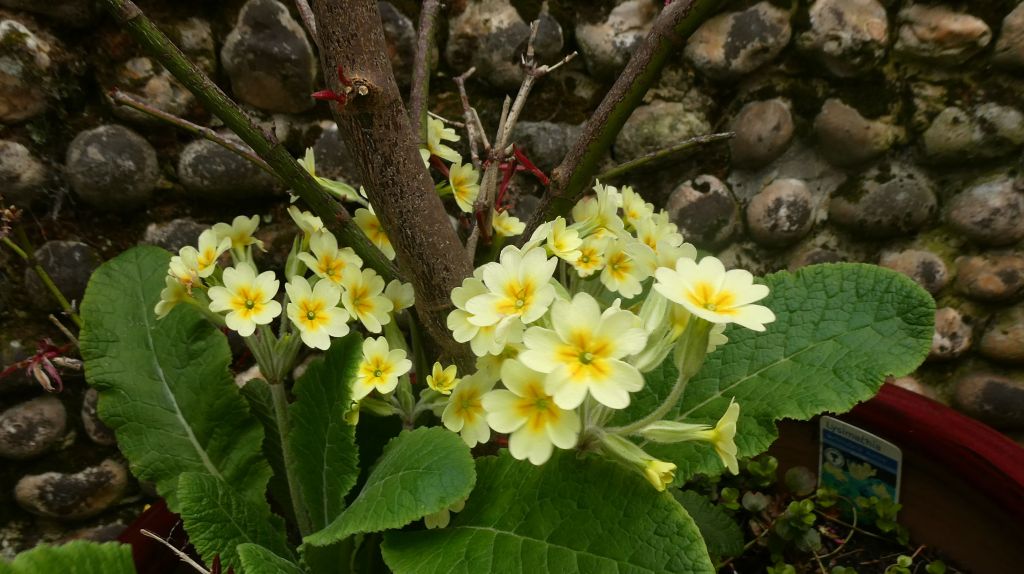
    So, I dashed into the garden with my camera and took these signs of spring today before the coming heatwave shrivels them up – if we believe the weather forecast, that is. But if we do bask in tropical heat from Tuesday, I won’t mind as the thought of warm weather at the moment just makes me sing.

    Next to Daffodils, Aubretia always makes me think that summer is not far away.
    In a pot in a corner of the garden I found this strange mix: one lone daffodil, a geranium and some osteospermums. It’s far too early for the geranium, I’m not sure about the osteospermums, and I don’t know how they all ended up together in this one pot, but any colour is welcome in my garden.

    Link to One Word Sunday at Debbie’s here.

  • Pick a Word – March, 2021

    Pick a Word – March, 2021

    Linked to Paula’s Challenge Pick a Word here.

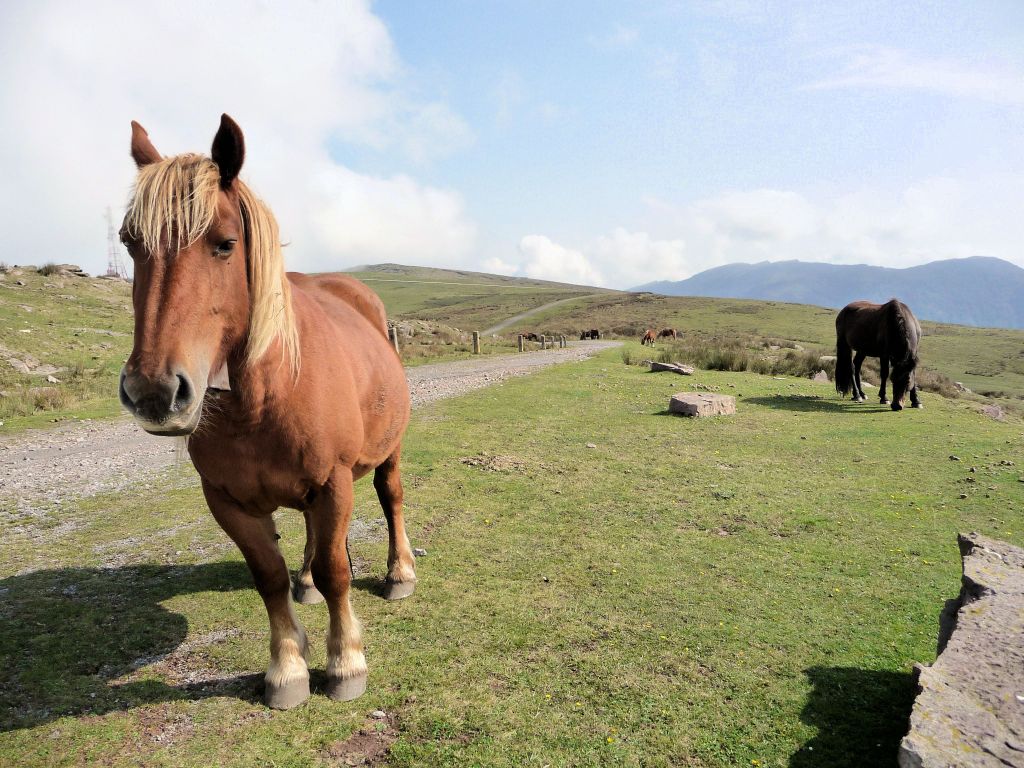
    EQUINE

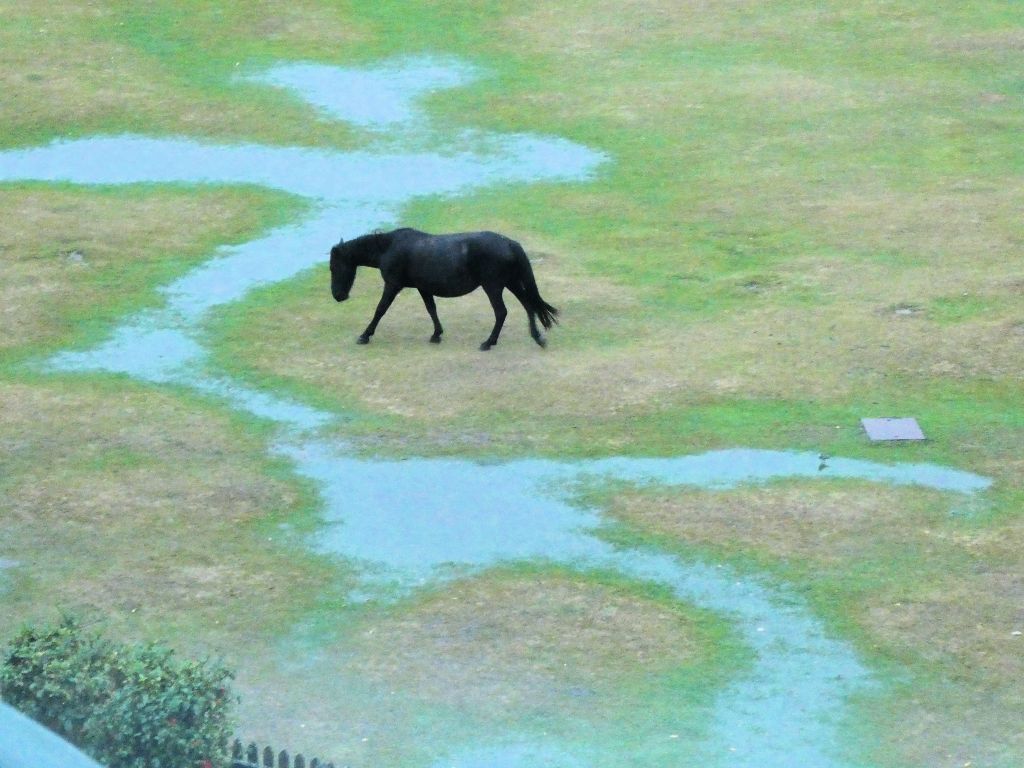
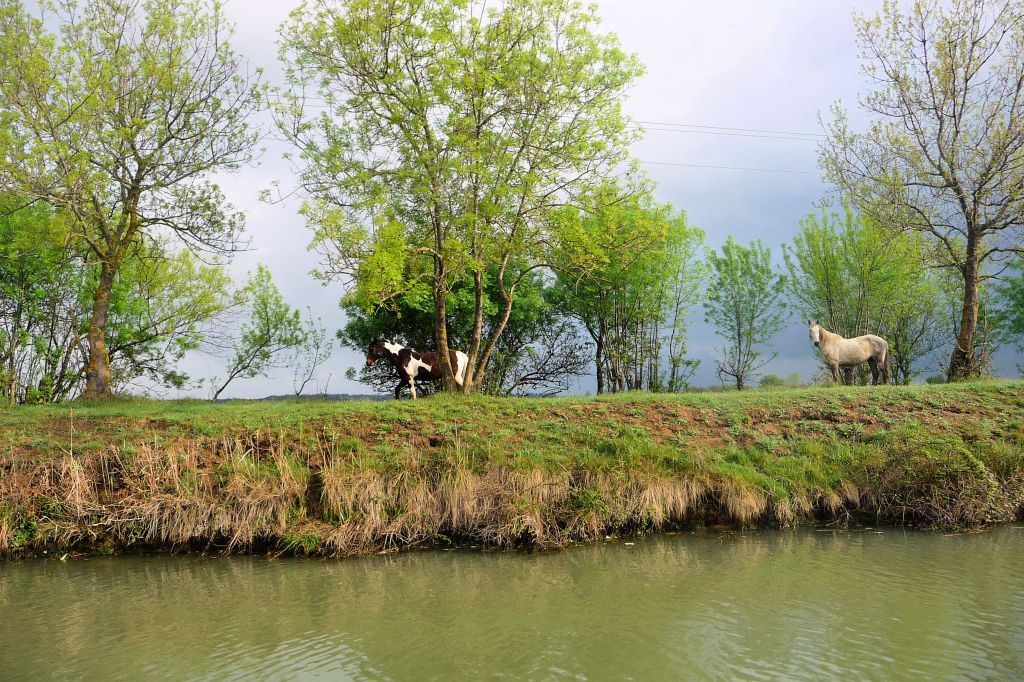
    I tried to find something other than horses that could be associated with Equine but I’ve hit a blank wall, so here are three from different countries.

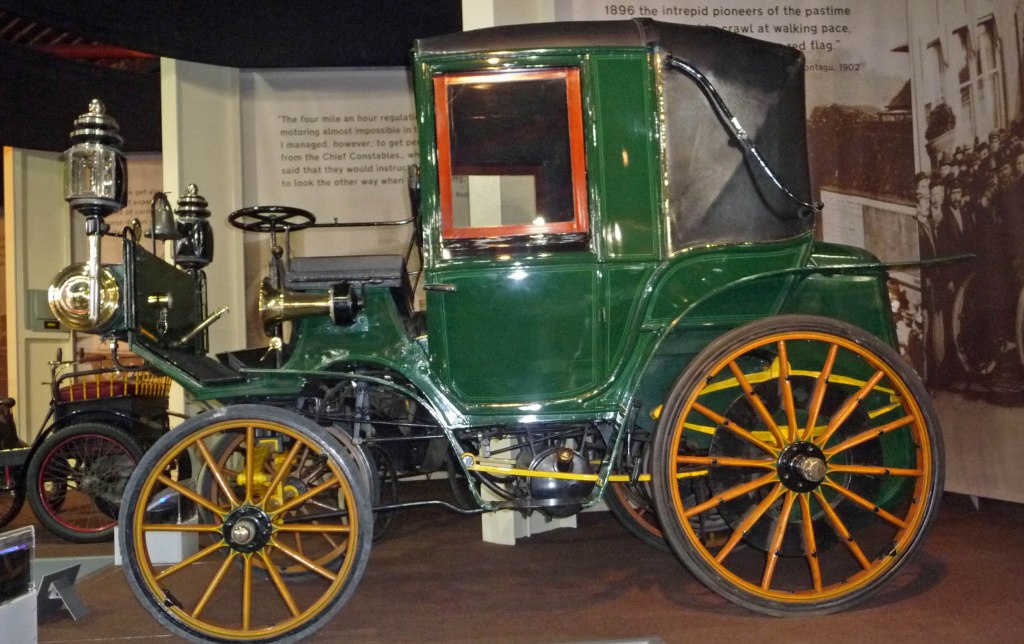
    GLEAMING

    And what could gleam more than the highly polished antique cars in the Beaulieu Motoer Museum in Hampshire, UK.

    And still gleaming, what about the white terraces formed from sedimentary rock deposits of hot springs at Pamukkale in Turkey.

    Pamukkale

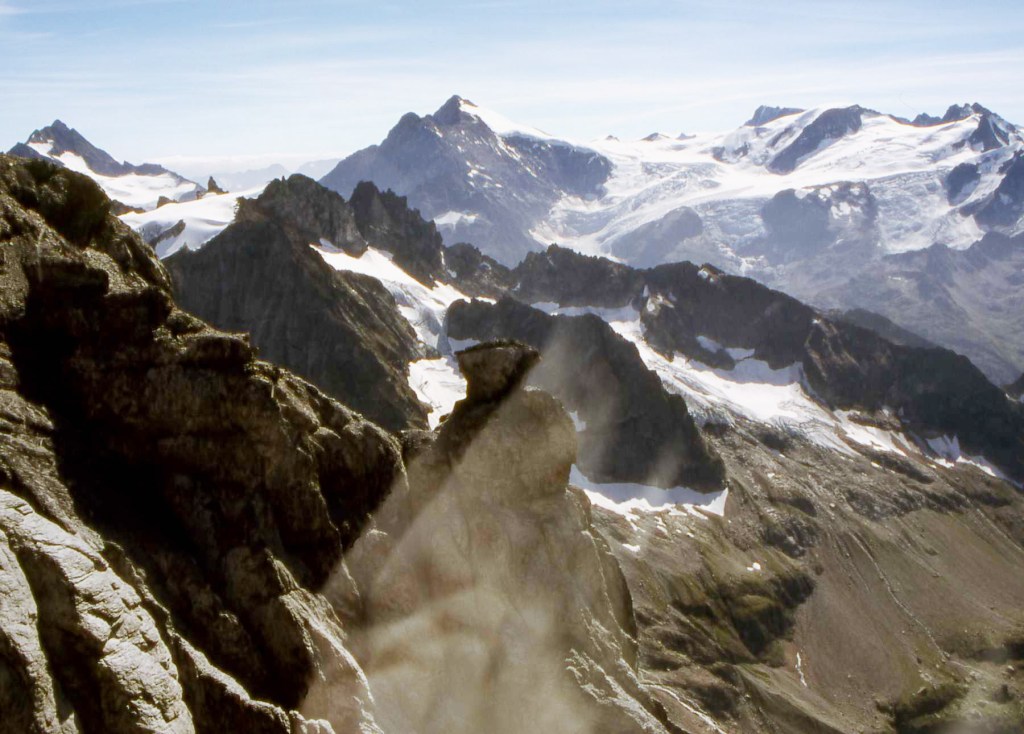
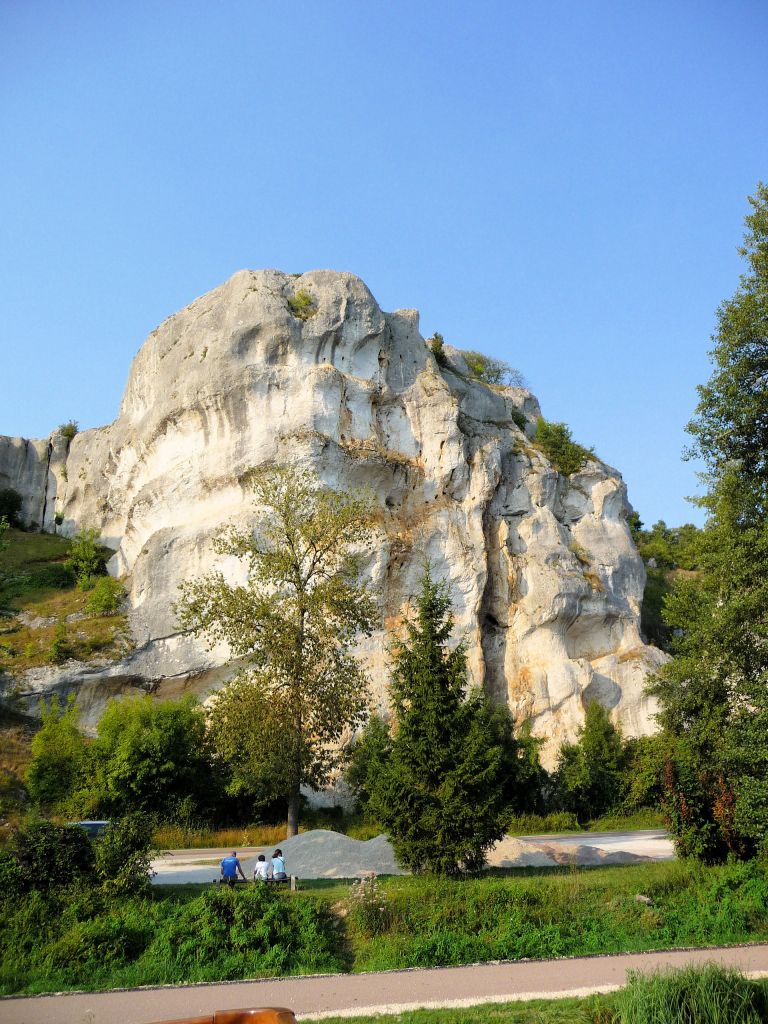
    JAGGED

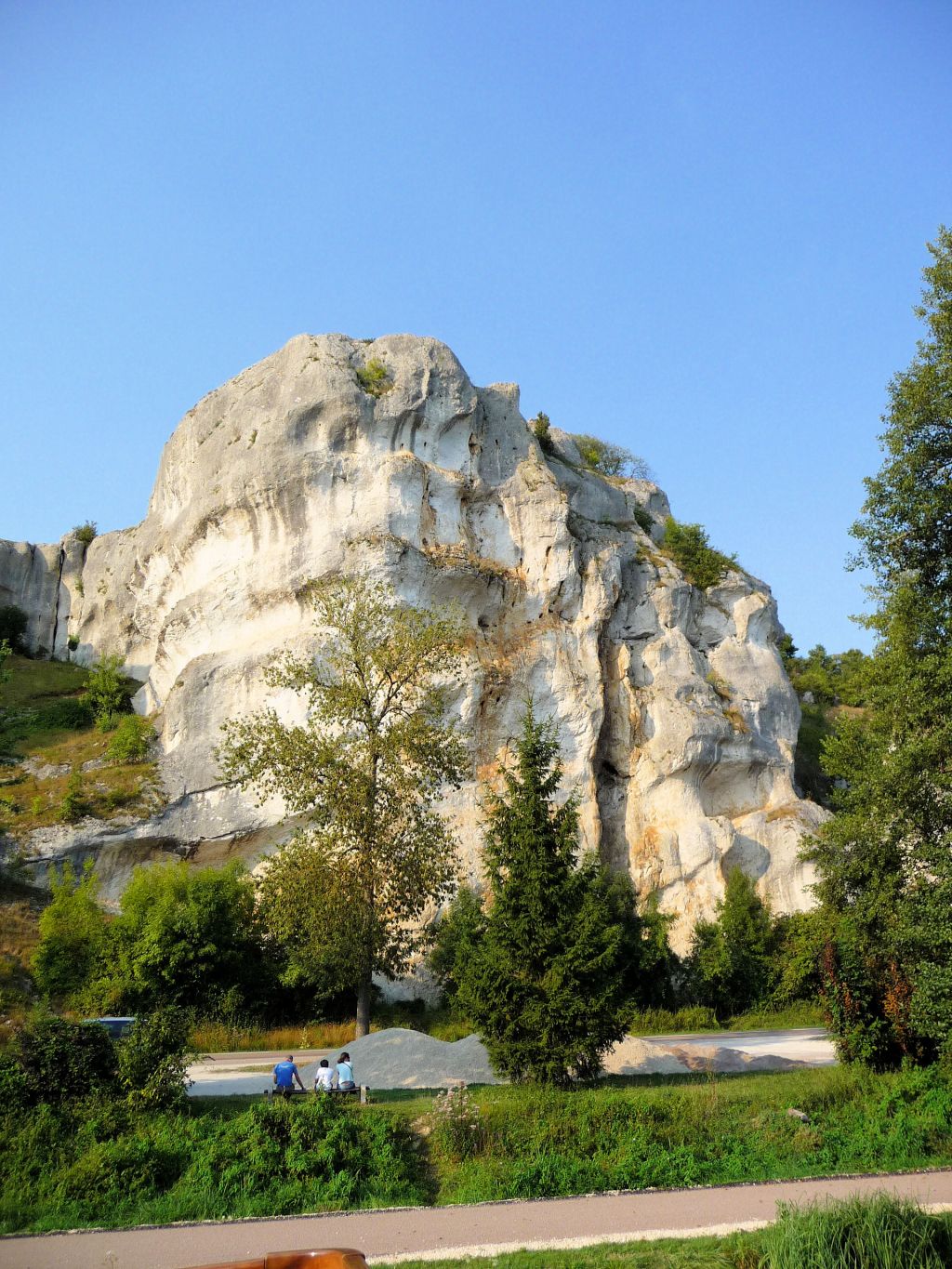
    Jagged means mountains and rocks to me, pieces of wood and jagged edges on textiles but for want of either textile or wood, I offer you some rocks in France and mountains in Switzerland.

    BUFFETS

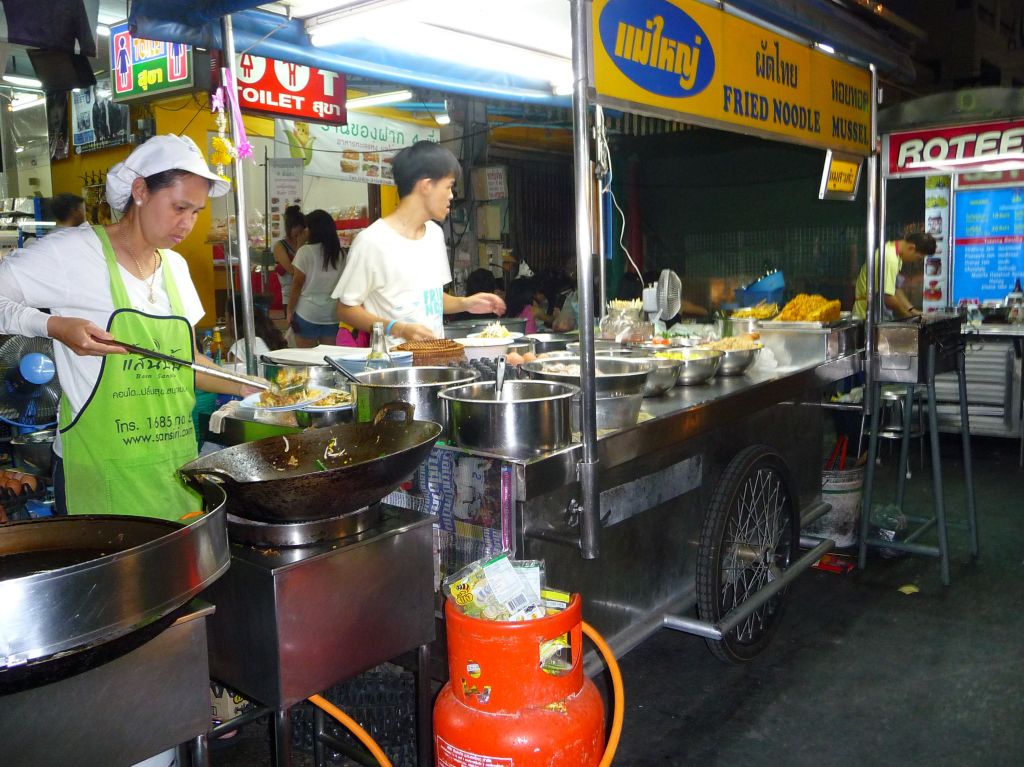
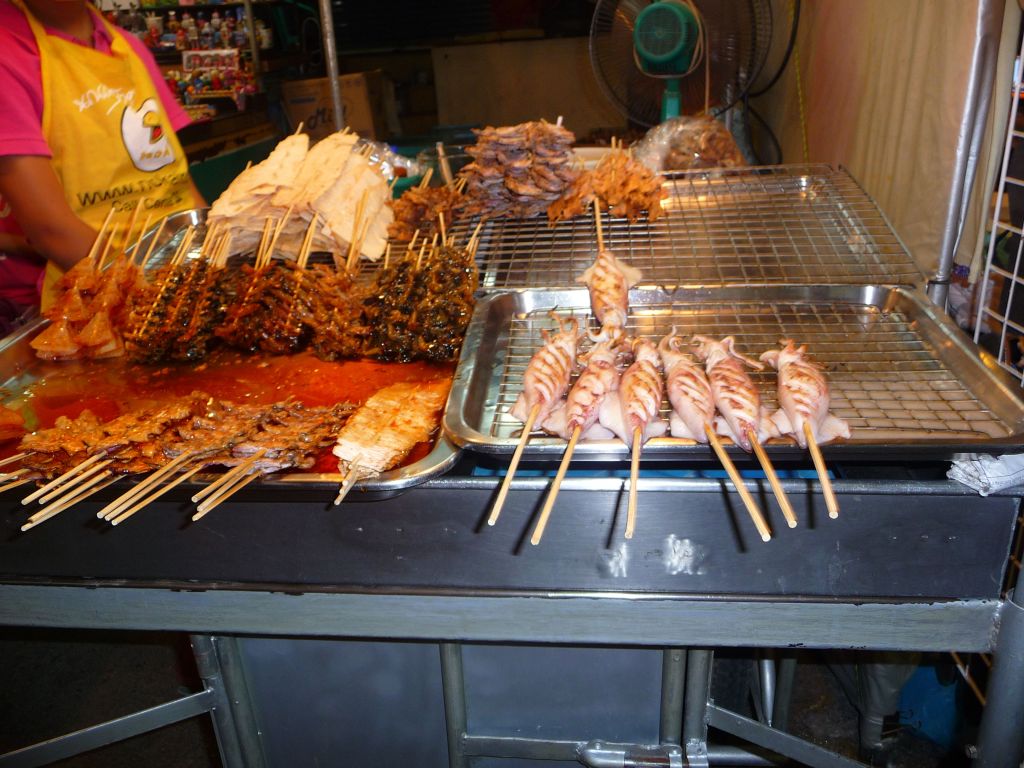
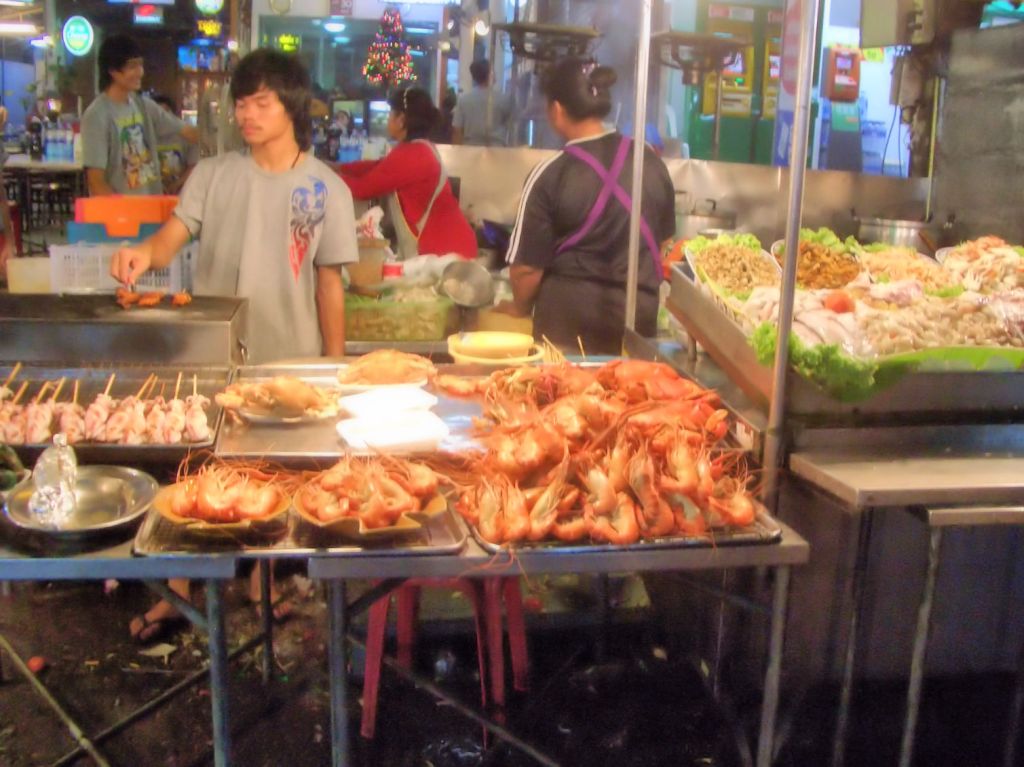
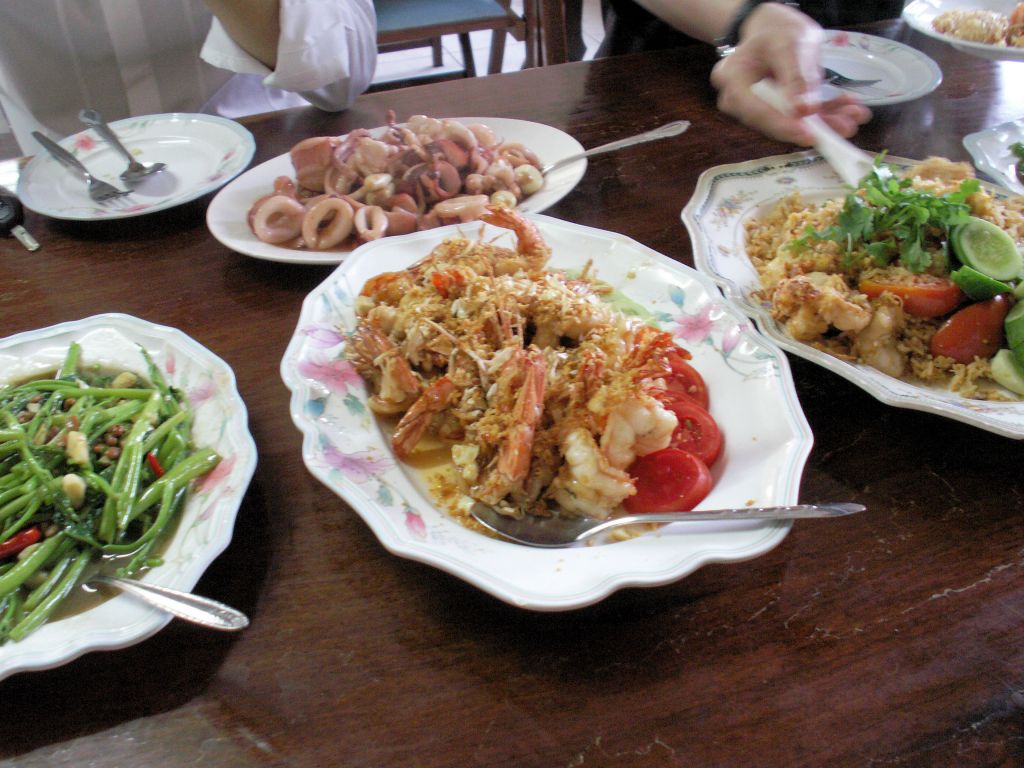
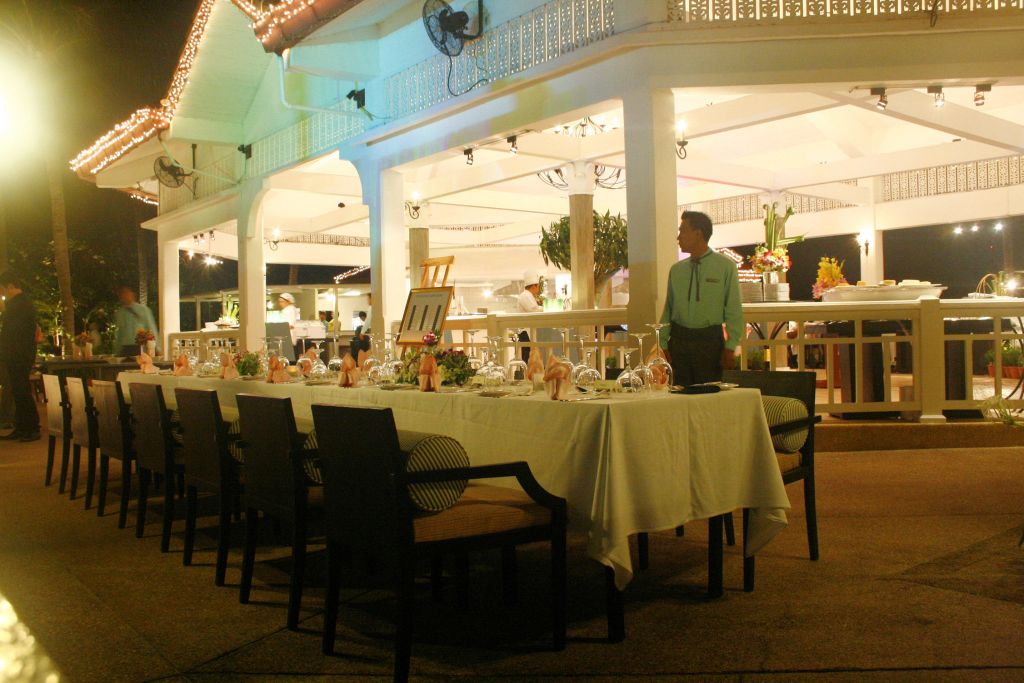
    Buffets come in many sizes and from budget to stratospheric. I think one of the finest ways to enjoy buffet food (and the safest) is street food in Thailand or Singapore where it is always served fresh and hot from the pan (unlike hotel food which is often cooked much earlier and then put on display). These pictures are all from Thailand’s night-markets where it’s fun to meet up with friends, grab a table and go from stall to stall buying your food and sharing – a true buffet experience.

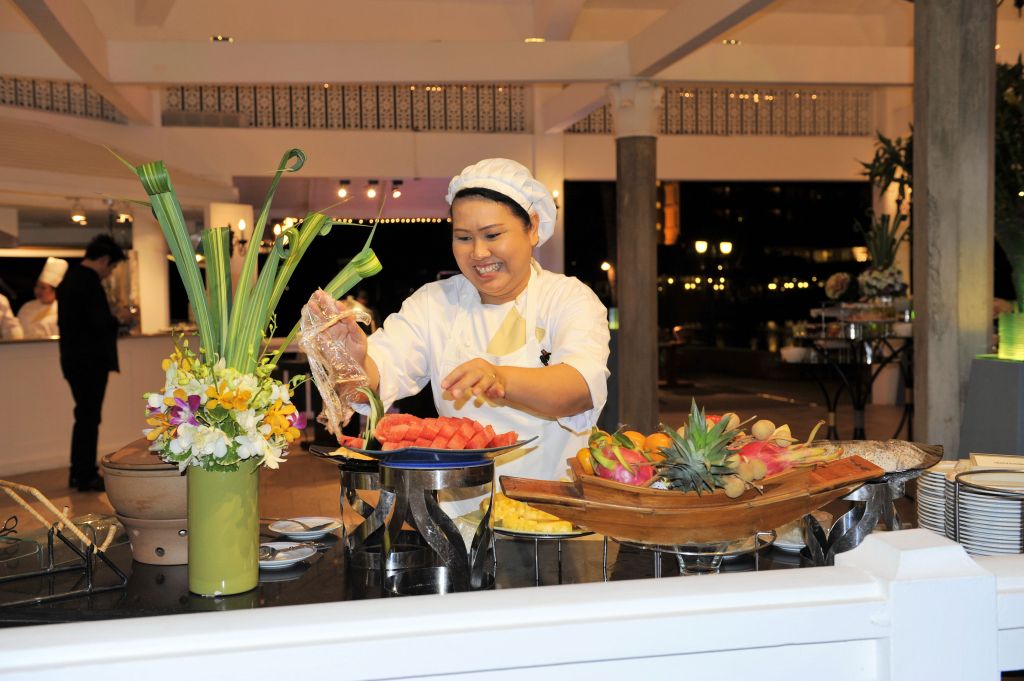
    And here’s the bit of posh from my favourite hotel in Thailand, the Dusit Thani in Hua Hin.

  • Ye Olde Cheshire Cheese:       Famous Old London Pub

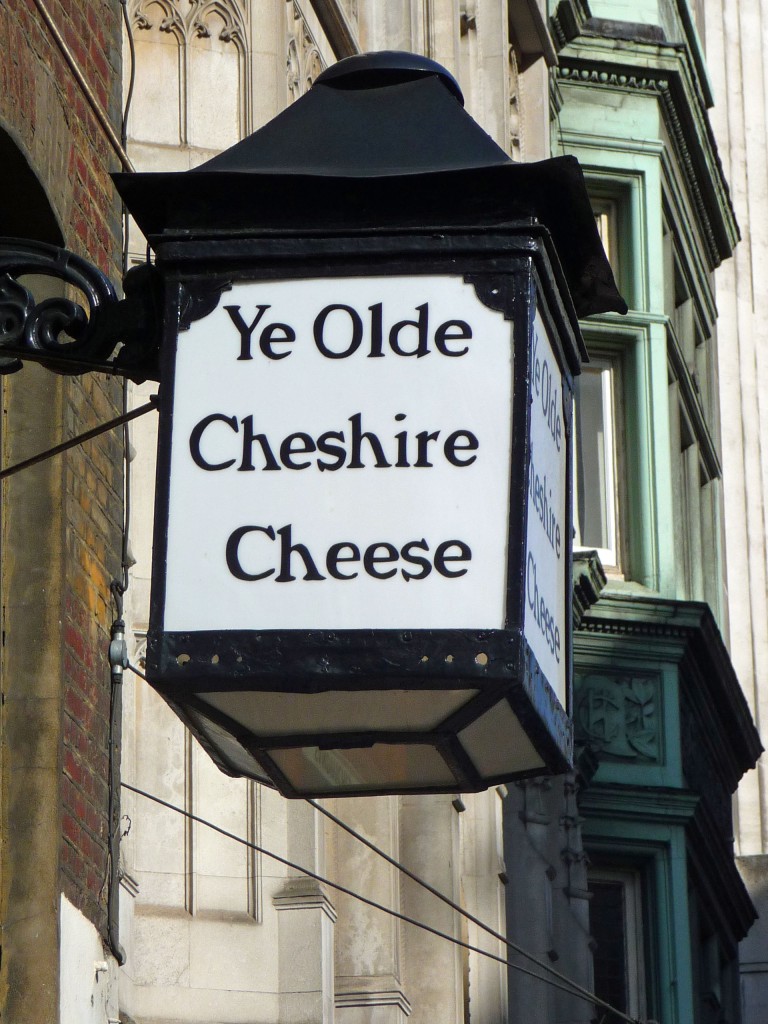
    Ye Olde Cheshire Cheese: Famous Old London Pub

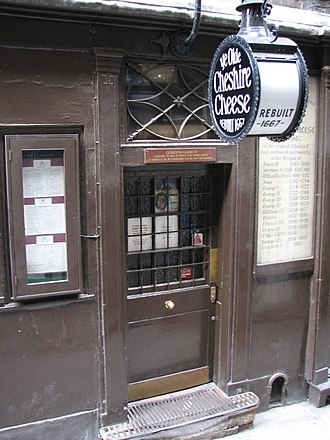
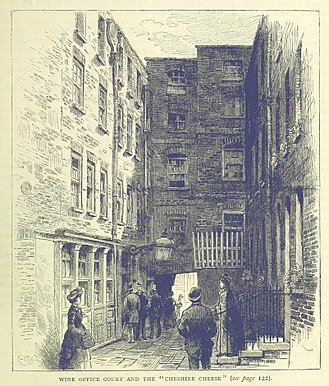
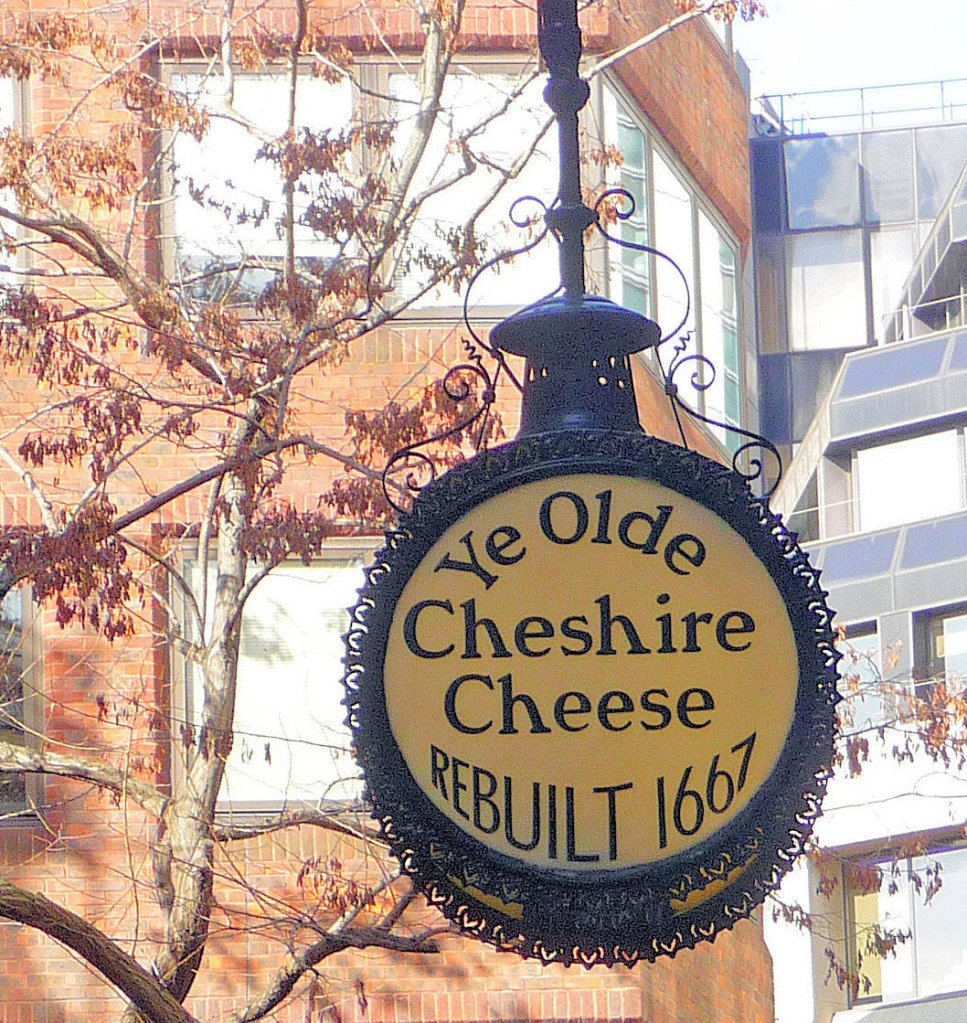
    A few days ago, reading a reference to a part of London I once worked in, took me back to my favourite pub there, Ye Olde Cheshire Cheese in Fleet Street, one of the oldest pubs in the City of London.   There has been a pub at this location since 1538 but it was destroyed in the Great Fire of London in 1666 and rebuilt a couple of years after that. Its atmosphere speaks to me of another time and another place, and as one would expect, it has many literary connections.   The etching below of Ye Olde Cheshire Cat dates from 1887 and is from a collection in the British Library.

    Ye Olde Cheshire Cheese is a labyrinth of rooms connected by jumbled up passageways but no one is quite sure which parts are original.  Some of its earlier wainscoting has gone, most of the interior wood panelling dates from the nineteenth century, but it is claimed that the extensive vaulted cellars below, belonged to a 13th-century Carmelite monastery which once occupied the site. 

    The pub looks deceptively small from outside, but once entered you will find nooks and crannies in the rooms both upstairs and downstairs, with open fireplaces in winter.  The “chophouse” (restaurant) is on the ground floor and the pub serves an excellent selection of ales, wines and spirits. 

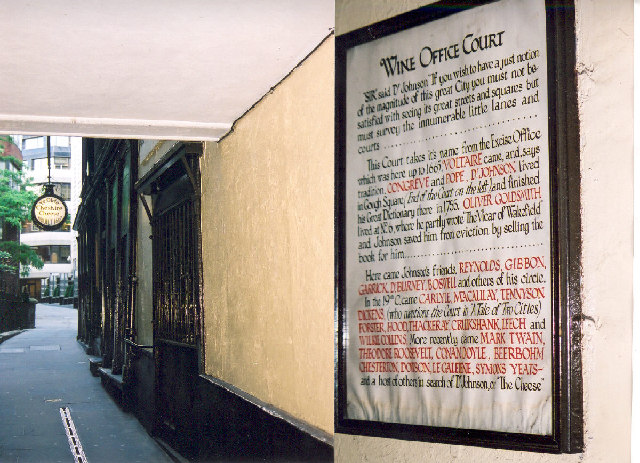
    List of Famous People connected to Ye Olde Cheshire Cheese: Photo Marion Dutcher, Wiki Commons:

    In A Tale of Two Cities, Sidney Carton leads Charles Darnay through Fleet Street “up a covered alleyway into a tavern” where they dined after Darnay’s acquittal and today, patrons still enter via the narrow alley by the side. 

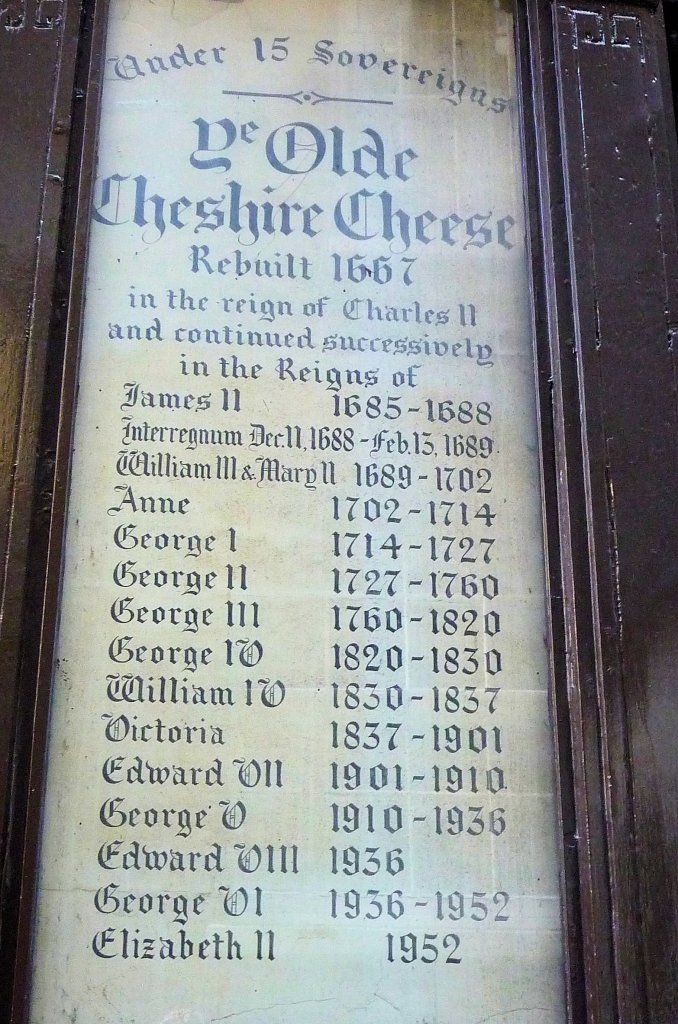
    The Monarchs who have reigned during the lifetime of Ye Olde Cheshire Cat

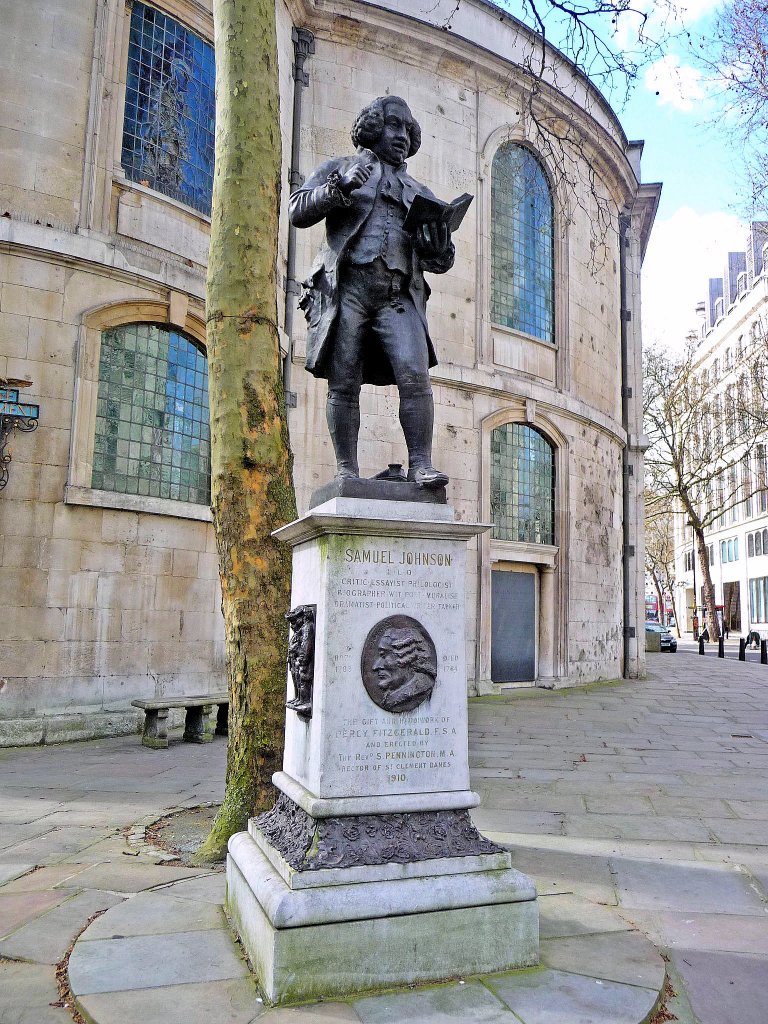
    The interior walls are decorated with plaques detailing the many literary figures that patronised the pub over the centuries.  The famous Dr. Johnson lived just down the street and there is a plaque there to him which is not surprising, aone to Charles Dickens whose characters haunt this area of London, but it was a surprise to find the likes of American Mark Twain, Alfred Lord Tennyson, Sir Arthur Conan Doyle, and P.G. Wodehouse, all regular visitors, honoured in the same way.  P.G. Wodehouse famously mentioned the pub in one of his letters when he wrote “I looked in at the Garrick at lunchtime, took one glance …… at the mob, and went off to lunch by myself at the Cheshire Cheese”.

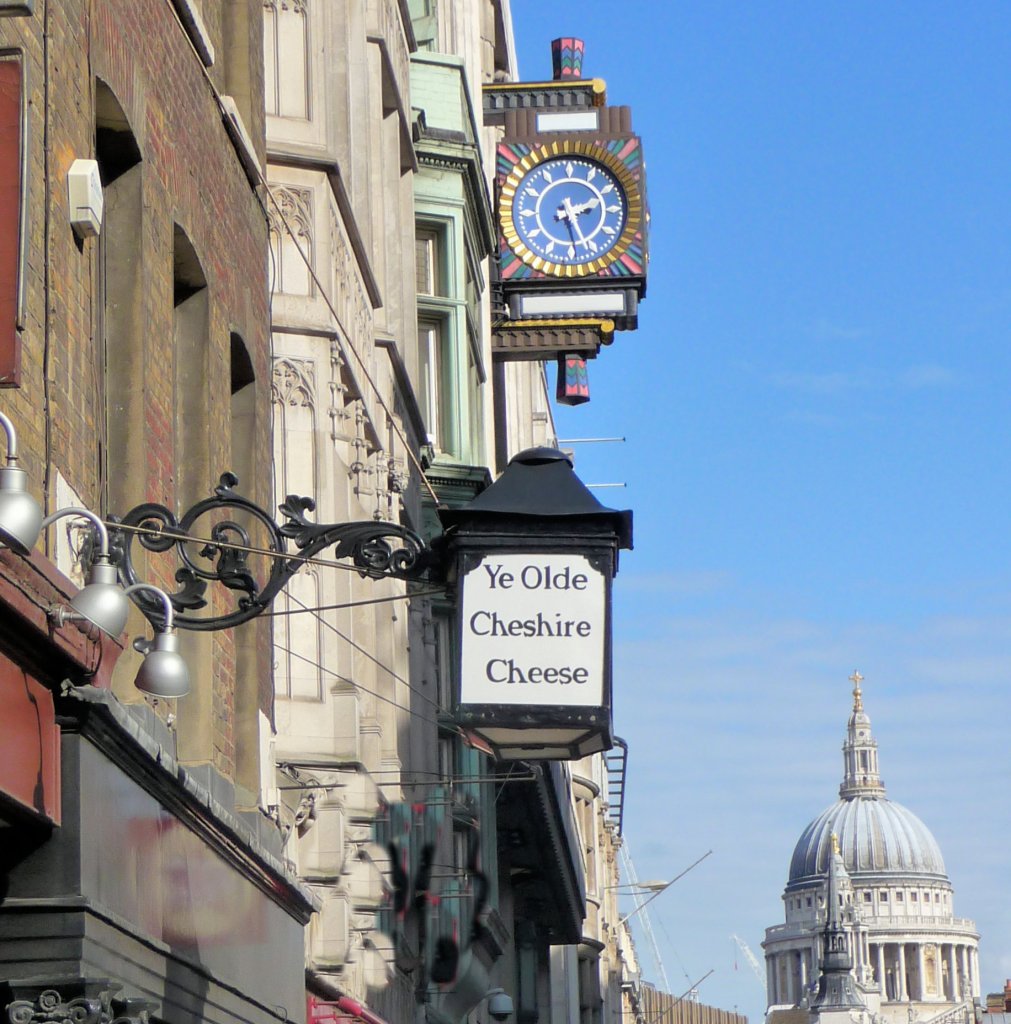
    Ye Old Cheshire Cheese is just a few steps from St. Pauls

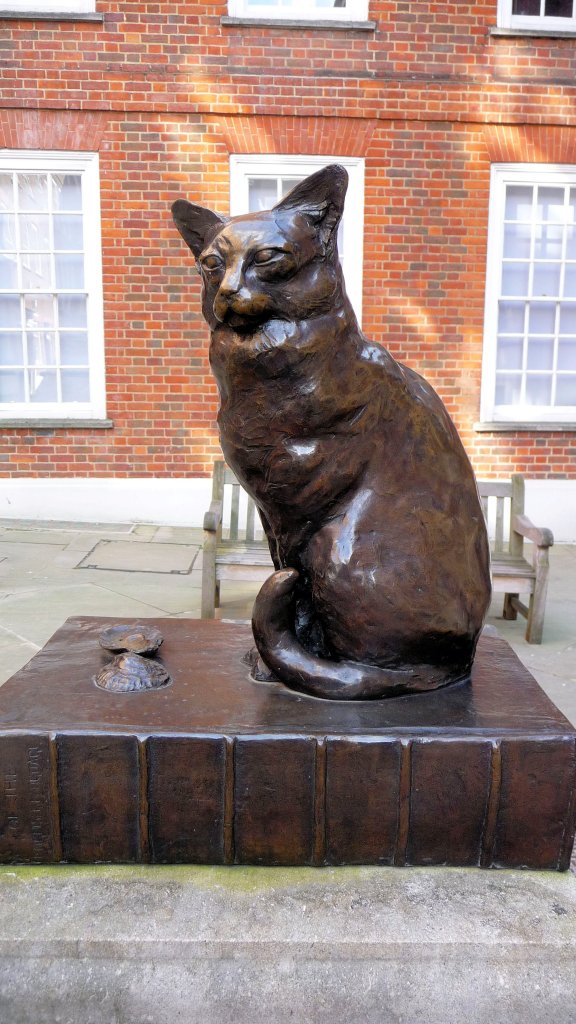
    Although Ye Olde Cheshire Cheese is very much on the tourist route along Fleet Street down to The Tower of London and the city, it is still ‘the local’ for those who work in the area and anyone wandering in from the street will immediately feel they are in a London pub.  There is a buzz, an atmosphere, and an indefinable aura of the past about the place.  In fact, I wouldn’t be surprised if Johnson’s cat wandered in looking for the good Doctor.

  • Silent Sunday

    No prizes for guessing where this Silent Sunday is taking place.

  • Life in Colour: Green

    I’m trying to avoid green fields and green trees, so bear with me while I struggle. I found a few, so here goes.

    Not quite 40 Shades of … but some green scarves
    A favourite piece of lime green glass
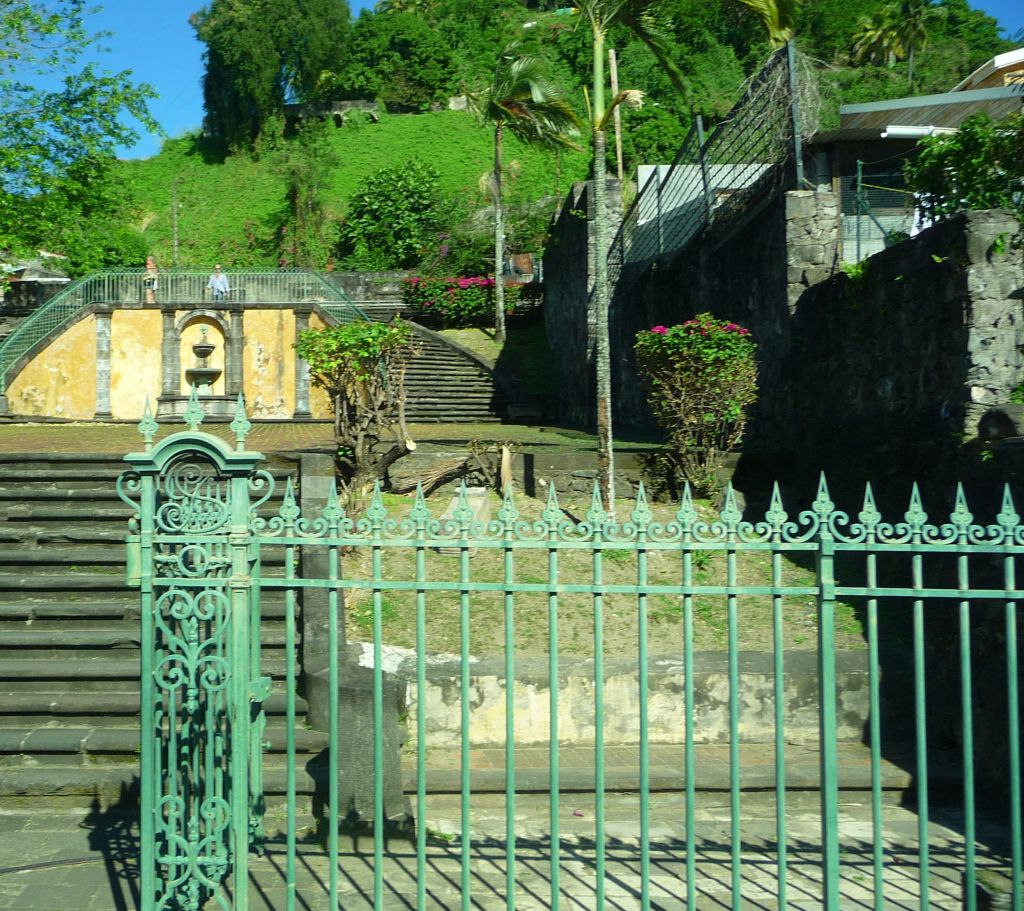
    Green Railings
    A Greenhouse filled with Green-topped Pineapples
    If you look carefully at the centre of the greenery, you’ll see a Sloth.