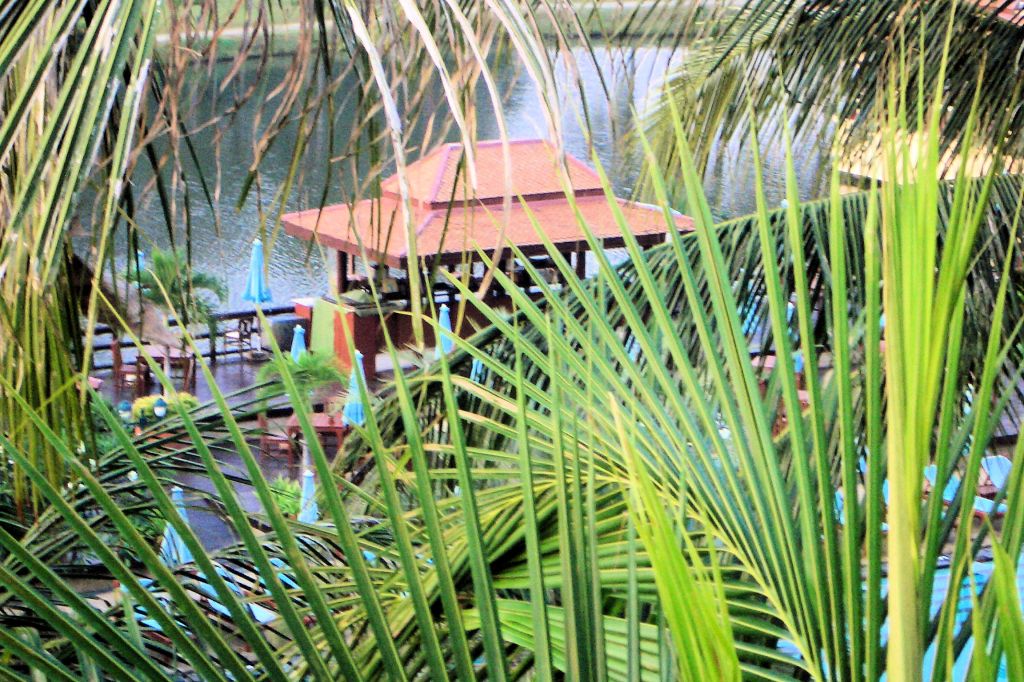
After the rain in Hua Hin, Thailand.
Sculpture Saturday is hosted by Mind Over Memory
As my sculpture of Dionysus uploaded a couple of few weeks ago only showed part of the work I thought I’d add a few more pictures to show the whole carving. It shows some members if the family of Bacchus.
Father: Zeus (supposedly the face of Robert Stigwood who commissioned the piece).

Wife Aphrodite

Some of the symbols of Dionysus are also found in the sculpture.


The Grapes and Goblet: The symbol of the Grapes and Goblet relate to his role as the god of wine. He taught mortals how to plant and tend the grapevine, press the juice and make it into wine.
The ram signifies more the decadent side of Dionysus and is more often associated with the Roman version of the myth in which Dionysus is called Bacchus.
Ivy: Ivy or holly vines were a symbol of immortality and decadent indulgence, Dionysus was often depicted wearing this type of wreath which was associated with merry making and celebrations

Link to Mind Over Memory to add Post.

A sunny, hot, Sunday afternoon and the beach should be full of families with children playing on the sands, buckets and spades, and the sounds of bat hitting ball. Beach cafes closed, ice-cream parlours boarded up, and the pier locked up. How are the families coping who have no access to outdoor facilities, no gardens, no nearby parks? We who have must be grateful – we are the lucky ones.
Link to Words Visual and Lucid Gypsy
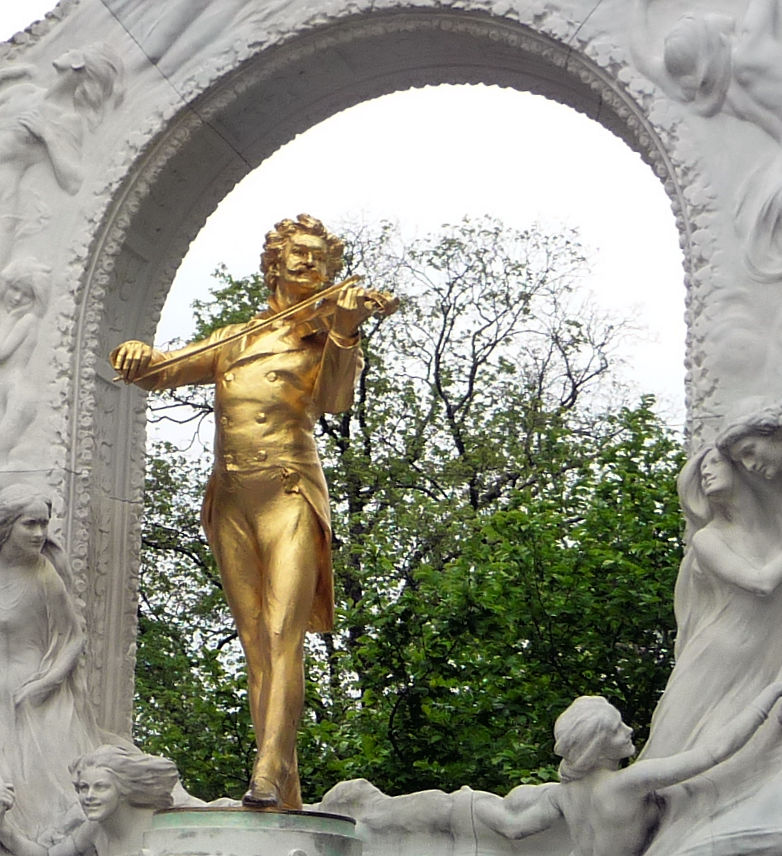
Prior to taking a tour through the Vienna Woods I took a walk in the Stadt Park which is full of statues to musicians. Pride of place, of course, goes to the favourite son, Johann Strauss.
Link to Mind Over Memory who hosts this challenge.

Link with Lucid Gypsy and Words Visual – Silent Sunday
This weekly challenge is hosted by Mind Over Memory
When the great storm of 1987 raged across the country, one of the old trees in the grounds of Barton Manor on the Isle of Wight, blew down. The then owner, film producer and impresario, Robert Stigwood, best known for theatrical productions like Hair and Jesus Christ Superstar, and film productions like Grease and Saturday Night Fever, asked the local marine carver and expert in wood, Norman Gaches to make something from the remains of the tree. As Barton Manor was then producing wine, it was decided to go with the theme of Dionysus the Greek God of wine (or Bacchus if you are looking at the Roman version) and his family, and here is part of the result, a golden Dionysus (Bacchus) rising from the tree.
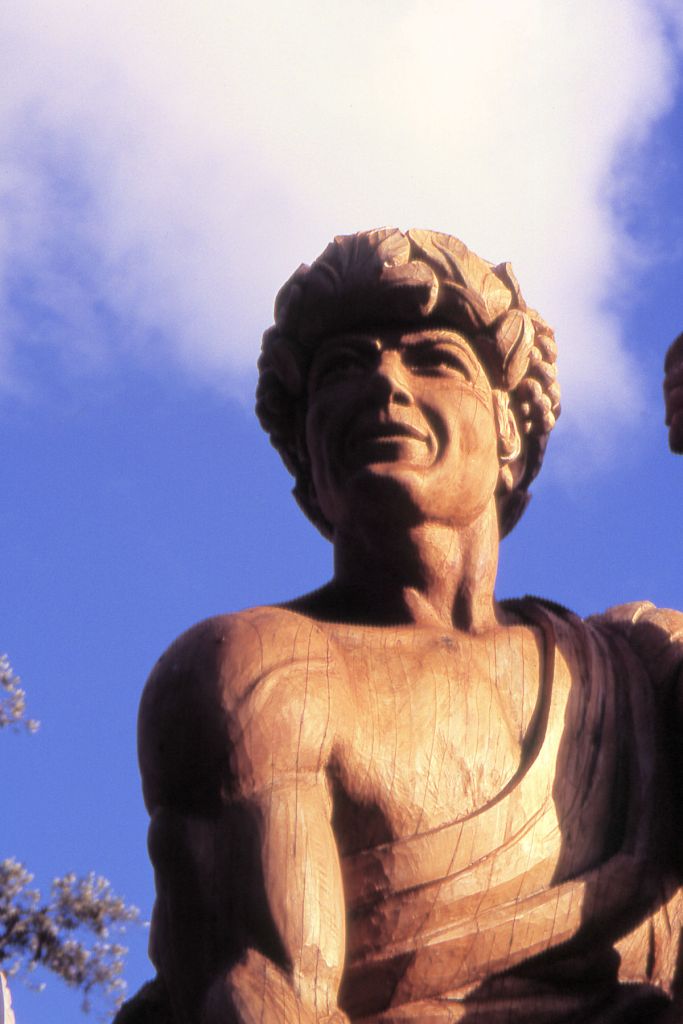
And here is a picture of the talented Norman Gaches working on the tree at the time.
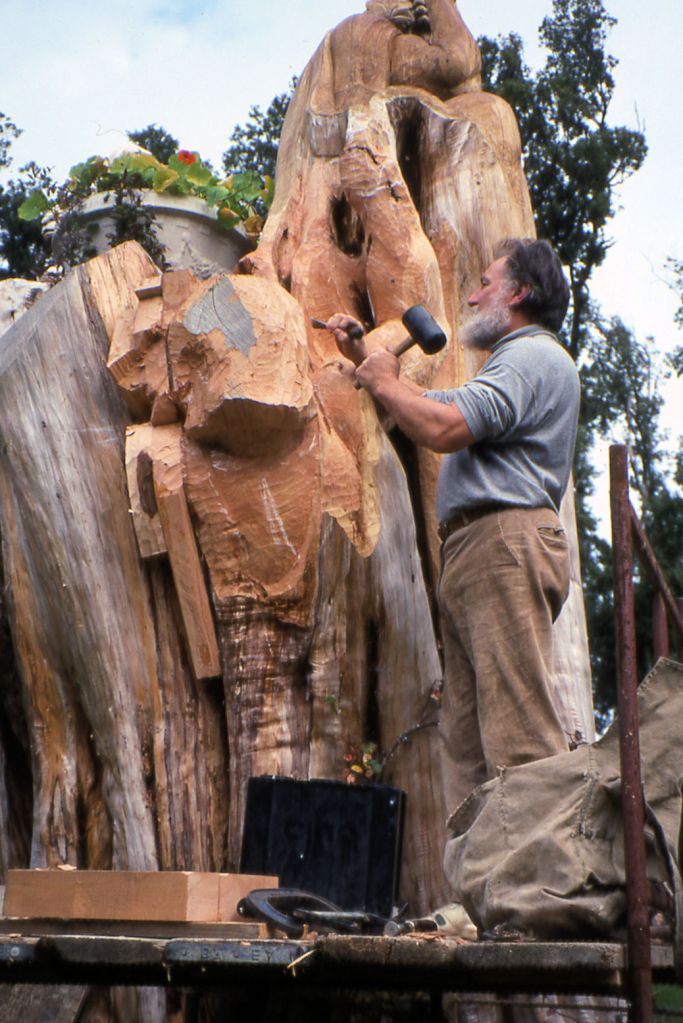
Bacchus was the Roman name for the Greek god Dionysus, the god of agriculture and wine and the son of Jupiter (Zeus in Greek mythology). He wandered the earth, showing people how to grow vines and process the grapes for wine, until he took his place as a God on Olympus. Somewhere along the way the name – and the God – Bacchus became associated with intoxication and around 200 BC a wild and mystic festival, The Bacchanalia, notorious for its sexual character, was introduced in Rome. Stick to the Greek version, the story of Dionysus, and you have a less decadent young god, more interested in the production of wine than in wild women and song.
Link to Mind Over Memory to add Post.

I was having my patio renewed and the builder managed to insert a concrete slab into the old wall surrounding part of my garden, strong enough to take the weight of my very heavy stone Buddha head. The greenery and flowers seemed to automatically curl around it.
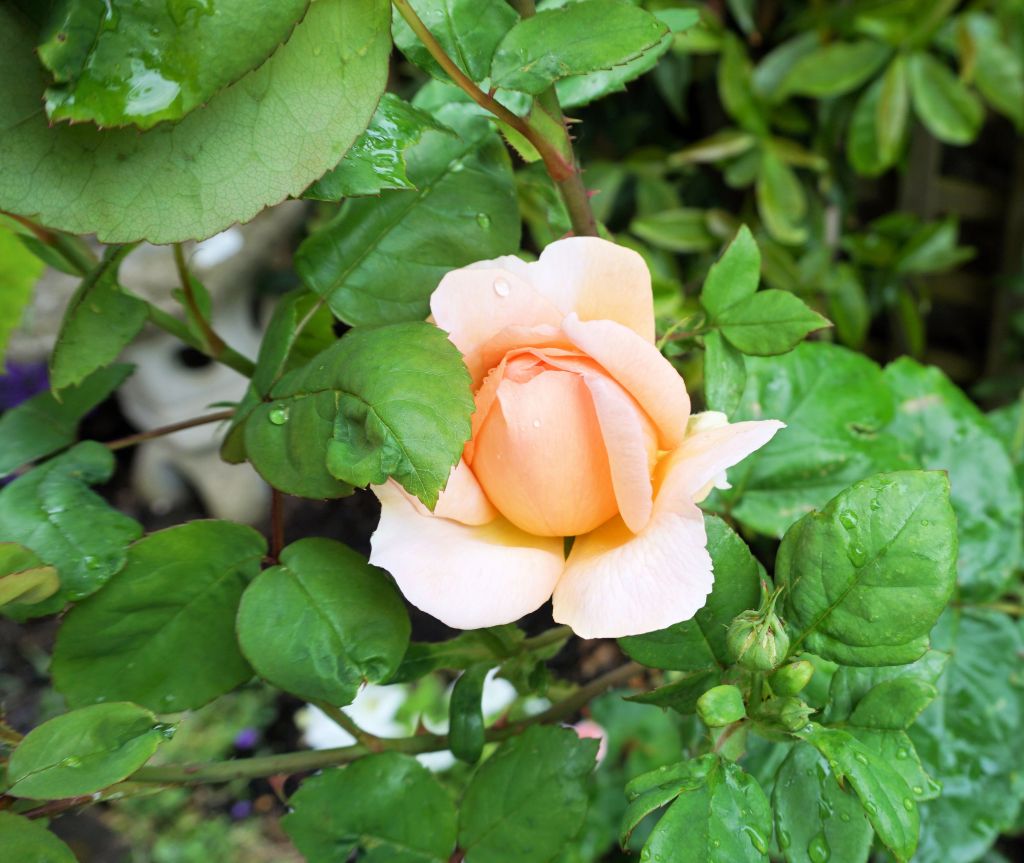
This rose is planted in shade and I wondered how long it would be before it showed its colours. It hasn’t disappointed me.
My patio pot fails in comparison.

How I wish I could grow my favourite herb in such quantities. This is truly Mediterranean, typical of a market-stall where the buyers could fill a plastic bag full of the glorious smelling origano for a Euro or two.
Linked to http://restlessjo.me/2020/05/30/six-word-saturday-357/
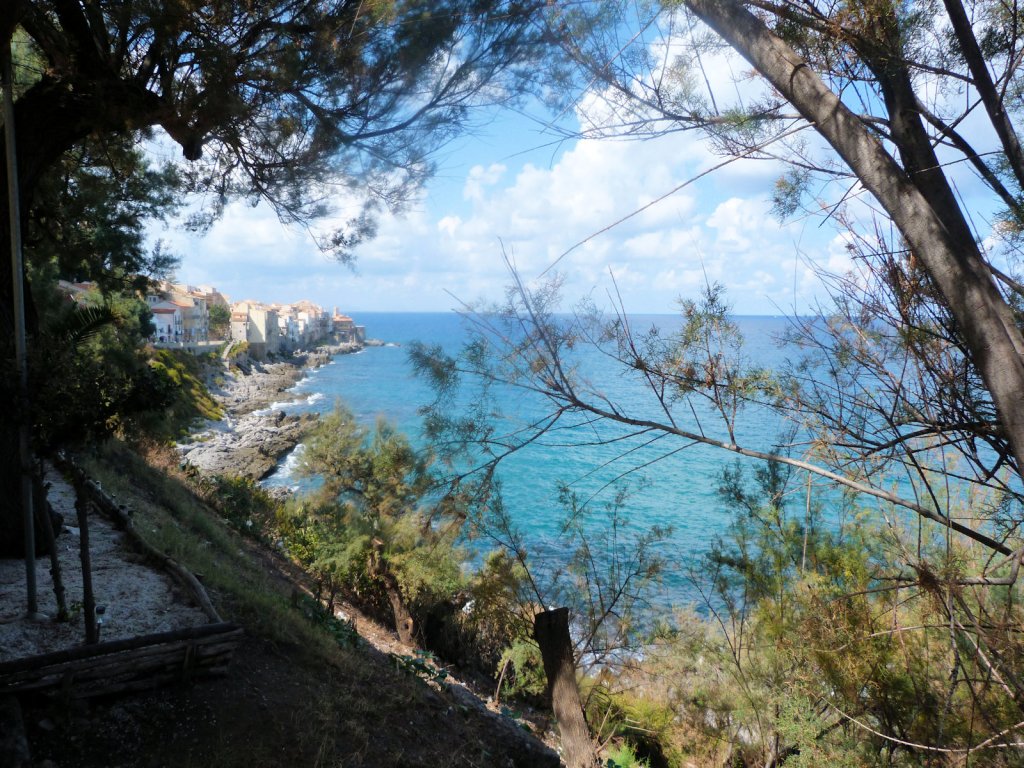
When people ask me what my favourite place in Sicily is, I give the name of the last one I visited, because each time I go there, Sicily works her magic on me and I fall in love again with the people, the scenery, the ambiance of wherever I happen to be. Last time it was Cefalù, the medieval town lying just an hour’s drive east of Palermo and located between its own natural bay and the towering rocky granite mass called La Rocca.
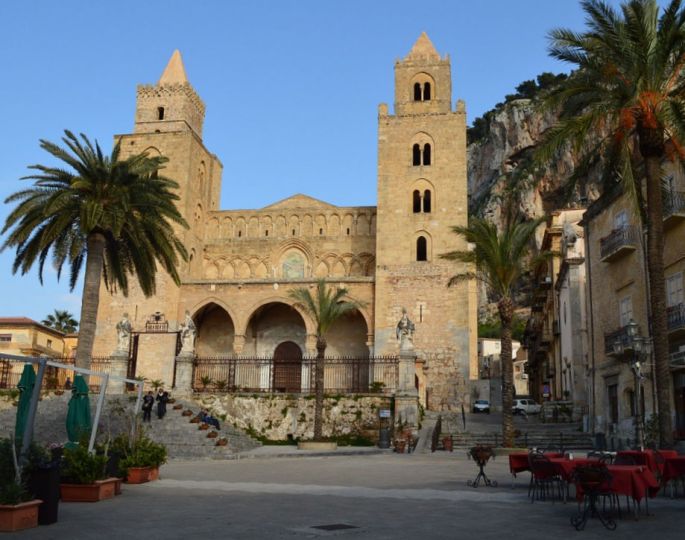
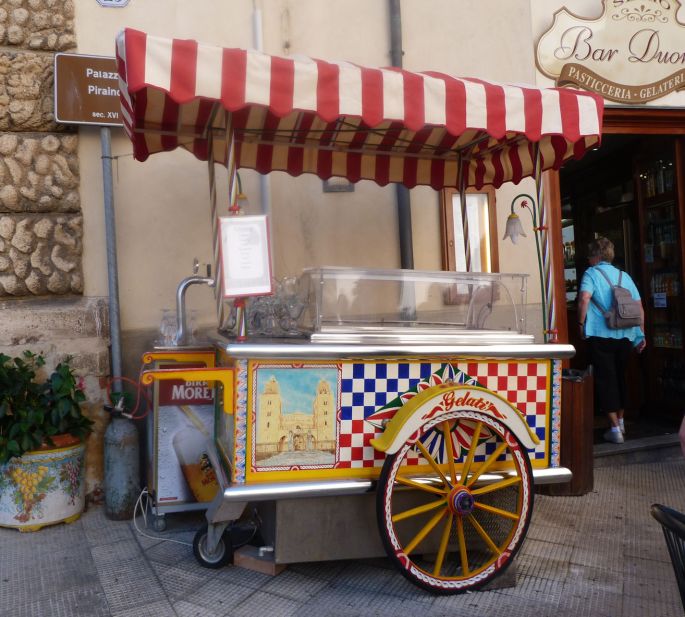
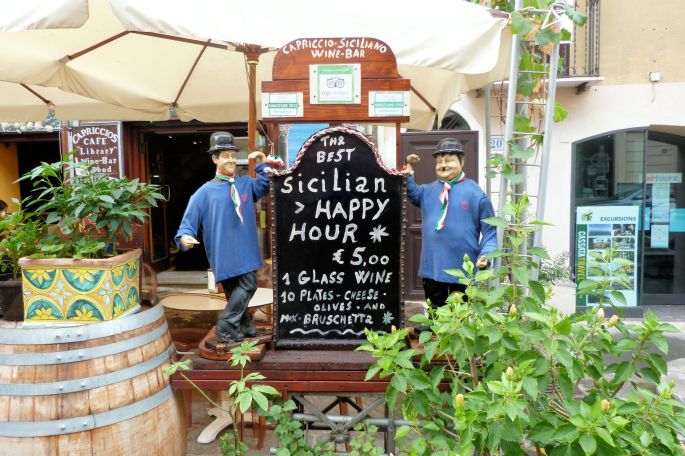
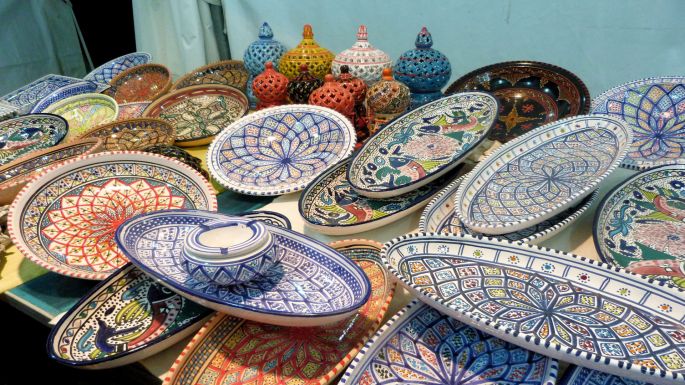
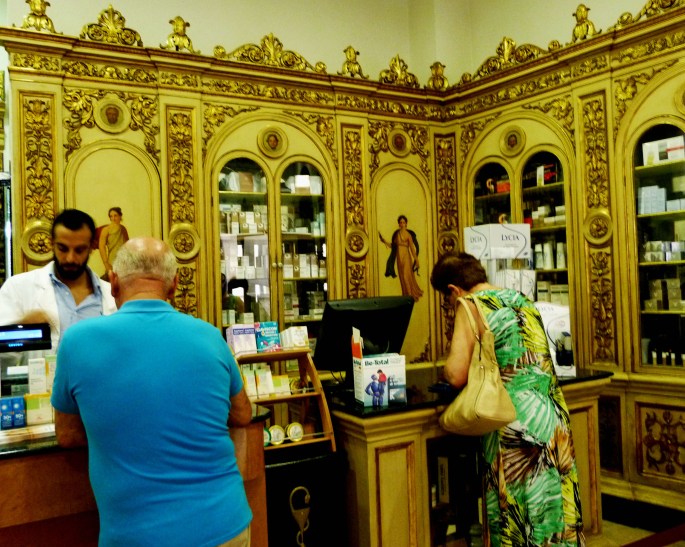
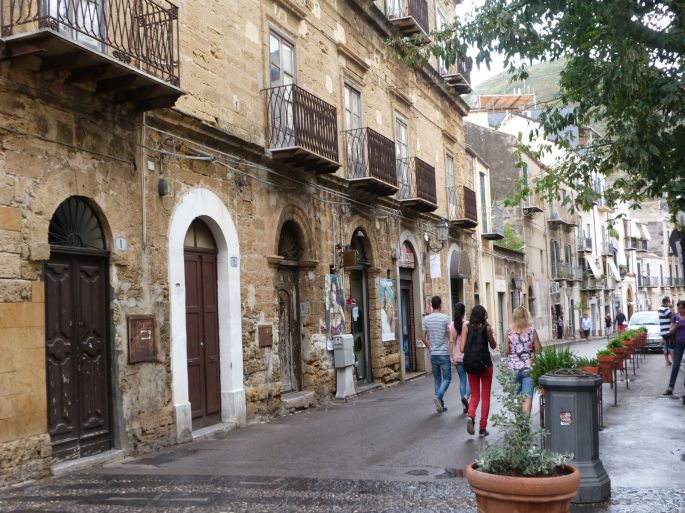
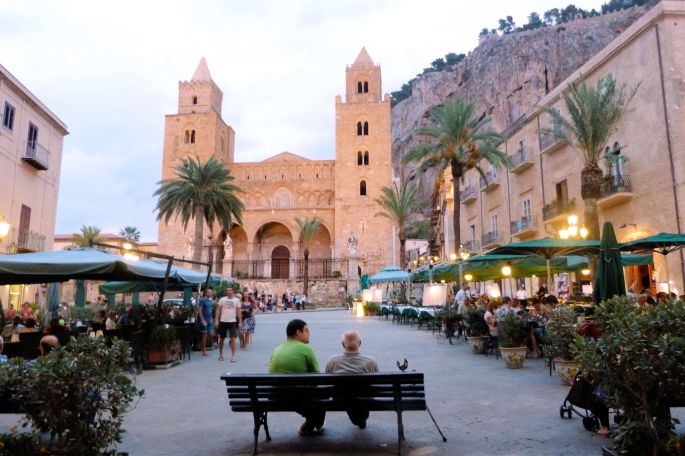
I had thought of Cefalù as a touristy town as it seemed to feature in most of the holiday brochures but when I first walked down its winding medieval main street flanked with an array of little shops from artisan bakers and designer boutiques to a beautifully tiled pharmacy complete with ancient fittings, I realised how wrong I’d been. In between the shops are family-run restaurants serving the freshest of fish and local delicacies, and its unique Norman cathedral is right on the street, although set a little way back, its place in the life of the town assured. Doubly so, as there is a bar and a gelateria on the corner!

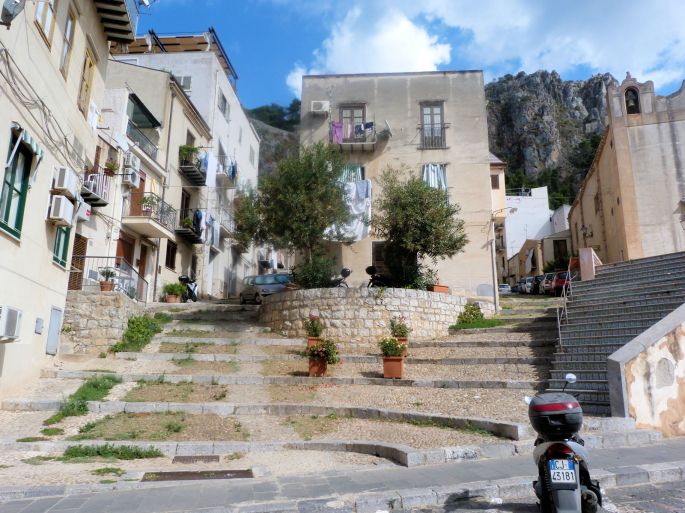
Cefalù’s origins go back to the Carthegenians. It was then colonised by the Greeks (the name derives from the ancient Greek word for “Cape”) but the town we see today was built at the behest of the Norman King, Roger II.
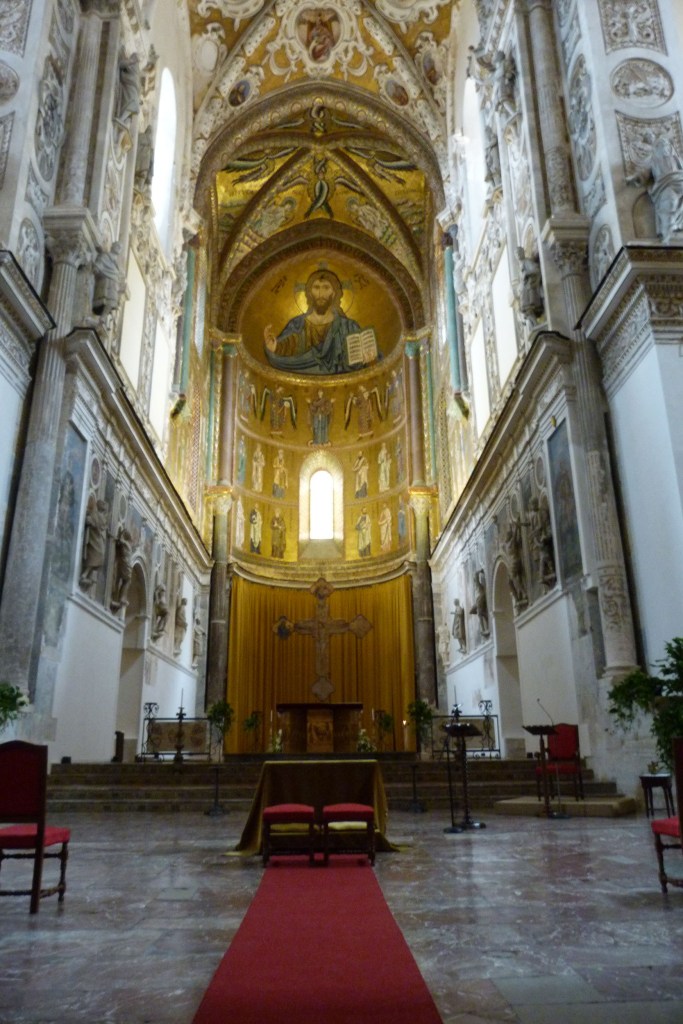
The building of the two-towered Cathedral began in 1131 and is a fine example of what is termed “Sicilian Romanesque”. There is an exquisite mosaic of Christ Pantocrator on a gold background above the altar, created by twelfth-century Byzantine artists which is twinned with the Palatine Chapel in Palermo and the Duomo in Monreale. If there is a chance to see all three on a trip do take advantage of this, because seeing the trio of mosaics enhances one’s appreciation of each one.
Towering above the Duomo and the town centre is La Rocca, a massive crag which presents an interesting challenge to walkers in the hot summer months. The steep ascent winds up ancient, well worn steps and footpaths but it is well worth the effort to reach the top. A bottle of water is essential. Don’t even attempt the climb in very hot weather,
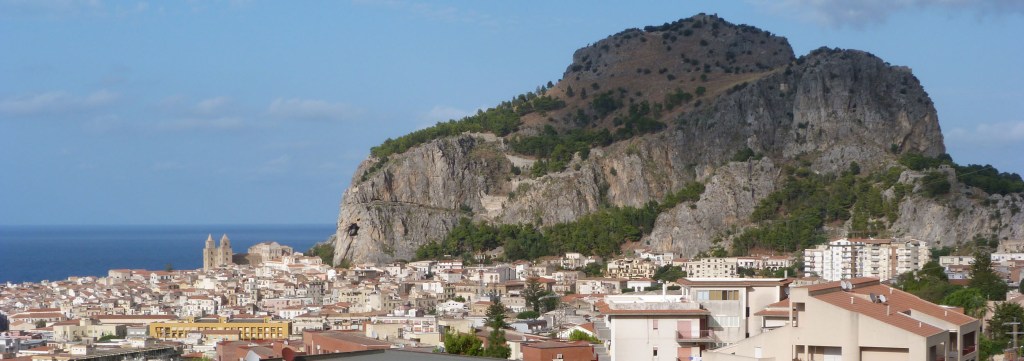
It is an old Saracen stronghold and near the top there are the remains of a megalithic Temple of Diana which dates back to Sicanian-Greek times (the Sicans were one of the native peoples of Sicily, and Diana, of course, is a Latin name for the Greek goddess Artemis). Left to decay over time only parts of the fortress survive – fragments of several small castles and a vast medieval wall encircling the mountain. The crenelated ‘castle’ at the summit is a recent, but faithful, reconstruction and beyond the temple, the mountain is wooded with pine trees and a few indigenous shrubs.
As well as the ruins of the temple, the climb is worth the effort for the truly spectacular views of the cathedral, town and coast. Red roofed houses and the ochre and yellow walls of the town are gilded by the sun and on the dark sapphire of the sea tiny white sail boats are bobbing.
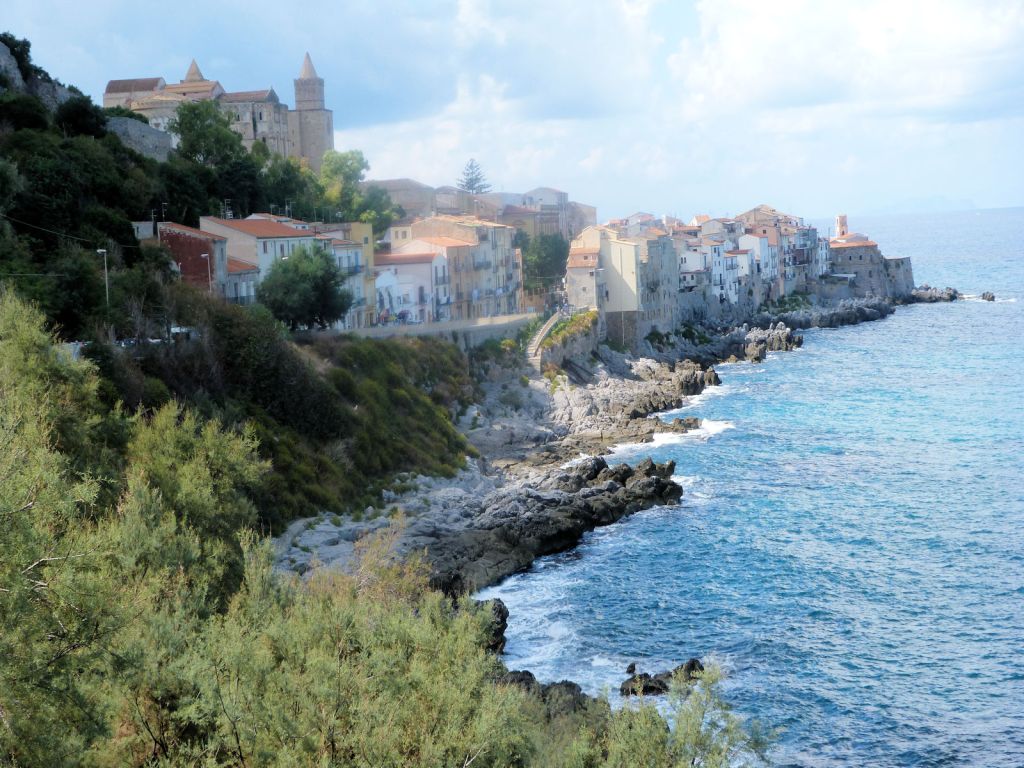
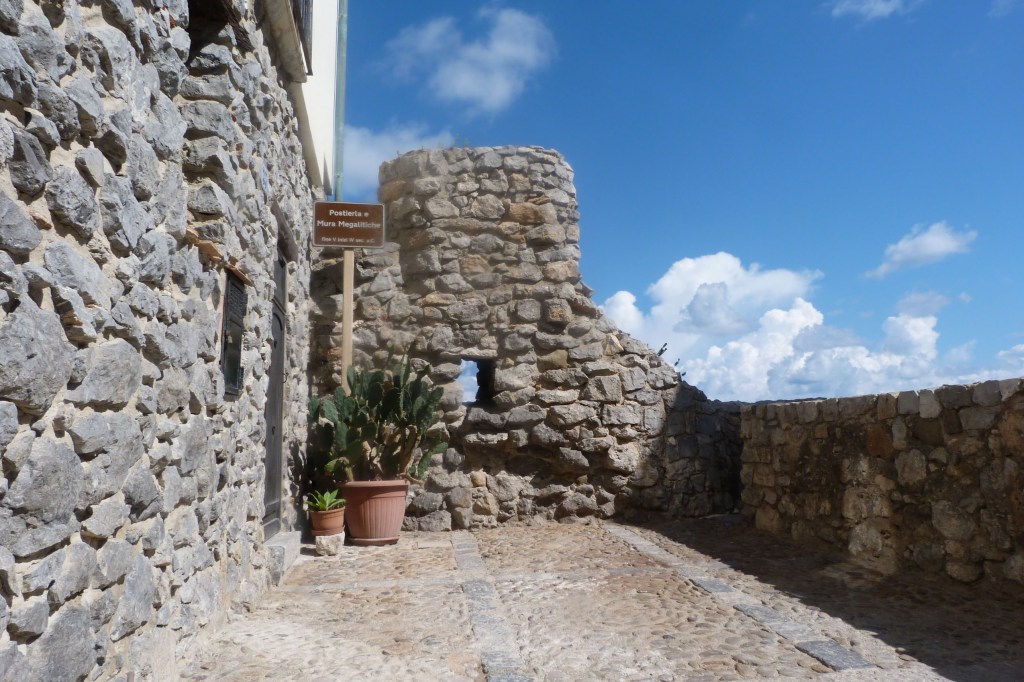
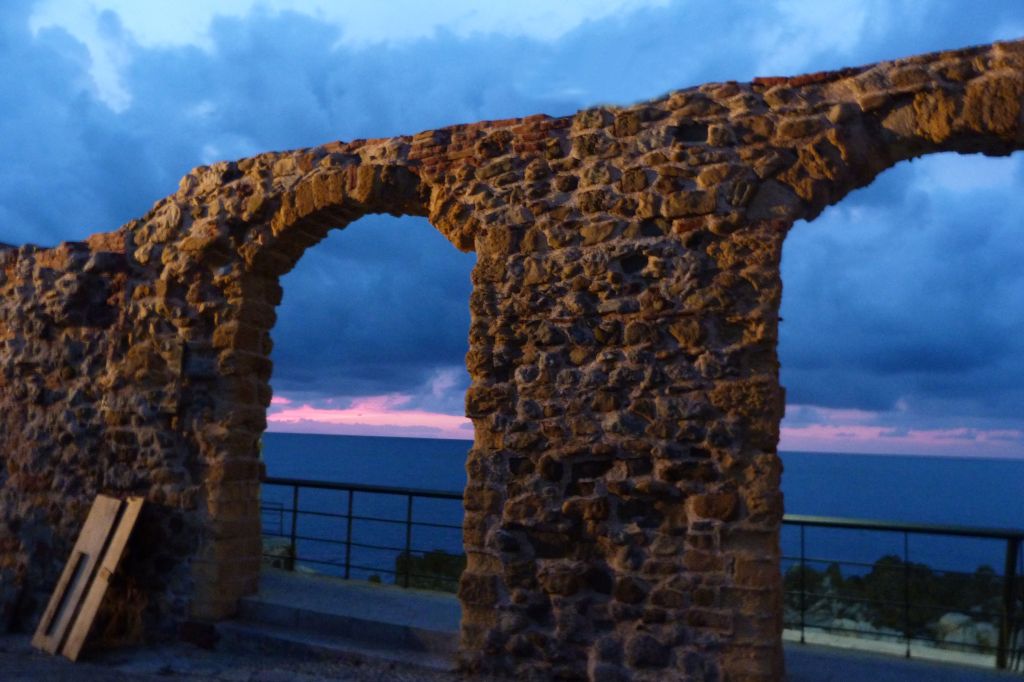
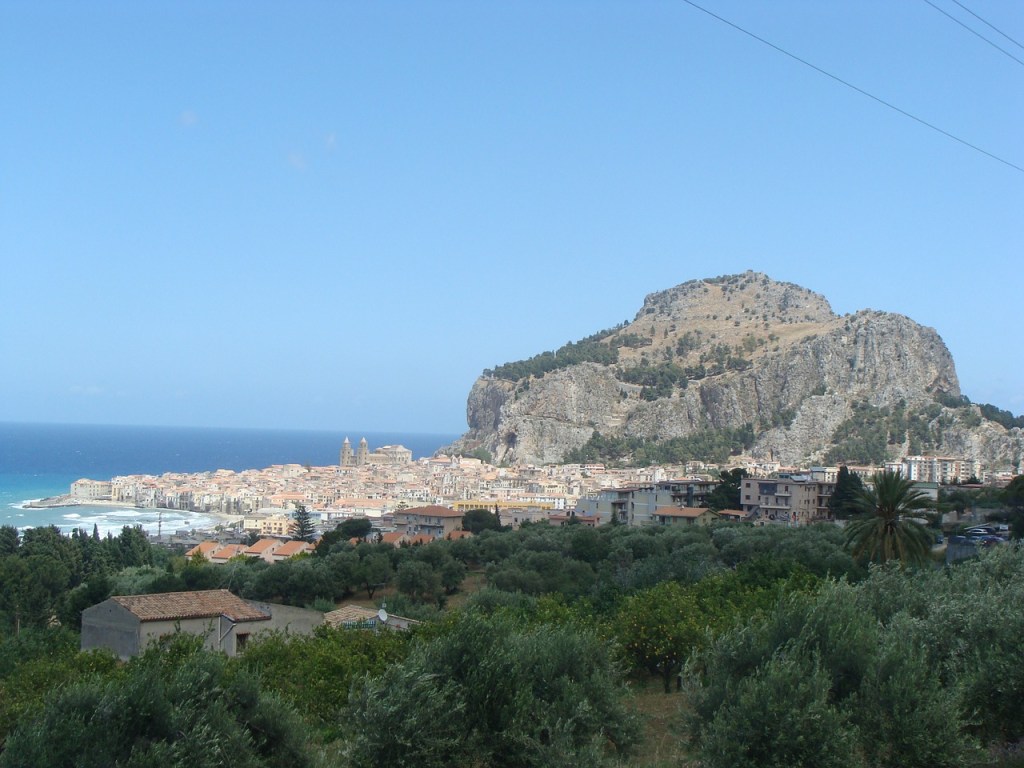
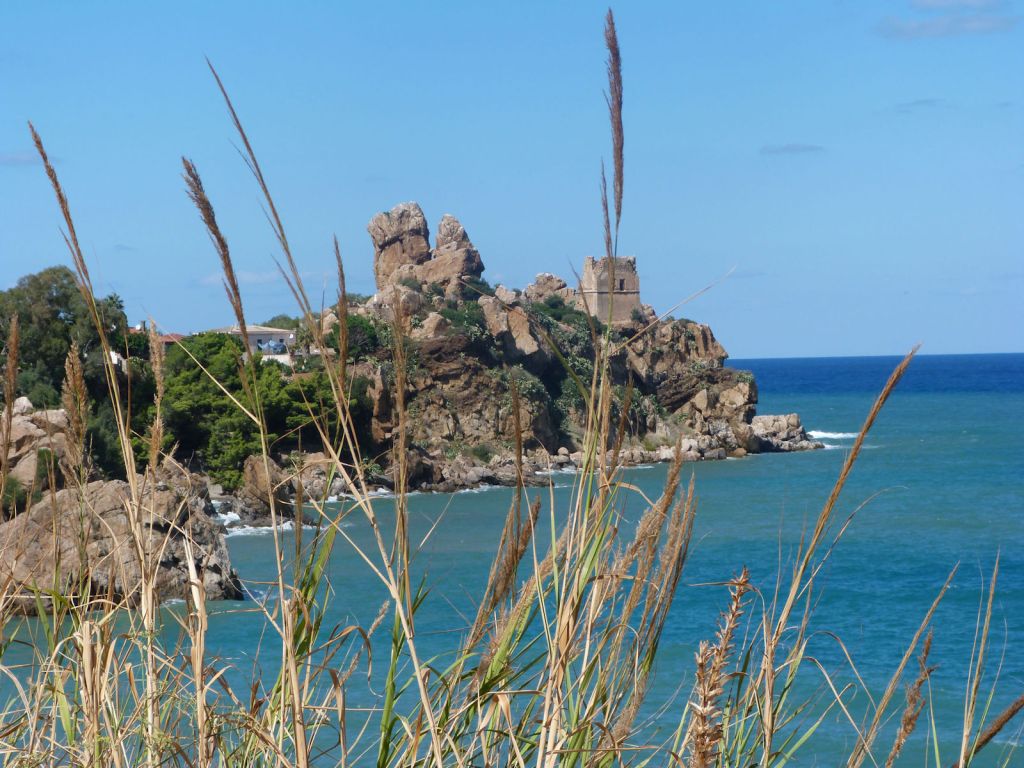
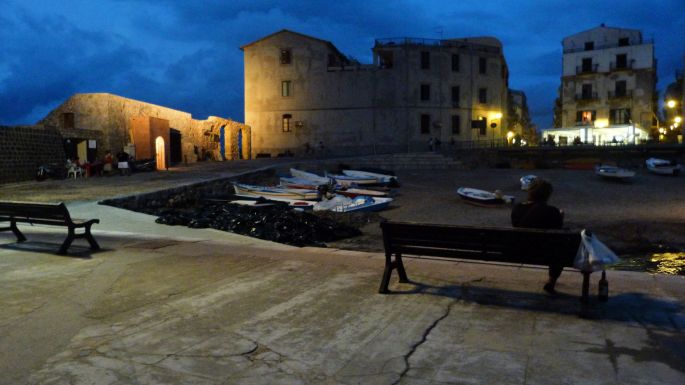
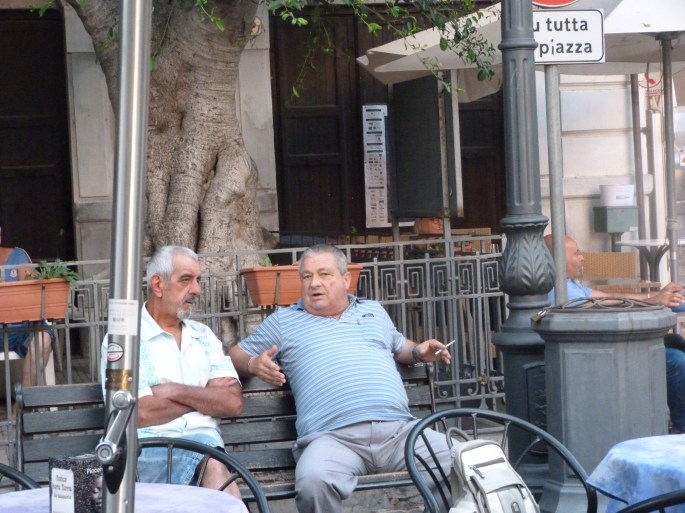
The harbour area with it narrow alleys and medieval buildings is a picturesque spot. Unlike most of the fishing villages that dot Sicily’s coast, Cefalù had a great and grand past – important enough for Roger II to build a cathedral here. Worth seeing are the Saracen wash-house, the Lavatorio, and the Osterio Magno originally thought to have been King Roger’s residence but which now houses art exhibitions.
During the morning the fishermen sit on the quayside by their upturned boats, repairing their nets or getting ready to take to sea again, happy to exchange banter with the curious tourists who are fascinated by the method of net-mending. If it is not a school-day there will be children playing among the ropes of blue and orange and dogs and the occasional brave cat will chase each other around the lobster pots.
While its later history was less distinguished, there is still an indefinable air of something important about this harbour. The beach is indifferent but its position, and views of stunning sunsets through archways in the walls make it a magnet for people at night, to walk along the rocky path that winds along the shore below the sea-facing walls and to drink coffee or wine in dusky bars that hug the waterfront.
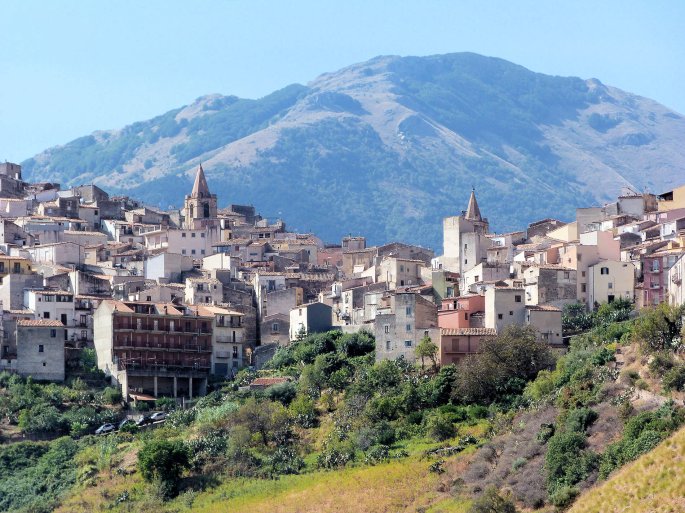
Around Cefalù, places of interest include a hillside pilgrimage destination, the Sanctuary of Gibilmanna, and directly south of Cefalù is the Madonie National Park (my own favourite) where holiday-makers will find skiing in winter and hiking in spring and autumn. The pictuesque town of Castelbuono in the park makes a pleasant day out whether you take a taxi or a bus (a 40 minute journey departing from Cefalù railway station), Palermo is just an hour away by train, and the Aeolian Islands can be reached by hydrofoil in the summer, including Volcano Island with its still live volcano (best seen at night if you have time).
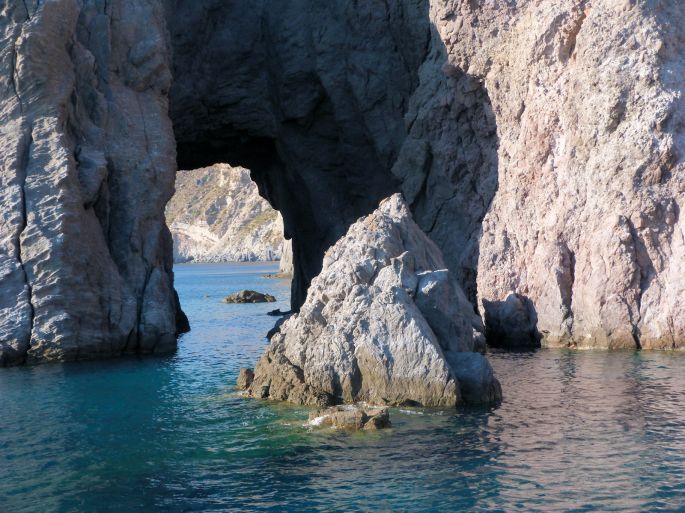
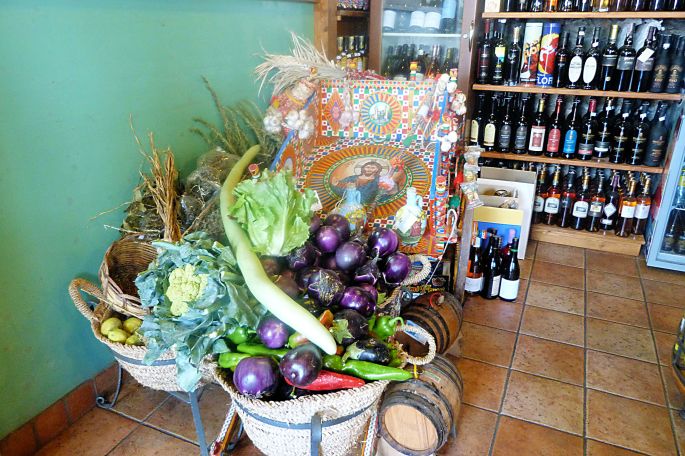
Sicilian cooking has a reputation second to none but those with a nut allergy should be careful. Sicilians really love pistachios. They eat these green nuts wherever possible and will even smear pistachio paste from a jar on a slice of panettone. They sprinkle them over pastries, create wonderful ice cream with them and make pasta sauce with them. Pasta with prawns, tomatoes and pistachio has to be eaten to be believed – it’s fabulous. And while pistachio ice cream is not unknown to us in Europe or the USA, that in Sicily has a flavour so intense that most people after the first one, ask for ‘a large one’ next time.
And Cefalu also has beaches. Most beaches have a charge for chairs and umbrellas but along with this you get clean sands and well behaved people, sunshine, sea, boat rides, and often a cafe. What more could the seeker after a hedonistic holiday ask for?